
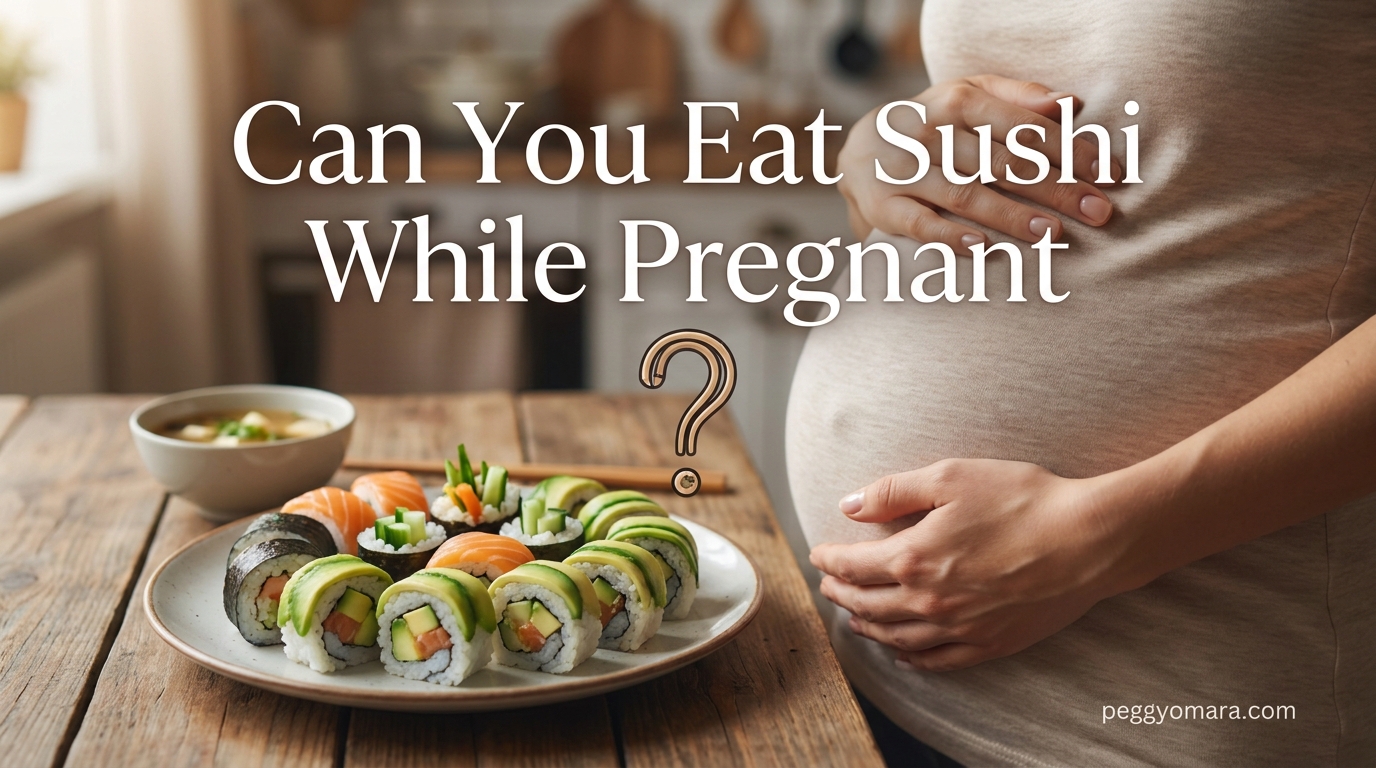
Can you eat sushi while pregnant? Yes, you can enjoy sushi during pregnancy when you choose the right types. The key distinction is between raw and cooked fish. Sushi made with cooked seafood or vegetables is generally safe and can be a nutritious part of your prenatal diet. Raw fish sushi, however, should be avoided due to risks of bacteria, parasites, and mercury exposure. Understanding these guidelines helps you satisfy those pregnancy cravings while keeping you and your baby safe. If you have been focusing on nutrition during preconception, these pregnancy modifications build on that healthy foundation.
Table of Contents
Understanding the Risks of Raw Fish During Pregnancy (2026)
When you are pregnant, your immune system undergoes changes that make you more susceptible to foodborne illnesses. This increased vulnerability is why raw fish sushi carries specific risks that require attention. The three primary concerns are bacterial infection, parasitic contamination, and mercury exposure.
Listeria and Bacterial Infections
Listeria monocytogenes is a bacteria found in soil, water, and some animals. It can contaminate raw fish and cause listeriosis, a serious infection during pregnancy. Unlike many other foodborne bacteria, Listeria can grow in cold temperatures, including refrigerated smoked seafood. For pregnant women, listeriosis can lead to miscarriage, stillbirth, premature labor, or serious illness in newborns. The CDC estimates that pregnant women are 10 times more likely to get listeriosis than the general population.
Other bacteria like Salmonella and E. coli can also contaminate raw fish. These infections cause symptoms including vomiting, diarrhea, fever, and dehydration. While unpleasant for anyone, these infections pose additional risks during pregnancy because dehydration and high fever can affect fetal development.
Parasite Risks
Raw fish can harbor parasites such as Anisakis simplex, a roundworm that causes anisakiasis. This parasitic infection leads to abdominal pain, nausea, vomiting, and digestive issues. While cooking kills these parasites, consuming raw infected fish allows them to enter your digestive system. During pregnancy, any parasitic infection that causes severe vomiting or diarrhea can lead to dehydration and nutritional deficiencies that impact fetal growth.
Mercury Concerns
Mercury is a naturally occurring element that accumulates in fish through water pollution. When you eat fish containing mercury, it crosses the placenta and can affect your baby’s developing nervous system. High levels of mercury exposure during pregnancy have been linked to brain damage, hearing and vision problems, and developmental delays. The risk is cumulative based on how much high-mercury fish you consume over time.
Building on your knowledge of boosting fertility through nutrition, maintaining safe seafood practices during pregnancy continues that commitment to your health.
Safe Sushi Options During Pregnancy
The good news is that many sushi varieties are completely safe to enjoy while pregnant. You are not banned from your favorite Japanese restaurant; you simply need to make informed choices. Here are the sushi options you can safely enjoy:
Cooked Fish Rolls
Sushi rolls containing fully cooked seafood are safe during pregnancy. Heat destroys bacteria and parasites, eliminating the primary risks associated with raw fish. Safe cooked options include:
California rolls typically contain imitation crab (surimi), cucumber, and avocado. The imitation crab is cooked and processed, making it safe for pregnancy. Shrimp tempura rolls feature battered and deep-fried shrimp, which reaches temperatures well above the safety threshold. Eel (unagi) rolls are made with cooked freshwater eel that is grilled and glazed with sauce. Tamago (sweet egg) sushi uses cooked egg omelet and is completely safe.
Vegetarian Rolls
Vegetable-based sushi rolls are excellent pregnancy-safe options that also provide nutrients like fiber, vitamins, and healthy fats. Avocado cucumber rolls offer creaminess and crunch without any seafood concerns. Sweet potato tempura rolls provide a satisfying combination of vegetables and crispy texture. Asparagus rolls, mushroom rolls, and pickled radish (oshinko) rolls are all safe choices. Inari sushi, which is seasoned fried tofu stuffed with sushi rice, is another traditional vegetarian option.
Other Safe Varieties
Many pregnant women find that focusing on these safe options still allows them to enjoy the sushi dining experience. As one mother shared in a pregnancy forum, “I eat sushi regularly during pregnancy. I just stick to the safer rolls like avocado rolls, California rolls, and tempura rolls.” Another added, “I made sure it was from a high-quality reputable source and ate cooked options throughout my pregnancy. Baby is doing awesome.”
These real experiences show that with smart choices, you can continue enjoying sushi while prioritizing safety.
Sushi to Avoid During Pregnancy
Knowing what to skip is just as important as knowing what you can eat. During pregnancy, you should avoid specific types of sushi and certain fish varieties.
Raw Fish Types
Sashimi, which is slices of raw fish served without rice, should be avoided entirely during pregnancy. Nigiri sushi that features raw fish on top of rice is also off-limits. This includes popular varieties like salmon nigiri, tuna nigiri, and yellowtail nigiri. Maki rolls containing raw fish, such as spicy tuna rolls or salmon avocado rolls with raw salmon, should be avoided as well.
Ceviche, poke bowls with raw fish, and carpaccio are other raw seafood preparations to skip during pregnancy. Even if the fish is labeled “sushi-grade” or “flash-frozen,” the bacterial and parasite risks remain significant enough that medical experts recommend avoidance.
High-Mercury Fish to Avoid
Some fish contain higher mercury levels regardless of whether they are cooked or raw. The FDA recommends that pregnant women avoid these high-mercury fish completely:
Shark, swordfish, king mackerel, tilefish from the Gulf of Mexico, bigeye tuna, marlin, and orange roughy should all be avoided. These fish are large predators that accumulate mercury by eating smaller fish throughout their long lifespans. When dining at sushi restaurants, avoid any rolls containing these fish, even if cooked.
Refrigerated Smoked Seafood
Refrigerated smoked seafood like lox, nova style, kippered, or jerky should be avoided unless it is in a cooked dish like a casserole. The cold-smoking process does not heat the fish enough to kill Listeria bacteria. Canned or shelf-stable smoked seafood is safe because the canning process destroys harmful bacteria.
Mercury Levels and Pregnancy Guidelines
Understanding mercury levels helps you make informed choices about which fish to enjoy during pregnancy. The FDA and EPA provide clear guidelines for safe seafood consumption.
FDA Recommendations for Pregnant Women
The FDA recommends that pregnant women eat 8 to 12 ounces (2 to 3 servings) of low-mercury fish per week. This amount provides beneficial omega-3 fatty acids that support fetal brain and eye development without exposing you to harmful mercury levels. Omega-3 fatty acids, particularly DHA, are essential for your baby’s neural development and have been linked to better cognitive outcomes.
Low-Mercury Fish Safe for Pregnancy
Many commonly used sushi fish are low in mercury and safe when cooked. These include salmon, shrimp, pollock, tilapia, cod, catfish, and canned light tuna. When these fish are fully cooked and served in sushi rolls, they provide excellent nutrition without mercury concerns. Trout, sardines, and anchovies are also low-mercury options.
At sushi restaurants, cooked salmon rolls, shrimp tempura rolls, and rolls made with cooked white fish all fit within these safe guidelines. Albacore (white) tuna should be limited to 6 ounces per week because it contains more mercury than canned light tuna.
Reading Restaurant Menus
When ordering sushi, ask your server which rolls contain cooked fish versus raw. Many restaurants clearly mark vegetarian options on their menus. Do not hesitate to request modifications; most sushi chefs are happy to prepare rolls with cooked shrimp instead of raw fish, or to create custom vegetarian combinations.
Restaurant Safety Tips for Pregnant Women
Where you eat matters as much as what you eat. Proper food handling and preparation significantly reduce risks. Here is how to choose safe sushi establishments during pregnancy.
Red Flags to Watch For
Avoid restaurants that display poor food safety practices. Watch for fish that sits at room temperature for extended periods, improper refrigeration, or a lack of separation between raw and cooked preparation areas. Trust your instincts; if a restaurant looks unclean or smells off, leave and find another option.
Grocery store sushi deserves extra scrutiny. Pre-packaged sushi may sit in refrigerated cases for hours before purchase. Check the preparation time stamp and choose packages made that day. Grocery store sushi is generally considered less safe than freshly prepared restaurant sushi because of storage time and handling.
Questions to Ask
Do not hesitate to ask questions about food preparation. Ask whether fish is kept refrigerated until preparation, how often they receive fresh deliveries, and whether raw and cooked items are prepared on separate cutting boards. Reputable restaurants welcome these questions and will explain their safety protocols.
Consider sitting at the sushi bar where you can observe the chef at work. You will see whether they wash their hands between handling raw and cooked items, use separate knives, and maintain clean surfaces. This visibility provides extra reassurance during pregnancy.
Communication Tips
When ordering, clearly state that you are pregnant and need cooked options only. Most servers understand these restrictions immediately and can guide you to appropriate menu items. Phrases like “I am pregnant and cannot have raw fish. What cooked rolls do you recommend?” make your needs clear.
Some pregnant women find it helpful to review the menu online before arriving. This preparation allows you to identify safe options in advance and reduces decision pressure at the restaurant.
What to Do If You Accidentally Ate Raw Sushi in 2026?
If you realize you have eaten raw fish sushi during pregnancy, do not panic. While the guidelines exist for good reasons, a single instance of eating raw sushi does not guarantee harm. Many women accidentally consume raw fish before realizing they are pregnant, and most outcomes are completely normal.
Assessing the Risk
The actual risk from a single serving of raw sushi is relatively low, especially if the fish was fresh and from a reputable source. Not all raw fish contains harmful bacteria or parasites. As noted in pregnancy forums, one expert perspective suggests that “the risk from raw sushi is parasites and hepatitis A, and neither of those cross the placenta.” However, Listeria can cross the placenta and remains a valid concern.
When to Contact Your Doctor
Call your healthcare provider if you develop any symptoms of foodborne illness within 24 to 48 hours of eating raw sushi. These symptoms include fever, chills, muscle aches, nausea, vomiting, or diarrhea. Listeriosis can take up to 70 days to show symptoms, but most cases appear within a few weeks.
If you have no symptoms, most doctors will simply advise you to monitor yourself and avoid raw fish going forward. They may ask about the type of fish, how it was prepared, and where you ate it to assess risk level. High-quality restaurants that follow strict food safety protocols present lower risk than questionable establishments.
Moving Forward
After an accidental raw sushi consumption, focus on what you can control going forward. Choose only cooked options for the remainder of your pregnancy. Stay hydrated, eat well, and attend all prenatal appointments. Stress itself can affect pregnancy outcomes, so try to release anxiety about a single incident and focus on overall healthy habits.
Cultural Perspectives: Do Japanese Women Eat Sushi During Pregnancy?
An interesting cultural perspective emerges when examining pregnancy guidelines worldwide. Many women wonder whether Japanese women stop eating sushi during pregnancy, given that sushi is a traditional part of their cuisine.
Japanese Medical Guidelines
Japanese pregnancy guidelines are generally less restrictive than American recommendations. According to insights from Japanese sources shared in pregnancy forums, Japanese medical advice often focuses on avoiding high-mercury fish specifically rather than implementing a blanket ban on all raw fish. One perspective shared noted that Japanese guidance is to “stay away from high-mercury fish like tuna and swordfish, but other sushi is okay.”
Japanese pregnant women often continue eating sushi from trusted, high-quality sources. They focus on reputable restaurants with strict food safety standards rather than avoiding sushi entirely. This cultural approach reflects confidence in food handling practices and fish quality standards.
What This Means for You
While this cultural perspective is interesting, American medical organizations maintain their conservative recommendations for pregnant women in the United States. The difference may reflect variations in food safety regulations, fish sourcing standards, and healthcare systems. The US approach prioritizes maximum caution given the potential severity of pregnancy complications from foodborne illness.
Some pregnant women find comfort in knowing that the risks, while real, may be lower than feared. As one forum participant noted, “More OBs are saying to avoid sushi in the US either now, just to be safe.” This suggests that guidelines may evolve as more research emerges.
The key takeaway is that while Japanese practices differ, following your own doctor’s recommendations based on your local food safety standards is the wisest approach during pregnancy.
FAQs
What kind of sushi can I eat while pregnant?
You can safely eat sushi made with cooked fish or vegetables during pregnancy. Safe options include California rolls with imitation crab, shrimp tempura rolls, eel (unagi) rolls, tamago (sweet egg) sushi, and vegetarian rolls with avocado, cucumber, sweet potato, or asparagus. These options eliminate the risks associated with raw fish while still letting you enjoy the sushi experience.
Why can’t you eat raw sushi when pregnant?
Raw fish sushi should be avoided during pregnancy due to three main risks: Listeria bacteria, which can cause miscarriage or stillbirth; parasites like Anisakis that cause digestive illness; and mercury exposure that can harm fetal brain development. Pregnant women have weakened immune systems that make them more susceptible to these foodborne illnesses.
What should I avoid in the first trimester?
During the first trimester, avoid all raw fish sushi including sashimi, nigiri with raw fish, and rolls containing raw tuna, salmon, or yellowtail. Also avoid high-mercury fish like shark, swordfish, king mackerel, and bigeye tuna regardless of preparation method. The first trimester is when your baby’s neural tube develops, making it the most vulnerable period for mercury exposure and infections.
I accidentally ate raw sushi while pregnant. What should I do?
If you accidentally ate raw sushi during pregnancy, do not panic. The risk from a single serving is relatively low, especially from a reputable restaurant. Monitor yourself for symptoms like fever, nausea, vomiting, or diarrhea for 24-48 hours. Contact your doctor if symptoms develop, but if you feel fine, simply avoid raw fish for the rest of your pregnancy and focus on cooked options going forward.
Is cooked sushi OK when pregnant?
Yes, cooked sushi is safe during pregnancy. Sushi rolls containing fully cooked seafood like shrimp tempura, eel, imitation crab, or cooked salmon are safe because heat kills bacteria and parasites. Vegetarian sushi with vegetables, egg, or tofu is also completely safe. Just ensure the fish is cooked to 145 degrees Fahrenheit and comes from a reputable restaurant with good food safety practices.
Can I eat California rolls while pregnant?
Yes, California rolls are safe to eat during pregnancy. They contain imitation crab (surimi), avocado, and cucumber. The imitation crab is fully cooked and processed, eliminating any raw fish risks. California rolls are one of the most popular pregnancy-safe sushi options and can satisfy your sushi cravings without compromising safety.
Conclusion: Can You Eat Sushi While Pregnant?
Can you eat sushi while pregnant? Absolutely, when you make informed choices. The key is avoiding raw fish and focusing on cooked seafood and vegetarian options. By choosing California rolls, tempura rolls, eel sushi, and vegetable-based options, you can continue enjoying the flavors and experience of sushi without the associated risks.
Remember the three key principles: choose cooked over raw, select low-mercury fish varieties, and dine at reputable restaurants with strict food safety practices. The FDA guidelines of 8 to 12 ounces of low-mercury fish per week allow you to gain the nutritional benefits of omega-3 fatty acids while protecting your baby from mercury exposure.
If you accidentally consume raw sushi, monitor your symptoms and contact your doctor if concerns arise, but do not let anxiety overwhelm you. Focus on making safe choices going forward. After your baby arrives and you are cleared by your doctor, you can look forward to postpartum recovery guidance and eventually returning to your favorite raw fish rolls. For now, enjoy the many delicious safe options that keep both you and your baby healthy during this special time.