
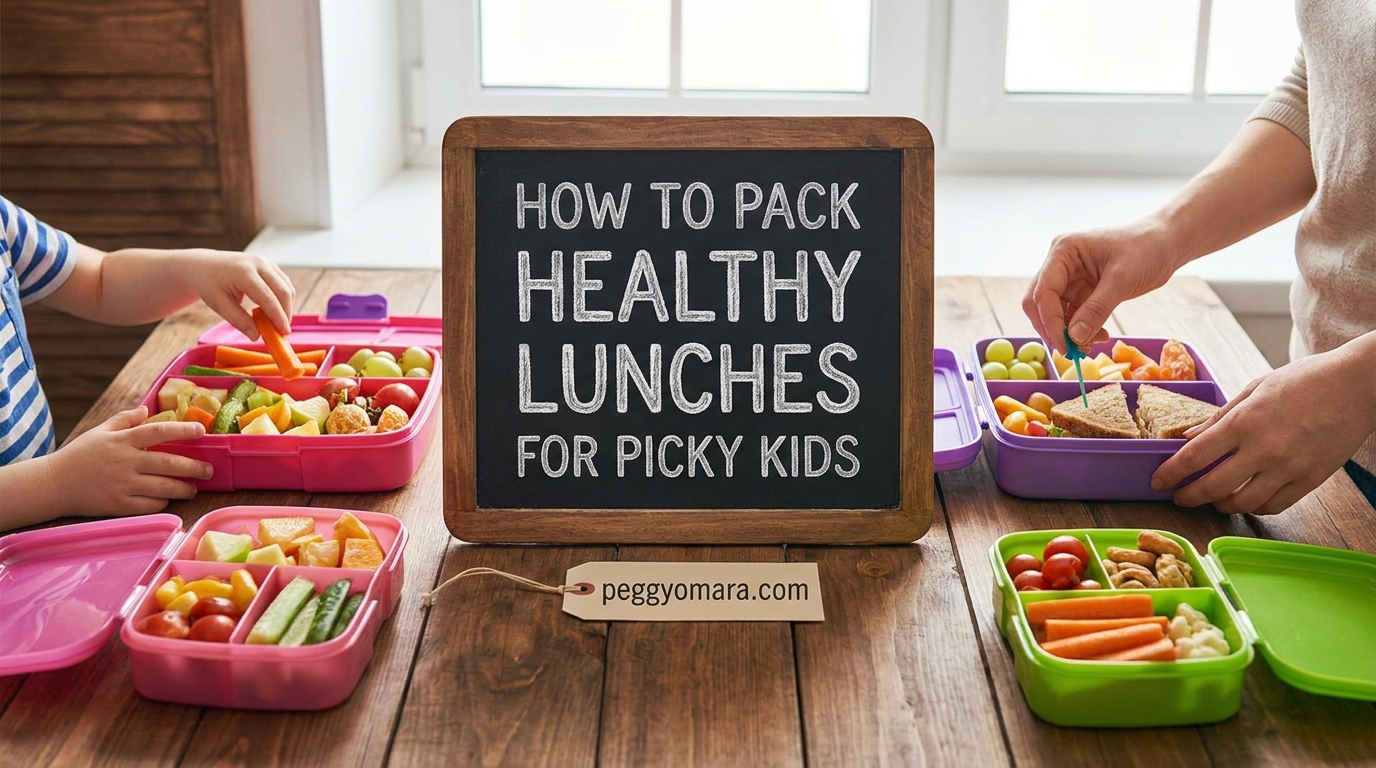
Packing a healthy lunch for picky kids feels like an impossible task some mornings. You open that lunchbox at the end of the school day to find everything exactly as you packed it. The sandwich is untouched. The carrot sticks are pristine. Even the granola bar remains wrapped. You feel a mix of frustration, guilt, and worry that your child went hungry all afternoon.
I have been there. After three years of uneaten lunches, I learned that how to pack a healthy lunch for picky kids is less about nutrition perfection and more about understanding what happens at school. This guide shares what actually works, backed by feeding specialists and real parent experiences from communities who understand the daily struggle.
By the end of this article, you will have practical strategies for getting your child to eat at school, 12 specific lunch ideas with variations, and the confidence that comes from knowing you are doing enough. Let us start by understanding why lunch at school is so different from lunch at home.
Table of Contents
Why Picky Eaters Struggle at School?
School lunch is nothing like eating at home. Understanding these differences helps explain why your child eats great at your kitchen table but returns their lunchbox untouched from school.
Time Pressure Is Real
Most elementary school lunch periods last 20 minutes total. That includes standing in line, finding a seat, and cleaning up. Many kids get just 10 to 15 minutes of actual eating time. Your picky eater needs every advantage to eat quickly, and unfamiliar foods slow them down.
Research from the Journal of Child Nutrition and Management shows that children eat significantly less when time is limited. Picky eaters are even more affected because they need extra time to approach new or less-preferred foods.
Social Pressure and Lunchbox Shaming
Lunchbox shaming happens when children feel embarrassed about their food. Maybe a classmate comments on their “weird” lunch. Maybe they see other kids with brightly packaged snacks while they have homemade food. By age 7, children become increasingly aware of social comparisons around food.
This social awareness creates anxiety that suppresses appetite. A child worried about being teased for their chickpea salad will not eat that chickpea salad, no matter how hungry they are.
Sensory Processing Differences
The school cafeteria is a sensory overload. Hundreds of children talking at once. Chairs scraping against floors. The smell of cafeteria food mixing with cleaning products. Fluorescent lights overhead. For children with sensory sensitivities, this environment makes focusing on eating nearly impossible.
Add temperature issues to this. A picky eater who only likes foods at room temperature will struggle if their lunch gets cold or warm in ways they did not expect.
Food Neophobia and Developmental Factors
Food neophobia is the fear of new foods. It peaks between ages 2 and 6, which coincides with when many children start full-day school. This is a normal developmental phase, not bad behavior. Your kindergartener refusing foods they ate last month is following typical developmental patterns.
Food jags are another common pattern. Children will eat only one specific food for days or weeks, then suddenly refuse it. Parents describe this as maddening, but it is developmentally normal. Your job is not to prevent food jags but to ride them out while keeping your child nourished.
The Division of Responsibility
Registered dietitian Ellyn Satter created the Division of Responsibility in Feeding model, which changes how we think about school lunches. Your job as the parent is to decide what, when, and where food is offered. Your child’s job is to decide whether and how much to eat.
This means you pack a nutritious lunch, but you cannot force your child to eat it. Releasing yourself from that control reduces stress for both of you. Your responsibility ends when the lunchbox leaves the house.
6 Core Strategies for Packing Lunches Picky Kids Will Eat
These six strategies come from feeding specialists, experienced parents, and what actually works in practice. Each one addresses a specific barrier that keeps picky eaters from eating at school.
Strategy 1: Always Include a Safe Food
A safe food is something your child will eat even on their worst day. Even when they are stressed. Even when nothing else looks good. This is non-negotiable.
Every lunch must include at least one safe food. Common safe foods include applesauce pouches, crackers, cheese sticks, yogurt tubes, bread, pasta, or specific fruits. If you are not sure what counts, observe what your child eats when they are tired, sick, or stressed at home.
The safe food ensures your child eats something. It prevents afternoon hunger meltdowns. It gives you peace of mind. Everything else in the lunchbox is a bonus.
Strategy 2: Small Portions with Options
Large portions overwhelm picky eaters. They look at a full sandwich and feel defeated before they start. Small portions feel manageable and create less waste when things go uneaten.
Instead of one large item, pack several small options. A few crackers, a small handful of grapes, two cherry tomatoes, and a mini muffin feels less overwhelming than a full sandwich and large apple. Your child can pick what appeals to them that day.
This approach, sometimes called a snacky lunch or bento style, aligns with Harvard’s guide to healthy lunchboxes, which recommends variety over single large portions.
Strategy 3: Get Kids Involved
Children who help pack their lunch are more likely to eat it. This is one of the most consistent findings in feeding research. Autonomy matters, especially for selective eaters who feel out of control around food.
Involvement looks different by age. A 5-year-old might choose between two options you pre-selected. An 8-year-old could help assemble their lunch the night before. A 12-year-old might pack independently with guidelines.
The key is meaningful choice, not unlimited choice. Offer two protein options, two fruit options, two grain options. Your child picks one from each category. This maintains nutritional balance while giving them ownership.
Strategy 4: Deconstruct Everything
Many picky eaters dislike foods touching or mixed together. A sandwich is automatically suspect because components are combined. Deconstructed meals solve this problem.
Instead of a turkey and cheese sandwich, pack crackers, sliced turkey, and cheese separately. Your child can eat them individually or assemble them if they choose. Either way, they have control.
This strategy works for pasta salad, tacos, wraps, and even pizza. Send the components in separate compartments. Let your child decide how to combine them.
Strategy 5: Add Novelty Without Pressure
Novelty encourages eating without forcing new foods. A new container, fun food pick, or different shape can make the same food more appealing. Parents report success with mini cookie cutters, silicone cupcake liners as dividers, and themed food picks.
This works because it changes the experience without changing the food itself. Your pasta lover might eat more when the pasta is in a fun shape or served with a decorative fork. The food itself stays within their comfort zone.
Rotate novelty items to keep interest high. One week use star-shaped cucumber slices. The next week try a new color container. Small changes prevent food boredom.
Strategy 6: Master Temperature Control
Temperature preferences are common among picky eaters. Some children only eat foods at room temperature. Others prefer hot foods and refuse cold ones. Temperature surprises at lunch can ruin the whole meal.
An insulated food jar, commonly called a thermos, expands lunch options dramatically. Warm pasta, chicken nuggets, soup, or leftovers stay hot until lunchtime. For cold foods, use ice packs and insulated lunch bags.
Test your setup at home. Pack the lunch exactly as you would for school, wait 4 hours, then check the temperature. Adjust your containers or ice packs based on what you learn.
12 Lunch Ideas for Picky Eaters That Actually Work (2026)
These lunch ideas come from real parents who have tested them with actual picky eaters. Each includes variations for different preferences and notes on assembly time.
Lunch Idea 1: The Homemade Lunchable
Crackers, sliced cheese, and deli meat served separately. Add grapes and a small cookie. Time to assemble: 5 minutes. This deconstructed approach lets picky eaters control combinations. Use round crackers for variety or stick with familiar rectangles.
Variation for vegetarians: Swap meat for hummus or extra cheese. Nut-free version: Skip any nut-based crackers.
Lunch Idea 2: Breakfast for Lunch
Whole grain waffles or pancakes, yogurt tube, berries, and a hard-boiled egg. Time to assemble: 3 minutes if using frozen waffles. Many picky eaters accept breakfast foods at lunch because they feel familiar and comforting.
Variation: Use mini pancakes for easier handling. Warm the waffles slightly if your child prefers them soft.
Lunch Idea 3: Pasta with Butter and Parmesan
Simple buttered pasta in a thermos keeps warm for hours. Add a side of cherry tomatoes, apple slices, and a breadstick. Time to assemble: 10 minutes including heating the thermos. This plain pasta appeals to texture-sensitive eaters.
Variation: Add a tiny container of sauce on the side for dipping if your child is feeling adventurous.
Lunch Idea 4: Snacky Bento Box
Small portions of multiple items: cheese cubes, crackers, cucumber slices, grapes, a few pretzels, and a chocolate chip cookie. Time to assemble: 5 minutes. The variety means something usually appeals.
Variation: Use cookie cutters to shape cheese or cucumbers into fun shapes. Food picks can add novelty without changing the food itself.
Lunch Idea 5: Quesadilla Strips
Cheese quesadilla cut into strips for easy handling. Pack with salsa for dipping, orange slices, and a handful of tortilla chips. Time to assemble: 8 minutes if making fresh, or use leftovers. Many picky eaters prefer finger foods over utensils.
Variation: Add a thin layer of mashed sweet potato or pureed spinach to the quesadilla for hidden nutrition.
Lunch Idea 6: Mini Bagel with Cream Cheese
Mini bagels are less overwhelming than full-sized ones. Add cucumber slices on the side, a cheese stick, and strawberries. Time to assemble: 3 minutes. The smaller size feels manageable.
Variation: Cut the bagel into fun shapes or offer flavored cream cheese if your child likes variety.
Lunch Idea 7: Chicken and Rice
Diced chicken breast with white rice in a thermos. Include a side of edamame and mandarin orange segments. Time to assemble: 10 minutes. Plain flavors work best for selective eaters.
Variation: Use rotisserie chicken for convenience. Add a small container of soy sauce for dipping if tolerated.
Lunch Idea 8: Roll-Up Sandwich
Tortilla spread with cream cheese and turkey, rolled and sliced into pinwheels. Add baby carrots, ranch dressing for dipping, and blueberries. Time to assemble: 8 minutes. The pinwheel shape is novel without changing ingredients.
Variation: Use hummus instead of cream cheese. Cut the roll-ups into different sizes for visual interest.
Lunch Idea 9: Soup and Bread
Chicken noodle soup or tomato soup in a thermos. Pack a crusty bread roll and apple slices on the side. Time to assemble: 8 minutes using canned soup, 20 minutes if homemade. Warm food comforts and satisfies.
Variation: Add crackers for soup topping. Choose broth-based soups over cream-based for better thermos performance.
Lunch Idea 10: Fried Rice
Simple fried rice with egg and frozen vegetables in a thermos. Add a side of grapes and a few vanilla wafers. Time to assemble: 15 minutes or use leftovers. The mixed format works for some picky eaters who like combination foods.
Variation: Make it plain with just rice, egg, and soy sauce if vegetables are rejected. Let the rice cool slightly before packing to prevent soggy thermos syndrome.
Lunch Idea 11: Pita Pocket Components
Send pita bread, hummus, shredded lettuce, and sliced chicken separately. Your child builds their own pocket. Add pretzels and a banana. Time to assemble: 6 minutes. The DIY aspect increases buy-in.
Variation: Use ranch dressing instead of hummus. Cut the pita into smaller pieces for easier handling.
Lunch Idea 12: Applesauce and Sides
For extremely selective eaters, build around a guaranteed safe food. Applesauce pouch, cheese crackers, a few slices of deli turkey, and goldfish crackers. Time to assemble: 2 minutes. This lunch prioritizes eating something over eating everything.
Variation: Swap applesauce for yogurt tubes or any other guaranteed safe food. The key is that your child will definitely eat at least one item.
Practical Packing Tips for Busy Mornings (2026)
Time is the enemy of creative lunches. These tips help you pack nutritious meals without spending 30 minutes every morning.
The Night Before Strategy
Pack everything that does not need refrigeration the night before. Fill water bottles. Pack non-perishable snacks. Set out containers and utensils. In the morning, you only add the cold items and go.
Some parents pack the entire lunch the night before and refrigerate it. Others pre-portion ingredients into containers so assembly takes under 2 minutes. Find the approach that works for your schedule.
Container Recommendations
Compartmentalized lunch boxes work better for picky eaters because they keep foods separate. Bento-style boxes reduce the number of containers to wash. Look for leak-proof seals if you pack wet items like yogurt or applesauce.
A quality insulated food jar opens hot lunch possibilities. Preheat it with boiling water for 5 minutes before adding hot food. This keeps food warm until lunchtime. Test your specific jar at home to know its limits.
Ice packs are essential for food safety. Use multiple small packs rather than one large one for better coverage. Frozen juice boxes or yogurt tubes can double as ice packs and thaw by lunch.
Budget-Friendly Options
Packing lunch for picky eaters does not require expensive organic products. Generic brands work fine. Buying crackers, pretzels, and dried fruit in bulk containers and portioning them yourself saves significantly over pre-packaged single servings.
Use leftovers strategically. Last night’s pasta becomes today’s thermos lunch. Extra grilled chicken gets diced for salads or roll-ups. Rice from dinner becomes fried rice for lunch.
Simple foods often work better than elaborate Pinterest-worthy creations anyway. Your child does not need a sandwich shaped like a dinosaur. They need food they will actually eat.
Food Safety Basics
Perishable foods should not sit at room temperature for more than 2 hours. Since school lunches often sit in cubbies or lockers for 4 hours before eating, proper temperature control matters.
Always use an insulated lunch bag, not a paper bag. Include at least one ice pack. For hot foods, preheat the thermos properly. When in doubt, choose shelf-stable options like whole fruits, crackers, and sealed applesauce pouches.
What to Do When Lunch Comes Home Uneaten
Despite your best efforts, lunch will sometimes come home untouched. This is normal and frustrating. Here is how to handle it without creating food battles.
Stay Neutral
Do not comment on the uneaten food. Do not express disappointment or frustration. Do not ask why they did not eat it. Simply clear the lunchbox without commentary.
Your child already knows they did not eat. Adding parental disappointment creates anxiety that makes future lunches even harder. Stay matter-of-fact. Tomorrow is a new day.
Have a Plan for Uneaten Food
Decide your policy in advance. Will you offer the uneaten lunch as an after-school snack? Will you save non-perishables for tomorrow? Will you compost what cannot be saved?
Some parents offer the lunchbox contents as the only after-school snack option. The child chooses whether to eat it or wait for dinner. Others provide a fresh snack and do not mention the uneaten lunch. Choose the approach that fits your family values.
When to Talk to Your Child
Choose a calm moment, not right after school, to ask about lunch. Frame it neutrally. Did anything feel tricky about eating today? Was the timing rushed? Did something not taste right?
Listen more than you talk. Your child might reveal that the crackers got soggy, the fruit was too cold, or a classmate commented on their food. This information helps you adjust future lunches.
Communicating with Teachers
If uneaten lunches become a pattern, talk to your child’s teacher. Ask about the lunchroom environment. Does your child sit with friends? Is the lunch period chaotic? Do they seem anxious?
Teachers often notice things parents miss. They might suggest seating changes, timing adjustments, or social dynamics affecting eating. Partner with them rather than expecting them to solve it alone.
When to Seek Professional Help
Most picky eating is normal and outgrown. However, some children have more serious feeding challenges. Consider consulting a pediatric feeding specialist if your child:
- Eats fewer than 20 different foods consistently
- Refuses entire food groups for months
- Shows extreme distress around new foods beyond typical reluctance
- Has physical symptoms like gagging, vomiting, or choking with certain textures
- Is losing weight or failing to gain weight appropriately
- Has sensory sensitivities affecting multiple areas of life
Avoidant/Restrictive Food Intake Disorder, or ARFID, is a clinical feeding disorder that requires professional intervention. It goes beyond typical picky eating. If you suspect ARFID, talk to your pediatrician about a referral to a feeding specialist.
Frequently Asked Questions
What to pack in picky kids lunch?
Pack at least one safe food your child will definitely eat, plus small portions of nutritious options. Include a protein source, whole grain or starch, fruit or vegetable, and something fun. Deconstructed meals often work better than mixed foods. Use compartmentalized containers to keep foods separate.
What’s a healthy lunch for a picky eater?
A healthy lunch for picky eaters focuses on foods they will actually eat rather than ideal nutrition. Include at least one preferred food, one protein option, one carbohydrate, and one fruit or vegetable in small portions. Progress matters more than perfection. A lunch with applesauce, crackers, cheese, and cucumber slices that gets eaten is healthier than a nutritionally perfect lunch that comes home untouched.
What to do if your child doesn’t eat lunch at school?
Stay neutral when the lunch comes home uneaten. Do not express frustration or pressure. Ask your child about the lunch experience during a calm moment to understand barriers. Consider timing issues, social pressure, sensory concerns, or food preferences. Communicate with teachers if patterns emerge. Remember that your job is to provide food, not to force consumption.
Is it okay to pack the same lunch every day?
Yes, it is absolutely okay to pack the same lunch repeatedly. Food jags are normal in childhood. Many children eat the same lunch for weeks or months and then suddenly switch. Nutritional balance matters over the course of a week, not at every single meal. If your child eats the same healthy lunch daily, that is a success.
How much should I worry about nutrition versus my child eating something?
For most picky eaters, eating something is more important than eating perfectly. Focus on including at least one safe food so your child has energy for the afternoon. Offer variety without pressure. Nutritional gaps can be addressed at other meals or through supplements if recommended by your pediatrician. The stress of uneaten lunches affects both parent and child more than a few imperfect meals.
What is food neophobia in children?
Food neophobia is the fear of new foods. It is a normal developmental phase that peaks between ages 2 and 6. Children with food neophobia are reluctant to try unfamiliar foods, even if they look similar to foods they already accept. This is a protective evolutionary mechanism, not stubbornness or bad behavior. Food neophobia typically decreases with repeated exposure and as children get older.
How to Pack a Healthy Lunch for Picky Kids: Key Takeaways
Learning how to pack a healthy lunch for picky kids is about progress, not perfection. You do not need elaborate Pinterest-worthy meals or expensive organic products. You need strategies that work in real life with real children.
Remember these core principles: always include a safe food, keep portions small, get your child involved, and stay neutral about uneaten lunches. Your job ends when the lunchbox leaves the house. Your child’s job is to decide what and how much to eat.
You are not failing if your child returns an untouched lunchbox. You are doing the difficult work of feeding a human with their own preferences, anxieties, and developmental timeline. That work matters, even when the results are not visible.
Start with one strategy from this guide. Maybe it is the safe food rule. Maybe it is involving your child in packing. Try it for a week. See what happens. Adjust as needed. Tomorrow is always a new chance to try again.