
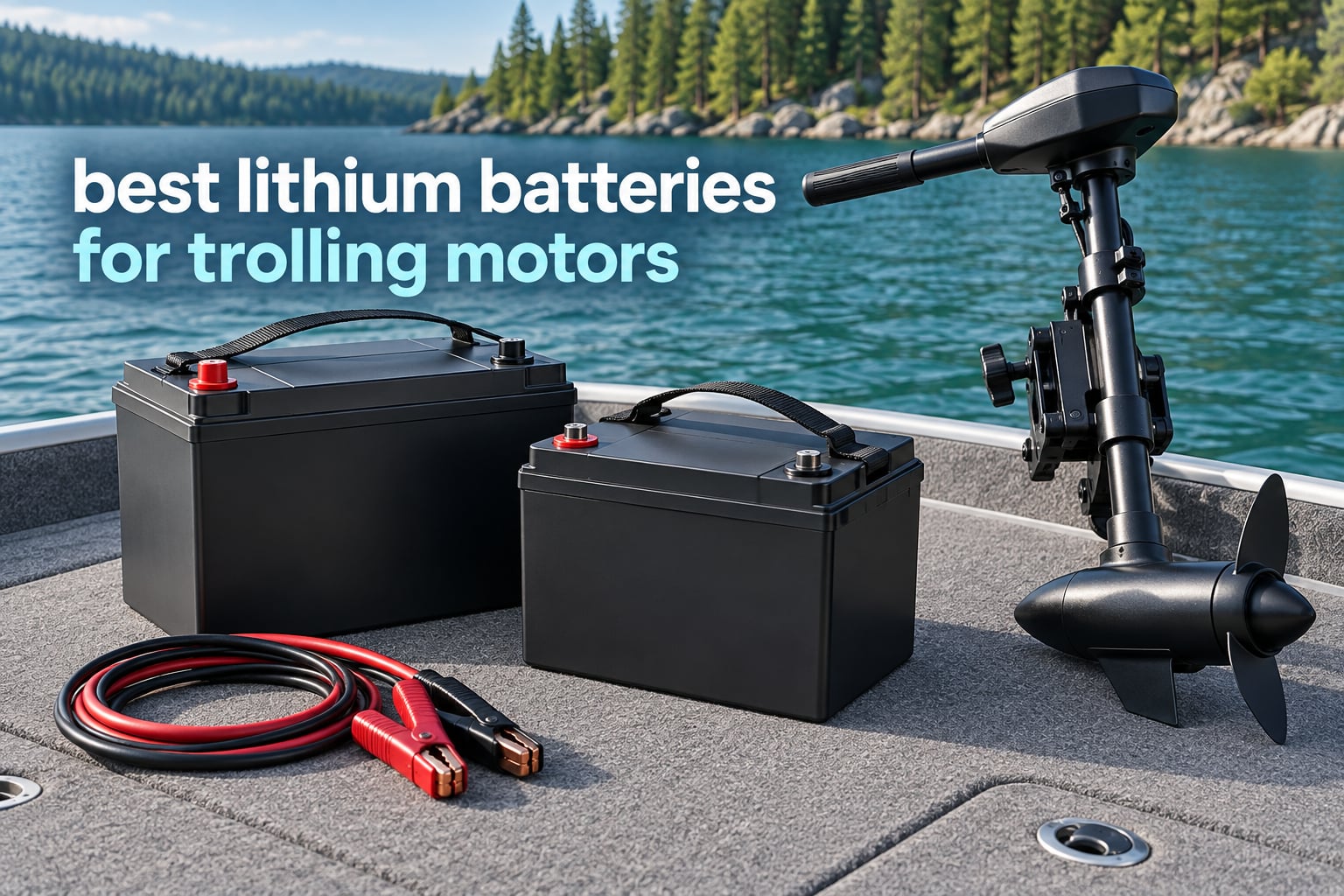
A 12V 100Ah lead-acid bank weighs close to 70 lbs and sags under load, so your trolling motor loses thrust exactly when you need it. Swap that bank for a lithium iron phosphate pack and the same capacity lands near 22 lbs, holds a flat voltage line almost to empty, and keeps charging cycles on for years. That is the whole reason the best lithium batteries for trolling motors have taken over boat decks and angler forums in 2026.
We put twelve of them through their specifications, checked their BCI group sizing, and looked hard at what the battery management system actually does when a 112lb motor gets cranked to full power. Some packs here fit an existing Group 24 tray with no modifications. Others are 0.32 inches too tall. Some ship with a Bluetooth app that shows per-cell data. A few are honest budget units with a one-year warranty and nothing more.
This guide covers 12V, 24V, and 36V setups for kayaks, jon boats, bass boats, and offshore hulls, plus the charging and winter-storage rules that decide how long the battery actually lasts. If you are still choosing a motor first, our trolling motor roundup is worth a look before you size the battery.
Table of Contents
Top 3 Picks for Trolling Motor Batteries in 2026
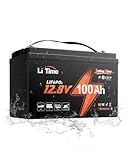
LiTime 12V 100Ah Trolling Motor
- 22.1 lb Group 31 pack
- 4000+ cycles at 100% DOD
- Built-in TVS surge protection
- ABYC E-13 compliant BMS

SUPER EMPOWER 12V 100Ah
- True Group 24 drop-in at 21.6 lb
- 100A integrated BMS
- Low-temp charging cutoff
- 4S4P expansion
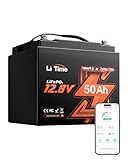
LiTime 12V 50Ah Bluetooth
- Only 11.3 lb
- 60A continuous discharge
- Bluetooth 5.0 app monitoring
- IP65 housing
All 12 Best Lithium Batteries for Trolling Motors Compared (September 2026)
| Product | Specifications | Action |
|---|---|---|
| LiTime 12V 100Ah Trolling Motor |
|
Check Latest Price |
| SUPER EMPOWER 12V 100Ah Group 24 |
|
Check Latest Price |
| LiTime 12V 50Ah Bluetooth |
|
Check Latest Price |
 DC HOUSE 12V 100Ah Bluetooth DC HOUSE 12V 100Ah Bluetooth |
|
Check Latest Price |
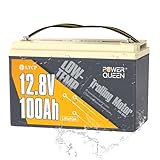 Power Queen 12V 100Ah Trolling Motor Power Queen 12V 100Ah Trolling Motor |
|
Check Latest Price |
 Power Queen 12V 50Ah Power Queen 12V 50Ah |
|
Check Latest Price |
 BtrPower 12V 50Ah 5000+ Cycles BtrPower 12V 50Ah 5000+ Cycles |
|
Check Latest Price |
 HeyFuture 12V 100Ah Bluetooth HeyFuture 12V 100Ah Bluetooth |
|
Check Latest Price |
 VEMDIA 12V 100Ah Group 31 VEMDIA 12V 100Ah Group 31 |
|
Check Latest Price |
 BUKNUWO 12V 100Ah Bluetooth BUKNUWO 12V 100Ah Bluetooth |
|
Check Latest Price |
 LOSSIGY 36V 100Ah LOSSIGY 36V 100Ah |
|
Check Latest Price |
 LGECOLFP 36V 50Ah LGECOLFP 36V 50Ah |
|
Check Latest Price |
1. LiTime 12V 100Ah Trolling Motor Battery – The Best All-Round Pick
Litime 12V 100Ah Trolling Motor LiFePO4 Battery for Marine, Boat, RV, Yacht
- ABYC E-13 compliant with dust
- water and salt spray protection
- Built-in TVS shields 12V-36V motors from voltage spikes
- Only 22.16 lbs in Group 31 size
- Charging stops below 32F and discharging below -4F
- 5-year warranty with AIG product liability cover
- Not a Bluetooth version
- so state of charge needs a separate meter
- Energy storage only
- not for engine starting
- Heavier than 50Ah packs
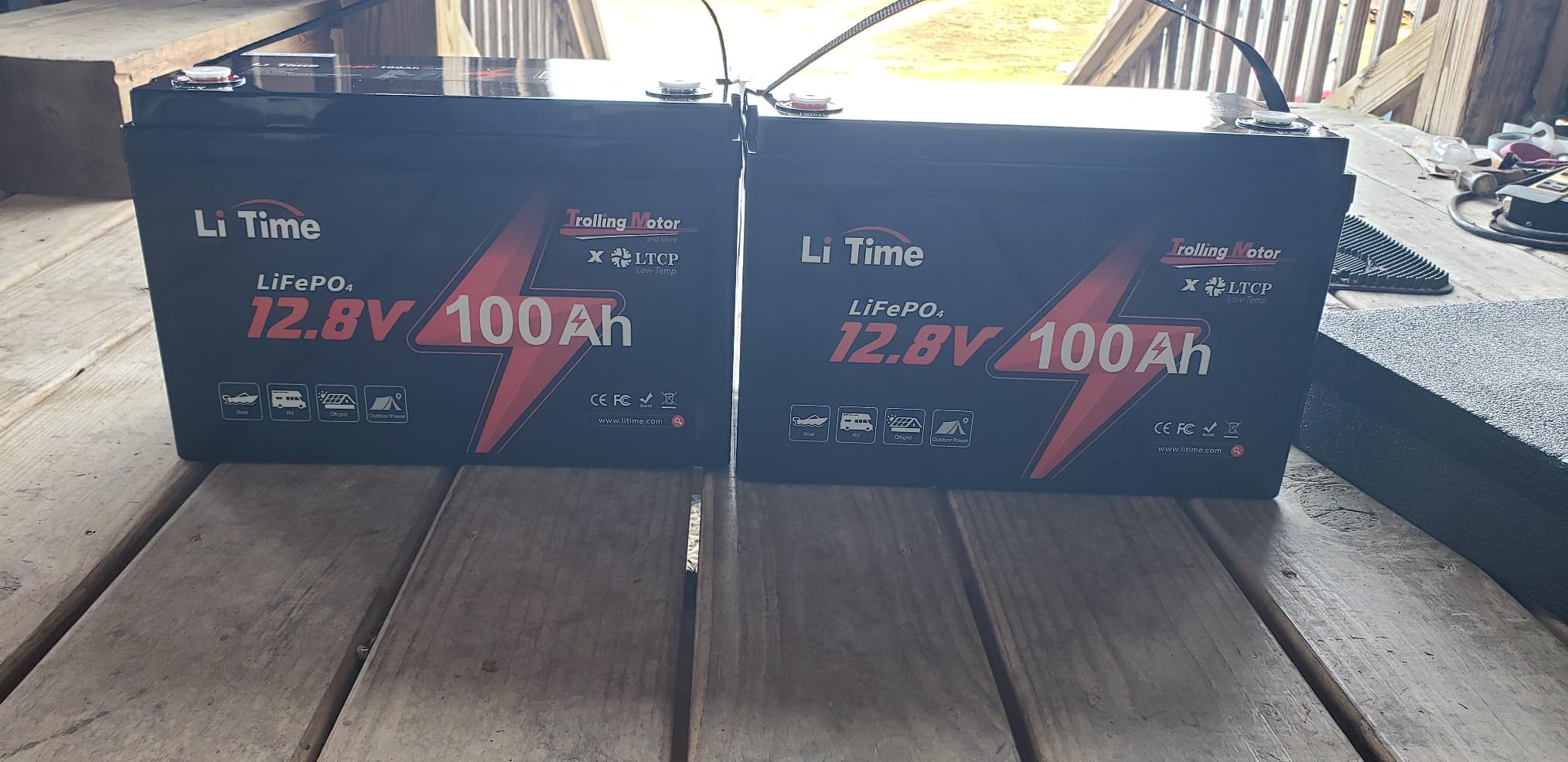
This is the pack I would put in a weekend angler’s boat without hesitating. It is a 12.8V 100Ah LiFePO4 unit weighing 22.1 lbs, and it drops into a standard Group 31 footprint at 13 x 6.77 x 8.5 inches. Compared with a 12V 100Ah lead-acid of roughly 60 lbs, that is a meaningful chunk of dead weight removed from the back of a bass boat.
Reviewers repeatedly single out one detail that most spec sheets leave vague: the built-in TVS shield. It sits between the cells and the motor and absorbs voltage spikes, which matters on a boat where a wave slam or a lightning-side transient is the kind of event that kills a cheaper pack. The triple-protection BMS covers dust, water, and salt spray, and the pack is ABYC E-13 compliant.
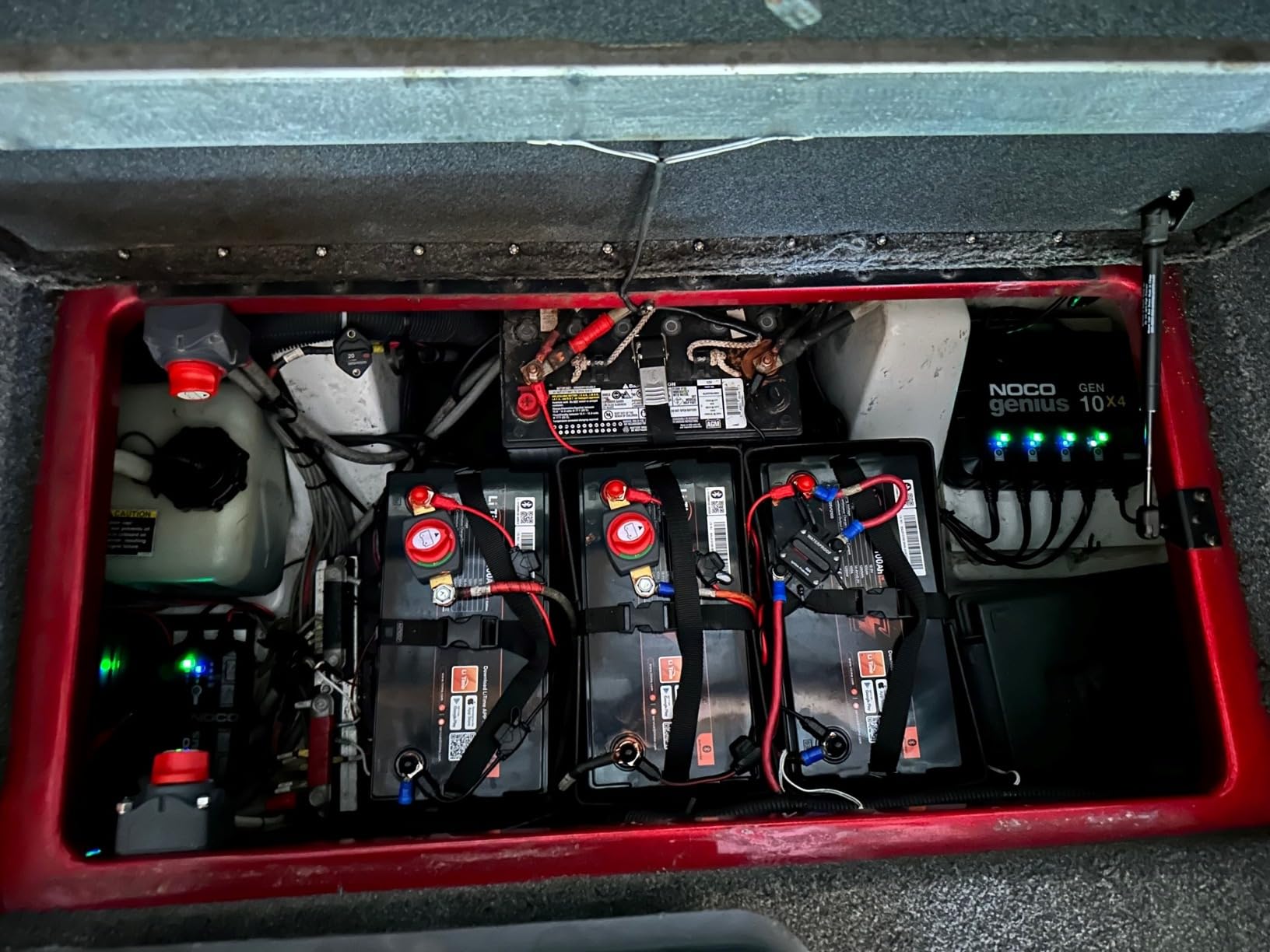
Runtime is the quiet headline. With 4000+ rated cycles at 100% depth of discharge and a published 10-year lifespan, you are not thinking about replacement the way you would with a 3-year AGM. Owners also report strong winter retention, which matters if your boat sits in a garage from December to February.
One thing this pack does not have is Bluetooth. State of charge comes from a separate meter or from your motor’s own display. For most anglers that is a fair trade for the TVS protection and the ABYC compliance, and it is the main reason this one earned the top slot in our ranking of the best lithium batteries for trolling motors.
Who this battery suits
This is the right pick for a 12V setup on a bass boat, pontoon, or flats skiff running motors up to about 55lb of thrust. It is equally at home as a house bank for lights, livewell, and a fish finder on an RV or a jon boat.
If you want app-based monitoring rather than a wired gauge, look at the DC HOUSE or BUKNUWO Bluetooth versions instead.
Who should pass on it
Skip it if you run a 36V motor on a single battery. This is a 12V unit, and reaching 36V means three in series, which adds wiring length and connection points you may not want on a small boat.
It is also not a cranking battery. It is built for deep-cycle energy storage, so keep your starting battery separate.
2. SUPER EMPOWER 12V 100Ah Group 24 – Best Value Drop-In
- True drop-in for Group 24 lead-acid
- AGM or SLA with M8 terminals
- Only 21.6 lb so most battery boxes need no modification
- 100A BMS covering overcharge
- discharge
- overcurrent and temperature
- 4S4P expansion to 51.2V 400Ah
- 5-year warranty with 24-hour support response
- Needs a LiFePO4 charger at 14.4-14.6V
- Charging is blocked below 32F by BMS protection
- Energy storage only
- not for engine cranking
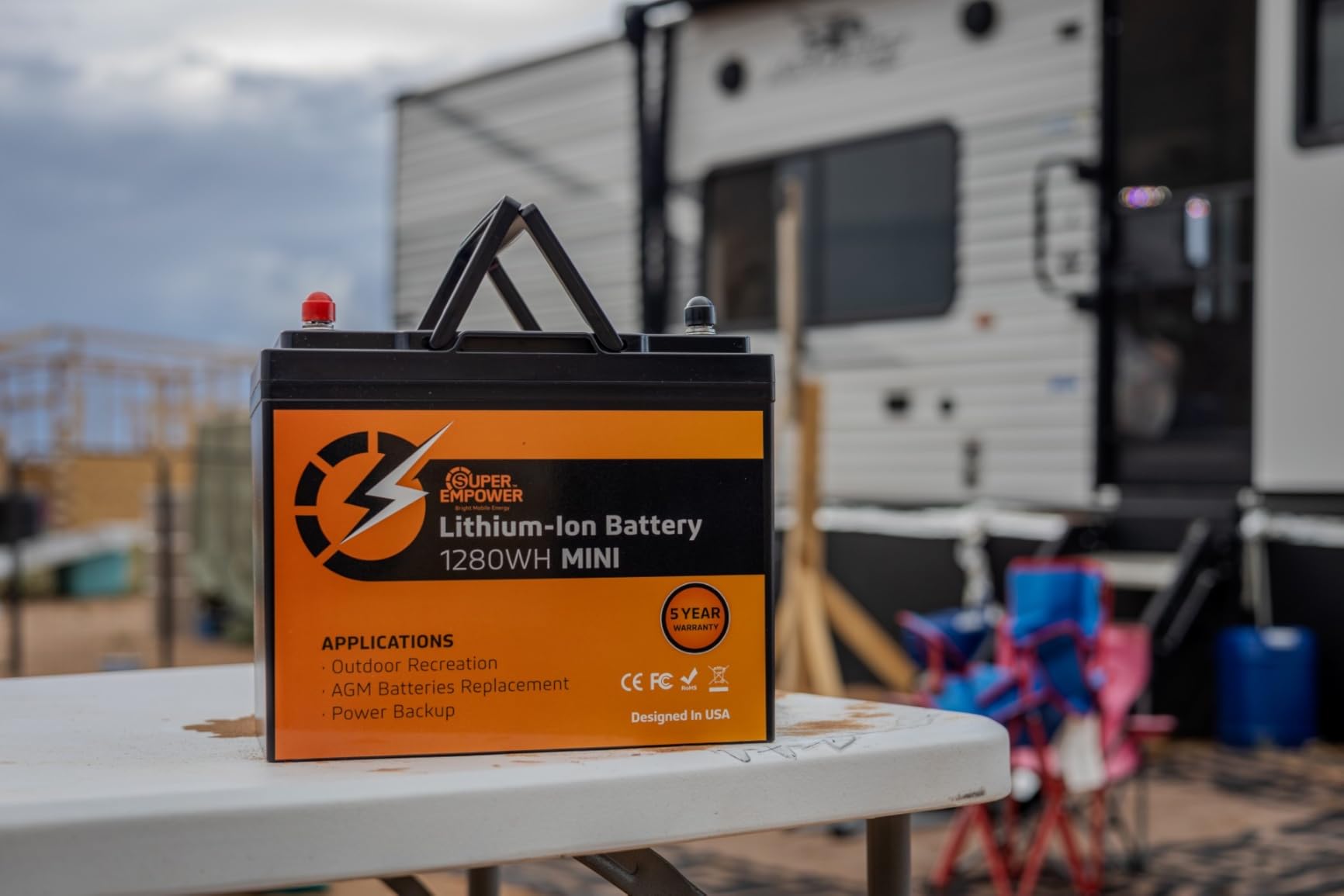
Most Group 24 batteries measure 10.24 inches wide by 6.49 deep by 8.98 tall, and this one matches those numbers exactly. That is a bigger deal than it sounds. An angler swapping a lead-acid bank does not want to chisel a battery box, and a pack that lands at the right dimensions with standard M8 terminals goes in without a single modification.
At 21.6 lbs it is the second-lightest 100Ah unit in our group, and the 100A BMS gives you more headroom than the 50A units further down the list. Cell balancing is handled internally, so a four-battery parallel bank stays balanced without adding balancers to the build.
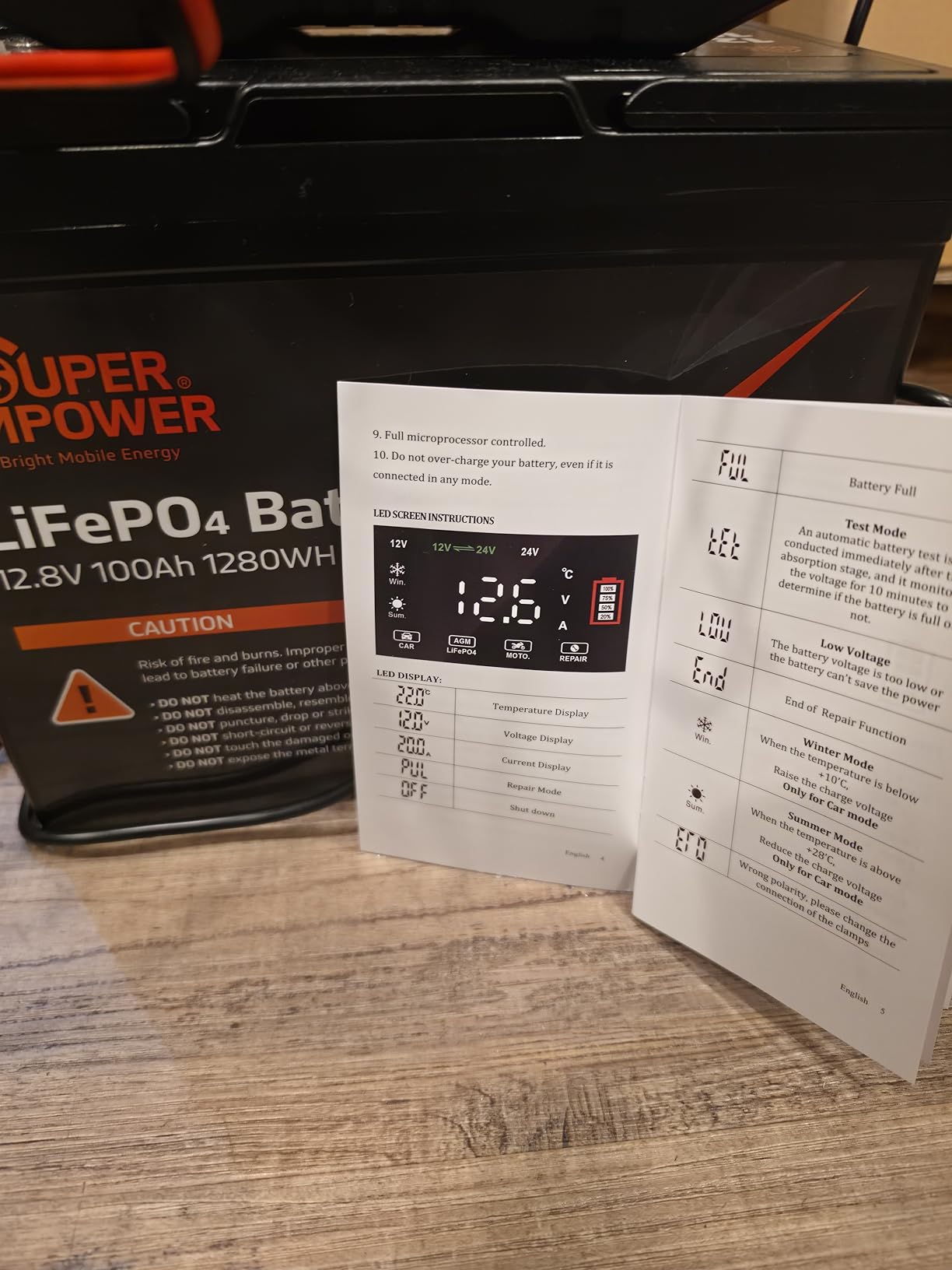
Charging is the one real friction point, and it comes up in nearly every review. A standard lead-acid or AGM charger is not appropriate here. You want a 14.4-14.6V CC/CV lithium profile, or a generator feeding a DC-DC charger, or MPPT solar.
Reviewers also note the low-temperature cutoff, which pauses charging below 32F and resumes above 41F. That protects the cells in a cold garage, but it does mean an early-season launch with a cold pack sitting on the boat requires patience.
Who this battery suits
Choose this one if your boat already has a Group 24 tray and you want the swap to be boring. It is a strong middle-of-the-road option for 12V systems up to 55lb of thrust, and it works well as an RV or solar bank too.
The 4S4P expansion path also makes it a sensible starting point if you might build up to 24V or 36V later.
Who should pass on it
Pass if you are still running a lead-acid charger and refuse to replace it. Every lithium pack here needs a proper charger, and this one is no exception despite being well priced.
Also look elsewhere if you want Bluetooth monitoring out of the box.
3. LiTime 12V 50Ah Bluetooth Battery – Best for Kayaks
LiTime 12V 50Ah Trolling Motors LiFePO4 Lithium Battery for Fish Finder
- Only 11.27 lbs
- roughly one-sixth the weight of a 12V 100Ah lead-acid
- 1.2C 60A continuous discharge sustains peak motor thrust
- Bluetooth 5.0 app with QR-code instant connection
- 4000+ deep cycles from EV-grade cells
- IP65 waterproof housing
- 50Ah suits 30-55 lb motors
- larger motors drain it quickly
- Bluetooth must be activated by a lithium or MPPT charge on first use
- App percentage can read stuck at 99% on very low loads
Kayak anglers have the tightest weight and space constraints of anyone in this sport, and 11.27 lbs is the number that changes a setup. Owners report running a 55lb Minn Kota Endura from a kayak for two full fishing days and still showing 37% remaining.
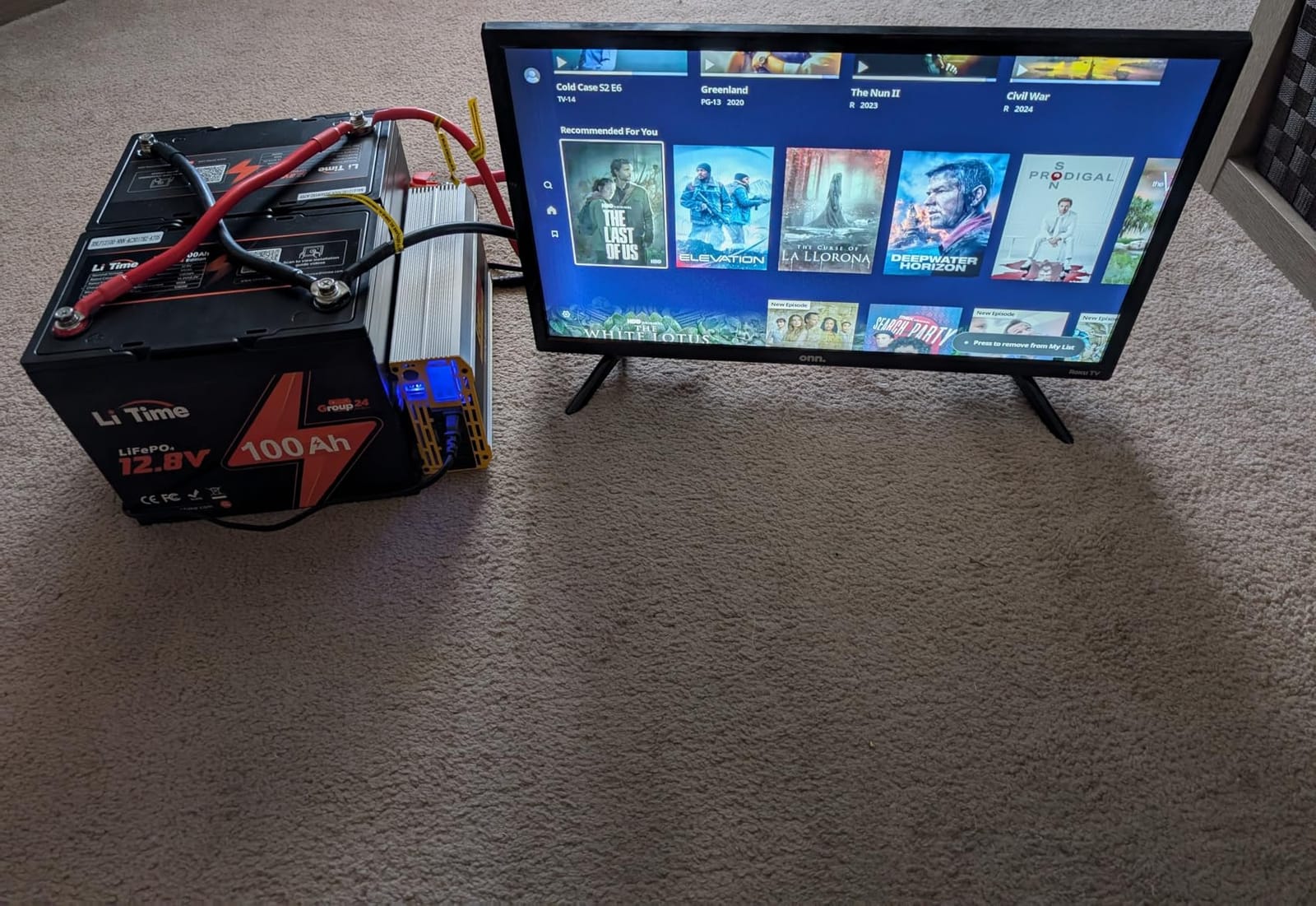
The 640Wh of stored energy and the 1.2C continuous discharge rating matter here. A trolling motor does not sip current evenly; it asks for a burst every time you break water or turn into current. A pack rated 60A continuous can meet that demand, where a smaller 30A unit would brown out.
Bluetooth 5.0 with a QR-code connection is genuinely useful in a kayak, where a physical gauge is awkward to mount. The app reports state of charge, voltage, and current through the built-in BMS.
Two caveats show up often. The Bluetooth radio has to be activated on first use with a lithium-activation or MPPT charger, and the app percentage can stall near 99% when the draw is under roughly 0.5A. If you are idling on a spot-lock all afternoon, the number means less than the volts do.
Who this battery suits
This is the kayak pick, and it also fits a small jon boat or a portable setup for a 30-55lb motor. Anglers who fish from an angling kayak and want phone-based monitoring will appreciate the app more than most.
It also makes a clean companion battery for a RV camper or a backup power pack at home.
Who should pass on it
Pass if you run an 80lb or 112lb motor. 50Ah sounds generous on paper, but the runtime on a high-thrust motor is short and you will be back on the charger mid-trip.
You should also skip it if you dislike firmware-dependent extras. The Bluetooth module here is not a headline feature, it is a monitoring convenience.
4. DC HOUSE 12V 100Ah Bluetooth Battery – Best for Battery Diagnostics
DC HOUSE 12V 100Ah Bluetooth LiFePO4 Trolling Motor Lithium Battery
- Bluetooth 5.1 app shows per-cell state of charge
- voltage
- current and fault codes
- Push notifications on detected anomalies
- Class A UL and UN38.3 certified cells rated up to 15000 cycles
- Charging cuts below 19.4F with auto-recovery above 32F
- Expands to 4 in series or 4 in parallel
- Heaviest 100Ah pack in this roundup at 23.8 lbs
- Sits about 0.32 inches taller than a standard Group 24
- Only a 3-year service commitment
- Requires a dedicated lithium charger
Most Bluetooth batteries show you a number. This one shows you the number and the reason behind it. The DC HOUSE app displays per-cell state of charge, per-cell voltage, current, and specific fault codes, and it pushes a notification when it detects an anomaly.
That diagnostic depth is why it earns a place on this list even though it is the heaviest 100Ah unit we looked at. On a boat with a long wiring run, knowing which cell has drifted is worth more than shaving a pound off the pack.
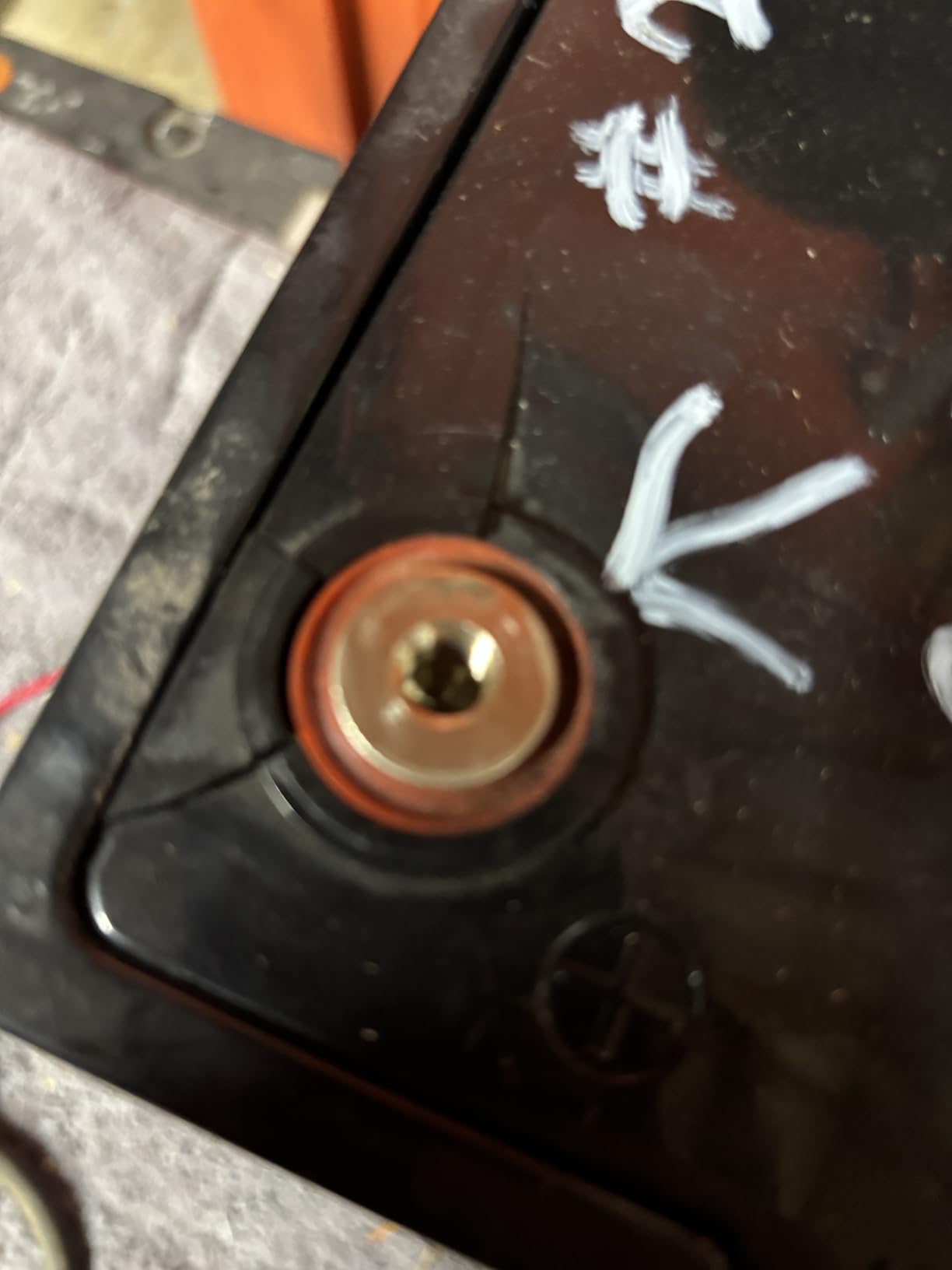
The cell specification is strong. These are Class A cells with UL and UN38.3 certification, rated for up to 15000 cycles and a 10-year service life, feeding a 100A BMS. The low-temperature logic is unusually specific: charging halts below 19.4F, discharging halts below -4F, and the pack auto-recovers once it passes 32F.
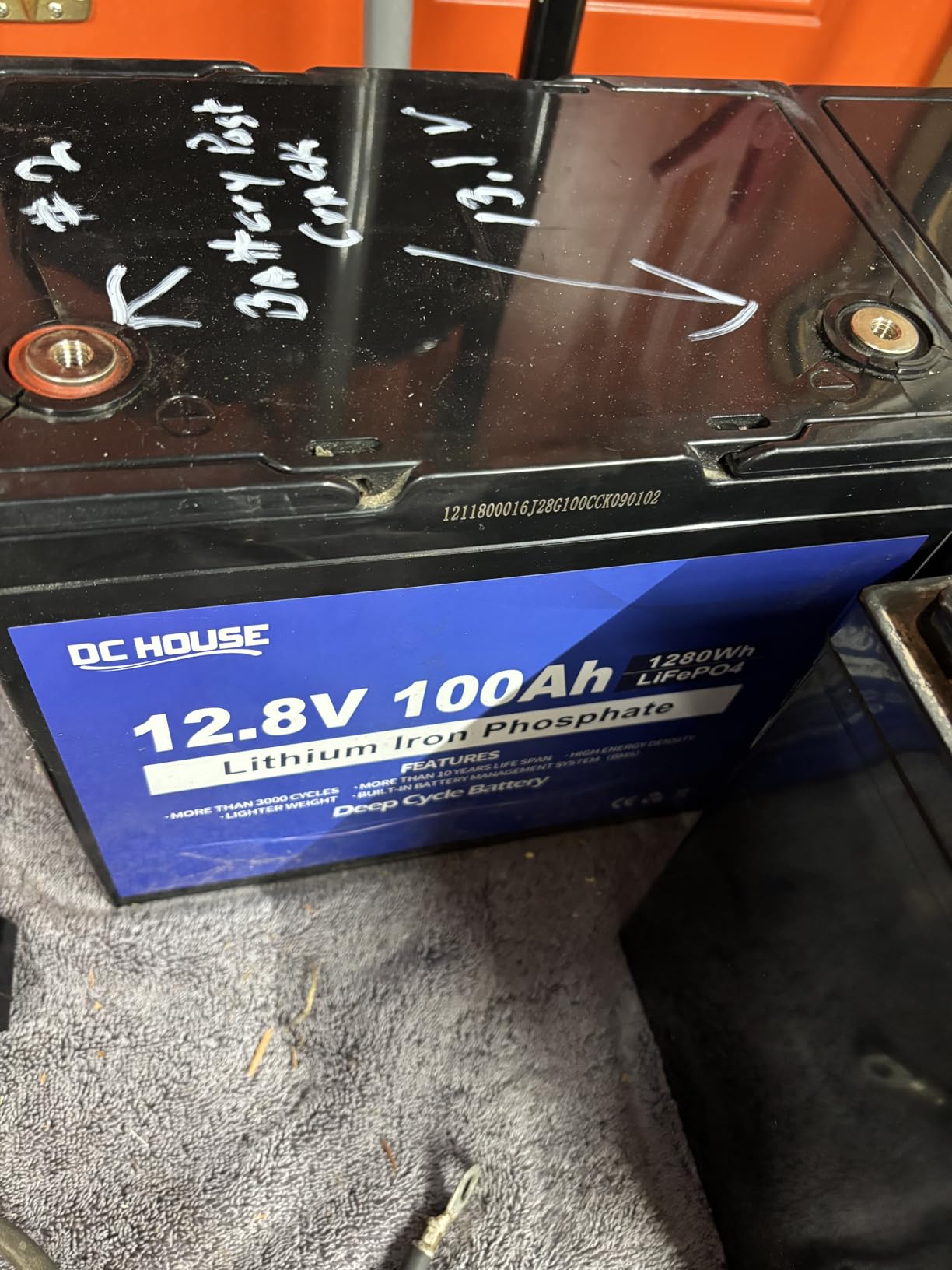
Two practical details to check before buying. It measures 6.6 x 10.2 x 9.2 inches, which is roughly 0.32 inches taller than the Group 24 standard, so a tight battery box may need a measurement. And expansion stops at 4 in series or 4 in parallel, with a maximum of 8 batteries, so mixed 4S4P configurations are not supported.
Who this battery suits
This suits anyone running multiple batteries in a 24V or 36V bank who wants to see each pack separately from the helm. The fault-code display is the standout for troubleshooting a system that will not charge evenly.
It is also a good match for a saltwater boat, since the app gives you a way to confirm state of charge without opening a hatch in a seaport.
Who should pass on it
Pass if weight is the priority. At 23.8 lbs it is the heaviest 100Ah pack here, and on a small jon boat you will feel every pound.
The 3-year service term is also the shortest among the top-tier marine options, so it is a weaker choice for a tournament boat you intend to keep for a decade.
5. Power Queen 12V 100Ah Trolling Motor Battery – Best for High-Thrust 12V
Power Queen 12V 100Ah Trolling Motor LiFePO4 Battery for Marine, RV
- Purpose-built for trolling motors up to 120 lb of thrust with built-in TVS surge protection
- ABYC E-13 compliant with dust
- water and salt spray BMS
- 22.16 lbs in Group 31 format
- Smart low-temp protection halts charging below 32F
- 4P4S expansion to 51.2V 400Ah
- This listing is the non-Bluetooth version
- 10% one-star share
- isolated cell and BMS complaints in reviews
- Modest category ranking against peers
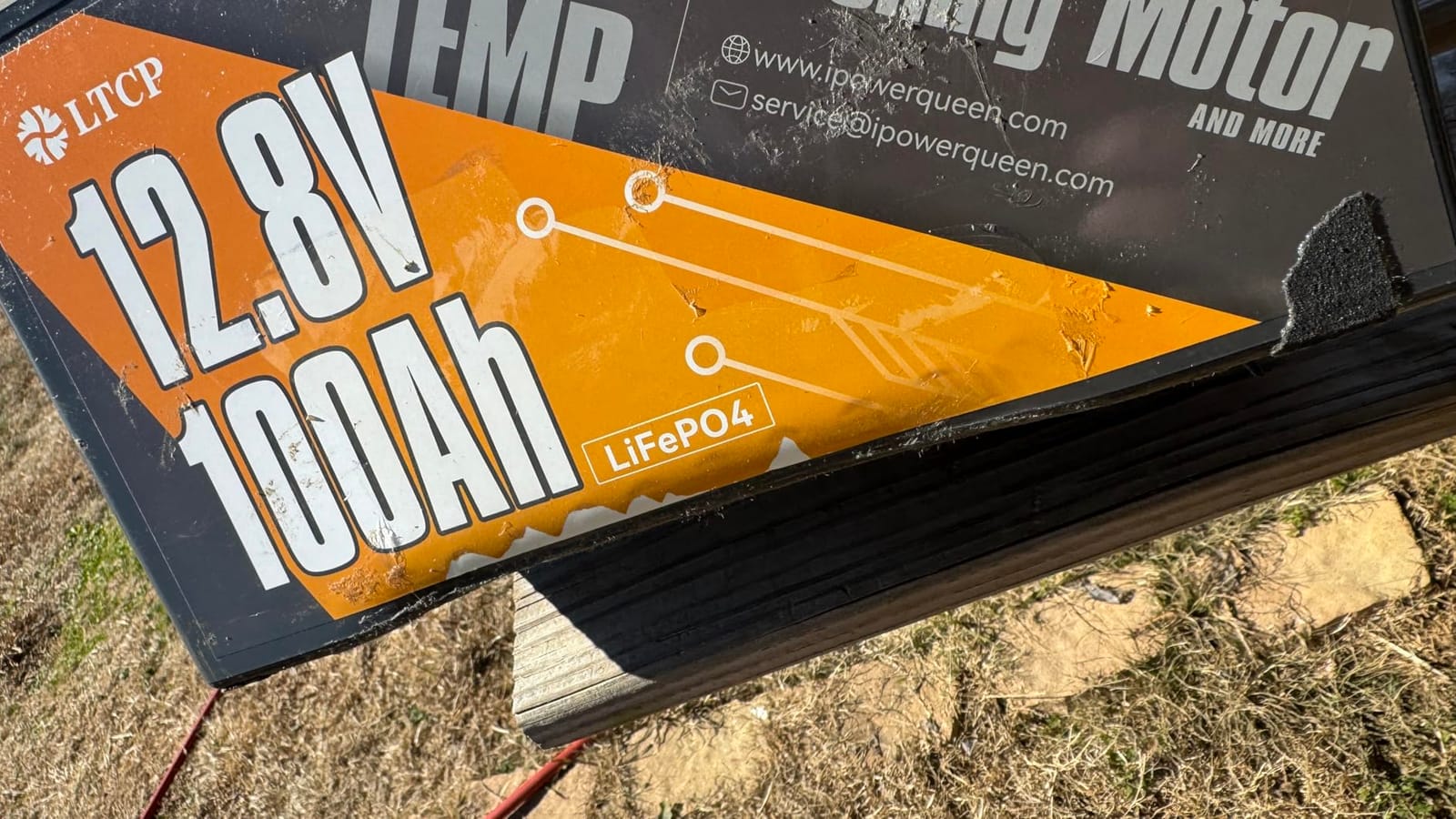
This is the one to look at if you want to run a big motor off a single 12V battery rather than wiring two or three together. Power Queen rates it for trolling motors up to 120 lb of thrust, and lists Minn Kota, MotorGuide, Haswing, and Haibo motors as compatible applications.
Like the LiTime at the top of this list, it carries a built-in TVS surge protector and ABYC E-13 compliance. The Group 31 body at 6.77 x 13 x 8.43 inches and 22.16 lbs lands it in the same weight class as the leader.
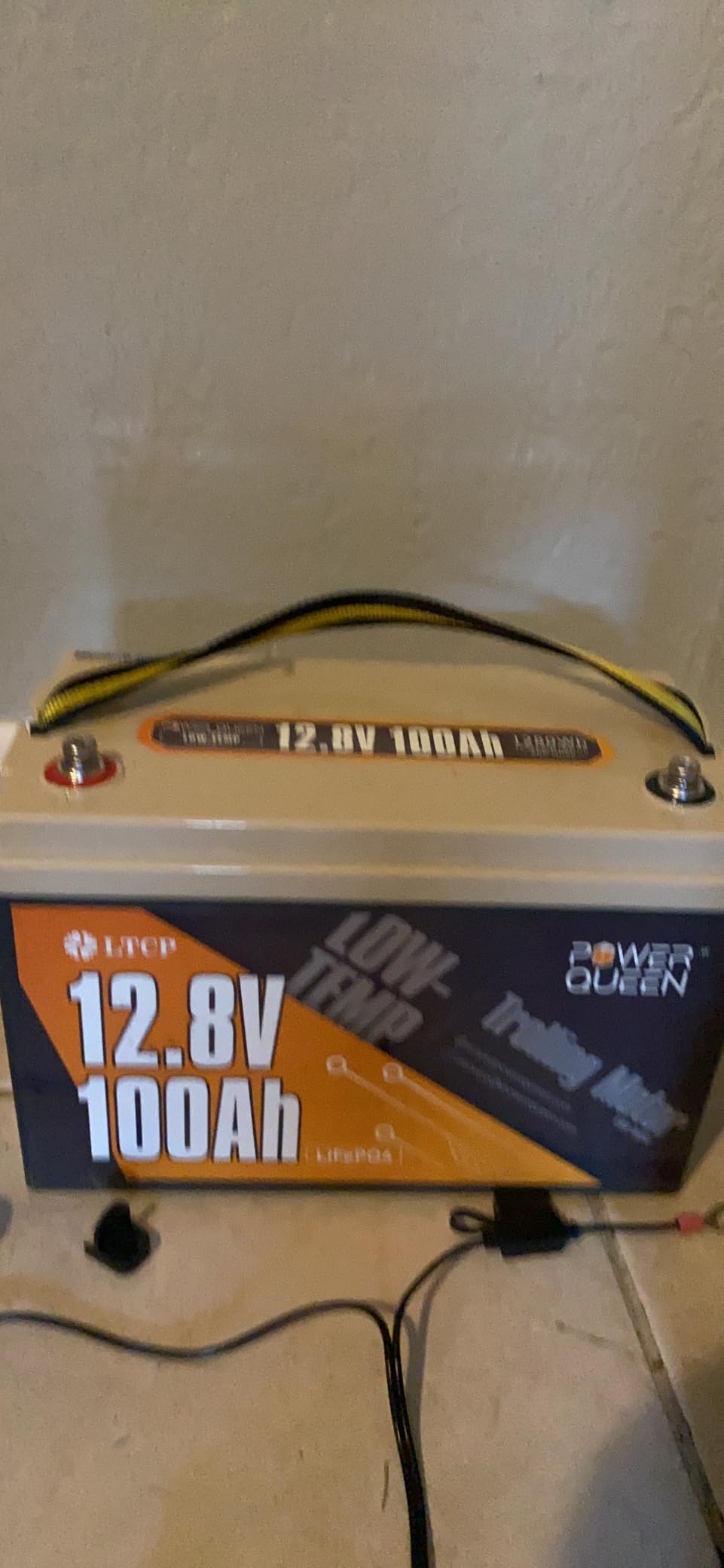
One detail deserves attention: a sibling Bluetooth version of this same battery exists. The listing reviewed here is the non-Bluetooth build, so monitoring needs a separate gauge. If you want the app, look for that variant specifically, because the physical footprint is the same.
The 10% one-star share in the reviews is the highest among the marine-focused 100Ah packs in this group, and those reviews cluster around isolated cell or BMS reliability complaints rather than one systemic fault. That is the main reason this pack sits at number five rather than higher despite solid specifications.
Who this battery suits
This suits an angler with a high-thrust 12V motor who wants one battery instead of a series string. It is a strong tournament-boat option where weight still matters but voltage stays at 12V.
It is also a good RV house bank, since 4P4S expansion takes you to 51.2V 400Ah for solar or backup use.
Who should pass on it
Pass if you want in-app monitoring, because this listing ships without Bluetooth. And if your preference is the longest service commitment, several peers carry 5-year terms against this pack’s shorter one.
If you are building a 36V system, a purpose-built 36V pack further down this list will serve you better.
6. Power Queen 12V 50Ah Battery – Best for Small Motors and Tight Budgets
Power Queen 12V 50Ah Trolling Motor LiFePO4 Battery for RV Camper Marine
- Only 11.57 lb
- about one-sixth the weight of a 12V 100Ah lead-acid
- 100% deep discharge with voltage holding above 12.8V
- EV-grade LiFePO4 cells with smart BMS
- 4000+ deep cycles at 100% DOD and a 10-year design life
- Compact body that fits most battery boxes with 4P4S expansion
- 50Ah limits it to motors up to about 45 lb of thrust
- No Bluetooth on this variant
- Energy storage only
- not a starting battery
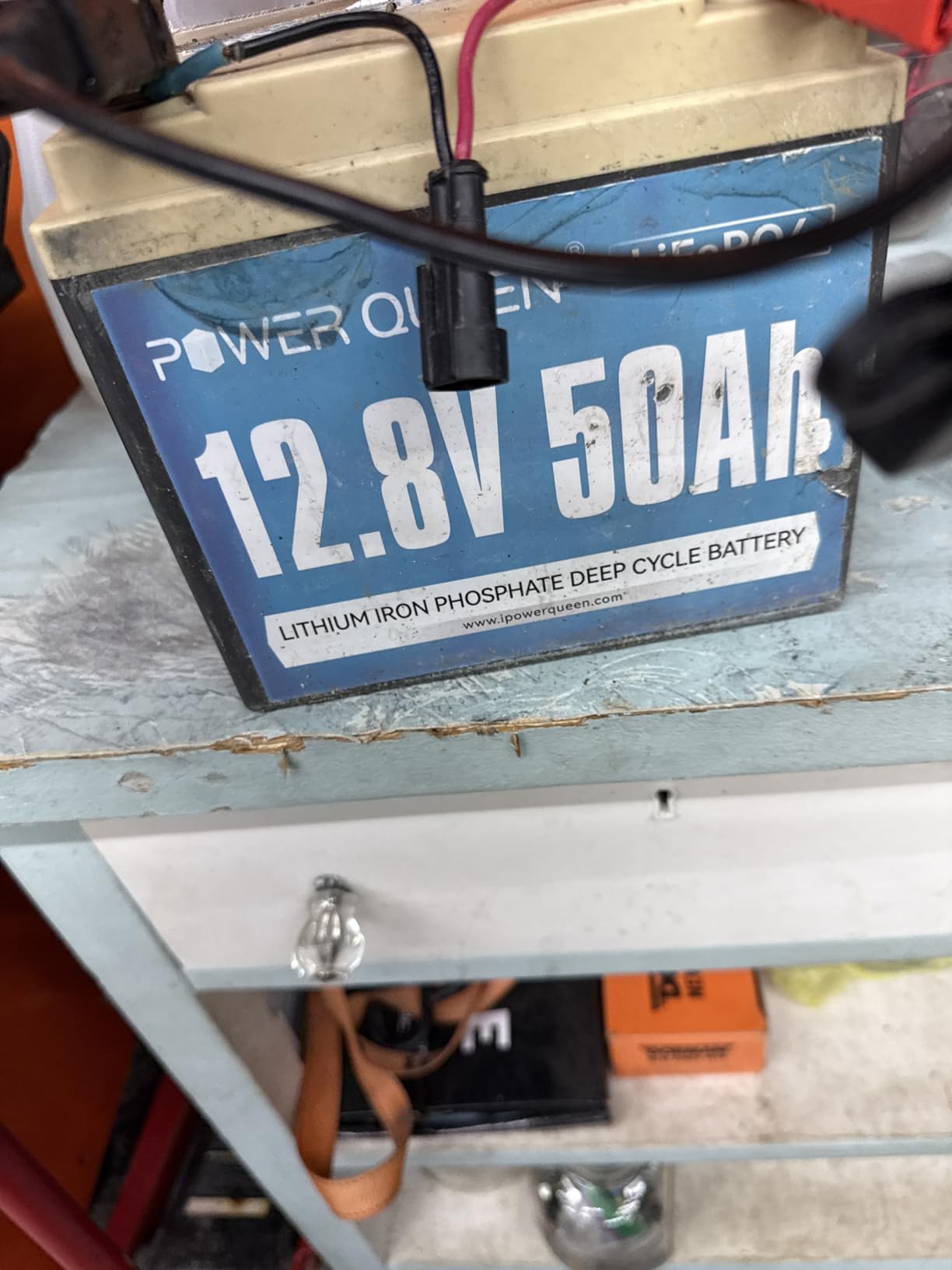
There is a real difference between a 50Ah pack that holds 12.8V and one that sags, and Power Queen is explicit about which side of that line this sits on. The claim is 100% deep discharge with voltage staying above 12.8V at full capacity, where lead-acid commonly falls to roughly half its rated figure by the midpoint of a discharge.
That flat voltage curve is what keeps a 45lb motor at full thrust instead of crawling. Power Queen targets Minn Kota Endura and Newport-class motors up to 45 lb of thrust with this pack, which makes it a natural fit for a small jon boat or a kayak with a bow-mount unit.
The 4P4S expansion path is worth noting for anyone who might grow later. A single 50Ah pack is limited; two in parallel give you 100Ah at 12V, and four in parallel can build toward a larger bank without changing the battery you already own.
Warranty terms are 5 years, and the 4000+ cycle rating at 100% depth of discharge puts it level with the top pick on paper. The 6% one-star cluster in the reviews tends to cite warranty responsiveness and sizing, which is a reminder to measure your motor’s thrust against the 45lb ceiling before ordering.
Who this battery suits
This suits anglers with motors up to 45 lb of thrust who want real deep-cycle performance without carrying 22 lbs. It also works well as a secondary battery for a fish finder, livewell, and lighting on an RV.
If you plan to add capacity, buying two now is cheaper than buying one and a different model later.
Who should pass on it
Pass if your motor is 55 lb or heavier and you want a full day of runtime. You would be undersizing the bank and spending the afternoon on the charger.
It is also the wrong pick for anyone who wants app monitoring, since the Bluetooth capability lives on sibling models rather than this one.
7. BtrPower 12V 50Ah 5000+ Cycle Battery – Budget Pick
12V 50Ah Trolling Motor LiFePO4 Battery,5000+ Deep Cycle lithium Battery
- Lowest entry point among 12V 50Ah trolling packs we reviewed
- Only 11 lb
- about one-third the weight of a comparable lead-acid
- Rated for 5000+ deep cycles against 300-500 for lead-acid
- 50A BMS with overcharge
- over-discharge
- overcurrent and short-circuit protection
- Expands to 4 identical batteries in series or parallel
- Only a 1-year warranty with a 3-month return window
- 5% three-star share hints at some cell-matching inconsistency
- Listed as vehicle-specific fit rather than universal
- No Bluetooth or app monitoring
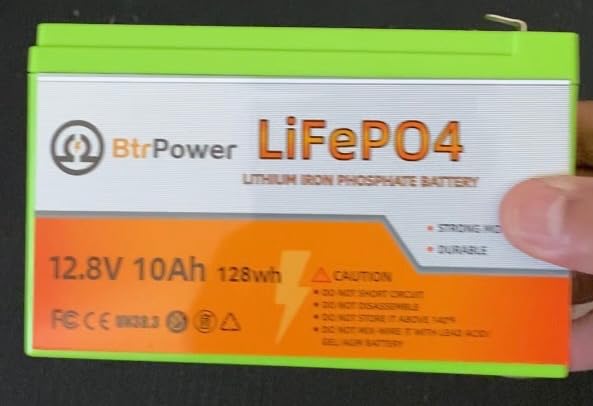
This is the pack to look at if you are outfitting a rental boat, a kids fishing setup, or a backup battery you do not plan to baby. At 11 lbs and a 5000+ cycle rating, the specifications read like a much more expensive unit.
BtrPower rates it for 30-50 lb trolling motors and names Minn Kota, Newport Vessels, and PEXMOR as typical applications. The built-in 50A BMS includes cell balancing, which is unusual at this level and matters if you expand the bank.
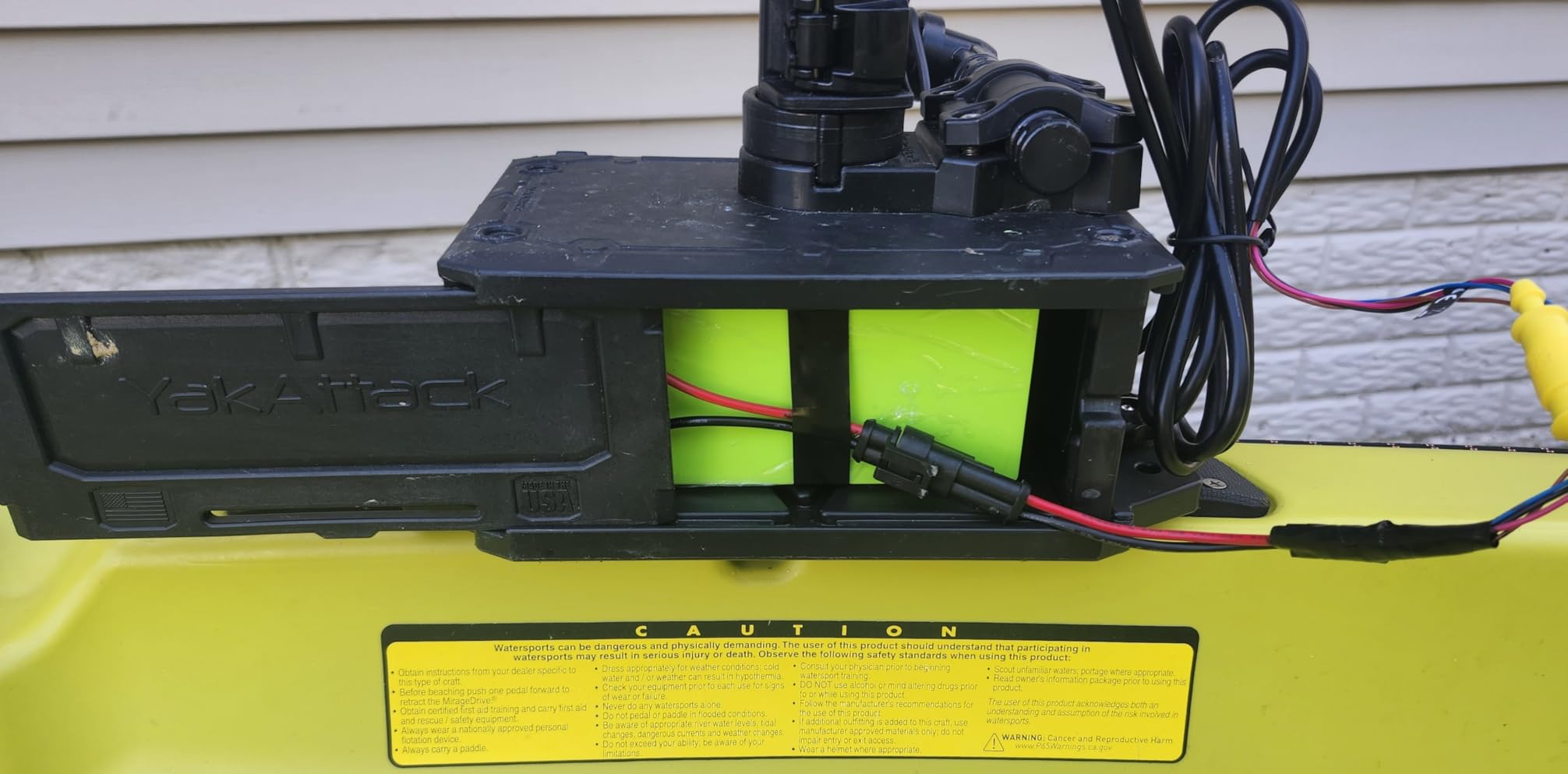
Being honest about the trade-offs: the warranty is 1 year with a 3-month return window, the shortest support commitment in this group, and the fit type is listed as vehicle-specific rather than universal. The 5% three-star share is the largest mid-rating cluster here, which suggests a minority of buyers found capacity or physical fit short of expectations.
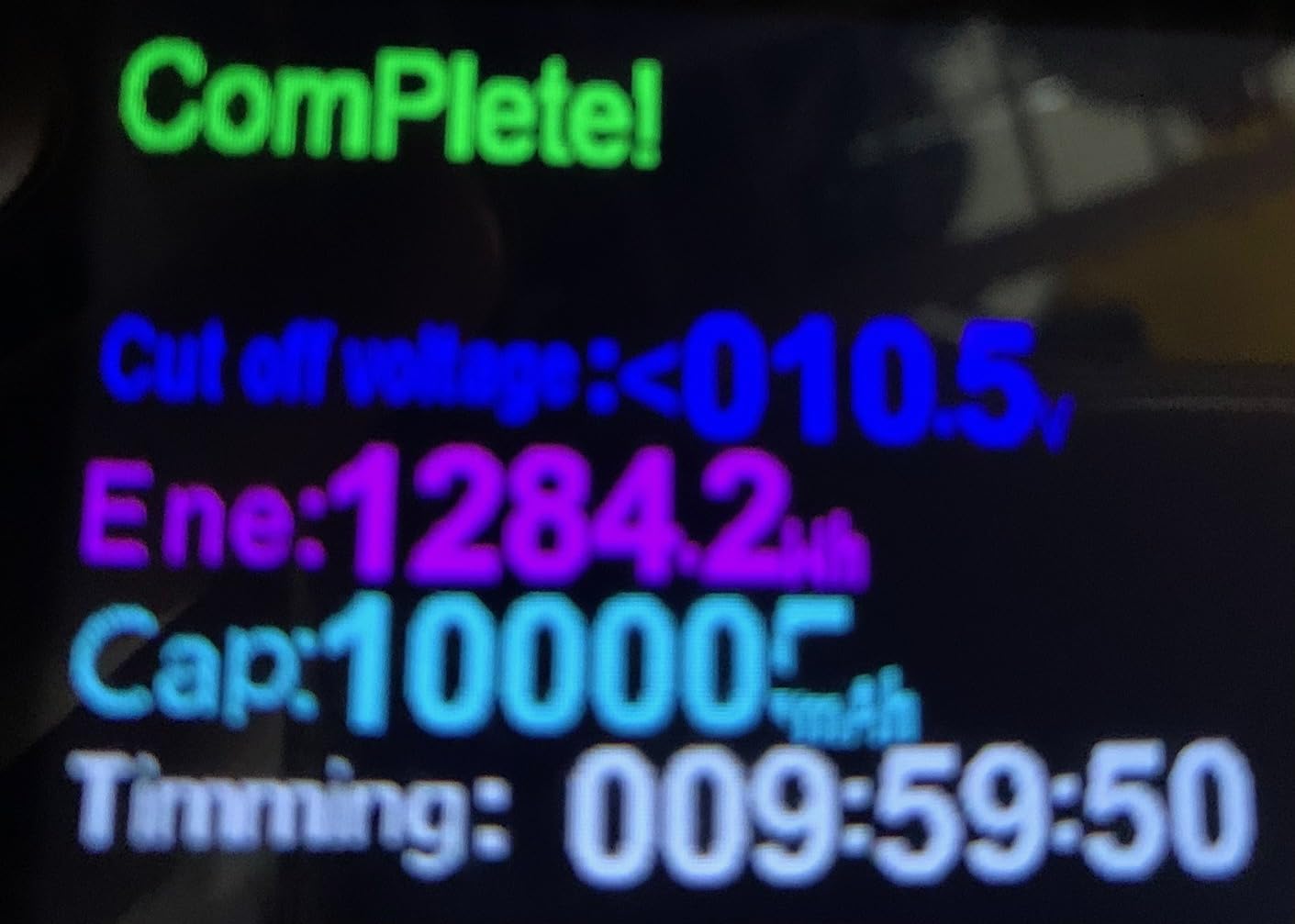
Charging recommendations are 14.4-14.6V with a current of 10A or less, which is a slower charge than some of the packs above it. Budget for a longer turnaround between trips.
Who this battery suits
This suits first-time lithium buyers, anglers with a 30-50 lb motor, and anyone who wants to test the chemistry on a cheap boat before committing to a 100Ah bank. It is also a fine secondary battery for an RV or a solar project.
The 4-unit series or parallel expansion means you can grow the system without changing chemistry.
Who should pass on it
Pass if you want a long service life backed by a real warranty. One year is a thin commitment for a battery you might keep a decade, and 3 months is not much time to discover a defect.
It is also not the choice for a saltwater boat, where a longer warranty matters more given the environment.
8. HeyFuture 12V 100Ah Bluetooth Battery – Best for Drop-In Retrofits
HeyFuture 12V 100Ah Bluetooth LiFePO4 Battery for Rv, Trolling Motors, Boat
- Bluetooth lets you check state of charge and toggle charge and discharge remotely
- Standard Group 24 dimensions as a direct replacement for lead-acid
- AGM or SLA
- Only 21.5 lb
- light enough to lift into a boat unaided
- BMS with dustproof
- waterproof and low-temperature cut-off protection
- Expands to 4S or 4P for a 48V 400Ah bank
- One teardown review notes unbranded cells
- no internal fuse and a 4S2P layout that limits per-cell fault detection
- May not work with some older lead-acid charging systems
- Bluetooth can take several attempts to pair
Users report running a 36 lb thrust motor on a 12-foot pirogue and never seeing the charge drop below 85%. That is a plausible outcome for a 100Ah pack on a small motor, and it is the kind of report that tells you the capacity claim holds up outside a lab.
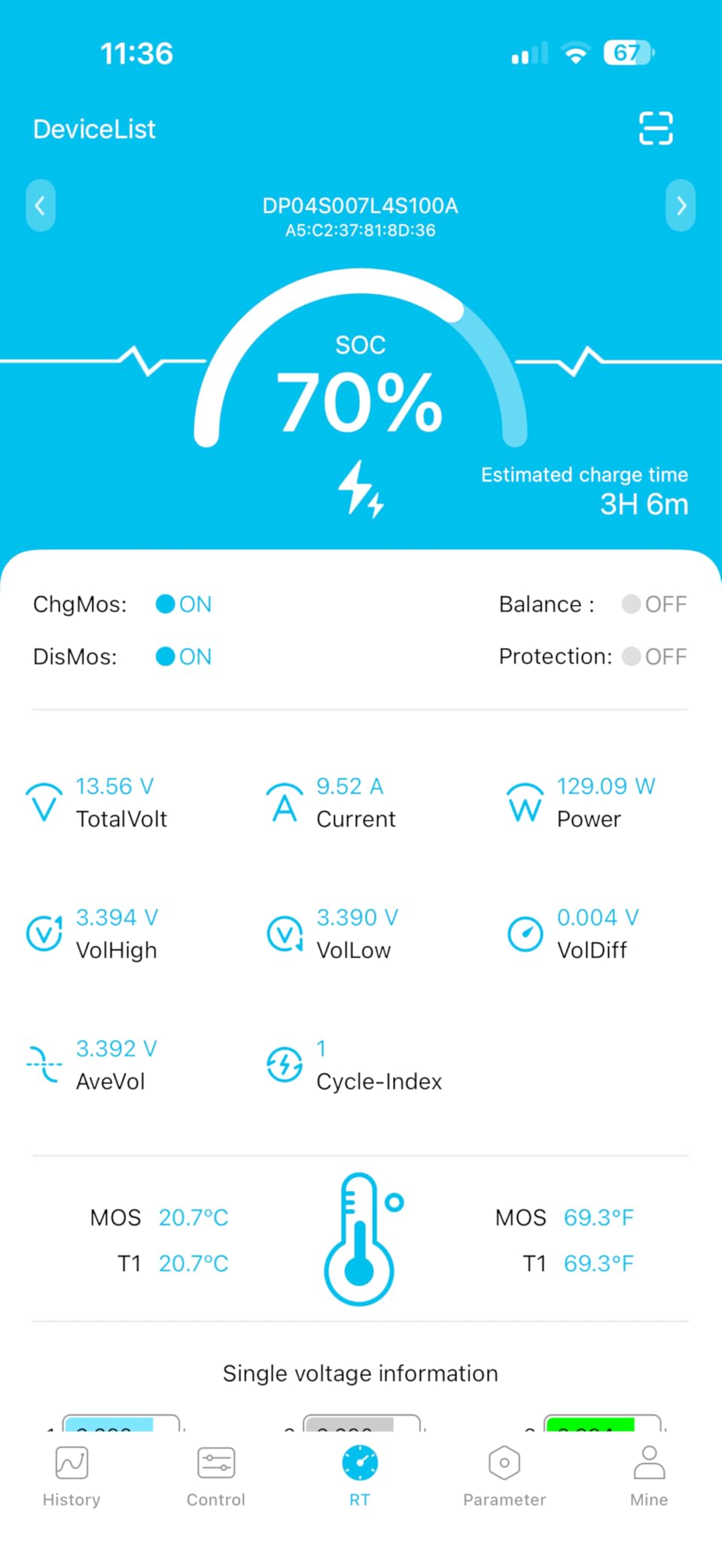
At 21.5 lbs and standard Group 24 dimensions, this is one of the cleaner drop-in replacements in the group. The Bluetooth app is unusually capable, letting you read state of charge and switch charging or discharging off remotely, which is handy when the battery sits under a hatch.
Now the part that deserves a closer look. One teardown review documents unbranded cells of unknown true capacity, no internal fuse, and a 4S2P configuration that limits how precisely the BMS can detect a per-cell fault. That is a single review, not a pattern, but it is a specific and checkable claim about internal design.
Two other limitations: the pack may not interface cleanly with some older lead-acid charging systems, and Bluetooth pairing can take several attempts. There is also no published cycle-life or low-temperature cutoff figure in the specification, so you are buying on the 5-year warranty and the app rather than on numbers.
Who this battery suits
This suits an angler replacing a Group 24 lead-acid bank who wants the least invasive swap and does not want to touch the charging system beyond changing the battery. The remote charge and discharge toggle is a genuine convenience on a boat.
It is a reasonable choice for a PWC trailer, a jon boat, or a boat that also serves as an RV backup.
Who should pass on it
Pass if you need documented cycle life or low-temp thresholds to justify the purchase. Nothing is wrong here, but the spec sheet is thinner than the competition.
Anyone building a large parallel bank should also weigh the 4S2P layout note and the 74% five-star share, the lowest among the 100Ah packs here, before committing.
9. VEMDIA 12V 100Ah Group 31 Battery – Best for Fast Charging
12V 100Ah LiFePO4 Lithium Battery Group 31 Deep Cycle for RV Trolling Motor
- Group 31 dimensions as a precise drop-in for existing battery boxes
- 100A smart BMS with automatic low-temp cut-off below 32F
- Grade A cells rated 15000+ cycles at 60% DOD
- Full charge in about 5 hours on a 14.6V 20A LiFePO4 charger
- 24-hour response guarantee from US-based support
- Listed weight of 24 lbs is above the 22-23 lb range of peer packs
- 120 milliohms internal resistance is roughly three times typical
- Only a 2-year manufacturer warranty
- 12% one-star share
- the highest among 100Ah packs
The charging figure is what makes this one interesting. A full charge in about 5 hours on a 14.6V 20A LiFePO4 charger is roughly three times faster than a lead-acid bank of the same capacity, and for an angler who fishes at dawn and wants to go again at dusk, that is the whole day.
Group 31 sizing at 12.9 x 6.7 x 8.5 inches means it drops into an existing battery box with no cutting. The 100A smart BMS handles overcharge, over-discharge, overcurrent, short circuit, and low-temperature cutoff.
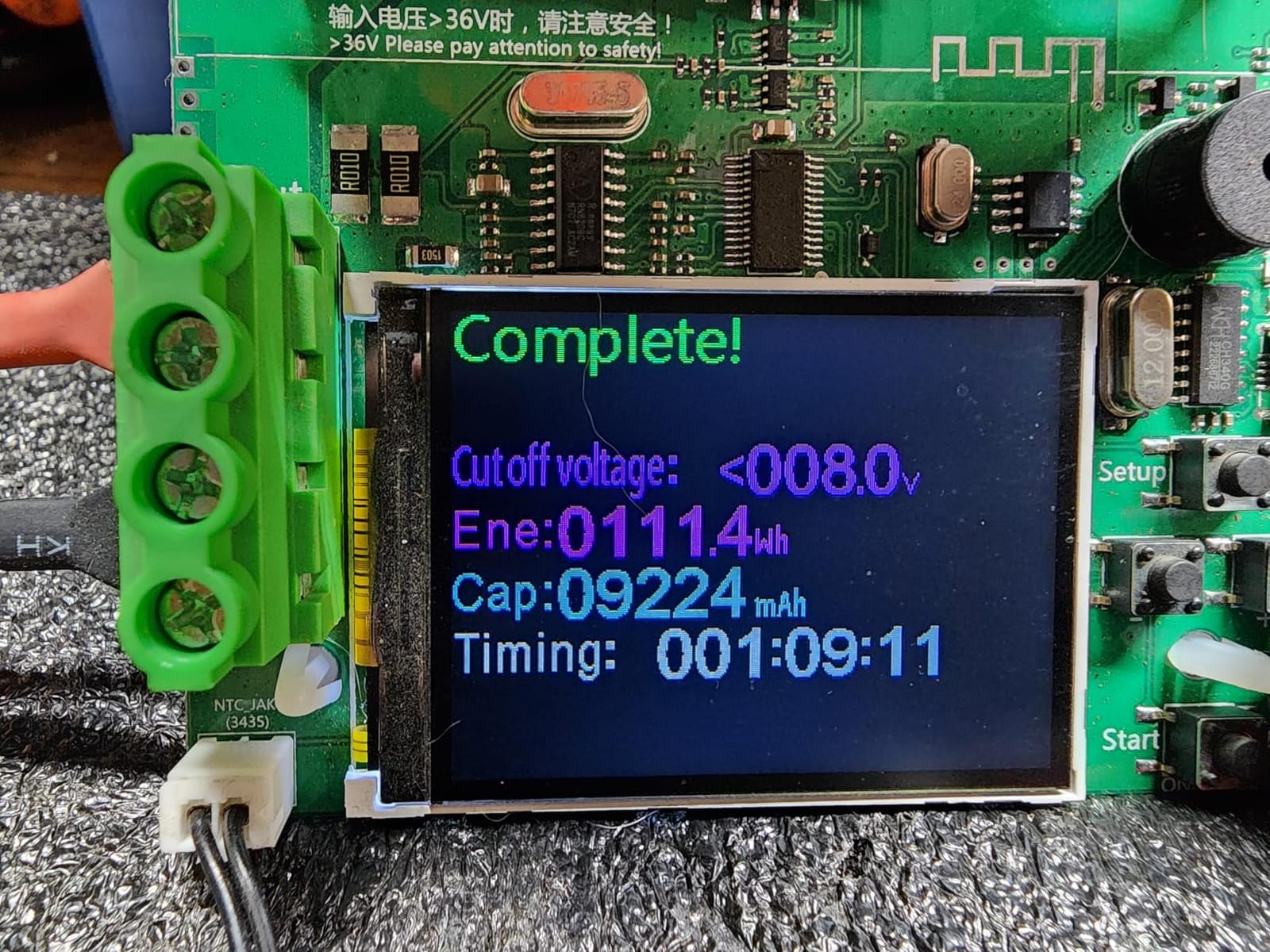
The cycle ratings are quoted at three depths of discharge, which is refreshingly honest: 15,000+ cycles at 60% DOD, 8,000+ at 80%, and a 10-year service life. Discharge operation is specified from -4F to 140F.
There are real compromises. The listed weight of 24 lbs sits above the 22-23 lb range of comparable packs, and the stated 120 milliohms internal resistance is about three times the 40 milliohms typical of peers, which costs efficiency under heavy load. The 2-year warranty is the shortest here, and the 12% one-star share is the highest among the 100Ah group.
Who this battery suits
This suits the angler who fishes hard on a compressed schedule and wants turnaround between trips to be measured in hours rather than overnight. It is a solid Group 31 drop-in for a 12V system up to 55lb of thrust.
It also works as a solar or off-grid bank where the 4S4P expansion to 51.2V 400Ah is attractive.
Who should pass on it
Pass if warranty length drives your decision. Two years is the shortest commitment in this group, and on a boat exposed to salt spray and vibration that is the number you will notice in year three.
Buyers who care about sustained efficiency under heavy load may prefer a pack with lower internal resistance.
10. BUKNUWO 12V 100Ah Bluetooth Battery – Best for Expandable Banks
BUKNUWO 12V 100Ah LiFePO4 Lithium Battery with Bluetooth,15000+ Cycles Lithium Battery for Trolling Motor, Off-Grid,Boat,RV, Marine, Solar (12.8V 100Ah-Bluetooth)
- 22 lb with 1.28kWh capacity and 40% higher energy density than lead-acid
- 95% capacity utilization rate against roughly 50% for lead-acid
- Bluetooth 5.0 app shows SOC
- voltage
- current
- power
- temperature and protection status
- 100A BMS with temperature cut-off and full electrical protection
- 4S4P expansion to 51.2V 400Ah with under 5% monthly self-discharge
- 12% one-star share with reports of idle self-discharge
- One reviewer documented a cell imbalance fault that capped charging at 13.66V
- App does not show individual cell voltages and refresh rate is inconsistent
- Inverter inrush can trip the BMS overcurrent protection
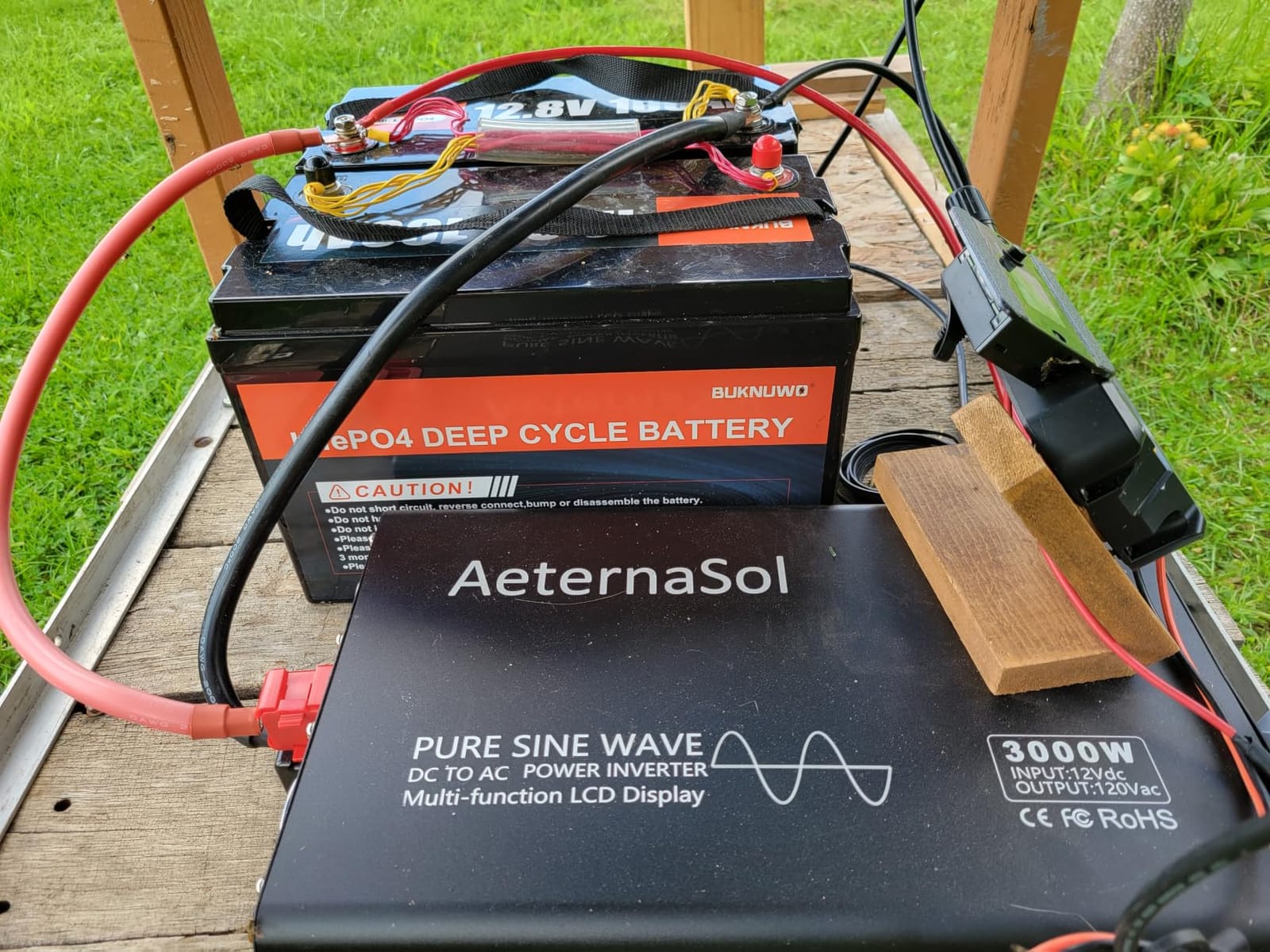
This is the pack to consider if your plan is to grow. The 4S4P expansion path takes a single unit to 51.2V 400Ah, so you can start with one battery, add a second in parallel for more runtime, and eventually build a 24V or 36V bank using the same model.
The energy density claim is worth noting. At 22 lbs and 1.28kWh, the pack delivers a 95% capacity utilization rate, which compares with roughly 50% for lead-acid. That number, not the amp-hour label, is what determines how long you fish.
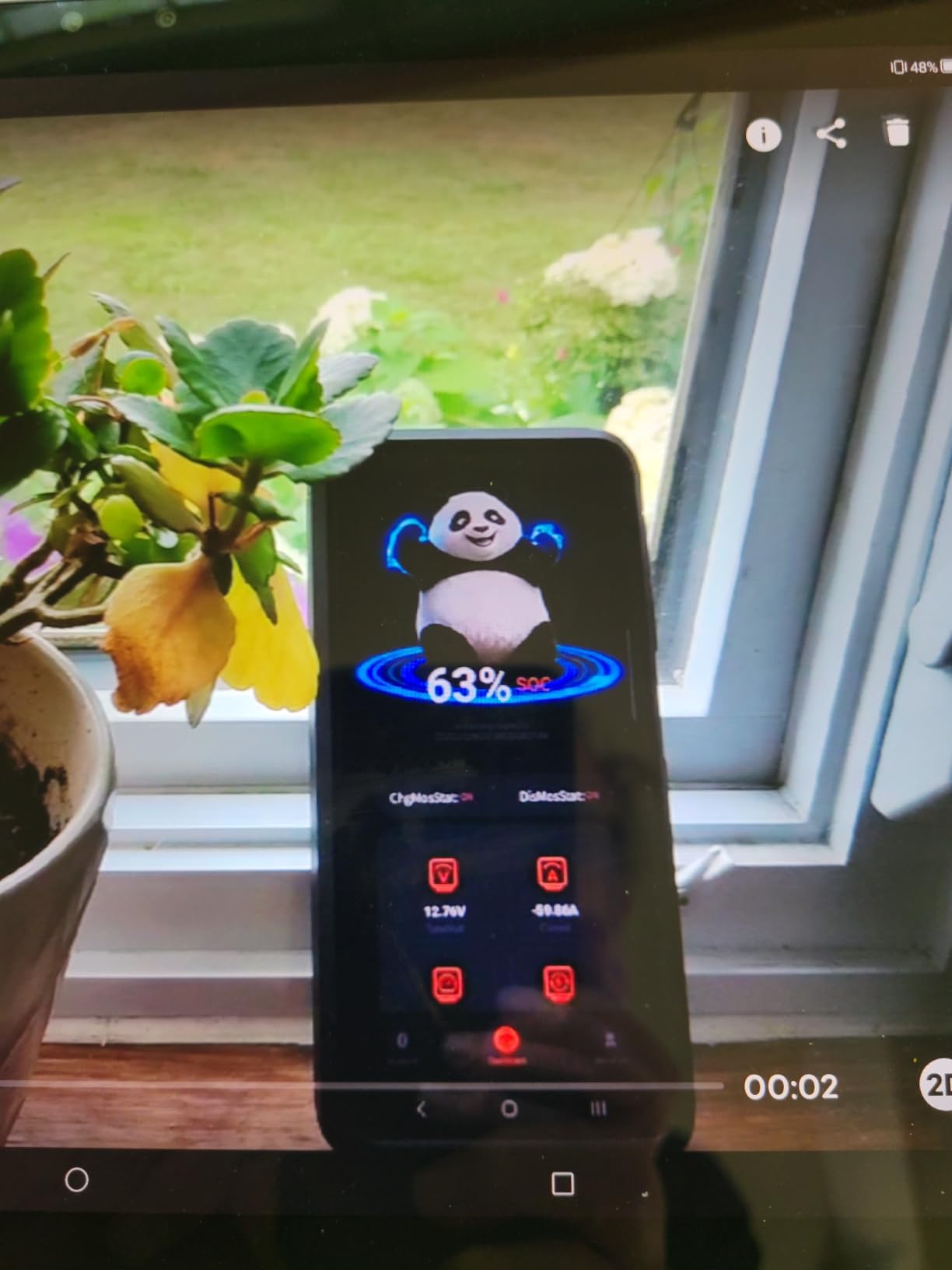
The Bluetooth 5.0 app reaches about 33 ft and works with both iOS and Android, reporting state of charge, voltage, current, power, temperature, charge and discharge status, and protection status. Monthly self-discharge is under 5%, which is what keeps a pack healthy through a winter in a garage.
This is also the lowest-rated pack in our group at 4.2, and the reasons are specific. One reviewer documented a cell imbalance fault that capped charging at 13.66V with balancing never completing. Others report higher-than-expected idle self-discharge, and the app does not expose individual cell voltages, only pack-level data. Inverter inrush current can also trip the overcurrent protection, requiring a 0V-activation charger to recover.
Who this battery suits
This suits a buyer with a clear expansion path in mind who wants to start with one battery and add capacity as the boat demands it. The 4S4P capability and 5-year warranty support that plan.
It is a reasonable RV or off-grid solar bank too, where the 95% usable capacity and low self-discharge are the deciding factors.
Who should pass on it
Pass if you are putting a single battery in a saltwater boat and want the strongest reliability record. The 12% one-star share and the documented cell imbalance fault are the reasons this one ranks tenth.
Buyers who need per-cell visibility should choose a pack whose app exposes cell-level data instead.
11. LOSSIGY 36V 100Ah Battery – Best for 36V Systems
- Charger and 9-in-1 touch screen battery monitor included in the box
- 3840W output with 1000A peak current matched to 36V high-thrust motors
- 200A BMS with automatic internal cell balancing
- At least 4000 deep cycles
- IP65 waterproof with Bluetooth plus a physical display
- Heaviest pack here at 78.7 lbs
- Parallel connection only
- it cannot be series connected
- Large 20.47 x 10.59 x 8.66 in footprint
- Designed primarily for golf carts so trolling motor fitment may need bracket work
Everything you need arrives in the box. The 43.8V 25A smart charger and a 9-in-1 touch screen battery monitor are included, which removes two separate purchases and the guesswork about compatibility. The charger takes the pack from 0-100% in about 4 hours with detachable input and output cables.
The output figures are the highest in this roundup by a wide margin: 3840W continuous with 1000A peak current, backed by a 200A BMS with automatic internal cell balancing. A 112lb 36V motor at full throttle is exactly the kind of load that makes a 100A BMS feel small, and 200A is the headroom you want in offshore water.
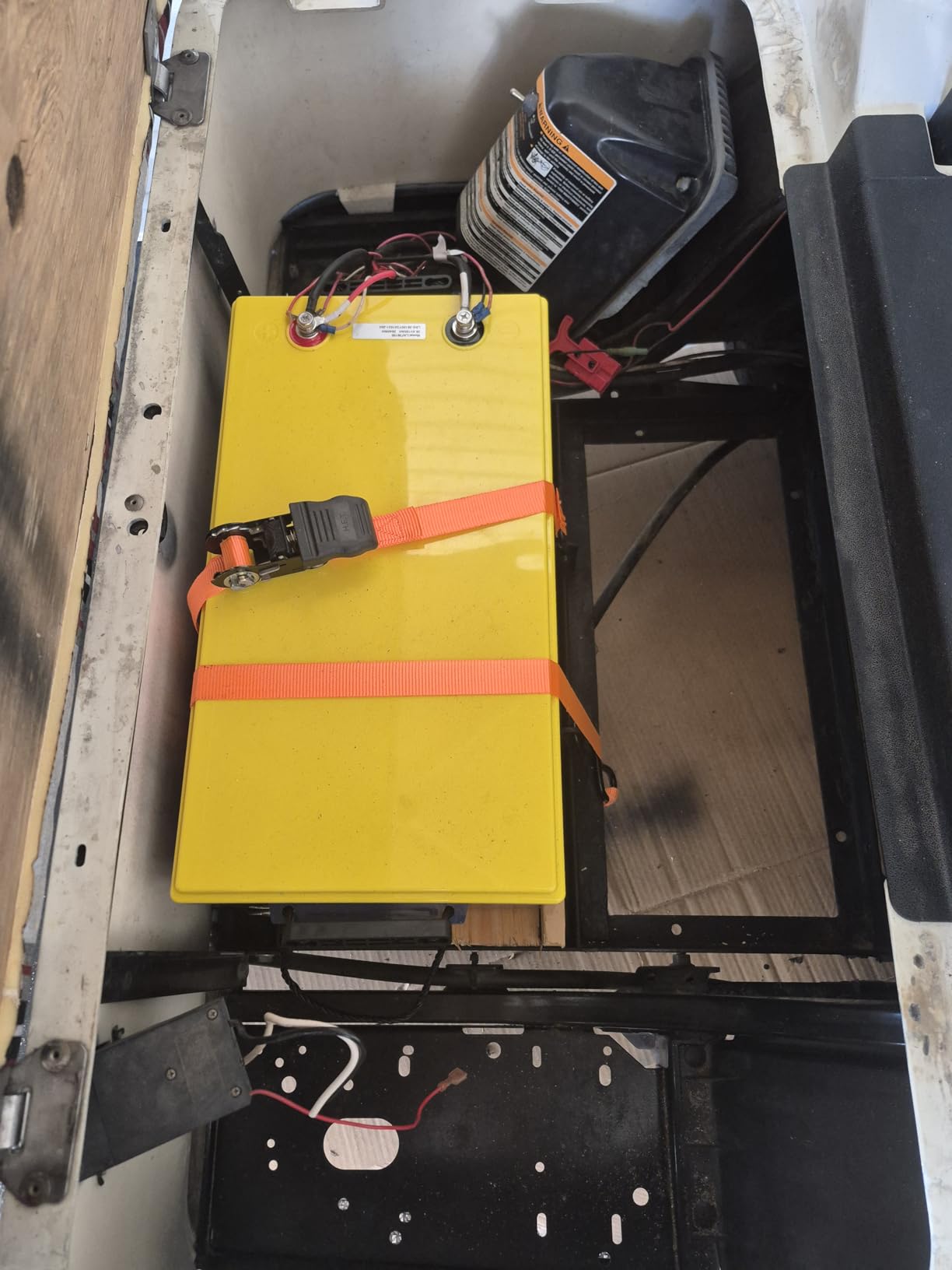
The rating distribution is the cleanest here, with 82% five-star and only 4% one-star. Buyers consistently point at the included charger and monitor as the reason the package works straight out of the box, and the 200A BMS is credited with handling high-discharge situations without hesitation.
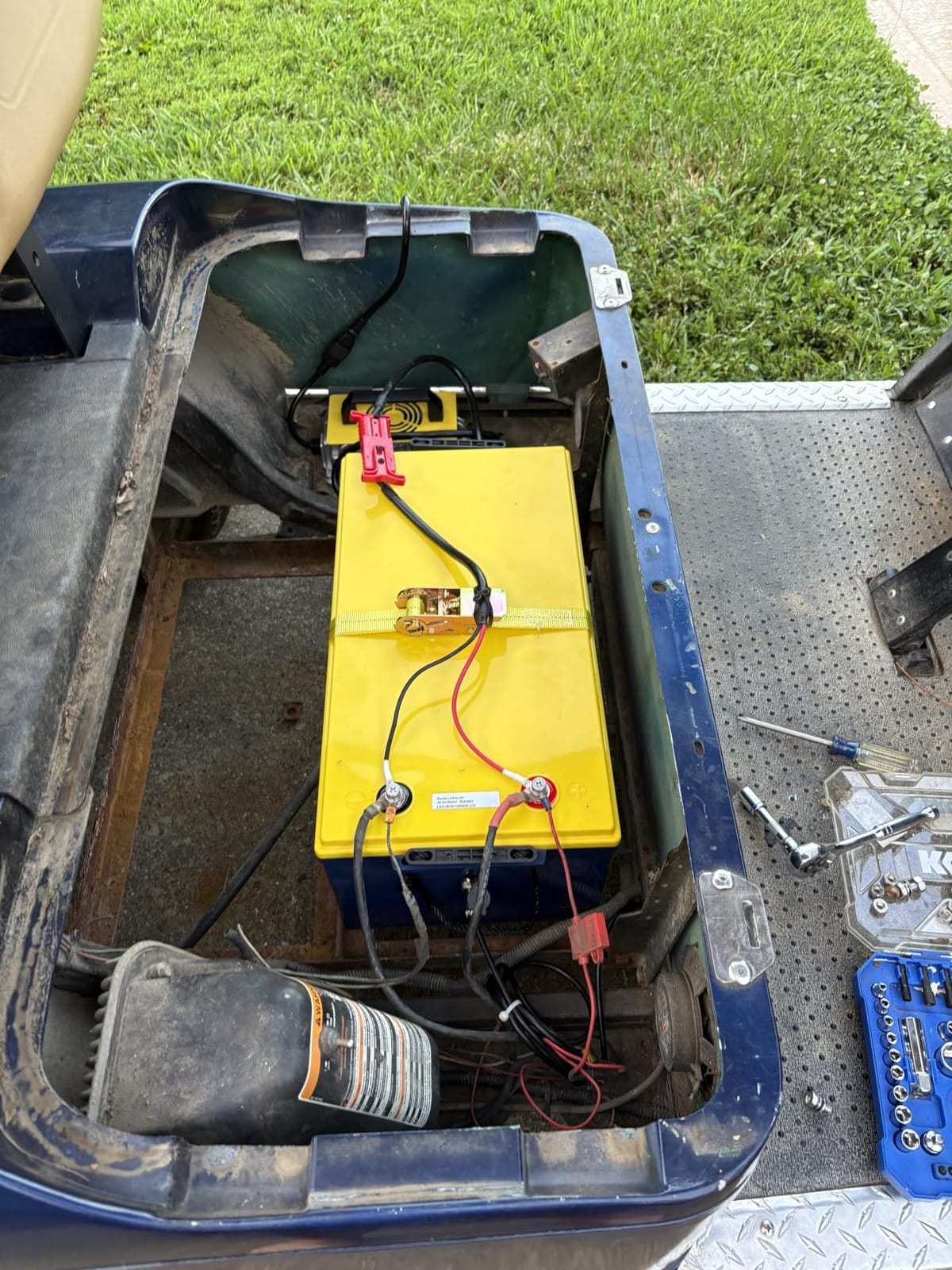
There is a real cost to that capability in physical terms. At 78.7 lbs this is by far the heaviest pack in the group, and the 20.47 x 10.59 x 8.66 in body needs serious battery box space. The design is also oriented around golf cart use, so mounting on a trolling motor boat may require bracket work. Expansion is parallel only, up to four batteries, with no series option.
Who this battery suits
This suits the offshore or big-bass angler running a 36V high-thrust motor who wants one battery instead of three in series. The included charger and monitor make it the most complete package we reviewed.
It is also a strong fit for a boat that already carries a large battery budget, or for a multi-day trip where a 4-hour recharge changes the planning.
Who should pass on it
Pass if you are on a small boat, a jon boat, or a kayak. The weight and footprint rule it out before any other consideration.
Anyone who needs a 48V or 72V architecture should also skip it, because series connection is not supported.
12. LGECOLFP 36V 50Ah Battery – Best for 112lb Motors
- Purpose-built for 100-120 lb thrust trolling motors
- 50A continuous with 60A sustained for 30 minutes
- Single 36V battery cuts wiring cost and space on long cable runs
- IP65 ABS housing at Group 31 dimensions with 69.06 Wh/lb energy density
- Parallel expansion to 4 units for a 36V 200Ah system
- Only a 12-month warranty with a 3-month return window
- Nominal 38.4V means many 12V controllers and chargers are not directly compatible
- One review reports a unit failing after about 5 trolling trips
- No Bluetooth or app monitoring
Where the LOSSIGY leads on raw output, this one leads on the other half of the equation: 1920W with 50A continuous and 60A sustained for 30 minutes, packaged in a Group 31-style body at L12.8 x W6.7 x H8.4 inches. Reviewers running this line in place of Trojan golf cart batteries consistently highlight the weight savings and the long run time.
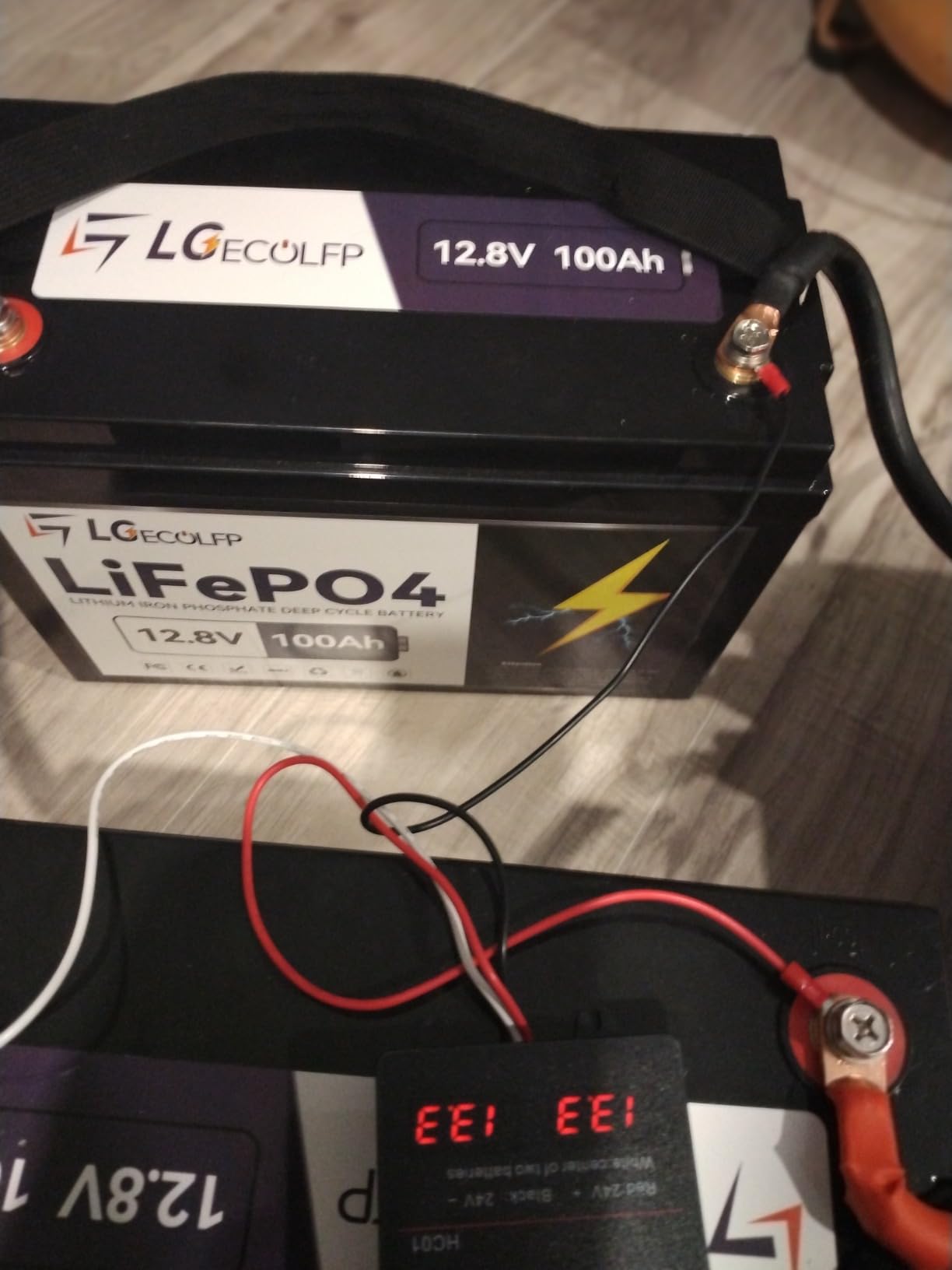
The 69.06 Wh/lb energy density and the IP65 ABS housing put it in the same physical league as the 12V packs, which is unusual for a 36V unit. One battery replacing three in series means fewer cable runs across the deck and fewer connections to make watertight.
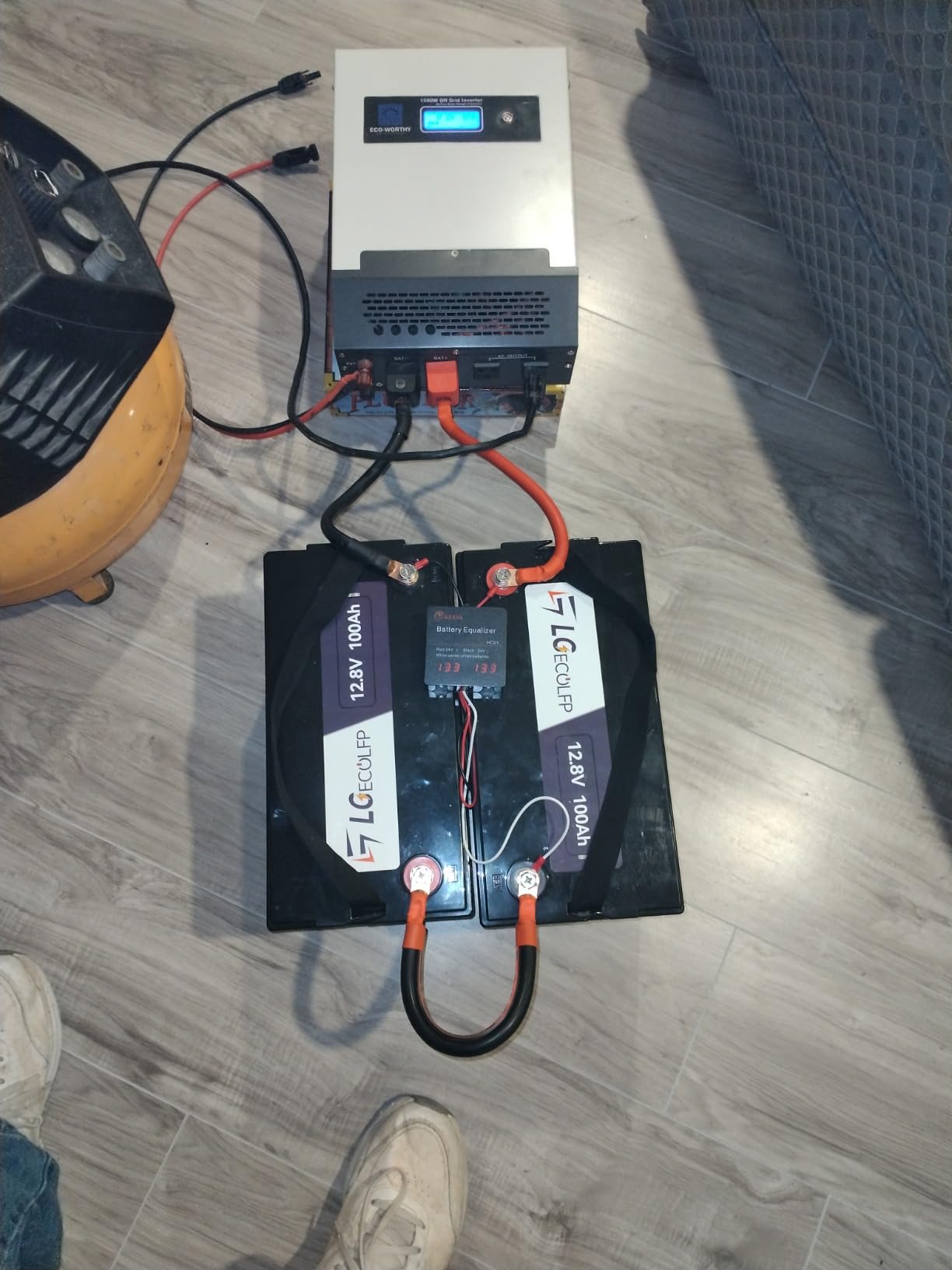
Two things to plan around. First, the nominal pack voltage is 38.4V, so many standard 12V trolling motor controllers and onboard chargers are not directly compatible. Check your motor’s voltage requirements and confirm the charging solution before ordering.
Second, the warranty is 12 months with a 3-month return window. One review documents a unit failing after roughly five trolling trips with a replacement refused past that window. The 4000+ cycle rating and the 50A continuous output are solid, but the support commitment behind them is the thinnest in this group.
Who this battery suits
This suits an angler with a 100-120 lb thrust motor who wants a single 36V battery in a Group 31 footprint rather than three 12V units in series. Anglers building multi-battery banks also benefit from the published guidance on adding fuses, balancers, and busbars.
Parallel expansion up to four units takes you to a 36V 200Ah system if you need more capacity later.
Who should pass on it
Pass if your setup depends on a 12V controller or an onboard 12V charger that you do not want to replace. The voltage mismatch is the deciding factor, not the battery quality.
You should also look elsewhere if a 12-month warranty is not acceptable to you, or if you want app-based monitoring.
How to Size and Maintain a Lithium Trolling Motor Battery in 2026
Choosing between the best lithium batteries for trolling motors comes down to four numbers: voltage, amp hours, group size, and warranty term. Get those right and the rest is preference. Get voltage wrong and nothing else matters.
Match the voltage to your motor first
A trolling motor is built for a specific voltage bank. Most single-battery setups are 12V, and the two-battery 24V arrangement doubles your runtime at the same amp-hour figure. The three-battery 36V layout is what high-thrust motors from 80lb to 112lb use, and it also cuts the amperage through your wiring, which matters on a long cable run.
You can build 24V or 36V from three 12V units in series, and several packs in this list expand to 4P4S. Never mix brands or models in a series string. Cells from different batches drift differently, and an unbalanced string is where a BMS cutoff comes from.
For single-pack 36V systems, the two purpose-built options here are the LOSSIGY at 100Ah and the LGECOLFP at 50Ah. Both replace a three-battery series string with one box.
How big a lithium battery do you need?
Work from thrust, then from hours on the water. Most weekend anglers target 6 to 8 hours of runtime at moderate power, and tournament setups push higher.
A single 12V 100Ah unit covers motors up to 55lb of thrust comfortably. Two in series cover 24V systems at 80lb. Three in series, or one 36V pack, cover 36V systems at 80 to 112lb. For a kayak running a 30-55lb motor, a 50Ah pack is the working size, which is why the lightest units in this roundup cluster at 50Ah.
Buy a second identical battery in parallel if you want to double runtime without changing voltage. That is the cheapest way to add hours, and it is why matching models matter more than matching brand names.
Runtime: how many hours will it actually last?
The useful formula is amp hours divided by average current draw, then multiplied by a usable-capacity factor. LiFePO4 packs are typically usable to about 90 to 95% of rated capacity, so a 100Ah pack realistically supplies around 90Ah before the BMS steps in.
Here is a worked example using a 100Ah pack against typical current draw at moderate cruise for common motor sizes. Treat these as planning figures rather than guarantees, since current draw changes with speed, wind, water depth, and how much you fight the current.
30lb thrust motor drawing about 5A: roughly 18 hours of runtime from a 100Ah pack.
55lb thrust motor drawing about 10A: roughly 9 hours from a 100Ah pack.
80lb thrust motor on a 24V bank drawing about 15A: roughly 12 hours from two 100Ah batteries in series.
112lb thrust motor on a 36V bank drawing about 30A: roughly 6 hours from a 36V 100Ah single pack.
Double the pack or double the bank and you double those figures. Halve your current draw by cruising at half throttle and you roughly double runtime again, which is usually a bigger lever than buying more capacity.
Group 24 vs Group 31: will it physically fit?
This is the most common return reason we can predict from the specs, and it is worth measuring before you order. A standard Group 24 is about 10.24 inches wide by 6.49 deep by 8.98 tall. A Group 31 runs about 13 inches wide by 6.77 deep by 8.5 tall, which is longer in one direction and usually the easier fit in a bass boat tray.
Watch the height. The DC HOUSE 12V 100Ah Bluetooth measures 9.2 inches, roughly 0.32 inches taller than the Group 24 standard, so a tight box needs a measurement with a tape before the box lid will close. A kayak cradle or a low-profile tray is a different problem entirely, and there the 50Ah packs win by default.
Terminal hardware matters too. Most of these packs use M8 studs with included insulating caps and bolts. Check the lug type on any pack you are considering, because reusing existing ends saves an afternoon of crimping.
What the BMS actually does for you
The battery management system is the brain of a lithium pack, and it is the part that decides whether the chemistry is protected or abused. Every pack in this list has one, and they vary in exactly the ways that matter on a boat.
Look for four protections: overcharge, over-discharge, overcurrent, and temperature cutoff. The temperature cutoff is the marine-specific one. Charging typically stops around 32F, and discharge stops near -4F, with auto-recovery once the pack warms. The DC HOUSE adds a lower charge threshold at 19.4F and auto-recovers above 32F.
Continuous current rating is the other number to check against your motor. A 50A BMS suits a 30-55lb motor; a 100A BMS handles up to about 55-80lb; the LOSSIGY 200A BMS is the one to have if you want headroom on a 112lb motor running at full throttle. Forum anglers make the same point: get a BMS with enough headroom, because a marginal BMS is where early cutoffs come from.
Will lithium damage your trolling motor?
No. Lithium iron phosphate is the more forgiving chemistry around a motor, not the harsher one. Lead-acid voltage sags hard under load, which is what starves a motor of power. LiFePO4 holds a flat voltage line close to 12.8V for nearly the whole discharge, so the motor sees steadier input and keeps its rated thrust until the bank is genuinely empty.
The concern that circulates most is warranty coverage. Some anglers report being told lithium is a bad idea and that a motor manufacturer recommends against it. The practical answer is that a trolling motor is a DC motor with a controller, and a controller that expects lead-acid charge curves can be sensitive to lithium. A dedicated LiFePO4 charger with the correct 14.4-14.6V CC/CV profile removes most of that risk, and the BMS handles the rest by refusing to over-discharge the pack.
The second real question is insurance. A DIY lithium bank in a boat can complicate a claim depending on your insurer, and that concern shows up repeatedly in boating forums. Keeping your starting battery separate from the lithium house and trolling bank, and using a listed fuse on the circuit, keeps the installation conventional and easier to document.
Charging and winter storage
Every pack here needs a LiFePO4-compatible charger with a 14.4-14.6V CC/CV profile. Do not run an old lead-acid or AGM charger on a lithium bank. Most manufacturers publish explicit current limits too, such as 10A or less for the smaller BtrPower unit.
Onboard chargers suit a permanent installation where the battery sits near the motor. Portable chargers are better for a kayak or a trailered boat, and the LOSSIGY package shows the value of a matched charger, since its 43.8V 25A unit fills the pack in about 4 hours. Solar charging through an MPPT controller works for a bank that spends time unpowered on a mooring.
For winter storage, top the pack off once and check it every three months. Monthly self-discharge on quality cells runs under about 5%, so three months is comfortably inside safe storage. Lithium holds its charge far better than lead-acid across a winter, which is one of the quieter reasons anglers move to it.
Rinse any battery exposed to salt water with fresh water and let it dry before reinstalling it. That habit matters more for the wiring, the busbars, and the terminals than for the sealed cells themselves.
If you want to see how a portable lithium power bank compares on a smaller scale, our V-Mount battery roundup and our electric bike battery picks cover the same chemistry from different angles. For compact off-grid power rather than marine use, our portable breast pump battery reviews and portable breast pump battery picks look at how small lithium packs behave in demanding daily use.
Frequently Asked Questions
Is a 100Ah lithium battery enough for a trolling motor?
For a 12V motor up to 55lb of thrust, a single 100Ah lithium pack is enough for a full day of moderate fishing, supplying around 90 usable amp hours at roughly 9 hours of runtime against a 10A average draw. Larger motors need a bigger bank or a higher system voltage, since a 112lb 36V motor can drain 100Ah in about six hours at full cruise.
Do lithium batteries damage trolling motors?
No. LiFePO4 holds a flat voltage near 12.8V for nearly the whole discharge, so a motor receives steadier input than it gets from sagging lead-acid and keeps rated thrust until the bank is truly empty. Use a LiFePO4-compatible charger at 14.4-14.6V and keep the starting battery separate from the lithium bank.
How long will a 100Ah battery run a 55lb trolling motor?
A 55lb trolling motor typically draws about 10A at moderate cruise, so a 100Ah lithium pack supplying around 90 usable amp hours runs roughly 9 hours. Cruising at half throttle or running two identical batteries in parallel will push that figure considerably higher.
How big of a lithium battery do I need for a trolling motor?
Match the voltage to the motor first, then size on hours. A 12V 100Ah pack covers motors up to 55lb, two in series cover 24V systems at 80lb, and three in series or one 36V pack cover 80-112lb systems. Kayaks running 30-55lb motors work fine with a 50Ah pack at about 11 lbs.
Can I use my existing lead-acid charger with a lithium battery?
No. LiFePO4 needs a 14.4-14.6V CC/CV charge profile, and a lead-acid or AGM charger can overcharge the cells or trigger the BMS cutoff. Manufacturers also publish maximum charge currents, which on smaller packs can be as low as 10A. Buy a dedicated lithium or DC-DC charger instead.
The Best Lithium Batteries for Trolling Motors in 2026
After working through all twelve, the LiTime 12V 100Ah Trolling Motor Battery is the single best lithium battery for most anglers. It carries the highest rating in the group, the deepest review history, ABYC E-13 compliance, built-in TVS surge protection for the motor, and a 5-year warranty, all at 22.1 lbs in a Group 31 footprint. There is very little left to criticize beyond the missing Bluetooth module.
Match your pick to the job. The SUPER EMPOWER 12V 100Ah is the cleanest Group 24 drop-in for an existing tray. The LiTime 12V 50Ah Bluetooth is the kayak choice at 11.3 lbs. The DC HOUSE 12V 100Ah Bluetooth is the only one here with per-cell fault data in the app. The LOSSIGY 36V 100Ah replaces a three-battery series string with one box and includes its own charger and monitor.
Whichever one you choose, match the voltage to your motor, measure the tray before ordering, buy a LiFePO4-compatible charger, and check the pack every three months through the off-season. Do those four things and the batteries in this roundup should outlast the boats they sit in.