
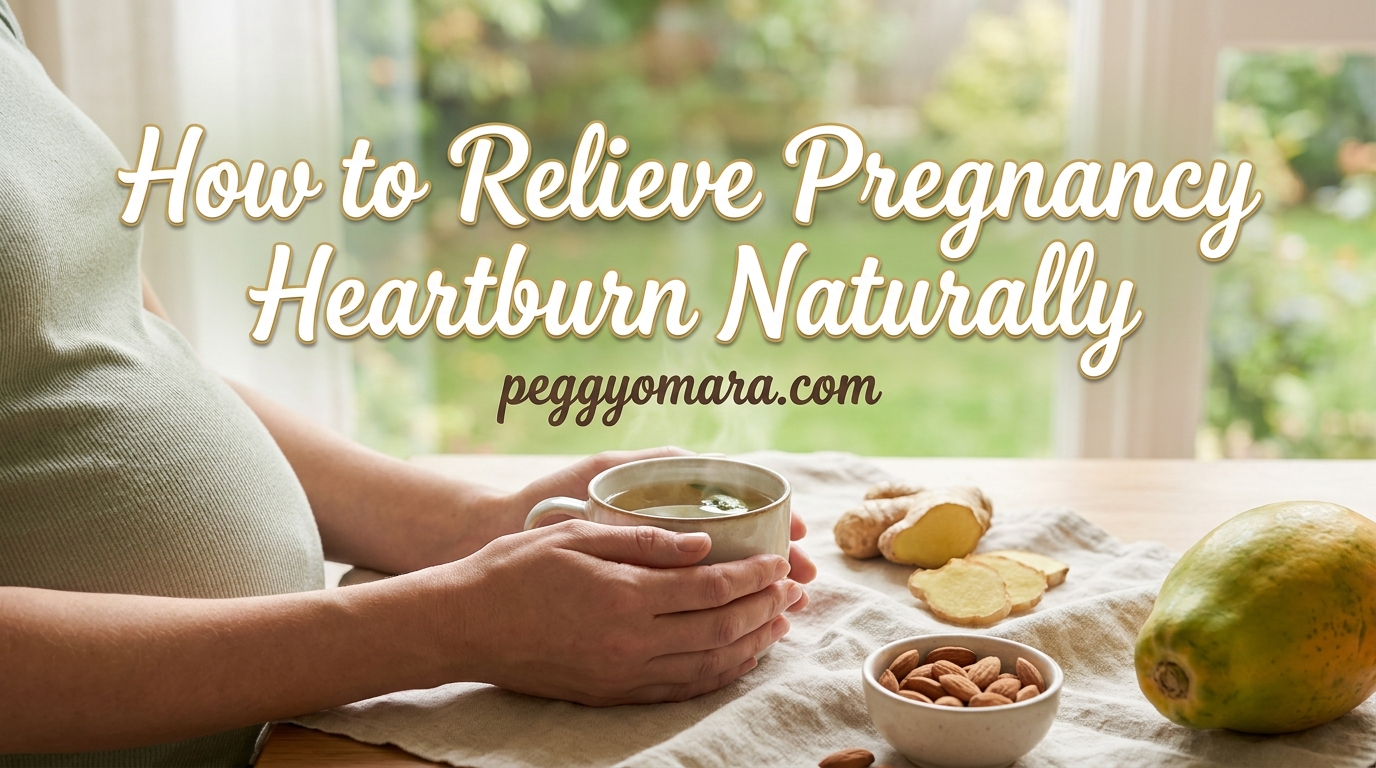
That burning sensation rising up your throat at 2 AM. The discomfort after eating your favorite meal. If you are pregnant and dealing with heartburn, you are not alone. Between 30% and 80% of pregnant women experience heartburn at some point during their pregnancy journey.
Learning how to relieve pregnancy heartburn naturally can transform your daily comfort without worrying about medication safety. Our team has compiled the most effective natural remedies based on real mom experiences and medical guidance. These strategies address both immediate relief and long-term prevention so you can enjoy your pregnancy with less discomfort.
Natural approaches to pregnancy health have helped countless women find relief while keeping their growing baby safe. The remedies in this guide have been tested by mothers across different trimesters and situations.
Table of Contents
What Helps Heartburn Immediately?
When heartburn strikes, you want relief now. Here are the fastest-acting natural remedies that can calm the burn within minutes:
1. Chew a handful of raw almonds. The natural oils in almonds neutralize stomach acid quickly. Keep a small bag of almonds by your bedside for nighttime attacks.
2. Drink warm milk with honey. This classic remedy coats your esophagus and neutralizes acid immediately. Use one cup of warm milk with one tablespoon of honey stirred in.
3. Sip coconut water. The natural electrolytes and alkaline pH of coconut water help neutralize stomach acid naturally. Many moms report relief within 10-15 minutes.
4. Eat a ripe banana. Bananas contain natural antacids and are gentle on the stomach. The pectin in bananas also aids digestion.
5. Chew sugar-free gum. Chewing gum stimulates saliva production, which helps wash away acid and neutralize the esophagus. Choose xylitol-sweetened gum for 20-30 minutes after meals.
6. Take a spoonful of apple cider vinegar diluted in water. While it seems counterintuitive, some women find relief from diluted ACV (1 tablespoon in 8 ounces of water). However, this remedy does not work for everyone and can worsen symptoms for some.
7. Eat plain yogurt. The probiotics and cooling effect of yogurt can soothe the burning sensation. Choose unsweetened, plain varieties for best results.
Why Heartburn Happens During Pregnancy?
Understanding why heartburn occurs helps you target the root causes rather than just masking symptoms. Pregnancy heartburn results from a combination of hormonal and physical changes happening in your body.
The Hormonal Connection: Progesterone Effects
Your body produces high levels of progesterone during pregnancy. This hormone relaxes smooth muscles throughout your body, including the lower esophageal sphincter (LES). The LES is the muscular valve that keeps stomach acid contained in your stomach.
When progesterone relaxes this valve, stomach acid can flow backward into your esophagus. This causes the burning sensation known as heartburn or acid reflux during pregnancy. Hormonal changes during pregnancy affect this process significantly.
Progesterone levels rise steadily throughout pregnancy, which explains why heartburn often worsens as pregnancy progresses. By the third trimester, many women experience heartburn daily.
Physical Pressure from Your Growing Uterus
As your baby grows, your uterus expands and pushes upward against your stomach. This physical pressure forces stomach contents upward, making acid reflux more likely. The combination of relaxed LES and upward pressure creates the perfect conditions for heartburn.
Many women notice heartburn intensifying around week 20, when the uterus rises above the belly button. By the third trimester, the pressure can be significant enough to cause discomfort even when lying down.
When Heartburn Typically Starts
Heartburn can begin as early as the first trimester for some women, though it more commonly appears in the second trimester. Early pregnancy symptoms often include digestive changes as your body adjusts to hormonal shifts.
If you are experiencing severe heartburn in your first trimester, know that you are not alone. Many women on pregnancy forums report symptoms starting as early as week 10. The good news is that natural remedies can provide relief at any stage.
How to Relieve Pregnancy Heartburn Naturally: 15 Proven Remedies (2026)
These natural remedies have been gathered from real mom experiences and traditional wisdom. Each remedy works through different mechanisms to either neutralize acid, improve digestion, or prevent reflux from occurring.
Food-Based Remedies
Almonds: Raw almonds are perhaps the most popular natural remedy among pregnant women. The high oil content coats the stomach lining and neutralizes acid. Eat 5-10 raw almonds at the first sign of heartburn. Many moms keep almonds in their purse, car, and bedside table.
Bananas: This alkaline fruit naturally counteracts stomach acid. Bananas also contain pectin, a soluble fiber that helps food move through the digestive tract. Eat one ripe banana when heartburn strikes or include one in your daily diet for prevention.
Yogurt: Plain, unsweetened yogurt provides probiotics that support digestive health. The cool, creamy texture soothes the esophagus immediately. Choose varieties with live active cultures for maximum benefit. Greek yogurt tends to be lower in sugar and higher in protein.
Papaya: Fresh papaya contains natural digestive enzymes, particularly papain, that help break down food and reduce pressure on the stomach. Some women find relief from eating a few slices of fresh papaya after meals. You can also find papaya enzyme supplements, but always check with your healthcare provider before taking supplements.
Ginger: Fresh ginger has been used for centuries to settle upset stomachs and aid digestion. You can make ginger tea by steeping fresh ginger slices in hot water for 10 minutes. Some women find ginger candy or crystallized ginger helpful, though the sugar content may not suit everyone. Use ginger in moderation, as large amounts may have uterine-stimulating effects.
Oatmeal: Starting your day with oatmeal can help absorb excess stomach acid. The soluble fiber in oats also aids digestion and prevents constipation, which can worsen heartburn. Choose plain oatmeal and add banana or a drizzle of honey for flavor.
Drinks and Beverages
Milk with Honey: Warm milk has a coating effect on the esophagus, while honey has soothing properties. Heat one cup of milk until warm (not boiling) and stir in one tablespoon of honey. Drink slowly for immediate relief. This remedy works particularly well before bedtime.
Coconut Water: Nature’s sports drink provides natural electrolytes and has an alkaline pH that helps neutralize stomach acid. Many pregnant women report that coconut water provides faster relief than plain water. Drink 8-12 ounces when you feel heartburn starting.
Ginger Tea: Steep fresh ginger root in hot water for a soothing digestive aid. The warmth of the tea combined with ginger’s natural properties can calm an upset stomach. Drink one cup after meals or at the first sign of heartburn.
Apple Cider Vinegar (Diluted): This remedy surprises many people, but some find relief from a tablespoon of apple cider vinegar mixed into 8 ounces of water. The theory suggests that low stomach acid may contribute to heartburn, and ACV can help restore balance. However, this remedy is controversial and can worsen symptoms for some. Start with a small amount and discontinue if you experience any increase in discomfort.
Lifestyle Actions for Immediate Relief
Chew Sugar-Free Gum: Chewing gum stimulates saliva production, which naturally neutralizes stomach acid and helps wash it back down into the stomach. Choose xylitol-sweetened gum and chew for 20-30 minutes after meals. This simple action can prevent heartburn from starting.
Stay Upright After Eating: Gravity is your friend when it comes to preventing acid reflux. Remain sitting or standing for at least 2-3 hours after eating. Avoid lying down immediately after meals, and definitely avoid eating right before bedtime.
Elevated Sleeping Position: Sleeping propped up on pillows is essential for many pregnant women dealing with nighttime heartburn. Use a wedge pillow or elevate the head of your bed 6-8 inches with blocks. Sleeping on your left side also helps keep stomach acid down.
Natural Supplements
Slippery Elm: This herb has been used traditionally to coat and soothe irritated mucous membranes. You can find slippery elm in powder form to mix into water or as lozenges. It creates a protective coating in the esophagus. Always purchase from reputable sources and check with your healthcare provider before use.
Digestive Enzymes: These supplements help break down food more efficiently, reducing the workload on your stomach. Look for plant-based enzymes that are specifically labeled as safe for pregnancy. Start with the lowest dose and take with meals.
Probiotics: Maintaining healthy gut bacteria supports overall digestion and may reduce heartburn frequency. You can get probiotics from yogurt, kefir, sauerkraut, or supplements. Fermented foods like kefir provide natural probiotics along with other nutrients beneficial during pregnancy.
Foods That Prevent Heartburn During Pregnancy
What you eat has the biggest impact on whether heartburn occurs in the first place. Learning which foods neutralize stomach acid and which trigger symptoms can dramatically reduce your discomfort.
Alkaline Foods That Help
Alkaline foods help balance your body’s pH and can neutralize stomach acid naturally. Focus on incorporating these foods into your daily diet:
Green vegetables like spinach, kale, and broccoli are highly alkaline and packed with nutrients. Melons including watermelon, cantaloupe, and honeydew have high water content and alkaline properties. Avocados provide healthy fats that are less likely to trigger reflux than other fats.
Fennel bulb can be eaten raw in salads or cooked and has natural digestive-soothing properties. Cucumbers are hydrating and alkaline, making them perfect for snacking. Maintaining a healthy diet before and during pregnancy sets the foundation for better digestive health.
Trigger Foods to Avoid
Certain foods commonly trigger heartburn in pregnant women. While triggers vary by individual, these are the most common culprits:
Spicy foods irritate the esophagus and stimulate acid production. Fatty and fried foods take longer to digest, keeping the stomach fuller longer. Citrus fruits and tomatoes are acidic and can worsen symptoms for many women.
Chocolate contains compounds that relax the lower esophageal sphinger, making reflux more likely. Caffeine in coffee, tea, and soda also relaxes this valve. Onions and garlic trigger heartburn for some pregnant women.
Mint and peppermint, while often thought of as soothing, can actually worsen heartburn for some people by relaxing the LES. Carbonated beverages increase stomach pressure through gas bubbles.
Meal Planning Strategies
How you eat matters as much as what you eat. These meal planning strategies can significantly reduce heartburn episodes:
Eat smaller, more frequent meals throughout the day instead of three large meals. Large meals put more pressure on your stomach and LES. Aim for 5-6 mini-meals spaced evenly.
Eat slowly and chew thoroughly. This reduces the amount of air you swallow and gives your stomach less work to do. Put your fork down between bites and take your time.
Stop eating 2-3 hours before bedtime. Going to bed with a full stomach almost guarantees nighttime heartburn for many pregnant women. If you need a bedtime snack, choose something small and bland like a few crackers.
Daily Habits That Keep Heartburn Away
Beyond what you eat, your daily habits have a major impact on heartburn frequency. These lifestyle modifications can prevent symptoms before they start.
Sleep Position and Environment
Sleeping on your left side helps keep stomach acid down because of the way your stomach is positioned. The left side positions the stomach below the esophagus, making reflux less likely.
Elevate the head of your bed 6-8 inches using blocks or a wedge pillow. Extra pillows alone may not be enough, as they can cause you to bend at the waist, which actually increases pressure on your stomach. A wedge pillow keeps your entire upper body elevated.
Clothing Choices
Tight clothing around your waist and abdomen puts pressure on your stomach. Choose loose, comfortable maternity clothes that do not bind your belly. Elastic waistbands that sit below your bump are usually more comfortable than those that cut across it.
Exercise Timing
Exercise is beneficial during pregnancy, but timing matters for heartburn sufferers. Avoid vigorous exercise for at least 2 hours after eating. Walking after meals is fine, but save more intense workouts for when your stomach is relatively empty.
Taking care of your body after pregnancy includes maintaining good exercise habits, but during pregnancy, gentle movement after meals can aid digestion without triggering reflux.
Stress Management
Stress does not directly cause heartburn, but it can increase stomach acid production and make you more sensitive to discomfort. Practice relaxation techniques like deep breathing, prenatal yoga, or meditation. Even 5 minutes of quiet breathing can help.
Heartburn Relief by Trimester
Heartburn patterns change throughout pregnancy. Understanding what to expect each trimester helps you prepare and adjust your relief strategies.
First Trimester: Early Symptoms
If you are experiencing heartburn in your first trimester, you are experiencing an early pregnancy symptom that catches many women by surprise. Hormonal changes begin immediately after conception, and some women are more sensitive to progesterone’s effects than others.
Focus on establishing good eating habits now. Start eating smaller, more frequent meals before the problem worsens. Identify your personal trigger foods early so you can avoid them throughout pregnancy. Keep simple remedies like almonds and gum handy.
Second Trimester: The Escalation
Weeks 14-27 are when heartburn typically intensifies for most women. Your uterus is rising into your abdomen, putting more pressure on your stomach. Progesterone levels continue climbing, further relaxing your LES.
This is the time to be most vigilant about your prevention strategies. Do not skip meals, as an empty stomach can actually increase acid production. Stay upright after eating becomes even more important now. Consider adding a probiotic supplement or increasing fermented foods in your diet.
Third Trimester: Managing Intense Discomfort
Home remedies for heartburn during pregnancy third trimester become essential as symptoms peak for most women. Your baby is largest now, and uterine pressure on your stomach is at its maximum. Many women experience daily heartburn at this stage.
Sleep position becomes critical. You must sleep on your left side with your upper body elevated. Some women find that liquid meals like smoothies are easier to tolerate than solid food. Continue your natural remedies, and do not hesitate to discuss safe medication options with your healthcare provider if natural methods are not enough.
Managing pregnancy with specific health considerations becomes more important as you approach delivery. Your healthcare provider can guide you on the safest approaches for your situation.
How to Sleep Better With Pregnancy Heartburn?
Pregnancy heartburn relief at night is one of the biggest challenges for expectant mothers. Nighttime symptoms often feel worse because you are lying down, and disrupted sleep affects your overall well-being.
Evening Meal Timing
Finish dinner at least 3 hours before bedtime. This gives your stomach time to empty significantly before you lie down. If you are hungry closer to bedtime, have a small snack rather than a full meal. Choose bland options like crackers or a small banana.
Pre-Bedtime Routine
Establish a routine that promotes digestion before sleep. Take a gentle 10-15 minute walk after dinner. Avoid drinking large amounts of liquid in the hour before bed, though a small amount of milk with honey can be soothing.
Chew gum for 20 minutes before bed to stimulate saliva and neutralize any lingering acid. Keep your remedies on your nightstand so you do not have to get up if heartburn strikes.
Pillow and Bed Setup
Invest in a pregnancy wedge pillow or multiple firm pillows to keep your upper body elevated. The goal is to raise your head and shoulders at least 6-8 inches above your stomach. Some women find that sleeping in a recliner temporarily provides the best relief during the worst weeks.
Remedies to Avoid or Use With Caution
Not every natural remedy is safe during pregnancy. Some substances that work for non-pregnant heartburn sufferers should be avoided or used with caution when you are expecting.
Aloe Vera Concerns
Aloe vera juice is a popular heartburn remedy, but its safety during pregnancy is controversial. Some herbalists warn that aloe can stimulate uterine contractions. Until more research confirms its safety, it is best to avoid consuming aloe vera internally during pregnancy. Topical use for skin conditions is generally considered safe.
Peppermint Precautions
Peppermint can actually worsen heartburn for many people. While it feels soothing to the stomach, peppermint relaxes the lower esophageal sphincter just like chocolate and caffeine do. If you notice heartburn after drinking peppermint tea or eating mints, discontinue use.
Fennel and Ginger Limits
Both fennel and ginger can help with digestion, but large amounts may have uterine-stimulating effects. Moderate culinary use in foods is generally considered safe, but avoid concentrated supplements or therapeutic doses without consulting your healthcare provider. A cup of ginger tea or fennel in your salad is fine; taking concentrated extracts is not recommended.
Bentonite Clay
Some natural health practitioners recommend bentonite clay for heartburn, but this remedy requires caution during pregnancy. Only food-grade bentonite clay should be considered, and even then, you should discuss it with your healthcare provider first. The clay can absorb nutrients along with acid, which may not be ideal during pregnancy.
When to Call Your Doctor About Heartburn
While heartburn is usually a normal part of pregnancy, certain symptoms warrant medical attention. Knowing when to seek help ensures you and your baby stay safe.
Red Flag Symptoms
Contact your healthcare provider immediately if you experience severe chest pain, difficulty swallowing, persistent vomiting, or vomiting blood. These symptoms could indicate a more serious condition than typical heartburn.
Heartburn that prevents you from eating or drinking enough to stay nourished needs medical attention. Unintentional weight loss due to heartburn is never normal during pregnancy.
Safe Medication Options
If natural remedies are not providing enough relief, several over-the-counter options are generally considered safe during pregnancy. Antacids containing calcium carbonate (like Tums) are usually first-line recommendations. Other options may include magnesium-based antacids or H2 blockers, but always check with your healthcare provider before starting any medication.
Your doctor can help you find the right balance between natural approaches and medication when needed. There is no shame in needing additional help to manage severe symptoms.
Frequently Asked Questions
What gets rid of heartburn fast during pregnancy?
The fastest remedies include chewing raw almonds, drinking warm milk with honey, sipping coconut water, eating a ripe banana, or chewing sugar-free gum. These natural options can provide relief within minutes by neutralizing stomach acid or coating the esophagus.
What drink helps heartburn when pregnant?
Warm milk with honey, coconut water, and ginger tea are the most effective drinks for pregnancy heartburn relief. Coconut water is particularly popular because of its natural alkaline properties. Avoid citrus juices, coffee, and carbonated beverages which can worsen symptoms.
Does milk help heartburn during pregnancy?
Yes, milk can help heartburn during pregnancy. Warm milk coats the esophagus and can neutralize stomach acid temporarily. Adding a tablespoon of honey enhances the soothing effect. However, milk provides temporary relief only and may stimulate more acid production later for some women.
What foods neutralize stomach acid immediately during pregnancy?
Almonds, bananas, yogurt, oatmeal, and ripe papaya are foods that can neutralize stomach acid quickly. These alkaline foods work by counteracting acid rather than just masking symptoms. Keep almonds or bananas readily available for immediate relief when heartburn strikes.
How to naturally get rid of heartburn during pregnancy?
To naturally relieve pregnancy heartburn: eat smaller, more frequent meals; avoid trigger foods like spicy and fatty items; stay upright for 2-3 hours after eating; sleep on your left side with your upper body elevated; chew sugar-free gum after meals; and try natural remedies like almonds, milk with honey, or coconut water when symptoms occur.
What cures heartburn in pregnant mothers?
There is no single cure for pregnancy heartburn, as it is caused by hormonal and physical changes that are part of normal pregnancy. However, consistent use of natural remedies combined with dietary and lifestyle modifications can significantly reduce or eliminate symptoms. Most women find complete relief after delivery when hormone levels return to normal.
What helps heartburn immediately?
For immediate relief, try chewing 5-10 raw almonds, drinking a cup of warm milk with honey, eating a ripe banana, sipping coconut water, or chewing sugar-free gum for 20 minutes. These remedies work within minutes by either neutralizing acid or stimulating saliva production.
Does ginger ale help with acid reflux while pregnant?
Ginger ale is not the best choice for pregnancy heartburn. While ginger itself can help with nausea and digestion, most commercial ginger ales contain little real ginger and are carbonated and high in sugar. The carbonation can increase stomach pressure and worsen reflux. If you want ginger’s benefits, try ginger tea made with fresh ginger root instead.
Finding Relief That Works for You
Learning how to relieve pregnancy heartburn naturally gives you powerful tools to manage one of pregnancy’s most uncomfortable symptoms. Every woman responds differently to remedies, so experiment to find what works best for your body.
Start with the immediate relief options that appeal to you, then build a prevention routine using dietary changes and lifestyle habits. Keep a simple food and symptom diary for a week to identify your personal triggers. Remember that what you eat, when you eat, and how you position your body all work together.
The good news is that pregnancy heartburn is temporary. While it may feel relentless during the worst weeks, symptoms almost always resolve completely after delivery when your hormone levels normalize and your uterus returns to its pre-pregnancy size.
Until then, you have a full toolkit of safe, natural remedies at your disposal. From almonds in your purse to a wedge pillow on your bed, small preparations make a big difference in your daily comfort. Always consult your healthcare provider if symptoms become severe or if you have any concerns about specific remedies.
You deserve to feel comfortable during this special time. With the right combination of natural remedies and lifestyle adjustments, you can minimize heartburn and focus on the joy of expecting your baby.