
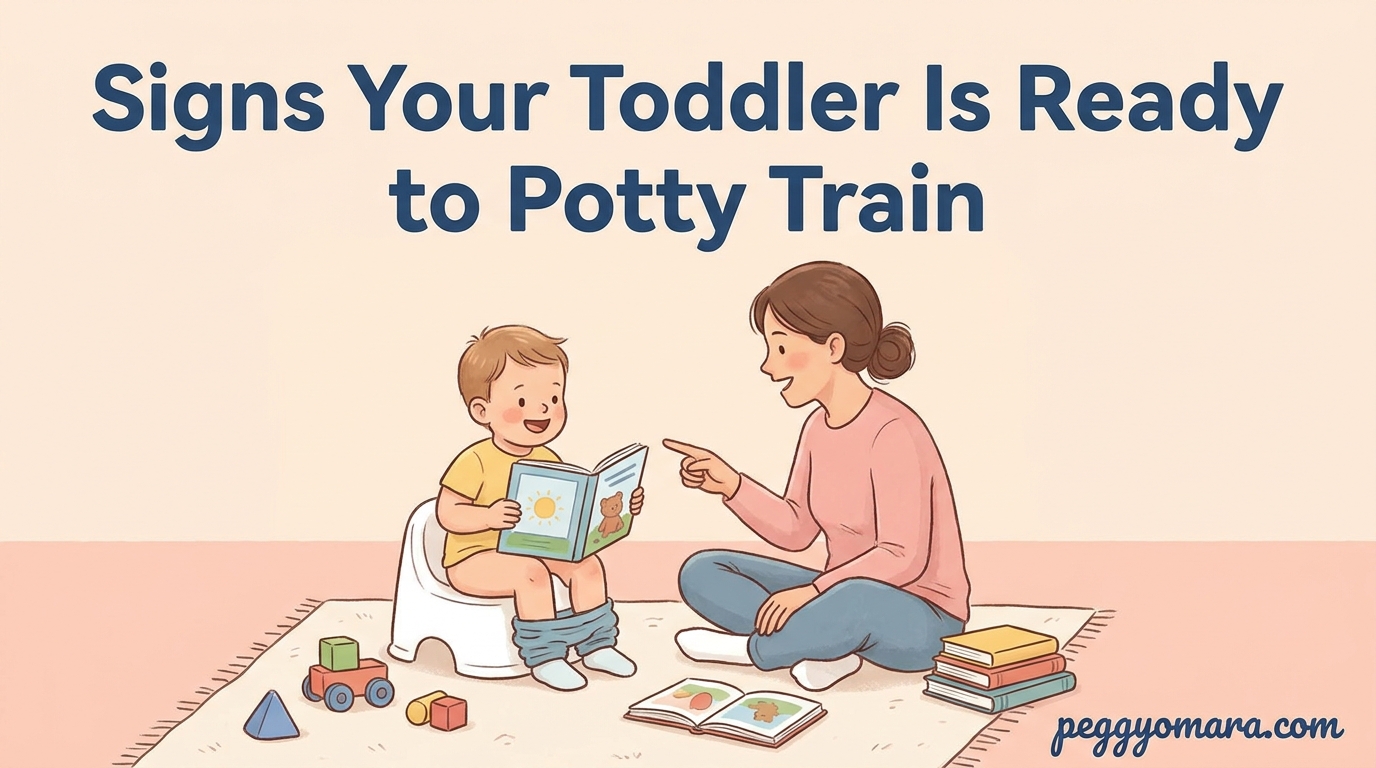
Key Takeaways: Potty training readiness comes down to three categories of signs. Physical signs include staying dry for 2+ hours, waking dry from naps, and having predictable bowel movements. Behavioral signs include hiding to poop, showing toilet interest, and disliking dirty diapers. Cognitive signs include following simple instructions, communicating needs, and recognizing the urge to go. Most children show these signs between 18 months and 3 years, but readiness matters far more than age.
Every parent reaches that moment of wondering: is it time? Maybe your mother-in-law keeps asking when you will ditch the diapers. Perhaps your daycare mentioned that other kids in the class are already training. Or your toddler just followed you into the bathroom for the hundredth time and you are wondering if this means something.
I have worked with hundreds of parents navigating potty training over the years, and the same question comes up constantly. How do I know if my toddler is really ready? The signs your toddler is ready to potty train are not mysterious, but they are easy to miss if you are only looking at the calendar. Age matters far less than development. Some 18-month-olds show clear readiness. Some 3-year-olds do not. This guide breaks down exactly what to look for across three key areas: physical, behavioral, and cognitive readiness.
Table of Contents
Physical Signs Your Toddler Is Ready for Potty Training (2026)
Physical readiness is the foundation. Without basic bladder control and motor skills, your child simply cannot succeed regardless of how motivated they feel. These are the concrete, observable signs that your toddler’s body is prepared.
Stays Dry for At Least Two Hours
A toddler who stays dry for two hours or longer during the day has developed sufficient bladder capacity and muscle control. This is one of the most reliable physical signs. Check diapers consistently. If you notice a pattern of dryness, especially after naps or in the morning, your child’s bladder muscles are maturing.
I recommend timing it. Note when the diaper was changed and check again in two hours. Consistent dryness shows the bladder can store urine and the sphincter muscles can hold it. This matters because a child who cannot physically hold urine will struggle to make it to the potty in time.
Wakes Up Dry from Naps
Waking dry from naps is a strong indicator of bladder maturity. Many parents overlook this sign because they assume nighttime dryness comes last. The reality is different. Daytime dryness and naptime dryness typically develop together or in close succession. Nighttime dryness often follows months later.
If your toddler regularly wakes from naps with a dry or barely wet diaper, their body is demonstrating control even during sleep. This is excellent progress. Night training can wait. Focus on daytime and naptime success first.
Has Predictable Bowel Movement Patterns
Regular, predictable bowel movements make potty training infinitely easier. If your child poops at roughly the same time each day, you can anticipate and guide them to the potty at the right moment. Some children go after breakfast. Others go after dinner. The specific timing matters less than the consistency.
Well-formed bowel movements also indicate readiness. Loose stools or diarrhea make training difficult and uncomfortable for everyone. If your child has regular, formed poops, you have one less barrier to successful training.
Can Pull Pants Up and Down
This motor skill seems small but matters enormously. A toddler who cannot pull their pants down independently will need constant help, creating delays that lead to accidents. Test this skill. Can your child pull elastic-waist pants down when asked? Can they pull them back up, even if imperfectly?
During early training, many parents use loose clothing to make this easier. Dresses for girls and elastic shorts for boys both work well. The key is that your child demonstrates the coordination to attempt this task independently.
Sits and Stands Steadily
Using a potty or toilet requires basic physical stability. Your child needs to sit on a potty chair without support, or on a toilet with a step stool and seat reducer, without fear of falling. They also need to stand steady if you are teaching standing urination for boys.
Most toddlers develop this stability by 18 months, but observe your specific child. If they still wobble significantly or seem insecure on their feet, wait a few weeks and reassess.
Behavioral Signs Your Toddler Is Ready to Potty Train
Physical readiness gets your child halfway there. Behavioral signs complete the picture. These indicators show that your toddler is interested, motivated, and uncomfortable enough with their current situation to want change.
Hiding to Poop or Pee
This sign appears consistently in parent forums and expert guidance for good reason. When a toddler seeks privacy behind the couch, in a corner, or behind a closed door to eliminate, they are demonstrating body awareness and social understanding. They know what is happening. They know it belongs in private.
I have heard from dozens of parents that this was the single sign that convinced them their child was ready. One mother described finding her 20-month-old squatting silently behind the living room curtain. That was her lightbulb moment. If your toddler hides to poop, they are likely ready or very close.
Dislikes Wet or Dirty Diapers
Complaints about diaper discomfort indicate your child notices the sensation and prefers dryness. Some toddlers pull at their diapers. Others ask for immediate changes. Some simply look uncomfortable and fussy when wet.
This discomfort creates natural motivation for potty training. A child who does not care about a wet diaper lacks the internal drive to change their behavior. Look for signs of displeasure. Even nonverbal cues like grimacing or trying to remove the diaper count.
Shows Interest in the Bathroom and Toilet
Curiosity about the bathroom is a classic readiness sign. Your toddler may follow you every time you go. They may ask questions about what you are doing. They might want to flush or watch the water. This fascination shows they are mentally processing what happens in the bathroom.
Encourage this interest. Answer questions simply and directly. Let them watch if they want. Some parents buy a potty chair early and let their child sit on it fully clothed just to get comfortable. This early exposure builds familiarity before formal training begins.
Wants to Wear Underwear
A toddler who asks for underwear or shows interest in choosing their own shows motivation for the transition. This often happens when they see siblings, cousins, or friends wearing underwear. The desire to be a “big kid” is powerful motivation for many toddlers.
Some parents use this as a reward system. “Once you use the potty, you can pick out your own underwear.” For motivated children, this works beautifully. Even without rewards, simply noticing and encouraging this interest helps build excitement for the process.
Can Sit Still for Several Minutes
Patience matters for potty training. Your child needs to sit on the potty long enough for something to happen. If your toddler cannot sit still for two to five minutes, they may struggle with the waiting aspect of training.
Test this during other activities. Can they sit through a short picture book? Can they focus on a simple puzzle for a few minutes? This concentration ability translates directly to potty training success.
Cognitive and Communication Signs of Readiness
The final piece involves your toddler’s brain development. They need to understand what you are asking, communicate their own needs, and recognize the bodily sensations that signal elimination.
Understands and Follows Simple Instructions
Potty training requires following multi-step directions. “Go to the bathroom, pull down your pants, and sit on the potty.” A child who cannot follow simple one-step instructions will struggle with this process.
Test this with everyday requests. Can they bring you a specific toy when asked? Can they put something in the trash? Can they come when you call? These receptive language skills indicate your toddler can understand the directions you will give during training.
Can Communicate Needs Verbally or Non-Verbally
Your child does not need full sentences to potty train. They do need some form of communication. This might be words like “potty” or “pee-pee.” It might be sign language. It might be a specific facial expression or body posture they use consistently.
The key is that they can signal their need BEFORE it happens or while it is happening. A child who only indicates discomfort after they have wet themselves is still developing this awareness. Look for early warning signals your child uses.
Recognizes the Urge to Go
Body awareness separates ready toddlers from those who need more time. A child who recognizes the sensation of a full bladder or an approaching bowel movement can learn to respond by going to the potty. This awareness often shows up as the “potty dance” or sudden stillness.
Watch for these signals. Does your toddler grab their diaper area suddenly? Do they cross their legs or squat? Do they retreat to their private spot for pooping? All of these demonstrate awareness of the urge.
Has Words for Pee and Poop
Whether you use clinical terms or family words, having vocabulary for elimination helps your child communicate. Many toddlers naturally develop these words through observation and imitation. They might say “poo-poo” when they are going or point to their diaper and say “wet.”
If your child has not developed these words yet, you can teach them. Use consistent terms during diaper changes. “You made pee-pee. The diaper is wet.” Over time, they will adopt your language.
Signs Your Child Is NOT Ready for Potty Training
Recognizing when to wait is just as important as recognizing when to start. Starting too early creates frustration, power struggles, and negative associations that actually delay success. Watch for these red flags that indicate waiting is the wiser choice.
No Awareness of Elimination
If your child shows absolutely no signs of noticing when they are going, they are not ready. A toddler who continues playing while pooping, who shows no reaction to a wet diaper, and who never indicates bathroom needs lacks the body awareness necessary for training.
This is normal for younger toddlers. Many 18-month-olds have not developed this awareness yet. There is no rush. Wait a month or two and reassess.
Active Resistance to the Potty or Toilet
Fear or strong resistance is a clear signal to pause. If your toddler screams when placed on the potty, clamps their legs shut, or consistently runs away from bathroom attempts, they are not ready regardless of other signs. Forcing the issue creates negative associations that make future training harder.
Some toddlers need gradual exposure. Keep a potty chair visible and available without pressure. Let them sit clothed. Read books about potty training. Wait for them to show interest rather than pushing it on them.
Major Life Changes Occurring
Timing matters beyond your child’s development. Major stressors like a new sibling, moving homes, starting daycare, or family disruptions are not ideal times for potty training. Children regress under stress. Adding potty training to an already challenging period sets everyone up for failure.
If you see readiness signs but major changes are happening, wait six to eight weeks after the transition stabilizes. Your child will be more capable of handling a new challenge once they feel secure again.
Medical Issues Present
Constipation, urinary tract infections, or other medical concerns complicate potty training. A child who is constipated may avoid the potty because it hurts to poop. A child with a UTI may have accidents despite knowing better. Address medical issues first.
If your child shows any signs of discomfort during elimination, consult your pediatrician. Once medical issues resolve, training typically proceeds much more smoothly.
Are YOU Ready? Parent Readiness Checklist
Your readiness matters as much as your child’s. Potty training requires patience, consistency, and emotional energy from parents. Before you start, honestly assess these factors.
Can you commit to several days of focused attention? The initial training period works best when you can stay home and dedicate time to helping your child succeed. Do you have the emotional patience for accidents without anger or shame? Reacting calmly to setbacks is essential. Are you and any other caregivers on the same page? Consistency between parents, daycare, and grandparents prevents confusion. Do you have time for frequent potty trips and cleanup? The first week especially demands constant vigilance.
If you are stressed, overwhelmed, or dealing with your own major life changes, waiting is perfectly fine. Your child will train when both of you are ready. There is no award for early potty training. A calm, prepared parent leads to a successful, low-stress experience.
What to Do When You See Signs Your Toddler Is Ready to Potty Train?
Once you recognize multiple signs across the physical, behavioral, and cognitive categories, take these simple steps. First, gather supplies. A child-sized potty chair, several pairs of training pants or underwear, and easy-pull clothing are essential. Next, talk about it. Use books, videos, or simple conversations to introduce the concept before you begin.
Then start gradually. Many families begin with just mornings or just at home before going diaper-free full time. You can also try a “potty introduction” period where you offer the potty at regular times without pressure. Finally, stay consistent. Once you commit to training, stick with it even through accidents. Going back and forth between diapers and underwear confuses children.
Frequently Asked Questions
What is the 10 10 10 rule for potty training?
The 10 10 10 rule suggests having your child sit on the potty for 10 minutes, then take a 10-minute break, and repeat this cycle for up to 10 times per day. This structured approach helps establish routine and increases the chances of catching a successful elimination on the potty, especially during early training days.
How do I know if my 2 year old is ready for potty training?
Look for a combination of physical, behavioral, and cognitive signs. Physically, they should stay dry for 2+ hours and have predictable bowel movements. Behaviorally, watch for hiding to poop, disliking wet diapers, and showing bathroom interest. Cognitively, they should follow simple instructions and communicate needs. Most 2-year-olds show some but not all signs. The more signs present, the higher your chances of success.
What is a red flag for potty training?
Red flags include extreme fear of the potty or toilet, complete lack of body awareness, active resistance or tantrums when potty is mentioned, ongoing constipation or medical issues, and starting during major life stressors like a new sibling or move. These issues suggest waiting rather than pushing forward. Forcing training when red flags exist typically creates longer-term resistance and anxiety.
Is it okay that my 3 year old isn’t potty trained?
Yes, this is completely normal and okay. While many children train between ages 2 and 3, a significant number are not fully trained until closer to age 3.5 or even 4. Every child develops on their own timeline. If your 3-year-old is not showing readiness signs, waiting is the right choice. If they are showing signs but resisting, a gentle, low-pressure approach often works better than forced training.
Should I wait for all signs or just some?
You do not need every single sign before starting. Most children train successfully with a combination of several signs across categories rather than complete readiness in all areas. Aim for at least one strong sign from each category: physical, behavioral, and cognitive. For example, staying dry for 2+ hours, hiding to poop, and following simple instructions together suggest readiness even if other signs have not appeared yet.
Can I start potty training before 18 months?
Early potty training is possible but requires different approaches. Before 18 months, children rarely show the independent readiness signs described in this guide. However, some families practice elimination communication starting in infancy. If you want to train before 18 months, expect a longer, more parent-led process with more frequent potty trips and less child independence. Most pediatricians recommend waiting until at least 18 months unless there are specific reasons to start earlier.
Final Thoughts on Potty Training Readiness
Recognizing the signs your toddler is ready to potty train is a skill that will save you months of frustration. Physical readiness gives your child the capability. Behavioral readiness gives them the motivation. Cognitive readiness gives them the understanding. When these three elements align, potty training becomes a natural next step rather than a battle.
Remember that age is just a number. Your 18-month-old might be ready. Your 3-year-old might not be. Both situations are normal and healthy. Trust your observations over the calendar. Trust your child’s signals over family pressure. And trust yourself to know when both of you are truly prepared for this transition.
Potty training is a milestone, not a race. When you start at the right time for your specific child, the process unfolds with fewer accidents, less stress, and more celebration. Watch for the signs. Wait if you need to. Start when you are both ready. Success will follow.