
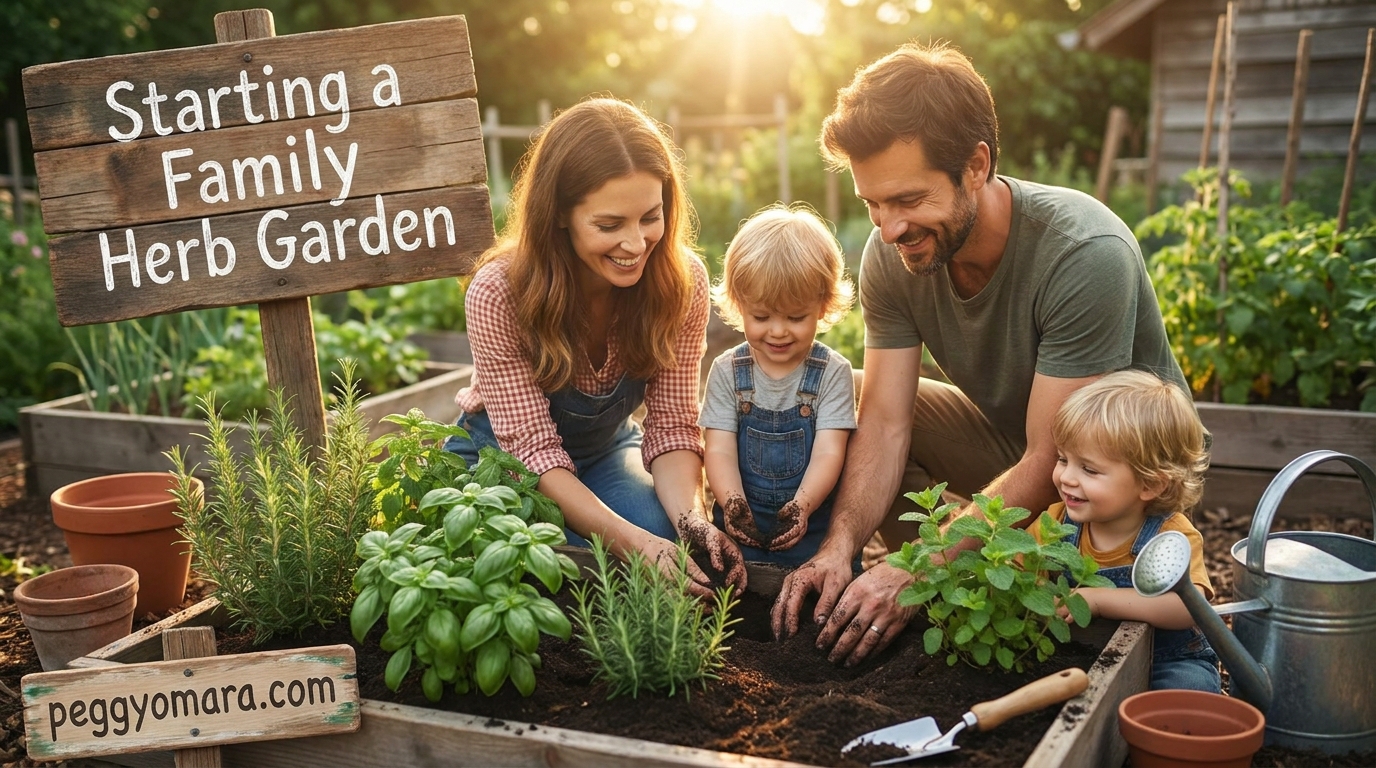
There’s something magical about watching a child’s face light up when they see the first green sprout pushing through soil. Starting a family herb garden combines that wonder with practical benefits: fresh ingredients for cooking, sensory experiences that engage all five senses, and valuable lessons about patience and responsibility. A family herb garden is the perfect introduction to gardening for children because herbs grow quickly, forgive mistakes, and offer immediate rewards through their fragrant leaves.
Unlike vegetables that might take months to produce, many herbs show noticeable growth within days of planting. This quick feedback loop keeps kids engaged and excited about checking on their plants daily. Plus, herbs are incredibly forgiving: if you forget to water for a day or two, most will bounce right back. This resilience makes them ideal for teaching children about plant care without the heartbreak of losing delicate seedlings.
The beauty of herb gardening with children lies in its versatility. Whether you have a sprawling backyard or just a sunny windowsill, you can create a thriving family herb garden that teaches kids about nature, food sources, and sustainable living. Children as young as toddlers can participate in simple tasks like watering, while older kids take ownership of planning, planting, and harvesting.
Table of Contents
Why Start a Family Herb Garden?
A family herb garden offers far more than just fresh seasonings for your kitchen. When children grow herbs themselves, they develop a deeper connection to the food they eat and an understanding of where ingredients come from. This hands-on learning experience teaches responsibility as kids remember to water their plants and track their growth. The patience required to wait for herbs to be ready for harvest helps children understand natural cycles and delayed gratification.
Herb gardening provides incredible sensory experiences for children. The variety of textures—from fuzzy sage to smooth basil—engages their sense of touch. The aromatic oils released when crushing mint leaves or rubbing rosemary create powerful scent memories. Visually, herbs offer diverse colors and growth patterns, from the spiky chives to trailing creeping thyme. When children can taste herbs they’ve grown themselves, they’re often more willing to try new flavors and develop more adventurous palates.
Beyond the educational benefits, a family herb garden creates special bonding time. Working together in the garden provides opportunities for meaningful conversations away from screens and distractions. Children love having “their” plants to care for, and parents often report that their kids become more adventurous eaters when they’ve participated in growing the ingredients. The pride a child feels when serving dinner seasoned with herbs they grew themselves is priceless.
Getting Started: Setting Up Your Family Herb Garden (2026)
Before choosing your herbs, consider where your family herb garden will live. Most herbs need at least six hours of direct sunlight daily, making a south-facing windowsill, sunny balcony, or bright spot in the yard ideal. If you’re gardening with very young children, raised beds or containers at waist height prevent back strain and make it easier for little hands to reach plants comfortably.
Containers offer flexibility perfect for family herb gardens. They allow you to control soil quality, move plants to catch optimal sunlight, and contain aggressive spreaders like mint. Choose pots with drainage holes and use quality potting soil rather than garden soil, which can become compacted in containers. For very young children, smaller containers (4-6 inches) are easier to manage, while older kids can handle larger pots that provide more growing room.
Basic supplies for starting a family herb garden include containers with drainage, organic potting soil, small trowels or spoons for planting, watering cans with gentle shower heads, and plant markers. Involve your children in selecting these tools: letting kids choose their own small watering can or decorate plant markers increases their investment in the project. Child-sized gardening tools make the work more manageable and prevent frustration.
When planning your family herb garden, involve children in the selection process. Let them smell different herbs at a garden center and choose varieties that appeal to them. Consider their favorite foods: pizza lovers might prioritize oregano and basil, while families who enjoy Mexican cuisine might plant cilantro and epazote. This personal investment ensures children stay engaged throughout the growing season.
7 Easy Herbs to Grow with Kids
Starting a family herb garden begins with selecting plants that will succeed and keep children interested. These seven herbs are proven winners for gardening with children: they’re forgiving of mistakes, grow relatively quickly, and offer sensory experiences that engage kids. Each herb profile below includes growing tips specifically tailored for family gardening, along with activity suggestions that make herb gardening an ongoing family adventure.
Chives: The Perfect First Herb
Chives are perhaps the easiest herb to grow with children, making them an ideal starting point for your family herb garden. These hardy perennials emerge early in spring, often pushing through snow, and return faithfully year after year. Their grass-like appearance appeals to children, and the mild onion flavor won’t overwhelm young palates. Chives grow in clumps that can be divided and shared, making them excellent for teaching children about plant propagation.
Plant chives in full sun to partial shade in well-drained soil. They’re not particular about soil quality and will thrive in containers or garden beds. Start chives from divisions for fastest results: simply separate a clump into smaller sections and plant. If starting from seed, sow indoors 6-8 weeks before your last frost date, but be patient as chive seeds take 2-3 weeks to germinate. Children can help thin seedlings to 3-4 inches apart, teaching them about giving plants space to grow.
Harvesting chives is incredibly satisfying for children. Using child-safe scissors, kids can snip chives 2 inches above soil level, and the plants will quickly regrow. The hollow stems make a clean “snap” when cut that delights young gardeners. Use harvested chives immediately on baked potatoes, in scrambled eggs, or as a garnish that children can add themselves. The edible purple flowers that appear in late spring are beautiful in salads and a special treat for patient young gardeners.
Family Activity: Create a “chive hair salon” where children give potted chive plants haircuts, measuring regrowth weekly. This teaches plant growth patterns while providing endless entertainment. The harvested chives can be frozen in ice cube trays with water or olive oil for use throughout winter.
Basil: Fast-Growing and Fragrant
Basil captures children’s imaginations with its rapid growth and wonderful fragrance. This annual herb grows quickly enough that kids can measure noticeable progress almost daily. The large, tender leaves are easy for small hands to harvest, and the plant’s responsiveness to pruning teaches valuable lessons about plant care. Basil comes in many varieties: sweet basil with its classic flavor, purple basil for color, and lemon or cinnamon basil for unique scents that engage children’s senses.
Start basil seeds indoors 6-8 weeks before your last frost, or wait until soil warms to direct sow. Children love planting basil seeds because they’re relatively large and easy to handle. Plant seeds just 1/4 inch deep and keep soil consistently moist until germination. Basil requires warmth: it won’t grow until temperatures stay above 50°F consistently. This makes it a perfect late spring project when children are eager to get outside after winter.
Basil thrives in full sun with at least 6-8 hours of direct sunlight. In hot climates, afternoon shade prevents leaves from scorching. Water basil when the top inch of soil feels dry, and encourage children to check soil moisture daily. The most important basil lesson for children is pinching: removing the center stem when plants reach 6 inches tall encourages bushy growth rather than tall, spindly plants. Kids love this “pruning” task, especially when they learn it means more leaves for pesto.
Harvest basil regularly to prevent flowering, which makes leaves bitter. Teach children to snip entire stems just above a leaf pair, which encourages branching. Basil leaves don’t store well long-term, so plan to use harvests promptly. This abundance leads naturally to cooking projects: homemade pesto is the classic basil activity, but children also enjoy adding fresh basil to pizza, sandwiches, and even lemonade.
Family Activity: Host a “Pesto Party” where children harvest, wash, and blend their own pesto variations. Experiment with different nuts, cheese amounts, or even adding spinach for extra nutrition. Freeze extra pesto in ice cube trays for quick pasta dinners throughout the year.
Mint: The Nearly Indestructible Herb
Mint is the herb that keeps on giving, making it perfect for children who might occasionally forget their watering duties. This vigorous perennial spreads aggressively underground, creating an endless supply for tea, desserts, and sensory exploration. Mint’s strong scent when leaves are crushed fascinates children, and the plant comes back reliably each spring, teaching kids about perennial cycles. The mint family includes many varieties: spearmint, peppermint, chocolate mint, and even pineapple mint, each with distinct scents for children to compare.
Critical Growing Rule: Always grow mint in containers, even if you plan to place the container in your garden. Mint’s aggressive underground runners will escape and take over garden beds within a single season. A 12-inch pot minimum is recommended, and you can even bury the pot to prevent it from tipping over while still containing the roots. This containment lesson is valuable for teaching children about plant growth habits.
Mint tolerates partial shade better than most herbs, making it versatile for various garden locations. It prefers consistently moist soil and will wilt dramatically when thirsty—a dramatic signal that even young children notice. The plant recovers quickly from underwatering, which is forgiving for families still learning proper watering schedules. In spring, mint emerges early, often one of the first signs of returning life in the garden.
Harvest mint stems anytime the plant is actively growing. Children can snip stems 4-6 inches from the ground, and the plant will quickly produce new growth. Mint flowers attract pollinators, providing an opportunity to observe bees and butterflies up close. The harvested mint is incredibly versatile: steep it for tea, add to lemonade or water for natural flavoring, or dry for winter use. Mint’s strong flavor means a little goes a long way in recipes.
Family Activity: Create a “mint taste test” with different varieties. Have children close their eyes, crush and smell different mint types, and guess the variety. Then make mint water by adding crushed leaves to cold water and letting it steep—much healthier than sugary drinks and endlessly customizable with fruits or cucumber.
Parsley: The Butterfly Magnet
Parsley offers children a two-season gardening experience because it’s a biennial, producing leaves the first year and flowers and seeds the second. This lifecycle teaches valuable lessons about plant stages. Perhaps most exciting for children, parsley serves as the host plant for black swallowtail butterflies. Caterpillars that might initially alarm children actually transform into beautiful butterflies, providing an unforgettable lesson about garden ecosystems.
Parsley comes in two main types: curly parsley, which appeals to children with its ruffled texture, and flat-leaf Italian parsley, which has stronger flavor. Both grow well in containers or garden beds and tolerate partial shade, making them versatile for different garden situations. Start parsley seeds indoors 8-10 weeks before the last frost, soaking seeds in warm water for 24 hours first to speed germination.
Parsley seeds are notoriously slow to germinate, often taking 3-4 weeks. This delay challenges children’s patience but makes the eventual sprouting more rewarding. Plant seeds 1/4 inch deep and keep soil consistently moist. Thin seedlings to 6-8 inches apart once they’re 2 inches tall. Space requirements make parsley perfect for containers, where you can grow multiple plants for a bumper harvest.
Harvest parsley by snipping outer stems at ground level, leaving the center growing point intact. This harvest method allows continuous production throughout the season. Parsley withstands light frost, extending harvest time well into fall in many climates. Use parsley generously—it’s more than a garnish. Add it to tabbouleh, blend into green smoothies that children might otherwise resist, or chop into pasta sauce for added nutrition.
Family Activity: Create a “butterfly nursery” by planting extra parsley specifically for swallowtail caterpillars. Document the lifecycle with photos: eggs, tiny caterpillars, growing caterpillars, chrysalis, and emerging butterflies. This teaches children about garden ecosystems and the importance of sharing some harvest with nature.
Dill: The Pickle Plant
Dill captures children’s interest with its feathery foliage and distinctive scent that immediately suggests pickles. This fast-growing annual herb reaches impressive heights quickly, giving children a sense of accomplishment. Dill’s rapid growth means children can notice changes almost daily, and the plant’s eventual flowers produce seeds that can be saved for next year’s garden, teaching about seed saving and plant cycles.
Unlike many herbs, dill doesn’t transplant well and should be direct-sown in the garden. Plant seeds 1/4 inch deep after danger of frost has passed, spacing seeds 2 inches apart and thinning to 12-18 inches between plants. Dill grows a long taproot that resents disturbance, so choose its permanent location carefully. Children can help thin seedlings and transplant the extras to fill gaps in the garden bed.
Dill thrives in full sun and well-drained soil. It grows quite tall—up to 3 feet for some varieties—so plant where it won’t shade smaller plants. The ferny foliage is beautiful and provides texture in garden beds. Water dill when the top inch of soil feels dry, but avoid overhead watering which can cause fungal problems. Dill produces yellow umbrella-shaped flowers that attract beneficial insects to the garden.
Harvest dill leaves anytime once plants reach 12 inches tall. Snip leaves at the stem for fresh use, or harvest entire stems for drying. The leaves have the strongest flavor before flowering, after which the plant focuses energy on seed production. Dill seeds can be harvested once they turn brown, then saved for cooking or next year’s planting. Fresh dill pairs perfectly with cucumbers for pickles, salmon, potatoes, and homemade tzatziki sauce.
Family Activity: Plant “Dill and Cucumber Companions” in a large container or garden bed. Children can harvest both simultaneously to make refrigerator pickles—the simplest form of pickling that doesn’t require canning equipment. The satisfaction of eating homemade pickles they grew themselves creates lasting memories.
Thyme: The Creeping Ground Cover
Thyme offers children a different growth habit to observe: low, spreading, and mat-forming rather than upright. This perennial herb creates fragrant ground cover that tolerates some foot traffic, making it perfect for planting between stepping stones where children can release the aromatic oils by walking on it. Thyme’s tiny leaves are adorable to small hands, and the plant produces small pink or purple flowers that bees love.
Many thyme varieties exist: common thyme for cooking, lemon thyme with citrus scent, creeping thyme for ground cover, and woolly thyme with fuzzy leaves. Thyme prefers excellent drainage and full sun, making it perfect for rock gardens, containers with drainage holes, or raised beds. Start thyme from cuttings for fastest results, or sow seeds indoors 6-8 weeks before planting out. Thyme seeds are tiny—children can mix them with sand before planting to distribute evenly.
Thyme is drought-tolerant once established, making it forgiving for families who occasionally forget watering. In fact, thyme suffers more from overwatering than underwatering. Plant thyme in sandy soil or add perlite to potting mix to ensure drainage. This Mediterranean herb doesn’t need rich soil—in fact, lean soil produces more aromatic oils. Children can help create a “thyme path” by planting creeping varieties between pavers.
Harvest thyme by snipping stems anytime the plant is actively growing. For cooking, strip the tiny leaves from woody stems by running your fingers opposite the stem’s growth direction. Thyme dries beautifully and maintains much of its flavor, making it perfect for winter use. Use fresh thyme in roasted vegetables, marinades, and herb butter. The dried herb enhances soups, stews, and roasted meats throughout the year.
Family Activity: Create a “scented path” by planting creeping thyme between stepping stones. Children can walk barefoot to release the aromatics, creating a multi-sensory garden experience. Measure the thyme’s spread monthly to document its growth as a ground cover.
Oregano: The Pizza Herb
Oregano connects children to their favorite foods, making it an instant hit in family herb gardens. This hardy perennial spreads attractively and produces abundant harvests that can be dried for year-round pizza seasoning. The leaves’ strong, distinctive scent engages children’s sense of smell, and the plant’s drought tolerance makes it forgiving of inconsistent watering. Oregano’s spreading habit means one plant eventually provides enough for a family’s needs.
Start oregano from cuttings, divisions, or seeds. Seeds take 1-2 weeks to germinate and should be started indoors 6-8 weeks before the last frost. Oregano prefers full sun and well-drained soil, making it perfect for hot, sunny spots where other plants might struggle. The plant reaches 1-2 feet tall and spreads gradually through underground stems. In containers, oregano thrives and produces an impressive harvest from a relatively small pot.
Water oregano when the top inch of soil feels dry—this plant prefers slightly dry conditions to consistently moist soil. Oregano’s flavor intensifies when grown in lean soil and hot, sunny conditions. The plant produces small white or pink flowers in summer that attract pollinators. In mild climates, oregano remains evergreen, providing fresh herbs year-round. In colder areas, it will die back to the ground and return reliably each spring.
Harvest oregano stems anytime once plants reach 6 inches tall. For best flavor, harvest just before flowers open when essential oils are most concentrated. Oregano dries exceptionally well: hang bundles in a warm, dark place or use a food dehydrator. Crumble dried leaves and store in airtight containers. The dried herb is actually more flavorful than fresh, making it perfect for winter cooking. Fresh oregano enhances pizza, pasta sauce, and roasted vegetables.
Family Activity: Host a “Pizza Garden Party” where children harvest oregano (and basil, if you planted it) to make personal pizzas. Set up toppings stations and let children add their homegrown herbs to their creations. This connects the garden directly to dinner and gives children ownership of meal preparation.
Tips for Successful Family Herb Gardening
Success with a family herb garden depends on matching tasks to children’s ages and abilities. Toddlers can water with supervision and help harvest by pulling leaves with guidance. Preschoolers enjoy planting seeds, checking soil moisture, and using child-safe scissors for harvesting. Elementary-age children can take responsibility for specific plants, maintain growth journals, and help with cooking projects using their harvests. Teenagers might manage the entire garden, from planning to harvest to cooking with herbs.
Consistent watering helps children establish routines. Check soil daily together, and create a simple watering schedule that children can follow. Teach children to check soil moisture by sticking a finger about an inch into the soil—if it feels dry, it’s time to water. Morning watering is ideal because it gives leaves time to dry before evening, reducing fungal problems. Show children how to water at the soil level rather than spraying leaves, which can spread disease.
Harvesting techniques should be taught specifically to children. Demonstrate proper cutting with scissors before letting children try themselves. Teach the “pinch and prune” method for herbs like basil, where removing stem tips encourages bushier growth. Explain that regular harvesting keeps herbs producing, unlike some vegetables where you wait until full maturity. Children love having permission to cut plants regularly—this freedom increases their engagement with the garden.
Make your family herb garden educational by incorporating science lessons. Keep a growth journal where children measure plants weekly and record observations. Photograph the garden weekly to document changes. Discuss pollinators that visit herb flowers and the importance of beneficial insects. Compare herb growth rates and discuss why some plants grow faster than others. These scientific observations turn gardening into an ongoing learning experience.
Common mistakes to avoid in family herb gardens include overwatering (the #1 killer of herbs), planting too early before soil warms, crowding plants without proper spacing, and harvesting too timidly. Teach children that most herbs prefer slightly dry conditions to constantly wet soil. Use a soil thermometer to ensure soil is at least 60°F before planting warm-season herbs like basil. Follow spacing recommendations on seed packets, even though tiny plants seem far apart in the beginning. Harvest regularly and confidently—herbs respond well to being cut back.
Creating traditions around your family herb garden makes it a lasting family activity. Some families have an annual “planting day” celebration with a special meal featuring herbs. Others photograph children in the garden each year to document their growth alongside the plants. Herb harvest parties where children cook with their bounty create positive associations with gardening. These traditions turn herb gardening from a one-time activity into a beloved family ritual.
Dealing with garden challenges teaches resilience and problem-solving. If pests appear, research organic solutions together rather than reaching for chemicals. If plants fail, discuss what might have gone wrong and try again. Herbs are inexpensive, so failure is an affordable lesson. These experiences teach children that gardening involves trial and error and that not every plant will succeed despite our best efforts—a valuable life lesson beyond the garden.
Frequently Asked Questions
What is the easiest plant for kids to grow?
Chives are widely considered the easiest herb for children to grow. They emerge early in spring, tolerate almost any soil condition, grow quickly, and return reliably year after year as perennials. Chives forgive inconsistent watering and bounce back from enthusiastic harvesting. Their grass-like appearance makes them familiar to children, and the mild onion flavor won’t overwhelm young palates. Mint is another nearly indestructible option, though it must be contained in pots to prevent aggressive spreading.
What herbs should never be planted together?
Mint should never be planted in the ground with other herbs because its aggressive underground runners will quickly overtake the entire garden bed. Always grow mint in containers, even if placing the container in your garden. Some gardeners also separate dill from carrots and fennel as they can cross-pollinate, though this primarily affects seed savers rather than home herb growers. Otherwise, most herbs grow well together and can actually benefit from companion planting—basil pairs well with tomatoes, and chamomile improves growth of many herbs when planted nearby.
How much sun does a family herb garden need?
Most herbs require at least six hours of direct sunlight daily for optimal growth and flavor production. Basil, oregano, and thyme especially need full sun to develop the essential oils that give them their characteristic aromas and flavors. However, some herbs tolerate partial shade, including mint, chives, and parsley. If you have limited sun, prioritize sun-loving herbs in your brightest spots and place more tolerant varieties in shadier areas. Indoor herb gardens require the sunniest south-facing window available or supplemental grow lights for healthy growth.
Can you grow herbs indoors with children?
Many herbs grow successfully indoors with proper conditions. A sunny south-facing window that receives at least six hours of direct sunlight daily is ideal for indoor herb gardens. Without adequate natural light, supplement with grow lights designed for plants. Choose compact varieties suitable for containers, and ensure pots have drainage holes to prevent root rot. Basil, chives, parsley, and mint all grow well indoors. Indoor herb gardens work particularly well for families without outdoor space or for year-round growing in cold climates. Children often enjoy having herbs in the kitchen where they can harvest them easily during cooking.
When should you start herbs with kids?
Spring is the ideal time to start most herbs with children, after danger of frost has passed and soil has warmed to at least 60°F. This timing works well for warm-season herbs like basil that won’t grow in cold temperatures. However, some herbs can be started earlier: parsley seeds can be started indoors 8-10 weeks before the last frost, and chives can be planted as soon as soil can be worked in spring. Fall is another excellent time for planting perennial herbs like chives, thyme, and oregano in mild climates, allowing them to establish before winter. The key is matching planting time to each herb’s specific requirements and your local climate.
What herbs are safe for kids to touch and taste?
All common culinary herbs are safe for children to touch and taste, including basil, chives, mint, parsley, dill, thyme, and oregano. In fact, encouraging children to taste herbs directly from the plant helps them develop palates for fresh flavors. However, teach children to always ask before tasting any plant, and properly identify herbs before sampling. Some ornamental plants or unfamiliar species could be harmful. Wash harvested herbs before eating to remove dirt or garden visitors. Children with allergies should be introduced to new herbs gradually in small amounts. The sensory experience of touching, smelling, and tasting herbs safely is one of the greatest benefits of family herb gardening.
How do I keep my kids interested in the herb garden?
Maintaining children’s interest in herb gardening requires making it engaging rather than chore-like. Give children ownership of specific plants they’re responsible for checking and harvesting. Create regular garden rituals like weekly measuring and watering routines. Connect herbs to food children love—grow pizza herbs for homemade pizza night or mint for lemonade stand projects. Document growth with photos and journals children can review. Plan cooking projects using harvested herbs so children see the garden-to-table connection. Praise their efforts and display harvested herbs proudly. Short, frequent garden sessions work better than long ones that become tedious. Most importantly, let children lead sometimes—even if they want to smell every leaf or harvest prematurely, their engagement matters more than perfect technique.
Conclusion: Starting Your Family Herb Garden Today
Starting a family herb garden is one of the most rewarding gardening projects you can undertake with children. The seven herbs profiled here—chives, basil, mint, parsley, dill, thyme, and oregano—are proven winners that forgive mistakes, grow relatively quickly, and provide abundant harvests even from small spaces. These herbs engage children’s senses through their diverse textures, strong aromas, and distinctive flavors, making gardening an immersive experience rather than a chore.
The benefits of a family herb garden extend far beyond fresh seasonings for your kitchen. Children who grow herbs develop patience, responsibility, and a deeper connection to their food. They learn scientific concepts through observing plant growth and understanding natural cycles. Families bond over shared time outdoors, away from screens and distractions. Perhaps most importantly, herb gardening creates lasting memories and traditions that children carry into adulthood.
Begin small: select just two or three herbs from this list and start with containers rather than an ambitious in-ground garden. Let children choose which herbs to grow based on their interests and favorite foods. Involve them in every step from selecting pots to harvesting and cooking with their bounty. Remember that the goal isn’t perfection—it’s connection, learning, and joy in growing things together.
Your family herb garden will evolve as your children grow. Toddlers who simply water and harvest will eventually become school-aged children planning garden layouts, teenagers managing entire plots, and adults who garden with their own children someday. This intergenerational connection to growing food is perhaps the most valuable gift a family herb garden offers. Start yours today, and watch your family grow alongside your herbs.