
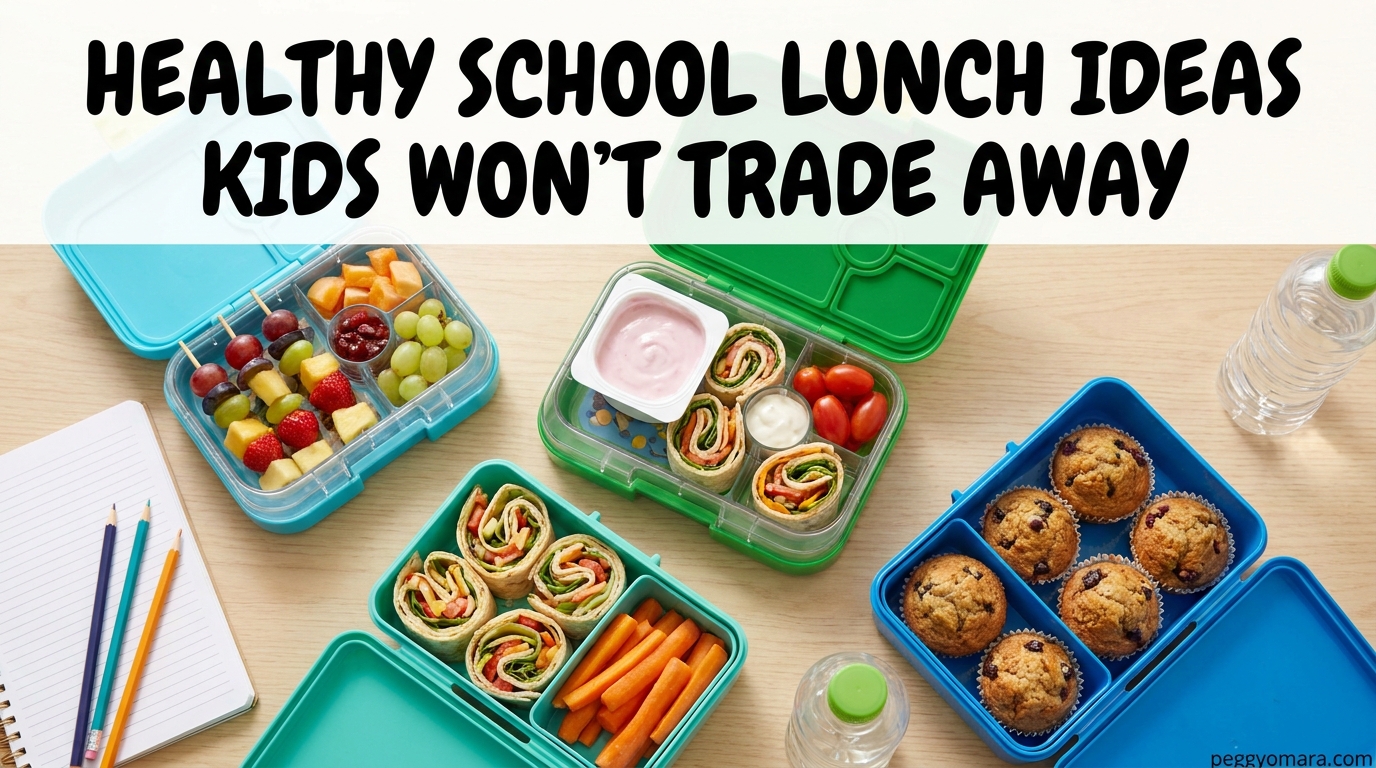
Packing a school lunch that comes home empty is one of parenting’s small victories. Yet so many of us face the daily frustration of discovering our carefully prepared healthy school lunch ideas barely touched in the lunch box. After talking with dozens of parents and testing countless combinations, I’ve discovered that the secret isn’t just about nutrition. It’s about creating lunches that kids won’t trade away to their friends.
My youngest once traded his entire sandwich for a single cookie. The other kid got a wholesome meal while mine had sugar and regret. That was my wake-up call to rethink how I packed lunches. In this guide, I’ll share the exact formula that transformed our mornings and finally got my kids to eat what I packed. You’ll get over 45 specific lunch ideas, practical strategies for picky eaters, and solutions for nut-free schools that actually work in real life.
Table of Contents
The Kid-Approved Lunch Formula That Actually Works
Every successful school lunch follows a simple three-part formula: Protein + Produce + Starch. This combination keeps kids full, focused, and energized through the afternoon. Skip one component and you’ll likely find that lunch box coming home half-eaten.
Protein provides staying power. Think about it: your child needs fuel to power through math class, recess, and science experiments. Good protein sources include hard-boiled eggs, deli meat roll-ups, cheese cubes, leftover chicken, or bean-based options. Aim for about 10-15 grams of protein for younger kids and 15-20 grams for tweens and teens.
Produce adds color, nutrition, and variety. Kids eat with their eyes first. A rainbow of fruits and vegetables makes lunch visually appealing while delivering essential vitamins. Cut fruits and veggies into manageable pieces. Small grape tomatoes, cucumber coins, and apple slices are easier to eat than large chunks.
The starch component gives quick energy and satisfies hunger. Whole grain bread, crackers, pasta, rice, or even leftover pancakes work here. The key is choosing options that hold up well without getting soggy or stale by lunchtime.
Adjust portions based on your child’s age and appetite. A kindergartener needs roughly half of what a middle schooler consumes. Watch your child’s hunger cues after school. If they’re ravenous, pack more. If food consistently comes home, scale back portions.
Why Kids Trade Their Lunches? (And How to Stop It)
Kids trade lunches for several reasons, and understanding these motivations helps you pack strategically. The most common reason is simple: their lunch looks boring compared to their friends’ meals. Bright colors, interesting shapes, and variety beat beige sandwiches every time.
Social pressure plays a huge role too. My daughter admitted she once traded her quinoa salad because a friend said it “looked weird.” Kids want to fit in. If everyone else has pre-packaged snacks, your homemade trail mix might get swapped for a shiny bag of chips. This is why presentation and “cool factor” matter more than we adults realize.
The third reason is hunger desperation. If a kid opens their lunch box and sees something they don’t like or can’t easily eat, they’ll trade for anything edible. Foods that are difficult to open, messy to eat, or require utensils when friends are eating finger foods all increase trading risk.
To create an “untradeable” lunch, focus on finger-friendly foods that kids can eat quickly. Cut sandwiches into fun shapes using cookie cutters. Include dip options like hummus or ranch. Pack foods that look similar to what other kids have, just healthier versions. DIY lunchables consistently win because they look like the popular pre-packaged versions but taste better and cost less.
Another winning strategy is involving your child in the planning. When kids help choose their lunch components, they feel ownership. They’re far less likely to trade away something they picked themselves. Give them options within your healthy parameters: “Do you want turkey roll-ups or a quesadilla today?”
45+ Healthy School Lunch Ideas Kids Actually Want to Eat
Now let’s get specific. These ideas follow the protein-produce-starch formula while prioritizing foods that kids genuinely enjoy eating. I’ve organized them by category to make planning easier.
High-Protein Power Lunches
Protein keeps kids full longer, preventing the afternoon energy crash that leads to distracted learning. These high-protein options satisfy without requiring refrigeration for the entire school day.
Hard-boiled eggs paired with mini whole wheat pitas and a handful of berries create a complete meal. The eggs provide 6 grams of protein each, while the berries add natural sweetness kids crave. Pack the eggs pre-peeled to make them easy to eat during limited lunch time.
DIY lunchables remain the undisputed champion of kid-friendly lunches. Stack deli turkey or ham with cheese cubes and whole grain crackers. Add some grapes or cherry tomatoes for produce. Kids love the assembly aspect, and you’ll love saving money compared to pre-packaged versions. Use silicone cups to separate components.
Turkey and cheese roll-ups eliminate the bread while keeping the flavors kids love. Simply roll sliced deli meat around cheese sticks or cream cheese spread. Slice into bite-sized pinwheels. Serve with cucumber coins and a small container of ranch dressing for dipping.
Leftover meatballs with a side of pasta and marinara sauce travel well in a thermos. Make a big batch on Sunday and freeze portions. Pull them out as needed for easy protein throughout the week. Add a side of steamed broccoli that your child actually enjoys.
Cottage cheese with pineapple chunks and whole grain toast sticks offers a sweet-savory combination. The cottage cheese delivers 12 grams of protein per half cup. Choose low-sodium varieties for younger kids. The toast sticks make it fun to eat.
Non-Sandwich Alternatives
Some kids simply don’t like sandwiches. Others get bored eating bread daily. These creative alternatives deliver nutrition without a slice of bread in sight.
Pasta salad with veggies and cheese cubes gets better as it sits, making it perfect for school lunches. Use whole grain or chickpea pasta for extra nutrition. Add diced bell peppers, cherry tomatoes, and mozzarella. Toss with Italian dressing that won’t spoil without refrigeration for a few hours.
Rice bowls work hot or cold. Start with brown rice, then add diced chicken, edamame for protein, shredded carrots, and a drizzle of soy sauce or teriyaki. Pack in a wide-mouth thermos to keep everything contained. Kids enjoy the variety of textures and flavors.
Quesadilla wedges with salsa and guacamole cups deliver Mexican flavors kids love. Make quesadillas with whole wheat tortillas and cheese. Add finely chopped chicken or beans for protein. Cut into triangles and pack with small containers of salsa and guacamole for dipping.
Breakfast burritos work beautifully as lunch options. Scramble eggs with cheese and black beans, wrap in a whole wheat tortilla. These freeze well, so make a batch on the weekend. Warm in the morning and wrap in foil. They’ll be room temperature by lunch but still delicious.
Pizza muffins or mini frittatas baked in muffin tins offer handheld protein portions. Mix eggs with diced peppers, ham, and cheese. Bake until set. These keep for days in the refrigerator and travel well in lunch boxes.
Nut-Free School Solutions
With so many schools implementing nut-free policies, parents need creative alternatives that still deliver nutrition and taste. These options satisfy without risking allergic reactions.
Sunflower seed butter and banana roll-ups replace the classic PB&J beautifully. Spread sunflower seed butter on a whole wheat tortilla, add banana slices, and roll tight. The sunflower seed butter provides similar protein to peanut butter with a mild, nutty flavor kids enjoy.
Hummus with veggie sticks and whole grain pita chips offers plant-based protein that stays fresh all morning. Pack the hummus in a small sealed container to prevent sogginess. Include carrot sticks, cucumber spears, and bell pepper strips for colorful dipping.
Roasted chickpeas provide the crunch kids crave from chips or crackers, but with protein and fiber. Toss canned chickpeas with olive oil and seasonings, then roast until crispy. Season with ranch powder, cinnamon, or everything bagel seasoning for variety.
Pumpkin seed trail mix combines roasted pumpkin seeds with dried cranberries, coconut flakes, and dark chocolate chips. This nutrient-dense mix delivers healthy fats and protein. Make a big batch and portion into small containers for easy lunch packing.
Seed butter energy bites blend sunflower seed butter with oats, honey, and mini chocolate chips. Roll into balls and refrigerate. These no-bake treats satisfy sweet cravings while delivering sustained energy from complex carbohydrates and protein.
Cold Lunch Ideas (No Heating Required)
Many schools lack microwaves for heating lunches. These cold options taste great at room temperature and require zero prep at school.
Caprese skewers transform the Italian salad into finger food. Thread cherry tomatoes, mini mozzarella balls, and fresh basil leaves onto short skewers or toothpicks. Drizzle with balsamic glaze in a separate small container. Add a side of whole grain crackers for completeness.
Cold chicken drumsticks with a dipping sauce feel like a treat while delivering serious protein. Season and bake drumsticks the night before, then refrigerate. Pack with a small container of BBQ sauce, ranch, or honey mustard. Add a side of sliced apples.
Smoked salmon pinwheels look fancy but take minutes to prepare. Spread cream cheese on whole wheat tortillas, layer with smoked salmon and fresh dill, then roll and slice. These feel special and provide omega-3 fatty acids for brain health. Serve with cucumber slices.
Antipasto boxes channel Italian flavors into a lunchable-style meal. Combine pepperoni slices, cheese cubes, olives, whole grain crackers, and cherry tomatoes in a compartmentalized container. Kids enjoy the variety and the “adult” feeling of eating charcuterie-style food.
Greek yogurt parfaits work when schools have adequate refrigeration. Layer Greek yogurt with granola and berries in a jar. The yogurt provides protein, the granola adds crunch, and the berries deliver sweetness. Pack a spoon and you’re set.
Hot Thermos Lunches
A quality insulated food jar expands lunch possibilities dramatically. These thermos lunches stay warm until noon, giving kids hot meal comfort at school.
Mac and cheese with hidden veggie puree satisfies comfort food cravings while sneaking in nutrition. Blend butternut squash or cauliflower into the cheese sauce. Kids won’t detect the vegetables, but you’ll know they’re getting extra nutrients. Use whole grain pasta for added fiber.
Chicken noodle soup with whole grain rolls warms kids on cold days. Pack the soup in a preheated thermos. Include a small whole wheat dinner roll or breadstick on the side. The combination of broth, protein, and carbohydrates sustains energy through afternoon classes.
Leftover stir-fry with rice reheats beautifully and tastes great warm. Use whatever vegetables and protein you have. Pack the rice separately or mix it in. The thermos keeps everything at a safe, appetizing temperature.
Bean and cheese burrito bowls combine rice, black beans, cheese, salsa, and sour cream. Pack in a wide-mouth thermos for easy eating. This vegetarian option delivers plenty of protein and fiber to keep kids satisfied.
Spaghetti with meatballs travels well when packed hot in the morning. Use short pasta shapes like penne or rotini instead of long noodles for easier thermos eating. Include a sprinkle of parmesan cheese on top.
Preheating your thermos makes a huge difference in food temperature at lunch. Fill the empty container with boiling water for five minutes before adding hot food. This step ensures the metal walls don’t cool your food prematurely.
Budget-Friendly Batch Prep Ideas
Feeding kids healthy lunches doesn’t require spending a fortune. These batch-prep strategies save both time and money while delivering excellent nutrition.
Egg muffin cups make a batch of 12 on Sunday, providing protein-packed portions for the week. Whisk eggs with diced vegetables, cheese, and ham. Pour into greased muffin tins and bake until set. Refrigerate and grab two per lunch as needed.
Homemade uncrustables eliminate the expensive pre-made versions. Make peanut butter or sunflower seed butter sandwiches on whole wheat bread, then use a round sandwich sealer to remove crusts and seal edges. Freeze individually wrapped. Pull one out each morning and it’ll thaw perfectly by lunch.
DIY smoothie packs streamline busy mornings. Portion frozen fruit, spinach, and flaxseed into freezer bags. In the morning, dump into a blender with yogurt and blend. Pour into a thermos to keep cold until lunch. Kids think they’re getting a treat while consuming vegetables.
Rice cake faces turn a simple snack into a creative lunch. Spread rice cakes with cream cheese, then add vegetable features. Cherry tomato eyes, cucumber slice mouths, and olive pupils make eating vegetables fun. Pack a few of these with cheese and fruit.
Banana bread slices with cream cheese spread use overripe bananas that would otherwise go to waste. Bake a loaf on the weekend, slice, and freeze portions. The cream cheese adds protein and makes it feel like a complete lunch component.
Lunch Box Packing Tips That Keep Food Fresh (2026)
Even the best healthy school lunch ideas fail if they spoil before noon or become unappetizing during transport. These packing strategies ensure food stays fresh, safe, and appealing.
Temperature Safety 101
Food safety matters more than most parents realize. Perishable items should stay below 40 degrees Fahrenheit or above 140 degrees to prevent bacterial growth. Most lunch periods fall right in the danger zone temperature-wise.
Use ice packs strategically by placing them directly against the most perishable items. Frozen water bottles serve double duty as cold packs and beverages. They’ll thaw by lunch, providing cold water for drinking. Gel packs stay frozen longer than water-based options.
Insulated lunch bags with multiple compartments help maintain temperature zones. Keep cold items together and separate from room-temperature foods. Some foods actually benefit from room temperature, like whole fruits and baked goods.
Avoid these spoilage-prone foods unless your child has refrigerator access at school: mayonnaise-based salads, sliced melon, cut apples that brown quickly, and dairy products without adequate chilling. Hard cheeses travel better than soft cheeses. Whole fruits last longer than cut fruits.
Most packed lunches stay safe for about four hours at room temperature. If your child’s lunch period falls within this window and you use ice packs, you’re generally fine. When in doubt, choose shelf-stable options like whole fruits, crackers, and cured meats.
Eco-Friendly Packing Solutions
Sustainable lunch packing reduces waste while often saving money long-term. Reusable options have come a long way in terms of convenience and kid-friendliness.
Silicone bags replace disposable plastic bags beautifully. They seal tightly, wash easily in the dishwasher, and last for years. Kids can open and close them independently. Use them for sandwiches, crackers, cut fruits, and any other items you’d typically bag.
Bento boxes with compartments eliminate the need for multiple containers. Kids see all their options at once, which studies show increases consumption. The visual appeal of a compartmentalized lunch encourages eating variety.
Stainless steel containers withstand years of daily use without staining or absorbing odors. They’re lighter than glass and more durable than plastic. Many options come with leak-proof lids perfect for wet foods like yogurt or applesauce.
Reducing lunch waste also means packing realistic portions. Uneaten food that gets thrown away wastes money and resources. Start with smaller portions and increase as your child’s appetite dictates. Better to supplement with an after-school snack than throw away half a lunch daily.
The 5-Minute Morning Routine
Morning lunch packing doesn’t need to be stressful. With proper evening prep, you can assemble lunches in under five minutes.
The Sunday prep session sets up the entire week. Wash and cut all vegetables. Cook proteins like hard-boiled eggs, meatballs, or chicken. Make any baked goods like muffins or banana bread. Portion snacks into containers. Store everything in designated “lunch prep” sections of the refrigerator.
Evening assembly for non-perishables saves precious morning minutes. Pack crackers, non-refrigerated fruits like apples and oranges, and shelf-stable items the night before. Leave only the cold items for morning addition.
The assembly line approach works for multiple children. Lay out all lunch boxes, then add protein to each, produce to each, and starch to each. This method is faster than packing one complete lunch before starting the next.
Freezer-friendly components enable grab-and-go convenience. Uncrustables, breakfast burritos, muffins, and energy bites all freeze well. Pull them out as needed without any morning preparation.
Designate a specific kitchen drawer or cabinet for lunch supplies. Keep bags, containers, ice packs, and napkins in one place. This eliminates the frantic search for matching containers at 7 AM.
FAQ: Your School Lunch Questions Answered
What is the healthiest lunch to bring to school?
What are 10 good lunch foods for kids at school?
What can I give my kid for lunch besides sandwiches?
How do I get my picky eater to eat their lunch at school?
How do I keep my child’s lunch cold without a refrigerator?
Conclusion: Lunches They’ll Actually Eat
Packing healthy school lunch ideas that kids won’t trade away comes down to understanding what makes food appealing to children. The protein-produce-starch formula ensures nutrition while the presentation, variety, and familiarity ensure consumption. Every child is different, so experiment to find your family’s winning combinations.
Start with one new idea from this guide each week. Involve your kids in the process. Prepping on weekends makes weekday mornings manageable. Within a few weeks, you’ll develop a rotation of reliable lunches that come home with empty containers instead of untouched food.
The time you invest in packing thoughtful lunches pays dividends in your child’s energy levels, focus at school, and healthy relationship with food. Here’s to lunch boxes that come home empty and kids who fuel their days with food that actually makes it to their mouths, not their friends’ lunch tables.