
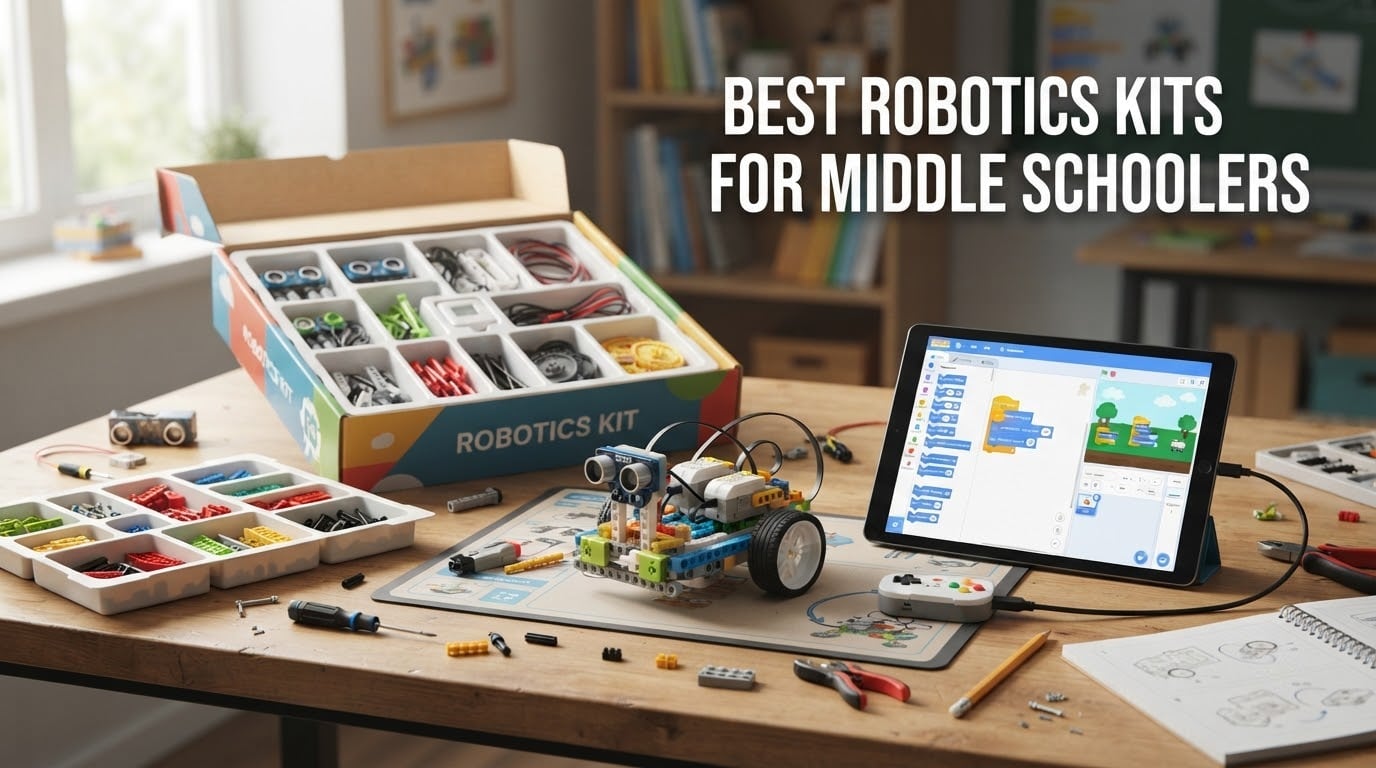
Middle school is the awkward age for robotics kits. At 11, a tween thinks anything with 600 plastic pieces is a robotics kit. At 14, the same child thinks a coding wheel is embarrassing and wants to know how to get into Python. Finding the best robotics kits for middle schoolers means splitting that four-year window into stages instead of picking one winner.
We spent the last several weeks comparing 12 kits against the same checklist: what a middle schooler can actually assemble, whether the programming path grows past drag-and-drop blocks, whether the phone app will still be updated, and how many small plastic parts a parent will lose in the first month. Every pick below states its manufacturer age range and programming language up front so you can match it to a grade.
If your child is younger or brand new to STEM, our kids robotics kits guide covers the entry band. If they already write code or are 13 and up, skip to our robotics learning kits for teens. This roundup is the middle school stretch in between, last checked in 2026.
Table of Contents
Top 3 Middle School Robotics Picks in 2026
Three kits stood out once we sorted the list by grade level and coding path rather than by popularity. The Teach Tech Mech-5 is the one we would hand to a sixth grader, the ELEGOO UNO R3 Smart Robot Car is the strongest all-round buy for a 12 or 13 year old, and the Sillbird 5-in-1 is the best value if you want five different builds for the money.

Teach Tech Mech-5
- Mechanical coding wheel
- No app or screen needed
- Throw lift kick draw
- Ages 10+

ELEGOO UNO R3 Smart Robot Car
- FPV camera with WiFi streaming
- Line tracking and obstacle avoidance
- Arduino IDE programmable
- Ages 12+

Sillbird 5-in-1 Robot Set
- 5-in-1 buildable models
- 488 pieces
- App and remote control
- Rechargeable battery
All 12 Best Robotics Kits for Middle Schoolers at a Glance (October 2026)
This table is the fast version of the list. The age range comes from the manufacturer rather than from us, the features column shows what the robot can actually sense and do, and the build size tells you how much of a weekend you are donating.
| Product | Specifications | Action |
|---|---|---|
| Teach Tech Mech-5 |
|
Check Latest Price |
| ELEGOO UNO R3 Smart Robot Car |
|
Check Latest Price |
| Sillbird 5-in-1 Robot Set |
|
Check Latest Price |
 Henoda 468-Piece Robot Kit Henoda 468-Piece Robot Kit |
|
Check Latest Price |
 Makeblock mBot2 Makeblock mBot2 |
|
Check Latest Price |
 okk 635-Piece Robot Kit okk 635-Piece Robot Kit |
|
Check Latest Price |
 Butterfly EduFields 10-in-1 Butterfly EduFields 10-in-1 |
|
Check Latest Price |
 Thames and Kosmos Smart Machines Thames and Kosmos Smart Machines |
|
Check Latest Price |
 Opmind 5-in-1 Robot Kit Opmind 5-in-1 Robot Kit |
|
Check Latest Price |
 Apitor Robot J Apitor Robot J |
|
Check Latest Price |
 MatataStudio VinciBot MatataStudio VinciBot |
|
Check Latest Price |
 ACEBOTT 4-in-1 Robot Arm Tank ACEBOTT 4-in-1 Robot Arm Tank |
|
Check Latest Price |
1. Teach Tech Mech-5 – Best Screen-Free First Robotics Kit
- No screen or app to manage
- Teaches sequencing physically
- Throw lift kick and draw actions
- Elenco and Snap Circuits brand backing
- Detailed step-by-step instructions
- No path to text coding
- One model only
- Two AAA batteries not included
- Long build for a first project
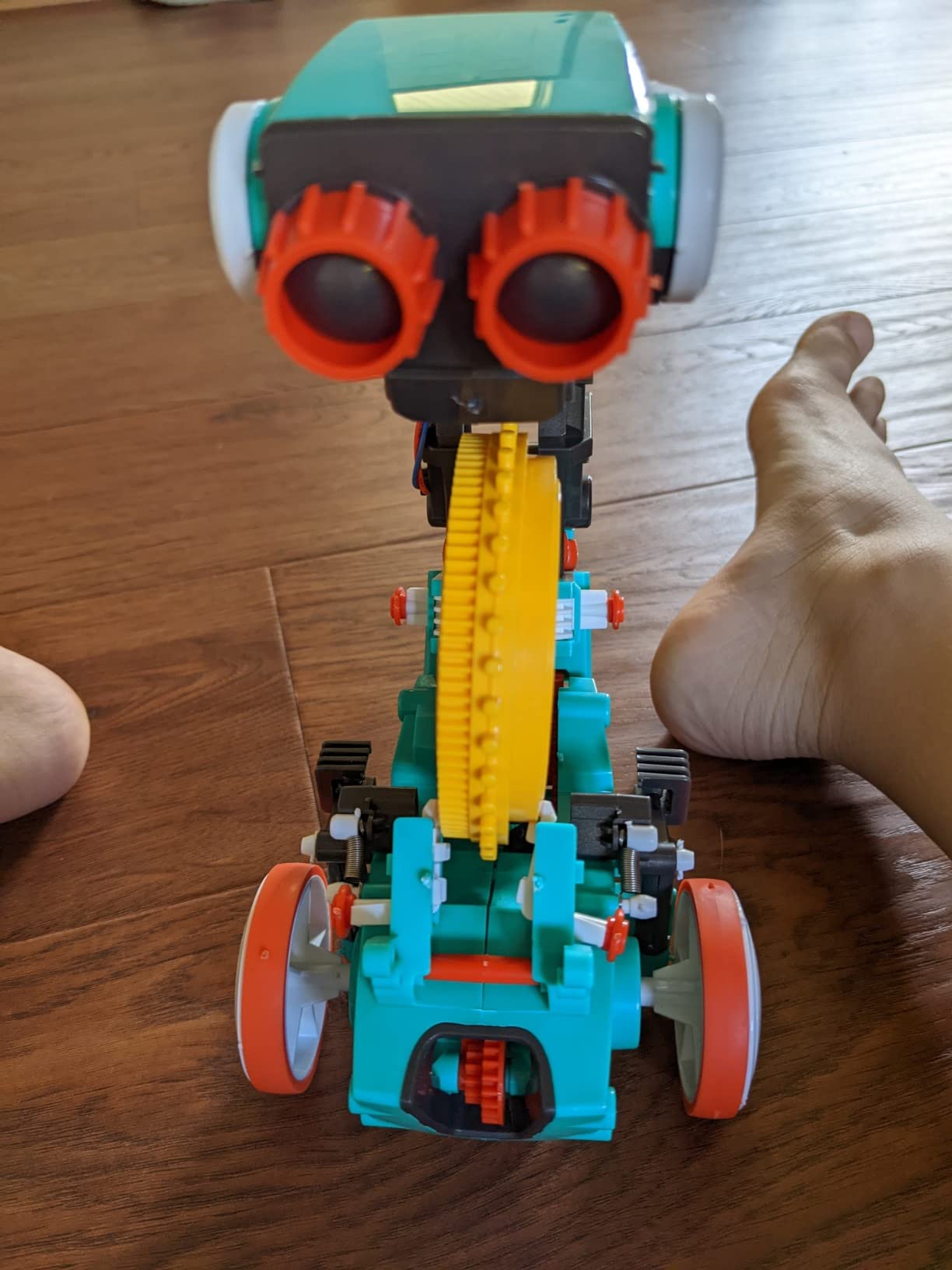
The Mech-5 does something no other kit in this list does. There is no app, no tablet and no account. You push mechanical buttons into a plastic coding wheel and the robot performs the sequence you built, so a sixth grader learns sequencing, loops and conditional logic without touching a screen.
That design has real classroom appeal and it makes the kit a strong birthday gift for a child who already spends too much time on a display. A few thousand reviewers back it up, with a 4.5 average across a very large sample.
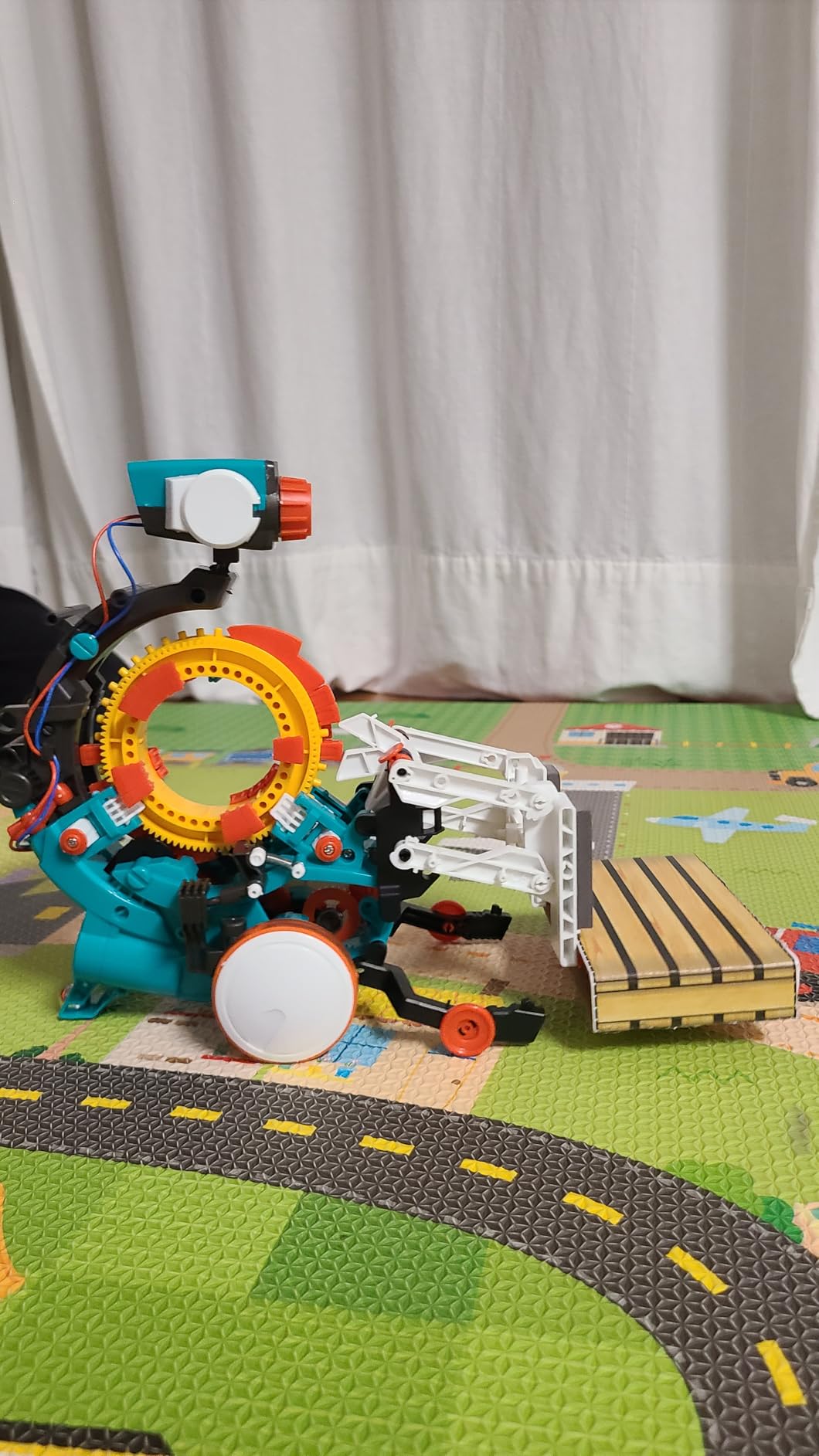
The build is the commitment here. Reviewers describe it as a multi-hour job rather than an afternoon, and the arms and grabber need patience to line up. Once it works, though, the mechanical wheel rewards experimentation on its own.
Be clear-eyed about the ceiling. This is not a kit a 14 year old will still want. There is no sensor array, no expansion port and no text-based language, so it is a first kit rather than a bridge.
Who this kit suits best
It fits a sixth grader, a homeschool family trying to keep screen time down, and any child with limited fine motor confidence. The oversized buttons mean it works for kids who struggle with a touchscreen or a mouse.
When to skip it
Skip it if your child already writes Python, and skip it if you expect a 13 year old to still be interested six months later. It has no upgrade path at all, so plan a second kit rather than saving toward this one.
2. ELEGOO UNO R3 Smart Robot Car Kit V4 – Best for a 12 or 13 Year Old
- Arduino IDE programmable
- FPV camera with WiFi streaming
- Line tracking and obstacle avoidance sensors
- Rechargeable 2000mAh battery
- Clear documentation and labeled packaging
- Piano black acrylic shows fingerprints
- No USB-C cable for ESP32 programming
- Only one expansion connector
- WiFi channel may need adjusting on Android
Most kits at the entry end of this list are toys with an app attached. The ELEGOO UNO R3 is different. The controller board is Arduino compatible, the camera streams over WiFi, and the sensors do real work: line tracking, obstacle avoidance and auto-follow all run on real code you can open up and edit.
It ships pre-programmed, so a 12 year old can drive it on day one without reading a manual. When they are ready, the same robot becomes an Arduino project. That progression is exactly what middle school needs, and it holds through to age 14 and beyond.
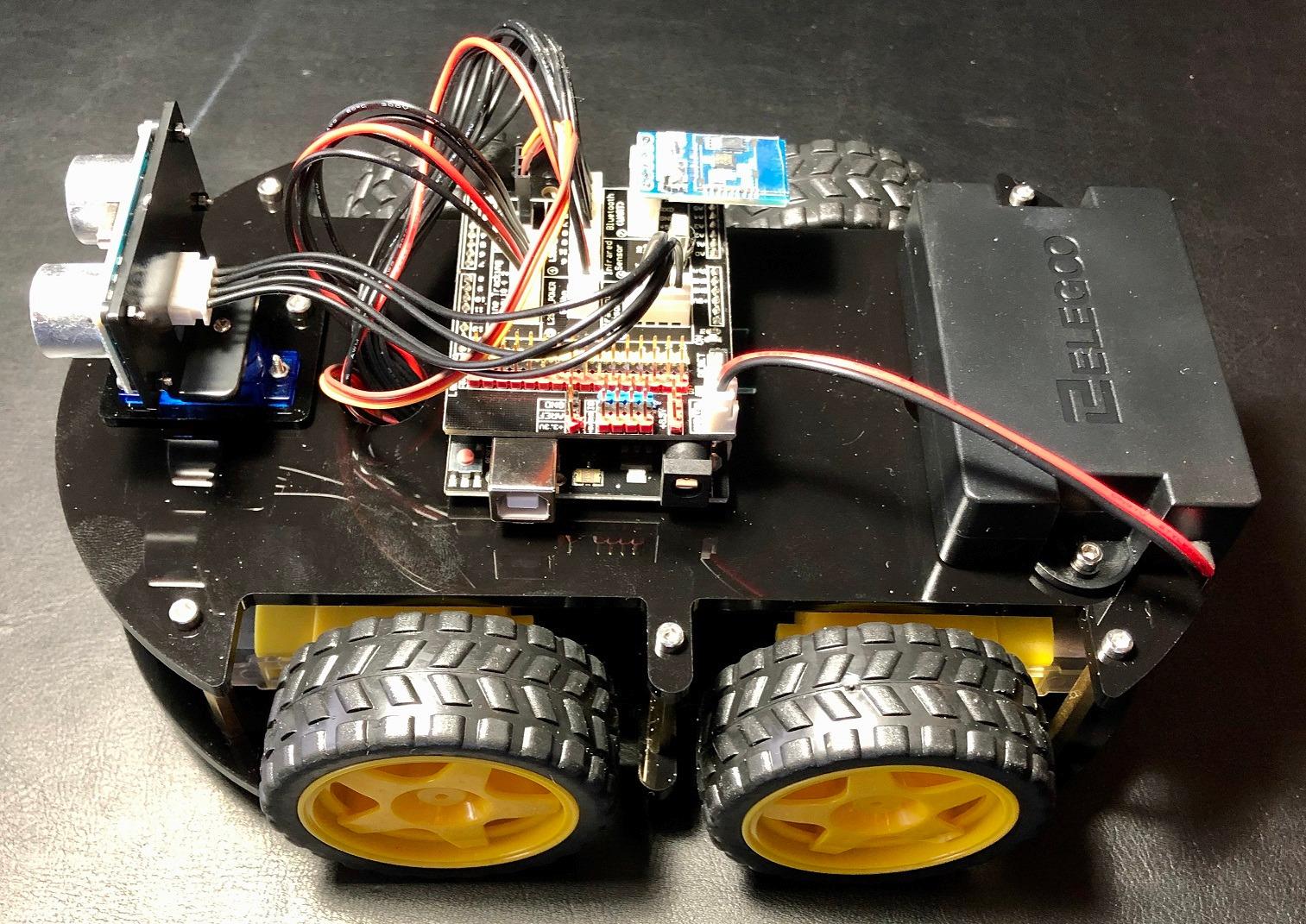
Documentation is the standout. Parts come in labeled bags, the wiring guide uses keyed XH2.54 connectors instead of raw headers, and reviewers repeatedly single out the manual as unusually clear. Documentation is where most kits in this category fall down, so that matters more than any feature.
The FPV camera is more than a gimmick. Seeing through the robot while it drives changes how kids approach problem solving, because they can diagnose a failed turn without crawling on the floor.
Physical assembly is the heavy part. Four motors, acrylic panels and small nuts take real fingertip control, and adults should expect to help with the first ten steps.
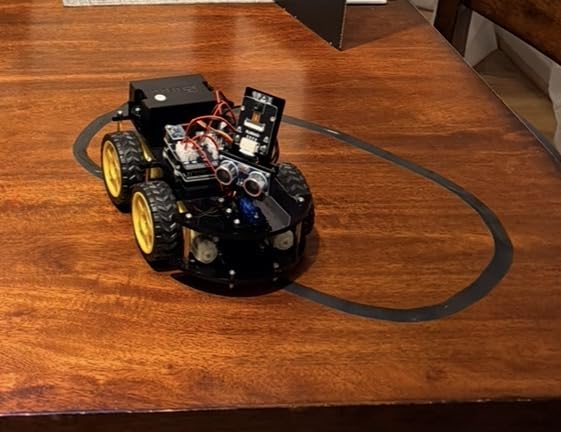
How much parent help it takes
Budget two evenings for the build and expect to be the second pair of hands for the tight hardware sections. After that, a middle schooler can work on the code alone, which is where the value sits.
Where it falls short
The acrylic shows fingerprints and scratches immediately, and the single expansion connector limits how much you can add later. Programmers also note the ESP32 board needs its own cable, which is not included.
3. Sillbird 5-in-1 Programmable Robot Set – Top Rated for Five Builds
- Five different models from one box
- 488 pieces with progressive difficulty
- App and remote control
- Rechargeable battery
- ASTM and CPSIA certified
- Dual-stick remote is counterintuitive
- Rechargeable battery can be hard to source
- Mold flash reported on some parts
- Price per piece ratio higher than some brands
The argument for this kit is replay value. 488 pieces snap together into a robot, a dinosaur, a tank and a car, each with adjustable head, arms and tail. A child who finishes one build on Saturday has four more waiting, which is how it survives past the three-week attention cliff that kills most single-model kits.
At 4.6 stars across more than 2,000 reviews, it is among the better-rated kits here. Parents like the rechargeable battery, the clear colored instructions and the fact that difficulty ramps as skills improve.
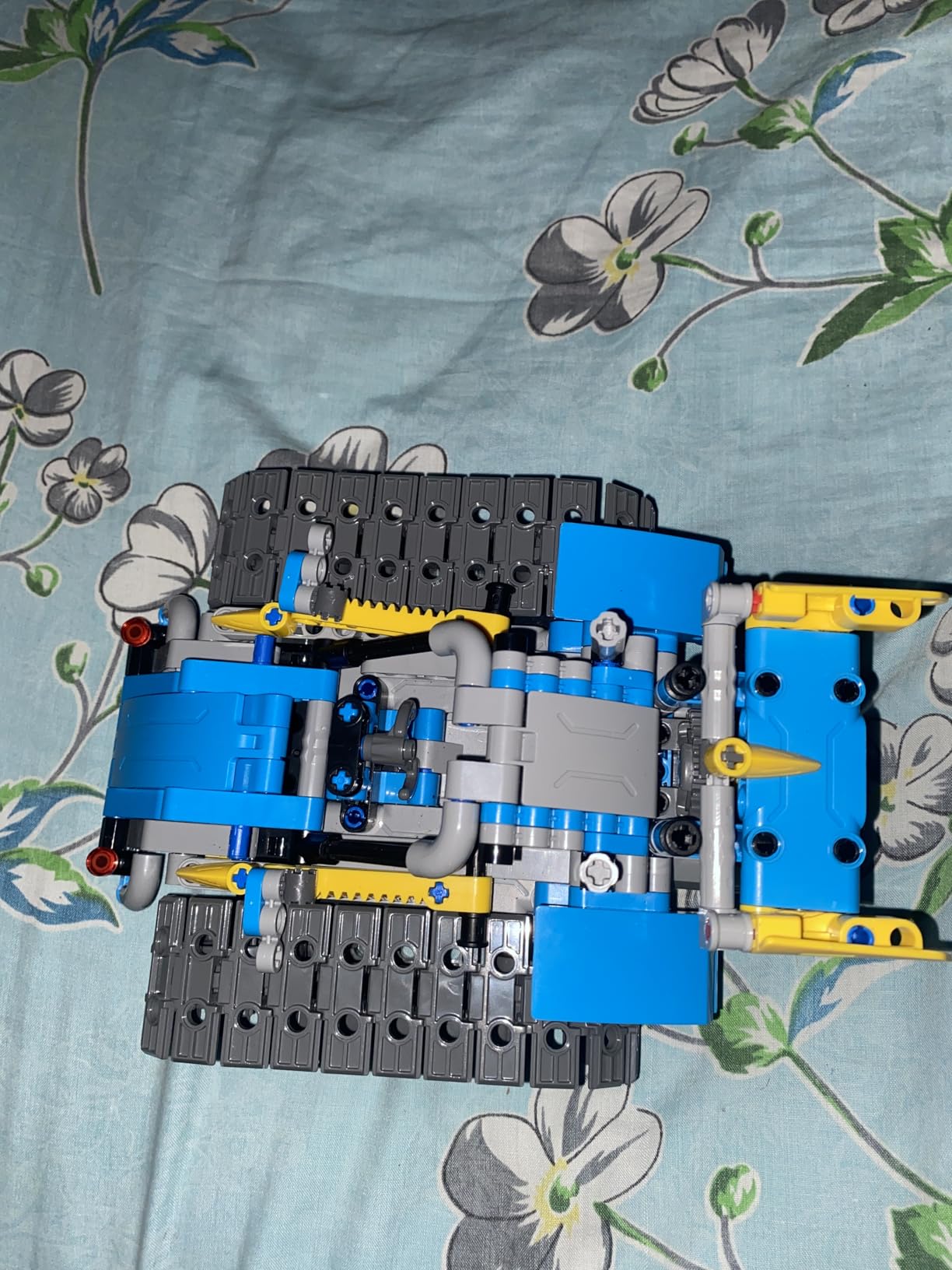
Be clear about what this is. Control comes from a Bluetooth app and the physical remote, so there is no sensor package and no text-based programming. It is a construction toy with programmable movement, and that is a perfectly good thing for a tween who is not ready to type code.
Build quality is solid for interlocking blocks. The pieces hold a chassis together through repeated play, which is more than you can say for several cheaper kits.
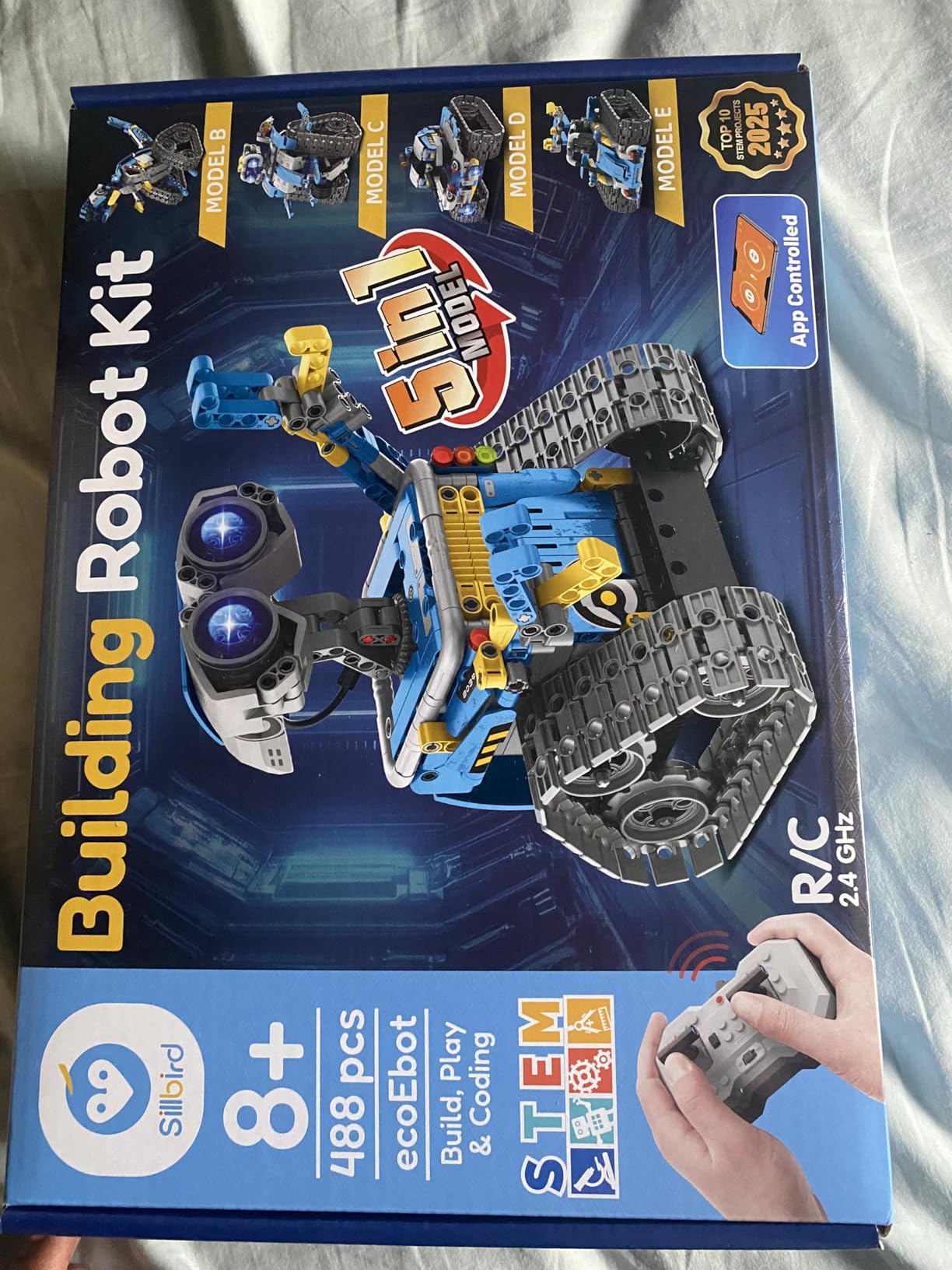
Why families buy two
The multi-model design makes it a good shared gift for siblings or cousins of similar age. Two kids can build different models from one box on the same afternoon, which stretches the value considerably.
What to watch out for
The two-stick remote uses opposite directions, which confuses younger operators for the first few sessions. Mold flash on a small number of parts also shows up in reviews, so check before the return window closes.
4. Henoda 468-Piece Robot Building Kit – Best Budget Starter for Middle Schoolers
- 468 pieces for a low entry cost
- App plus 2.4GHz remote at 20+ meters
- USB rechargeable battery
- 360-degree rotation and glowing eyes
- Parts bagged per build step
- One model only
- Manufacturer age listing shows a typo
- 90 day manufacturer warranty only
- App connectivity issues reported
This is the least expensive serious route into a middle school robotics gift. You get 468 pieces, a rechargeable USB battery, both an app and a remote, and a robot that rotates in place with lit eyes, all in one box.
The app runs five control modes including path programming and voice commands, which is enough to keep a curious kid experimenting for weeks. A 4.6 average over 1,800-plus reviews puts it among the better-rated options in this roundup.
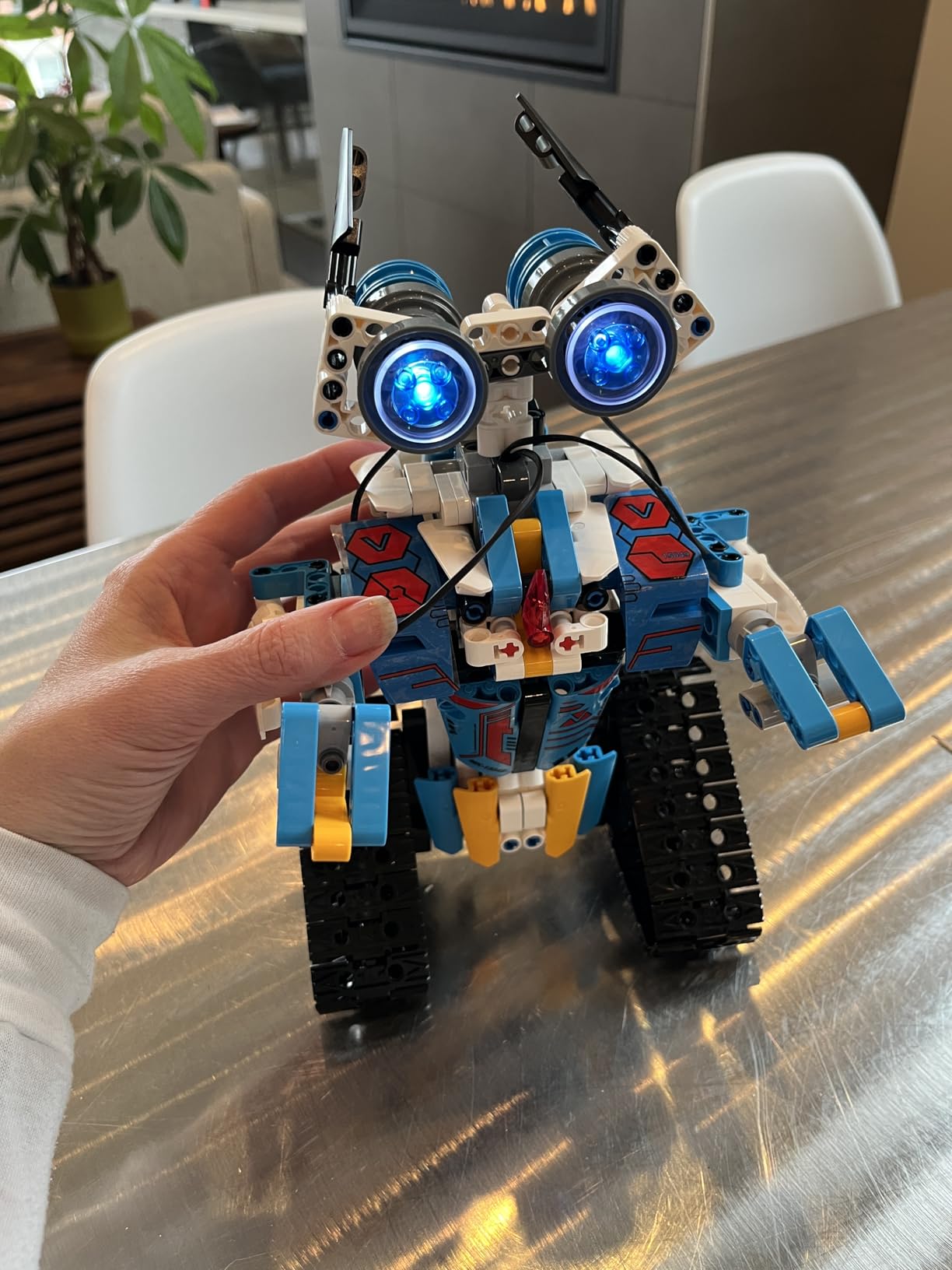
It is also a single-model kit, and that is the trade-off. Once the robot is built and the preloaded programs have been run, there is no second build and no text coding to move on to.
One detail worth flagging: the listed manufacturer recommended age shows as 8 to 8 years, which is an obvious listing error rather than a real age limit. Reviewers treat it as an 8 and up kit, and the manufacturer warranty is 90 days.
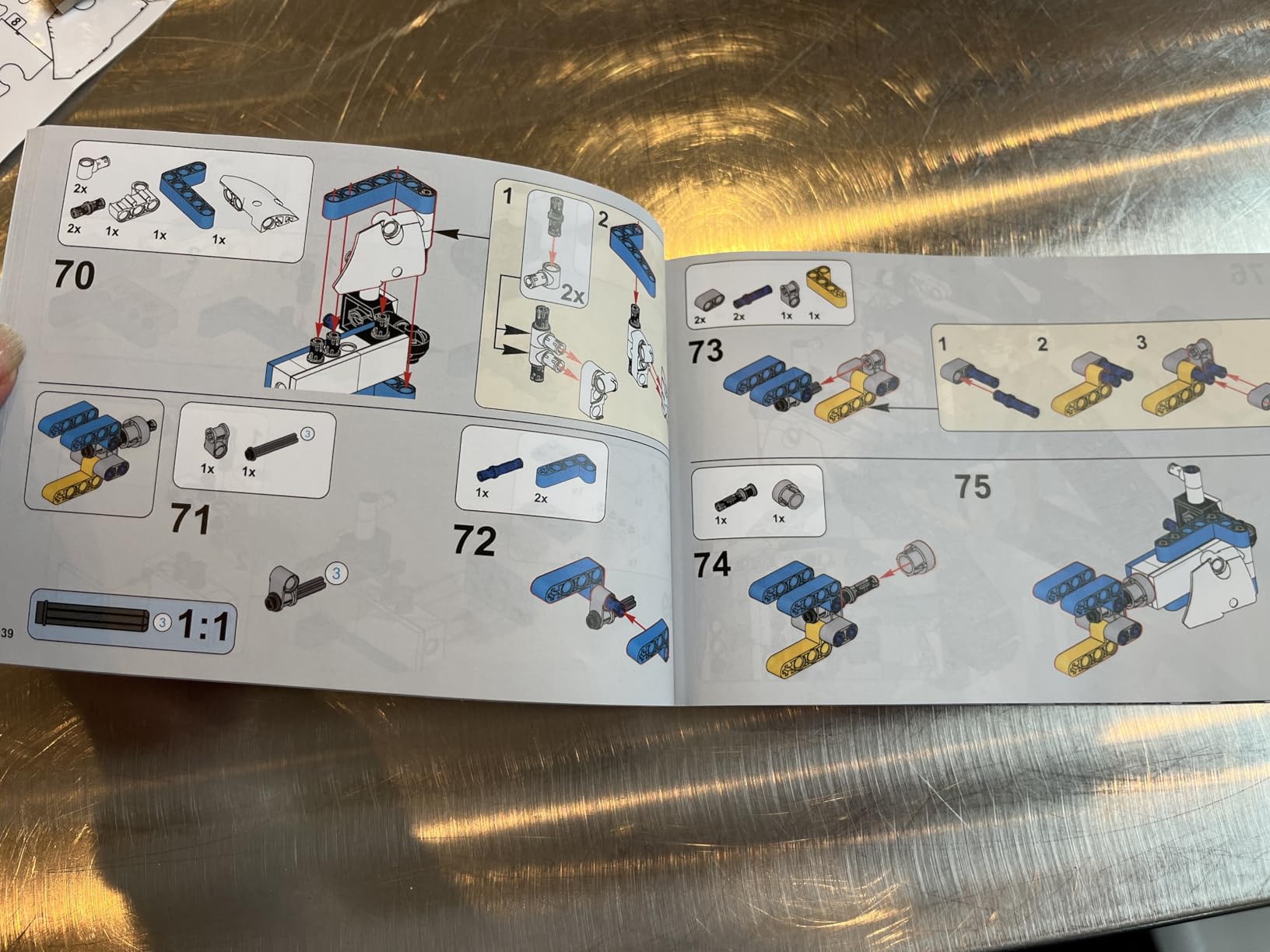
Small nuts and fine parts mean parts sweep-ups are part of the deal. Put a tray under the build.
Best use for this kit
It works best as a first taste before committing to something larger. A parent who is unsure whether a child loves robotics can start here and see whether the interest survives a month.
Where the budget shows
The 90 day manufacturer warranty is among the shortest here, and app connectivity complaints appear across reviews. If your child loses interest, you will have built a robot rather than a hobby.
5. Makeblock mBot2 – Best Path From Block Coding to Python
- Runs both Scratch blocks and Python
- Ten or more sensors included
- Expands with 30 or more modules
- WiFi and IoT support
- 30 minute build time
- Needs a tablet or phone to program
- Higher cost than plastic kits
- Small parts need adult help
- Python step is a learning curve
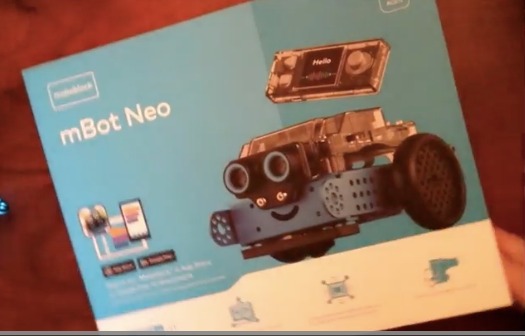
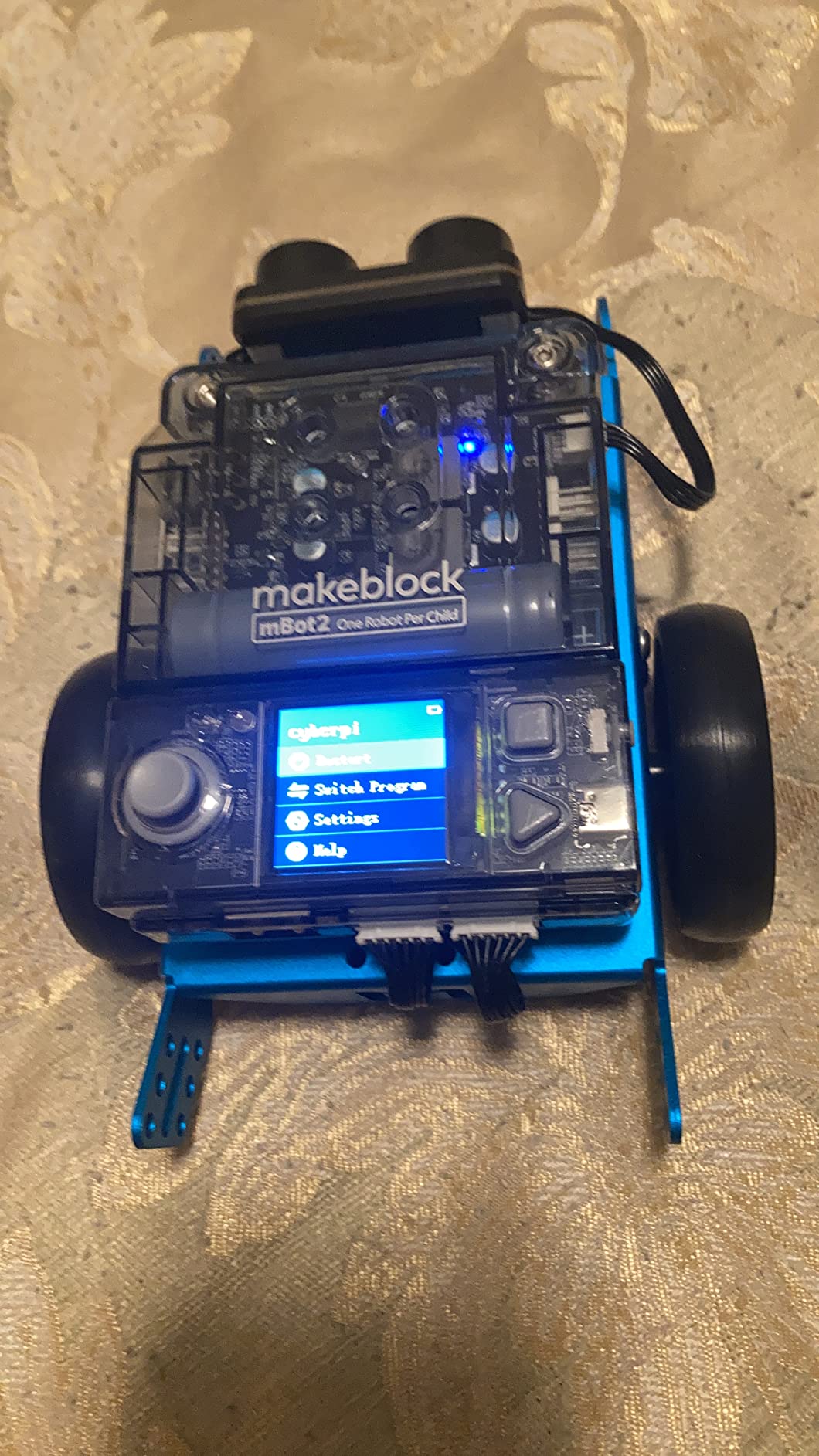
The mBot2 is the single best answer to the question middle school parents actually ask: how do we get from blocks to real code without buying two products. The same robot programs in ScratchJr-style blocks for a younger child and in Python for a 13 or 14 year old, on the same free platform with a large user community behind it.
Construction is the other differentiator. The chassis is anodized aluminum rather than snap-together plastic, so it survives the drop-on-the-floor reality of a tween’s bedroom, and the build takes about half an hour rather than an afternoon.
Sensor coverage is genuine: line following, obstacle avoidance and color identification come in the box, and the WiFi module opens up IoT projects. That matters because a robot with no sensors teaches almost nothing about robotics.
Five hours of playtime per charge also means it survives a school week without a charger in the backpack.
The trade-offs are practical. Programming requires a tablet or phone, which means a screen-dependent hobby. And a kid moving from blocks to Python will hit a wall around week three that usually needs an adult or a teacher to explain.
Best for teachers and homeschool families
Multiple units can share one lesson, the expansion modules cover a full semester of sensor work, and the free platform removes per-seat licensing. For a class or a co-op group this is the most flexible pick here.
When a plastic kit makes more sense
Choose the cheaper kits if the child is 11, loses interest when screens are involved, or the goal is purely mechanical assembly. This one rewards a kid who wants to know how the code works.
6. okk 635-Piece Robot Building Kit – Best Piece Count for Long Builds
okk Robot Building Kit for Kids Ages 6-12, Remote Control STEM Coding Toy
- Largest piece count in this roundup
- Five app modes plus remote
- Rechargeable lithium battery
- Movable head arms and eyebrows
- Works on carpet and hard floors
- Remote needs two AAA batteries not included
- Instructions lack bag numbers
- Track pieces reported breaking
- App can be finicky
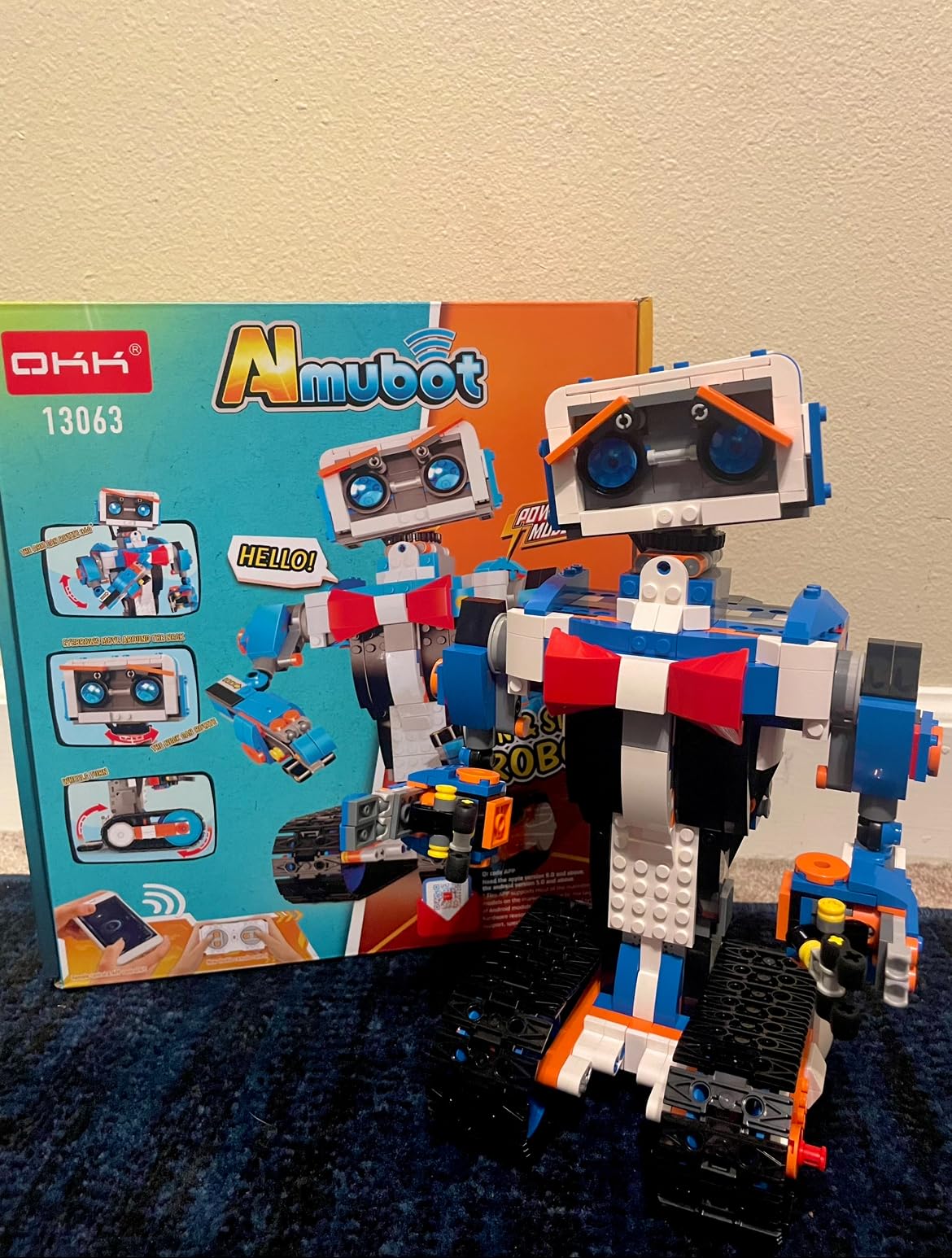
Six hundred and thirty-five pieces is a lot of building. If your child treats construction as the main event and programming as an accessory, the piece count matters more than the sensor list, and this kit delivers it.
The robot has expressive movable joints including eyebrows, which sounds trivial until you see how much of a difference it makes for a kid who wants their creation to have a personality. Five app modes cover remote, path, voice, gravity and programming.
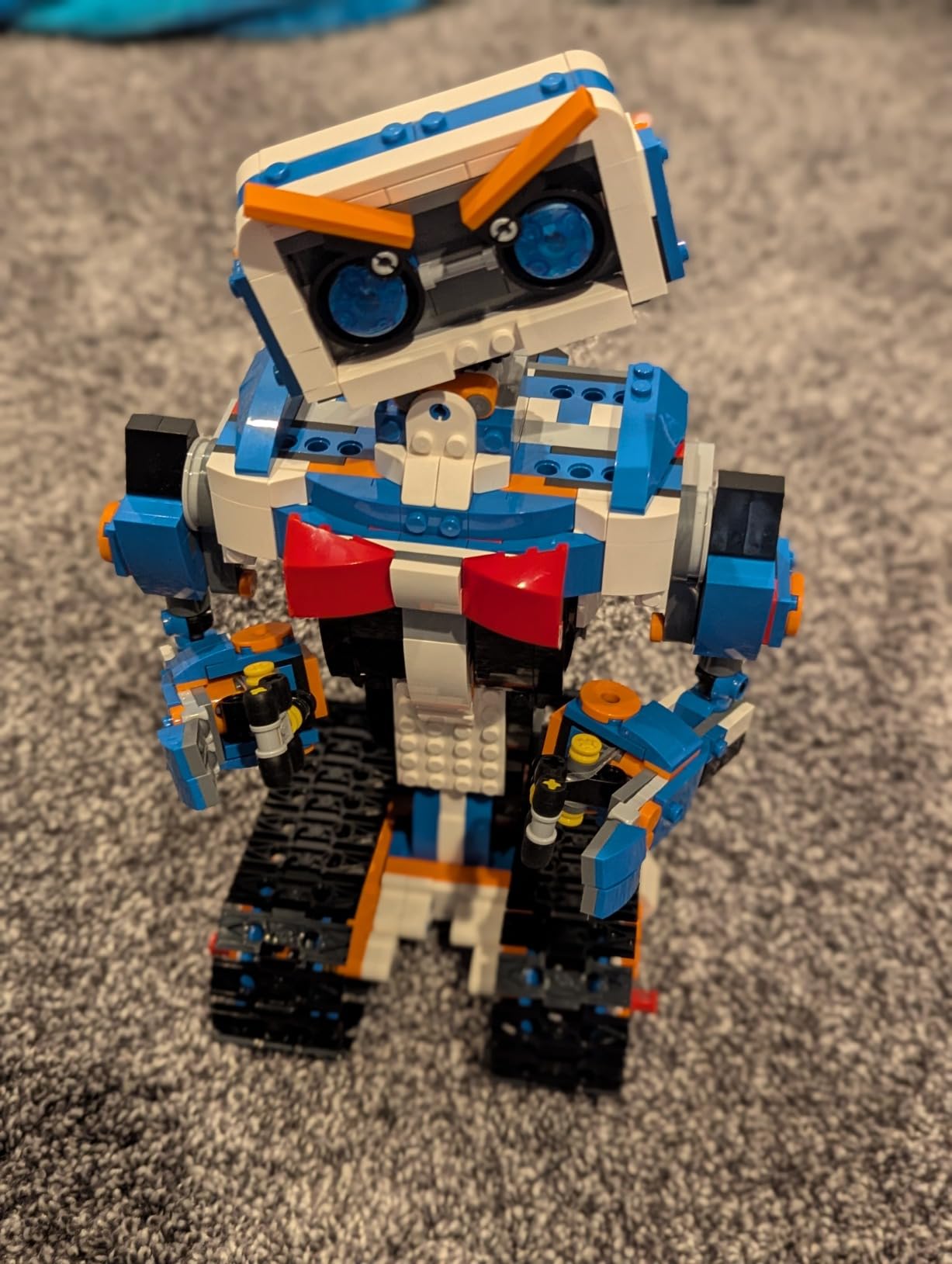
It suits ages 6 to 12, so this is a 6th or 7th grade purchase rather than a 7th or 8th grade one. A 13 year old will finish it in a single weekend and move on.
The rechargeable lithium battery for the robot means only the remote eats batteries, which is a relief compared with kits that need constant replacements.
Quality control is the weak point. Reviews mention breaking track pieces and charging problems from a minority of buyers, and the instructions do not number the parts bags the way a LEGO kit would.
Best for a build-focused kid
Choose this when the child asks for building toys rather than programming toys. The size of the model is satisfying and the app is a bonus.
When to look elsewhere
If the child is 13 or older, step up. Nothing here can be programmed in a text language and the sensor suite is thin, so there is no ceiling to grow into.
7. Butterfly EduFields 10-in-1 STEM Electronics Kit – Best for Learning Circuits
Butterfly EduFields 10in1 STEM Electronics Robotics Kit for Kids Ages 8-12
- Ten separate projects in one box
- Real circuits with wires LEDs and switches
- Short 15 minute builds
- Wood construction instead of plastic
- Line following and obstacle avoidance
- Sensor board reliability issues reported
- Customer service slow to respond
- Some components fragile
- Wheel axle fit issues
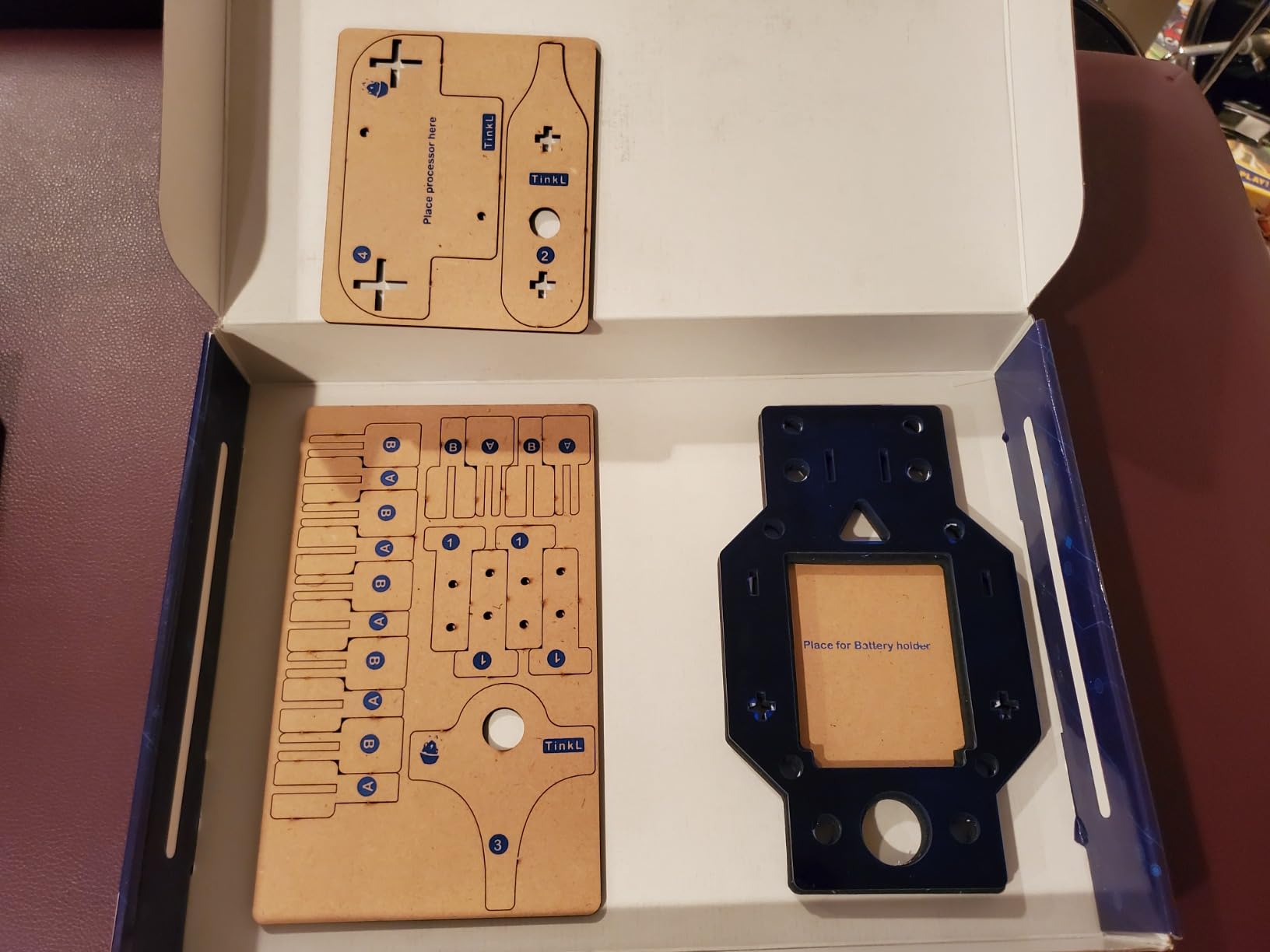
This is the only kit in the roundup that teaches electronics rather than app control. You get more than 100 components including wires, connectors, switches, LED lights and sensor boards, and you wire circuits yourself instead of snapping on a premade module.
That makes it a genuinely different learning object. Ten projects run about 15 minutes each, so a child can finish one on a Tuesday and still have nine left, and the line-following and obstacle-avoidance builds are real robotics rather than simulated movement.
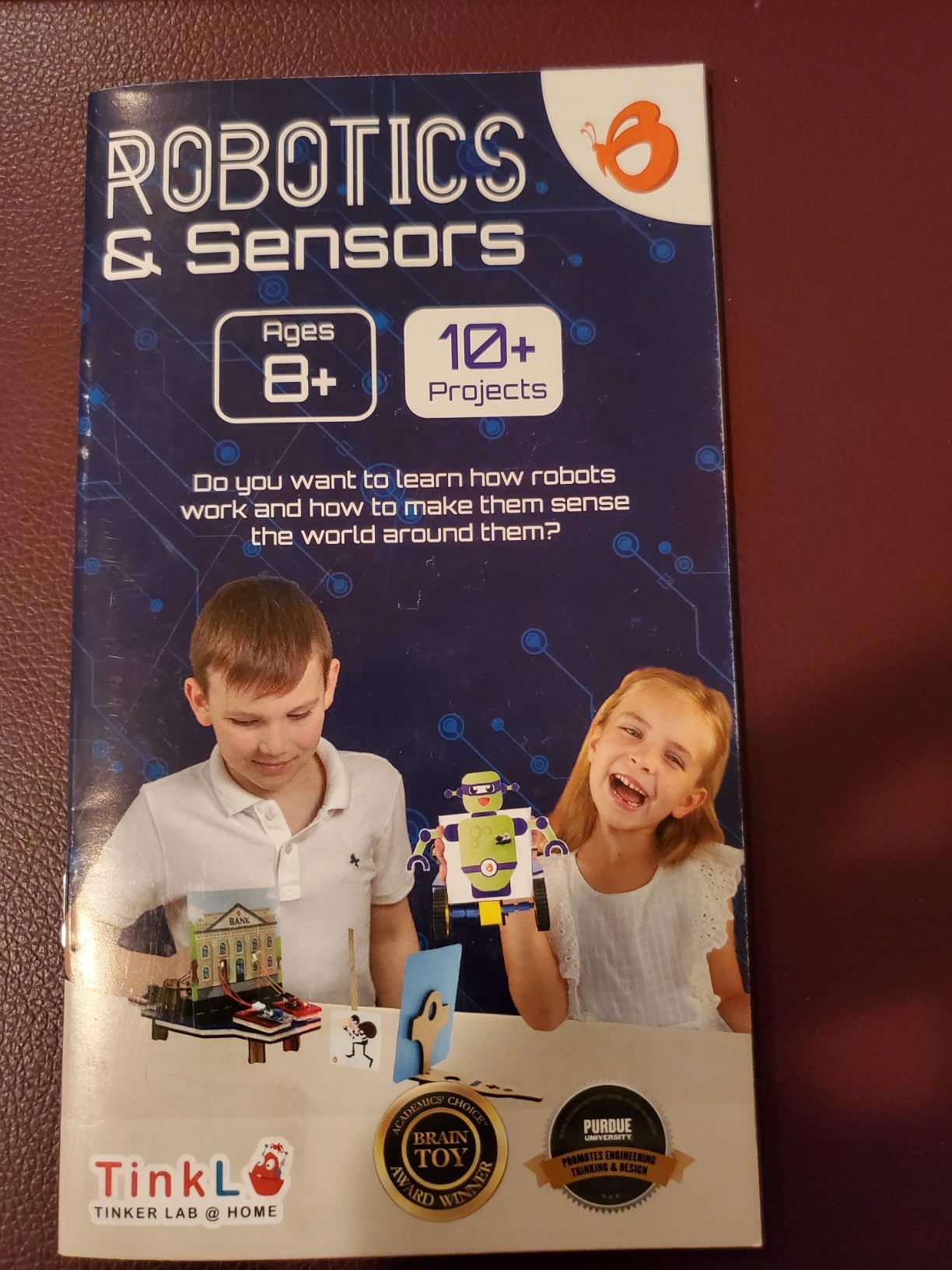
The construction is wood rather than plastic, which gives it the look of a school science supply and makes it feel less like a toy. It suits a homeschool family that wants electronics fundamentals covered before Python.
Two things temper that. The projects are predefined, so there is no open-ended designing the way an Arduino kit offers. And the manufacturer age range runs to 17, which is wider than the kit is really built for.
Sensor board reliability and slow customer support come up repeatedly across reviews, so keep the receipt for any component failures.
Why wiring matters
A child who has physically connected a light sensor to a motor controller understands input and output in a way that no app teaches. This kit is a direct route to that understanding.
Where it tops out
When the ten projects run out, there is no text coding and no third-party parts. Pair it with an Arduino kit later rather than expecting it to grow.
8. Thames and Kosmos Robotics Smart Machines – Best for Teaching Sensors
Thames & Kosmos Robotics: Smart Machines | Robotics Coding Set
- Ultrasonic sensor teaches real distance sensing
- Eight motorized machine models
- Reputable educational brand
- Comprehensive 64-page manual
- 230 pieces with a separator tool
- App not updated in over seven years
- Compatibility issues with newer iPhones
- Bluetooth disconnects frequently
- Complex assembly
- Needs a tablet not included
The idea behind Smart Machines is good: instead of one robot, a child builds eight different motorized machines including a walking robot, a crane and a turnstile, and the kit includes an ultrasonic sensor that measures distance on the sonar principle.
That sensor is the teaching moment. A 64-page illustrated manual walks through how it works, and the eight models give a 12 or 13 year old enough variety to stay with it for a term rather than a weekend.
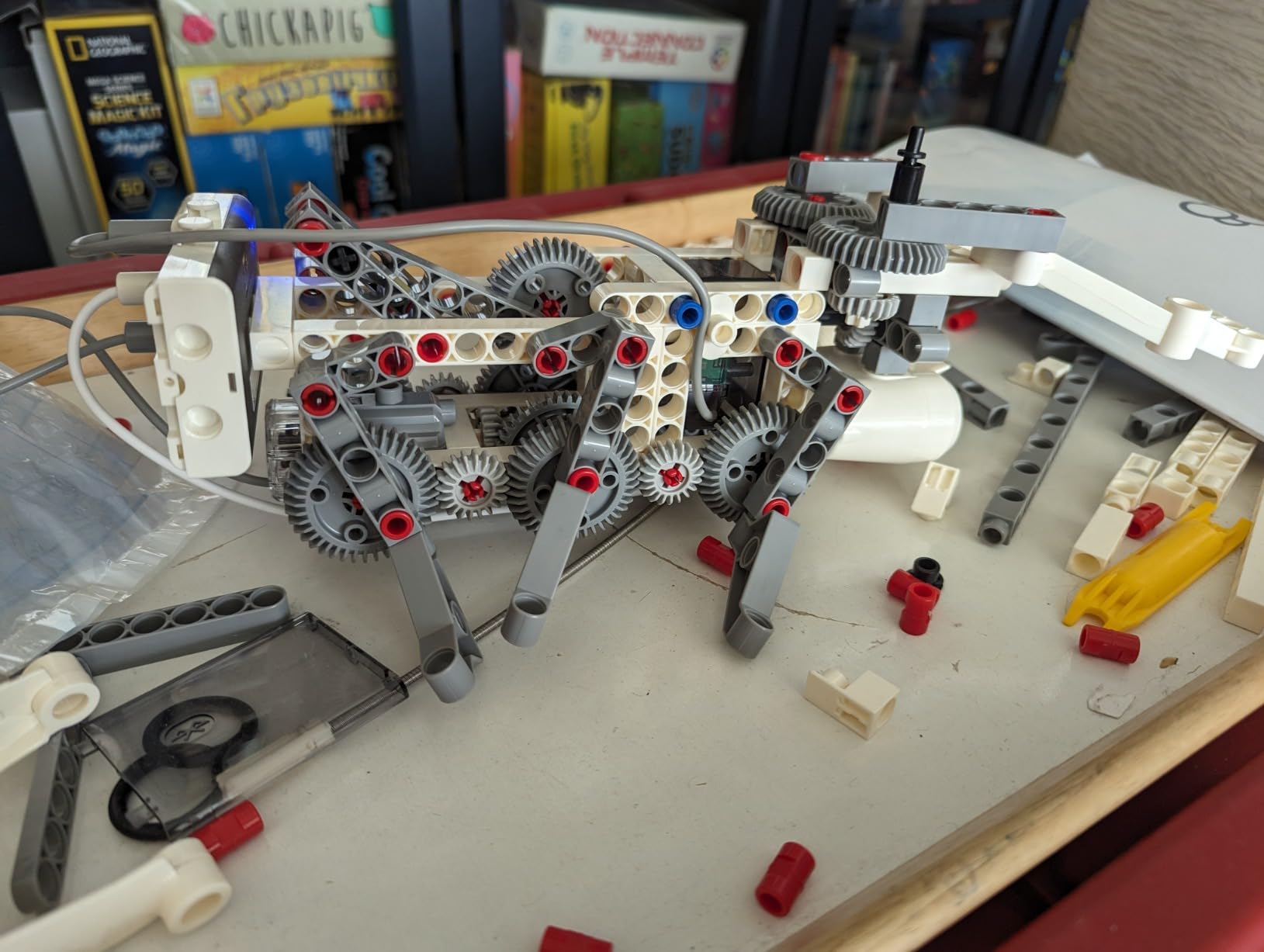
The catch is software age, and it is a serious one. Reviews are consistent that the companion app has not been meaningfully updated in years and that some newer iPhones struggle to pair with it. Bluetooth dropouts are also reported.
Check your household tablet before you buy this. If it does not pair cleanly, the kit is essentially unusable because there is no desktop fallback mentioned.
Assembly complexity is the second concern. Younger builders need an adult alongside for the later steps.
Who should buy this kit
Buy it if you have an older tablet that still pairs reliably and you want a sensor-centered robotics lesson with a strong printed manual. The physical design quality is genuinely good.
Why most families should skip it
Software longevity is now a core buying criterion, and this kit fails it. A 30 day warranty and an aging app make it a poor gift for a 13 year old who will keep it for years. Our beginner robotics kits guide covers better-supported alternatives.
9. Opmind 5-in-1 Robot Building Kit – Best for Creative Model Themes
Opmind 5-in-1 STEM RC Robot Building Kit – 443PCS, Gift for Boys Ages 8-13
- Five distinct themed models
- App includes AI programming and gyroscope
- Compatible with major building block brands
- ASTM and CPSIA certified
- Rechargeable battery included
- Complex even for eight year olds
- Instructions could be clearer
- Newer product with a smaller review base
- App features have a learning curve
What separates this kit is the model range. Instead of five versions of the same robot, you build a warrior robot, a ninja, a boar, a chariot and a buggy. For a 12 or 13 year old, that variety is more motivating than the hardware is sophisticated.
The app goes further than most app-controlled kits here. Beyond basic driving it includes a driving simulation, a gravity gyroscope, navigation paths and an AI programming mode.
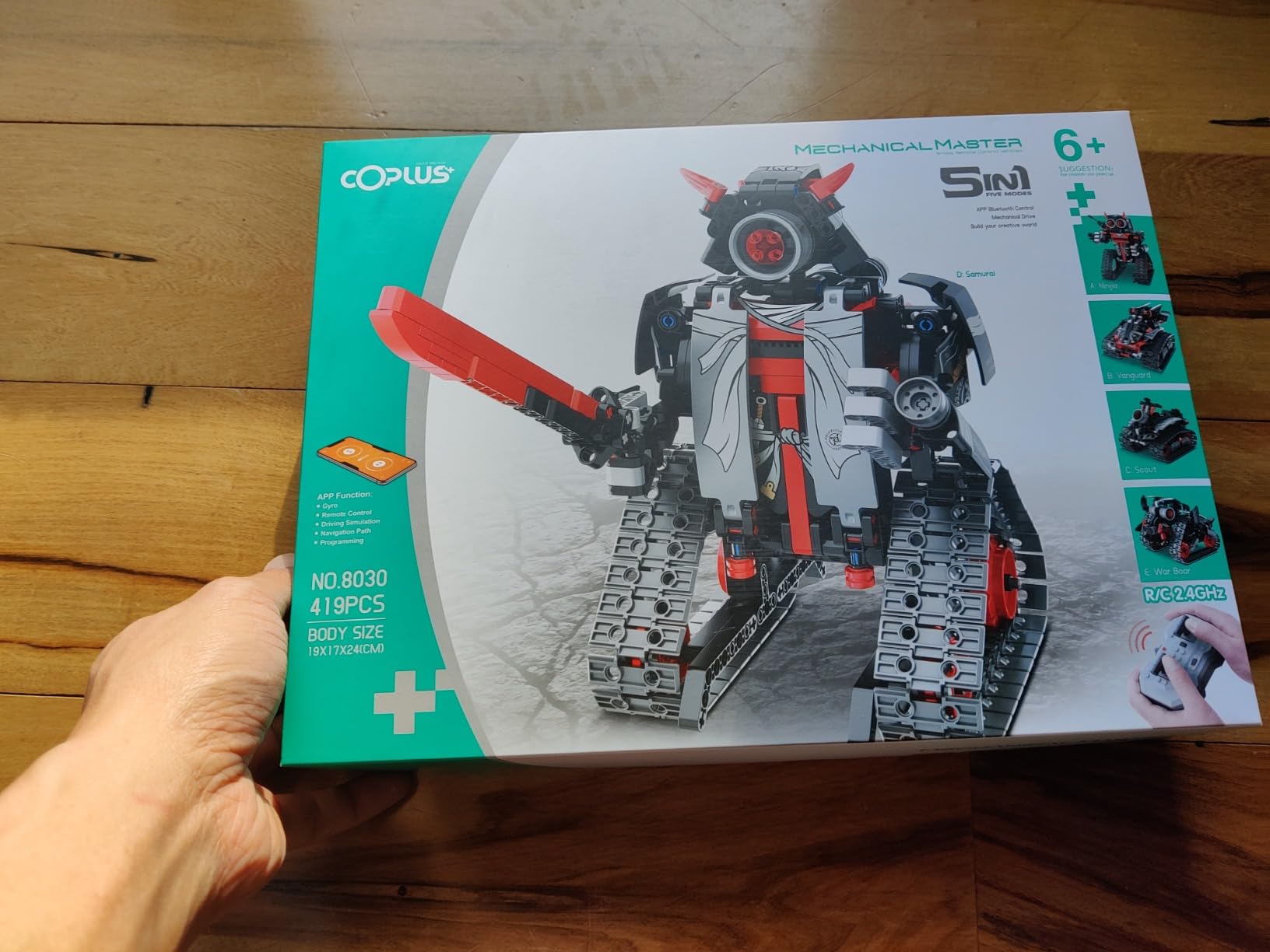
Compatibility with other major building block brands is quietly useful. A child with an existing collection can mix pieces rather than being locked into one closed system, which matters for long-term value.
Assembly is the catch. Reviewers note it is challenging even for eight year olds, so a 12 or 13 year old should manage it and a younger sibling likely will not.
The 4.6 rating is encouraging, but it rests on a smaller review base than the leaders here, so treat it as promising rather than proven.
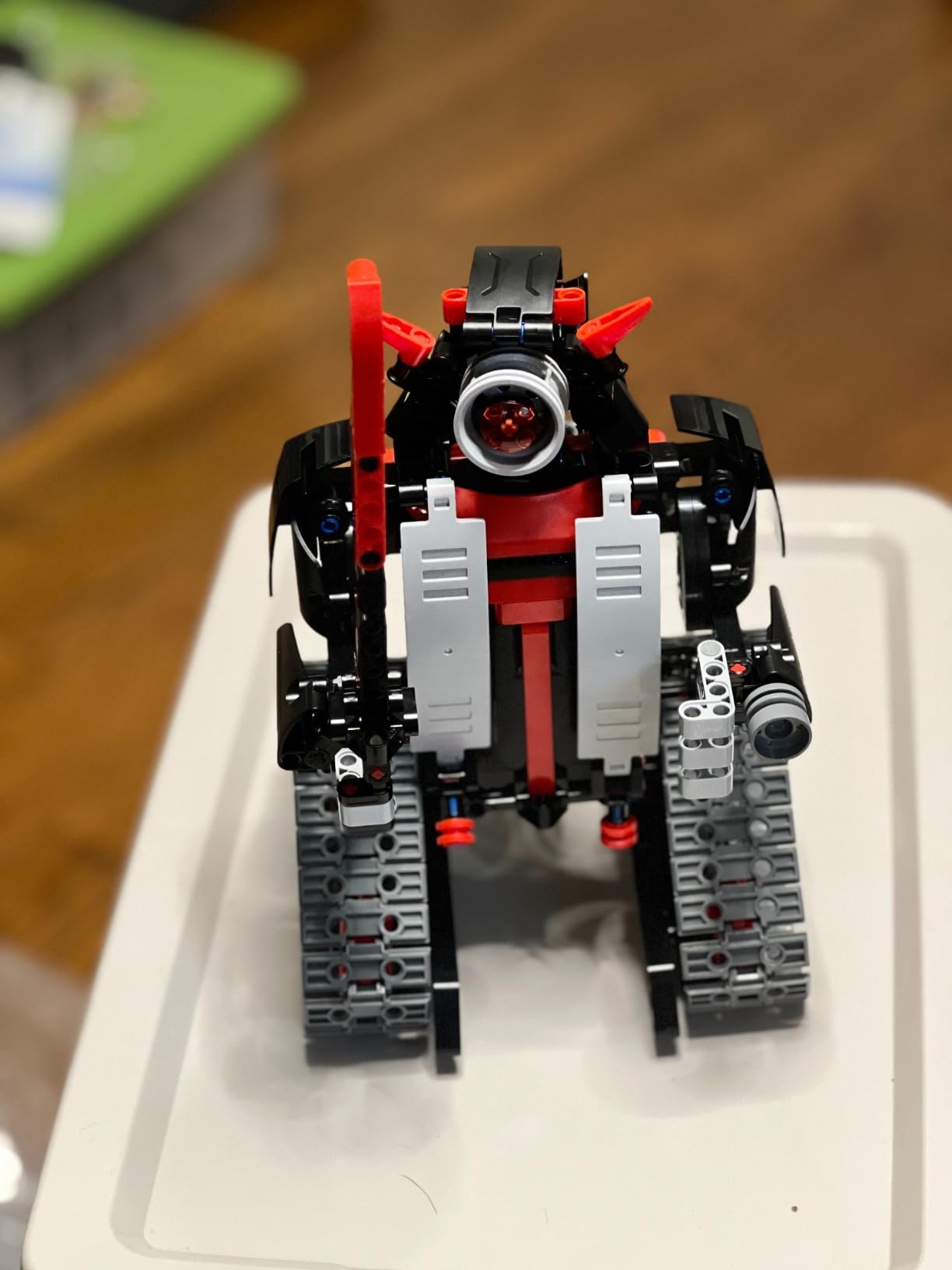
Best for a creative kid
Choose this when your child builds characters and stories rather than machines. Themed models get made, rebuilt and shown off to friends, which is how a kit stays in use.
When to look elsewhere
If the goal is coding depth, this app will not take you far. There is no text-based language and no sensor array, so it is a creative construction kit with remote control rather than an engineering platform.
10. Apitor Robot J 6-in-1 – Best for Learning Block Coding
Apitor STEM Coding Robot Toy 6-in-1 Building Kit for Boys 8-12 480 Blocks
- Highest rated kit in this roundup
- Icon-based Scratch coding interface
- 480 blocks with sorting tray
- Two built-in motors and multicolor LEDs
- No screws or tools needed
- Needs three AA batteries not included
- App reported as glitchy at times
- Some models show app instructions only
- Advanced level is tough for younger kids
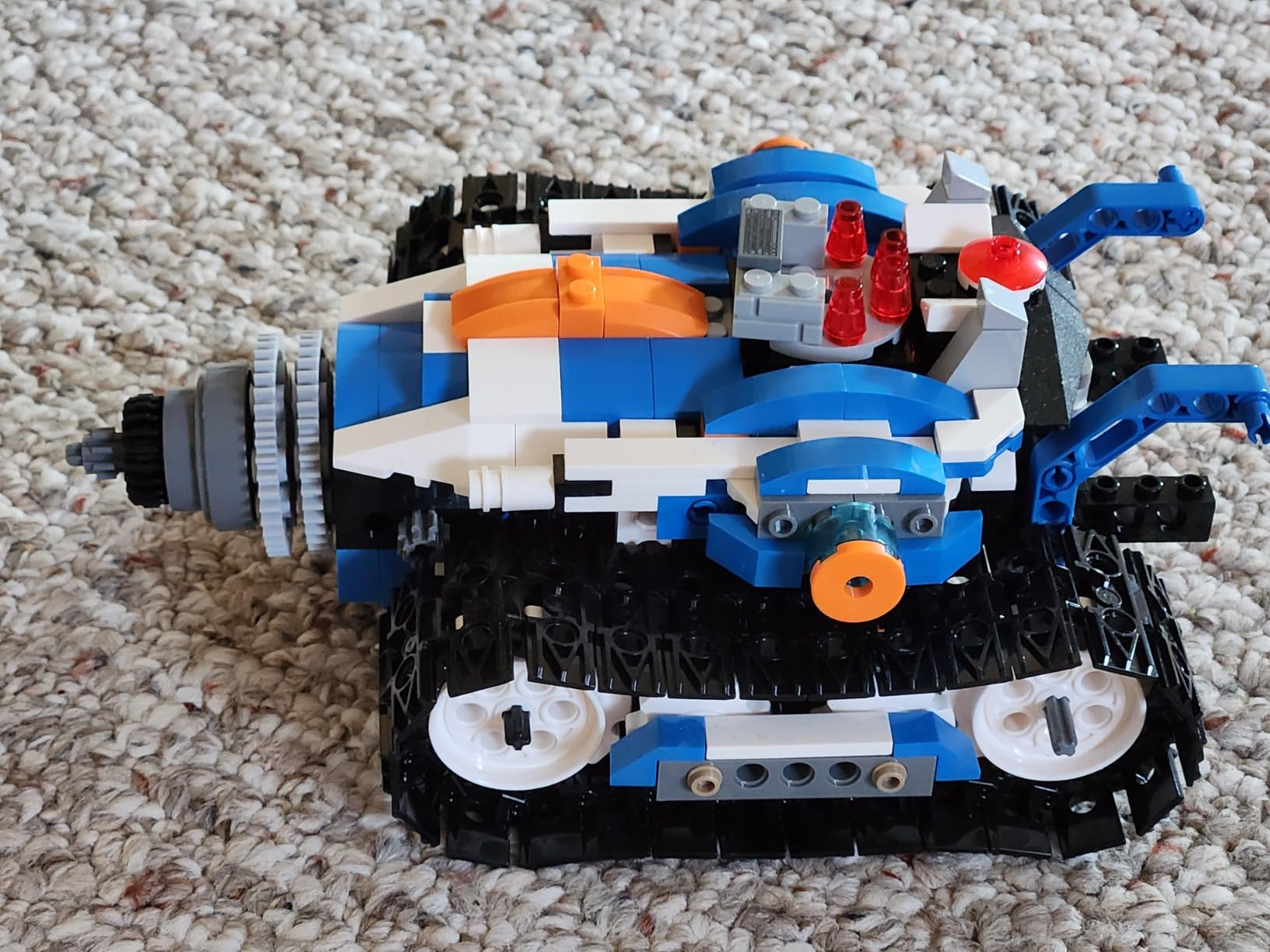
Apitor Robot J is the closest thing here to a pure coding teacher. The app uses an icon-based Scratch interface, which means even a child who cannot read fluently can build a program by dragging symbols. Six models give enough variety to apply the same skills repeatedly.
At 4.7 stars it is the highest-rated kit in this roundup, though the rating rests on a smaller review count than the leaders. The pieces are widely compared favorably to name-brand blocks, and the sorting tray keeps 480 pieces manageable.
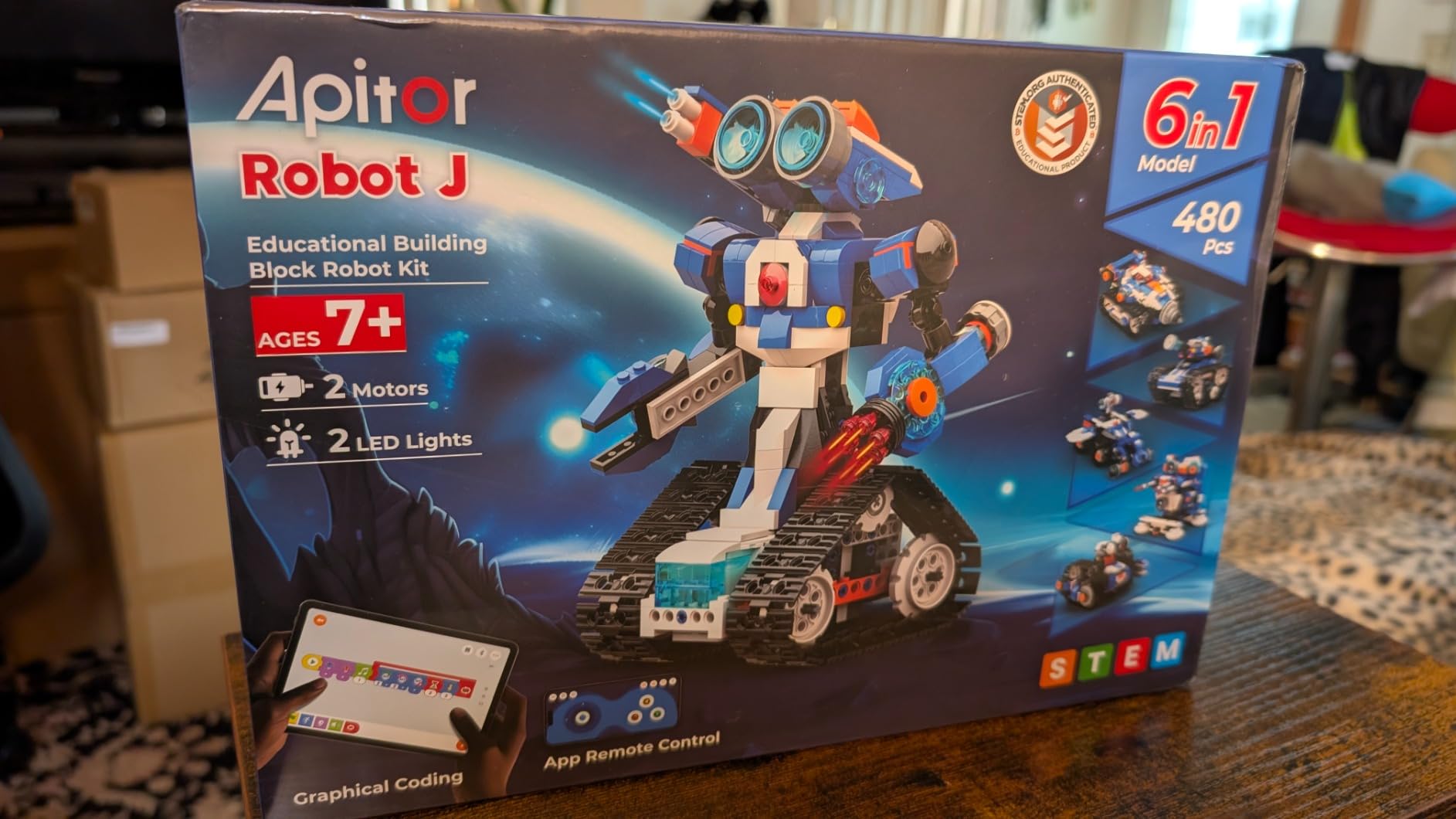
There are no screws anywhere in the build, which removes the most common reason adults get recruited for help. That alone makes it a strong pick for a confident 11 or 12 year old who wants to work independently.
The control module carries two motors and multicolor LEDs, so finished builds light up and move, which is the visible payoff that keeps kids coding past the first hour.
Two cautions. App reliability is not perfect, with a minority of reviews describing glitches, and the advanced-level edition can overwhelm a younger child. Some models also show instructions in the app only, which needs a screen to read.
Best for a first coding project
This is our pick for a 12 year old who says they want to learn to code. Icon-based blocks remove the reading barrier while still teaching sequencing, loops and conditions in the right order.
When to move up
When the icon blocks stop being interesting, do not buy another icon kit. Move to a Scratch and Python platform like the mBot2 so the transition to real text happens while the child still enjoys robotics.
11. MatataStudio VinciBot – Best Python Starter With No Building Required
MatataStudio VinciBot Coding Robot for Kids 8-12, Scratch & Python STEM Toy
- Pre-assembled so coding starts immediately
- Runs both Scratch and Python
- Eight sensors plus an LED matrix display
- AI IoT and TinyML support
- Works with LEGO bricks and TECHNIC motors
- Not a building kit at all
- Requires account creation for the app
- Bluetooth setup poorly explained
- Line following on the paper mat unreliable
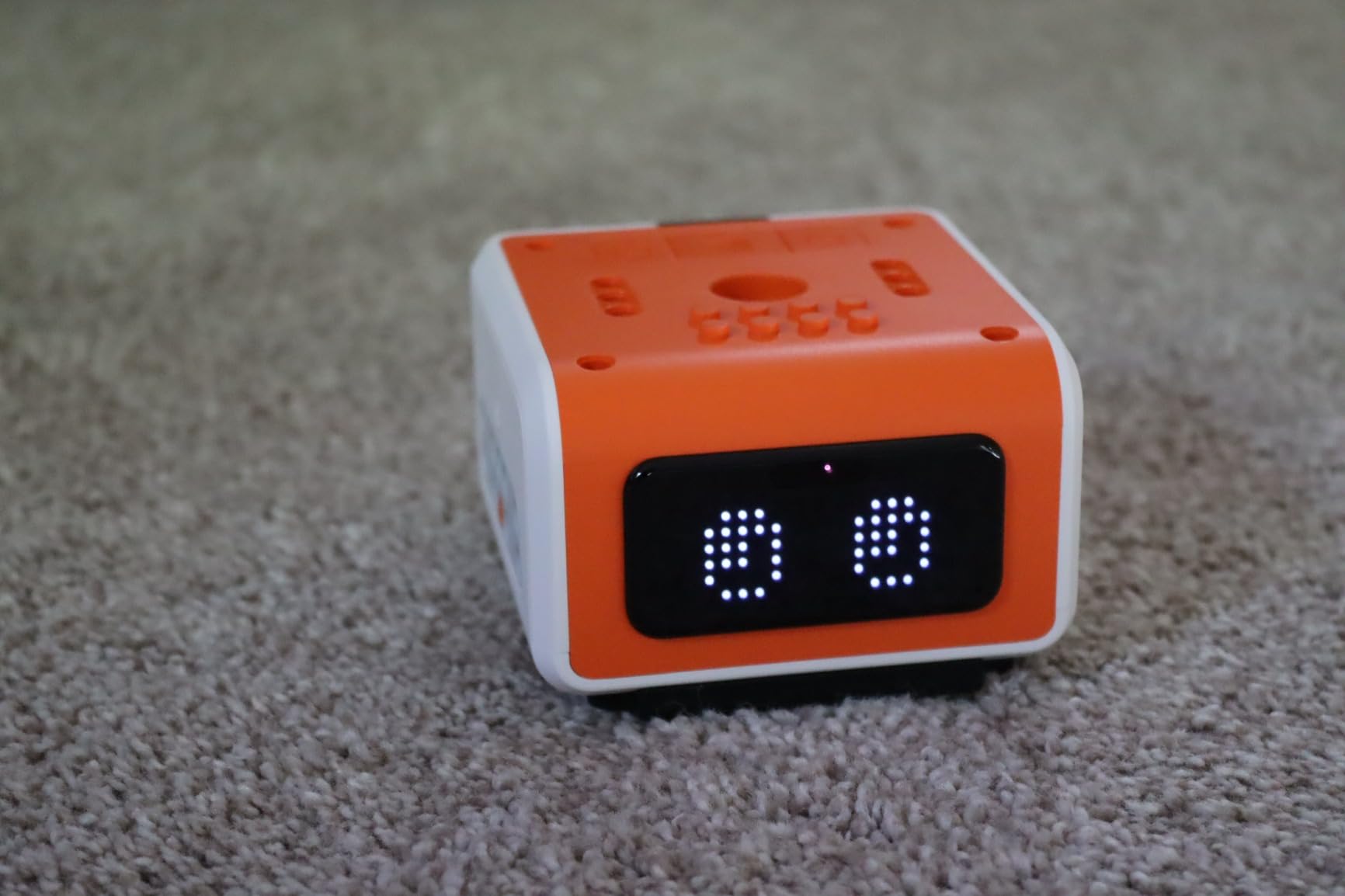
Some middle schoolers do not want to build anything. They want to write code and make something happen. VinciBot is the answer for them: it arrives complete, with eight sensors, an LED matrix face and support for both Scratch and Python in the same environment.
It is also one of the few kits here that touches machine learning at a level a tween can understand, through its AI, IoT and TinyML features. Add LEGO bricks or TECHNIC motors and the robot becomes something you build onto.
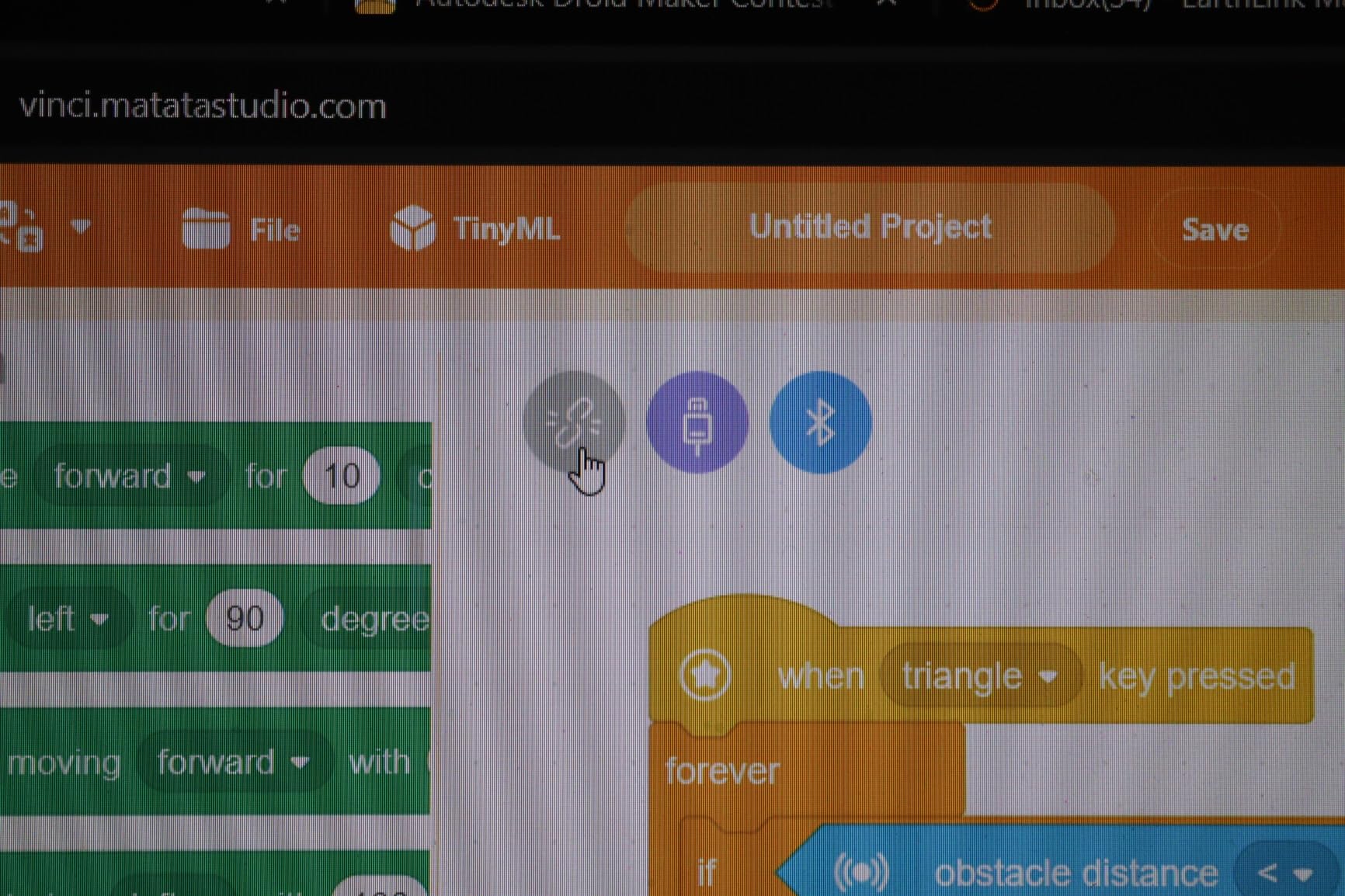
A 1500mAh battery gives more than four hours of play, and more than one VinciBot can be combined for larger projects. A challenge booklet with 17 cases plus online tutorials means there is a structured path, not just an open sandbox.
The setup is where friction appears. Bluetooth pairing is not clearly explained, the app needs an account, and the line-following behavior on the included paper mat is reported as inconsistent.
Two things follow from that. Check the account and pairing requirements before you gift it, and keep the printed challenge booklet handy because the tutorials will need it.
Best for a child who will not build
If your child is 13, already comfortable on a computer and refuses anything requiring a screwdriver, this is the rare kit that respects that. The robot arrives ready to program.
What you give up
You give up assembly, which is a real part of what makes robotics engaging, and you rely entirely on a company app. Our advanced robotics kits guide covers more open platforms.
12. ACEBOTT 4-in-1 Robot Arm and Tank – Best for Older Middle Schoolers
4 in 1 Robotics for Kids Ages 12-16, Smart Robot Arm with 5DOF + Tank Car, STEM Toys Compatible with Arduino & Scratch & Python, App & Remote Control, Gift for Kids & Teens & Adult
- Five degree of freedom programmable robotic arm
- Four modular builds including tracked tank
- Supports Arduino Scratch and Python
- Rubber treads for rough surfaces
- 16 tutorials with HD assembly videos
- Newer product with a small review base
- Assembly is complex for beginners
- Higher price point
- Limited community and support
This is the oldest-skewing kit here, rated 12 and up, and it is aimed at a 13 or 14 year old who wants mechanics as much as software. The centerpiece is a five degree of freedom robotic arm with independently controllable joints.
The 4-in-1 design lets the same parts become a wheeled car, a tracked tank, an arm or an arm-and-tank combination. Rubber treads handle carpet and outdoor surfaces that would stop a wheeled kit.
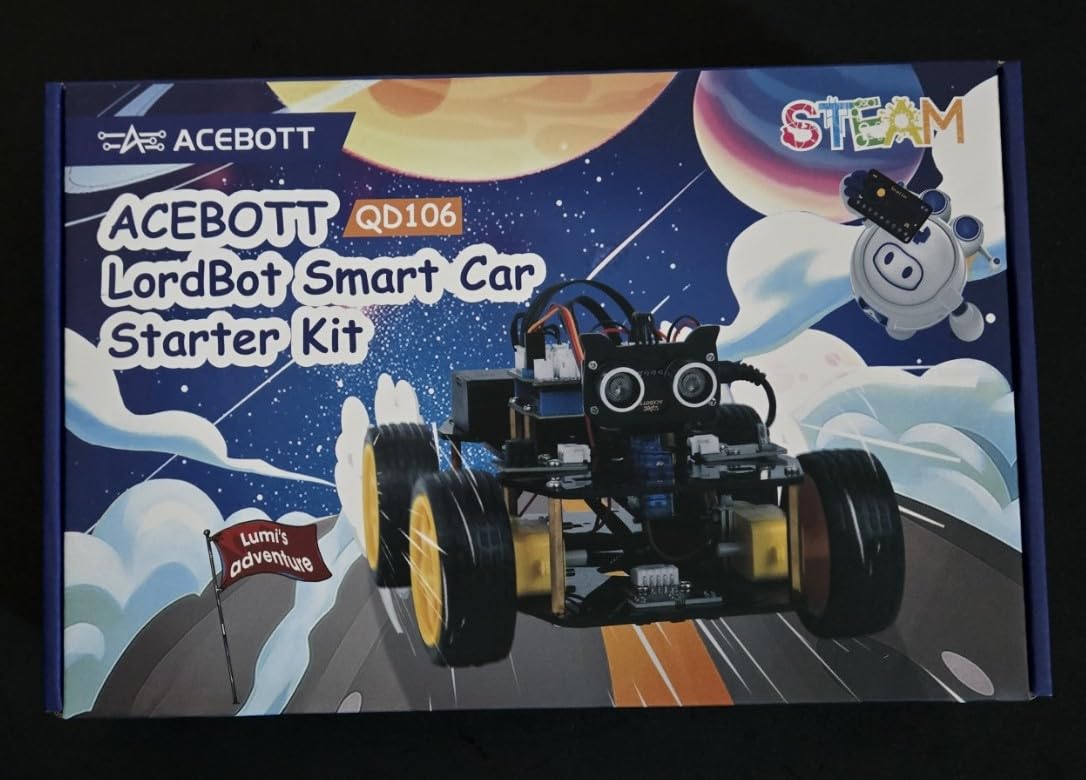
An ESP32 controller handles the electronics, and the kit accepts Arduino, Scratch and Python, so the same hardware serves a beginner and an advanced tween. Sixteen guided tutorials with HD assembly videos cover the build stages in order.
Be cautious with expectations. It carries the lowest rating and the smallest review count in this roundup, which is typical of a recent release. The community around the brand is also younger than for established names.
Assembly is the practical hurdle. This is a two-or-three-session build with real hardware, not an afternoon snap-together, and it wants an adult nearby for the mechanical sections.
Best for an 8th grader going into high school
If your child is 14 and already comfortable with computers, this kit goes deeper on mechanics than anything else here. An articulated arm is a real mechatronics project rather than a driving lesson.
When to skip it
Skip it for an 11 or 12 year old and skip it if nobody in the house can manage wiring and mechanical assembly. It is also the pick with the least proven support, so read recent reviews closely before committing.
How to Choose a Robotics Kit for Middle Schoolers: 7 Criteria
Age ranges on a box are marketing, not guidance. These seven checks predict whether a kit will still be interesting in month six far more reliably than the age sticker does.
1. Look for a text-coding path. Block coding stops being enough somewhere around 12 or 13, usually the moment a child discovers variables and loops. A kit that only does drag-and-drop becomes a toy at exactly the age when the interest is forming. The mBot2 and the ELEGOO UNO R3 both carry forward into Python or C++, and those are the two to buy if you want a single purchase to last.
2. Confirm the sensors are real. A robot with no sensors cannot react to anything, so programming it teaches almost nothing. Look for an ultrasonic or distance sensor, a line-follower and a light or color sensor at minimum. Kits described as programmable but limited to remote control are toys with a premium.
3. Check the app before the gift. Find the app on your own phone or tablet first. Confirm it pairs, that the interface works on your screen size, and check when the last update shipped. Kits with apps that have not been touched in years are a real risk, and it is the complaint that appears most often in buyer reviews across this category.
4. Decide how much help you are signing up for. Screw-and-bolt kits need adult hands for the first build, every time. Snap-together block kits mostly do not. If you plan to hand over a gift on a birthday morning, either pick a no-screw kit or plan to build the first one together.
5. Look for expansion. Modules, extra sensors and third-party parts determine whether the kit lives past a year. Closed ecosystems are convenient but expensive to extend, and a kit that accepts standard connectors or common building blocks is far more useful in year two.
6. Count the builds, not the pieces. Piece count is a marketing number. Five distinct models beat four hundred pieces in one design, because the second build is what separates a hobby from a gift that gathers dust in a cupboard.
7. Make sure parts can be replaced. Ask whether spare screws, nuts and motors are sold separately and whether a missing part can be ordered on its own. Small-parts loss is the most common complaint across every robotics forum thread we read, and kits that sell nothing individually are a bad bet with a tween.
Grade-by-Grade Robotics Roadmap for 6th, 7th and 8th Grade
Match the kit to the grade rather than to the birthday. The differences in what a child can absorb are large across these three years.
6th grade, ages 11 to 12. Aim for construction confidence and a zero-screen option where you can. The Mech-5 and the Sillbird 5-in-1 both work well here. The goal is small parts, following instructions and understanding that a sequence produces a result.
7th grade, ages 12 to 13. This is the sweet spot, and it is where most of the value sits. Block coding with real sensors is appropriate, and the ELEGOO UNO R3 or the Apitor Robot J serve it best. Look forward to a text-language kit within the year.
8th grade, ages 13 to 14. Go straight to Python or Arduino. The mBot2, the VinciBot and the ACEBOTT arm and tank all run text code, and a child entering high school will use those skills immediately. Avoid anything that only does icon blocks at this age.
Our STEM robotics kits guide goes deeper on the 6th grade end, and the teens guide covers what comes after 8th grade.
How Much Help Will Your Middle Schooler Need?
Budget your weekend before you buy. Most complaints about robotics kits are not about the kits, they are about parents being handed a 600-piece build with small hex hardware and no realistic expectation of the time.
Snap-together kits with no screws, including the Apitor Robot J and the Sillbird set, can be solo builds for a confident 11 year old. Allow about an hour.
Acrylic and metal kits such as the ELEGOO UNO R3 are light assist. Plan two evenings and expect to be called over for the hardware sections, then work independently on the code afterward.
Mechanical kits such as the ACEBOTT arm and tank are heavy assist. They are a shared weekend project, and a 13 or 14 year old still benefits from an adult handling the wiring.
Keep a small tray under the work area for every one of them. Hex screws, shaft collars and nuts are astonishingly easy to lose, and kits rarely include spares.
Frequently Asked Questions
What is a good robotics kit for a 13-year-old?
The Makeblock mBot2 is our pick for a 13-year-old because the same robot programs in Scratch blocks and in Python, so a child can move from drag-and-drop to real code without buying a second kit. The ELEGOO UNO R3 Smart Robot Car is the alternative if you want an Arduino board, an FPV camera and obstacle avoidance instead of a text-language path.
What are some good robot kits for teenagers?
For teenagers we like the ELEGOO UNO R3 Smart Robot Car for its Arduino compatibility and camera, the Makeblock mBot2 for its Scratch-to-Python progression, and the ACEBOTT 4-in-1 arm and tank for a 14-year-old who wants real mechanics. All three run text-based code and hold up past middle school.
What is the best robotics kit for beginners?
For a beginner we recommend the ELEGOO UNO R3 Smart Robot Car Kit V4. It ships pre-programmed so a child can drive it immediately, includes line tracking and ultrasonic obstacle avoidance sensors, and opens up to the Arduino IDE later. A cheaper first option is the Henoda 468-piece kit if you want a smaller commitment.
What is a good programming kit for a 12-year-old?
The Apitor Robot J is built for a 12-year-old starting out. Its icon-based Scratch interface lets a pre-reader drag symbols into a program, it needs no screws, and 480 blocks build into six models. Once icon blocks stop being interesting, move up to a Scratch and Python platform such as the Makeblock mBot2.
How long does it take to build a robotics kit?
Budget about an hour for snap-together block kits, roughly two evenings for acrylic chassis kits such as the ELEGOO UNO R3, and several sessions for mechanical builds with a robotic arm. The Teach Tech Mech-5 is the outlier at a full weekend, because every joint has to be aligned by hand.
Can robotics kits be used without a computer?
Only a few. The Teach Tech Mech-5 works entirely without a screen, using a mechanical coding wheel, which makes it ideal for kids who want robotics away from a display. Every app-controlled kit here needs a phone or tablet, and the ELEGOO UNO R3 additionally needs a computer for Arduino programming.
What are some good robotics kits for schools?
For a classroom or after-school club the Makeblock mBot2 is the strongest fit: ten or more sensors, 30-plus expansion modules, WiFi and IoT support, a 30-minute build time and a free programming platform with no per-seat licensing. Closed ecosystems are the thing to avoid for a class, since they lock every student into one vendor.
Conclusion
Our overall pick among the best robotics kits for middle schoolers is the Teach Tech Mech-5, because it teaches sequencing with no screen at all and has the longest review history of anything here. For a 12 or 13 year old ready to program, step up to the ELEGOO UNO R3 Smart Robot Car, and at 13 or 14 move to text coding with the Makeblock mBot2 or the ACEBOTT arm and tank.
Check the app on your own device before you buy, expect to help with the first build, and pick a kit with a text-coding path so you are not buying twice. That framing is what turns a good holiday gift into a hobby that survives the school year.