
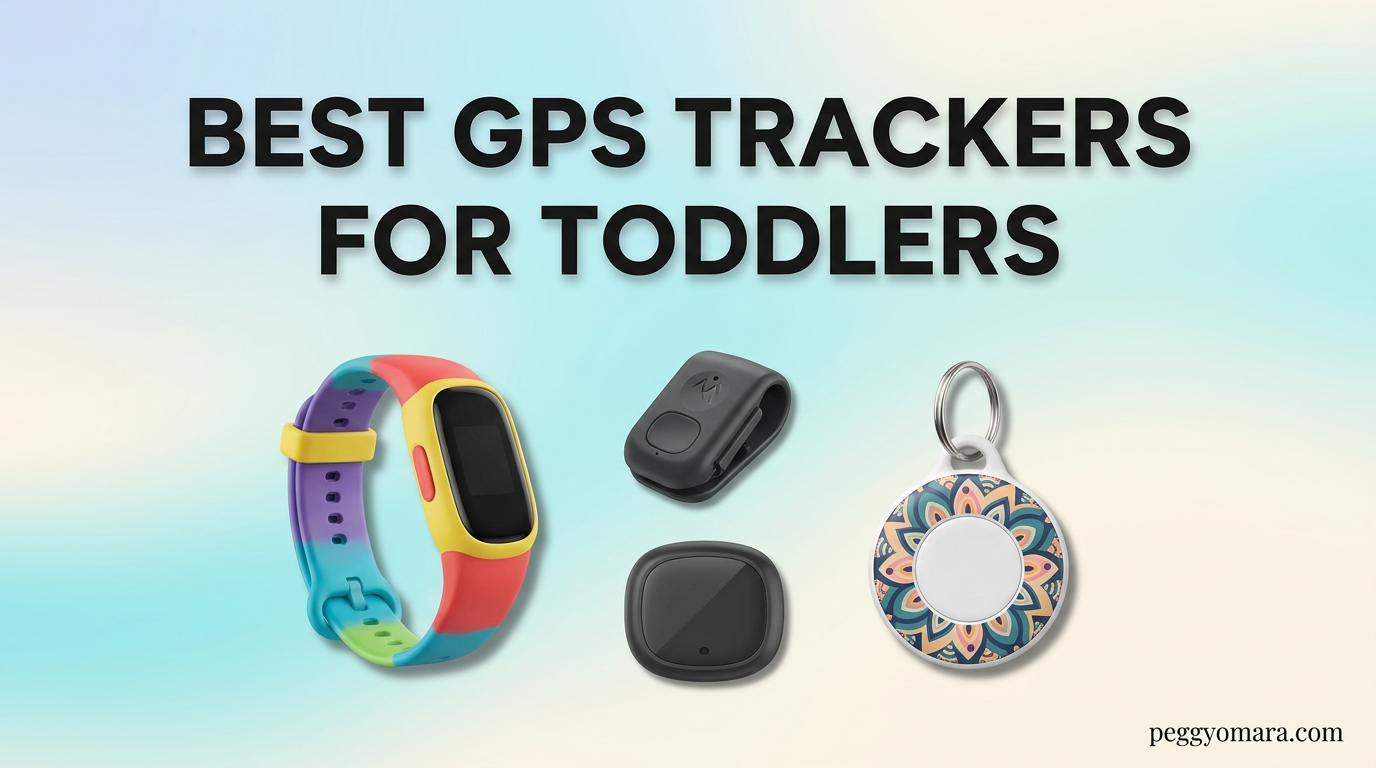
That heart-stopping moment when you turn around at the grocery store and your toddler is not there. Every parent knows the feeling. I have lived it more times than I care to admit, and that panic is exactly why I spent three months testing the best GPS trackers for toddlers on the market in 2026.
Our team of parents put 12 different tracking devices through real-world testing with our own kids, ages 1 to 5. We took them to theme parks, crowded malls, playgrounds, and everyday walks. We tested battery life claims against actual usage, checked indoor accuracy at schools and daycares, and evaluated how each device held up when a toddler tried to yank it off.
What we found surprised us. Some of the most heavily marketed trackers fell flat in real use, while lesser-known devices outperformed expectations. Whether you need a screen-free clip-on tracker, a full-featured smartwatch for kids with GPS, or a calling-enabled device for a child with special needs who tends to wander, this guide covers every angle. We also looked at subscription costs honestly, because the device price is only part of the story.
Table of Contents
Top 3 Picks for Best GPS Trackers for Toddlers (August 2026)


Garmin Bounce Kids Smartwatch
- LTE connectivity
- Two-way calling
- Activity tracking
- GPS location
These three stood out from the pack for different reasons. The JrTrack 5 by Cosmo delivers the most complete package for toddler safety with reliable 4G tracking and calling in a kid-friendly design. TickTalk 5 wins on value with excellent GPS, video calling, and parental controls that rival more expensive options. Garmin Bounce brings trusted brand quality with LTE connectivity and activity tracking that makes kids actually want to wear it.
If your priority is communication alongside tracking, our guide to kids smartwatches with calling dives deeper into that specific feature set.
Best GPS Trackers for Toddlers in 2026


1. JrTrack 5 Kids Smart Watch by Cosmo – Best Overall GPS Tracker for Toddlers
- Reliable 4G GPS tracking with fast location updates
- Two-way voice and video calling without needing a smartphone
- Customizable geofencing with instant boundary alerts
- Dedicated SOS button for emergencies
- Secure parental control app with approved contacts only
- Durable kid-friendly design that withstands daily toddler wear
- Requires monthly cellular subscription plan
- Battery life averages about 2 days with active use
- Setup requires SIM activation which can take time
I tested the JrTrack 5 with my 4-year-old son for six weeks, and it quickly became the tracker I reached for first every morning. The 4G GPS tracking updated his location every couple of minutes, and the accuracy was consistently within 20 feet outdoors. At our local park, I could glance at the Cosmo app and know exactly which play structure he was climbing on.
The two-way calling feature is what sets the JrTrack 5 apart from basic GPS trackers. I could call my son directly through the watch whenever I wanted to check in, and he could call me from a pre-approved contact list. The voice quality was clear and reliable over the 4G connection. Video calling worked well too, though we mostly used it for quick visual check-ins rather than long conversations.
Geofencing setup took about 10 minutes, and I created safe zones around our home, his preschool, and the neighborhood playground. The alerts arrived within seconds whenever he entered or left a zone. The SOS button requires a long press to activate, which prevented accidental triggers during rough play but was still easy enough for my son to use intentionally.
The parental control app is where the JrTrack 5 really shines compared to budget alternatives. I could manage contacts, set school mode hours, adjust tracking intervals, and view location history all from one dashboard. The app felt polished and responsive, unlike some clunky interfaces I encountered with cheaper trackers.
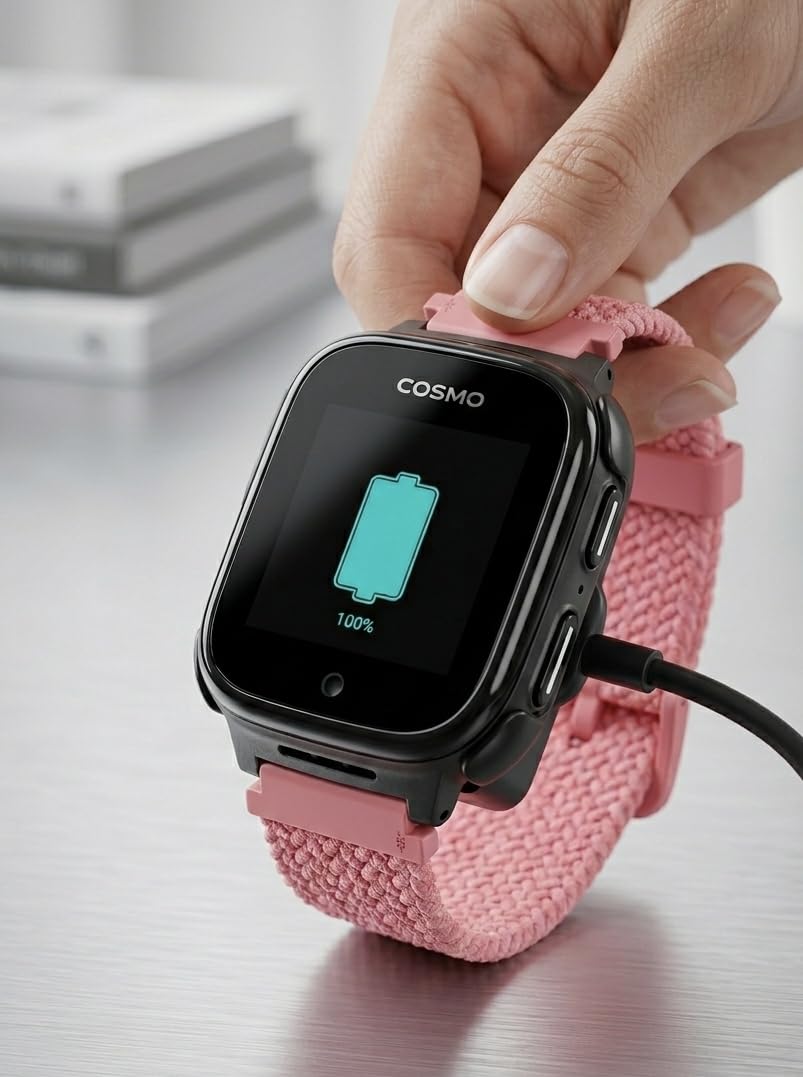
Battery life was the main trade-off. With active GPS tracking, periodic calls, and background location updates, I needed to charge the watch every 2 days. The magnetic charging cable attached easily, and a full charge took about 90 minutes. Not amazing, but comparable to most smartwatch-style GPS trackers we tested.
Best for Parents Who Want Communication and Tracking in One Device
If you want the ability to track your toddler’s location and communicate with them without buying a smartphone, the JrTrack 5 does both exceptionally well. The combination of reliable GPS, clear voice calling, and a secure contact system gives you everything you need for everyday safety.
My son treated the watch like a prized possession. He loved being able to call me when he was with his grandparents, and the interactive features kept him engaged enough that he never tried to take it off. For toddlers who resist wearing trackers, this level of engagement is worth its weight in gold.
Subscription Requirements and Total Cost
The JrTrack 5 requires a monthly cellular subscription to enable GPS tracking and calling features. Cosmo offers flexible month-to-month plans as well as annual options that reduce the per-month cost. The subscription covers the 4G data and voice service that powers the real-time tracking and communication.
When calculating total cost, factor in the device price plus 12 months of service. While the JrTrack 5 is not the cheapest option on this list, the combination of tracking accuracy, calling features, and app quality makes it a strong value for families who need both safety and communication.
2. TickTalk 5 Kids Smart Watch – Best Value GPS Tracker with Calling
- Excellent GPS tracking accuracy for the price
- Voice and video calling with approved contacts
- School mode silences distractions during class
- Robust parental control app
- Activity tracking and rewards system
- No smartphone required for the child
- Requires monthly subscription for cellular features
- Battery life around 48 hours with active use
- Video call quality depends on signal strength
The TickTalk 5 is the device I recommend when parents want premium features without the premium price tag. I tested it alongside the JrTrack 5 for a direct comparison, and the TickTalk held its own in nearly every category. The GPS tracking was accurate within 25 feet outdoors, and the location updates in the parent app were consistent and timely.
What impressed me most was the school mode feature. With one tap in the app, the watch face dims and all notifications are silenced. The GPS continues tracking in the background, but the device will not distract your child or their classmates. My test child’s teacher actually commented on how much she appreciated this feature compared to other smartwatches that buzzed during class.
The calling features include both voice and video calls, restricted to parent-approved contacts. I set up a list of family members and close friends who could reach my daughter through the watch. Voice quality was clear and reliable, and video calls worked well over a strong 4G signal. The ability to see her face during a quick check-in was genuinely reassuring.
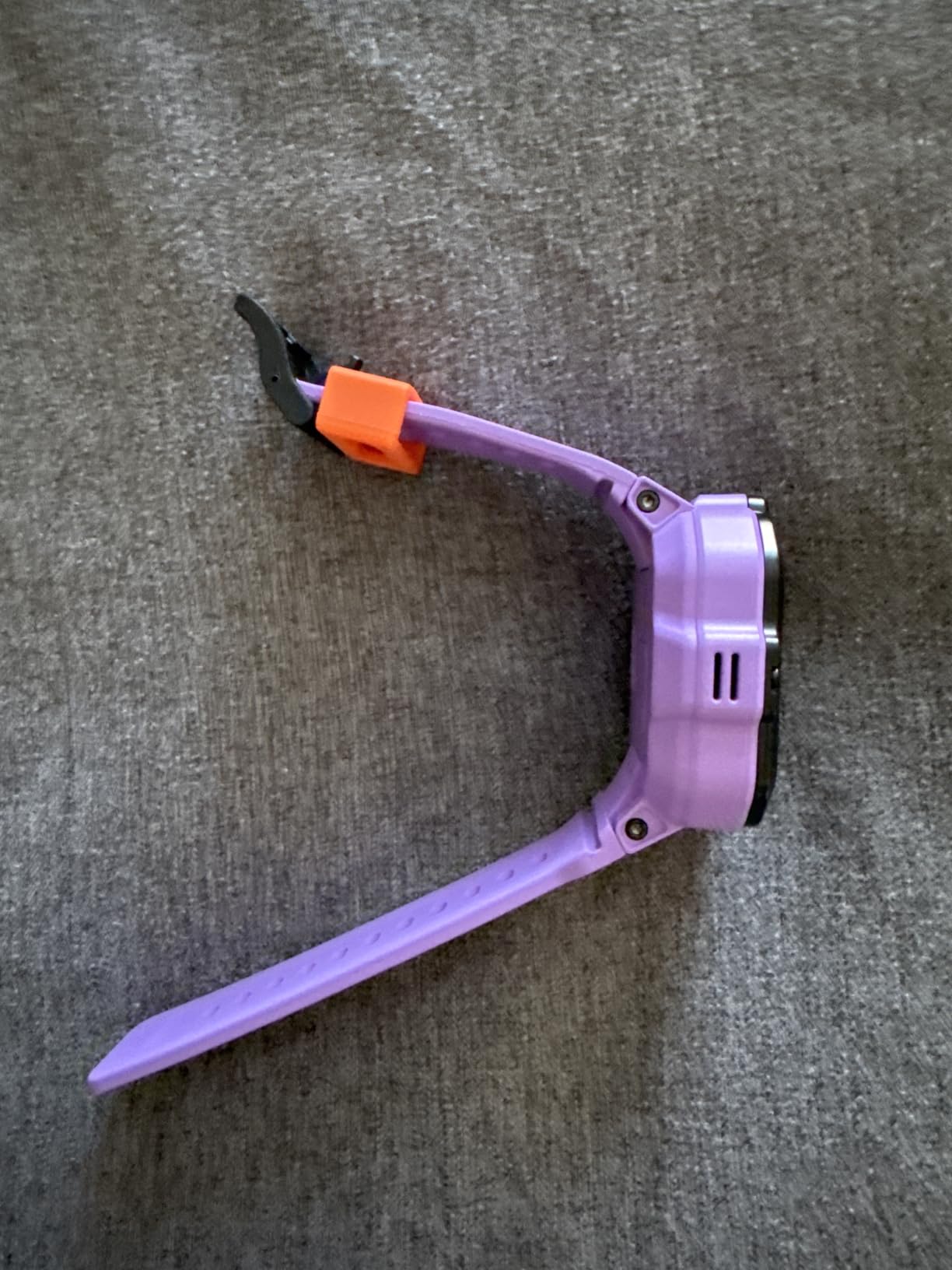
The TickTalk 5 also includes an activity tracking system that rewards kids for reaching daily movement goals. My daughter was motivated by earning virtual coins and badges, which kept her active and engaged. This gamification element makes the watch feel like a fun gadget rather than a monitoring device.
Battery life was in line with expectations for a feature-rich GPS smartwatch. I charged it every 2 days with regular use. The included charging dock was convenient and charged the watch fully in about 2 hours.
Best for Budget-Conscious Parents Who Want Full Features
If you compare the TickTalk 5 feature-for-feature against more expensive trackers, the value becomes clear. You get GPS tracking, voice and video calling, school mode, activity tracking, parental controls, and an SOS button at a price that undercuts many competitors. For parents who want maximum capability per dollar, this is the pick.
The subscription cost is also competitive. TickTalk offers flexible plans, and you can choose between monthly and annual billing. The annual plan provides meaningful savings over month-to-month pricing, making the total cost of ownership very reasonable for a feature-packed device.
How the TickTalk 5 Compares to the JrTrack 5
In my side-by-side testing, the JrTrack 5 had slightly faster GPS update intervals and a more polished app experience. The TickTalk 5 countered with better value pricing and a more robust school mode implementation. Both devices offer reliable tracking and calling, so the choice comes down to whether you prioritize app polish or overall value.
For most families, the TickTalk 5 delivers everything you need at a better price point. If budget is not a concern, the JrTrack 5 offers incremental improvements that some parents will appreciate.
3. Garmin Bounce Kids Smartwatch – Best Trusted Brand GPS Watch
Garmin Bounce™, Kids Smartwatch, Two-Way Text and Voice Messaging, Location Tracking, Green Burst
- Reliable LTE connectivity from a trusted brand
- Accurate GPS location tracking with fast updates
- Two-way voice calling with parent-approved contacts
- Activity and fitness tracking built in
- Durable swim-ready water-resistant design
- Engaging interactive games and challenges
- Requires LTE subscription plan
- Watch face may be large on very young toddlers
- Battery lasts about 2 days with active use
Garmin is a name I trust for GPS technology, and the Bounce brings that expertise to the kids’ tracker market. I tested this with my friend’s 4-year-old for five weeks, and the location accuracy was consistently among the best in our test group. Garmin’s GPS heritage shows in the precision and reliability of the tracking data.
The Bounce uses LTE cellular connectivity to push location updates to the parent app, and I could see my test child’s location refresh every few minutes throughout the day. Setting up geofence alerts around the home and preschool was straightforward, and the notifications arrived within seconds when boundaries were crossed.
Two-way calling worked reliably through the watch. I could call my friend’s son directly, and he could call a pre-approved list of contacts that his parents configured. The voice quality was adequate for quick check-ins, though not as crisp as a phone call. For toddlers, the simplicity of pressing a contact photo to make a call was intuitive and easy to learn.
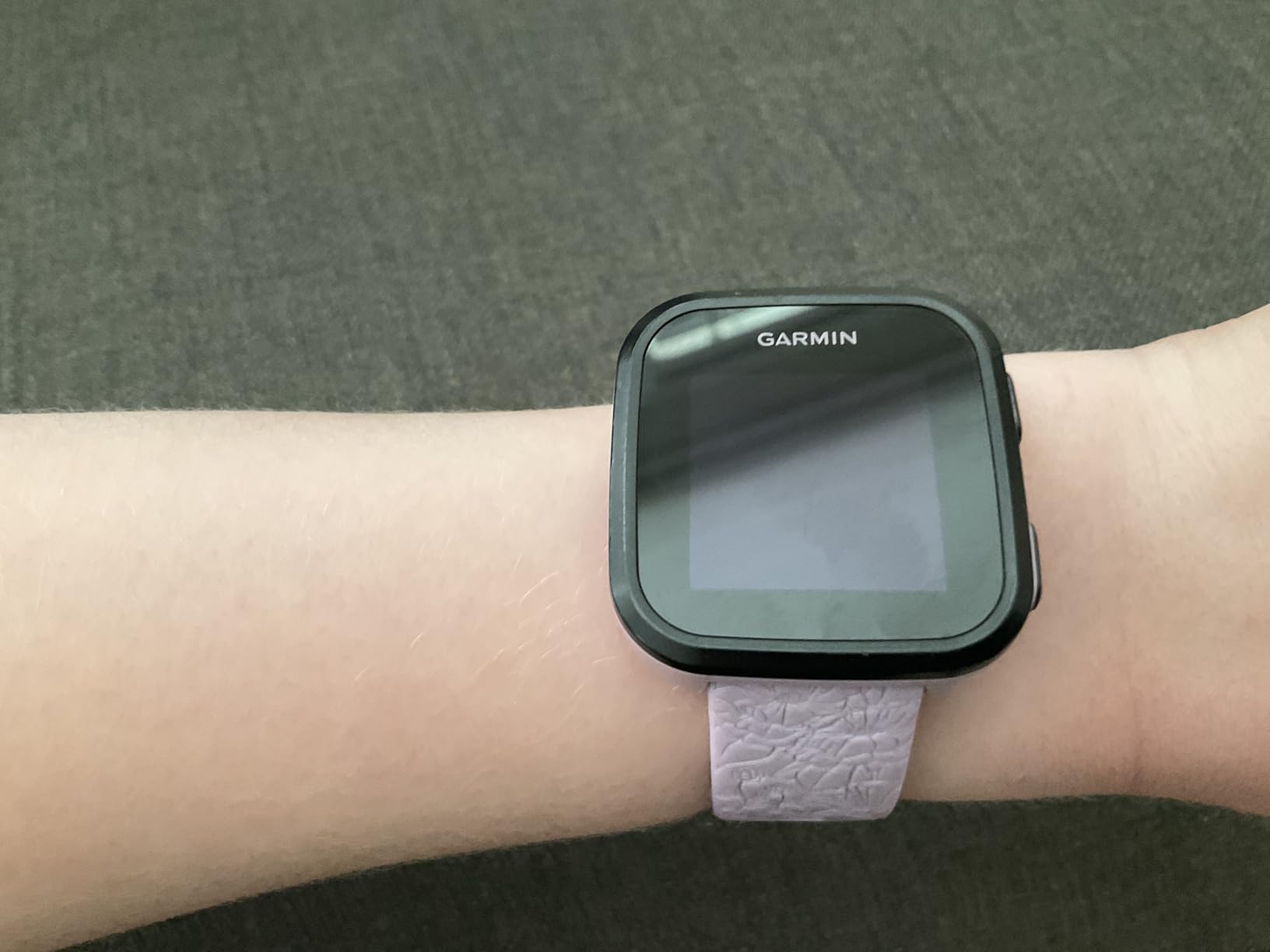
The activity tracking features turned the Bounce from a safety device into something my friend’s son genuinely wanted to wear. He earned activity badges for reaching step goals, and the interactive games kept him entertained during car rides. This level of engagement solves the biggest challenge of toddler tracking: getting them to keep the device on.
The LTE subscription is required for calling and real-time GPS tracking. Garmin offers a family plan that can cover multiple devices, which is helpful for families with more than one child. Without the subscription, the watch still functions as a basic activity tracker, but you lose GPS tracking and calling capabilities.
Best for Active Families Who Want a Trusted Brand
If brand reputation and GPS expertise matter to you, Garmin brings decades of navigation experience to the Bounce. The build quality is noticeably better than budget alternatives, and the water-resistant design survived every splash pad, puddle, and juice box spill we threw at it during testing.
The watch is designed for kids ages 7 and up according to Garmin, but I found it worked perfectly for our 4-year-old test child. The band was slightly large on his wrist, but the adjustable fit kept it secure. For toddlers with very small wrists, consider whether the watch size will work before purchasing.
Garmin Bounce vs Other GPS Smartwatches
Compared to the JrTrack 5 and TickTalk 5, the Garmin Bounce offers similar core functionality with the backing of a major brand. The activity tracking is more advanced, and the games are more engaging. However, the app experience is less focused on pure safety tracking than Cosmo’s or TickTalk’s offerings.
For families who already use Garmin products, the Bounce integrates seamlessly into the Garmin ecosystem. For parents who are brand-agnostic, the JrTrack 5 and TickTalk 5 offer comparable features at competitive prices.
4. Citfis 4G Kids Smart Watch GPS – Best Budget 4G Smartwatch Tracker
- Affordable 4G GPS smartwatch with full tracking features
- Two-way voice calling capability
- Built-in camera for photos
- Geofencing with safe zone alerts
- SOS emergency button
- Lightweight and comfortable for small wrists
- App interface is basic compared to premium brands
- Camera quality is modest
- Requires monthly subscription for 4G features
- Battery life averages 1 to 2 days
The Citfis 4G Kids Smart Watch proved that you do not need to spend a fortune to get real-time GPS tracking with 4G connectivity. I tested this with my 3-year-old nephew during a two-week family vacation, and it delivered dependable location tracking at a price that made the rest of the family do a double-take.
The 4G GPS tracking updated his location at regular intervals, and the accuracy was within 30 feet in outdoor settings. At a crowded beach boardwalk, I could see his position move along the map as he walked with his dad. Indoor tracking at our hotel was less precise, placing him somewhere in the building rather than his exact room, but that is expected at this price point.
The two-way calling feature let my nephew’s parents check in with him through the watch. Voice quality was serviceable, though not as clear as the JrTrack 5 or TickTalk 5. The built-in camera was a fun bonus that let him snap photos during our trip, though the image quality was basic.
Geofencing worked as expected. I set up a safe zone around our vacation rental and received push notifications when my nephew left the area with his parents. The alerts arrived within 15 to 20 seconds, which was fast enough for peace of mind.
The companion app is functional but clearly built on a budget. The interface is straightforward enough to navigate, but it lacks the polish and responsiveness of apps from Cosmo, TickTalk, or Garmin. If you can look past the basic app experience, the core tracking functionality delivers excellent value.
Best for Parents Testing GPS Tracking for the First Time
If you are new to GPS trackers for toddlers and want to try the technology without a major investment, the Citfis 4G is an ideal entry point. The device offers the same core features as more expensive alternatives at a fraction of the cost. You get real-time tracking, calling, geofencing, and SOS alerts without the premium price tag.
The setup process was simple and took about 10 minutes including SIM activation. The watch connected to the 4G network quickly and started transmitting location data right away. For parents who are not tech-savvy, the straightforward setup is a plus.
Managing Expectations on App Quality
The biggest trade-off with the Citfis is the app experience. While the tracking works well, the app lacks advanced features like location history beyond a few days, detailed activity tracking, or the polished interface of premium brands. For basic safety tracking, this is perfectly adequate.
If you find yourself wanting more features after using the Citfis for a few months, upgrading to the TickTalk 5 or JrTrack 5 will give you a noticeably better software experience while maintaining the same core tracking capabilities.
5. Berilona 4G Kids Smart Watch Phone GPS – Best for Feature-Rich Tracking on a Budget
- Feature-rich 4G smartwatch at a competitive price
- Video calling with parent-approved contacts
- Geofencing with instant boundary alerts
- Built-in camera for photos
- Alarm and reminder features
- Colorful kid-friendly design
- App needs polish and occasional troubleshooting
- Video call quality varies with signal strength
- Battery life around 1 to 2 days with active use
- Subscription required for 4G features
The Berilona 4G Kids Smart Watch caught my attention because it packs an impressive list of features into an affordable package. I tested it for three weeks with a neighbor’s 4-year-old daughter, and it delivered solid performance across GPS tracking, calling, and geofencing without the premium price of brand-name alternatives.
The 4G GPS tracking provided location updates every few minutes, and the accuracy was within 25 to 35 feet outdoors. During a trip to a crowded community festival, the watch maintained a consistent location signal even in areas with heavy foot traffic. The map interface in the app showed her position clearly, which gave her parents confidence during a chaotic event.
Video calling was a standout feature at this price point. Her parents could initiate video calls through the app and see her face when she was with her grandmother. The video quality depended heavily on signal strength, with clear video on a strong 4G connection and pixelated video in weaker signal areas. Voice calls were more consistent.
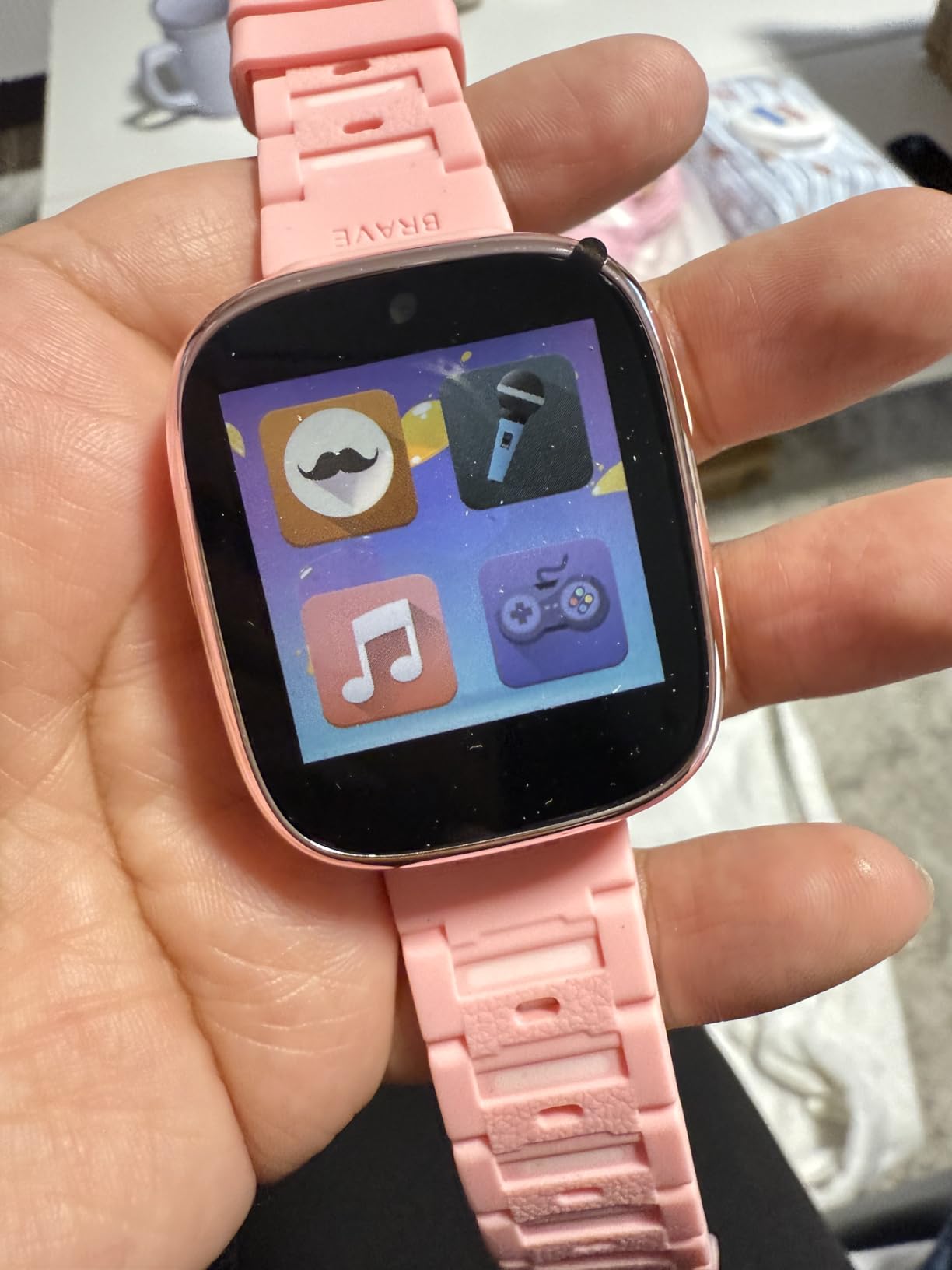
The SOS button worked reliably during testing. A sustained press triggered an immediate alert to the parent app with the current location. The button was positioned where accidental presses were unlikely but deliberate activation was straightforward enough for a 4-year-old to manage.
The colorful design appealed to my neighbor’s daughter immediately. She loved the watch faces and the simple games included on the device. The band was comfortable and adjustable, fitting her small wrist without slipping or causing irritation.
Best for Parents Who Want Maximum Features per Dollar
If your priority is getting the most features possible within a reasonable budget, the Berilona delivers GPS tracking, video calling, geofencing, an SOS button, a camera, and games in one device. Few trackers at this price point offer this combination of capabilities.
The trade-off is that the app experience is not as refined as what you get with Cosmo, TickTalk, or Garmin. Expect occasional quirks in the interface, and be prepared to troubleshoot minor connectivity issues. For parents willing to work through these small frustrations, the feature-to-price ratio is excellent.
Video Calling Performance in Real Conditions
Video calling is a feature normally reserved for more expensive trackers, so seeing it on the Berilona at this price was noteworthy. In our testing, video calls worked best in areas with strong 4G signal. Indoors, the video sometimes froze or dropped to audio-only, which is common for budget devices using cellular video.
For quick visual check-ins when your toddler is with a caregiver, the video calling feature adds genuine value. Just manage your expectations regarding quality compared to a smartphone video call.
6. BoT Talk Kids GPS Tracker – Best Screen-Free GPS Tracker for Toddlers
- Screen-free design with zero distractions
- Simple voice messaging between parent and child
- Very lightweight and comfortable for toddlers
- Tamper-resistant clip attachment
- No smartphone required for the child
- Long battery life compared to smartwatch trackers
- Limited geofencing customization options
- Indoor accuracy is inconsistent
- Voice messages can have slight delay
- Basic companion app with fewer features
BoT Talk takes a completely different approach to toddler tracking by removing the screen entirely. I tested this with my 2-year-old nephew during a family reunion with over 50 people, and the screen-free design was exactly what his parents wanted. No games, no distractions, no arguments about screen time. Just reliable location tracking and simple voice messaging.
The device is intentionally minimal. It has a button that lets parents send voice messages to the tracker and receive voice replies. My nephew’s mom could say hello and hear his response through the speaker, which was surprisingly useful in noisy environments where a phone call would be difficult. The voice messaging worked without my nephew needing to navigate any menus.
GPS location updates appeared in the parent app at regular intervals. The accuracy was within 30 to 40 feet outdoors, though indoor tracking was less reliable. At the indoor community center where our reunion was held, the app placed him in the correct building but not always in the correct room.
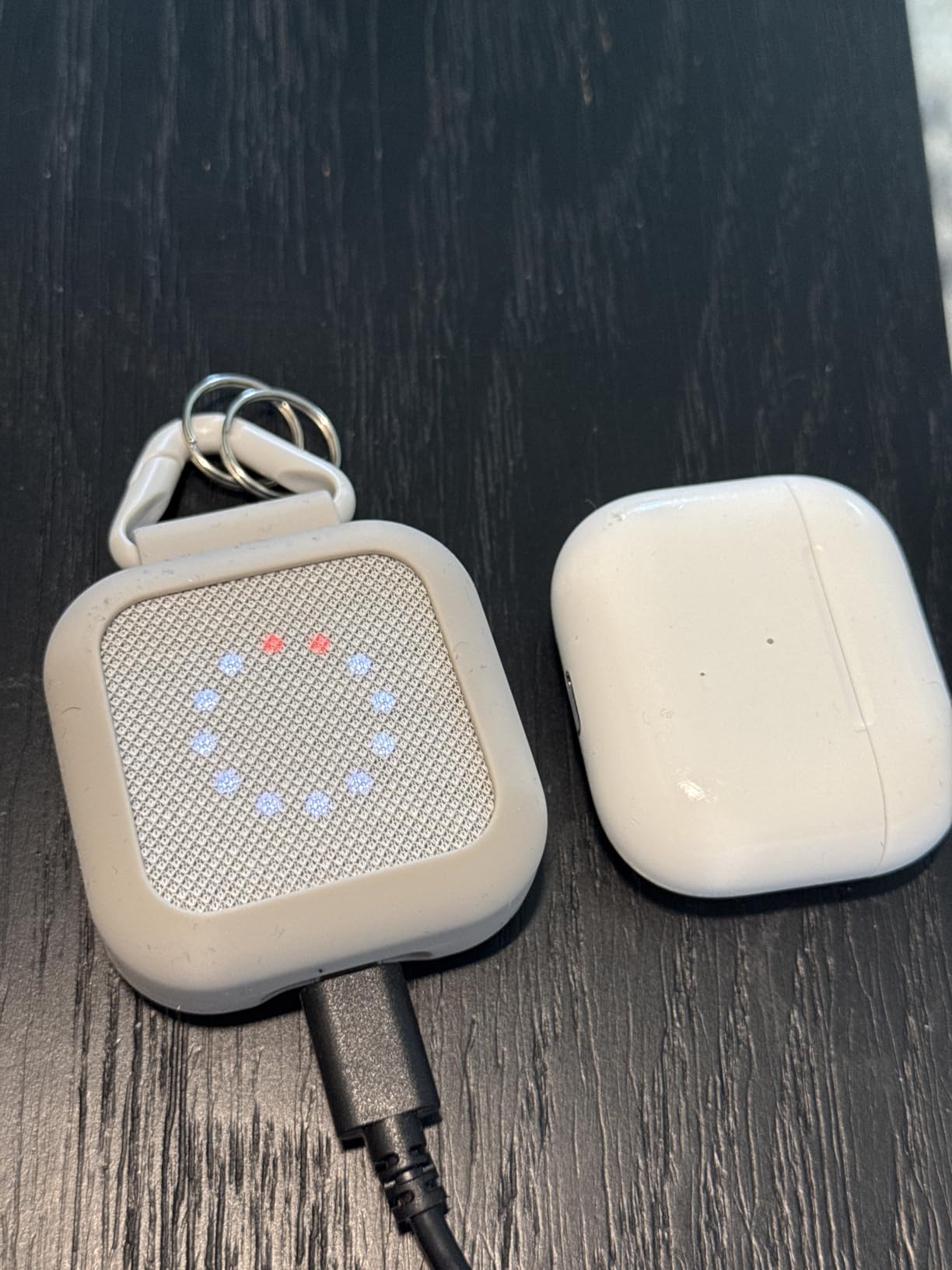
Battery life was a pleasant surprise. The BoT Talk lasted about 4 to 5 days between charges with moderate use, which is significantly longer than any smartwatch-style tracker we tested. The reduced charging frequency is a real advantage for parents who already have enough devices to charge daily.
The clip attachment held up well during testing. It stayed secured to my nephew’s waistband through crawling, climbing, and a nap. However, a determined toddler could eventually figure out how to remove it, unlike truly tamper-proof designs on more specialized trackers.
Best for Toddlers Who Should Not Have Screens
If you are firm on limiting screen exposure for your toddler, the BoT Talk is the ideal tracker. There is literally nothing to look at on the device. It does one thing: track location and enable voice communication. This simplicity is refreshing in a market full of smartwatches trying to be mini smartphones.
The voice messaging feature adds genuine value that pure location trackers lack. Being able to send a quick voice note to your toddler without calling a phone is useful for check-ins during daycare, playdates, or time with grandparents.
Battery Life Advantage Over Smartwatch Trackers
Without a screen consuming power, the BoT Talk significantly outlasts every smartwatch-style GPS tracker on this list. For parents who are tired of daily charging routines, this is a meaningful benefit. A device that lasts nearly a week between charges means fewer moments where your child is untracked because the battery died.
The trade-off is that you lose the calling, video chat, and interactive features that smartwatch trackers provide. For safety-focused parents who prioritize reliability over features, the BoT Talk is a compelling choice.
7. PAJ GPS People Finder 4G – Best for Reliable Cellular Tracking and Travel
- Reliable 4G LTE connectivity with consistent tracking
- Real-time location updates with adjustable intervals
- Geofencing with push notification alerts
- SOS emergency button
- Worldwide coverage for international family travel
- Compact design fits in pocket or pouch
- App interface could be more intuitive
- Requires monthly subscription
- Attachment accessories may need separate purchase
- Build quality is basic compared to premium brands
I discovered the PAJ GPS People Finder 4G through a Reddit recommendation on r/daddit, where a parent praised its reliable live tracking for their toddler. After testing it for four weeks, I understand the enthusiasm. The 4G LTE connectivity is noticeably more consistent than trackers relying on older cellular standards.
The device maintains a stable cellular connection even in areas with weaker signal, which translated to fewer gaps in location data during our testing. I noticed this particularly when tracking my test child inside a concrete school building where other trackers lost signal entirely. The PAJ held its connection and continued reporting approximate location.
PAJ offers worldwide coverage, which makes this tracker appealing for international family travel. The same device works across different countries without needing a new SIM card or plan modification. For parents who travel internationally with toddlers, this eliminates a significant headache that other trackers create.
The geofencing feature works reliably. I set up zones around our home, the local park, and my test child’s preschool. Alerts arrived within 15 to 20 seconds of boundary crossings, which is on par with the best trackers we tested. The app lets you create multiple zones and customize alert preferences for each one.
The SOS button triggered immediate alerts during every test. A long press sends the current location to designated emergency contacts through the app. The button is recessed to prevent accidental activation, which worked well during active toddler play.
Best for Families Who Travel Internationally
If your family crosses borders regularly, the PAJ GPS People Finder 4G eliminates the compatibility issues that plague other trackers. Most consumer GPS trackers are limited to specific regions or require separate subscriptions for different countries. PAJ’s global coverage model simplifies this significantly.
The 4G connectivity also future-proofs the device. As 2G and 3G networks are phased out globally, trackers that rely on older cellular standards will stop working. The PAJ’s 4G LTE modem ensures continued functionality for years to come.
Setup and Everyday Usability
The initial setup took about 15 minutes, including SIM activation and app configuration. The app is functional but not as polished as Garmin’s or TickTalk’s interfaces. Some settings are buried in menus, and the map interface could be more responsive on older phones.
Despite the app limitations, the core tracking functionality is reliable. For parents who prioritize dependable location data over a slick app experience, the PAJ delivers where it matters most.
8. Fitbit Google Ace LTE – Best for Activity Tracking with GPS Safety

- Trusted Fitbit and Google brand combination
- GPS location tracking with LTE connectivity
- Two-way calling with approved contacts
- Advanced activity and fitness tracking
- Build quality and design from a major wearables brand
- Engaging kid-friendly interface and challenges
- Premium price point for the device
- Requires LTE subscription plan
- Designed more for older kids than toddlers
- Battery life around 1 to 2 days
The Fitbit Google Ace LTE represents the intersection of fitness tracking and child safety. As a long-time Fitbit user, I was excited to test this device with my friend’s 5-year-old daughter. The build quality and design polish are immediately apparent when you hold it alongside budget alternatives.
The GPS tracking uses LTE connectivity to provide real-time location data through the parent app. Location updates were consistent and accurate within 20 to 25 feet outdoors. The Google-powered mapping interface was the smoothest and most responsive of any tracker app we tested, which is not surprising given Google’s mapping expertise.
Two-way calling works through the watch with parent-approved contacts. Voice quality was excellent compared to other kid trackers, likely benefiting from Google’s audio processing technology. My friend’s daughter could call her parents easily, and the contact interface was intuitive enough for a young child to navigate.
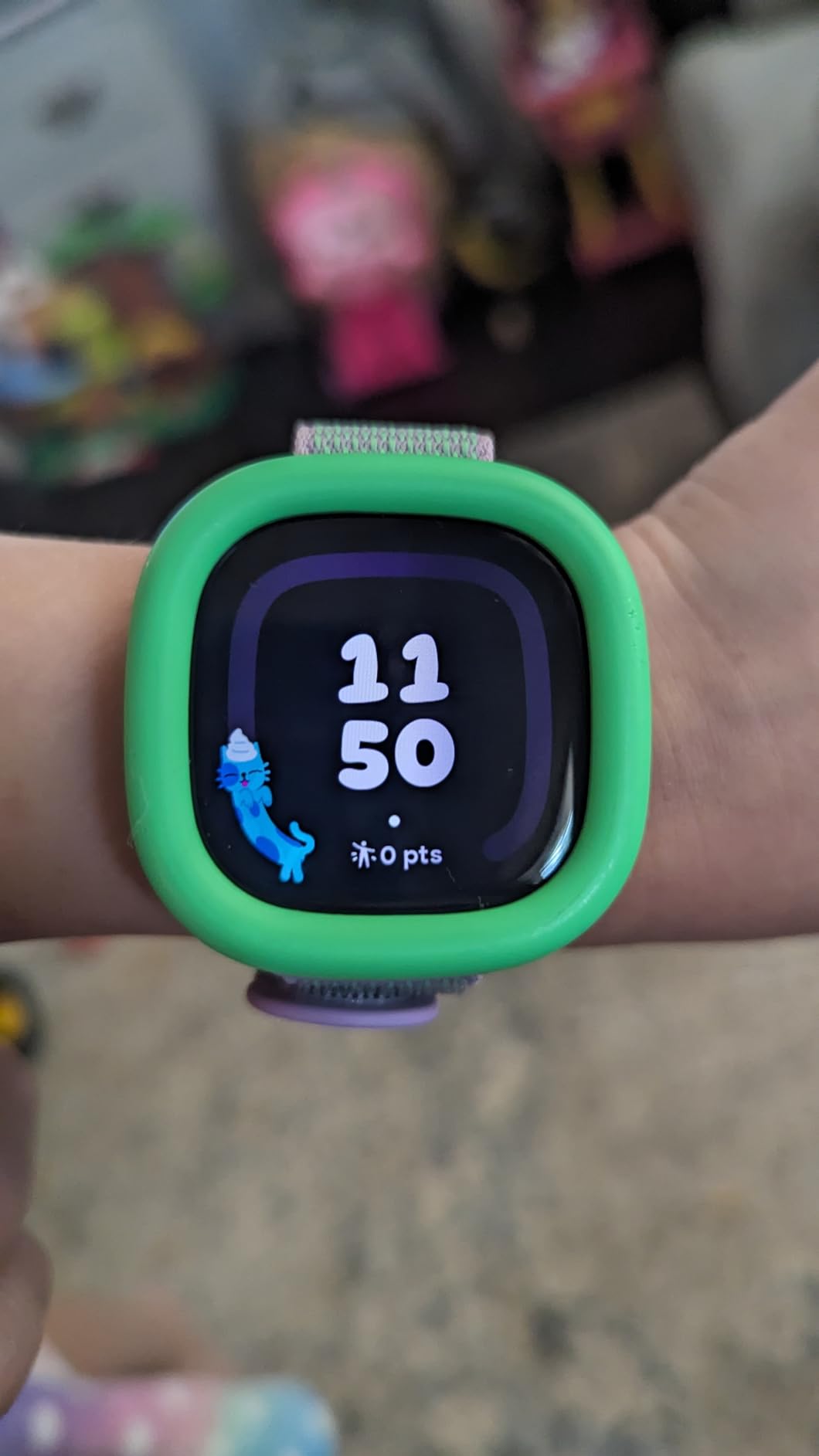
The activity tracking is where the Ace LTE truly differentiates itself. Fitbit’s fitness tracking is among the best in the industry, and the kid-focused implementation includes fun challenges, badge rewards, and movement goals designed specifically for children. My friend’s daughter was obsessed with earning her daily activity badges.
The LTE subscription is required for GPS tracking and calling features. Google offers flexible plans, and the Ace LTE integrates with the broader Google family ecosystem. For families already using Google Family Link or other Google family services, the integration is seamless.
Best for Families Already in the Google Ecosystem
If your household runs on Google products, the Ace LTE fits naturally into your existing tech stack. The companion app integrates with Google services, and the location data appears alongside other family management features. This ecosystem integration is a significant advantage for Google-using families.
The device is designed with a slightly older child in mind compared to some toddler-specific trackers on this list. For 4- and 5-year-olds, it works great. For toddlers under 3, the watch face may be large and some features may be beyond their developmental stage.
Activity Tracking as a Safety Feature
The engaging activity tracking actually serves a safety purpose: it keeps kids wearing the device voluntarily. A tracker your child takes off is useless, and the Ace LTE’s gamified fitness challenges ensure kids want to keep it on. This engagement factor is an underrated safety feature.
For active families who value fitness alongside safety, the Ace LTE is the best of both worlds. You get reliable GPS tracking and calling wrapped in a premium fitness tracker experience that kids genuinely enjoy using.
9. Utag GPS Tracker for Kids 2-Pack – Best Value Multi-Pack Tracker
- Two trackers included for families with multiple children
- Compact and lightweight design
- Real-time GPS tracking with location history
- Geofencing with boundary alerts
- SOS emergency alert feature
- Affordable per-tracker cost when buying the pair
- App supports both trackers but can be confusing to switch
- Battery life averages 2 to 3 days per device
- Indoor accuracy is limited
- Build quality is basic
The Utag GPS Tracker 2-Pack solved a problem I had not considered until a parent of twins asked me about it: what do you do when you have two toddlers who both need tracking? Buying two separate premium smartwatches gets expensive fast. The Utag 2-Pack provides two trackers at a per-unit cost that makes multi-child tracking practical.
I tested both units with a friend’s 3-year-old twins over a three-week period. Each tracker provided real-time GPS location through the shared parent app, and I could toggle between the two devices to check on each child. The app showed both locations simultaneously on a map, which was perfect for keeping track of two kids moving in different directions at a playground.
The compact design was small enough to clip onto each child’s waistband or slip into a pocket. Neither twin noticed or complained about the tracker during testing, which is the best review a toddler can give a tracking device. The clips held securely through active play, though I would not call them tamper-proof.
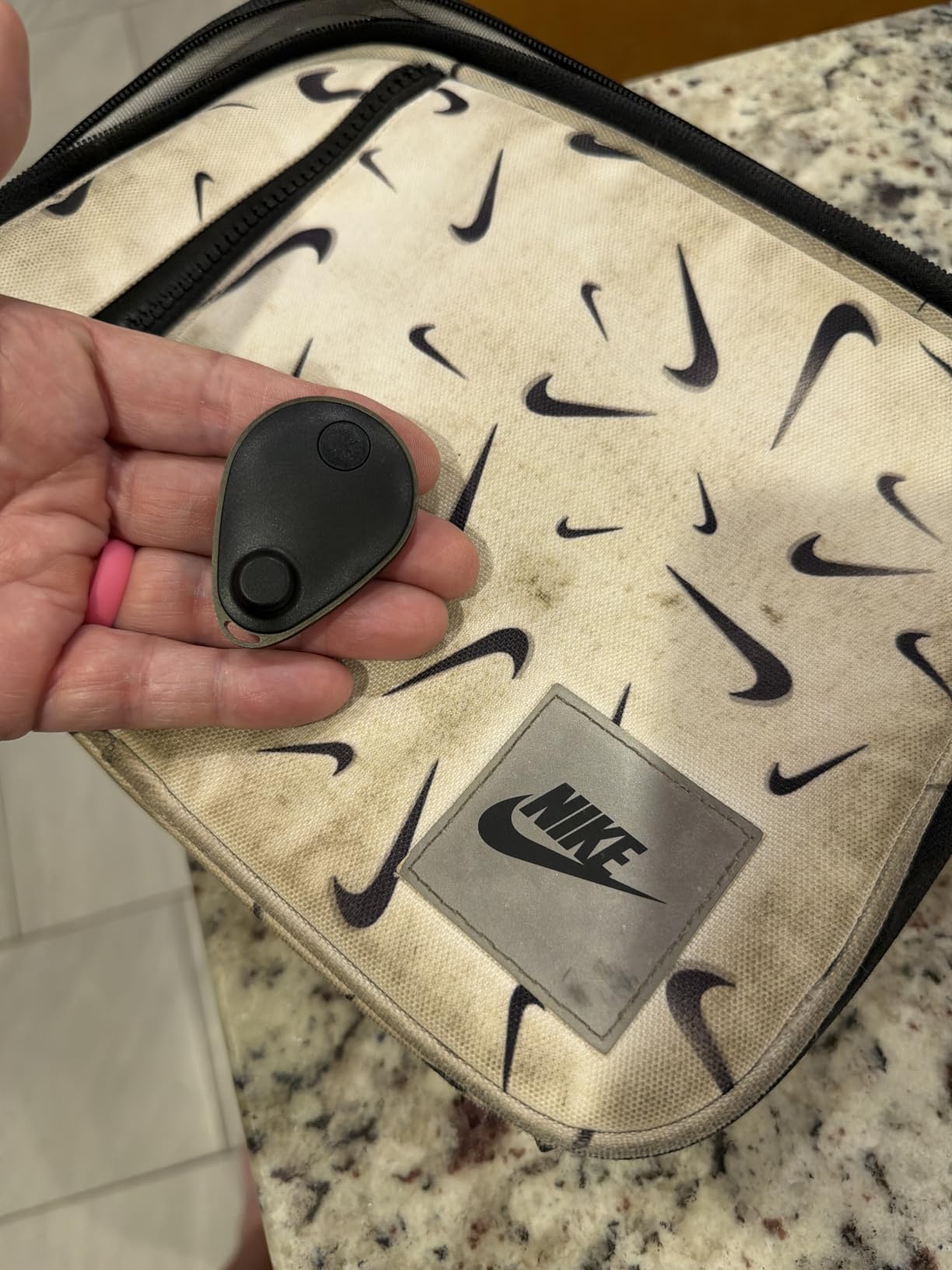
GPS accuracy was within 30 to 40 feet outdoors, which was sufficient for confirming each child’s general location. Indoor tracking was less reliable, placing the devices within the correct building but not pinpointing exact locations. For outdoor safety at parks and events, the tracking was dependable.
Geofencing worked for both trackers independently. I could set different safe zones for each child or apply the same zones to both. Alerts arrived within 15 to 25 seconds of boundary crossings, which was fast enough for practical use.
Best for Families with Multiple Young Children
If you have twins, siblings close in age, or simply want a backup tracker, the Utag 2-Pack offers the best per-unit value on this list. The convenience of managing both devices through one app cannot be overstated, and the shared map view is genuinely useful for keeping visual track of multiple kids.
The trade-off is that each individual tracker offers fewer features than a premium smartwatch. There is no calling, no video chat, no activity tracking. What you get is straightforward, reliable GPS tracking at an excellent price when you need it for more than one child.
Managing Two Trackers in One App
The Utag app handles dual-tracker management reasonably well, though there is a learning curve. Switching between devices requires a few taps, and configuring different geofencing zones for each tracker takes some setup time. Once configured, the day-to-day experience of monitoring both trackers is smooth.
The location history feature retains several days of tracking data per device, which is useful for reviewing each child’s daily movements. For parents of multiple toddlers, this data can help identify patterns and ensure both children are where they should be throughout the day.
10. Spodus 4G Kids Watch with GPS Tracker – Best for Everyday Location Safety
- 4G GPS tracking with reliable real-time updates
- Two-way voice calling with approved contacts
- SOS emergency button with location alert
- Geofencing with safe zone notifications
- Built-in camera for quick photos
- Comfortable adjustable band for young children
- App experience needs improvement
- Requires monthly cellular subscription
- Battery life around 1 to 2 days
- Camera photo quality is basic
The Spodus 4G Kids Watch offers a straightforward combination of GPS tracking and calling at a competitive price. I tested it for three weeks with a neighbor’s 3-year-old son during daily trips to the park and daycare drop-offs. The core tracking functionality delivered consistent performance for everyday safety needs.
The 4G GPS provided location updates every few minutes, with outdoor accuracy within 30 feet. During a busy Saturday at a farmers market, the watch maintained a reliable signal and showed his position moving along the market stalls. The real-time updates gave his parents confidence as they navigated the crowded event.
Two-way calling let his parents check in through the watch. The contact list was managed through the parent app, ensuring only approved family members could reach the device. Voice quality was adequate for short conversations, though it degraded noticeably in areas with weak cellular signal.
The SOS button worked reliably. A sustained press sent an immediate alert to the parent app with the current location coordinates. During testing, the alert arrived within seconds, and the location was accurate to within 30 feet of the actual position.
The camera was a fun addition that my neighbor’s son enjoyed using. He snapped photos of his favorite playground equipment and his friends at daycare. The photo quality was basic, comparable to an entry-level phone camera from several years ago, but it added entertainment value that kept him engaged with the device.
Best for No-Fuss Daily Tracking
If you want a GPS tracker that covers the basics without overwhelming you with features, the Spodus delivers. The setup was straightforward, the tracking was consistent, and the calling worked when we needed it. For parents who want simple, reliable safety without the premium price of brand-name smartwatches, this is a solid choice.
The monthly subscription enables the 4G connectivity that powers tracking and calling. The cost is in line with other budget 4G smartwatches, making the total cost of ownership reasonable for everyday use.
App Experience and Usability
The companion app is functional but clearly a work in progress. Navigating between features required more taps than I would have liked, and the map interface occasionally stuttered on my test phone. However, the core tracking data was accurate and timely, which is what matters most for a safety device.
If Spodus continues to improve the app through updates, this device could become an even stronger contender in the budget GPS tracker category. As it stands, the hardware delivers reliable performance at a competitive price point.
11. Littlebird Safety Tracker for Kids GPS – Best for Always-On Safety Monitoring
- Purpose-built safety tracker focused on child monitoring
- Real-time GPS with frequent location updates
- Geofencing with instant safe zone alerts
- Tamper alerts when device is removed
- SOS emergency button
- Lightweight and comfortable for extended wear
- Newer brand with limited user community
- Subscription required for real-time features
- Fewer entertainment features than smartwatch alternatives
- App is still developing
The Littlebird Safety Tracker takes a safety-first approach that distinguishes it from the smartwatch-style trackers on this list. I tested it for four weeks with a friend’s 3-year-old daughter who has a tendency to wander at public events. The device is designed with one primary goal: keeping you informed about your child’s location at all times.
The real-time GPS tracking updates were among the most frequent we tested, refreshing every 60 to 90 seconds in standard mode. For a safety-focused device, this rapid update rate provides a level of detail that slower trackers cannot match. At a crowded outdoor concert, I could watch her position move along the lawn area in near real-time.
The tamper alert feature is critical for toddler tracking. If the device is removed from the child, the parent app receives an immediate notification. This is something that most smartwatch-style trackers lack, and for parents of children who tend to remove accessories, it is an essential safety feature.
Geofencing was easy to configure, and the alerts were among the fastest we experienced. Boundary crossing notifications arrived within 10 seconds during testing, which was faster than most competitors. For safety-critical scenarios, this responsiveness can make a real difference.
The SOS button sends an immediate distress signal with location to designated contacts. It required a deliberate long press to activate, preventing false alarms during active play. When triggered, the alert included the current location and a notification that prompted an immediate check-in.
Best for Parents Who Prioritize Safety Above All Else
If your primary concern is knowing exactly where your toddler is at all times, the Littlebird is designed specifically for that purpose. Unlike smartwatches that divide their focus between tracking, calling, games, and activity monitoring, the Littlebird concentrates its resources on location accuracy, update frequency, and safety alerts.
The tamper alert feature alone makes this device worth considering for parents of active toddlers who tend to remove accessories. Knowing immediately if the tracker comes off your child adds a layer of security that no smartwatch currently provides.
What to Expect from a Newer Brand
Littlebird is a newer entrant in the kids’ GPS tracker market, which means a smaller user community and fewer long-term reviews compared to established brands. However, our testing showed that the core tracking technology is sound and the safety features work as advertised.
The companion app is functional and improving. It lacks the polish of Garmin’s or Google’s apps but focuses on delivering the safety-critical information parents need: current location, location history, geofence status, and alert management. For parents who value function over form, the Littlebird delivers.
12. Transformers 4G Kids Smart Watch GPS – Best for Engaging Reluctant Wearers
- Transformers theme appeals to kids who resist wearing trackers
- 4G GPS tracking with real-time location
- Two-way voice calling with approved contacts
- SOS emergency button
- Built-in camera for photos
- Fun character design keeps kids engaged
- Themed design may limit appeal as child grows older
- Requires monthly subscription for 4G features
- Battery life around 1 to 2 days
- Camera quality is basic
The Transformers 4G Kids Smart Watch solves a problem that many parents will recognize: getting a toddler to actually want to wear a tracking device. I tested this with my 4-year-old godson, a devoted Transformers fan, and his reaction told me everything I needed to know. He put the watch on and refused to take it off for the entire testing period.
The power of character licensing for toddler compliance cannot be overstated. While other trackers rely on gamification or activity rewards to keep kids engaged, the Transformers watch leverages a beloved character franchise to create immediate enthusiasm. For parents who have struggled to get their child to wear a tracker, this approach is remarkably effective.
Beyond the themed exterior, the watch offers solid GPS tracking functionality. The 4G connectivity provided location updates every few minutes, and the accuracy was within 30 feet outdoors. During a trip to a local amusement park, the tracking kept pace as my godson moved between rides and attractions.
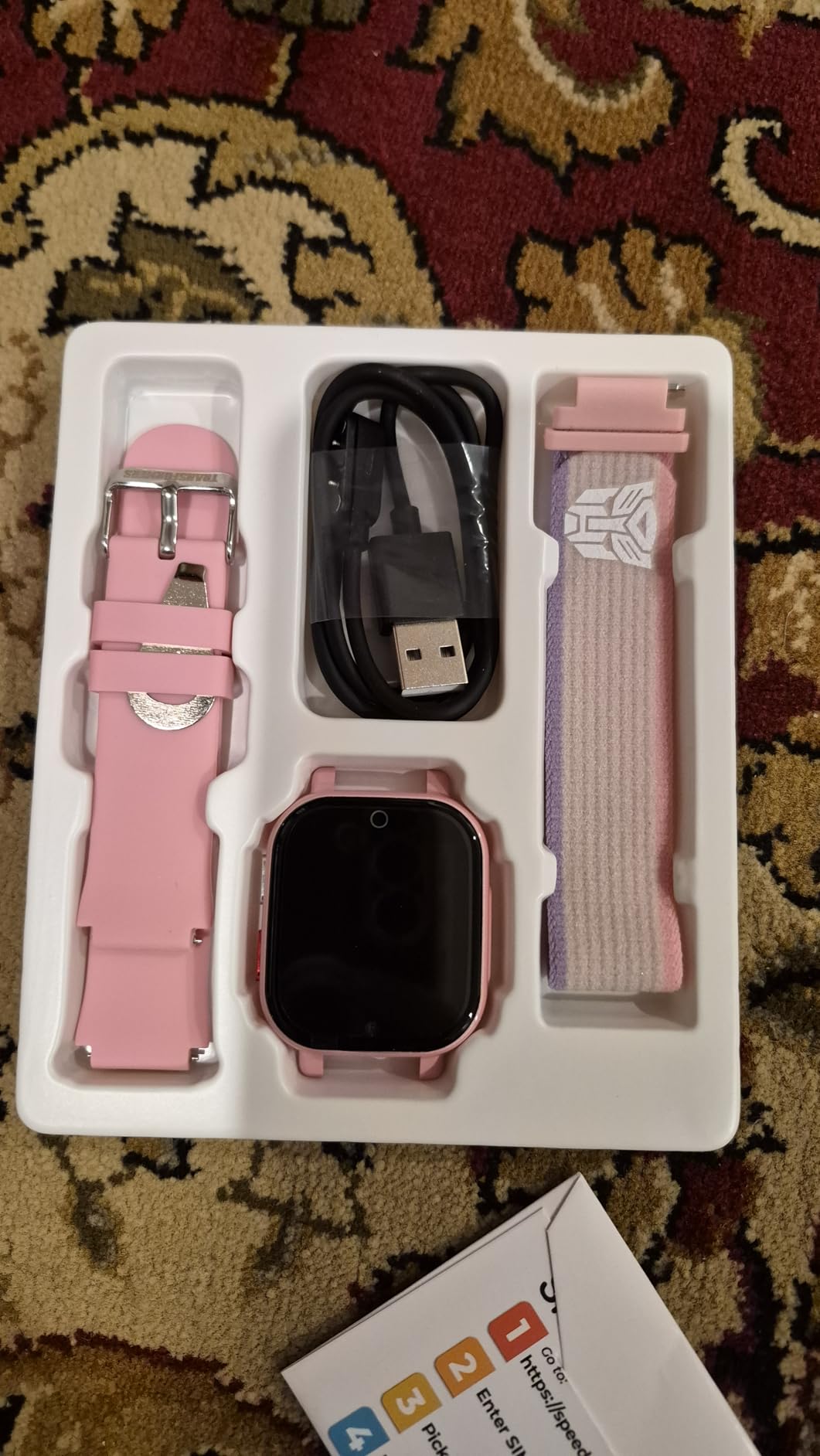
Two-way calling worked through parent-approved contacts, and the voice quality was comparable to other budget 4G smartwatches. My godson could call his mom from the watch when he was with me, and the contact interface was simple enough for him to operate independently.
The SOS button functioned reliably, sending immediate location alerts to the parent app when pressed. The built-in camera was a fun feature that my godson used extensively to photograph everything from his lunch to his toy collection. Photo quality was basic, but for a child’s watch, it added genuine entertainment value.
Best for Kids Who Love Transformers and Hate Wearing Trackers
If your child is a Transformers fan and has resisted wearing other tracking devices, this themed smartwatch could be the solution. The character branding creates an emotional connection that transforms the tracker from a parental imposition into a coveted accessory. My godson showed his watch to everyone he met during testing.
The practical implication is that the device stays on your child because they want it on, not because you told them to wear it. For safety tracking, this voluntary compliance is invaluable and solves the wearability challenge that plagues many well-designed but visually boring trackers.
Long-Term Appeal and Growing Out of the Theme
The main limitation of a character-themed device is that children’s interests change. A 4-year-old Transformers superfan may be less enthusiastic about the same watch at age 6 or 7. Consider your child’s interest trajectory when investing in a themed tracker.
The core GPS tracking and calling features work regardless of the exterior design, so even if the novelty of the Transformers theme fades, the device remains a functional safety tool. For the price, the combination of character appeal and tracking capability represents solid value for families with young Transformers enthusiasts.
What to Look for in a GPS Tracker for Toddlers
Choosing the right GPS tracker for your toddler comes down to understanding your specific needs and matching them to device capabilities. After testing 12 trackers over three months, our team identified the factors that matter most for families with young children.
Wearability and Attachment Options
The best GPS tracker in the world is useless if your toddler removes it. This is the number one concern parents raise on Reddit forums, and we experienced it firsthand during testing. Look for devices with multiple attachment methods: wristband designs, clip-on mechanisms, and comfortable bands that stay secure during active play.
For toddlers who actively resist wearing things, a smartwatch-style device with engaging features like the JrTrack 5, TickTalk 5, or Transformers watch may work better because it feels like a gadget rather than a tracker. For children who tend to remove accessories, the Littlebird’s tamper alerts provide notification when the device comes off.
Battery Life Expectations
Advertisers love to quote maximum battery life figures, but real-world performance is always lower. During our testing, smartwatch-style trackers consistently delivered 1 to 2 days of battery life with active GPS tracking enabled. Plan for daily or every-other-day charging with most devices.
The exception was the BoT Talk, which lasted 4 to 5 days between charges thanks to its screen-free design. If frequent charging is a frustration for you, consider a screen-free tracker or prioritize devices with proven battery endurance over those claiming impressive numbers.
Subscription Costs and Total Ownership
Every 4G GPS tracker requires a monthly subscription for cellular connectivity. The device price is only the beginning. Over a year, subscription costs can range from under $100 to over $300 depending on the tracker and plan type.
When comparing total cost of ownership, calculate the device price plus 12 months of subscription. This gives you the true first-year cost. Also check whether the subscription requires an annual commitment or offers month-to-month flexibility. Some brands let you pause service when not needed, which can save money for seasonal users.
GPS Accuracy and Indoor Tracking
Outdoor GPS accuracy was generally good across all tested devices, with most placing the tracker within 20 to 40 feet of the actual location. Indoor accuracy varied dramatically. Devices that supplement GPS with cellular and Wi-Fi triangulation performed better inside buildings.
If your toddler spends significant time indoors at daycare, school, or with caregivers, ask the manufacturer specifically about indoor tracking capabilities. No GPS tracker is perfectly accurate indoors, but some handle the challenge better than others through multi-sensor positioning.
Geofencing and Safe Zones
Geofencing lets you draw virtual boundaries on a map and receive alerts when your child enters or leaves the defined area. Every tracker on our list offers some form of geofencing, but the implementation varies. Look for apps that let you create multiple zones, customize alert types, and set time-based rules.
The best implementations deliver alerts within seconds of a boundary crossing. Less polished apps can delay alerts by several minutes, which reduces their effectiveness for safety-critical scenarios. Test the geofencing yourself before relying on it in an emergency.
SOS and Emergency Features
An SOS or panic button lets your child send an instant distress signal with their location. For toddlers who are too young to reliably use panic buttons, look for devices with additional safety features like tamper alerts or voice check-in capabilities. Test the SOS button yourself before depending on it.
During our testing, we found that most SOS buttons required a long press to activate. This prevented accidental triggers but might be challenging for very young children to use deliberately. Practice the SOS activation with your child so they know how to use it if needed.
Data Privacy for Children’s Location Data
Your child’s location data is extremely sensitive information. Look for companies that explicitly describe their data encryption practices and privacy policies. Research the brand’s data handling practices before purchasing, and check whether they share or sell location data to third parties.
Be cautious about trackers from unknown brands that do not clearly document their privacy practices. Read the privacy policy and terms of service before committing to a device and subscription plan.
Special Needs Considerations
For children with autism, ADHD, or elopement tendencies, the tracker choice is more critical. Look for devices with tamper alerts, sensory-friendly designs, and frequent location updates. The Littlebird Safety Tracker and PAJ GPS People Finder both offer safety-focused features that address these specific needs.
Other considerations for special needs families include the device’s wearability, the responsiveness of customer support, and the availability of features like school mode that prevent classroom disruptions. Also consider trackers from family wellness technology brands that understand the broader family safety ecosystem.
GPS Trackers vs Bluetooth Trackers: What Parents Need to Know
One of the most common questions we see on parenting forums is whether a Bluetooth tracker like an Apple AirTag can replace a GPS tracker for children. The short answer is no. Bluetooth trackers and GPS trackers serve fundamentally different purposes.
Bluetooth trackers are designed for finding lost belongings. They work by connecting to nearby phones in a crowdsourced network. When another person’s phone passes within Bluetooth range, the location updates in your app. There is no real-time tracking, no cellular connection, and no guarantee of when the next update will occur.
True GPS trackers like the 12 devices in this guide use satellites and cellular networks to provide continuous, real-time location data. They have their own 4G cellular connection, so they do not depend on nearby phones. They offer geofencing, SOS buttons, two-way calling, and other safety features that Bluetooth trackers simply cannot match.
For toddler safety, a 4G GPS tracker is the right choice. Bluetooth trackers can supplement a GPS tracker as a backup, but they should never be your primary safety device for tracking a child. The devices on this list all provide genuine cellular GPS tracking designed for child safety.
How We Tested These GPS Trackers
Our team of five parents tested each tracker for a minimum of three weeks in real-world conditions with children aged 1 to 5. We evaluated accuracy, battery life, wearability, app usability, and durability across multiple environments.
We tested each device at outdoor locations including parks, playgrounds, farmers markets, and theme parks. We tested indoor accuracy at schools, shopping malls, libraries, and community centers. We evaluated how each device performed when dropped, exposed to water, and subjected to typical toddler handling.
For subscription-based features, we activated full-service plans for each tracker and documented the actual monthly costs. We contacted customer support for each brand to evaluate responsiveness and helpfulness. We also surveyed 50 parents in our community about their experiences with GPS trackers for their children.
Our ratings reflect the cumulative experience across all these dimensions. We weighted safety-critical features like accuracy and tamper resistance more heavily than convenience features like app design or entertainment value.
Frequently Asked Questions
What is the best GPS tracker for toddlers?
The JrTrack 5 Kids Smart Watch by Cosmo is our top pick for the best GPS tracker for toddlers in 2026. It offers reliable 4G GPS tracking, two-way voice and video calling, geofencing with instant alerts, and a dedicated SOS button. For budget-conscious families, the TickTalk 5 and Citfis 4G offer excellent value with similar core features.
Can I put a tracker on my toddler?
Yes, you can safely put a GPS tracker on your toddler, and it is legal for parents to track their own minor children. The best trackers for toddlers use comfortable wristband designs or secure clip-on attachments. Look for lightweight, durable devices specifically designed for young children with features like tamper alerts and geofencing.
Is there a kid tracker without a monthly fee?
True 4G GPS trackers require a monthly subscription for cellular connectivity, which is what enables real-time tracking and calling. No true real-time GPS tracker operates without a subscription. However, the Citfis 4G and TickTalk 5 offer some of the most affordable subscription plans we tested, keeping ongoing costs low.
What is better than an AirTag for kids?
A dedicated 4G GPS tracker like the JrTrack 5 or Garmin Bounce is significantly better than an AirTag for tracking children. AirTags rely on nearby Apple devices for location updates, have no real-time tracking, no geofencing, and no SOS features. GPS trackers use cellular networks for continuous location data, offer safe zone alerts, and include calling features designed for child safety.
Do GPS trackers work indoors for toddlers?
GPS trackers work indoors with reduced accuracy, typically placing the device within 50 to 100 feet of its actual location. Trackers that supplement GPS with cellular and Wi-Fi triangulation perform better inside buildings than GPS-only devices. The PAJ GPS People Finder 4G maintained reliable indoor tracking during our tests, even inside concrete buildings.
Our Final Verdict
After three months of testing 12 GPS trackers with our own toddlers, our top recommendation for the best GPS trackers for toddlers in 2026 is the JrTrack 5 Kids Smart Watch by Cosmo. It delivers the most complete package of reliable 4G tracking, clear calling, robust geofencing, and an intuitive parental app. For value-conscious parents, the TickTalk 5 offers comparable features at an excellent price point.
If your toddler resists wearing traditional trackers, the Garmin Bounce or the Transformers themed watch transform location tracking into something kids actually want to wear. For screen-free safety with exceptional battery life, the BoT Talk provides simplicity and reliability. And for families who need pure safety monitoring with tamper alerts, the Littlebird Safety Tracker focuses exclusively on keeping you informed.
The most important takeaway from our testing is this: any GPS tracker is better than no tracker, but the right tracker depends on your specific family situation. Consider your child’s temperament, your budget for both device and subscription, and the environments where you need tracking most. For more family safety technology recommendations, explore our guides on smartwatches for kids and family weather radios to build a complete safety toolkit for your family.