
The average household throws away over 200 pounds of plastic packaging every year. I started looking for practical ways to reduce plastic in my household three years ago after reading about microplastics being found in human blood and even brain tissue. What began as a simple experiment has transformed how my family shops, cooks, and lives.
You do not need to overhaul your entire life overnight. Small, consistent changes in key areas of your home can dramatically cut your plastic footprint while improving your health and actually saving money. This guide covers the most effective swaps I have tested, organized by room so you can tackle one space at a time.
Table of Contents
Why Reducing Household Plastic Matters for Your Health?
Plastic is not just an environmental problem. Scientists have detected microplastics in human lungs, livers, kidneys, and even placentas. These tiny particles carry endocrine-disrupting chemicals like phthalates and PFAS that interfere with hormones and have been linked to fertility issues, developmental problems in children, and certain cancers.
Children are especially vulnerable because their bodies are still developing. Pregnant women pass these chemicals to their babies, which is why health experts now recommend minimizing plastic exposure during pregnancy and early childhood. The good news is that your home is one place where you have direct control.
The number one source of microplastics in most households is actually synthetic textiles and plastic food containers. Every time you wash fleece clothing or heat food in plastic containers, you release microplastics into your environment and body. Kitchen plastic and synthetic fabrics deserve your attention first.
How to Reduce Plastic in the Kitchen?
The kitchen is where most households generate the most plastic waste. Food storage, cookware, and cleaning products all offer major opportunities for plastic-free swaps. I started my own reduction journey here, and it made an immediate difference in our weekly trash output.
Food Storage Swaps
Glass containers with snap lids replaced nearly all my plastic Tupperware within six months. They last longer, do not stain or hold odors, and you can safely reheat food in them. I collected glass jars from pasta sauce, pickles, and peanut butter instead of buying new containers.
Beeswax wraps work beautifully for covering bowls and wrapping sandwiches, eliminating the need for plastic wrap and baggies. Silicone stretch lids fit over bowls and plates of any shape, creating an airtight seal without single-use plastic. For freezing, I use stainless steel containers or silicone freezer bags that withstand repeated use.
Cookware and Utensils
Scratched non-stick pans release microplastics and PFAS into your food. I switched to cast iron and stainless steel cookware, which last decades and actually improve with age. Wooden spoons and stainless steel spatulas replaced my melted, worn plastic utensils.
Plastic cutting boards shed particles into your food. Bamboo and wood cutting boards are gentler on knives and naturally antimicrobial. I keep separate boards for meat and vegetables to prevent cross-contamination without relying on plastic color-coding.
Drinks On-the-Go
A single reusable water bottle eliminates roughly 167 disposable plastic bottles per person annually. I carry a stainless steel bottle everywhere and refill it at home. For coffee lovers, a ceramic travel mug pays for itself quickly when you consider that disposable cups often contain plastic liners.
Skip the plastic straw entirely or carry a reusable metal or silicone version. Honestly, most drinks do not need straws at all, and skipping them is the simplest zero-effort swap you can make.
Bathroom Swaps That Make a Big Difference (2026)
The bathroom is often the easiest place to start reducing plastic because the alternatives are readily available and work just as well. Every plastic bottle of shampoo, conditioner, and body wash you replace with a bar version removes one ongoing source of waste from your home.
Plastic-Free Toiletries
Shampoo and conditioner bars last longer than bottled versions and contain no water, which means less weight to ship and no plastic packaging. Bar soap has existed for thousands of years and works perfectly well without plastic pumps or bottles.
Bamboo toothbrushes biodegrade instead of sitting in landfills for centuries. Toothpaste tablets come in glass jars or paper packaging, eliminating the plastic tubes that cannot be recycled through standard programs. Silk or corn-based dental floss replaces plastic floss containers.
Look for skincare products in glass jars or aluminum tins. Many companies now offer refill programs where you return empty containers for credit. Safety razors with replaceable metal blades eliminate disposable plastic razors entirely.
Sustainable Period Products
Menstrual cups save thousands of dollars over a lifetime and eliminate massive amounts of plastic waste from pads and tampons. Cloth pads and period underwear offer comfortable, reusable alternatives for those who prefer external products. These options are healthier too, avoiding the plastic fibers and chemicals in conventional period products.
Smart Shopping Habits to Cut Plastic Waste
How you shop matters just as much as what you buy. Plastic packaging accounts for about 40% of all plastic production, and food packaging is the largest category. Changing your shopping habits attacks the problem at its source.
The Zero Waste Shopping Kit
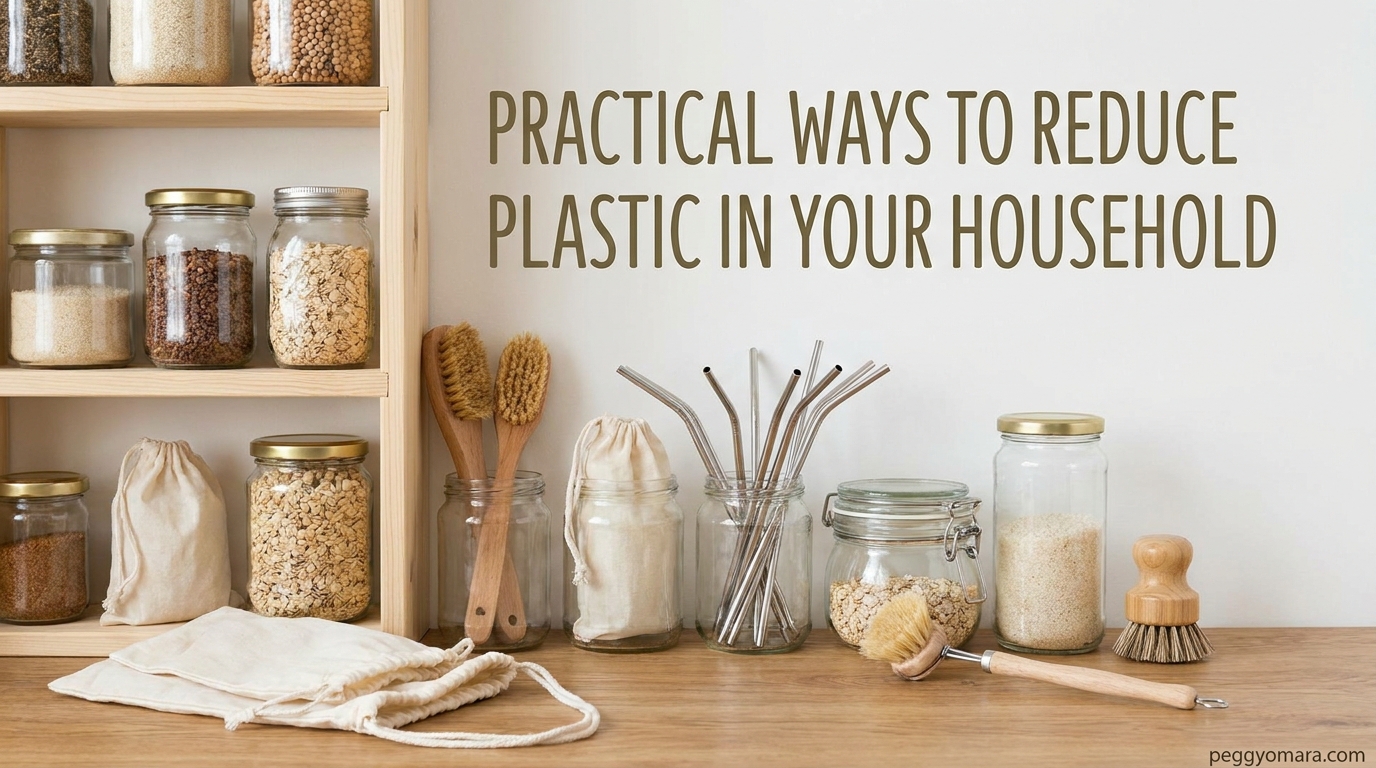
I keep a dedicated set of bags in my car trunk for grocery runs. Mesh produce bags eliminate those thin plastic bags in the vegetable section. Muslin bags work for bulk grains, nuts, and dried fruit. A few glass jars handle wet items from olive bars or deli counters.
Remembering your bags becomes automatic after about three weeks. I keep a compact reusable bag folded in my purse for unexpected stops. The key is having multiple sets so you are never caught without them.
Finding Bulk and Refill Stores
Zero waste shops and bulk sections are multiplying in cities and towns. You bring your own containers and fill them with everything from laundry detergent to olive oil. The cost per ounce is often lower than pre-packaged versions because you are not paying for packaging.
Search for “bulk store near me” or “refill shop” to find local options. Many mainstream grocery chains now have bulk sections for dry goods. Farmers markets typically use far less packaging than conventional supermarkets and often accept egg cartons and berry containers for reuse.
Cleaning and Laundry Without Plastic
Cleaning products are mostly water sold in plastic bottles with harsh chemicals. Switching to simple, plastic-free alternatives cleans just as effectively while saving money and reducing your chemical exposure.
White vinegar and baking soda handle most household cleaning tasks. Castile soap diluted in water works for countertops, floors, and bathrooms. These basics come in glass or cardboard packaging and cost pennies per use compared to commercial cleaners.
For laundry, powder detergent in cardboard boxes replaces plastic jugs. Wool dryer balls eliminate dryer sheets and reduce drying time by 25%. Some companies now sell concentrated cleaning refills in tiny tablets that dissolve in water, shipped in paper envelopes instead of plastic bottles.
Avoid single-use cleaning wipes, which are essentially plastic sheets soaked in chemicals. A spray bottle filled with homemade solution and washable microfiber cloths work better and create zero ongoing waste.
5 Quick Ways to Reduce Plastic Today
You can start making a difference immediately without any preparation or special purchases. These five actions take minimal effort but establish habits that compound over time.
1. Refuse plastic bags and straws. Simply say no when offered. Most items can be carried by hand or placed directly in your cart until checkout.
2. Carry a reusable water bottle. Fill it before you leave home. Drinking fountains and refill stations are increasingly available in public spaces.
3. Replace one bathroom item. Pick the easiest swap, whether that is a bamboo toothbrush, bar soap, or shampoo bar. Start there and expand gradually.
4. Start collecting glass jars. Wash and save jars from sauce, condiments, and spreads. They become free food storage containers that outlast plastic.
5. Say no to single-use cutlery. When ordering takeout, specify that you do not need plastic forks and spoons. Keep a set of real utensils at your desk or in your bag.
Frequently Asked Questions
What are 5 ways to reduce plastic waste at home?
Refuse plastic bags and straws, carry a reusable water bottle, replace one bathroom item with a plastic-free alternative, collect and reuse glass jars for storage, and decline single-use cutlery when ordering takeout.
What is the #1 source of microplastics?
The primary sources of microplastics in most households are synthetic textiles like fleece and polyester clothing, followed by plastic food containers and heated plastics. Washing synthetic fabrics releases thousands of microplastic fibers into waterways.
What is the quickest way to reduce plastic pollution?
Stop using single-use items immediately. Plastic bags, bottles, straws, and cutlery create instant waste that lasts centuries. Refusing these items requires no special equipment and creates immediate impact.
What naturally breaks down plastic?
Very few natural processes break down plastic effectively. Some bacteria and fungi can digest certain plastics slowly, but most plastic takes hundreds of years to degrade and often breaks into microplastics rather than truly disappearing. This is why reduction is more effective than disposal.
Conclusion
Reducing plastic in your household is not about achieving perfection. It is about making better choices consistently where you can. Start with one room, implement three to five swaps, and build habits before moving to the next area.
My kitchen took three months to fully transition. The bathroom followed over the next six weeks. Each small victory motivated the next change. Three years later, our household generates one small bag of trash monthly, our food tastes better stored in glass, and I no longer worry about heating leftovers in chemical-leaching containers.
Pick your starting point today. Whether it is carrying a water bottle, switching to bar soap, or setting up a zero waste shopping kit, every action matters. Your health, your wallet, and the planet all benefit when you reduce plastic in your household.