
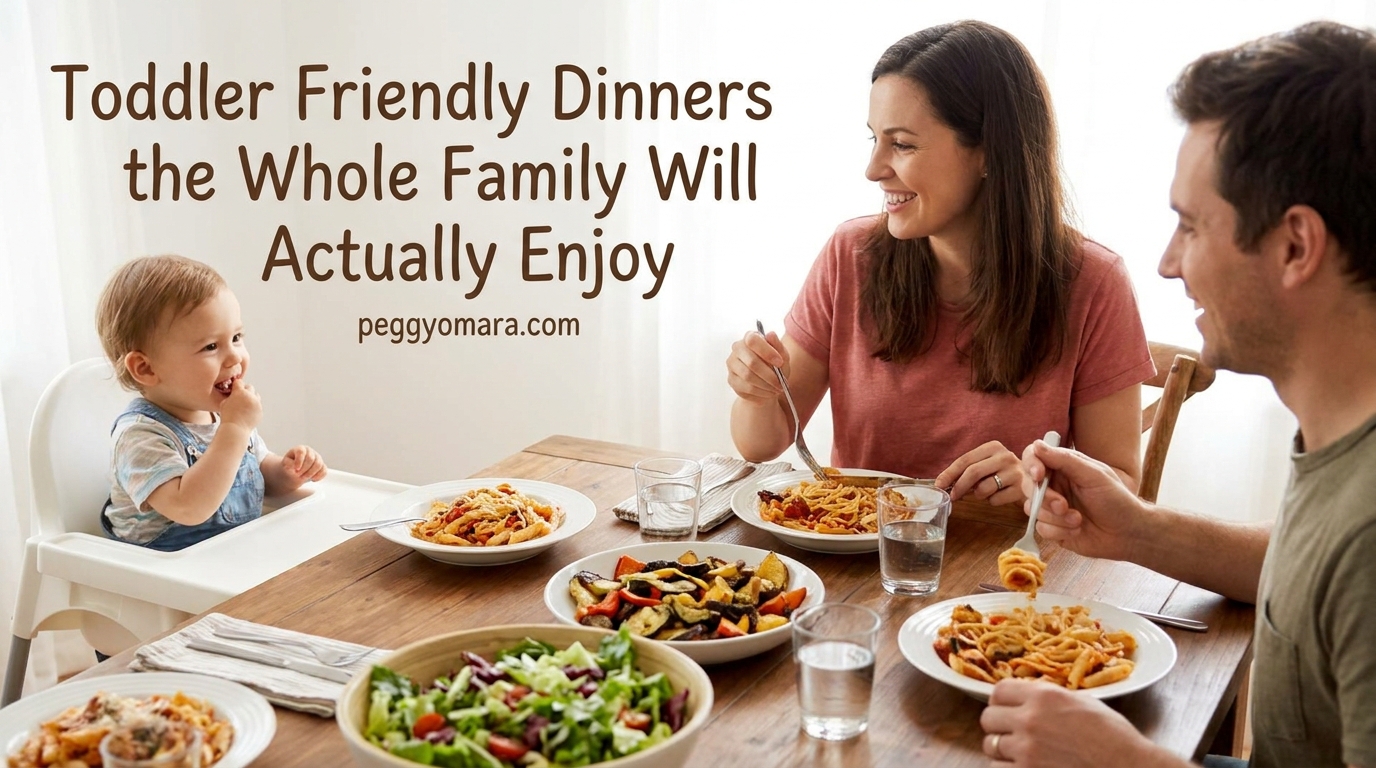
I remember standing in my kitchen at 5:47 PM, staring at a pot of pasta while my toddler threw diced carrots across the room like confetti. That was the night I decided I was done being a short-order cook. I wanted toddler friendly dinners the whole family will enjoy, not separate meals that left me exhausted and resentful.
After three years of testing recipes, consulting with pediatric nutritionists, and feeding my own picky eater, I have learned what actually works. The secret is not hiding vegetables in elaborate ways or dumbing down flavors. It is about building meals that naturally work for everyone at the table.
This guide shares twelve proven dinners that satisfy both your two-year-old and your adult palate. Each recipe includes quick-prep tips, picky eater modifications, and ideas for leveling up the flavors for grown-ups. You will spend less time cooking multiple meals and more time actually enjoying dinner together.
Table of Contents
Why Family Dinners Matter More Than You Think?
Shared family meals are not just about nutrition, though that matters tremendously. Research consistently shows that children who eat with their families develop better eating habits, consume more fruits and vegetables, and maintain healthier weights throughout their lives. The benefits extend far beyond what is on the plate.
When toddlers participate in regular family dinners, they develop language skills faster by hearing adult conversation. They learn social skills like taking turns and using utensils properly. Most importantly for exhausted parents, family meals reduce picky eating by exposing children to diverse foods in a low-pressure environment.
The exposure principle is key here. Your toddler may not eat the quinoa tonight. They may not eat it next week either. But seeing it on their plate alongside foods they enjoy, watching you eat it with pleasure, builds familiarity. Eventually, curiosity wins. This is how my son went from refusing anything green to requesting broccoli with his pasta.
There is also the practical benefit that cannot be overstated. Cooking one meal instead of two or three saves 30 to 60 minutes every evening. That is time you can spend reading books, taking walks, or simply sitting down before you collapse. Family meals eliminate the resentment that builds when you are scrambling to make chicken nuggets after preparing a real dinner for the adults.
How to Make Family Meals Actually Work?
Knowing family dinners matter is one thing. Making them happen without tears, thrown food, or desperate bargaining is another. After dozens of failed attempts and hundreds of successful meals, I have identified the strategies that actually move the needle.
The Deconstruction Strategy
Most toddler food battles happen because young children dislike mixed textures and mysterious combinations. They want to see exactly what they are eating. This is where deconstruction becomes your best friend.
Instead of serving chicken stir-fry, serve components. Chicken strips, steamed broccoli florets, carrot coins, and rice, all arranged separately on the plate or in a bento-style box. Your toddler can explore each item independently. You can add soy sauce and Sriracha to your own bowl without worrying about spice levels.
Deconstruction works for nearly every dinner concept. Tacos become separate components of protein, vegetables, and tortillas. Pasta dishes get served with sauce on the side. Casseroles transform into their individual ingredients arranged on a plate. The meal is the same. The presentation changes everything.
Family-Style Serving
Plating food in the kitchen seems efficient, but it removes autonomy from your toddler. Young children crave control over their environment, especially when so much of their day is directed by adults. Family-style serving gives them agency within boundaries you set.
Put dishes in the center of the table. Let your toddler choose what goes on their plate and how much. They may take three bites of chicken and seventeen blueberries. That is fine. They are learning to listen to their bodies and make food decisions. You are not forcing anything or engaging in power struggles.
The key is making sure at least one item on the table is something your toddler reliably eats. This safety net prevents the panic that leads to mealtime battles. For my family, that usually means bread, fruit, or cheese. Everything else is optional exploration.
Handling Food Preferences
Some toddlers insist that foods cannot touch. Others reject anything green, anything with texture, or anything unfamiliar. These preferences are developmentally normal and rarely permanent. Your job is not to force compliance but to maintain exposure without pressure.
For the “no touching” crowd, use divided plates or silicone muffin cups to create natural boundaries. For texture-sensitive kids, offer smooth versions of foods they reject in chunky form. My son would not eat tomato pieces but happily consumed marinara sauce. He rejected roasted sweet potato chunks but devoured sweet potato fries.
Never make separate meals, but do keep simple backups available. Plain yogurt, sliced fruit, or bread with butter provides enough nutrition to prevent bedtime hunger without rewarding refusal with special treatment. Most nights, when my son realized the backup was boring compared to the family meal, he tried the dinner I had made.
12 Toddler Friendly Dinners the Whole Family Will Actually Enjoy
These recipes have survived the ultimate test: being served repeatedly to actual toddlers who possess the attention span of goldfish and the diplomatic skills of reality television contestants. Each includes prep time, clear instructions, and specific tips for making them work for your family.
15-Minute Quesadilla Bar
Time: 15 minutes | Skill Level: Beginner
Quesadillas are the ultimate customizable meal. Warm flour tortillas in a dry skillet with cheese until golden and melty. Serve with bowls of toppings that let everyone build their own plate.
For toddlers, cut into finger-friendly wedges and serve plain or with mild toppings like shredded chicken, black beans, or diced avocado. Adults can add salsa, hot sauce, cilantro, and sautéed peppers. The base is identical. The customization is endless.
Toddler Tip: Let them dip quesadilla wedges in guacamole, sour cream, or mild salsa. Dips make everything more appealing.
Adult Upgrade: Add caramelized onions, grilled peppers, or seasoned ground beef inside the quesadilla before cooking.
One-Pot Creamy Broccoli Pasta
Time: 25 minutes | Skill Level: Beginner
This recipe hides vegetables in plain sight by blending steamed broccoli directly into the cheese sauce. Your toddler sees creamy pasta. You see calcium, fiber, and vitamin C.
Sauté garlic in butter, add broccoli florets with a splash of broth, and simmer until tender. Blend with cream cheese, cheddar, and pasta cooking water until smooth. Toss with cooked pasta shapes that are easy for small hands to grab. Shells, spirals, and elbows work beautifully.
Toddler Tip: Reserve some plain pasta before mixing with sauce if your child prefers components separate. Let them dip plain pasta into the sauce.
Adult Upgrade: Top with red pepper flakes, extra sharp cheddar, or crispy breadcrumbs toasted in olive oil.
Sheet Pan Chicken and Sweet Potato
Time: 35 minutes | Skill Level: Beginner
Sheet pan dinners are the working parent’s best friend. Everything cooks on one pan. Cleanup takes five minutes. The natural sweetness of roasted sweet potatoes appeals to young palates while providing complex carbohydrates.
Toss cubed sweet potatoes with olive oil and roast for fifteen minutes while you prepare chicken thighs seasoned with paprika, garlic powder, and dried herbs. Add broccoli or green beans in the final ten minutes of cooking. Everything finishes together, caramelized and tender.
Toddler Tip: Serve components separately on their plate rather than mixed. Sweet potato cubes make excellent finger food.
Adult Upgrade: Drizzle with tahini sauce, sprinkle with feta cheese, or add a squeeze of fresh lemon before serving.
Build-Your-Own Grain Bowls
Time: 20 minutes | Skill Level: Beginner
Grain bowls are essentially deconstructed meals by design. They work perfectly for families because everyone customizes their own combination while eating the same ingredients.
Start with a base of rice, quinoa, or couscous. Add a protein like baked tofu, shredded rotisserie chicken, or black beans. Pile on vegetables such as roasted sweet potato, steamed broccoli, shredded carrots, or cherry tomatoes. Include a simple sauce like tahini dressing, teriyaki, or ranch.
Toddler Tip: Serve each component in small piles or silicone cups. Let them assemble their own bowl or eat items separately.
Adult Upgrade: Add pickled vegetables, spicy sauce, avocado slices, or a soft-boiled egg to your bowl.
Mini Meatloaf Muffins
Time: 30 minutes | Skill Level: Intermediate
Traditional meatloaf takes over an hour and often dries out. These mini versions cook in twenty minutes and stay moist thanks to individual sizing. They are also perfect finger food for toddlers learning to self-feed.
Mix ground beef or turkey with breadcrumbs, egg, finely grated zucchini or carrot, ketchup, and Worcestershire sauce. Press into greased muffin tins and bake until cooked through. The hidden vegetables add moisture and nutrients without changing the familiar meatloaf flavor.
Toddler Tip: Serve two to three muffins per child with ketchup for dipping. The small size feels manageable and fun.
Adult Upgrade: Brush with barbecue sauce in the final five minutes of baking. Serve with mashed potatoes and gravy.
Butter Chicken with Rice
Time: 25 minutes | Skill Level: Intermediate
This mild curry introduces toddlers to new flavors without overwhelming their sensitive palates. The creamy tomato sauce is naturally sweet and rich, appealing to young children while satisfying adults who crave more interesting flavors than plain pasta.
Sauté chicken pieces until golden, then simmer in a sauce of tomato puree, coconut milk, butter, and mild curry spices. The sauce is smooth, not chunky, which texture-sensitive toddlers appreciate. Serve over rice with plenty of sauce for mixing.
Toddler Tip: Pull out some plain chicken pieces before adding sauce if your child prefers unseasoned protein. Let them dip chicken in small amounts of sauce.
Adult Upgrade: Add garam masala, extra garlic, and fresh cilantro. Serve with naan bread and cucumber raita.
Pesto Pasta with Peas
Time: 15 minutes | Skill Level: Beginner
This is my go-to emergency dinner when I have fifteen minutes and hungry people staring at me. Frozen peas add protein and sweetness that balance the herbal pesto flavor. The entire meal comes together in the time it takes to boil pasta.
Cook pasta according to package directions. In the final two minutes of cooking, add frozen peas directly to the boiling water. Drain, reserving some pasta water, and toss immediately with pesto and a splash of the starchy water to create a creamy coating. The heat from the pasta slightly cooks the peas while maintaining bright color and pop.
Toddler Tip: Use fun pasta shapes like wheels, shells, or spirals. The peas roll around the plate, which toddlers find entertaining.
Adult Upgrade: Add toasted pine nuts, fresh mozzarella pearls, halved cherry tomatoes, or grilled chicken strips.
Sloppy Joe Sliders
Time: 20 minutes | Skill Level: Beginner
Sloppy Joes remind adults of childhood comfort food while being novel and exciting for toddlers. The sweet-savory sauce appeals to young palates, and the handheld format makes eating fun rather than challenging.
Brown ground beef with diced onions and bell peppers, then simmer in a sauce of tomato paste, ketchup, brown sugar, mustard, and Worcestershire. The vegetables soften and essentially disappear into the sauce, providing hidden nutrition. Serve on small slider buns or dinner rolls that fit toddler hands.
Toddler Tip: Serve open-faced with a fork for less messy eating, or embrace the mess and serve with plenty of napkins.
Adult Upgrade: Add pickled jalapeños, coleslaw, or sharp cheddar cheese. Serve with sweet potato fries.
Baked Ziti with Hidden Vegetgies
Time: 40 minutes | Skill Level: Intermediate
This casserole is perfect for Sundays when you have more time, or for making ahead and reheating on busy weeknights. It feeds a crowd and provides leftovers that reheat beautifully for lunch the next day.
Sauté shredded zucchini, carrots, and spinach until soft, then blend into marinara sauce until smooth. Layer cooked ziti with ricotta, mozzarella, and the vegetable-enhanced sauce in a baking dish. Top with more cheese and bake until bubbly and golden.
Toddler Tip: The smooth, cheesy texture hides all vegetable evidence. Cut into squares that hold together when picked up.
Adult Upgrade: Add Italian sausage, crushed red pepper, or fresh basil. Serve with garlic bread and a simple salad.
Turkey and Cheese Roll-Ups
Time: 10 minutes | Skill Level: Beginner
Some nights, cooking feels impossible. These no-cook roll-ups require zero stove time and assemble in minutes. They work equally well for dinner at home or packed in a cooler for park picnics.
Spread flour tortillas with cream cheese or hummus, layer with sliced turkey and cheese, then roll tightly and slice into pinwheels. The cream cheese acts as glue, holding everything together when sliced. Serve with fruit, crackers, and raw vegetables for a complete meal.
Toddler Tip: The pinwheel shape is visually interesting and easy to hold. Let them dip in ketchup, ranch, or hummus.
Adult Upgrade: Add lettuce, tomato, mustard, or sprouts before rolling. Use provolone or pepper jack for more flavor.
Vegetable Fried Rice
Time: 20 minutes | Skill Level: Intermediate
Fried rice is the ultimate leftover transformation. Cold, day-old rice fries up better than fresh rice, making this perfect for using what you have. Eggs provide protein, while frozen mixed vegetables add color and nutrition without extra prep work.
Scramble eggs in a hot pan with sesame oil, remove and set aside. Sauté diced carrots, peas, and corn until heated through. Add cold rice and soy sauce, stirring constantly until rice is hot and slightly crispy. Mix in the scrambled eggs at the end.
Toddler Tip: The small pieces are perfect for developing utensil skills. Let them use a fork or training chopsticks.
Adult Upgrade: Add ginger, garlic, green onions, or Sriracha. Top with sesame seeds or crispy fried shallots.
Slow Cooker Chicken Tacos
Time: 6 hours hands-off | Skill Level: Beginner
The slow cooker saves dinner for working parents. Ten minutes of morning prep yields tender, shreddable chicken by evening. This recipe uses simple ingredients that you likely already have in your pantry.
Place chicken breasts or thighs in the slow cooker with salsa, taco seasoning, and a splash of chicken broth. Cook on low for six hours or high for three. Shred with two forks right in the pot. The chicken stays moist and flavorful, perfect for filling tortillas or topping rice.
Toddler Tip: Serve deconstructed with chicken, cheese, and tortillas as separate components. They can build their own or eat items separately.
Adult Upgrade: Add pickled onions, cotija cheese, avocado, cilantro, and hot sauce. Serve with lime wedges.
Frequently Asked Questions
What are easy dinners for toddlers and family?
The easiest dinners feature simple components that everyone can customize. Quesadilla bars, grain bowls, sheet pan chicken with vegetables, and pasta with mild sauce all work beautifully. Focus on deconstructed meals where toddlers can pick and choose while eating the same ingredients as adults.
What to cook for family with toddler?
Cook what you enjoy eating, then modify presentation for your toddler. One-pot pasta, butter chicken, mini meatloaves, and build-your-own tacos are proven winners. The key is serving components separately rather than mixed together, which respects toddler preferences while keeping prep simple for you.
What can I feed my picky 2 year old for dinner?
Offer safe foods alongside new items. Quesadillas, pasta with butter or mild sauce, chicken with simple seasonings, roasted sweet potatoes, and finger foods like mini meatloaf muffins typically appeal to picky eaters. Never force bites, but continue offering diverse foods without making separate meals.
How do I get my toddler to eat family dinner?
Create a no-pressure environment by serving family-style, offering at least one preferred food, and avoiding battles over bites. Let your toddler see you enjoying the meal. Deconstruct mixed dishes into separate components. Maintain consistent mealtimes so they arrive hungry. Remove distractions like toys and screens.
What are good finger foods for toddlers?
Excellent finger foods include mini meatloaf muffins, quesadilla wedges, roasted sweet potato cubes, turkey and cheese roll-ups, pasta shapes they can grab, and components from grain bowls. Foods that are soft enough to gum but sturdy enough to hold work best for developing fine motor skills.
How do I handle different eating schedules in my family?
Serve a small snack to hungry toddlers about an hour before the family dinner, then have them sit with the family during the actual meal even if they eat less. Alternatively, feed the toddler early, then have them join the table for social time while adults eat. The goal is maintaining family connection even when intake varies.
Toddler Friendly Dinners the Whole Family Will Actually Enjoy
Finding dinners that work for everyone at your table is absolutely possible. The twelve recipes in this guide have fed my own family through the challenging toddler years and emerged as reliable favorites. They represent different cooking styles, time commitments, and flavor profiles so you can build a rotation that works for your specific situation.
Remember that the goal is not perfect compliance or clean plates every night. The goal is peaceful family meals where everyone finds something satisfying to eat. Some nights your toddler will surprise you by trying the new food. Other nights they will eat only bread and strawberries. Both outcomes are normal and acceptable.
Start with two or three recipes that feel manageable given your current energy level and cooking confidence. Master those, then gradually expand your repertoire. Within a month, you will have a solid rotation of toddler friendly dinners the whole family will actually enjoy. That means less stress for you, better nutrition for everyone, and precious moments gathered around the table that build memories alongside healthy habits.
I would love to hear which recipe becomes your family’s favorite. Share your wins, modifications, and even the spectacular failures in the comments. We are all figuring this out together, one dinner at a time.