
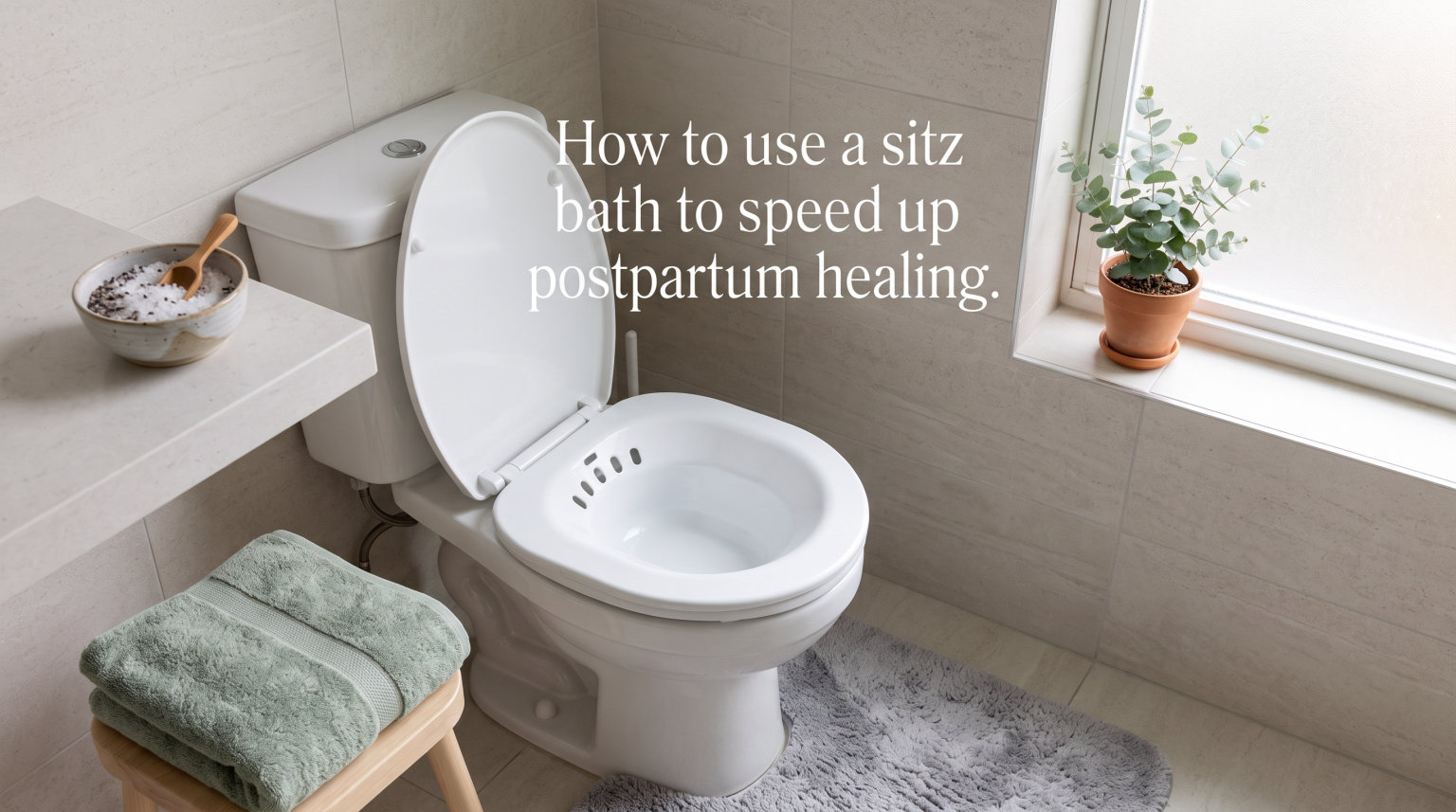
You can sit in a sitz bath for 10 to 20 minutes at a time, up to 2 to 4 times daily. After soaking, gently pat your perineal area dry with a soft towel and avoid rubbing. Start sitz baths as soon as you get home from the hospital and continue until your perineum feels comfortable again, typically for 1 to 2 weeks or as your doctor recommends.
Learning how to use a sitz bath to speed up postpartum healing can make your recovery significantly more comfortable. Our team has gathered medical guidance and real experiences from new mothers to create this comprehensive guide. Whether you had a vaginal delivery with stitches or are dealing with hemorrhoids, this article will walk you through everything you need to know about sitz baths for postpartum recovery.
Table of Contents
What Is a Sitz Bath?
A sitz bath is a warm, shallow soak that covers only your hips and buttocks to soothe the perineal region after childbirth. The term comes from the German word “sitzen,” which means “to sit.” This therapeutic bath has been used since the 19th century, with the first documented use in the United States dating back to 1859.
The perineum is the area between your vagina and anus that stretches significantly during vaginal delivery. This region often experiences tears, episiotomy incisions, or general soreness and swelling after giving birth. A sitz bath specifically targets this sensitive area with warm water that promotes healing without requiring you to submerge your entire body.
Sitz Bath vs. Regular Bath: What Is the Difference?
A sitz bath differs from a regular bath in both water depth and therapeutic purpose. While a regular bath fills the entire tub and covers your whole body, a sitz bath uses only 2 to 3 inches of water that specifically targets your perineal area. This focused approach concentrates the healing warmth exactly where you need it most without requiring you to get your whole body wet.
Sitz baths are also typically shorter than regular baths, lasting 10 to 20 minutes rather than the longer soaks many people prefer. The shorter duration prevents over-exposure that could potentially introduce irritation while still providing all the healing benefits your body needs during postpartum recovery.
How Sitz Baths Speed Up Postpartum Healing
Understanding the mechanisms behind sitz bath benefits helps you appreciate why this simple practice is so effective for postpartum healing. The warm water works on multiple levels to support your body’s natural recovery processes.
Increased Blood Flow to the Perineum
Warm water causes blood vessels to dilate, which increases blood circulation to your perineal area. This enhanced blood flow delivers more oxygen and nutrients to healing tissues while removing waste products and inflammatory substances. Better circulation directly translates to faster healing for tears, stitches, and episiotomy incisions.
Research from Cleveland Clinic confirms that this increased blood flow can significantly accelerate the healing timeline for postpartum injuries. The warm water essentially creates a therapeutic environment that supports your body’s natural repair mechanisms.
Muscle Relaxation Benefits
The warm water helps relax your anal sphincter and perineal muscles, reducing tension that can contribute to pain and discomfort. This relaxation effect is particularly beneficial if you are experiencing postpartum cramping or muscle spasms in the pelvic region. Relaxed muscles also allow healing tissues to rest and recover without constant tension.
Many new mothers report that this muscle relaxation alone makes sitz baths worth the effort. When your perineal muscles are tense from the trauma of delivery, the soothing warmth provides immediate relief that can last for hours after the bath.
Swelling and Inflammation Reduction
While warm water initially increases blood flow, the overall effect includes reducing swelling and inflammation in the perineal area. The combination of warmth and gentle water pressure helps fluid move out of swollen tissues, bringing down puffiness and pressure that can cause significant discomfort.
Some medical providers actually recommend cool or cold sitz baths specifically for swelling reduction. If you are dealing with significant postpartum swelling, alternating between warm and cool baths may provide the best results based on your specific situation.
Pain Relief for Tears, Episiotomy, and Hemorrhoids
Sitz baths provide gentle pain relief without requiring medications that may not be compatible with breastfeeding or may cause unwanted side effects. The warm water soothes nerve endings in the perineal region, reducing the pain signals sent to your brain. This natural pain relief is especially valuable during the first few days postpartum when discomfort is typically at its peak.
Hemorrhoids are extremely common after pregnancy and delivery due to increased pressure on pelvic veins. A sitz bath can significantly reduce hemorrhoid pain, itching, and swelling, making bowel movements and daily activities much more manageable during your recovery.
Hygiene Benefits When Wiping Is Painful
Keeping your perineal area clean is essential for preventing infection, but wiping with toilet paper can be excruciating after vaginal delivery. Sitz baths offer a gentle cleaning method that does not require any rubbing or friction on sensitive tissues. The water naturally cleanses the area while the soaking action helps remove any discharge or lochia without discomfort.
Many new mothers find that taking a sitz bath after each bowel movement helps them maintain hygiene standards while avoiding the pain of wiping. This gentle cleaning approach supports healing by preventing irritation and infection.
The Emotional Benefits of Quiet Self-Care
One aspect of sitz baths often overlooked in medical literature is the emotional and mental health benefit of having 15 to 20 minutes of uninterrupted quiet time. New mothers rarely get moments to themselves during the demanding postpartum period when a newborn requires constant attention. A sitz bath creates a structured excuse to step away and focus on your own wellbeing.
Real mothers from Reddit forums consistently mention this emotional benefit as one of the most valuable aspects of sitz baths. One mother shared: “The sitz bath was not just for physical recovery but for emotional and mental health. It was 15 minutes of quiet uninterrupted time.” This rare solitude can help reduce stress and support your overall mental health during a challenging transition period.
How to Use a Sitz Bath: Step-by-Step Instructions
Using a sitz bath correctly ensures you get maximum healing benefits while avoiding potential complications. Follow these steps based on medical recommendations and experiences from mothers who have been through postpartum recovery.
Step 1: Clean Your Sitz Bath Basin or Tub
Before every use, thoroughly clean your sitz bath basin or the bathtub area where you will be sitting. Use mild soap and warm water to wash away any bacteria or residue. Rinse completely to ensure no soap remains that could irritate your sensitive perineal tissues. Allow the basin to air dry or pat it dry with a clean towel.
Keeping your sitz bath equipment clean is crucial for preventing infections that could actually slow your healing rather than speed it up. This step takes just a minute but provides essential protection for your recovering body.
Step 2: Fill with 2 to 3 Inches of Warm Water
Fill your sitz bath basin with approximately 2 to 3 inches of warm water. If using a bathtub instead, fill it to the same depth and position yourself so the water covers your perineal area without submerging your entire body. The shallow depth concentrates the therapeutic effect exactly where you need it.
Test the water temperature with your wrist or elbow before sitting down. The water should feel warm and comfortable, not hot enough to cause any burning sensation on your sensitive tissues.
Step 3: Achieve the Right Temperature (104F/40C)
The ideal temperature for a sitz bath is around 104 degrees Fahrenheit (40 degrees Celsius). This temperature is warm enough to increase blood flow and relax muscles without being so hot that it causes tissue damage or excessive discomfort. If you do not have a thermometer, the water should feel comfortably warm to the touch without any burning sensation.
Medical sources like Cleveland Clinic specifically recommend this temperature range for optimal therapeutic benefits. Water that is too hot can actually increase swelling and cause additional irritation, defeating the purpose of the sitz bath.
Step 4: Add Desired Ingredients
If desired, add Epsom salt, witch hazel, or essential oils to your sitz bath water. For a sitz bath basin, add 1 to 2 tablespoons of Epsom salt. For a full bathtub sitz bath, use 1/2 cup of Epsom salt. Stir the water to dissolve any additives completely before sitting down.
These additives can enhance the healing benefits of your sitz bath, though plain warm water is also effective. The following section provides detailed information about what to add and why.
Step 5: Position Yourself Correctly
Lower yourself carefully into the sitz bath basin or tub. Position yourself so that your perineal area is fully submerged in the warm water while your upper body remains comfortably supported. If using a sitz bath basin that fits over your toilet, make sure it is securely positioned and stable before sitting.
Take your time getting positioned comfortably. You should feel stable and supported throughout the entire soak. If you feel any discomfort from the sitting surface, placing a soft towel at the bottom of the basin can provide additional cushioning.
Step 6: Soak for 10 to 20 Minutes
Relax and soak for 10 to 20 minutes. Set a timer so you do not accidentally stay in too long, which could cause over-exposure or chilling. Use this time to practice deep breathing, listen to calming music, or simply enjoy the rare quiet moment away from newborn demands.
If the water cools significantly before your time is up, you can add more warm water to maintain the therapeutic temperature. However, do not extend your soak time beyond 20 minutes as this could potentially cause irritation.
Step 7: Stand Up Slowly to Avoid Dizziness
When your soak is complete, stand up slowly and carefully. The warm water can cause blood vessel dilation that may lead to lightheadedness when you stand. Hold onto something stable as you get up to prevent falls or injuries. This safety step is crucial but often overlooked in basic sitz bath instructions.
WebMD specifically warns about this dizziness risk in their postpartum sitz bath guidelines. Taking an extra 30 seconds to stand up gradually could prevent a dangerous fall, especially when you are already recovering from childbirth.
Step 8: Pat Dry Gently
After standing, gently pat your perineal area dry with a soft, clean towel. Do not rub or scrub, as this can irritate healing tissues and stitches. Patting removes excess moisture without causing friction that could disrupt healing. Allow the area to air dry for a few additional minutes if possible before getting dressed.
Some mothers prefer to use a hair dryer on a cool setting to dry the area without any touching at all. This approach eliminates even gentle pressure on sensitive tissues and can be especially helpful during the first few days postpartum.
Alternative: The DIY Bathtub Method
If you do not have a sitz bath basin, you can create a sitz bath effect in your regular bathtub. Fill the tub with 2 to 3 inches of warm water and sit with your knees bent and spread apart so the water covers your perineal area. This position allows you to get the same therapeutic benefits without purchasing special equipment.
The bathtub method works well for many women, though it does require more water and can be less convenient than a basin that fits over the toilet. Choose the method that works best for your home setup and physical comfort.
What to Add to Your Sitz Bath
While plain warm water provides significant healing benefits, certain additives can enhance your sitz bath experience. Here are the most commonly recommended ingredients for postpartum sitz baths, with specific measurements to ensure safe and effective use.
Epsom Salt for Healing and Relaxation
Epsom salt (magnesium sulfate) is the most popular sitz bath additive for postpartum healing. Add 1 to 2 tablespoons for a sitz bath basin, or 1/2 cup for a full bathtub sitz bath. The magnesium in Epsom salt helps reduce inflammation and promotes muscle relaxation throughout your perineal area.
Epsom salt also helps draw out toxins and can reduce swelling in tissues that have experienced trauma during delivery. The specific measurements ensure you get therapeutic benefits without over-concentrating the solution, which could potentially cause irritation.
Witch Hazel for Astringent Properties
Witch hazel is a natural astringent that can help tighten tissues and reduce bleeding. Add about 1/4 cup of witch hazel to your sitz bath water for its soothing properties. However, be aware that some women experience a stinging or burning sensation when using witch hazel on very sensitive postpartum tissues.
Forum discussions reveal that while many women love witch hazel for hemorrhoid relief, others find it too intense immediately after delivery. If you experience any burning, rinse off immediately and stick with plain warm water or Epsom salt for future baths.
Lavender Oil for Relaxation
Add 2 to 3 drops of pure lavender essential oil to promote relaxation and provide mild antiseptic benefits. Lavender has natural calming properties that can help reduce stress and anxiety during your brief moments of self-care. The pleasant scent also helps create a spa-like atmosphere that enhances the emotional benefits of your sitz bath.
Always use pure essential oils rather than synthetic fragrances, and never apply essential oils directly to your skin without diluting them in water first. The concentrated oils can cause significant irritation if used incorrectly.
Chamomile for Soothing Relief
Chamomile, either as a strong tea added to your bath or a few drops of chamomile essential oil, provides soothing anti-inflammatory benefits. Chamomile has been used for centuries to calm irritated skin and promote healing. You can also use chamomile tea bags directly in your sitz bath water.
Some herbal sitz bath products combine chamomile with other healing herbs like calendula and comfrey. These herbal blends can provide comprehensive support for tissue healing while creating a pleasantly aromatic experience.
Herbal Sitz Bath Products
Pre-made herbal sitz bath products, such as Earth Mama Herbal Sitz Bath mentioned by mothers in forums, combine multiple healing herbs in convenient formulations. These products take the guesswork out of measurements and ensure you are using safe, tested combinations of ingredients.
If purchasing a commercial herbal sitz bath product, follow the package directions exactly for the amount to use per bath. Different products have different concentration levels, and using too much could irritate sensitive tissues.
Plain Warm Water Works Too
Remember that plain warm water alone provides significant healing benefits. If you are sensitive to additives or simply prefer to keep things simple, you can absolutely use just warm water for your sitz baths. The therapeutic heat and gentle cleansing action work effectively without any additional ingredients.
Many healthcare providers actually recommend starting with plain water for the first few sitz baths, then adding ingredients once you know how your body responds to the basic treatment.
How Often Should You Use a Sitz Bath Postpartum?
Frequency and timing recommendations vary based on your specific delivery experience and healing progress. Here are the general guidelines that most healthcare providers recommend for postpartum sitz baths.
Recommended Frequency: 2 to 4 Times Daily
Most healthcare providers recommend using a sitz bath 2 to 4 times per day during the first week or two postpartum. Hospital discharge instructions often specify taking a 15-minute sitz bath 3 times daily. This frequency provides consistent therapeutic benefits while being manageable for new mothers adjusting to life with a newborn.
Mothers in online forums report their midwives typically recommending 2 times daily as a minimum for good results. The exact frequency can be adjusted based on your comfort level and healing progress.
Best Times to Take a Sitz Bath
The most beneficial times for sitz baths are after bowel movements, before bedtime, and whenever you are experiencing increased discomfort. Taking a sitz bath after a bowel movement helps clean the area without painful wiping and soothes any irritation caused by the bowel movement itself.
A bedtime sitz bath can help you relax and sleep more comfortably. Many new mothers find that the muscle relaxation and pain relief from an evening sitz bath leads to better sleep quality during a period when rest is often fragmented.
When to Start Sitz Baths After Delivery
You can typically start sitz baths as soon as you get home from the hospital, usually within 24 hours of delivery. Some providers recommend waiting 3 days before starting sitz baths if you had a complicated delivery or extensive tearing. Always follow your specific healthcare provider’s instructions based on your individual situation.
If you had a C-section without any vaginal trauma, you may not need sitz baths at all unless you are experiencing hemorrhoid discomfort. Discuss with your doctor whether sitz baths would benefit your specific recovery situation.
When to Stop Taking Sitz Baths
Continue sitz baths until your perineal area feels comfortable again and any stitches have dissolved or been removed. This typically takes 1 to 2 weeks for most women, though it may be longer if you had significant tearing. Stop sitz baths if you notice any increased redness, irritation, or signs of infection.
Some women transition from 3 to 4 times daily down to once daily as they heal, eventually stopping completely when they no longer feel the need for the therapeutic soak. Listen to your body and use the comfort of your perineal area as your primary guide.
Safety Tips and When to Call Your Doctor
While sitz baths are generally safe and beneficial, there are important safety considerations and warning signs to monitor during your postpartum recovery.
Temperature Safety Guidelines
Always test water temperature before sitting down to prevent burns on sensitive tissues. The water should feel warm and comfortable, never hot enough to cause redness or pain. If you have reduced sensation in your perineal area due to swelling or nerve effects from delivery, be extra cautious with temperature testing.
Overly hot water can actually increase swelling and cause tissue damage rather than promoting healing. Stick to the recommended 104 degrees Fahrenheit (40 degrees Celsius) maximum temperature for safe, effective treatment.
Preventing Dizziness and Falls
Stand up slowly from your sitz bath to prevent lightheadedness and potential falls. The combination of warm water and postpartum physical changes can make you more susceptible to dizziness when changing positions. Keep a stable surface nearby to hold onto when standing up.
If you feel dizzy or lightheaded, sit back down immediately and wait for the sensation to pass before attempting to stand again. Consider having someone nearby the first few times you take a sitz bath, especially if you are also managing postpartum medication effects or extreme fatigue.
Warning Signs That Require Medical Attention
Contact your healthcare provider immediately if you experience any of the following warning signs: increased redness that spreads beyond the immediate perineal area, significant swelling that worsens rather than improves, any pus or foul-smelling discharge, fever above 100.4 degrees Fahrenheit, or pain that increases rather than decreases over time.
These symptoms could indicate an infection or other complication that requires medical treatment. Early intervention can prevent minor issues from becoming serious problems that significantly extend your recovery time.
Signs of Stitches Opening
If you had stitches from a tear or episiotomy, monitor them during sitz bath use. Contact your doctor if you notice any stitches coming loose, the wound opening, or increased bleeding from the stitched area. While sitz baths generally promote healing and do not harm properly placed stitches, any wound separation requires immediate medical evaluation.
Normal healing may include some itching as tissues repair themselves, but sharp pain or increased bleeding from stitched areas is not normal and should be assessed by your healthcare provider.
When to Skip a Sitz Bath
Skip your sitz bath if you are experiencing significant bleeding that makes soaking impractical, if you feel too lightheaded or weak to safely get in and out of the bath, or if you have been specifically instructed by your healthcare provider to avoid soaking for medical reasons. Your safety always takes priority over the benefits of a sitz bath.
Tips for Maximum Healing Benefits
Getting the most from your sitz baths involves more than just following the basic steps. These additional tips can enhance your healing experience and make sitz baths a more enjoyable part of your postpartum routine.
Create a Ritual for Self-Care
Transform your sitz bath from a medical treatment into a self-care ritual. Set up a relaxing environment with calming music, dim lighting, or your favorite podcast. Keep a water bottle nearby so you stay hydrated during your soak. These small touches make the experience more enjoyable and encourage you to prioritize this healing practice.
Many mothers find that framing sitz baths as “me time” rather than just medical treatment helps them stick with the routine consistently. Consistency is key for getting maximum healing benefits from sitz baths.
Combine with Other Healing Methods
Sitz baths work well alongside other postpartum healing methods like peri bottles, cooling pads, and prescribed medications. Use a peri bottle to rinse with warm water after bathroom trips between sitz baths. Apply any prescribed creams or sprays after your sitz bath when the area is clean and dry.
Some mothers alternate between sitz baths and cold therapy (like chilled witch hazel pads) depending on their symptoms. Warm water helps with overall healing and pain relief, while cold therapy can specifically target swelling reduction.
Keep Equipment Clean Between Uses
Thoroughly clean and dry your sitz bath basin after each use to prevent bacterial growth. Store it in a clean, dry place between uses. If using the bathtub method, clean the tub area with an antibacterial cleaner regularly during your postpartum recovery period.
Proper hygiene prevents introducing infection into healing tissues, which could set back your recovery significantly. A few minutes of cleaning is a worthwhile investment in your healing process.
Use This Time to Mentally Decompress
The postpartum period can be emotionally overwhelming as you adjust to motherhood, hormone fluctuations, and sleep deprivation. Use your sitz bath time to practice mindfulness, deep breathing, or simply let your mind wander without any demands on your attention. This mental break is as valuable for your recovery as the physical benefits of the soak.
One mother shared in a forum discussion that her sitz bath time became her daily meditation practice. She credits those 15-minute breaks with helping her maintain mental health during a challenging transition period.
Frequently Asked Questions
How to speed up healing postpartum?
To speed up postpartum healing, take sitz baths 2 to 4 times daily for 10 to 20 minutes each, use a peri bottle for gentle cleaning after bathroom trips, rest as much as possible, stay hydrated, eat nutritious foods, and follow your doctor’s care instructions for any stitches or tears. Sitz baths specifically speed healing by increasing blood flow to the perineal area, reducing swelling, and promoting muscle relaxation.
What is the 3 3 3 rule for postpartum?
The 3 3 3 rule for postpartum refers to the three phases of recovery: the first 3 days focus on rest and bonding, the first 3 weeks focus on physical healing and adjusting to newborn care, and the first 3 months focus on emotional adjustment and establishing routines. This timeline helps set realistic expectations for new mothers navigating the postpartum period.
How to use sitz bath postpartum?
To use a sitz bath postpartum, clean your basin, fill it with 2 to 3 inches of warm water at 104F/40C, add Epsom salt if desired, sit with your perineum submerged for 10 to 20 minutes, stand up slowly to avoid dizziness, and pat the area dry gently. Take sitz baths 2 to 4 times daily, especially after bowel movements and before bed.
How often should I use a sitz bath postpartum?
You should use a sitz bath 2 to 4 times daily during the first 1 to 2 weeks postpartum. Hospital discharge instructions typically recommend 3 times daily for 15 minutes each. Continue this frequency until your perineum feels comfortable and any stitches have healed. The best times are after bowel movements, when pain increases, and before bedtime.
Can I use a sitz bath with stitches?
Yes, sitz baths are safe and beneficial with stitches from tears or episiotomy. The warm water promotes healing, keeps the area clean, and helps dissolve dissolvable stitches. Soak for 10 to 20 minutes 2 to 3 times daily. Contact your doctor if you notice stitches opening, increased bleeding, or signs of infection such as pus or spreading redness.
When should I stop sitz baths after delivery?
Stop sitz baths when your perineum feels comfortable again, typically after 1 to 2 weeks for most women. Continue until any stitches dissolve or are removed and you no longer experience significant soreness or swelling. Gradually reduce frequency from 3 to 4 times daily down to once daily before stopping completely based on your comfort level.
Conclusion
Learning how to use a sitz bath to speed up postpartum healing is one of the most valuable skills for new mothers recovering from vaginal delivery. This simple practice offers profound benefits for physical healing while providing rare moments of quiet self-care during a demanding life transition. By following the step-by-step instructions in this guide, you can maximize the therapeutic effects and support your body’s natural recovery process.
Remember that every mother’s recovery timeline is different. Listen to your body, follow your healthcare provider’s specific recommendations, and be patient with the healing process. The combination of increased blood flow, muscle relaxation, pain relief, and gentle hygiene that sitz baths provide can significantly improve your comfort during the postpartum period. Prioritize this small but important act of self-care, and your body will thank you with faster, more comfortable healing.