
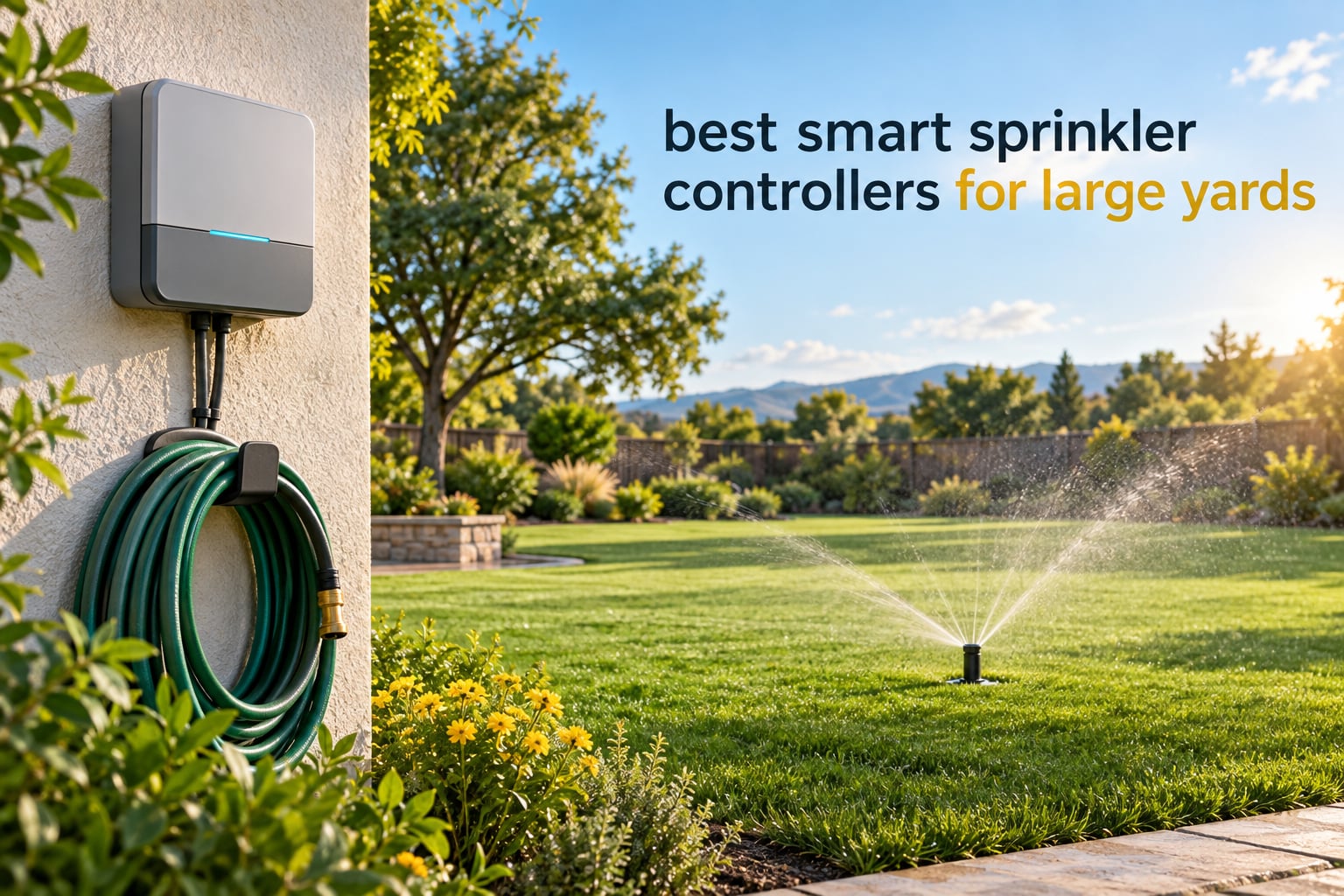
Most people buying a smart sprinkler controller for a large yard pick the wrong one, and the reason is simple. They shop by brand name or by app screenshots when the only variable that actually matters is how many zones the box can drive. A yard that runs eight zones will be handled by almost anything on the market. A property with sixteen zones, a mix of rotors and drip lines, and a controller mounted on an outside wall eliminates half the field before you read a single spec.
That is the filter we used to build the best smart sprinkler controllers for large yards shortlist below. We pulled the specs, the manual-control options, the mounting requirements, the accessory requirements and the actual zone counts for ten controllers, then we weighted the things that bite people after month six: Wi-Fi stability, whether the unit still waters your grass when the app is unreachable, whether it can obey a municipal watering window, and whether it can run a drip zone for two minutes and twenty seconds instead of a rounded three.
One thing to clear up first, because it sets expectations honestly. A better controller does not magically halve your water bill. Irrigation contractors who run a hundred-plus installs a year keep saying the same thing: a correctly set up budget controller and a correctly set up premium controller land within roughly 5-10% of each other on real water savings. The difference between them is scheduling automation, diagnostics, how good the app is while you are away, and whether you have physical buttons to fall back on. Buy the one that fits your zone count and your property, then spend any money you saved on better sprinkler heads and a proper rain sensor.
If you are also planning the rest of the property, our picks for the best robot lawn mowers for large yards cover the other half of the weekend chores, and our smart thermostat guide for large homes covers the same question on the indoor side.
Table of Contents
Top 3 Smart Sprinkler Controllers for Large Yards (September 2026)

How Many Zones Does a Large Yard Actually Need?
A large yard needs enough zones to keep each area on its own watering schedule, which usually means 12 to 16 valves on a half-acre residential property. Turf, beds, drip lines and different sun exposure all need separate circuits, because rotors overspray and drown drip emitters that share a valve.
The quick method: count your sprinkler heads, divide by the number you can run at once without losing pressure, and that gives you your zone count. Add two spare terminals so you are not replacing the whole controller the year you add a bed or a new rotor circuit.
Under half an acre, all turf and beds in similar sun: 6 to 8 zones is usually enough. You do not need a large-yard controller here.
Half acre to three-quarter acre with front and back turf, beds, and drip: 10 to 12 zones. This is the most common large-yard configuration, and both Netro controllers and the B-hyve 57950 cover it.
Three-quarter acre to two acres, multiple turf areas, hillside or clay soil needing cycle and soak: 14 to 16 zones. This is where the Rachio 3 16-Zone, the B-hyve XR 16-Zone, the Netro Spark 16-Zone and the Hunter PRO-HC all fit.
Above two acres, estate grounds, or common-area irrigation with several valves and a pump: 16 to 24 zones, and look hard at the diagnostics. The Hunter PRO-HC at 24 stations is built for exactly this.
You are still adding zones each season: start with a modular unit. The Hunter Hydrawise HPC-400 runs four zones and expands to sixteen as you grow.
Two more sizing notes that get skipped. First, pressure matters more than head count: if you cannot run every head you own at the same time, you need more zones, not a bigger pump. Second, drip and rotor on one valve is a design compromise that leads to either underwatered drip or oversprayed beds, so if you have a lot of drip line, count those as separate zones in the estimate above.
All Ten Smart Sprinkler Controllers Compared in 2026
| Product | Specifications | Action |
|---|---|---|
| Rachio 3 16-Zone Smart Sprinkler Controller |
|
Check Latest Price |
| Orbit B-hyve 12-Zone Smart Sprinkler Controller 57950 |
|
Check Latest Price |
 Rain Bird ESP-TM2 12-Station WiFi Ready Controller Rain Bird ESP-TM2 12-Station WiFi Ready Controller |
|
Check Latest Price |
 Netro Sprite 12 Zone Smart Sprinkler Controller Netro Sprite 12 Zone Smart Sprinkler Controller |
|
Check Latest Price |
 Orbit B-hyve XR 16-Zone Indoor/Outdoor Smart Timer Orbit B-hyve XR 16-Zone Indoor/Outdoor Smart Timer |
|
Check Latest Price |
 ImoLaza 8 Zone WiFi Smart Sprinkler Controller ImoLaza 8 Zone WiFi Smart Sprinkler Controller |
|
Check Latest Price |
 Netro Spark 16 Zone Smart Sprinkler Controller Netro Spark 16 Zone Smart Sprinkler Controller |
|
Check Latest Price |
 Hunter PRO-HC 24 Zone WiFi Irrigation Controller Hunter PRO-HC 24 Zone WiFi Irrigation Controller |
|
Check Latest Price |
 Hunter X2 14 Station Outdoor Sprinkler Controller Hunter X2 14 Station Outdoor Sprinkler Controller |
|
Check Latest Price |
 Hunter Hydrawise HPC-400 4 to 16 Zone WiFi Controller Hunter Hydrawise HPC-400 4 to 16 Zone WiFi Controller |
|
Check Latest Price |
1. Rachio 3 16-Zone – Best Overall for Large Yards
- Straightforward DIY install
- Intuitive responsive app
- Reliable rain wind and freeze skips
- Works with 99 percent of existing systems
- Zone naming and photos
- 16 zone ceiling means two units for very large properties
- Initial schedule totals can look longer than expected
- Weather data less accurate outside the United States
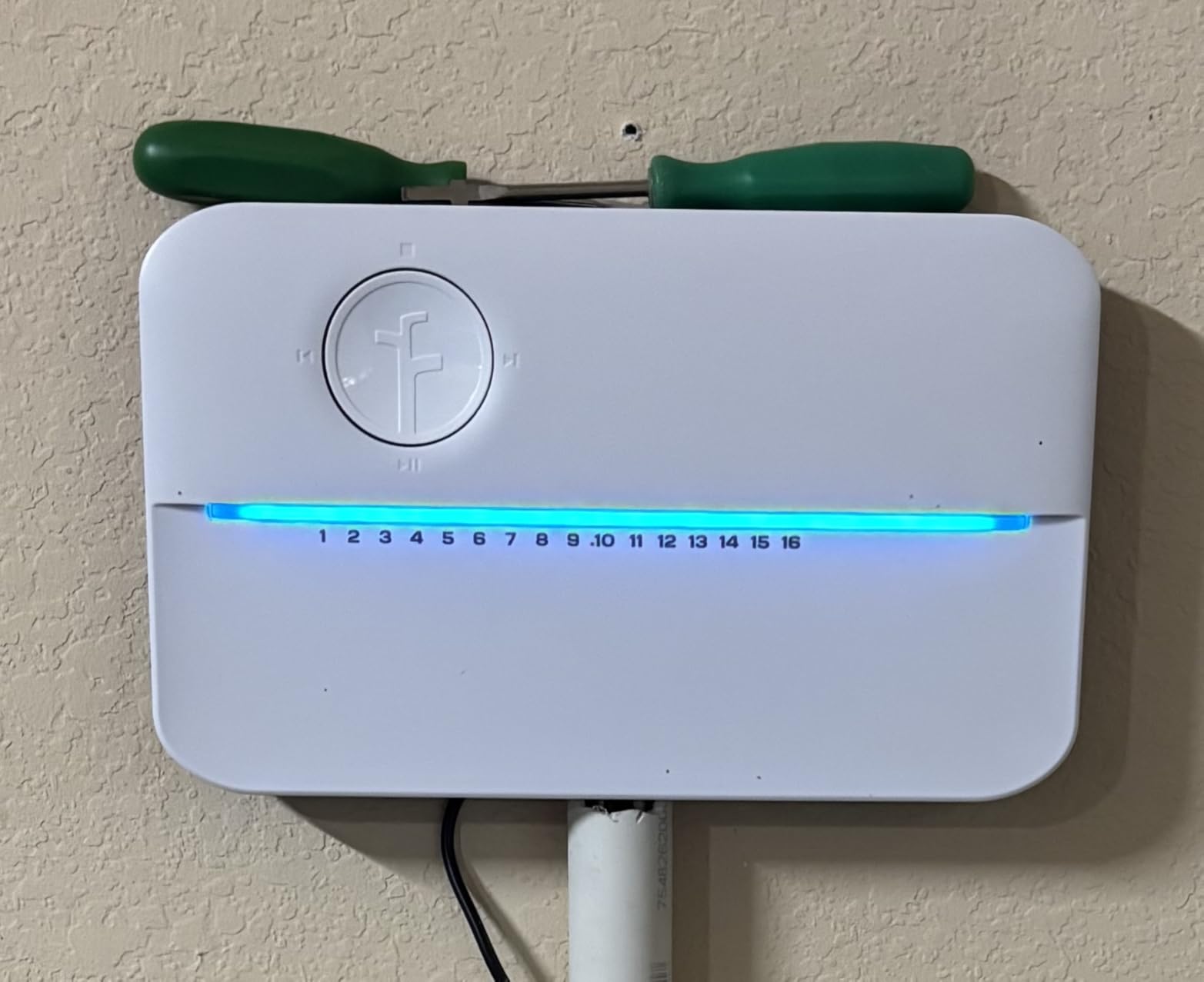
The Rachio 3 16-Zone is the unit I keep coming back to for anyone whose yard runs to the top of the normal residential range. Sixteen zones in a single plastic housing, an LED display, and a body that measures 9.1 by 5.6 inches, so it fits the wall space most people already have cleared out. Setup is app-driven, and the whole swap took under half an hour on the systems we looked at.
What separates it from everything else in this list is the scheduling engine. You can run a fixed schedule, or you can hand the job to Weather Intelligence, which skips runs for rain, wind and freeze and adapts to local conditions. Reviewers repeatedly call the app the most responsive of the group, and owners with a dozen or more zones rely on naming each zone and attaching a photo so they remember which heads are where on a system somebody else installed.
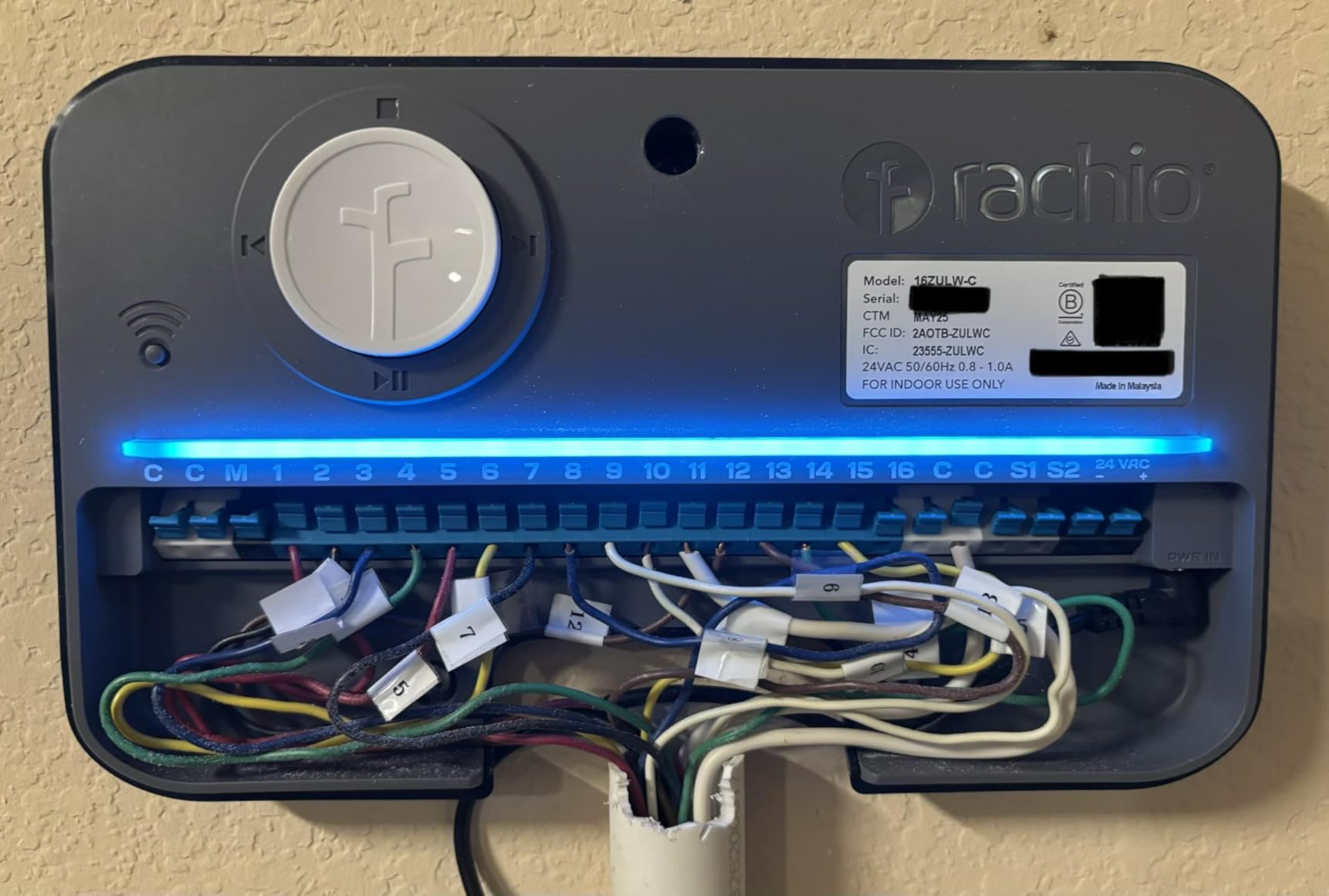
On the technical side, the technical details list is short and honest: patented weather-based skipping, adaptive schedules, app control of zones and estimated usage, and compatibility with 99 percent of existing sprinkler systems. It is a 24V-class solenoid system drawing 110 volts alternating current at the wall, weighing 1.1 pounds, and the box includes the controller, power supply, quick start guide, screws and drywall anchors.
Two limitations deserve a direct mention rather than a footnote. The first is the sixteen-zone ceiling. On a genuinely large property you will be running two controllers or adding a relay, and that is real added complexity. The second is watering windows: if your municipality restricts you to specific days and hours, the automated schedule will not hold to that window and you will be overriding it by hand, which is the single most common complaint from owners in restricted areas.
What you give up to get the automation
There is no dial and no physical zone buttons. That was a deliberate design choice, and it is the reason the app is so good, but it means when the internet drops you are relying on the controller running its stored schedule rather than standing at the wall to start a zone. Owners also report sub-minute run times are not schedulable, so a drip circuit that needs two and a half minutes gets rounded to whole minutes.
If you have an older Hunter or Rain Bird unit already on the wall, a legacy rain sensor input can usually be carried across to the new terminals, which is worth asking an installer about before you scrap the sensor. The warranty is two years, limited, and the unit is rated for indoor use, so outdoor mounting means buying a separate weatherproof enclosure and adding that line to your budget.
Who should buy it, and who should not
Buy it if you have 10 to 16 zones, want the schedule to think for itself, and mostly manage the system from your phone. It is also the easiest of the ten to hand to a partner or houseguest who will actually use an app without fear.
Skip it if your municipality enforces watering windows, if you are not willing to buy an enclosure for outdoor mounting, or if you need a flow meter and wire fault alerts on the box itself. For the last case the Hunter PRO-HC is the more instrument-grade choice.
2. Orbit B-hyve 12-Zone 57950 – Most Zones Per Dollar of Ownership
- Weatherproof for indoor or outdoor mounting
- Huge installed base with thousands of reviews
- App scheduling and remote zone control
- Coordinates rotors and drip zones
- Only four program slots for a large schedule
- App weather data can be inaccurate in some areas
- Station fault codes often trace back to old solenoids
The 57950 is the most-reviewed smart controller in this entire comparison, and for a large yard that matters in a specific way. When something has thousands of owners across thousands of installs, the failure modes are documented rather than rumored, and the fixes are known. This is not a unit you will be debugging alone in month two.
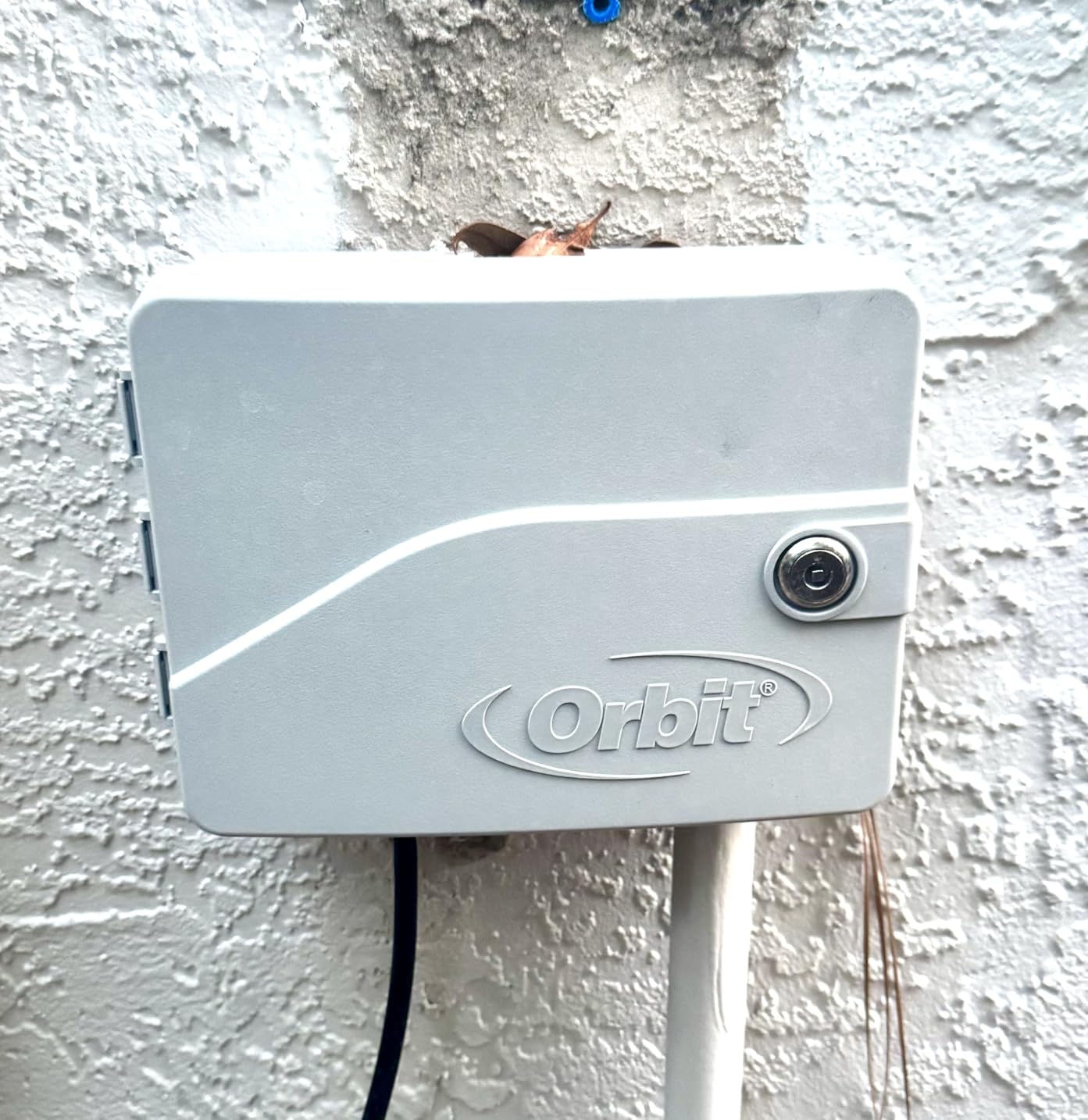
Physically it is the substantial one in the group at 3.5 pounds, measuring 9.38 by 8.63 inches with a 3.75-inch depth, and the housing is weatherproof so it can live on a garage exterior wall or inside a shed. That single feature removes the enclosure cost that indoor-only models leave you with, which is part of why it is our value pick for mid-size properties.
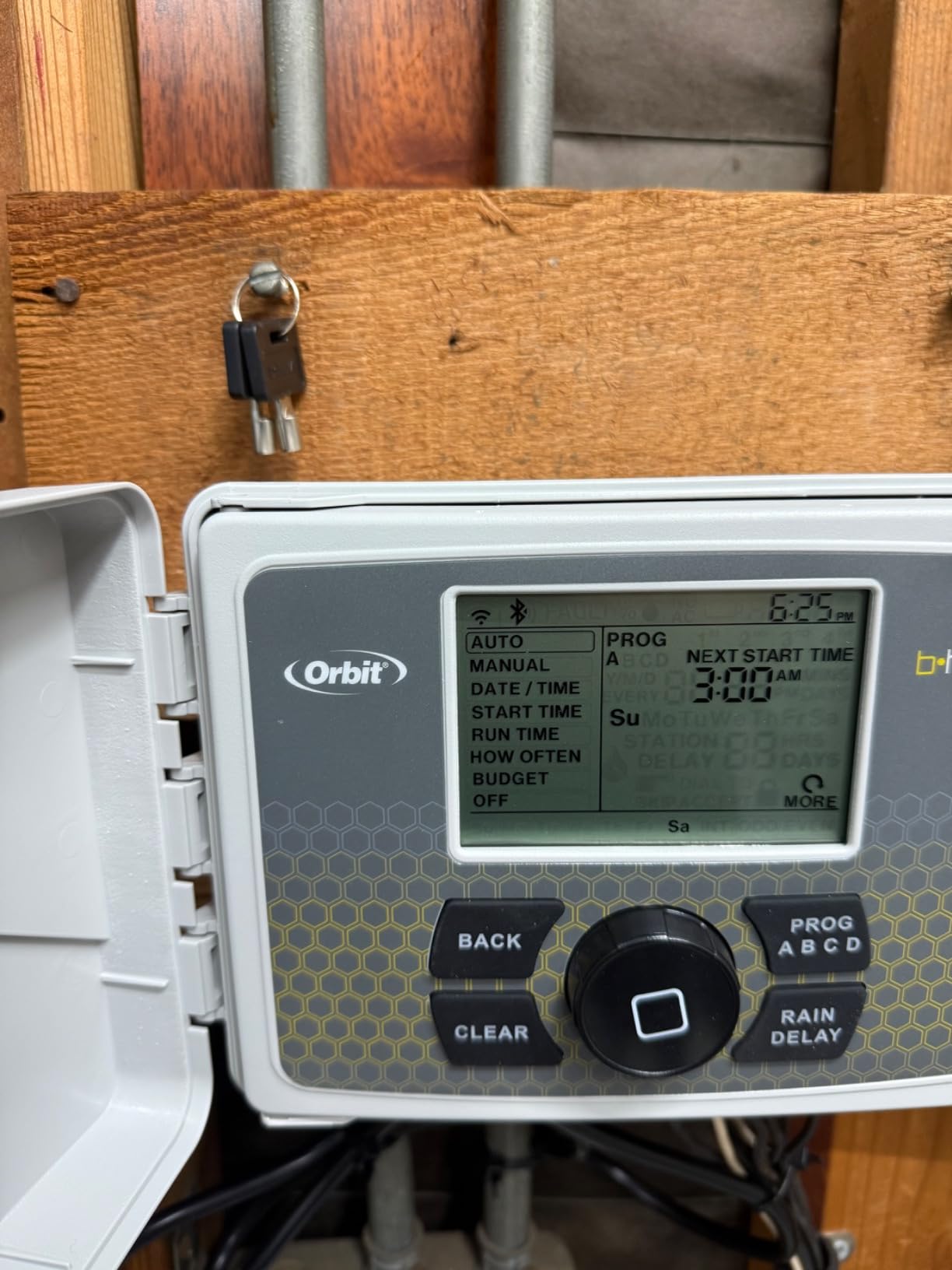
The feature set is straightforward: automatic watering with an app-controlled interface, weatherproof housing, custom irrigation schedules with multi-zone program management, and the ability to coordinate lawn sprinklers and drip systems across the property. It runs on 110 volts and carries a two-year limited warranty. There is no touchscreen and no on-device zone display, so the unit itself tells you very little beyond power status.
The catch is program structure. Four program slots is plenty for a normal homeowner and tight for a large property, where you often want a separate program for drip beds, a separate one for a new sod area, and a seasonal program. Owners also report that station fault codes frequently trace back to aging solenoids rather than the controller, so a recurring fault message on one zone is worth a look at the valve before you blame the box.
How it handles a mixed rotor and drip property
This is where the 12-zone B-hyve does well. Because the app manages individual zones and multi-zone programs, you can put drip on its own program and rotors on another, then stagger start times so the system does not try to move more water than the supply can deliver at once. Owners running mixed rotor and drip systems call out that coordination as a specific strength.
If your drip zones need sub-minute or non-whole-minute run times, plan around it. Programmable run times are in whole minutes, so a circuit that needs 150 seconds gets programmed at three minutes, which is more water than the emitters were sized for.
Where it fits against a premium controller
Owners who moved from B-hyve to a Rachio report the app difference as dramatic, and we agree the Rachio interface is cleaner. But the honest math is that the water you save on a well-built 12-zone system is nearly identical between the two if the scheduling is set up properly.
Choose the B-hyve 57950 if you want twelve zones, a weatherproof box that mounts anywhere, and a support community you can search when something acts up. Choose the Rachio instead if you are at sixteen zones or if the schedule is going to run mostly without you.
3. Rain Bird ESP-TM2 12-Station – Best Dial-First Controller
Rain Bird ESP-TM2 12 Station WiFi Ready Indoor/Outdoor Controller | TM2-12
- Very easy to install and program
- Works with Rain Bird sensors
- Compact chassis with roomy wiring chamber
- App can flag shorted or failed valves
- WiFi module sold separately
- App connection can be slow or fail
- Sensor-limited or app-only water management
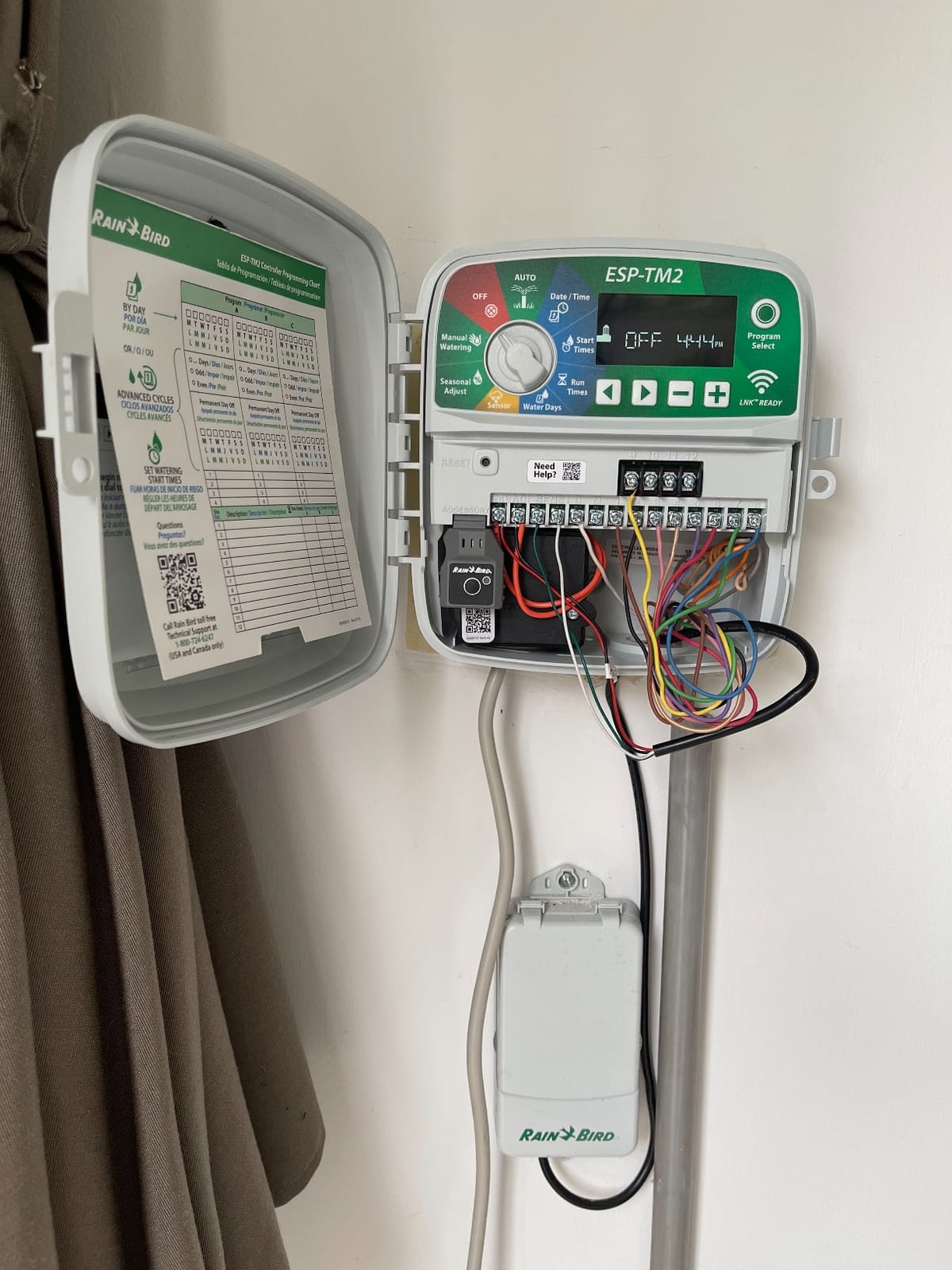
The ESP-TM2 is the pick for people who do not want a phone to run their irrigation. It is a 12-station controller with a dial, buttons and an LCD, and it works perfectly well as a standalone timer with no network at all. For a property in an area with poor cellular and router coverage, that is not a compromise. It is the whole point.
Rated 4.6 out of 5 across its review base, it is one of the highest-rated units we considered, and the reasons are consistent: straightforward installation, easy programming and dependable timing. The 12-station model is compact at 7.92 by 7.86 inches with a roomy wiring chamber, so fitting fourteen or more equal-length legacy wires is not a fight.
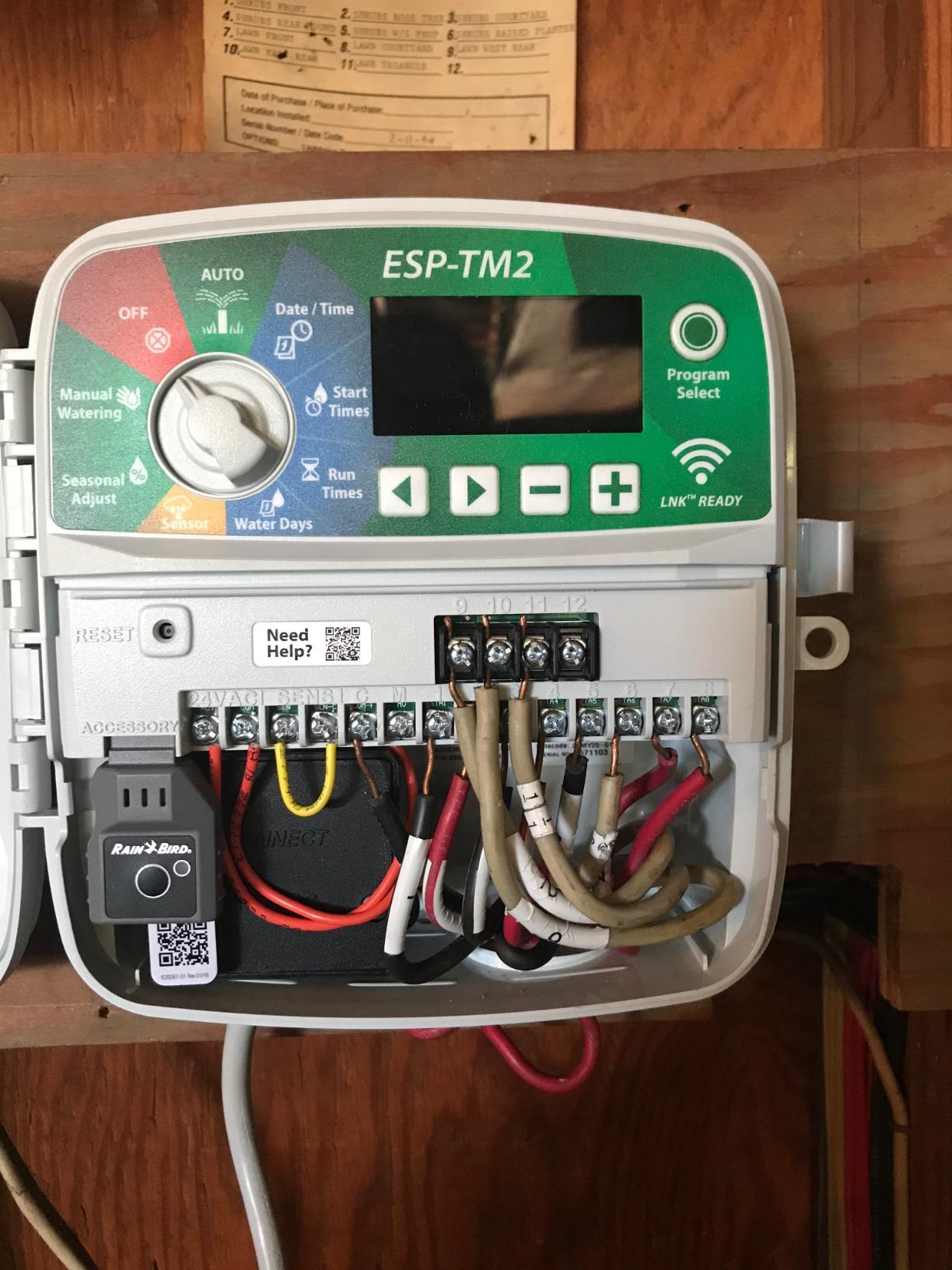
The technical story is a familiar Rain Bird architecture: a 12-station indoor or outdoor controller, Wi-Fi readiness through an optional LNK-WIFI module, compatibility with Rain Bird landscape and weather sensors, and a compact chassis. It runs on 120 volts and is rated to 32 degrees Celsius. Because the Wi-Fi module is a separate purchase, you can add smart control later without replacing the timer.
Owners appreciate that the app can flag shorted or failed valves when the module is installed, which turns a diagnostic problem into a two-minute job instead of a guessing game. The common complaints are all about the wireless layer rather than the timer: the module is extra, the app can be slow to respond, and the interface remains dial-based rather than app-first.
When a dial beats an app
Physical controls matter more than most roundups admit. If the internet goes out during a heat wave, or a guest needs to run a zone and there is no app on their phone, or you simply do not want to unlock your phone at the side door in the dark, a dial and display solve it instantly. The Rachio 3 and both Netro models do not give you that.
The ESP-TM2 also plays well with the existing ecosystem. If you already own Rain Bird weather sensors or landscape sensors, they are supported, and if you are replacing a Rain Bird unit you are working with familiar wiring conventions and terminal labels.
Who should buy the ESP-TM2
Buy it if you want reliability without dependence on a cloud service, if you plan to add smart control in a second step, or if you prefer programming something you can see. For most large yards it is an excellent foundation rather than a finished product.
Pass if you want phone-only control today without buying the module, or if you need the controller to make watering decisions on its own. For the second case, one of the app-driven units below does that natively.
4. Netro Sprite 12 – Lowest-Cost Route to 12 App-Controlled Zones
Netro Sprite 12 Zone Smart Sprinkler Controller for Lawn 2.4GWiFi App-Based
- Affordable route to app-controlled irrigation
- Names each zone and attaches a photo
- Built-in level for accurate mounting
- Works with Alexa Google Home and IFTTT
- No battery backup so power loss stops the schedule
- Indoor installation only
- No data shown on the unit itself
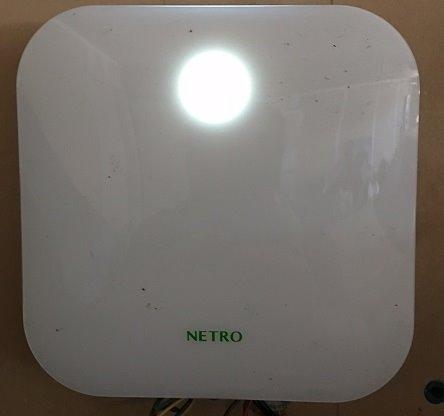
The Netro Sprite is how you get twelve app-controlled zones without spending premium money, and it is thinner than a credit card in some ways that matter. At 5.7 by 5.7 inches and 8.16 ounces, it is the smallest unit here, and it mounts flat on a wall in seconds. There is even a built-in level in the housing so you can get the first attempt straight.
What you get for that money is genuinely useful for a large yard. Twelve zones with custom names and photos, daily location-based weather forecasts with rain skip, up to 60 days of irrigation history and error logs stored on the box, cyclic scheduling with start and end times plus execution months, and a plant library with humidity, light and temperature guidance for each zone.
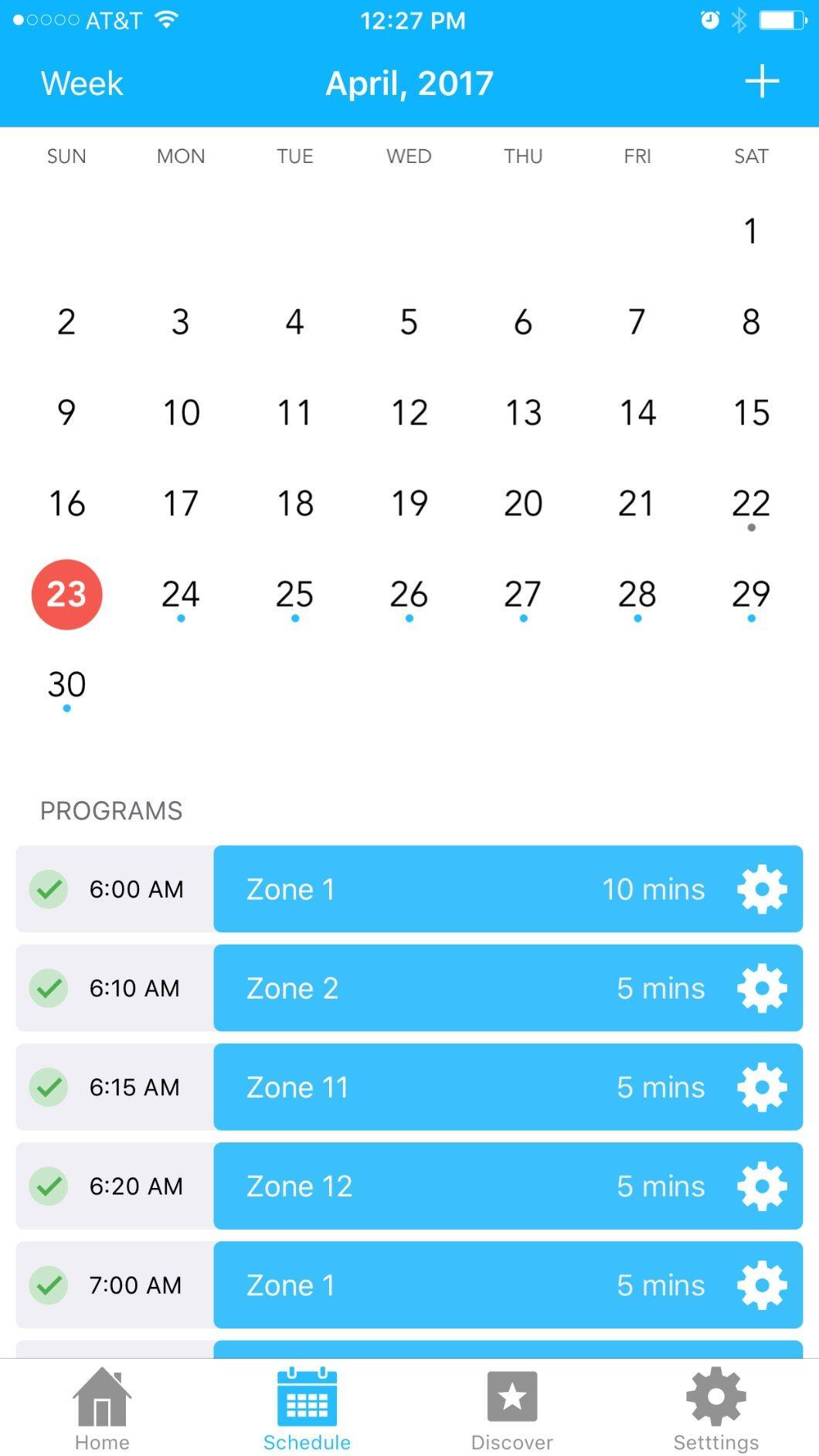
It works with Alexa, Google Home, Google Assistant and IFTTT, runs on 24V AC with 2.4 GHz WiFi, and comes with a controller, instruction manual, power adapter and two screws. Zone photos are the sleeper feature: on a system with eleven or more zones that somebody else installed, being able to see each circuit is worth more than most of the schedule settings.
Three limitations are worth being blunt about. There is no battery backup, so a power interruption stops the schedule until the system remembers where it was. It is indoor installation only, which on many properties means finding a dry interior wall or buying a separate enclosure. And the unit itself displays nothing, so when the app is down you have no local information at all.
How the 12-zone budget route holds up
For a twelve-zone system the constraint is rarely the controller. It is the wiring, the valves and the solenoid quality. Owners of this unit report install speed and helpful zone labeling as the standouts, and the 60-day history log makes it easy to spot a zone that never runs or runs far too long.
Voice control is the practical bonus here. If your household already runs on Alexa or Google Assistant, this is the least expensive way in the group to start a zone by voice from inside the house without touching an app.
Who should buy the Netro Sprite
Buy it if your property fits in twelve zones, the controller can live indoors, and you accept that a power cut means a manual restart. It is also a good second controller for a separate drip and bed zone, since the low barrier makes adding a dedicated box reasonable.
Skip it if you need outdoor mounting without an accessory, if you need to start a zone during an internet outage, or if you rely on battery backup for extended travel periods. In those cases the B-hyve 57950 or the Hunter X2 covers the same zone count more honestly.
5. Orbit B-hyve XR 16-Zone – Best Compact 16-Zone Option
Orbit B-hyve XR 16-Zone Indoor/Outdoor Smart Sprinkler Timer – 57995
- Sixteen zones in one weatherproof unit
- Quick app for running individual zones
- Easy installation and programming
- Zone naming plus photo tagging
- Limited to four programs for many-zone schedules
- Some units struggle to hold WiFi or run firmware updates
- App run timer can reset while viewing
- 120V plug limits use outside North America
Sixteen zones with a weatherproof case is a genuinely useful combination, and the XR is the compact way to get it. At 11 by 9 by 4 inches and 3 pounds, it packs more circuits into less wall space than most sixteen-zone units, and because the housing is rated for indoor or outdoor mounting you can put it on a garage exterior wall without a separate enclosure.
The setup path is the same proven Orbit app, and the reviews single out the same things: the capacity, remote zone testing and quick installation. The app lets you run an individual zone on demand, which is the fastest way to find a broken head or a bad solenoid when you first take over a property.
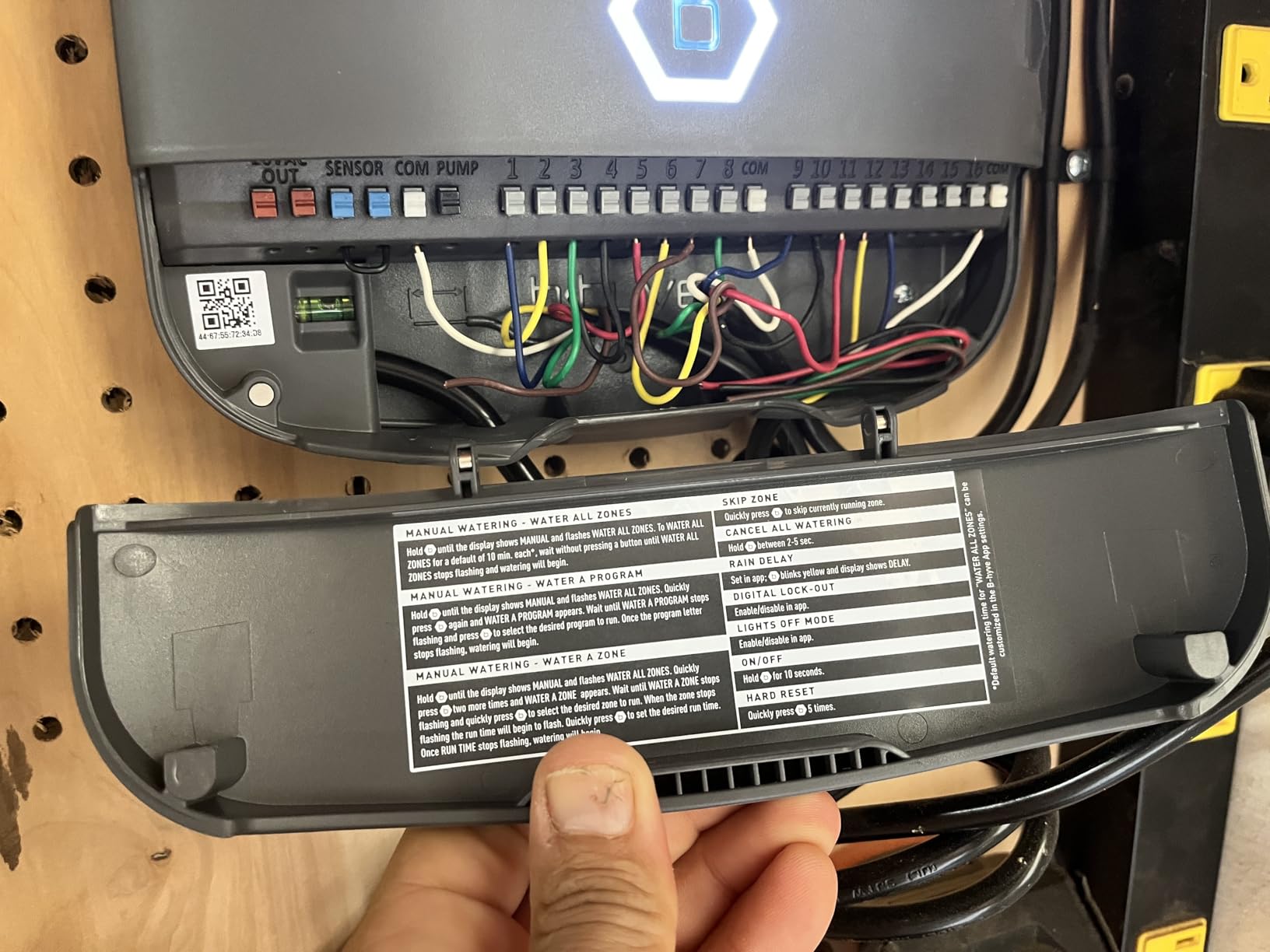
Technically it is a 16-zone WiFi-enabled indoor and outdoor controller with app control, custom multi-zone programs, forecast-driven automatic watering adjustments, and Alexa compatibility. It runs on 110 volts, is rated to 55 degrees Celsius, and carries a two-year manufacturer warranty. Forecast-driven scheduling means the schedule adjusts from weather data rather than blindly running a fixed calendar.
The complaints are the reason this sits at fifth rather than higher. The four-program ceiling is a real constraint on a sixteen-zone property, where separate programs for turf, beds and a new-lawn zone is a normal want. Owners also report Wi-Fi connection trouble and firmware update problems on some units, plus an app run timer that can reset while you are watching it.
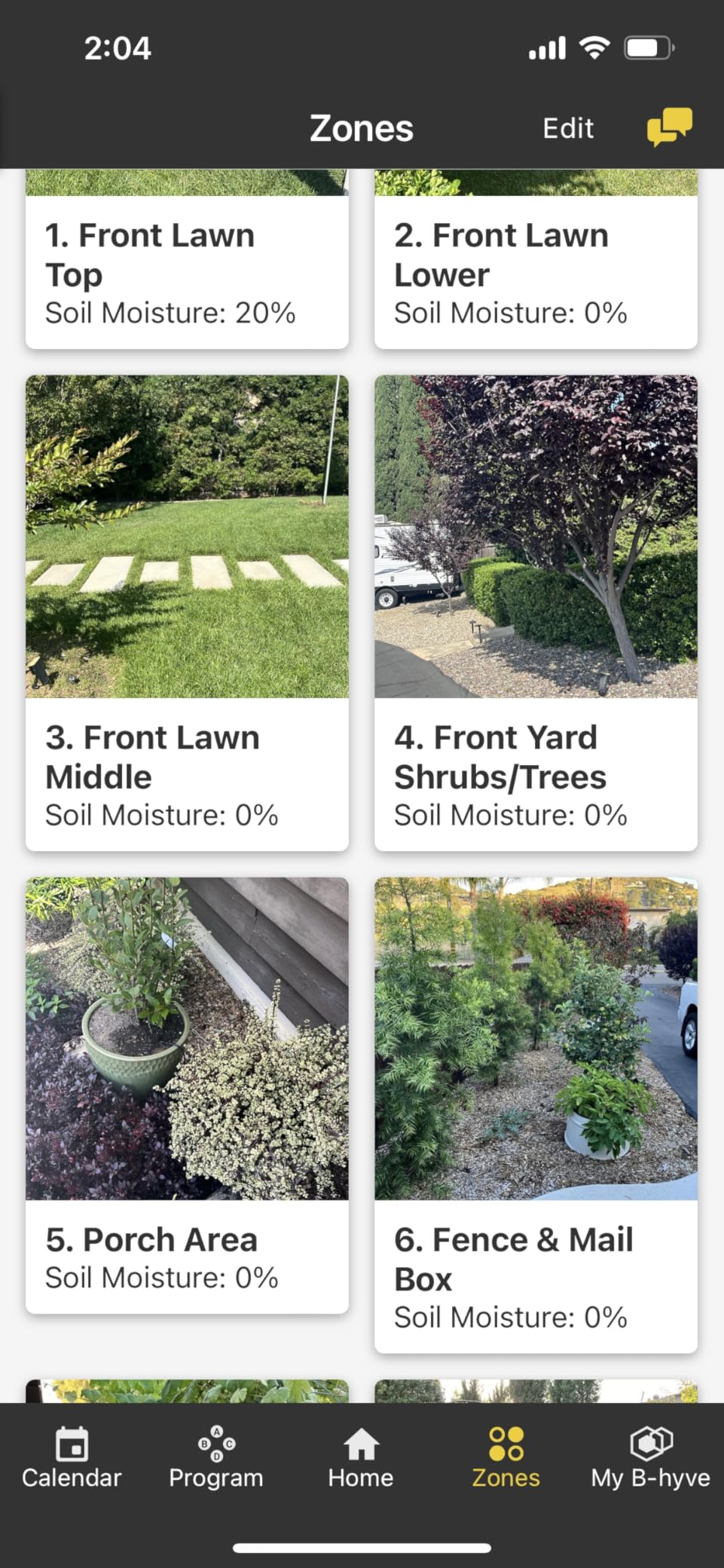
Sixteen zones in one box versus two boxes
One sixteen-zone unit means one power supply, one wiring run and one thing to troubleshoot. Two twelve-zone units mean you have to decide which controller owns which valve, and a programming mistake in either can be harder to trace. For most properties at this size, consolidation is the better architecture.
The reason the Rachio 3 leads this list anyway is not the zone count, which is equal. It is the scheduling automation and the app quality, plus the flexibility of how you build the schedule rather than being limited to four named programs.
Who should buy the B-hyve XR
Buy it if you need sixteen zones in a weatherproof box, you already use the Orbit ecosystem or Alexa, and you are comfortable with four program slots and occasional app quirks. It is also the natural companion to the 12-zone 57950 if you are covering two separate areas of a property.
Skip it if you need more than four schedule programs, if you need it to work on voltages outside North America, or if long-term Wi-Fi stability is your top concern. Owners on some units report connection holding problems that persisted past the warranty period.
6. ImoLaza 8-Zone ET Master – Best for Detailed Zone Setup With No Monthly Fee
ImoLaza 8 Zone WiFi Smart Sprinkler Controller, ET Master Irrigation Timer
- ET scheduling with rain wind and freeze skip
- No monthly fee for app or remote control
- Detailed zone setup for soil slope and plant type
- Fast responsive customer support
- Earlier firmware had trouble with mesh routers
- Local manual operation capped near three minutes
- Some units lost their programmed schedule
ImoLaza is the most technically ambitious controller per dollar here, and the part that matters most for a large yard is the zone setup depth. You describe each zone by soil type, slope and planting, and the controller builds the schedule from that rather than asking you to invent run times yourself. Owners consistently call this out as the reason the model earns its rating.
It is rated 4.5 across its reviews with real-time evapotranspiration data plus hyperlocal weather feeding the schedule, and smart cycle and soak to break up runoff, which matters if you have clay soil or any slope on the property. There is no monthly subscription for the app, remote control or voice features, and over-the-air updates keep improving the algorithms.
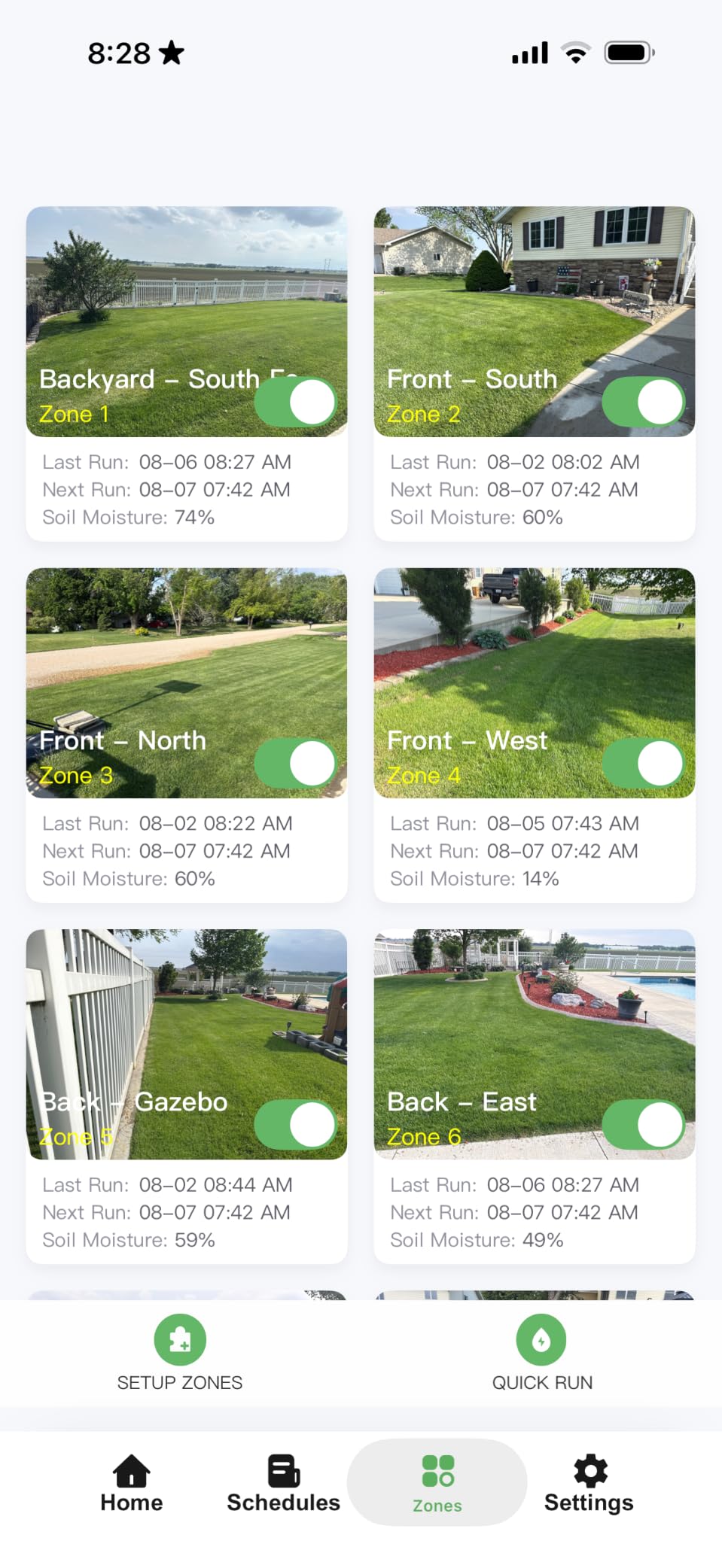
Run modes include smart ET, fixed cycle and a dedicated new grass schedule with up to 24 start times per day, which is exactly what you want during sod establishment or a seed germinating. Fault detection monitors open and short circuits, controller offline status, weather data outages and abnormal flow, and it works with Alexa and Google Assistant.
It operates from minus 13 to 140 degrees Fahrenheit, weighs 12.16 ounces, measures 6.3 inches square, and ships with the controller, power adapter, wall screws, anchors and a screwdriver. One caveat on scale: this is the eight-zone model, though the same line offers twenty-plus zone versions for large properties, which is the version to look at if you are past twelve circuits.
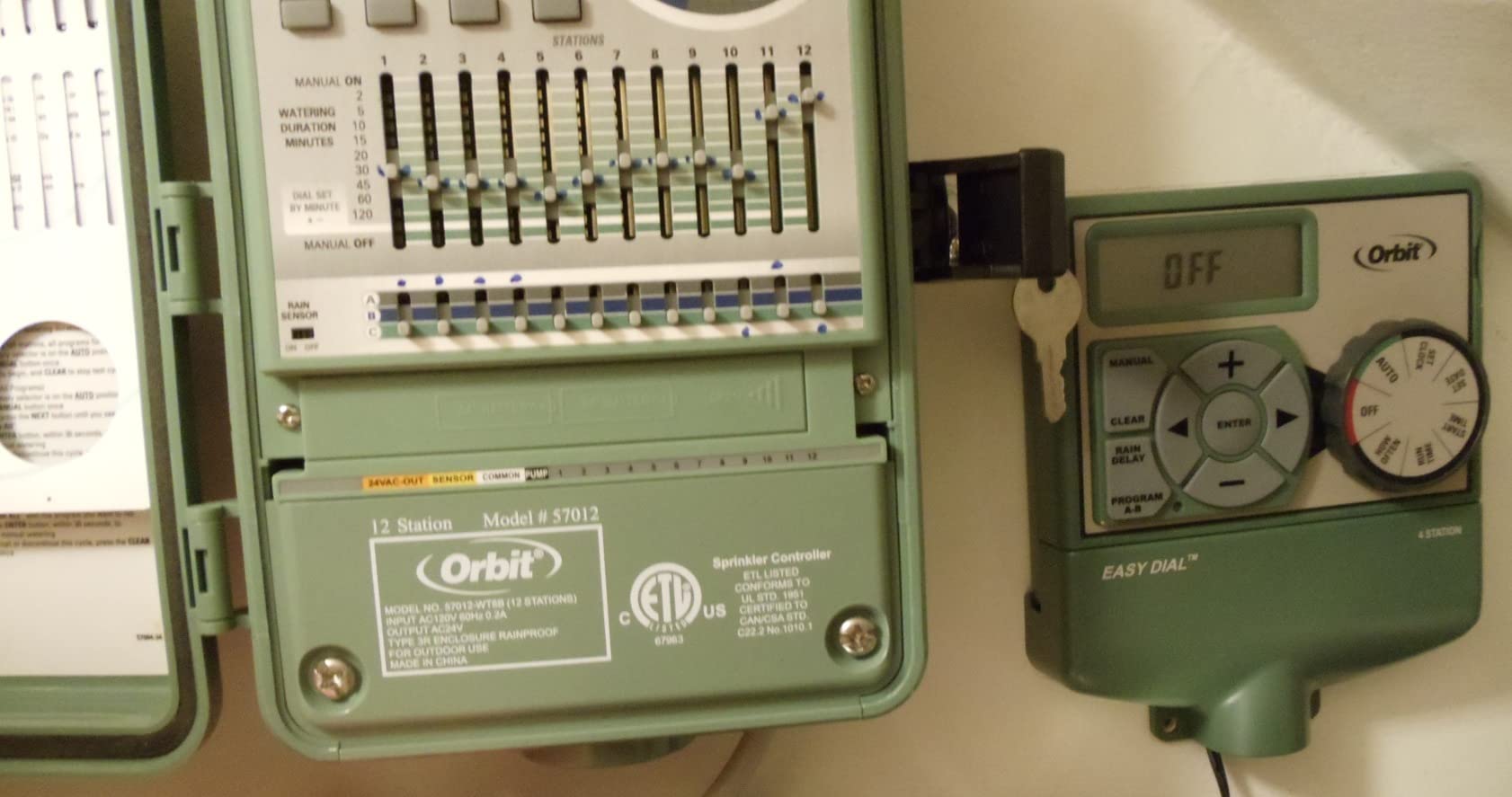
What ET scheduling actually changes
Evapotranspiration is the amount of water a plant actually uses, driven by temperature, sun, wind and humidity. A controller that measures it only waters when the calculated deficit warrants it, instead of running a fixed three-days-a-week calendar through a heat wave and a wet spring. That is where the water savings come from, and it is why the app can promise savings up to 60 percent on well-configured systems.
Smart cycle and soak is the second feature that pays off on a big property. Instead of one long run per zone, it splits the run into cycles with soak breaks, so water soaks in rather than running off a slope or sheeting off clay.
Who should buy the ImoLaza
Buy it if you want granular per-zone control, dislike subscriptions, and your property fits in eight zones or you are willing to look at the larger models in the same family. Support responsiveness is a genuine strength here and a real help when a zone behaves strangely.
Skip it if you need more than about three minutes from the physical on-device button, if your router is older mesh hardware that early firmware struggled with, or if you want physical controls as a fallback at all. It is an app-first design.
7. Netro Spark 16-Zone – Best for On-Device Touch Controls
Netro Spark 16Zone Smart Sprinkler Controller Touch Buttons WiFi App-Based
- Sixteen zones at a low cost per zone
- Touch controls allow manual runs without the app
- Fast app setup once WiFi connects
- Valve test pinpoints open or short circuits
- No battery backup so power loss stops the schedule
- Only one common wire termination per valve bank
- Programming easier from a PC than mobile
- Some units stopped responding to the app
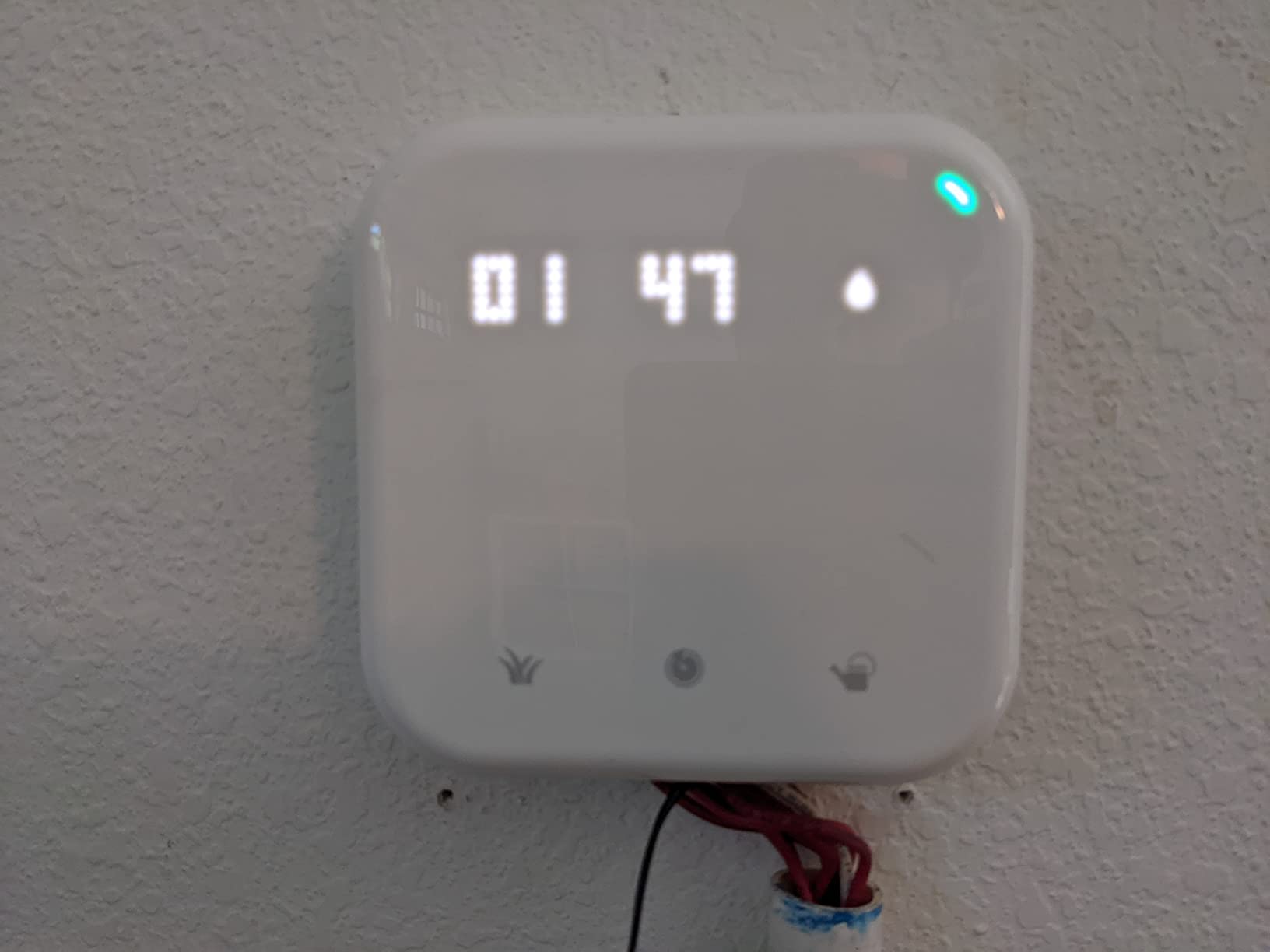
The Spark is the rare sixteen-zone controller that ships with a touchscreen on the box. You can select a zone, set a duration and start it by touching the surface, which is the answer to the complaint we hear most often in this category: controllers with no local controls leave people stranded the moment the app is slow.
Sixteen zones, 24V AC power, and a polycarbonate body at 1.13 kilograms. Owners like the ratio of zones to cost, the quick install and the built-in touch controls, and the valve test feature that identifies open or short circuits is genuinely useful when you inherit a system of unknown quality.
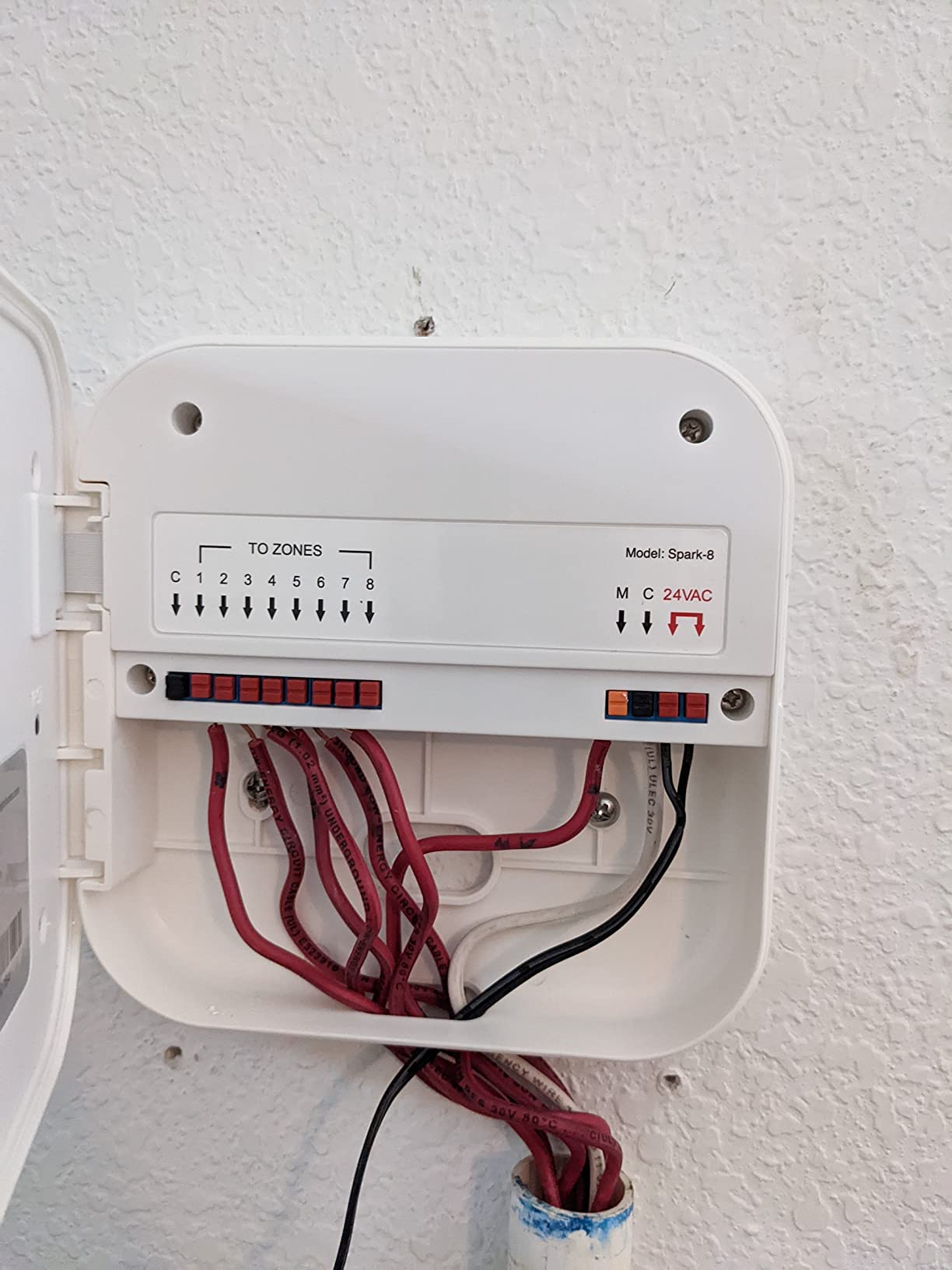
The software side covers the essentials for a large property: zone names and photos in the companion app, location-based daily weather forecasts with rain skip, up to 60 days of irrigation history and error logs, cyclic scheduling by daily interval, weekly or odd and even days, execution months, and a plant recommendation database for matching settings to what is actually planted.
The catch list is specific. There is no battery backup. There is only one common wire termination per valve bank, which on a sixteen-zone install means more wire juggling than models with a terminal per zone. Programming is easier from a desktop browser than from a phone, and some owners report units becoming unresponsive to the app after a few months.
Why on-device controls matter more than roundups admit
Ask any irrigation contractor what their service calls are actually about and you will hear the same list: controllers offline in the app, no way to start a zone on site, and a homeowner who cannot tell whether the problem is the timer, the valve or the wiring. Physical controls collapse that diagnostic into a five-minute test at the wall.
The Spark sits in a useful middle position. It is not a premium touchscreen like the Hunter PRO-HC, but it means a power cut or an app outage does not leave you without a way to water a section while you diagnose.
Who should buy the Netro Spark
Buy it if you have sixteen zones, want physical touch controls, and can accept one shared wire termination per bank. It is a strong fit for a property where the controller sits in a garage and someone other than you occasionally needs to run a zone.
Skip it if your wiring runs one dedicated wire per valve and you want the cleanest possible terminal block, if you need battery backup, or if app responsiveness over years is your main concern.
8. Hunter PRO-HC 24-Zone – Best for Estates and Commercial Grounds
Hunter PRO-HC WiFi Sprinkler Controller, 24 Zone Smart Irrigation Timer
- Highest zone count in the group
- Flow meter and wire fault alerts
- Weather-resistant enclosure with locking door
- Full touchscreen fallback if WiFi drops
- Highest cost in the group
- Enabling flow or grow-in needs a full reprogram
- Not compatible with Hunter ROAM remote
- Some early touchscreen failures reported
Twenty-four stations is the ceiling in this comparison, and the PRO-HC is the only unit here that pairs that capacity with real instrumentation. It has six independent programs with six start times per program, a 2.75-inch full-color touchscreen, milliamp wire fault sensing, and compatibility with an optional Hunter flow meter. For an estate or common-area irrigation, that combination is the difference between a timer and a control system.
Two sensor inputs and a P/MV output for a master valve or pump relay are the details that matter on a large property, because that is how you coordinate irrigation with a well pump or a master valve rather than running zones blindly. Real-time local weather data adjusts the schedule automatically, and it is compatible with Hunter Clik sensors.
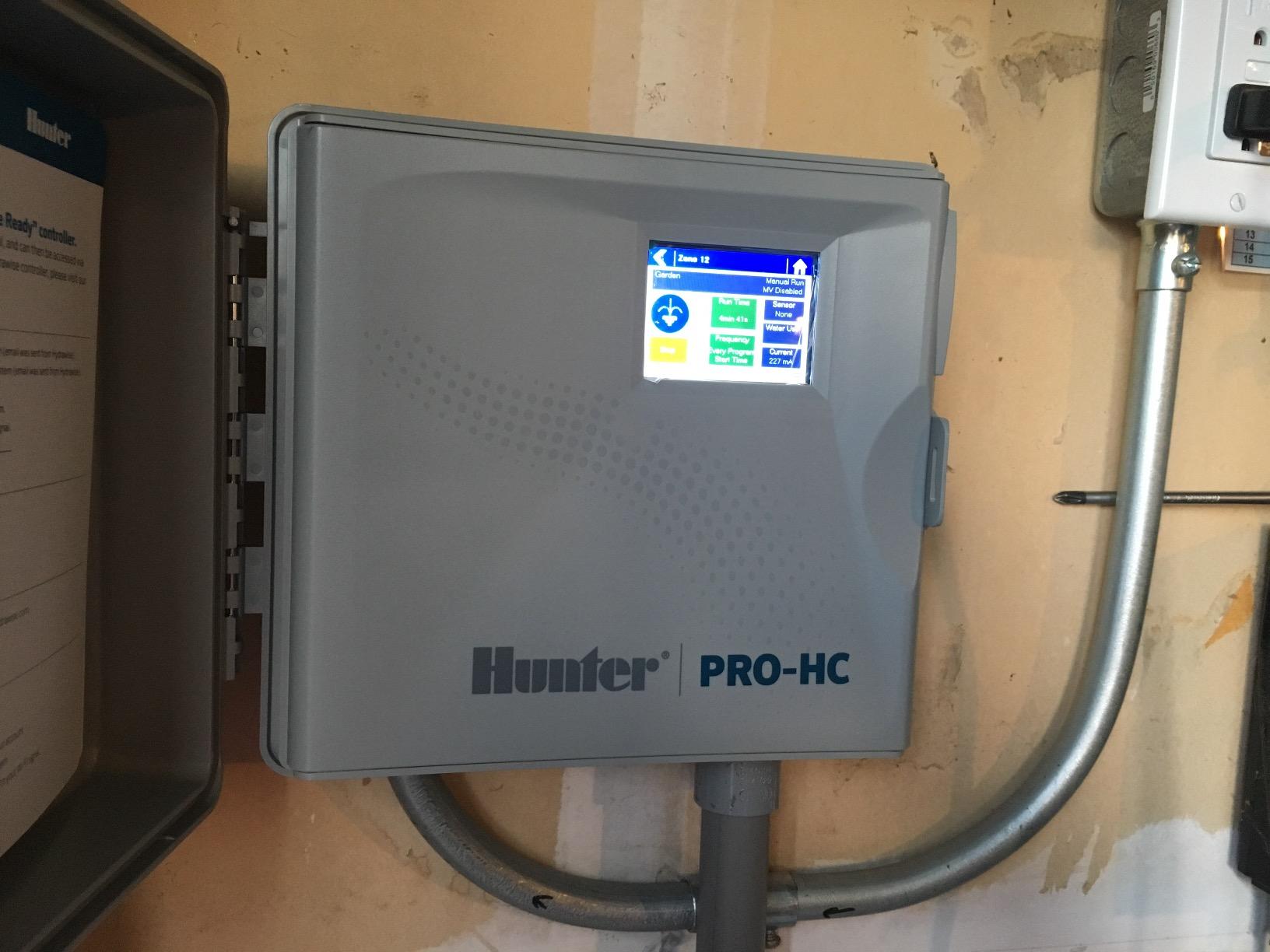
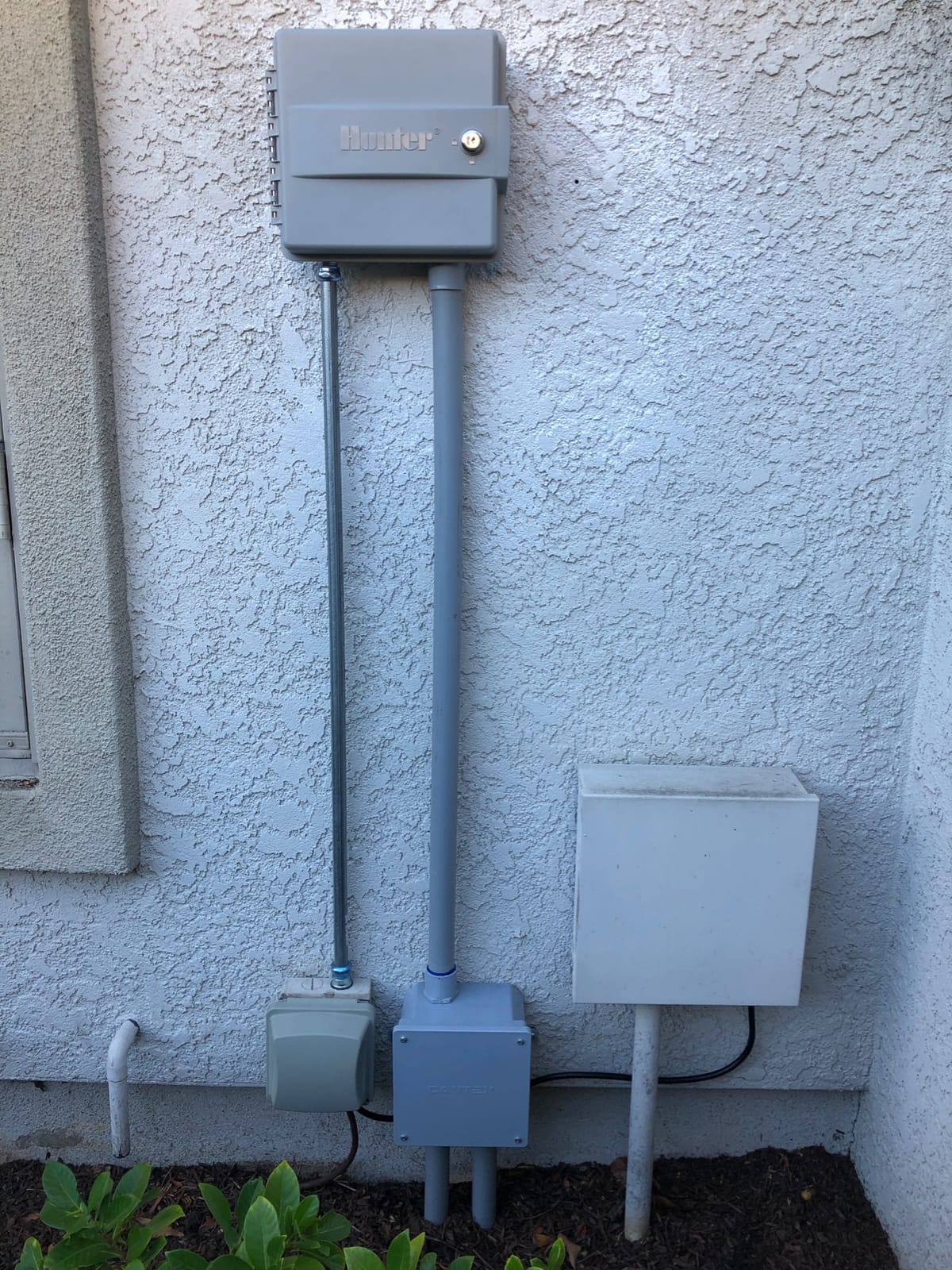
It is built for outdoor installation, with a weather-resistant enclosure, a locking access door and a touchscreen you can use manually if the WiFi drops. At 2.57 kilograms and 8.6 by 3.75 by 7 inches, it is a substantial box. The model is the PHC-2400, and it ships as the controller alone, so you are supplying the transformer if your install needs one.
The negatives are mostly about cost and configuration friction. It is the most expensive unit here, and enabling flow monitoring or grow-in options without the hardware attached requires a full reprogram, which is a genuinely irritating afternoon. It is also not compatible with the Hunter ROAM remote, so if your existing system uses one, that is a dead end.
Reliability over three to five years
This is the category’s biggest evidence gap. Most reviews on any smart controller describe one to eleven months of ownership, and long-term reports are rare. What does show up is consistent: Hunter hardware tends to hold its basic timer function even when the wireless layer misbehaves, and the touchscreen means the unit remains usable independently of the app.
That pattern is why contractors specify Hydrawise units for complex and expanding systems. The trade-off is a steeper learning curve, and one self-described network engineer reported spending hours learning the platform before returning a unit for a simpler one.
Who should buy the PRO-HC
Buy it if you have more than sixteen zones, a pump or master valve to coordinate, multiple valve banks, or grounds where a watering failure has real cost. It is also the right answer for anyone who wants leak and flow alerts rather than discovering a broken line from dead grass.
Skip it if you have twelve or fewer zones on a normal residential lot. You would be paying for capacity and diagnostics you will not use, and the setup complexity is real. In that range the Hunter X2 or the Rachio 3 is a better fit.
9. Hunter X2 14-Station – Best Rugged Outdoor Timer
Hunter X2 14 Zone Sprinkler Controller, WiFi Compatible Sprinkler Timer
- Fourteen stations in a compact outdoor box
- Reliable standalone timer behavior
- Seasonal adjust and long run times
- QuickCheck diagnoses wiring faults
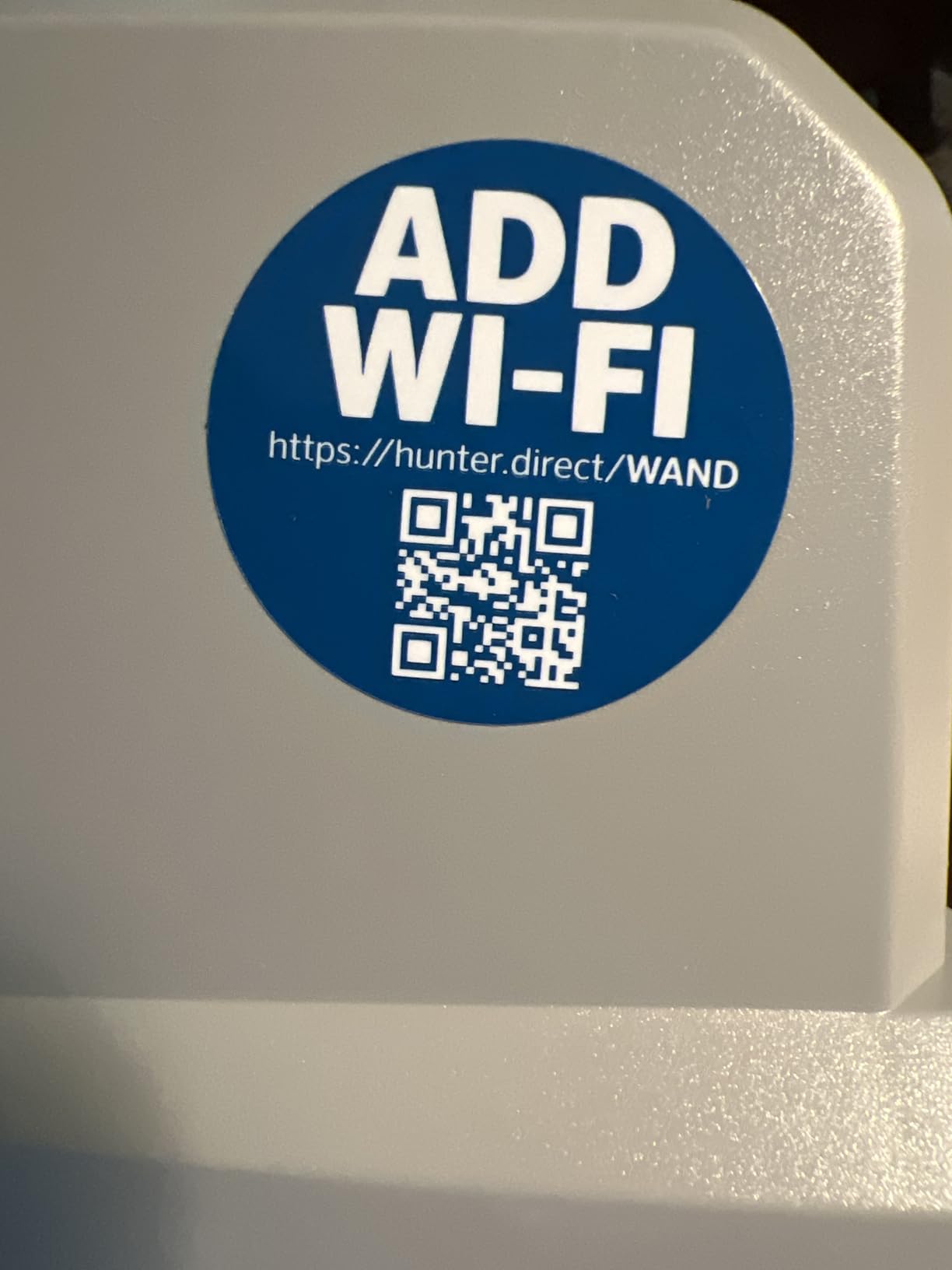
- WiFi WAND module sold separately
- Hydrawise connection on the module often unreliable
- Some units triggered zones at unprogrammed times
- App programming less convenient than the dial
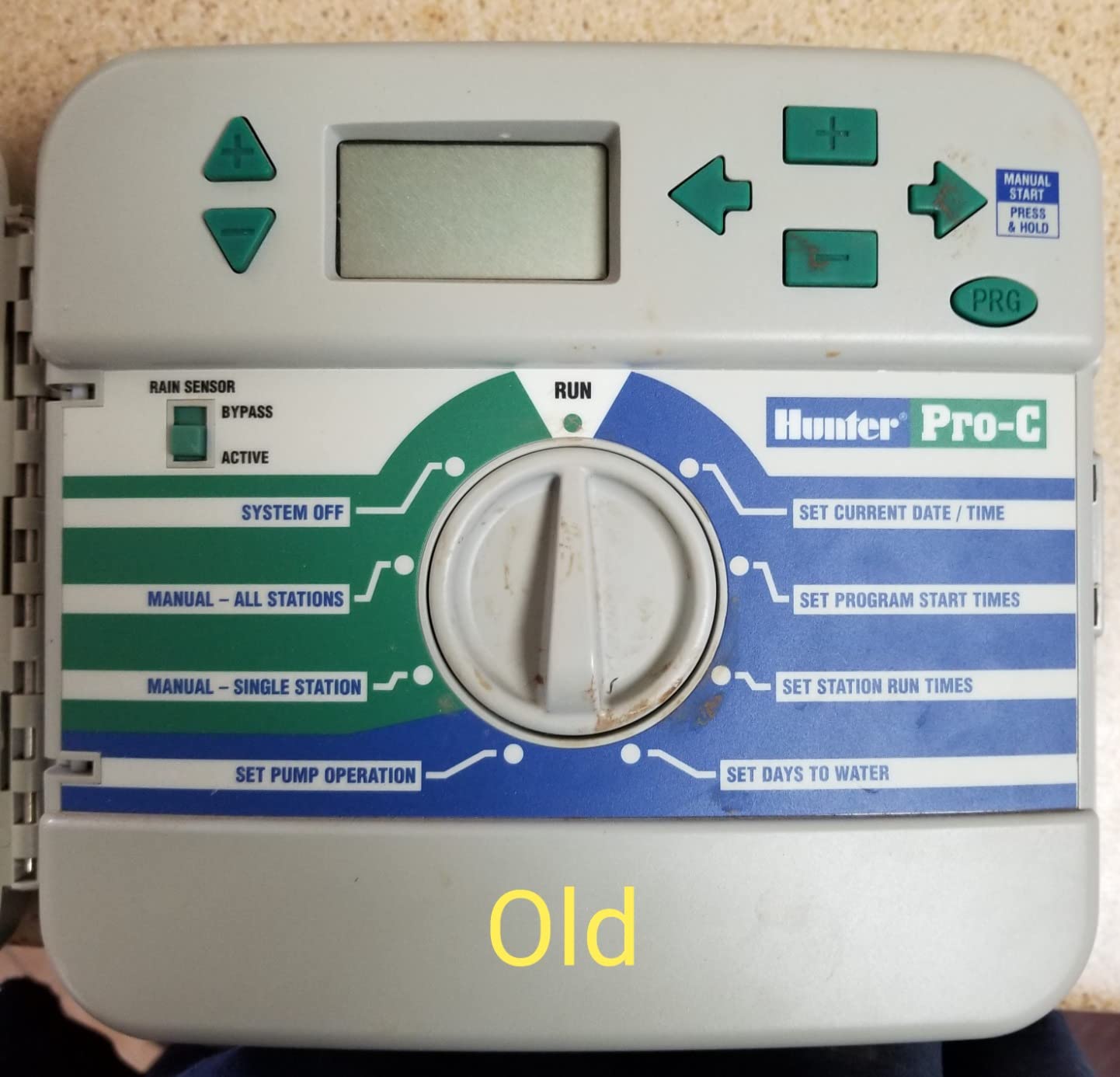
The X2 is the honest value pick if your controller lives outside and you mostly need a timer that works. It is a 14-station controller in a weather-resistant outdoor enclosure with a large backlit display, three programs and four start times each, and run times up to six hours with seasonal adjustment. On a property with long rotor cycles or zone-by-zone seasonal needs, that six-hour ceiling is a genuine feature.
At 2.8 pounds and ranked in the top tier of its category, it is also the unit that gets installed most often by contractors who want a box that survives a garage wall for a decade. Easy Retrieve memory backup protects your schedule if power is lost, and QuickCheck wiring fault diagnostics help you find a shorted valve wire instead of guessing.
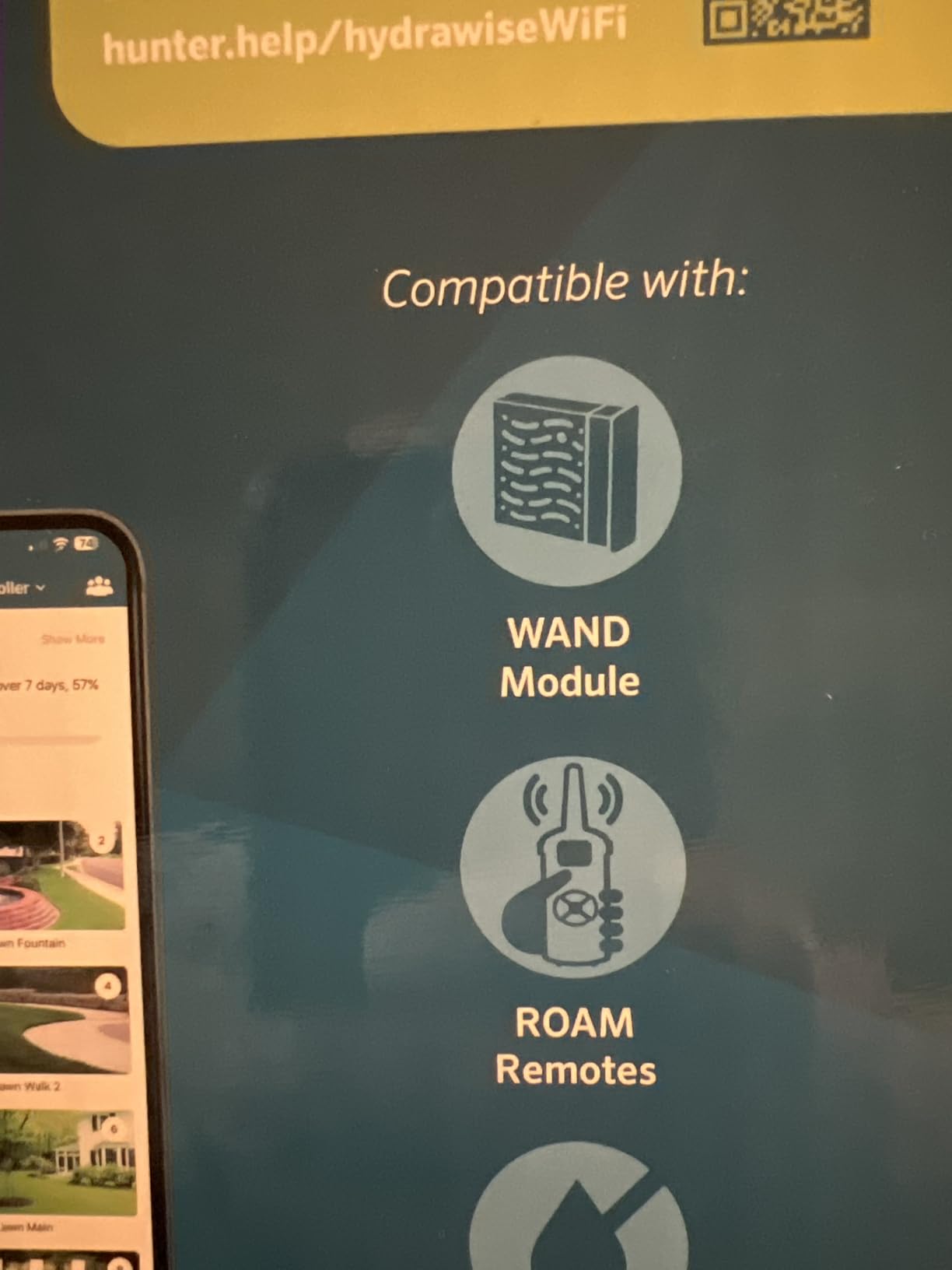
Smart control arrives through the separately sold WAND module and the Hydrawise platform, which adjusts schedules with real-time weather data. That two-part purchase is the catch. Owners report Hydrawise connection on the WAND being unreliable, particularly on mesh networks, and that is the single biggest reason this model carries the lowest rating in our set at 3.9.
There is also an honesty note worth repeating from the reviews: some units have triggered zones at unprogrammed times. On any controller that is a serious report, and the response is to keep the physical dial as your source of truth and treat the app as a convenience layer rather than the authority.
What you give up by choosing a rugged timer
You give up the automatic weather-driven schedule as a built-in feature. Without the module, this is a very good mechanical-adjacent timer with a digital dial. That is not an insult: for a large property with clay soil and simple turf, a dial you can read from ten feet away beats a phone screen you have to unlock.
You also give up app-first programming. The physical dial is more convenient for most changes, which is the opposite of the Rachio and Netro experience and a legitimate preference rather than a compromise.
Who should buy the Hunter X2
Buy it if your controller is mounted outdoors in a shed or on a garage wall, you want fourteen zones with long run times, and you would rather not depend on a wireless module. The backlit display in daylight is a small detail that matters on a real property.
Pass if you need the app to run the show every day, or if you already know your router struggles with mesh networks. In either case pay for a native WiFi controller instead of bolting a module onto a timer.
10. Hunter Hydrawise HPC-400 – Best Start-and-Expand Unit
SPW Hunter Hydrawise HPC-400 4-16 Station Wi-Fi Controller Web-Based i-Phone Android App 4 Zones Expandable to 16 Zones with Optional Expansion Modules HPC400
- Scales from four to sixteen zones
- Hydrawise web portal plus phone apps
- Wire fault detection and flow meter compatibility
- Instant alerts when a problem is detected
- Expansion modules needed beyond four zones
- Higher per-zone cost once fully expanded
- Web and app setup has a learning curve
The HPC-400 is the answer for anyone whose landscape is still being built. It ships as a four-zone controller and expands to sixteen with optional expansion modules, so you are not forced to pay for capacity you will not use in year one and you are not replacing hardware in year three when the beds go in.
Despite the modest review count, it carries the highest average rating in this comparison at 4.6, and the reasons are consistent: flexible expansion, Hydrawise automation, and built-in fault detection. Owners with complicated systems value the compatibility with the HC Flow Meter plus Roam and Roam XL, and the instant problem alerts that come with the platform.
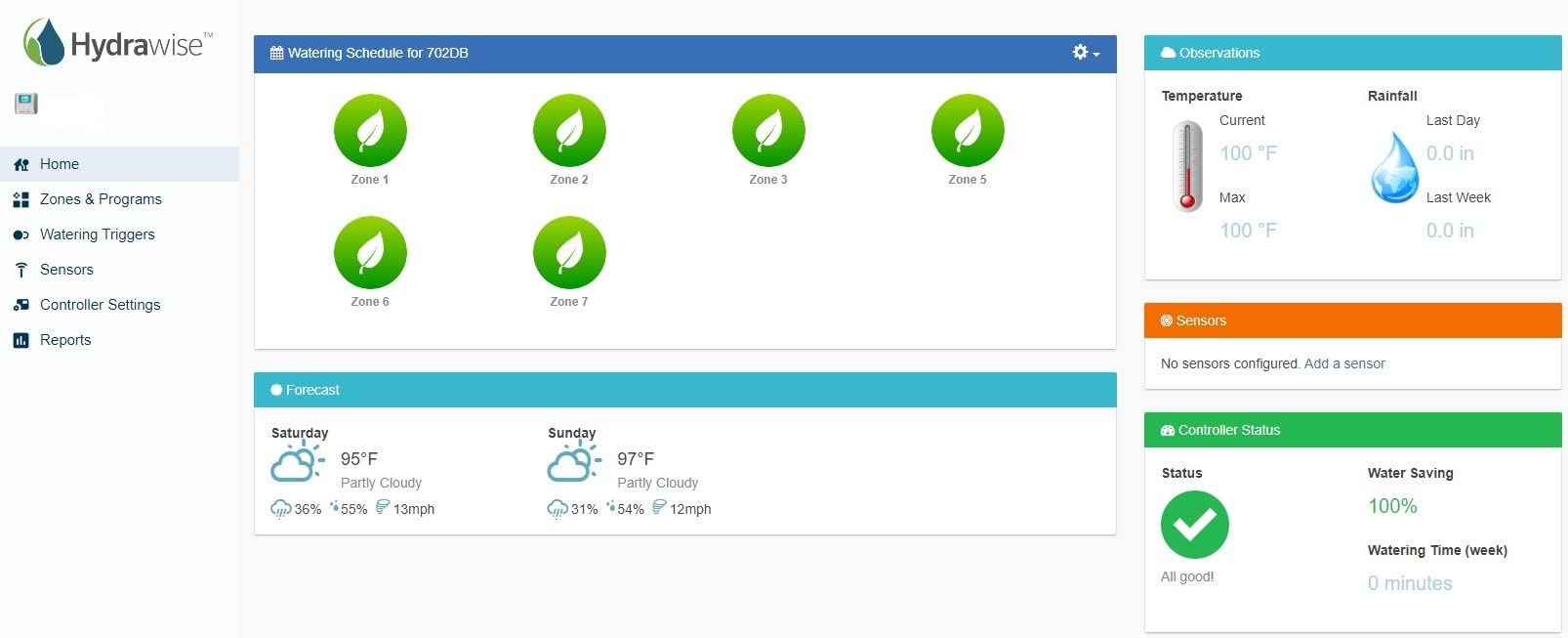
Tech-wise it runs a built-in milliamp sensor for wire fault detection, integrates local weather data into watering schedules, and offers automatic schedule updates through the web-based Hydrawise software alongside iPhone and Android apps. It is an indoor unit using the included five-foot power lead and plug, or you can remove the cord and hardwire it into a junction box if your install is set up for that.
The honest drawback is arithmetic. Every expansion module adds cost, and the per-zone cost of a fully expanded sixteen-zone HPC-400 is higher than buying a sixteen-zone controller outright. You are paying a premium for the option to grow gradually, which is worth it only if you genuinely will.
When expansion is worth paying for
Expansion is worth it when the landscape is genuinely phased: new construction where beds and irrigation go in over two seasons, a property you just bought and are redesigning, or a yard where you know the pool, the vegetable beds or a second turf area is coming. In those cases you avoid a second controller and a second wiring pull.
It is not worth it if you already know you need twelve or sixteen zones today. In that case the per-zone math favours a single fixed-unit controller, and you also get a simpler terminal block with one wire per zone rather than a shared termination per bank.
Who should buy the HPC-400
Buy it if you are building out a system in stages, you already use Hunter components, and you want wire fault detection and flow meter capability from day one rather than adding later. The web portal is also the most flexible option here for anyone who prefers scheduling from a full browser window.
Skip it if your zone count is already known, if per-zone cost is the deciding factor, or if the Hydrawise learning curve is a concern. The platform rewards time spent in setup and punishes anyone who expects to be watering the same afternoon.
What Real Irrigation Owners Say
Owner reports in this category are more useful than star ratings, so here is what actually comes up across irrigation forums, homeowner groups and retailer review pages.
A contractor running a hundred-plus installs a year specifies premium controllers for clients who want the best experience, the mid-tier B-hyve line for budget-conscious clients, and Hunter Hydrawise for complex or expanding systems. Nobody in that position says one brand wins on watering quality alone.
One owner who switched from B-hyve to Rachio reported a 40 percent drop in his water bill and described the app difference as night and day. It is a single data point, but it is a measured one.
A five-year owner describes his Rachio as rock solid and credits the weather-based skips with saving the lawn through a heat wave, which is exactly the long-term evidence most roundups lack.
Users on restricted-water municipalities report that smart schedules ignore permitted watering days and hours, so they override constantly and lose most of the benefit. Check your local rules before you buy any weather-driven controller.
Contractors repeatedly say the water savings come from correct setup rather than a pricier box, and that the difference between a budget and a premium controller is small. They suggest spending the difference on better sprinkler heads.
Owners with eleven or more zones installed by someone else consistently single out zone naming and zone photos as the feature they did not know they needed.
Reliability complaints cluster in the wireless layer rather than the timer: modules that will not hold a connection, apps that respond slowly, and units that stop reporting after a couple of years. Units with physical controls and a screen weather that better.
Several B-hyve owners report a utility rebate after purchase, which effectively offset the controller immediately for them. Check your water utility before ruling a model out on cost.
How to Replace an Old 12 to 16 Zone Controller
The most common question on irrigation forums is whether you can swap a fifteen-year-old Hunter or Rain Bird controller without touching a single wire in the ground. The answer is usually yes, because these are all 24V solenoid systems with the same basic layout.
Photograph the existing wiring before you disconnect anything. Photograph the terminal block and, more importantly, walk the property and photograph each valve. Match wire colors to physical locations.
Label every wire at the controller, not at the valve. Write the zone name on a strip of tape and leave it there for the rest of the project. This is the step people skip and then regret.
Count your actual zones and mark any spare terminals. If your old box had sixteen and you use twelve, note which four are unused. That spare capacity is the reason to size up now.
Transfer the common wires first. Usually one or two commons, sometimes a master valve or pump relay wire that must land on its own terminal rather than a zone terminal.
Move one zone wire at a time and test before moving the next. Run the zone from the new controller as you go. Equal-length legacy wires that are hard to fit into a tighter new terminal block are the classic snag, so do not rush this step.
Carry over the rain sensor wiring if you have one. Several units accept a legacy rain sensor input, and a physical sensor still beats a forecast when the local forecast is wrong.
Pair the app, run a full test cycle, then set seasonal adjust. Start with a seasonal adjust around 50 percent and let a week of runs tell you whether to raise or lower it.
Budget an hour for a straightforward swap and considerably longer if your existing wires are the same length, because the fanning-out problem is real and it is the reason people hire an installer. If you have a pump, a master valve, or more than sixteen zones, this is a job for a professional.
Watering Windows, Drip Zones and Wi-Fi Dropouts
Three specific failure modes cause most of the regret in this category, and none of them show up in a spec sheet.
Municipal watering windows. If your water utility restricts you to specific days and hours, confirm before you buy. Weather-driven scheduling optimises for plant need, not for legal permission, and a controller that runs at 6 a.m. on a prohibited day is a citation. If you are in a restricted area, either choose a controller where you can hard-lock start days and times, or plan to keep the smart features for reporting and adjust the schedule manually.
Sub-minute drip run times. Drip circuits are frequently sized for 90, 150 or 210 seconds. Several controllers here schedule in whole minutes only, so a 150-second circuit gets programmed at three minutes and delivers roughly double the water the emitters were designed for, which is how you get puddling and root rot. If you have several drip zones, check the minimum programmable run time before you buy.
Wi-Fi dropping mid-vacation. If the app cannot reach the controller, the stored schedule still runs, so the system does not stop watering. What you lose is the ability to intervene: starting a zone for a new bed, cutting a run because a pipe is leaking, or finding out a valve has failed. Redundancy comes from three places: a mesh node or extender near the controller, a unit with physical on-device controls, and choosing a brand with a stable cloud record rather than the newest one. Controller brand loyalty also matters, because a phone replacement means a new app and sometimes a new account.
Flow and pump capacity. On a large property, the number of zones you can run simultaneously is often limited by your supply, not by the controller. A pump relay or master valve output lets the controller sequence zones around available flow. If you run a well pump, ask an installer to confirm the controller’s pump output matches your setup, because that is a specification people skip and regret.
How to Choose a Smart Sprinkler Controller for a Large Yard
Seven factors decide this purchase, and only one of them is the brand.
1. Zone count, with headroom. Count the zones you use today, then add two spare terminals. Buying the smallest unit that fits is the most common expensive mistake, because a replacement later means a new wiring session.
2. Physical controls versus app-only. Decide honestly how often your internet or phone fails. If the answer is sometimes, buy a unit with a display, buttons or a touchscreen. The Rain Bird ESP-TM2, the Hunter X2 and the Hunter PRO-HC all give you a local interface; the Rachio 3, both Netro units and the B-hyve line do not.
3. Indoor or outdoor mounting. Outdoor-rated housings exist for a reason and they change the installed cost. The Orbit B-hyve 57950, the B-hyve XR, the Hunter X2 and the Hunter PRO-HC are all weatherproof. The Netro Sprite, the Netro Spark and the Hunter HPC-400 are indoor units, which means a separate weatherproof enclosure if your controller location is outside.
4. Whether the Wi-Fi is included. Three units in this comparison require a separately purchased module to become smart: the Rain Bird ESP-TM2, the Hunter X2 and the Hunter HPC-400. Others include it. On a large property with a distant router, a module bought later may never be installed at all.
5. Scheduling depth versus scheduling hands-off. Flex Daily and ET scheduling on the Rachio and ImoLaza reduce water use without your involvement. Fixed cycle with cycle and soak on the Hunter units is more predictable. Program count matters too: four programs is limiting at sixteen zones, six is comfortable.
6. Diagnostics for a system you did not install. Milliamp wire fault sensing, valve test routines and flow meter compatibility turn a failed zone from a mystery into a five-minute job. This is worth more on a large property than on a small one, because you have more valves that can fail.
7. Subscriptions and accessories, honestly counted. Some premium weather data and automation features are gated behind an annual plan, which changes the math over a five-year ownership period. Accessories count too: enclosures, flow meters, expansion modules and separately sold Wi-Fi modules all belong in your real budget. Check whether the features you want require a paid plan before you buy, not after.
On the Rachio versus Rain Bird question specifically, since it comes up constantly: Rachio wins on app quality and hands-off scheduling. Rain Bird wins on physical controls, sensor compatibility and dial-first reliability. If your WiFi is solid and you want the system to run itself, Rachio is the better tool. If your connectivity is marginal or you work with Rain Bird sensors already, the ESP-TM2 is the safer buy at twelve zones and the X2 at fourteen.
One last note on water savings. Owners report reductions ranging from 20 to 50 percent on well-configured systems, with the ImoLaza line advertising up to 60 percent with ET scheduling and a new grass schedule. Treat the higher figures as best case, and remember that most of the realistic gain comes from scheduling discipline rather than controller choice.
Frequently Asked Questions
How many zones do I need for a large yard?
A large yard usually needs 12 to 16 zones. Count your sprinkler heads, divide by the number that can run at once without losing water pressure, and add two spare terminals. Half-acre properties with turf, beds and drip typically land at 10 to 12 zones, while properties above two acres or with slopes needing cycle and soak need 16 to 24.
Can I install a smart sprinkler controller myself?
Yes, if your existing system already runs on 24V solenoid valves. Swap the controllers, transfer the zone wires to the new terminal block, and pair the app. Budget about an hour, and longer if your old wires are all the same length. Hire a professional if you have a pump, a master valve, or more than sixteen zones.
Do smart sprinkler controllers save water and money?
Well-configured smart controllers commonly reduce water use by 20 to 50 percent, with some ET-based models claiming more. Most of the gain comes from weather-based skipping and consistent scheduling rather than the price of the box. A correctly set up budget controller and a premium one typically land within 5 to 10 percent of each other on real savings.
Can a smart sprinkler controller work with municipal watering restrictions?
Only if you can hard-lock permitted watering days and times. Weather-driven controllers optimise for plant need, not for legal permission, and they may run at times your utility prohibits. Owners in restricted areas report overriding the schedule constantly. Check your local rules and confirm the controller allows fixed day and start-time limits before buying.
What is the difference between a 12-zone and a 16-zone controller?
The difference is the number of solenoid valves the box can drive, which sets how many independent watering areas your property can have. Sixteen zones let you separate turf, beds, drip lines and shaded areas more precisely, and give you room to grow. Twelve zones suits properties up to about three-quarter acre with mixed rotor and drip irrigation.
What is the most reliable smart sprinkler controller?
Reliability is usually about the wireless layer, not the timer. Units with physical controls survive outages best, which is why the Hunter X2, the Rain Bird ESP-TM2 and the Hunter PRO-HC keep working when the app cannot. The Rachio 3 is the most dependable app-driven option, and long-term owners report holding up well over five years.
Our Verdict for Large Yards in 2026
The Rachio 3 16-Zone takes the top spot among the best smart sprinkler controllers for large yards in 2026 because it pairs the highest zone count in a compact indoor box with the most capable scheduling and the cleanest app of the ten, and it has the deepest review base to prove it holds up. For a property running ten to sixteen zones, that combination is the safest bet we found.
Buy the Orbit B-hyve 57950 instead if twelve zones is plenty and you want a weatherproof box at a lower cost. Buy the Hunter PRO-HC when you are past sixteen zones, coordinating a pump, or need flow and wire fault alerts. Buy the Hunter X2 or the Rain Bird ESP-TM2 when you want physical controls more than you want an app, and buy the Hunter HPC-400 when your landscape is still being built out.
Whichever one you pick, count your zones first, add two spare terminals, and check your municipality’s watering window before you order. We have a broader look at entry-level options in our smart sprinkler controller roundup if your property turns out to be smaller than you thought.