
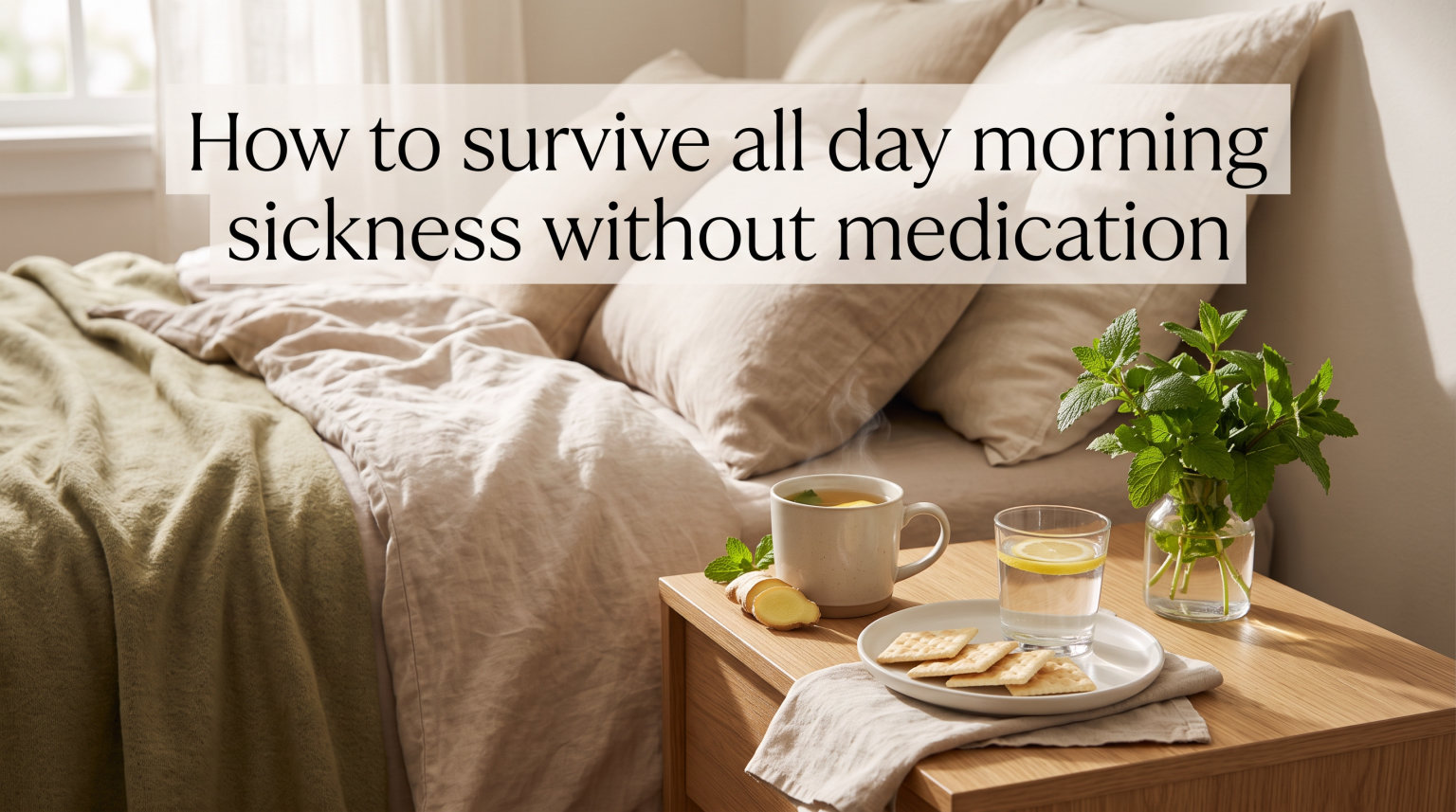
If you are searching for how to survive all day morning sickness without medication, you are not alone. Up to 80% of pregnant women experience nausea during pregnancy, and for many, it lasts far beyond the morning hours. I have spoken with hundreds of women who describe that constant low-grade nausea as exhausting and demoralizing, especially when you are trying to work, care for other children, or simply function through your day.
This guide is built on evidence-based natural remedies, real experiences from pregnancy forums, and practical strategies that do not require prescription medication. You will learn why your body is causing this reaction, which foods actually help, and how to build a survival kit that keeps you functioning until the nausea passes. Most women find relief by weeks 12 to 14, but these strategies can help you through the toughest days right now.
Table of Contents
How to Survive All Day Morning Sickness Without Medication
Managing all-day nausea requires a combination of dietary changes, physical adjustments, and environmental controls. The key is addressing multiple triggers simultaneously rather than hoping one single remedy will fix everything. What follows is a complete system for getting through each day with your sanity and nutrition intact.
What Causes Morning Sickness (and Why It Hits All Day)
Morning sickness is primarily driven by two hormones: human chorionic gonadotropin (hCG) and progesterone. Your hCG levels rise rapidly in early pregnancy, peaking around weeks 8 to 10, which explains why nausea often intensifies during this period. Meanwhile, progesterone slows down your digestive system, allowing food to sit in your stomach longer and creating that queasy, bloated feeling.
The term “morning sickness” is misleading. While some women do feel worse upon waking due to an empty stomach, the hormonal fluctuations affect you continuously throughout the day. The Cleveland Clinic notes that the combination of heightened smell sensitivity, slower digestion, and blood sugar fluctuations creates perfect conditions for nausea at any hour.
There is some evidence that morning sickness may actually be protective. Research suggests that women who experience nausea have lower rates of miscarriage, possibly because the hormones causing sickness also indicate a healthy, developing pregnancy. This does not make the experience any easier, but it may provide some mental comfort during difficult moments.
The Small, Frequent Meals Strategy
An empty stomach is one of the biggest triggers for pregnancy nausea. When you go too long without eating, your blood sugar drops and stomach acids have nothing to work on, creating that queasy, hollow feeling that can spiral quickly. The solution is grazing: eating small amounts of food every one to two hours throughout your waking day.
Protein should be your priority when choosing these mini-meals. Protein-rich foods help stabilize blood sugar longer than carbohydrates alone. Good options include cheese cubes, Greek yogurt, hard-boiled eggs, nut butter on crackers, hummus, or a small handful of nuts. One woman on Reddit shared that keeping a container of almonds on her nightstand and eating a few before even sitting up changed her entire morning.
The bedtime snack is equally important. Eating something with protein right before sleep helps prevent your blood sugar from dropping too low overnight. Try peanut butter crackers, a small bowl of cereal with milk, or cheese and a few crackers. Keep the snack within arm’s reach of your bed so you do not have to walk to the kitchen if you wake up hungry at 3 AM.
Ginger: The Most Evidence-Backed Remedy
Ginger has more scientific support for pregnancy nausea than almost any other natural remedy. Multiple studies have shown that ginger can reduce both the severity and frequency of nausea in pregnant women, working similarly to how some anti-nausea medications function. The American College of Obstetricians and Gynecologists (ACOG) recognizes ginger as a safe first-line treatment for morning sickness.
The most effective forms of ginger include ginger tea, ginger chews, and ginger capsules. For tea, steep fresh ginger slices or a ginger tea bag in hot water for 10 minutes, adding honey if the taste is too strong. Sip slowly throughout the day rather than drinking large amounts at once. Ginger chews provide portable relief you can keep in your purse or desk drawer.
Most experts consider up to 1 gram of ginger per day safe during pregnancy, though some women tolerate higher amounts. Start with small doses to see how your body responds. If you are taking any blood-thinning medications, speak with your doctor first, as ginger can have mild blood-thinning effects at higher doses.
Foods That Fight Nausea (and What to Avoid)
The BRAT diet (bananas, rice, applesauce, toast) works for pregnancy nausea because these foods are bland, easy to digest, and binding. But expand beyond these basics to include other gentle options like plain pasta, mashed potatoes, crackers, and dry cereal. The key characteristics are low fat, low fiber, and mild flavor.
Cold foods often work better than hot foods during pregnancy nausea. Heat amplifies smells, and heightened smell sensitivity is a major nausea trigger for many women. Cold applesauce, chilled watermelon, yogurt, popsicles, ice cream, and refrigerated protein shakes are often easier to tolerate than warm meals. Multiple Reddit users confirmed this pattern, with one sharing that switching entirely to cold foods for two weeks was the only thing that helped her keep anything down.
Sour flavors can also override nausea signals for many women. Lemon drops, sour gummy candies, Preggie Pop Drops, and even straight lemon wedges can stimulate saliva production and ease queasiness. Some women swear by specific candies like Sour Skittles or Warheads. Experiment with different sour strengths to find what works for your particular sensitivity.
Common trigger foods to avoid include fried or greasy items, spicy foods, strong-smelling foods like garlic or fish, and anything with heavy seasoning. Coffee is a frequent trigger due to its acidity and strong smell. Keep a food and symptom journal for a few days to identify your personal triggers, as they vary significantly between women.
Hydration Hacks When Water Makes You Queasy
Staying hydrated becomes challenging when even water triggers your gag reflex. The solution is changing how you hydrate, not just how much. Ice chips are often the easiest starting point because they melt slowly, provide hydration without volume, and the cold can be soothing. Suck on ice chips throughout the day, especially if you are vomiting and need to replace fluids gradually.
Lemon water is a favorite among pregnant women for a reason. Adding fresh lemon juice to cold water improves taste, adds a sour element that fights nausea, and makes hydration more appealing. Try adding a slice of lemon or a splash of lemon juice to every glass. Some women find cucumber slices or frozen berries make water more tolerable too.
Alternative fluids can work when plain water fails. Cold herbal teas, diluted fruit juices, clear broths, coconut water, and electrolyte drinks all count toward your fluid intake. Sip constantly in small amounts rather than trying to drink full glasses. Setting a timer for every 15 minutes to take two sips can help you stay ahead of dehydration without overwhelming your stomach.
Acupressure Wristbands and the P6 Point
Acupressure wristbands, commonly sold under brand names like Sea-Bands, apply continuous pressure to the P6 point (also called the Nei Guan point) on your inner wrist. This pressure point has been used in traditional Chinese medicine for centuries to relieve nausea and vomiting. Modern research supports its effectiveness for pregnancy-related nausea, motion sickness, and post-surgical nausea.
To locate your P6 point, turn your palm facing up and measure approximately three finger-widths down from the crease of your wrist. The point sits between the two prominent tendons running down your forearm. When you press this spot firmly, you should feel a mild ache or sensitivity. That is your target.
You can apply pressure manually using your thumb for several minutes when nausea strikes, or wear acupressure wristbands throughout the day for continuous relief. Most women find the bands comfortable enough to sleep in. They are inexpensive, reusable, and have no side effects, making them an excellent first-line tool for all-day nausea management.
Rest, Sleep, and Position Tips
Fatigue amplifies nausea significantly. When you are overtired, your body is less able to regulate the hormones triggering your sickness, and your emotional resilience drops. Prioritize sleep as a medical necessity during these weeks, not a luxury. Go to bed earlier, take naps when possible, and accept that your productivity will temporarily decrease.
Position matters when you are resting. Lying on your left side improves blood flow and digestion compared to lying flat on your back. Prop yourself up with pillows rather than lying completely flat, as an elevated position can help reduce the reflux and pressure that worsen nausea. Getting out of bed slowly is crucial: sit up gradually, eat a small bedside snack, and wait a few minutes before standing.
Timing your prenatal vitamins can make a significant difference. Many women find that taking vitamins at night with food reduces the nausea they cause. If your prenatal is triggering vomiting, talk to your doctor about switching to a different formulation or taking folic acid alone until the nausea improves. Some women temporarily switch to gummy prenatals during the worst weeks, though these typically lack iron.
Aromatherapy and Pleasant Scents
Your sense of smell becomes hypersensitive during pregnancy, and offensive odors are powerful nausea triggers. Counter this by surrounding yourself with pleasant, neutralizing scents. Lemon and peppermint are the two most effective aromas for combating nausea naturally. You can use them as essential oils in a diffuser, as fresh slices nearby, or as scented lip balms you sniff when triggers appear.
The fresh scent technique involves carrying something with a clean, pleasant smell that you can raise to your nose when you encounter an unpleasant odor. Many women keep a small bottle of lemon essential oil, a fresh lemon in a baggie, or even a scented handkerchief in their purse for emergency sniffing. This technique works surprisingly well for sudden nausea triggers like public restrooms, gas stations, or cooking smells.
Be selective with essential oil use during pregnancy. While lemon and peppermint are generally considered safe, avoid oils like rosemary, sage, and jasmine in concentrated forms. Always dilute essential oils properly and avoid applying them directly to your skin without a carrier oil. When in doubt, fresh citrus peels provide a safer, food-grade alternative.
Build Your Morning Sickness Survival Kit
Preparation is everything when you are managing all-day nausea. A well-stocked survival kit ensures you are never caught without relief options, whether you are at home, at work, or in the car. Your kit should include snacks, relief aids, and comfort items that address multiple aspects of nausea.
Your work or purse kit should contain: crackers or dry cereal in a sealed container, ginger chews or Preggie Pop Drops, a small bottle of water or lemon water, acupressure wristbands, and a fresh scent item like lemon essential oil or mints. Consider adding a small packet of wet wipes for refreshing your face and neck when nausea hits hard.
Your car kit needs similar items plus a small cooler bag for cold foods like cheese sticks or yogurt, a plastic bag for emergencies, paper towels, and an extra change of clothes in case of vomiting episodes. Many women also keep a pillow and blanket in the car for impromptu rest breaks when driving becomes impossible.
Your bedside station should include: a small snack you can eat before getting out of bed, water with lemon within arm’s reach, acupressure wristbands you can put on before standing, a cool washcloth for your forehead, and a trash bin lined with a bag for easy cleanup. Having everything pre-positioned prevents you from searching while feeling queasy.
Partners can play a crucial role in managing morning sickness. They can help by taking over cooking duties if food smells trigger your nausea, keeping your survival kits stocked, handling morning childcare so you can wake slowly, and providing emotional support when the exhaustion feels overwhelming. One Reddit user noted that her partner preparing all her cold meals for two weeks was the only reason she maintained her weight.
When to See a Doctor: Warning Signs
While most morning sickness is uncomfortable but harmless, some cases require medical intervention. Hyperemesis gravidarum (HG) is a severe form of pregnancy nausea that affects approximately 1-3% of pregnant women. HG is characterized by persistent vomiting, significant weight loss, dehydration, and electrolyte imbalances that cannot be managed with home remedies alone.
Call your doctor immediately if you experience any of these warning signs: inability to keep any food or liquid down for 24 hours, vomiting more than three to four times per day, signs of dehydration (dark urine, dizziness, dry mouth, not urinating for 8+ hours), weight loss of more than 5 pounds, blood in your vomit, or severe abdominal pain. These symptoms require professional treatment to protect both you and your baby.
Do not wait to seek help if you feel something is wrong. Many women hesitate to call because they think they are overreacting or that morning sickness is just part of pregnancy. Severe dehydration can lead to hospitalization and IV fluids, but early intervention can prevent this. Your doctor can also discuss safe medication options if natural remedies are insufficient.
Frequently Asked Questions
How to make morning sickness go away?
While morning sickness cannot always be eliminated completely, you can reduce symptoms by eating small frequent meals, staying hydrated with lemon water or ice chips, using ginger in tea or chews, wearing acupressure wristbands, getting plenty of rest, and avoiding trigger foods and smells. Most women find relief by weeks 12 to 14 of pregnancy.
What candy is good for nausea during pregnancy?
Sour candies are particularly effective for pregnancy nausea. Popular options include Preggie Pop Drops, lemon drops, sour gummy candies, Sour Skittles, and Warheads. The sour flavor stimulates saliva production and can override nausea signals. Ginger chews are another excellent option that combines candy format with nausea-fighting properties.
Does lying down help morning sickness?
Yes, lying down can help morning sickness by reducing physical stress and allowing your body to focus on managing nausea. Lying on your left side improves blood flow and digestion. Getting up slowly from a lying position is important, as sudden movement can worsen nausea. Rest is a medical necessity during severe morning sickness, not a luxury.
What week of pregnancy does HG start?
Hyperemesis gravidarum (HG) typically begins between weeks 4 and 6 of pregnancy, similar to regular morning sickness. However, HG persists and worsens rather than improving by weeks 12 to 14. If you experience severe vomiting, significant weight loss, dehydration, or inability to keep food down beyond the first trimester, contact your doctor for evaluation and treatment.
Is it normal to have nausea all day?
Yes, all-day nausea is completely normal during pregnancy. Despite the name morning sickness, up to 80% of pregnant women experience nausea at various times throughout the day. Hormonal fluctuations affect you continuously, not just in the morning. An empty stomach, fatigue, strong smells, and certain foods can trigger nausea at any hour.
What helps when you’re nauseated 24/7?
For constant all-day nausea, use a combination approach: eat small amounts every 1-2 hours including a bedtime snack, prioritize cold foods over hot, try sour candies or ginger, wear acupressure wristbands continuously, stay hydrated with ice chips or lemon water, rest as much as possible, and create a survival kit with snacks and relief items always within reach.
Learning how to survive all day morning sickness without medication is challenging, but absolutely possible with the right combination of strategies. The key is consistency: eating small amounts regularly, staying ahead of dehydration, using ginger and acupressure as daily tools, and building a support system that includes your partner, your medical team, and practical preparation.
Remember that this phase is temporary. While the days may feel endless when you are in the middle of constant nausea, most women experience significant improvement by weeks 12 to 14 as hormone levels stabilize. Focus on survival today, trust that relief is coming, and do not hesitate to reach out for medical support if natural remedies are not enough. You are growing a human being, and that work deserves every accommodation you can give yourself.