
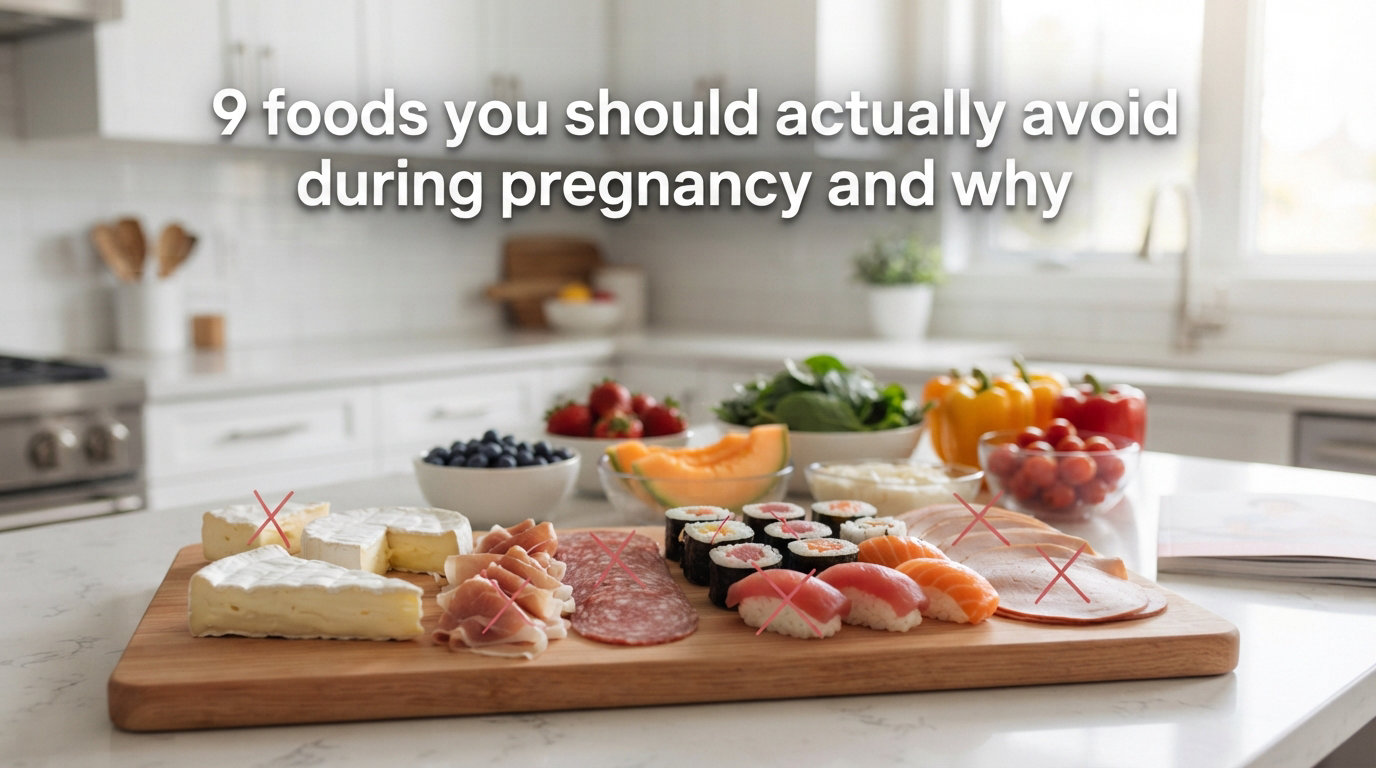
When you first see those two pink lines, one of the immediate questions that floods your mind is about food. Suddenly, everything on your plate feels like a potential risk. The internet bombards you with conflicting advice, your aunt swears by foods your doctor warned against, and that pregnancy app sends daily alerts about yet another thing you should not eat.
I remember standing in my kitchen during my first trimester, staring at a leftover sandwich and wondering if it would harm the tiny life growing inside me. That anxiety is real, and it is valid. Understanding foods to avoid during pregnancy does not have to feel like memorizing an endless, scary list. It is about knowing the science behind the recommendations so you can make confident choices.
This guide breaks down the nine foods that medical professionals consistently recommend avoiding during pregnancy. For each one, I will explain exactly why it poses a risk and what you can eat instead. The goal is not to make you fearful, but to empower you with clear, evidence-based information from sources like the CDC, FDA, and American College of Obstetricians and Gynecologists (ACOG).
Table of Contents
Quick Summary: The 9 Foods to Avoid
If you are short on time, here is the at-a-glance list of the nine foods to avoid during pregnancy and the primary reason for each restriction:
- High mercury fish – Mercury affects fetal brain and nervous system development
- Raw or undercooked seafood – Risk of listeria and other foodborne illnesses
- Raw or undercooked meat – Toxoplasma and salmonella exposure
- Deli meats and hot dogs – Listeria contamination risk
- Unpasteurized dairy and soft cheeses – Bacterial growth in unpasteurized products
- Raw eggs – Salmonella poisoning
- Raw sprouts – Bacteria thrive in humid growing conditions
- Alcohol – No safe amount established; causes fetal alcohol spectrum disorders
- Caffeine – Limit to 200mg daily to reduce miscarriage risk
Now let us explore each of these in detail, including the science behind the risks and practical guidance for navigating real-world situations.
Foods to Avoid During Pregnancy: Detailed Guide
Understanding why certain foods are restricted helps transform anxiety into confidence. Each of the following sections explains the specific risks, the science behind them, and practical alternatives you can enjoy instead.
1. High Mercury Fish
Mercury is a naturally occurring element that becomes concentrated in large predatory fish through a process called bioaccumulation. When you consume high-mercury fish during pregnancy, the methylmercury crosses the placenta and concentrates in fetal tissues, particularly the developing brain and nervous system.
The FDA and EPA specifically recommend avoiding these four fish during pregnancy: shark, swordfish, king mackerel, and tilefish. Bigeye tuna, often found in sushi restaurants, should also be avoided. These fish can contain mercury levels hundreds of times higher than safer alternatives.
Research published in Environmental Health Perspectives has consistently linked prenatal mercury exposure to developmental delays, cognitive impairment, and attention deficits in children. The risk is dose-dependent, meaning regular consumption of high-mercury fish poses significantly greater concerns than occasional accidental exposure.
The good news is that not all fish are off-limits. In fact, the FDA encourages pregnant women to eat 8-12 ounces of low-mercury fish weekly because the omega-3 fatty acids support fetal brain development. Safe options include salmon, sardines, trout, anchovies, and Atlantic mackerel (not king mackerel). These provide DHA and EPA without the dangerous mercury levels.
2. Raw or Undercooked Seafood
That craving for sushi or fresh oysters is one of the most common frustrations during pregnancy. Raw and undercooked seafood pose unique risks because they can harbor parasites and bacteria that cooking would normally kill. Listeria monocytogenes is particularly concerning during pregnancy because your immune system is naturally suppressed to prevent rejection of the fetus.
Unlike healthy adults who might experience mild flu-like symptoms from listeria, pregnant women face serious complications. Listeriosis during pregnancy can trigger miscarriage, stillbirth, preterm labor, or life-threatening infection in your newborn. The CDC estimates that pregnant women are ten times more likely to contract listeriosis than the general population.
Raw shellfish like oysters, clams, and mussels carry additional risks of Vibrio and Norovirus infections. Sushi made with raw fish, ceviche, and smoked seafood (unless cooked in a dish) should all be avoided during pregnancy. Even refrigerated smoked seafood like lox poses risks unless it is heated until steaming.
If you are dining out, always confirm that seafood dishes are fully cooked. Fish should reach an internal temperature of 145 degrees Fahrenheit and appear opaque and flaky. Sushi lovers can satisfy cravings with cooked rolls featuring shrimp tempura, crab (real or imitation), or eel, as well as vegetarian options like avocado and cucumber rolls.
3. Raw or Undercooked Meat
The same principles apply to meat as to seafood. Raw or undercooked meat can harbor Toxoplasma gondii, a parasite that causes toxoplasmosis, along with Salmonella and E. coli. While these infections might cause temporary discomfort in healthy adults, they pose serious risks during pregnancy.
Toxoplasmosis is particularly concerning because it can cross the placenta and cause congenital defects, including brain damage and vision problems. The CDC notes that some babies born with congenital toxoplasmosis appear healthy at birth but develop symptoms months or years later. Cooking meat to safe internal temperatures destroys the parasite.
During pregnancy, ground meat should reach 160 degrees Fahrenheit, while whole cuts of beef, pork, or lamb need 145 degrees with a three-minute rest time. Poultry requires 165 degrees throughout. Steak tartare, rare burgers, and undercooked poultry are definitively off the menu during these nine months.
Cross-contamination in your kitchen poses another risk. Use separate cutting boards for raw meat and other foods. Wash your hands thoroughly after handling raw meat, and ensure all surfaces are sanitized. Restaurant dining requires vigilance too. Do not hesitate to send back undercooked meat, and when in doubt, choose well-done preparations.
4. Deli Meats and Hot Dogs
The lunch meat you have eaten countless times becomes a pregnancy concern because of listeria risk. Deli counter meats, hot dogs, and cold cuts are often processed and stored in conditions where Listeria monocytogenes can grow, even under refrigeration. Unlike many other bacteria, listeria thrives in cold environments.
The FDA reports that pregnant women account for approximately one-third of all listeriosis cases despite representing a much smaller percentage of the population. This statistic highlights why the recommendation to avoid or carefully handle deli meats is so important. The consequences of listeriosis during pregnancy can include miscarriage, stillbirth, or severe neonatal infection.
However, you do not have to completely eliminate these foods. The key is heating them until they are steaming hot, which kills listeria. If you crave a turkey sandwich, heat the meat in the microwave or skillet until it reaches 165 degrees and steam rises. Then you can assemble your sandwich with cooled bread and toppings.
Packaged deli meats pose slightly lower risk than freshly sliced deli counter meats because the sealed packaging reduces contamination opportunities. However, once opened, they should be consumed within three to five days or heated before eating. When ordering at sandwich shops, request that meat be heated or choose hot options like paninis or grilled sandwiches.
5. Unpasteurized Dairy and Soft Cheeses
Understanding pasteurization helps clarify why certain dairy products are restricted. Pasteurization is the process of heating milk to a specific temperature for a set time to kill harmful bacteria including E. coli, Salmonella, Campylobacter, and Listeria. Unpasteurized or raw milk and products made from it retain these pathogens.
Soft cheeses are particularly concerning because their high moisture content and lower acidity create ideal conditions for bacterial growth. The CDC specifically identifies soft cheeses like queso fresco, queso blanco, panela, brie, camembert, and blue-veined varieties as higher risk when made from unpasteurized milk.
Before you despair about giving up cheese, know this: cheese made from pasteurized milk is safe during pregnancy. The key is reading labels. Most commercially produced soft cheeses in the United States use pasteurized milk. When dining out or shopping at specialty stores, ask about pasteurization status if it is not clearly labeled.
Hard cheeses like cheddar, Swiss, parmesan, and gouda are safe regardless of pasteurization because their lower moisture content and aging process inhibit bacterial growth. Feta cheese is safe if made from pasteurized milk, which most supermarket versions are. When in doubt, choose harder, aged cheeses or verify pasteurization status on the label.
6. Raw Eggs
Raw or undercooked eggs carry Salmonella enterica, a bacterium that causes food poisoning with symptoms including fever, vomiting, and diarrhea. While salmonella infection is unpleasant for anyone, during pregnancy it can lead to severe dehydration, preterm labor, and transmission to the baby during delivery.
The challenge with eggs is that they appear in many foods you might not immediately identify as risky. Homemade mayonnaise, hollandaise sauce, tiramisu, mousse, homemade ice cream, raw cookie dough, and eggnog often contain raw eggs. Caesar salad dressing made traditionally also contains raw egg.
Commercially produced versions of these products are typically safe because they use pasteurized eggs. Pasteurization heats eggs enough to kill bacteria without cooking them completely. When buying these products at the grocery store, look for pasteurized eggs on the ingredient list. Restaurant-made versions may vary, so ask about their preparation.
For home cooking, you have two safe options. First, cook eggs until both yolks and whites are firm, reaching 160 degrees Fahrenheit. Second, use pasteurized eggs or egg products in recipes calling for raw or partially cooked eggs. Many grocery stores now carry pasteurized shell eggs specifically for these purposes.
7. Raw Sprouts
Alfalfa, clover, radish, and mung bean sprouts often top lists of healthy foods, but during pregnancy they pose unique risks. The humid conditions required for sprouting seeds are also ideal for bacterial growth. Salmonella, E. coli, and Listeria can multiply quickly in sprouting seeds and are nearly impossible to wash away.
The FDA has documented numerous outbreaks linked to raw sprouts over the past decades. What makes sprouts particularly risky is that bacteria can actually penetrate inside the seed, meaning surface washing cannot eliminate the contamination. Even organically grown sprouts pose the same bacterial risks as conventionally grown ones.
The only safe way to consume sprouts during pregnancy is to cook them thoroughly. Stir-frying mung bean sprouts until they are steaming hot kills harmful bacteria while preserving the crunchy texture and nutritional benefits. Add them to soups, stir-fries, or omelets where they will reach safe internal temperatures.
When ordering Asian cuisine, request that dishes be prepared without sprouts or with cooked sprouts only. Many restaurants can accommodate this request. At salad bars and sandwich shops, skip the raw sprouts and opt for safer crunch alternatives like shredded carrots, cucumbers, or bell peppers.
8. Alcohol
Unlike other foods on this list where moderation or preparation methods can reduce risk, no amount of alcohol has been established as safe during pregnancy. The CDC, Surgeon General, and ACOG all recommend complete abstinence from alcohol throughout pregnancy, including the period before you know you are pregnant.
When you drink alcohol, it passes through the placenta to your baby, whose liver cannot process it effectively. This exposure can cause miscarriage, stillbirth, and a range of lifelong physical, behavioral, and intellectual disabilities collectively known as Fetal Alcohol Spectrum Disorders (FASD). FASD affects an estimated 1 in 20 school-age children in the United States.
The risk exists throughout pregnancy but is particularly high during the first trimester when facial features and major organs form. However, alcohol exposure at any stage can harm brain development. The type of alcohol does not matter. Wine, beer, and liquor all pose identical risks to fetal development.
If you consumed alcohol before realizing you were pregnant, the best approach is to stop immediately and discuss your concerns with your healthcare provider. While risks are real, panicking does not help you or your baby. Moving forward with complete abstinence is the most important step you can take.
9. Caffeine
Caffeine differs from alcohol in that moderate consumption is considered safe during pregnancy. The American College of Obstetricians and Gynecologists recommends limiting caffeine intake to 200 milligrams per day, roughly equivalent to one 12-ounce cup of coffee. This guidance balances potential risks with realistic consumption patterns.
Caffeine crosses the placenta, and while your body metabolizes it relatively quickly, your baby’s developing system processes it much more slowly. High caffeine intake has been associated with miscarriage, preterm birth, low birth weight, and developmental delays in some studies, though evidence is not conclusive. The 200mg limit represents a cautious, evidence-based threshold.
Tracking caffeine requires attention to hidden sources beyond coffee. Black tea contains about 50mg per cup, green tea about 30mg, and cola about 40mg per can. Chocolate, particularly dark varieties, adds to your daily total. Some over-the-counter medications and energy drinks contain significant caffeine that can quickly push you past the daily limit.
If you are a heavy coffee drinker, consider gradually reducing your intake before conception or during early pregnancy to minimize withdrawal symptoms. Decaffeinated coffee, herbal teas, and chicory-based coffee alternatives can help satisfy the ritual of a warm beverage without the caffeine content. Remember that decaf coffee still contains small amounts of caffeine, usually 2-15mg per cup.
What to Eat Instead: Satisfying Substitutions
Knowing what to avoid is only half the battle. The other half is finding satisfying alternatives that keep you nourished and content throughout your pregnancy. Here are practical substitutions for the foods you are avoiding.
If you crave sushi, explore cooked rolls featuring shrimp tempura, eel (unagi), or crab. California rolls made with imitation crab are safe because the fish is cooked and processed. Vegetable rolls with avocado, cucumber, and pickled vegetables offer satisfying texture and flavor without any risk.
Missing soft cheeses? Look for pasteurized versions of brie and camembert, which are increasingly available in mainstream grocery stores. Hard cheeses like aged cheddar, parmesan, and manchego provide intense flavor and are completely safe. Warm feta on a Greek salad or baked into spanakopita eliminates any bacterial concerns.
For deli meat cravings, heat your meat until steaming before assembling sandwiches, or explore hot options like paninis and grilled sandwiches. Roast your own turkey or chicken breast at home, slice it thin, and use it within three to five days for the safest cold sandwiches. Hummus and vegetable wraps provide protein and satisfaction without the listeria risk.
When you want raw cookie dough or brownie batter, seek out edible cookie dough products specifically made with heat-treated flour and pasteurized eggs, or make your own using pasteurized egg products. For coffee rituals, explore herbal teas, half-caff blends, or satisfying alternatives like golden milk lattes.
Remember that pregnancy nutrition is about balance, not perfection. Focus on building a diet rich in whole grains, lean proteins, fruits, vegetables, and pasteurized dairy. When cravings strike, there is almost always a safe alternative that satisfies the same texture or flavor profile.
Frequently Asked Questions
What foods should I absolutely avoid during pregnancy?
The nine foods to absolutely avoid are high mercury fish (shark, swordfish, king mackerel, tilefish), raw or undercooked seafood and meat, deli meats unless heated until steaming, unpasteurized dairy and soft cheeses made from raw milk, raw eggs in homemade preparations, raw sprouts, alcohol completely, and caffeine beyond 200mg daily. These restrictions protect against bacterial infections like listeria and salmonella, mercury toxicity, and developmental harm to your baby.
What foods should be avoided in early pregnancy?
All nine foods on this list should be avoided throughout pregnancy, but early pregnancy is particularly critical because your baby’s organs and neural tube are forming. Alcohol poses the highest risk in the first trimester. Focus on folate-rich foods like leafy greens and take a prenatal vitamin to support neural tube development during these crucial weeks.
Why can’t you touch cats when pregnant?
This common misconception relates to toxoplasmosis, not touching cats themselves. The concern is actually about changing cat litter, which may contain Toxoplasma gondii parasites in cat feces. If you must change litter, wear gloves and wash hands thoroughly. Touching cats is completely safe; the parasite is primarily contracted through undercooked meat or handling contaminated soil.
Can eating the wrong thing cause miscarriage?
Certain foods can increase miscarriage risk. Listeria infection from deli meats, unpasteurized dairy, or raw sprouts has been linked to miscarriage and stillbirth. Toxoplasmosis from undercooked meat can also cause pregnancy loss. Alcohol consumption increases miscarriage risk. However, an accidental slip-up with most foods is unlikely to cause harm; consistent risky eating patterns pose greater danger than occasional mistakes.
What are 5 foods to avoid while pregnant?
If you need a shorter list, prioritize these five: alcohol (complete avoidance), high mercury fish (damages brain development), unpasteurized dairy and soft cheeses (listeria risk), raw or undercooked meat and seafood (toxoplasmosis and salmonella), and deli meats unless heated (listeria). These five categories cover the most serious risks during pregnancy.
Final Thoughts
Navigating foods to avoid during pregnancy can feel overwhelming, but it does not have to dominate your experience. The guidelines exist to protect you and your baby, not to create anxiety or deprivation. Nine months of careful eating is a temporary adjustment for a lifetime of health.
Remember that perfection is not the goal. If you accidentally eat something on this list, do not panic. Most exposures do not result in harm. What matters is your overall pattern of eating and your commitment to making the safest choices you can, most of the time.
Always consult with your healthcare provider about your specific situation. Some pregnancies carry additional risk factors that might require stricter guidelines. Others might allow more flexibility. Your doctor or midwife knows your medical history and can provide personalized advice that generic guidelines cannot replace.
This information is for educational purposes and does not constitute medical advice. Every pregnancy is unique, and individual circumstances may require modified recommendations. When in doubt, speak with your healthcare provider.
Trust yourself, stay informed, and focus on nourishing both your body and your growing baby with the abundance of safe, delicious foods available to you during this special time.