
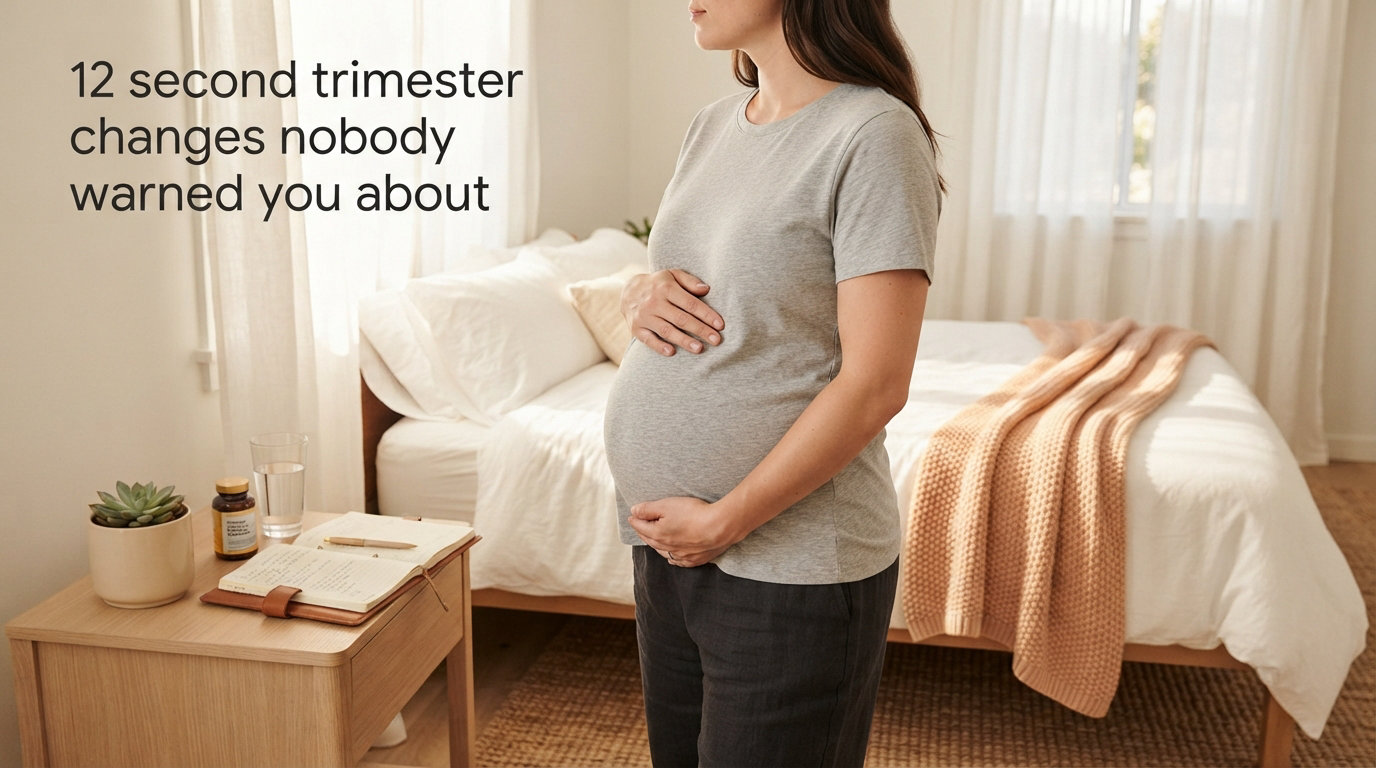
Everyone told me the second trimester would be the “golden period” of my pregnancy. They promised I’d get my energy back, the nausea would disappear, and I’d finally feel like myself again. What nobody warned me about were the twelve strange, sometimes embarrassing changes that would turn my body into something I barely recognized between weeks 13 and 28.
I spent my first trimester counting down to this magical “honeymoon phase” everyone raved about. When week 13 finally arrived, I did feel better in some ways. The all-day sickness faded. I could stay awake past 8 PM again. But new symptoms crept in that no pregnancy book had prepared me for. My doctor never mentioned them at prenatal visits. My friends who’d had babies somehow forgot to share these details. I felt alone, confused, and occasionally terrified that something was wrong with me or my baby.
The truth is that second trimester changes nobody warned you about affect nearly every pregnant person in some form. Your body is performing an incredible feat of biological engineering. Hormones like progesterone and estrogen surge to levels you’ve never experienced. Blood volume increases by up to 50%. Your organs shift to make room for a growing uterus. These changes are completely normal, even when they feel completely bizarre.
In this guide, I’m sharing the twelve second trimester surprises that caught me off guard. I’ll explain the medical reasons behind each change, tell you when symptoms warrant a call to your provider, and share practical coping strategies that actually helped. You’re not broken. You’re not imagining things. You’re simply experiencing the unfiltered reality of pregnancy week 13 to 28.
Table of Contents
Quick Overview: 12 Second Trimester Changes at a Glance
Before diving into each change in detail, here is a quick reference table showing what to expect, when it typically appears, and how common each symptom is during the golden trimester.
| Change | When It Starts | How Common | Severity |
|---|---|---|---|
| Superhuman sense of smell and nosebleeds | Weeks 13-16 | Very common (65%) | Mild to moderate |
| Bleeding gums and dental sensitivity | Weeks 14-18 | Very common (70%) | Mild |
| Skin pigmentation changes | Weeks 16-20 | Common (50-70%) | Cosmetic |
| Vivid, intense dreams | Weeks 15-22 | Very common (80%) | Varies |
| Increased vaginal discharge | Weeks 13-16 | Universal (nearly 100%) | Normal |
| Lightning crotch and pelvic pain | Weeks 18-24 | Common (40%) | Sharp but brief |
| Libido fluctuations | Weeks 14-20 | Very common (varies) | Mild |
| Excess hair growth | Weeks 16-24 | Common (60%) | Cosmetic |
| Digestive slowdown | Weeks 13-18 | Very common (75%) | Moderate |
| Pregnancy brain fog | Weeks 16-22 | Very common (80%) | Frustrating |
| Identity and emotional shifts | Weeks 20-28 | Common (60%) | Emotional |
| Social navigation challenges | Weeks 16-28 | Common (70%) | Situational |
1. Your Nose Becomes a Bloodhound (and Might Bleed)
I first noticed this change at week 14 while walking past a bakery. Suddenly I could identify every ingredient in the display case from ten feet away. The yeast. The cinnamon. The subtle hint of almond extract in the croissants. It felt like a superpower until I walked past a garbage truck and nearly vomited from two blocks away.
Pregnancy rhinitis affects up to 65% of pregnant people during the second trimester. Estrogen increases blood flow to your nasal passages and mucous membranes. This heightened sensitivity serves an evolutionary purpose. Your body wants you to avoid spoiled food, toxic smells, and potential environmental threats. Unfortunately, it also makes everyday scents overwhelming.
The same increased blood flow that sharpens your sense of smell also makes your nasal vessels more fragile. I woke up one morning with blood on my pillow from a spontaneous nosebleed. My bathroom cabinet started looking like a first-aid station with saline spray, petroleum jelly, and tissues everywhere.
What helps:
Run a humidifier in your bedroom at night to keep nasal passages moist. Use saline spray several times daily. Apply a thin layer of petroleum jelly inside your nostrils with a cotton swab before bed. Avoid strong fragrances and ask your partner to handle cooking duties if certain food smells trigger nausea.
When to call your doctor:
Contact your provider if nosebleeds last longer than 20 minutes despite pressure, if you’re losing significant blood, or if nasal congestion accompanies facial pain and fever suggesting infection.
2. Your Gums May Turn Into a Crime Scene
Brushing my teeth became a horror movie scene starting at week 16. Every morning, my toothbrush looked like I’d brushed with red paint. My gums bled at the slightest touch. Flossing felt like a blood sport. I panicked, thinking I had developed serious gum disease overnight.
Pregnancy gingivitis affects approximately 70% of pregnant individuals. The combination of increased blood volume and progesterone makes your gum tissue more sensitive to plaque bacteria. Your body is also slightly suppressing your immune system to prevent it from attacking the baby as a foreign invader. This leaves your gums more vulnerable to inflammation.
The technical term is “pregnancy epulis” or “pyogenic granuloma” when it gets severe. Some people develop small raspberry-like growths on their gums that bleed easily. These usually disappear after delivery but can be alarming to discover.
What helps:
Switch to a soft-bristle toothbrush and use gentle circular motions rather than aggressive scrubbing. Rinse with warm salt water twice daily. Continue flossing gently, even with bleeding. Schedule a dental cleaning during your second trimester, which is the safest time for dental work. Do not skip dental care thinking it will resolve after pregnancy. Gum disease has been linked to preterm birth.
When to call your doctor or dentist:
See a dentist if you have persistent bad breath, loose teeth, or severe pain. Seek medical care if gum bleeding accompanies facial swelling or fever.
3. Your Skin Develops a Mind of Its Own
The “pregnancy glow” everyone promised me looked more like a pregnancy mask by week 18. Dark patches appeared across my forehead, cheeks, and above my upper lip. I developed a dark line running from my belly button downward. Random skin tags popped up in places I’d rather not mention.
Melasma, sometimes called the “mask of pregnancy,” affects 50-70% of pregnant people. Rising estrogen and progesterone levels stimulate melanin production. The linea nigra that appears on your abdomen is completely normal, caused by the same hormonal stimulation of pigment cells. These changes are more pronounced in people with darker skin tones who naturally have more melanin.
Spider angiomas are another surprise. These are tiny red blood vessels that branch outward like spider legs, commonly appearing on the face, neck, chest, and arms. They result from increased blood volume and estrogen effects on blood vessels. They typically fade within months after delivery.
What helps:
Wear sunscreen daily, even indoors. Pregnancy hormones make your skin more sensitive to UV radiation, which worsens melasma. Use gentle, fragrance-free skincare products. Avoid harsh chemical peels or retinoids, which are unsafe during pregnancy. The discoloration usually fades postpartum, though it may take several months.
When to call your doctor:
Contact your provider if you develop severe itching, especially on palms and soles, which could indicate cholestasis. Also seek help for sudden widespread rashes or blistering.
4. Your Dreams Become Oscar-Worthy Productions
My pregnancy dreams during weeks 16-24 could have won film awards. I had elaborate, emotionally intense dreams every single night. I dreamed about giving birth to animals. I had recurring nightmares about losing the baby. I experienced vivid erotic dreams that left me blushing in the morning. The intensity was exhausting.
Approximately 80% of pregnant people report increased dream vividness and recall during the second trimester. Progesterone affects your sleep architecture, increasing time in REM sleep where dreaming occurs. You’re also waking more frequently to use the bathroom, which means you’re more likely to remember dreams.
Psychological factors play a role too. Your subconscious is processing massive life changes, anxieties about motherhood, and shifting identity. Dreams become a stage where your mind works through these transitions. The content often reflects your waking concerns about the baby, your relationship, or your changing body.
What helps:
Keep a dream journal if the content fascinates you. Practice good sleep hygiene with a consistent bedtime routine. Avoid stimulating content before bed. If anxiety dreams are disrupting sleep, try writing your worries down before bedtime to help your brain process them. Discuss persistent disturbing dreams with your provider if they contribute to anxiety.
5. Your Vagina Starts Its Own Ecosystem
By week 15, I needed panty liners daily. The discharge increased so dramatically that I genuinely thought my water was breaking on three separate occasions. The texture ranged from egg-white consistency to thick and creamy. The volume was unlike anything I’d experienced before.
Leukorrhea is the medical term for this normal pregnancy discharge. It serves a protective function, maintaining healthy vaginal pH and preventing infections from traveling upward to the uterus. Estrogen increases blood flow to the vaginal area and stimulates mucous production. This discharge typically increases throughout pregnancy and peaks in the third trimester.
The changing pH and hormonal environment also mean you may be more susceptible to yeast infections during pregnancy. The balance of bacteria shifts, and yeast can overgrow more easily. This is frustrating but manageable with proper treatment.
What helps:
Wear cotton underwear and change them daily, or more often if needed. Avoid tight pants and synthetic fabrics that trap moisture. Use unscented panty liners and change them frequently. Do not douche or use vaginal washes, which disrupt the natural pH balance. Wipe front to back always.
When to call your doctor:
Contact your provider immediately if discharge changes to green, yellow, or gray color, develops a strong fishy or foul odor, causes itching or burning, or appears cottage cheese-like suggesting yeast infection. Also call for any fluid that soaks through a pad, which could indicate amniotic fluid leak.
6. Lightning Crotch Becomes Your Unwelcome Guest
The first time I experienced lightning crotch at week 20, I gasped in a grocery store checkout line. A sharp, stabbing pain shot through my vagina like an electric shock. It lasted only seconds but left me breathless. I genuinely thought something was catastrophically wrong.
Lightning crotch is a colloquial term for sharp, shooting vaginal or pelvic pains during pregnancy. They result from several causes. Round ligament pain occurs as the ligaments supporting your uterus stretch and thicken. Baby’s position can put pressure on the cervix or pelvic nerves. Increased blood flow to the pelvic region makes nerves more sensitive.
These pains are usually brief, lasting seconds to a minute. They’re more common when changing positions, during physical activity, or when baby is moving aggressively. While alarming, they’re typically harmless and very common during the second trimester as your body adjusts to the growing uterus.
What helps:
Change positions slowly to avoid triggering round ligament spasms. Use a maternity support belt to reduce pelvic pressure. Practice pelvic tilts and gentle stretching. Warm baths can relax tense ligaments. Stay hydrated, as dehydration can increase cramping and pain.
When to call your doctor:
Seek immediate care if pain is severe and persistent, accompanied by bleeding, fever, regular contractions, or fluid leakage. These could indicate preterm labor or other complications requiring urgent evaluation.
7. Your Libido Goes on a Roller Coaster
Week 16 brought an unexpected and slightly embarrassing surge in my sex drive. I went from too nauseated for intimacy to wanting it constantly. My partner was delighted but confused by the sudden change. Then just as quickly, by week 22, discomfort and body image concerns made me feel less interested again.
Libido changes during the second trimester are completely normal but rarely discussed. Increased blood flow to the pelvic region, including the genitals, can heighten arousal and sensitivity. Estrogen peaks during this period, which for many people increases sexual desire. The end of first trimester nausea also helps.
However, body changes affect desire too. Some people feel more sensual and connected to their changing bodies. Others struggle with self-consciousness about weight gain, breast changes, or new curves. Relationship dynamics shift as you both anticipate parenthood.
What helps:
Communicate openly with your partner about your changing desires and any discomfort. Try different positions that don’t put pressure on your belly. Use lubrication, as hormonal changes can cause vaginal dryness despite increased discharge. Focus on intimacy and connection rather than performance. It’s also completely normal if you’re not interested in sex during pregnancy. Listen to your body.
When to call your doctor:
Your provider may recommend avoiding sex if you have a history of preterm labor, placenta previa, cervical insufficiency, or unexplained bleeding. Otherwise, sex is generally safe throughout pregnancy.
8. Your Hair Grows Everywhere Except Where You Want
My hair looked amazing by week 18. Thick, shiny, fuller than ever. I also had noticeable hair sprouting on my chin, upper lip, stomach, and lower back. I developed a happy trail that rivaled my husband’s. My eyebrows grew so fast I needed weekly maintenance.
Increased estrogen extends the growth phase of hair follicles, meaning less hair falls out. Normally you lose 50-100 hairs daily. During pregnancy, that shedding stops. The result is thicker, more luxurious hair on your head. Unfortunately, this same hormonal effect stimulates hair growth everywhere else too.
Androgen hormones increase during pregnancy and can stimulate facial and body hair growth. This is more noticeable in people who already have darker or coarser body hair. The hair is typically fine and vellus-like but can be dark and noticeable.
The catch is knowing this is temporary. Within three to six months after delivery, all that retained hair will fall out. Postpartum hair loss is dramatic and can be emotionally difficult after enjoying pregnancy hair.
What helps:
Tweezing, waxing, and shaving are all safe during pregnancy. Avoid chemical depilatories with strong odors that might irritate your sensitive nose. Threading works well for facial hair. If hair growth becomes excessive or is accompanied by other symptoms like acne and weight gain, mention it to your provider to rule out other hormonal issues.
9. Your Digestive System Goes on Strike
Constipation became my constant companion starting at week 14. I went from regular daily movements to struggling every three days. The bloating made me look three months more pregnant than I was. Gas pains woke me up at night. I felt like my entire digestive tract had slowed to a crawl.
Progesterone relaxes smooth muscle tissue throughout your body, including your digestive tract. This means food moves more slowly through your intestines, allowing more water to be absorbed and making stools harder. Your growing uterus also physically compresses your intestines, further slowing transit time.
Hemorrhoids are the unpleasant companion to pregnancy constipation. Straining during bowel movements causes swollen veins in the rectum. These can be painful, itchy, and may bleed. They’re extremely common during pregnancy due to increased blood volume and pressure from the growing uterus.
What helps:
Increase fiber intake gradually through whole grains, fruits, vegetables, and legumes. Drink at least 10 glasses of water daily. Take a pregnancy-safe stool softener if recommended by your provider. Exercise regularly to stimulate digestion. Don’t strain during bowel movements. Use witch hazel pads for hemorrhoid relief. Take warm sitz baths.
When to call your doctor:
Contact your provider if constipation lasts more than a week despite self-care, if you have severe abdominal pain, or if hemorrhoids become thrombosed and extremely painful. Blood in stool should always be evaluated.
10. Your Brain Becomes Swiss Cheese
I walked into rooms and forgot why I was there. I put my phone in the refrigerator. I forgot appointments I’d scheduled days before. I couldn’t remember common words mid-sentence. I started joking that I had “pregnancy brain,” but the reality was genuinely frustrating and sometimes embarrassing.
Pregnancy brain is real and well-documented. Studies show structural changes in the brain during pregnancy, with gray matter volume decreasing in certain areas. This isn’t damage. It’s your brain rewiring to prepare for motherhood, increasing areas related to empathy, attachment, and threat detection. Your brain is literally changing to help you care for a baby.
Sleep disruption contributes significantly. Even if you’re sleeping eight hours, pregnancy affects sleep quality. You wake more frequently for bathroom trips, discomfort, or anxiety. Poor sleep impairs cognitive function, memory consolidation, and attention.
Hormonal fluctuations also affect neurotransmitters. Estrogen and progesterone influence serotonin, dopamine, and other brain chemicals involved in mood, memory, and focus. The result is a temporary but real cognitive shift.
What helps:
Use lists, phone reminders, and calendars for everything. Keep a notebook handy for sudden thoughts. Prioritize sleep quality over quantity. Delegate tasks when possible. Don’t multitask, focus on one thing at a time. Be gentle with yourself. This is temporary and actually represents your brain adapting for parenthood.
11. Your Identity Starts Shifting Under Your Feet
Sometime around week 22, I had a moment sitting in my car outside a store. I looked in the mirror and didn’t quite recognize myself. Not just physically, though my body had certainly changed. I felt different inside. I was becoming someone new, and I wasn’t sure how to process it.
The second trimester often brings an emotional and identity shift that nobody prepares you for. You’re no longer just you. You’re becoming a mother. This transition involves grief for your old life, anxiety about your new role, and excitement mixed with terror. You may mourn your independence while simultaneously feeling fierce protectiveness toward the baby you haven’t met.
Relationships shift during this time. Partners become parents. Parents become grandparents. Your place in your family hierarchy changes. Friendships may strain if they don’t understand your new priorities. You might feel isolated even surrounded by people.
This psychological transition is as real as any physical symptom. It’s often overlooked because it’s less visible than a growing belly. But it deserves attention and processing time.
What helps:
Talk about your feelings with trusted friends, family, or a therapist. Journal about your fears and hopes. Join prenatal groups to connect with others experiencing the same transition. Allow yourself to grieve your pre-pregnancy life while embracing the new chapter. Read books about matrescence, the process of becoming a mother.
When to call your doctor:
Seek help if you experience persistent sadness, loss of interest in activities, intrusive thoughts, or anxiety that interferes with daily functioning. Postpartum depression can begin during pregnancy, and early intervention helps.
12. Your Social Life Needs a New Operating Manual
Strangers touched my belly without asking at week 24. Coworkers commented on my size daily. Family members gave unsolicited advice about my diet, exercise, and birth plan. I had to learn a new social dance I’d never signed up for.
The second trimester makes your pregnancy visible. Suddenly everyone has opinions, questions, and boundaries they feel entitled to cross. You become public property in a way that can feel invasive and exhausting.
Workplace dynamics change too. You may need accommodations for physical discomfort, fatigue, or medical appointments. Some coworkers may resent these accommodations. You might worry about job security or career advancement. The mental load of managing professional image while growing a human is significant.
Social situations become complicated. You’re supposed to be glowing and happy, not complaining about hemorrhoids or exhaustion. You navigate conversations about drinking, activities you can no longer do, and future plans that feel uncertain.
What helps:
Practice boundary-setting phrases like “I’d rather not discuss that” or “Please don’t touch my belly without asking.” Have a response ready for unwanted advice. Know your workplace rights regarding pregnancy accommodations. Choose social events selectively. Surround yourself with people who support without judgment.
When to Call Your Doctor: Red Flags During the Second Trimester
Most second trimester symptoms are normal, even when uncomfortable. However, certain symptoms require immediate medical attention. Contact your healthcare provider or seek emergency care if you experience any of the following warning signs.
Call your provider immediately for:
Heavy vaginal bleeding or bright red bleeding that soaks through a pad. Severe abdominal or pelvic pain that doesn’t resolve with rest. Fever above 100.4 degrees Fahrenheit. Severe headaches accompanied by vision changes. Sudden swelling in hands, face, or feet, especially with headache or visual disturbances. Decreased fetal movement after you have started feeling regular kicks. Fluid leaking from the vagina. Persistent vomiting or inability to keep fluids down. Burning or pain during urination accompanied by fever. Severe itching, especially on palms and soles.
Schedule a same-day appointment for:
Moderate bleeding that is lighter than a period but more than spotting. Regular contractions before 37 weeks, more than four per hour. Signs of infection like unusual discharge with odor, itching, or burning. Sudden mood changes or thoughts of self-harm. Severe back pain that radiates to your abdomen. New or worsening hemorrhoids with significant bleeding.
Trust your instincts. You know your body better than anyone. If something feels wrong, call your provider. It’s always better to be evaluated and reassured than to wait and worry. Pregnancy care providers expect questions and concerns. You’re not bothering them by seeking guidance.
Self-Care Strategies for the Second Trimester
Taking care of yourself during weeks 13 through 28 helps you manage symptoms and prepares you for the demands of the third trimester. Here are practical strategies that address the specific changes you’re experiencing.
Physical self-care:
Move your body daily with pregnancy-safe exercise like walking, swimming, or prenatal yoga. Exercise helps with digestion, mood, energy, and sleep quality. Eat a fiber-rich diet with plenty of fruits, vegetables, whole grains, and legumes. Stay hydrated with at least 80-100 ounces of water daily. Rest when you need to without guilt. Sleep on your left side to improve circulation. Use pregnancy pillows for comfort and support.
Emotional self-care:
Connect with other pregnant people through classes, online groups, or community organizations. Share your experiences with your partner regularly. Take time for activities that aren’t baby-related to maintain your sense of self. Practice mindfulness, meditation, or deep breathing for stress management. Consider prenatal massage for physical and mental relief. Write in a journal to process your changing identity and emotions.
Practical self-care:
Start researching childbirth classes and pediatricians during this trimester. Create a registry if you haven’t already. Set up your prenatal appointments for the entire pregnancy when possible. Begin planning maternity leave with your employer. Prepare your home for the baby’s arrival gradually to avoid last-minute stress. Build a support network of people you can call for help.
Frequently Asked Questions About Second Trimester Changes
What is the most common second trimester symptom nobody talks about?
Vivid, intense dreams affect approximately 80% of pregnant people but rarely appear in pregnancy books. These dreams result from increased progesterone extending REM sleep time and your subconscious processing major life changes. While sometimes disturbing, they’re completely normal and typically subside after delivery.
Is the second trimester really the easiest part of pregnancy?
For many people, the second trimester is physically easier than the first due to reduced nausea and increased energy. However, it brings its own challenges including skin changes, body pain, and emotional transitions. The ‘honeymoon phase’ description is oversimplified and doesn’t capture the full experience of weeks 13 through 28.
When should I worry about second trimester symptoms?
Contact your provider immediately for heavy bleeding, severe persistent pain, fever above 100.4 degrees, severe headaches with vision changes, sudden swelling with headache, or decreased fetal movement after feeling regular kicks. Trust your instincts. If something feels wrong, seek evaluation.
Why do I have such vivid dreams during my second trimester?
Vivid pregnancy dreams result from hormonal changes that increase REM sleep, more frequent nighttime waking that improves dream recall, and psychological processing of impending motherhood. Your brain is working through anxieties and changes during sleep. Keep a dream journal if they’re interesting, or practice relaxation before bed if they’re disturbing.
How do I deal with unwanted hair growth during pregnancy?
Increased estrogen and androgens stimulate hair growth everywhere during pregnancy. Tweezing, waxing, and shaving are all safe. Avoid chemical depilatories with strong odors. The excess hair is temporary. After delivery, you’ll experience postpartum hair loss as hormones normalize and the retained hair sheds.
Final Thoughts: You’re Not Alone in This
The second trimester changes nobody warned you about can feel isolating, strange, and sometimes frightening. I remember standing in front of my bathroom mirror at week 24, looking at the linea nigra on my belly, touching the skin tags that had appeared, and wondering if any of this was normal. I felt like I was failing at pregnancy because no one had told me to expect these things.
You are not failing. You are experiencing the completely normal, rarely discussed reality of pregnancy week 13 to 28. Your body is performing biological miracles every second. The hormonal shifts creating your skin changes are also developing your baby’s organs. The increased blood volume causing your nosebleeds is nourishing your growing child. The brain fog represents neural rewiring that will help you bond with your baby.
These twelve changes don’t represent a comprehensive list. Every pregnancy is unique. You may experience some of these symptoms intensely while barely noticing others. You may have symptoms I didn’t mention. What matters is knowing that unexpected changes are normal, that you’re not alone, and that support is available.
Talk to your healthcare provider about any concerns. Connect with other pregnant people who can validate your experience. Be gentle with yourself as you navigate this transition. The second trimester is a time of preparation, growth, and transformation. The discomfort is temporary. The strength you’re building will serve you through delivery and into motherhood.
You’ve got this, even when it feels weird, uncomfortable, or completely unfamiliar. Especially then.