
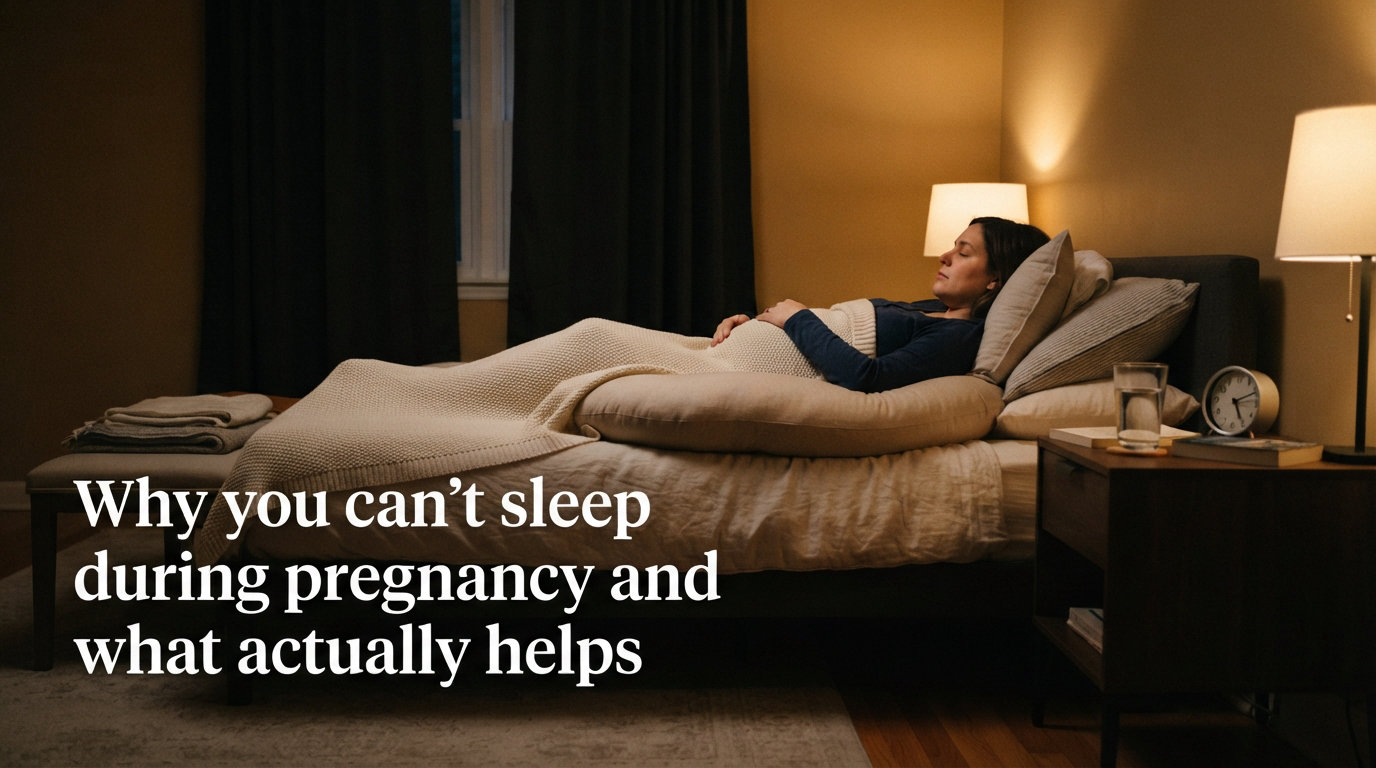
If you are lying awake at 3 AM wondering why you cannot sleep during pregnancy despite being utterly exhausted, you are not alone. This cruel paradox affects up to 80% of pregnant women by the third trimester, turning what should be a time of rest into nights of frustration. I have worked with hundreds of expectant mothers over the past decade, and pregnancy insomnia remains one of the most misunderstood and undertreated challenges women face.
The disconnect between your body screaming for rest and your mind refusing to cooperate is not your fault. Hormonal surges, physical discomfort, and the mental load of preparing for a baby create a perfect storm that disrupts even the best sleepers. In this guide, I will explain exactly why pregnancy steals your sleep and share evidence-based strategies that actually help, not just generic advice like “sleep while you can” from well-meaning but misguided friends.
By the end of this article, you will understand the biological mechanisms behind your insomnia, know which trimesters bring specific challenges, and have a toolkit of practical solutions you can implement tonight. You will also learn what is safe to take, what to avoid, and when your sleep issues warrant a call to your healthcare provider. Let us start with why your body seems to have forgotten how to rest.
Table of Contents
Why You Cannot Sleep During Pregnancy: The Real Causes
Pregnancy insomnia is not just one problem. It is a cascade of interconnected physical and hormonal changes that disrupt your sleep architecture in multiple ways. Understanding these mechanisms helps you target the right solutions instead of throwing random tips at the wall.
Hormonal Changes That Hijack Your Sleep
Progesterone, the hormone your body produces in massive quantities during pregnancy, acts as a natural sedative during the day but becomes disruptive at night. In early pregnancy, progesterone levels surge to support the developing embryo, causing that familiar first-trimester exhaustion that makes you want to nap constantly. However, this same hormone alters your sleep cycles, reducing the amount of deep restorative sleep you get even when you do manage to drift off.
Estrogen rises alongside progesterone and affects your brain chemistry in ways that promote lighter, more fragmented sleep. Together, these hormones lengthen your sleep latency, the time it takes to fall asleep, and increase nighttime awakenings. Your circadian rhythm, the internal clock that tells you when to sleep and wake, gets completely rewired during pregnancy, which explains why you might feel wide awake at midnight and exhausted at 2 PM.
Cortisol, your stress hormone, also increases during pregnancy to help regulate maternal metabolism and fetal development. Elevated cortisol levels are naturally higher in the morning, but pregnancy can flatten this rhythm, leaving you with a baseline anxiety that makes switching off at night difficult. The result is lying in bed with a racing mind while your body feels physically tired, that maddening paradox so many women describe.
Physical Discomforts That Wake You Up
Beyond hormones, your changing body creates a constellation of physical complaints that interrupt sleep. Nocturia, the medical term for frequent nighttime urination, begins in the first trimester as increased blood flow forces your kidneys to process more fluid. By the third trimester, your uterus presses directly on your bladder, sending you to the bathroom every hour or two throughout the night.
Heartburn affects more than half of pregnant women, worsening when you lie flat as stomach acid flows back into the esophagus. The burning sensation can jolt you awake and make returning to sleep nearly impossible. Leg cramps, particularly in the calves, strike without warning during the night, causing sharp pain that requires walking around to relieve.
Back pain intensifies as your belly grows and your center of gravity shifts, making finding a comfortable position feel like an impossible puzzle. Tender breasts make lying on your stomach impossible early on, and shortness of breath from the uterus pressing against your diaphragm can wake you gasping for air. Each of these physical complaints might seem minor individually, but together they create a symphony of disruptions that fragment your sleep into unusable pieces.
The Mental Health Connection
The psychological aspects of pregnancy insomnia often get overlooked in favor of physical explanations, yet anxiety and depression are significant contributors to sleep problems. Many women lie awake mentally organizing baby registries, worrying about labor, or catastrophizing about potential complications. This cognitive hyperarousal keeps your brain in problem-solving mode when it should be powering down.
Vivid dreams and nightmares increase dramatically during pregnancy due to hormonal changes and fragmented REM sleep. These intense dreams can wake you with your heart pounding, and the emotional residue makes returning to sleep difficult. The phenomenon of the “worry list” is real. Women report waking at 3 AM with a sudden urgent need to remember something for work, plan a nursery layout, or research a parenting question that suddenly feels critical.
There is also an anticipatory anxiety unique to pregnancy, the awareness that your life is about to change fundamentally in ways you cannot fully predict. This existential uncertainty can surface at night when distractions fall away and your mind has space to ruminate. Understanding that these mental patterns are normal and expected, not a sign you are failing at pregnancy, is the first step toward managing them.
Trimester by Trimester: When Sleep Problems Peak
Sleep disruption does not follow a straight line through pregnancy. Each trimester brings distinct challenges, and understanding the timeline helps you prepare and adjust expectations. Here is what to expect as your pregnancy progresses.
First Trimester: The Hormone Crash
The first trimester often surprises women who expect to sleep more because they feel so exhausted. Progesterone surges within days of conception, causing daytime sleepiness that rivals narcolepsy. Yet despite this fatigue, many women find themselves unable to sleep through the night, tossing and turning while feeling desperate for rest.
Nausea complicates sleep further, with morning sickness often striking in the evening or waking you with queasiness. Frequent urination begins early as your body increases blood volume by up to 50%, processing extra fluid through your kidneys. Breast tenderness makes your usual sleeping position uncomfortable, forcing adjustments before your belly even shows.
Emotional volatility during this period also affects sleep. The reality of pregnancy, whether planned or unexpected, brings processing that often happens at night. Many women report feeling simultaneously exhausted and wired, a combination that feels personally failing even though it is biologically driven.
Second Trimester: The Sweet Spot (Maybe)
Weeks 14 through 27 are often called the “honeymoon phase” of pregnancy, and for good reason. For many women, energy levels stabilize, nausea fades, and sleep improves during this window. If you are going to get decent rest during pregnancy, this is typically when it happens.
However, the second trimester is also when physical discomforts begin accumulating for many women. Your belly starts showing, making back sleeping uncomfortable and stomach sleeping impossible. Some women experience restless legs syndrome for the first time during this period, creating that unbearable crawling sensation in the legs that only movement relieves.
This is the ideal time to establish good sleep habits before the third trimester hits. Practicing left-side sleeping, investing in supportive pillows, and perfecting your bedtime routine now will pay dividends when discomfort peaks. Do not waste this window thinking sleep problems are behind you. Use it to prepare.
Third Trimester: Peak Discomfort
By the third trimester, pregnancy insomnia affects nearly 80% of women, making it the most sleep-challenged period of gestation. Your belly size alone makes finding a comfortable position a nightly struggle, while the baby’s movements, often strongest at night, can wake you with kicks and rolls. The pressure on your bladder reaches maximum intensity, sending you to the bathroom every 60 to 90 minutes.
Heartburn becomes nearly universal in the third trimester as the uterus crowds your digestive organs and the hormone progesterone relaxes the valve between stomach and esophagus. Shortness of breath from the uterus pressing your diaphragm upward can make lying flat feel suffocating. Many women report needing four or five pillows just to achieve a semi-comfortable angle.
The combination of physical discomfort and pre-birth anxiety creates a perfect insomnia storm. Every position hurts something. Every attempt to roll over requires a complex maneuver. Sleep becomes a series of brief naps between bathroom trips and position adjustments rather than continuous rest. This is when most women seek help, and rightfully so.
Understanding the Risks: Why Sleep Matters
Before diving into solutions, let us address the worry that keeps many pregnant women awake at night: can your insomnia harm the baby? The honest answer is that occasional bad nights are normal and harmless, but chronic sleep deprivation does carry risks worth understanding.
How Sleep Deprivation Affects Pregnancy
Research consistently links chronic sleep deprivation during pregnancy with several complications. Women who sleep fewer than six hours per night have higher rates of gestational diabetes, possibly because sleep deprivation affects glucose metabolism and insulin sensitivity. The inflammatory markers that rise with poor sleep may contribute to this risk.
Preeclampsia, a serious condition characterized by high blood pressure and protein in the urine, also shows correlation with poor sleep quality and short sleep duration. Sleep deprivation affects blood pressure regulation and vascular function, potentially exacerbating the underlying mechanisms of preeclampsia. While correlation does not prove causation, the association is strong enough to warrant attention.
Labor outcomes also relate to sleep. Studies suggest women with chronic insomnia have longer labors and higher rates of cesarean sections. Sleep deprivation reduces pain tolerance and increases fatigue, both of which can complicate the physical marathon of childbirth. These statistics are not meant to frighten you but to validate that prioritizing sleep is a legitimate medical concern, not a luxury.
Can Lack of Sleep Harm Your Baby?
The direct impact of maternal sleep deprivation on fetal development is still being studied, and findings are not definitive. Occasional nights of poor sleep are highly unlikely to cause harm. Your body is designed to protect the growing baby even when conditions are less than ideal.
However, severe chronic sleep deprivation, particularly in the third trimester, has been associated with intrauterine growth restriction in some studies. The mechanism likely involves the hormonal and metabolic disruptions that accompany poor sleep. Again, this refers to severe, ongoing deprivation, not the normal ups and downs of pregnancy sleep.
The more immediate concern is how sleep deprivation affects you and your ability to function safely. Exhaustion increases fall risk, impairs driving ability, and can contribute to perinatal mood disorders including depression and anxiety. Taking care of your sleep is taking care of both you and your baby, a perspective that may help you prioritize rest without guilt.
What Actually Helps: Evidence-Based Solutions That Work
Now for the practical solutions you came here seeking. These strategies are organized by category so you can target your specific challenges. You do not need to implement everything at once. Start with the sections that address your biggest barriers.
Optimize Your Sleep Environment
Your bedroom should function as a sleep sanctuary, a dedicated space that signals to your brain that rest is the priority. Temperature matters enormously during pregnancy as hormonal changes increase your body temperature and make you more sensitive to heat. Set your thermostat between 60 and 67 degrees Fahrenheit, or use fans and breathable bedding to achieve a cool sleeping surface.
Light exposure controls your circadian rhythm, so darkness at night and bright light in the morning helps anchor your sleep-wake cycle. Invest in blackout curtains or a sleep mask to eliminate early morning light that can wake you prematurely. Conversely, getting 15 to 30 minutes of bright natural light within an hour of waking helps set your internal clock for better sleep the following night.
Noise disruptions affect pregnancy sleep more than usual because you wake more easily in lighter sleep stages. White noise machines or apps mask household sounds and create a consistent audio environment. If you cannot eliminate noise entirely, earplugs designed for side sleepers can help, though you may need to experiment to find comfortable ones.
Your mattress and pillow setup becomes critical as pregnancy progresses. Side sleeping is recommended from the second trimester onward, and proper support prevents the back and hip pain that wakes many women. Place a pillow between your knees to align your hips, another under your belly for support, and consider a wedge pillow behind your back to prevent rolling onto it. This pillow fortress may look ridiculous, but it can make the difference between sleeping and suffering.
Master Your Sleep Schedule and Routine
Consistency trains your body to expect sleep at certain times, making the process more automatic. Aim for the same bedtime and wake time every day, even on weekends, to reinforce your circadian rhythm. This regularity is especially important during pregnancy when your hormones are already disrupting your internal clock.
Create a wind-down routine that begins 30 to 60 minutes before your target bedtime. This routine should signal to your brain that sleep is coming. Activities might include a warm bath, gentle stretching, reading a physical book, or listening to calming music. The specific activities matter less than their consistency and their ability to help you relax.
The “worry period” technique addresses the racing thoughts that keep many pregnant women awake. Set aside 15 to 20 minutes in the early evening, at least two hours before bed, to write down every concern, task, or question on your mind. When those thoughts surface later at 2 AM, you can tell yourself they are captured on paper for tomorrow and do not require immediate attention. This simple practice, borrowed from cognitive behavioral therapy for insomnia, can dramatically reduce nighttime mental chatter.
Screen time deserves special attention. The blue light emitted by phones, tablets, and computers suppresses melatonin production and signals your brain that it is still daytime. Aim to stop all screen use at least one hour before bed. If you must use devices, enable blue light filters and keep brightness low. Better yet, charge your phone outside the bedroom entirely to remove the temptation to scroll or check the time when you wake at night.
Diet and Exercise Adjustments
What you consume and when you move your body significantly impacts sleep quality during pregnancy. Caffeine timing is critical. While moderate caffeine consumption is generally considered safe during pregnancy, limit it to 200 milligrams per day and avoid it entirely after 2 PM. Caffeine has a half-life of 5 to 6 hours, meaning half the caffeine from your afternoon coffee is still circulating when you try to sleep at 10 PM.
Hydration requires a strategic approach. Drink plenty of water throughout the day to support your increased blood volume and prevent dehydration-related cramps. However, reduce fluid intake in the two hours before bed to minimize nighttime bathroom trips. This does not mean depriving yourself of necessary fluids. It means front-loading your hydration earlier in the day.
Heartburn prevention starts with meal timing. Finish eating at least 3 hours before lying down to give your stomach time to empty. Avoid trigger foods in the evening, including spicy dishes, acidic foods like tomatoes and citrus, chocolate, and mint. If heartburn strikes despite precautions, sleeping with your head elevated on extra pillows or a wedge can use gravity to keep stomach acid where it belongs.
Exercise improves sleep quality for most pregnant women, but timing matters. Moderate activity like walking, swimming, or prenatal yoga helps you fall asleep faster and sleep more deeply. However, vigorous exercise within 3 hours of bedtime can be overstimulating and delay sleep onset. Morning or afternoon workouts are ideal for sleep benefits.
The Best Sleeping Positions for Pregnancy
Position becomes increasingly important as your belly grows. Left side sleeping is the gold standard recommendation because it maximizes blood flow to the uterus and kidneys. This position supports optimal oxygen and nutrient delivery to your baby while helping your kidneys efficiently eliminate waste and fluids, potentially reducing swelling.
Back sleeping becomes problematic in the second and third trimesters as the weight of your uterus can compress the vena cava, the major vein returning blood to your heart. This compression can reduce blood flow to your baby and make you feel dizzy or nauseated. While accidentally waking on your back is not an emergency, intentionally practicing side sleeping helps make it your default position.
Stomach sleeping is essentially impossible once your belly shows and becomes uncomfortable long before then. The tender breasts of early pregnancy make this position undesirable even when your abdomen is still flat. Transitioning away from stomach sleeping early in pregnancy prevents you from having to break the habit later when you are already struggling with other discomforts.
Using pillows strategically can make side sleeping significantly more comfortable. A pregnancy pillow or combination of regular pillows can support your belly, back, and knees simultaneously. Experiment with different configurations to find what works for your body. Some women prefer a full body pillow, while others achieve better results with multiple standard pillows arranged precisely.
Relaxation Techniques That Work
When your mind refuses to quiet down, active relaxation techniques can help you transition into sleep. Progressive muscle relaxation involves systematically tensing and releasing muscle groups from toes to head. This practice releases physical tension you may not even realize you are carrying and gives your mind a task that occupies it without stimulation.
Deep breathing exercises activate your parasympathetic nervous system, the “rest and digest” mode that counters the stress response. Try the 4-7-8 technique: inhale for 4 counts, hold for 7, exhale for 8. This pattern naturally slows your heart rate and signals safety to your brain. Even a few minutes of this breathing can shift you from anxious to drowsy.
Meditation apps designed for pregnancy can provide guided sessions specifically addressing the concerns of expectant mothers. Apps like Expectful, Insight Timer, and Headspace offer pregnancy-specific content ranging from 5-minute anxiety relief to longer body scans. The key is finding a voice and style that feels soothing rather than annoying, which may require sampling several options.
Guided imagery uses your imagination to create calming mental scenes. You might visualize your baby floating peacefully in the womb, or imagine yourself in a safe, comfortable place like a beach or garden. The specific imagery matters less than its ability to hold your attention away from worries and physiological sensations. Many women find that connecting with their baby through visualization helps them relax into sleep with a sense of connection rather than anxiety.
How Your Partner Can Help
Sleep struggles affect the whole household, and partners can play a significant role in supporting better rest. Physical support includes taking over morning duties when possible so you can sleep in, handling nighttime disruptions for other children or pets, and helping you arrange pillows or providing back rubs before bed.
Emotional validation is equally important. Partners should avoid minimizing your experience with comments like “everyone has trouble sleeping” or offering simplistic solutions like “just relax.” Instead, acknowledging that pregnancy insomnia is real, difficult, and not your fault provides psychological relief that can actually improve sleep. Feeling understood reduces the anxiety that keeps many women awake.
If you sleep in the same bed, partners should be mindful of their own habits. Snoring, different temperature preferences, or partners who move frequently can disrupt your already fragile sleep. Some couples find that temporary separate sleeping arrangements during the worst weeks of pregnancy insomnia actually preserve relationship harmony by ensuring at least one partner is well-rested and able to provide support.
Communication about your needs is essential. Do not expect your partner to intuit what would help. Explicitly request specific support, whether that is handling the dishes so you can start your wind-down routine earlier, or agreeing not to discuss stressful topics after 8 PM. Clear requests prevent resentment and ensure you actually get the help you need.
Napping Strategies That Work
When nighttime sleep is fragmented, strategic napping can help you function and catch up on rest. The key is timing and duration. Short power naps of 20 to 30 minutes in the early afternoon can boost energy without interfering with nighttime sleep. These brief naps keep you in light sleep stages, preventing the grogginess that follows deeper sleep.
Longer naps of 60 to 90 minutes allow a full sleep cycle and can be restorative if you are severely sleep deprived. However, these longer naps should be taken earlier in the day, before 3 PM, to avoid pushing back your nighttime sleep drive. If you find that napping makes nighttime sleep worse, limit yourself to the brief 20-minute option or skip naps entirely.
Napping at work presents challenges but may be possible with creativity. If you have an office with a door, a lunch break nap on a yoga mat or inflatable pillow can help. For those without privacy, even resting with eyes closed in a car or quiet corner provides some restoration. Do not underestimate the value of simply lying down, even if sleep does not come immediately.
Let go of guilt about napping. Your body is doing the enormous work of building another human, and rest is a biological necessity, not a luxury. The cultural pressure to be productive during pregnancy ignores the physical reality of gestation. Taking the rest you need is taking care of your baby.
What to Avoid: Safety Warnings for Sleep Aids
Desperation for sleep can lead to considering supplements or medications that may not be safe during pregnancy. Understanding the risks helps you make informed decisions and have productive conversations with your healthcare provider.
Melatonin: What the Research Says
Melatonin supplements are popular among non-pregnant people for sleep, but safety during pregnancy remains uncertain. Melatonin crosses the placenta, and while some research suggests it may actually have protective effects for fetal brain development, the evidence is not conclusive enough to recommend routine use. The supplement industry is also poorly regulated, meaning melatonin products may contain varying doses or contaminants not listed on the label.
Most obstetricians advise against melatonin supplementation during pregnancy unless specifically recommended for a particular medical reason. Your body naturally produces melatonin, and supporting your own production through darkness at night and light exposure in the morning is a safer approach. If you are considering melatonin, discuss it with your provider first rather than self-medicating.
Herbal Remedies to Skip
The “natural” label does not mean safe during pregnancy. Several popular herbal sleep aids have either insufficient safety data or evidence of potential harm. Valerian root, commonly used for insomnia, has limited pregnancy safety data and may interact with other medications. Kava is linked to liver toxicity and should be avoided entirely.
Passionflower and chamomile in tea amounts are likely safe, but concentrated supplements raise concerns. California poppy, skullcap, and other herbs marketed for sleep lack sufficient research to establish safety during pregnancy. The general rule is that if safety data is lacking, the risk is not worth taking when you are growing a baby.
Even seemingly harmless supplements like L-tryptophan or 5-HTP, precursors to serotonin and melatonin, should be avoided unless prescribed by a knowledgeable provider. These substances affect brain chemistry in ways that could potentially impact fetal development. Stick to behavioral interventions and lifestyle modifications as your first line approach.
Medication Guidance
Over-the-counter sleep medications require careful consideration. Diphenhydramine, the active ingredient in Benadryl and many “PM” pain relievers, is generally considered safe for occasional use during pregnancy. However, regular use is not recommended, and some women experience a paradoxical reaction where it makes them more agitated rather than sleepy.
Doxylamine, found in Unisom SleepTabs, is another antihistamine sometimes used for pregnancy sleep. It is actually the same active ingredient in Diclegis, a medication specifically approved for pregnancy nausea. Many doctors consider it safe for sleep during pregnancy, but you should confirm with your own provider before regular use.
Prescription sleep medications are generally avoided during pregnancy unless insomnia is severe and unresponsive to other interventions. Even then, they are used at the lowest effective dose for the shortest possible time. Your doctor can weigh the risks of medication against the risks of severe sleep deprivation in your specific situation.
When to Seek Medical Help
While pregnancy insomnia is common, certain patterns warrant professional evaluation. Knowing when to call your doctor helps you get appropriate support without underreacting or overreacting.
Signs You Should Call Your Doctor
Contact your healthcare provider if you experience persistent insomnia lasting more than three weeks with significant impact on daily functioning. Inability to sleep at all for entire nights, severe anxiety or depression accompanying sleeplessness, or thoughts of self-harm require immediate attention. These could indicate perinatal mood disorders that need treatment.
Restless legs syndrome that occurs more than twice weekly or significantly disrupts sleep deserves evaluation. Iron deficiency is a common cause of restless legs during pregnancy, and supplementation may resolve the symptoms. Your doctor can check your ferritin levels and recommend appropriate iron intake.
Sleep apnea symptoms should be reported, particularly if you snore loudly, gasp for air during sleep, or wake with morning headaches. Pregnancy increases the risk of obstructive sleep apnea due to weight gain and fluid redistribution, and untreated apnea is linked to complications like preeclampsia and gestational diabetes.
Vivid dreams that evolve into nightmares causing significant distress, or any sleep-related behaviors that concern you, are worth discussing. While intense dreams are normal, they should not leave you terrified of sleep or significantly anxious during waking hours.
What Your Doctor Can Do
Medical interventions for pregnancy insomnia range from simple to sophisticated. Your provider can screen for underlying conditions like thyroid dysfunction, anemia, or mood disorders that might be contributing to sleep problems. Treating these root causes often resolves the insomnia without sleep-specific interventions.
Cognitive behavioral therapy for insomnia (CBT-I) is the gold standard non-pharmacological treatment and is considered safe during pregnancy. This structured therapy addresses the thoughts and behaviors that perpetuate insomnia, teaching skills that often work better than medication long-term. Many therapists offer CBT-I specifically tailored for pregnancy.
In some cases, your doctor may recommend short-term medication use to break an insomnia cycle and prevent the health consequences of severe sleep deprivation. This decision is individualized based on your trimester, overall health, and the severity of your symptoms. The goal is always the healthiest possible outcome for both you and your baby.
Frequently Asked Questions
What helps when you can’t sleep while pregnant?
Evidence-based strategies include sleeping on your left side with pillow support, maintaining a consistent sleep schedule, creating a cool dark sleep environment, practicing relaxation techniques like progressive muscle relaxation, limiting evening fluids, avoiding caffeine after 2 PM, and establishing a worry period before bed to manage racing thoughts.
Does pregnancy insomnia ever go away?
Yes, pregnancy insomnia typically resolves after delivery as hormone levels normalize and physical discomforts disappear. However, postpartum sleep is challenging in different ways due to newborn care. Most women see significant improvement within the first month after birth, though it may take longer to fully return to pre-pregnancy sleep patterns.
Can not sleeping during pregnancy harm the baby?
Occasional nights of poor sleep are normal and unlikely to cause harm. However, chronic severe sleep deprivation has been associated with increased risks of gestational diabetes, preeclampsia, longer labor, and higher C-section rates. Taking steps to improve sleep is important for both maternal and fetal health.
How to fall asleep with pregnancy insomnia?
Start with a consistent wind-down routine 30-60 minutes before bed. Try the 4-7-8 breathing technique: inhale for 4 counts, hold for 7, exhale for 8. Use progressive muscle relaxation by tensing and releasing muscle groups. If you cannot sleep after 20 minutes, get up and do a quiet activity until sleepy rather than lying awake frustrated.
When is insomnia the worst in pregnancy?
Insomnia typically peaks during the third trimester, affecting up to 80% of women. The combination of a large belly, frequent urination, heartburn, and pre-birth anxiety creates maximum sleep disruption. The first trimester can also be challenging due to hormonal surges, while the second trimester often brings the best sleep for many women.
Does magnesium help pregnancy insomnia?
Some women find magnesium supplements helpful for sleep and leg cramp prevention during pregnancy, but you should consult your doctor before taking any supplement. Magnesium glycinate is generally preferred over other forms. Food sources like leafy greens, nuts, and whole grains provide magnesium without supplementation risks. Your doctor can check if you are deficient before recommending supplements.
Why am I so tired but can’t sleep while pregnant?
This paradox occurs because pregnancy hormones like progesterone cause daytime sedation while disrupting nighttime sleep architecture. Elevated estrogen and progesterone reduce deep restorative sleep, while physical discomforts and anxiety cause frequent awakenings. The result is exhaustion without the ability to achieve quality rest, a common and frustrating experience during pregnancy.
How many hours should a pregnant woman sleep?
Pregnant women should aim for 7-9 hours of sleep per night, similar to general adult recommendations. However, quality matters as much as quantity during pregnancy. If nighttime sleep is fragmented, strategic napping can help you reach adequate total sleep. Listen to your body signals of fatigue, which may indicate you need more rest than usual while growing a baby.
Conclusion: You Are Not Broken, and This Will Pass
Pregnancy insomnia is one of the most universal yet isolating experiences expectant mothers face. When you cannot sleep during pregnancy despite trying every recommendation, it is easy to feel like your body is failing or that you are somehow doing pregnancy wrong. Neither is true. You are experiencing a normal biological response to the extraordinary hormonal and physical changes of gestation.
The strategies in this guide work, but they work gradually and work best when tailored to your specific situation. Start with environmental changes and sleep schedule consistency, then add relaxation techniques and position adjustments as needed. Remember that you do not need to implement everything at once. Even small improvements in sleep quality can significantly improve how you feel and function.
Most importantly, know that this phase is temporary. Pregnancy insomnia does end, and while postpartum sleep brings its own challenges, the specific hormonal drivers of gestational insomnia resolve after delivery. In the meantime, be gentle with yourself, ask for the support you need, and do not hesitate to involve your healthcare provider if your sleep struggles become overwhelming. Taking care of your sleep is taking care of your baby. You both deserve that rest.