
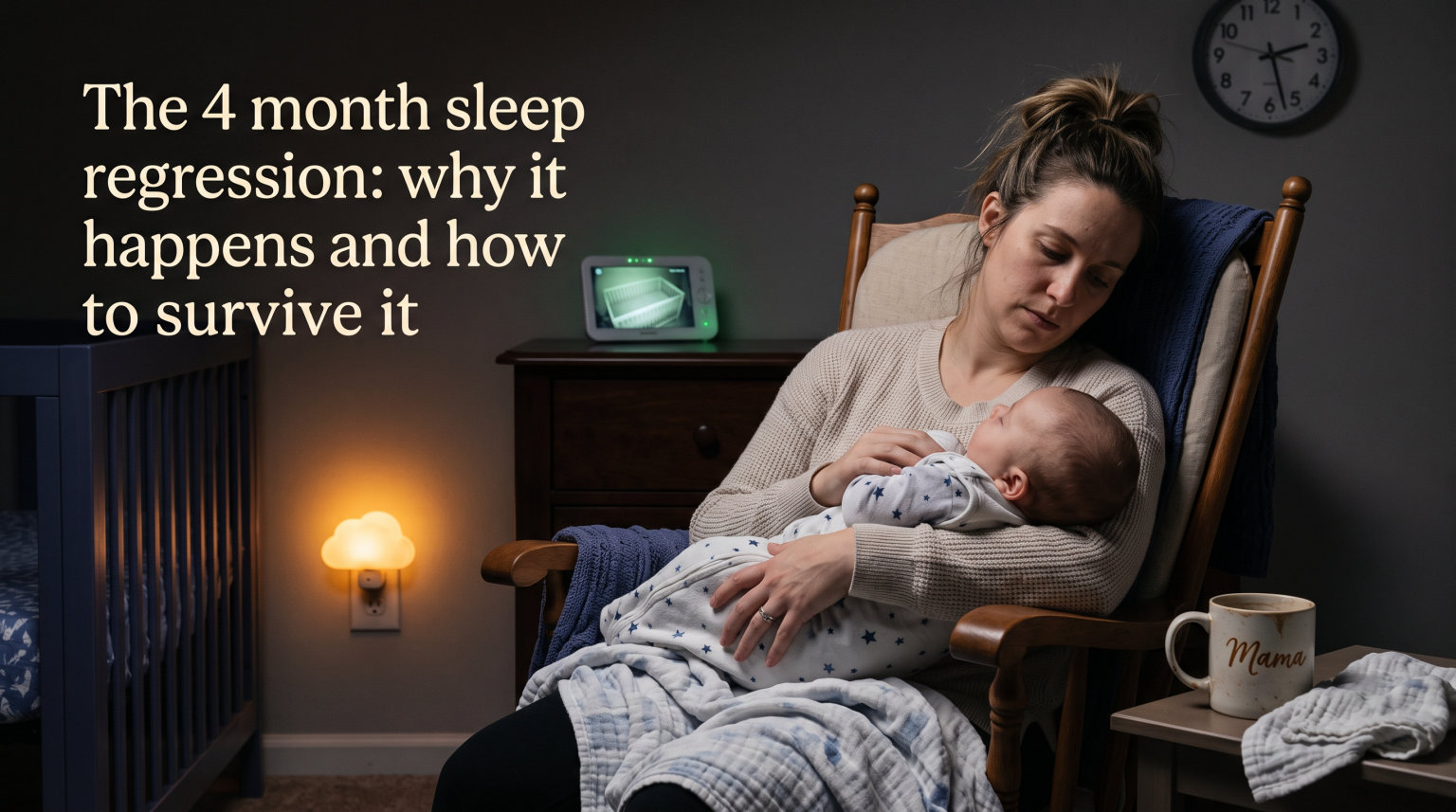
The 4 month sleep regression happens because your baby’s brain matures and transitions from newborn sleep patterns to adult-like sleep cycles with distinct light and deep sleep stages. This biological change means your little one now wakes fully between sleep cycles and needs help falling back asleep. Most babies experience this developmental milestone between 3 and 5 months of age, leaving exhausted parents wondering what happened to their good sleeper.
I remember the first night my daughter woke up every 45 minutes like clockwork. I thought something was seriously wrong. Turns out, this is completely normal. Your baby isn’t broken, and neither are you. This regression is actually a sign of healthy brain development, even if it feels like torture at 3 AM.
In this guide, I’ll walk you through exactly why the 4 month sleep regression occurs, the signs to watch for, how long it typically lasts, and most importantly, proven strategies to help your family survive this challenging phase. I’ve gathered insights from pediatric sleep consultants, real parent experiences from Reddit and parenting forums, and the research behind infant sleep architecture to give you actionable advice that works.
Table of Contents
What Is the 4 Month Sleep Regression
The 4 month sleep regression is a developmental milestone where your baby’s sleep patterns permanently change from the simple newborn sleep cycles to the more complex adult-like sleep architecture. Before 4 months, babies cycle between two sleep stages: active sleep (similar to REM) and quiet sleep. Around the 4-month mark, their brain develops the ability to cycle through four distinct sleep stages: light sleep, true REM sleep, deep restorative sleep, and very deep sleep.
This change in sleep architecture means your baby now experiences brief partial awakenings between each 45-60 minute sleep cycle. If they haven’t learned to self-soothe back to sleep, they’ll wake fully and cry for help. The “regression” isn’t really a regression at all—it’s a progression in brain development. But it sure doesn’t feel like progress when you’re up for the fifth time in one night.
Most babies experience this shift between 12 and 20 weeks of age, though it can start as early as 8 weeks or as late as 24 weeks. Premature babies may experience it on a timeline based on their adjusted age rather than their birth age. The key thing to understand is that this change is biological and permanent. Your baby won’t go back to their newborn sleep patterns, which is why developing healthy sleep habits during this window is so important.
The good news? Once you understand what’s happening and implement the right strategies, you can help your baby learn to connect sleep cycles independently. This sets the foundation for healthy sleep for years to come.
Why the 4 Month Sleep Regression Happens: The Science Behind Sleep Cycles
Your baby’s brain undergoes a significant maturation process around 4 months of age. The thalamus and cortex develop new neural connections that allow for more sophisticated sleep patterns. This maturation is similar to the brain development that happens during other major milestones like learning to roll over or recognizing faces.
Before this change, your baby essentially had an on/off switch for sleep. They would fall asleep and stay in a relatively consistent state until they were hungry or uncomfortable. After the 4-month change, they experience distinct sleep stages:
Stage 1 – Light Sleep: This is the transition phase where your baby drifts in and out of consciousness. You might see eye movements, fluttering eyelids, or slight body movements.
Stage 2 – REM Sleep: Active sleep where dreaming occurs. This is crucial for brain development and memory consolidation. Babies spend much more time in REM sleep than adults do.
Stage 3 – Deep Sleep: The restorative phase where physical growth and tissue repair happen. This is when your baby is hardest to wake.
Stage 4 – Very Deep Sleep: The most restorative stage, also called slow-wave sleep. Essential for hormone regulation including melatonin and growth hormone.
After completing one full cycle through these stages, your baby experiences a brief awakening. This is completely normal and happens to adults too—we just don’t remember it because we roll over and go back to sleep. Your baby hasn’t learned this skill yet, so they wake fully and need your help to return to sleep.
Signs Your Baby Is Going Through the 4 Month Sleep Regression
The signs of the 4 month sleep regression can be dramatic and sudden. One night your baby sleeps a 6-hour stretch, the next they’re up every 45 minutes. Here are the key indicators to watch for:
Frequent night wakings: Your baby wakes every 45-90 minutes throughout the night, often at predictable intervals that match their sleep cycle length. This is the hallmark sign that differentiates regression from other sleep disruptions.
Shorter naps: Naps that previously lasted 1-2 hours suddenly become 30-45 minutes. Your baby wakes at the end of one sleep cycle and can’t transition to the next.
Fussiness at bedtime: Your previously easy bedtime routine now involves crying, resistance, or needing extensive rocking or nursing to fall asleep.
Early morning wake-ups: Your baby starts waking at 4 or 5 AM and won’t go back to sleep, even if their normal wake time was 6:30 or 7 AM.
Increased night feeding: Even if your baby had dropped night feeds, they now seem hungry multiple times per night. This is often reverse cycling—eating more at night because they’re too distracted to eat well during the day.
Only sleeping when held: Your baby wakes the moment you try to transfer them to the crib, or they only sleep while in contact with you.
Increased clinginess during the day: Some babies show signs of developing separation anxiety alongside the sleep regression, wanting to be held more and showing distress when you leave the room.
Changes in feeding patterns: Your baby may become more distractible during daytime feeds, taking shorter feeds or seeming disinterested, then making up for it at night.
How Long Does the 4 Month Sleep Regression Last
The 4 month sleep regression typically lasts between 2 and 6 weeks, though every baby is different. Some families report improvement after just 10-14 days of implementing consistent strategies. Others find it takes a full month or more for sleep to stabilize.
Several factors influence how long the regression lasts for your family:
Consistency of sleep environment: Babies who have consistent bedtime routines, appropriate wake windows, and sleep-friendly environments tend to move through the regression faster. The brain craves predictability during this developmental shift.
Sleep associations: If your baby relies on being rocked, nursed, or held to fall asleep, they will likely need that same help every time they wake between cycles. Teaching independent sleep skills can shorten the regression significantly.
Timing of the transition: Babies who start showing signs earlier (around 8-12 weeks) sometimes have a longer adjustment period as their sleep systems mature more gradually.
Other developmental factors: Rolling, teething, or illness can compound the regression and extend the difficult period. Some parents find the 4-month regression blends into what feels like months of poor sleep.
The important thing to remember is that this phase will end. Your baby will learn to connect sleep cycles. The strategies you implement now will pay dividends in better sleep for the whole family. I know it feels endless when you’re in the middle of it, but I promise—you will sleep again.
10 Proven Strategies to Survive the 4 Month Sleep Regression
After researching sleep science, consulting with pediatric sleep experts, and reading thousands of parent experiences in forums, I’ve compiled the strategies that actually work. These aren’t quick fixes—there are no magic solutions for biological development—but these approaches will help you and your baby navigate this challenging period.
1. Follow Age-Appropriate Wake Windows
At 4 months, most babies can handle 1.5 to 2 hours of awake time before needing sleep again. Watching for sleepy cues is important, but by the time you see them, your baby may already be overtired. Overtired babies have higher cortisol levels, making it harder to fall asleep and stay asleep.
Use wake windows as your primary guide. At 4 months, aim for: 1.75 hours for the first window, 2 hours for the second, 2 hours for the third, and 2-2.25 hours before bedtime. A well-rested baby sleeps better than an overtired one—this seems counterintuitive but it’s one of the most important sleep principles.
2. Create a Consistent Bedtime Routine
A predictable bedtime routine signals to your baby’s brain that sleep is coming. The routine should last 20-30 minutes and follow the same sequence every night. This might look like: bath, pajamas and sleep sack, feeding, book or song, white noise on, lights down, into crib.
The key is consistency, not perfection. Do the same activities in the same order at the same time each night. Your baby’s brain will start producing melatonin in anticipation of the routine, making the transition to sleep smoother.
3. Put Baby Down Drowsy But Awake
This is perhaps the most important skill for surviving the 4-month regression. When you put your baby down already asleep, they wake between sleep cycles and don’t know where they are or how they got there. They need you to recreate the conditions under which they fell asleep.
Putting your baby down drowsy but awake teaches them the skill of falling asleep independently. They wake between cycles, recognize their environment, and can return to sleep without help. This doesn’t mean leaving them to cry—it means giving them the opportunity to practice self-soothing while you’re present and supportive.
4. Optimize the Sleep Environment
Your baby’s sleep environment can make or break their ability to connect sleep cycles. Four-month-olds are increasingly aware of their surroundings and easily distracted or stimulated.
Blackout conditions: Use blackout curtains to create a dark cave-like environment. Even small amounts of light can suppress melatonin production and signal wakefulness to the brain.
White noise: Continuous white noise masks household sounds and creates a consistent auditory environment. It mimics the womb sounds your baby heard for 9 months and helps them tune out disruptive noises between sleep cycles.
Cool temperatures: The ideal sleep temperature is between 68-72 degrees Fahrenheit. Overheating is both dangerous and disruptive to sleep.
Safe sleep space: Ensure the crib or bassinet is free of loose bedding, toys, or bumpers. A firm, flat surface with a fitted sheet is all your baby needs.
5. Transition From Swaddle to Sleep Sack
Most babies show signs of rolling around 4 months, which means it’s time to stop swaddling for safety. The Moro reflex (startle reflex) that caused your newborn to flail their arms is diminishing, but some babies still benefit from gentle compression around the chest.
A sleep sack or wearable blanket provides the security of swaddling while allowing free arm movement. Look for options with 2-way zippers for easy diaper changes and appropriate TOG ratings for your room temperature. The transition can temporarily disrupt sleep, but a good sleep sack helps maintain comforting sleep associations.
6. Consider a Dream Feed
A dream feed is a feeding you give your baby around 10-11 PM before you go to bed yourself, while they’re still mostly asleep. The goal is to fill their belly right before your longest stretch of sleep, potentially extending their first sleep period to 4-6 hours.
Not all babies respond to dream feeds, but for some families, this strategy eliminates that dreaded 11 PM or 1 AM waking. Keep the lights dim, don’t change the diaper unless necessary, and keep stimulation to a minimum. If your baby fully wakes or seems disinterested, skip it and try again another night.
7. Take Shifts With Your Partner
If you have a partner, divide the night into shifts so each of you gets a chunk of uninterrupted sleep. For example, you might handle all wake-ups before 2 AM while your partner sleeps in another room, then switch. This ensures both parents get some restorative sleep rather than both being exhausted.
If you’re breastfeeding, you can still do shifts by pumping before bed or having your partner give a bottle of expressed milk or formula during their shift. A well-rested parent is a more patient, responsive parent. Don’t try to be a hero and do it all yourself.
8. Practice the Pause
When your baby wakes between sleep cycles, pause before rushing in. Many babies make noise, fuss briefly, or even cry out while transitioning between cycles. If you intervene immediately, you may actually wake them fully when they would have settled back to sleep on their own.
Wait 30-60 seconds (or longer if you’re comfortable) to see if your baby can self-settle. Listen for the difference between “I’m transitioning between cycles” fussing and “I need you” crying. This pause gives your baby the opportunity to practice the skill of falling back to sleep independently.
9. Prioritize Self-Care and Mental Health
The 4 month sleep regression coincides with the end of maternity leave for many parents, returning to hormone fluctuations, and the reality of long-term sleep deprivation. This is a vulnerable time for postpartum mood disorders.
Take care of yourself however you can. Accept help from family or friends. Lower your standards for housework and cooking. Take naps when the baby naps, even if that means letting other things slide. Connect with other parents going through the same thing—knowing you’re not alone is powerful medicine.
If you’re experiencing signs of postpartum depression or anxiety—persistent sadness, intrusive thoughts, inability to sleep even when given the opportunity, or feeling disconnected from your baby—reach out to your healthcare provider. Getting help is the best thing you can do for yourself and your baby.
10. Adjust Expectations and Be Patient
This is a phase. It will end. Your baby is not manipulating you, you’re not doing anything wrong, and this is not indicative of how your child will sleep forever. Some babies breeze through the 4-month regression with minimal disruption. Others seem to struggle with sleep for months.
Your job is to provide a consistent, loving environment while your baby’s brain develops the ability to sleep independently. Progress isn’t linear. You might have two terrible nights followed by one decent one, then back to frequent wake-ups. This is normal development, not failure.
Sleep Training During the 4 Month Regression: What You Need to Know
One of the most common questions I see in parenting forums is whether you can sleep train during the 4-month regression. The answer is nuanced and depends on your baby’s development, your family’s situation, and your comfort level with different methods.
Can You Sleep Train at 4 Months
Many sleep consultants and pediatricians agree that 4 months is the earliest age to begin formal sleep training. By this age, most babies are developmentally ready to learn independent sleep skills, have doubled their birth weight, and no longer need night feeds for nutritional purposes (though many still want them for comfort).
However, the middle of a severe sleep regression might not be the ideal time to start if your baby is already extra fussy, going through a growth spurt, or recovering from illness. Some families prefer to wait until the worst of the regression passes and sleep has stabilized somewhat.
If you do choose to sleep train during the regression, expect the process to take a bit longer than it would during a calmer developmental period. Your baby is already dealing with big brain changes, and adding sleep training to the mix can feel overwhelming for everyone.
Understanding the 5-3-3 Rule
You may have heard of the 5-3-3 rule mentioned in sleep training discussions. This refers to a schedule where your baby has approximately 5 hours of awake time during the day, broken into 3 naps, with 3 hours of wake time before bed. It’s a guideline for 4-month-old sleep schedules, not a strict rule.
At 4 months, wake windows typically range from 1.5-2.5 hours. The 5-3-3 framework helps ensure your baby is getting enough sleep pressure built up to sleep well at night, while not becoming overtired from too much awake time. Most 4-month-olds need 3-4 naps totaling 3-4 hours of daytime sleep, with 10-12 hours of nighttime sleep (though often fragmented).
Gentle Sleep Training Methods
If you want to help your baby learn independent sleep without extensive crying, there are gentle approaches:
The Chair Method: Sit next to your baby’s crib and offer physical and verbal reassurance without picking them up. Every few nights, move your chair farther from the crib until you’re out of the room.
Pick Up Put Down: When your baby cries, pick them up and comfort until calm but drowsy, then put them back down. Repeat as needed. This method is very gentle but can be exhausting for parents.
Gradual Withdrawal: Slowly reduce your involvement in helping your baby fall asleep. If you currently rock to sleep, transition to rocking until drowsy, then holding without rocking, then patting in the crib, then verbal reassurance only.
Camping Out: Stay in the room with your baby but minimize interaction. Your presence provides security while they learn to fall asleep independently.
There’s no one right way to approach sleep. Some families choose to wait out the regression without formal sleep training, responding to their baby’s needs as they arise. Others find that teaching independent sleep skills helps everyone get through the regression faster. Do what feels right for your family.
Is It Sleep Regression, Teething, or Something Else
When your 4-month-old suddenly starts sleeping poorly, it’s natural to look for explanations. While the 4-month sleep regression is the most common culprit, other factors can cause or compound sleep disruptions. Here’s how to tell the difference:
Sleep Regression: Sudden onset around 3-5 months, frequent waking at consistent 45-90 minute intervals, shorter naps, independent of other symptoms. The pattern matches sleep cycle timing.
Teething: Usually accompanied by drooling, chewing on hands, flushed cheeks, or mild fever. Sleep disruption tends to be more sporadic and associated with visible gum discomfort. Most babies don’t get their first tooth until 6 months, though some start earlier.
Separation Anxiety: Typically peaks around 6-9 months, but early signs can appear at 4 months. Your baby may cry when you leave the room, be extra clingy during the day, and only sleep when touching you.
Growth Spurt: Increased hunger, feeding more frequently, and sleeping more (or being more restless due to hunger). Growth spurts typically last 2-3 days, whereas the 4-month regression lasts weeks.
Illness: Fever, congestion, unusual crying, or changes in appetite along with sleep disruption. Trust your instincts—if something feels off beyond just poor sleep, check with your pediatrician.
Sometimes multiple factors are at play. Your baby might be going through the 4-month regression AND teething AND a growth spurt simultaneously. Parenting is fun like that. The strategies in this guide will help regardless of the specific cause of sleep disruption.
Nap Strategies During the 4 Month Regression
Naps often take the biggest hit during the 4-month sleep regression. Those beautiful 2-hour naps your baby used to take? They’re probably now 30-45 minutes—exactly one sleep cycle. Here’s how to handle nap challenges:
Embracing the Catnap
Short naps are developmentally normal at this age. Your baby is learning to connect sleep cycles, and naps are harder than nighttime sleep because sleep pressure is lower during the day. If your baby wakes after 30-45 minutes and seems content, that’s okay. If they’re still tired and fussy, try to extend the nap.
Contact Naps as a Bridge
During the regression, many parents find that contact naps—where baby sleeps on you—are the only way to get longer daytime sleep. This is a valid strategy. Holding your baby for one nap a day can help prevent overtiredness and give you both a break. Just make sure you’re following safe sleep guidelines and not sleeping yourself while holding the baby.
Rescue Naps
If your baby wakes after a short nap and is clearly still tired, try to extend the nap. Go in immediately, pick them up, rock or nurse back to sleep, then transfer back to the crib. Some babies will settle back down and sleep another cycle with this intervention.
The 4-Nap to 3-Nap Transition
Between 4 and 5 months, many babies transition from 4 short naps to 3 longer ones. Watch your baby’s cues. If they’re consistently resisting the fourth nap or taking very short naps all day, they might be ready for the 3-nap schedule with slightly longer wake windows.
Remember: naps don’t permanently damage nighttime sleep, but overtiredness does. Prioritize preventing overtiredness over rigid nap schedules during this transitional period.
Products That Help During the 4 Month Sleep Regression
While no product can magically fix the biological changes happening in your baby’s brain, the right tools can make the 4-month sleep regression more manageable. After reviewing dozens of products and reading thousands of parent reviews, here are the five items I recommend most often for surviving this challenging phase.

Yoofoss Baby Sleep Sack 0-6 Months
- 100% Organic Cotton
- 2-Way Zipper Design
- TOG 0.5 Lightweight
- 3-Pack Value Set

NICETOWN 100% Blackout Curtains
- 100% Light Blocking
- Thermal Insulation
- Noise Reducing
- 2-Panel Set

Dreamegg Portable Noise Machine
- 1800mAh Battery
- 21 Soothing Sounds
- Portable Design
- Child-Lock Safety
These three products form the foundation of a sleep-friendly environment. The sleep sack replaces unsafe swaddling while providing security, the blackout curtains create a cave-like environment that promotes melatonin production, and the white noise machine masks disruptive sounds that could wake your baby between sleep cycles.
| Product | Specifications | Action |
|---|---|---|
| Yoofoss Baby Sleep Sack 0-6M |
|
Check Latest Price |
| NICETOWN Blackout Curtains |
|
Check Latest Price |
| Dreamegg Noise Machine |
|
Check Latest Price |
 HelloBaby Baby Monitor HelloBaby Baby Monitor |
|
Check Latest Price |
 Precious Little Sleep Book Precious Little Sleep Book |
|
Check Latest Price |
I’ve also included the HelloBaby monitor for parents who want to check on their baby without entering the room and potentially waking them, and the highly-rated sleep book “Precious Little Sleep” for families who want comprehensive guidance on teaching independent sleep skills.
Yoofoss Baby Sleep Sack: The Swaddle Transition Essential
Yoofoss Baby Sleep Sack 0-6 Months 0.5 TOG Wearable Blanket 100% Cotton
- Incredibly soft organic cotton material
- Smooth 2-way zipper for nighttime diaper changes
- Interior zipper guard protects delicate skin
- Roomy design allows free leg movement
- Promotes healthy hip development
- 3-pack provides excellent value
- Washes well without losing softness
- Neck opening may bunch up and need adjustment
- May shrink slightly in dryer (recommend hang dry)
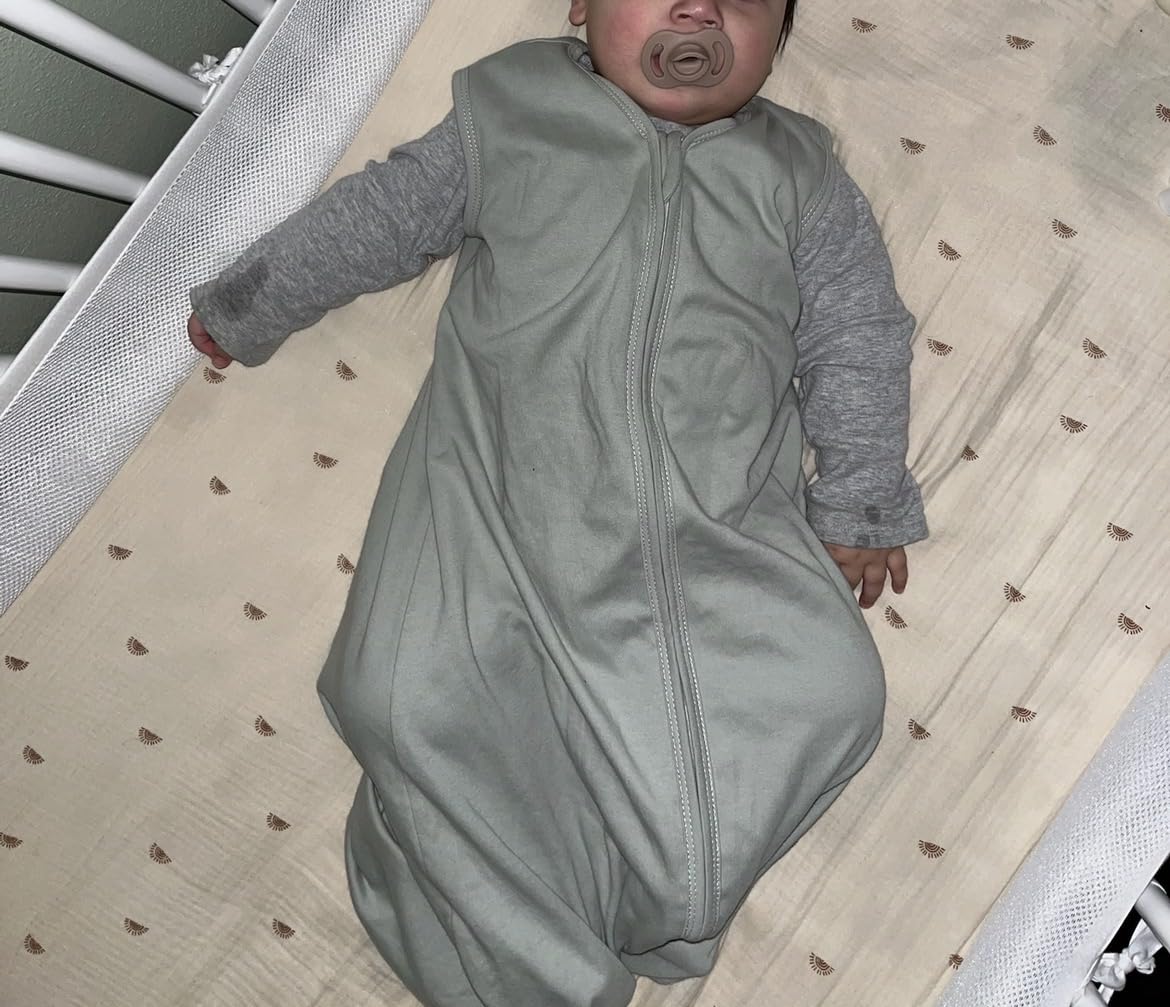
The Yoofoss sleep sack became a lifesaver for us during the 4-month regression. Once our daughter started showing signs of rolling, we had to stop swaddling immediately for safety. The transition was rough until we found this sleep sack.
The organic cotton is incredibly soft against sensitive baby skin, and the TOG 0.5 rating is perfect for nurseries kept at 68-72 degrees. What I love most is the 2-way zipper—when you’re doing a diaper change at 2 AM for the third time, you don’t want to fully undress your baby. The zipper runs from top to bottom, allowing you to keep the upper body covered and warm while accessing the diaper area.
With nearly 8,000 reviews and a 4.8-star rating, parents consistently praise the quality and value. The 3-pack means you always have a clean one ready while others are in the wash. For babies in the 4-month range, the 0-6 month size fits perfectly with room to grow.
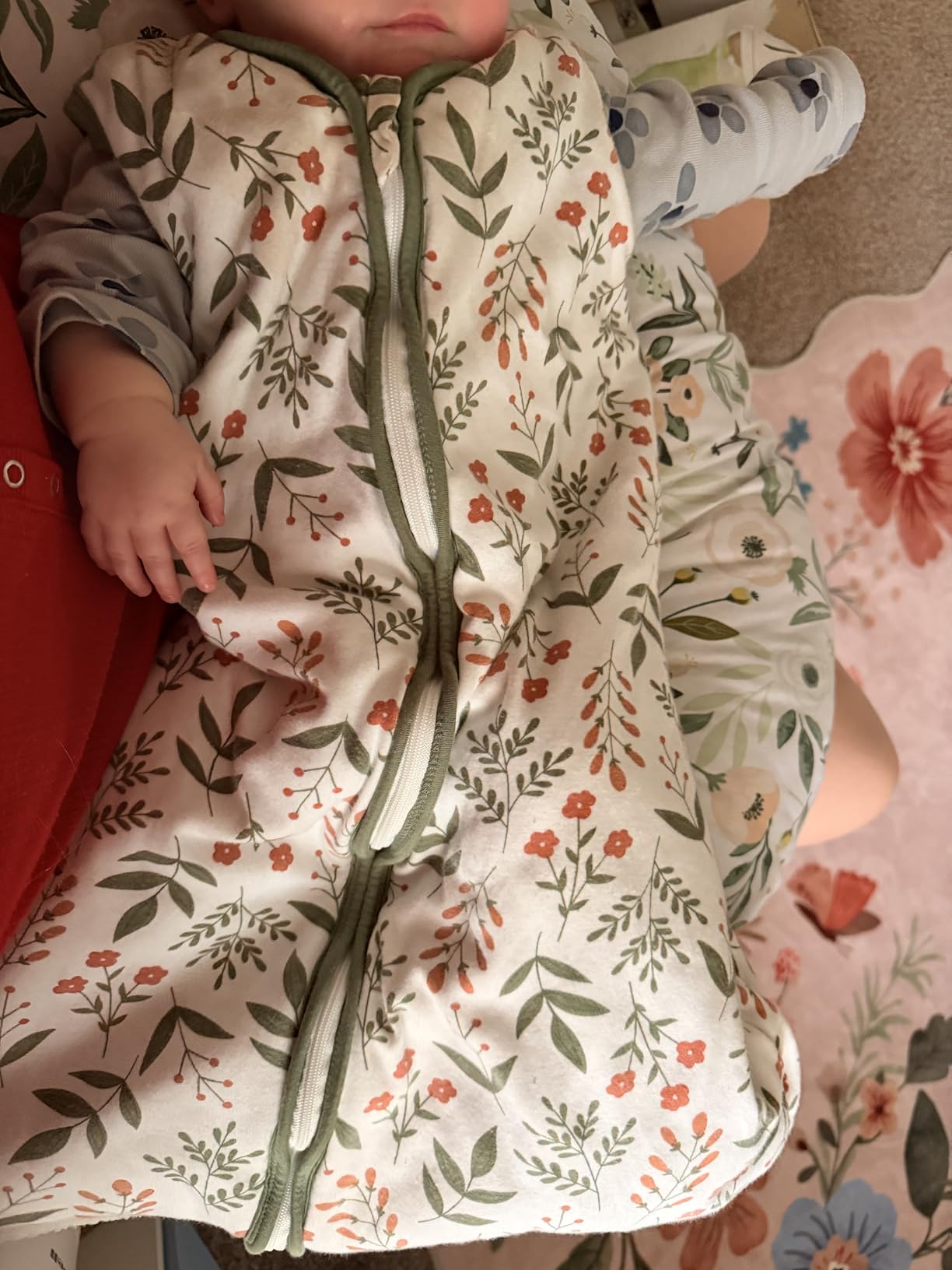
I particularly appreciate the interior zipper guard that prevents the metal from touching baby’s skin, and the roomy arm and neck openings that allow for comfortable movement. The International Hip Dysplasia Institute recognizes this design as promoting healthy hip development.
NICETOWN 100% Blackout Curtains: Creating the Perfect Sleep Cave
- True 100% blackout - blocks all sunlight
- Thick high-quality fabric feels luxurious
- Thermal insulation maintains room temperature
- Excellent noise reduction properties
- Easy to install with grommet design
- Multiple sizes and colors available
- Perfect for nurseries and bedrooms
- Heavy weight requires sturdy curtain rod
- May have creases from packaging (needs steaming)
- Dry clean or hand wash only

Light is the enemy of infant sleep. Even small amounts of light filtering through curtains can suppress melatonin production and signal wakefulness to your baby’s developing brain. The NICETOWN blackout curtains solve this problem completely.
With over 77,000 reviews and a 4.8-star rating, these are among the most popular blackout curtains on Amazon for good reason. The triple-weave fabric with sewn-in black liner truly blocks 100% of sunlight and UV rays. When we installed these in our daughter’s room, the difference was immediate—she started napping 30 minutes longer and stopped waking with the early morning sun.
The thermal insulation is an added bonus that helps maintain a consistent room temperature, which is important for safe and comfortable sleep. The noise reduction—2x better sound absorption than regular curtains—helps mask household sounds that might wake your baby between sleep cycles.

The silver grommet design makes installation easy with standard curtain rods. Just note that these are heavy curtains—you’ll want a sturdy rod that can support the weight. The 52×84 inch size fits most standard nursery windows, and the pure white color maintains a clean, bright nursery aesthetic during the day while creating total darkness for sleep.
Dreamegg Portable Noise Machine: Consistent Sound for Better Sleep
- Exceptional 22+ hour battery life on single charge
- 21 different soothing sounds including nature and lullabies
- Deep rich sound quality - not tinny
- Portable and lightweight with lanyard
- Child-lock prevents accidental changes
- Memory function remembers last settings
- No WiFi needed - works anywhere
- Timer mode has bright orange indicator light
- High-pitched sound at maximum volume
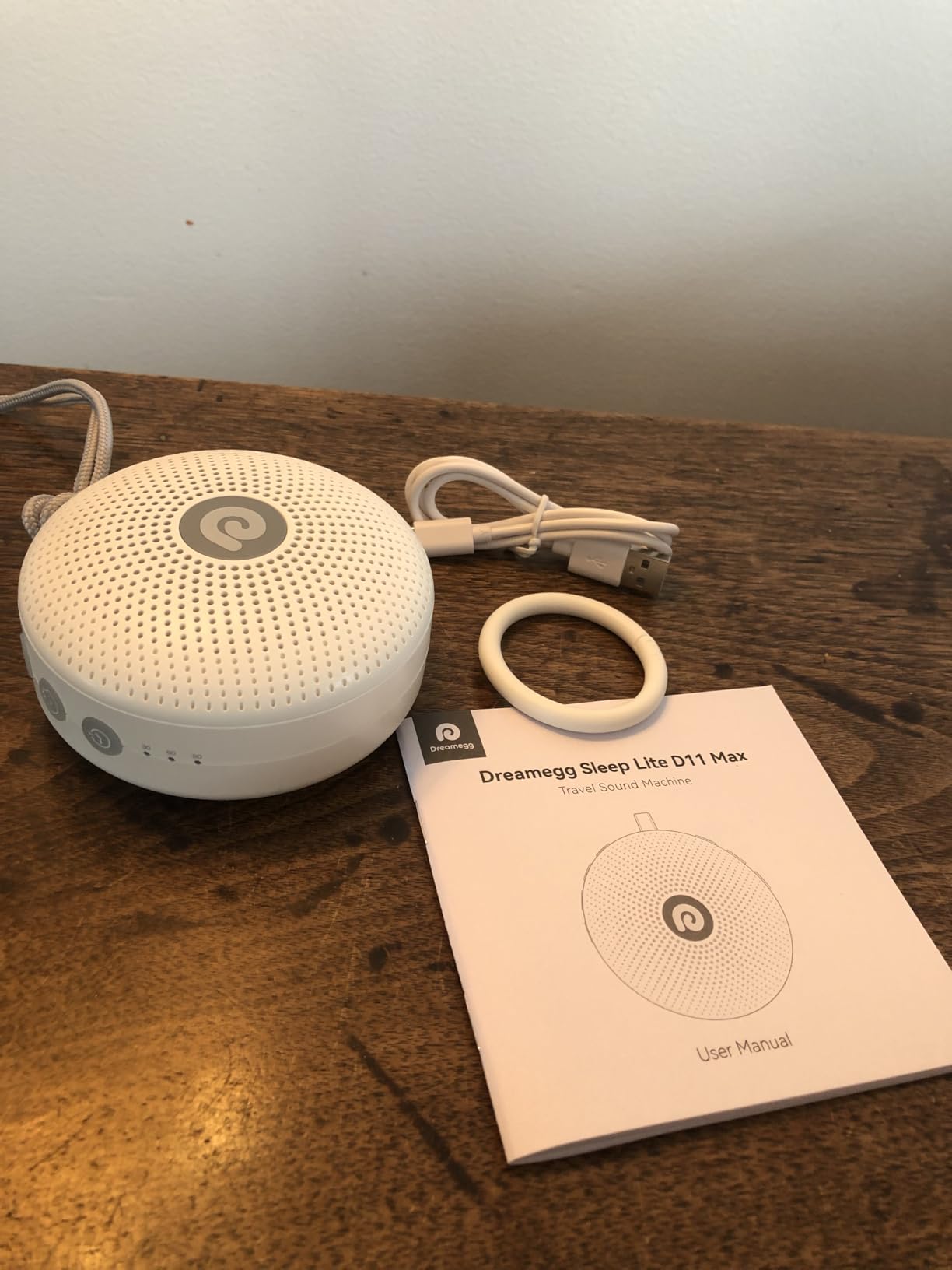
White noise is one of the most effective tools for infant sleep. It mimics the constant whooshing sounds your baby heard in the womb for 9 months, creating a familiar and comforting sleep environment. It also masks household noises—creaking floors, older siblings, barking dogs—that can wake a baby between sleep cycles.
The Dreamegg D11 Max stands out from competitors with its massive 1800mAh battery—most portable sound machines have 500mAh batteries that die after a few hours. This one lasts 22+ hours on a single charge, meaning you can use it all night and for naps without constantly plugging it in.
With over 10,000 reviews and a 4.6-star rating, parents love the variety of sounds—everything from brown noise and fan sounds to nature tracks and lullabies. The child-lock feature is brilliant for preventing accidental button presses when your baby gets older and starts exploring. The memory function remembers your last settings, so you don’t have to reset it every time.
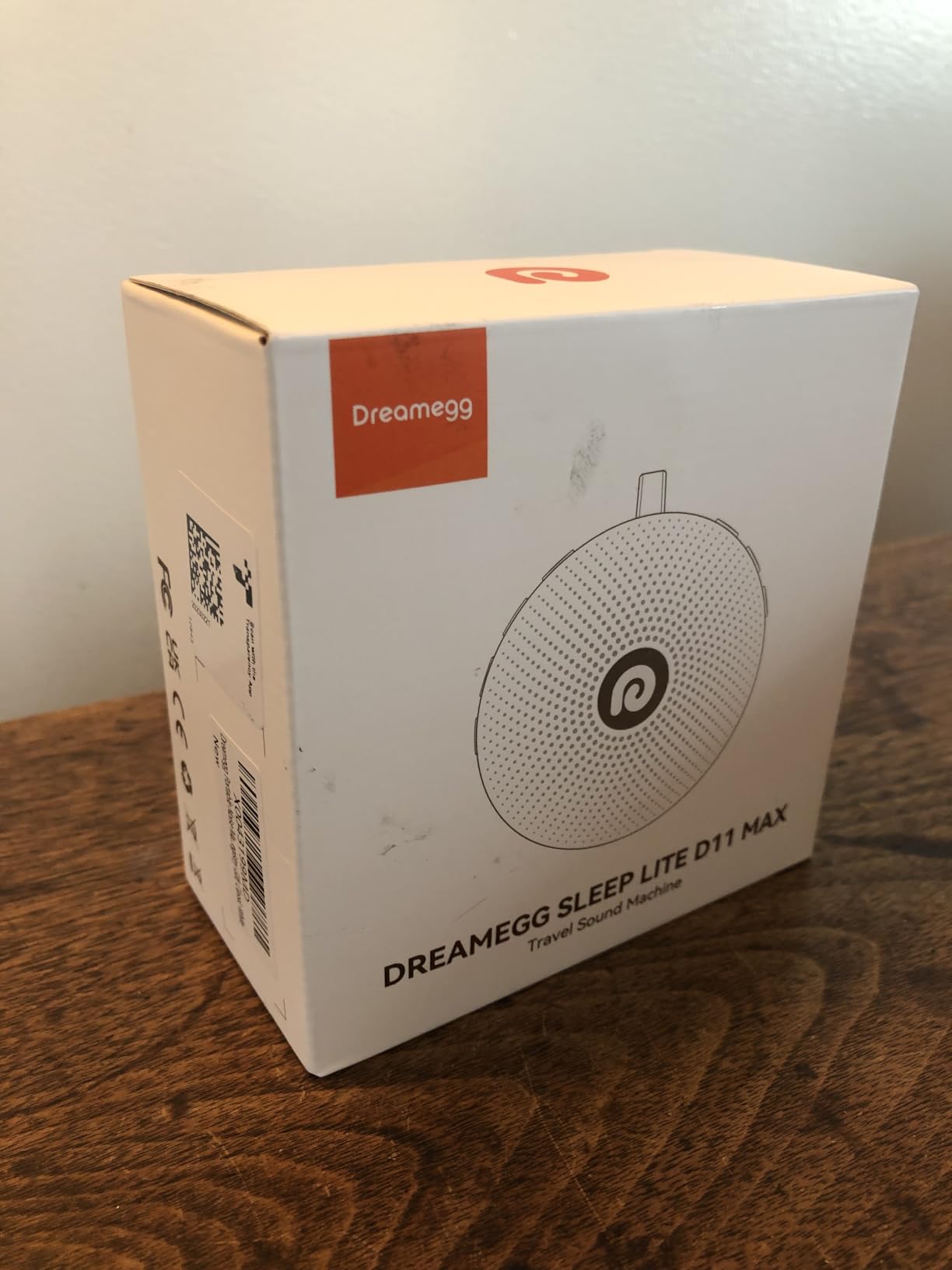
The portable design with lanyard makes this perfect for travel, stroller naps, or moving between rooms. Unlike WiFi-dependent sound machines, this works anywhere without internet connectivity—great for camping, hotel rooms, or grandparents’ houses. At under $20, it’s an affordable sleep tool that delivers premium performance.
HelloBaby Baby Monitor: Check Without Waking
- World's first 6-inch IPS screen reduces eye fatigue
- Exceptional 16-30 hour battery life
- Secure No-WiFi connection - no hacking risks
- 355-degree pan and 120-degree tilt coverage
- Invisible infrared LED for night vision
- Easy plug-and-play setup
- 2-way talk allows soothing without entering room
- Volume adjustment could use separate buttons
- Video clarity could be sharper
- In split-screen mode crying alert cannot be silenced independently
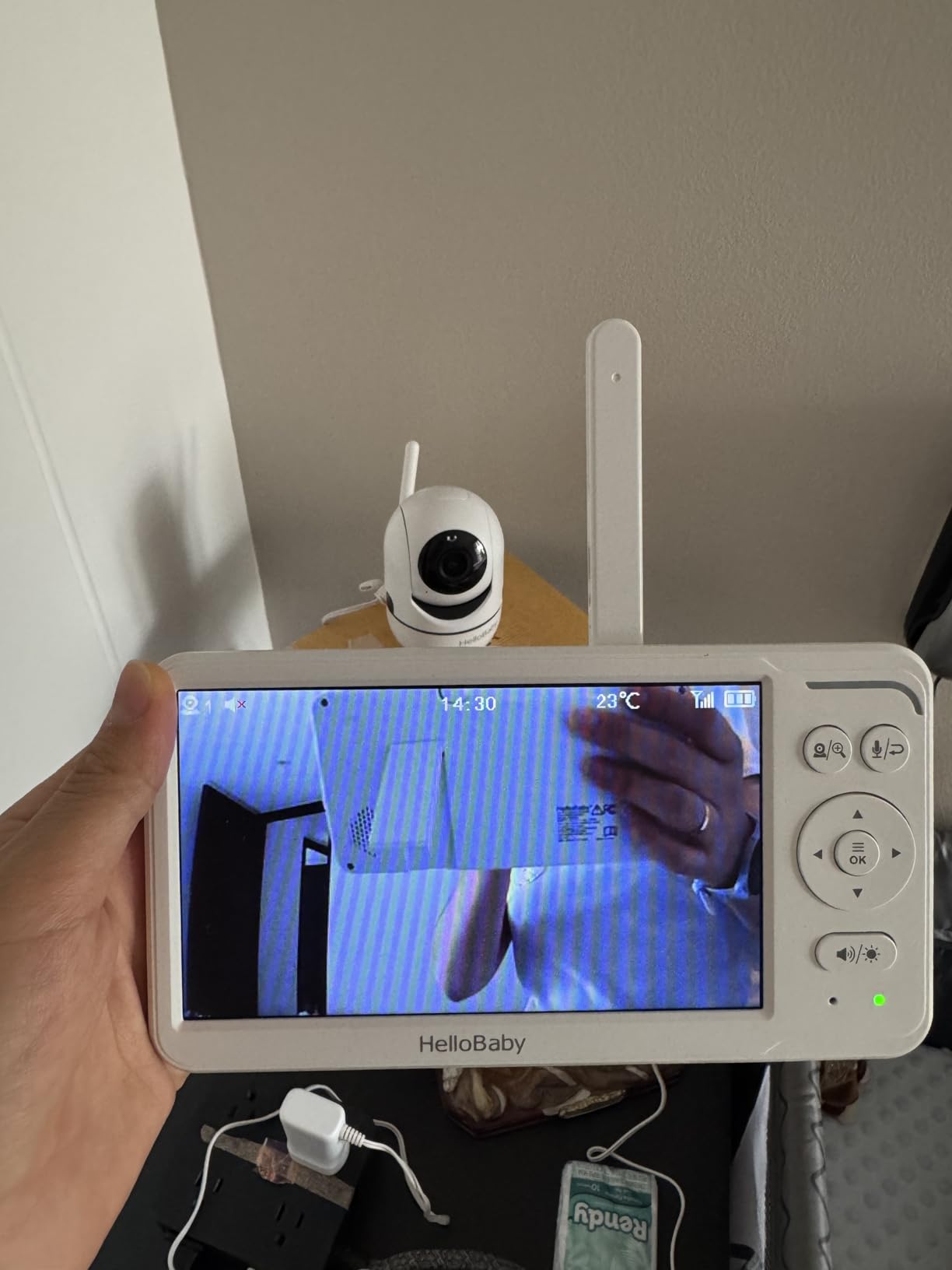
During the 4-month regression, one of the hardest things is determining whether your baby is actually awake and needs you, or just making noise between sleep cycles. Entering the room to check can wake a baby who was about to settle back to sleep. A good video monitor solves this dilemma.
The HelloBaby HB6560 is currently the #1 bestseller in Smart Baby Monitors, and for good reason. The 6-inch IPS screen is a game-changer—IPS technology provides clear viewing angles from any position and reduces the eye strain that comes from staring at a small, grainy screen at 3 AM.
The battery life is exceptional—16-30 hours depending on usage mode. Many competitors need charging daily, but this monitor can go multiple days between charges. The secure 2.4GHz FHSS technology means no WiFi connection is required, eliminating hacking risks and ensuring the monitor works even if your internet is down.
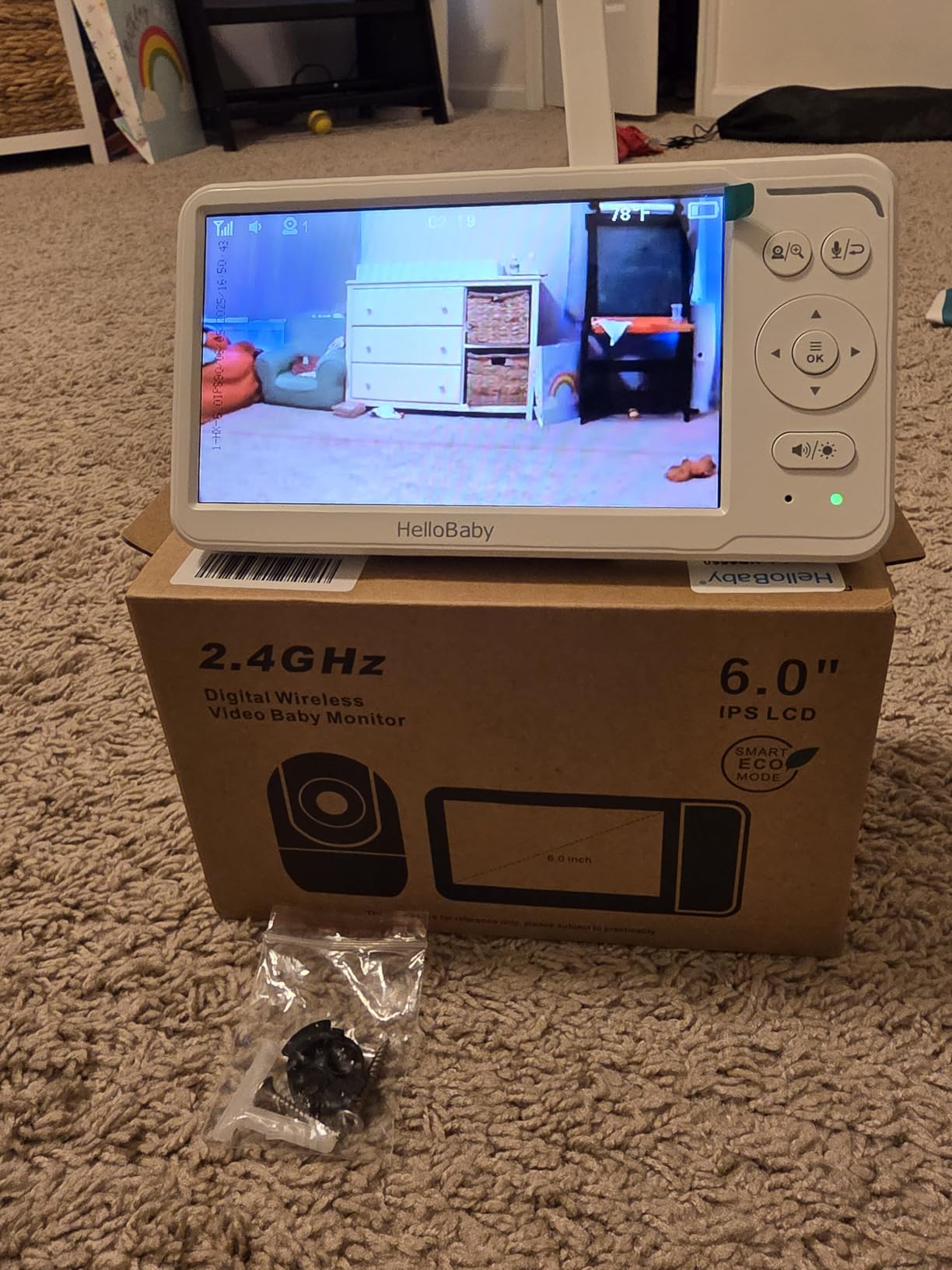
The 355-degree pan and 120-degree tilt give you complete room coverage without entering the nursery. I can check every corner of my daughter’s room from my bed. The invisible infrared LEDs provide clear night vision without the red glow that can disturb some babies. The 2-way talk feature lets me soothe her with my voice without the disruption of physically entering the room—a lifesaver during the regression when every intervention risked fully waking her.
Precious Little Sleep: The Sleep Bible for Exhausted Parents
Precious Little Sleep: The Complete Baby Sleep Guide for Modern Parents
- Science-based practical advice that actually works
- Multiple methods including gentle SWAP techniques
- Empathetic non-judgmental tone
- Covers teething reflux and sleep regressions
- Accompanying Facebook support group invaluable
- Humorous writing style makes it a quick read
- More affordable than expensive sleep coaches
- Some may misinterpret SLIP method without reading context
- Requires commitment to implement consistently
Sometimes you need more than a product—you need knowledge and a plan. “Precious Little Sleep” by Alexis Dubief is the most recommended sleep book in every parenting forum I frequent, and after reading it cover to cover during my daughter’s 4-month regression, I understand why.
This isn’t a one-size-fits-all sleep training manual. Dubief presents multiple approaches from gentle SWAPs (Sleep With Assistance Plans) to more structured SLIP (Sleep Learning Independence Plan) methods, allowing you to choose what fits your family’s values and your baby’s temperament. The science-based approach explains why sleep works the way it does, helping you make informed decisions rather than following arbitrary rules.
The book specifically addresses the 4-month sleep regression, explaining why it’s the ideal time to teach independent sleep skills and how to do it. The accompanying Facebook support group with over 100,000 members provides ongoing community support—when you’re up at 2 AM questioning your choices, there’s always another parent there to reassure you.
What sets this book apart is the empathetic, non-judgmental tone. Dubief acknowledges that different families have different needs and resources. Whether you’re nursing or formula feeding, co-sleeping or crib-sleeping, working or staying home, you’ll find applicable advice. At under $15, it’s significantly more affordable than hiring a sleep consultant but contains the same evidence-based information.
Frequently Asked Questions About the 4 Month Sleep Regression
How do people survive the 4 month sleep regression?
Parents survive the 4 month sleep regression by following age-appropriate wake windows, creating consistent bedtime routines, using white noise and blackout curtains, transitioning from swaddle to sleep sack, taking shifts with partners, and adjusting expectations. Most importantly, remember this phase is temporary and typically lasts 2-6 weeks. Prioritize self-care and accept help from others when offered.
How long does 4 month sleep regression normally last?
The 4 month sleep regression typically lasts between 2 and 6 weeks. Some babies move through it in 10-14 days, while others take a full month or more for sleep to stabilize. Factors affecting duration include consistency of sleep environment, existing sleep associations, and whether the baby has learned to self-soothe between sleep cycles.
Can you sleep train during the 4 month sleep regression?
Yes, you can sleep train during the 4 month sleep regression. Four months is developmentally appropriate to begin teaching independent sleep skills. However, the middle of a severe regression might not be the ideal time to start. Some families prefer to wait until the worst passes, while others find that sleep training helps everyone get through the regression faster.
What is the 5 3 3 rule for 4 month olds?
The 5-3-3 rule refers to a sleep schedule framework for 4-month-olds: approximately 5 hours of total awake time during the day, broken into 3 naps, with 3 hours of wake time before bed. At 4 months, wake windows typically range from 1.5-2.5 hours. This framework helps ensure adequate sleep pressure for nighttime sleep without causing overtiredness.
Do all babies have a 4 month sleep regression?
Not all babies experience a noticeable 4 month sleep regression. While all babies undergo the biological sleep cycle changes around this age, some transition smoothly without significant disruption. Babies who already have strong independent sleep skills, consistent routines, and optimal sleep environments may show minimal symptoms. Every baby is different.
Is the 4 month sleep regression permanent?
The 4 month sleep regression is permanent in the sense that your baby’s sleep patterns have biologically changed and won’t return to newborn sleep cycles. However, the frequent night wakings and disrupted sleep are temporary. With consistent strategies and time, your baby will learn to connect sleep cycles independently, leading to more consolidated sleep.
How can I tell if it’s teething or sleep regression?
Teething typically involves drooling, chewing on hands, flushed cheeks, or mild fever alongside sleep disruption. Sleep regression causes frequent waking at consistent 45-90 minute intervals matching sleep cycles, usually without other symptoms. Most babies don’t get their first tooth until 6 months, making sleep regression the more likely culprit at 4 months.
Should I let my 4 month old cry it out?
Whether to use cry-it-out at 4 months is a personal family decision. Many pediatricians and sleep consultants consider 4 months the earliest appropriate age for formal sleep training. However, gentler methods like the chair method, pick-up-put-down, or gradual withdrawal can be effective alternatives. Choose an approach that aligns with your parenting philosophy and your baby’s temperament.
When to Talk to Your Pediatrician
While the 4 month sleep regression is normal and expected, there are times when you should consult your pediatrician about your baby’s sleep:
Feeding concerns: If your baby is refusing feeds, losing weight, or showing signs of dehydration due to disrupted feeding patterns, call your doctor. Reverse cycling can sometimes lead to inadequate daytime nutrition.
Breathing issues: Loud snoring, gasping, pauses in breathing, or working hard to breathe during sleep are not normal and should be evaluated. These could indicate sleep apnea or other respiratory concerns.
Excessive crying: While increased fussiness is normal, inconsolable crying that lasts hours, especially if accompanied by fever, vomiting, or changes in bowel movements, warrants medical attention.
Developmental concerns: If sleep disruption is accompanied by loss of previously acquired skills, lack of social engagement, or failure to meet developmental milestones, discuss with your pediatrician.
Parent mental health: If you’re experiencing signs of postpartum depression or anxiety, reach out to your healthcare provider. Your wellbeing matters just as much as your baby’s, and help is available.
Trust your instincts. You know your baby better than anyone. If something feels wrong beyond just the expected sleep disruption, it’s always appropriate to call your pediatrician for guidance.
Conclusion: You Will Get Through This
The 4 month sleep regression is one of the most challenging phases of early parenting, but it is temporary. Your baby’s brain is developing exactly as it should, learning to cycle through sleep stages like an adult. This biological change, while exhausting in the moment, is a sign of healthy development.
Remember the key strategies: follow age-appropriate wake windows, maintain consistent bedtime routines, create a sleep-friendly environment with blackout curtains and white noise, transition from swaddle to sleep sack, consider sleep training if it feels right for your family, and most importantly, take care of yourself.
Take shifts with your partner when possible. Accept help from family and friends. Lower your expectations for everything except keeping yourself and your baby fed and safe. Connect with other parents who are going through the same thing—the support of people who truly understand is invaluable.
This regression typically lasts 2-6 weeks. Some families see improvement sooner; others need more time. Progress isn’t linear, and that’s okay. Your baby will learn to connect sleep cycles. You will sleep again. In the meantime, be gentle with yourself. You’re doing a great job, even when it doesn’t feel like it at 3 AM.
If you’re looking for additional support, consider picking up “Precious Little Sleep” for a comprehensive guide to infant sleep, or invest in the products we’ve recommended to optimize your baby’s sleep environment. The right tools and knowledge can make this challenging phase more manageable.
You’ve got this. And we’re right here with you.