
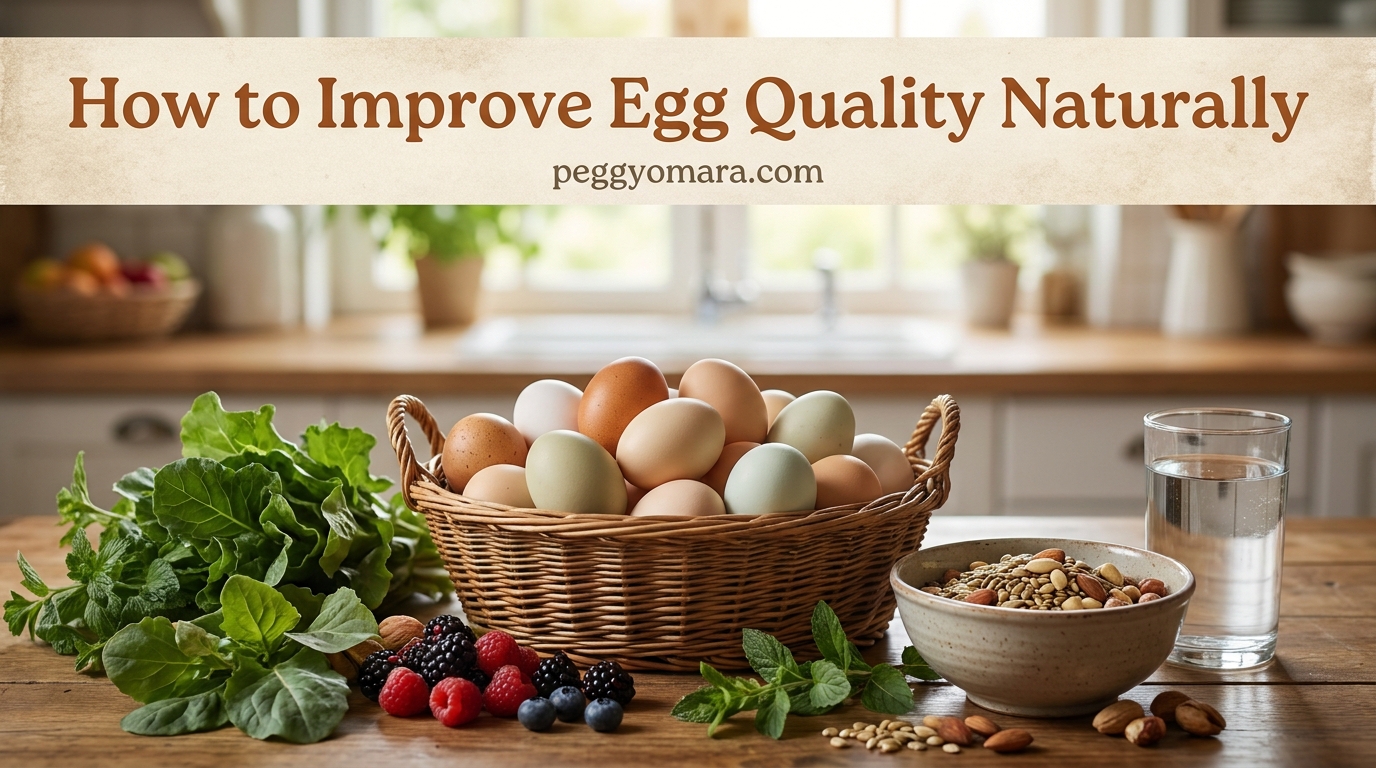
If you are trying to conceive, you have probably wondered about egg quality. After three years of researching fertility and speaking with countless women on this journey, I have learned that how to improve egg quality naturally is one of the most searched questions in the fertility space. The encouraging news is that you can influence egg quality through targeted lifestyle changes, nutrition, and supplements.
Egg quality refers to the genetic integrity and cellular health of your eggs, which directly impacts your ability to conceive, maintain pregnancy, and produce healthy embryos. While age is a significant factor, the environment in which your eggs mature over a 90-day cycle plays a crucial role in their final quality.
In this guide, I will share everything you need to know about improving egg quality naturally, including the science behind the 90-day maturation timeline, specific foods and supplements that make a difference, and practical lifestyle changes you can start today.
For more evidence-based fertility strategies, explore our related resources.
Table of Contents
Understanding Egg Quality: The 90-Day Maturation Cycle
Before diving into strategies, it helps to understand what egg quality actually means and how eggs develop. Egg quality encompasses several factors including chromosomal normalcy, mitochondrial function, and the structural integrity of the egg itself.
Here is what many women do not realize: eggs take approximately 90 days to mature before ovulation. This three-month window is your opportunity to influence egg quality. During this follicular development phase, your eggs are highly responsive to their environment, including the nutrients you consume, your stress levels, sleep quality, and toxin exposure.
Think of it this way: each egg that will eventually be ovulated starts as a microscopic primordial follicle about three months before it is released. As it matures through primary, secondary, and antral follicle stages, it undergoes significant changes. The final maturation phase, called the follicular phase of your cycle, is when the selected dominant follicle prepares for ovulation. Throughout this entire 90-day journey, the egg is building up energy reserves, organizing its DNA, and preparing for potential fertilization.
This timeline explains why fertility specialists and reproductive endocrinologists typically recommend starting any egg quality optimization protocol at least three months before trying to conceive or undergoing IVF. The changes you make today will affect the eggs you ovulate three months from now.
Ovarian Reserve vs Egg Quality: What is the Difference?
Many women confuse ovarian reserve with egg quality, but they are distinct concepts. Ovarian reserve refers to the quantity of eggs remaining in your ovaries, typically measured through AMH levels and antral follicle count. Egg quality, on the other hand, refers to the health and genetic integrity of those eggs.
You can have a high ovarian reserve but poor egg quality, or lower reserve with good quality eggs. While ovarian reserve generally declines with age and cannot be reversed, egg quality can often be improved through lifestyle interventions, regardless of your age.
Signs of Poor Egg Quality vs Healthy Eggs (2026)
Recognizing the signs of poor egg quality can help you understand your fertility status and take appropriate action. While only a fertility specialist can definitively assess egg quality, certain patterns may indicate issues.
Signs that may indicate poor egg quality include:
Recurrent miscarriage, especially in the first trimester, can signal chromosomal abnormalities in eggs. Failed fertilization during IVF cycles, even when sperm quality is normal, often points to egg quality issues. Poor embryo development, where embryos arrest early or fail to reach blastocyst stage, may reflect underlying egg quality problems. Abnormal embryo grading or high rates of aneuploidy in PGT-A testing can also indicate egg quality concerns.
Irregular cycles, very short cycles (under 21 days), or significantly low Anti-Mullerian Hormone (AMH) combined with high Follicle Stimulating Hormone (FSH) may suggest diminished ovarian reserve and potentially reduced egg quality. However, these hormones measure quantity more than quality.
Signs of healthy egg quality include:
Regular ovulatory cycles, successful fertilization when sperm quality is adequate, good embryo development and grading, and successful implantation and ongoing pregnancy are all indicators of healthy eggs. Many women over 35 and even over 40 produce healthy eggs and have healthy pregnancies.
When to Seek Medical Evaluation
If you are under 35 and have been trying to conceive for 12 months without success, or over 35 and trying for 6 months, consult a reproductive specialist. Earlier evaluation is warranted if you have known risk factors like a history of chemotherapy, radiation, endometriosis, or PCOS and fertility concerns.
Natural Ways to Improve Egg Quality
Now let us explore the evidence-based strategies for improving egg quality naturally. Each of these recommendations targets specific mechanisms that influence egg development, from reducing oxidative stress to supporting mitochondrial function.
1. Stop Smoking and Limit Alcohol
Smoking is one of the most damaging habits for egg quality. The toxins in cigarettes accelerate the loss of eggs and increase chromosomal abnormalities. Research shows that smokers experience menopause an average of 1-4 years earlier than non-smokers and have lower IVF success rates. If you smoke, quitting is the single most important step you can take for your fertility.
Alcohol also affects egg quality by disrupting hormone balance and increasing oxidative stress. While an occasional glass of wine may not be harmful, regular drinking can impair fertility. Most fertility specialists recommend limiting alcohol to fewer than four drinks per week when trying to conceive, with complete abstinence being the safest approach.
2. Optimize Your Body Weight
Maintaining a healthy BMI for fertility is crucial for egg quality. Both underweight and overweight conditions can disrupt hormonal balance and ovulation. A BMI between 18.5 and 24.9 is considered optimal for fertility.
Excess body fat produces estrogen and can lead to estrogen dominance, which may interfere with egg development. Obesity is also associated with increased oxidative stress and inflammation, both of which damage eggs. Conversely, being underweight can suppress ovulation entirely and reduce estrogen levels needed for follicular development.
3. Manage Stress Effectively
The stress and fertility connection is well-documented. Chronic stress elevates cortisol levels, which can disrupt the delicate hormonal balance required for egg development. High cortisol can suppress reproductive hormones and affect the hypothalamic-pituitary-ovarian axis.
While you cannot eliminate stress entirely, you can manage it. Regular meditation, yoga, deep breathing exercises, and spending time in nature all help lower cortisol. Even 10 minutes of daily mindfulness practice can make a difference in your hormonal balance.
4. Prioritize Sleep Quality
Sleep is when your body repairs and regenerates, and this includes your eggs. Aim for 7.5 to 8 hours of quality sleep each night. Poor sleep disrupts circadian rhythms and affects hormone production, including melatonin, which plays a protective role in egg quality.
Research suggests that shift workers and those with chronic sleep deprivation may have reduced fertility. Create a sleep routine by going to bed and waking at consistent times, keeping your bedroom cool and dark, and avoiding screens for at least an hour before bed.
5. Exercise Moderately
Regular moderate exercise improves blood flow to the ovaries and reduces inflammation. Aim for 30 minutes of moderate activity most days of the week. Walking, swimming, yoga, and light strength training are all excellent choices.
However, avoid over-exercising. Extreme exercise, particularly high-intensity training for more than an hour daily, can actually suppress ovulation and reduce fertility. If you are an athlete, work with your doctor to find the right balance.
6. Reduce Environmental Toxin Exposure
Environmental toxins called endocrine disruptors can interfere with hormone function and damage eggs. Common sources include plastics (BPA, phthalates), pesticides, and certain personal care products.
Switch to glass or stainless steel food containers instead of plastic. Choose organic produce when possible, especially for the “Dirty Dozen” fruits and vegetables. Use natural cleaning products and personal care items free from parabens and phthalates. Avoid handling thermal receipts, which are coated with BPA.
7. Improve Blood Flow to Ovaries
Good circulation ensures your ovaries receive adequate oxygen and nutrients. In addition to regular exercise, consider acupuncture, which has been shown to increase blood flow to reproductive organs. Abdominal massage and castor oil packs may also support ovarian circulation.
Avoid sitting for prolonged periods. If you have a desk job, take standing or walking breaks every hour. Staying well-hydrated also supports healthy blood flow.
8. Stay Hydrated
Proper hydration supports every cellular process in your body, including egg development. Aim for at least 8 glasses of water daily, more if you are active or in hot weather. Proper hydration also supports cervical mucus production, which is important for conception.
5 Foods That Improve Egg Quality Fast
Nutrition plays a powerful role in egg quality. The foods you eat provide the building blocks for cellular repair, protect against oxidative stress, and support hormone production. Here are five fertility superfoods to include in your diet regularly.
For a comprehensive fertility-focused nutrition guide, see our detailed resource.
1. Leafy Greens
Spinach, kale, Swiss chard, and other leafy greens are packed with folate, a B vitamin essential for DNA synthesis and cell division. Folate helps prevent neural tube defects and supports healthy egg development. These vegetables also provide iron, which supports healthy blood flow to ovaries, and antioxidants that combat oxidative stress.
Aim for at least one serving of leafy greens daily. Add spinach to smoothies, enjoy a big salad for lunch, or saute kale as a dinner side.
2. Berries
Blueberries, raspberries, strawberries, and blackberries are antioxidant powerhouses. They contain anthocyanins, which protect eggs from oxidative damage, and vitamin C, which supports collagen formation and hormone production. Berries also have a low glycemic index, supporting stable blood sugar.
Enjoy a handful of berries daily, either fresh or frozen. Add them to oatmeal, yogurt, or smoothies for a fertility boost.
3. Fatty Fish
Salmon, sardines, mackerel, and herring provide omega-3 fatty acids EPA and DHA, which reduce inflammation and support cell membrane integrity. These healthy fats are crucial for hormone production and may improve egg quality. Fatty fish also provide vitamin D and protein.
Include fatty fish in your diet 2-3 times per week. Choose wild-caught options when possible to minimize toxin exposure.
4. Nuts and Seeds
Walnuts, almonds, pumpkin seeds, sunflower seeds, and flaxseeds deliver vitamin E, zinc, selenium, and healthy fats. Vitamin E is a powerful antioxidant that protects eggs from oxidative stress. Zinc supports hormone balance and cell division. Selenium is essential for thyroid function, which influences fertility.
Consider seed cycling for hormonal balance as part of your fertility protocol. Aim for a small handful of nuts or seeds daily.
5. Avocados
Avocados are rich in monounsaturated fats, folate, potassium, and vitamin K. The healthy fats in avocados support hormone production and help your body absorb fat-soluble vitamins. Their anti-inflammatory properties also benefit overall reproductive health.
Add avocado to salads, spread it on whole grain toast, or blend it into smoothies for creaminess without dairy.
The Mediterranean Diet Approach for Fertility
The Mediterranean diet consistently shows the strongest evidence for improving fertility outcomes. This eating pattern emphasizes plant-based foods, healthy fats, lean proteins, and minimal processed foods. Research shows that women following a Mediterranean-style diet have better IVF success rates and improved embryo quality.
The fertility benefits of the Mediterranean diet stem from its anti-inflammatory properties and high antioxidant content. By reducing systemic inflammation and oxidative stress, you create a healthier environment for egg development.
Key principles of the Mediterranean diet for fertility include:
Fill half your plate with vegetables at every meal. Choose whole grains like quinoa, brown rice, and oats over refined grains. Use olive oil as your primary fat source. Include legumes several times per week for plant-based protein and fiber. Enjoy fish and seafood regularly. Limit red meat to occasional consumption. Minimize processed foods, added sugars, and trans fats.
Foods to avoid or minimize for optimal egg quality:
Trans fats and hydrogenated oils damage cell membranes and increase inflammation. Refined carbohydrates and sugar cause blood sugar spikes that disrupt hormone balance. Processed meats contain preservatives and high sodium that may affect fertility. Excessive caffeine (more than 200mg daily) may reduce fertility, though evidence is mixed. Alcohol should be limited or avoided when trying to conceive.
7-Day Fertility Meal Plan
Here is a practical meal plan incorporating fertility-supporting foods. Use this as a template and adjust based on your preferences and dietary needs.
Day 1:
Breakfast: Spinach and mushroom omelet with avocado
Lunch: Quinoa salad with salmon, cherry tomatoes, and olive oil dressing
Dinner: Grilled chicken with roasted sweet potatoes and steamed broccoli
Snack: Handful of walnuts and blueberries
Day 2:
Breakfast: Greek yogurt with mixed berries and pumpkin seeds
Lunch: Lentil soup with side salad of mixed greens
Dinner: Baked cod with asparagus and brown rice
Snack: Apple slices with almond butter
Day 3:
Breakfast: Overnight oats with chia seeds, flaxseeds, and raspberries
Lunch: Turkey and avocado wrap with whole grain tortilla and leafy greens
Dinner: Stir-fried vegetables with tofu and quinoa
Snack: Carrot sticks with hummus
Day 4:
Breakfast: Smoothie with spinach, banana, berries, and flaxseeds
Lunch: Sardines on whole grain toast with tomato and cucumber salad
Dinner: Grass-fed beef stir-fry with bell peppers and broccoli over rice
Snack: Brazil nuts (2-3) and dark chocolate square
Day 5:
Breakfast: Veggie scramble with peppers, onions, and spinach
Lunch: Chickpea and vegetable curry with brown rice
Dinner: Grilled shrimp with Mediterranean quinoa salad
Snack: Mixed nuts and dried fruit (unsweetened)
Day 6:
Breakfast: Whole grain toast with avocado and poached eggs
Lunch: Kale Caesar salad with grilled chicken and olive oil dressing
Dinner: Baked salmon with roasted Brussels sprouts and sweet potato
Snack: Greek yogurt with sunflower seeds
Day 7:
Breakfast: Berry smoothie bowl topped with granola and chia seeds
Lunch: Miso soup with tofu, seaweed, and side of edamame
Dinner: Herb-crusted chicken with quinoa and roasted vegetables
Snack: Pear slices with walnuts
Meal prep tip: Batch cook grains and proteins at the start of the week to make assembly quick on busy days.
Best Supplements for Egg Quality
While food should be your primary source of nutrients, targeted supplements can provide therapeutic doses that may be difficult to achieve through diet alone. Here are the supplements with the strongest evidence for supporting egg quality.
Coenzyme Q10 (CoQ10)
CoQ10 is one of the most researched supplements for egg quality. It supports mitochondrial function, providing the energy eggs need for division and development. Studies show that CoQ10 supplementation can improve egg quality, especially in women over 35.
Recommended dosage: 200-600mg daily, divided into two doses with meals. Ubiquinol form is better absorbed than ubiquinone. Start at least 3 months before trying to conceive.
Folate or Methylfolate
Folate is essential for DNA synthesis and preventing neural tube defects. Methylfolate is the active form and may be better utilized than folic acid, especially for those with MTHFR gene variants.
Recommended dosage: 400-800mcg daily. Many prenatal vitamins contain this amount.
Omega-3 Fatty Acids (EPA/DHA)
Omega-3s reduce inflammation and support cell membrane fluidity, which is important for fertilization. They also support hormone production.
Recommended dosage: 1000-2000mg combined EPA and DHA daily. Choose high-quality fish oil or algae-based omega-3s.
Vitamin D
Vitamin D deficiency is common and associated with reduced fertility. Adequate levels support hormone balance and may improve IVF outcomes.
Recommended dosage: 2000-4000 IU daily. Have your levels tested to determine optimal dosing. Many women need 4000+ IU to reach sufficient levels.
Myo-Inositol
Myo-inositol is particularly beneficial for women with PCOS, as it improves insulin sensitivity and may support egg quality. It also helps regulate menstrual cycles.
Recommended dosage: 2000mg twice daily (4000mg total).
Prenatal Vitamin
A high-quality prenatal vitamin provides foundational nutrients including iron, B vitamins, and trace minerals. Choose one with methylated forms of folate and B12 for optimal absorption.
Important timing note: Start all supplements at least 3 months before conception to allow them to influence the eggs currently in development.
Age-Specific Guidance: After 35 and After 40
Age is the most significant factor affecting egg quality. Understanding how age impacts fertility helps set realistic expectations and guides your strategy.
At What Age Are 90% of Eggs Gone?
By age 30, approximately 90% of a woman’s eggs have been depleted through the natural process of follicular atresia. Women are born with about 1-2 million eggs, and by puberty, this number drops to around 300,000. The decline accelerates after age 35 and more rapidly after 40.
However, this statistic refers to egg quantity, not quality. While the number of eggs decreases significantly with age, the quality of remaining eggs also declines. By age 40, approximately 50-70% of eggs may have chromosomal abnormalities.
Can You Improve Egg Quality After 35?
Yes, you can improve egg quality after 35. While you cannot reverse age-related changes entirely, the lifestyle modifications, nutrition, and supplements discussed in this guide can make a meaningful difference. Women over 35 who implement these strategies often see improved fertility outcomes.
Amplified strategies for women over 35 include:
Take the higher end of supplement dosages, particularly CoQ10 at 400-600mg daily. Be stricter about avoiding alcohol and caffeine. Consider adding DHEA (25mg three times daily) after consulting your doctor, as some studies show benefits for women with diminished ovarian reserve. Prioritize sleep and stress management even more rigorously. Work with a reproductive endocrinologist sooner rather than later.
Can You Improve Egg Quality After 40?
Improving egg quality after 40 is more challenging but not impossible. Women over 40 can and do conceive naturally and through IVF with their own eggs. The same strategies apply, but expectations should be realistic.
At 40 and beyond, consider egg freezing if you are not ready to conceive but want to preserve fertility options. If trying to conceive, work closely with a fertility specialist and consider all options, including donor eggs if appropriate for your situation.
Remember that chronological age does not always match biological age. Some 42-year-old women have better egg quality than some 35-year-old women due to genetics and lifestyle factors.
Emotional Support for Your Fertility Journey
The fertility journey can be emotionally exhausting, and this aspect is often overlooked in medical discussions about egg quality. The months of waiting, the disappointment of negative pregnancy tests, and the anxiety of fertility treatments take a real toll on mental health.
It is normal to feel overwhelmed, sad, angry, or anxious during this process. These feelings do not make you weak. They make you human. Acknowledging the emotional weight of fertility challenges is an important part of self-care.
Strategies for emotional well-being include:
Build a support system of people who understand. This might include your partner, close friends, a fertility support group, or an online community. Do not isolate yourself. Consider working with a therapist who specializes in fertility issues. They can provide tools for managing anxiety and navigating difficult decisions.
Practice the mind-body connection through yoga, meditation, or acupuncture. These practices not only reduce stress but also help you feel more connected to your body. Set boundaries around fertility talk. It is okay to decline baby showers or step back from social media if these trigger painful emotions.
The two-week wait between ovulation and testing is particularly challenging. Create distractions during this time, whether through engaging hobbies, light exercise, or social activities. Avoid obsessing over symptoms, as early pregnancy symptoms often mimic premenstrual symptoms.
Learn more about the stress and fertility connection and why managing emotional health matters for conception.
Remember that your worth is not determined by your fertility. You are valuable and complete regardless of whether you become a biological parent. Keeping this perspective can help you navigate the ups and downs with greater resilience.
Frequently Asked Questions
Is it actually possible to improve egg quality?
Yes, egg quality can be improved through lifestyle changes, nutrition, and supplements. While age-related decline cannot be reversed completely, the 90-day egg maturation cycle means that changes you make today can influence the quality of eggs released three months from now. Research supports the effectiveness of strategies like CoQ10 supplementation, Mediterranean diet, stress reduction, and avoiding toxins.
How long does it take to improve egg quality?
It takes approximately 90 days (3 months) to improve egg quality because that is how long eggs take to mature before ovulation. This is why fertility specialists recommend starting optimization protocols at least three months before trying to conceive or undergoing IVF. Some women may notice changes sooner, but three months is the standard recommendation for meaningful improvement.
What are signs of poor egg quality?
Signs of poor egg quality include recurrent miscarriage, failed fertilization during IVF, poor embryo development or early arrest, high rates of chromosomal abnormalities in embryos, irregular menstrual cycles, and low AMH combined with high FSH. However, only a fertility specialist can definitively assess egg quality through testing and IVF cycle outcomes.
Can you improve egg quality after 40?
Yes, you can improve egg quality after 40, though it becomes more challenging with age. Women over 40 can conceive naturally and through IVF. Strategies include higher dose CoQ10 (400-600mg), strict adherence to fertility diet, eliminating alcohol and caffeine, prioritizing sleep, and working closely with a reproductive endocrinologist. Realistic expectations are important at this age.
What foods improve egg quality?
The top foods for egg quality include leafy greens (folate and antioxidants), berries (anthocyanins and vitamin C), fatty fish like salmon (omega-3 fatty acids), nuts and seeds (vitamin E, zinc, selenium), and avocados (healthy fats and folate). Following a Mediterranean diet pattern provides the best overall fertility nutrition.
What destroys egg quality?
Factors that destroy egg quality include smoking, excessive alcohol consumption, poor diet high in processed foods and sugar, chronic stress, inadequate sleep, environmental toxins like BPA and phthalates, extreme exercise, obesity or being underweight, and uncontrolled medical conditions like PCOS or thyroid disorders. Age is also a significant factor that naturally reduces egg quality over time.
At what age are 90% of eggs gone?
By age 30, approximately 90% of a woman’s eggs have been depleted through natural follicular atresia. Women are born with 1-2 million eggs, and this number declines throughout life. The decline accelerates after age 35 and more rapidly after age 40. This statistic refers to egg quantity (ovarian reserve), not quality, though both decline with age.
Your 90-Day Action Plan to Improve Egg Quality Naturally
Now that you understand how to improve egg quality naturally, it is time to take action. Here is a simple checklist to guide your 90-day optimization protocol.
Week 1-2: Foundation
Schedule any baseline fertility testing with your doctor (AMH, FSH, vitamin D). Begin taking CoQ10, prenatal vitamin, omega-3s, and vitamin D. Eliminate alcohol and reduce caffeine to under 200mg daily. If you smoke, establish your quit plan.
Week 3-4: Nutrition Overhaul
Transition to Mediterranean-style eating. Stock your kitchen with fertility-supporting foods. Meal prep to make healthy eating convenient. Eliminate processed foods and added sugars.
Month 2: Lifestyle Optimization
Establish consistent sleep schedule (7.5-8 hours nightly). Implement stress management practice (meditation, yoga, or journaling). Begin moderate exercise routine (30 minutes, 5 days weekly). Switch to natural cleaning and personal care products.
Month 3: Fine-Tuning
Continue all supplements and lifestyle changes. Track your cycle and ovulation. Manage emotional health with support systems in place. Schedule preconception checkup with healthcare provider.
After 90 days, you will have done everything possible to optimize egg quality for your next cycle. Remember that fertility is a journey, and each cycle is a new opportunity.
Improving egg quality naturally requires commitment, but the strategies outlined here are within your control. Focus on what you can change rather than worrying about factors like age that you cannot. Many women who implement these changes successfully conceive and have healthy pregnancies.
For additional support, explore our comprehensive guide to evidence-based fertility strategies. You are not alone on this journey, and every positive step you take matters.