
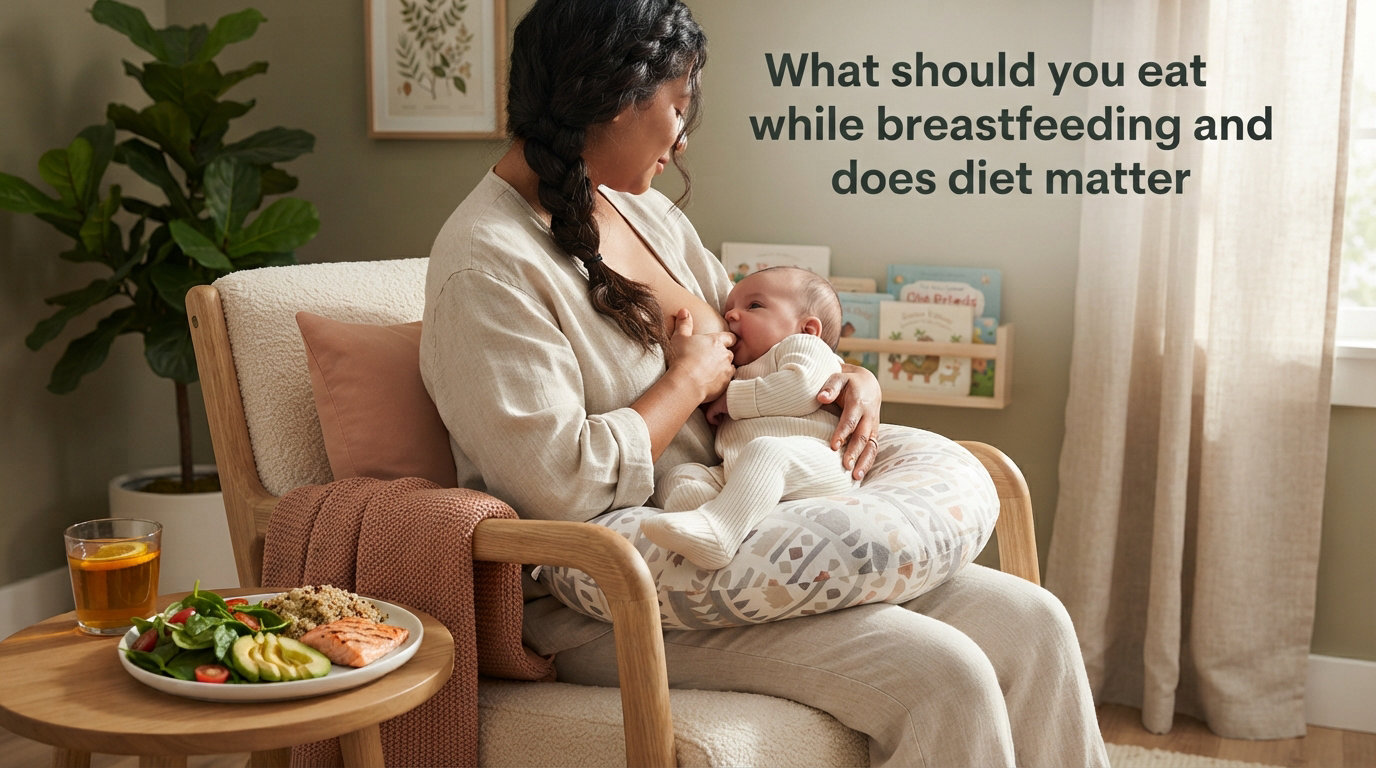
When I started breastfeeding my first child, I was overwhelmed by conflicting advice about what to eat. Some well-meaning relatives warned me against garlic and spicy foods. Others insisted I needed to drink milk to make milk. And everywhere I looked, I found different answers to the same question: what to eat while breastfeeding and does it really matter?
After researching the science and speaking with lactation consultants, I discovered something reassuring. For most mothers, a normal healthy diet is perfectly adequate for producing nutritious breast milk. Your body is remarkably efficient at prioritizing nutrients for your baby, even when your own intake is not perfect.
That said, what you eat does matter for your own health, energy levels, and recovery. And certain nutrients do pass directly into your milk, affecting its composition. In this guide, I’ll share exactly what the research says about breastfeeding nutrition, including which foods to prioritize, what to limit, and how to tell if your diet is affecting your baby.
Table of Contents
Quick Answer: Does Diet Really Matter When Breastfeeding?
Your diet matters more for your own health than for your milk quality. Breast milk is remarkably consistent in its macronutrient composition (proteins, fats, carbohydrates) regardless of what you eat. Your body will pull from its own stores to create perfect milk for your baby.
However, certain micronutrients in your milk do reflect your dietary intake. These include vitamins A, B6, B12, and D, plus iodine, choline, and DHA. Your diet also affects your energy levels, recovery from birth, and long-term health. The bottom line: eat a balanced, nutrient-dense diet, but do not stress about perfection.
What to Eat While Breastfeeding: Your Calorie and Nutritional Needs
Breastfeeding requires extra energy, but perhaps not as much as you might expect. According to the CDC, lactating mothers need approximately 330 to 400 extra calories per day during the first six months. This is roughly equivalent to a small meal or two nutritious snacks.
Not all calories are equal, though. The quality of those calories matters significantly for your recovery and sustained energy.
Understanding Group 1 vs Group 2 Nutrients
Research divides nutrients into two important categories for breastfeeding mothers. Understanding this distinction helps explain why some dietary changes affect your milk while others do not.
Group 1 nutrients are those whose levels in breast milk depend on your dietary intake. If you do not consume enough, your milk levels drop. These include vitamin B1 (thiamine), vitamin B2 (riboflavin), vitamin B6, vitamin B12, choline, vitamin A, vitamin D, iodine, and selenium. These nutrients require attention in your diet.
Group 2 nutrients are those your body pulls from its own stores to maintain consistent milk levels, regardless of your intake. These include folate, calcium, iron, copper, and zinc. Your milk will contain adequate amounts even if your diet is lacking, but your own health may suffer if you do not replenish these stores.
Key Micronutrients to Prioritize
Several nutrients deserve special attention during lactation. Iodine is critical for infant brain development, and needs increase from 150 mcg to 290 mcg daily while breastfeeding. Choline supports brain development and cognitive function, with needs rising to 550 mg daily. DHA, an omega-3 fatty acid found in fatty fish, is essential for infant neural and visual development.
How Your Diet Affects Breast Milk Composition
Breast milk is approximately 87% water, 7% carbohydrate (lactose), 3.8% fat, and 1% protein by volume. The macronutrient composition remains remarkably stable across mothers and cultures, regardless of dietary variations.
Your body prioritizes milk production above almost everything else. If your diet lacks certain nutrients, your body will deplete its own reserves to maintain milk quality. This is both amazing and cautionary, as maternal depletion can lead to fatigue, bone density loss, and other health issues over time.
The fat composition of your milk does reflect your dietary fat intake, which is why DHA and other healthy fats are worth emphasizing. Some flavor compounds from foods like garlic, spices, and vanilla also pass into milk, which research suggests may actually help babies develop diverse taste preferences later in life.
Best Foods to Eat While Breastfeeding
Focus on nutrient-dense whole foods that provide sustained energy and essential vitamins. You do not need a special “breastfeeding diet” but rather a balanced approach that emphasizes certain food groups.
Protein-Rich Foods
Aim for approximately 65 grams of protein daily while breastfeeding, compared to 46 grams for non-pregnant women. Good sources include eggs, Greek yogurt, cottage cheese, lean meats, poultry, fish, beans, lentils, and tofu. I found keeping hard-boiled eggs in the refrigerator made grabbing protein easy during those early sleep-deprived weeks.
Whole Grains
Whole grains provide B vitamins, fiber, and sustained energy release. Oatmeal, in particular, has a reputation among breastfeeding mothers for supporting milk supply, though scientific evidence is limited. Brown rice, quinoa, whole wheat bread, and barley are excellent choices that keep blood sugar stable.
Fruits and Vegetables
Fill half your plate with colorful produce. Leafy greens like spinach and kale provide folate and calcium. Orange vegetables like sweet potatoes and carrots offer beta-carotene (converts to vitamin A). Berries provide antioxidants and vitamin C. Aim for variety to ensure a broad spectrum of micronutrients.
Healthy Fats
Omega-3 fatty acids, particularly DHA, are crucial for infant brain development. Include fatty fish like salmon, sardines, and mackerel 2-3 times weekly. Plant sources include walnuts, flaxseeds, and chia seeds. Avocados and olive oil provide monounsaturated fats that support overall health.
Foods Thought to Support Milk Supply
While research on galactagogues (foods that increase milk supply) is limited, many mothers report benefits from oats, barley, brewer’s yeast, and flaxseeds. These foods are nutritious regardless, so including them in your diet carries minimal risk and potential benefit.
Foods to Limit or Avoid While Breastfeeding
The list of foods breastfeeding mothers must avoid is surprisingly short. Most foods are perfectly safe, and most babies tolerate their mother’s normal diet without issues. However, certain substances do require attention.
Alcohol Guidelines
According to the CDC, not drinking alcohol is the safest option. However, moderate consumption can be compatible with breastfeeding. The general rule: wait at least 2 hours per standard drink before nursing or pumping. Alcohol leaves milk as it leaves your bloodstream, so there is no need to “pump and dump” unless you are uncomfortable.
Caffeine Limits
Limit caffeine to about 200-300 mg daily, equivalent to 2-3 cups of coffee. Some babies, particularly newborns, may be sensitive to caffeine and become fussy or have trouble sleeping. Preterm infants process caffeine more slowly, so mothers of preemies may need to be more conservative.
High-Mercury Fish
Avoid shark, swordfish, king mackerel, tilefish, bigeye tuna, marlin, and orange roughy due to mercury content. Choose low-mercury options like salmon, sardines, trout, tilapia, cod, and light canned tuna. Fish provides excellent nutrition, so do not avoid it entirely, just select wisely.
Highly Processed Foods
While not strictly prohibited, heavily processed foods offer little nutritional value while displacing more nutrient-dense options. They may also contain excess sodium, added sugars, and unhealthy fats. Minimize these in favor of whole foods.
Hydration Guidelines for Breastfeeding Mothers
“Drink to thirst” is the simple guidance from La Leche League International. Your body will signal when you need more fluids, and this intuitive approach works well for most mothers.
That said, many breastfeeding mothers find they are thirstier than usual, especially during nursing sessions. This is partly due to oxytocin release during let-down. Keep water accessible during feeds. Urine color is a good indicator: pale yellow suggests adequate hydration; dark yellow means drink more.
Water is the best choice, but other beverages count too. Milk provides calcium and protein. Herbal teas are generally safe, though some herbs may affect milk supply. Limit sugary drinks and excessive juice. Caffeinated beverages contribute to your daily fluid intake but should stay within recommended limits.
Supplements for Breastfeeding Mothers
While food should be your primary nutrition source, supplements can help fill gaps. Most healthcare providers recommend continuing your prenatal vitamin while breastfeeding.
Vitamin D Recommendations
The American Academy of Pediatrics recommends that breastfed infants receive 400 IU of vitamin D daily, either through infant supplements or through maternal supplementation of 6400 IU daily. Many mothers find giving the supplement directly to baby easier than remembering their own high-dose vitamin D.
DHA and Omega-3 Supplements
If you do not eat fatty fish regularly, consider a DHA supplement. Look for products providing at least 200-300 mg DHA daily. Fish oil or algae-based options (for vegetarians/vegans) are both effective.
B12 for Vegetarians and Vegans
Vitamin B12 is found naturally only in animal products. If you follow a vegetarian or vegan diet, ensure adequate B12 through fortified foods or supplements. B12 deficiency in breastfed infants can cause serious developmental issues, so this is non-negotiable.
Special Diet Considerations
Vegetarian and vegan mothers can absolutely meet their nutritional needs while breastfeeding, but they do require extra planning. Focus on protein variety, B12 supplementation, iron-rich plant foods paired with vitamin C for absorption, and potentially DHA from algae sources.
If your baby shows signs of food allergy (eczema, blood in stool, excessive fussiness, poor weight gain), work with your pediatrician to identify trigger foods. Dairy is the most common culprit, followed by soy, eggs, wheat, and peanuts. An elimination diet may be necessary, but should be undertaken with professional guidance.
Signs Your Diet May Be Affecting Your Baby
Most babies tolerate their mother’s diet without problems, but some infants react to specific foods passing through breast milk. Signs to watch for include eczema or skin rashes, hives, vomiting, diarrhea or mucousy stools (especially with blood), excessive gas or fussiness, and wheezing or breathing difficulty.
If you suspect a food sensitivity, keep a detailed food and symptom diary for one to two weeks. Look for patterns between what you eat and baby’s reactions. Eliminate suspected foods one at a time for at least two weeks to see if symptoms improve. Reintroduce the food to confirm the reaction. Always consult your pediatrician if you suspect allergies.
Sample Meal Plan for Breastfeeding Mothers
Planning meals with a newborn can feel impossible. Here is a practical framework that requires minimal preparation while covering your nutritional bases.
Breakfast options: Oatmeal with berries and walnuts, Greek yogurt with granola and fruit, eggs with whole grain toast and avocado, or a smoothie with banana, spinach, almond butter, and milk.
Lunch ideas: Turkey and avocado wrap with vegetables, quinoa bowl with roasted vegetables and chickpeas, salmon salad on whole grain bread, or leftover dinner from the previous night.
Dinner suggestions: Grilled salmon with sweet potato and broccoli, chicken stir-fry with brown rice, lentil curry with vegetables and whole grain naan, or lean beef tacos with beans and salsa.
Easy snacks: Hard-boiled eggs, apple slices with peanut butter, hummus with vegetables, trail mix, cheese and whole grain crackers, or a handful of nuts.
Weight Loss While Breastfeeding
Many mothers are eager to lose pregnancy weight, but drastic dieting can harm your milk supply. Aim for gradual weight loss of 1-2 pounds per week maximum. Very low calorie diets (below 1500-1800 calories daily) may reduce milk production.
Focus on nutrient density rather than restriction. Include protein at every meal to promote satiety. Stay hydrated. Move your body gently as you feel ready. Remember, your body created a human and is now nourishing that human. Some weight retention is normal and healthy during lactation.
Frequently Asked Questions About What to Eat While Breastfeeding
Do breastfeeding mothers need more calories?
Yes, breastfeeding mothers need approximately 330-400 extra calories per day during the first six months, according to the CDC. This equals about one small meal or two nutritious snacks. The quality of these calories matters more than the quantity, so focus on nutrient-dense foods rather than simply eating more.
What foods should I eat while breastfeeding?
Prioritize protein-rich foods (eggs, Greek yogurt, lean meats, legumes), whole grains (oats, quinoa, brown rice), plenty of fruits and vegetables, and healthy fats including fatty fish 2-3 times weekly for DHA. Focus on nutrient-dense whole foods while allowing yourself flexibility and occasional treats.
What foods and drinks should I limit or avoid while breastfeeding?
Limit caffeine to 200-300 mg daily (2-3 cups coffee), avoid high-mercury fish like shark and swordfish, and if drinking alcohol, wait at least 2 hours per standard drink before nursing. The CDC states that not drinking alcohol is the safest option. Most other foods are perfectly safe while breastfeeding.
How much fluid do I need while breastfeeding?
The best guidance is to drink to thirst. Many mothers find they are naturally thirstier while nursing. Keep water accessible during feeds and monitor urine color, pale yellow indicates adequate hydration. Water, milk, and herbal teas all contribute to fluid intake.
Could my diet cause my baby to be fussy or have a reaction?
Yes, though most babies tolerate their mother’s diet well. Some infants react to foods passing through breast milk, with dairy being the most common trigger. Signs include eczema, blood in stool, excessive gas, or fussiness. Keep a food and symptom diary, and consult your pediatrician if you suspect food sensitivity.
Do I need to take supplements while breastfeeding?
Most healthcare providers recommend continuing your prenatal vitamin while breastfeeding. Additionally, breastfed infants need 400 IU of vitamin D daily, either through infant drops or maternal supplementation of 6400 IU. Vegetarian and vegan mothers should ensure adequate B12 through fortified foods or supplements.
Can I follow a vegetarian or vegan diet while breastfeeding?
Yes, vegetarian and vegan diets can support healthy breastfeeding, but they require extra planning. Focus on protein variety, B12 supplementation or fortified foods, iron-rich plant foods paired with vitamin C, and DHA from algae supplements if you do not eat fish. Consult a registered dietitian if needed.
Is it safe to drink coffee while breastfeeding?
Yes, moderate caffeine consumption is generally considered safe while breastfeeding. Limit intake to 200-300 mg daily, equivalent to 2-3 cups of coffee. Some newborns may be more sensitive to caffeine and become fussy. If you notice this, reduce your intake and try nursing before having your morning coffee.
Conclusion: What to Eat While Breastfeeding
The question of what to eat while breastfeeding has a surprisingly simple answer. Eat a balanced, nutrient-dense diet that includes plenty of protein, whole grains, fruits, vegetables, and healthy fats. Stay hydrated. Limit caffeine and alcohol. Take your prenatal vitamin. And most importantly, give yourself grace.
Your body is designed to create perfect milk for your baby, even on less-than-perfect days. The occasional skipped meal, convenience food, or celebratory glass of wine will not derail your breastfeeding journey. Focus on nourishing yourself so you can nourish your baby, and remember that a stressed mother helps no one, least of all her child.