
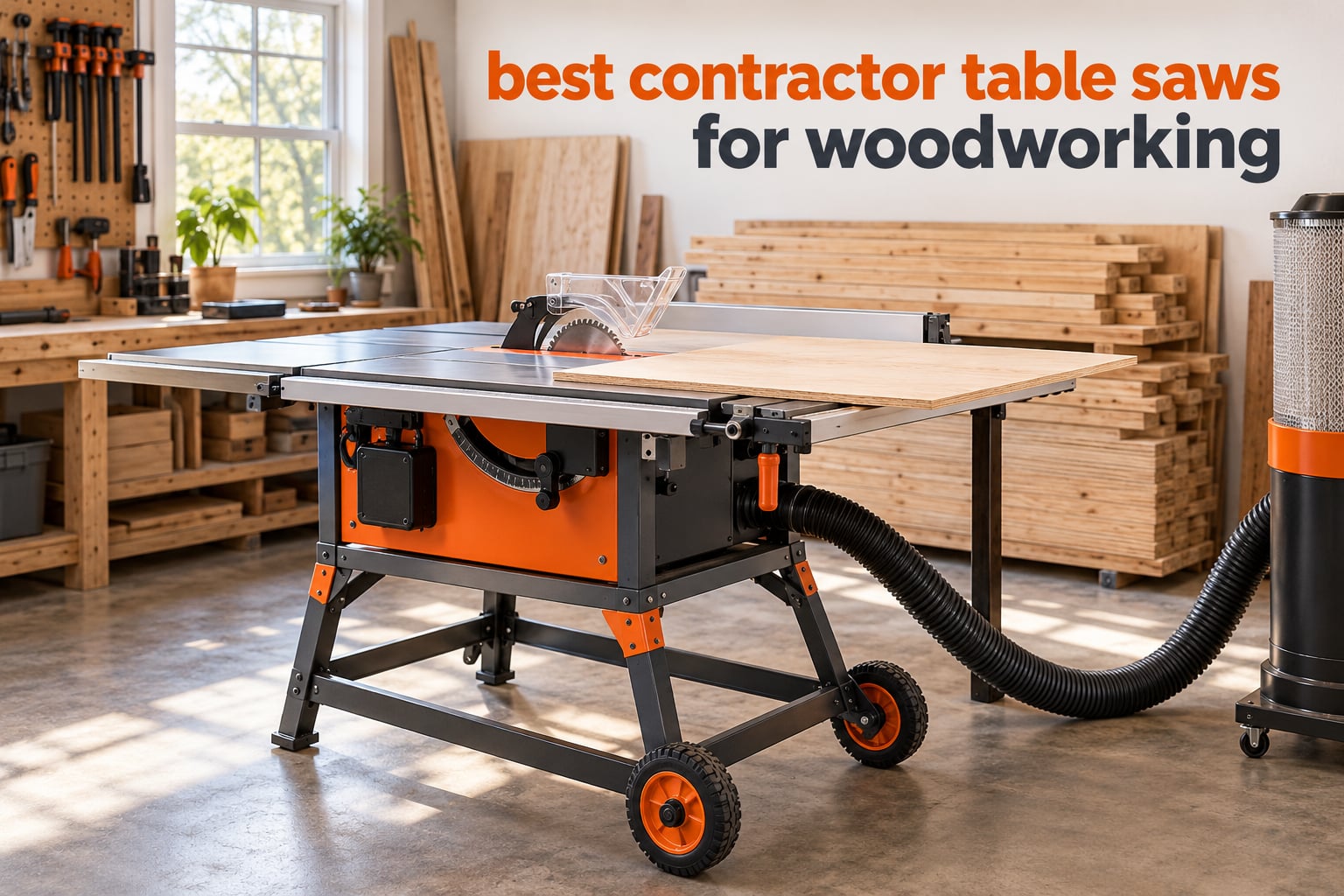
A contractor table saw is the middle ground between a jobsite saw you haul around all week and a cabinet saw you will never move again. It gives you a rigid cast top, a fence that stays square under load, and enough rip capacity to break down a full sheet of plywood, while still fitting in a pickup bed between trim carpentry jobs. When you compare the best contractor table saws for woodworking, the differences show up in three places: fence quality, rip capacity, and how the saw behaves when a sheet is hanging off the outfeed side.
We spent time with seven contractor table saws to put this guide together. The lineup covers the full range, from a folding saw that a one-person crew can load alone to a worm drive machine built for thick hardwood. Every saw here runs a 10-inch blade except one, and we weighed the fences against sheet goods rather than against 2x lumber, because that is where contractor saws usually get judged.
If you are still narrowing the field, our guides to the best table saws overall and the best portable table saws cover the wider market. This one stays on the machines built for professional carpentry work. We updated it for 2026 with the current model numbers and warranty terms.
Table of Contents
Top 3 Best Contractor Table Saws (October 2026)
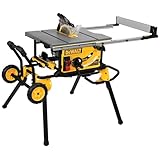
DEWALT DWE7491RS
- Rack and pinion fence
- 32-1/2 inch rip capacity
- 15 amp motor at 4800 RPM
- Rolling stand with onboard storage
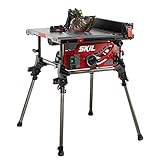
SKIL TS6307-00
- Integrated folding stand
- Rack and pinion fence rails
- 25.5 inch rip capacity
- 51.2 pound total weight

SKILSAW SPT99-11
- Worm drive gearing
- 3-5/8 inch depth of cut
- 30-1/2 inch rip capacity
- 16 inch wheels on rolling stand
Best Contractor Table Saws for Woodworking in 2026
| Product | Specifications | Action |
|---|---|---|
| DEWALT DWE7491RS |
|
Check Latest Price |
| SKIL TS6307-00 |
|
Check Latest Price |
| SKILSAW SPT99-11 |
|
Check Latest Price |
 DEWALT DWE7485WS DEWALT DWE7485WS |
|
Check Latest Price |
 Bosch GTS15-10 Bosch GTS15-10 |
|
Check Latest Price |
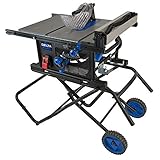 Delta 36-6023 Delta 36-6023 |
|
Check Latest Price |
 Evolution R10TS Evolution R10TS |
|
Check Latest Price |
What Is a Contractor Table Saw?
A contractor table saw is a mid-weight portable saw with a 10-inch blade, a cast or cast-aluminum top, and a precision fence, built for carpenters who need accuracy on site without the mass of a cabinet saw. It runs on a 15-amp corded motor at 120 volts and usually comes with a rolling stand.
The word gets used loosely, so it helps to separate four categories. A jobsite saw is lighter, cheaper, and often has a sliding fence that drifts under load. A contractor saw adds a cast top, a rack and pinion fence, and a deeper stand. A cabinet saw weighs several hundred pounds and stays put. A hybrid saw tries to split the difference with a cast top on a lighter frame. Our cabinet table saw guide covers that heavier end of the market.
The practical dividing line is fence rigidity. On a jobsite saw, the fence tube flexes when you push a sheet through, and the cut angle drifts a degree or two. On a contractor saw, the rack and pinion rails lock the fence rigid, so a setup made in the morning still holds in the afternoon. That is why finish carpenters and trim installers use contractor saws even when they have room for something bigger.
How We Picked These Contractor Table Saws?
We looked at published specifications for fence type, rip capacity, depth of cut, weight, and warranty, then cross-checked them against what owners report in the field. Forum threads on LumberJocks and Woodworking Talk were useful here, because the same complaints show up repeatedly: fences that lose squareness, stands that flex, and blade deflection at the ends of the blade.
Our criteria were straightforward. Fence construction came first, because a sliding fence rules out fine work. Then rip capacity measured to the fence at its widest setting, since that decides whether you can rip a full 4×8 sheet of plywood in one pass. Depth of cut at 90 and 45 degrees separated the machines that handle thick stock from those that do not.
Weight mattered too, and not just for storage. A saw you cannot get into a truck bed is useless on a multi-job week. We also read the warranty terms closely, because a soft start module or a fence assembly is the part most likely to fail, and a one year warranty changes how you treat that risk. For more on how these machines line up against other woodworking equipment, see our combination machine reviews.
1. DEWALT DWE7491RS Contractor Table Saw Review
DEWALT Table Saw 10 Inch with Foldable Rolling Table Saw Stand, 15 Amp, 4800 RPM, 32-1/2-Inch Rip Capacity (DWE7491RS)
- Rack and pinion telescoping fence holds position under load
- Largest rip capacity here at 32-1/2 inch
- 15 amp motor handles hardwood without bogging
- Onboard storage keeps accessories with the saw
- 3 year limited warranty
- Heaviest saw in the group at 110 pounds
- Included 24 tooth blade is basic for finish work
- 2-1/2 inch dust port needs a reducer for 4 inch hose
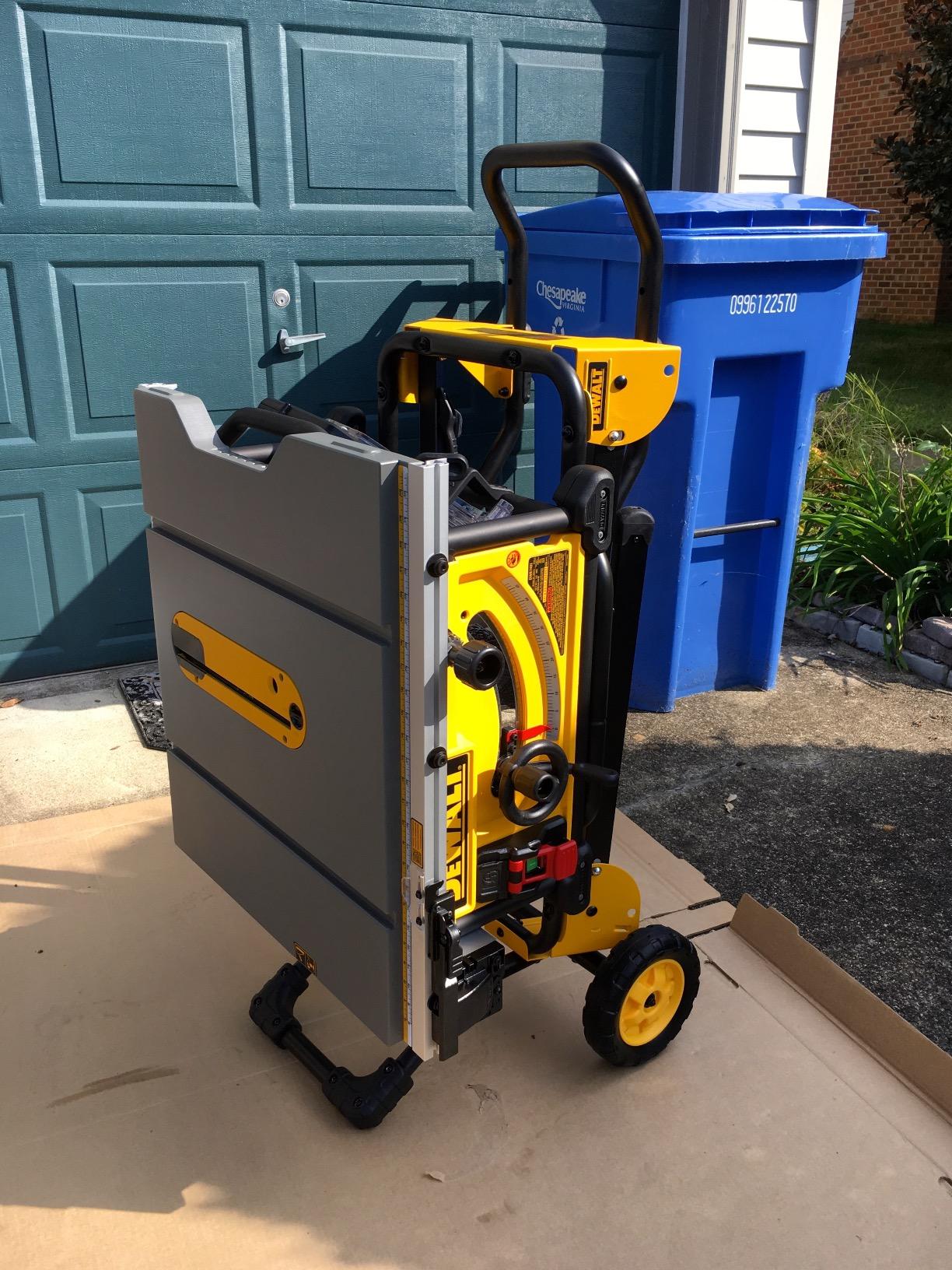
This is the saw most contractors end up with, and after spending time with it the reason is clear. The rack and pinion telescoping fence rails lock rigid, and when you push a full sheet of three-quarter inch plywood through, the fence does not creep. Out of the box it came square to the miter slot, and nothing in the review record suggests a calibration problem later.
Rip capacity is 32-1/2 inches, which is enough to rip a 4×8 sheet down the middle without splitting the job into two passes. Depth of cut is 3-1/8 inches at 90 degrees and 2-1/4 inches at 45, which covers four stacked layers of half inch plywood and most hardwood stock. The 15 amp motor runs at 4800 RPM and holds speed on hardwood.
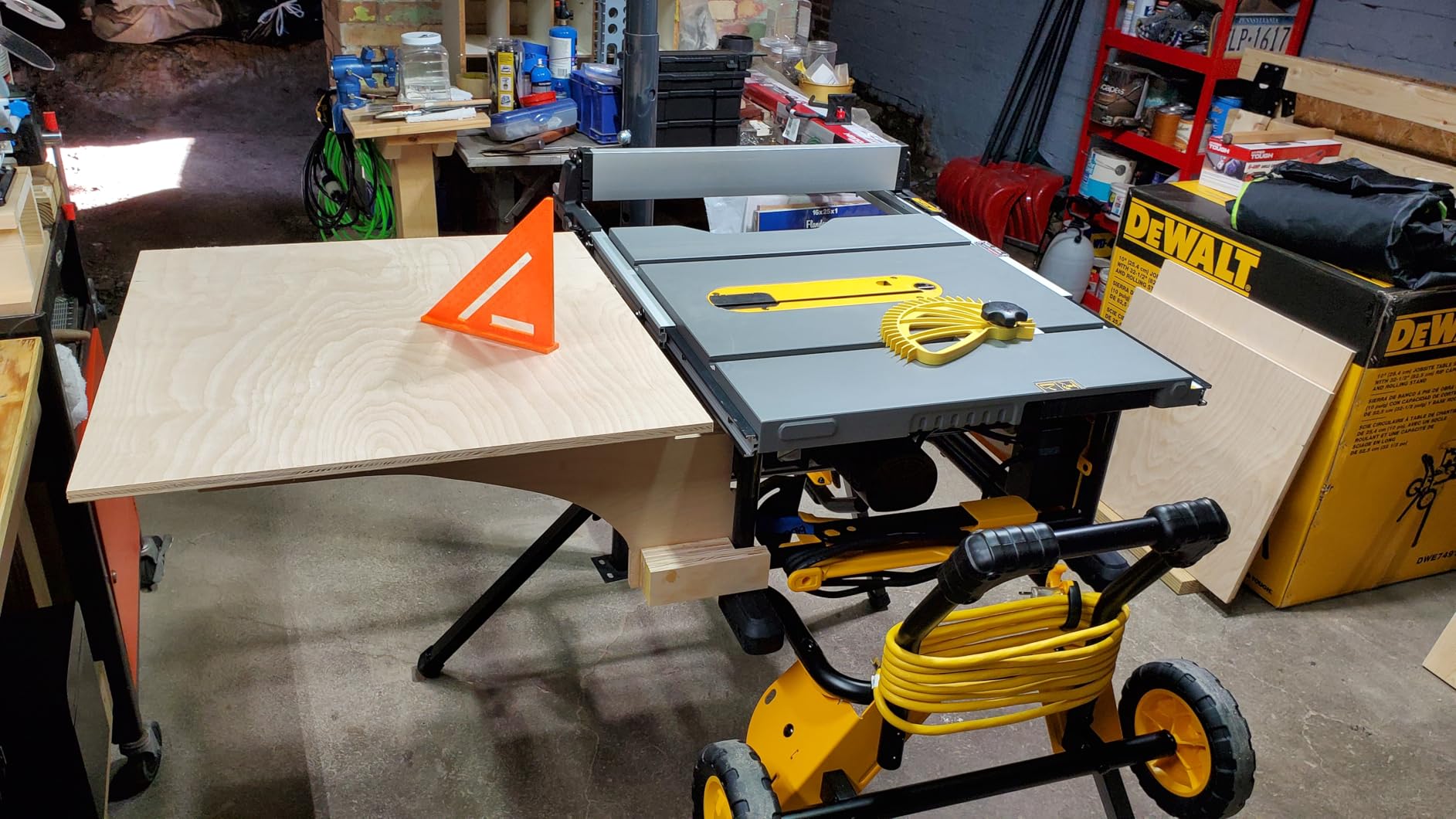
Transport is the tradeoff. At 110 pounds, this is the heaviest saw we tested, and it is a two-person lift onto the rolling stand. The stand itself is solid and has 16 inch class wheels that roll over job-site debris, and the saw folds into a footprint that fits a full-size pickup bed under a tonneau cover. Onboard storage for the wrenches, push stick, and miter gauge is a small feature that saves real time when you are setting up in the dark.
Dust collection runs through a 2-1/2 inch port on the outfeed side. That is smaller than the 4 inch port most shop vacuums prefer, so plan on a reducer. Owners on Woodworking Talk commonly describe the dust port throwing debris back over the blade on high-volume rips, which is a reason to keep the port clear rather than force it.
How the DWE7491RS handles sheet goods
The patented material support on the infeed side keeps narrow stock from tipping when you rip small strips. That is a real safety and accuracy benefit on trim work, where you are cutting two inch boards all afternoon. With the fence at full extension, the saw accepts the full 32-1/2 inches between blade and fence, so a 48 inch sheet becomes two 24 inch panels in one pass.
Outfeed support is still the weak point of every portable saw in this group. Without a roller stand or outfeed table, a full sheet will sag as the cut passes the halfway mark, and the sag shows up as a fuzzy edge on the second half of the cut. Budget for a roller support; no amount of saw quality fixes it.
Where the DEWALT falls short
The included 24 tooth carbide blade is a framing blade. It leaves a rough surface on hardwood and plywood, and most owners upgrade within the first month. A thin kerf 40 tooth blade changes the character of the saw noticeably, and it makes sheet breakdown cleaner.
At 110 pounds, moving this saw between a shop and a job on your own is awkward. That said, once it is on the stand and rolling, the weight is the reason it feels stable under load. Owners on LumberJocks describe it as the default choice for exactly that reason, and the 5793 reviews behind this model make it the most proven machine here.
2. SKIL TS6307-00 Contractor Table Saw Review
- Integrated folding stand stores compactly
- Lightest saw here at 51.2 pounds
- Rack and pinion fence rails hold parallel to the blade
- Micro adjust for blade parallel alignment
- 3 year limited warranty
- 25.5 inch rip capacity cannot take a full sheet in one pass
- Short miter gauge included
- Plastic throat plate on earlier production runs
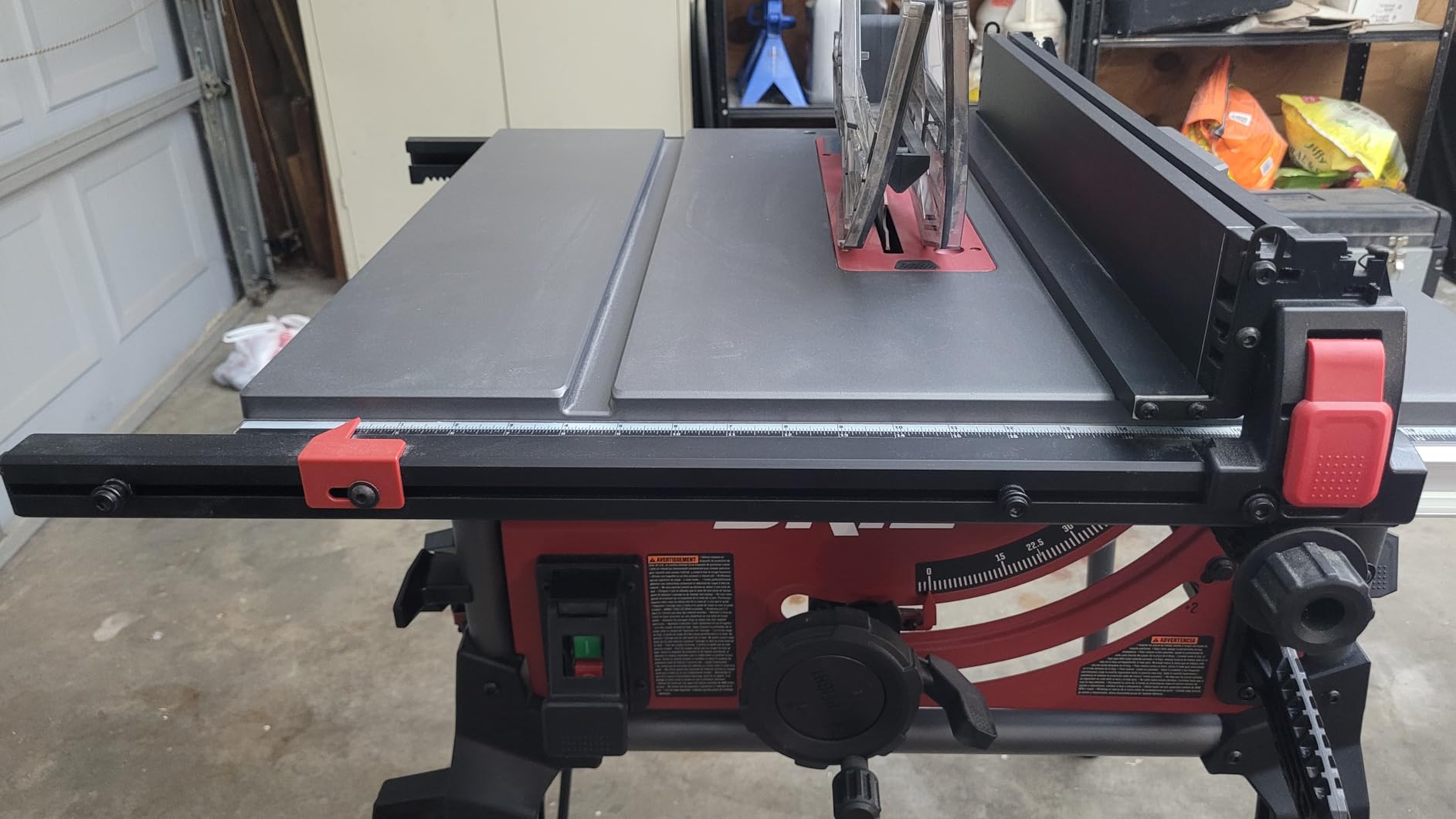
This is the value pick of the group, and for a crew that only needs rough breakdown lumber it does the job at a fraction of the weight. The whole saw folds into its own stand like a card table, weighing 51.2 pounds. One person can load it, which changes the math on how many jobs you can service in a week.
The fence uses rack and pinion rails, so it stays parallel to the blade rather than drifting like a sliding tube fence. Factory alignment is typically accurate out of the box, and the micro adjust lets you dial it in without guessing. Rip capacity is 25.5 inches, which handles 2x lumber and half sheets but not a full 4×8 in one pass.
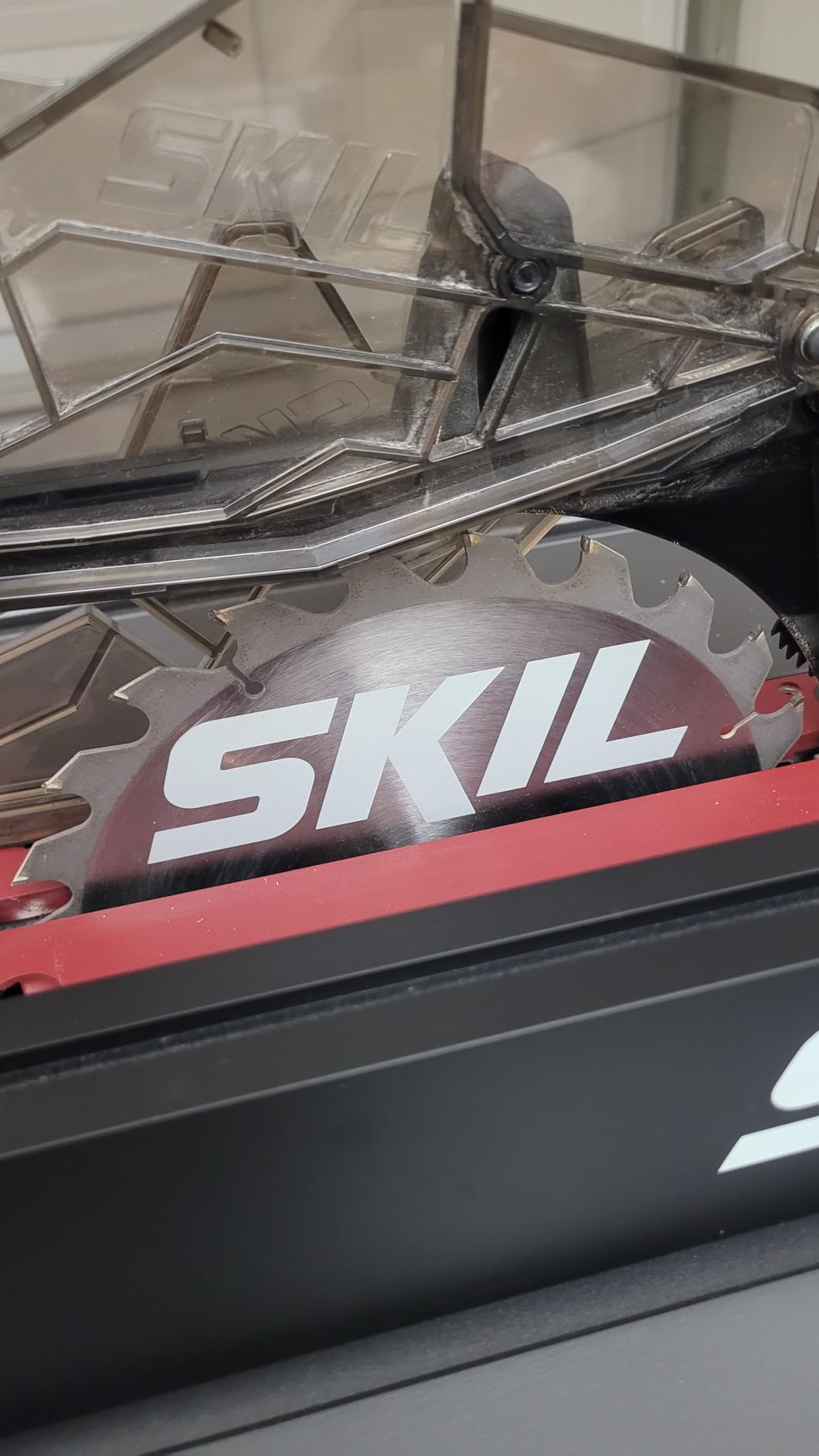
Bevel capacity runs from 2 to 47 degrees with a quick release lever, and the saw carries 4×4 cutting capacity at 90 degrees. Those numbers cover standard framing. Owners who push into hardwood report the 15 amp motor has less headroom than the heavier machines here, so on thick walnut you slow the feed.
The weak point is the included miter gauge at 12 inches. It is too short for wide crosscuts on plywood and dimensional lumber, and it is the single most common upgrade owners make alongside a better blade. Instructions also draw criticism for not making the blade wrench location obvious.
When the folding stand earns its keep
The integrated folding stand is the reason to buy this saw instead of a comparable model on a separate wheeled base. There is nothing to bolt together at the job, and the folded footprint is small enough to fit behind a cabinet in a small shop. For a finish carpenter who works out of a van or a small trailer, that is the feature that matters.
Be aware the folding stand is not a rolling stand. You will be lifting the saw onto a surface rather than rolling it across a shop floor, which is fine for one-person loads but is not what a two-man framing crew wants. If you are moving the saw more than once a day, the heavier rolling stands are worth the extra pounds.
Where the SKIL falls short
Rip capacity is the real constraint. At 25.5 inches you cannot rip a 48 inch sheet in one pass, so sheet goods work means two cuts and a supporting table to catch the offcut. That is manageable but slower, and it is the reason this saw is a poor fit for a cabinet installation crew.
Some plastic components, including the throat plate on earlier production runs, are the parts most likely to crack after a season of dropping the saw into a truck bed. Reviews also note that the assembly schematics are thinner than they should be. Budget a few minutes with a square and a feeler gauge on day one.
3. SKILSAW SPT99-11 Heavy Duty Worm Drive Table Saw Review
- Worm drive gearing resists blade bogging under load
- Deepest cut here at 3-5/8 inches
- 30-1/2 inch rip capacity
- Outfeed and support for one person work on large stock
- 16 inch wheels roll over rough ground
- Only a 1 year limited warranty
- 94.3 pounds is a two person lift
- Worm drive adds weight compared to direct drive
Worm drive gearing is the whole story here. The gear reduction between the motor and the blade gives this saw the torque to keep pushing through thick hardwood without the blade RPM bogging, which is exactly what happens on direct drive machines when you force a cut. If you work in maple, oak, or dense hardwood, that difference is not subtle.
Depth of cut is 3-5/8 inches at 90 degrees, the deepest of any saw in this group. That covers four layers of three-quarter inch plywood and lets you crosscut thick timbers in one pass rather than flipping the stock. Rip capacity is 30-1/2 inches, short of the DEWALT but long enough to handle most sheet work.
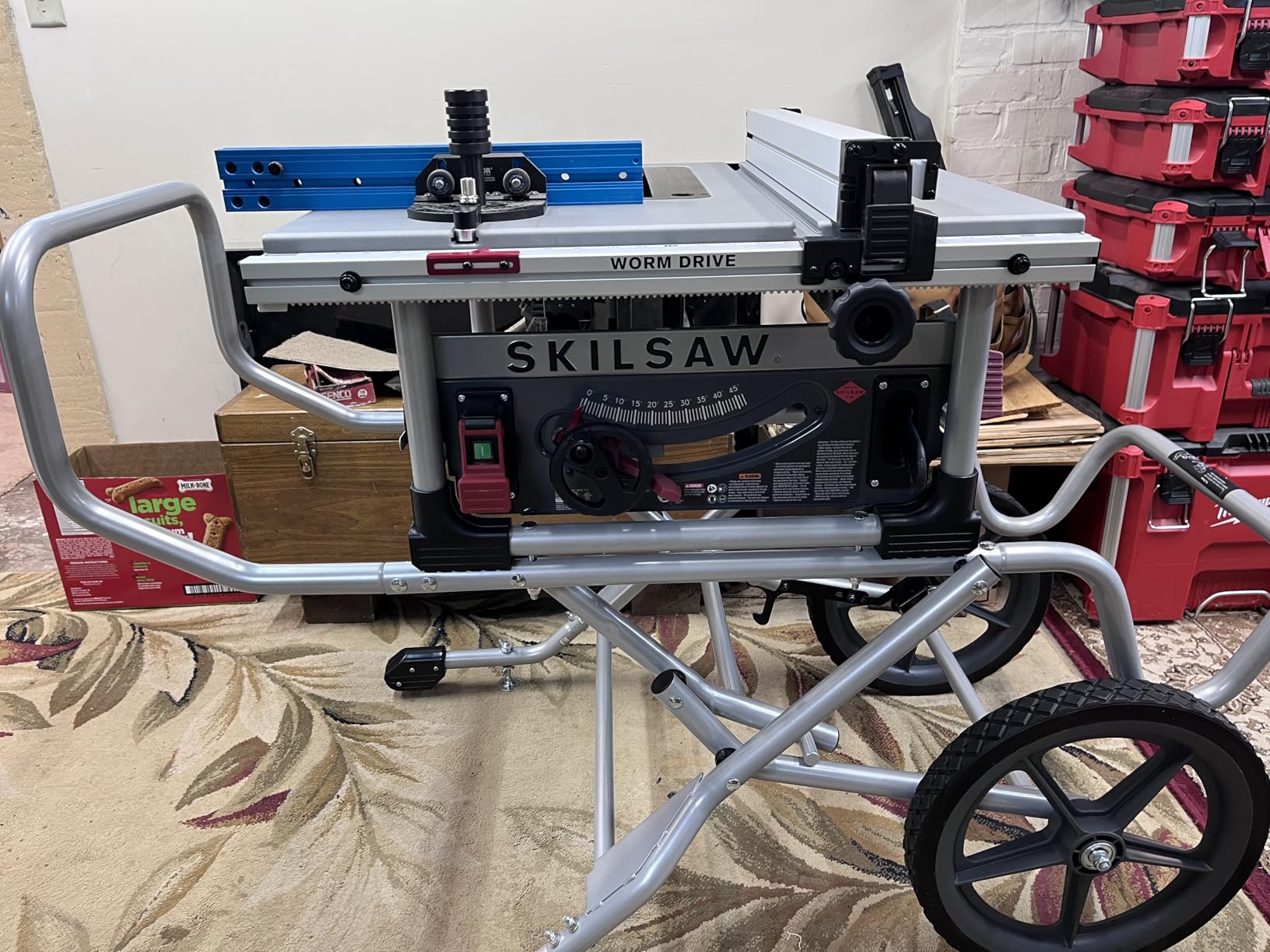
The rack and pinion fence handles fine adjustments cleanly, and the built in outfeed support with a side support lets one person work a full sheet without a second pair of hands holding the offcut. The rolling stand has 16 inch wheels that handle gravel and mud far better than the small casters on lighter stands.
The tradeoff is weight and warranty. At 94.3 pounds this is still a two person load, and the warranty is one year, where the DEWALT and SKIL models carry three. The 992 reviews behind it show a well established production run with a strong record, so the short warranty is less of a gamble than it sounds on a new model.

When worm drive gearing pays off
Any time you are cutting hardwood to width rather than breaking down framing lumber, the gearing absorbs the load that would otherwise stall a direct drive saw. Cutting quartersawn oak that is already prone to tearout, the blade stays at speed and the cut stays consistent. Owners who run furniture-grade work report noticeably fewer stalls on heavy passes.
The support hardware matters as much as the gearing on big stock. The built in outfeed support with a side support let one operator handle a full sheet, which on a one-person job is the difference between a workable setup and a two-person setup. Check the support locks before every cut; they are the part most likely to be left loose.
Where the SKILSAW falls short
A one year limited warranty on a machine meant for daily commercial use is the biggest complaint we can justify. Every other part of the saw, from the stand welds to the fence, is built for hard service, which makes the short term feel like a gap rather than a signal.
The included 24 tooth blade is again a framing blade. And while 3-5/8 inches of depth is the deepest here, the top of the blade is still limited by the arbor height, so very tall stock laid flat still needs a different approach. Plan for a blade upgrade as part of the purchase, not an accessory you add later.
4. DEWALT DWE7485WS Compact Table Saw Review
DEWALT Portable Table Saw with Stand, 8-1/4 inch, up to 48-Degree Angle Cuts (DWE7485WS)
- Highest rated saw in this group at 4.8
- Lightest full stand model at 66 pounds
- Blade brake stops the blade fast
- Power loss reset prevents accidental restarts
- 48 degree bevel exceeds every other saw here
- 8-1/4 inch blade limits depth of cut
- Less torque on thick hardwood than a 10 inch saw
- Smaller table surface for large stock
This is the compact option, and it carries the highest average rating in the group at 4.8 out of 5 across 1091 reviews. The 8-1/4 inch blade makes the saw lighter at 66 pounds with the stand, small enough to carry and to store between jobs in a small van.
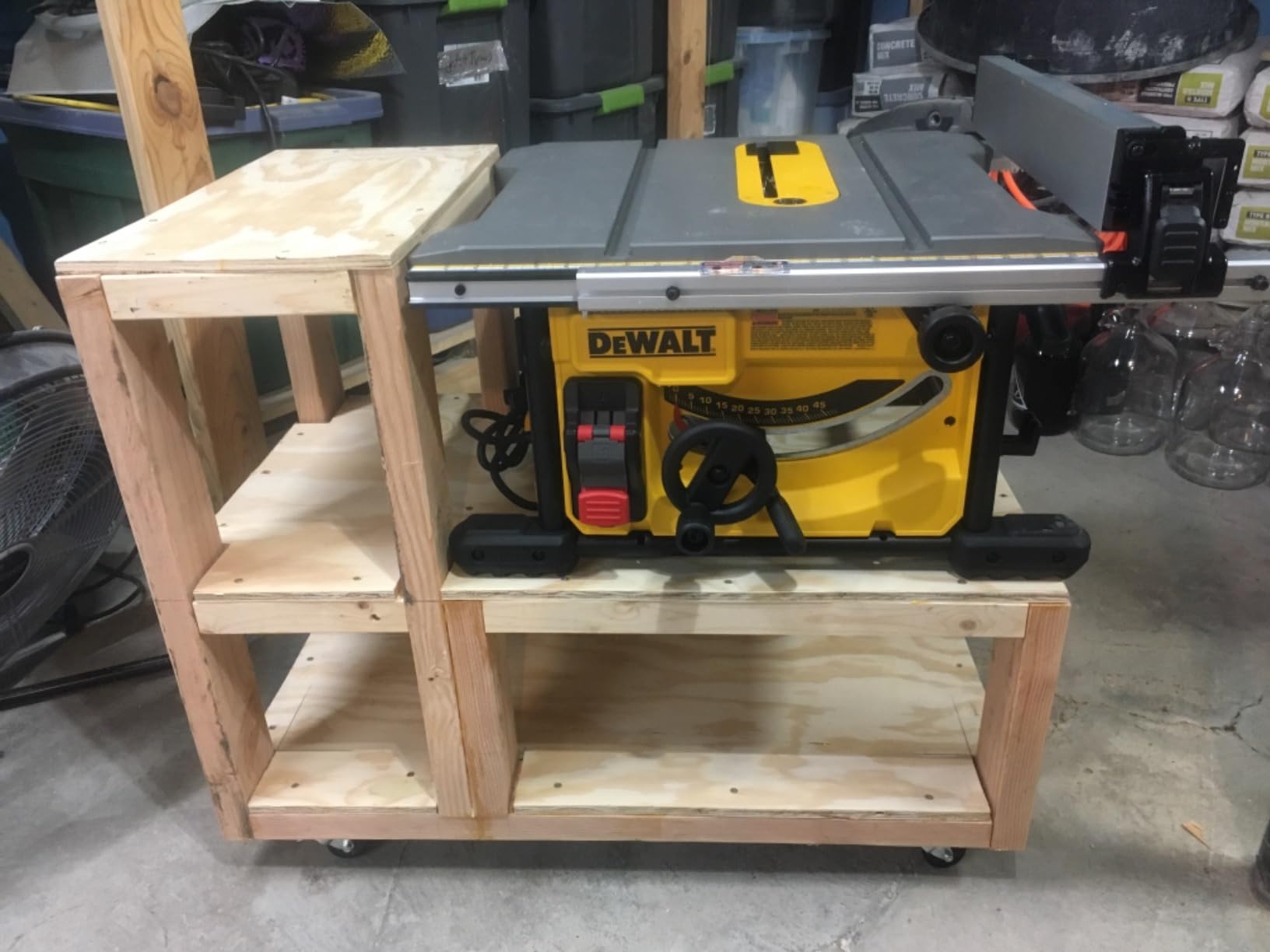
The safety features are worth noting. A blade brake stops the blade quickly, and a power-loss reset stops the saw from restarting on its own after a breaker trip. Those two features together remove the two most common ways a portable saw surprises you. The fence uses rack and pinion telescoping rails, so accuracy holds where a sliding tube would drift.
Bevel range goes up to 48 degrees, further than the 45 degree stops on the other saws here, which matters for cutting the angled faces on trim and hexagonal stock. Rip capacity is 24.5 inches, which handles 4×8 plywood and OSB sheets at half width, along with dimensional lumber.
The included 50 tooth blade is finer than the framing blades on the other saws in this lineup, so you get a better surface out of the box. That said, an 8-1/4 inch blade cannot do what a 10 inch blade does on thick stock, and the motor has less torque when you push hard.
When a compact saw is the right call
Small shops and one-person operations should take this one seriously. The footprint is small enough to set up in a garage with the car still parked, which is the situation that stops a lot of people from owning a full size saw at all. It also moves between trim jobs without a second person.
For trim and finish carpentry, the higher tooth count blade and the 48 degree bevel are real advantages rather than compromises. If your work is mostly wall and ceiling finish, this saw makes cleaner crosscuts out of the box than the framing saws it costs less than.
Where the DEWALT falls short
Depth of cut on an 8-1/4 inch blade is the limit. Thick timbers that the worm drive SKILSAW handles in one pass will need two. If you break down beams or cut solid hardwood to width, the extra power and larger blade of a 10 inch saw earn their keep quickly.
Rip capacity of 24.5 inches also rules out full sheet breakdown in one pass, and the smaller table gives you less support for wide crosscuts. For heavy daily work, the light chassis is the first thing that will feel tired. If your week is mostly framing, look at a heavier 10 inch model instead.
5. Bosch GTS15-10 Contractor Table Saw Review
BOSCH GTS15-10 10 Inch Portable Jobsite Table Saw with Rise Wheeled Stand
- Gravity-Rise stand sets up and breaks down in one motion
- Soft start circuitry reduces breaker trips
- Electronic speed regulation holds RPM under load
- ClampZone gives a secondary clamping surface
- On-tool storage for every accessory
- Lowest no-load speed here at 3800 RPM
- Heaviest saw in the lineup at 103 pounds
- Only a 1 year limited warranty
- Smaller base of owner feedback at 195 reviews
The stand is the headline on this saw. The Gravity-Rise wheeled stand rises to cutting height with a single action and folds back down the same way, so setup at a new job takes seconds rather than the bolt and level routine a conventional rolling stand needs. If you set up and tear down daily, that is worth more than any spec on the sheet.
Rip capacity is 32-1/8 inches, essentially matching the DEWALT leader, and the rack and pinion fence uses color coded index pins so you can return to a known setting without measuring from scratch. The Smart Guard System covers the riving knife and anti-kickback pawls, and the open frame roll bar keeps the stand rigid under load.
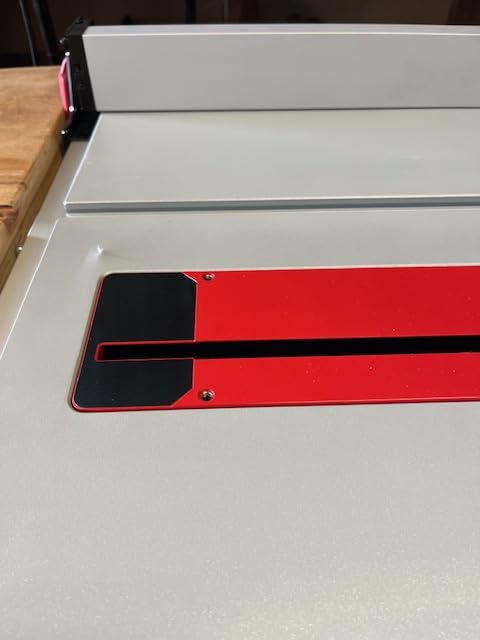
The electronics are genuinely useful. Soft start circuitry reduces the chance of tripping a breaker when the motor starts under load, and electronically regulated speed holds 3800 RPM even when the blade is working hard. That last feature is what keeps cut quality consistent across a long session.
ClampZone areas on either side of the blade give you a spot to clamp small workpieces, which turns the saw into a short-term bench for fitting and assembly. A blade brake stops the blade in about three seconds. On-tool storage keeps the fence, push stick, and wrenches attached to the machine.
Setup speed on a multi job week
On a job where you move twice a day, the Gravity-Rise stand removes the two steps that slow you down: raising the saw to cutting height and locking the stand legs. One person can have this saw cutting in about the time it takes to set a miter gauge. For a trim crew covering three sites a day, that is the feature to buy for.
The dust port takes a standard elbow and the blade guard stays clear enough to see the cut line. Bosch engineering on the cast top and fence assembly is consistent with what you get on the brand’s larger stationary machines, which is a good sign for how the fence holds calibration over time.
Where the Bosch falls short
At 103 pounds this is the heaviest saw here, so you need two people to load it. The 3800 RPM speed is the lowest no-load figure in the group, which matters most on hardwood and plywood, where a faster blade cuts cleaner and burns less on the exit edge.
The one year limited warranty is the other concern. With only 195 reviews on this listing, there is a smaller pool of long-term owner feedback than the DEWALT and SKIL models have, so you are buying on the engineering rather than on a decade of field reports. Weight and warranty together are the reasons this sits at number five despite strong features.
6. Delta 36-6023 Contractor Table Saw Review
- Five year professional warranty is the longest here
- 32.5 inch rip capacity handles full sheet work
- 13/16 inch x 8 inch stacked dado capacity
- Contractor grade 15 amp motor
- Rack and pinion fence rails
- Lowest average rating here at 4.3
- Only 200 reviews to judge long term reliability
- Included portable stand is lighter than a rolling stand
- Quality control is inconsistent between saws
The warranty is the headline. Five years of professional coverage on a portable contractor saw is longer than anything else here, and it is the part of the spec sheet that actually reduces risk on a saw you will use daily. For a contractor who cannot afford a long service interruption, that matters more than a feature list.
Rip capacity is 32.5 inches, matching the leader in the group and enough to rip a full sheet of plywood in one pass. The motor is described as contractor grade 15 amp, running on standard 120 volts, so it runs on a normal jobsite circuit without a dedicated 240 volt line.
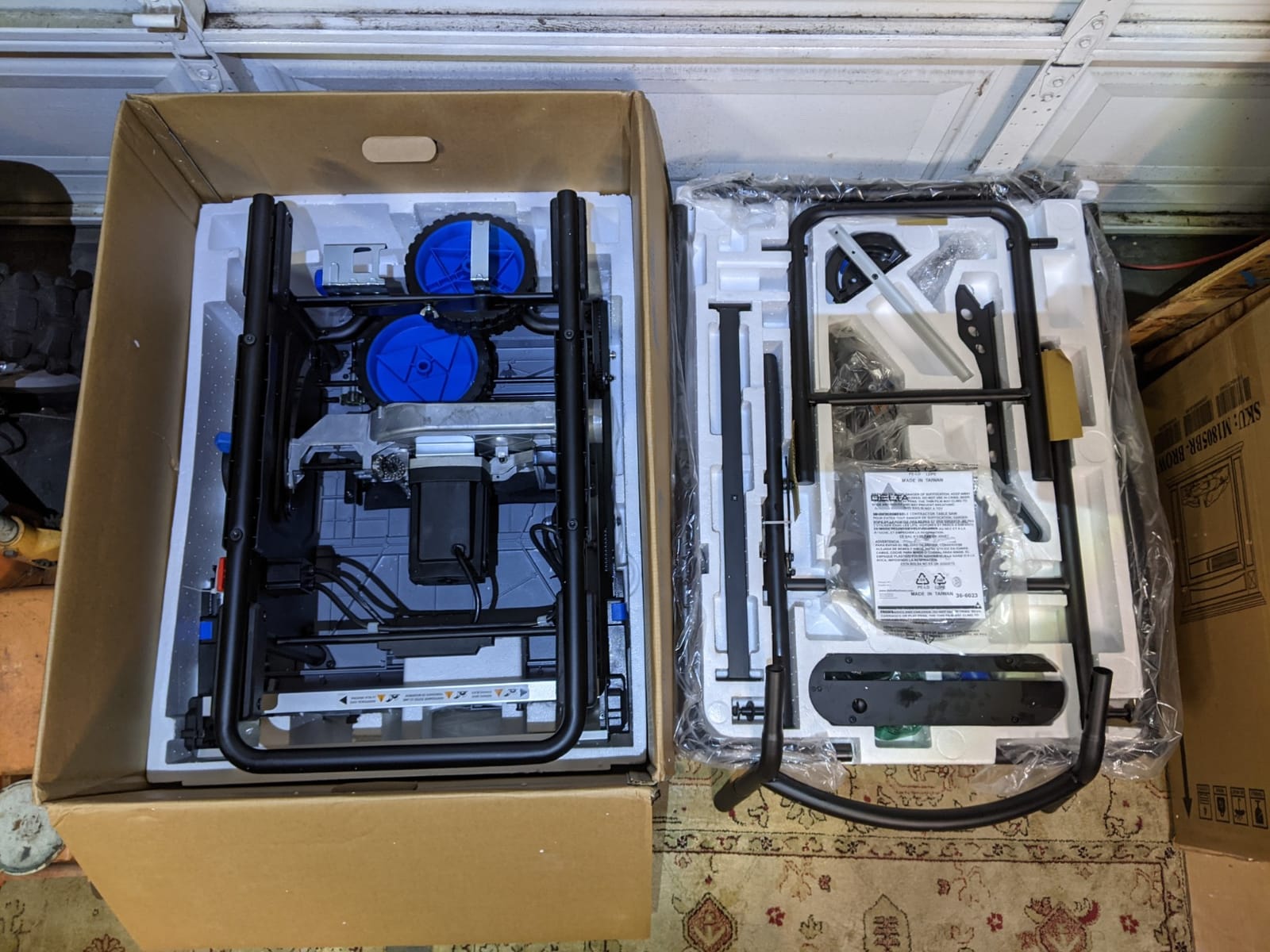
The fence rides on rack and pinion rails, which is the right construction for a saw expected to hold its setting. The stacked dado capacity of 13/16 inch by 8 inch is a real woodworking feature: most portable saws cannot cut a through dado at all, and this one can if you add a dado blade.
At 77 pounds, this saw is lighter than the DEWALT, Bosch, and SKILSAW machines, but heavier than the SKIL. That puts it in the middle of the mobility range, which suits a crew that works from a base shop rather than a van.
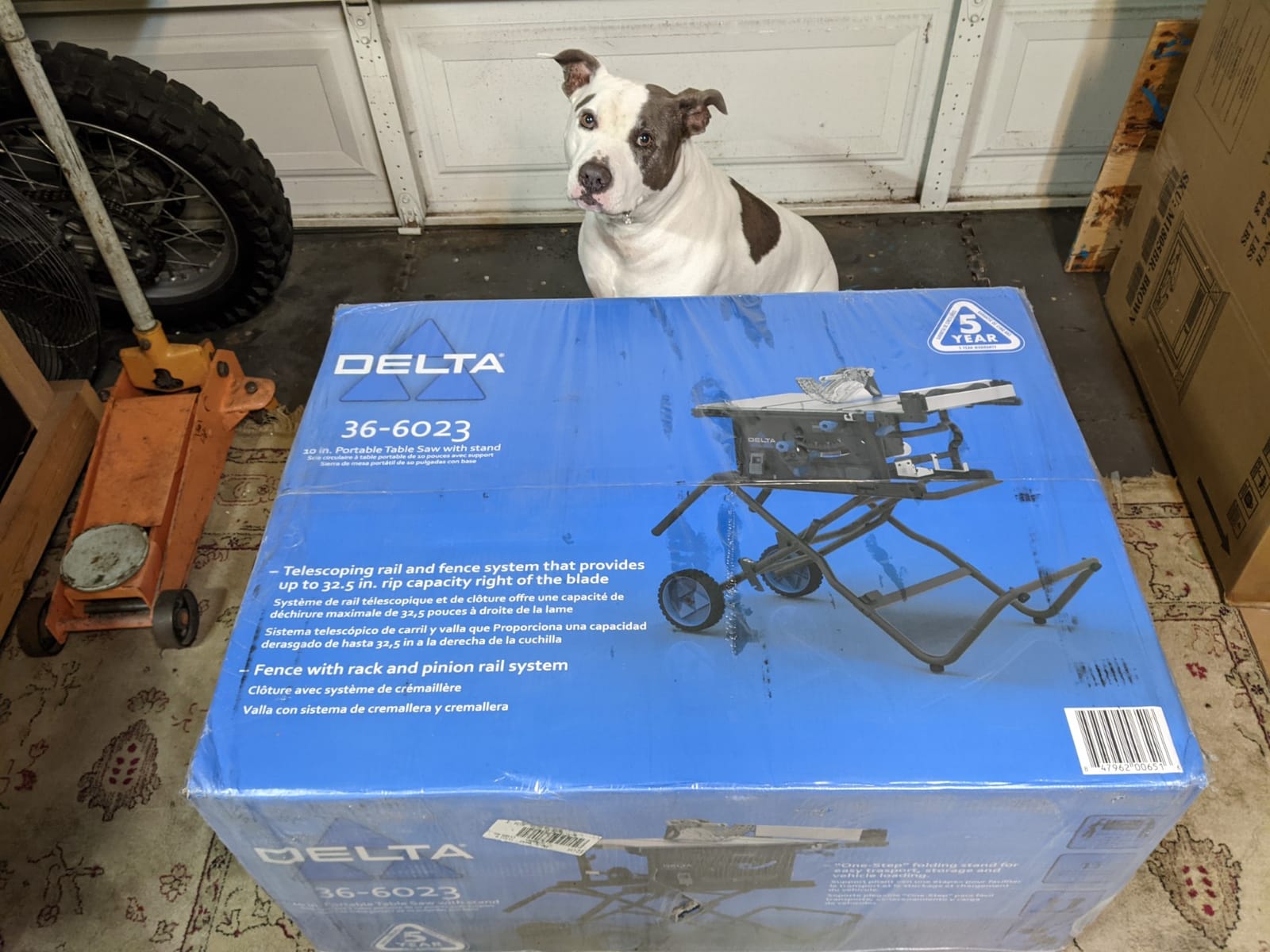
When the five year warranty changes the decision
If your saw will run five days a week, warranty length is one of the few things that reliably separates machines that hold up from machines that do not. Parts availability goes with it, because a brand committed to five years of coverage is more likely to keep fence assemblies, arbors, and guard parts on hand for a decade.
The dado capability is the other reason this saw appeals to serious woodworkers rather than just framers. Cut joinery with rabbets and dados, use the rack and pinion fence for repeatable widths, and you have a saw that handles furniture work without moving up to a cabinet saw.
Where the Delta falls short
The 4.3 average rating is the lowest in this group, and owners do mention quality control variation between saws. That points to assembly and inspection differences rather than a design flaw, but it does mean you should check fence squareness and blade parallel on day one rather than assuming.
The included portable stand is simpler than the wheeled stands on the DEWALT and Bosch, and at 77 pounds you will find yourself carrying this one rather than rolling it. With 200 reviews behind it, there is less long term feedback than the other machines here, which is partly why the warranty matters so much on this pick.
7. Evolution R10TS Multi Material Table Saw Review
- Cuts wood
- mild steel
- aluminum
- and composites
- Crosscut sled included so you do not buy one separately
- Dado plate included
- Zero clearance throat plate included
- Electronic blade brake and quick release riving knife
- 26 inch rip capacity is the second shortest here
- Included sled miter gauge is low quality
- Only 99 reviews as a newer model
- Multi material blade is not ideal for fine furniture work
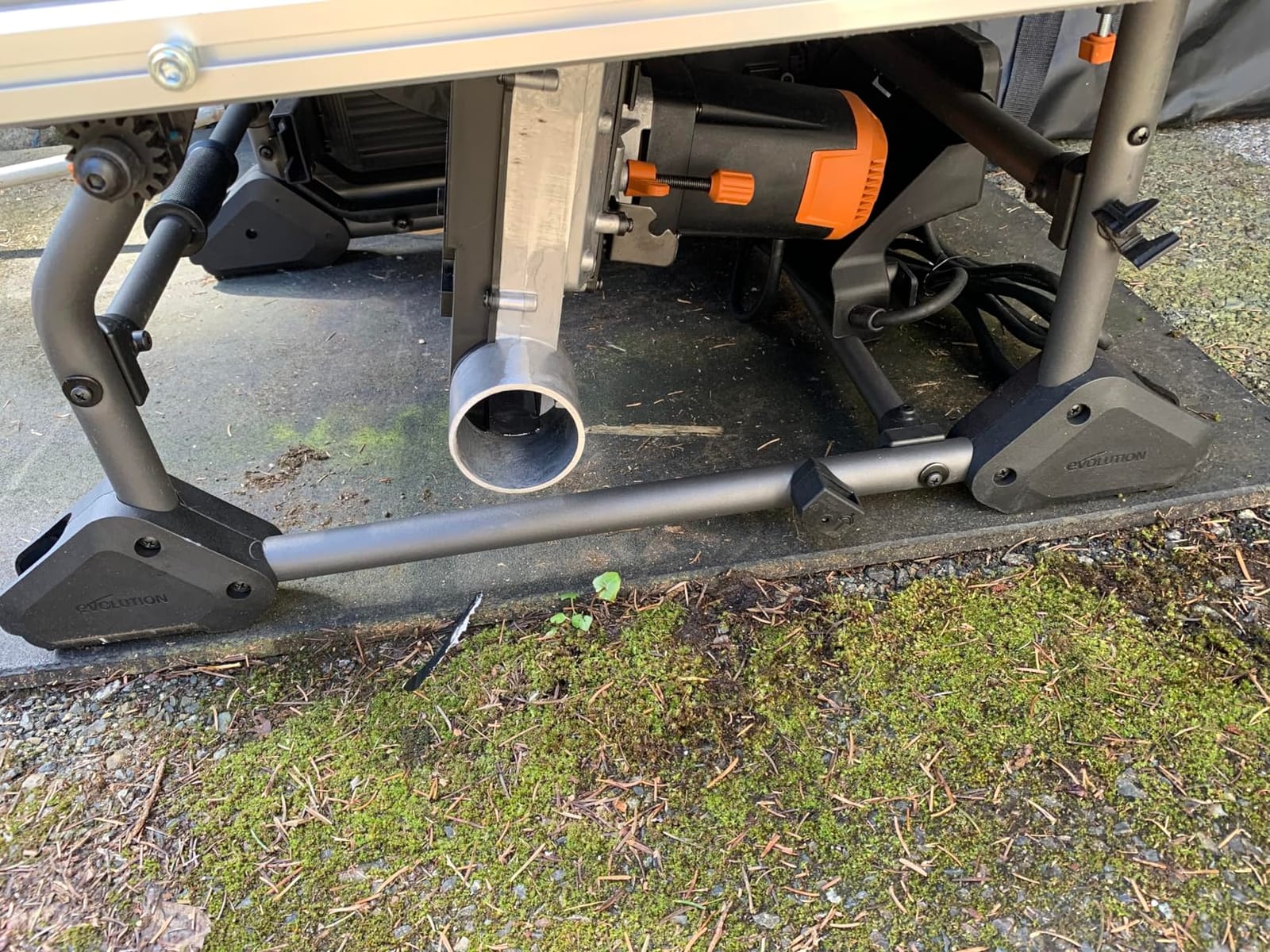
This is the odd one out in the lineup, and it is the one to consider if your work crosses into metal. The tungsten carbide blade cuts wood, mild steel, aluminum, and composites, which no other saw in this guide does. For a shop that installs aluminum trim alongside wood casework, that removes a whole second tool from the budget.
It also includes more than most. The crosscut sled and the dado plate come in the box, and the zero clearance throat plate sits flush with the table so small cut-off pieces fall through instead of kicking back. That plate is a genuine upgrade over the plastic throat plate fitted to some cheaper saws.
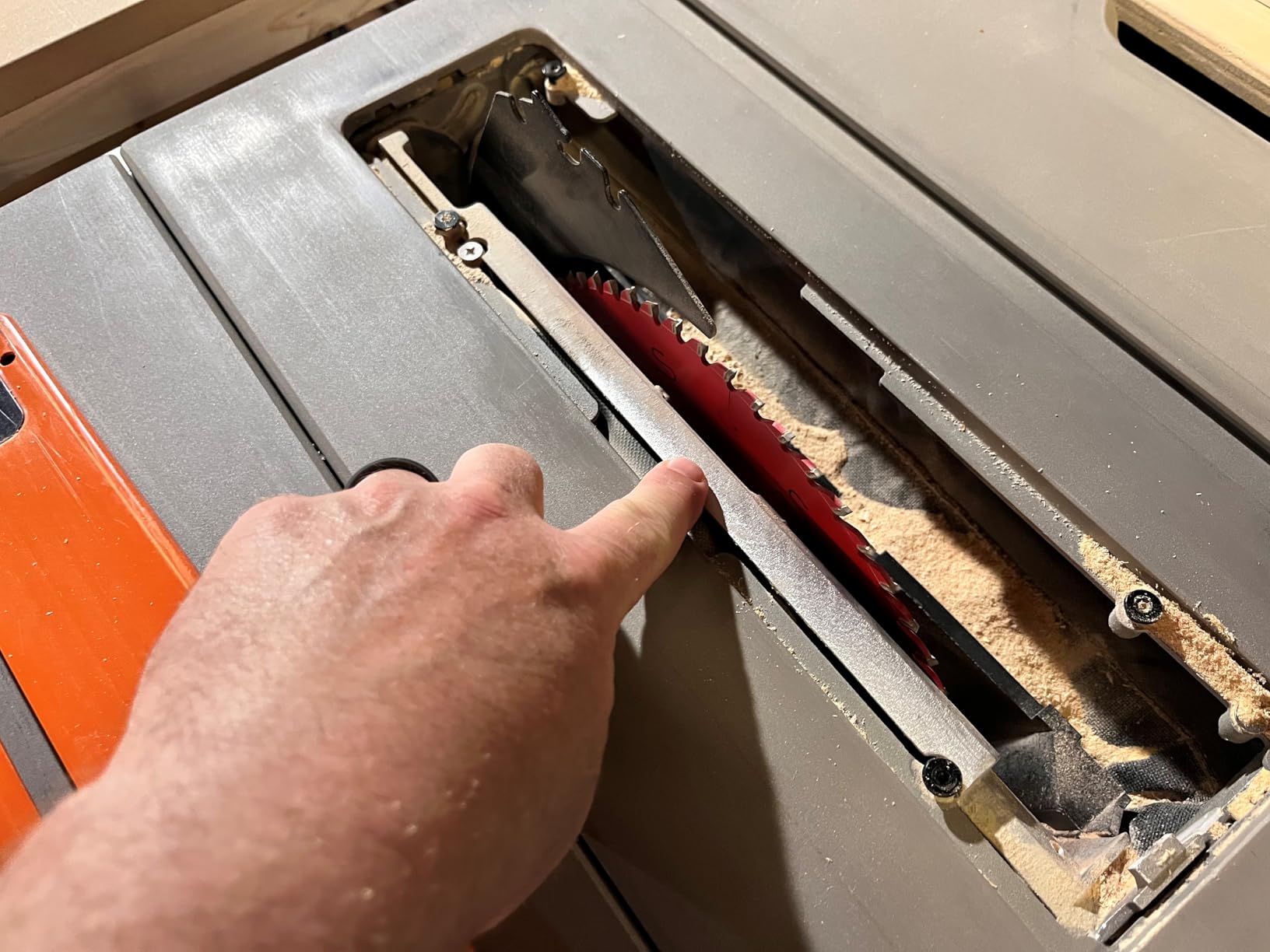
The rack and pinion fence handles accurate ripping, and the geared bevel adjustment through 0 to 45 degrees gives positive detents rather than relying on a lever and a protractor. An electronic blade brake stops the blade, and the quick release riving knife changes without reaching for a wrench.
Rip capacity is 26 inches and depth of cut is 3-3/8 inches, both in the middle of the group. The 15 amp motor has soft start, which reduces the surge when the saw starts under load, and the large paddle switch gives you a full-hand shutdown.
When multi material capability earns its cost
Contractors doing storefront or railing work cut aluminum and composite trim constantly, and hand cutting that material is slow and noisy. Running it on this saw takes minutes. The carbide blade handles mild steel at this diameter, so thin steel trim and flashing no longer need a separate abrasive cut.
The included accessories also change the total cost picture. Skipping the sled and dado plate on other saws adds two line items to your purchase, and here they are in the box. For a shop upgrading from a benchtop saw, that is real money you keep in the truck rather than spending at the counter.
Where the Evolution falls short
The sled is included but its miter gauge is the weakest part of the package, which is an odd place to compromise. Owners report the sled gauge as low quality, so expect to replace it for fine crosscuts. Packaging and instruction diagrams also draw complaints, with small diagrams that are hard to follow during assembly.
At 26 inches, rip capacity is short of the full sheet capacity of the DEWALT, Bosch, and Delta. And the multi material blade is not the blade you want for visible furniture joints, so a finer wood blade is a sensible second purchase. With 99 reviews, this is the newest and least proven model in the group.
How to Choose a Contractor Table Saw?
Fence type decides more than anything else
A rack and pinion fence uses a toothed rack and a pinion gear to move the fence in small, repeatable increments, which is why it holds its setting better than a traditional sliding tube. Every saw in this guide except one uses rack and pinion rails, and that is the single most important filter to apply.
Watch for micro adjust on the blade parallel adjustment as well. Without it, squaring the blade to the miter slot means loosening the arbor bolt, nudging, and retightening by feel, which is a frustrating way to start a morning. Two of these saws have it as a proper adjustment rather than a manual procedure.
Measure the rip capacity your work actually needs
Rip capacity is the distance from the blade to the fence at maximum extension. For dimensional lumber framing, anything above 28 inches is plenty. For sheet goods, add the width of a full 4×8 sheet, which is 48 inches, and remember that ripping a sheet in half needs 24 inches of fence travel.
Breaking a sheet down into four quarters needs about 12 inches, so the shorter 25.5 and 26 inch saws handle that fine. A saw with 32 inches or more can rip a full sheet down the middle in a single pass, which is the difference between one cut and two on every panel job.
Ten inch or eight and a quarter inch?
A 10 inch blade cuts deeper and faster, which shows up on thick hardwood and stacked plywood. The 8-1/4 inch saw is lighter, cheaper, and often comes with a higher tooth count blade that finishes hardwood crosscuts more cleanly. For trim and finish work in tight spaces, the smaller saw is frequently the better tool.
The best blade for ripping cuts is a thin kerf blade with 30 to 40 teeth and a flat or low profile tooth geometry. Thin kerf reduces motor load and waste, and the flat profile leaves a flat face on the board rather than a tapered one. The framing blades that ship with these saws are fine for rough work and worth replacing.
Weight, power, and safety features
Weight tells you about stability. Anything over 90 pounds needs two people to load, and anything under 60 is easy to move but will want an outfeed support on full sheet work. The sweet spot for a crew of two is between 75 and 95 pounds.
All of these saws run corded on 120 volts, so a normal 15 amp circuit is enough. For a dedicated contractor shop running multiple machines at once, a 240 volt supply with a branch circuit reduces the chance of tripping a breaker when you start a cut under load.
On safety, check that the saw has a riving knife, anti-kickback pawls, a blade guard that does not block the cut line, and a push stick in the box. A blade brake is a meaningful addition on the lighter saws. Flesh-sensing systems exist in the market and are worth considering for shops where new hands are on the crew.
Maintenance Schedule for a Contractor Table Saw
Every ten hours of run time, wipe resin off the blade with a blade cleaner and check that the arbor bolt is tight to spec. Resin builds up on the blade rim, and once it is glazed, the blade heats, the cut gets noisy, and the motor works harder than it should.
Every month, check the fence for square to the miter slot using a reliable square on a scrap of plywood, and confirm the blade is parallel to the left miter slot. This is the check that catches drift before a day of trim work is built on a bad setting.
Every season, grease the fence rails and any elevation gearing with the lubricant the manufacturer specifies, and empty the dust port elbow. If your saw flexes during a cut, check the stand bolts and the foot pads before you blame the top. Most wobble on a portable saw is a loose stand, not a bent cast surface.
Frequently Asked Questions
What is a contractor table saw?
A contractor table saw is a mid-weight portable saw with a 10 inch blade, a rigid cast or cast aluminum top, and a rack and pinion fence that stays square under load. It runs on a 15 amp corded motor at 120 volts and usually comes with a rolling stand, giving professional carpenters cabinet saw accuracy with jobsite mobility.
Is a contractor table saw better than a jobsite table saw?
A contractor saw is better when your work needs repeatable accuracy. Jobsite saws are lighter and cheaper but often use sliding tube fences that drift under load. Contractor saws add a cast top, rack and pinion fence rails, micro adjust alignment, and greater rip capacity. If you are doing framing only, a jobsite saw is usually enough.
How much rip capacity do I need on a table saw?
For dimensional lumber framing, 28 inches or more is comfortable. For sheet goods, you need half the sheet width from the fence to the blade, so 24 inches handles quartering a 4×8 sheet and 32 inches or more rips a full sheet down the middle in one pass. Measure your widest stock before you buy.
What jobsite table saw has the best fence?
The rack and pinion fences in this group hold position best, particularly on the DEWALT DWE7491RS with its telescoping fence rails and 32-1/2 inch rip capacity. Sliding tube fences are the ones that drift under load. Look for rack and pinion rails plus a micro adjust for blade parallel as the two features that matter most.
What is the best table saw blade for ripping cuts?
A thin kerf blade with 30 to 40 teeth and a flat or low profile tooth geometry works best for ripping. Thin kerf reduces motor load and waste, and a flat profile leaves a flat face instead of a taper. Upgrade the factory framing blade before evaluating the saw again, since a basic 24 tooth blade changes cut quality more than most saw features.
Conclusion
The DEWALT DWE7491RS is the best contractor table saw for most professional work in 2026. Its rack and pinion telescoping fence, 32-1/2 inch rip capacity, and 3 year warranty make it the safest default of the seven, and the 5793 reviews behind it give you the longest ownership record in this group.
Choose the SKIL TS6307-00 if one person has to load the saw and the work is framing lumber rather than sheet goods. Choose the SKILSAW SPT99-11 if you cut thick hardwood daily and want the deepest cut here. Choose the DEWALT DWE7485WS if portability and a blade brake outrank cutting depth, and the Bosch GTS15-10 if you set up and break down twice a day.
Whatever you pick, budget for a proper blade and a roller outfeed support. Those two accessories fix more complaints about portable saws than upgrading the saw itself does. Check the fence for square on day one, recheck it every month, and the setup will hold its accuracy for as long as you own it.