
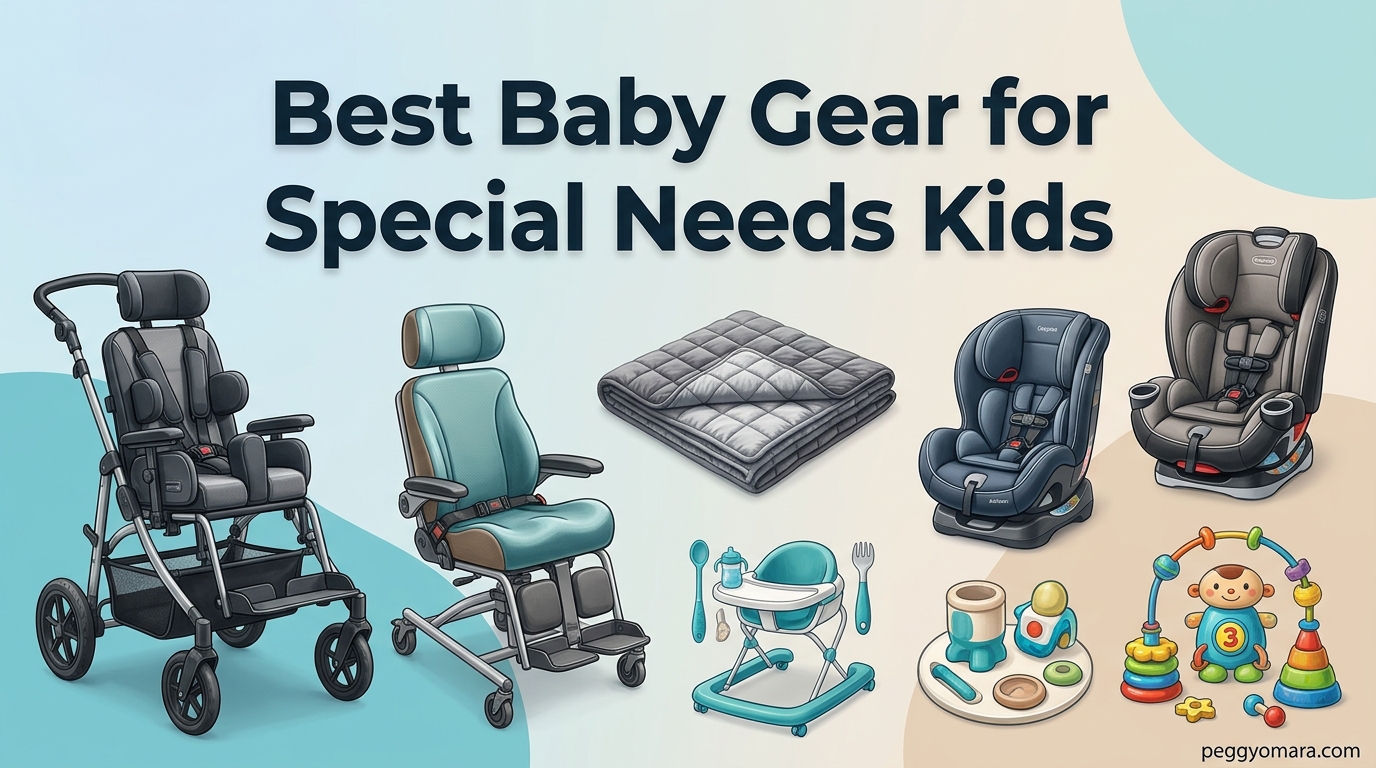
Finding the right baby gear when your child has special needs changes everything about how you shop, plan, and parent. Standard products often do not account for low muscle tone, sensory processing differences, feeding challenges, or safety concerns that come with conditions like autism, cerebral palsy, Down syndrome, and hypotonia. That is exactly why we built this guide to the best baby gear for special needs kids in 2026 — to help families cut through the noise and find products that actually work for their children.
Our team spent months researching products, reading thousands of parent reviews, and pulling insights from special needs communities on Reddit, Facebook, and parenting forums. We looked at everything from adaptive feeding equipment and sensory seating to safety harnesses and medical supports. Every product on this list earned its place because real families of children with special needs use it, trust it, and recommend it to others walking the same path.
Whether you are setting up a special needs baby registry, searching for sensory-friendly products, or trying to find gear that grows with your child beyond the typical age ranges, you will find practical recommendations here. We have also included guidance on funding options like Medicaid coverage, because we know that adaptive equipment costs add up quickly. For families exploring sensory seating options, you may also find our guide to the best sensory floor rockers for special needs kids helpful as a complementary resource.
Table of Contents
Top 3 Picks for Best Baby Gear for Special Needs Kids (October 2026)

Hobble De Hoo Autism Safety Harness
- Padded sensory vest
- Dual grab handles
- Ages 2-6
- Prevents wandering

TED KANGAROO Sensory Squeeze Seat
- Full-body compression
- Rocking motion
- Washable cover
- Calming design
Medela SpecialNeeds Feeder
- One-way valve
- Cleft palate support
- Squeeze-activated flow
- 150ml capacity
Best Baby Gear for Special Needs Kids in 2026
1. Hobble De Hoo Autism Safety Harness – Padded Wandering Prevention Vest
- Padded design is comfortable for sensory-sensitive children
- Effective for preventing wandering and elopement
- Dual grab handles provide steady control
- Adjustable fit grows with the child
- Breathable and not bulky
- Sizing runs small for some children
- Tether strap may be too long
- Can ride up toward chin over time
When our team started researching safety gear for special needs kids, the Hobble De Hoo harness came up again and again in parent communities. With over 1,400 reviews and an impressive 4.6-star rating, it has become the go-to safety vest for families of children with autism who are prone to eloping or wandering. What sets it apart is the padded vest design, which is a massive improvement over traditional wrist straps that can feel harsh on sensory-sensitive skin.
I was particularly struck by how many parents described this harness as a “life saver” for trips to theme parks, crowded malls, and busy airports. The dual grab handles on the front and back give you control from any angle. You can grab the back handle to guide your child through a crowd, or the front handle to keep them close when things get overwhelming. The padded construction means your child can wear it comfortably for hours without chafing or irritation.
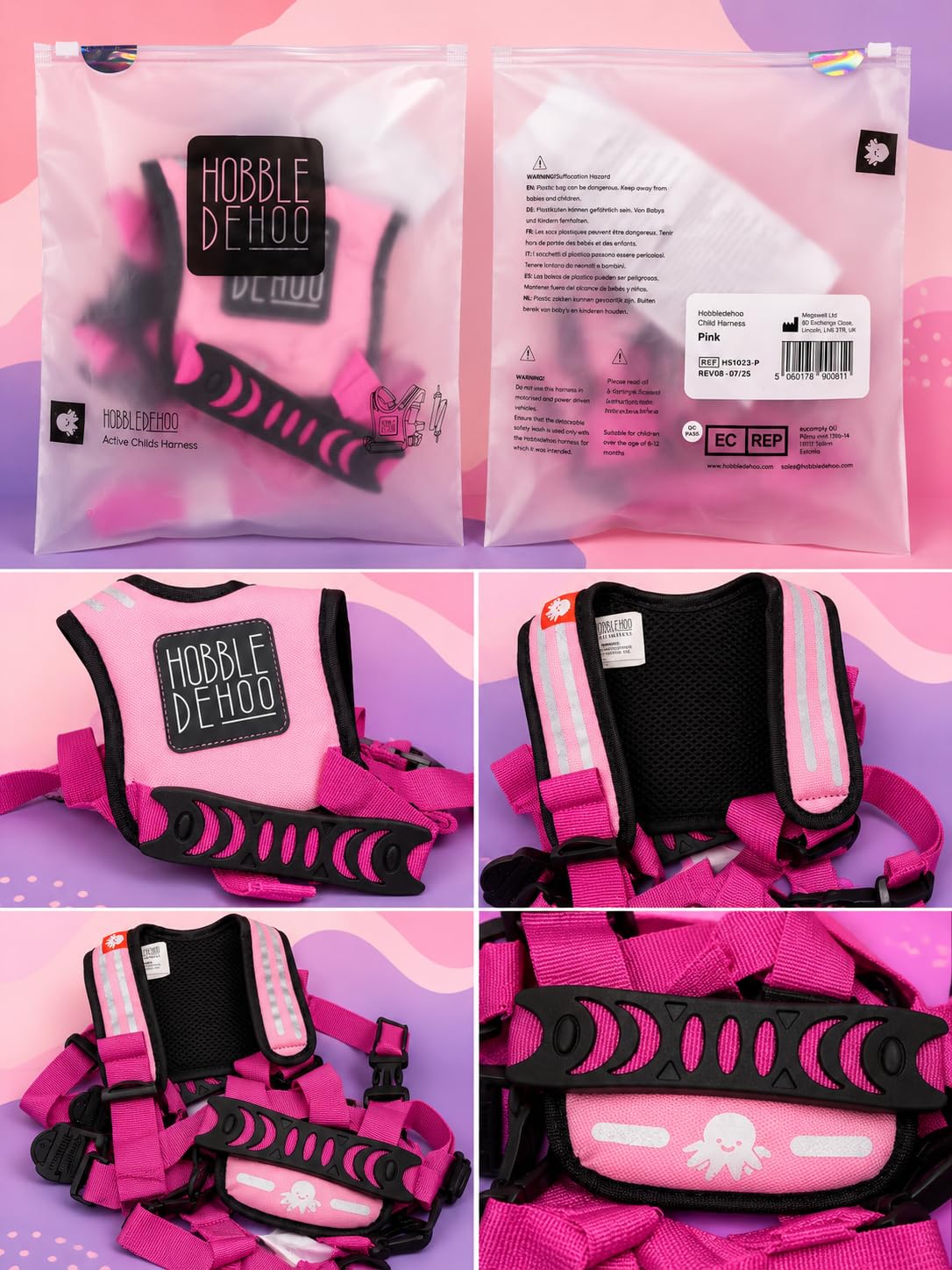
The adjustability is another standout feature for special needs families. Children with developmental delays often do not fit neatly into standard size categories, and the multiple adjustment points on this harness accommodate a range of body types. Parents of kids with low muscle tone noted that the vest provides gentle proprioceptive input, almost like a compression garment, which actually helps calm some children. The breathable design prevents overheating during summer outings.
On the downside, several parents mentioned the sizing runs small, so we recommend sizing up if your child is between sizes. The tether strap can also be longer than some parents prefer, though many simply tie it shorter. A few users noted it can ride up toward the chin over time, so periodic adjustment is needed during longer outings. Despite these minor issues, this is the safety harness we recommend most often to special needs families.
Best Used For
This harness shines in crowded public spaces like theme parks, airports, festivals, and shopping centers where elopement risk is highest. It is specifically designed for children ages 2-6 with autism or other conditions associated with wandering behaviors. If your child tends to bolt in busy environments, this vest gives you that extra layer of security without making your child feel restrained.
Who Should Look Elsewhere
If your child is over age 6 or significantly larger than average, this harness may not provide the coverage you need. Families looking for a medical-grade mobility harness for a child with severe physical disabilities should consult with their occupational or physical therapist for specialized options. The Hobble De Hoo is designed for ambulatory children who need wandering prevention, not for children who need postural support.
2. TED KANGAROO Sensory Squeeze Seat – Calming Compression Chair
- Provides calming full-body compression for sensory needs
- Rocking motion helps release excess energy
- Durable firm foam holds shape
- Machine-washable removable cover
- Lightweight and portable
- Arrives vacuum-sealed and needs time to expand
- Zipper on cover can be fragile
- Requires creative storage solutions
Sensory seating is one of the most requested categories from special needs parents, and the TED KANGAROO Squeeze Seat delivers exactly what families need. This compression chair uses a firm foam core wrapped in a washable cotton cover to provide deep pressure input across the entire body. Our team was impressed by how many occupational therapists recommend this type of seating for children with autism, ADHD, and sensory processing disorder.
The rocking design is what makes this seat special compared to standard bean bags or floor cushions. Children can rock back and forth, getting the vestibular input many sensory-seeking kids crave, while the squeeze sides provide steady proprioceptive pressure. Multiple parents reported that their children use this seat independently when they feel overwhelmed, retreating to it for self-regulation during meltdowns or sensory overload. That kind of independent coping tool is invaluable for special needs families.
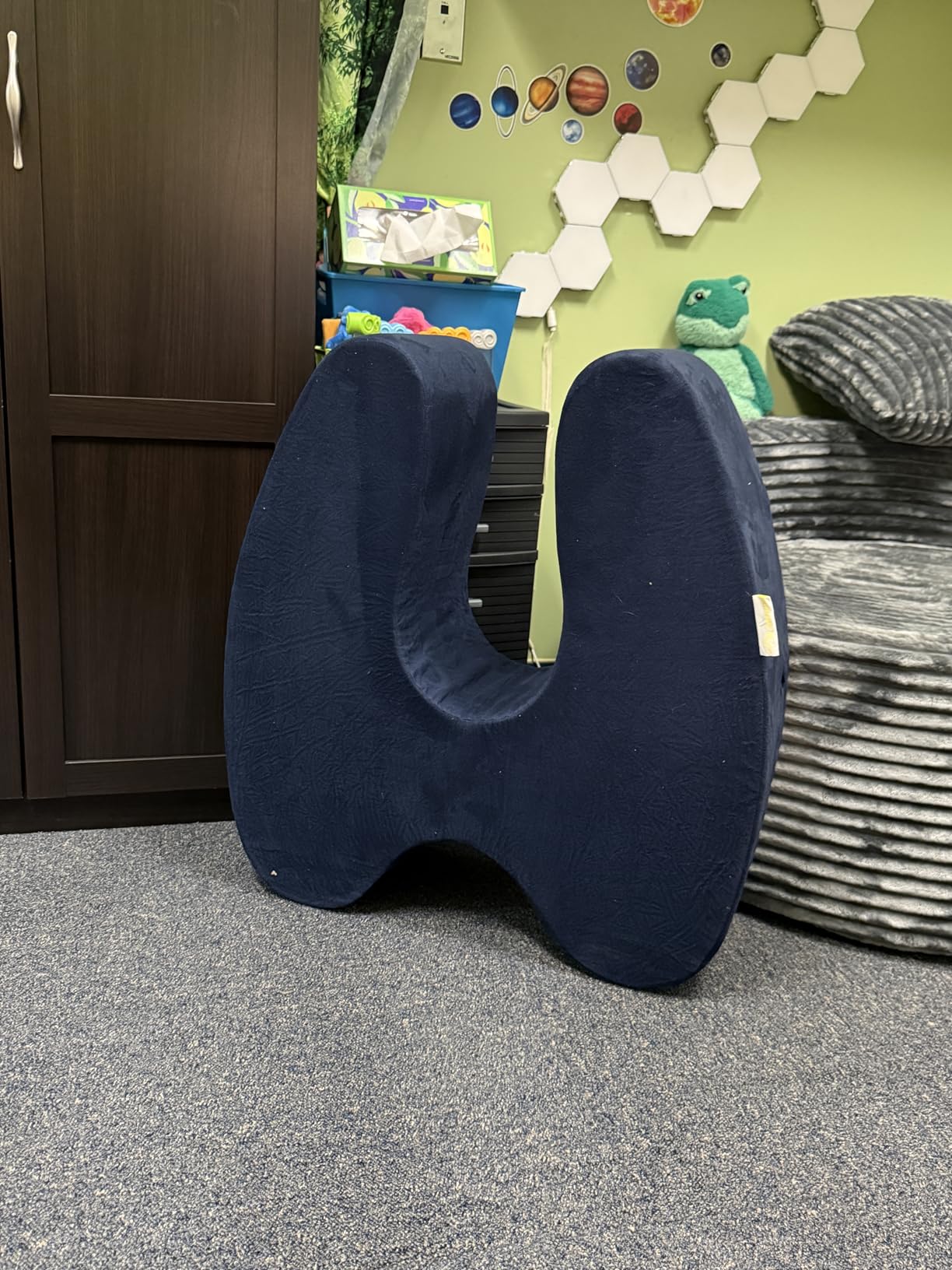
At just under 5 pounds, this seat is light enough to move between rooms. Parents told us they keep it in the living room during the day and move it to the bedroom for bedtime calming routines. Teachers have also adopted it for special education classrooms, where it helps students stay regulated during transitions. The removable cotton cover is machine washable, which is essential for any product used daily by children.
The main complaint from parents is that the seat arrives vacuum-sealed and needs time to fully expand. Give it 24 to 48 hours before your child uses it. A few users also mentioned the zipper on the cover can be fragile during reattachment, so handle it gently when washing. These are minor issues considering the calming benefit this seat provides. For more sensory seating options, our guide to the best sensory floor rockers for kids covers additional movement-based seating that pairs well with this compression seat.
Best Used For
This squeeze seat is ideal for children with autism, ADHD, sensory processing disorder, or any child who benefits from deep pressure input. It works best for kids who seek out squeezing, wrapping, or compression as a calming strategy. If your child retreats to tight spaces or loves being wrapped in blankets, this seat provides that same input in a more functional, socially appropriate form.
Who Should Look Elsewhere
Children who are sensitive to pressure or do not like being enclosed may find this seat overwhelming at first. If your child has significant postural needs or requires lateral trunk support, a clinical positioning seat would be more appropriate. This product is a sensory tool, not a medical positioning device, so families needing orthopedic support should look into adaptive seating systems.
3. Medela SpecialNeeds Feeder – Adaptive Bottle for Feeding Challenges
- Effective for cleft palate weak suck and tongue tie
- One-way valve prevents milk backflow
- Rotatable nipple for flow control
- No leaking when tipped over
- Compatible with Medela bottles
- Small 5oz capacity needs frequent refills
- Steep learning curve for parents
- Nipples can be difficult to clean
- More expensive than standard bottles
Feeding challenges are one of the most stressful aspects of caring for a special needs baby, and the Medela SpecialNeeds Feeder (also known as the Haberman Feeder) is specifically designed to address them. This bottle is built for infants with cleft palate, weak suck reflex, tongue tie, and other oral motor difficulties that make standard bottles ineffective. Our team was moved by how many parents called this a “miracle bottle” in their reviews.
The engineering behind this feeder is genuinely impressive. The one-way valve means milk only flows when the parent squeezes the bottle or the baby actively sucks, which prevents milk from pooling and causing choking. The rotatable nipple lets you adjust the flow rate simply by turning it, so you can find the perfect position for your baby’s specific sucking pattern. For babies with very weak suck reflexes, the squeeze-activated flow means parents can deliver milk even when the baby cannot generate enough suction independently.
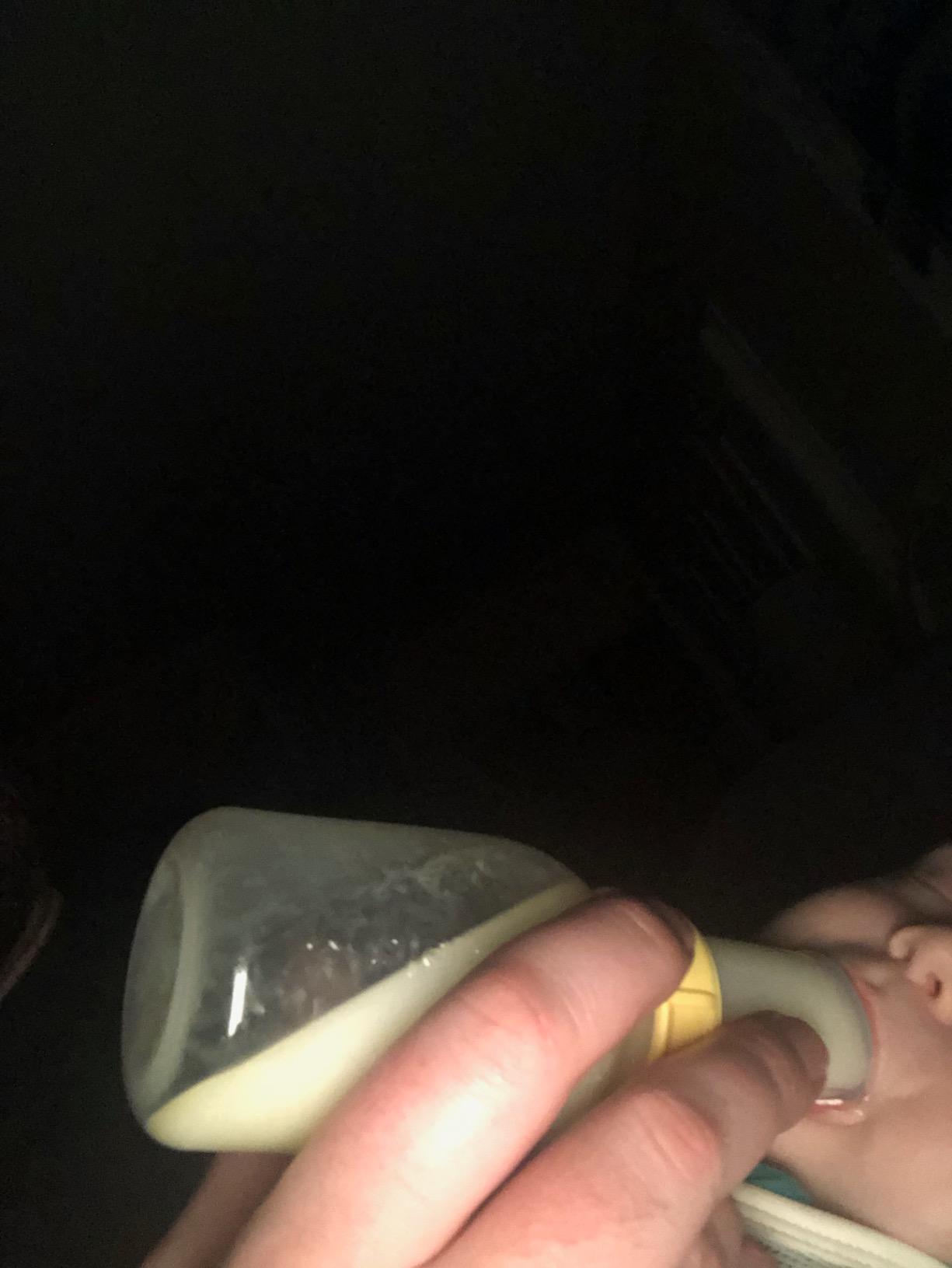
What really stands out is how this bottle mimics the breastfeeding motion, which matters for babies who need to develop oral motor skills. Parents of babies with Down syndrome, who often have low muscle tone affecting their ability to feed, reported dramatic improvements within days of switching to this feeder. The 73% five-star rating from 466 reviews tells you this product delivers on its promises for families facing real feeding challenges.
The drawbacks are worth noting. The 5oz capacity means frequent refills, which is annoying during night feeds. The learning curve is real — it took several parents a week or more to master the squeeze technique. Cleaning the nipples requires a bottle brush and patience due to the valve system. And yes, it costs more than standard bottles. But when your baby cannot eat with a regular bottle, the price becomes irrelevant compared to the relief of successful feeding.
Best Used For
This feeder is purpose-built for babies with cleft palate, Pierre Robin sequence, Down syndrome, premature infants with weak suck, tongue tie, or any condition that affects the ability to create suction. If your baby struggles with standard bottles or cannot maintain a latch, this is the bottle that speech-language pathologists and feeding therapists recommend most often.
Who Should Look Elsewhere
If your baby feeds well with standard bottles, this specialized feeder is unnecessary. Families looking for a general slow-flow bottle for mild reflux or gas should try less expensive options first. This product is specifically for babies with documented feeding difficulties that prevent successful use of conventional bottles.
4. TED KANGAROO Inflatable Peapod Sensory Chair

Sensory Chair for Kids – Inflatable Peapod for Children, Includes Electric Air Pump
- Provides deep pressure compression for self-soothing
- Inflatable design is lightweight and portable
- Includes electric air pump
- 3 adjustable air chambers
- Great for sensory-seeking children
- Durability concerns with seam splits
- Can be pricey for inflatable quality
- May be too small for larger children
The inflatable peapod from TED KANGAROO takes a different approach to sensory compression seating. Instead of foam, this product uses air chambers that wrap around the child’s body, providing that cocoon-like pressure many kids with autism and sensory processing disorder crave. At 760 reviews with a 4.2 rating, it is one of the most popular sensory products on the market for special needs families.
I love that this product comes with an electric air pump included. Parents told us setup takes just a few minutes, and the three adjustable air chambers let you customize the pressure level. Some children prefer a tight squeeze, while others like gentler compression, and this design accommodates both preferences. The inflatable nature also means you can deflate it for travel, which is a huge advantage over foam-based alternatives.
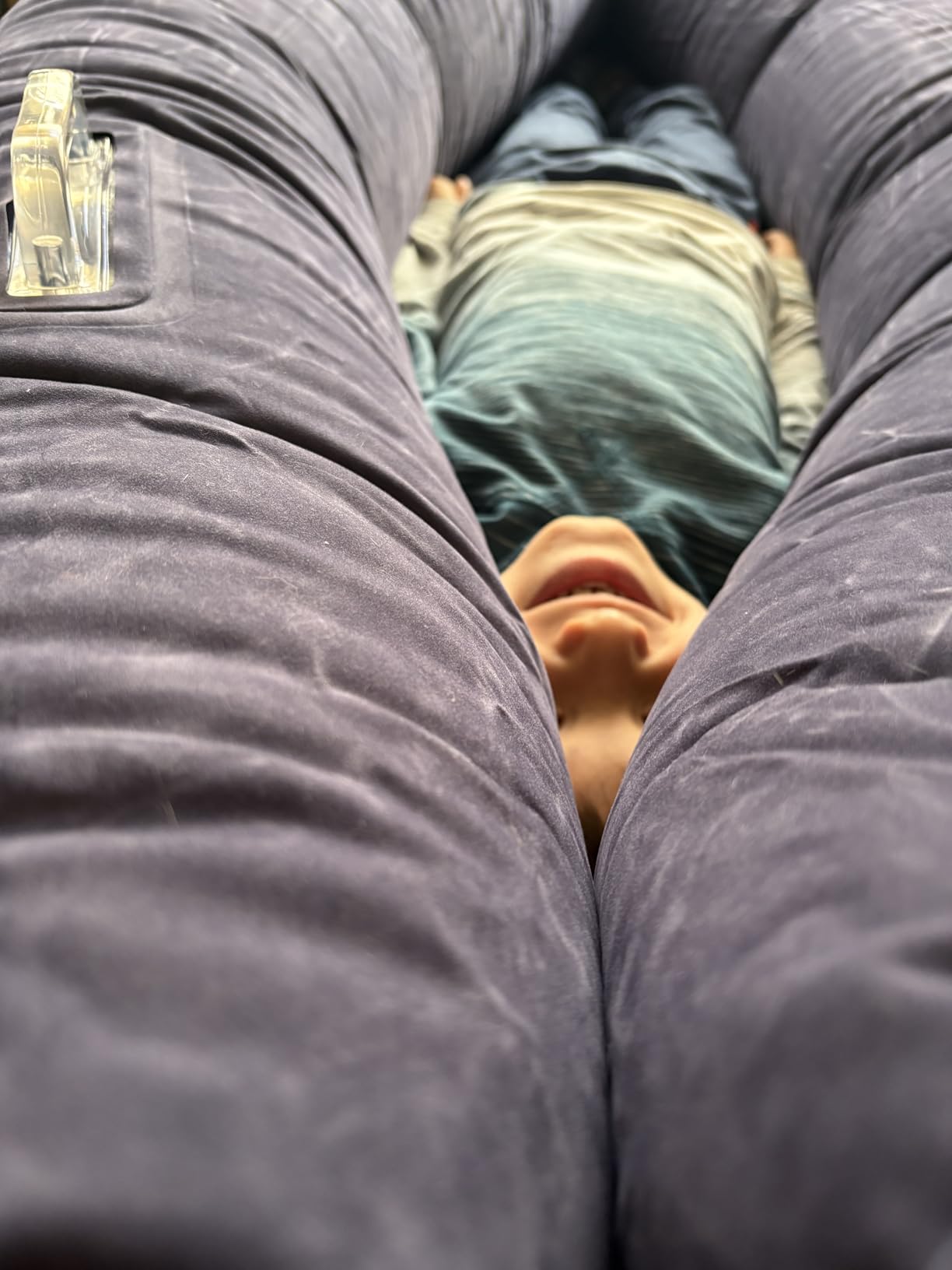
The sensory benefits are real and well-documented by parents. Children who seek out deep pressure input — wrapping themselves in blankets, squeezing into tight spaces, or preferring weighted products — tend to love this peapod. Many parents reported their children use it independently during meltdowns, climbing in when they feel overwhelmed. That self-regulation skill is exactly what occupational therapists work toward, and this product supports it naturally.
Durability is the main concern here. Multiple parents reported seam splits or air leaks, sometimes within weeks of purchase. The inflatable design is inherently less durable than foam-based options. We recommend keeping the receipt and contacting the manufacturer immediately if you notice any defects. Despite this concern, many families find the sensory benefits worth the risk, especially given the more affordable price compared to clinical sensory equipment.
Best Used For
This peapod is perfect for sensory-seeking children who love deep pressure and enclosed spaces. It works well at home, in therapy settings, and even in classrooms with dedicated sensory areas. If your child gravitates toward bean bag chairs, weighted blankets, or tight hugs, this inflatable pod provides similar input in a contained, purpose-built design.
Who Should Look Elsewhere
If durability is your top priority, the foam-based TED KANGAROO Squeeze Seat (our pick #2) is a better investment. Families with older or larger children should check the dimensions carefully, as several parents noted the peapod runs small. Also, if your child is prone to picking at or scratching surfaces, an inflatable product may not survive daily use.
5. KidCo HuggaPod Portable Baby Seated Support

- Excellent ergonomic support for infants learning to sit
- Works with jumpers swings high chairs shopping carts
- Adjustable safety strap grows with baby
- Machine washable cover
- Great for preemie or smaller babies
- May cause overheating in warm environments
- Does not work well with store shopping carts
- Front padding can be too long
- Limited size range
Positioning support is critical for babies with low muscle tone, prematurity, or developmental delays, and the KidCo HuggaPod solves a problem many special needs parents face: standard baby gear does not hold small or hypotonic babies safely. With 3,705 reviews at 4.6 stars, this is one of the most loved positioning products available. It provides the trunk and postural support that babies with developmental delays need to participate in activities their typically developing peers enjoy.
The versatility of this product is what impressed our team most. It works in exersaucers, jumpers, swings, high chairs, and even shopping carts. For parents of babies with special needs who cannot use standard baby gear without additional support, this product opens up a world of equipment options. Instead of buying specialized adaptive versions of everything, the HuggaPod adapts standard gear to meet your child’s positioning needs.
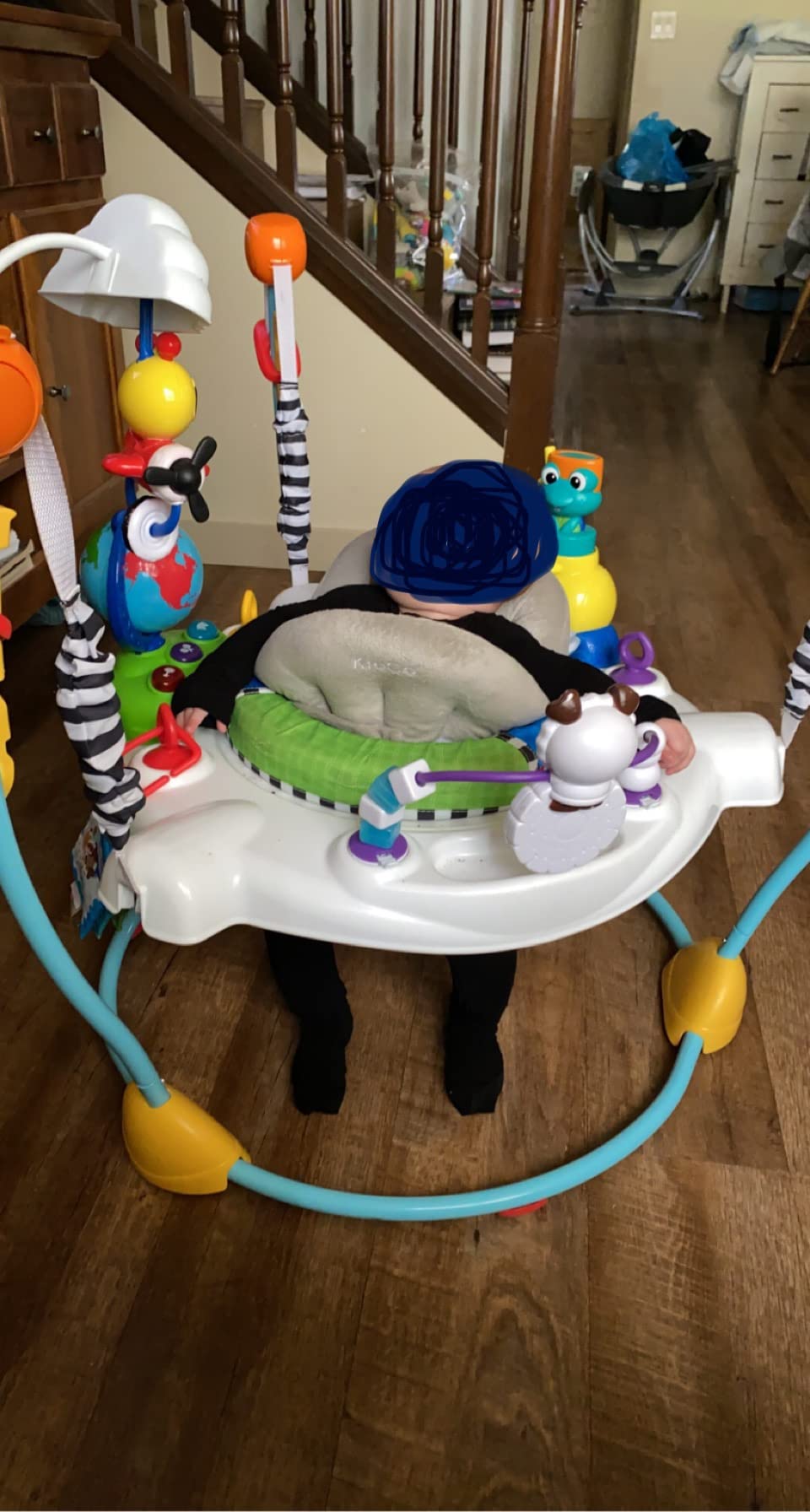
Parents of premature babies were especially vocal about this product. Preemies often have low muscle tone and poor head and trunk control, making standard bouncers and seats unsafe. The HuggaPod fills those gaps around the baby’s body, providing the lateral support they need to sit safely. The adjustable safety strap between the legs grows with your baby, extending the usable life of the product.
The main concern parents raised is overheating. The thick, soft polyester material traps heat, making this product uncomfortable in warm environments or during summer months. Several parents also noted the front padding can be too long and may ride up toward the baby’s face, so always supervise use. It does not work well with store shopping carts despite the marketing claim. Despite these issues, the HuggaPod earns our strong recommendation as a positioning essential for special needs families. For older children who need adaptive seating, our guide to high chairs that grow with special needs kids is worth exploring.
Best Used For
The HuggaPod is ideal for babies with low muscle tone, prematurity, developmental delays, or any infant who needs additional trunk support to sit safely in standard baby gear. If your baby slumps in their bouncer, slides sideways in their swing, or cannot maintain an upright position in a high chair, this product fills those gaps with targeted postural support.
Who Should Look Elsewhere
Babies who have outgrown the size range or who need medical-grade positioning support should look into specialized adaptive seating systems. If your child has severe postural needs requiring custom-molded seating, consult with a physical therapist about clinical options. This product is a supportive aid, not a replacement for prescribed positioning equipment.
6. Special Supplies Duo Spoon Oral Motor Therapy Tools
- Textured ends stimulate tongue gums lips and palate
- Dual stimulation provides varied sensory input
- BPA-free food-grade silicone
- Helps babies transition to solids quickly
- Recommended by feeding therapists and SLPs
- Dishwasher safe
- Very flexible design can make feeding harder
- Texture bumps may be on wrong side for some
- Long handle may be unwieldy
Oral motor therapy tools are essential for children with feeding aversions, sensory processing differences, and oral motor delays. The Special Supplies Duo Spoon is recommended by speech-language pathologists and feeding therapists for children who need textured sensory input during meals. With over 1,100 reviews at 4.6 stars, this 3-pack has become a staple in many special needs households.
The dual-ended design is clever — each end has a different texture pattern, one with bumps and one with lines. This lets you alternate between sensory inputs during a single feeding session, keeping the child engaged and providing varied oral stimulation. For children with oral defensiveness or sensory aversions around their mouth, these spoons help desensitize the area while simultaneously serving their meal. Parents reported seeing improvements in their child’s willingness to eat within days.
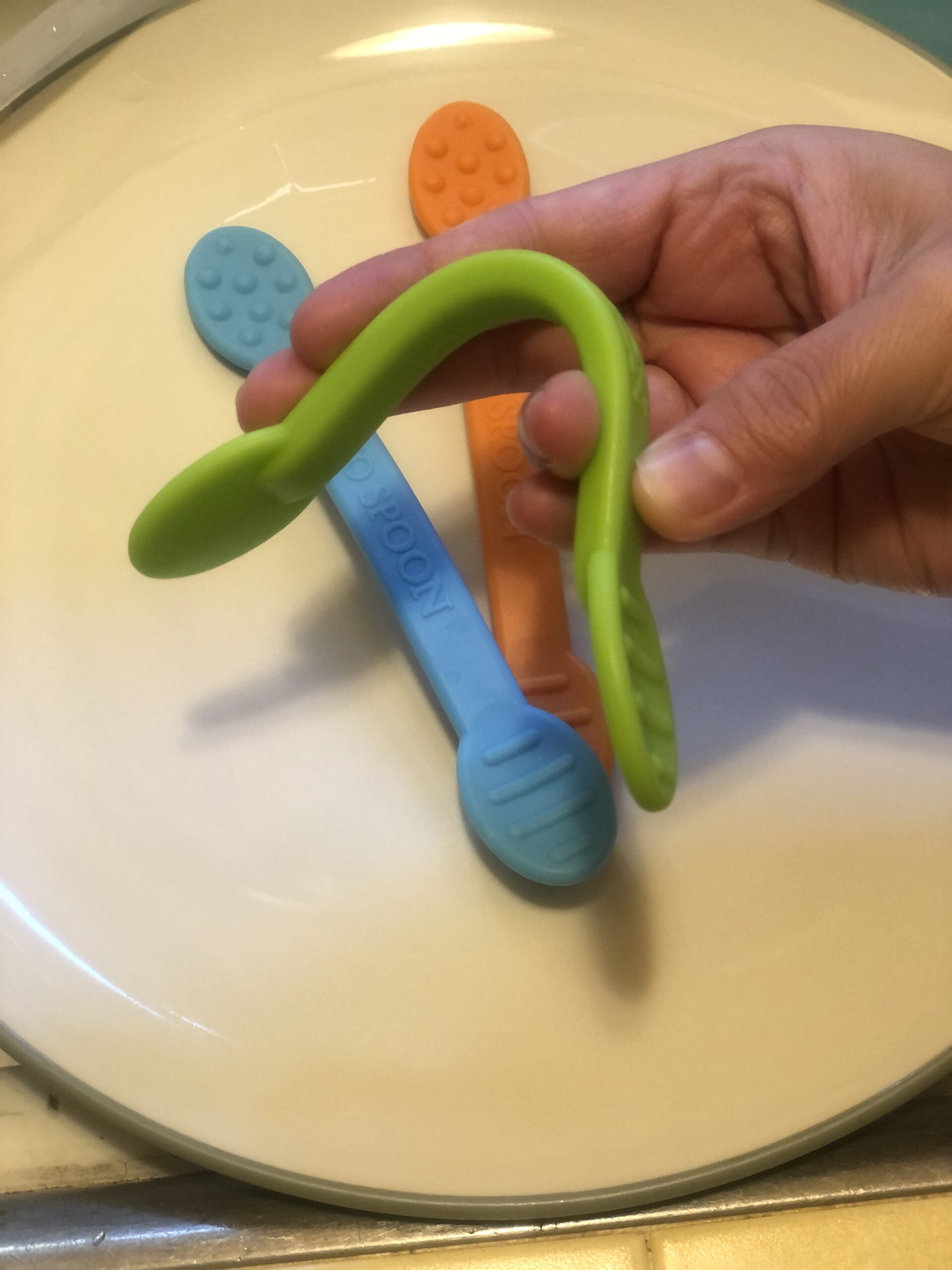
These spoons also double as teething toys, which adds value for families with younger babies. The BPA-free food-grade silicone is safe for chewing, and the flexible design means children can explore the textures independently. Many parents told us their children carry these spoons around between meals as a sensory chew tool, which is exactly the kind of self-directed regulation that therapists encourage.
The flexibility that makes these spoons great for sensory exploration can also make them frustrating for actual feeding. The very bendy design means less control when scooping food, and some parents found themselves using a standard spoon for the meal while offering the textured spoon for sensory input. The texture bumps are on both sides, which some children find overwhelming. At under $13 for a pack of three, though, these are affordable enough to keep as a dedicated sensory tool rather than a primary feeding utensil.
Best Used For
These therapy spoons are perfect for children with oral motor delays, sensory feeding aversions, autism spectrum disorder, or any child who needs additional oral sensory input during meals. If your child resists textured foods, gags easily, or avoids utensils near their mouth, these spoons provide gentle, therapist-designed stimulation to build tolerance.
Who Should Look Elsewhere
If your child feeds well with standard utensils and has no oral sensory concerns, these specialized spoons are unnecessary. Families looking for adaptive grip utensils for children with fine motor delays should consider the EazyHold cuff system instead, which helps children hold any standard utensil independently.
7. Frida Baby Medicine Pacifier Syringe

Frida Baby Medicine Pacifier Syringe, Accu-Dose Paci, Medi Frida, Fuss Free
- Mess and fuss free medicine administration
- Accurate dosing with marked syringe
- Bypasses tastebuds reducing stress
- Comfortable pacifier shape familiar to babies
- Easy to clean
- BPA-free materials
- Pacifier portion may be large for young infants
- Potential for medicine leakage if seal is poor
- Some babies may not accept it every time
Administering medication to a special needs child can be a daily battle, and the Frida Baby Medicine Pacifier Syringe has earned its 4.8-star rating from over 22,800 reviews by solving this exact problem. For children with oral aversions, swallowing difficulties, or sensory sensitivities around their mouth, traditional medicine syringes often lead to spitting, gagging, and wasted medication. This pacifier-style dispenser bypasses those challenges entirely.
The design is brilliant in its simplicity. The pacifier shape is familiar and comforting to babies, so they accept it willingly. When you press the syringe, medicine is delivered to the inside of the cheek rather than the back of the throat, which reduces the gag reflex. Because the liquid bypasses the tastebuds, bitter medications go down without the typical drama. For parents of special needs children who take daily medications, this product can genuinely transform your routine.
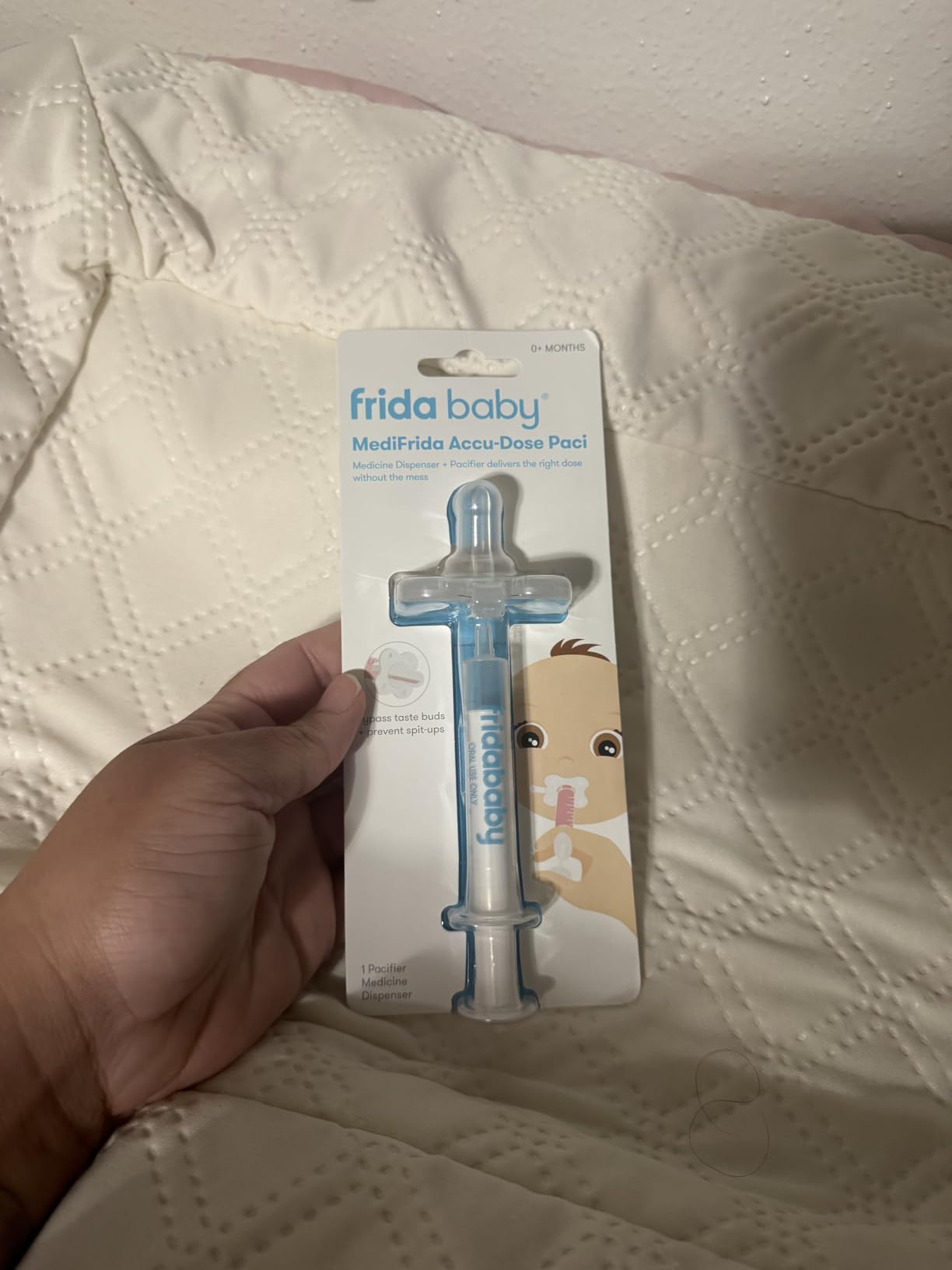
The Accu-Dose syringe has clearly marked increments, so you can measure precisely. It works with standard syringes too, which means you can use the pacifier portion with medication you already have at home. The entire device disassembles for thorough cleaning, and the BPA-free materials give parents peace of mind. Made in the USA, the build quality matches what you would expect from a product with nearly 23,000 reviews.
The main limitation is that some babies simply will not take a pacifier, and this product obviously requires pacifier acceptance. A few parents noted the pacifier portion is slightly large for very young infants. There is also a learning curve to getting the right seal so medicine does not leak. For the vast majority of families, though, this is one of those products you wish you had discovered sooner.
Best Used For
This medicine dispenser is ideal for any baby or toddler who takes liquid medication regularly and resists standard syringes. Special needs children with oral aversions, swallowing difficulties, or strong gag reflexes benefit most from the pacifier design. If medication time is a daily struggle in your household, this product can significantly reduce stress for both you and your child.
Who Should Look Elsewhere
If your child does not accept pacifiers, this product will not work regardless of how well it is designed. Older children who can drink from a cup may prefer mixing medication into a small amount of juice or applesauce instead. Families of children with severe swallowing disorders should consult their doctor about safe medication administration methods before using any oral dispenser.
8. EazyHold Silicone Adaptive Grip Device

- Universal fit works with many everyday objects
- Soft stretchy silicone grips securely
- Easy to clean dishwasher and autoclave safe
- Durable and long-lasting
- Available in 8 sizes for all ages
- Can be difficult to stretch for users with limited hand function
- Some sizes too small for certain hands
- May require assistance to position on objects
Independence in daily activities is a core goal for children with physical disabilities, and the EazyHold adaptive grip device makes that possible in a beautifully simple way. This silicone cuff fits around the hand and attaches to utensils, toothbrushes, crayons, and toys, allowing children who cannot grip independently to hold and use everyday objects. With over 1,200 reviews, it has become a trusted tool for families navigating fine motor challenges.
The brilliance of this product is its simplicity and versatility. Instead of buying adapted versions of every utensil and tool your child needs, the EazyHold works with standard items you already own. Strap it onto a spoon, and your child can feed themselves. Move it to a crayon, and they can draw. Transfer it to a toothbrush, and they can brush independently. This universal approach saves money and reduces clutter.
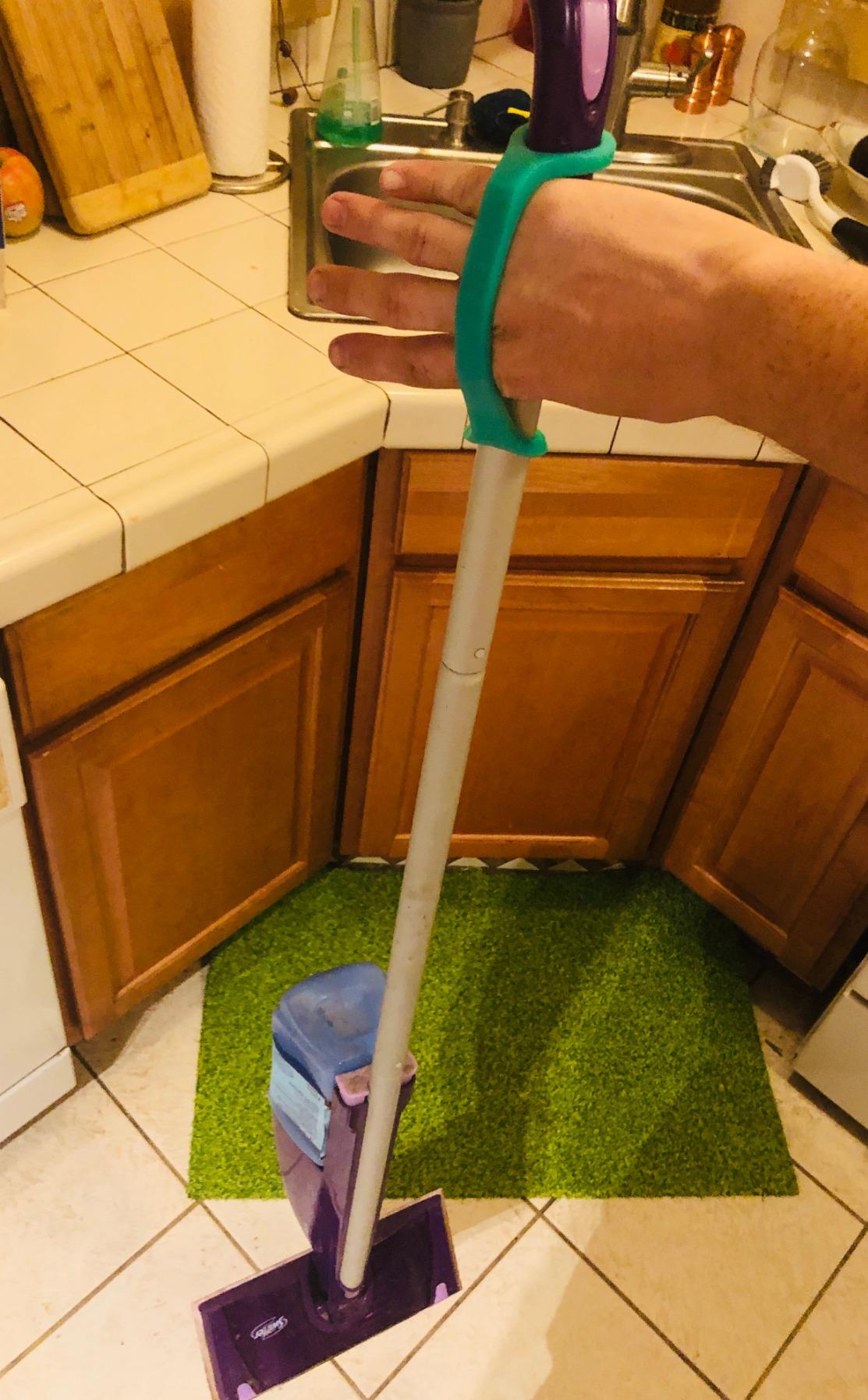
Our team was impressed by the range of conditions this product serves. Parents of children with cerebral palsy, limb differences, ALS, arthritis, and stroke recovery all reported positive experiences. The soft silicone is comfortable against the skin and provides enough grip security to hold items steady without being painfully tight. The fact that it is dishwasher safe and autoclave compatible means it meets hygiene standards for both home and clinical use.
The sizing is the main challenge. EazyHold offers 8 different sizes, and choosing the right one requires measuring carefully. Some parents ordered the wrong size initially and had to exchange. The silicone can also be difficult to stretch for users with very limited hand function, meaning a caregiver may need to help position it. At under $15 for a 2-pack, though, this is one of the most affordable adaptive tools available, and its impact on a child’s independence is immeasurable.
Best Used For
The EazyHold is ideal for children with cerebral palsy, limb differences, fine motor delays, arthritis, or any condition that limits grip strength. It works for feeding, writing, brushing teeth, painting, and play. If your child wants to participate in activities but struggles to hold utensils or tools, this cuff opens doors to independence.
Who Should Look Elsewhere
Children with adequate grip strength do not need this product. If your child’s challenges are primarily sensory or cognitive rather than physical, other products on this list will serve you better. Families needing a more permanent or custom-molded grip solution should consult with an occupational therapist about fabricated adaptive equipment.
9. Ubbi Tweat Spill-Proof Snack Containers

Ubbi Tweat Snack Container for Kids & Toddlers, Sage Green & Blush Pink
- Spill-proof design keeps snacks secure
- Anti-tip weighted base prevents tipping
- Easy for toddlers to open independently
- Dishwasher safe
- Durable and survives drops and throws
- Lid attachment pin can break if thrown
- Center piece can rotate when closing
- Stopper piece can fall out
- Slightly bulky
Independence in self-feeding is a major developmental milestone, and for children with motor delays or developmental disabilities, finding the right snack container makes a big difference. The Ubbi Tweat container is designed with an anti-tip weighted base and spill-proof design that lets children practice reaching into a container without creating constant messes. With over 1,500 reviews, it has proven popular with both typical and special needs families.
The weighted base is the standout feature for special needs use. Children with tremors, low muscle tone, or motor planning challenges often knock containers over repeatedly. The Ubbi Tweat wobbles but does not tip, which means fewer cleanups and less frustration for both child and parent. The soft spill guard allows little hands to reach in and grab snacks while the rubber seal prevents contents from spilling out when the container is knocked sideways.
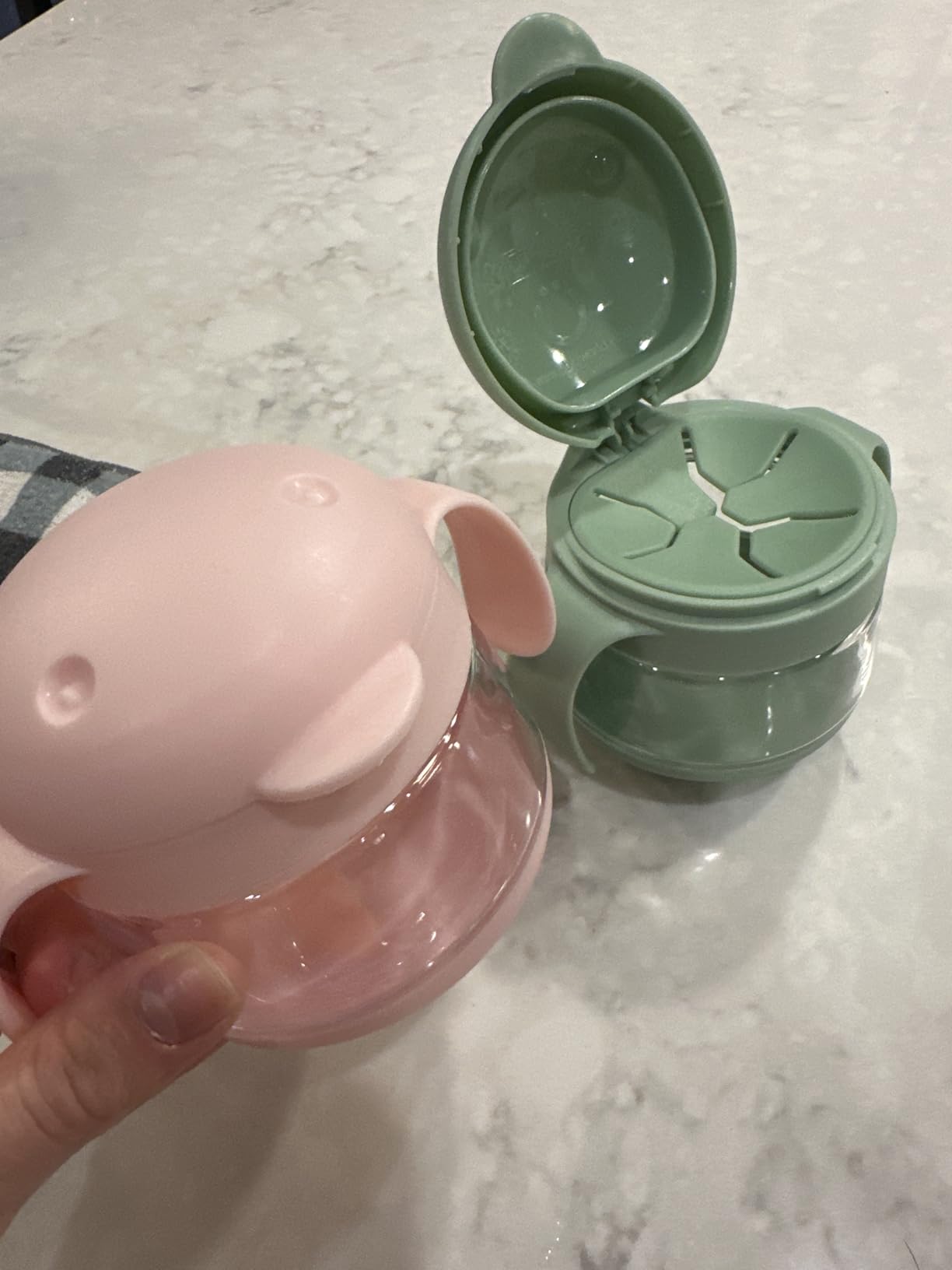
For children working on fine motor skills in occupational therapy, this container supports the grasping and reaching movements that therapists target. The large opening is easy for uncoordinated hands to navigate, and the attached lid prevents the common scenario of losing yet another lid. The BPA-free Tritan material is durable enough to survive being thrown across the room, which is a real consideration for some special needs households.
The main complaint from parents is that the lid attachment mechanism uses a plastic pin that can break if the container is thrown forcefully. Once the pin breaks, the lid detaches completely. The center stopper piece can also fall out, creating a choking hazard if not monitored. We recommend inspecting the container regularly for wear, especially in households where throwing behaviors are common. Despite these issues, the Ubbi Tweat remains one of the best snack containers for promoting independent feeding skills.
Best Used For
This snack container is perfect for children working on self-feeding skills, fine motor development, or hand-eye coordination. The anti-tip base is especially helpful for children with tremors, ataxia, or low muscle tone who frequently knock items over. If your child is in occupational therapy working on reaching and grasping, this container supports those goals in a practical, everyday context.
Who Should Look Elsewhere
If your child does not yet have the motor skills to reach into a container independently, start with simpler open-cup feeding practice first. Families dealing with severe throwing behaviors may find the lid pin breaks too frequently for this to be a practical choice. In that case, a simpler one-piece silicone snack container may work better.
10. Joyreal Vibrating Sensory Teether for Babies and Autistic Children

- Gentle vibration soothes teething discomfort
- 3 adjustable vibration settings
- USB rechargeable no batteries needed
- Food-grade silicone BPA-free
- Great for children with autism and sensory needs
- Compact and portable
- Battery charge may not last long
- Some units stop taking charge within weeks
- Long charging time reported
- Long-term chewing safety concerns
Vibration is a powerful sensory input for children with autism and sensory processing needs, and the Joyreal Vibrating Teether combines oral motor benefits with calming sensory stimulation. This dual-purpose product serves as both a teething relief tool and a sensory regulation device, making it particularly valuable for special needs families. Though it is a newer product with 112 reviews, the 4.5-star rating suggests strong satisfaction.
The three vibration settings are what make this teether stand out. Every child’s sensory profile is different, and having adjustable intensity means you can find the right level for your child. Some children need gentle vibration to stay regulated, while others benefit from stronger input. Parents of autistic children reported that the vibration helps their child self-soothe during periods of sensory overload, providing oral proprioceptive input that is organizing to the nervous system.
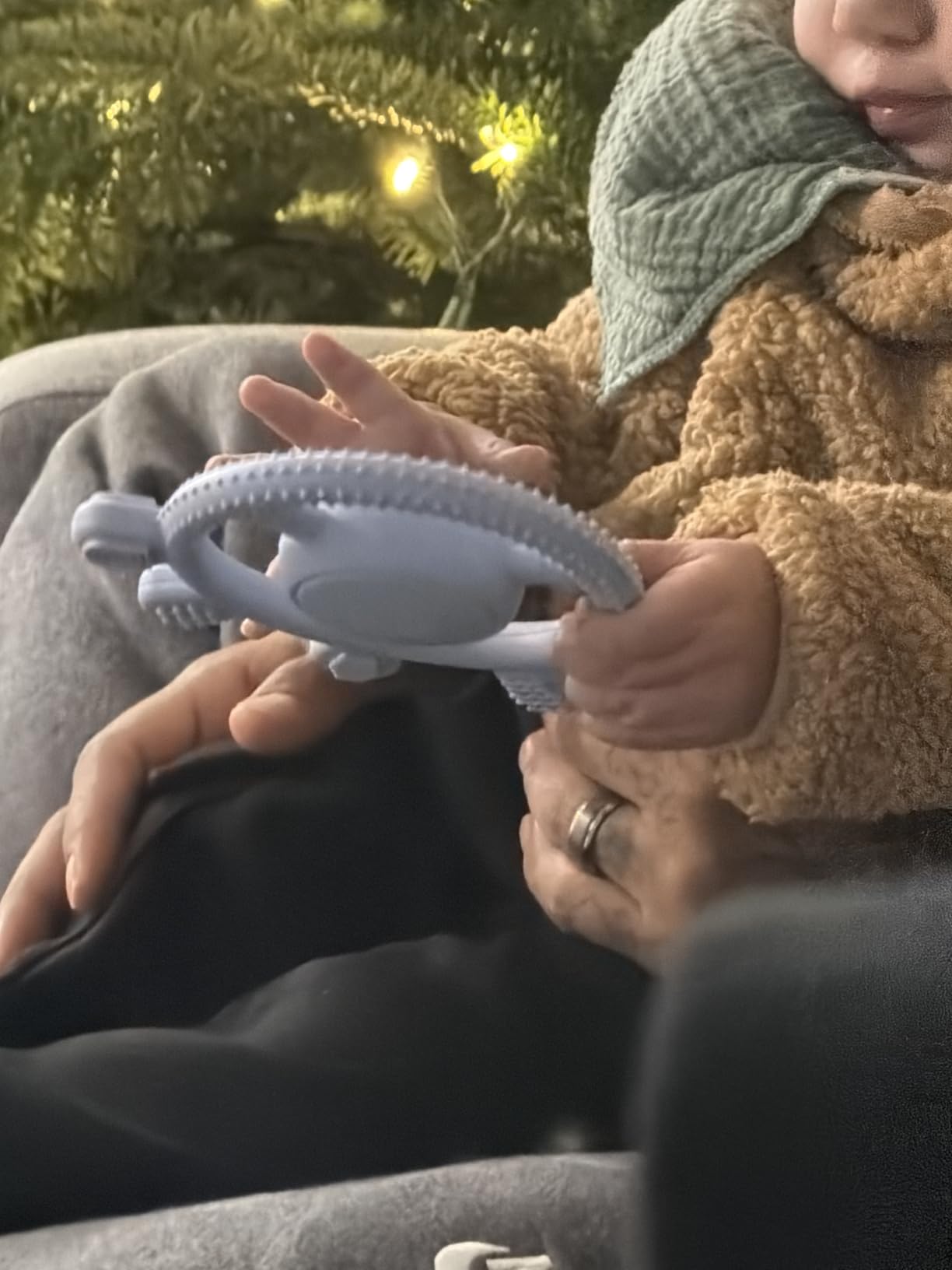
The USB rechargeable design eliminates the need for battery replacements, which is both convenient and cost-effective. The food-grade silicone is free of BPA, phthalates, and latex, meeting the safety standards parents of special needs children demand. Multiple textured surfaces provide varied tactile input, and the compact size makes it easy to carry in a pocket or bag for on-the-go sensory support.
The primary concern is battery reliability. Several parents reported that their unit stopped holding a charge within weeks of purchase. This is a known issue with rechargeable silicone products at this price point, and we recommend purchasing from a retailer with a good return policy. The charging time can also be lengthy. Despite these concerns, the combination of vibration and oral sensory input at under $10 makes this one of the best value sensory products on our list.
Best Used For
This vibrating teether is ideal for babies and toddlers with autism, sensory processing disorder, or any child who seeks oral sensory input. It works well for teething relief in typical babies while simultaneously serving as a regulation tool for children who need vibration to stay calm. If your child chews on clothing, fingers, or objects, this teether provides a safer, purpose-built alternative.
Who Should Look Elsewhere
Children who are sensitive to vibration or who find buzzing sensations distressing should not use this product. If your child is an aggressive chewer who destroys silicone products quickly, you may need a more durable chew tool designed specifically for aggressive chewing, such as those from Chewigem or Ark Therapeutic.
11. Heyshapeing Elbow Immobilizer Splint for Post-Surgery and Safety

- Effective at preventing hand-to-face contact after surgery
- Breathable cotton with airflow design
- Lighter and more comfortable than hospital braces
- Adjustable Velcro straps
- Universal fit for either arm
- Velcro can peel and potentially scratch
- Can slide down if not secured tightly
- No sizing chart included
- Durability concerns with repeated use
Post-surgical recovery and behavioral intervention sometimes require elbow immobilization, and the Heyshapeing Elbow Immobilizer provides a more comfortable alternative to hospital-issue braces. This product is used by families of children recovering from cleft palate repair, craniofacial surgeries, or for preventing thumb sucking and face scratching behaviors. With 268 reviews at 3.9 stars, it is a niche but important product for specific special needs situations.
The breathable cotton construction is a significant improvement over the heavy, uncomfortable braces typically provided by hospitals. Parents whose children needed elbow immobilization after cleft palate surgery reported that this product was lighter, softer, and better tolerated than the hospital version. The open gap design allows airflow, which prevents the overheating and skin irritation that often accompanies prolonged brace use.
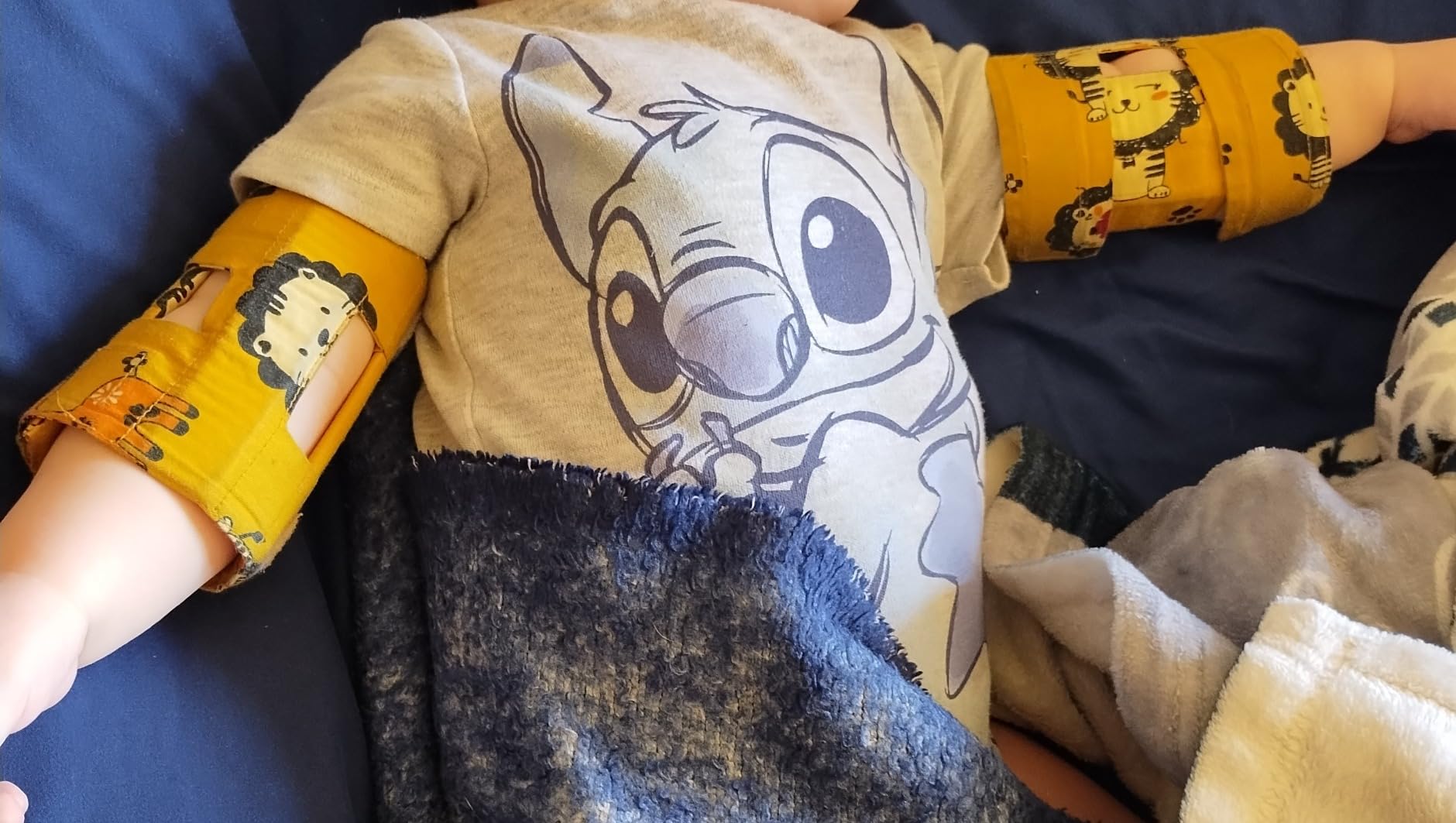
The universal fit means the same brace works on either the right or left arm, which simplifies ordering. The Velcro straps provide adjustable bending resistance, so you can customize how much movement to allow based on your child’s needs. For children who habitually pull at IV tubes, scratch their face, or engage in thumb sucking that interferes with dental development, this product offers a practical intervention.
The 3.9-star rating reflects some real limitations. The Velcro can peel up over time, creating scratchy edges that may irritate sensitive skin. Sizing is inconsistent, and the lack of a helpful sizing chart means some parents had to exchange for a different size. The material can degrade after 10 or more uses, making this less suitable for long-term daily use. For short-term post-surgical needs, however, it serves its purpose effectively at a reasonable price.
Best Used For
This elbow immobilizer is specifically designed for post-surgical recovery (especially cleft palate and craniofacial repairs), preventing face scratching in children with sensory-seeking behaviors, protecting IV lines, and addressing persistent thumb sucking in younger children. If your child’s surgeon or dentist has recommended elbow restraints, this product offers a more comfortable alternative to hospital braces.
Who Should Look Elsewhere
This product is not suitable for older children (age 3 and up) who can easily figure out how to remove it. If you need elbow immobilization for long-term daily use, a more durable medical-grade option would be better. Always consult your child’s doctor before using any immobilization device to ensure it is appropriate for your specific situation.
12. Child Airplane Safety Harness for Travel

- FAA approved and equivalent to car seat
- Lightweight and compact folds into 6 inch sack
- Easy to install in under 1 minute
- Eliminates need to carry bulky car seat through airport
- Comfortable 5-point harness security
- May not fit snugly on narrower modern seats
- Not allowed in exit rows
- Initial installation can be tricky
- May be loose on larger toddlers
Air travel with a special needs child presents unique challenges, and lugging a heavy car seat through the airport is one most parents dread. The Child Airplane Safety Harness is an FAA-approved alternative that provides 5-point harness security on flights without the bulk of a car seat. With nearly 1,300 reviews at 4.3 stars, it has become a must-have travel accessory for special needs families who fly.
For children with developmental disabilities who need the containment and security of a 5-point harness, this product makes air travel significantly more manageable. Instead of checking or gate-checking a car seat and then wrestling it into a narrow airplane seat, you carry a 1-pound harness that folds into a 6-inch stuff sack. Installation takes under a minute once you get the hang of it, and your child gets the same level of restraint security they have in their car seat.
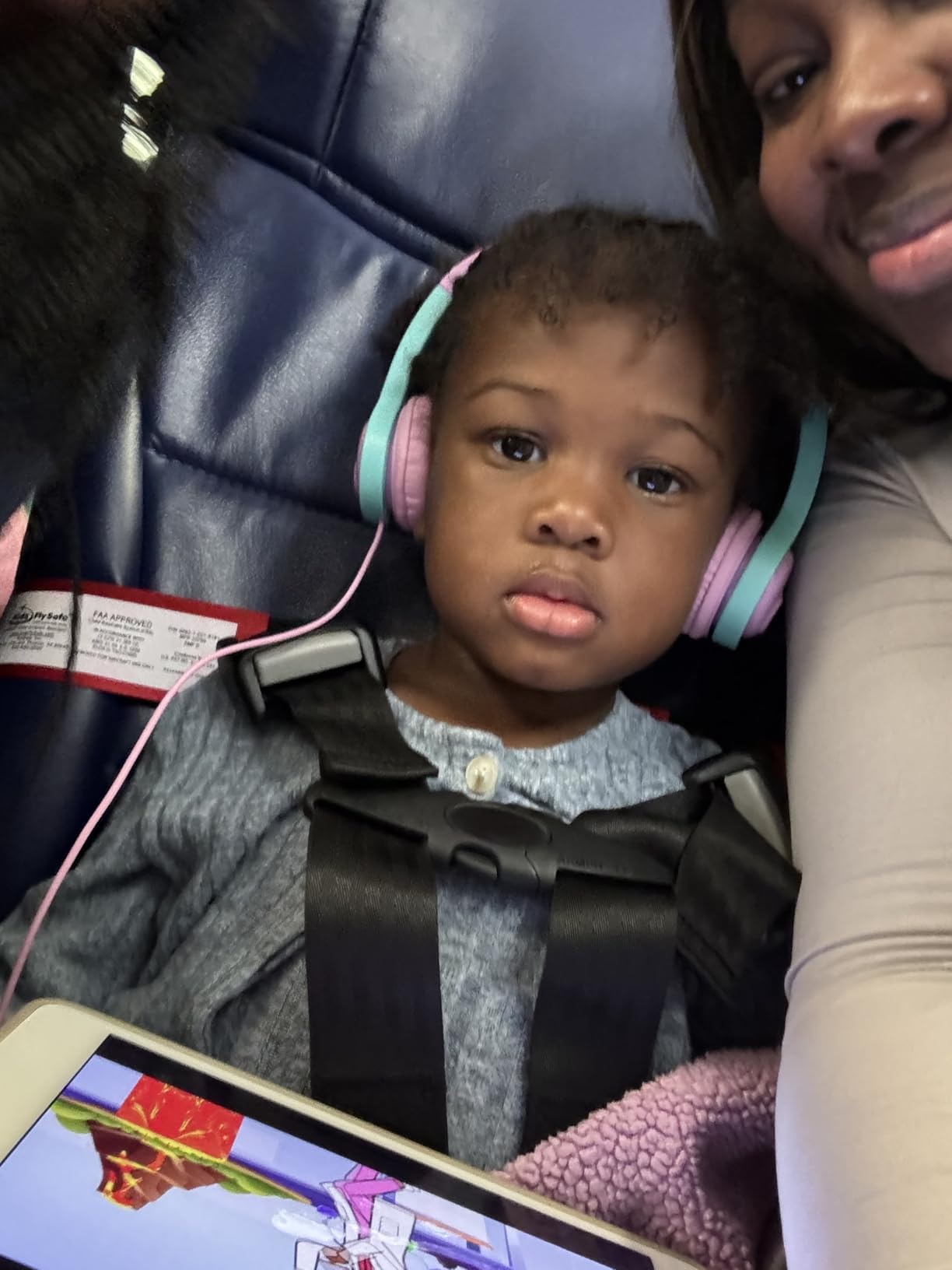
Parents of children with autism and elopement tendencies particularly value this harness for flights. The 5-point design keeps active children securely seated, which is essential for safety and reduces the stress of constantly redirecting a child who wants to move around the cabin. Frequent flyer families told us this harness transformed their travel experience, making flights possible that would have been unbearable with a standard lap belt.
The limitations are mostly related to airplane seat compatibility. Newer, narrower seats on some airlines do not accommodate this harness as snugly as older designs. You cannot use it in exit rows, and installation requires the passenger behind you to lower their tray table temporarily. Some international airlines may not recognize the product, though it is FAA approved. For domestic travel within the United States, though, this harness is an excellent solution for families who want car-seat-level security without the hassle of transporting an actual car seat. If you are planning travel with your special needs child, our guide to portable travel cribs can also help you maintain consistent sleep environments away from home.
Best Used For
This travel harness is ideal for children ages 1 and older who weigh 22-44 pounds and are up to 40 inches tall. It is specifically designed for families who fly and want 5-point harness security without carrying a car seat. Special needs families traveling with children who require containment for safety or behavioral reasons benefit most from this product.
Who Should Look Elsewhere
This harness is for airplanes only and cannot be used in cars or motor vehicles, so you will still need a car seat at your destination. If your child is over 44 pounds or taller than 40 inches, this product will not fit. Families of children with severe physical disabilities who need specialized postural support during travel should consult with their therapist about flying with a medical-grade car seat.
How to Choose the Best Baby Gear for Special Needs Kids
Choosing adaptive equipment for your child is not the same as shopping for standard baby gear. You need to consider your child’s specific diagnosis, physical abilities, sensory profile, and developmental stage. The right gear can support your child’s development, keep them safe, and make daily routines more manageable for the whole family. Here is what we recommend thinking through before making any purchases.
Start With Your Child’s Specific Needs
Every child’s needs are unique, even within the same diagnosis. A child with Down syndrome may have low muscle tone affecting their ability to sit independently, while a child with autism may have intact motor skills but significant sensory processing differences. Before buying anything, identify the specific challenge you are trying to address. Is it feeding difficulty? Sensory regulation? Wandering prevention? Positioning support? Start there.
Talk to your child’s occupational therapist, physical therapist, or speech-language pathologist about what types of products they recommend. These professionals work with your child regularly and can suggest specific categories of equipment that align with therapy goals. They can also help you avoid products that might reinforce undesirable patterns or work against therapy objectives.
Understand the Key Categories of Special Needs Baby Gear
Special needs baby gear generally falls into several categories, each addressing different challenges. Feeding equipment includes specialized bottles like the Medela SpecialNeeds Feeder, textured therapy spoons, and adapted utensils. Sensory products include compression seating, weighted items, vibrating teethers, and tools that provide proprioceptive or vestibular input. Safety equipment covers wandering prevention harnesses, airplane restraints, and behavioral supports.
Positioning and mobility gear supports proper posture and physical development. This includes products like the KidCo HuggaPod for infants and adaptive seating systems for older children. Medical supports like elbow immobilizers serve specific post-surgical or behavioral purposes. Understanding which categories your child needs helps you prioritize spending and avoid buying products that sound helpful but do not address your primary concerns.
Consider How the Product Grows With Your Child
One of the biggest pain points special needs families shared with us is that standard baby gear is outgrown too quickly, and children with developmental delays often need gear for much longer than typical age ranges suggest. Look for products with adjustable features, multiple size options, or universal sizing. The Hobble De Hoo harness adjusts across sizes, and the EazyHold comes in 8 sizes from infant to adult.
Products that serve multiple purposes also extend value. The KidCo HuggaPod works across jumpers, swings, high chairs, and exersaucers, which means you buy one product instead of adaptive versions of everything. For children who will need equipment long-term, consider whether the product has a path to larger sizes or whether you will need to replace it as your child grows.
Budget Considerations and Funding Options
Adaptive equipment is expensive, and the costs add up quickly for special needs families. One of the most common frustrations we heard from parents was the financial strain of purchasing specialized gear that insurance often does not cover. Start by checking whether your health insurance or Medicaid covers medically necessary adaptive equipment through the Early and Periodic Screening, Diagnostic, and Treatment (EPSDT) benefit.
Items like adaptive strollers, positioning seats, and feeding equipment may be covered if prescribed by a doctor. Coverage varies significantly by state and plan, so contact your state Medicaid office or insurance provider to understand what is available. Some families use state waiver programs, community fundraising, or nonprofit grants to fund larger equipment purchases. Organizations like Friends of Man, First Hand Foundation, and local disability advocacy groups sometimes provide financial assistance for adaptive equipment.
For smaller items, prioritize based on immediate need. Safety products like wandering prevention harnesses should come first if your child elopes. Feeding supports are essential if your child cannot eat without them. Sensory tools can be introduced gradually as you identify what types of input your child responds to. Do not feel pressured to buy everything at once.
Prioritize Durability and Cleanability
Special needs gear gets used hard. Children with sensory seeking behaviors may throw, chew, or repeatedly drop items. Products with removable, machine-washable covers earn their premium when you are washing them weekly. Look for dishwasher-safe feeding equipment and medical-grade materials that can withstand frequent sanitizing.
Durability claims in product descriptions should be verified against actual parent reviews. We specifically looked at negative reviews to identify patterns of breakage or wear. Products like the TED KANGAROO Squeeze Seat with foam construction will outlast inflatable alternatives, but even foam products need quality covers and stitching to survive daily use by an active child.
Check Safety Certifications and Compliance
For travel safety products, always verify FAA approval or relevant safety certifications. The Child Airplane Safety Harness on our list is FAA approved, which means it meets federal aviation safety standards. For products used in vehicles, look for crash-test ratings and federal motor vehicle safety standards compliance.
Medical and therapy products should be made from materials that meet safety standards for children. BPA-free, phthalate-free, and latex-free materials are the baseline expectation. For products that go in your child’s mouth, food-grade silicone is the standard. Check for choking hazard warnings, especially for products with small removable parts that a curious child could dislodge.
Frequently Asked Questions About Special Needs Baby Gear
What do autistic kids need the most?
Autistic children benefit most from sensory-friendly products that help regulate their nervous system. Weighted blankets, compression seating, noise-canceling headphones, and sensory swings provide the deep pressure and proprioceptive input many autistic kids seek. Oral sensory tools like vibrating teethers and textured spoons support feeding and self-regulation. Visual schedules and predictable routines also support daily functioning.
What is the item that should be used for children with special needs?
The most essential items depend on the child’s diagnosis, but commonly include adaptive seating for proper posture, sensory tools like compression products or weighted items, specialized feeding equipment for oral motor challenges, mobility aids matched to their ability level, and safety equipment like harnesses for children who wander. Consult your child’s occupational or physical therapist for personalized recommendations.
What to buy a special needs child?
Prioritize positioning equipment that supports proper posture, sensory tools for nervous system regulation, adaptive feeding and bathing equipment for their physical abilities, safety gear like harnesses and restraints, and durable products that withstand heavy use. Always consult your child’s therapists before major purchases and check whether insurance or Medicaid may cover medically necessary items.
Does Medicaid give free baby items?
Medicaid may cover adaptive baby equipment through the Early and Periodic Screening, Diagnostic, and Treatment (EPSDT) benefit, which covers medically necessary devices for eligible children under 21. Items like adaptive strollers, positioning seats, and feeding equipment may be covered if prescribed by a doctor. Coverage varies by state, so contact your state Medicaid office to understand your specific benefits.
How do I choose the right baby gear for a child with low muscle tone?
For children with hypotonia or low muscle tone, look for products that provide postural support like the KidCo HuggaPod for infants or adaptive seating systems for older children. Avoid gear that requires independent sitting or head control without additional support. Products with harnesses, lateral supports, and adjustable positioning features are essential. Work with your physical therapist to identify specific positioning needs.
Final Thoughts on the Best Baby Gear for Special Needs Kids in 2026
Finding the right baby gear for special needs kids is about matching products to your child’s unique abilities, challenges, and developmental stage. Our Editor’s Choice, the Hobble De Hoo Safety Harness, addresses the critical safety concern of wandering that so many special needs families face. The TED KANGAROO Sensory Squeeze Seat provides calming compression input that helps children self-regulate, while the Medela SpecialNeeds Feeder solves feeding challenges that can be life-changing for families of babies with oral motor difficulties.
Remember that building your collection of adaptive gear is a gradual process. Start with the products that address your most pressing concerns, consult with your child’s therapy team, and check whether Medicaid or insurance can help with costs. Every child is different, and the best baby gear for special needs kids is the gear that helps your specific child participate more fully, safely, and joyfully in daily life.