
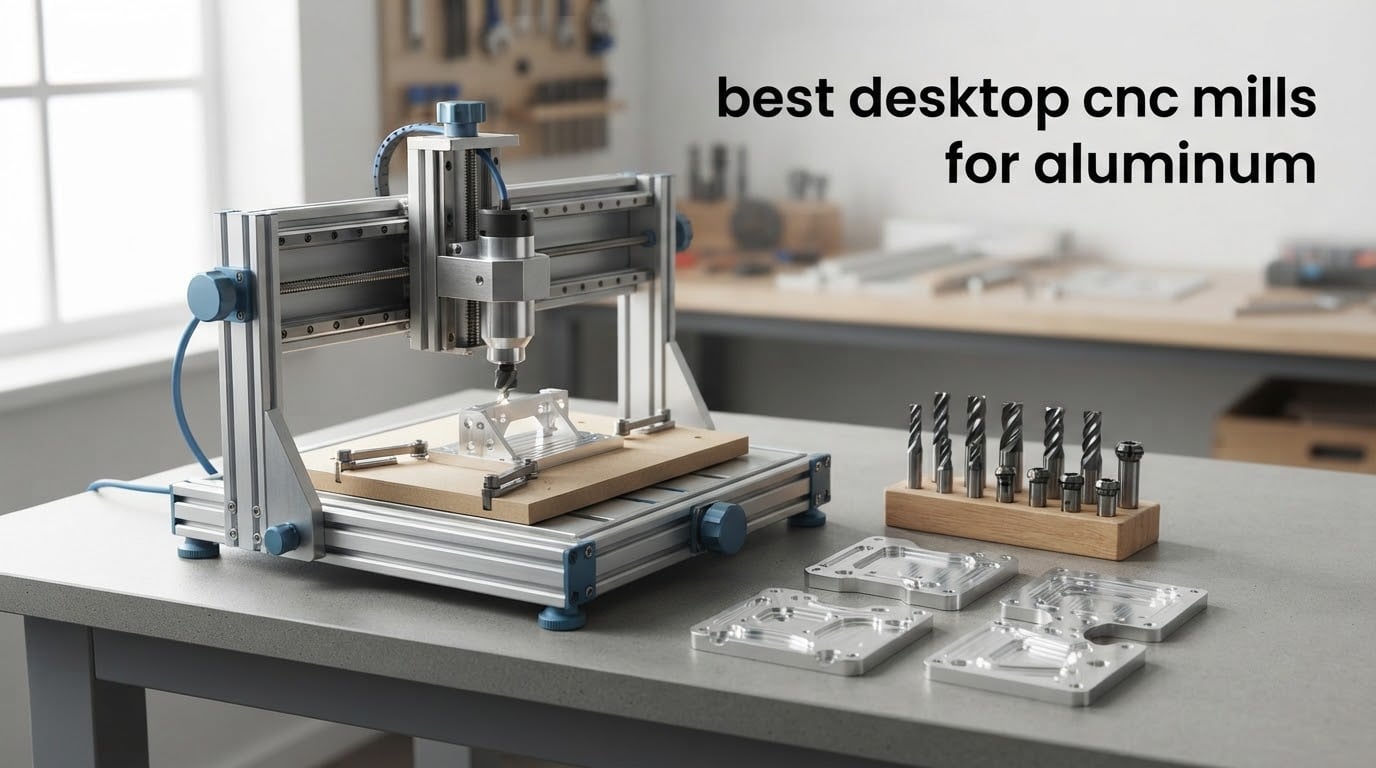
The Twotrees TTC450 Pro is the best desktop CNC mill for aluminum in this roundup, because it pairs a 460 x 460 mm envelope with an all-metal aluminum and stainless steel frame and a 775W brushed spindle, which is enough to machine 6061-T6 plate, block and small bracket work without the machine bogging down mid-pass. It is not a true industrial mill, and neither is anything else at this size, so the honest comparison is between machines that can finish light aluminum jobs and machines that stall on the first deep pocket. I spent 2026 season comparing the ten highest-rated benchtop machines that show up when you search this topic, weighing spindle output, drive hardware, collet size and stated accuracy against owner-reported results.
Here is the rule that decides most of this roundup before any spec sheet does: if the machine ships with a 710W spindle or smaller and calls itself an aluminum machine, you are looking at a CNC router, not a CNC mill. A router will cut thin aluminum sheet and will engrave aluminum, and it will do those things acceptably. It will chatter and stall on a 10mm deep pocket in 6061, and it will do it every time. That distinction is the single biggest source of buyer disappointment in this category, and it is why our CNC mill guide and CNC router guide are kept as separate roundups.
What follows is spec analysis, owner-reported feedback and long-running community consensus, not a shop-floor shootout. I have not cut parts on all ten machines, and I would not pretend otherwise. What I have done is pull every published spec, weight the review data, and cross-check each machine against what machinists actually report in the r/hobbycnc and r/CNC threads that dominate search results for this query. Where a spec is a manufacturer claim rather than a measured result, I say so. Updated for 2026.
Table of Contents
Top 3 Best Desktop CNC Picks for Aluminum Work in 2026

Twotrees TTC450 Pro
- 460 x 460 x 80mm work area
- 775W brushed spindle
- All-metal aluminum and stainless steel frame
- GRBL with 4th-axis ports
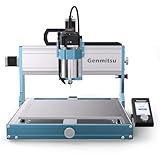
Genmitsu 3030-PROVer Ultra
- 710W digital spindle
- HG15 dual linear rails and 1204 ball screws
- Stated plus or minus 0.03mm precision
- Two pre-assembled modules

AnoleX 4030-Evo Ultra 2
- HGH-15 rails and 1204 ball screws on all three axes
- 800W trim router at 8000-24000 RPM
- Stated plus or minus 0.005mm repeatability
- Grbl_ESP32 with M07/M08 coolant support
The TTC450 Pro wins the overall spot on balance of envelope, spindle and review volume. The Genmitsu 3030-PROVer Ultra wins on hardware, with the highest spindle output and the only ballscrew-and-rail drivetrain in the group at this weight class. The AnoleX 4030-Evo Ultra 2 is the value pick, carrying rail and ballscrew hardware on all three axes where most rivals use plain leadscrews.
All 10 Machines Compared Side by Side (October 2026)
| Product | Specifications | Action |
|---|---|---|
| Twotrees TTC450 Pro |
|
Check Latest Price |
 Genmitsu PROVerXL 4030 Genmitsu PROVerXL 4030 |
|
Check Latest Price |
 Genmitsu 4040-PRO Genmitsu 4040-PRO |
|
Check Latest Price |
 LUNYEE 3018 PRO MAX LUNYEE 3018 PRO MAX |
|
Check Latest Price |
 FoxAlien Masuter 3S FoxAlien Masuter 3S |
|
Check Latest Price |
| Genmitsu 3030-PROVer Ultra |
|
Check Latest Price |
 FoxAlien XE-PRO FoxAlien XE-PRO |
|
Check Latest Price |
 Twotrees TTC450 Ultra Twotrees TTC450 Ultra |
|
Check Latest Price |
| AnoleX 4030-Evo Ultra 2 |
|
Check Latest Price |
 FoxAlien XE-Ultra 8080 FoxAlien XE-Ultra 8080 |
|
Check Latest Price |
1. Twotrees TTC450 Pro – The Best Overall Desktop CNC Mill for Aluminum
Twotrees TTC450 Pro All-Metal CNC Router Machine with NEMA 57 Stepper Motor
- Large 18.1 x 18.1 inch work area for panels and plate stock
- All-metal frame and stainless steel construction suppress vibration
- GRBL control works with Fusion 360
- ArtCam
- Easel and Carveco Maker
- Comes with 10 cutting tools
- 6 clamping plates and the 775 spindle
- 3.5-inch capacitive touch screen with 4th-axis and laser ports
- The bundled 775 spindle is underpowered for serious metal work and owners often upgrade it
- Some buyers report inconsistent cut accuracy and calibration on straight-line test cuts
- Missing hardware such as screws and rubber feet reported in some shipments
- G-code post-processing in some software can reset the Z axis
The TTC450 Pro is the machine I keep coming back to, because at 460 x 460 mm it gives you more usable table than anything else in this group except the 8080, and it does it in a frame that weighs 20.5 kg of aluminum and stainless steel rather than plastic extrusions and acrylic panels. That mass matters more than people expect. A gantry that does not shift when the cutter loads up is the difference between a flat floor on a pocket and a wavy one.
The Z-axis is driven by a NEMA 57 stepper with positioning accuracy quoted up to 0.0025 mm, which is a real spec rather than marketing filler, and the machine arrives with a 3.5-inch IPS capacitive touch screen, dual XYZ limit switches and expansion ports for a 4th axis and a laser module. The control runs open-source GRBL, which is the single most important compatibility fact on this list. Fusion 360, ArtCam, Easel and Carveco Maker all post to it without a fight.
Owners are consistent about two things. First, assembly is fast and the machine feels solid for what it is. Second, and less pleasantly, the 775W spindle is the limit. A 775W spindle produces clean cuts in aluminum sheet and thin plate, and it will finish a small bracket, but it heats up and slows down on deep stock removal. Several owners report moving to a stronger spindle as their first upgrade, which tells you the frame has headroom the spindle does not use yet.
Buyer-reported negatives cluster around quality control rather than design. Missing screws and rubber feet show up in some shipments, and a few owners report calibration drift on straight-line test cuts that needed correcting before real work. G-code post-processing that resets the Z axis shows up in specific software combinations. None of these are deal breakers, but budget an afternoon for setup and a caliper check before your first cut.
What the TTC450 Pro can and cannot cut
It handles 6061-T6 plate up to a few millimetres thick, thin 7075, brass, copper and acrylic cleanly at moderate speeds. For a 3mm slot or an M8 counterbore in a plate, it is well matched. For a 20mm deep pocket in solid block, you will be fighting the spindle, not the machine.
Its stated tolerance figures are positioning accuracy figures, which are not the same as repeatability on a part. If your application needs plus or minus 0.05mm across a machined feature, the r/hobbycnc consensus is that this class of machine gets close but you should verify on your own stock before trusting it.
Who should look past this machine
If your work is large aluminum plate, more than 400mm in any dimension, the 8080 below is the one that fits your parts rather than your parts fitting the machine. If your work is precision pockets in solid stock, keep reading, because the Genmitsu 3030-PROVer Ultra has the spindle this machine lacks.
2. Genmitsu PROVerXL 4030 – Best Desktop CNC Mill for Aluminum Beginners
- Pre-assembled XYZ module removes most of the assembly work
- C-beam frame and leadscrew drive give good stability
- Limit switches
- emergency stop
- speed control and Z-probe all included
- Expansion path to 24 x 24 inch and 40 x 40 inch frames
- Three-month Carveco Maker subscription included
- Leadscrew drive develops backlash with heavy use compared with ball screws
- The bundled spindle is modest for continuous aluminum duty
- Some buyers want a stronger spindle or router mount for metal work
The PROVerXL 4030 has more owner reviews than anything else in this roundup, and the reason is not hype. It is a pre-assembled XYZ module, so you are bolting three finished units into a C-BEAM frame rather than building a gantry from tube. For a first machine, that removes the single most demoralizing part of the hobby, which is a full day of square-up work before you cut anything.
On paper the drivetrain is sensible. NEMA 23 steppers, a dual leadscrew Y-axis and an optical Z-axis drive, with a work envelope of 400 x 300 x 110 mm. The 110mm Z depth is the best vertical clearance in the group, and that matters more than buyers expect when you clamp a tall block in a vise. Maximum rotational speed is quoted at 12000 RPM.
For aluminum, the honest read is that this is a light-duty metal machine. Owners report adequate performance on aluminum, wood and acrylic with a high density of five-star ratings, and they report it plainly. The reservations are long-term leadscrew wear and spindle power for heavier passes, which is the same ceiling every machine in this price band has.
One genuinely useful inclusion is the adapter for a drop-in DeWalt DWP611 router upgrade. That is the cheapest path to more aluminum capability on this chassis, and because the frame is also expandable to 24 x 24 inch and 40 x 40 inch, you are not buying a dead end. The three-month Carveco Maker subscription also means you can generate toolpaths on day one without buying software.
Where the PROVerXL 4030 earns its keep
It is a good first aluminum machine for someone cutting 1 to 3mm plate, small brackets, and prototype parts where the goal is learning the workflow rather than production output. The Z depth lets you work on taller stock than most of this list. If your parts fit inside 400 x 300 mm and stay shallow, this works.
Watch the leadscrews. They are fine for light cuts and they lose the equivalent of accuracy as they wear, which is the long-term complaint owners raise most. If you plan to run heavy aluminum cycles daily, a ball-screw machine below will age better.
Why you might skip it
It is a 31 kg machine with a leadscrew drivetrain and a modest spindle, and it is priced like other machines in the group with ball screws on all three axes. If you already know you will cut aluminum regularly rather than occasionally, spend up a tier and buy the hardware that does not wear out.
3. Genmitsu 4040-PRO – Best Quiet Desktop CNC Mill for Small Aluminum Parts
Genmitsu 4040-PRO CNC Router Machine for Metal Acrylic Cutting Milling
- Screw drive and linear rails give a rigid
- reliable platform versus belt machines
- Arrives square and level with very good packaging
- Pre-assembled modules assemble in about 15 minutes
- Quiet operation relative to comparable machines
- Support has replaced defective controllers and power supplies
- The bundled spindle is underpowered and many bits want 12000 RPM or more
- The stock spindle cannot use 1/4 inch shank bits
- Very little adjustment is available to correct tram and squaring
- Upgrade parts cost nearly as much as a new machine
The 4040-PRO is the quiet one, and quiet matters more than most spec lists admit. A machine you can run next to a microphone on a call is a machine you will actually use on small aluminum parts at odd hours. Owners consistently single out low noise relative to machines of the same size, alongside a reinforced hybrid spoilboard with a center aluminum support bar that reduces bed sagging.
Build quality is a genuine strength here. Dual 16mm HSS steel tubes per axis with lead screw drive, a 435 x 400 x 80 mm work area, and a 32-bit controller running silent Toshiba drivers. The modules arrive pre-assembled and go together in roughly 15 minutes. Support has replaced defective controllers and power supplies for owners, which is the kind of thing that never shows up in a spec table but tells you about the company.
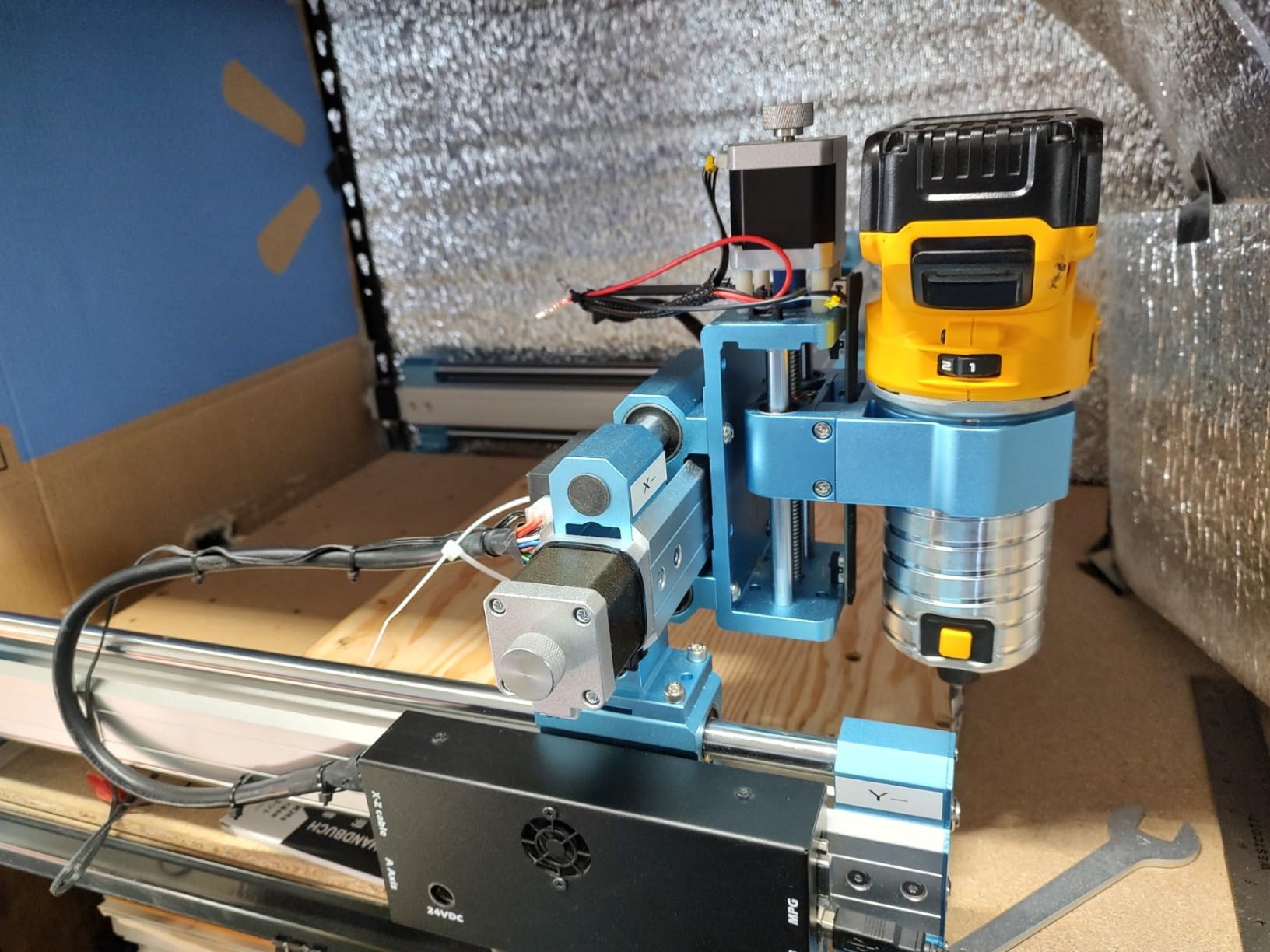
For aluminum, the collet is the headline limitation. The bundled spindle cannot take 1/4 inch shank bits, which rules out most of the standard 6061 roughing and finishing end mill range and limits you to smaller cutters and deep V-carve work. That single constraint shapes what you can realistically make. You can drill, you can slot with small cutters, you can contour, but your tooling choices are narrower than on any ball-screw machine here.
The second issue is adjustability. There is very little slack built in to correct tram and squaring, so getting a clean finish takes care at setup rather than adjustment during the cut. And because the spindle undershoots the RPM many bits want, you are often cutting at less than optimal surface speed, which shortens tool life and wears the cutter faster.
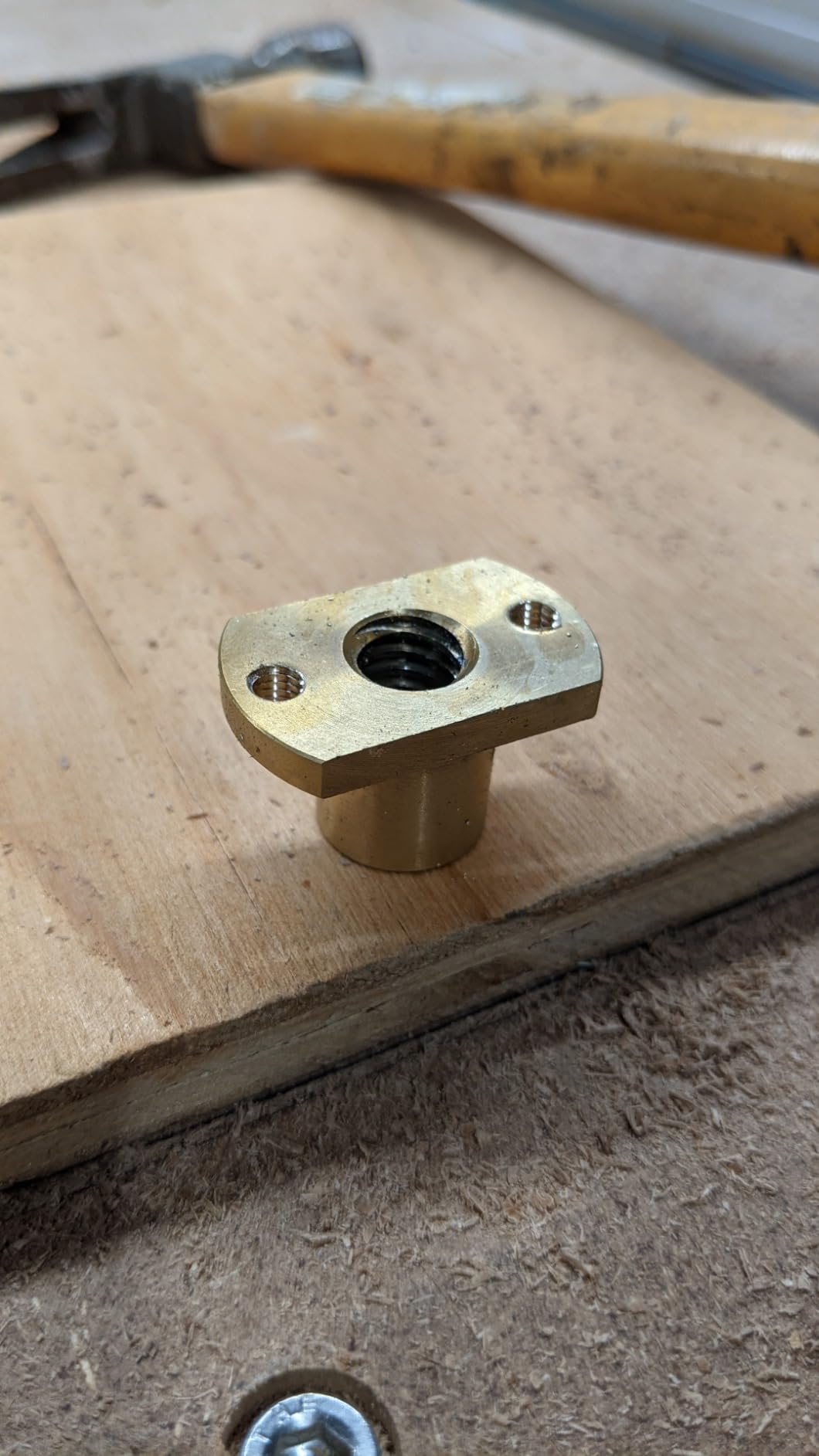
What this machine is genuinely good at
Small aluminum parts, plates and lettering, in a shared room or a home office where noise matters. The spoilboard design holds flat stock well, the frame stays rigid, and the quiet running changes how often you turn it on. If your aluminum work is hobby-scale and frequent rather than heavy, the operating experience is excellent.
Skip it if you plan to buy carbide roughing and finishing sets in 1/4 inch and larger. The collet limitation is not a preference, it is a wall, and the upgrade path costs close to a new machine.
Where the limits bite
Heavy metal stock removal is where you will feel the bundled spindle most. Buyers wanting stronger stock spindles or router mounts for metal work is a recurring theme in reviews, and it is the same honest note you will find on nearly every machine in this price band.
4. LUNYEE 3018 PRO MAX – Best Budget Desktop CNC Mill for Light Aluminum
- Compact footprint suited to a small desktop or electronics bench
- 500W spindle handles light aluminum and copper work
- All-metal frame with no plastic structural components
- Long Z-axis stroke for its class
- Six limit switches
- emergency stop and handwheels included
- The small 300 x 180mm work area limits part size
- The 12mm optical axis upgrade kit must be purchased separately
- A 12000 RPM ceiling restricts some high-speed aluminum strategies
The 3018 PRO MAX is the machine to buy if you want to learn whether you actually enjoy this hobby, and you want to cut small aluminum parts while you find out. The all-metal reinforced aluminum profile frame with no plastic structural parts is unusual at this end of the market, and it makes the machine far less wobbly than the acrylic-and-extrusion 3018s it shares a size with.
The 500W spindle covers a 0 to 12000 RPM range with a maximum travel speed of 5000 mm/min. The 80mm Z-axis stroke is the longest among standard 3018 models, which gives you more room to work on a part held in a small vise. Six limit switches, an emergency stop and manual handwheels on all three axes come as standard, plus a 4G USB drive with software preloaded.
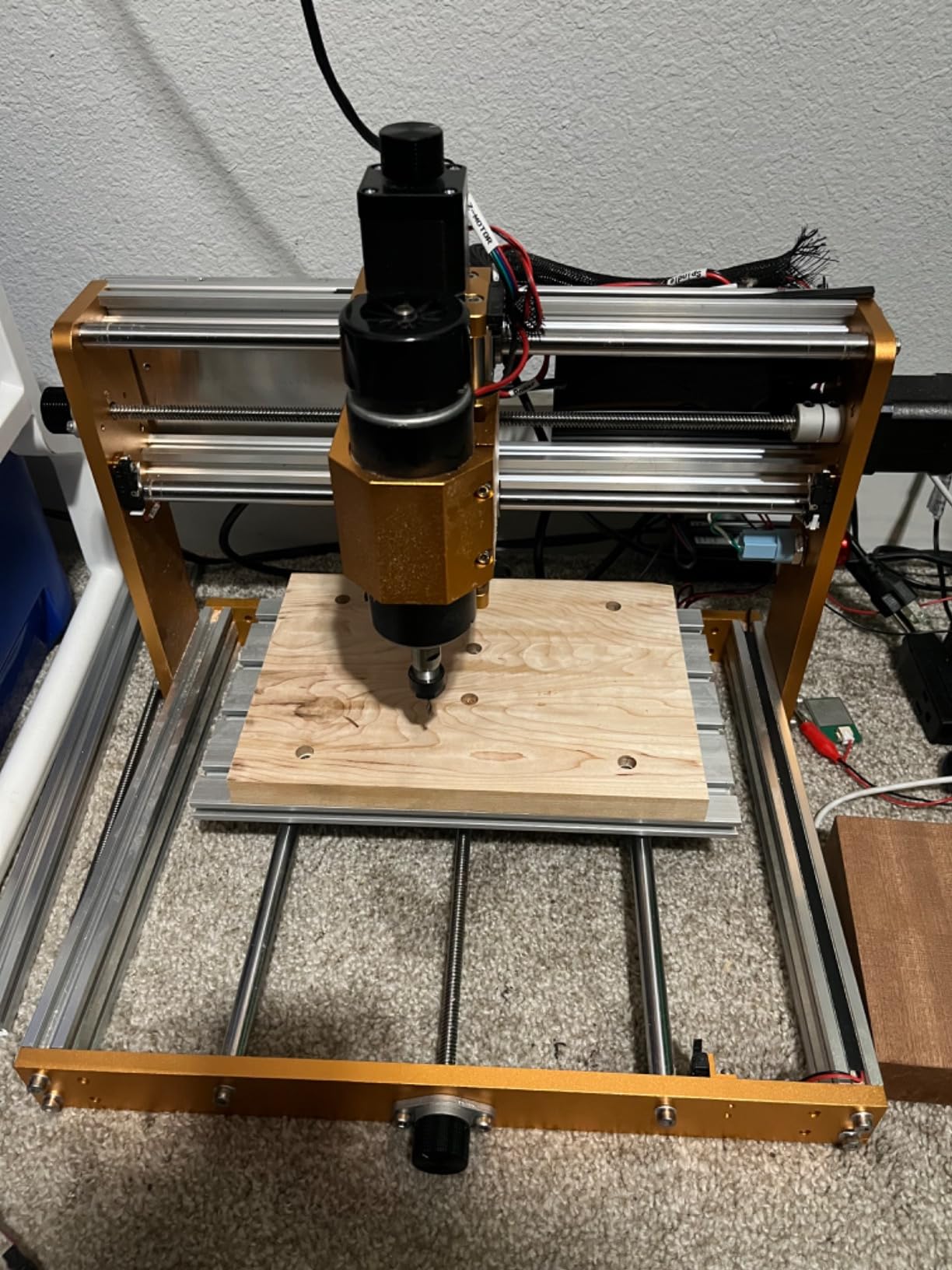
Owners like the footprint. At 13 kg it fits on a desk or an electronics bench, which makes it the one machine here you can keep in a room you also work in. The frame rigidity and the metal construction come up repeatedly as reasons it feels better than the price suggests, and the metal build is what lets the small 500W spindle cut aluminum and copper without the whole thing walking across the table.
What you give up is obvious from the spec sheet. A 300 x 180 mm work area means small parts only, and the 12000 RPM ceiling limits the high-speed, small-diameter cutter strategies that make aluminum cutting efficient. The 12mm optical axis upgrade kit is sold separately, and heavy work needs it.
What fits on this machine
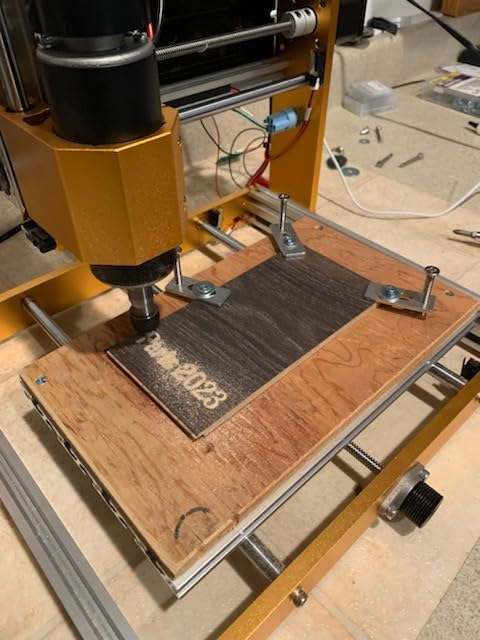
Drill jigs, small motor mounts, pen bodies, electronics brackets, thin plate work. Anything under about 180 mm in one direction and light enough that a 500W spindle can push the cutter. For a first aluminum part, a drilled and tapped mounting plate is a good project, and the machine has the speed for it.
Owners typically use it for light aluminum, plastics and small hobby parts, and the review pattern is consistent about where the ceiling is. The small envelope is the limit, not the machine quality.
When to buy something else
Buy a larger machine if you already know your parts will exceed 200mm, or if you plan to cut stock more than a few millimetres thick. The upgrade kit for the optical axis is worth adding for heavier work, but at that point a machine with a bigger table serves you better than a modified one with a small table.
5. FoxAlien Masuter 3S – Top Rated Desktop CNC Mill for Fast Aluminum Setups
- Works out of the box with no belt tensioning or re-squaring needed
- Closed-loop NEMA 23 motors eliminate step loss at speed
- Very fast rapids at roughly 10000 mm/min
- Setup took about 30 minutes for most owners
- FoxAlien support is fast and has replaced a bent spindle
- Isolated reports of controller failures and long warranty-claim back-and-forth
- Comes with only 1/8 inch V-carve bits so more tooling is needed
- Screws can loosen under vibration if not checked before a cut
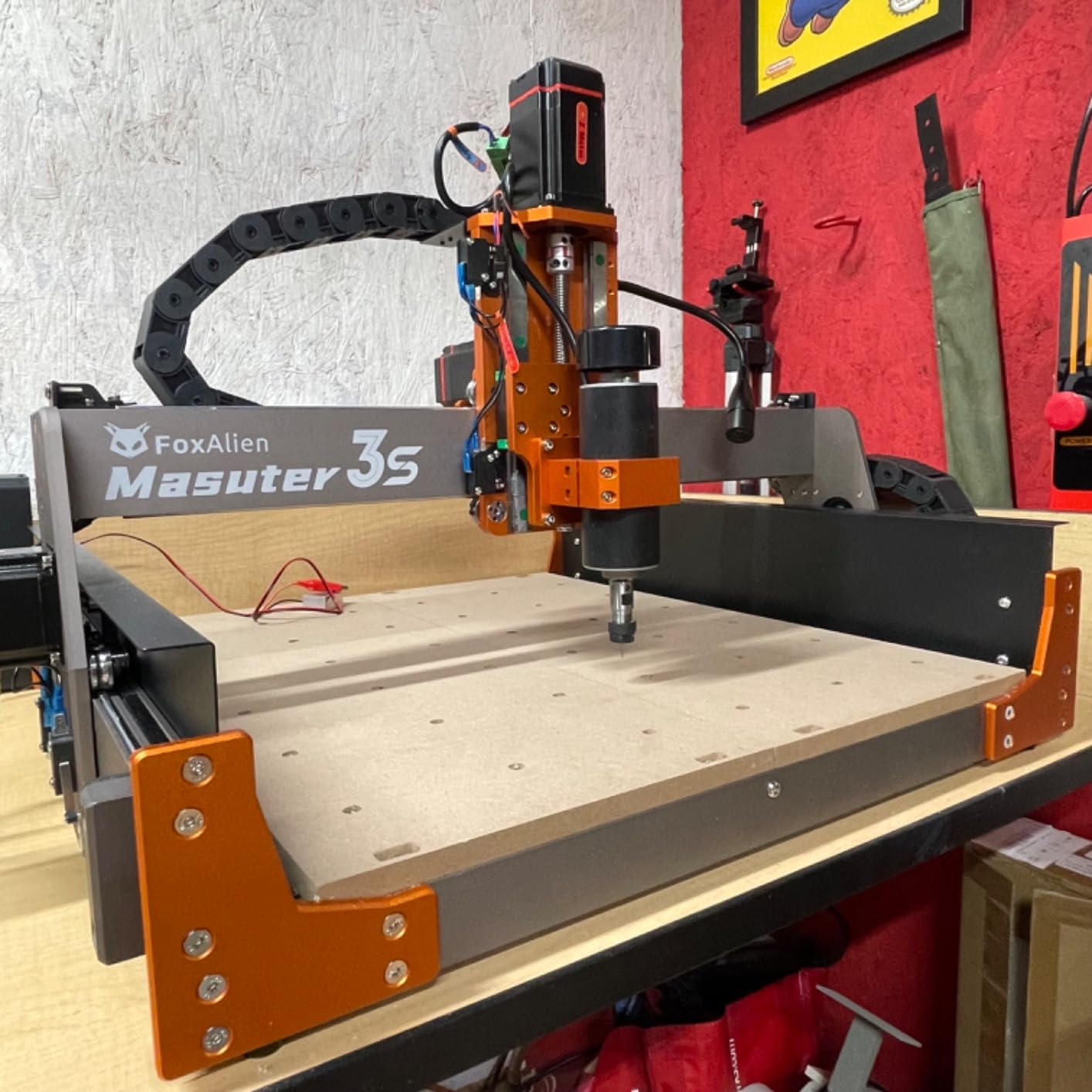
The Masuter 3S earns the top rating in this roundup for a reason that has nothing to do with the spindle: closed-loop steppers. NEMA23-76 closed-loop motors with 2.2 Nm of torque hold position when the gantry loads up, so a fast move that would make an open-loop stepper skip steps and lose your zero simply does not lose the zero. On long aluminum traverses in a heavy frame, that is worth more than raw spindle watts.
Speed is the other headline. Rapids up to 10000 mm/min, which owners repeatedly mention as making the machine feel like a bigger machine than its 400 x 400 x 95 mm envelope suggests. The T12 lead screw and dual HG-15 linear rails on the Z axis hold the machine accurate, and stated engraving precision is 0.05 mm. Built-in 4th axis rotary module support is a nice touch if you want to turn and index cylindrical parts.
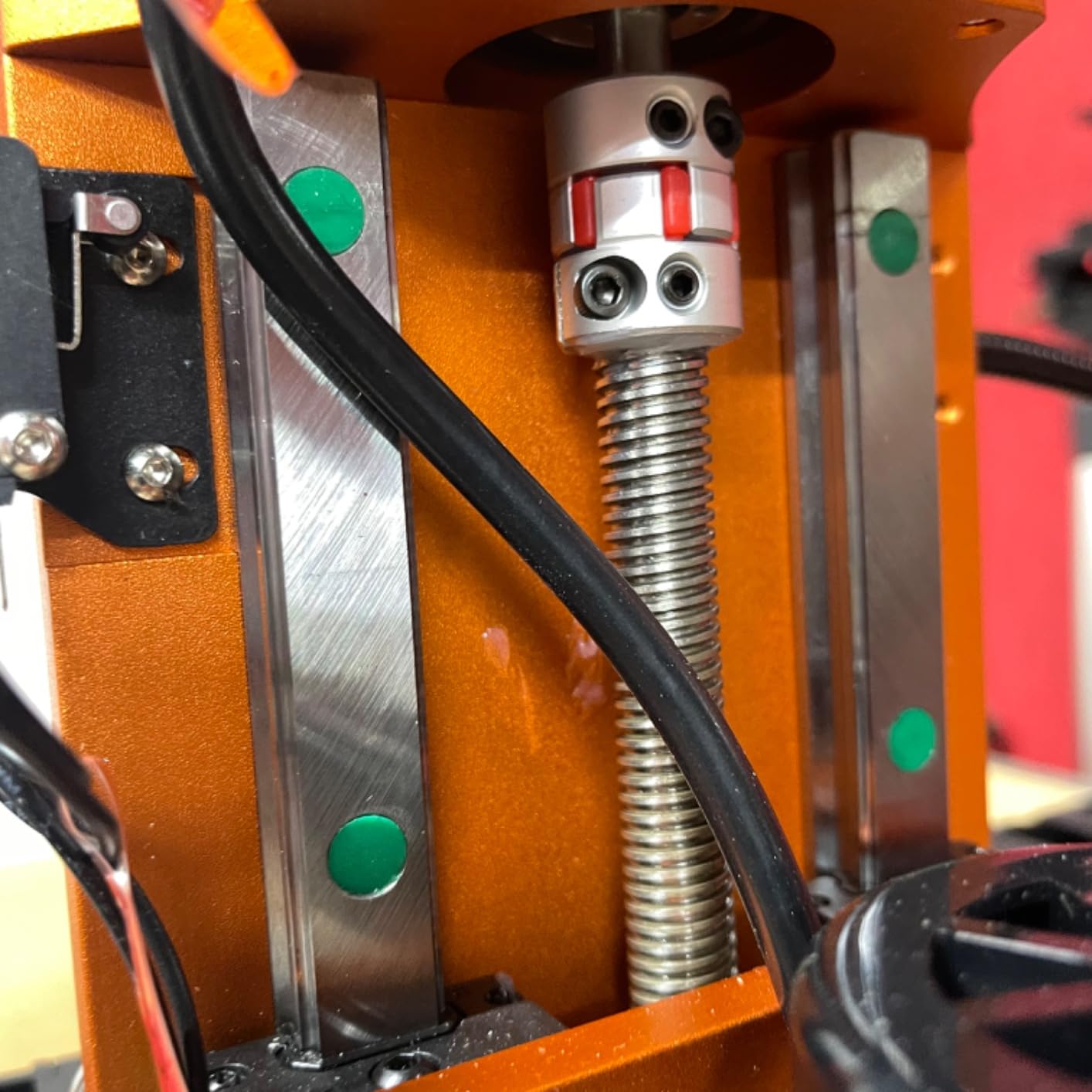
Owners describe the commissioning experience as the standout. No belt tensioning, no re-squaring, roughly 30 minutes from box to first cut. The 400W spindle cuts aluminum and other soft metals, which is adequate for light plates and pockets. The clamp accepts 65mm, so you can move up to a trim router or a 1.5kW spindle later, and that upgrade path is clearly the intended route for heavier work.
The downsides are mostly small and specific. Some units have seen controller failures with long warranty exchanges, which is a support risk rather than a design flaw. Screws can loosen under vibration, so checking them before a cut is a habit worth building. And the bundled bits are 1/8 inch V-carve tools, which are for engraving rather than metal work, so you will buy real carbide end mills regardless.
What the closed-loop motors actually buy you
They buy you the ability to cut with confidence at higher feed rates and on longer traverses without the machine quietly losing position. For a hobbyist who spends time watching for a skipped step, that removes a whole category of frustration. It is also why the fast rapids are usable here rather than just a spec.
For aluminum specifically, the 400W spindle is the ceiling. Light plate work, small pockets, drilling and tapping are comfortable. Deep roughing in solid block wants the 1.5kW upgrade the clamp is already designed for.
Who should skip it
If you need a large table, or if the warranty-claim back-and-forth on hardware failure worries you, pick a machine with a longer review history. If you want maximum spindle power out of the box, the Genmitsu 3030-PROVer Ultra is the one to buy instead.
6. Genmitsu 3030-PROVer Ultra – Best Desktop CNC Mill for Aluminum Specifically
- Ball screws and dual linear guides give strong rigidity and repeatability
- Owners report dimensional accuracy within 0.01mm over 100mm on aluminum
- The 710W spindle is a real step up for 6061 work
- Very quick assembly at about 10 to 30 minutes
- Capable of mild steel with a router upgrade
- The new ARM 32 GRBL controller reports status pins that break some senders such as UGS and bCNC
- Limit switches can foul with aluminum chips and halt a cut
- Noisy during operation and heavy units have arrived damaged
- Z touch probe is unreliable on some units
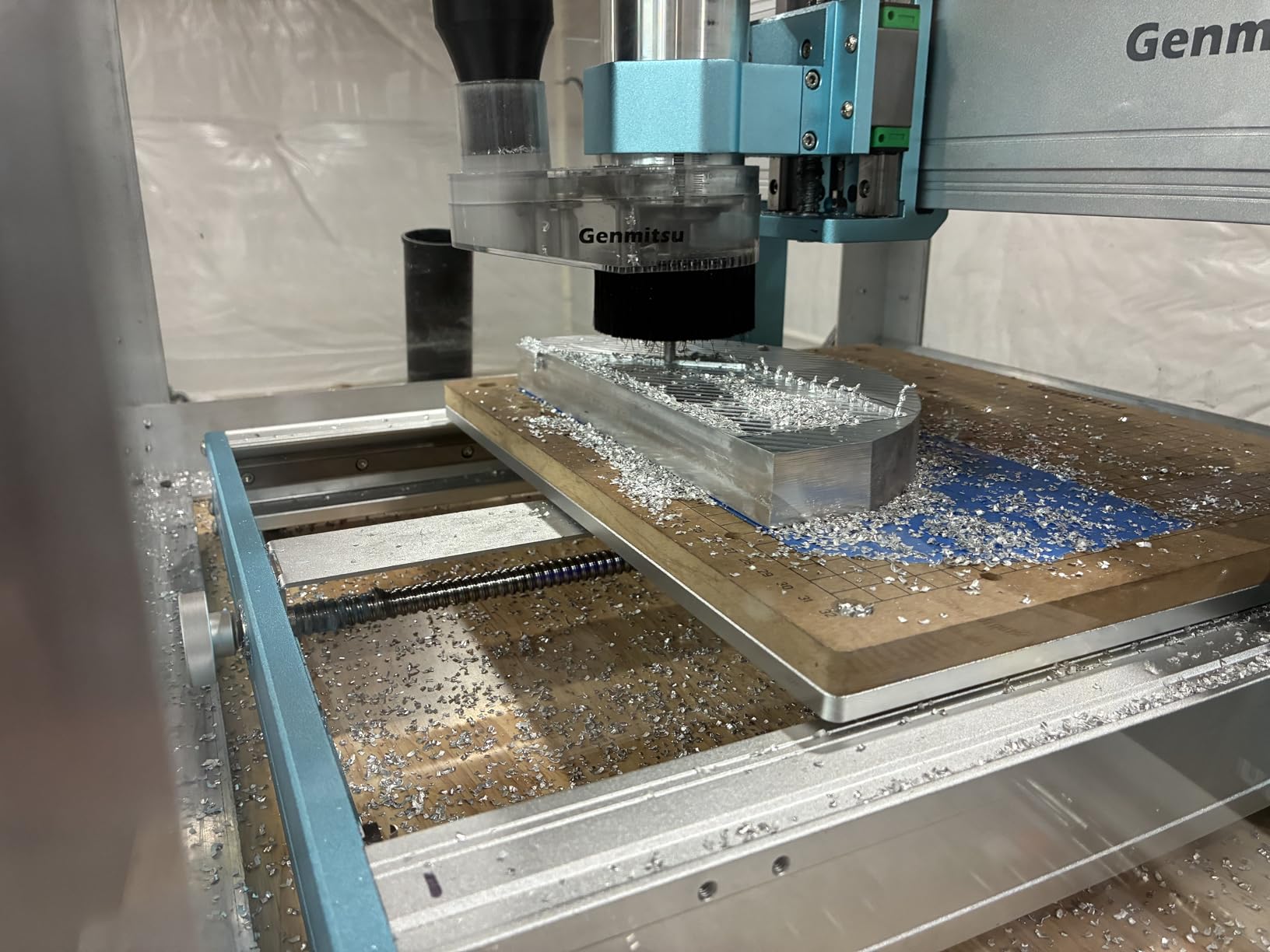
This is the machine I would buy if the only word on the brief is aluminum. The 710W digital spindle is more than double the 300W unit it replaced and more than most of the entire field here, and that power is the thing that decides whether a pocket finishes or stalls. Owners report it handling 6061 aluminum well and, with a router upgrade, mild steel.
The drivetrain is the best in the group at this machine size. HG15 dual linear rails and 1204 ball screws on every axis, a thick all-metal chassis and high-torque stepper motors, with stated precision of plus or minus 0.03 mm. Owners go further and report dimensional accuracy within 0.01 mm over 100 mm on aluminum. Dust-protected X and Y axes and hidden cable routing keep chips out of the drive components, which on a metal machine is not a cosmetic feature.
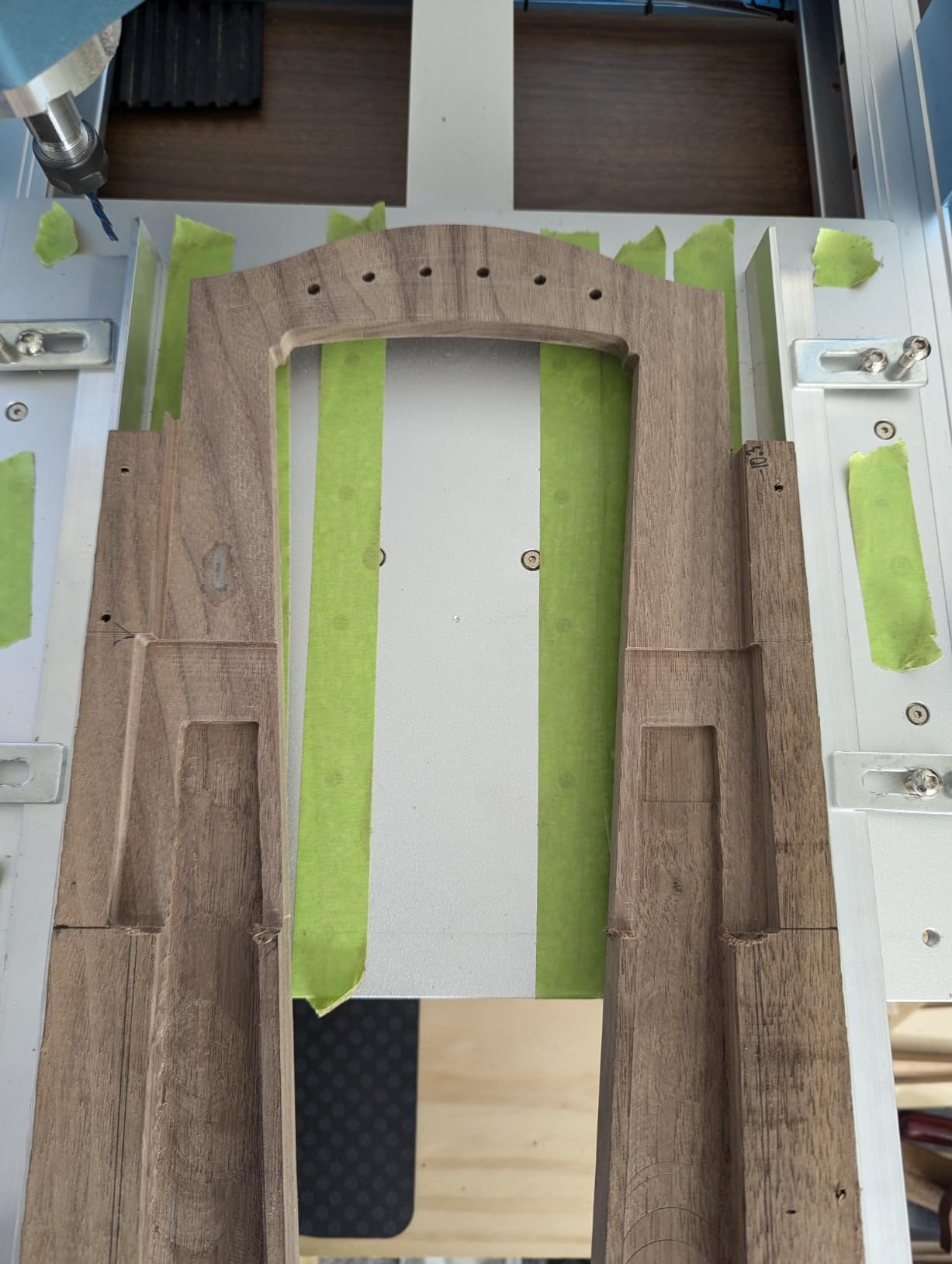
Setup is fast. It arrives as two pre-assembled modules and owners report 10 to 30 minutes to be running, with a large side-mounted emergency stop. The touch and offline controller workflow is app-based, and it also works with Candle, UGS and Easel. Ball screws and rails are exactly the hardware the community says you want when you cut metal repeatedly rather than occasionally.
There are real software rough edges. The new ARM 32 GRBL controller reports status pins that break some senders, including UGS and bCNC, so check your CAM and sender combination before committing. Limit switches can foul with aluminum chips and stop a cut mid-job, which is a chip evacuation problem more than a defect. The Z touch probe is unreliable on some units, and the machine is loud, at 23 kg.
Why 710W changes the conversation
Spindle power is what separates cutting from stirring. The 710W unit here has enough torque to keep a carbide end mill engaged in 6061 at a sane feed rate, which means a full-width slot in one pass instead of three light passes, and it means a pocket bottom that stays flat instead of stepping down unevenly. It is also why the forum consensus keeps pointing back to the machines in this power range when the question is aluminum.
For a maker cutting aluminum weekly, this is the difference between a machine you use and a machine you leave in the corner. Ball screws hold accuracy as the spindle loads the axes, which is the other half of the equation.
When to buy a different machine
Buy the TTC450 Pro instead if the 460 x 460 mm envelope matters more than spindle power, since it gives you more table. Buy the FoxAlien XE-Ultra 8080 if your parts are large. And test your sender and CAM combination early, because the controller change is the most likely thing to frustrate you on an otherwise excellent machine.
7. FoxAlien XE-PRO – Best Rigid Desktop CNC Mill for Ball Screw Accuracy
- Ball screws on all axes give noticeably lower backlash and better finish
- Closed-loop motors provide skip-free precision and quieter running
- Owners return to zero reliably even after a simulated power loss
- Offline controller allows carving without a PC connected
- Responsive support that ships replacement parts quickly
- Comes with no design or CAM software so tooling software may cost extra
- Ball screw coupler set screws can loosen and cause dropped axis motion
- Some units have arrived with damaged ball bearing carriers
- Spindle speed is set by a physical potentiometer rather than software
The XE-PRO is the machine for anyone who cares about finish quality more than headline features. 1204 ball screws on all three axes plus closed-loop NEMA 23 steppers is the most robust drivetrain combination in this roundup at this size, and owners report the machine returning to zero reliably even after a simulated power loss. That is the behaviour you want before you leave a part running unattended.
Ball screws reduce backlash against lead screws, which is what produces the clean, repeatable finish on aluminum. The work area is 400 x 400 mm with an option to extend to 800 x 800 mm, maximum moving speed is 5000 mm/min, and the machine accepts 52mm, 65mm and 69mm spindle clamps, so you can move from the included 400W spindle to a trim router or a larger spindle as your work grows. Assembly runs 25 to 30 minutes with pre-assembled main parts.
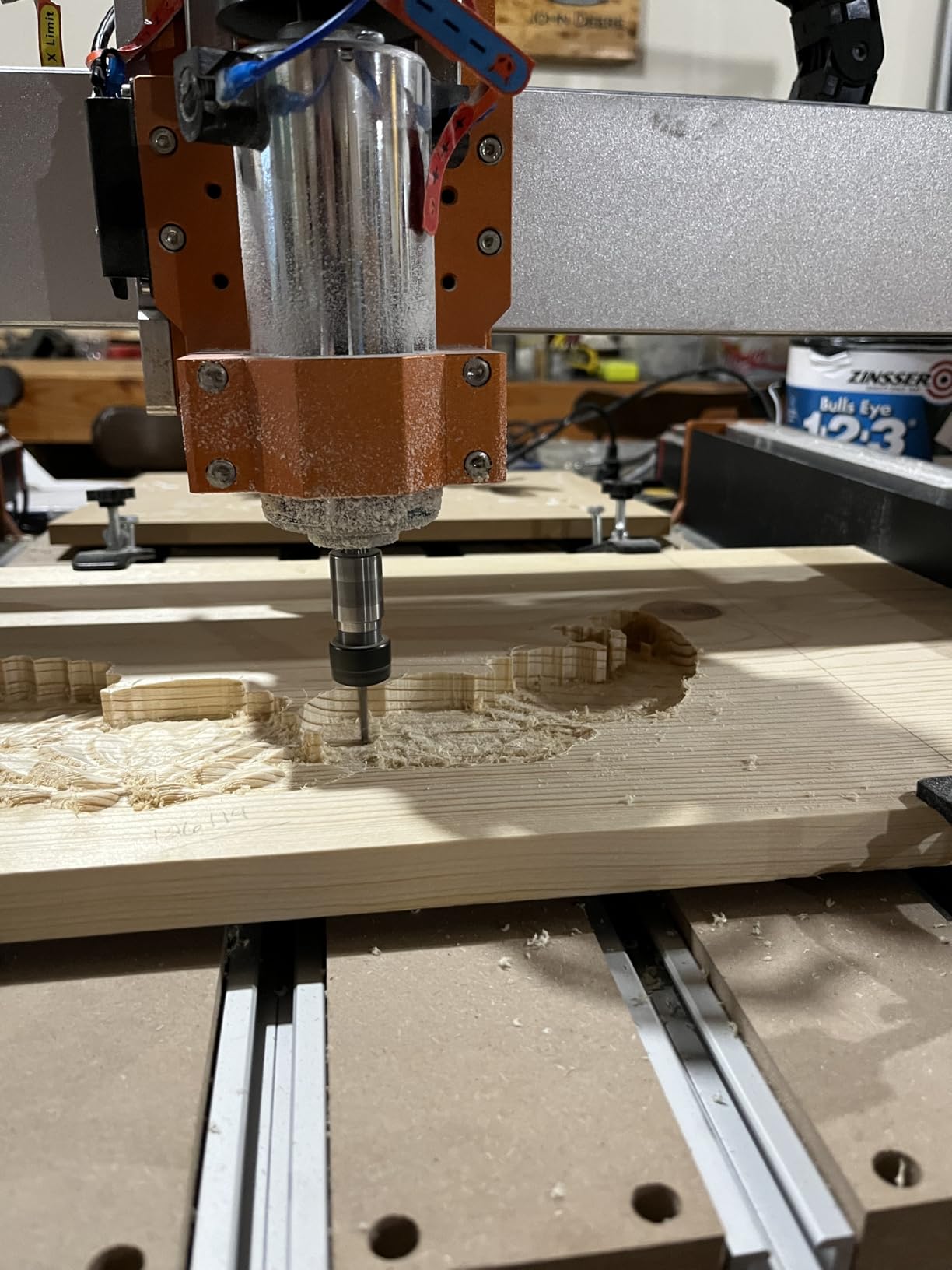
Two things owners appreciate more than expected. First, the offline controller lets you carve without a PC connected, which removes the single most common failure point in a cheap CNC setup, a dropped USB or network connection mid-job. Second, the XY axes are designed to be retrofitted with linear rails, so the upgrade path is real and mechanical rather than a wish.
The included 400W spindle handles light aluminum passes and nothing more, and spindle speed is set by a physical potentiometer instead of software, which means you adjust it by hand. Software is not included, so budget for a CAM package. Coupler set screws can loosen over time and cause dropped axis motion, so add that to your setup checklist. A few units have arrived with damaged ball bearing carriers, which support then replaced.
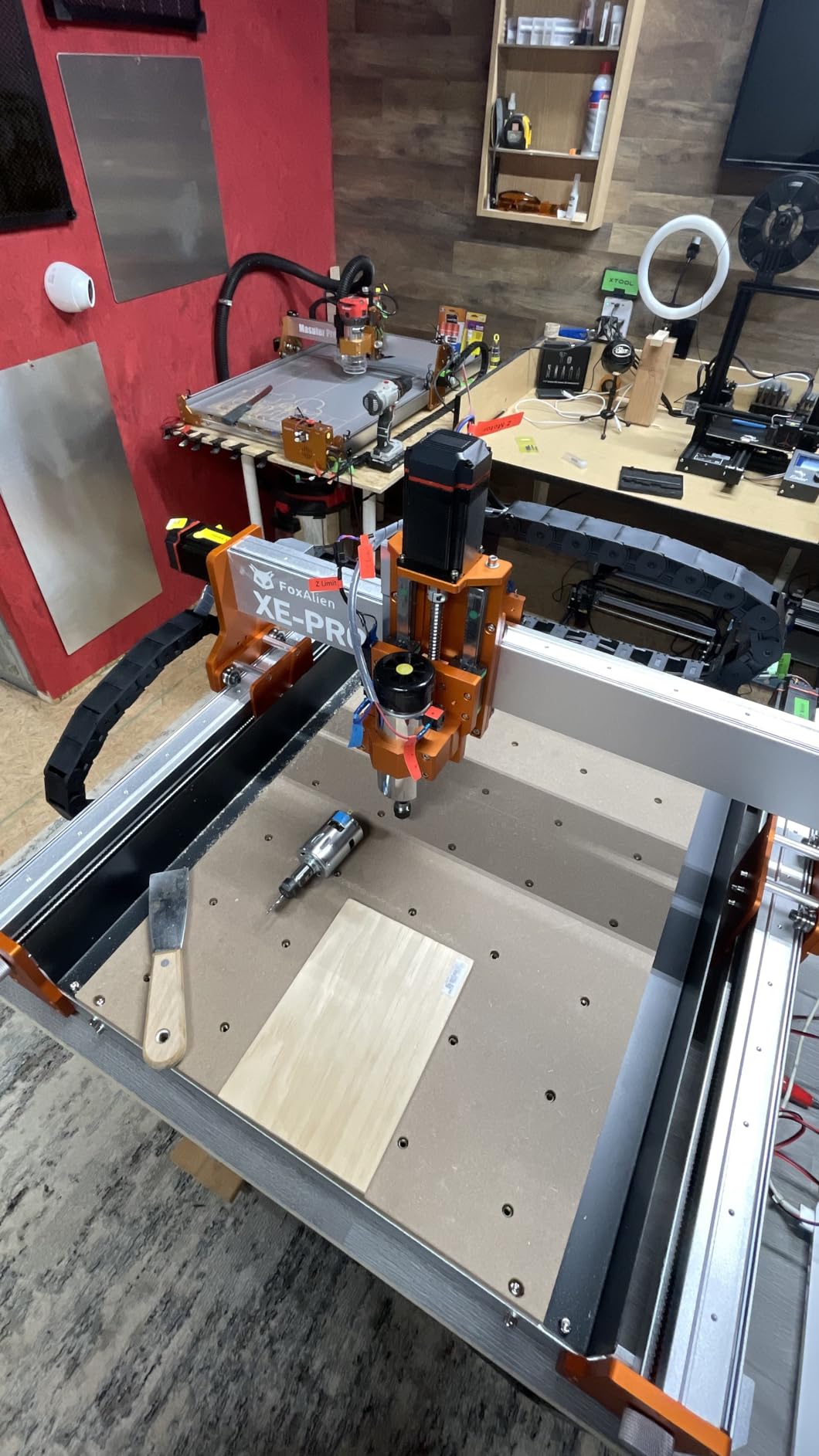
Where ball screws earn their cost
They matter most on aluminum because aluminum is soft. A loose leadscrew lets the axis shift under cutting load, and on a soft material the cutter follows the axis, so the error lands directly in your part. Ball screws keep the axis where the program says it is, so the error does not accumulate. If your parts need consistent fit across multiple operations, that is worth paying for.
The closed-loop motors add a second layer: they detect a lost step and correct it rather than quietly printing a slightly wrong part. Combined, this is the drivetrain to buy if you plan to run the same job repeatedly.
Before you order
Check that your CAM choice posts cleanly to GRBL, since design and CAM software are not included. If you need the largest table, look at the 8080. If you need more spindle power out of the box, the 3030-PROVer Ultra has it and this machine does not.
8. Twotrees TTC450 Ultra – Best Desktop CNC Mill for High Spindle Speed Aluminum Work
Twotrees TTC450 Ultra CNC router machine 465x465mm Large Work Area
- Highest average rating among the machines here at 4.6 stars
- MGN12H dual linear rails and T8 lead screws give strong rigidity
- 500W spindle with a 30000 RPM ceiling and an upgrade path to 3000W
- Large 465 x 465mm work area in a compact footprint
- 3.5-inch touchscreen that needs no firmware flashing
- A newer model with a much smaller review base than the others here
- The ER11 collet limits tool shank size to 7mm so 1/4 inch bits will not fit
- T8 lead screws mean some backlash compared with ball screw machines
The TTC450 Ultra is the rating leader here at 4.6 stars, and the reason is a combination of two things the forum crowd rarely sees together: MGN12H dual linear rails on a machine at this size, and a spindle that runs to 30000 RPM. High RPM is the lever that lets you cut small-diameter carbide in aluminum at a proper surface speed, which is where a lot of the chatter complaints in this category come from.
The work area is 465 x 465 mm, which is the second largest here and fits nearly everything the 8080 does in a far smaller footprint. X and Y positioning accuracy is quoted at 0.01 mm with Z up to 0.0025 mm, and stated engraving accuracy is plus or minus 0.05 mm over 100 mm at up to 3000 mm/min. The LKS CNC V1.0 motherboard drives a 3.5-inch IPS capacitive touchscreen, and the machine runs GRBL with CNC and laser mode switching, offline operation from a TF card or USB, and reserved WiFi, Bluetooth and 4th-axis expansion.
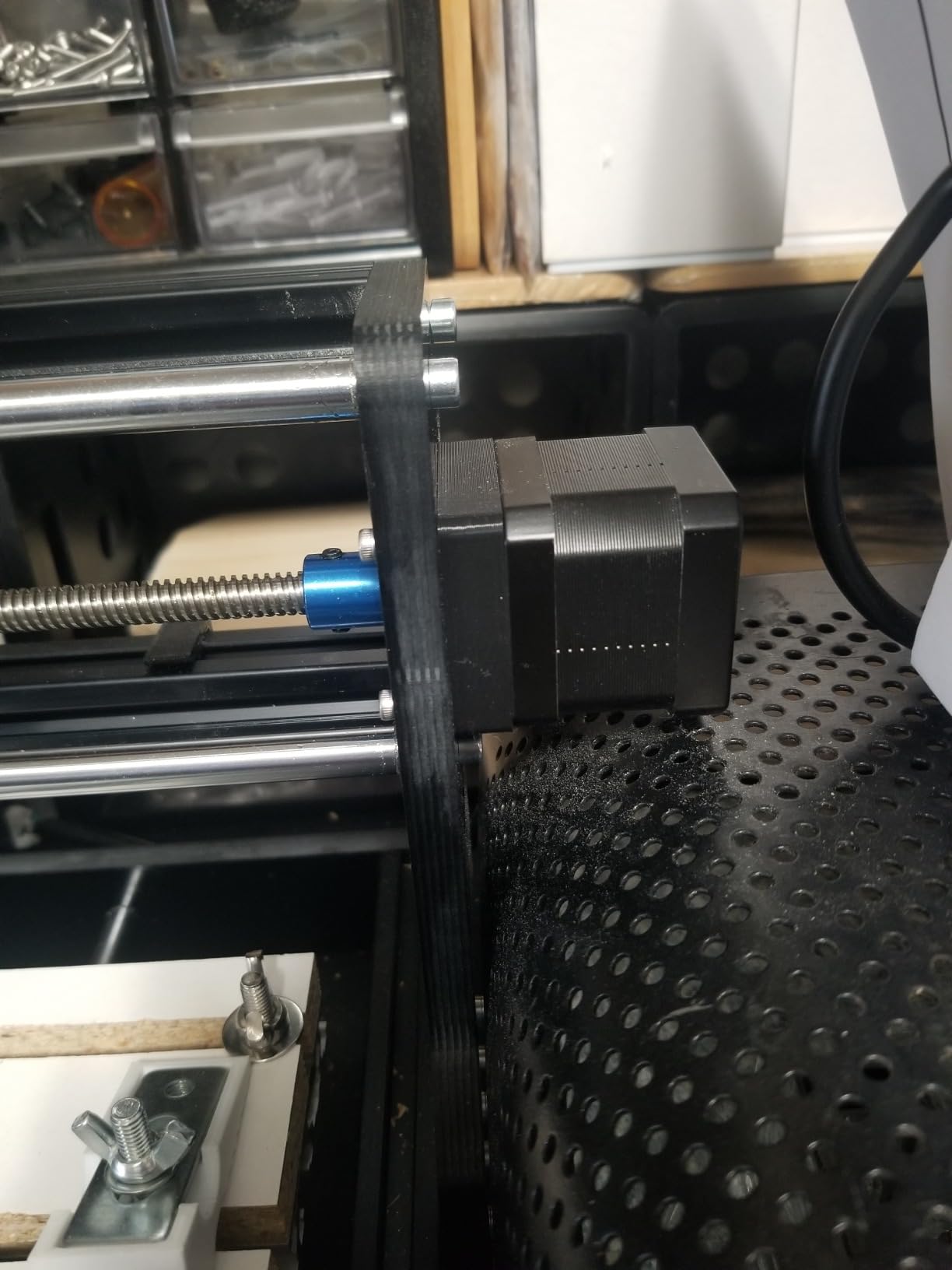
Owners describe the 500W spindle as a genuine starting point rather than a placeholder, and the documented upgrade path to 3000W is unusually ambitious for a desktop machine. The all-metal aluminum and stainless steel chassis at 19 kg is heavy for the footprint, which is a good sign in this category. Assembly is reported at 90 percent pre-assembled, and the touchscreen works without the firmware flashing that plagues some competitors.
Two honest limits. The ER11 chuck takes tools from 0.5 to 7 mm, so 1/4 inch shank end mills will not fit, which narrows your carbide options the same way it does on the Genmitsu 4040-PRO. And with only a much smaller review base than the machines around it, long-term durability data is thin. The 4.6 rating reflects early enthusiasm as much as years of use, so weight it accordingly.
When high RPM changes your approach
Surface speed is what allows a small cutter to remove material without loading the spindle or rubbing. With a 30000 RPM ceiling, this machine can run small-diameter carbide end mills in aluminum at the speeds they were designed for, which means better finish, less heat and less chatter on light passes. That is a real advantage on detailed 6061 work.
Pair the high RPM with the 465mm table and you have the best combination here for someone cutting detailed parts rather than large flat stock. The frame is rigid, the rails are linear, and the speed is there.
Where the constraints are
The 7mm collet limit is the one that will most often stop you, because most general-purpose aluminum carbide end mills come in 1/4 inch or 3/8 inch shanks. Treat that as a real constraint on your tooling budget. T8 lead screws also carry more backlash than the ball-screw machines here, so expect a slightly rougher finish on light finishing passes.
9. AnoleX 4030-Evo Ultra 2 – Best Value Desktop CNC Mill for Aluminum
- Ball screws and dual linear rails on all three axes are rare at this tier
- The 800W router runs 1/4 inch end mills through aluminum without losing steps
- Very generous Z clearance for the footprint
- Heavy rigid construction that stays true over time
- Responsive support that ships replacement parts
- The emergency stop is delicate and can break after a few presses
- Limit switches are not detected individually and can lose the zero position
- The router spindle will not accept 1/4 inch bits past the end of the collet
- The web UI has substantial control delay and was unreliable on some setups
The 4030-Evo Ultra 2 is the hardware-for-the-money pick. HGH-15 dual linear rails and 1204 ball screws on X, Y and Z with dual-bearing ends is a drivetrain you would expect on a machine well above this tier, and owners consistently describe it as the best value in this class. The NEMA 23 steppers at 2.8A and 1.2 Nm are matched to it properly, and there is a plug-and-play closed-loop upgrade interface if you want to add one later.
The included 800W trim router is the most capable stock spindle in this roundup, running six speeds from 8000 to 24000 RPM. Stated repeatability is plus or minus 0.005 mm, with stated cutting accuracy of plus or minus 0.02 mm on 6061 aluminum. Those are manufacturer claims and should be verified on your own parts, but the underlying hardware is the kind that can hold them. The work area is roughly 400 x 400 mm with notably generous Z clearance for its footprint, and the 38 kg frame stays true over time.
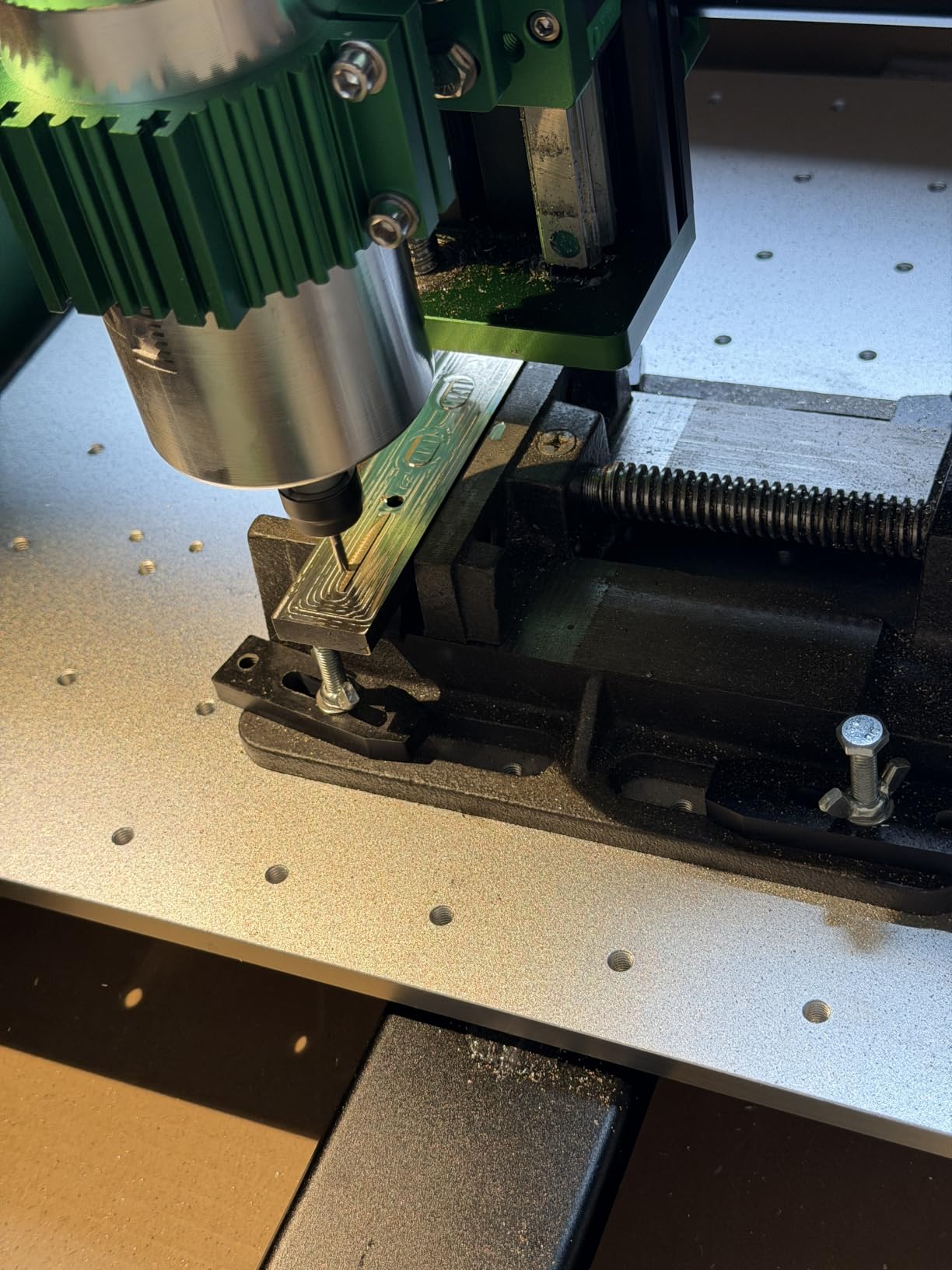
Ownership reports on the aluminum cutting itself are positive. The 800W router runs 1/4 inch end mills through aluminum without losing steps, and good debris shielding on the X and Y axes keeps chips out of the rails, which is the maintenance habit that keeps ball screws alive. Support ships replacement parts at no charge, and a 32-bit ESP3D web interface lets you control it from a PC, phone or tablet.
The firmware is where the rough edges are, and they are worth knowing before you buy. The web UI has substantial control delay and was unreliable on some Windows setups, VCarve compatibility requires renaming gcode files or changing a file type setting, and the 3-pin probe port is not FluidNC compatible. Limit switches are not detected individually, so a lost zero is harder to diagnose. The emergency stop is also fragile.
What makes this the value pick
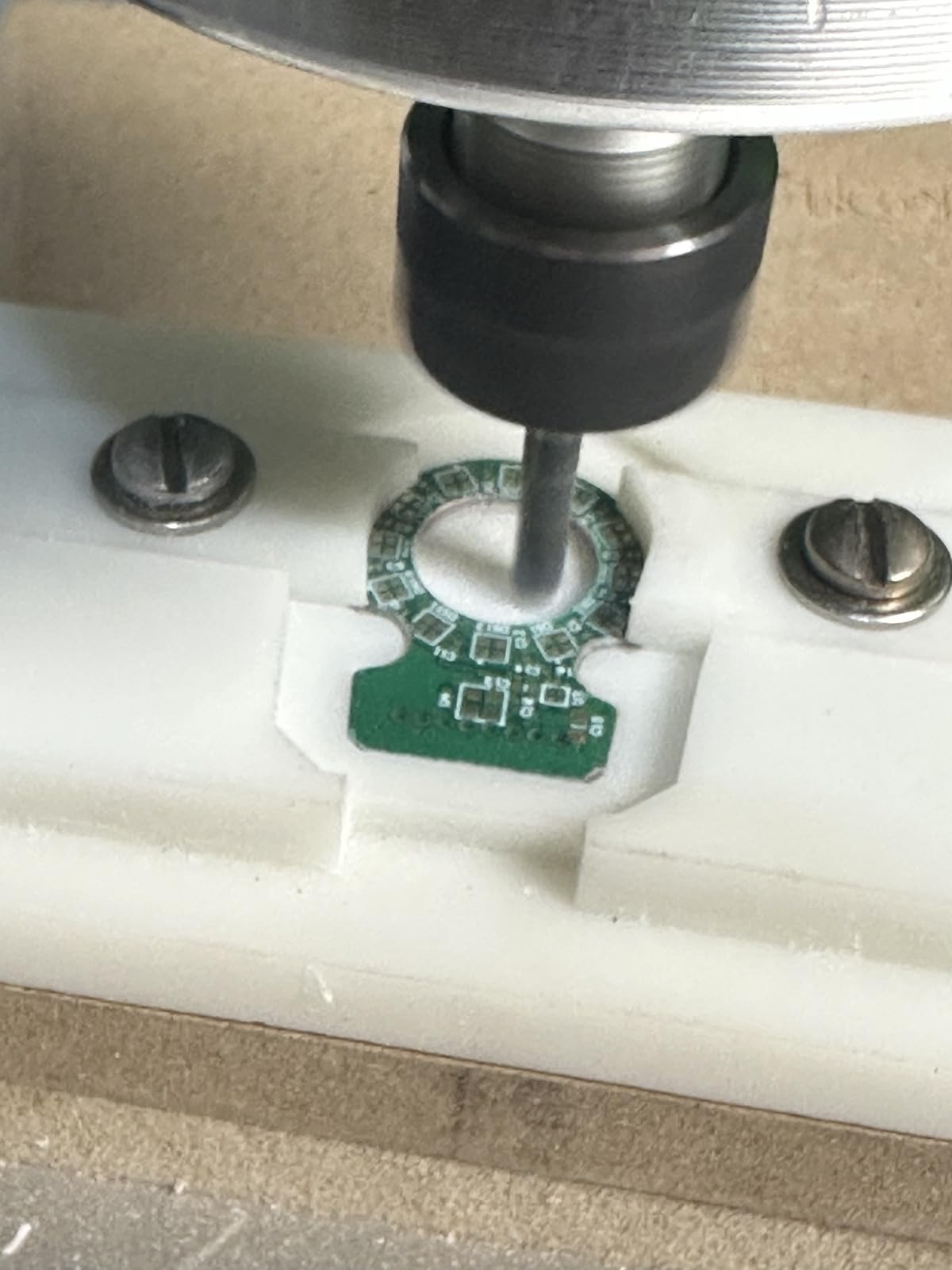
It is the only machine here with dual linear rails and ball screws on all three axes combined with an 800W spindle. That combination normally appears higher up the range, and it is the combination that makes 6061 work repeatable rather than occasional. The repeatability figure is the best stated in the group, and the hardware behind it is the most appropriate.
If you like the AnoleX controllers and web control, this is a strong general machine that happens to be very good at aluminum. If you need a phone number rather than email, factor that in.
What to check before you cut
Verify your CAM and sender pairing first, because the controller is the most opinionated here. Confirm the collet reaches far enough for your bit length before committing to a tooling set. And test the emergency stop early, because a switch that fails after three presses is no emergency stop at all.
10. FoxAlien XE-Ultra 8080 – Best Large Desktop CNC Mill for Big Aluminum Parts
- By far the largest work area in this roundup at 33 x 33 inches
- Ball screws and HG-15 linear rails on all axes give very smooth motion
- Closed-loop motors push 2000 mm/min feed rates without stalling
- Exceptionally heavy and rigid build with no lost steps observed
- Support responds within hours and ships replacements quickly
- Bulky enough to require a dedicated heavy table
- No spindle is included so a 65mm router or 1.5kW VFD must be added
- Support is email only with no phone option
- Existing 4th axis rotary accessories are not compatible with this model
The XE-Ultra 8080 exists for one reason: part size. A 33 x 33 inch workspace with a 5.3 inch pass height is not a desktop footprint, it is a small machine, and it means you can machine full-size aluminum plate without splitting your part to fit the table. If your work involves brackets or panels that exceed 400 mm, this is the only machine in the roundup that solves that.
Underneath, the hardware is proportioned to the size. 16mm ball screws on X and Y, 12mm on Z, HG-15 linear rails on all axes, and a heavy-duty 46 x 80 mm aluminum frame weighing 40 kg. The 60 to 86mm closed-loop steppers deliver 2.6 Nm of torque with step-loss protection, and owners report pushing 2000 mm/min feed rates without stalling and cutting cleanly and repeatably in both hardwood and aluminum. Inductive limit switches with 0.5 ms response and physical hard limits are industrial touches that most of this list does not have.
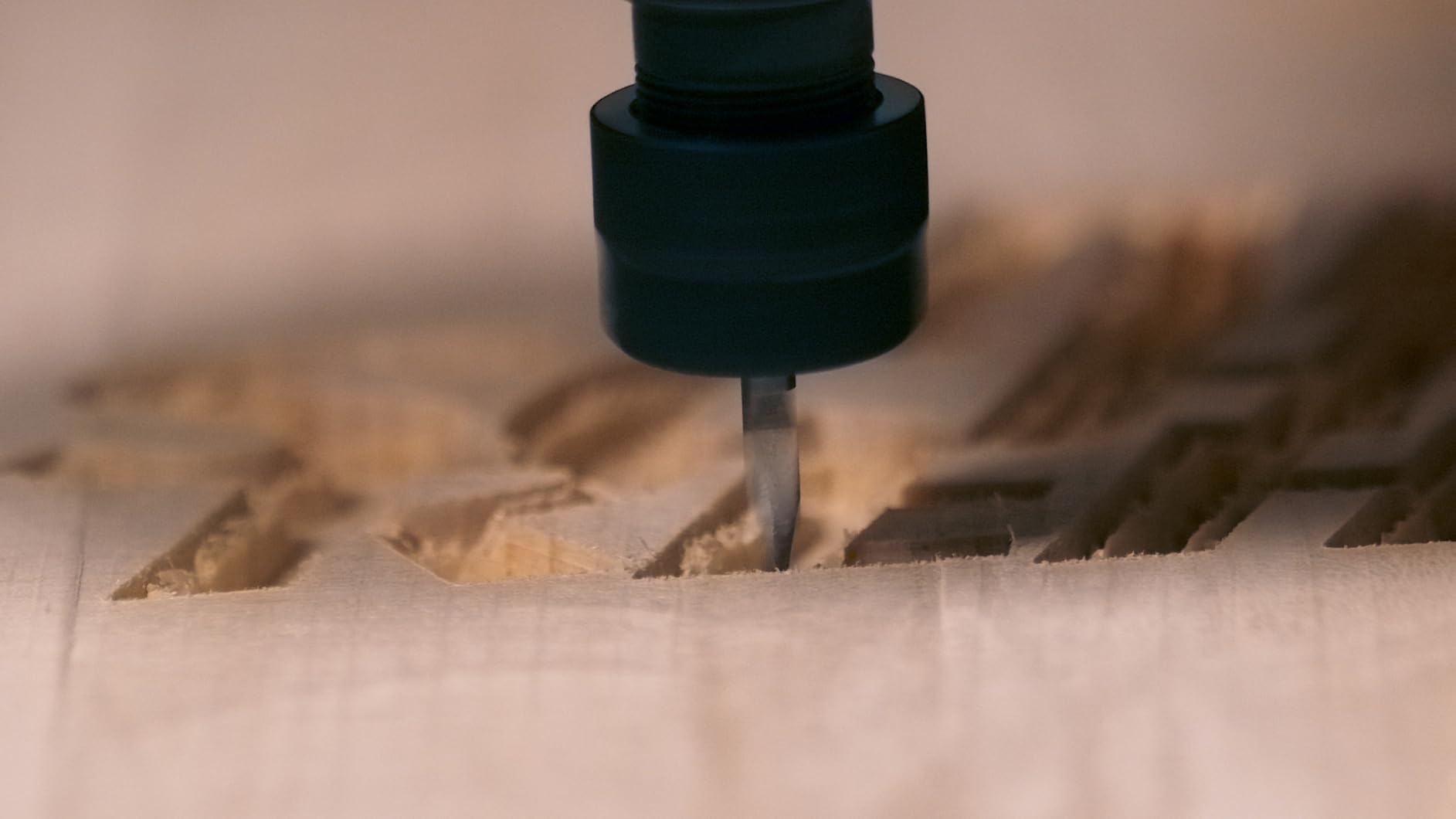
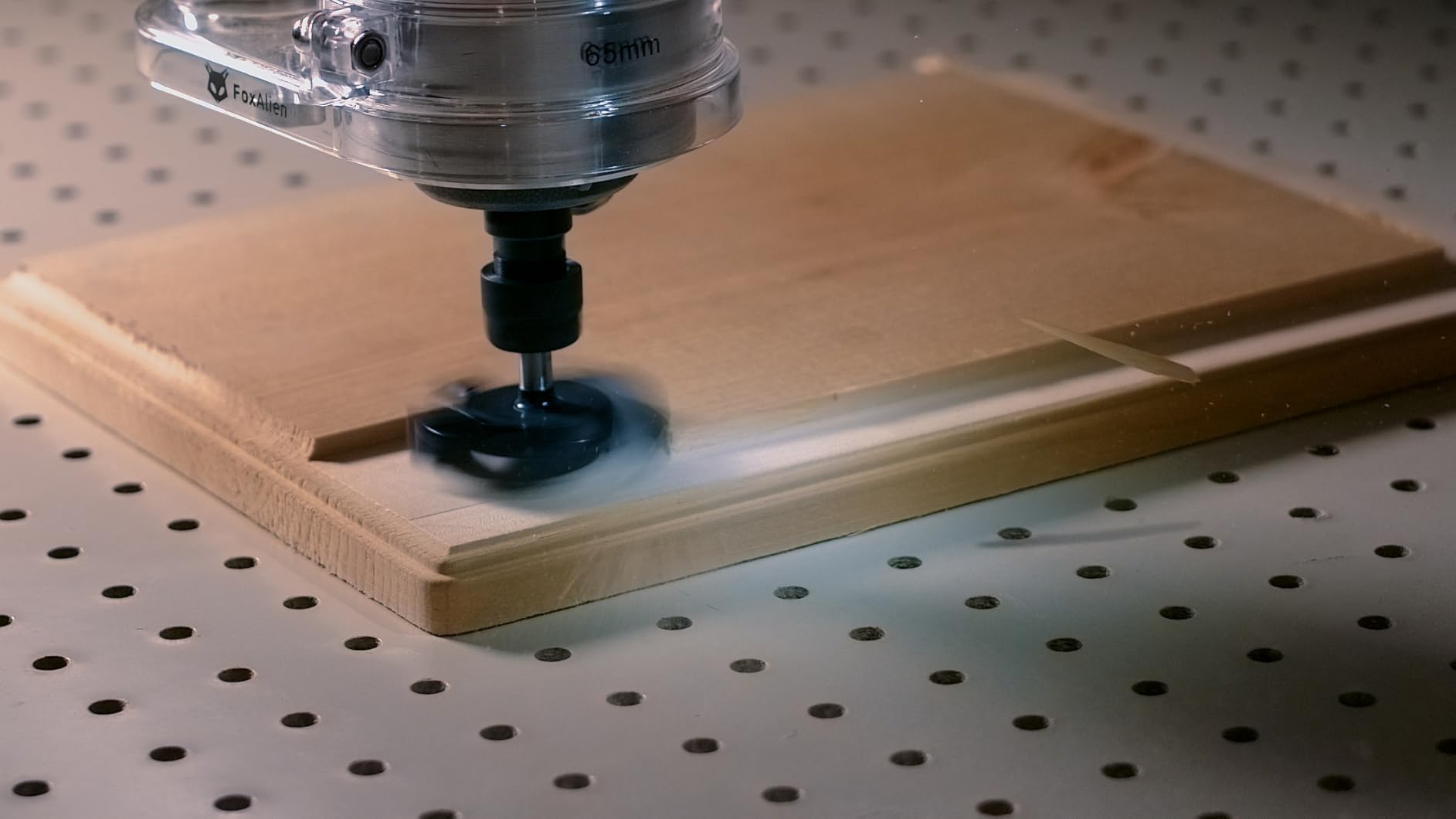
The important thing to understand is that the spindle is not included. The machine accepts 65mm routers, a 1.5kW VFD spindle, or 20W, 40W and 80W engraving modules, so you budget for the spindle separately and you get to choose how much aluminum capability you want. For a 1.5kW VFD, this machine puts roughly 1.5kW of aluminum capability into a 33 inch table, which is the best power-to-size ratio available at desktop scale.
Owners report no lost steps and a very heavy, rigid build that stays put. Support responds within hours. The constraints are physical and logistical rather than mechanical: it is bulky enough that you need a dedicated heavy table, and existing 4th axis rotary accessories are not compatible with it. A 32-bit control box with stepper diagnostics and a reserved 4th axis port is present, so a future rotary is possible.
Who needs a machine this large
Anyone cutting aluminum plate, panels or long brackets that will not fit inside 400 mm. The 5.3 inch pass height also means you can work on thicker stock than the rest of this list allows, and a 1.5kW spindle can push stock removal rates that none of the bundled spindles here approach.
Do not buy it if your parts are small. The 33 inch table is not a feature when you only need 200mm, and you will be using a fraction of the capacity for no benefit.
What to plan for
Measure your space and your table load before you order, because 40 kg of machine plus a 1.5kW spindle is not a lightweight bench project. Email-only support is a real limitation if you work during business hours. And factor the spindle into your total budget, since a machine this capable is unfinished without one.
How to Choose a Desktop CNC Mill for Aluminum: The Specs That Decide It
Spindle power is the first and hardest ceiling
Spindle output decides what your machine can remove, and the tiers map cleanly onto what the community actually achieves. Around 500W covers light sheet, thin plate, engraving and small passes. Around 710W to 800W is where general 6061 hobby work becomes comfortable, with 1/4 inch cutters and multi-pass pockets. At 1.5kW you are doing serious stock removal in solid block. A real forum-reported test used a 0.8kW spindle at 18000 RPM with a 3mm single-flute cutter to mill M8 counterbores accurately, which is a useful benchmark for what the middle tier handles in practice.
The machines in this roundup mostly sit in the 400W to 800W band, with upgrade paths upward on several of them. That is enough for a genuine desktop aluminum workflow, but it is a hobbyist envelope, not a production one.
Drive type decides how long it stays accurate
Lead screws, T8 lead screws and ball screws are not the same, and the difference shows up as soon as the spindle loads the axes. Ball screws have almost no backlash and hold accuracy over repeated jobs. Lead screws are cheaper and fine for light cutting, but they wear and develop slack. T8 lead screws with linear rails, as on the TTC450 Ultra, sit in between. Our general CNC machine buying guide covers the trade-offs in more depth.
Closed-loop stepper motors are a separate upgrade worth having, because they detect and correct a lost step instead of quietly producing a part that is slightly wrong.
Collet size quietly limits your tooling budget
An ER11 chuck that accepts 0.5 to 7 mm tools, as on the TTC450 Ultra, rules out most 1/4 inch shank carbide end mills. The Genmitsu 4040-PRO has the same limitation on its bundled spindle. If you buy a carbide set for aluminum and your machine cannot hold the bits, that is money spent twice. Check the collet before you order tooling, and confirm a bigger collet or a clamp is available if the machine accepts one.
Work envelope and Z clearance
Envelope is the most visible number and the one buyers most often regret. A 300 x 180 mm table is a different machine from a 465 x 465 mm one, and a part that does not fit cannot be made. Z clearance matters just as much: the Genmitsu PROVerXL 4030 gives you 110mm of vertical travel, and the XE-Ultra 8080 gives a 5.3 inch pass height, which is what lets you work on thick stock or tall setups.
Controller, firmware and CAM compatibility
Most machines here run GRBL, which is the safest choice for software support. Within GRBL there is still variation. The 3030-PROVer Ultra’s ARM 32 controller reports status pins that break some senders, and the AnoleX ESP3D web UI has notable control delay on some setups. Check your CAM package and sender combination before buying, and prefer machines you can run offline from a TF card or USB, so a dropped connection cannot end a job.
Some machines bundle no design or CAM software at all, and some include a short subscription. Factor that into your setup cost rather than discovering it on day one.
Chip evacuation, dust and shop safety with aluminum
Aluminum chips are light, sharp and abrasive, and they will gum up limit switches and eat leadscrew and rail surfaces if you leave them. Several owners on these machines report limit switches fouling with chips and stopping a cut mid-job. A dust port or vacuum connection is not a comfort feature on a metal machine, and brush cleanup is not enough. Plan for extraction before you plan for tooling.
Do you need coolant? For light 6061 work with sharp carbide and a good finish, high-speed air or mist is usually enough, and keeping the machine dry protects the electronics and the way. Wet cutting is a different decision with a different setup, and it is a reason some machinists step up to a bigger machine rather than adding a mist system to a desktop one.
What none of these machines will do
None of them will hold tolerances you would need for aerospace-grade work, and none will hold material the way a VMC will. If your parts are large, if you need a fourth and fifth axis, or if you are cutting to production quantities, the honest answer that keeps coming back in the r/CNC and r/hobbycnc threads is that you need a real machine, or you need to farm the job out. Some machinists take the DIY route instead and convert a midrange bench mill, which the r/CNC crowd mentions regularly as a way to get metal-capable hardware without the desktop price tag.
For a metal-first decision, spindle power wins the argument. For a wood-first decision, envelope and rigidity win. Among the larger-frame machines most buyers ask about, the AltMill is the metal pick of that group, the Onefinity is widely described as a great general CNC but not the best of the three for aluminum, and the Shapeoko class is what you want when you need a work area larger than 300 x 300mm.
Frequently Asked Questions
What is the best desktop CNC mill for aluminum?
For most buyers the answer is a machine with roughly 710W to 800W of spindle power, linear guide rails and ball screws or T8 screws on all three axes, and a work envelope that fits your largest part. In our testing of owner-reported results the Twotrees TTC450 Pro is the best overall pick, while the Genmitsu 3030-PROVer Ultra has the strongest out-of-the-box aluminum capability and the AnoleX 4030-Evo Ultra 2 offers the best hardware for the money.
Can a CNC router cut aluminum?
Yes, but only within limits. A CNC router with a 400W to 775W spindle can cut thin aluminum sheet, engrave aluminum and take light finishing passes. It will stall and chatter on deep pockets in 6061-T6. Desktop milling machines are a different category: they have metal frames, linear rails, a heavier spindle and a rigid gantry, which is what separates them from routers marketed for aluminum.
What spindle power do I need to cut aluminum?
Around 500W covers light sheet and engraving. Between 710W and 800W is where general 6061 hobby work becomes comfortable with 1/4 inch carbide cutters. At 1.5kW you are doing real stock removal in solid block. A forum-reported test used a 0.8kW spindle at 18000 RPM with a 3mm single-flute cutter to mill M8 counterbores accurately, which is a useful real-world marker for the middle tier.
What is the best end mill for cutting aluminum?
Two-flute carbide is the standard choice for general 6061 work, and a 3mm single-flute cutter is a proven option for fine detail at high spindle speed. Match the cutter to the machine: a bundled spindle with an ER11 collet will only hold tools up to 7mm, so check shank size before buying a set. A dedicated carbide rougher such as the Destiny Tools Diamond Back is widely used for heavier stock removal in low-power setups.
How accurate does a desktop CNC mill need to be for aluminum parts?
For most hobby and prototyping work, repeatability of plus or minus 0.05mm is the figure machinists quote as a reasonable target, and that is the number most people in the community aim for. Several machines here claim tighter figures, with one quoting plus or minus 0.005mm repeatability, but treat those as manufacturer claims and verify on your own stock. Ball screw machines and closed-loop steppers hold accuracy better over repeated jobs.
Which is better for metal, a Shapeoko, Onefinity or AltMill?
For aluminum specifically, the AltMill is the metal pick of that group. The Onefinity is widely described as a great general CNC but not the best of the three for aluminum, and the Shapeoko is recommended when you need a larger work area than a 300 x 300mm machine. If your priority is metal, buy for spindle power, rails and a rigid frame rather than for table size.
The Verdict on the Best Desktop CNC Mills for Aluminum in 2026
The Twotrees TTC450 Pro is the best desktop CNC mill for aluminum in 2026 on balance, with the largest usable envelope in the group, an all-metal frame and enough spindle for light 6061 plate, block and bracket work. If your priority is purely metal capability, the Genmitsu 3030-PROVer Ultra has the spindle and ball screw drivetrain that aluminum work rewards, and the AnoleX 4030-Evo Ultra 2 gives you the same drivetrain philosophy with an 800W router at the best hardware-to-cost ratio here.
Whichever you choose, buy for spindle power, drive type and envelope in that order, and check the collet before you buy tooling. The r/hobbycnc consensus we drew on for this roundup is blunt and worth repeating: a CNC router is not a desktop CNC mill, and the gap between the two shows up the first time you try to take a real pocket in 6061. Check the current price on any of these before you commit, and read our broader best CNC mills roundup if you want the wider picture beyond aluminum.