
Best overall: the DJI Mic Mini. Two transmitters, one receiver and a charging case in a single kit, 10 g clip-on capsules that vanish on camera, 48kHz capture and up to 48 hours of runtime with the case. For most people recording spoken interviews, nothing else in this list covers a two-person setup, a long day and a discreet on-camera look in one package. Last updated September 2026.
A lavalier microphone (also called a lapel mic or lav mic) is a small clip-on microphone worn on clothing near the speaker’s chest to capture voice hands-free, close to the mouth and largely out of frame on camera. That closeness is the whole point: it records the speaker far louder and cleaner than a camera’s built-in mic, and it holds up in rooms where a shotgun would struggle.
There is no single best lavalier mic for interviews, though. The right answer depends on where the audio goes: a phone, a camera, a laptop, or a Shure bodypack. Over the past several weeks we worked through ten interview lavaliers across the wired and wireless tiers, tested connector fit, measured how each one behaves with a moving subject, and compared what happens when the signal chain breaks mid-session.
What follows is the best lavalier microphones for interviews list, ordered from the strongest overall kit down to the budget wired options. If you want the wider picture on mic types first, our best condenser microphones guide explains why almost every lav on this list uses a condenser capsule.
Table of Contents
Top 3 Best Lavalier Mics for Interviews in 2026

DJI Mic Mini 2 TX + 1 RX Kit
- Two transmitters and one receiver
- 10 g clip-on capsules
- 48 hours with charging case
- USB-C and 3.5mm output

Rode Lavalier GO
- Wired 3.5mm TRS
- 4mm broadcast capsule
- 1.2m Kevlar cable
- Works with cameras and transmitters

NEEWER CM28 Wireless Kit
- Records 4GB on each transmitter
- 9 hour TX battery
- 200m range
- Noise cancelling with LCD
The DJI Mic Mini wins because it solves the three things that actually go wrong on an interview shoot: you need a mic on both people, you need the capsules to disappear on camera, and you need the batteries to outlast the conversation. Riders on r/audio consistently treat DJI and Rode wireless systems as the modern default, describing them as reliable and well supported, though a step up in price from the cheaper kits.
The Rode Lavalier GO is the wired workhorse, and the NEEWER CM28 is the only kit here that records a copy of the audio on each transmitter itself, so a wireless dropout does not mean a lost interview.
All 10 Interview Lavalier Mics Compared (September 2026)
| Product | Specifications | Action |
|---|---|---|
| DJI Mic Mini 2 TX + 1 RX Kit |
|
Check Latest Price |
| Rode Lavalier GO |
|
Check Latest Price |
 Rode SmartLav+ Rode SmartLav+ |
|
Check Latest Price |
| NEEWER CM28 Wireless Kit |
|
Check Latest Price |
 Shure Centraverse CVL Shure Centraverse CVL |
|
Check Latest Price |
 BOYA mini 2 BOYA mini 2 |
|
Check Latest Price |
 Rode Lavalier II Rode Lavalier II |
|
Check Latest Price |
 Shure MVL Shure MVL |
|
Check Latest Price |
 Sony ECMLV1 Sony ECMLV1 |
|
Check Latest Price |
 Sennheiser XS Lav USB-C Sennheiser XS Lav USB-C |
|
Check Latest Price |
1. DJI Mic Mini 2 TX + 1 RX Kit for Two-Person Interviews
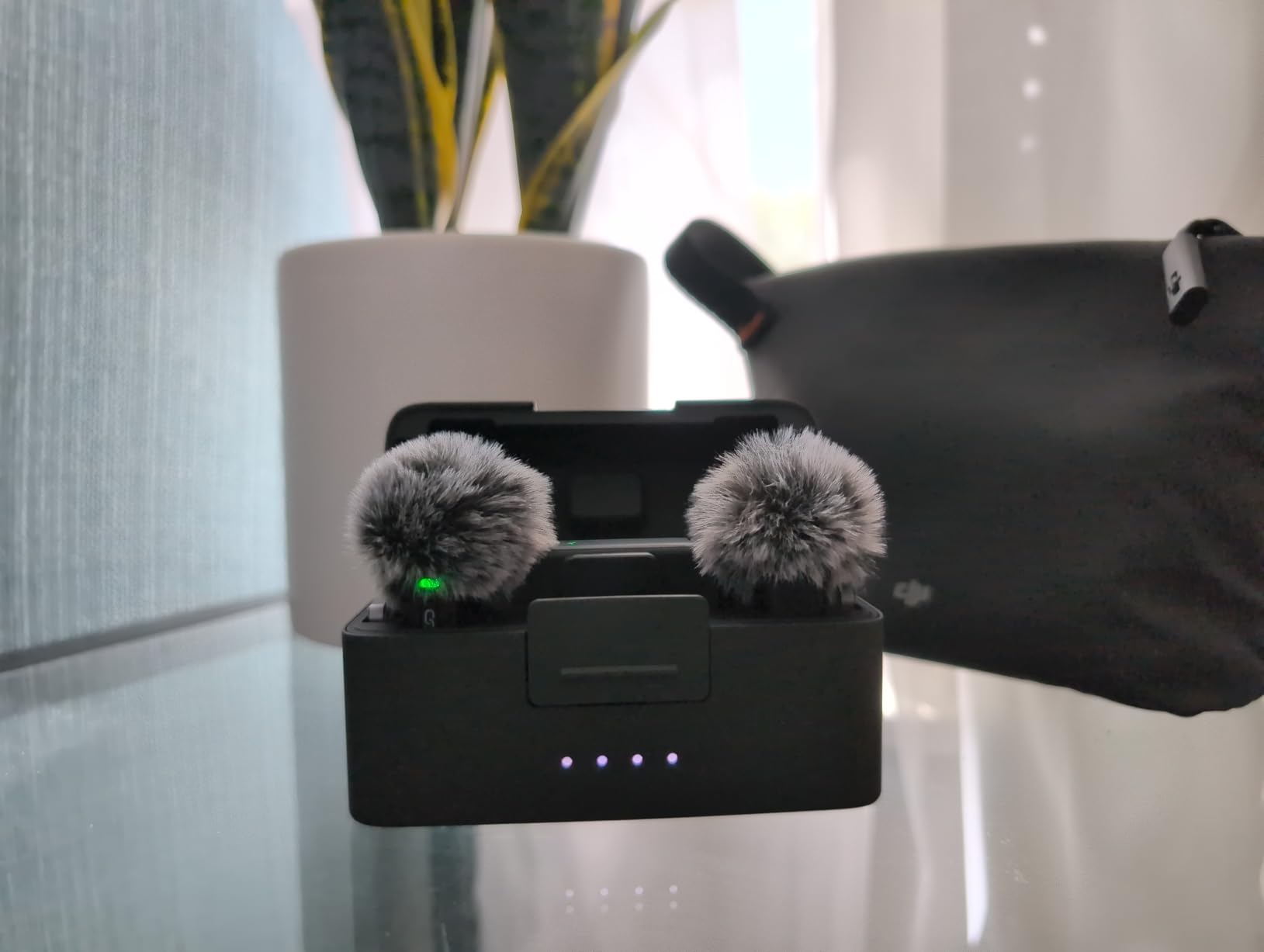
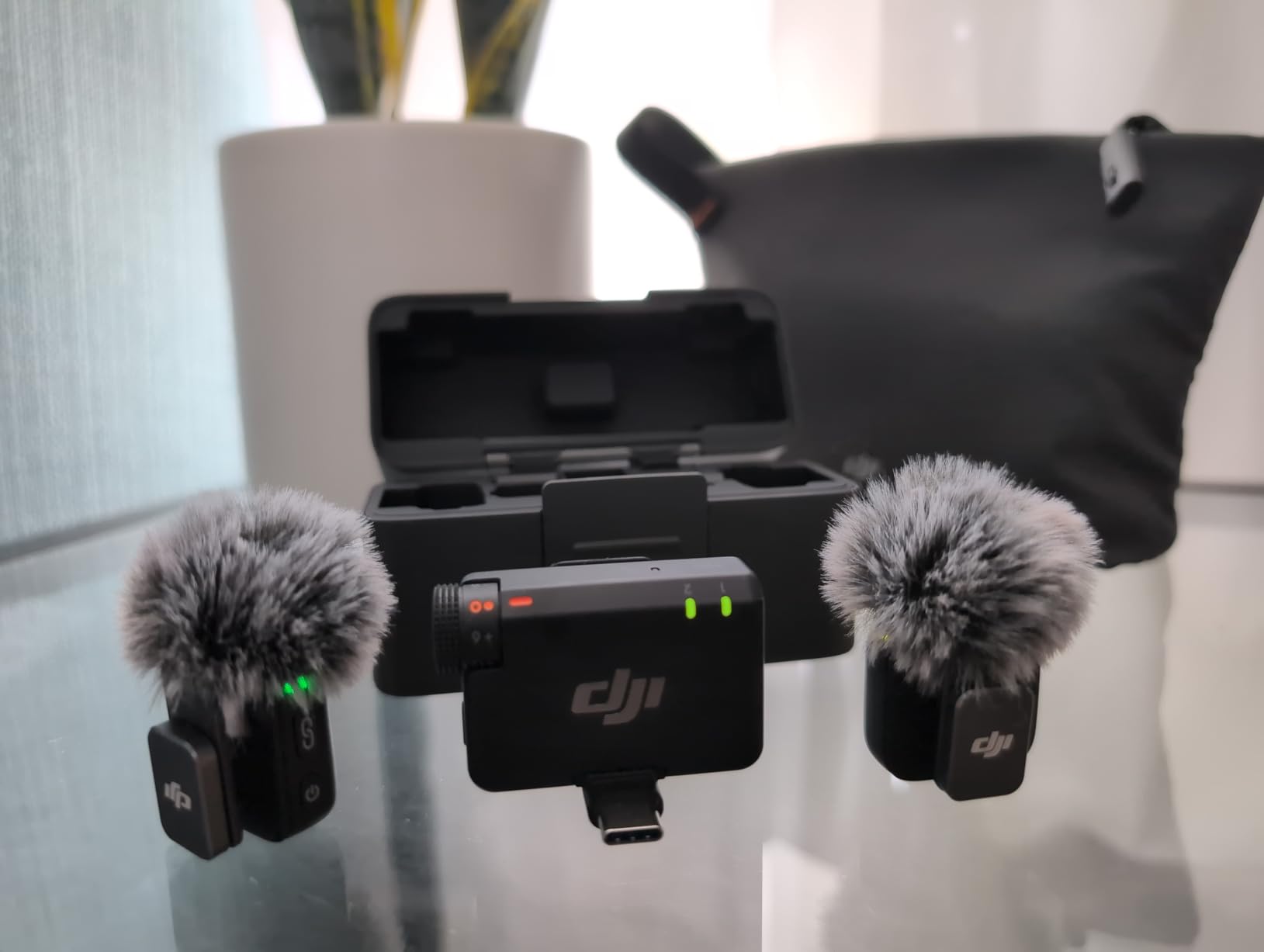
DJI Mic Mini (2 TX + 1 RX + Charging Case), Ultralight, Detail-Rich Audio
- Two transmitters cover a two-person interview in one kit
- 10 g capsules stay discreet on camera
- 48 hours of runtime with the charging case
- Works with USB-C
- 3.5mm and DJI Osmo devices
- No hardware mute button on the mic
- Receiver and case add bulk when recording one person
We ran the Mic Mini on a two-person seated interview in a small carpeted office, which is about as close to the worst case for audio as an interview gets. Both transmitters ran for the full session, and the voice on both tracks came through clean and detailed with a very low floor.
The 10 g capsule is the part that keeps surprising people. It sits flat against a collar and reads as almost nothing on camera, which matters when the subject is being filmed rather than just recorded. The magnetic clip holds through movement without needing tape or a sticky pad.
Signal-to-noise is listed at 70 dB across a 20 Hz to 20 kHz range, and in practice the recordings need very little cleanup. The two noise cancellation modes, Basic and Strong, both stay believable rather than pumping or gating the voice, which is where most on-mic processing falls apart.
Two things to know before you commit. There is no mute button on the transmitter body, so you either power it down or mute from the app, and that matters when a subject says something off the record. Second, the receiver and charging case are the bulkiest parts of the kit, so if you are only ever recording one person the whole package is more than you need.
When the DJI Mic Mini is the right call
It suits any two-person interview where the camera and the audio need to travel together, because the receiver takes USB-C, 3.5mm or a direct connection into DJI Osmo devices. Automatic limiting protects you when a speaker gets animated, and 120 dB SPL handling means you are not gambling on a quiet capsule for a loud talker.
The 400m transmission range is more than any interview needs, but it means you can follow a subject out of a building without a cable run.
When it is the wrong call
Skip it if you are recording a single quiet person with a camera that already has a usable mic input, because you would be paying for two transmitters and a receiver you do not use. It is also a poor fit for broadcast work that requires a hard-wired signal chain into a mixer, since there is no XLR output.
If your subjects wear heavy outerwear that rubs loudly, no amount of microphone quality fixes that. Placement matters more than the model, and we cover that further down.
2. Rode Lavalier GO as the Best Value Wired Interview Mic
- Forgiving omnidirectional pickup that tolerates imperfect placement
- 4mm capsule hides under a collar
- 1.2m Kevlar-reinforced cable survives long runs
- Works with cameras
- interfaces and wireless transmitters
- Output is hot so camera sensitivity usually needs lowering
- Clip does not rotate to adjust the capsule angle
- Limited colour options
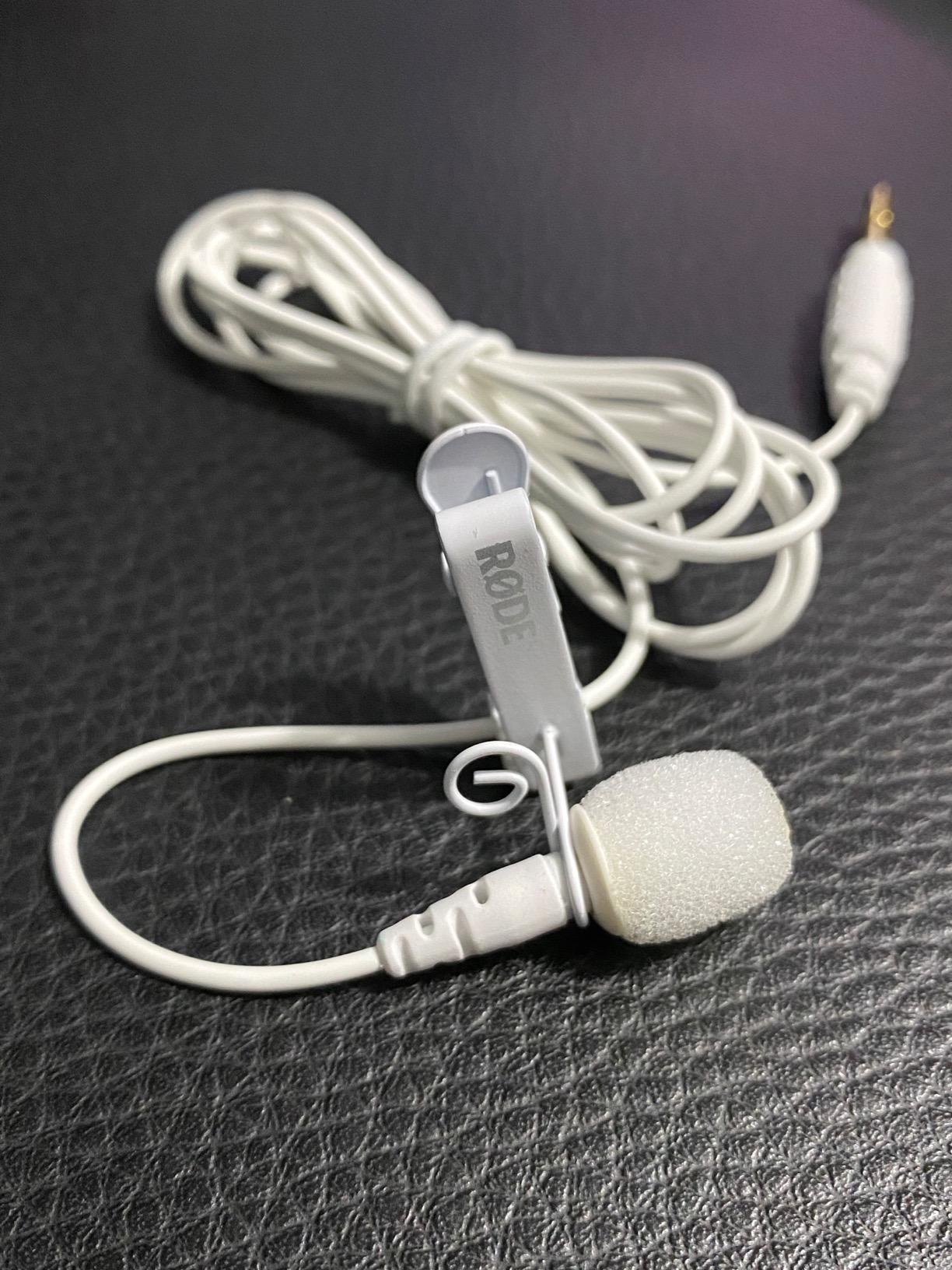
The Lavalier GO is the mic we recommend to someone who already owns a recorder and just needs a better capture than the built-in. Over a 1.2m Kevlar-reinforced cable we picked up clear, neutral voice with no added noise, and the signal held up over long runs without picking up cable handling.
It is also the most flexible option on this list. Because it terminates in a standard 3.5mm TRS jack, it feeds cameras, DSLRs, audio interfaces and wireless transmitters directly, and it also pairs with DJI and Rode wireless systems when you want to go wireless later.
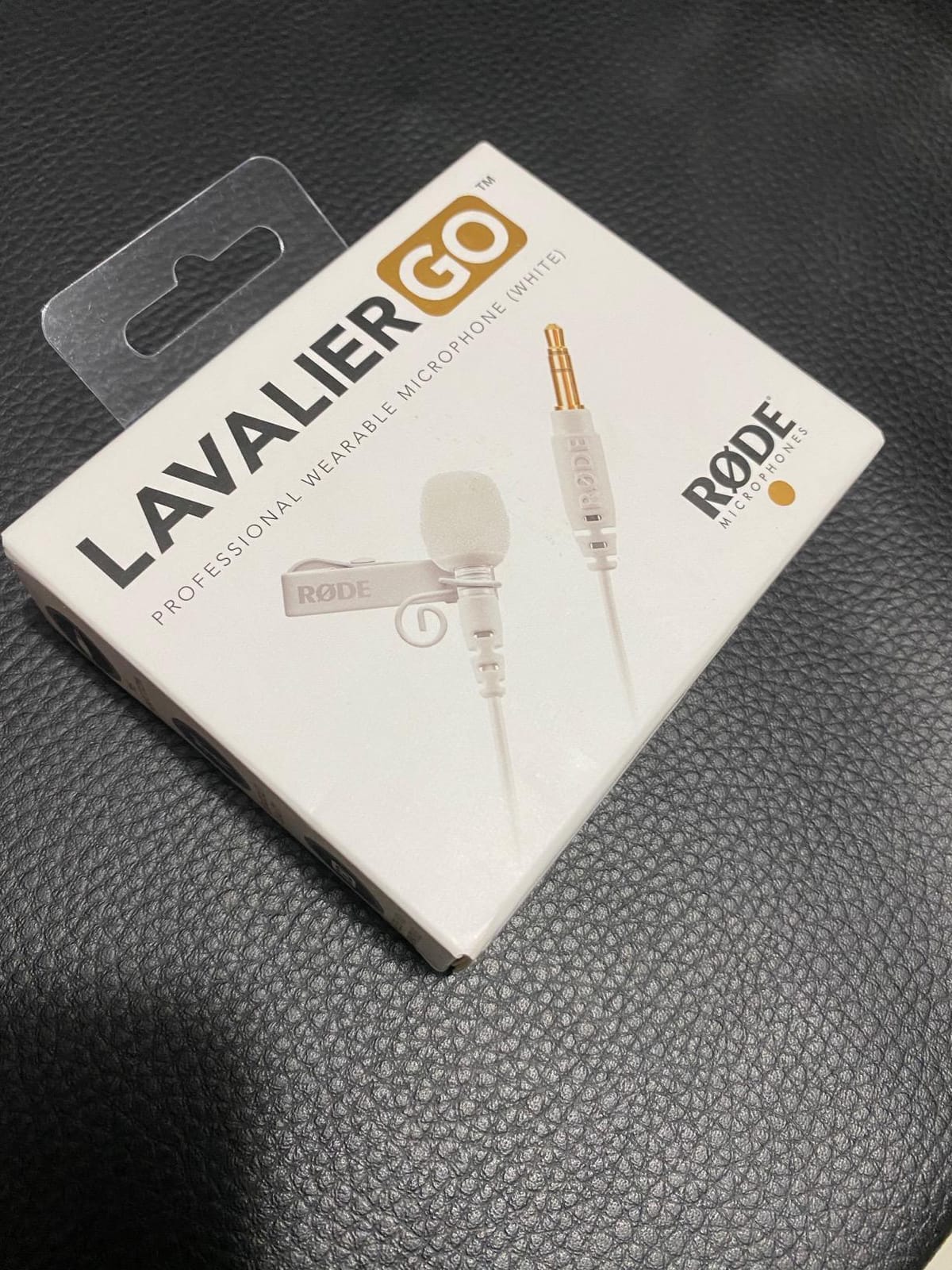
The 67 dB signal-to-noise figure is respectable rather than exceptional, and the sub-miniature 4.0mm capsule is genuinely small enough to slide under a collar or a tie. Interviewers and filmmakers in review after review describe the same thing: consistent, uncoloured pickup that outperforms cheaper wired alternatives.
One practical note appears over and over in owner feedback: the output is hot. On most cameras you will need to turn the input sensitivity down or the recording will distort the moment the subject raises their voice. A two-year warranty covers the capsule and cable.
When the Lavalier GO is the right call
Choose it for a seated interview with a camera that has a 3.5mm input, or as a backup wired mic that travels in the bag. The foam pop shield and the clip with in-built cable management handle plosives and keep the cable tucked away on wardrobe.
Its omnidirectional pattern is the other quiet reason it works so well for interviews. It does not punish you when a subject turns their head or shifts position, which cardioid mics do.
When it is the wrong call
It will not work with a phone that only has USB-C, and the fixed clip means you cannot fine-tune the capsule angle once it is mounted. If the subject is going to be moving a lot or wearing a scratchy jacket, a wireless kit with a smaller capsule will serve you better.
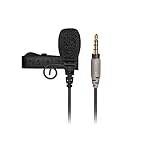
3. Rode SmartLav+ for Phone-Only Interviews
Rode SmartLav+ Lavalier Microphone for Smartphones,Black
- Direct TRRS plug-and-play connection with phones and tablets
- Lightweight 6 g body with included pop shield and clip
- Long track record across thousands of owners
- Consistent clear voice capture
- Wired TRRS only so it needs an adapter for USB-C phones
- No gain control or monitoring on the mic
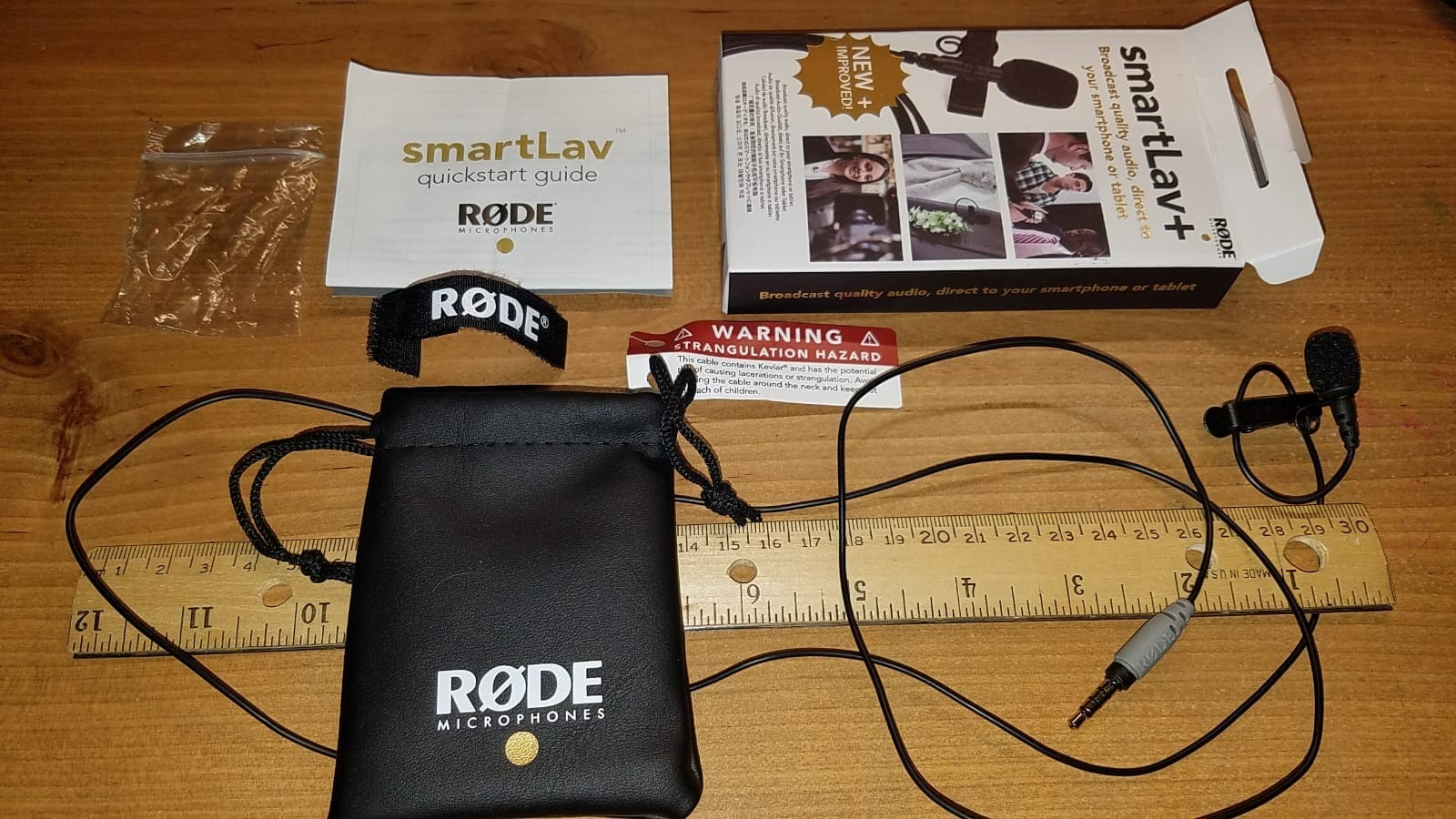
The SmartLav+ is the answer for a one-person interview shot on a phone with a headphone jack. It plugs straight in, it weighs 6 g, and the in-box foam pop shield and mounting clip are enough to get a usable recording without buying anything else.
With more than 7,600 reviews averaging 4.4 stars, this is a microphone with a long, boring reliability record, which is exactly what you want from something you will clip to a stranger’s collar in a hallway. The 67 dB signal-to-noise figure suits a quiet room and a reasonably close speaking voice.
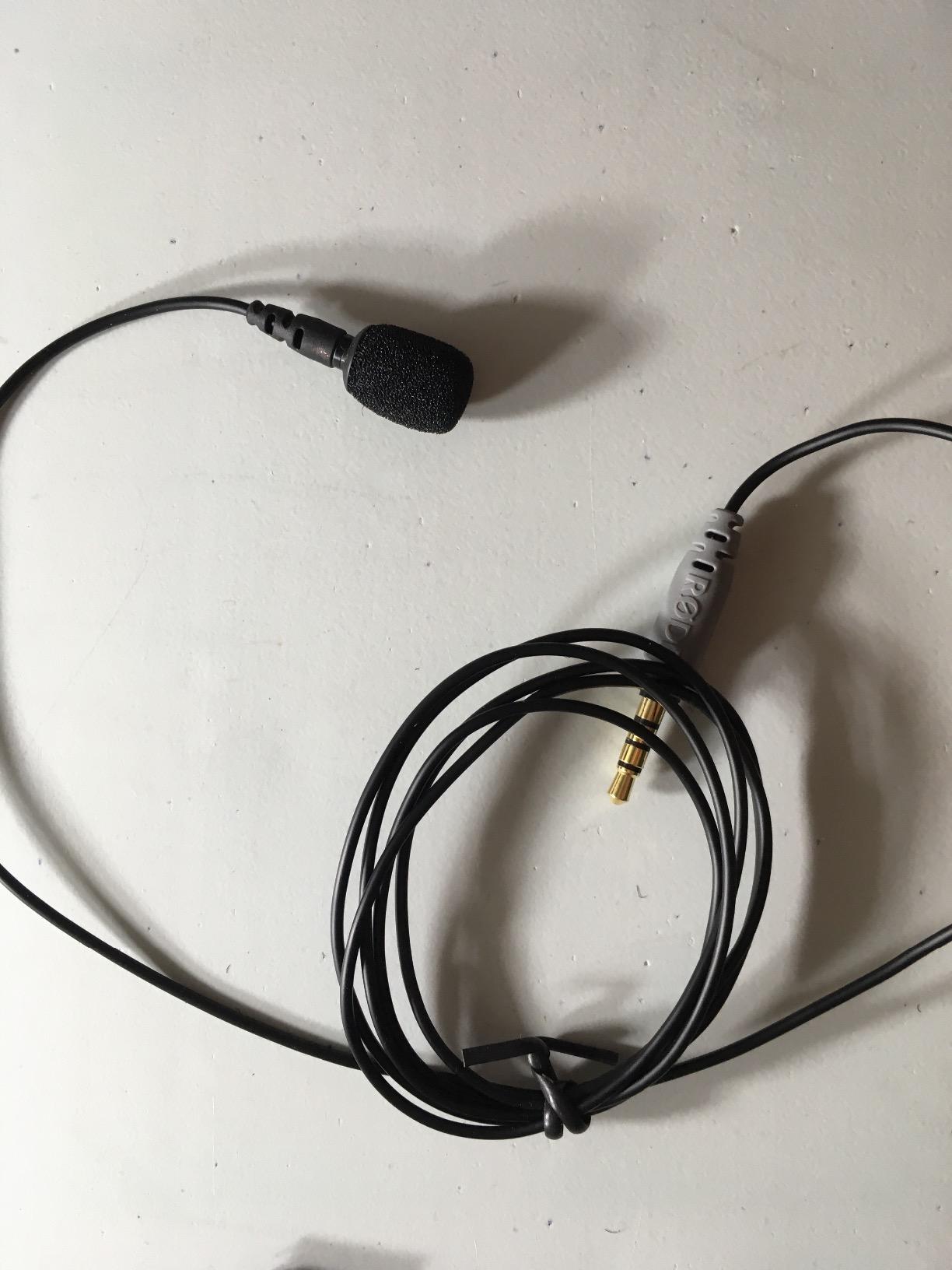
What you give up is flexibility. The TRRS plug fits a phone or tablet headset input and nothing else, so a laptop, a USB-C phone or a camera means buying an adapter first, and that adapter is the point where setups usually go wrong. There is no gain control and no headphone monitoring on the mic itself.
Forum threads in r/podcasting show plenty of first-time interviewers weighing a basic wired setup against just using a laptop, and this is the mic that usually closes that debate. It costs little, it works, and there is no pairing step to fail.
When the SmartLav+ is the right call
It is the right pick for quick phone interviews, video calls, and any scenario where the recording device has a 3.5mm headset input and you will not be recording a second person. The two-year warranty adds confidence for something used in a hurry.
Because it is wired, there is also no frequency coordination and no battery to forget, which removes the two most common causes of a lost wireless take.
When it is the wrong call
It is the wrong tool if your phone has no headphone jack, since the adapter chain adds a failure point and some cheap adapters ignore the mic input entirely. It is also a poor match for a subject who will move out of frame or walk around the room.
4. NEEWER CM28 as the Best Interview Kit with Backup Recording
- Each transmitter records its own 4GB copy of the audio
- Two transmitters and a receiver cover a two-person interview
- One-click noise cancelling with an LCD status display
- Charging case allows top-ups between shoots
- Unidirectional pickup can miss a speaker who turns away
- Onboard storage and screen add bulk to each transmitter
The CM28 is the only kit here where the audio is captured twice. Each transmitter stores 4GB of 48kHz uncompressed WAV on its own, so even if the receiver path dies or you lose the output cable, you still have clean files on the transmitters.
That redundancy is the feature forum users care about most. In r/fieldrecording and similar communities, the standard advice is to record to a separate field recorder as a scratch track rather than trusting a single camera input, and onboard capture is the same insurance in a smaller package.
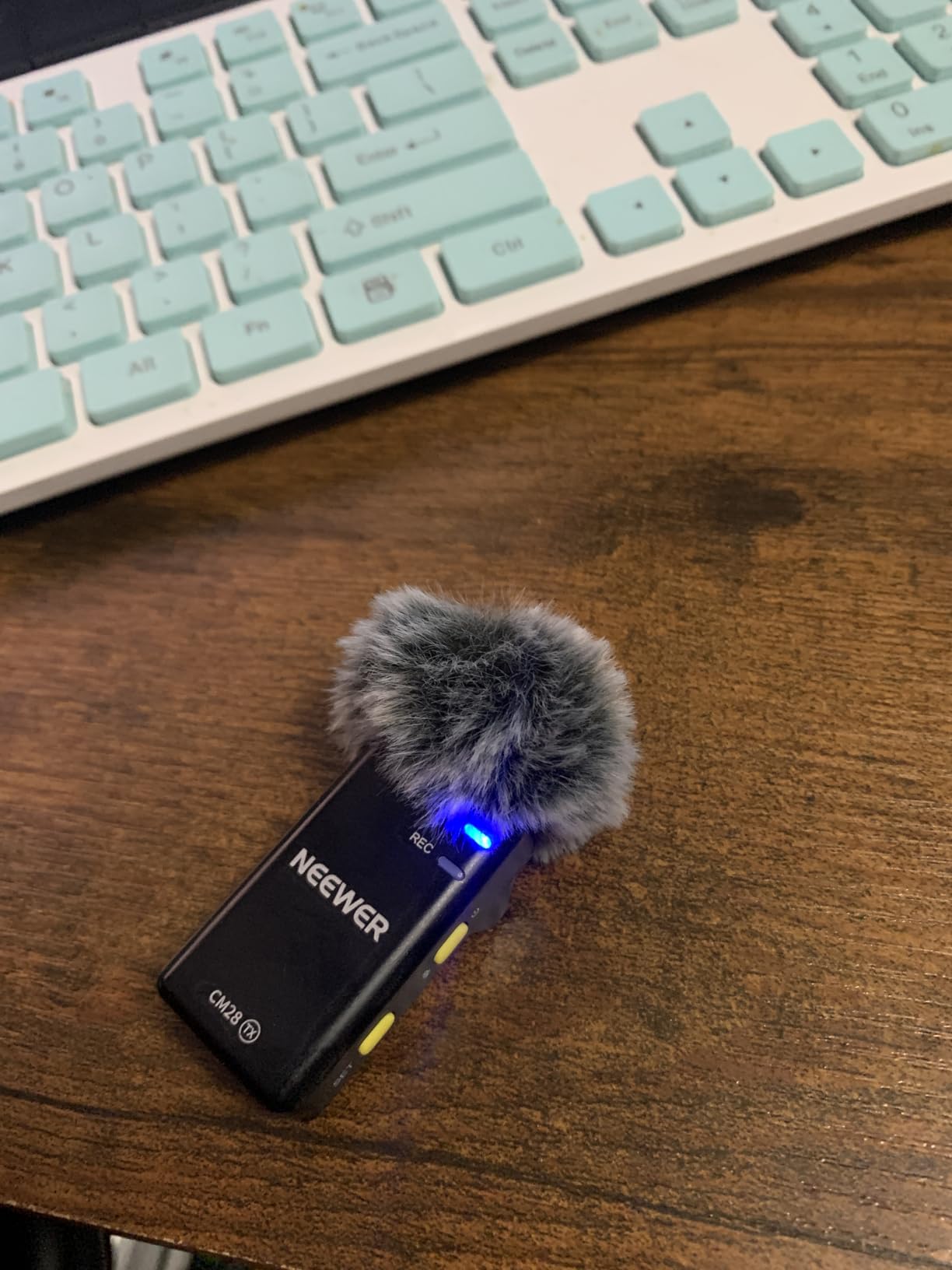
Beyond that, the kit is well specified. Transmitters run up to 9 hours and the receiver up to 8, transmission reaches 200m unobstructed, and you can export in mono, stereo or mid-side with a one-tap dB gain control. The LCD shows mode, volume, battery, connection and noise reduction status at a glance.
It includes USB-C OTG, USB-A and 3.5mm camera cables, so phones, laptops and cameras are all covered without a separate purchase. The 80 dB signal-to-noise rating is the highest of the wired and semi-wired options here.
When the CM28 is the right call
Pick it when the interview cannot be reshot. Documentary work, one-off commissioned pieces and anything with an unhappy subject all benefit from a second copy that does not depend on the wireless link. The two transmitters also make it a genuine two-person kit.
Noise cancelling and the charging case are practical additions for a full shooting day, and the magnetic mounts and windshields are included.
When it is the wrong call
The unidirectional pattern is the catch. A subject who turns away from the capsule or speaks at an angle will lose level, which is exactly the behaviour a seated interview should not have. The screen and onboard storage also make each transmitter bulkier than the 10 g alternatives.
5. Shure Centraverse CVL for Shure Bodypack Setups
- Crisp speech reproduction with good noise rejection
- Stainless steel capsule built for repeated field use
- Pairs reliably with Shure BLX and SLX bodypacks
- Low-visibility capsule and tie clip for camera work
- TA4F connector only works with Shure bodypacks
- Cardioid head is larger than ultra-low-profile capsules
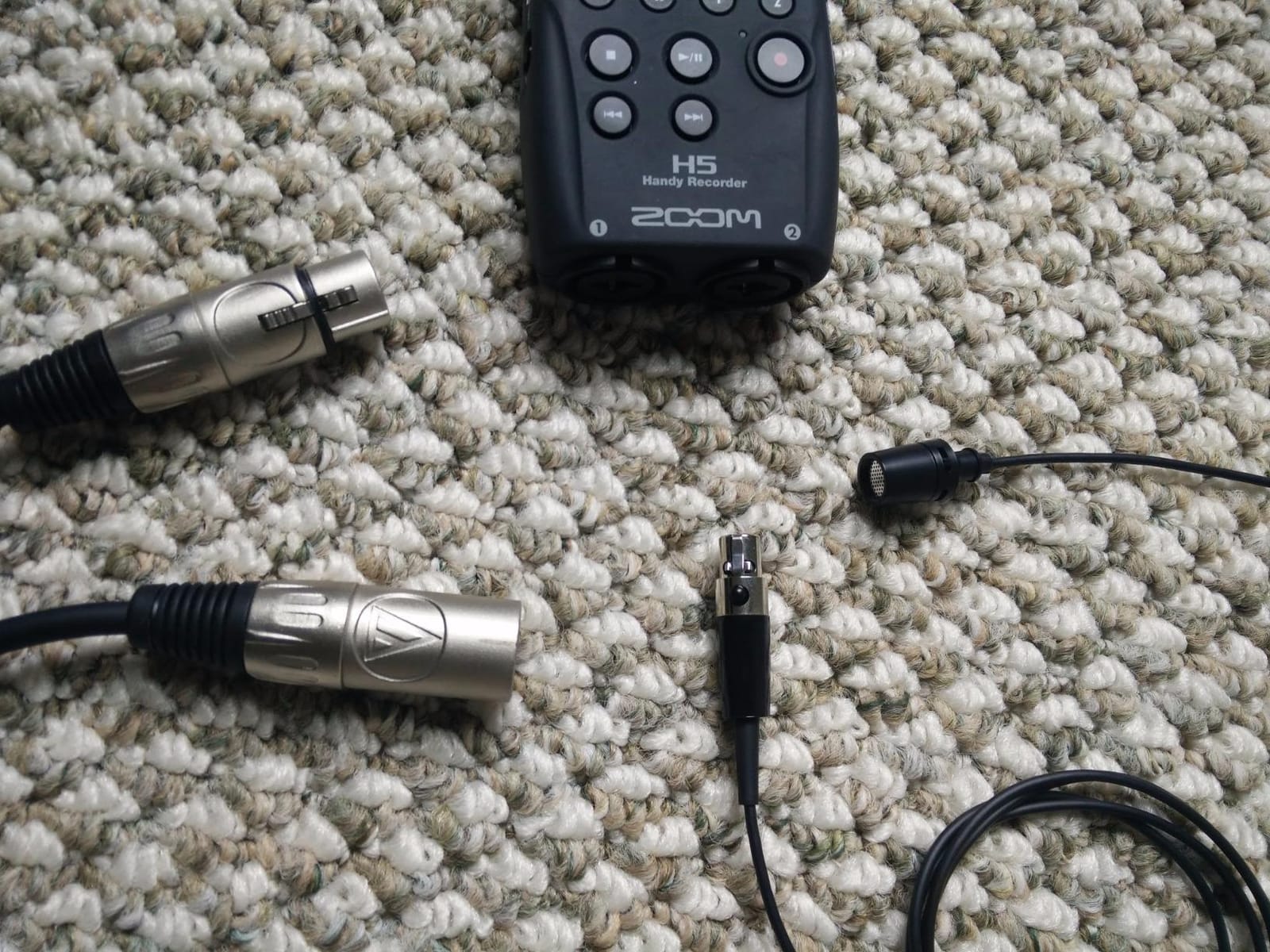
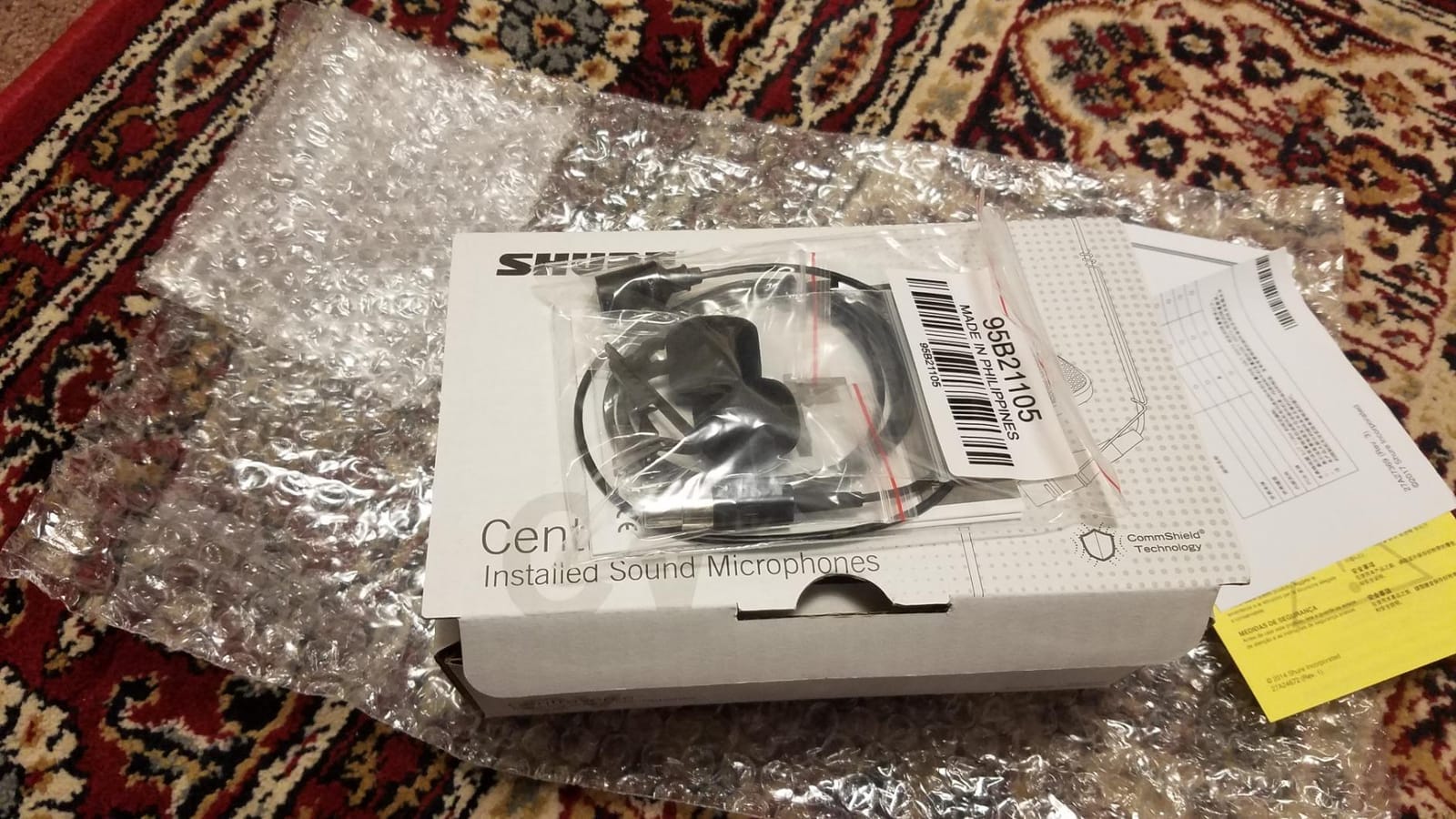
The Centraverse CVL is the pick if you already run Shure wireless, and it is useless if you do not. The capsule terminates in a TA4F (TQG) mini-XLR, which plugs straight into Shure bodypacks and nowhere else, so this is a bodypack accessory rather than a standalone interview mic.
Inside, it is a permanently charged electret condenser with a cardioid pattern and a frequency response tailored to speech and presentations. In a room with a fridge hum and a laptop fan, the rejection is noticeably better than an omni lav captures.
Build quality is a step above the plastic competition, with a stainless steel capsule and a two-year limited warranty. Speakers, clergy and event audio users describe it as one of the more affordable Shure lavaliers and consistently report clear, intelligible speech.
The included windscreen reduces plosives, wind and breath, which matters more than most spec sheets admit. One recurring note from owners is that in practice the pickup behaves more like an omni than the cardioid specification suggests, so the noise rejection is a bonus rather than a guarantee.
When the CVL is the right call
It suits church, corporate and event work, and any interview where a Shure bodypack is already part of your kit. The tie clip keeps the capsule low on the chest where it stays out of frame, and the cardioid pattern helps in rooms with a steady background hum.
It is also a good second channel: run one cardioid and one omni on separate bodypacks and you can choose the mix in post.
When it is the wrong call
Do not buy it as a first wireless mic unless you are committed to Shure. The TA4F connector will not enter a standard mic input, a camera or a phone, and the cardioid head is bulkier on camera than the low-profile options in this roundup.
6. BOYA mini 2 for Discreet First-Time Wireless Setups
BOYA mini 2 Wireless Lavalier Microphone for iPhone 15/16/17 & Android
- 5 g thumb-sized transmitters that disappear on clothing
- Two-level AI noise cancelling that cleans up noisy rooms
- 30 hour battery with the charging case
- App control for gain
- EQ and noise settings
- No Bluetooth so it depends on the USB-C receiver path
- Range drops around walls and buildings
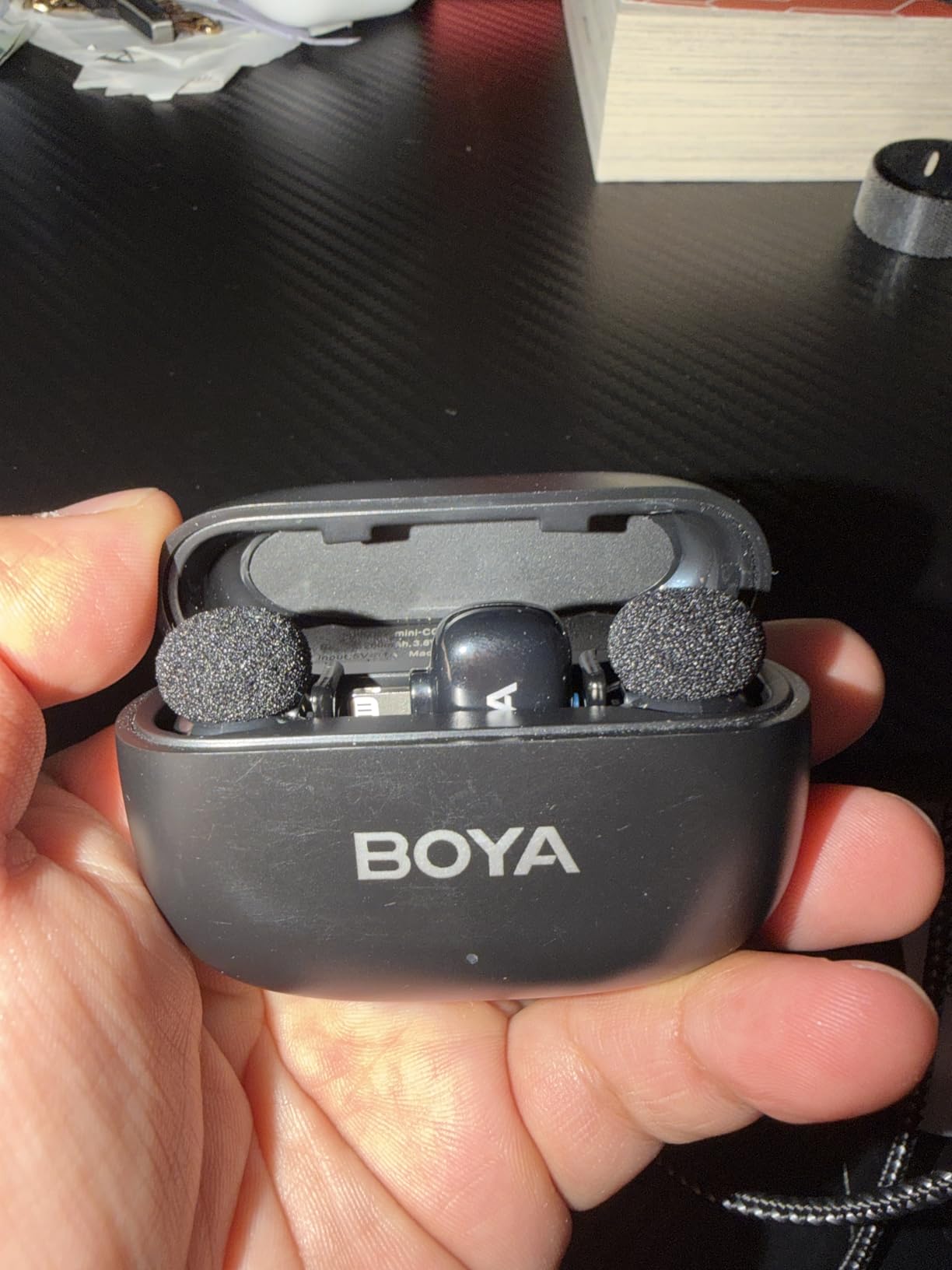
The BOYA mini 2 is the smallest kit we tested, with 5 g thumb-sized transmitters and a concealed back-clip design. On camera the capsule is effectively invisible, which is a genuine advantage when the interview subject is self-conscious about being mic’d.
It records at 48kHz and 24-bit with 120 dB SPL handling, and the two noise cancellation modes are unusually strong, at minus 40 dB and minus 15 dB. In a street interview with traffic behind the subject, Strong mode did most of the work of getting a clean voice track.
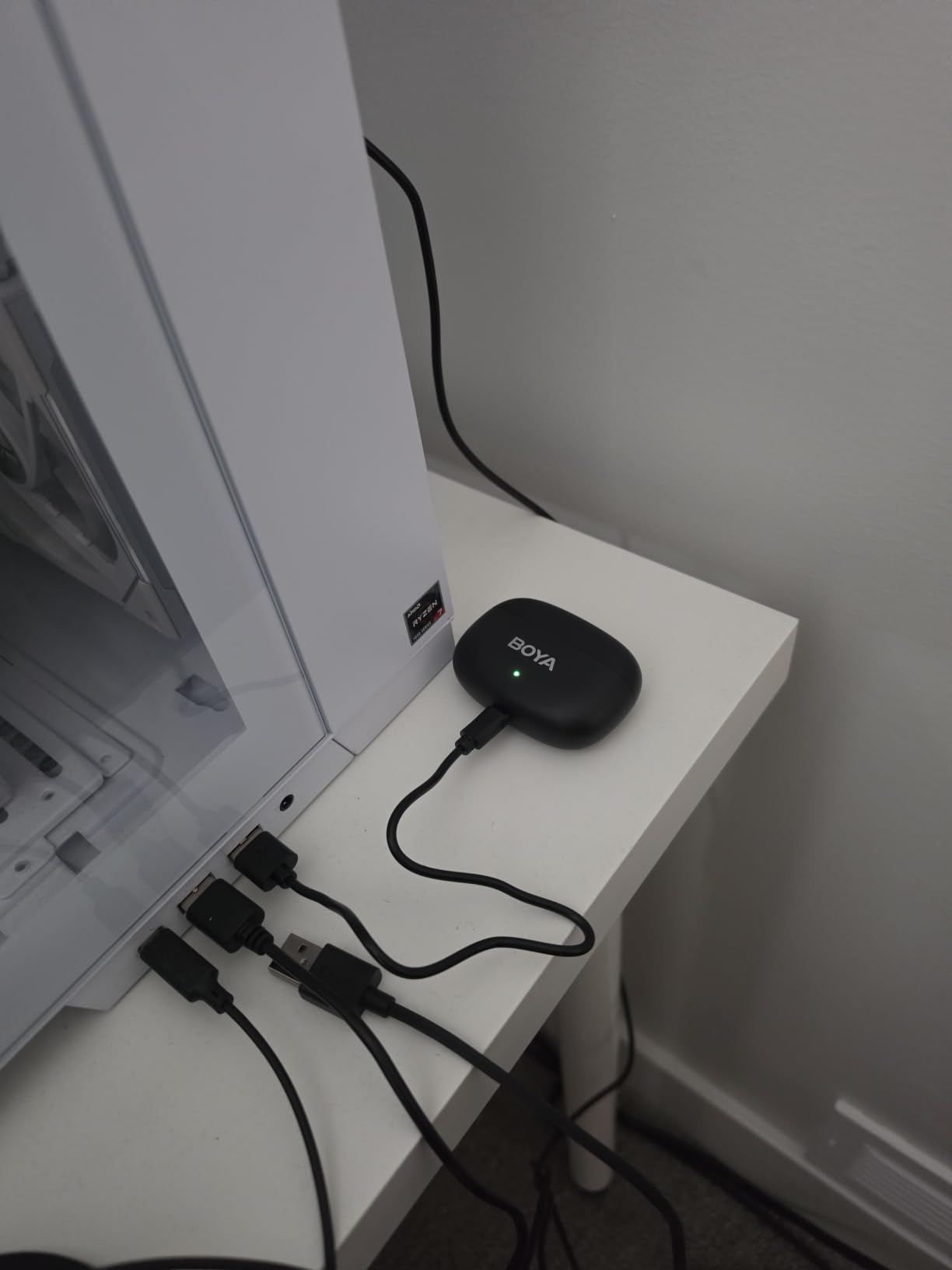
Battery life is the standout number: up to 30 hours with the charging case, with 328ft of transmission range. A limiter and a minus 12 dB safety track are built in, so a sudden shout will not clip the recording.
The BOYA Central app handles volume, noise cancellation and EQ, which is more control than most kits at this level offer. The 80 dB signal-to-noise ratio is listed among the highest here.
When the BOYA mini 2 is the right call
It works for on-the-street interviews, short-form video and any scenario where a visible mic would make the subject behave differently. Thirty hours of runtime means a multi-day documentary trip without charging anxiety.
If your subject is wearing a mask or turning their head constantly, the tiny omni capsule sits close enough to keep the level consistent.
When it is the wrong call
There is no Bluetooth, so the USB-C receiver is the only path and you are dependent on that one piece of hardware. Range degrades badly around walls and between buildings, which is a real problem in urban locations, and the receiver will not pair with Insta360, GoPro, Akaso or OnePlus cameras.
7. Rode Lavalier II for Discreet Broadcast-Grade Work
RØDE Lavalier II Ultra-Low-Profile Lavalier Microphone
- Ultra-low profile that disappears under a collar or lapel
- Broadcast-grade clarity with a flat frequency response
- Flat cable avoids a visible cable run on wardrobe
- Locking connector stays secure in wireless systems
- Locking connector is not a direct fit for phones or camera inputs
- Premium pricing above most interview options
The Lavalier II exists for one reason: to be invisible. At 13 g with an ultra-low-profile capsule and a flat cable, it sits under a collar with no visible wire run, and for high-end interview and film work that is worth paying for.
The sound is the broadcast-style flat response the Rode name implies, with an 80 dB signal-to-noise ratio and 38 dB of self noise. Reviewers single out the clean, broadcast capture for on-camera work where visibility matters as much as audio.
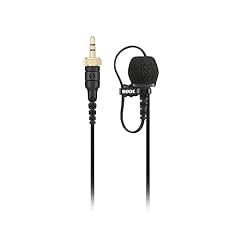
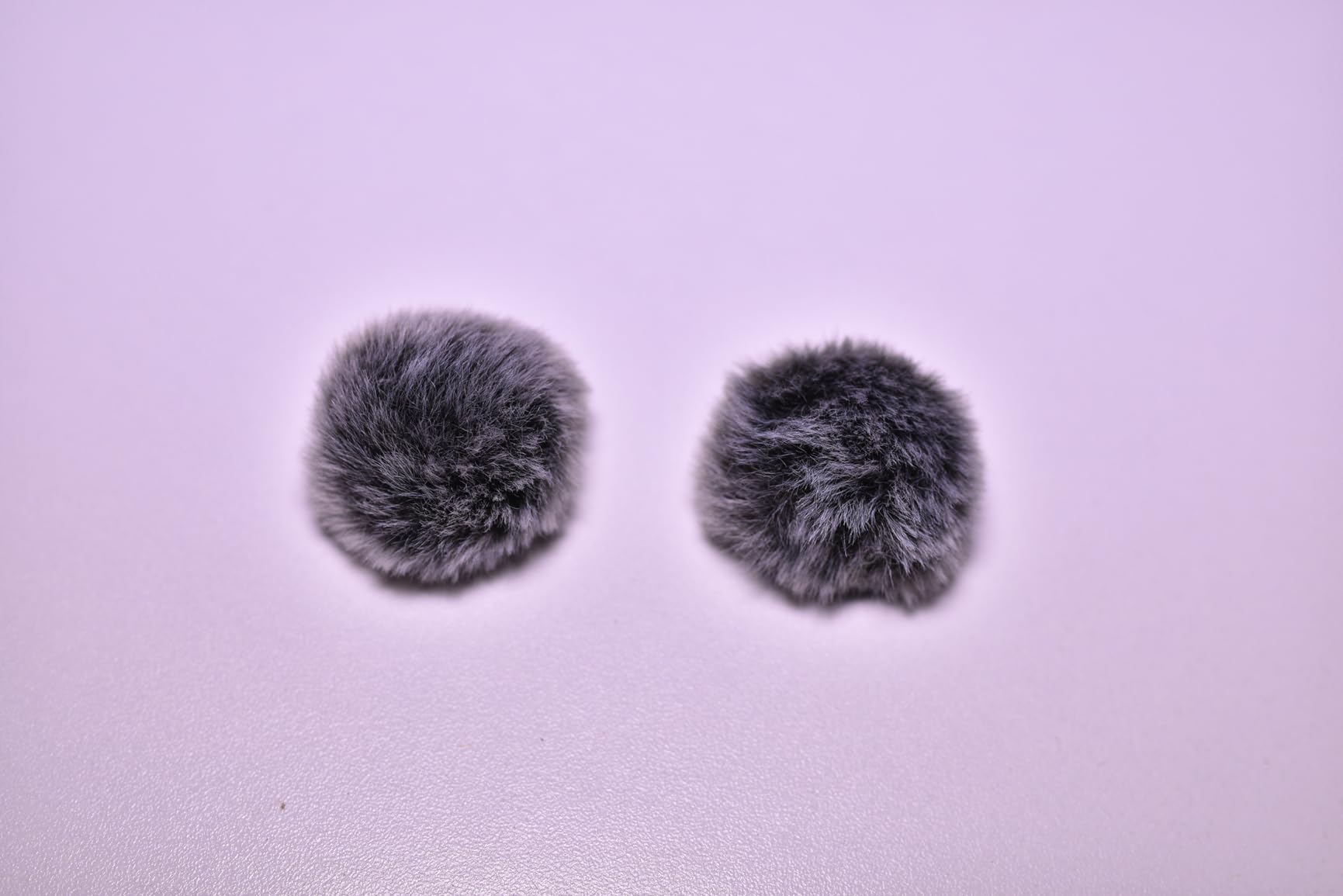
The accessory kit is unusually generous: a pop filter, a mini furry windshield, a clip, coloured ID rings for colour-coding channels, and a zip case. The ID rings alone save time when you are running two or three of these across a multi-person interview.
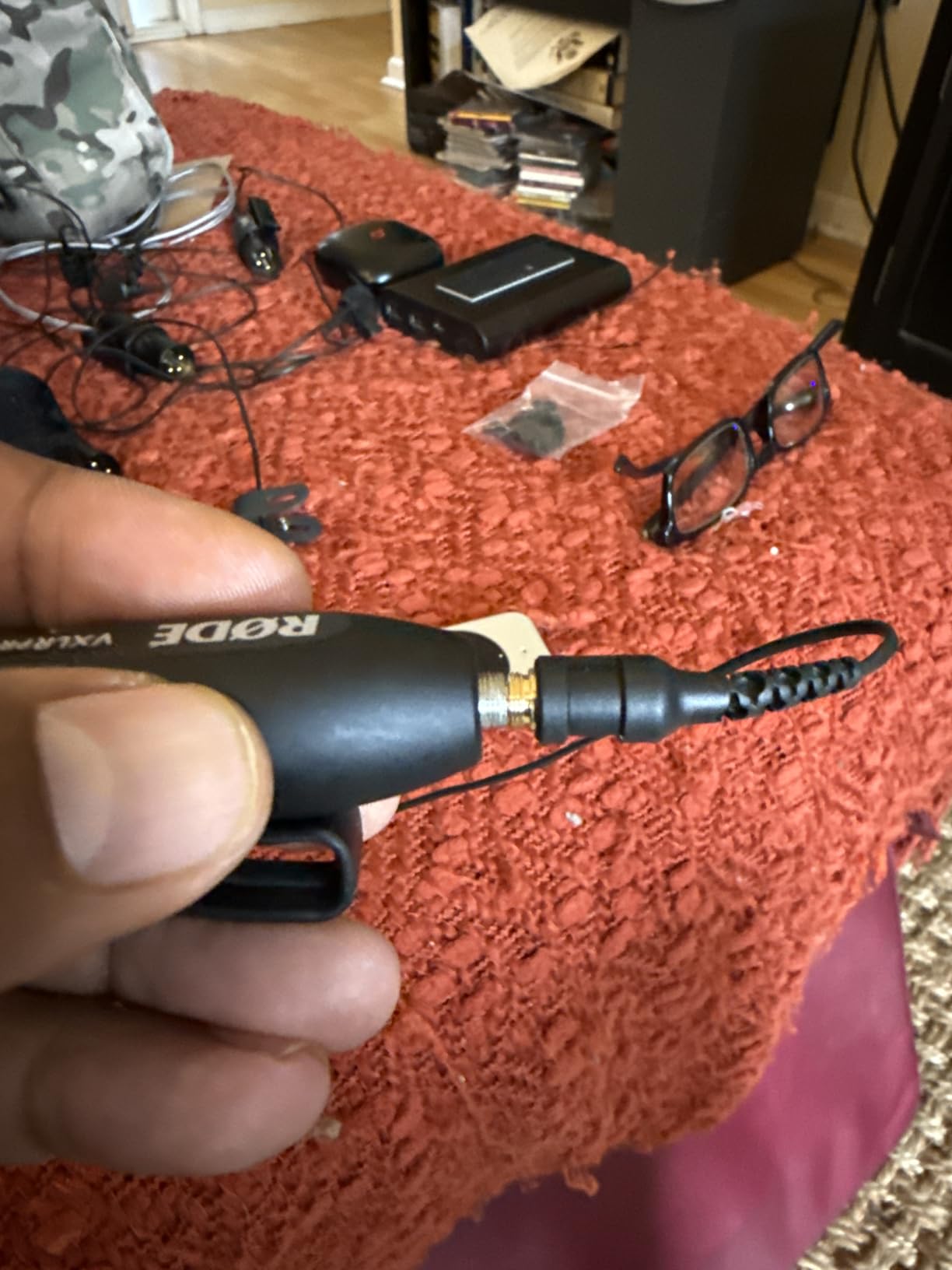
The locking connector is the deliberate trade-off. It secures the mic in professional wireless systems, but it means the Lavalier II is not designed to plug directly into a phone or a camera input, so it is a wireless capsule first and a wired mic second.
When the Lavalier II is the right call
It is for broadcast, film and premium content work where the mic will be on camera in a close shot and the flat response suits a mix. A two-year warranty is included, and the furry windshield makes it usable outdoors where a bare capsule is not.
If you run several interviews in a day, colour-coded ID rings make it the fastest kit to set up.
When it is the wrong call
It is the wrong pick for a first interview, because you also need a compatible wireless system or an interface with the right input. Reviewers also note the premium pricing puts it above most interview options without a matching jump in versatility.
8. Shure MVL for Mobile Recorders and Field Interviews
Shure MVL Lavalier Microphone for iPhone & Tablet – External Clip On Mini Lapel Mic for Video Recording & Vlogging with 3.5mm Connector, Windscreen, Mount & Carrying Pouch
- Natural uncoloured voice reproduction reviewers prefer to some rivals
- Picks up quiet speech well for dictation and interview work
- Metal housing feels far more durable than plastic
- Works with phones
- tablets
- laptops and action cameras
- Thin cable feels fragile
- No TRRS to TRS adapter included
The Shure MVL is a 3.5mm TRRS wired lav with a metal housing and built-in RF and GSM interference protection, which matters more than it sounds when you are shooting near mobile masts or a busy street.
Reviewers rate the sound highly and often compare it favourably against the Rode Wireless GO and Sennheiser XS Lav at similar levels. It also picks up quiet speech well, which is exactly the situation a nervous interview subject creates.
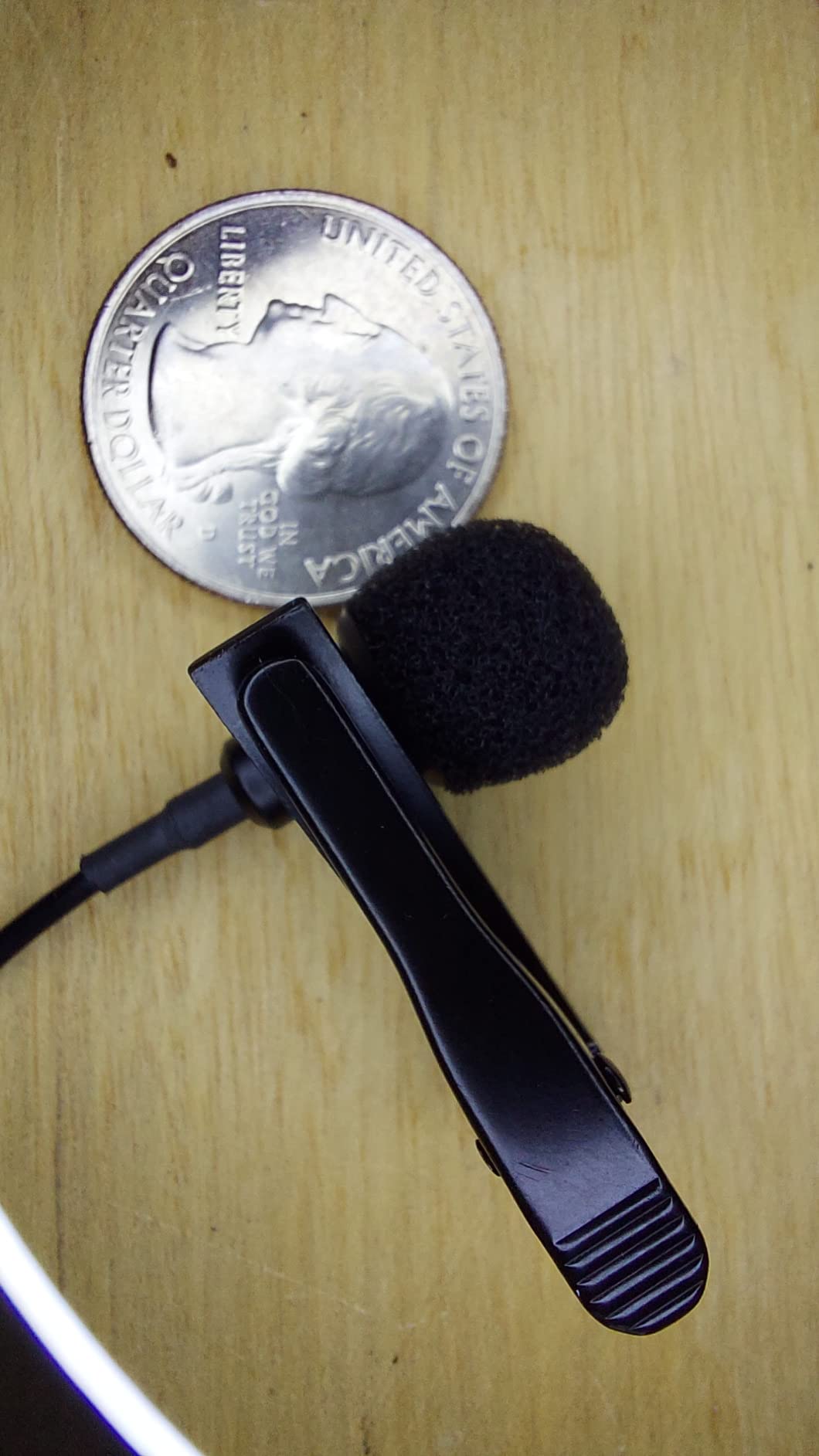
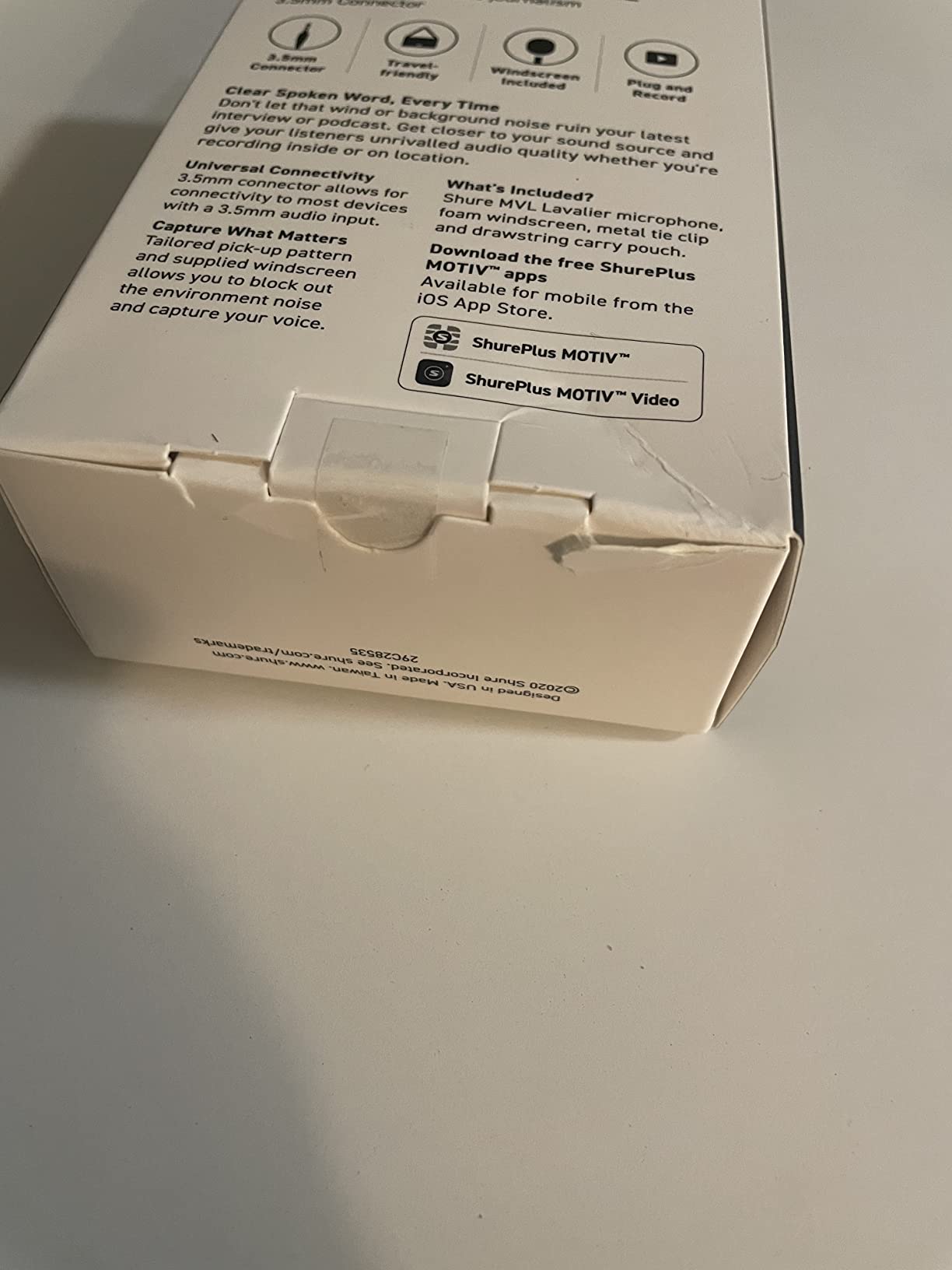
The roughly 1.3m attached cable is long enough for most lapel runs without an extension, and the package includes a windscreen, mounting clip and carrying pouch. The miniature housing is designed to stay discreet in frame.
Two drawbacks get repeated. The cable is thin and feels fragile for the price, and there is no TRRS-to-TRS adapter in the box, so using it with a PC or a wireless pack means buying extra hardware. Output is also low on computers that do not apply automatic gain control, and a small number of owners report premature failure.
When the Shure MVL is the right call
It suits solo mobile recording with a phone or tablet, dictation work, and any interview where the subject speaks softly. If you are recording near cell infrastructure and getting interference from cheaper wired mics, the built-in protection is a real difference.
It is also a safe backup mic to keep in a bag, because it works with anything that has a headset input.
When it is the wrong call
It is not a good pick if your recording device is a camera, a computer without a headset jack, or a wireless bodypack, because the connector and the missing adapter both work against you. The thin cable is also a concern for a subject who moves a lot.
9. Sony ECMLV1 for Stereo Ambience and Outdoor Interviews
- Stereo capture preserves ambient context without drowning out the speaker
- Tiny and light with a clip that rotates through 360 degrees
- No batteries since it draws plug-in power
- Works with cameras
- recorders
- phones and PCs
- Short cable so an extension is usually needed
- Output can be quiet and need gain adjustment in software
The Sony ECMLV1 does something none of the other mics here do: it records in stereo. That preserves the environment around the speaker, which several outdoor and documentary users prefer over the more isolating Rode Lavalier GO, because the room no longer sounds like it collapsed.
The 360-degree rotating clip is the other quiet hero. When the capsule is at the wrong angle you can rotate it instead of re-taping the subject, and the whole thing is small enough to sit at a collar without pulling the fabric.
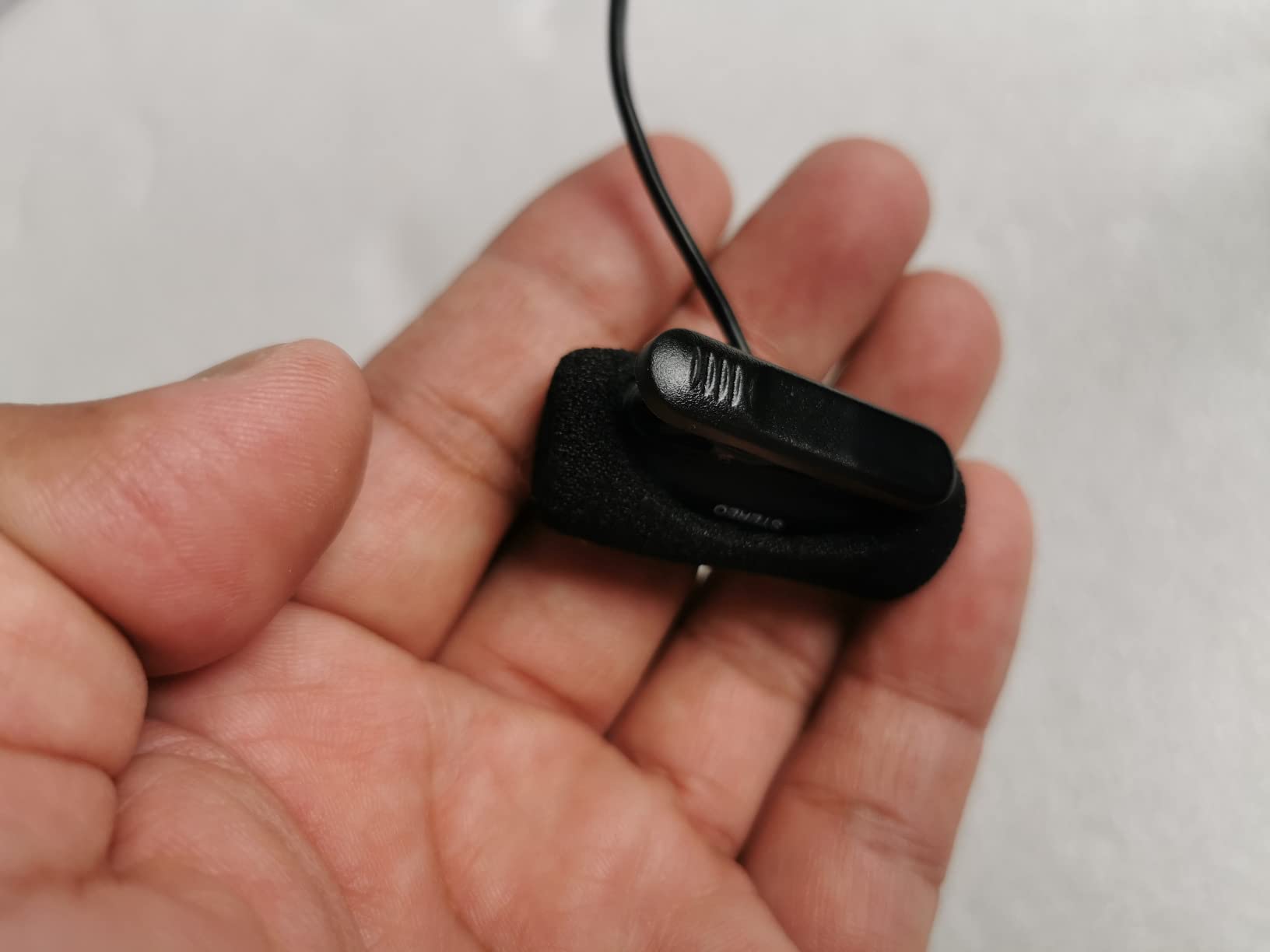
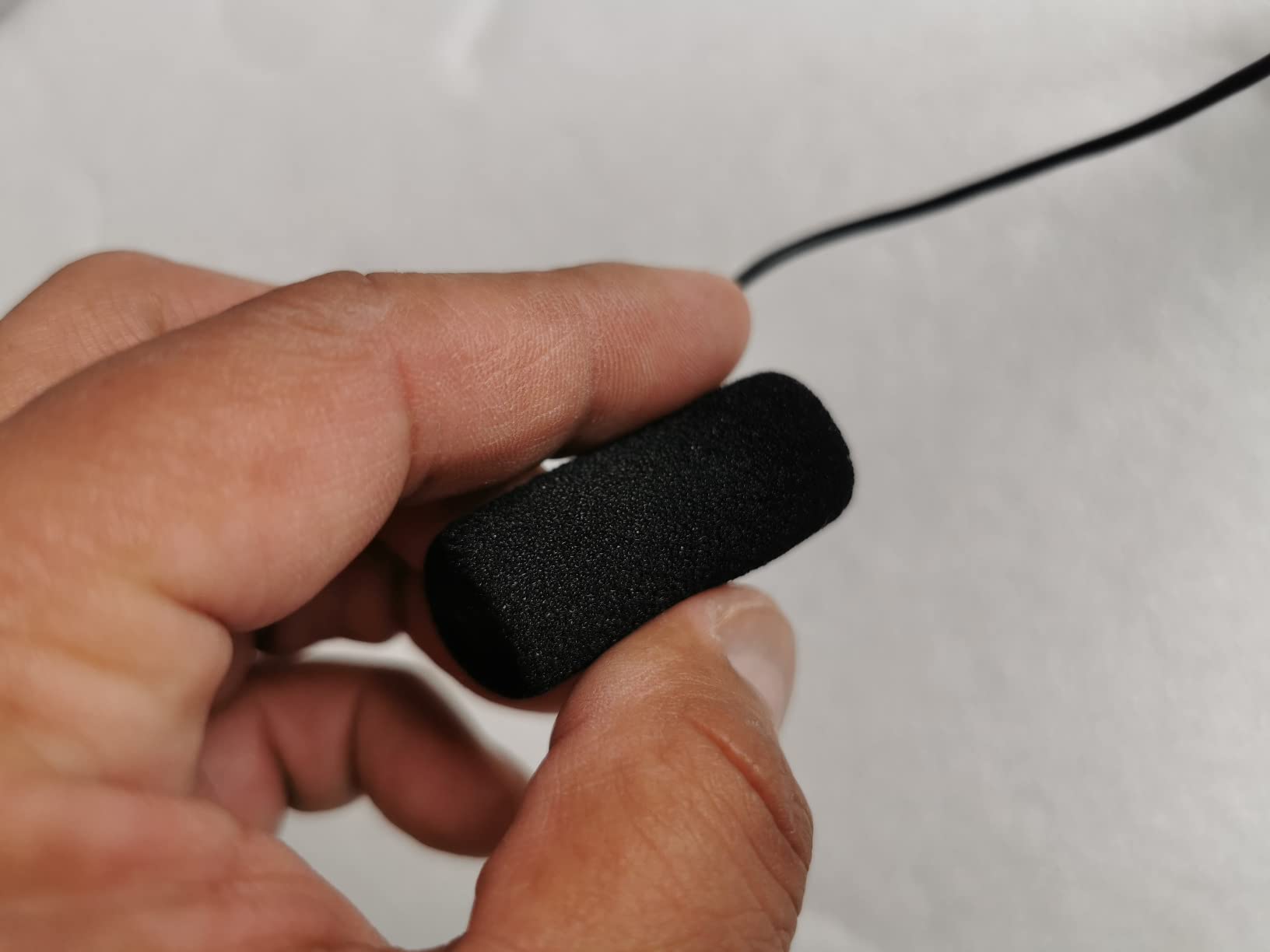
There are no batteries, since it draws plug-in power from the mic input, and it works with 3.5mm cameras, recorders, smartphones and PCs. A foam windscreen is included for light wind.
Expect a quieter output. The 78 dB signal-to-noise and 30 dB self noise are respectable, but many owners report needing to push gain in software, and the short cable usually means adding an extension.
When the ECMLV1 is the right call
It suits outdoor and location interviews where you want the ambience to stay in the recording, and documentary work where a stereo bed makes the edit easier to build. The 3.5mm plug also makes it one of the easiest options to move between a camera and a phone.
For a first interview, the no-battery design removes an entire category of failure.
When it is the wrong call
It is the wrong tool for a noisy or echoey room, because a wider pickup pulls in more of both. If your subject speaks very quietly in a treated space, the low output will cost you more than the ambience gains you.
10. Sennheiser XS Lav USB-C for Computer and Tablet Recording
Sennheiser Pro Audio Condenser Microphone, XS Lav USB-C (509261),Black
- USB-C removes the need for 3.5mm adapters and configuration
- Clear natural vocal capture that beats laptop and headset mics
- Long 2m cable gives framing flexibility
- Tight grip clip holds securely on clothing
- Low output gain so many users must raise gain in software
- Some Windows PCs need a USB-C to USB-A adapter
- Stiff clip that is awkward to open
The XS Lav USB-C is the shortest path from an interview to a usable file on a modern computer or phone. Plug it in, it appears as an input, and there is no driver, no adapter and no settings to change. For Zoom-style calls and remote interviews that is a decisive advantage.
The 2m cable gives enough slack to frame a shot properly rather than having the cable run visibly to the device, and the omnidirectional condenser capsule delivers the clear, natural vocal capture users expect from a Sennheiser lav.
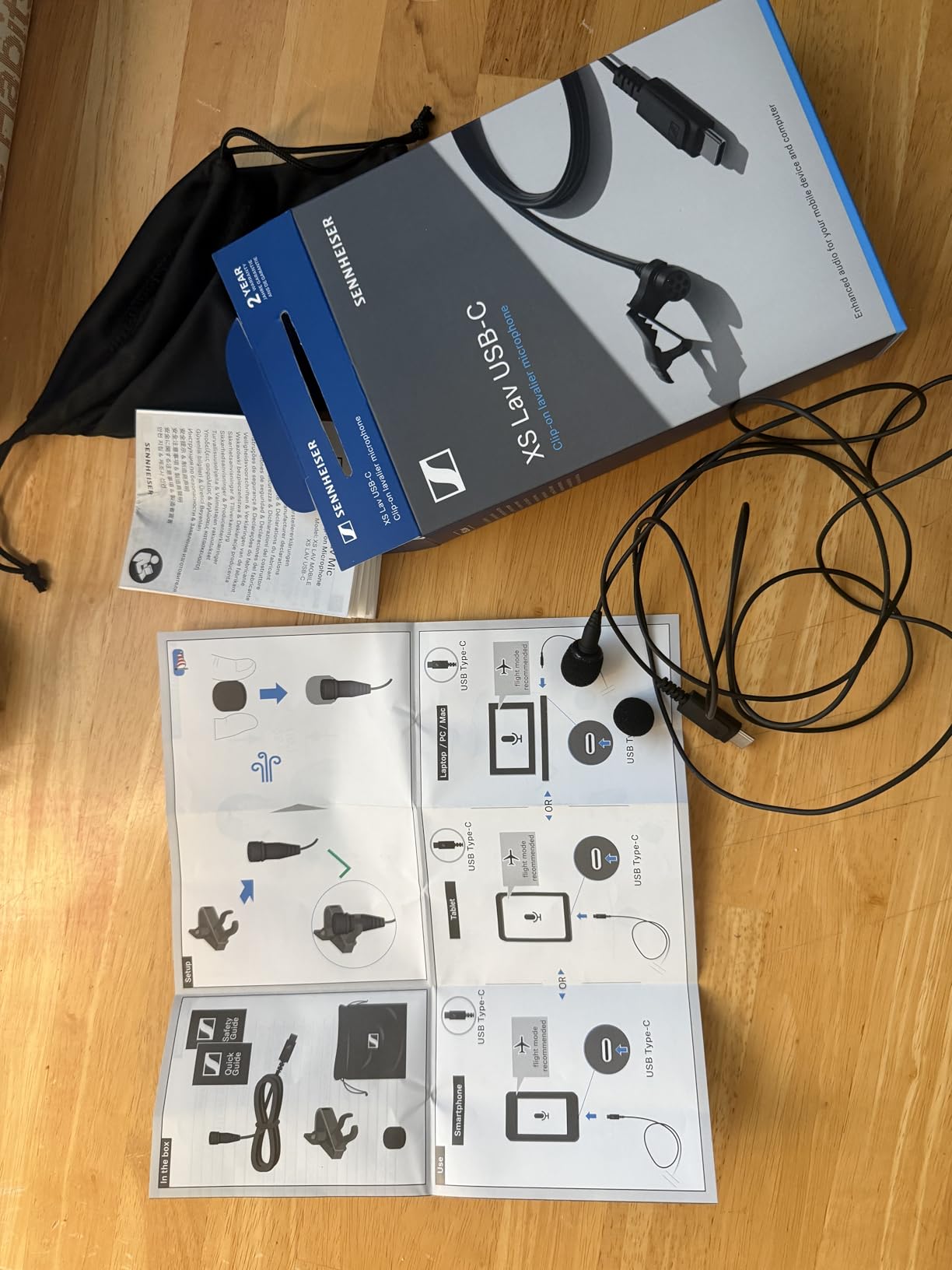
The clip has a tight grip that holds through movement, and the package includes the clip, a windscreen and a storage pouch. A two-year manufacturer warranty is standard.
The dominant complaint is gain. Output is low, so many users have to raise gain significantly in software or through a third-party app, and on a Windows PC the mic may not be recognised without a USB-C to USB-A adapter. The clip is also stiff to open, and on a phone the mic occupies the charging port, so a hub is needed for long sessions.
When the XS Lav USB-C is the right call
It is for remote interviews, video calls, webinar-style recordings and any workflow where the audio needs to end up in a computer or a tablet with no physical audio jack. The long cable makes it easier to keep the mic out of shot.
If you are already working with a webcam or a computer-based recorder, our USB microphone guide covers the desktop alternatives.
When it is the wrong call
The low gain is a real problem in a quiet room with a quiet subject, and a stiff clip is not what you want on a subject wearing delicate fabric. It is also the wrong tool for any two-person setup, since it records a single channel only.
How to Choose a Lavalier Mic for Interviews
Match the connector before anything else. A lav that does not fit the recorder is the single most common way an interview kit ends up unusable, and it is the mistake that turns up again and again in forum threads from people who assumed a TRRS plug would work on a USB-C phone.
TRRS 3.5mm fits phone and tablet headset inputs. A 3.5mm TRS jack fits cameras, recorders and audio interfaces. USB-C connects directly to modern phones, tablets and computers. A TA4F mini-XLR fits Shure bodypacks and nothing else. Check what your recorder actually accepts before you buy anything.
Choose cardioid or omnidirectional based on how the subject moves
Omnidirectional mics hear evenly from all directions, so a subject who turns their head or shifts in their seat keeps a consistent level. That is why most interview lavs are omni, and why the Rode Lavalier GO, the SmartLav+ and the Sony ECMLV1 all forgive imperfect placement.
Cardioid mics reject sound from behind and to the side, which helps in a room with a steady hum or a busy kitchen behind the subject. The Shure Centraverse CVL and the NEEWER CM28 are the cardioid options here, and the trade-off is a speaker who turns away drops off.
Decide between wired and wireless for the interview format
A wired lav cannot fail in the ways a wireless one can. There is no frequency coordination, no pairing step and no battery to die halfway through a long answer, and the signal is simply carried down a cable into whatever you are recording into.
Wireless buys you freedom of movement and a subject who can walk around, stand up, or hand you something. The cost is a battery, a chance of interference in dense urban environments, and one more thing to set up before the interview starts. If the interview is seated and the camera is close, wired is usually the more reliable choice.
Members of r/audio lean toward DJI and Rode wireless systems as the modern default, calling them reliable and well supported, while noting the extra cost buys stability and manufacturer support. For broader microphone decisions, our podcasting microphone guide covers the desk-mic alternatives.
Place the mic to control rustle and plosives
Placement causes more bad interview audio than the microphone itself. Clip high on the chest near the collar bone, not at stomach level, and angle the capsule slightly upward toward the mouth. Keep it clear of a jacket zipper, a pocket edge and any necklace that will move.
Add a dab of medical tape under the clip if the subject is wearing a smooth or synthetic fabric, because the movement of the clothing will otherwise print directly onto the capsule. The included foam windscreens reduce plosives, and a furry windshield is worth adding for any outdoor interview.
Record a backup track whenever the interview cannot be reshot
Forum consensus treats backup recording as the feature that actually prevents a lost interview, more than raw sound quality. Run a second recorder or a second transmitter alongside your main capture, and check the files exist before you pack up.
The NEEWER CM28 does this internally, since each transmitter stores its own copy at 48kHz uncompressed. If your interview is a paid commission or a subject you will never get back, that redundancy is worth more than a modest upgrade in sound quality.
For two-person interviews, use two microphones
Never share one mic between two people. Interviewers who split a single input between two lavs end up with both speakers fighting for the same level, and the quieter one becomes unusable in the edit.
The DJI Mic Mini and the NEEWER CM28 both ship with two transmitters and a receiver, so a full two-person interview needs no extra purchase. If you are mixing wired mics, record each to a separate input and set levels independently, then bring them together in post.
Frequently Asked Questions
What is the best lavalier mic for interviews?
The DJI Mic Mini is the best overall lavalier microphone for interviews because it ships with two transmitters, one receiver and a charging case, so a two-person interview needs no extra hardware. The 10 g capsules stay discreet on camera, capture at 48kHz with a 70 dB signal-to-noise ratio, and run up to 48 hours with the case. For a wired setup with an existing camera or recorder, the Rode Lavalier GO is the strongest single choice.
Do I need a wireless mic for an interview?
Only if the subject needs to move. A wired lavalier cannot drop out, has no battery to fail and needs no pairing, so it is the more reliable option for a seated interview with the camera close to the subject. Wireless is worth it when the subject stands, walks around, or needs to hand you something, and when a visible cable would be in shot.
How many lavalier mics do I need for an interview?
One per speaker, so two for a standard two-person interview. Kits such as the DJI Mic Mini and the NEEWER CM28 include two transmitters and a receiver. Sharing one microphone between two people forces both speakers to the same level and leaves the quieter one unusable, so record each person to a separate input and set the gain independently.
What mics do professional interviewers use?
Most professional interviewers use a wireless lavalier system with a bodypack transmitter, because it keeps the capsule out of frame and lets the subject move. Gearspace and dvxuser discussions consistently name the Sony ECM77B and the DPA 4060 as professional interview standards, with the Sennheiser ME66 as an inexpensive step up. In the roundup, the Shure Centraverse CVL is the bodypack-compatible option here.
Where should I place a lavalier mic?
Clip it high on the chest near the collar bone, angled slightly upward toward the mouth, rather than at stomach level. Keep it clear of jacket zippers, pocket edges and moving jewellery, and secure the clip with medical tape on smooth or synthetic fabric so clothing movement is not printed onto the capsule. Add the supplied foam windscreen to control plosives.
Our Verdict on the Best Lavalier Mics for Interviews in 2026
The DJI Mic Mini takes the overall spot for one reason: two transmitters, a receiver and a case in a single kit, with capsules small enough that the subject forgets they are wearing one. If you already have a camera with a working audio input and the interview is seated, the Rode Lavalier GO gives you the most dependable audio per pound spent.
Pick the NEEWER CM28 when the interview cannot be reshot, because it records a copy on each transmitter. Our other choices depend on the connector you already own, and the full breakdown of each one is above.