
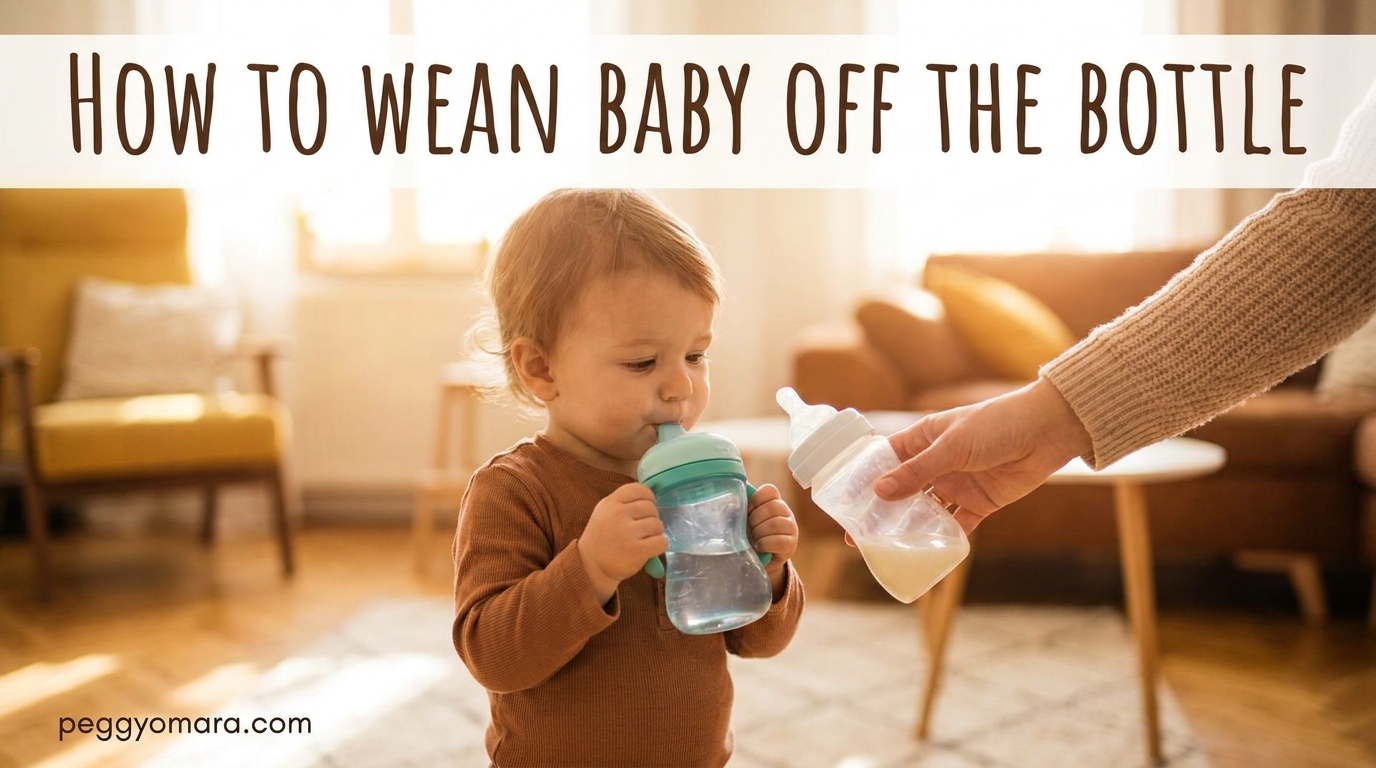
If you are staring at that beloved bedtime bottle wondering how on earth you will ever take it away, you are not alone. Learning how to wean baby off the bottle ranks high on the list of parenting transitions that feel overwhelming before you begin. I have talked to dozens of parents who put off weaning for months, worried about tears, sleep disruption, or that they were somehow doing something wrong by still using a bottle past the first birthday.
Here is the truth: bottle weaning is a normal milestone, not a test of your parenting skills. The American Academy of Pediatrics recommends starting the transition between 12 and 18 months, but the exact timing depends on your childs readiness and your familys situation. Some babies practically hand back their bottles with a grin. Others cling to that comfort source like a life raft. Both responses are completely normal.
In this guide, you will learn exactly when and why to wean, which methods work best for different personalities, and a week-by-week plan you can adapt to your familys needs. We will cover the health reasons behind the recommendations, tackle the dreaded bedtime bottle, troubleshoot resistance from strong-willed toddlers, and answer the most common questions parents ask about this transition.
Table of Contents
When to Wean Baby Off the Bottle?
The American Academy of Pediatrics recommends beginning the transition from bottle to cup between 12 and 18 months of age. Most babies develop the hand skills and coordination needed to hold a cup around their first birthday, making this the ideal window to start introducing cup drinking alongside bottles.
By 15 months, many children can handle a sippy cup or straw cup independently. The goal is to complete the weaning process by 18 months to avoid the health risks associated with prolonged bottle use. However, these are guidelines, not hard deadlines. Your childs individual development matters more than hitting a specific age marker.
Signs Your Baby Is Ready to Wean
Watch for these readiness indicators before starting the weaning process:
- Your child can sit up steadily and hold their head upright
- They show interest in your cup or try to grab drinks from the table
- Fine motor skills are developing: they can pick up small objects with thumb and forefinger
- They are eating solid foods regularly and getting nutrition from sources beyond milk
- They can hold a sippy cup or open cup with both hands
If your baby is showing these signs around 12 months, you have a green light to begin. If they are not quite there yet, wait a few weeks and try again. Pushing a child who is not developmentally ready creates unnecessary stress for everyone.
Age-Specific Weaning Considerations
12 to 15 months: This is the sweet spot for beginning weaning. At this age, babies are usually flexible and adapt quickly to new routines. They are also less likely to have formed deep emotional attachments to the bottle as a primary comfort source.
15 to 18 months: Still very doable, but you may encounter more resistance. Toddlers at this age are developing strong preferences and opinions. The key is consistency and patience.
18 to 24 months: Weaning becomes more challenging as toddlers enter the “terrible twos” phase. Bottles may be deeply embedded in comfort routines. The gradual approach typically works better than cold turkey at this age.
Over 24 months: While not ideal, it is never too late to wean. Expect more resistance and a longer transition period. Consider involving your pediatrician for additional strategies and reassurance.
Why Weaning Matters: Health Risks of Prolonged Bottle Use
Understanding the health reasons behind weaning recommendations can help you stay motivated when the process gets tough. The AAP and pediatric dentists emphasize weaning by 18 months because prolonged bottle use carries real health risks.
Baby Bottle Tooth Decay
When a child drinks from a bottle, milk or juice pools around their teeth, especially during long feedings or when they fall asleep with a bottle. The sugars in these liquids feed bacteria that produce acid, which erodes tooth enamel. This condition, called early childhood caries or baby bottle tooth decay, can lead to cavities, pain, and even premature tooth loss.
Front teeth are most commonly affected, and damage can occur even before teeth are fully visible. Once established, tooth decay requires dental treatment that most parents would prefer to avoid for their toddlers.
Obesity Risk
Bottle-fed children tend to consume more milk and calories than they need, especially if bottles are used for comfort rather than hunger. A bottle can deliver a large volume of liquid quickly, and children may drink beyond their natural satiety signals. Research links prolonged bottle use beyond 18 months to higher rates of childhood obesity.
Cup drinking naturally slows consumption and helps children recognize when they are full. The transition supports healthy eating habits that last well beyond the toddler years.
Speech Development Concerns
Constant sucking on a bottle can interfere with normal oral muscle development needed for clear speech. Prolonged bottle use may contribute to speech delays or articulation issues in some children, particularly when bottles are used extensively throughout the day.
Sleep Disruption
Children who fall asleep with bottles in their mouths become dependent on that specific comfort mechanism to drift off. This creates sleep associations that are hard to break and can lead to frequent night wakings when the bottle is no longer available. Teaching a child to self-soothe without a bottle leads to better, more independent sleep.
Benefits of Cup Drinking
Transitioning to a cup supports healthy development in multiple ways:
- Promotes better hand-eye coordination and fine motor skills
- Encourages proper jaw and facial muscle development
- Teaches children to recognize hunger and fullness cues
- Builds independence and “big kid” confidence
- Reduces risk of ear infections compared to bottle feeding while lying down
- Prepares children for preschool and social eating situations
Weaning Methods: Gradual vs. Cold Turkey (2026)
There are two primary approaches to weaning: gradual reduction and cold turkey elimination. Most pediatricians recommend the gradual approach, but each family must choose the method that fits their childs temperament and their own parenting style.
The Gradual Approach
Gradual weaning involves slowly reducing bottle feedings over several weeks. This method gives your child time to adjust emotionally and physically, and it tends to create less drama overall. Most parents find this approach less stressful for everyone involved.
Two ways to do gradual weaning:
Dropping Bottles Approach: Eliminate one bottle at a time, starting with the least important feeding of the day. Typically, you would drop midday bottles first, then afternoon, then morning, saving bedtime for last. Space the eliminations 2-4 days apart depending on how your child responds.
Decreasing Volume Approach: Reduce the amount of milk in each bottle gradually. Cut each bottle by 1-2 ounces every few days until the bottles contain minimal liquid, then eliminate them completely. Some parents reduce down to 1/2 ounce before stopping entirely.
The Cold Turkey Approach
Cold turkey means stopping all bottles at once and switching entirely to cups. This method works best for older toddlers who can understand explanations and for parents who prefer a clean break over a drawn-out process.
The advantage is that the transition period is short, usually just a few difficult days. The disadvantage is an initial increase in crying, protest, and sleep disruption. Some children refuse milk entirely for a period when bottles disappear suddenly.
Which Method Is Right for You?
Consider these factors when choosing your approach:
Choose gradual weaning if: Your child is under 18 months, highly attached to bottles, sensitive to routine changes, or you want to minimize crying and sleep disruption. Also choose gradual if you are weaning the bedtime bottle, which is typically the hardest to eliminate.
Choose cold turkey if: Your child is over 18 months and can understand simple explanations, you have a few days where disrupted sleep will not be a major problem, or previous gradual attempts have failed. Some strong-willed toddlers actually do better with clear, definitive boundaries.
How to Wean Baby Off the Bottle: Step-by-Step Guide
Here is a practical week-by-week plan for gradual weaning. Adapt the timeline based on your childs response. Some children move faster; others need more time at each stage.
Week 1: Preparation and First Elimination
Start by introducing cups during mealtimes. Let your child practice with water in a sippy cup or straw cup while they are still getting bottles for milk. Talk about being a “big kid” who drinks from cups. Choose which midday bottle you will eliminate first, typically the late morning or early afternoon feeding.
On day 3 or 4, drop the first bottle. Replace it with milk in a cup offered at the table. Expect some protest. Stay calm, offer the cup again after a few minutes, and do not give in and return to the bottle. Most children accept the change within a day or two when parents remain consistent.
Week 2: Eliminating the Second Daytime Bottle
Drop another daytime bottle, leaving just the morning wake-up bottle and the bedtime bottle. Continue offering milk in a cup at the eliminated feeding times. Your child may drink less milk overall during this period, which is normal. They will make up for it at other meals or with solid foods.
Week 3: Morning Bottle Transition
Now only the bedtime bottle remains. The morning bottle is usually easier to eliminate than bedtime because it is less tied to sleep associations. Offer milk in a cup with breakfast instead of a bottle upon waking. Some parents find it helps to change the morning routine slightly, such as going straight to the high chair instead of the usual bottle spot.
Week 4: The Bedtime Bottle
The bedtime bottle is the hardest for most families because it is deeply connected to the sleep routine. You have several options:
Option 1: Move the bottle earlier in the routine. Offer milk in a cup before bath time, then brush teeth, then continue with stories and bed. This breaks the bottle-to-sleep association while still allowing the comfort of milk.
Option 2: Reduce the bedtime bottle gradually over 1-2 weeks using the decreasing volume method. Then replace with a cup of water at bedtime if your child still wants something to drink before sleep.
Option 3: Replace the bottle with a new comfort item or extended cuddling. Some families introduce a special stuffed animal or blanket during this transition to provide the comfort previously associated with the bottle.
Sample Daily Schedules by Age
12-month-old transitioning:
- 7:00 AM: Wake, milk in cup with breakfast
- 10:00 AM: Snack with water in sippy cup
- 12:00 PM: Lunch with milk in cup
- 3:00 PM: Snack with water
- 5:30 PM: Dinner with milk in cup
- 7:00 PM: Milk in cup before bath, stories, bed
18-month-old who was taking bottles at naps and bedtime:
- 7:00 AM: Wake, breakfast with milk in straw cup
- 12:00 PM: Lunch with milk, sippy cup
- 1:00 PM: Nap (no bottle, use comfort routine with stories)
- 3:00 PM: Snack with water
- 5:30 PM: Dinner with milk in open cup
- 7:30 PM: Bath, stories, bed (water in cup if thirsty)
Dealing with Resistance and Night Weaning
Resistance is normal. Even the most easygoing babies may protest when their beloved bottle disappears. Here is how to handle common challenges.
When Your Child Refuses the Cup Entirely
Some babies reject every cup type initially. Try these strategies:
- Let your child pick their own cup at the store. Ownership increases acceptance.
- Try different cup types: straw cups often work better than sippy cups for resistant toddlers
- Demonstrate by drinking from the cup yourself with enthusiasm
- Offer water in the new cup first, before expecting acceptance of milk
- Make cup drinking a social activity at the table during family meals
If your child continues refusing all liquids when bottles disappear, consult your pediatrician. Dehydration is rare but worth monitoring during the transition.
The Dilution Method for Stubborn Cases
For toddlers who absolutely will not give up the bottle, try the dilution method. Gradually add more water and less milk to the bottle over 1-2 weeks until the bottle contains only water. Many children lose interest once the bottle no longer delivers the expected taste.
Night Weaning Strategies
Night bottles are often the last to go because parents fear sleep disruption more than daytime battles. Here is how to approach night weaning:
If your child still wakes for night feeds: First determine if the waking is truly hunger or habit. Toddlers over 12 months rarely need night feedings for nutrition. Try offering water instead of milk at night wakings. If your child accepts water and goes back to sleep, the waking was likely habit rather than hunger.
If your child takes a bottle at bedtime but sleeps through: Follow the week 4 strategies above. Moving the bottle earlier in the routine or gradually reducing the volume typically works without creating night wakings.
For children who use the bottle to fall asleep: You will need to teach new sleep associations. This might involve a longer bedtime routine with extra books, songs, or back patting. Expect 3-5 nights of protest while your child learns the new pattern.
Coordinating with Daycare
Daycare can complicate weaning if their schedule differs from yours. Have a direct conversation with your childs caregivers about your weaning plan. Ask them to:
- Use cups for milk at the same times you are eliminating bottles at home
- Avoid offering bottles as comfort for crying or stress
- Use consistent language about being a “big kid” who drinks from cups
- Communicate daily about how much your child drank from cups
If your daycare insists on bottles for certain age groups, consider whether their policy aligns with your parenting goals. Many modern daycares support early cup drinking.
Choosing the Right Cup for Your Toddler in 2026
The type of cup you choose can make or break your weaning success. Understanding the options helps you select what works best for your childs developmental stage and personality.
Sippy Cups
Traditional sippy cups have a spout and often a valve to prevent spills. They are easy for beginners because the sucking motion is similar to a bottle. Look for valve-free sippy cups when possible, as the valve requires similar sucking to a bottle and does not teach true cup drinking skills.
Best for: Babies just starting the transition around 12 months, or children who struggle with straw cups.
Straw Cups
Straw cups require a different sucking pattern than bottles, which can help break the bottle habit faster. Many speech therapists prefer straw cups because they promote better oral muscle development. Teaching a child to use a straw may take a few days of demonstration.
Best for: Toddlers over 12 months, children who need to break strong bottle sucking patterns.
Open Cups
The ultimate goal is drinking from an open cup like an adult. Many children can start practicing with small amounts of water in an open cup by 15-18 months. Expect spills. Use small cups designed for toddlers, or try shot glasses which are the perfect size for little hands.
Best for: Older toddlers ready for advanced skills, or as a second cup type during meals while still using sippy or straw cups for on-the-go drinking.
Features to Look For
- Weighted base that rights itself when tipped
- Two handles for easy gripping
- Clear or semi-clear material so you can see liquid levels
- Spill-proof but not requiring excessive sucking effort
- BPA-free and dishwasher safe
- Replaceable parts for straws and valves
The AAP recommends transitioning to open cups by age 2. You can make your own baby food and use open cups during mealtimes to encourage independence and healthy eating habits together.
When to Call Your Pediatrician
Most bottle weaning challenges resolve with time and consistency, but some situations warrant professional guidance. Contact your pediatrician if you notice any of the following:
- Your child refuses all liquids for more than 24 hours
- Signs of dehydration: fewer wet diapers, dark urine, lethargy, dry mouth
- Significant weight loss or failure to gain weight during weaning
- Your child is over 2 years old and shows extreme distress at bottle removal
- Bottles are tied to significant sleep disorders or night terrors
- You suspect your child uses bottles to manage pain or discomfort
Your pediatrician can rule out underlying issues, provide personalized strategies, and reassure you that your approach is appropriate for your childs specific needs. Remember that every child develops on their own timeline, and professional guidance is there to support you, not judge you.
Frequently Asked Questions
At what age should you wean a baby off of a bottle?
The American Academy of Pediatrics recommends starting to wean your baby off the bottle between 12 and 18 months. Most babies are ready to begin the transition around 12 months when they develop the hand skills needed to hold a cup. Aim to complete the weaning process by 15-18 months to avoid health risks like tooth decay and obesity.
When should a baby transition out of a bottle?
Begin transitioning from bottle to cup around 12 months of age. Most children have the coordination and hand skills to hold a cup by this age. The transition should be complete by 18 months to minimize health risks and establish healthy drinking habits.
Is it okay for a 2 year old to still drink from a bottle?
While not uncommon, prolonged bottle use after age 2 is not recommended. It increases risks of tooth decay, obesity, and can delay speech development. The AAP advises complete weaning by 18 months. If your 2-year-old still uses a bottle, consult your pediatrician for a weaning plan. It is never too late to make the transition.
What is the best way to wean a baby off a bottle?
The best approach is gradual weaning using these steps: (1) Start by replacing one daytime bottle with a cup, typically the midday feeding first. (2) Eliminate midday bottles, then late afternoon, then morning. (3) Reduce ounces in remaining bottles gradually if needed. (4) Save the bedtime bottle for last as it is most emotionally significant. (5) Offer extra comfort through holding and extended routines during the transition.
What is the best age to wean from a bottle?
The best age to wean from a bottle is between 12 and 15 months. At this age, babies have developed the motor skills needed for cup drinking but have not yet formed deep emotional attachments to bottles. Weaning during this window typically encounters less resistance than waiting until 18 months or later.
What are signs my baby is ready to wean?
Signs your baby is ready to wean from the bottle include: sitting up steadily and holding their head upright, showing interest in your cup or trying to grab drinks, developing fine motor skills like picking up small objects with thumb and forefinger, eating solid foods regularly, and being able to hold a sippy or open cup with both hands. Most babies show these signs around 12 months.
Why no bottles after 15 months?
The AAP recommends weaning by 15 months because prolonged bottle use can lead to significant health issues: baby bottle tooth decay from milk coating teeth during long feedings, unhealthy weight gain from excessive calorie consumption, potential speech delays from constant sucking patterns, and sleep problems from bottle-dependent bedtime routines. Weaning by 15-18 months prevents these problems while supporting healthy development.
How do I reduce bottle feedings gradually?
Reduce bottle feedings by eliminating one bottle every 3-4 days in this order: midday bottles first, then late afternoon, then morning, and finally bedtime. Alternatively, use the decreasing volume approach: reduce the amount in each bottle by 1-2 ounces every few days until bottles contain minimal liquid, then eliminate them completely. Many parents find success reducing down to 1/2 ounce before stopping entirely.
Conclusion
Learning how to wean baby off the bottle is a milestone that marks your childs growth from baby to toddler. The transition brings challenges, but it also brings independence, healthier habits, and new opportunities for connection through shared meals and different comfort routines.
Remember that every child is different. Some wean in a week. Others need a month or more. Your friends child may have handed back their bottle with a smile while yours clings to it like a lifeline. Both scenarios are normal, and neither reflects on your parenting.
Trust your instincts, stay consistent once you begin, and give yourself grace on hard days. If you hit roadblocks, revisit the strategies here, talk to other parents who have been through it, or reach out to your pediatrician for personalized guidance. You will get there. Your child will drink from a cup, sleep through the night without a bottle, and grow up healthy and strong.
The bottle was a tool that served you both well. Now it is time for new tools, new routines, and the next exciting phase of your childs development. You have got this.