
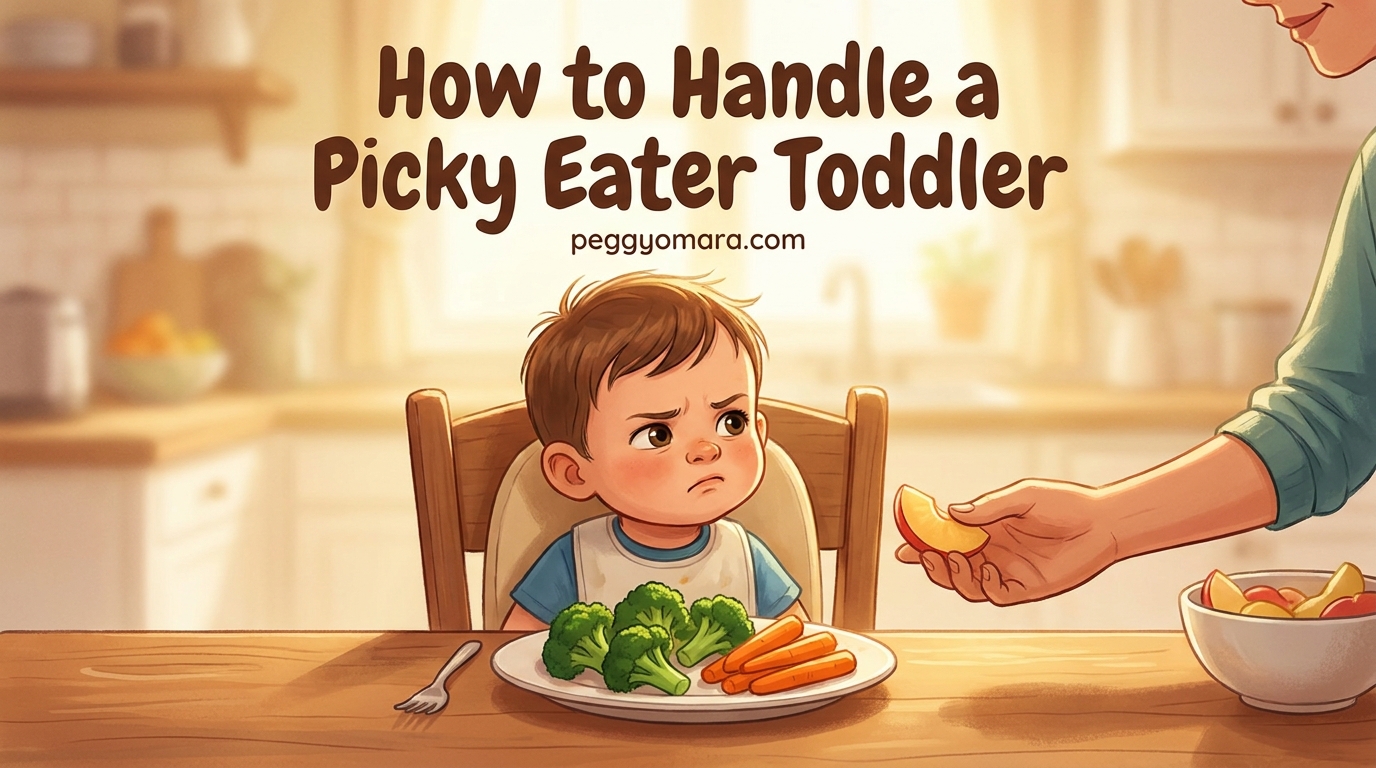
Learning how to handle a picky eater toddler is one of the most common challenges parents face. If your two-year-old suddenly refuses foods they loved last week or pushes away anything green, you are not alone. Picky eating affects nearly 50% of toddlers and is a completely normal developmental phase.
In this guide, I will share what I have learned from researching evidence-based approaches and speaking with pediatric nutrition experts. You will discover practical strategies that actually work, when to worry, and how to keep mealtimes peaceful.
Table of Contents
Why Do Toddlers Become Picky Eaters?
Picky eating typically emerges between ages 2 and 4 when children develop what researchers call food neophobia. This is a natural protective impulse that kept our ancestors from eating poisonous plants. Your toddler is not being difficult; they are being human.
Growth rates also slow dramatically after the first year. While babies gain weight rapidly, toddlers only grow about 5 pounds per year. Their appetites shrink accordingly, which can alarm parents who expect them to eat the same amounts as before.
Research from the American Academy of Pediatrics shows that it takes 8 to 15 exposures to a new food before a child accepts it. This means offering broccoli ten times before your toddler might try it is completely normal. Many parents give up after 3 or 4 attempts, thinking their child hates the food, when they simply need more time.
Taste buds are also more sensitive in young children. Foods with bitter notes, like many vegetables, taste stronger to them than they do to adults. This biological reality explains why toddlers naturally prefer sweeter, blander foods.
How to Handle a Picky Eater Toddler: 10 Evidence-Based Strategies
These strategies come from pediatric feeding specialists, child psychologists, and decades of research. They work best when used consistently over time.
1. Offer New Foods Without Pressure
Pressure backfires. When you force, bribe, or beg your toddler to eat, you create anxiety around food. This anxiety makes them less likely to try new things, not more.
Instead, place the food on their plate without comment. Let them see you eating it. Make it available, then let it go. The goal is exposure, not immediate consumption.
2. Follow the Division of Responsibility
Ellyn Satter, a registered dietitian and family therapist, developed this trusted framework. Parents decide what food is served, when meals happen, and where eating takes place. Children decide whether to eat and how much.
This means you choose balanced meals and snacks. Your toddler chooses which items to eat from what you have provided. Trust their hunger cues. They will not starve themselves.
3. Make Mealtimes Pleasant and Routine
Consistent routines reduce anxiety for everyone. Serve meals and snacks at roughly the same times each day. Turn off screens. Sit together when possible.
Create a calm environment. Avoid power struggles, lectures, or negotiations about food. When mealtimes feel safe and relaxed, children are more open to trying new things.
4. Model Healthy Eating Yourself
Toddlers watch everything you do. When they see you enjoying a variety of foods, they become curious. Narrate your enjoyment. Say things like, “This roasted carrot is so sweet and delicious.”
Research shows that children are more likely to accept foods they see their parents eating regularly. Your plate is your most powerful teaching tool.
5. Serve Family-Style Meals
Put food in bowls on the table and let everyone serve themselves. This gives your toddler control over their portions. They feel empowered rather than controlled.
Family-style serving also lets them see foods up close without pressure. They might surprise you by requesting a food you never expected them to try.
6. Use the 80/20 Rule for Balance
Perfection is not the goal. Aim for 80% nutrient-dense foods and 20% flexibility. If your toddler eats well most of the time, occasional days of limited eating will not harm them.
This rule also applies to individual meals. If they only eat the bread at dinner, that is okay. Look at their intake across a full week rather than obsessing over single meals.
7. Involve Your Toddler in Food Preparation
Children who help prepare food are more likely to eat it. Let them wash vegetables, stir ingredients, or tear lettuce. Even young toddlers can participate in making your own baby food or simple family meals.
Taking them grocery shopping and letting them choose a new fruit or vegetable to try can also spark interest. Ownership creates curiosity.
8. Respect Tiny Appetites
A toddler serving size is about one tablespoon per year of age. A two-year-old might only eat two tablespoons of each food at a meal. This looks like almost nothing to adult eyes.
Trust that small amounts can meet their nutritional needs. Offer a variety across the day and week. Their bodies know what they need better than we think.
9. Avoid Food Battles and Bribes
Saying “eat three more bites and you can have dessert” teaches your child that healthy food is punishment and treats are the real reward. It also encourages overeating when full.
If they refuse dinner, stay calm. The kitchen closes after meals. Offer the next scheduled snack at the usual time. They will learn to eat when food is available.
10. Try Food Bridges to Expand Palates
Food bridges connect foods your child already likes to similar new options. If they love french fries, try roasted potato wedges. If they eat applesauce, offer soft-cooked apple slices.
Gradually introduce variations in texture, temperature, and preparation. Small steps build confidence and acceptance over time.
Fun Ways to Encourage Food Exploration (2026)
Making food fun reduces resistance and creates positive associations. These activities work especially well for sensory-sensitive toddlers.
Play With Food (Yes, Really)
Let your toddler touch, squish, and explore food before tasting it. Build towers with cucumber slices. Make faces on plates with different colored vegetables. Paint with yogurt on a plate.
Sensory play reduces fear. When a child handles a food repeatedly without pressure to eat it, they become comfortable enough to eventually taste it.
Create Rainbow Plates
Challenge your toddler to eat something from every color of the rainbow. Red strawberries, orange carrots, yellow peppers, green broccoli, blueberries, purple grapes. Make it a game.
Visual variety appeals to young children. Bright colors signal nutrition and make meals more interesting.
Use Dips and Dippers
Many toddlers who refuse plain vegetables will happily eat them with hummus, ranch dressing, or yogurt dip. Offer finger foods they can dunk and control themselves.
Dips add flavor and moisture while giving toddlers agency over their eating experience.
Read Books About Food
Picture books featuring characters trying new foods can spark interest. When a beloved storybook character eats peas, suddenly peas seem less scary.
Stories normalize new experiences and give you language to use at the table. “Remember when the hungry caterpillar ate through all those foods?”
Age-Specific Tips for Picky Eaters
Strategies shift as your child develops. What works for a two-year-old differs from what helps a four-year-old.
12 to 24 Months
At this age, food exploration is about exposure. Offer a wide variety before preferences solidify. This is when children are most open to new flavors and textures.
Expect mess. Let them self-feed with fingers or utensils. Avoid distractions during meals so they can focus on the sensory experience of eating.
2 to 3 Years
This is peak picky eating time. Independence emerges alongside food neophobia. Power struggles are common. Stick to the division of responsibility and avoid negotiating.
Keep portions tiny. One piece of chicken, one broccoli tree, one spoonful of rice. Large portions overwhelm and discourage.
3 to 5 Years
By three, many children begin accepting previously rejected foods. Language skills improve, so you can explain nutrition in simple terms. “Carrots help you see better” or “Chicken makes your muscles strong.”
Continue involving them in cooking. Their fine motor skills have improved enough for more complex kitchen tasks.
When to Worry and Seek Professional Help
Most picky eating is normal and temporary. However, some signs indicate a deeper issue requiring professional support.
Consult your pediatrician or a feeding therapist if you notice:
- Your child eats fewer than 20 different foods consistently
- They refuse entire food groups (all proteins, all vegetables, all fruits)
- They gag, vomit, or show extreme distress when new foods are presented
- Your child is not gaining weight or is losing weight
- They have difficulty chewing or swallowing
- Mealtimes are consistently stressful battles lasting over 45 minutes
- Your child shows signs of nutritional deficiency (fatigue, hair loss, brittle nails)
Pediatric feeding therapy can help children with sensory processing issues, oral motor delays, or extreme food selectivity. Early intervention prevents long-term problems.
Trust your instincts. You know your child better than anyone. If something feels wrong, seek guidance.
Frequently Asked Questions
What are the 5 P’s of picky eating?
The 5 P’s of picky eating are: Palate (developing taste preferences), Pain (physical discomfort from certain textures or smells), Processing (how the brain interprets sensory input from food), Pressure (external stress that creates resistance), and Power (the child’s need for autonomy and control). Understanding these factors helps parents address picky eating with empathy rather than frustration.
What is the 80 20 rule for toddlers?
The 80/20 rule for toddlers means aiming for 80% nutrient-dense foods like fruits, vegetables, proteins, and whole grains, while allowing 20% flexibility for treats and preferences. This approach reduces parental stress while ensuring children receive adequate nutrition. It also applies to individual meals—if a toddler only eats part of what’s offered, focus on their intake across the whole week rather than single meals.
What is the 3 bite rule for kids?
The 3 bite rule encourages children to try three small bites of a new food before deciding if they like it. However, this should never be enforced with pressure or rewards. The rule works best when presented as a gentle exploration: one bite to smell, one to touch, one to taste. Many parents find that removing the pressure to finish all three bites and simply offering the opportunity creates better long-term acceptance.
How many times should I offer a new food before giving up?
Research shows children need 8 to 15 exposures to a new food before accepting it. An exposure means the food appears on their plate, not that they eat it. Continue offering rejected foods without pressure every few days. Many parents give up after 3 or 4 attempts, but consistency over weeks and months leads to success. Some children may need 20 or more exposures for particularly challenging textures or flavors.
Conclusion
Learning how to handle a picky eater toddler requires patience, consistency, and a healthy dose of perspective. Remember that this phase is developmentally normal and typically resolves by age 5. Your job is not to force bites but to create a positive food environment and trust your child’s hunger signals.
Focus on the long game. Each calm mealtime, each exposure to a new food, each time you model healthy eating builds the foundation for lifelong healthy habits. You have got this.