
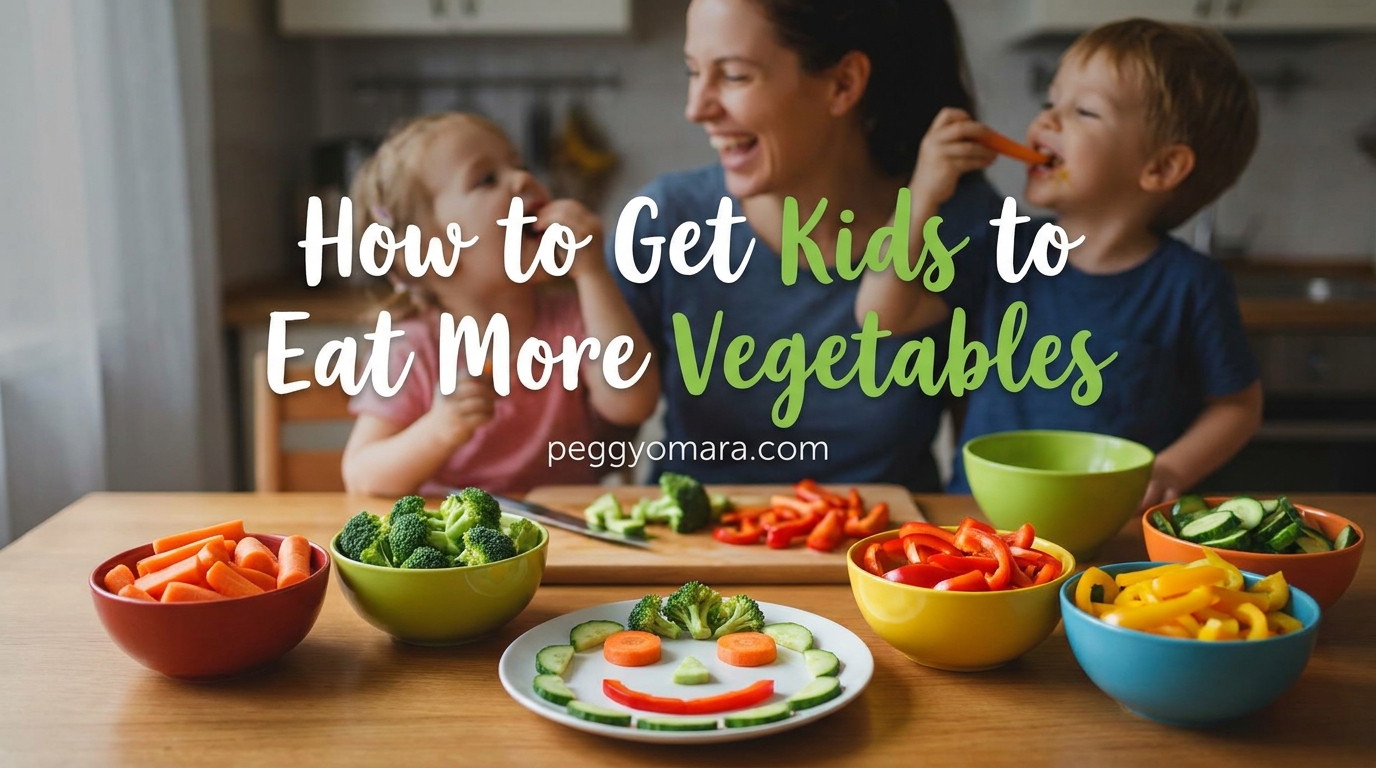
You’ve tried everything. You’ve begged, bargained, and maybe even hidden zucchini in brownies. Yet your child still pushes away anything green. If this sounds familiar, you’re not alone. Learning how to get kids to eat more vegetables is one of the most common challenges parents face.
The good news? Science has answers. Research shows that children can learn to accept vegetables with the right approach. According to the USDA, children ages 2-3 need about 1 cup of vegetables daily, while 4-8 year olds need 1.5 cups. School-age children need even more. Yet studies show most kids fall short of these recommendations.
Building healthy eating habits for your family starts early and continues through childhood. The strategies in this guide are backed by research from Harvard, Penn State, and the USDA. They’re practical, realistic, and designed for busy parents who want results without mealtime battles.
Table of Contents
The Science Behind Vegetable Acceptance (2026)
Before diving into strategies, it helps to understand why kids resist vegetables in the first place. Children are born with a preference for sweet flavors and an aversion to bitter tastes. This is biological. Bitter compounds in some vegetables signaled potential toxins to our ancestors. Your child isn’t being difficult – they’re following instinct.
However, taste preferences are learned. This is where repeated exposure comes in. Research shows it takes 10 to 17 exposures to a new food before a child accepts it. This means offering the same vegetable multiple times without pressure. A study in the Journal of Nutrition Education and Behavior found that children who were exposed to vegetables 8-10 times increased their acceptance from 20% to 60%.
Another key concept is flavor-flavor conditioning. When you pair a neutral or disliked food with a liked flavor, children begin to associate the two positively. This is why dips work so well. A vegetable with hummus becomes more appealing than the vegetable alone.
Food neophobia – fear of new foods – peaks between ages 2 and 6. This is developmentally normal. Your child’s brain is protecting them from potential harm. Understanding this helps parents respond with patience rather than frustration.
How to Get Kids to Eat More Vegetables: 12 Proven Strategies
These strategies work best when combined. Pick the ones that fit your family and your child’s personality. Remember, every child is different.
1. Serve Vegetables First When Kids Are Hungry
Research from Penn State University shows that serving vegetables as an appetizer significantly increases consumption. When children are hungry, they’re more likely to eat what’s available. Place cut veggies on the table while you’re finishing dinner preparation.
Keep the portion small. A few carrot sticks or cucumber slices won’t overwhelm a hungry child. Once they’ve eaten some vegetables, serve the rest of the meal. Many parents report this simple timing shift makes a dramatic difference.
2. Involve Kids in Food Preparation
Children who help prepare food are more likely to eat it. This isn’t just anecdotal – research backs it up. Let your child wash vegetables, tear lettuce, or snap green beans. Older children can help chop soft vegetables with a kid-safe knife.
Taking children grocery shopping and letting them pick vegetables builds investment. When a child chooses the purple cauliflower or the funny-shaped carrot, they’re more curious to taste it. The process of ownership matters.
3. Make Vegetables Fun and Playful
Presentation changes everything. Research shows that fun names increase vegetable consumption. “X-ray vision carrots” helped kids eat more carrots in one study. “Dinosaur trees” for broccoli works for many families.
Use cookie cutters to make vegetable shapes. Create faces on plates with sliced vegetables. Build towers with cucumber rounds. When vegetables become part of play, resistance drops. This works especially well for preschoolers who respond to imagination and storytelling.
4. Offer a Variety of Dips
Dips transform vegetables from boring to interesting. But think beyond ranch dressing. Hummus, guacamole, yogurt-based dips, and even ketchup work well. Some kids prefer warm cheese sauce with broccoli or cauliflower.
Let your child choose their dip. When they control the dipping, they feel empowered. Research shows that children eat more vegetables when they can dip them. The combination of flavors through flavor-flavor conditioning builds positive associations over time.
5. Model Healthy Eating Yourself
Children watch everything you do. When they see you enjoying vegetables, they become curious. This is called parental modeling, and it’s one of the strongest predictors of a child’s eating habits.
Make comments about how much you enjoy your food. “These roasted carrots are so sweet and delicious.” Your enthusiasm is contagious. Eat together as a family whenever possible. Mediterranean-style eating patterns for the whole family emphasize vegetables as a central part of meals.
6. Start a Small Garden Together
You don’t need acres of land. A few pots on a balcony or a small raised bed can grow cherry tomatoes, herbs, or lettuce. Children who grow food are more interested in eating it.
The process of planting, watering, and harvesting builds anticipation. When your child pulls a carrot from the ground or picks a ripe tomato, the pride of accomplishment makes that vegetable special. Gardening also teaches patience – vegetables don’t grow overnight.
7. Give Kids Control and Choice
Power struggles over food usually backfire. Instead of demanding “eat your broccoli,” offer choices. “Would you like broccoli or green beans tonight?” This gives children autonomy while maintaining your boundaries.
Another effective technique is the “one bite” rule without pressure. Ask your child to try one small bite. If they don’t like it, they don’t have to eat more. But they have to try it again another day. Remember, it takes multiple exposures before acceptance.
8. Practice Repeated Exposure Without Pressure
This is the most important strategy backed by research. Keep offering vegetables even after rejection. Don’t comment on whether they eat it. Simply include the vegetable on their plate alongside foods they already like.
The key is zero pressure. When parents push, children resist. When vegetables become a normal part of meals without drama, curiosity eventually wins. One mother reported her son rejected bell peppers for six months, then suddenly declared them his favorite food.
9. Try Food Chaining for Extreme Picky Eaters
Food chaining is an emerging technique for children with severe food aversion. You start with a food your child accepts, then gradually introduce similar foods. If your child likes french fries, try sweet potato fries. From there, move to roasted sweet potato wedges.
Each new food should share at least one characteristic with the accepted food – color, texture, or flavor. This incremental approach works when other methods fail. Food chaining is especially helpful for children with sensory processing issues or autism spectrum disorders.
10. Blend Vegetables Into Favorite Foods
While hiding vegetables shouldn’t be your only strategy, it has a place. Blend spinach into smoothies with fruit. Add pureed carrots to pasta sauce. Mix zucchini into muffins or pancakes. Making your own vegetable purees at home makes this easy.
The key is transparency as children get older. Toddlers don’t need to know, but school-age children should understand they’re eating vegetables in different forms. This prevents distrust and teaches that vegetables can taste good.
11. Roast Vegetables to Bring Out Natural Sweetness
Roasting transforms vegetables. The high heat caramelizes natural sugars, making broccoli, Brussels sprouts, and cauliflower taste sweeter and more appealing. Many children who reject steamed vegetables will eat roasted versions.
Toss vegetables with olive oil and roast at 400 degrees Fahrenheit until edges brown. Start with naturally sweet options like carrots and sweet potatoes. Once your child accepts roasted vegetables, gradually introduce less sweet options.
12. Create a Positive Mealtime Environment
The atmosphere at meals matters as much as the food. Keep conversations pleasant. Avoid battles over eating. When mealtimes become stressful, children develop negative associations with food.
Establish routines. Regular meal and snack times help children arrive hungry and ready to eat. Turn off screens. Make meals family time. When the focus shifts from “what did you eat” to “how was your day,” pressure dissolves and natural appetite guides intake.
Best Starter Vegetables for Picky Eaters (2026)
Not all vegetables are created equal when it comes to kid acceptance. Starting with the right options builds success faster.
Naturally sweet vegetables have the highest acceptance rates. Carrots, sweet potatoes, butternut squash, and bell peppers taste mild and slightly sweet. Roast them to enhance their natural sugars.
Mild and crunchy options work well for texture-sensitive kids. Cucumbers, celery, snap peas, and raw carrots offer satisfying crunch without strong flavor.
Familiar shapes help. Cherry tomatoes are like balls. Baby carrots are already kid-sized. Corn kernels are fun to eat. These small formats feel manageable.
Save bitter greens for later. Spinach, kale, and Brussels sprouts are nutritious but challenging for developing palates. Introduce these after your child accepts milder vegetables. Mix small amounts into smoothies or soups first.
Dip and Sauce Pairings That Actually Work
The right dip can transform a rejected vegetable into a requested snack. Here are combinations that work:
Vegetables with Hummus: Carrots, bell peppers, cucumber, snap peas, celery. Hummus adds protein and creaminess.
Vegetables with Guacamole: Cherry tomatoes, bell peppers, cucumber. The healthy fat in avocado helps absorb vegetable nutrients.
Broccoli and Cauliflower: Cheese sauce, ranch dressing, or melted butter. The richness balances the vegetable flavor.
Raw Vegetables: Greek yogurt ranch, honey mustard, or tzatziki. Cooling dips make raw vegetables refreshing.
Roasted Vegetables: Ketchup surprisingly works for many kids. Others like balsamic glaze or simple salt.
Age-Specific Tips for Different Stages
How to get kids to eat more vegetables changes as they develop. Here’s what works at each age:
Toddlers (Ages 1-3)
Exploration is everything at this age. Let your toddler touch, smash, and play with food. Offer finger-sized pieces for self-feeding. Expect mess. Neophobia often begins around age 2 – this is normal. Keep offering rejected foods without pressure.
Steamed vegetable sticks work well. Soft-cooked carrots, zucchini rounds, and green beans are easy to gum. Avoid choking hazards like raw carrots or whole cherry tomatoes.
Preschoolers (Ages 3-5)
Imagination peaks at this age. Use fun names and stories. Involve them in simple kitchen tasks like washing vegetables or tearing lettuce. This is the perfect age for making your own vegetable purees at home together.
Preschoolers respond to choices. “Do you want red peppers or orange peppers?” They also love helping. Let them set the vegetable platter or arrange vegetables on plates.
School-Age Children (Ages 6-12)
Peer influence grows stronger. Pack vegetables for lunch even if you’re unsure they’ll eat them. Other kids eating vegetables normalizes the behavior.
Involve them in meal planning and complex cooking tasks. They can follow recipes, chop with supervision, and understand nutrition concepts. Connect vegetables to things they care about – sports performance, growing strong, having energy.
Teenagers (Ages 13+)
Teens value independence and appearance. Provide information about nutrition without lecturing. Stock healthy grab-and-go options like cut vegetables with dip.
Let them cook meals for the family. Many teens enjoy learning to prepare vegetable stir-fries, roasted vegetable bowls, or smoothie recipes. Respect their growing autonomy while keeping vegetables available.
What NOT to Do: Common Mistakes That Backfire?
Sometimes the best strategy is knowing what to avoid. These approaches typically make vegetable rejection worse:
Forcing or pressuring. “You can’t leave the table until you finish your broccoli” creates power struggles and negative associations. Research shows pressured children eat fewer vegetables long-term.
Bribing with dessert. “Eat your vegetables and you can have ice cream” sends the message that vegetables are punishment and dessert is the real reward. It also teaches kids to ignore their body’s hunger cues.
Hiding vegetables exclusively. Sneaking spinach into brownies might add nutrition, but it doesn’t teach vegetable acceptance. Kids need to learn that vegetables taste good in their visible form too.
Short-order cooking. Making separate meals for picky eaters reinforces the behavior. Serve family meals with options for everyone.
Using vegetables as punishment. “You were bad, so no dessert – just vegetables” creates lasting negative associations.
Expressing frustration. When parents show anxiety about vegetable intake, kids feel it. Keep your reactions neutral.
Comparing to other kids. “Your sister eats her vegetables” shames children and damages sibling relationships.
USDA Daily Vegetable Recommendations by Age
Understanding how much your child needs helps set realistic goals. The USDA provides these daily recommendations:
| Age Group | Daily Vegetable Recommendation | Example Servings |
|---|---|---|
| 2-3 years | 1 cup | 1/2 cup cooked carrots + 1/2 cup raw cucumber |
| 4-8 years | 1.5 cups | 1 cup salad + 1/2 cup cooked green beans |
| Girls 9-13 years | 2 cups | 1 cup vegetables at lunch + 1 cup at dinner |
| Boys 9-13 years | 2.5 cups | 1 cup salad + 1 cup cooked vegetables + 1/2 cup snack |
Remember, these are daily targets over time. Don’t worry if your child falls short on a single day. Look at weekly patterns instead. A cup of vegetables is about the size of a baseball.
The Gut Microbiome Connection
Emerging research reveals another reason early vegetable consumption matters. The gut microbiome – the bacteria living in our digestive systems – develops largely in childhood. Fiber from vegetables feeds beneficial bacteria that support immune function, mood regulation, and overall health.
Children who eat diverse vegetables early develop more robust microbiomes. This may reduce risks of allergies, asthma, and even obesity later in life. While the research continues, the pattern is clear: early vegetable variety supports long-term health in ways we’re still discovering.
When to Seek Professional Help
Most picky eating is normal and improves with time. However, some signs indicate a need for professional support:
Your child eats fewer than 20 different foods. They eliminate entire food groups. They show extreme distress at meals – gagging, crying, or vomiting. Growth charts show concerning trends. They have sensory processing issues affecting multiple areas of life.
If you’re concerned, consult your pediatrician. They may refer you to a registered dietitian specializing in pediatric feeding or a feeding therapist. These professionals can assess whether your child’s eating patterns fall within normal range or require intervention.
Frequently Asked Questions
What do you do if your child won’t eat vegetables?
Keep offering without pressure. Serve vegetables alongside foods they like. Model eating vegetables yourself. Try different preparations – raw, roasted, steamed. Use dips to make vegetables more appealing. Remember that it takes 10-17 exposures before acceptance. Stay patient and avoid turning meals into battles.
How to get a picky kid to eat vegetables?
Start with naturally sweet vegetables like carrots and bell peppers. Serve vegetables when your child is hungry, such as before the main meal. Let them help prepare food. Offer a variety of dips. Use fun names and creative presentation. Practice repeated exposure without forcing. Consider food chaining for extreme cases.
How to sneak veggies into kids meals for picky eaters?
Blend spinach into fruit smoothies. Add pureed carrots or zucchini to pasta sauce, muffins, or pancakes. Mix cauliflower into mashed potatoes. Use butternut squash in mac and cheese. While hiding vegetables adds nutrition, also serve visible vegetables so children learn to accept them openly.
What are the 5 P’s of picky eating?
The 5 P’s are: Parents (modeling matters), Patience (repeated exposure takes time), Pairing (combine with liked foods), Presentation (make it fun), and Pressure-free (avoid forcing). These principles guide effective strategies for expanding a child’s diet without creating mealtime battles.
What is the 3 bite rule for kids?
The 3 bite rule asks children to try three bites of a new food before deciding if they like it. However, research suggests this may create pressure. A gentler approach is asking for just one small bite, with no obligation to eat more. The goal is exposure, not consumption.
How many vegetables should a child eat daily?
According to USDA recommendations, children ages 2-3 need 1 cup daily, ages 4-8 need 1.5 cups, girls 9-13 need 2 cups, and boys 9-13 need 2.5 cups. A cup is roughly the size of a baseball. Focus on weekly patterns rather than daily perfection.
Is it normal for toddlers to refuse vegetables?
Yes, this is completely normal. Food neophobia – fear of new foods – peaks between ages 2 and 6. Toddlers are naturally skeptical of unfamiliar foods, especially those with bitter flavors. Keep offering vegetables without pressure. Most children outgrow extreme pickiness with patience and repeated exposure.
What age do kids start liking vegetables?
There’s no specific age when children suddenly like vegetables. Acceptance develops gradually through repeated exposure from infancy onward. Many children become more adventurous eaters around ages 5-7, but individual timelines vary significantly. Consistent exposure without pressure works better than waiting for a magic age.
Conclusion
Learning how to get kids to eat more vegetables isn’t about finding a magic solution. It’s about creating an environment where vegetables are normal, available, and pressure-free. Remember that healthy eating habits start even before conception and continue throughout your child’s life.
Your child won’t become a vegetable lover overnight. Some strategies will work better than others for your family. The key is patience, persistence, and a positive approach. Every exposure counts, even if that exposure is just seeing the vegetable on their plate.
You’re not failing if your child rejects broccoli tonight. You’re succeeding by keeping broccoli on the menu. The parents who see long-term success are the ones who stay consistent without turning meals into battles. Trust the process, trust your child, and trust that with time and the right approach, vegetables will find their place on your child’s plate.
Start with one strategy from this guide. Try serving vegetables first, or let your child help prepare dinner. Build from there. Small changes create lasting habits. And those habits will support your child’s health for a lifetime.