
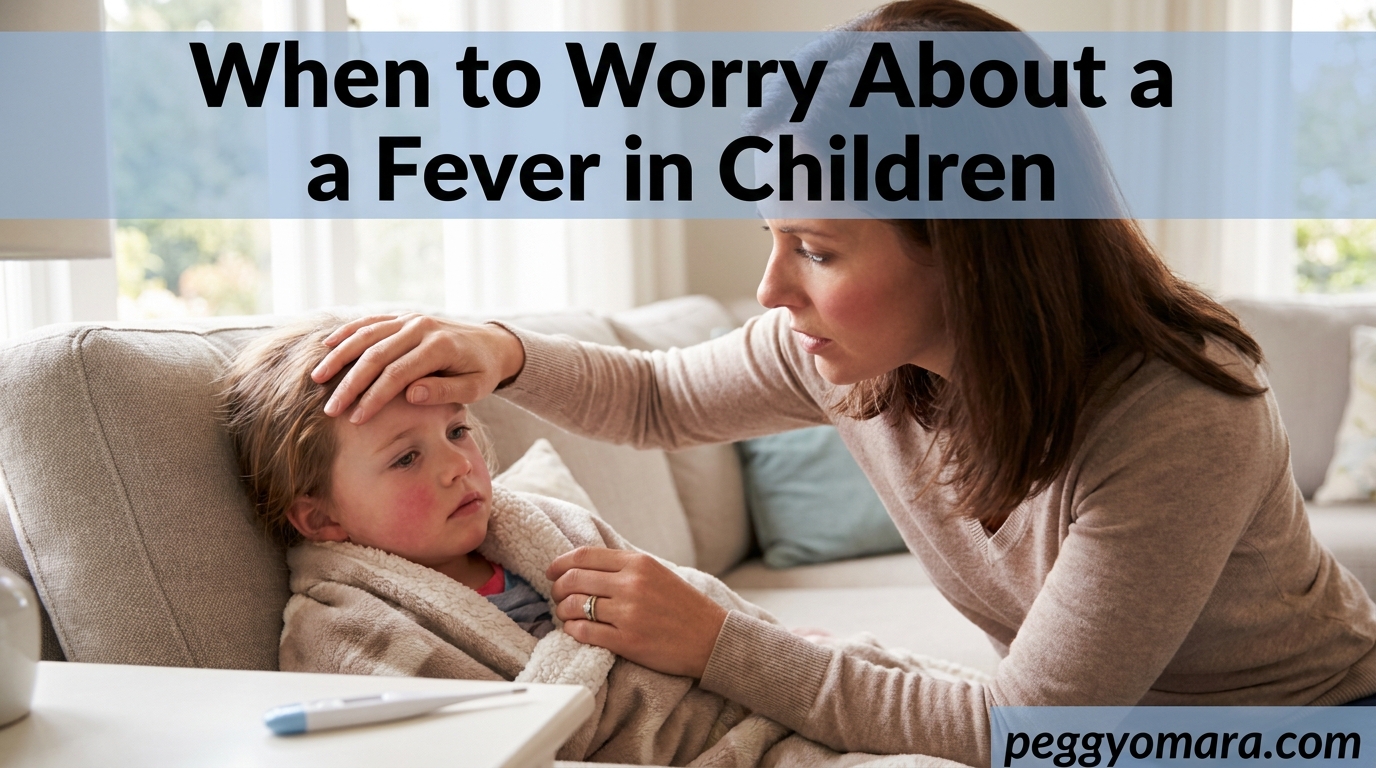
Nothing sends a parent’s heart racing quite like touching your child’s forehead and finding it hot to the touch. I’ve been there countless times over my years of parenting, standing in the doorway at 2 AM with a thermometer in hand, wondering when to worry about a fever in children and when to simply let them rest.
The good news is that most childhood fevers are completely harmless. In fact, a fever is often a sign that your child’s immune system is working exactly as it should, fighting off an infection with the precision of a well-trained army. This guide will walk you through everything you need to know about fevers in children, from understanding temperature thresholds to recognizing the warning signs that truly require medical attention.
By the time you finish reading, you’ll have a clear decision framework that helps you distinguish between a normal fever that can be managed at home and situations that warrant a call to your pediatrician or a trip to the emergency room.
Table of Contents
Quick Action Guide: When to Seek Help (2026)
When your child wakes up with a fever, you need answers fast. Here’s the decision framework every parent should keep bookmarked for those middle-of-the-night moments when you’re deciding whether to stay home or head to the hospital.
Go to the Emergency Room Immediately If Your Child Has:
- Difficulty breathing or very rapid breathing
- A stiff neck accompanied by a severe headache
- A purple or red rash that doesn’t fade when you press on it (non-blanching)
- Extreme lethargy, unresponsiveness, or difficulty waking
- A seizure of any kind
- Signs of severe dehydration (no tears when crying, very dry mouth, no urine for 8+ hours)
- A fever over 105°F (40.5°C)
Call Your Pediatrician Today If:
- Your baby is under 3 months old with any fever of 100.4°F (38°C) or higher
- Your child is 3-6 months old with a fever of 101°F (38.3°C) or higher
- Your child is over 6 months with a fever of 102°F (38.9°C) or higher
- The fever has lasted more than 3 days in children over 6 months
- Your child has a fever plus ear pain, sore throat, or painful urination
- Your child refuses to drink fluids or shows early signs of dehydration
- Your child is immunocompromised or has a chronic medical condition
If you’re regularly monitoring your child’s health with wearable devices, remember that technology supplements but never replaces your parental observation and judgment.
Monitor at Home If:
- Your child is drinking fluids and urinating normally
- Your child is alert, responsive, and interested in play (even if briefly)
- The fever responds to fever-reducing medication
- No other concerning symptoms are present
- Your parental instincts tell you they’re fighting off a routine virus
What Temperature Is Considered a Fever?
A true fever in children is defined as a body temperature of 100.4°F (38°C) or higher. This threshold matters because it represents the point where the body has actively raised its internal thermostat to create an environment that fights infection more effectively.
However, the number on your thermometer depends heavily on where you take the temperature. Different measurement methods read different parts of the body, and each has its own normal range and accuracy level. Understanding these differences can prevent unnecessary panic or false reassurance.
Fever Thresholds by Temperature Method
Here’s what you need to know about each measurement method and when a reading counts as a fever:
| Method | Normal Range | Fever Threshold | Best For Ages | Accuracy |
|---|---|---|---|---|
| Rectal | 97.9°F – 100.0°F | 100.4°F+ | Newborns – 3 years | Most accurate |
| Oral | 97.5°F – 99.5°F | 100.0°F+ | 4+ years (cooperative) | Very accurate |
| Temporal Artery (Forehead) | 97.5°F – 99.5°F | 100.4°F+ | All ages | Moderate accuracy |
| Tympanic (Ear) | 97.5°F – 99.5°F | 100.4°F+ | 6 months+ | Moderate accuracy |
| Axillary (Armpit) | 96.5°F – 98.5°F | 99.0°F+ | All ages | Least accurate |
Rectal temperatures are considered the gold standard for infants and young children because they most accurately reflect core body temperature. If you’re using a temporal artery or tympanic thermometer and get an unexpected reading, confirm it with a rectal measurement in babies under 3 months.
Axillary (underarm) measurements tend to run about 1°F lower than core temperature, which is why the fever threshold is lower. Many parents don’t realize this and either panic over a normal armpit reading or miss a true fever because they’re using the wrong threshold.
How to Take Your Child’s Temperature Accurately?
Taking a temperature might seem straightforward, but technique matters enormously for getting an accurate reading. An incorrect measurement can send you to the emergency room unnecessarily or lull you into false security when your child actually needs care.
Rectal Temperatures: The Gold Standard for Infants
For babies under 3 months, rectal temperatures provide the most accurate reading and are what pediatricians rely on when making urgent decisions. Use a digital rectal thermometer with a flexible tip and plenty of petroleum jelly for lubrication.
Lay your baby on their back with legs bent toward their chest, insert the tip just half an inch (no more than 1 inch), and hold it in place until it beeps. Never use a mercury thermometer, and never force it if you encounter resistance.
Temporal Artery and Tympanic Methods
Temporal artery thermometers scan the forehead and are quick and non-invasive, making them great for squirmy toddlers. However, they can be affected by sweat, drafts, or improper technique. Always follow the manufacturer’s instructions for placement and scanning direction.
Tympanic (ear) thermometers work best for children over 6 months who have ear canals large enough for accurate readings. Before age 6 months, ear canals are too curved and narrow for reliable measurements. Make sure to pull the ear back and up slightly to straighten the canal.
Oral thermometers are appropriate for children age 4 and older who can reliably hold the thermometer under their tongue with lips closed for the required time. Wait at least 15 minutes after your child has had anything hot or cold to drink before taking an oral temperature.
Age-Based Fever Guidelines: Why Age Matters
The single most important factor in determining when to worry about a fever is your child’s age. Younger infants have immature immune systems and less ability to localize infections, which means even a low-grade fever can signal a serious bacterial infection that requires immediate treatment.
This is why pediatricians have such different thresholds for different age groups. What warrants an immediate call to the doctor in a 2-month-old might be perfectly manageable at home in a 2-year-old.
Infants Under 3 Months: The Critical Window
For babies under 3 months old, any rectal temperature of 100.4°F (38°C) or higher requires immediate contact with your pediatrician. If you can’t reach them, go to the emergency room. This is non-negotiable and could save your baby’s life.
Newborns can become seriously ill very quickly, and their immature immune systems may not show the same warning signs that older children do. What looks like a simple fever could be early meningitis, sepsis, or a urinary tract infection that has already spread to the kidneys.
If you’re caring for your newborn, keep a rectal thermometer handy and know your pediatrician’s after-hours number before you need it.
Babies 3 to 6 Months: Increased Vigilance
Between 3 and 6 months, babies have developed somewhat more immune function but still require careful monitoring. Call your pediatrician if your baby has a fever of 101°F (38.3°C) or higher, or if any fever lasts more than 24 hours.
Also call if your 3-6 month old has a fever of any temperature combined with unusual fussiness, poor feeding, lethargy, or difficulty breathing. At this age, you’re still looking at the whole child, not just the number on the thermometer.
Children 6+ Months: More Flexibility
Once your child passes the 6-month mark, their immune system is significantly more robust. You generally don’t need to call the doctor until fevers reach 102°F (38.9°C) or higher, or until a fever of any temperature has persisted for more than 3 days.
By this age, most children have received several rounds of immunizations and have been exposed to enough everyday germs to have built some natural immunity. They can typically fight off common viral infections without medical intervention.
When to Go to the Emergency Room
Certain symptoms accompanying a fever signal a medical emergency that requires immediate evaluation in the emergency department. These red flags indicate potentially life-threatening conditions like meningitis, sepsis, or severe dehydration.
Trust your instincts here. If your gut tells you something is seriously wrong, don’t hesitate to seek emergency care. Medical professionals would rather reassure you that everything is fine than miss a critical window for treating a serious infection.
Life-Threatening Warning Signs
Difficulty breathing is the most urgent sign. If your child is breathing very rapidly, working hard to breathe (nostrils flaring, chest retractions), or making unusual sounds like grunting or wheezing, call 911 or go to the ER immediately. Respiratory distress can progress rapidly in children.
A stiff neck combined with severe headache, light sensitivity, or confusion suggests meningitis, an infection of the membranes surrounding the brain and spinal cord. This condition requires immediate intravenous antibiotics and can become life-threatening within hours.
A purple or red rash that doesn’t fade when you press on it (non-blanching) can indicate meningitis or sepsis. Do the “glass test” by pressing a clear glass against the rash. If you can still see the rash through the glass, seek emergency care immediately.
Extreme lethargy or unresponsiveness is particularly concerning. If your child is difficult to wake, doesn’t respond normally to your voice, or seems “out of it,” this suggests a serious systemic infection or neurological involvement that requires immediate evaluation.
Any seizure accompanied by fever warrants emergency evaluation, especially if it’s your child’s first seizure or if it lasts more than 5 minutes. While febrile seizures are often harmless, it’s critical to rule out more serious causes like meningitis or epilepsy.
When to Call Your Pediatrician
Not every fever requires emergency care, but many situations warrant a phone call to your child’s doctor for guidance. Knowing when to pick up the phone can help you avoid unnecessary ER visits while ensuring your child gets appropriate care.
The general rule is: when in doubt, call. Pediatricians understand parental anxiety and would rather field a phone call than have you worry unnecessarily or miss a developing problem.
Fever Duration Concerns
Call your pediatrician if your child has had any fever for more than 3 days, even if they’re otherwise acting relatively normal. Persistent fevers may indicate bacterial infections like ear infections, strep throat, or urinary tract infections that require antibiotics.
Some viral illnesses like influenza or COVID-19 can cause fevers lasting 5-7 days, but it’s always wise to have a doctor evaluate persistent fevers to rule out secondary bacterial infections that may have developed.
Fever with Localized Symptoms
Contact your doctor if your child has a fever plus specific symptoms suggesting a localized infection. Ear pain or pulling at the ears suggests an ear infection. Severe sore throat with difficulty swallowing may indicate strep throat. Painful urination or frequent urination suggests a urinary tract infection.
Chest pain, persistent cough, or difficulty breathing with fever could indicate pneumonia. These localized infections typically require specific treatment that your pediatrician can provide after an examination.
Hydration and Behavioral Concerns
Call if your child refuses to drink fluids, is urinating significantly less than usual, or shows early signs of dehydration. For infants, this means fewer than 4 wet diapers in 24 hours. For older children, look for dark urine, dry lips, or no urine output for 8+ hours.
Also call if your child seems unusually irritable, inconsolable, or unusually sleepy even when the fever is down. Behavior often tells you more than the thermometer number about how sick your child truly is.
Special Circumstances
Children with weakened immune systems, chronic medical conditions, or those taking immunosuppressive medications should call their doctor at lower fever thresholds. The same applies to children with sickle cell disease, cancer, organ transplants, or HIV.
When you can’t reach your pediatrician after hours, most insurance plans have nurse hotlines that can help you decide whether to wait until morning or seek urgent care. Trust your instincts, but don’t hesitate to use these resources.
Fever Treatment at Home
Most childhood fevers can be safely managed at home with simple comfort measures and, when appropriate, fever-reducing medication. The goal isn’t necessarily to bring the temperature down to normal but to keep your child comfortable while their immune system does its job.
Keep Your Child Hydrated
Hydration is the single most important aspect of fever management. Fever causes fluid loss through sweating and increased breathing rate, and dehydration can quickly become more dangerous than the fever itself.
Offer fluids frequently, even if your child only takes small sips. Water is excellent for older children, but oral rehydration solutions like Pedialyte are even better because they replace electrolytes lost through fever. For babies, continue breastfeeding or formula feeding on demand.
If your child refuses to drink, try offering ice pops made from oral rehydration solution, small sips from a special cup, or even ice chips for older kids. The key is to get some fluid in, regardless of the form it takes. Learn more about keeping your child nourished during illness.
Comfort Measures That Work
Dress your child in lightweight clothing and use light blankets. Overdressing traps heat and can actually drive temperatures higher. The old advice to “sweat out a fever” is outdated and potentially dangerous.
A lukewarm bath or sponge bath can provide comfort, but never use cold water, ice baths, or alcohol rubs. These can cause shivering, which actually raises body temperature, and alcohol can be absorbed through the skin or inhaled, causing toxicity.
Let your child rest, but don’t force them to stay in bed if they want to play quietly. Activity is fine as long as they feel up to it. Keep the room at a comfortable temperature, around 70-72°F, with good air circulation.
Fever-Reducing Medications
Acetaminophen (Tylenol) and ibuprofen (Advil, Motrin) are safe and effective for reducing fever and relieving discomfort in children. They work differently, so some parents alternate them for persistent high fevers, though this isn’t usually necessary for typical fevers.
Always dose medications based on your child’s weight, not age, and use the measuring device that comes with the medication. Never give aspirin to children or teenagers with fever, as it can cause Reye syndrome, a rare but potentially fatal condition affecting the brain and liver.
Ibuprofen should not be given to babies under 6 months old. For younger infants, acetaminophen is the only option, though you should still consult your pediatrician before giving any medication to babies under 3 months.
Remember that treating the fever is optional. If your child is comfortable, drinking fluids, and sleeping well, you don’t necessarily need to give medication just to bring down the number on the thermometer. The fever itself is helping fight the infection.
Febrile Seizures: What Parents Need to Know?
Febrile seizures are convulsions triggered by a rapid rise in body temperature, typically in children between 6 months and 5 years of age. They affect approximately 2-5% of children and, while terrifying to witness, are almost always harmless and don’t cause brain damage or epilepsy.
I know parents who’ve described the experience as the most frightening moment of their lives. Seeing your child stiffen, shake, and lose consciousness is deeply distressing. Understanding what febrile seizures are and how to respond can help you stay calmer if one occurs.
What Happens During a Febrile Seizure
Febrile seizures typically last 1-2 minutes, though they can range from a few seconds to 15 minutes. During a seizure, your child may roll their eyes, stiffen their limbs, jerk or twitch, and lose consciousness. Some children become very pale or even turn blue around the lips.
After the seizure, children are often sleepy and confused for a period of time. This is called the postictal state and is completely normal. Your child may not remember the seizure and could be fussy or clingy for the next several hours.
What to Do During a Seizure
Stay calm. I know that’s easier said than done, but your calm response helps your child. Lay your child on their side on a flat, safe surface away from hard objects. Don’t try to hold them down or stop the movements.
Never put anything in your child’s mouth during a seizure, including your fingers. They won’t swallow their tongue, despite the old myth. Remove glasses, loosen tight clothing, and time the seizure if you can.
Call 911 if the seizure lasts more than 5 minutes, if your child has trouble breathing, if they don’t wake up afterward, or if it’s their first seizure. Even if the seizure stops quickly, call your pediatrician for guidance on next steps and evaluation.
After the Seizure
Once the seizure ends, your child will likely be drowsy and may want to sleep. This is normal. Let them rest, but stay with them and continue to monitor their breathing and color. Offer comfort and reassurance when they wake.
Contact your pediatrician to report the seizure and discuss whether your child needs evaluation. Most febrile seizures don’t require hospitalization, but your doctor may want to examine your child to determine the cause of the fever.
Common Fever Myths Debunked
Over my years of parenting and researching pediatric health, I’ve encountered countless myths about childhood fevers that cause unnecessary anxiety and sometimes lead to inappropriate treatment. Let’s clear up the most common misconceptions with facts from medical professionals.
Myth: High Fevers Cause Brain Damage
This is perhaps the most pervasive and anxiety-provoking myth. The truth is that fever itself does not cause brain damage in otherwise healthy children. Brain damage from fever only occurs at extremely high temperatures, typically above 107°F (41.7°C), which are almost always caused by heat stroke or central nervous system problems, not infectious fevers.
Fevers from infections rarely exceed 105°F, and even a fever of 104-105°F, while uncomfortable, doesn’t cause brain damage. The body has built-in mechanisms that prevent fever from rising to dangerous levels in response to infection.
Myth: Teething Causes High Fevers
Teething may cause a slight elevation in body temperature, but it does not cause true fevers of 100.4°F or higher. If your teething baby has a measured fever, look for another cause. The fever is almost certainly due to a viral infection that happened to coincide with teething.
Many parents blame teething for fevers because the timing often overlaps. Babies teethe frequently during their first two years, the same period when they’re exposed to countless new viruses. Correlation is not causation.
Myth: You Must Treat Every Fever
Fever-reducing medications are for comfort, not cure. If your child is drinking fluids, sleeping reasonably well, and playing between fever spikes, you don’t need to medicate just to normalize their temperature. The fever is actually helping their immune system work more effectively.
Treat the child, not the number on the thermometer. If they’re uncomfortable, give medication. If they’re happy with a 102°F fever, let them be. There’s no medical benefit to forcing a fever down to normal if your child feels fine.
Myth: Fever Is Always Bad
Fever is a protective mechanism, not an enemy. Higher body temperatures create an environment where viruses and bacteria struggle to survive and replicate. Fever also enhances the activity of white blood cells, your child’s frontline defenders against infection.
Suppressing every fever may actually prolong illness by removing one of the body’s natural defense mechanisms. This doesn’t mean you should never treat fever, but rather that you needn’t panic about a moderate fever in an otherwise well-appearing child.
Myth: The Higher the Fever, the Sicker the Child
I’ve seen children running around playing with 104°F fevers, and I’ve seen others listless and miserable at 100.5°F. The number on the thermometer is only one piece of the puzzle. Your child’s behavior, energy level, and hydration status matter far more than the exact temperature.
This is why experienced pediatricians always emphasize looking at the whole child, not just the thermometer. A happy, interactive child with a high fever is generally less concerning than a lethargic child with a low-grade fever.
Why Do Children Get Fevers?
Understanding what causes fevers can help you respond appropriately and worry less about the fever itself. A fever isn’t an illness; it’s a symptom of the body’s immune response to an invader.
When viruses or bacteria enter your child’s body, their immune system releases chemicals called pyrogens. These pyrogens signal the hypothalamus, the body’s thermostat, to raise the temperature set point. The body then works to reach this new, higher temperature by shivering and conserving heat.
Common Causes of Childhood Fever
Viral infections are the most common cause of fever in children and include colds, influenza, RSV, COVID-19, roseola, and hand-foot-and-mouth disease. Viral fevers typically last 2-5 days and resolve on their own without specific treatment.
Bacterial infections like ear infections, strep throat, urinary tract infections, and pneumonia also cause fever. These may require antibiotics, which is why persistent fevers or fevers with localized symptoms warrant a doctor’s visit.
Non-infectious causes include reactions to vaccines (typically mild and short-lived), overheating from overdressing, autoimmune conditions, and inflammatory disorders. Post-vaccination fevers usually appear within 24 hours and resolve within 48 hours.
Understanding Nighttime Fever Spikes
Many parents notice their child’s fever spikes at night, even if they seemed fine during the day. This happens because cortisol, a hormone that helps regulate inflammation and fever, naturally drops in the evening. With lower cortisol levels, the immune system becomes more active, and fevers can rise.
Nighttime fever spikes don’t necessarily mean your child is getting sicker. It’s a normal pattern that reflects the body’s natural hormonal rhythms. Keep this in mind when you’re checking your feverish child at 3 AM and worrying about the higher reading.
Frequently Asked Questions
When should you go to the ER for a child’s fever?
Go to the emergency room immediately if your child has difficulty breathing, a stiff neck with severe headache, a purple or red rash that doesn’t fade when pressed, extreme lethargy or unresponsiveness, any seizure, signs of severe dehydration, or a fever over 105°F. These symptoms may indicate life-threatening conditions like meningitis or sepsis that require immediate treatment.
Is 99.6 a fever for a 1 year old?
No, 99.6°F is not considered a fever for a 1 year old. A true fever is 100.4°F (38°C) or higher when measured rectally, or 100.0°F or higher when measured orally. A temperature of 99.6°F falls within the normal temperature range for children and does not require fever-reducing medication.
What is the danger zone for a child’s fever?
The danger zone technically begins at 105°F (40.5°C), though fevers between 104-105°F warrant immediate medical attention. However, fever itself rarely causes harm until temperatures exceed 107°F, which almost never happens with infectious illnesses. More important than the number is your child’s behavior, hydration status, and any accompanying symptoms like difficulty breathing or stiff neck.
What is the 24-hour fever rule?
The 24-hour fever rule states that children should be fever-free for 24 hours without fever-reducing medication before returning to school or daycare. This means no fever for a full day without giving acetaminophen or ibuprofen. This rule helps prevent the spread of contagious illnesses and ensures your child has truly recovered, not just had their symptoms temporarily suppressed.
Does teething cause fever?
No, teething does not cause true fevers of 100.4°F or higher. While teething may cause a slight temperature elevation of up to 99°F due to inflammation and drooling, any measured fever during teething is almost certainly caused by a viral infection that coincided with the teething timeline. If your teething baby has a fever over 100.4°F, look for another cause and consider contacting your pediatrician.
Should I let my child’s fever run its course?
You can let a fever run its course if your child is comfortable, drinking fluids, and behaving relatively normally. Fever helps the immune system fight infection. However, treat the fever with acetaminophen or ibuprofen if your child is uncomfortable, having trouble sleeping, or refusing to drink. The goal is comfort, not forcing the temperature to normal. Always treat fevers in babies under 3 months and consult your doctor for high or persistent fevers.
How high is too high for a fever in a child?
Fever over 104°F in children over 6 months warrants a call to your pediatrician, and fever over 105°F requires immediate medical attention. However, the height of the fever matters less than your child’s overall condition. A child playing happily with a 103°F fever is less concerning than a lethargic child with 101°F. Fevers rarely cause harm below 107°F, which infectious fevers almost never reach.
What temperature should I take my child to the hospital?
Take infants under 3 months to the hospital or emergency room for any fever of 100.4°F or higher. For older children, go to the hospital for fevers over 105°F or any fever accompanied by emergency warning signs like difficulty breathing, stiff neck, severe headache, purple rash, extreme lethargy, or seizures. Between 104-105°F, call your pediatrician immediately for guidance.
Conclusion
After years of parenting and researching childhood health, I’ve learned that the most important principle for when to worry about a fever in children is this: look at your child, not just the thermometer. A happy, playful child with a 103°F fever is generally in better shape than a listless child with 100.5°F.
Remember the key thresholds: 100.4°F is a fever, and any baby under 3 months with this temperature needs immediate medical evaluation. For older children, worry less about the exact number and more about behavior, hydration, and accompanying symptoms. Fevers over 104°F warrant a call to your doctor, and anything over 105°F requires emergency care.
Trust your parental instincts. You know your child better than any chart or thermometer. If something feels wrong, even if you can’t articulate exactly what, call your pediatrician. Medical professionals understand parental intuition and would rather evaluate a concerned parent’s child than miss something important.
Most childhood fevers are simply signs of a working immune system doing its job. With the knowledge from this guide, you can approach your child’s next fever with confidence, knowing exactly when to comfort at home, when to call for advice, and when to seek emergency care. As you continue on your parenting journey, remember that taking care of yourself through postpartum recovery and ongoing wellness helps you be the best caregiver for your children when they need you most.
Keep this guide bookmarked for those 2 AM moments when you’re standing in the doorway with a thermometer in hand. You’ve got this.