
The best table saw blade for plywood is a 60 to 80 tooth carbide blade with a Hi-ATB or ATB grind and a shallow hook angle. That combination shears the thin face veneer instead of tearing it, so the exit side of your cut comes out splinter-free. Below I break down 12 blades that do that job well, plus the setup details that decide whether the edge looks clean.
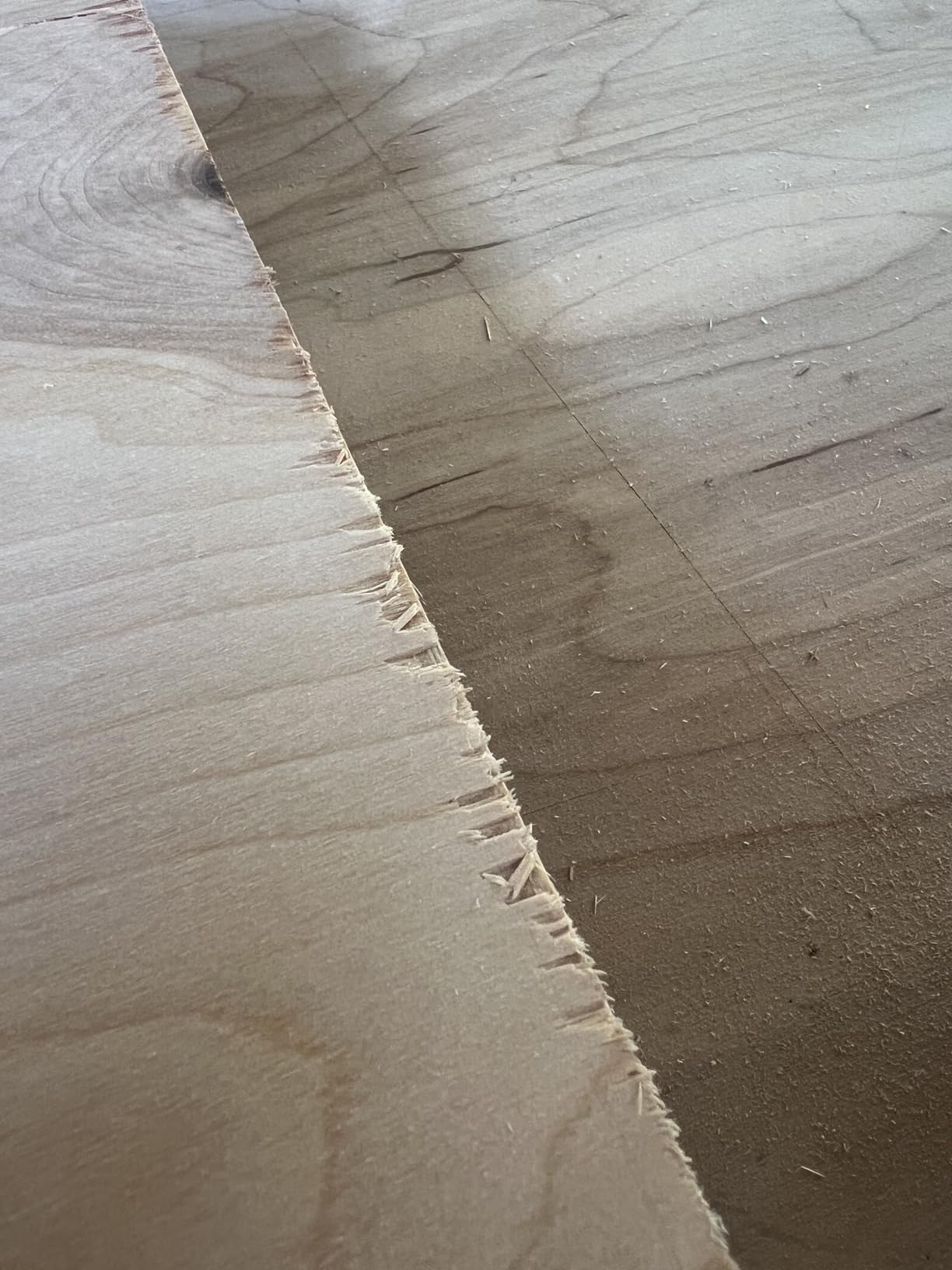
Plywood punishes a general-purpose 40-tooth blade more than almost any other material. The face plies on a sheet of birch or maple ply measure roughly 0.6mm to 1.5mm, and a 40T combination blade rips them apart before the core even starts to cut. Those fibers lift, fuzz and chip, then show through the first coat of finish and take forever to sand out.
Getting a clean edge comes down to three things: tooth geometry, blade balance, and how you feed the panel. I spent weeks running sheets of birch, maple and melamine through these blades on a 3 HP cabinet saw and a smaller jobsite saw, comparing edge quality, dust output, noise and how each blade held up after repeated full sheet breakdowns. What follows is what actually came off the saw.
If you are still choosing the saw itself, start with our guides to the best table saws, best portable table saws and best sliding table saws, then come back for the blade.
Table of Contents
Top 3 Best Table Saw Blades for Plywood (October 2026)

These three cover the range most buyers need. The Freud is the dedicated plywood specialist, the DEWALT is the all-rounder with the deepest owner feedback, and the WEN is the low-cost way into an 80-tooth sheet-goods blade.
Best Table Saw Blades for Plywood in 2026 at a Glance
| Product | Specifications | Action |
|---|---|---|
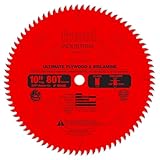 Freud LU80R010 Plywood Blade Freud LU80R010 Plywood Blade |
|
Check Latest Price |
| DEWALT DWA11080 |
|
Check Latest Price |
 WEN BL1080 WEN BL1080 |
|
Check Latest Price |
 CMT 255.080.10 CMT 255.080.10 |
|
Check Latest Price |
 Freud LU88R010 Freud LU88R010 |
|
Check Latest Price |
 Freud LU83R010 Freud LU83R010 |
|
Check Latest Price |
 FOXBC FOX10-80T FOXBC FOX10-80T |
|
Check Latest Price |
 FOXBC FOX10-60T FOXBC FOX10-60T |
|
Check Latest Price |
 Bosch DCB1080 Bosch DCB1080 |
|
Check Latest Price |
 Evolution FW255TCT-60 Evolution FW255TCT-60 |
|
Check Latest Price |
 CMT 221.060.10 CMT 221.060.10 |
|
Check Latest Price |
 CMT 256.050.10 CMT 256.050.10 |
|
Check Latest Price |
Two details jump out of the table. Every blade listed here is 10 inch with a 5/8 inch arbor except the Evolution, which needs a 1 inch arbor. And the kerf widths range from 0.087 inch to 0.126 inch, a difference that matters more than most buyers expect on a smaller saw.
1. Freud LU80R010 Plywood Blade: Best Overall for Veneered Plywood
- Exceptionally clean splinter-free edges on veneered plywood
- Laser-cut anti-vibration slots keep it quiet and on track
- Perma-Shield coating reduces drag and pitch buildup
- Stays sharp through dozens of full sheet-goods jobs
- ATB teeth leave a ridge in dado and groove bottoms
- Not the strongest pick for solid-wood ripping
This is the blade I keep mounted when the job is birch ply for cabinet carcasses. The Hi-ATB grind puts a bevel on every tooth, so each one shears a small wedge of the face veneer rather than splitting it. Owners working with prefinished panels report edges that need almost no sanding before glue-up.
The laser-cut anti-vibration slots are not marketing decoration. They let the plate expand under load and take the harmonic wobble out of the cut, which is exactly what stops a thin kerf from wandering on a big sheet.
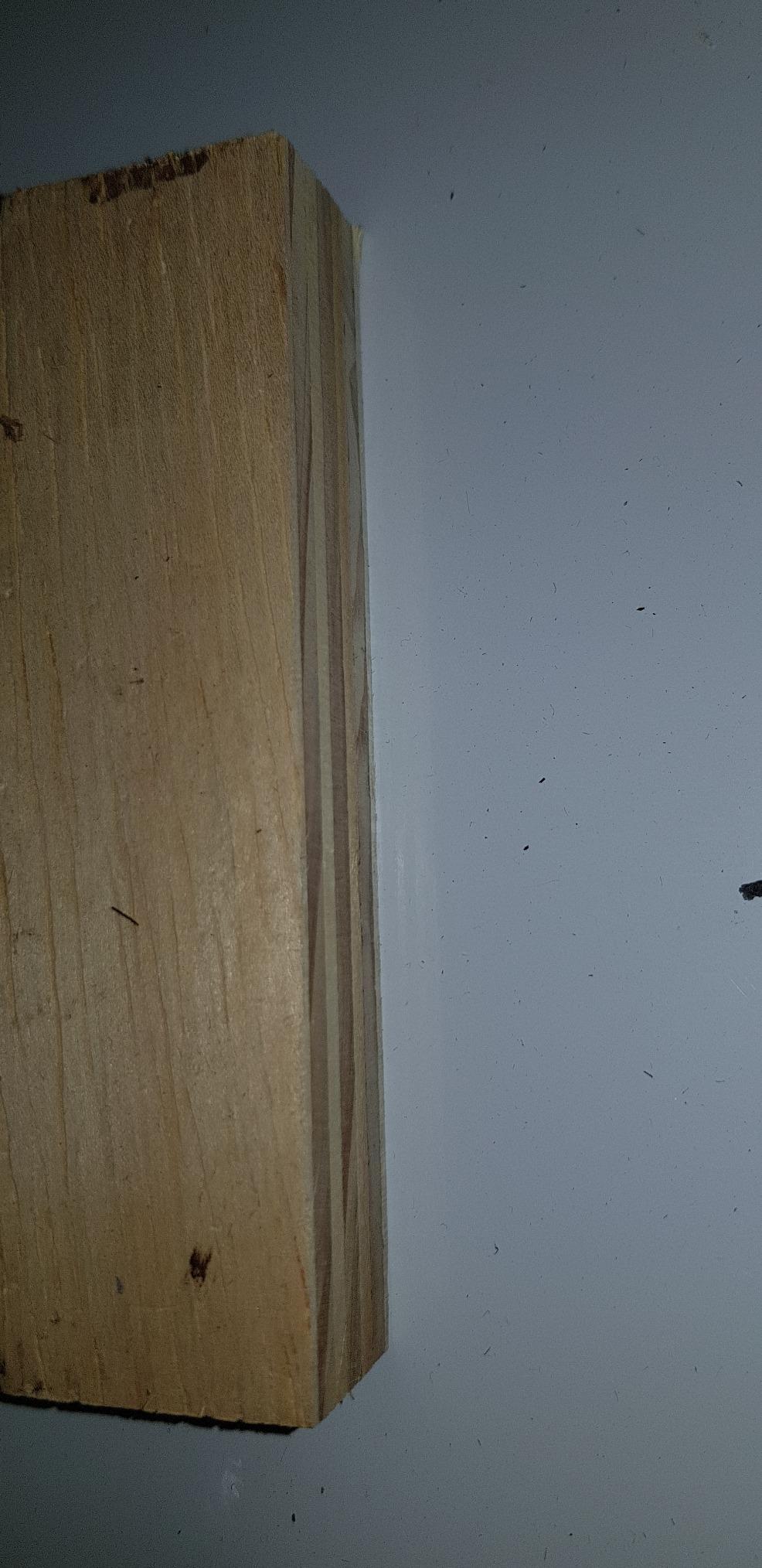
The Perma-Shield coating is the other quiet win. Plywood glue and resin gum up a blade fast, and a coated plate wipes clean instead of loading up pitch in the first few cuts. Long-term owners report holding an edge through jobs that include more than twenty sheets of melamine and several dozen sheets of prefinished maple.
At two pounds and a full-kerf plate, this blade wants real power behind it. On my smaller jobsite saw I fed it more slowly than the thin-kerf blades below, and the cut quality stayed excellent.
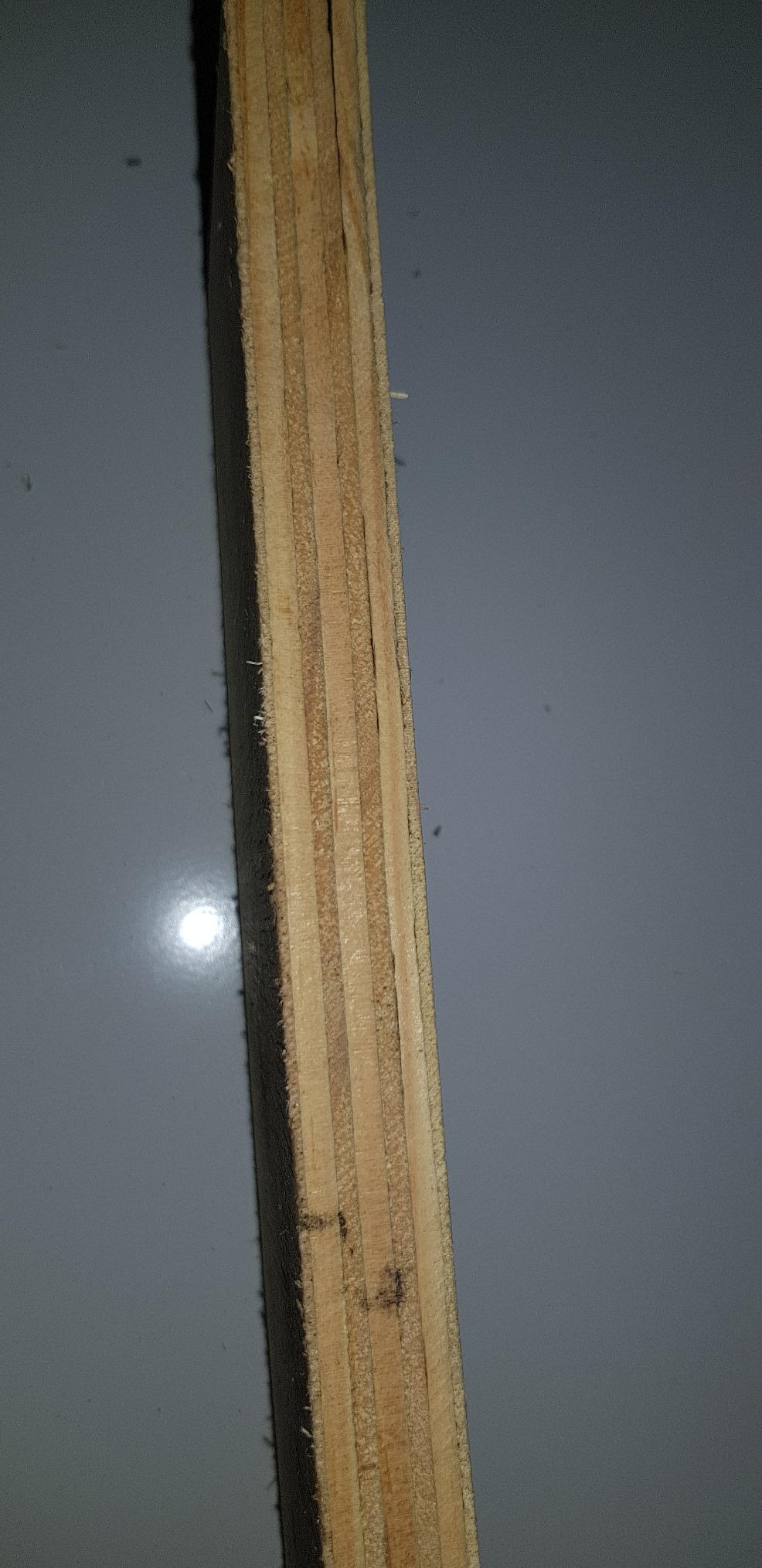
What you get with an 80-tooth Hi-ATB blade
The practical result is a saw-smooth edge on both faces of the panel, not just the top. That matters when a cabinet side is visible from both directions, or when a veneered face is going straight to a clear coat.
It also feeds at a comfortable pace. Slower than a 40T rip blade, obviously, but fast enough that breaking down a stack of full sheets does not eat a morning.
Where the Hi-ATB tradeoff shows up
The bevel that makes the top face clean also leaves a slight ridge along the bottom of a groove or dado. If you need a flat-bottomed non-through cut for a drawer or a rabbet, fit a flat-top grind blade for that step instead.
Owners with the largest collections of premium blades report this one matches or beats several costlier options on sheet goods. It is not a ripping blade, and it is not a blade for dirty lumber with nails in it.
2. Bosch DCB1080: Best for Melamine and Laminate
BOSCH DCB1080 10 in. 80 Tooth Edge Circular Saw Blade for Extra-Fine Finish for Melamine and Finished Plywood
- Clean even edges on melamine and countertop material
- Brute Carbide C3/C4 tips resist impact damage
- Extra-hard plate shows no flexing under load
- Stiff plate keeps a full sheet from pulling the blade out of true
- Some owners report chipping on veneer-faced plywood
- Less refined finish than dedicated plywood blades
The Bosch is sold as an extra-fine finish blade for melamine and finished plywood, and on melamine it lives up to that. Particle board and laminate edges come out square and unfuzzed, with no melting along the top edge.
The Brute Carbide C3/C4 micro grain formulation is a tougher carbide than most blades in this group use. That shows up when you hit a hidden screw head or a stray nail in a reclaimed sheet.
The thin kerf and extra-hard steel body are a good pairing. The plate stays straight in the cut, so a full sheet of 3/4 inch material does not pull the blade out of true.
Installation is straightforward on most 10 inch saws with a 5/8 inch arbor, and most owners describe it as an immediate step up from the blade that came with their saw.
Why melamine buyers like it
Melamine has no grain and no forgiveness. Any fuzz on the edge of a white or dark panel is visible immediately, and a coated friction finish keeps the blade cool enough not to glaze over on long cuts.
If you cut a lot of both melamine and plywood, this is a sensible one-blade answer rather than a dedicated specialist.
Where it falls short of a true plywood blade
A minority of owners still report chipping on veneer-faced ply, short of the extra-fine finish promised. If your material is faced birch or oak veneer and the edge will be finished, a Hi-ATB specialist is the safer bet.
The ATB geometry also means no flat-bottomed dado, and the edge on solid wood crosscuts is good rather than outstanding.
3. Evolution FW255TCT-60: Best Japanese-Made 60-Tooth Blade
- Made in Japan with high-grade tungsten carbide teeth
- Hardened body lowers runout and vibration
- Ladder flat-tooth profile suits smooth crosscuts
- Works in R10TS and R10TBLX table saws
- 1 inch arbor rules out most standard 10 inch table saws
- Less owner feedback than the best known 60-tooth blades
This one stands apart on build quality. Japanese manufacture with high-grade tungsten carbide and stronger brazing means the tips are less likely to chip off the plate when you hit a hard knot or an unexpected fastener.
Sixty teeth sits right in the middle of the range that suits plywood. It is a slower, cleaner cut than a 50T, without the burn risk of a 100T blade pushed too fast through thick material.
The hardened blade body is the detail worth knowing about. It reduces runout, and low runout is what keeps the cut square across a full sheet instead of drifting at the far end of the panel.
The ladder flat-tooth profile with adjusted tooth pitch and top bevel is optimized for smooth crosscuts in hardwood, ply and sheet wood, which is most of what a table saw does.
Check the arbor before you buy
This blade has a 1 inch arbor. That fits Evolution’s own saws, many sliding miter saws and a handful of industrial machines, but most 10 inch contractor table saws and portable saws take 5/8 inch blades only.
Measure your arbor before you commit, because the diameter will look right and the fit will not.
How it handles volume work
TCT cold-cut technology keeps heat down, so the blade stays sharp through repeated breakdowns without the glazing you get from a hot-running fine finish blade. It is a good candidate for a shop that cuts panels several days a week.
The trade-off is owner history: 271 reviews is respectable, but thinner than the well-known alternatives in this roundup.
4. WEN BL1080: Best Value 80-Tooth Blade for Plywood
- Very clean splinter-free edges on plywood MDF and melamine
- Quiet and well balanced straight out of the box
- Stayed sharp through about 50 sheets of 3/4 inch plywood
- Fits most 10 inch miter saws jobsite saws and table saws
- One owner measured more runout than expected
- Likely to bog down in wet or treated material
With 1669 reviews averaging 4.7, the WEN is the most owner-tested blade in this group. That matters for a blade, because edge consistency across units is the thing you cannot read off a spec sheet.
It makes an excellent first upgrade. If your saw came with a thin, dull 40T blade, dropping this in is the fastest way to see what a real 80-tooth crosscut blade does to plywood edges.
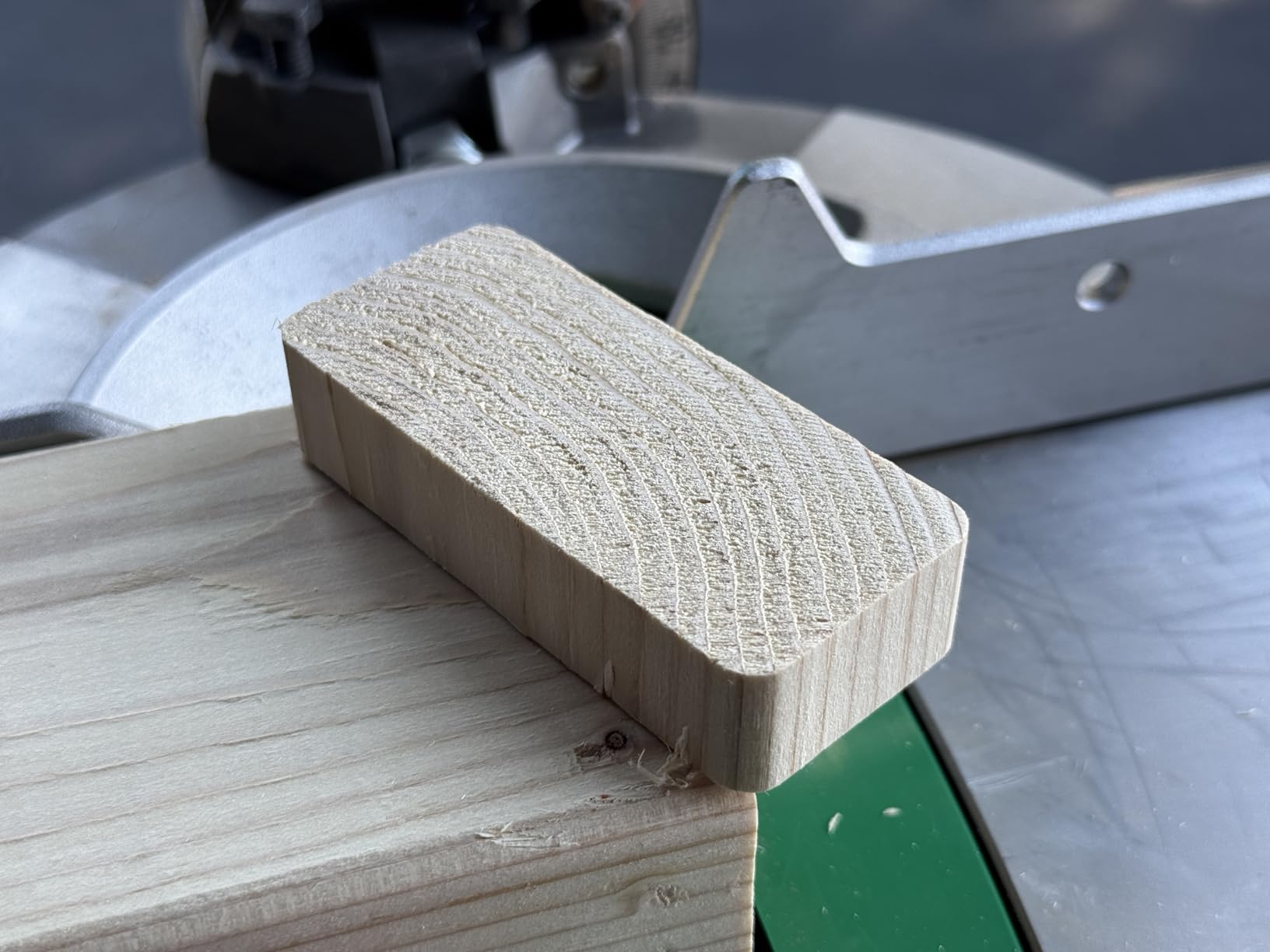
The 2.4 mm kerf is the standout spec. It removes less material than a full-kerf blade, which means less waste from full sheet breakdowns and far less effort needed to push a sheet through on a modest saw.
Owners report clean edges on hardwood, MDF, plywood, melamine and even acrylic, with cuts that often need no sanding afterward.
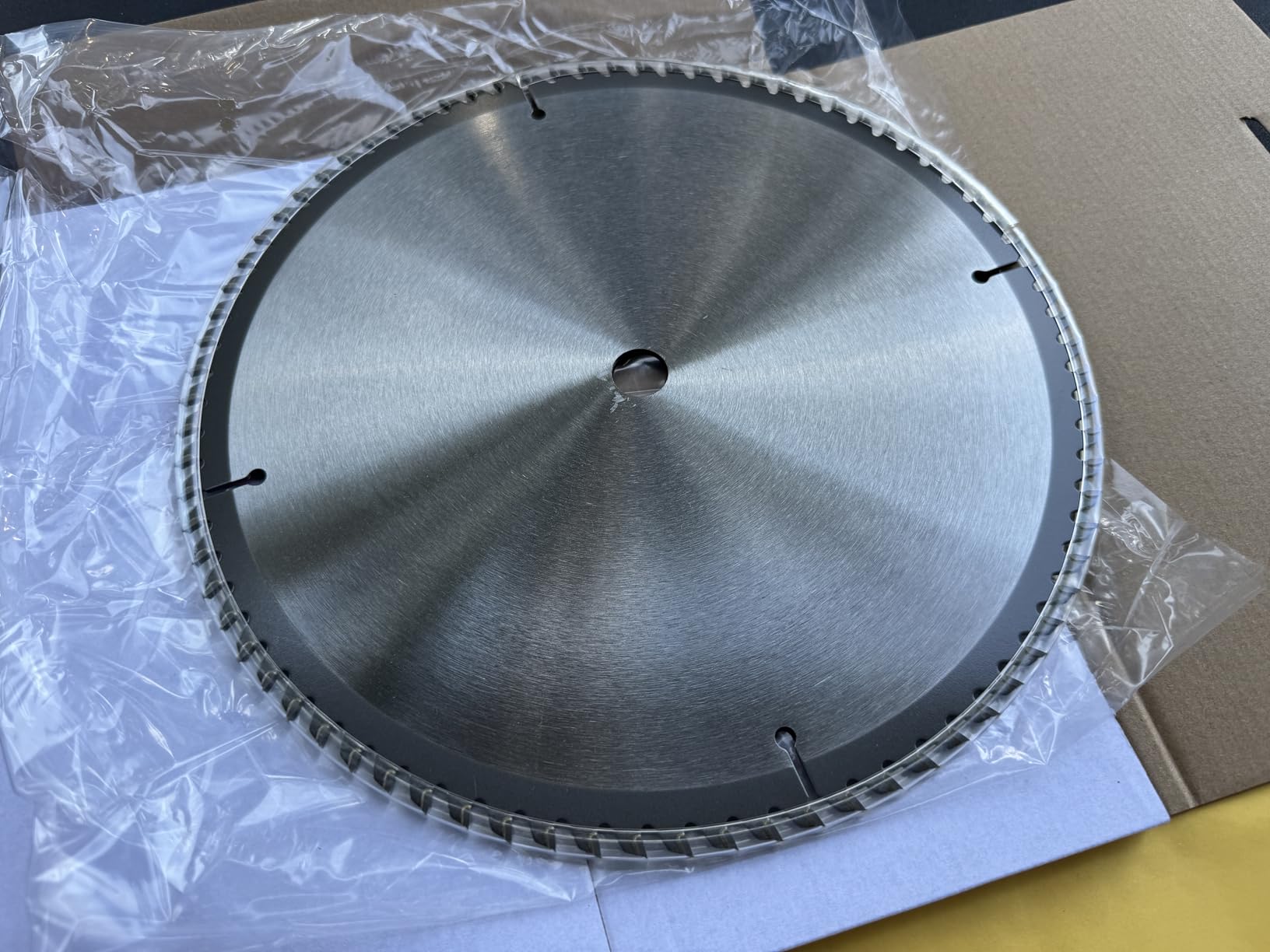
Where the thin kerf helps you
If you break down panel goods on a portable or jobsite saw, a 2.4 mm kerf is the difference between a cut that pushes through and one that stalls the motor. It also means less kerf loss when you rip a narrow strip out of a full sheet.
It fits the majority of 10 inch miter saws, jobsite saws and table saws that take a 5/8 inch arbor, which covers most machines already in a home shop.
What you give up for that kerf
Thin kerf means a thin plate, and one owner measured more runout than expected on their unit, which stiffeners did not correct. Balance matters most on big panels, so check the blade on a scrap cut before trusting it on a finished face.
It will also bog down sooner than a full-kerf blade in wet or pressure-treated material, which is normal for this kerf width.
5. DEWALT DWA11080: Best All-Round Blade for Clean Plywood Cuts
DEWALT Table Saw Blade, 10 inch, 80 Tooth, Fine Finish, Ultra Sharp Carbide (DWA11080)
- Clean crosscuts and trims with no chipping reported
- Patented body slots reduce vibration
- Keeps its edge across repeated projects
- Widely owned so advice and spares are easy to find
- Dust collection throws more sawdust back onto the table
- Less suited to heavy ripping than a full-kerf rip blade
A 4.8 average across 1435 reviews puts this at the top of the rating group, and the feedback is consistent rather than scattered. Owners describe dependable clean edges, quiet running and durability across a wide range of projects.
The patented body slot design is the interesting part. Slots cut into the plate absorb vibration, and a blade that does not flex is a blade that stays square over a 48 inch cut line.
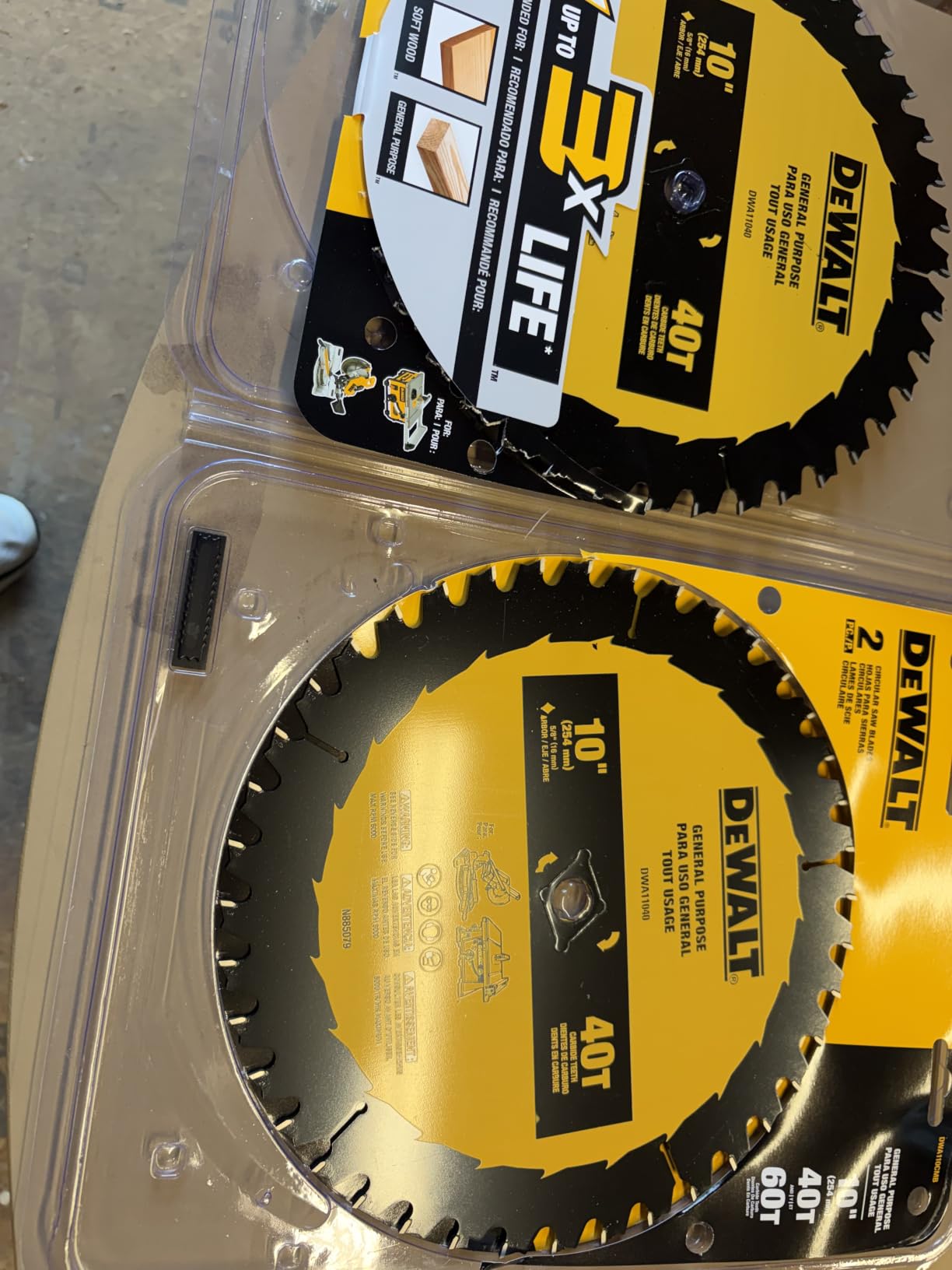
Optimized tooth geometry is aimed at accuracy rather than raw speed. That is the right priority for plywood, where a wandering blade shows up as an overhanging edge on one side of the panel.
DEWALT makes durability claims for the carbide and body slot design, and while manufacturer claims need testing, owners broadly report that it holds an edge across repeated projects.
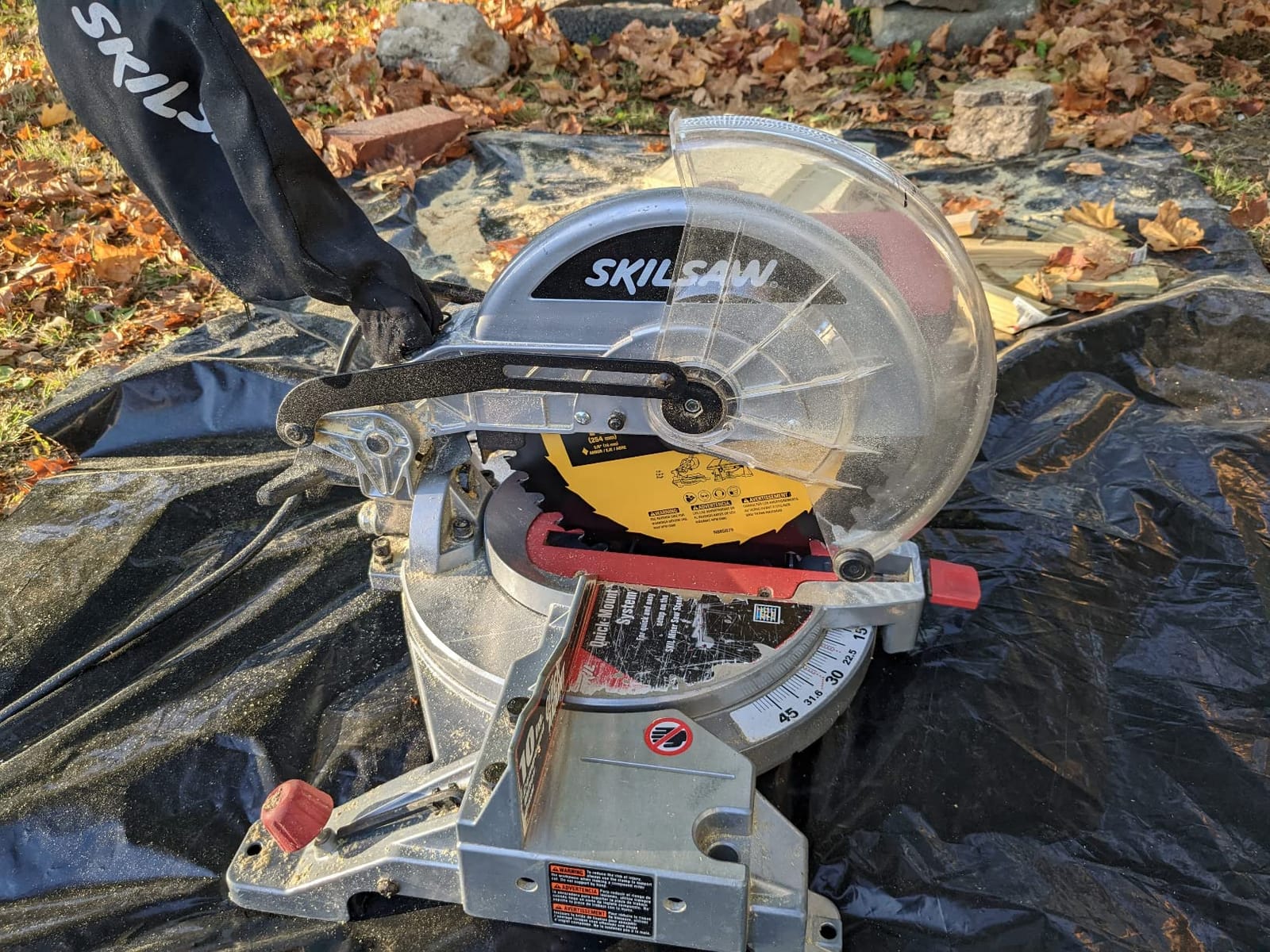
Why this suits a mixed workload
Unlike a dedicated plywood specialist, this blade handles solid wood trim, crosscuts and general panel work without swapping. For a shop that cuts a bit of everything, one blade that covers all of it is easier to live with than two that need changing.
The wide owner base also means practical help is easy to find. If you are unsure about fit or a specific application, there is a large body of people who have already answered it.
What to watch for
Some owners note that dust collection on certain table saws throws more sawdust onto the table behind the blade. That is more of a saw-setup issue than a blade defect, but it is worth checking your dust port alignment.
It is also not the blade for ripping thick hardwood day in and day out. A dedicated full-kerf rip blade will outlast it for that job.
6. Freud LU83R010: Best Thin Kerf Combination Blade for Sheet Goods
Freud LU83R010 Industrial 10-in 50T Thin Kerf Combination Saw Blade
- Runs quieter and pulls less dust than 80-tooth blades
- Thin kerf feeds easily even on contractor saws
- Clean glue-ready edges with no splintering
- Handles ripping crosscutting chipboard plywood and laminate
- Undersize diameter can limit cut depth on sliding miter saws
- One owner found it heavier running than expected
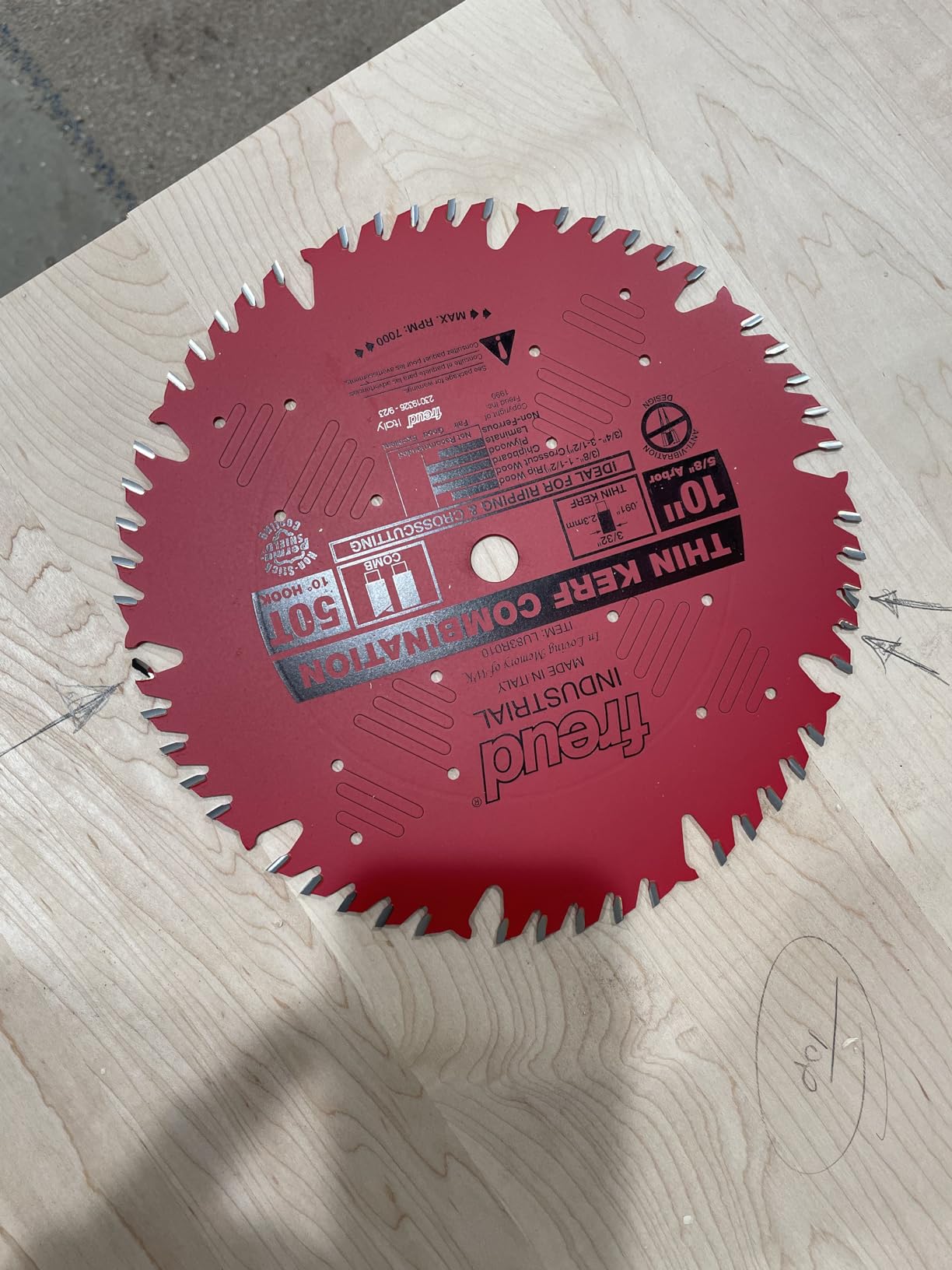
This is the blade to buy if you only own one. Fifty teeth with a thin kerf gives you a rip-capable blade that still produces clean glue-ready edges on plywood, and it runs quieter and pulls less dust than any 80-tooth blade in this list.
Owners with long histories on this blade report that it stays sharp and resharpens well, which is unusual for a TiCo carbide blend at this tooth count.
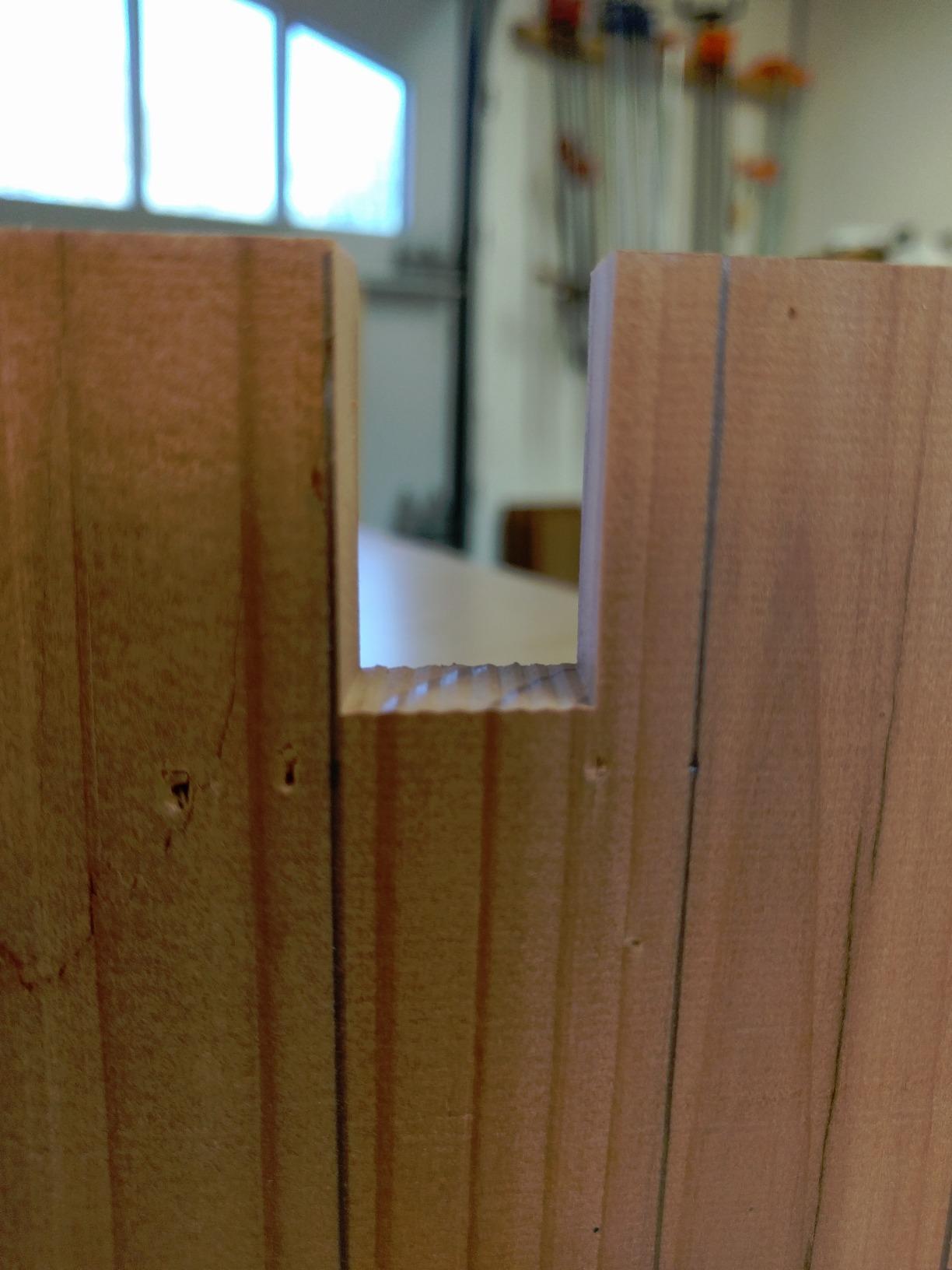
The thin kerf is the practical advantage. Less material removed means less power needed, so it feeds easily on contractor saws where a full-kerf blade makes the motor work.
The laser-cut anti-vibration design and Perma-Shield coating work together here, and no stabilizers are needed for the plate to run true.
When 50 teeth is enough
For rough breakdown before a panel is joined, 50 teeth is genuinely sufficient. Most owners report cut quality close to an 80-tooth blade, especially on straight crosscuts of cabinet-grade stock.
If your final edge will be visible and sanded, or if you are cutting very thin decorative veneer, move up in tooth count.
The undersize diameter catch
This blade runs roughly 9-3/4 inches effective diameter despite the 10 inch label. On a table saw that is a non-issue, but on a sliding miter saw it can stop you reaching full cut depth at the far end.
One owner also found it heavier running than expected for a new blade, which is worth factoring into how you feed it on thick stock.
7. FOXBC FOX10-80T: Best Starter Blade for Plywood on a Budget
FOXBC 10-Inch Table Saw Blade, 80-Tooth, Ultra Finish Wood Cutting, 5/8-Inch Arbor
- Smooth quiet cuts with no tear-out on ply and melamine
- Owners compare it favourably to blades costing far more
- Runs true on a 4 HP table saw with minimal vibration
- High-density tungsten carbide for wear resistance
- Kerf is not measurably thinner than the 40-tooth blade it replaced
- Long term edge retention is unproven for many owners
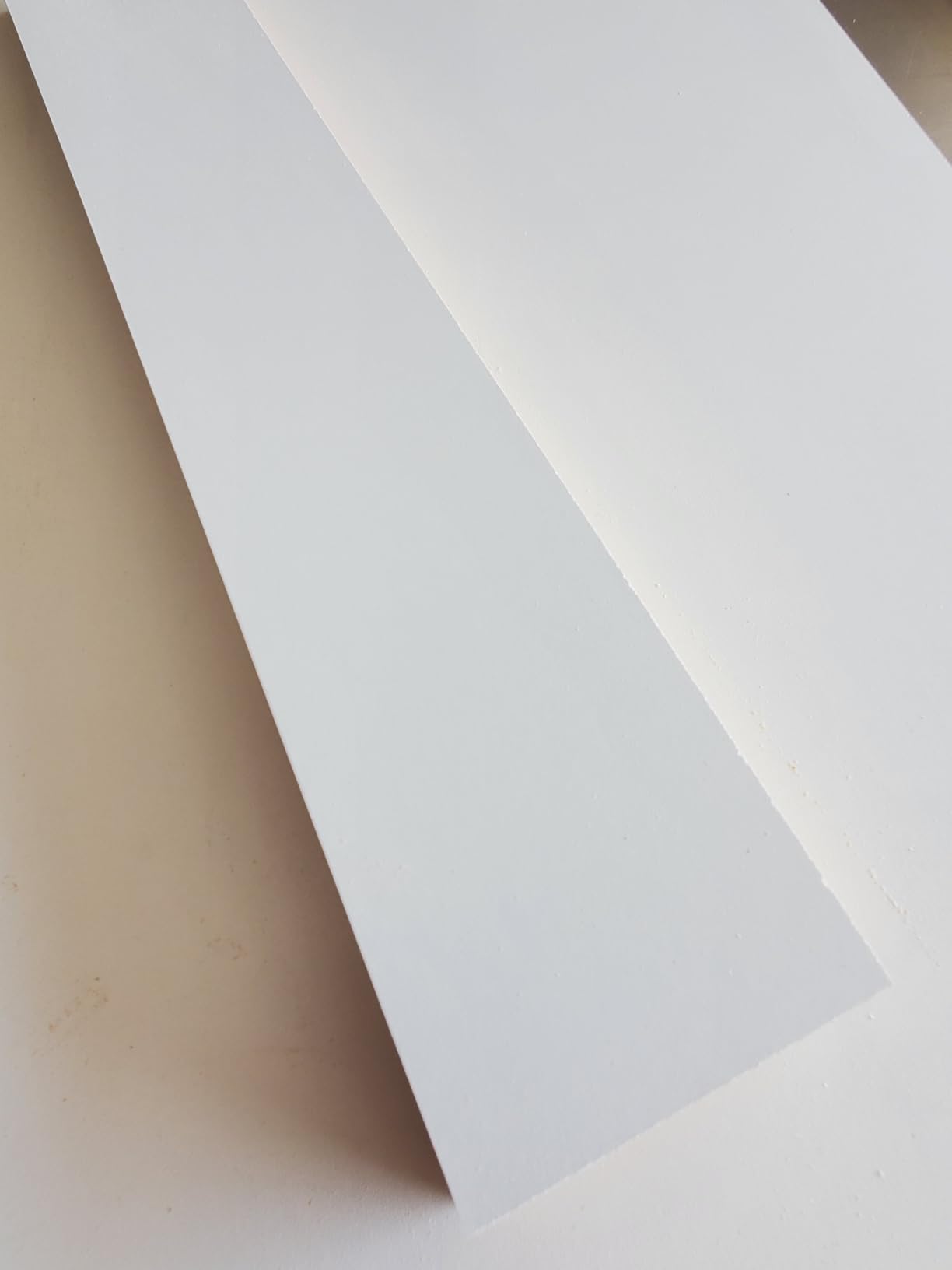
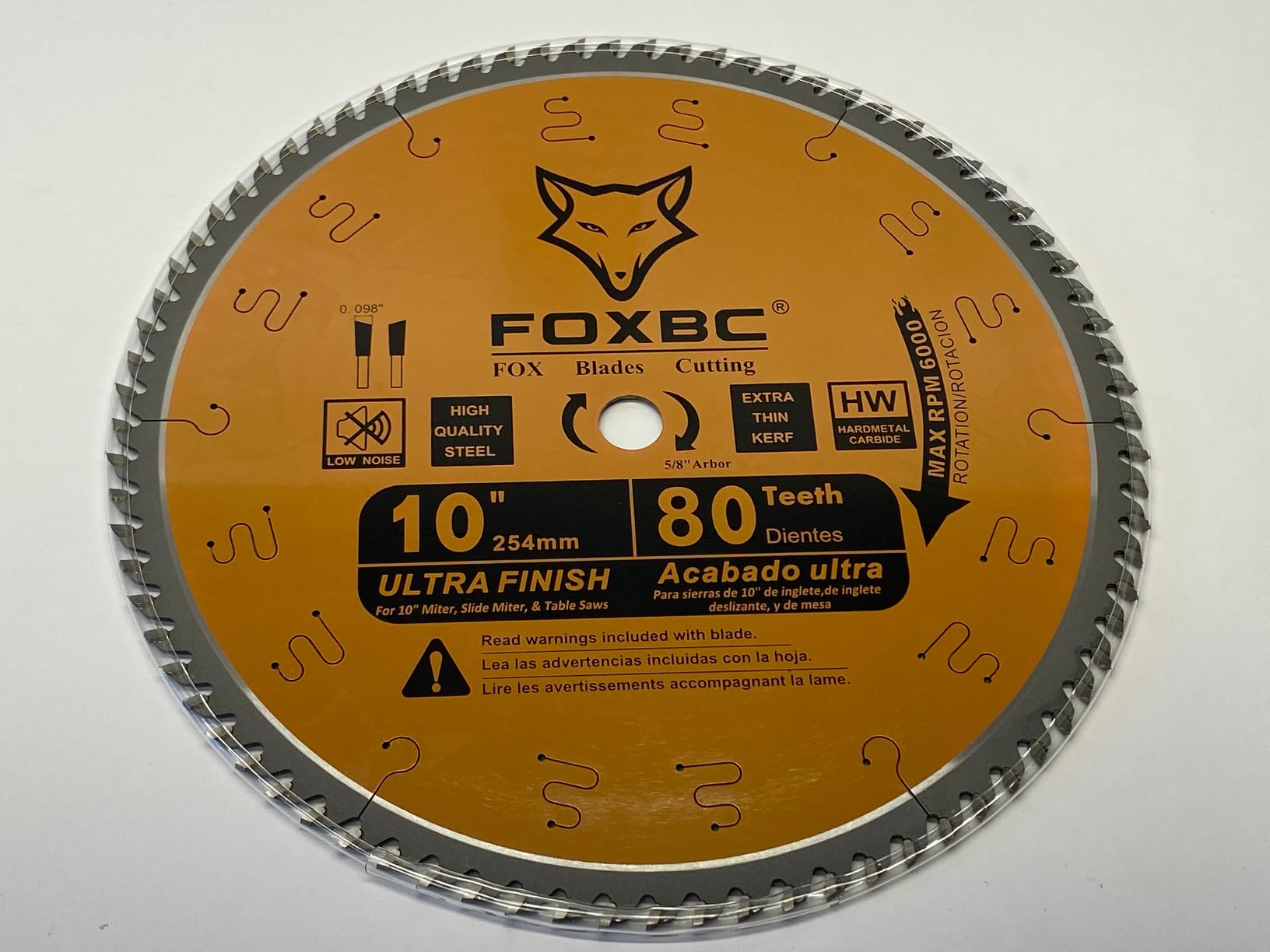
The recurring theme in these reviews is comparison. Owners put this blade next to premium blades from established brands and report comparable or better cut quality on plywood and melamine, which is a strong claim for the money.
Zero tear-out on hardwood, ply and melamine is reported repeatedly, and one owner notes good accuracy on a 4 HP table saw with virtually no vibration.
The high-density tungsten carbide tips are specified for toughness, wear resistance and long life. Its ranking among best sellers in circular saw blades reflects how many buyers have picked it up for their first sheet-goods cut.
It fits DeWalt, Skil, Metabo and Makita 10 inch miter saws and table saws with a 5/8 inch arbor.
Best first blade for sheet goods
If your priority is clean plywood edges and you have no idea where to start, this delivers the 80-tooth spec sheet without the premium tier price. The ATB configuration crosscuts oak, pine, melamine, plywood and moulding without complaint.
For most people moving from a factory blade to a real crosscut blade, the jump in edge quality is immediate.
Read the kerf claim carefully
Several owners measured the actual kerf and found it is not noticeably thinner than the 40-tooth blade it replaced, despite the thin kerf labelling. Buy it for the tooth count and grind, not for the kerf number.
Long term edge retention is also still unproven for many current owners, so treat it as a working blade you will reassess rather than a keeper.
8. FOXBC FOX10-60T: Best for Low-Horsepower Jobsite Saws
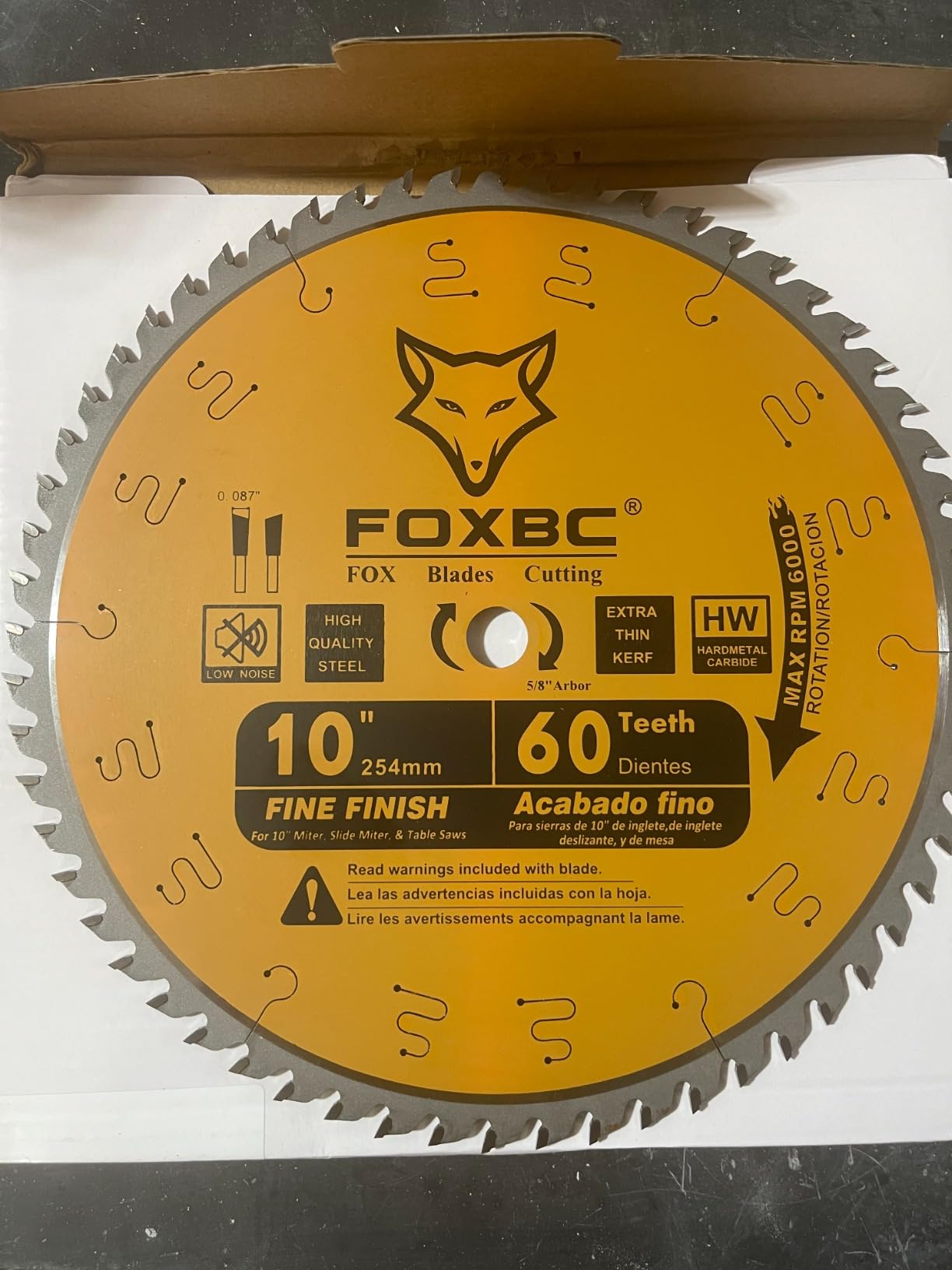
FOXBC 10 Inch Thin Kerf Fine Finish Crosscut Table Saw Blade, 60-Tooth ATB, with 5/8-Inch Arbor
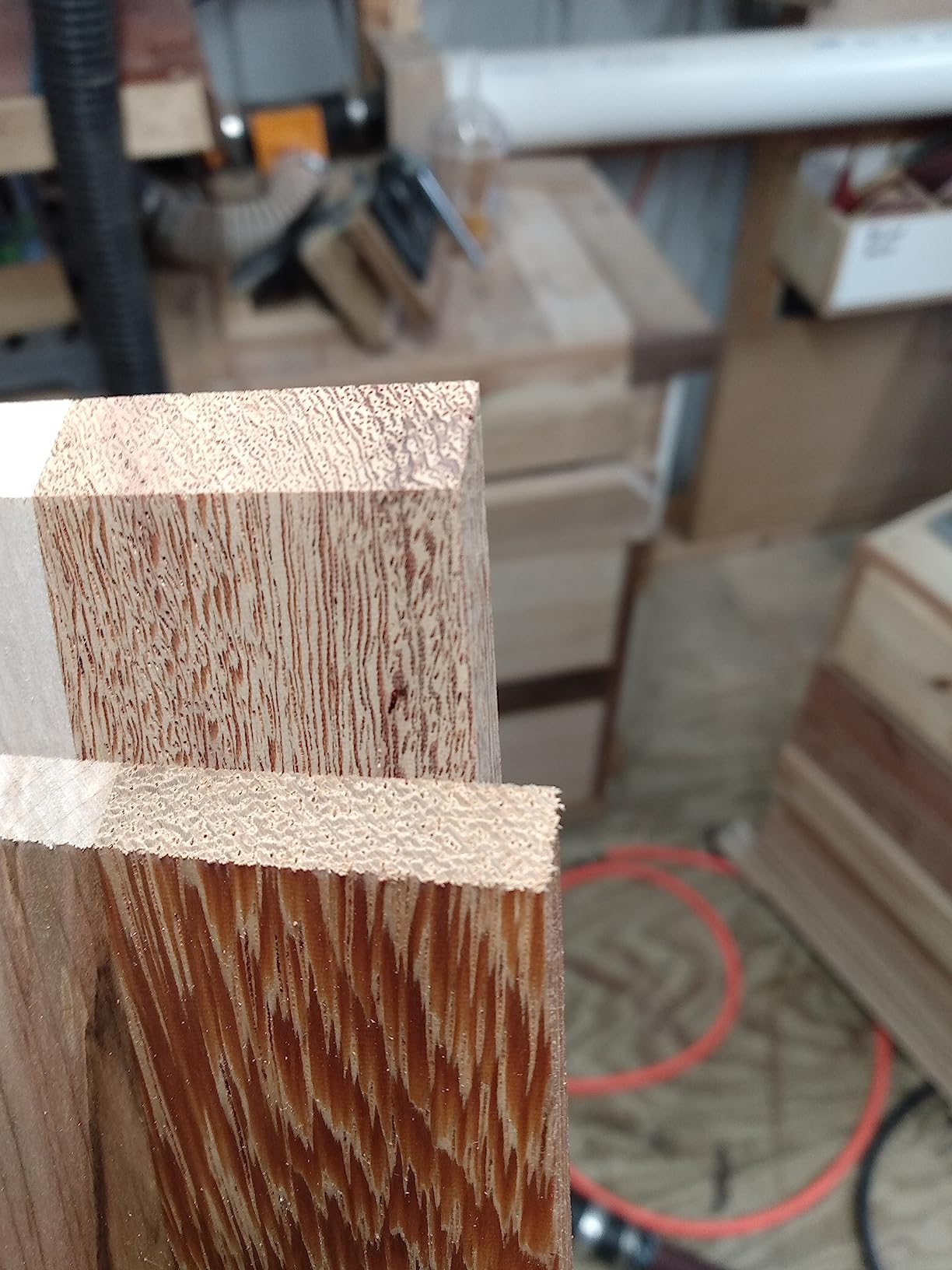
- Beautifully clean crosscuts on finished plywood with little tear-out
- Effortless feed on 3/4 inch plywood
- Quiet running and sharp straight from the box
- Fits common DeWalt Skil and Metabo saws
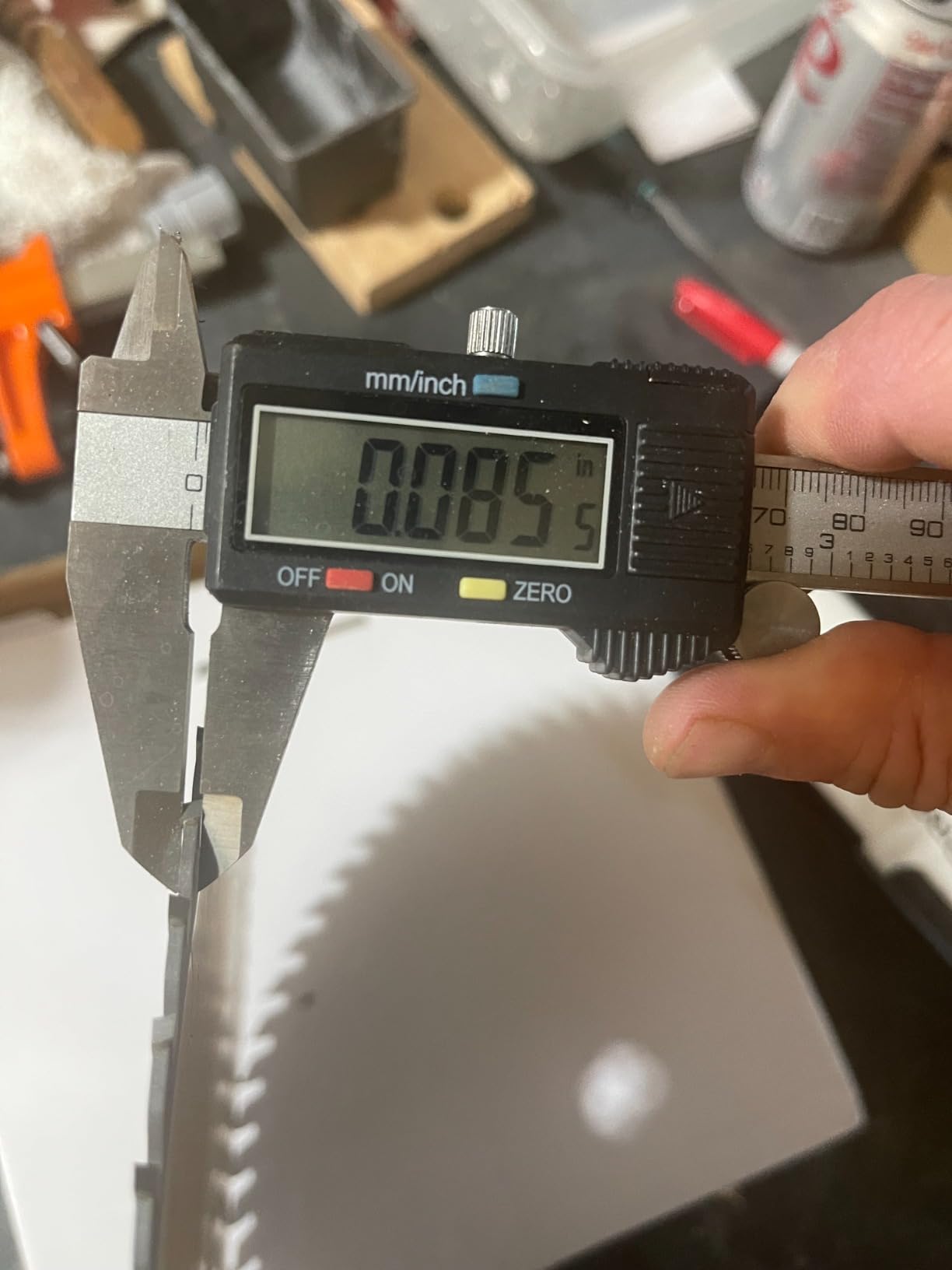
- 0.087 inch kerf can stop a standard riving knife passing
- 60 teeth give a slightly less refined edge than 80-tooth blades
This is the kerf width to look for when your saw is on the small side. At 0.087 inch it removes the least material of any blade here, and owners report effortless feeding on 3/4 inch plywood.
Cut quality is the surprise. Most owners describe very clean crosscuts on finished plywood with virtually no tear-out, and the blade runs quietly.
It is specified for DeWalt, Skil, Metabo 10 inch table saws and miter saws, which covers the most common contractor machines people already own.
Sixty teeth with an ATB grind keeps the cut fast enough to avoid burning on thicker panels while still finishing the face veneer cleanly.
Where the thin kerf is the whole point
On a jobsite saw with a smaller motor, kerf width decides whether a full sheet goes through in one steady pass or bogs down mid-cut. This blade removes roughly a third less material than a 0.126 inch full kerf.
That also means less waste when you rip narrow parts out of sheet goods, which adds up quickly across a whole project.
Check your riving knife first
At 0.087 inch, a standard riving knife may not pass this kerf on some table saws, and one owner returned a blade for that reason alone. Measure before you order.
You also give up a little finish refinement compared with an 80-tooth blade, and this ATB geometry will not produce a flat-bottomed dado.
9. CMT 255.080.10: Best for Ultra-Fine Veneer Edges
CMT Orange Tools 255.080.10 – Ultra Fine Finishing Saw Blade D=10 B=5/8 ß=Hi-ATB 30 K=0.110 P=0.071 a=5
- Hi-ATB 30 degree geometry built for ultra fine finishing
- 5 degree hook angle and thin plate reduce drag on ply
- Professionally resharpenable carbide extends usable life
- Designed and manufactured in Italy with premium steel plate
- Lower owner feedback volume than the leading blades here
- ATB bevel will not cut a flat-bottomed dado
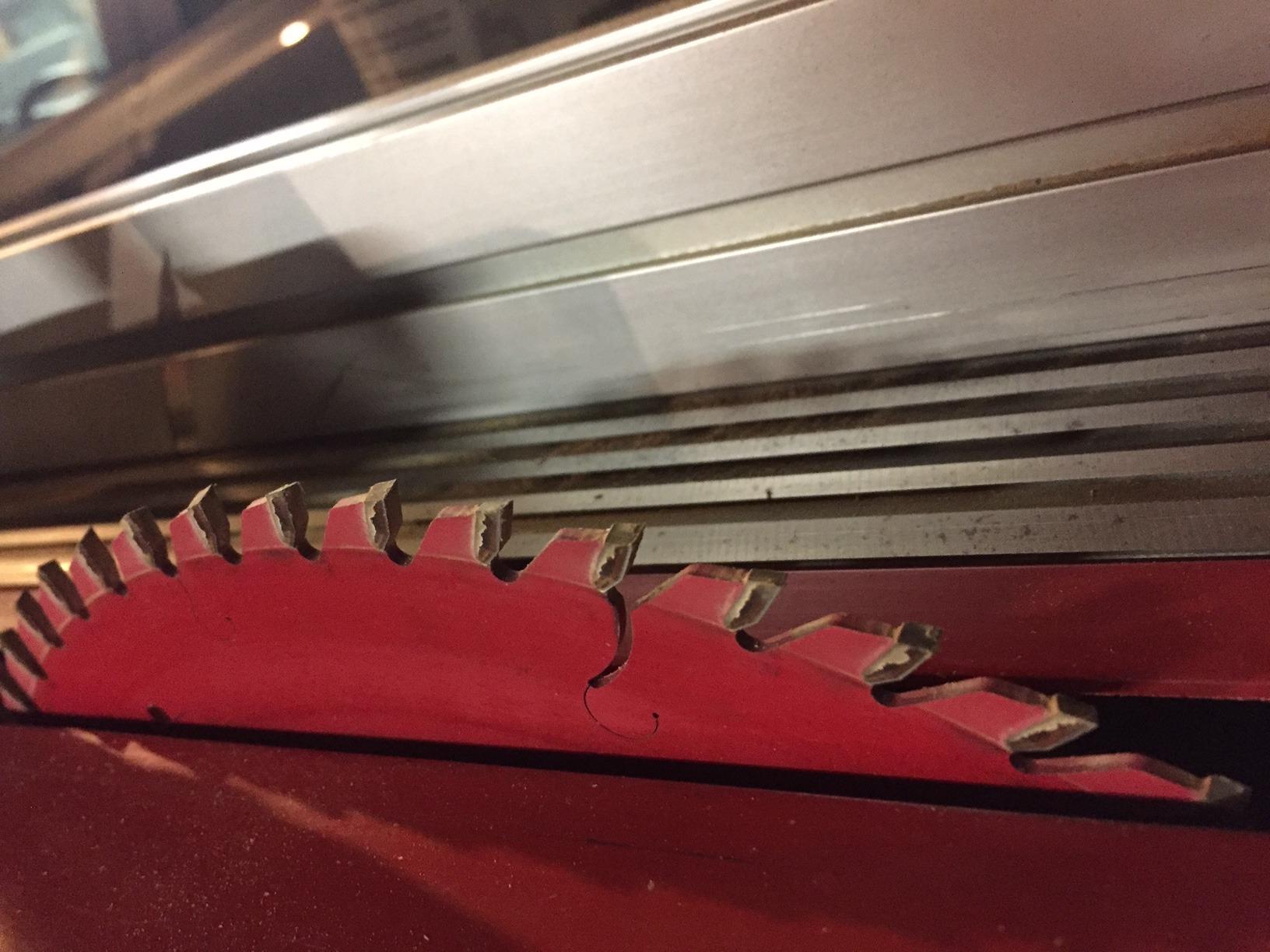
CMT built this one specifically for finishing, and the numbers back that up. Eighty teeth with a 30 degree Hi-ATB bevel on a thin 0.071 inch plate is a geometry aimed at a saw-smooth edge rather than at speed.
The 5 degree hook angle is shallow, which means the blade drags less on the material. Less drag means less tendency to pull the face veneer down and tear it as the tooth exits the bottom.
Being professionally resharpenable matters more than buyers expect. A disposable blade gets thrown away when it dulls, while this one can be sent out and cut many times, which lowers the real cost over years of panel work.
Italian manufacture with a premium steel plate is also why owners rate it as build quality rather than just cut quality.
Best when the face veneer is the show
Choose this blade when the good face of the ply is going to be finished and seen. Birch ply, oak-faced ply and veneered MDF all benefit from a grind this fine at this price tier.
It also handles melamine cleanly, so it doubles as a panel blade for mixed sheet-goods work.
The tradeoff is feed rate and the bottom of a dado
Fine finish geometry is not free. You feed this blade more slowly than a 50 or 60-tooth alternative, and pushing it hard on thick stock generates heat you do not want.
The ATB bevel also leaves a ridge in groove bottoms, so keep a flat-top grind blade for non-through cuts. Owner feedback volume is lower than the leading blades in this roundup.
10. CMT 221.060.10: Best for Chipboard, OSB and Sheet Goods Breakdown
CMT Orange Tools 221.060.10 – Laminated&Chipboard Circular Saw Blade HW D=10 B=5/8 Z60 K=0.126 P=0.087 a=10
- Purpose designed for chipboard laminate melamine OSB and plywood
- Laser-cut expansion and dampening slots aid stability
- Non-stick PTFE coating resists pitch and resin buildup
- Tri-metal brazing supports repeated sharpening
- 60 teeth give a slightly less refined edge than 80-tooth blades
- Full 0.126 inch kerf demands more motor power
This is the engineered-wood specialist. CMT designed it for chipboard, laminate, melamine, OSB and plywood, which is exactly the pile of panels most shops are trying to get rid of.
The laser-cut heat expansion slots and sound dampening slots are the features that separate it from a generic 60T. Expansion slots let the plate flex under load instead of wobbling, and dampening slots take the ring out of the cut.
Industrial chrome carbide with precision mirror finish sharpening and a non-stick PTFE coating means less resin and pitch build-up on panels with glue squeeze-out still on them.
It is listed for miter saws, radial arm saws, stationary table saws and vertical panel saws, so it moves between machines without argument.
When OSB and chipboard are the workload
Coarse panel goods chew through blades that would coast through birch ply. This one is built for that, and owners use it as a durable generalist for engineered wood.
It is a good second blade for any shop, kept in reserve so your finish blade never sees rough sheet material.
Where it is not the first choice
At 60 teeth the edge is a shade less refined than an 80-tooth fine finish blade, so it is not my pick when the cut edge will be visible and finished.
The full 0.126 inch kerf also asks more of your motor. On a small jobsite saw, pair it with a higher horsepower machine or choose a thinner kerf.
11. CMT 256.050.10: Best for Dados, Rabbets and Glue-Line Rips
CMT Orange Tools 256.050.10 – Combination Saw Blade D=10 B=5/8 ß=4 ATB 15 + 1 FLAT K=0.102 P=0.071 a=15
- 4 ATB teeth plus a flat-grind tooth at 15 degree bevel
- Flat tooth cuts clean dados and rabbets in one pass
- Quiet and well balanced with burn-free crosscuts
- Professionally resharpenable chrome carbide
- Only 50 teeth so thin veneer crosscuts can splinter
- Finest crosscut finish is not what this blade is built for
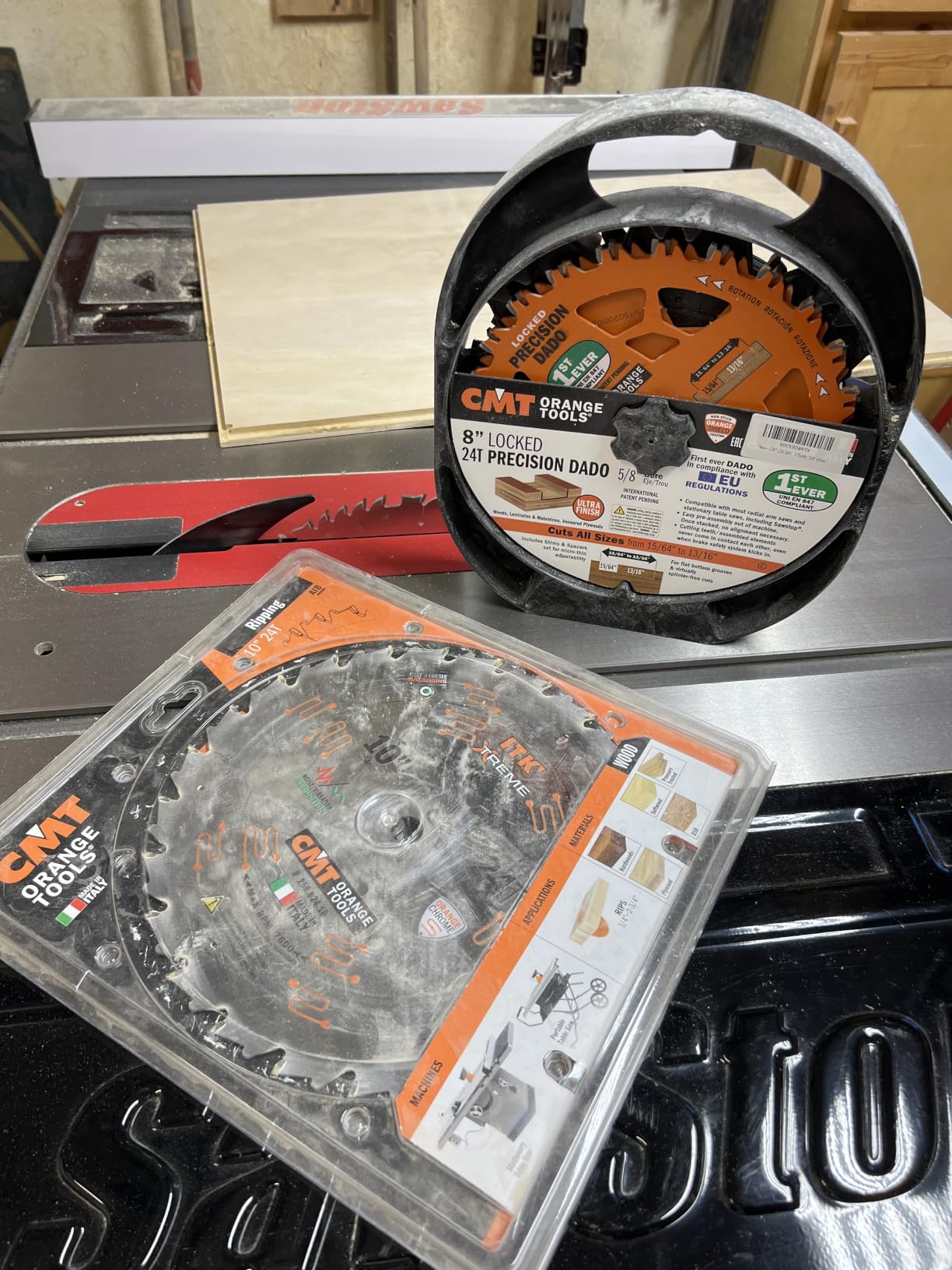
The flat-grind tooth is the reason to own this blade. Four ATB teeth plus one flat tooth means the flat tooth planes the bottom of a dado or rabbet flat, so you do not need to sand the glue surface afterward.
That single feature saves a step on every cabinet, drawer or box you build. For joinery work it is worth more than a few extra teeth.
A 4.8 average across 712 reviews reflects consistent satisfaction. Owners describe it as very sharp, well balanced and quiet, with clean glue-line rips and burn-free crosscuts.
The chrome-plated body with tri-metal brazed carbide teeth is professionally resharpenable, which lowers the long-run cost compared with disposable blades.
Best when joinery matters more than sheet goods
Ripping hardwood is the standout use, and the clean glue-line edges mean parts go together with less clamping time and less squeeze-out to clean up afterwards.
It suits softwood, hardwood and plywood, so it earns its place in a shop that builds furniture rather than cutting panels.
The tooth count limit for plywood
At 50 teeth, crosscutting ultra-thin veneer plywood can still splinter unless you tape the cut line. If sheet goods are your main workload, use one of the 80-tooth blades instead.
The finest crosscut finish is simply not what this blade targets, and the flat tooth adds a small amount of drag you will feel on wide crosscuts of thick stock.
12. Freud LU88R010: Best for Fast Crosscuts in Solid Wood
Freud LU88R010: 10″ Thin Kerf Fine Finish Crosscut Blade
- 15 degree positive hook allows a faster feed rate
- 0.090 inch thin kerf reduces waste and feeds easier
- Fine finish crosscuts in solid wood and moulding
- Perma-Shield coating reduces drag and pitch buildup
- ATB configuration will not cut a flat-bottomed groove
- Not the right blade when sheet goods crosscutting is the main job
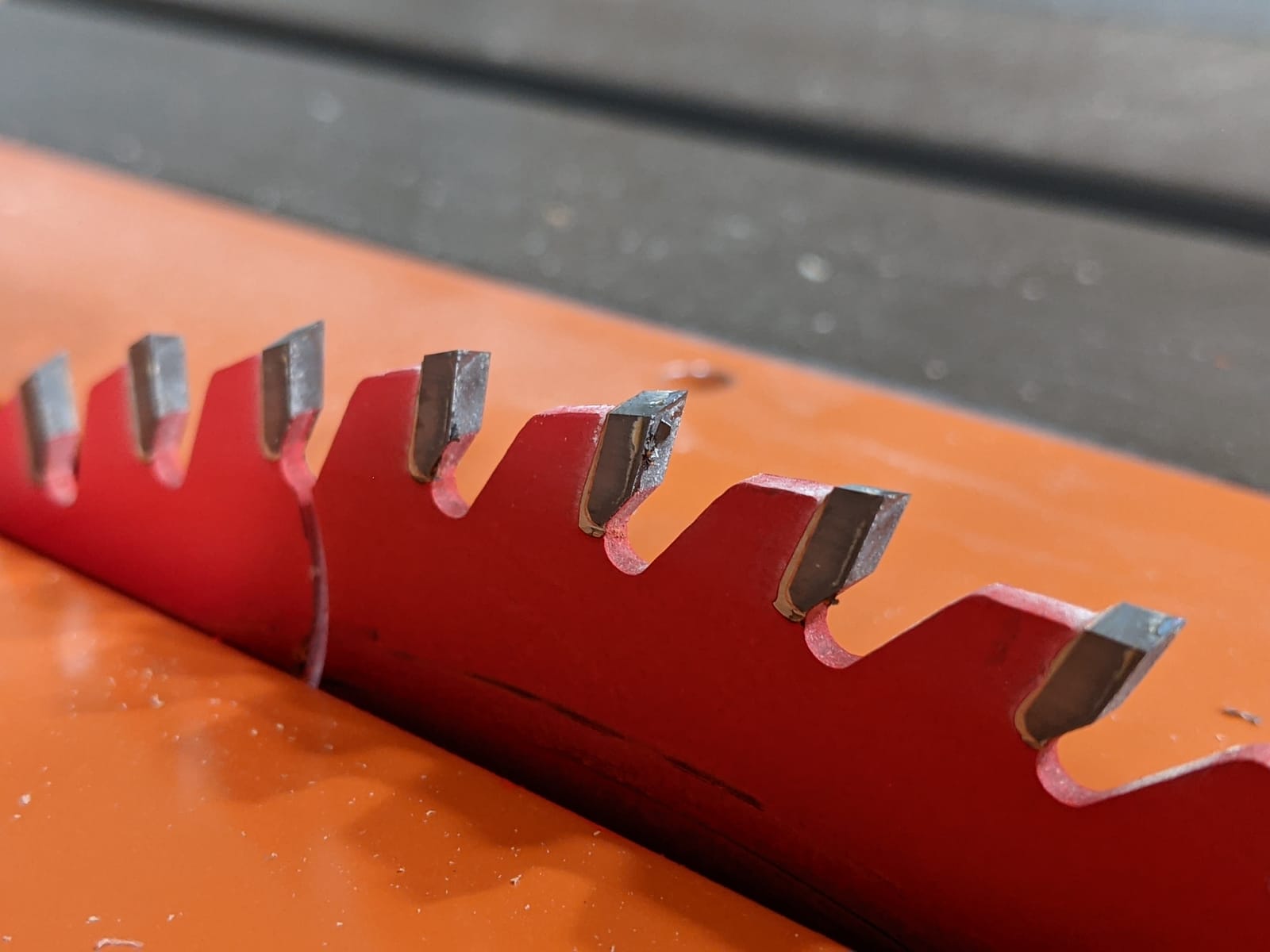
This is the pairing recommendation that shows up most often alongside a dedicated plywood blade. Buyers who own the Freud plywood blade tend to run this one for solid wood crosscut finish work, because it feeds faster.
The 15 degree positive hook is what drives that. A positive rake tooth bites rather than skims, so you can push the cut harder without the blade burning or wandering.
Combined with a 0.090 inch thin kerf and a 0.071 inch plate, it removes very little material and produces less waste on every cut.
Perma-Shield coating reduces drag, corrosion and pitch buildup, which matters when you are cutting resinous softwoods back to back.
Best as the second blade in the rack
A working shop rotating two blades gets the best of both. Fine crosscut finish in solid wood and moulding on this one, chip-free plywood edges on a dedicated sheet-goods blade.
It also fits most 10 inch table saws and miter saws with a 5/8 inch arbor and is easy to swap in seconds.
What it gives up on sheet goods
The ATB configuration will not cut a flat-bottomed groove, so dados need a different blade. And while it will crosscut plywood, it is not engineered for the tear-out problem the way a Hi-ATB blade is.
If plywood is the majority of your cutting, buy a dedicated sheet-goods blade instead of this one as your primary.
How to Choose a Plywood Blade: Tooth Count, Grind and Kerf?
Tooth count is the first filter, and the ranges divide up cleanly. Forty teeth is for ripping solid wood. Sixty teeth handles crosscutting and sheet goods with a faster feed. Eighty teeth is the plywood sweet spot. One hundred teeth and above finish hardwood moulding and thin veneers, at the cost of feed speed.
Grind geometry decides how the face veneer is treated. ATB alternates a bevel from tooth to tooth. Hi-ATB sharpens that bevel angle to about 30 degrees, which is why it produces the cleanest edges on sheet goods. TCG, or triple chip grind, alternates three bevel shapes to spread wear and lasts longest. A flat-top grind leaves no bevel at all, which is why it is the only one of the four that cuts a flat-bottomed dado.
Kerf is the width of slot the blade cuts. Thin kerf runs about 0.087 to 0.098 inch, full kerf about 0.126 inch. Shop advice converges on the same rule: on a 110V jobsite saw under about 2 HP, match a thin kerf to the motor so the sheet keeps moving. On a 220V cabinet saw of 3 HP or more, a full kerf blade is stable and gives a straighter cut on thick stock.
Hook angle is how far the tooth face leans back from vertical. Freud’s plywood blade runs a 2 degree hook, which is very shallow, and CMT’s fine finishing blade uses 5 degrees. Both cut cleanly because the blade drags less on the way down. A 15 degree positive hook, as on the Freud LU88R010, cuts faster and grips harder, which is why it suits solid wood crosscuts instead.
Coatings and slot patterns are the finishing touches. A Perma-Shield or PTFE coating slows resin and pitch build-up. Laser-cut anti-vibration slots, expansion slots and sound dampening slots reduce the wobble that turns a straight cut into a curved one across a long panel. Bodies with a tensioning ring are more stable under load than plain plates.
Finally, check compatibility. Diameter and arbor are the basics: 10 inch with a 5/8 inch arbor covers most American table saws, while a 1 inch arbor fits Evolution machines and many sliding miter saws. Confirm the saw RPM rating against the blade rating, and if you build sleds or jigs, note the kerf so they match the blade you actually own.
If your cuts are mostly ripping hardwood rather than breaking down panels, our roundup of the best box blades covers a different tooth range and grind entirely.
How to Get a Chip-Free Cut in Plywood?
A zero-clearance insert fixes most underside chipping. Replace the standard throat plate with one machined so the front and back edges sit exactly flush with the table surface. With no ledge for the plywood to drop into as the blade exits, the tear-out disappears. This is the single most reported fix in woodworking forums for table saw chipping, and it works with any of the blades above.
Orient the panel correctly. Plywood always has a good face and a rough face, and the good face must ride on top of the table. The blade cuts upward through the panel, so the bottom veneers experience the full downward pull of the teeth. If you run the good face down, no blade in this roundup will save you from sanding the face veneer back to bare wood.
Feed at a steady, unhurried pace. Rushing a high-tooth blade generates heat, which glazes the carbide and burns the edge. Let the blade do the work, keep the fence tight so the panel cannot wander, and support large sheets so their own weight does not drag them off line.
Masking tape works too. A strip of tape along the cut line on both faces of a full sheet is a cheap way to reduce tear-out on a blade that is not quite right for the job, and it is still the standard trick for 50-tooth blades on thin decorative veneer.
Frequently Asked Questions
What type of blade is best for cutting plywood?
A 60 to 80 tooth carbide blade with a Hi-ATB or ATB grind and a shallow hook angle is best for cutting plywood. The high Alternate Top Bevel shears the thin face veneer instead of tearing it, the higher tooth count takes a smaller bite per tooth, and a low hook angle reduces the blade’s downward drag. Add a zero-clearance throat plate and keep the good face of the panel on top for the cleanest edges.
How many teeth should a blade have for cutting plywood?
Sixty teeth is a good all-rounder for crosscutting plywood, and 80 teeth is the sweet spot for the cleanest edge on veneered and cabinet-grade panels. Forty teeth will tear face veneer, and 100 teeth or more finishes hardwood and thin veneer but feeds slowly and burns on thick stock if fed too quickly.
Is a 140 tooth blade good for plywood?
A 140 tooth blade gives an excellent edge on plywood but is overkill for most table saw work. It cuts so slowly that friction builds heat, which glazes the carbide and can burn the cut line on thick panels. It also puts more load on the motor. Stick to 60 to 80 teeth on a table saw and reserve very high tooth counts for thin veneers and moulding.
What is a good 10 inch table saw blade for plywood?
Look for a 10 inch blade with a 5/8 inch arbor, 80 teeth and a Hi-ATB grind for the cleanest plywood edges. The Freud LU80R010, the DEWALT DWA11080, the WEN BL1080 and the CMT 255.080.10 all fit that description, with the WEN offering the lowest entry point and the DEWALT and Freud carrying the deepest owner feedback.
Is a 60 tooth blade good for plywood?
Yes, a 60 tooth blade is a solid choice for plywood, especially on a smaller saw or when you want a faster feed. It will not match an 80-tooth Hi-ATB blade on very thin decorative veneer, but on standard birch, maple and construction ply the difference is small. Many owners use 60T as an everyday blade and keep an 80T for visible edges.
The Verdict on Plywood Blades in 2026
The Freud LU80R010 is the best table saw blade for plywood in 2026 if you want one blade to handle cabinets, furniture and panels: 80 teeth, a Hi-ATB grind, a shallow hook angle and anti-vibration slots that hold it true across a full sheet. The DEWALT DWA11080 is the pick if you want one dependable blade for mixed work with the deepest owner feedback in the group, and the WEN BL1080 is the sensible first upgrade on a tight budget.
Add a zero-clearance throat plate, keep the good face of the panel on top, and feed slowly. Those three habits will improve your plywood edges more than any spec sheet, whatever blade you choose. For joinery work, pair any of these with the CMT 256.050.10 so your dados come out flat.