
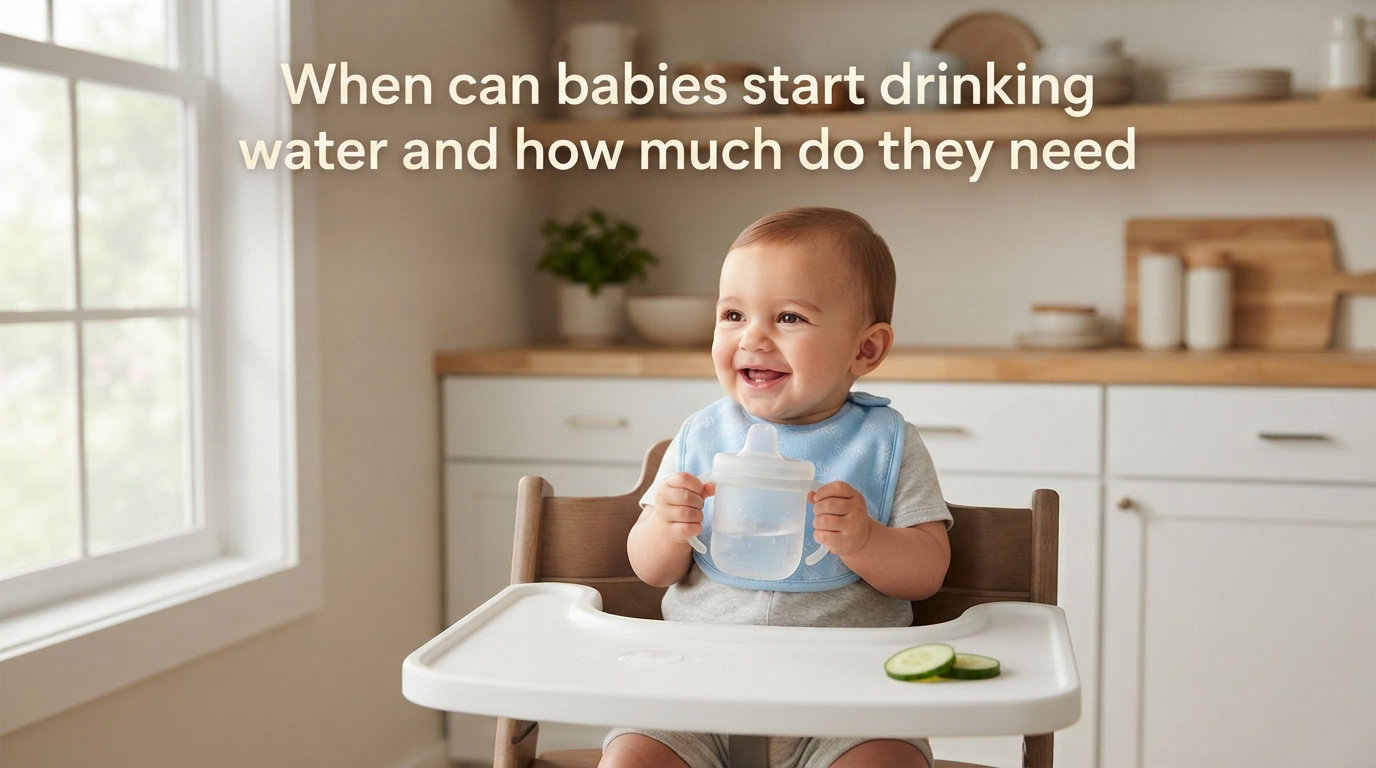
When can babies start drinking water? This is one of the most common questions new parents ask their pediatricians, and for good reason. The guidelines have changed significantly over the generations, and conflicting advice from family members can leave you feeling uncertain about what’s best for your little one.
Babies can start drinking small amounts of water at 6 months of age. This is the recommendation from the American Academy of Pediatrics (AAP), the Centers for Disease Control and Prevention (CDC), the World Health Organization (WHO), and the UK’s National Health Service (NHS). Before this age, breast milk or formula provides all the hydration your baby needs.
I remember the confusion I felt when my first child approached the 6-month milestone. My mother insisted that babies needed water from birth, while my pediatrician was clear about waiting. Understanding the science behind these guidelines helped me feel confident in my decisions and gently educate well-meaning relatives.
In this guide, I’ll share exactly when and how much water your baby needs at each stage. You’ll learn why early water introduction can be dangerous, how to safely introduce that first sip, and what to do if your baby refuses water entirely. Whether you’re a first-time parent or navigating this milestone again, this information will help you approach your baby’s hydration with confidence.
Table of Contents
Key Takeaways
If you’re looking for quick answers, here are the essential points about babies and water:
Babies should not drink water before 6 months of age. Breast milk or formula provides complete hydration for the first 6 months.
At 6 months, you can start offering 4-8 ounces (120-240 ml) of water per day in addition to breast milk or formula.
Water should be offered in a cup, not a bottle, to help develop proper drinking skills and oral motor development.
Giving water too early can cause water intoxication, a serious condition that dilutes sodium levels and can lead to seizures.
Breast milk and formula remain the primary source of nutrition and hydration until your baby is 12 months old.
When Can Babies Start Drinking Water?
Babies can safely start drinking water at 6 months of age. This aligns with when most babies begin eating solid foods and have reached developmental milestones that make water consumption safe and appropriate.
The 6-month guideline exists for several important reasons. At this age, your baby’s kidneys have matured enough to handle small amounts of water without becoming overwhelmed. Before 6 months, infant kidneys cannot properly concentrate urine or filter excess water, which creates serious health risks.
Developmentally, 6 months is also when babies typically begin showing interest in solid foods. Their digestive systems are ready for complementary feeding, and they can sit with support, making cup drinking possible. These developmental changes coincide perfectly with the ability to process water safely.
Many parents wonder whether they should start water exactly on their baby’s 6-month birthday or wait a few days. The answer is that it’s perfectly fine to introduce water when your baby starts solids, which might be exactly at 6 months or slightly after. Some babies are ready at 5 months and 3 weeks, while others aren’t interested until 7 months. Follow your baby’s cues and your pediatrician’s guidance.
What about premature babies? If your baby was born early, your pediatrician might recommend adjusting timelines based on corrected age rather than chronological age. Always consult your child’s doctor about the right timing for your specific situation.
How Much Water Do Babies Need by Age
The amount of water your baby needs changes as they grow. Understanding these amounts helps ensure your baby stays properly hydrated without overconsuming water.
Here is a breakdown of daily water recommendations by age:
| Age Range | Daily Water Amount | Notes |
|---|---|---|
| 0-5 months | None needed | Breast milk or formula only |
| 6-8 months | 4-8 oz (120-240 ml) | Small amounts with meals |
| 9-11 months | 8-16 oz (240-480 ml) | Gradual increase as solids increase |
| 12+ months | 16-24 oz (480-700 ml) | Water becomes primary beverage |
For babies 6 to 8 months old, offer 4-8 ounces of water per day. This is roughly half a cup to one cup daily. At this stage, water is not meant to replace breast milk or formula feeds. Instead, it serves as practice for cup drinking skills and complements the introduction of solid foods.
Between 9 and 11 months, your baby can have up to 8-16 ounces of water daily. As your baby eats more solid foods and consumes less breast milk or formula, their water needs naturally increase. Many parents find their babies naturally gravitate toward more water during this transition period.
After 12 months, water should become your child’s primary beverage. The recommended amount increases to 16-24 ounces per day, though individual needs vary based on activity level, climate, and diet. Continue offering breast milk if you’re nursing, but cow’s milk and water should replace formula.
Remember that these are general guidelines. Your baby may drink more on hot days or when constipated, and less when they have a reduced appetite due to illness. The key is offering water regularly without forcing consumption.
Why Water is Not Safe Before 6 Months
Understanding why water is dangerous for young babies helps reinforce the importance of waiting until 6 months. The risks are real and potentially life-threatening.
The primary concern is water intoxication, also known as water poisoning or dilutional hyponatremia. This occurs when a baby consumes too much water, which dilutes the sodium in their bloodstream. Sodium is essential for normal body function, and when levels drop too low, serious complications can occur.
Symptoms of water intoxication include vomiting, irritability, swelling of the face and extremities, low body temperature, and seizures. In severe cases, water intoxication can cause brain damage, coma, or even death. These aren’t theoretical risks. Documented cases of infant water intoxication appear in medical literature regularly.
Young babies are particularly vulnerable for two reasons. First, their kidneys are immature and cannot excrete excess water efficiently. An adult’s kidneys can process and eliminate extra water quickly, but an infant’s kidneys simply aren’t developed enough for this task.
Second, babies have small bodies relative to the amount of water they might consume. A few ounces of water represents a significant percentage of their total body weight. This concentration makes dilution happen rapidly.
Another important consideration is that water fills up tiny stomachs without providing nutrition. A newborn’s stomach holds only about 1-2 teaspoons. Even small amounts of water displace breast milk or formula, leading to inadequate calorie and nutrient intake. This can cause weight loss, failure to thrive, and nutritional deficiencies.
If you accidentally gave your newborn a small amount of water, don’t panic. A single accidental sip is unlikely to cause harm. However, if your baby consumed a significant amount or shows any unusual symptoms, contact your pediatrician immediately. Never intentionally give water to a baby under 6 months.
Breast Milk and Formula as Primary Hydration
Before 6 months, breast milk and formula provide everything your baby needs for hydration and nutrition. Understanding this helps explain why additional water is unnecessary and potentially harmful.
Breast milk is approximately 88% water. It is perfectly designed to hydrate your baby while delivering optimal nutrition, antibodies, and immune protection. The composition of breast milk changes throughout a single feeding and across your baby’s development to meet their exact needs.
Formula is also designed to provide complete hydration. When prepared correctly according to manufacturer instructions, formula contains the right balance of water and nutrients. Adding extra water to formula or offering plain water separately dilutes this carefully calculated nutrition.
How can you tell if your baby is getting enough fluids without water? Count wet diapers. A well-hydrated baby typically has 6 or more wet diapers per day after the first week of life. The urine should be pale yellow or nearly colorless. Dark yellow or orange urine indicates dehydration and warrants a call to your pediatrician.
Some parents worry their baby might be thirsty during hot weather. Breast milk actually adjusts to become more watery in hot conditions, providing extra hydration without any intervention needed. Offer the breast or bottle more frequently if you’re concerned, but don’t supplement with water.
How to Offer Water to Your Baby
Introducing water is an exciting milestone. Here’s how to make that first sip successful.
Step 1: Choose the right time. Offer water when your baby is alert and happy, not when they’re extremely hungry or tired. Many parents find that offering water during or after solid food meals works well, as this mimics adult eating patterns.
Step 2: Select an appropriate cup. Skip the bottle for water. Instead, choose a small open cup or a sippy cup designed for beginners. The cup should hold just a few ounces to prevent overwhelming your baby and creating a flood when spilled.
Step 3: Demonstrate first. Babies learn by watching. Take a sip from the cup yourself, exaggerating the motion slightly. Your baby is programmed to imitate you, and this modeling helps them understand what to do.
Step 4: Offer a small amount. Fill the cup with just 1-2 ounces of water. Too much water makes the cup heavy and increases the mess when spills happen.
Step 5: Let them explore. Hold the cup to your baby’s lips or help them hold it themselves. Expect spills, dribbles, and more spills. This is completely normal. The goal at this stage is exploration and skill-building, not efficient drinking.
Step 6: Don’t force it. If your baby isn’t interested, that’s okay. Try again tomorrow. Some babies take weeks or even months to show interest in water. Continue offering breast milk or formula, which remains the priority.
Water temperature is a common question. Room temperature water is perfectly fine and often preferred by babies. Some babies accept cool water from the refrigerator, while others prefer it slightly warmed. There are no strict rules about temperature, so experiment to find what your baby likes.
Choosing the Right Cup for Your Baby
The type of cup you choose can impact your baby’s drinking success and oral development. Here’s what you need to know about the three main options.
Open cups are the gold standard recommended by feeding specialists and speech therapists. They promote proper tongue placement, strengthen oral muscles, and don’t require the unnatural sucking motion that bottles and some sippy cups use. The downside is mess. Expect lots of spills as your baby learns.
Sippy cups with soft spouts are the traditional transitional choice. They’re less messy than open cups and many babies find them familiar since the spout requires a similar sucking motion to bottles. However, prolonged sippy cup use can affect tooth alignment and speech development.
Straw cups are excellent for older babies, typically 9 months and up. They require a different oral motor skill set and can help strengthen muscles used for speech. Many straw cups are also spill-proof, making them great for on-the-go use.
My recommendation is to start with a small open cup at 6 months, then introduce a straw cup around 9-10 months. Limit traditional sippy cup use if possible, or choose valve-free options that don’t require sucking. The goal is helping your baby develop mature drinking patterns, not just preventing spills.
What if your baby refuses water entirely? This is incredibly common and nothing to worry about before 12 months. Continue offering water at meals without pressure. Make it fun by clinking cups together. Some babies prefer drinking from your cup or a regular glass. Experiment with different cups, temperatures, and settings until you find what works.
What Kind of Water Can Babies Drink
Once your baby is 6 months old, what type of water should you offer? Here’s the breakdown of safe options.
Tap water is perfectly safe for babies over 6 months in most developed areas. If your local water supply is safe for adults, it’s safe for your baby. After 6 months, you do not need to boil tap water before offering it. The boiling requirement only applies to water used for mixing formula for babies under 6 months.
Fluoride in tap water is actually beneficial for developing teeth. The American Dental Association supports fluoridated water for infants and children. However, if your water has very high fluoride levels naturally, consult your pediatrician or dentist.
Bottled water is safe but unnecessary in most cases. If you choose bottled water, any standard drinking water is fine. Special “baby water” or “nursery water” products are marketing gimmicks. They are not better for your baby than regular bottled or tap water, and they cost significantly more.
Distilled water is safe for babies over 6 months, but it’s not recommended as the sole water source long-term. Distillation removes minerals that contribute to taste and nutrition. Occasional use is fine, but regular tap or spring water is preferable.
If you have a private well, have your water tested for lead, nitrates, and bacteria before offering it to your baby. Well water quality varies significantly by location and can contain contaminants not present in municipal supplies.
When traveling, use bottled water if you’re uncertain about local water quality. This is especially important when traveling internationally where water treatment standards may differ from your home country.
Signs of Dehydration and Water Intoxication
Knowing the warning signs helps you respond quickly if your baby’s hydration goes off track in either direction.
Signs of dehydration include:
Fewer than 6 wet diapers per day
Dark yellow or orange urine
Dry mouth and lips
No tears when crying
Sunken soft spot (fontanelle) on the head
Unusual sleepiness or lethargy
Cold or blotchy hands and feet
Dehydration in babies is most commonly caused by illness with vomiting or diarrhea, not by inadequate water intake. If your baby shows dehydration signs, contact your pediatrician promptly. For breastfed babies, increasing nursing frequency often resolves mild dehydration.
Signs of water intoxication include:
Vomiting or nausea
Unusual irritability or fussiness
Swelling of the face, hands, or feet
Low body temperature
Seizures
Difficulty breathing
Unresponsiveness
Water intoxication is a medical emergency. If you suspect your baby has consumed too much water and shows any of these symptoms, seek emergency medical care immediately.
The good news is that most babies naturally self-regulate their water intake once they start drinking. Babies who love water typically know when to stop, and babies who refuse water get plenty of hydration from breast milk or formula. Trust your baby’s instincts while staying alert to unusual symptoms.
Addressing Outdated Advice from Grandparents
One of the most common stressors parents face is conflicting advice from well-meaning older relatives. If your mother or mother-in-law insists that babies need water from birth, you’re not alone.
Why did previous generations give water to newborns? The answer lies in formula evolution. Decades ago, formulas were different and sometimes recommended water supplementation. Additionally, before widespread breastfeeding support, water was sometimes used to stretch formula when supplies were limited. These practices created a cultural norm that has persisted even as medical knowledge has advanced.
How do you handle this diplomatically? Start by acknowledging their experience and good intentions. Then explain that medical recommendations have changed based on new research about infant kidney development. Share that major health organizations like the AAP and WHO now universally recommend waiting until 6 months.
If grandparents are providing care, make your boundaries clear and non-negotiable. This is a safety issue, not a parenting preference. Consider printing guidelines from reputable sources like the AAP or CDC website to show this isn’t just your opinion.
Remember that you’re the parent, and you have the right to make decisions based on current medical advice, even when they differ from what your parents did. Stand firm, be kind, and remember that your baby’s safety is the priority.
Practical Tips for Getting Your Baby to Drink Water
Some babies take to water immediately, while others refuse it for months. Here are strategies that help.
Make water fun by using it yourself. Babies are fascinated by what their parents do, and they want to imitate you. Drink water regularly in front of your baby, making it look enjoyable. Offer them sips from your glass. Many babies find drinking from a grown-up cup more exciting than a baby cup.
Experiment with different cups. Some babies prefer open cups, others like straws, and some want specific brands with familiar characters. Don’t invest heavily in one type until you know what your baby prefers. You can even try small mason jars or shot glasses as open cups.
Consider temperature preferences. Try room temperature, slightly cool from the fridge, or even a few ice cubes for older babies. Some babies have strong preferences about water temperature.
Use water for constipation relief after 6 months. If your baby is constipated, small amounts of water can help. Discuss appropriate amounts with your pediatrician based on your baby’s age and situation.
During hot weather or illness, your baby may naturally want more water. Offer it frequently without forcing. If your baby is breastfed, nursing more often is usually the best response to increased hydration needs.
Never add juice, sugar, or flavoring to water to entice your baby. This creates unhealthy preferences and tooth decay risk. Plain water might take time to accept, but it’s the healthiest habit to build.
If your baby continues refusing water past 12 months, consult your pediatrician. Some babies with tongue ties or oral motor issues struggle with cup drinking and may benefit from evaluation.
Frequently Asked Questions
When can I give my baby water for the first time?
You can give your baby water for the first time at 6 months of age. This is when most babies start solid foods and their kidneys have matured enough to handle water safely. Before 6 months, breast milk or formula provides all the hydration your baby needs.
What is the 3 6 9 rule for babies?
The 3-6-9 rule refers to water introduction and amounts by age. At 3 months, no water is needed. At 6 months, you can start offering 4-8 ounces of water daily. At 9 months, babies can have up to 8-16 ounces of water per day as they eat more solid foods.
Can my 8 month old have 4 ounces of water?
Yes, an 8-month-old can safely have 4 ounces of water per day. This amount falls within the recommended 4-8 ounces daily for babies 6-8 months old. At 8 months, your baby is approaching the upper range where 8 ounces becomes acceptable.
Is a 2 month old baby drinking water?
No, a 2-month-old should not be drinking water. Babies under 6 months should consume only breast milk or formula. Giving water to a 2-month-old can cause water intoxication, electrolyte imbalances, and reduce their intake of essential nutrients.
At what age can babies drink water safely?
Babies can drink water safely starting at 6 months of age. This is the recommendation of the American Academy of Pediatrics, CDC, WHO, and NHS. At this age, their kidneys have developed sufficiently to process small amounts of water.
When to start teaching baby to drink water?
Start teaching your baby to drink water at 6 months when you introduce solid foods. Offer small amounts in an open cup or sippy cup during or after meals. Focus on learning cup skills rather than consumption amounts, as breast milk or formula remains the primary source of hydration.
Can I give my 7 month old 2 ounces of water?
Yes, you can give your 7-month-old 2 ounces of water. This is well within the safe range of 4-8 ounces recommended daily for babies 6-8 months old. Two ounces is a good starting amount as your baby learns cup drinking skills.
Are babies allowed water at 3 months?
No, babies are not allowed water at 3 months. Infants under 6 months should only consume breast milk or formula. Water given at 3 months can lead to water intoxication, fill their small stomachs without providing nutrition, and displace essential milk feeds.
Conclusion
Understanding when can babies start drinking water helps you navigate one of parenting’s common milestones with confidence. The guidelines are clear: wait until 6 months, start with small amounts of 4-8 ounces per day, and always prioritize breast milk or formula for the first year.
The waiting period exists to protect your baby from serious risks like water intoxication and to ensure they receive complete nutrition from milk feeds. Once your baby reaches 6 months, water becomes a wonderful complement to solid foods and an opportunity to develop cup drinking skills.
Every baby is different. Some take to water immediately, while others need months of exposure before accepting it. Both patterns are normal. Focus on offering water regularly without pressure, and trust that your baby will drink what they need.
If you ever have concerns about your baby’s hydration, dehydration, or water consumption, your pediatrician is your best resource. They know your baby’s specific health history and can provide personalized guidance for your unique situation.
Here’s to happy, hydrated little ones and parents who feel confident about when and how much water their babies need.