
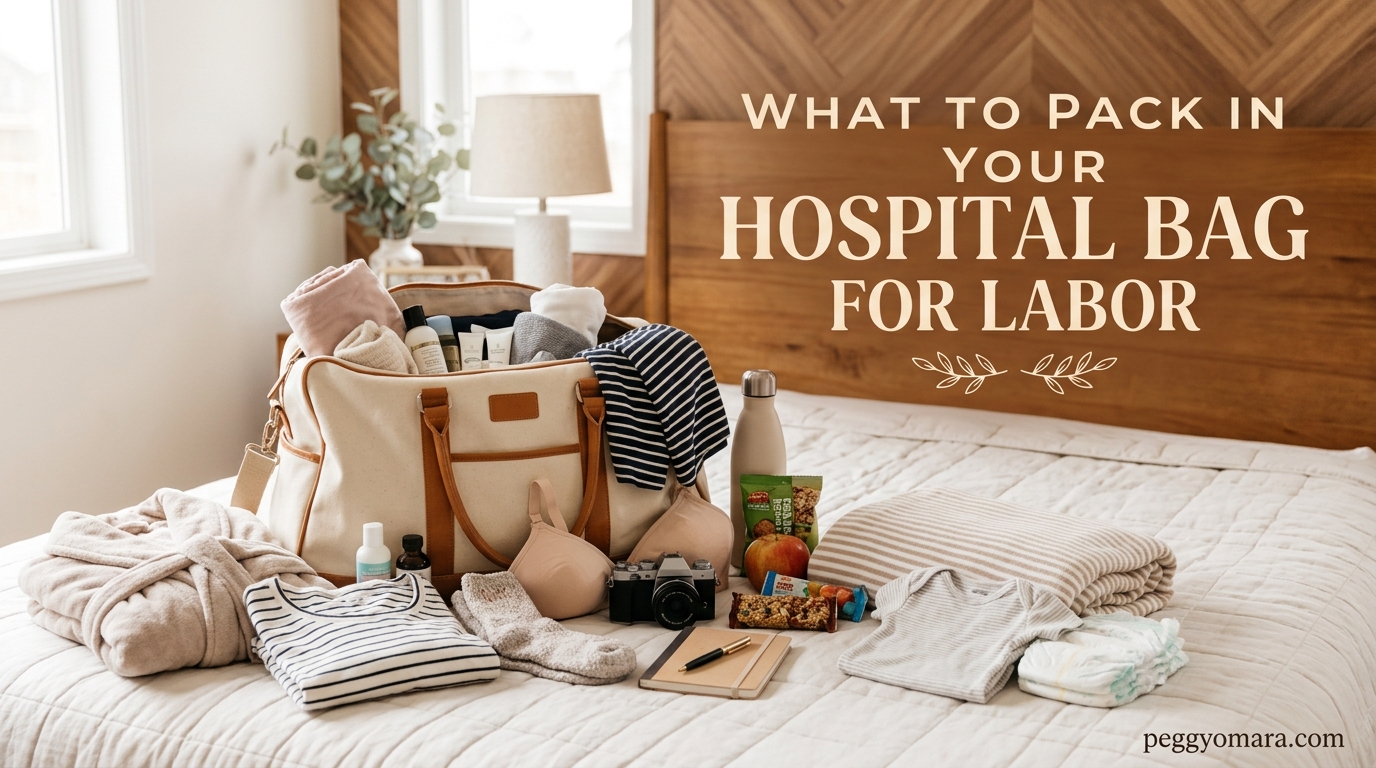
Packing your hospital bag is one of those third-trimester tasks that feels overwhelming until you realize something important: you probably need less than you think. After three decades of supporting new mothers through the childbirth journey, I have seen the pattern repeat itself. Moms arrive with overflowing suitcases, then discover the hospital provides more than expected and their own bodies need less clothing than imagined.
When it comes to what to pack in your hospital bag for labor, the goal is not preparation for every scenario. The goal is having your essential documents, a few comfort items, and enough clothing to get you home feeling human. This guide cuts through the endless online lists to focus on what you will actually use during your hospital stay.
Most expecting parents should have their bag ready by 36 weeks of pregnancy. This timeline gives you a buffer if labor starts early while avoiding the anxiety of packing too soon. Store your bag in an easily accessible location, tell your partner exactly where it lives, and keep a mental list of last-minute additions like your phone charger and toothbrush.
Table of Contents
What to Pack in Your Hospital Bag for Labor: The Essentials (2026)
If you want the short version before we dive into details, here are the absolute must-haves organized by category. This hospital bag checklist for moms covers the essentials that experienced parents consistently recommend.
Important Documents:
- Photo ID and insurance card
- Birth plan (if you have one)
- Pediatrician contact information
- Any hospital pre-registration paperwork
Electronics:
- Cell phone and extra-long phone charger (10-foot minimum)
- Camera or phone with good camera for first photos
- Portable phone battery pack
Clothing:
- Two nursing-friendly tops or bras
- Loose-fitting pants or shorts for going home
- Non-slip socks with gripper bottoms
- Going home outfit that fits a postpartum body
Personal Care:
- Toothbrush and toothpaste
- Lip balm (hospital air is extremely dry)
- Hair ties or headbands
- Basic skincare and deodorant
- Glasses or contacts if you wear them
One Reddit user who recently delivered put it perfectly: “Pack lots of snacks and drinks. An extra long phone charger. The hospital provided nothing so for myself I packed maternity pads, a towel, shower shoes, and basic toiletries.” This realistic approach serves most laboring parents well.
Hospital Bag Checklist for Mom – Important Documents
The administrative side of birth requires specific paperwork that you cannot substitute with good intentions. Hospital staff will need to verify your identity and insurance coverage before admitting you, even in active labor.
Bring your driver’s license or state ID along with your current insurance card. If you have completed hospital pre-registration forms during your third trimester, include those as well. Some hospitals also request your social security number, though this varies by facility.
Your birth plan deserves a physical copy in your bag, even if you have emailed it ahead. Nurses and doctors change shifts throughout your stay, and having a printed document ensures everyone knows your preferences for pain management, delayed cord clamping, skin-to-skin contact, and newborn procedures. Keep it to one page if possible for readability during busy moments.
Write down your chosen pediatrician’s name and phone number. The hospital will need this information before discharge to send your baby’s medical records. If you have not selected a pediatrician yet, this is your reminder to do so before week 36 of pregnancy.
Pack a copy of any relevant medical records if you have conditions like gestational diabetes, Group B Strep status, or medication allergies. While hospitals can access your records electronically, having documentation readily available prevents delays.
Clothing for Labor and Delivery
Here is the truth that experienced moms will tell you: the hospital gown is actually comfortable and practical. It opens easily for fetal monitoring, provides access for epidural placement, and simplifies breastfeeding immediately after birth. Many women plan to wear their own birthing gown or comfortable clothes, then opt for the hospital gown once labor intensifies.
If you do want your own clothing during labor, pack a loose-fitting nightgown or top that opens in the front. Button-down shirts or specially designed labor gowns work well. Avoid anything you would mind getting messy, because birth involves fluids regardless of delivery method.
Socks with gripper bottoms are non-negotiable. Hospital floors are smooth and cold, and you will be walking to the bathroom during and after labor. Pack two to three pairs of thick, warm socks with rubberized grips on the sole.
Hair ties or soft headbands belong in every hospital bag. Long hair becomes annoying fast when you are sweating through contractions. One mom on Reddit shared that hair ties were the one thing she forgot and desperately needed during pushing.
If you are planning a water birth or using the birthing pool during labor, pack a dark-colored sports bra or bathing suit top that you do not mind getting wet. Dark colors hide any bodily fluids better than light ones.
Clothing for Postpartum Recovery
The hospital stay after birth typically lasts one to two nights for vaginal delivery and two to four nights for C-section. During this time, you will want clothing that accommodates postpartum bleeding, breastfeeding, and the physical reality of your recovering body.
Pack two to three nursing-friendly tops or nightgowns. Look for front-opening designs, wrap styles, or loose necklines that allow easy access for breastfeeding. The hospital provides mesh underwear and heavy-duty pads for postpartum bleeding, so do not stress about bringing your own underwear unless you prefer specific styles.
Your going home outfit requires careful thought. Remember that you will still look about five to six months pregnant immediately after giving birth. Your pre-pregnancy clothes will not fit comfortably. Pack loose-fitting maternity pants or leggings, a nursing-friendly top, and flat shoes that are easy to slip on. Dark colors hide any postpartum leakage.
A lightweight robe serves multiple purposes. It provides modesty when visitors stop by, keeps you warm in air-conditioned hospital rooms, and layers easily over the hospital gown if you want to walk the halls during early labor. Choose a front-opening style in a soft, breathable fabric.
Hospital Bag Checklist for Mom – Toiletries and Personal Care
Hospital air is notoriously dry, and labor is sweaty work. Your basic toiletries will make you feel significantly more human during and after birth. Pack travel-sized versions of everything to save space.
Lip balm deserves top billing on your toiletries list. Between the dry hospital environment, mouth breathing during contractions, and dehydration from labor, your lips will chap quickly. Bring at least two tubes because you will lose one.
Pack your toothbrush, toothpaste, face wash, moisturizer, and deodorant. These basics help you feel refreshed after delivery when you want to greet visitors or take first photos with your baby. Dry shampoo can be a lifesaver if you cannot shower immediately after birth.
If you wear glasses or contact lenses, bring your case and solution along with your everyday pair. Contacts can dry out during long labor, and you might prefer glasses anyway. Do not forget your glasses case because hospital beds have a way of swallowing loose items.
Postpartum-specific toiletries include nipple cream for breastfeeding mothers, a peri bottle for gentle cleansing after vaginal birth, and heavy-duty pads. While hospitals provide pads and often provide peri bottles, some women prefer their own higher-quality versions. Earth Mama or Frida Mom make popular peri bottles with angled spouts that work better than standard hospital versions.
A small package of makeup wipes and tinted moisturizer or BB cream can help you feel presentable for those first photos without requiring a full makeup bag. Keep it simple.
Breastfeeding and Nursing Essentials
If you plan to breastfeed, a few strategic items make those first nursing sessions easier. Your milk typically comes in two to five days after birth, but colostrum feeding starts immediately.
Pack two to three nursing bras or comfortable sports bras that you can pull aside easily. Your breasts will be tender and possibly engorged as milk comes in, so soft fabrics without underwire work best. Choose dark colors to hide any leakage.
Nipple cream or lanolin ointment prevents and treats soreness from those frequent early feedings. Pure lanolin works well, as do products from Earth Mama or Motherlove. Apply after every feeding to keep nipples healthy.
Nursing pads absorb leakage between feedings. Disposable pads work fine, though some women prefer reusable bamboo pads. Pack a small supply in your bag even if you are unsure about breastfeeding plans.
Many women wish they had brought their pregnancy pillow for hospital comfort during breastfeeding. Hospital beds are not designed for comfortable nursing positions, and your pregnancy pillow supports both you and baby during those long feeding sessions. If space allows, tuck it in the car even if you do not bring it to the room immediately.
A large, refillable water bottle with a straw helps you stay hydrated while nursing. Labor and breastfeeding both demand significant fluid intake, and having water within arm’s reach prevents thirst during cluster feeding sessions.
Hospital Bag Checklist for Mom – Comfort and Entertainment Items
Labor can last anywhere from a few hours to several days. Early labor especially involves a lot of waiting, and even active labor has moments between contractions where distraction helps. Comfort items also support your postpartum recovery.
Snacks and drinks deserve prime real estate in your hospital bag. Hospital food operates on schedules that do not match labor hunger or postpartum recovery needs. Pack easy-to-eat, energy-dense snacks like granola bars, trail mix, dried fruit, crackers, and peanut butter packets. Electrolyte powder packets like Liquid IV or Nuun help maintain hydration better than plain water alone.
One Reddit user recommended these specific snacks for labor: “Honey sticks for quick energy, protein bars, and electrolyte powder for your water bottle. The hospital ice machine becomes your best friend, so bring powder that mixes with cold water.”
Your own pillow makes a surprising difference in hospital comfort. Hospital pillows are typically thin, plastic-covered, and in short supply. Bring a pillow with a distinctive pillowcase so it does not get mixed up with hospital linens. A pillow from home smells familiar and provides comfort during an unfamiliar experience.
An electric heating pad ranks as one of those items rarely mentioned on standard lists but desperately needed postpartum. After-birth cramps as your uterus contracts back to size can be intense, especially during breastfeeding. A heating pad provides significant relief. One mom called this her “LIFESAVER for after birth cramps” that no standard checklist mentioned.
Entertainment options include a tablet or e-reader loaded with shows, books, or podcasts. Early labor involves a lot of waiting, and distractions help manage anxiety. Download content ahead of time because hospital WiFi can be unreliable.
A tennis ball or massage tool helps partners provide counter-pressure during contractions. Some women also appreciate having their own yoga ball for labor positioning, though many hospitals provide these. Check with your birthing facility about their equipment before hauling your own.
Create a labor playlist ahead of time. Music provides rhythm for breathing, distraction from pain, and emotional grounding during intense moments. Download it offline so you are not dependent on streaming services.
Hospital Bag Checklist for Baby
Your newborn needs surprisingly little for the hospital stay. Hospitals provide diapers, wipes, blankets, basic clothing if needed, and formula for families who choose it. Your primary responsibility is getting your baby home safely.
The infant car seat is absolutely mandatory and non-negotiable. Hospitals will not discharge your baby without verifying you have a properly installed car seat. Install the base in your vehicle around week 36 and keep the portable carrier portion accessible. Practice buckling and unbuckling before the chaos of labor day arrives.
Pack two to three going-home outfits for your baby. Newborns are messy, and having backup options prevents stress if the first choice gets soiled. Choose soft, footed sleepers with easy diaper access rather than complicated outfits with multiple pieces.
One of the most common questions expecting parents ask is whether to pack newborn or 0-3 month sizes. The answer depends on your baby’s estimated size. If your ultrasound suggests a baby over eight pounds, lean toward 0-3 months. If you are expecting a smaller baby or have a family history of petite newborns, include at least one newborn-sized outfit. Most babies fit newborn sizes for the first two weeks, but every baby is different.
A swaddle blanket or two provides comfort during the hospital stay and for the trip home. Hospitals teach swaddling technique, and having your own blanket lets you practice with something you will use at home. Muslin or lightweight cotton work well for most seasons.
Pack a pair of soft baby socks and a lightweight hat. Even if you deliver in summer, hospitals keep rooms cool and newborns struggle to regulate body temperature. Choose items without tight elastic that might leave marks on delicate skin.
Baby nail files deserve a spot in your bag based on real parent feedback. Newborns often arrive with surprisingly long nails and scratch their own faces. Emery boards designed for infants let you safely file those sharp edges without risking cutting with scissors or clippers.
A warm blanket or car seat cover for the trip home protects your baby from weather elements. Do not place anything thick under the harness straps, but covering the seat from outside with a blanket or specially designed cover works well for winter babies.
Consider bringing a baby wearing option for discharge if you prefer wearing your baby rather than carrying the car seat. A ring sling or soft wrap keeps your newborn close and your hands free for managing hospital exit logistics.
Should You Pack Newborn or 0-3 Months?
This question appears constantly in pregnancy forums for good reason. You want your baby to come home in something that fits, but newborns vary dramatically in size. The average newborn weighs seven and a half pounds, but healthy babies range from five and a half to ten pounds or more.
Check with your healthcare provider about your baby’s estimated size in the final weeks of pregnancy. If ultrasound measurements suggest a larger baby, prioritize 0-3 month sizes. If you are measuring on track or small, include both newborn and 0-3 month options.
The safest approach packs one outfit in newborn size and two in 0-3 months. This covers most scenarios without overpacking. Remember that slightly loose clothing works fine, but tight clothing restricts movement and comfort.
Preemie-sized clothing only becomes necessary if your baby arrives significantly early. Most full-term babies, even small ones, fit newborn sizes. Wait to purchase preemie clothing until you know it is needed because you might never use it.
Hospital Bag Checklist for Your Partner or Support Person
Your support person needs their own bag, not just an afterthought stuffed into yours. Labor support is exhausting work that requires snacks, rest, and personal care items. Partners who pack thoughtfully contribute more effectively to your birth experience.
Pack a complete change of clothes including underwear and socks. Labor support involves physical work like massage, position support, and possibly getting splashed with fluids. Fresh clothes feel amazing after a long labor.
Basic toiletries keep your partner feeling human during a multi-day stay. Deodorant, toothbrush, face wash, and any necessary medications belong in their bag. Hospitals rarely provide toiletries for partners.
Snacks are equally important for your support person. They cannot leave your side easily during active labor, and hospital cafeterias close at night. Protein bars, nuts, dried fruit, and electrolyte drinks sustain energy through long hours.
An extra-long phone charger keeps their device powered for timing contractions, updating family, taking photos, and entertainment during waiting periods. The same 10-foot minimum recommendation applies here.
Cash and change enable vending machine runs and parking payments. Many hospitals charge for parking, and credit card machines do not always work smoothly when you need a quick snack at 2 AM.
A book, tablet, or other entertainment provides distraction during early labor when you might be resting or focusing internally. One dad mentioned bringing “multiple actual, physical books that I had been meaning to read” for the waiting periods.
A small blanket and pillow improve the partner sleeping situation significantly. Hospital chairs and pull-out beds are uncomfortable, and extra cushioning makes rest possible between your needs.
Your partner should also pack any medications they take regularly. Hospitals focus on your care, not theirs, and running home for forgotten prescriptions creates stress during an already intense time.
What Not to Pack – Items the Hospital Provides
Overpacking creates stress and clutter in small hospital rooms. Understanding what hospitals typically provide helps you pack lighter and smarter. Most American hospitals stock the basics for labor and immediate postpartum care.
Hospitals provide diapers and wipes for your newborn during the stay. You do not need to pack a full supply. Take home any unused diapers from your hospital room, they are included in your bill anyway, but you do not need to arrive with them.
Receiving blankets, burp cloths, and basic baby care items are standard hospital supplies. The hospital also provides formula and bottles for families who choose not to breastfeed or who supplement.
For postpartum recovery, hospitals provide mesh underwear, heavy-duty sanitary pads, peri bottles, sitz bath supplies, and basic pain relief like ibuprofen. Some women prefer their own higher-quality versions of these items, but you will not go without if you forget them.
The hospital stocks basic toiletries like toothbrushes, toothpaste, and soap if you forget yours. These are not high quality, but they work in a pinch. They also have basic hair care items like combs.
Leave your valuable jewelry at home. Hospitals are not responsible for lost items, and you will remove most jewelry during labor anyway. Wedding rings can stay home or be placed in your bag early if your fingers tend to swell.
Avoid packing medications unless they are specifically prescribed for your labor or immediate postpartum period. Hospitals prefer administering their own medications for liability and safety reasons. Pack your prenatal vitamins and any daily prescriptions, but leave over-the-counter pain relievers at home unless approved by your provider.
One experienced mom summarized it well: “I recommend packing LESS. I wore the hospital gown the whole time I was there. Why not? It’s comfortable and easy to breastfeed in. The hospital provides plenty of mesh underwear and pads. The only clothes I needed were my going home outfit.”
When to Pack Your Hospital Bag
Timing your hospital bag preparation reduces anxiety without creating premature stress. Most expecting parents should aim to have their bag ready between 32 and 36 weeks of pregnancy. This window covers most scenarios without leaving you packed for months.
Before 32 weeks feels unnecessarily early for most pregnancies. You are still in the comfortable second trimester energy zone, and premature labor before 32 weeks typically results in hospitalization for monitoring rather than a grab-and-go scenario.
After 36 weeks increases risk. Full term technically begins at 37 weeks, and many first-time parents find labor starts within this window. Having your bag ready by 36 weeks means you are prepared for any timeline.
If you have a scheduled induction or C-section, pack at least one week before your scheduled date. This prevents last-minute scrambling and accommodates the possibility of going into labor naturally before your scheduled date arrives.
Store your packed bag in an easily accessible location that your partner knows about. The car trunk works well for the main bag, though you might keep smaller items like your phone charger and toothbrush in the house for daily use until departure time.
Create a short list of last-minute additions that you cannot pack ahead. This includes your phone, charger, wallet, and toothbrush. Tape the list to your bag so you do not forget these essentials in the rush of leaving for the hospital.
Special Considerations for C-Section Births
Planned or potential C-section births require slight modifications to your hospital bag packing. C-section recovery involves a longer hospital stay and different physical needs than vaginal delivery.
Pack extra clothing to accommodate a two to four night stay rather than the typical one to two nights for vaginal delivery. You will want fresh clothes each day, and your incision site will make certain clothing styles uncomfortable.
High-waisted underwear becomes essential after C-section. The incision sits low on your abdomen, and underwear with elastic bands hitting that area causes pain and irritation. Look for underwear that sits above or well below your incision line.
Some women find abdominal binders helpful for C-section recovery. Check with your hospital about whether they provide these or if you should bring your own. Some facilities include them in post-surgery care while others do not.
Your movement will be restricted more after C-section, so entertainment items become even more important. You cannot walk the halls as freely during early recovery, making books, tablets, and downloaded shows valuable time-passers.
Your partner will likely stay overnight more consistently during a C-section recovery, so ensure their bag is equally well-stocked for a multi-day stay. They will appreciate having their own comfort items during the longer hospitalization.