
When I first started pumping breast milk, I spent hours scrolling through forums trying to find the answer to one simple question: how long should each session actually last? Some mothers swore by 10-minute pumps. Others insisted on 40-minute marathons. The conflicting advice left me more confused than when I started.
After speaking with three lactation consultants and reviewing guidance from major health organizations, I can tell you that most mothers should pump for 15 to 20 minutes per session when using a double electric pump. But that is just the starting point. Your ideal pumping duration depends on your pump type, milk supply stage, and whether you are exclusively pumping or combining breastfeeding with bottle feeding.
In this guide, I will walk you through everything you need to know about pumping session length. You will learn the 15-20 minute rule and when it applies, how pump type changes your timing, the 120-minute daily rule for exclusive pumpers, and the signs that tell you when a session is truly complete.
By the end, you will have a clear framework for determining the right duration for your unique situation.
Table of Contents
Quick Answer: How Long to Pump Breast Milk Each Session in 2026?
Here is the straightforward answer most mothers need: aim for 15 to 20 minutes per pumping session with a double electric pump. This timeframe balances complete milk removal with protecting your nipples from excessive trauma.
But session length varies significantly based on your equipment and circumstances:
- Double electric pump: 15-20 minutes (8-15 minutes with hospital-grade)
- Manual pump: 20-30 minutes per breast (40-60 minutes total for both)
- Wearable/hands-free pump: 20-25 minutes (slightly longer due to lower suction strength)
- First 2 weeks postpartum: 10-15 minutes for colostrum collection
- Exclusive pumping: Follow the 120-minute daily rule (see below)
The key is not to watch the clock obsessively, but to learn your body’s signals. I will show you exactly how to recognize when your session is complete, regardless of what the timer says.
Factors That Affect Your Pumping Duration
Several variables influence how long you should pump during each session. Understanding these factors helps you personalize the standard recommendations rather than following them blindly.
Pump Type and Efficiency
The type of breast pump you use dramatically changes how long you need to pump. Double electric pumps with proper suction strength typically empty breasts faster than single pumps or manual options.
Hospital-grade pumps like the Spectra S1 Plus use stronger motors that mimic a baby’s natural nursing pattern more effectively. These pumps often complete full expression in 15 minutes or less. Manual pumps require physical effort and coordination, extending sessions to 20-30 minutes per breast for complete emptying.
Wearable pumps designed for multitasking often have gentler suction to prioritize comfort over speed. Mothers using hands-free wearable pumps typically report needing 20-25 minutes for equivalent output.
Milk Supply Stage
Your postpartum timeline affects pumping duration significantly. In the first 3-5 days after birth, you are producing colostrum, not mature milk. Colostrum comes in tiny quantities, often just a few teaspoons per session.
During this colostrum phase, pumping for 10-15 minutes is sufficient. You are stimulating production and collecting what is available, not trying to drain fully. Once your mature milk comes in around day 3-5, sessions should extend to the standard 15-20 minute range.
By weeks 6-8, most mothers have established their milk supply. Sessions may naturally shorten as your breasts become more efficient at releasing milk. Some mothers find they can maintain supply with 12-15 minute pumps once established.
Your Pumping Goals
Exclusively pumping mothers need a different approach than those combining nursing with pumping. When breast milk is your baby’s only food source, complete breast emptying becomes critical for maintaining supply.
Mothers building a freezer stash while primarily nursing may only need 10-15 minutes to collect extra milk after feeding their baby. Those pumping at work to replace missed nursing sessions should aim for complete emptying to signal their body to maintain production during separation.
Let-Down Reflex Speed
Every mother’s let-down reflex behaves differently. Some women experience immediate milk flow the moment suction begins. Others need 2-3 minutes of stimulation before the first let-down occurs.
If you have a slower let-down reflex, your total session time may need to extend toward the 20-25 minute range. Rushing the process prevents complete emptying. Learning to recognize your personal let-down patterns helps you optimize session timing.
Standard Recommendations by Postpartum Stage
Pumping duration should evolve as your breastfeeding journey progresses. Here is a week-by-week breakdown based on lactation consultant guidance and clinical recommendations.
Days 1-5: The Colostrum Phase
In the immediate postpartum period, your body produces colostrum, the concentrated first milk packed with antibodies and nutrients. Colostrum arrives in small amounts, often just a few milliliters per session.
Pump for 10-15 minutes per session, 8-12 times daily. You are stimulating milk production receptors and collecting every precious drop, not trying to fully drain. Hand expression combined with pumping often yields better colostrum collection during this phase.
Days 5-14: Transitional Milk
Your mature milk begins arriving between days 3-5, causing the characteristic breast fullness known as your milk coming in. During this transitional period, pumping sessions should extend to 15-20 minutes.
The goal is complete breast emptying to establish your supply baseline. Your body uses the emptied-or-full signal to determine how much milk to produce tomorrow. Frequent, thorough emptying in these early weeks sets the foundation for long-term supply.
Weeks 2-6: Supply Establishment
Continue pumping 15-20 minutes per session during this critical supply-establishment window. Your milk supply is still calibrating based on demand signals. Most lactation consultants recommend maintaining 8 pumping sessions daily if exclusively pumping.
If you notice milk flow stopping before 15 minutes, continue pumping for 2-3 additional minutes to trigger a second let-down. Multiple let-downs during a single session maximize milk removal.
Week 6 Onward: Established Supply
By 6-8 weeks postpartum, most mothers have regulated to their baby’s needs. You may find that sessions naturally shorten as your breasts become more efficient. Many mothers maintain supply with 12-15 minute pumps once established.
However, do not rush to shorten sessions if you are exclusively pumping or concerned about supply. The 15-20 minute guideline remains the safest standard for most mothers even after supply establishment.
Pump Type Comparison: How Equipment Affects Session Length
Your pump’s design and suction strength directly impact how long you need to pump. Understanding these differences helps you set realistic expectations and choose equipment that fits your lifestyle.
Double Electric Pumps: 8-15 Minutes
Double electric pumps with proper suction strength offer the fastest pumping experience. By expressing both breasts simultaneously, you take advantage of the natural cross-milk-ejection reflex, where stimulation on one side triggers let-down on both.
Hospital-grade double electric pumps like the Spectra S1 Plus can complete full expression in as little as 10-15 minutes. These pumps use stronger motors and more sophisticated suction patterns that closely mimic a nursing baby’s rhythm.
Standard consumer-grade double electric pumps typically require the full 15-20 minute range for complete emptying. The efficiency difference between hospital-grade and standard pumps explains why many mothers rent hospital-grade pumps for the first month.
Manual Pumps: 20-30 Minutes Per Breast
Manual pumps require significantly longer sessions because you are providing the power with your hand. You control the suction rhythm, which allows customization but requires physical effort and coordination.
Most mothers need 20-30 minutes per breast with a manual pump. If double pumping with two manual pumps simultaneously, you might reduce this to 25-35 minutes total. However, most manual pump users pump one breast at a time.
Manual pumps excel for occasional use, travel, and quick relief sessions rather than primary pumping. Many mothers keep a manual pump as backup while using an electric pump for daily sessions.
Wearable and Hands-Free Pumps: 20-25 Minutes
Wearable pumps designed for discreet, hands-free use typically require slightly longer sessions. These pumps prioritize comfort and portability over maximum suction strength.
Most wearable pumps need 20-25 minutes for equivalent milk expression. The trade-off is worthwhile for many mothers who can work, care for baby, or move freely during pumping. Some mothers find they need to add 5 minutes to their usual electric pump duration when switching to wearable models.
Session Duration Summary by Pump Type
| Pump Type | Typical Duration | Best For |
| Hospital-grade electric | 10-15 minutes | Exclusive pumping, supply building |
| Standard double electric | 15-20 minutes | Daily pumping at home or work |
| Wearable/hands-free | 20-25 minutes | Multitasking mothers |
| Manual pump | 20-30 min per breast | Travel, backup, occasional use |
How to Know When to Stop Pumping?
The clock provides a guideline, but your body provides the real answer. Learning to recognize the signs that your pumping session is complete helps you avoid both under-pumping and over-pumping.
Signs Your Session Is Complete
Watch for these indicators that you have pumped long enough:
- Milk flow has slowed to drops: When your milk is no longer flowing in streams and only occasional drops appear, the main expression phase is complete
- Two minutes pass without significant let-down: If you have waited through two minutes of continued pumping without a new milk ejection, the session is likely complete
- Breasts feel softer and lighter: Carefully feel your breasts (without removing flanges if using a traditional pump) to assess fullness. They should feel significantly softer than when you started
- You have reached your target volume: If you consistently collect your baby’s typical feeding amount, you can stop even if the timing seems short
Many mothers confuse a paused let-down with completed emptying. Milk flow often pauses for 30-60 seconds before a second let-down occurs. Unless you have waited several minutes without resumed flow, your session may not be complete.
Warning Signs You Are Pumping Too Long
Over-pumping creates its own problems. Stop your session if you notice:
- Nipple pain that increases rather than remaining comfortable
- Nipple blanching (turning white) from excessive suction
- Signs of nipple trauma or cracking
- Frustration or stress building from the time commitment
Forum discussions reveal that many mothers feel pressured to pump for 30+ minutes when struggling with supply. However, lactation consultants emphasize that longer sessions do not necessarily yield more milk and can cause damage. A shorter, comfortable session is better than a traumatic marathon.
Special Situations and Exceptions
Standard recommendations work for most mothers, but specific circumstances require adjusted approaches. Here is how to handle common special situations.
The 120-Minute Rule for Exclusive Pumping
If you are exclusively pumping (providing only pumped milk, no nursing), lactation consultants recommend the 120-minute daily rule. This guideline suggests you should spend approximately 120 minutes total per day with the pump attached to your breasts.
This translates to roughly 8 sessions of 15 minutes each, or 6 sessions of 20 minutes each. The distribution matters less than the total daily time commitment. Some mothers prefer more frequent shorter pumps; others choose fewer longer sessions.
The 120-minute rule is a guideline, not a rigid requirement. Mothers with oversupply may need less time. Those building supply may benefit from more. The key is maintaining frequency (typically 8 sessions daily for exclusive pumpers in the early months) while managing total session duration.
Power Pumping for Increasing Supply
Power pumping mimics cluster feeding to boost milk production. This technique involves a specific timing pattern rather than a standard session length.
The standard power pumping schedule is: pump for 20 minutes, rest for 10 minutes, pump for 10 minutes, rest for 10 minutes, pump for 10 minutes. This totals one hour with 40 minutes of active pumping time.
Most mothers power pump once daily for 3-7 days to increase supply. The extended session signals your body to increase production. Do not power pump with every session, as this leads to exhaustion and potential nipple damage.
Pumping at Work: Time Constraints
Returning to work creates real time pressure. Many mothers have only 15-20 minutes total for their pumping break, including setup and cleanup time.
Optimize work pumping by preparing everything the night before. Have clean pump parts ready, bottles labeled, and your bag packed. Consider using a hands-free pumping bra so you can eat or answer emails while pumping.
If your work schedule only allows 15-minute breaks, prioritize efficiency over perfection. A slightly shorter session is better than skipping pumps entirely. The La Leche League emphasizes that some pumping is always better than no pumping for maintaining supply.
Low Supply Situations
Mothers working to increase low milk supply often wonder if longer sessions help. The answer is nuanced. Adding 5 minutes to your usual session may trigger an additional let-down and increase milk removal.
However, pumping for excessive lengths (30+ minutes) rarely increases yield and often causes nipple trauma. Instead of marathon sessions, focus on frequency. Adding an extra pumping session typically increases supply more effectively than extending existing sessions.
Most lactation consultants recommend pumping 8-12 times daily when building supply, with standard 15-20 minute durations, rather than fewer longer sessions.
Engorgement Relief Sessions
When your breasts are painfully engorged, you may need shorter, more frequent sessions rather than longer pumps. Express just enough milk to relieve pressure and soften the breast, typically 5-10 minutes.
Fully emptying engorged breasts signals your body to produce even more milk, worsening the oversupply problem. Pump for comfort, not completion, during engorgement. Hand expression before pumping can help soften the areola and improve milk flow.
Tips for Efficient Pumping: Maximizing Output in Less Time
Efficiency matters when you are pumping 8 times daily. These techniques help you maximize milk expression without extending session length.
Use Double Pumping
Double pumping, expressing both breasts simultaneously, saves time and increases yield. Research shows double pumping produces more milk in less time than sequential single pumping.
The cross-milk-ejection reflex means stimulating one breast triggers let-down in both. Take advantage of this biology by always double pumping when possible. If you only have a single pump, switch breasts every 5-7 minutes to trigger multiple let-downs.
Massage Before and During
Breast massage and compression significantly improve milk flow. Spend 1-2 minutes gently massaging your breasts before starting the pump. This stimulates oxytocin release and prepares milk ducts for expression.
Continue massaging during pumping, especially when you notice flow slowing. Compress your breast gently toward the nipple while pumping to move milk through the ducts. Many mothers call this technique hands-on pumping, and studies confirm it increases milk yield by up to 48%.
Ensure Proper Flange Fit
Flange size dramatically affects pumping efficiency and comfort. An incorrectly sized flange reduces milk flow and requires longer sessions to achieve the same yield.
Your nipple should move freely within the flange tunnel without rubbing against the sides. Too small causes friction and pain. Too large pulls excessive areola tissue into the tunnel, reducing effectiveness.
Most pump manufacturers offer multiple flange sizes. Consider being fitted by a lactation consultant, as many mothers use flanges that are too large by default.
Optimize Your Environment
Stress inhibits the let-down reflex by blocking oxytocin release. Create a pumping environment that promotes relaxation.
Look at photos or videos of your baby while pumping. The sight and sound of your baby triggers hormonal responses that improve milk flow. Some mothers use baby blankets or clothing that smells like their infant.
Practice deep breathing at the start of each session. Tension in your shoulders and jaw directly impacts milk ejection. A relaxed mother pumps more efficiently, often completing sessions faster than when stressed.
Common Mistakes That Extend or Shorten Sessions Inappropriately
Many mothers unintentionally sabotage their pumping efficiency through common errors. Avoid these mistakes to optimize your session duration.
Pumping Too Long
The belief that longer sessions always yield more milk leads many mothers to over-pump. After your breasts are empty, continued pumping damages nipples without increasing supply.
Extended pumping causes nipple trauma, which ironically reduces supply by making mothers reluctant to pump frequently. If you are pumping beyond 25 minutes regularly, evaluate whether you are waiting for milk that is not coming or chasing an unrealistic output goal.
Remember that breast milk production works on a supply-and-demand basis. Frequent sessions matter more than marathon single sessions.
Stopping Too Soon
The opposite error is stopping before complete emptying. This is particularly common when mothers pump based on the clock rather than their body’s signals.
If you consistently stop at exactly 15 minutes despite ongoing milk flow, you are not fully emptying. This incomplete removal signals your body to reduce production over time.
Watch for milk flow patterns rather than only the timer. If you are still expressing streams of milk at 15 minutes, continue for a few more minutes until the flow naturally slows.
Ignoring Signs of Complete Emptying
Many mothers miss the subtle signs that their session is complete. They either continue pumping dry breasts or stop before true emptying.
Learn your personal patterns by paying attention during sessions. Notice how your breasts feel at the start versus end. Observe your milk flow patterns and how they change over time. This body awareness helps you optimize timing without clock dependence.
Comparing Yourself to Other Mothers
Forum discussions reveal enormous variation in pumping duration among successful breastfeeding mothers. Some exclusively pump for 12 months with 12-minute sessions. Others need 25 minutes for the same output.
This variation is normal and reflects differences in anatomy, pump equipment, and milk storage capacity. Your friend’s 10-minute miracle sessions do not make your 20-minute sessions wrong.
Judge your pumping by results, not duration. Is your baby growing well? Are you comfortable? Is your supply stable? These metrics matter more than session length comparisons.
The Mental Health Reality: When Shorter Sessions Are Better Than Skipping
Among the most important insights from pumping communities is this: your mental health matters as much as your pumping perfection.
Many mothers report feeling trapped by rigid pumping schedules. The pressure to pump exactly 20 minutes, 8 times daily, while caring for a newborn creates overwhelming stress. This stress inhibits let-down and reduces milk flow, creating a vicious cycle.
Forum discussions consistently validate that a shorter session is better than a skipped session. If you are overwhelmed and considering skipping a pump entirely, pump for 10 minutes instead. If you are tempted to quit pumping completely due to time constraints, try reducing all sessions by 5 minutes rather than stopping.
Lactation consultants increasingly acknowledge this reality. The goal is a fed baby and a healthy mother, not perfect adherence to arbitrary timing rules. Find the sustainable balance that works for your family, even if it deviates from textbook recommendations.
Recommended Breast Pumps for Optimal Session Duration
The right equipment makes achieving proper session duration easier. Based on research and user experiences, here are three pumps that support efficient, comfortable pumping sessions.
Spectra S1 Plus: Hospital-Grade Efficiency


Spectra Baby S1 Plus Electric Breast Milk Pump for Baby Feeding
- Completes most sessions in 10-15 minutes
- Portable rechargeable design
- Mimics natural nursing rhythm
- Backflow protection for hygiene
- 6
- 800+ positive reviews
- Premium price point
- Heavier than some portable options

The Spectra S1 Plus consistently ranks among the most efficient pumps for achieving complete expression in shorter sessions. Its hospital-grade suction strength and natural rhythm mimic closely replicate a nursing baby’s pattern, triggering effective let-downs faster than standard pumps.
Mothers using the S1 Plus regularly report completing full sessions in 10-15 minutes. The rechargeable battery allows pumping anywhere without sacrificing power, making it ideal for working mothers who need efficiency during limited break times.
Momcozy S9 Pro: Hands-Free Convenience
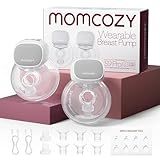
Momcozy S9 Pro Wearable Breast Pump Hands-Free, 24mm, 2 Pack, Gray
- Pump while working or caring for baby
- 30-minute auto shut-off timer
- 8-9 sessions per battery charge
- Reddot Design Award winner
- Discreet and portable
- Requires 20-25 minute sessions
- Lower capacity than traditional pumps
- Flange sizing critical for comfort
The Momcozy S9 Pro addresses a major pumping challenge: the time commitment required when you cannot do anything else while attached to a pump. This wearable design allows you to pump during video calls, while rocking your baby, or during your commute.
The 30-minute auto shut-off feature serves as a built-in timer, preventing over-pumping when you are distracted by other tasks. While sessions may take slightly longer than with hospital-grade pumps, the ability to multitask often results in less overall life disruption.
Medela Harmony Manual: Quick Relief Option
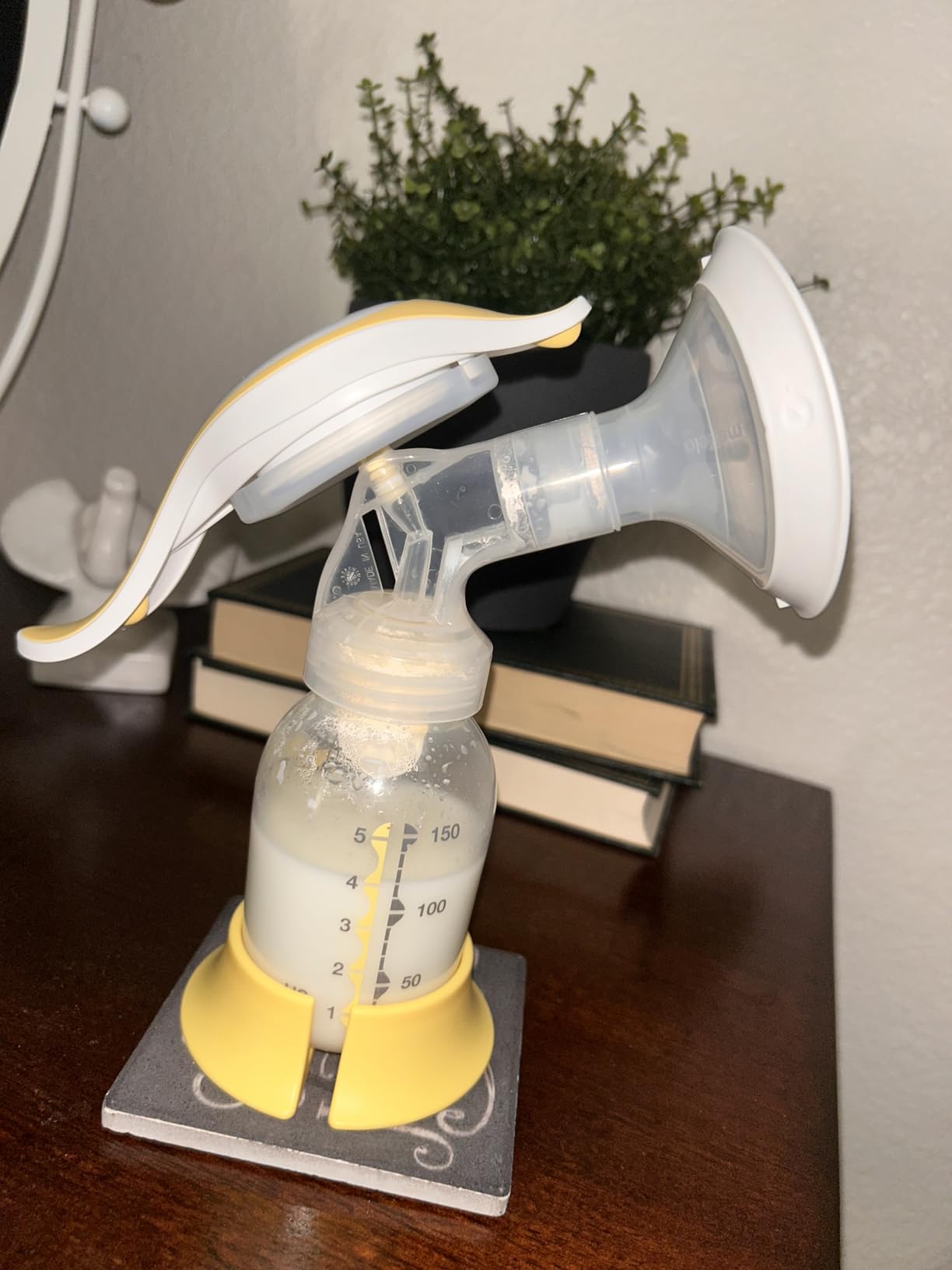

- 5-10 minutes for quick relief
- Ultra-portable at 0.58 oz
- No batteries or charging needed
- 21
- 000+ reviews with 4.5 stars
- Perfect travel backup
- 20-30 minutes per breast for full sessions
- Not suitable for exclusive pumping
- Requires hand strength and coordination
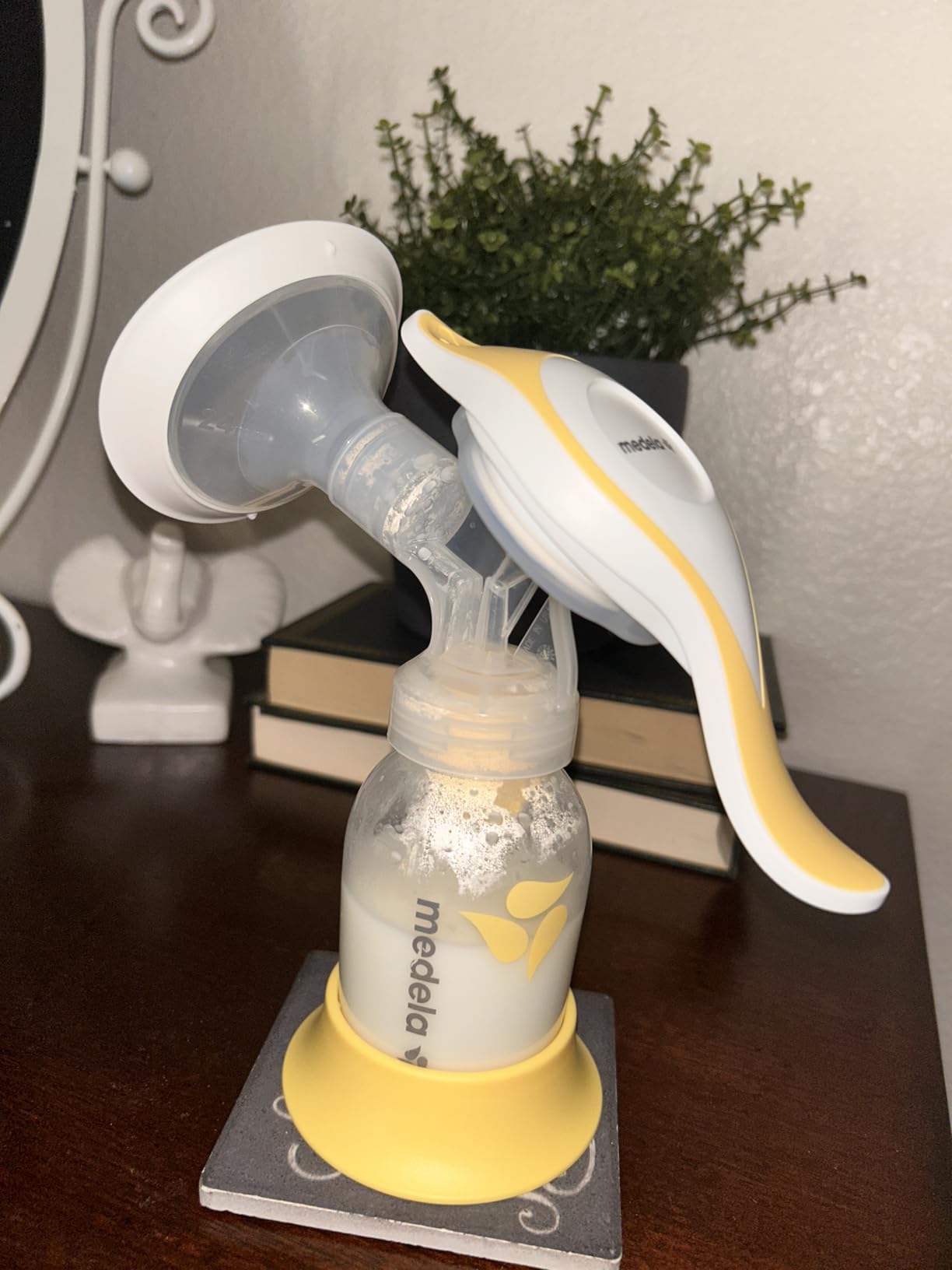
The Medela Harmony excels for mothers who need quick relief sessions or a reliable backup option. Users report expressing 5 ounces in as little as 10 minutes when using proper technique. The 2-Phase Expression Technology and PersonalFit Flex shields optimize milk extraction even with manual operation.
While full double-breast sessions require 40-60 minutes with a manual pump, many mothers use the Harmony for 10-minute single-breast relief sessions between electric pump uses. Its ultra-lightweight design makes it the ultimate portable option for travel or emergency situations when your electric pump is unavailable.
Frequently Asked Questions
Is pumping for 20 minutes enough?
Yes, pumping for 20 minutes is enough for most mothers using a double electric pump. This duration typically allows for complete breast emptying and at least one let-down. If milk flow has stopped and your breasts feel softer, 20 minutes is sufficient. Mothers with slower let-downs or using manual pumps may need longer, while those with hospital-grade pumps may finish sooner.
What is the 120 rule for exclusively pumping?
The 120 rule for exclusively pumping recommends spending approximately 120 minutes total per day with the pump attached to your breasts. This typically means 8 sessions of 15 minutes each, or 6 sessions of 20 minutes. The guideline helps exclusive pumpers ensure adequate stimulation for milk production while maintaining a sustainable schedule. Some mothers need more time, others less, based on individual supply.
What is the 3-3-3 rule for pumping?
The 3-3-3 rule refers to breast milk storage guidelines: 3 hours at room temperature, 3 days in the refrigerator, and 3 months in a standard freezer. Some variations include 3-4-6 for 3 hours at room temperature, 4 days refrigerated, and 6 months in a deep freezer. This rule helps mothers safely store pumped milk without waste or safety concerns.
What is the 4-4-4 rule for breast milk?
The 4-4-4 rule is an alternative storage guideline: 4 hours at room temperature, 4 days in the refrigerator, and 4 months in the freezer. This more conservative approach provides safety margins for milk storage. The CDC actually recommends 4 hours at room temperature and 4 days refrigerated, but up to 6-12 months for freezer storage depending on freezer type.
How long should I pump if nothing is coming out?
If nothing is coming out after 2-3 minutes of pumping, continue for 10-15 minutes total to stimulate your let-down reflex and maintain supply signals. Try breast massage, warm compresses, or looking at baby photos to trigger milk flow. If no milk appears after 15 minutes of active effort, stop to prevent nipple trauma. Consult a lactation consultant if this happens repeatedly, as flange fit or technique issues may be the cause.
How long to pump each breast for the first time?
For your first pumping session, pump each breast for 10-15 minutes using a double electric pump. Colostrum extraction often requires gentler, shorter sessions in the first 3-5 days postpartum. Do not expect large volumes initially. Focus on gentle stimulation rather than aggressive emptying. By day 5-7 when mature milk arrives, extend to 15-20 minutes per session for both breasts together.
Is pumping 4 oz every 2 hours good?
Pumping 4 ounces every 2 hours is excellent output, totaling approximately 48 ounces daily, which exceeds the average milk production of 25-35 ounces. This indicates oversupply, which can cause engorgement and mastitis risk. If comfortable, this output is fantastic for building a freezer stash. If experiencing engorgement or discomfort, you might gradually space sessions to 2.5-3 hours to reduce supply to a more manageable level.
How long should you pump breastmilk per session if exclusively pumping?
If exclusively pumping, aim for 15-20 minutes per session, 8 times daily, following the 120-minute daily guideline. Some mothers prefer 12-15 minute pumps 10 times daily, while others do 20-25 minute pumps 6 times daily. The key is adequate frequency (every 2-3 hours during the day, with one longer stretch at night after 6 weeks) and complete emptying. Adjust based on your supply and baby’s needs.
Final Thoughts on Finding Your Perfect Pumping Rhythm
How long to pump breast milk each session does not have a universal answer that fits every mother. The 15-20 minute guideline for double electric pumps provides a solid starting point, but your body will tell you what it actually needs.
Pay attention to the signs of complete emptying. Notice how your pump type affects your timing. Consider your unique circumstances, whether you are exclusively pumping, working full-time, or nursing and pumping in combination.
Remember that forum discussions consistently reveal one truth: successful breastfeeding mothers use wildly different session durations. Some thrive with 12-minute pumps. Others need 25 minutes. Both can produce healthy, growing babies.
The goal is not perfect adherence to a timing rule. The goal is a fed baby and a mother who can sustain her pumping journey without burning out. Find the session length that balances complete emptying with your mental health, then adjust as your journey evolves.
Trust your body, watch your baby’s growth, and give yourself grace when reality does not match the textbook. You are doing better than you think.