
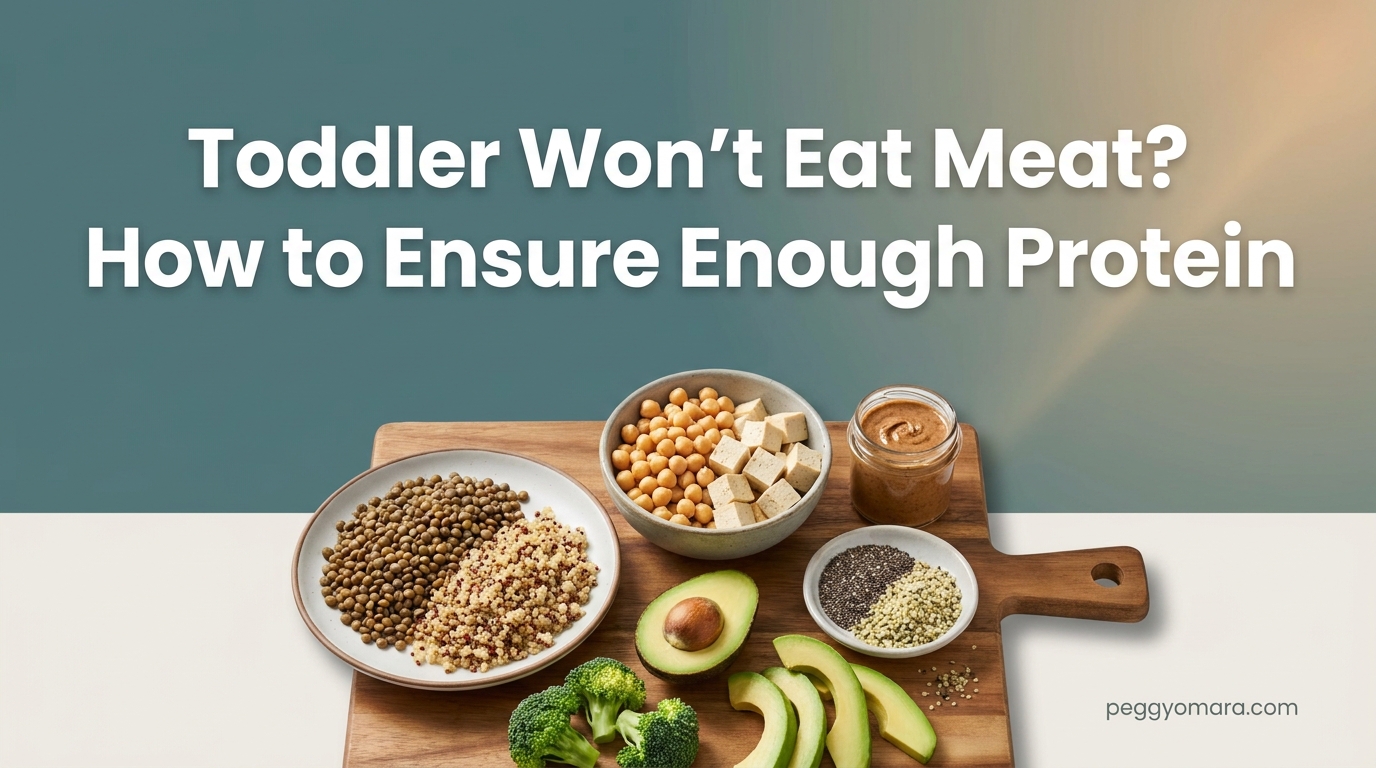
I remember the first time my two-year-old pushed away her plate of chicken. The look of pure determination on her face told me this wasn’t just a one-time refusal. Within weeks, every meat I offered became enemy number one, and I started wondering if she was getting enough protein to grow and thrive.
If your toddler won’t eat meat, you’re absolutely not alone. I’ve talked to dozens of parents who’ve faced the same struggle, and I’ve learned this is one of the most common feeding phases toddlers go through. The good news is that meat is just one of many protein sources, and with the right approach, you can meet your child’s nutritional needs without any mealtime battles.
My goal in this guide is to give you concrete, actionable strategies for ensuring your toddler gets adequate protein even when they refuse meat entirely. I’ll share the specific gram amounts you should aim for, the best alternative protein sources, and creative ways to serve them that might actually get eaten.
Table of Contents
Why Your Toddler Won’t Eat Meat (And Why It’s Normal)
The sudden meat refusal that seems to come out of nowhere usually has clear developmental roots. Understanding why it’s happening can help you respond with patience instead of pressure.
Texture Sensitivity Peaks Around Age Two
Meat presents unique texture challenges for developing mouths. The stringy fibers of chicken, the chewiness of beef, and even the flakiness of fish can trigger what’s called texture aversion. Your toddler’s oral motor skills are still developing, and certain textures simply feel overwhelming or uncomfortable.
Many parents in forums report that their child will happily eat the same meat when it’s finely ground or slow-cooked until fork-tender, but rejects it in its natural form. This tells us the issue is often mechanical rather than taste-based.
The “Meat Strike” Phase Is Incredibly Common
There’s a phenomenon pediatric dietitians call the “meat strike” that typically hits between 18 and 24 months. During this phase, toddlers who previously ate meat without issue suddenly refuse all animal proteins. It can last weeks or months, and for some children, it never fully resolves.
This coincides with neophobia, the normal developmental fear of new foods that peaks in toddlerhood. Even familiar foods can suddenly seem suspicious when a child enters this cautious eating stage.
Independence and Control at the Table
Toddlers are discovering their autonomy, and food refusal becomes one of the few areas where they can exercise control. When your child realizes that saying “no” to meat gets a strong reaction from you, the behavior can become reinforced.
Responsive feeding experts emphasize the “division of responsibility” approach: parents decide what, when, and where food is served, while children decide whether and how much to eat. This removes the power struggle and reduces pressure that often makes refusal worse.
How Much Protein Does Your Toddler Actually Need?
Before you worry about meeting your child’s protein needs, it helps to know exactly what those needs are. The numbers might surprise you, they’re lower than many parents assume.
Daily Protein Requirements by Age
According to current dietary guidelines, toddlers need less protein than you might think. Children ages 1 to 3 years require approximately 13 grams of protein per day. For children ages 4 to 8 years, that increases to about 19 grams daily.
To put this in perspective, a single cup of whole milk contains 8 grams of protein. Just two cups of milk gets your 2-year-old most of the way to their daily goal. This is why many pediatricians reassure parents that meeting protein needs without meat is absolutely achievable.
Understanding Ounce Equivalents
Nutrition guidelines often express protein needs in “ounce equivalents” rather than grams. One ounce equivalent equals about 7 grams of protein. For toddlers, this translates to roughly 2 ounce equivalents daily, or about 2-3 tablespoons of meat or alternatives per meal.
Here’s what one ounce equivalent looks like across different protein sources:
1/2 egg, 1 tablespoon peanut butter, 1/4 cup cooked beans, 1/2 ounce of nuts or seeds, 1/4 cup Greek yogurt, 1 cup cow’s milk, 1/2 cup fortified soy milk, 1 ounce tofu
Protein Quality Matters Too
Not all protein is created equal. Animal proteins contain all nine essential amino acids in the right ratios, making them “complete” proteins. Most plant proteins are “incomplete,” meaning they’re low in one or more essential amino acids.
The solution isn’t complicated: combine different plant proteins throughout the day, or pair plant proteins with dairy or eggs. Your child’s body pools amino acids over 24 hours, so they don’t need complete proteins at every meal.
Complete Protein Sources for Meat-Refusing Toddlers
When meat is off the table, you have plenty of other options to fill the protein gap. I’ve organized these by category with specific preparation ideas that have worked for real families.
Dairy Products: Your Protein Powerhouse
Milk, cheese, and yogurt are often the easiest protein wins for meat-refusing toddlers. The protein in dairy is high-quality and easily absorbed, plus most kids naturally enjoy these foods.
Whole milk provides 8 grams of protein per cup. Cheese offers about 7 grams per ounce. Greek yogurt packs an impressive 15-20 grams per cup, compared to 8 grams in regular yogurt.
Serve cheese in cubes, strips, or melted on whole grain toast. Offer Greek yogurt plain with fruit, or blend it into smoothies. String cheese and cheese sticks are perfectly sized for toddler hands.
Eggs: Nature’s Perfect Protein Package
One large egg contains 6 grams of complete protein along with important nutrients like choline for brain development. Eggs are versatile, affordable, and most toddlers accept them even when they reject meat.
Try scrambled eggs cut into small pieces, hard-boiled eggs sliced into rounds, or “egg ribbons” made by rolling a thin omelet and slicing it into strips. French toast made with whole eggs and milk doubles the protein content of regular bread.
For picky eaters who resist visible eggs, try mixing scrambled eggs into fried rice or incorporating them into pancakes and muffins. Mini quiches baked in muffin tins are another toddler favorite.
Legumes: Beans, Lentils, and Peas
Beans and lentils provide about 7-9 grams of protein per half-cup serving, plus fiber that supports healthy digestion. While they’re incomplete proteins on their own, combining them with grains creates a complete amino acid profile.
Black beans mashed slightly and served with cheese and avocado is a winning combination. Hummus offers protein from chickpeas in a dip format toddlers love. Lentil soup can be blended smooth for texture-sensitive eaters.
Try refried beans on tortillas, edamame in the pod (fun to pop out), or bean and cheese quesadillas. Roasted chickpeas make an excellent crunchy finger food. Many parents report success with lentil pasta, which looks like regular pasta but contains 13 grams of protein per serving.
Soy Products: Tofu and Tempeh
Soy is unique among plant proteins because it’s complete, containing all essential amino acids. Tofu provides about 10 grams of protein per half-cup and takes on the flavor of whatever sauce it’s paired with.
Silken tofu blends seamlessly into smoothies, puddings, and sauces. Firm tofu can be cut into cubes and pan-fried until golden. Many toddlers enjoy the soft texture of tofu when it’s prepared well.
Tempeh, made from fermented soybeans, offers about 15 grams of protein per half-cup with a firmer texture some toddlers prefer. Crumble it into pasta sauce or serve thin slices pan-fried.
Nuts and Seeds (Age-Appropriate)
Once your child is old enough for nut butters (typically after age 1 if no allergy risk), these become excellent protein sources. Two tablespoons of peanut butter contain 7 grams of protein. Almond butter offers similar amounts.
Serve nut butters thinned with water or milk to reduce choking risk, or spread thinly on toast or crackers. Mix into oatmeal or yogurt for hidden protein.
Ground seeds like chia, hemp, and flax add protein and healthy fats to smoothies, pancakes, and baked goods. Two tablespoons of hemp seeds provide 6 grams of protein with a mild, nutty flavor.
Whole Grains with Protein
While grains aren’t typically thought of as protein sources, some pack surprising amounts. Quinoa contains 8 grams of protein per cup and is actually a complete protein. Oatmeal provides 6 grams per cup.
High-protein pasta made from chickpeas, lentils, or peas contains 13-15 grams of protein per serving compared to 7 grams in wheat pasta. These cook and taste like regular pasta but deliver double the nutrition.
Whole grain bread with nut butter, quinoa mixed into soups, and oatmeal with Greek yogurt are easy ways to boost protein through grains.
Iron and Other Key Nutrients When Meat Is Off the Menu
Protein isn’t the only concern when toddlers avoid meat. Iron deficiency is the most common nutritional shortfall in young children, and meat is one of the best sources.
Heme vs Non-Heme Iron
Iron comes in two forms. Heme iron, found in meat, poultry, and fish, is highly bioavailable, meaning your body absorbs it easily. Non-heme iron, found in plant foods and fortified products, is less readily absorbed.
The good news is that you can significantly increase absorption of non-heme iron by pairing it with vitamin C. When your toddler eats beans with tomatoes, fortified cereal with orange juice, or lentils with bell peppers, their body absorbs the iron much more efficiently.
Vitamin C Pairing Strategy
Think of vitamin C as iron’s best friend. Good vitamin C sources for toddlers include strawberries, oranges, kiwi, bell peppers, tomatoes, broccoli, and mango.
Practical pairings include lentil soup with tomatoes, black beans with salsa, tofu with broccoli, or oatmeal with strawberries. Even a small amount of vitamin C makes a significant difference in iron absorption.
Vitamin B12 Considerations
Vitamin B12 is found naturally only in animal products. If your toddler eats dairy and eggs, they’re likely getting enough. However, if they avoid all animal products (meat, eggs, and dairy), B12 supplementation becomes necessary.
Signs of B12 deficiency include fatigue, poor appetite, and developmental delays. If your family follows a vegan diet, talk to your pediatrician about appropriate B12 supplementation for your toddler.
Fortified foods like nutritional yeast, some plant milks, and cereals can provide B12 for vegetarian children. Two tablespoons of nutritional yeast provides the full daily B12 requirement for toddlers and adds a cheesy flavor to foods.
Other Nutrients to Watch
Zinc is abundant in meat but also found in beans, nuts, seeds, and dairy. Omega-3 fatty acids, particularly DHA, come mainly from fatty fish but can be obtained from fortified eggs, algae-based supplements, or ground flax and chia seeds.
Signs of Deficiency vs Normal Picky Eating
True nutritional deficiencies in toddlers are rare in developed countries, but it’s important to know the warning signs. Consult your pediatrician if you notice pale skin, extreme fatigue, frequent infections, brittle hair, or developmental delays.
Normal picky eating, even extreme refusal of entire food groups, rarely leads to deficiency when parents offer nutritious alternatives. Growth charts are the best indicator of adequate nutrition, a child who is growing well is almost certainly getting what they need.
Practical Meal Ideas and Creative Protein Hacks
After three years of feeding a meat-avoiding toddler and talking to dozens of parents in the same boat, I’ve collected the strategies that actually work in real kitchens with real picky eaters.
Protein Smoothies That Taste Like Treats
Smoothies are perhaps the easiest way to pack protein into a toddler-friendly format. Start with whole milk or Greek yogurt as your base, add fruit for sweetness, and blend in extras like hemp seeds or silken tofu for a boost.
A basic winning recipe: 1/2 cup whole milk, 1/4 cup Greek yogurt, 1/2 banana, 1/4 cup frozen berries, 1 tablespoon hemp seeds. This delivers about 12 grams of protein in a format most toddlers will happily drink.
For chocolate lovers, blend milk, banana, 1 tablespoon cocoa powder, and 2 tablespoons peanut butter. Freeze into popsicle molds for a protein-rich summer treat.
Hidden Protein Baked Goods
Muffins, pancakes, and quick breads are perfect vehicles for hidden protein. Replace half the flour in pancake batter with chickpea flour for a significant protein boost. Add ground flax or chia seeds to any muffin recipe.
Protein pancakes made with cottage cheese, eggs, and oats blend smooth and cook up fluffy. Egg-based French toast provides complete protein in a familiar format.
Black bean brownies are surprisingly delicious and pack both protein and fiber. Chickpea cookie dough (safe to eat raw with heat-treated flour) makes a protein-rich snack.
The Power of Dips
Toddlers love dipping, and dips are an easy way to add protein. Hummus provides about 2 grams of protein per tablespoon. Greek yogurt ranch dressing offers protein that regular ranch lacks. Bean dips, cheese sauce, and nut butters all work well.
Serve dips with veggie sticks, whole grain crackers, or strips of pita. Even reluctant eaters often get excited about the interactive nature of dipping.
High-Protein Pasta Solutions
Pasta made from chickpeas, lentils, or peas has transformed feeding for many families with meat-refusing toddlers. These look and cook like regular pasta but contain nearly double the protein.
Serve with traditional marinara, cheese sauce, or simple butter and parmesan. Many parents report their children don’t notice the difference, or actually prefer the slightly nutty flavor.
Lentil orzo, chickpea elbows, and pea protein rotini are all widely available and cook in the same time as wheat pasta.
Egg-Based Meals Beyond Breakfast
Egg fried rice is a dinner staple in many meat-avoiding households. Scramble eggs into the rice along with vegetables and a splash of soy sauce. Egg drop soup offers protein in a soothing, slurpable format.
Frittatas baked with cheese and vegetables can be cut into wedges and served warm or cold. Mini egg muffins with cheese and spinach make excellent finger foods.
Cheese and Bean Combinations
Beans and cheese together create a complete protein while delivering calcium and iron. Quesadillas with refried beans and cheese are a toddler favorite. Bean and cheese burritos can be made ahead and frozen.
Top baked potatoes with black beans, cheese, and Greek yogurt instead of sour cream. Layer beans and cheese in a small casserole dish and bake until bubbly.
When to Consult Your Pediatrician
While meat refusal is usually a normal phase, there are times when professional guidance is warranted. Knowing when to seek help can ease your mind and ensure your child stays healthy.
Growth Concerns Take Priority
The most reliable indicator of adequate nutrition is consistent growth along your child’s established curve. If your toddler is maintaining their growth percentile on the weight and height charts, they’re almost certainly meeting their nutritional needs.
Schedule a visit with your pediatrician if your child drops percentiles on the growth chart, seems to be losing weight, or is failing to gain weight over several months. These are the true signals of undernutrition, not the day-to-day contents of their dinner plate.
Developmental Red Flags
Certain signs warrant immediate medical attention regardless of eating patterns. Contact your pediatrician if you notice extreme lethargy, pale skin or nail beds, frequent infections, hair loss, or developmental regression.
Iron deficiency can cause behavioral changes and cognitive impacts even before physical signs appear. A simple blood test can check iron levels and rule out deficiency.
Extreme Food Refusal Patterns
Most picky eating, even intense phases, is part of normal development. However, if your child accepts fewer than 20 different foods consistently, gags at the sight of new foods, or shows signs of oral motor delays, a feeding evaluation may be helpful.
Pediatric feeding therapists can assess whether there are underlying sensory or mechanical issues contributing to food refusal. Early intervention makes a significant difference when feeding problems are more than typical pickiness.
Frequently Asked Questions
Is it normal for toddlers to not want to eat meat?
Yes, it is completely normal. Many toddlers go through a ‘meat strike’ phase, typically between 18 and 24 months. This coincides with normal developmental stages including texture sensitivity, neophobia (fear of new foods), and asserting independence. The phase may last weeks or months, and some children continue to avoid meat long-term while still meeting their nutritional needs through other protein sources.
How do I know if my toddler is getting enough protein?
Most toddlers need about 13 grams of protein daily between ages 1-3, and 19 grams for ages 4-8. You can track intake by noting that one cup of milk has 8 grams, one egg has 6 grams, and two tablespoons of peanut butter has 7 grams. The best indicator of adequate protein is consistent growth along your child’s established curve on pediatric growth charts. If your child is growing well and meeting developmental milestones, they’re almost certainly getting enough protein.
What happens if a toddler doesn’t eat protein?
True protein deficiency is rare in developed countries, even among picky eaters. When it does occur, signs include growth failure, muscle wasting, fatigue, and weakened immunity. However, most children who refuse meat naturally compensate by eating more dairy, eggs, or other protein sources. Growth charts are the best way to monitor whether your child is getting adequate nutrition overall.
Can toddlers be healthy without eating meat?
Absolutely. Toddlers can thrive on vegetarian diets that include dairy and eggs. The key is offering a variety of protein sources throughout the day, including dairy, eggs, legumes, soy, nuts, and seeds. Children following vegan diets (no animal products at all) require B12 supplementation and careful planning to ensure adequate protein, iron, and calcium intake.
How much milk should a toddler drink for protein?
Two cups of whole milk per day provides 16 grams of protein, which covers most of a toddler’s daily protein requirement. The American Academy of Pediatrics recommends limiting milk to 16-20 ounces (2-2.5 cups) daily to ensure children don’t fill up on milk and skip other important foods. Too much milk can also lead to iron deficiency, so balance is important even though milk is an excellent protein source.
What are signs of protein deficiency in toddlers?
Signs of protein deficiency include poor growth or weight loss, fatigue, muscle wasting, frequent infections, brittle hair, and developmental delays. However, these symptoms are rare and usually only occur with severe malnutrition or underlying medical conditions. If your child is growing normally and has energy for age-appropriate activities, protein deficiency is highly unlikely even if they refuse meat entirely.
When should I worry about my picky eater?
Consult your pediatrician if your child drops percentiles on growth charts, accepts fewer than 20 different foods consistently, shows extreme reactions to new foods (gagging or distress), or displays physical signs like extreme fatigue or pallor. Most picky eating is normal, but these red flags suggest a feeding evaluation might be helpful.
Conclusion
When your toddler won’t eat meat, it can feel like a nutritional crisis. I’ve been there, staring at rejected dinner plates and wondering if my child was getting what she needed to grow. But after researching, talking to pediatricians, and connecting with other parents, I learned that meat refusal is usually a temporary phase, not a health emergency.
Your toddler needs about 13 grams of protein daily, a target you can absolutely hit without ever serving meat. Between dairy, eggs, legumes, soy, and creative protein hacks like smoothies and high-protein pasta, you have dozens of options to keep your child well-nourished. Pay attention to iron and B12 if all animal products are off the table, and don’t hesitate to consult your pediatrician if you notice growth concerns or developmental red flags.
The most important thing I’ve learned is that mealtime battles do more harm than good. Offer a variety of protein-rich foods without pressure, let your child decide what and how much to eat, and trust that their body knows what it needs. Most meat-avoiding toddlers grow into healthy, thriving children, and yours will too.