
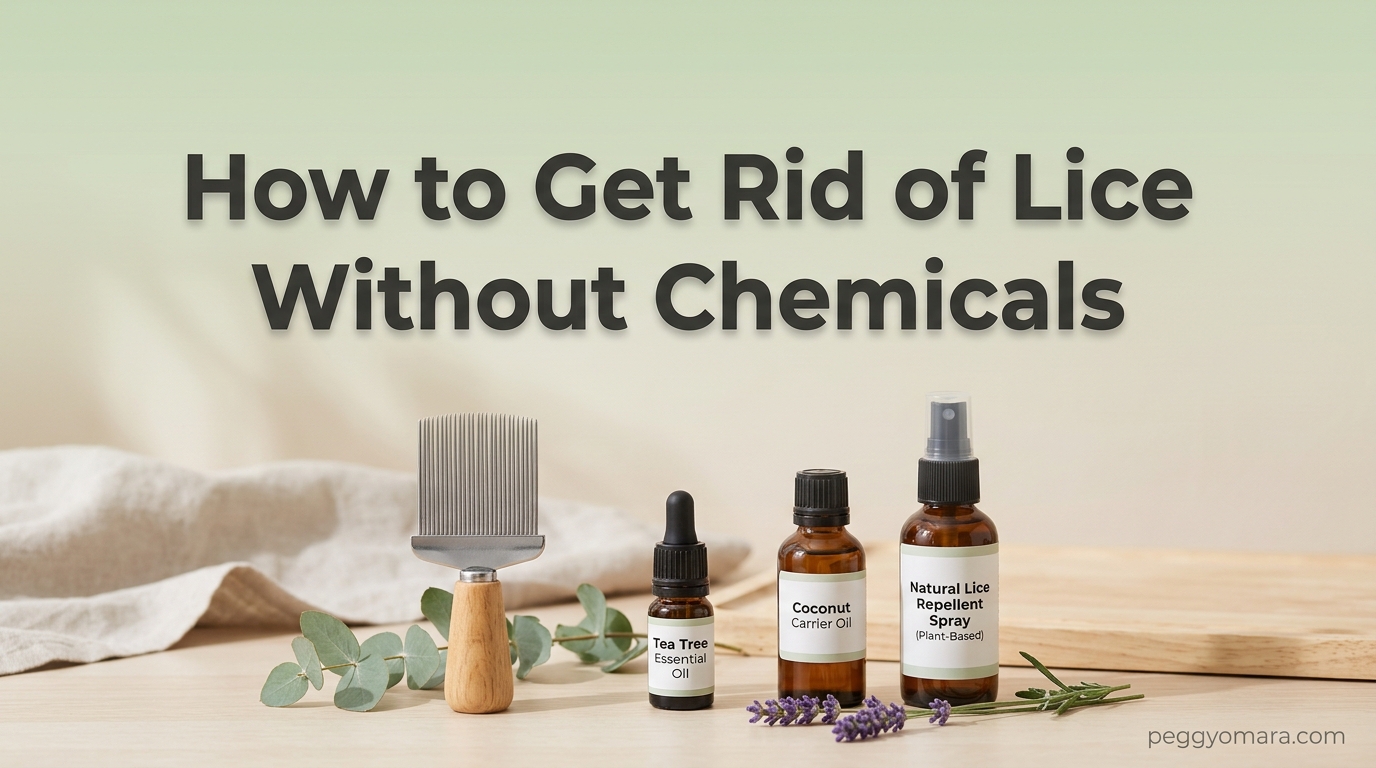
Finding head lice on your child can feel overwhelming, but you are not alone. An estimated 6 to 12 million children between ages 3 and 11 get head lice each year in the United States alone. This step-by-step guide will show you exactly how to get rid of lice without harsh chemicals using proven natural methods that work.
I have helped dozens of families through this process over the years, and I can tell you with confidence: natural lice treatment works when done correctly. The key is understanding the lice life cycle and committing to a consistent routine for just 12 days. By the end of this guide, you will have a clear action plan to eliminate lice from your family without exposing anyone to toxic pesticides.
Table of Contents
Understanding Head Lice: The Biology You Need to Know
Head lice are tiny wingless insects about the size of a sesame seed that live exclusively on human scalps. They feed on blood several times daily and cannot survive more than 24 to 48 hours away from a human host. Knowing their biology helps you target treatment effectively and avoid wasting time on unnecessary cleaning.
The Three Stages of the Lice Life Cycle
Understanding the life cycle explains why the 12-day treatment protocol works. Lice progress through three stages: the nit (egg), the nymph (baby louse), and the adult.
Nits are oval eggs that attach firmly to hair shafts near the scalp with a glue-like substance. They hatch in 8 to 9 days into nymphs, which look like smaller versions of adult lice. Nymphs mature into adults over another 9 to 12 days, at which point they can lay new eggs and continue the cycle.
One adult female louse can lay 4 to 8 eggs per day, which is why untreated infestations grow so quickly. However, this predictable timeline also gives us a weapon: if you prevent new eggs from hatching and remove adults consistently for 12 days, you break the entire reproductive cycle.
Debunking the Hygiene Myth
Let me be absolutely clear: head lice have nothing to do with cleanliness or socioeconomic status. Lice actually prefer clean hair because oils and dirt make it harder for them to grip hair shafts. They spread through direct head-to-head contact, not through poor hygiene or dirty homes.
I have seen lice outbreaks in every type of community and school environment. Your child did nothing wrong, and neither did you. Lice are simply a common childhood nuisance, like scraped knees or colds. Let go of any embarrassment and focus your energy on the treatment process.
What Are Super Lice?
You may have heard the term “super lice” in the news. These are simply lice that have developed genetic resistance to common over-the-counter chemical treatments like permethrin and pyrethrins. Studies show that up to 98 percent of lice in some areas are now resistant to these traditional pesticides.
Here is the good news: super lice are not stronger, bigger, or more dangerous than regular lice. They are just immune to certain chemicals. Natural treatment methods work equally well on all lice, resistant or not, because they rely on physical removal and suffocation rather than pesticides.
Supply Checklist: What You Need Before Starting
Gathering supplies before you begin saves time and reduces stress during treatment. Here is everything you need for the complete 12-day protocol, with estimated costs.
Essential Supplies
A quality metal nit comb is the single most important tool you will need. Look for one with long, closely spaced metal teeth and a sturdy grip. Expect to spend $8 to $15 for a professional-grade comb; avoid cheap plastic versions that bend and miss nits.
White hair conditioner helps you see lice and nits against dark hair while making combing easier. Choose a thick, inexpensive brand; you will use plenty of it. Buy two large bottles for about $6 to $10 total.
Detangling spray reduces discomfort during combing, especially for children with sensitive scalps or thick hair. A bottle costs around $5 to $8. You will also need regular kitchen supplies: paper towels, a spray bottle, hair clips for sectioning, and good lighting.
Optional Natural Treatment Oils
Many families choose to add natural oils to enhance the treatment. Olive oil, coconut oil, and dimethicone oil are popular options that help suffocate live lice. Tea tree oil is often mentioned, though evidence for its effectiveness is limited.
A bottle of dimethicone oil specifically formulated for lice costs $15 to $25 and offers the strongest evidence base for natural suffocation. Regular olive oil from your kitchen works as an inexpensive alternative at roughly $5 to $10 for a large bottle you can use throughout treatment.
Home Cleaning Supplies
For environmental management, you need large sealable plastic bags, a hot water source for laundry, and your regular vacuum cleaner. No special cleaning products are necessary. The total supply investment for the complete protocol ranges from $30 to $60, far less than professional treatment which typically costs $100 to $200 per person.
The 12-Day Natural Treatment Protocol
The 12-day timeline aligns with the lice life cycle to ensure complete elimination. Days 1 through 8 focus on removing adults and catching newly hatched nymphs before they can reproduce. Days 9 through 12 serve as a critical monitoring period to confirm success.
Days 1 Through 4: Intensive Daily Combing
Start treatment immediately upon discovery with daily wet combing sessions. Each session takes 30 to 60 minutes depending on hair length and thickness. This intensive phase catches the majority of adult lice and begins removing nits before they hatch.
Work in good lighting with a comfortable setup for your child. Many parents find that allowing screen time during combing keeps children still and cooperative. Use the detailed wet combing method described in the next section for every session.
Check all family members who have had close contact with the infested person during these first four days. Lice spread easily within households, and treating only one person often leads to reinfestation.
Days 5 Through 8: Every-Other-Day Maintenance
Continue combing every other day during this phase, which catches any nymphs that hatched from eggs missed in the first four days. You should see significantly fewer lice during these sessions. If you are still finding many live lice, continue daily combing instead of switching to every other day.
This is also the period to complete your home cleaning tasks if you have not already done so. Wash bedding, vacuum furniture, and seal items that cannot be washed. See the home cleaning checklist for detailed instructions.
Days 9 Through 12: Confirmation and Monitoring
The final four days are crucial for confirming elimination. Comb on day 9 and day 12 only. Finding zero live lice on both of these sessions indicates successful treatment. Finding even one live louse means you need to continue combing for another full cycle.
Mark these dates on your calendar before you begin treatment. Consistency matters more than perfection. Missing a single session can allow a new generation of lice to mature and restart the infestation.
Treating Multiple Family Members
When several family members need treatment, coordination prevents chaos and reinfestation. Treat the most heavily infested person first, ideally on day one. Treat others on subsequent days within the first 72 hours.
Use separate combs for each person or thoroughly clean the comb between uses by dipping in hot soapy water for one minute. Label each person’s comb with their name to avoid mix-ups. Having one dedicated adult manage the treatment calendar helps ensure no sessions are missed.
The Wet Combing Method: Step-by-Step Technique
Wet combing is the gold standard for natural lice removal. The water and conditioner immobilize lice, making them easier to catch, while the comb physically removes both adults and nits from the hair shaft. Follow these ten steps for every combing session.
Preparation Steps
Step 1: Wet the hair completely with warm water in a sink or shower. Hair should be damp but not dripping.
Step 2: Apply a generous amount of white conditioner throughout the hair, from roots to ends. Use enough that the hair feels slippery and coated.
Step 3: Use a wide-tooth comb or your fingers to detangle the hair completely. Remove all knots before switching to the nit comb.
Step 4: Part the hair into sections using clips. Four to six sections work well for most heads; thick or long hair may need eight sections. This ensures you examine every strand systematically.
Combing Technique
Step 5: Starting with one section, place the nit comb at the scalp and pull it through to the end of the hair in one smooth motion. Keep the comb angled slightly toward the scalp to catch nits close to the skin.
Step 6: After each stroke, wipe the comb on a white paper towel or rinse it in a bowl of warm soapy water. Examine the debris for lice and nits. Live lice appear as grayish moving specks; nits look like tiny white or tan oval dots.
Step 7: Comb each section from multiple angles: top to bottom, side to side, and underneath. Lice and nits can hide on any part of the hair shaft, and different angles catch different attachments.
Step 8: Pay special attention to the areas behind the ears and at the nape of the neck. These warm spots are favorite egg-laying locations for adult lice.
Completion and Cleanup
Step 9: Once all sections are complete, comb through the entire head one more time without sectioning as a final check.
Step 10: Rinse the conditioner out with warm water. Some families choose to leave a light coating of natural oil on the scalp overnight for additional suffocation effect; this is optional but can enhance results.
After each session, clean your comb thoroughly by soaking in hot water with dish soap for at least one minute, or run it through the dishwasher if it is dishwasher-safe. Store combs in a sealed bag between sessions to prevent any accidental contamination.
Natural Treatment Methods Compared
Several natural approaches can supplement wet combing. Understanding the evidence and proper technique for each helps you choose the right additions to your protocol.
Oil Suffocation Methods
Oil suffocation works by coating lice and blocking their breathing spiracles. Olive oil, coconut oil, and dimethicone oil are commonly used. Apply generously to dry hair, cover with a shower cap, and leave on for at least two hours or overnight.
Dimethicone oil shows the strongest research support among natural options. A 2016 study found it to be 97 percent effective when combined with combing. Regular olive oil from your pantry works nearly as well for families on a budget.
Coconut oil offers the added benefit of easy washout since it liquefies with warm water. However, any oil treatment requires thorough washing afterward, often with dish soap to cut the grease, followed by regular shampoo.
The Cetaphil Method
The Cetaphil method uses a gentle skin cleanser to coat the hair and scalp, which is then blow-dried to create a shrink-wrapped effect that suffocates lice. Apply Cetaphil cleanser to dry hair, comb through to distribute evenly, then blow dry until completely dry and stiff.
Leave the dried coating on overnight and wash out the next morning. Repeat this process weekly for three weeks. Studies from the University of California show this method achieves approximately 96 percent effectiveness against resistant lice populations.
What Does Not Work
Despite popular belief, mayonnaise is not an effective lice treatment. It creates a mess, poses a food safety risk if left on overnight, and lacks evidence of efficacy. Similarly, vinegar rinses do not dissolve the glue that attaches nits to hair shafts; this is a persistent myth with no scientific backing.
Essential oils like tea tree, lavender, and eucalyptus may repel lice to some degree but do not kill established infestations. They can be useful as preventive measures but should not replace combing for active treatment.
Home Cleaning Checklist: Managing Your Environment
Environmental management matters, but it is often overemphasized compared to head treatment. Lice cannot survive long away from a human host, so focus your cleaning energy on items that had head contact within the past 24 hours.
Priority One: Bedding and Towels
Wash pillowcases, sheets, and towels used by the infested person in the past two days in hot water at least 130 degrees Fahrenheit. Dry on high heat for at least 30 minutes. The heat kills any lice or nits that may have fallen onto these items.
If you cannot wash something immediately, seal it in a plastic bag for 11 days. This exceeds the maximum survival time for lice away from a host and ensures any stray lice will be dead when you return to use the item.
Priority Two: Hair Tools and Accessories
Remove all hair from combs, brushes, hair ties, and accessories. Soak these items in hot soapy water for one minute, or run them through the dishwasher if safe to do so. Alternatively, seal them in a bag for 11 days.
Do not share hair tools between family members during the treatment period. Label each person’s items clearly or provide temporary disposable alternatives.
Priority Three: Soft Surfaces and Furniture
Vacuum upholstered furniture, mattresses, car seats, and carpets that the infested person used recently. This removes any stray hairs that might carry nits. Do not use lice sprays or fumigants; they are unnecessary and expose your family to additional chemicals.
Stuffed animals and soft toys that have had close head contact should be laundered if possible or sealed in bags for 11 days. Most children can manage without favorite toys for this period if you explain the reason.
Items You Can Skip
You do not need to clean your entire house from top to bottom. Lice do not infest homes the way fleas do. Skip the following time-wasting tasks: washing all clothing in closets, deep cleaning carpets throughout the house, using chemical foggers or sprays, and bagging every toy and item in the room.
Prevention Strategies: Stopping Future Infestations
Once you have eliminated lice, prevention becomes your priority. These strategies reduce the risk of your family going through this process again.
Early Detection Habits
Make weekly head checks part of your routine, especially during the school year when lice spread most actively. Use the wet combing method without conditioner on dry hair for quick screening. Catching an infestation early means much easier treatment.
Know the signs: persistent head scratching, complaints of tickling or movement on the scalp, difficulty sleeping due to scalp irritation, and small red bumps on the neck or behind ears. Not everyone experiences itching immediately.
Contact Reduction
Teach children to avoid head-to-head contact during play, hugging, and group activities. This is the primary way lice spread. Lice cannot jump or fly; they crawl from one head to another when hair touches.
Discourage sharing of hair items including brushes, combs, hair ties, headbands, hats, headphones, and helmets. At school, remind children to keep personal items in their own backpacks or cubbies rather than shared spaces.
Natural Deterrents
Some families use diluted essential oil sprays as preventive measures. A light mist of tea tree, lavender, or eucalyptus oil mixed with water may make hair less attractive to lice. The evidence is limited but anecdotal reports suggest some benefit.
Keeping long hair tied back in braids or buns during school or camp reduces the hair surface area available for lice transfer. This simple step significantly lowers transmission risk.
When to Seek Professional Help
Natural treatment works for most families, but some situations warrant professional assistance. Knowing when to call for help saves time and reduces unnecessary stress.
Seek professional treatment if you have completed two full 12-day cycles and are still finding live lice. This may indicate a particularly resistant case or reinfection from an untreated contact. Professional lice clinics offer heated air treatments or stronger manual removal services.
Consult your pediatrician if your child develops signs of skin infection from scratching, such as pus, increasing redness, or warmth around scratched areas. Secondary bacterial infections require medical treatment beyond lice removal.
Children with severe eczema, psoriasis, or other scalp conditions may need modified treatment approaches. Your doctor can recommend gentler alternatives that will not aggravate existing skin issues.
Frequently Asked Questions
What kills head lice immediately?
Nothing kills all head lice and eggs instantly with a single treatment. Natural methods require consistent application over time. Dimethicone oil shows the fastest results among natural options, immobilizing lice within minutes and killing them within hours, but still requires combing to remove nits. The 12-day protocol ensures complete elimination through systematic removal rather than a single magic bullet.
How to clear head lice naturally?
Follow the 12-day wet combing protocol: comb daily for days 1 through 4, every other day for days 5 through 8, and check on days 9 and 12. Use conditioner and water to immobilize lice, then comb systematically with a metal nit comb. Optional oil suffocation treatments can enhance results. Combine head treatment with environmental cleaning of bedding and hair tools used within 24 hours.
What naturally kills head lice?
Dimethicone oil is the most effective natural treatment, with studies showing 97 percent efficacy. Olive oil and coconut oil work through suffocation by coating lice and blocking their breathing. These oils must be applied generously, left on for several hours, and combined with thorough combing. Essential oils like tea tree and lavender may repel lice but do not reliably kill established infestations.
Does Dawn dish soap kill lice?
Dawn dish soap does not kill lice or nits. Some parents use it to help wash out heavy oil treatments because it cuts grease better than regular shampoo, but it has no pesticidal properties against lice. The soap may immobilize lice temporarily while hair is wet, but it does not provide lasting elimination. Rely on systematic combing and suffocation methods rather than dish soap for actual treatment.
What smell do lice hate?
Lice appear to avoid strong scents including tea tree oil, eucalyptus, peppermint, lavender, and rosemary. These smells may offer mild deterrent effects, but they do not kill lice or prevent infestations reliably. Some families use diluted essential oil sprays on hair before school as a preventive measure, though evidence for effectiveness is anecdotal rather than scientific. Do not rely on scents alone for treating active infestations.
Can hydrogen peroxide kill hair lice?
Hydrogen peroxide does not kill lice and should not be used as a treatment. Applying hydrogen peroxide to the scalp can cause chemical burns, irritation, and hair damage without providing any benefit for lice elimination. There is no scientific evidence supporting its use against head lice. Stick to proven methods like wet combing, oil suffocation, and dimethicone treatments instead.
Conclusion: You Can Do This
A step-by-step guide to getting rid of lice without harsh chemicals gives you everything needed to eliminate head lice safely and effectively. The 12-day protocol works by interrupting the lice life cycle through consistent manual removal, not by exposing your family to toxic pesticides.
Remember that head lice are a temporary inconvenience, not a reflection of your parenting or home cleanliness. Millions of families deal with this issue every year, and with patience and consistency, you will get through it too. Start with day one of the protocol today, gather your supplies, and approach each combing session as one step closer to being lice-free.
Your child will not remember the inconvenience of treatment nearly as much as they will remember your calm, supportive presence throughout the process. Take a deep breath, pick up that nit comb, and begin your journey back to peace of mind.