
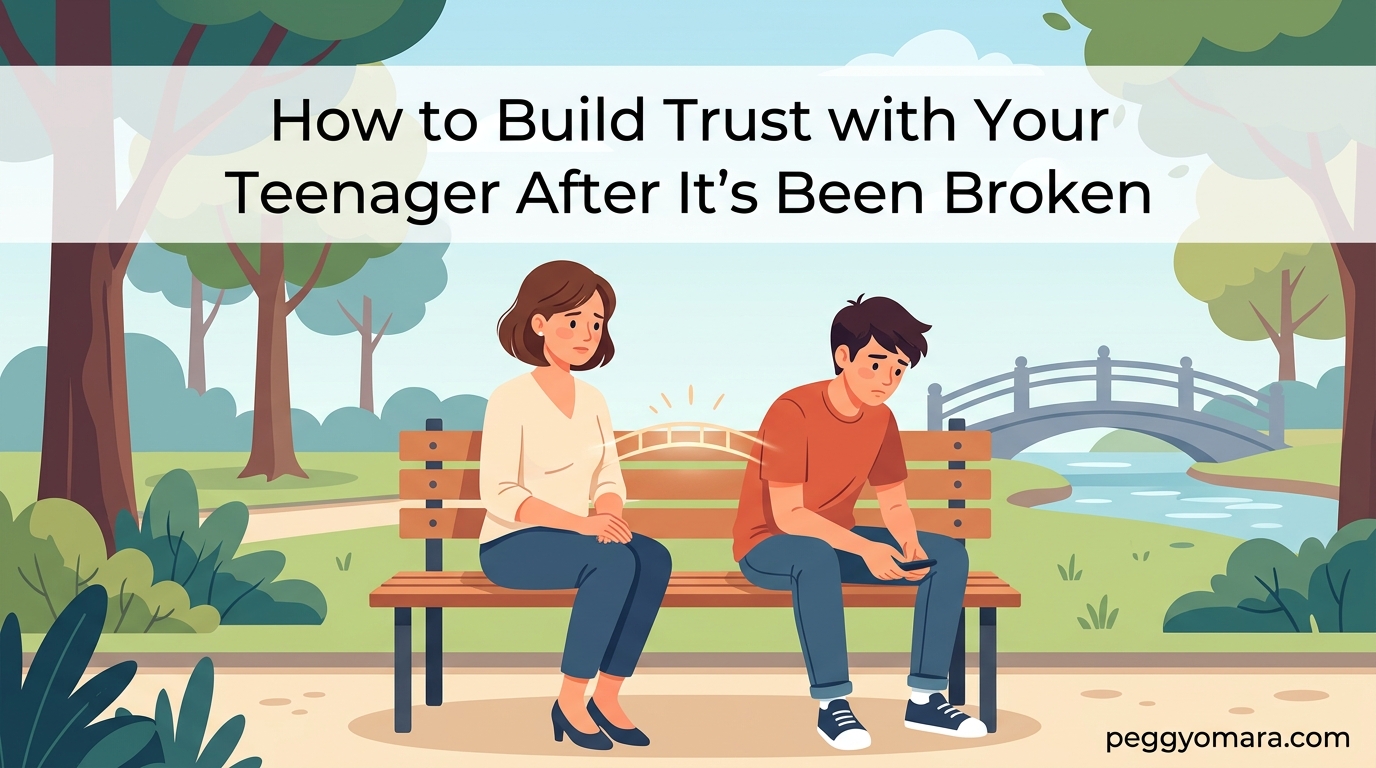
Nothing cuts deeper than realizing your teenager has broken your trust. Whether it was a lie about where they were, sneaking out after curfew, or something more serious, that moment of discovery leaves you reeling with hurt, anger, and fear. Learning how to build trust with your teenager after it’s been broken is one of the most challenging but essential parts of parenting through the adolescent years.
Trust does not vanish forever when a teen makes a mistake. The brain development happening between ages 13 and 19 means teenagers are literally wired to take risks, test boundaries, and sometimes make poor choices. Understanding this does not excuse the behavior, but it helps frame your response. I have worked with hundreds of families over the past decade, and I have seen relationships that seemed shattered transform into stronger bonds than before.
This guide walks you through practical, proven strategies for rebuilding trust with your teenager. You will learn the 7-7-7 rule for staying connected, the 5 C’s framework for trust-building, specific conversation scripts, and activities you can do together to repair your relationship.
Table of Contents
Understanding Why Trust Gets Broken
Teenagers break trust for different reasons than adults do. The adolescent brain is undergoing massive reconstruction, particularly in the prefrontal cortex which governs decision-making, impulse control, and understanding consequences. During these years, the reward centers of the brain light up more intensely than they ever will again, making risky choices feel more compelling than they logically should.
This biological reality means teens often act before thinking. A 15-year-old who lies about finishing homework is not necessarily being manipulative or malicious. They might be overwhelmed, embarrassed about falling behind, or simply lacking the executive function skills to manage their responsibilities yet. Knowing the difference between normal teenage mistakes and serious behavioral patterns matters enormously in how you respond.
The hardest age to parent a teenager varies by family, but most parents report ages 14 to 16 as particularly challenging. This window coincides with peak risk-taking behavior, increasing independence, and the developmental push to separate from parents. Trust issues with teens during these years are common, but they are also addressable with the right approach.
What to Do When Your Teen Breaks Your Trust
Your immediate response sets the tone for everything that follows. Parents who react in the heat of the moment often say things they regret, creating more distance when connection is what you actually need. Here is what to do when your teen breaks your trust, step by step:
Step 1: Pause before responding. Take a breath. Walk away if needed. Your calm presence matters more than your immediate reaction. Teens respond to emotional safety, and a parent who is yelling or visibly shaken cannot provide that safety.
Step 2: Acknowledge your own emotions privately. It is okay to feel hurt, betrayed, scared, or angry. Name those feelings to yourself or a trusted friend before talking with your teen. This prevents you from dumping your emotional processing onto your child, which they are not equipped to handle.
Step 3: Apply the 7-7-7 rule for connection. What is the 7-7-7 rule for parenting? It is a framework for staying connected even when you are upset. Before addressing the breach of trust, ensure you have had at least 7 positive interactions with your teen in the past 7 days, and plan for 7 minutes of quality connection before having the difficult conversation. This keeps the relationship bank account from going negative.
Step 4: Address safety first if needed. If the broken trust involved dangerous behavior like substance use, reckless driving, or sexual activity, immediate safety measures come before relationship repair. This might mean temporarily restricting certain activities while you figure out the underlying issues.
Step 5: Move toward your teen, not away. The natural instinct after betrayal is to withdraw or punish through distance. Research consistently shows that maintaining connection during difficult moments actually protects teens better than harsh consequences alone. Stay present even when it feels hard.
The 5 C’s of Building Trust
What are the 5 C’s of building trust? This framework gives you concrete areas to focus on as you work on rebuilding your relationship. Both parents and teens need to demonstrate these qualities for trust to grow.
Commitment: Show your teen that you are committed to the relationship even when they mess up. This does not mean accepting harmful behavior, but it does mean consistently showing up for them. Say things like, “I am angry about what happened, and I am not going anywhere. We will figure this out together.”
Candor: Be honest with your teen, even when the truth is uncomfortable. If you are worried, say so. If you feel hurt, express it without blame. Model the honesty you want to see from them. Teens can spot hypocrisy from miles away.
Consistency: Follow through on what you say you will do. If you promise to listen without judgment, actually do it. If you set a boundary, enforce it calmly every time. Inconsistent parenting creates anxiety and makes teens less likely to trust your word.
Caring: Demonstrate that you care about your teen’s wellbeing more than their performance or compliance. Ask about their feelings. Remember details about their life. Show up for the things that matter to them, even when you do not personally care about those things.
Credibility: Admit when you are wrong. Parents who never acknowledge their own mistakes teach teens that accountability is optional. If you overreacted, apologize. If you misunderstood, acknowledge it. This builds credibility that makes your guidance more likely to be heard.
Opening the Lines of Communication
Rebuilding trust with your teenager requires honest dialogue, but starting those conversations feels intimidating. Many parents freeze up, unsure what to say without making things worse. Here are specific scripts that work:
When you first address the breach:
“I need to talk with you about what I discovered. I want you to know that I love you, and that is exactly why this matters so much to me. Can you help me understand what was going on for you?”
When you need more information:
“I am not looking to punish you. I am looking to understand so we can prevent this from happening again. What do you think led to this choice?”
When emotions are running high:
“I can see you are upset, and I am upset too. Let us take a 20-minute break and come back to this when we can both talk more calmly. I want to hear what you have to say.”
When you want to express your feelings:
“When I found out you [specific behavior], I felt [specific emotion]. Not because you are a bad kid, but because I care about your safety and our honesty. My feelings are my responsibility, and I wanted you to know where I am coming from.”
Use open-ended questions that cannot be answered with yes or no. Instead of “Did you think about the consequences?” try “What were you thinking about when you made that choice?” Instead of “Are you sorry?” try “How do you feel about how things played out?”
Active listening means reflecting back what you hear before responding. “So what I am hearing is that you felt pressured by your friends and did not know how to say no. Is that right?” This validation opens doors that lecturing slams shut.
Setting Boundaries and Consequences That Teach
Discipline comes from the Latin word meaning “to teach,” not to punish. How to regain trust with your teenager involves creating a clear path forward where they can demonstrate responsibility and earn back privileges.
Match consequences to the specific behavior. If your teen lied about finishing homework, the consequence might be checking their work daily until they demonstrate consistency. If they broke curfew, they might need to earn back late privileges by honoring an earlier curfew for a period of time.
Create a written agreement that spells out expectations and the path to regaining trust. This removes ambiguity and gives your teen a clear roadmap. Include both their responsibilities and yours. For example: “You will check in by 9 PM for the next month. If you do this consistently, we will move the check-in to 10 PM. I will respond to your calls without interrogating you.”
Give your teen opportunities to rebuild trust gradually. Total restriction without any path forward creates hopelessness. Small, achievable steps let them experience success and rebuild their own confidence alongside your trust in them.
When they follow through on commitments, acknowledge it specifically. “I noticed you called exactly at 9 PM tonight. That shows me you are taking this seriously, and I appreciate it.” This positive reinforcement works better than general praise or only noticing when things go wrong.
Trust-Building Activities to Do Together
Sometimes words are not enough. Shared activities create connection and positive memories that support verbal conversations. Here are trust-building activities that work particularly well with teenagers:
Cooking or baking together: Making a meal requires cooperation, following instructions, and results in something tangible you can enjoy together. The side-by-side nature of cooking reduces the intensity of face-to-face conversation.
Physical activities: Walking, hiking, biking, or shooting hoops together gets endorphins flowing and reduces tension. Many teens open up more easily when they are moving.
Games and puzzles: Cooperative games where you work together toward a common goal build teamwork. Escape rooms, cooperative video games, or even completing a jigsaw puzzle together creates shared wins.
Learning something new together: Taking a class or watching tutorials to learn a skill puts you on equal footing. Neither of you is the expert, which shifts the dynamic and can be refreshing for both parties.
Volunteering together: Serving others as a family team builds shared values and positive associations. Working side by side at a food bank, animal shelter, or community cleanup creates connection through shared purpose.
The key is low-pressure, consistent time together without an agenda to “fix” the relationship. Trust grows in the small moments more than the big talks.
Maintaining Progress Over Time
Rebuilding trust with your teenager does not happen overnight. Most parents find that significant progress takes three to six months of consistent effort, though the relationship often starts feeling better within a few weeks of applying these strategies.
Expect setbacks. Your teen will likely make another mistake during this rebuilding phase. This does not mean all progress is lost. How you handle the next mistake matters as much as how you handled the first one. Stay calm. Remember the framework. Keep moving toward connection.
Celebrate small victories explicitly. When your teen tells the truth about something minor, thank them for their honesty. When they follow through on a commitment, notice it out loud. These micro-moments of recognition reinforce the behavior you want to see.
Take care of yourself during this process. Parenting through trust issues is exhausting. You need support from friends, partners, or professionals to process your own emotions so you can show up well for your teen. A depleted parent cannot provide the steady presence a struggling teen needs.
Keep the long view in mind. The goal is not a perfectly obedient teenager. The goal is a healthy, honest relationship that lasts into adulthood. Every hard conversation, every boundary set with love, and every moment of connection gets you closer to that goal.
Frequently Asked Questions
What to do when your teen breaks your trust?
Stay calm and pause before responding. Acknowledge your own emotions privately, then address the issue when you can communicate clearly. Focus on understanding what happened and why, set appropriate consequences that match the behavior, and create a clear path for your teen to rebuild trust over time. Maintain connection even while holding boundaries.
What is the 7 7 7 rule for parenting?
The 7-7-7 rule helps parents stay connected with teens even during difficult times. Before addressing serious issues, ensure you have had 7 positive interactions in the past 7 days, and plan for 7 minutes of quality connection before difficult conversations. This keeps your relationship bank account positive and makes hard talks more productive.
What are the 5 C’s of building trust?
The 5 C’s of trust are Commitment, Candor, Consistency, Caring, and Credibility. Parents demonstrate commitment by staying present through difficult times, candor through honest communication, consistency by following through on promises, caring by prioritizing the teen’s wellbeing, and credibility by admitting when they are wrong. Teens demonstrate the same qualities to earn back trust.
What is the hardest age to parent a teenager?
Most parents report ages 14 to 16 as the most challenging. This period coincides with peak risk-taking behavior due to brain development, increasing desire for independence, and the developmental push to separate from parents. However, difficulty varies by family and individual teen development. Trust issues during these years are common and addressable with the right approach.
How to regain trust with your teenager?
Regain trust by moving toward your teen rather than withdrawing, maintaining open and honest communication, setting clear boundaries with natural consequences, giving opportunities to demonstrate responsibility, and consistently showing up for them. Use the 5 C’s framework and the 7-7-7 rule to guide your daily interactions. Expect the process to take several months of consistent effort.
Conclusion
Learning how to build trust with your teenager after it’s been broken is a journey, not a destination. Some days will feel like major progress. Others will feel like you are back at square one. Both are normal parts of the process.
The strategies in this guide work because they are grounded in what actually helps relationships heal. Move toward your teen, not away. Communicate with honesty and respect. Set boundaries that teach rather than punish. Create opportunities for your teen to demonstrate their trustworthiness. Stay consistent even when it is hard.
Your teenager needs you more than they will admit, especially after they have made a mistake. The fact that you are reading this article shows you care deeply about repairing your relationship. Take one small step today. Have one positive interaction. Use one of the conversation starters. Trust builds one moment at a time, and you have what it takes to guide your family through this.