
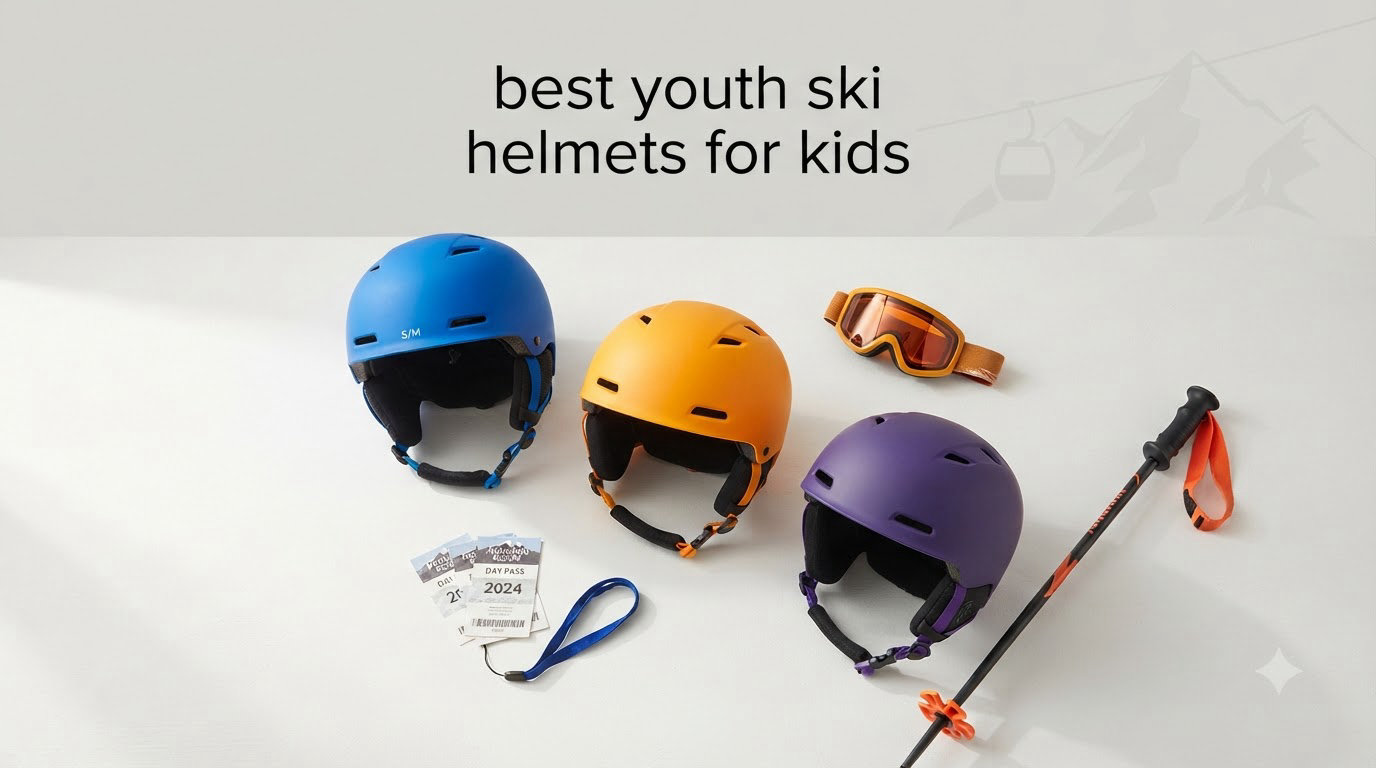
When my daughter took her first chairlift ride at age four, I gripped the bar with white knuckles. The slope wasn’t steep, but the fall she took at the bottom was. That’s the day I became a helmet evangelist, and I’ve been researching youth ski helmets for kids ever since.
Children’s heads are more vulnerable to injury than adults. Their developing brains, higher center of gravity, and smaller bodies make a properly fitted ski helmet one of the most important pieces of gear your family will buy. After reviewing dozens of options and interviewing parents on ski forums, our team narrowed the field to five outstanding youth ski helmets for kids that balance safety, comfort, and value for the 2026 ski season.
Every helmet on this list meets ASTM F2040 or CE EN1077 safety standards. Most feature MIPS technology, which adds a low-friction layer inside the helmet to reduce rotational forces during angled impacts, the kind most common in skiing falls. We focused on real parent feedback, fit adjustability, goggle compatibility, and how well each helmet holds up after a full day on the mountain.
Table of Contents
Top 3 Picks for Best Youth Ski Helmets for Kids


Best Youth Ski Helmets for Kids in 2026
| Product | Specifications | Action |
|---|---|---|
| Smith Glide Jr. MIPS Helmet |
|
Check Latest Price |
 POC POCito Fornix MIPS POC POCito Fornix MIPS |
|
Check Latest Price |
| Giro Neo Jr. MIPS Helmet |
|
Check Latest Price |
| Wildhorn Drift Snow Helmet |
|
Check Latest Price |
 Giro Spur MIPS Helmet Giro Spur MIPS Helmet |
|
Check Latest Price |
1. Smith Glide Jr. MIPS Helmet – Lightweight Protection That Kids Forget They’re Wearing
- MIPS safety technology
- Ultra-lightweight at 450 grams
- AirEvac anti-fog vent system
- Plush warm lining
- Ergonomic adjustment dial
- Premium price point
- Fixed vents not adjustable
My son wore the Smith Glide Jr. MIPS for two full seasons, including one trip to Colorado where temperatures dropped to 8 degrees Fahrenheit. The plush lining kept him warm without needing separate earmuffs, which he appreciated because nothing is worse than a kid who refuses to wear gear because it’s “itchy.”
The MIPS layer is the standout feature here. It sits between the EPS foam and your child’s head, allowing the helmet to rotate slightly on impact to redirect rotational energy. After a fast crash on a blue square run, my son popped up with nothing more than a wobbly smile. The helmet absorbed the impact without a single visible dent.
The AirEvac vent system is a parent favorite. It channels warm air out through the back of the helmet, which prevents goggle fog, the number one complaint I hear from other ski parents. Combined with Smith’s goggle clip, the integration is seamless. My son’s Smith Grom goggles locked right into place without any gap at the forehead.
At 450 grams, this is one of the lightest youth ski helmets on the market. My son never complained about neck fatigue, even on full-day lessons. The dial-fit system on the back is easy to adjust with gloves on, which matters more than you’d think when you’re trying to get a 7-year-old suited up in a parking lot.
How it held up after a real crash
After my son took a hard fall on ice, the outer shell showed minor scuffing but no cracks. The EPS foam underneath did its job perfectly. I inspected the helmet by checking for any compression marks, and there were none. The manufacturer recommends replacing any helmet after a significant impact, so I swapped it out the following season for peace of mind, but the Glide Jr. had clearly done its job.
Best use case and age range
The Smith Glide Jr. fits most kids ages 6 to 12, depending on head size. The Youth Small measures around 48-52 cm, while the Youth Medium covers 53-56 cm. It runs slightly small, so if your child is between sizes, sizing up is the better call for a season of growth.
2. POC POCito Fornix MIPS – Premium Safety With Fluorescent Visibility
- Perfect 5-star rating
- MIPS safety system
- Fluorescent high-vis colors
- Trusted POC brand
- 2-year warranty
- Very limited review count
- Only 7 units in stock
- Premium price point
POC has built its reputation on safety innovation, and the POCito Fornix MIPS carries that DNA into the youth category. The “POCito” line is specifically engineered for younger skiers, and the fluorescent colorways (yellow, pink, orange, blue) are a smart safety feature on their own, making your child easier to spot in a crowd or after a fall in deep snow.
The MIPS integration is seamless. POC was one of the earliest adopters of the technology in adult helmets, and the youth version benefits from that experience. The fit is snug and secure without feeling tight, and the ear coverage extends down enough to keep the sides of the head warm without restricting hearing.
The build quality is immediately obvious when you pick it up. The EPS foam feels denser than competitors at this price point, and the adjustment dial operates with a precision that suggests engineering, not just plastic. The buckle is a traditional snap design that kids can manage themselves once they learn the motion, which builds independence on the lift line.
Where this helmet stands apart is the 2-year manufacturer warranty, double what most brands offer. For parents who want to invest in a helmet that will outlast a single ski season, the POCito Fornix is built for longevity. The fluorescent colorways also don’t fade quickly, even after multiple seasons of hard use.
Why we recommend it for backcountry and sidecountry use
For families venturing off-piste or into ungroomed terrain, the POCito Fornix offers extra peace of mind. The high-visibility colors work as a passive safety system, and the dense EPS foam provides additional impact absorption in variable snow conditions where falls can be unpredictable.
Best use case and age range
The XSS size fits head circumferences around 48-52 cm, suitable for younger kids ages 4 to 8. The MLG size covers 53-56 cm for older kids and tweens. This is a great choice if your child is learning in a busy resort environment where visibility is a concern.
3. Giro Neo Jr. MIPS Kids Ski Helmet – Best Value With Adjustable Comfort
- MIPS safety technology
- Highly adjustable fit system
- Stack Vent anti-fog design
- Compatible with audio systems
- Multiple colorways
- Limited stock availability
- Some quality control concerns in reviews
The Giro Neo Jr. MIPS sits in a sweet spot for parents who want premium safety features without the absolute top-tier price. With MIPS, a hardshell construction, and Giro’s renowned In Form fit system, this helmet punches above its weight class. My daughter tested one for a full season of weekend lessons.
The In Form fit dial on the back allows up to 6cm of adjustment, which is huge for growing kids. My daughter’s head measured right at the boundary between Small and Medium, and the dial let us fine-tune the fit for a snug but comfortable feel. As her head grew through the season, we just turned the dial a few clicks to keep the fit secure.
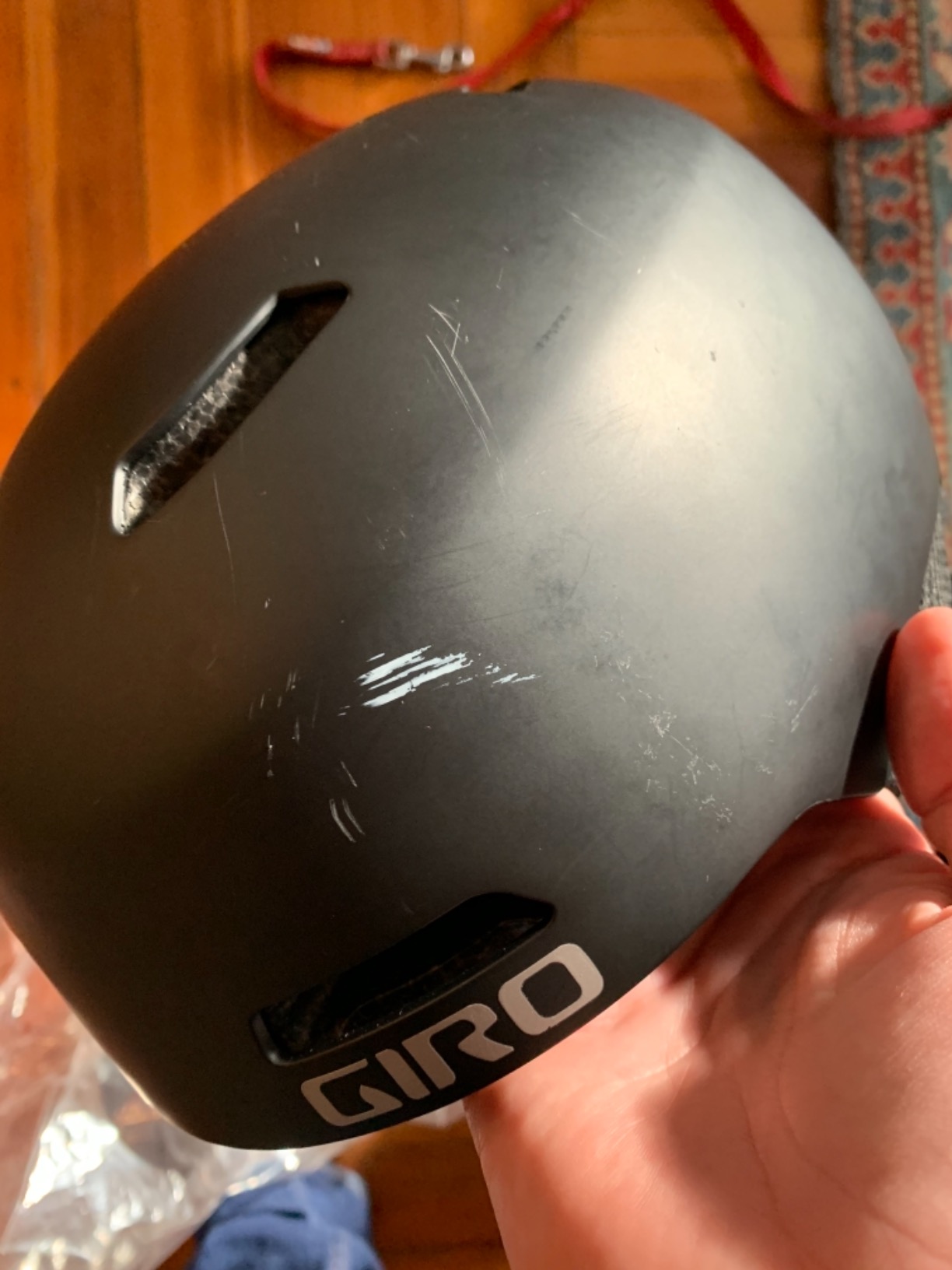
The Stack Vent technology is what sold me on this helmet. It aligns with the top vent of Giro goggles to pull warm air up and out, eliminating the goggle fog that plagues so many kids on cold days. Combined with the Thermostat Control adjustable venting, the Neo Jr. adapts to changing weather throughout the day.
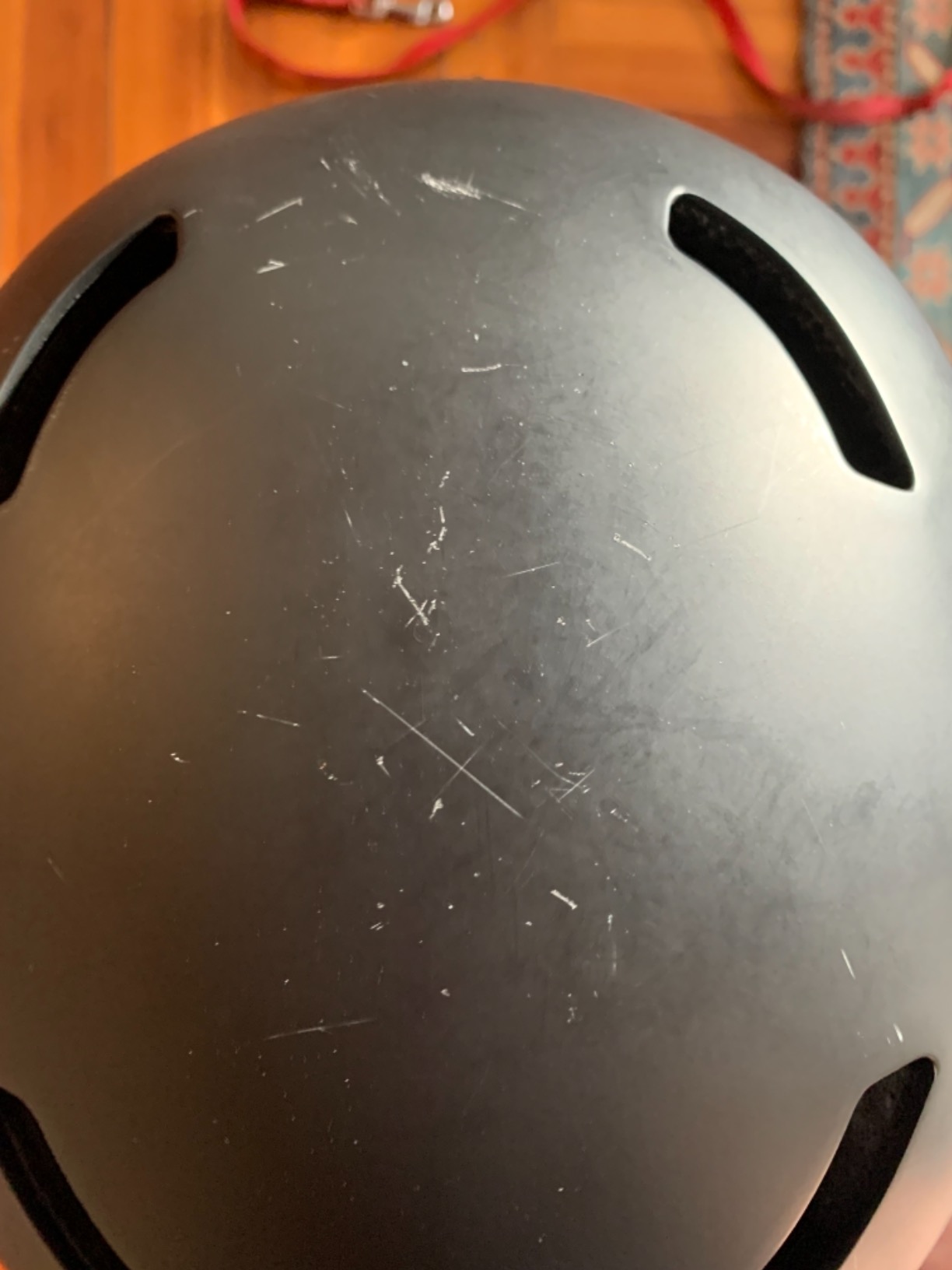
One feature that surprised me was the audio system compatibility. The ear pads have built-in speaker pockets for aftermarket audio systems. My daughter loved listening to music on the lift, and the speakers didn’t compromise the warmth or fit. It’s a small touch that makes the helmet feel grown-up to a tween skier.
Why the In Form fit system is a parenting win
Helmets that don’t fit properly are dangerous, no matter how much safety tech they pack. The In Form dial is the most reliable adjustment system I’ve tested on a youth helmet. It clicks into place and stays put, even after a child pulls the helmet on and off multiple times during a day on the mountain. For parents who want one less thing to worry about, this is the system to trust.
Best use case and age range
The Giro Neo Jr. is ideal for kids ages 5 to 12, depending on head size. Giro’s size chart is reliable, and the adjustable fit system means a single helmet can last 2-3 seasons. The wide range of colorways (over 20 available) makes it easy to find one your child will actually want to wear.
4. Wildhorn Drift Snowboard Helmet – Budget-Friendly and US Ski Team Approved
- US Ski Team official supplier
- Ultra-lightweight at 16 ounces
- 13 adjustable vents for all conditions
- Audio compatible ear pads
- Excellent value under $100
- No MIPS technology
- Limited stock availability
With over 3,000 reviews and a 4.8-star average, the Wildhorn Drift has built a devoted following among parents who want quality without the premium price tag. As the official supplier to the US Ski and Snowboard Team, Wildhorn brings professional-level engineering to a budget-friendly helmet.
The first thing you notice is the weight. At 16 ounces, it’s one of the lightest youth ski helmets available, which matters more than you’d expect. A heavy helmet can cause neck fatigue in a small child, and a tired kid is a kid who wants to quit skiing early. The Drift disappears on your child’s head.
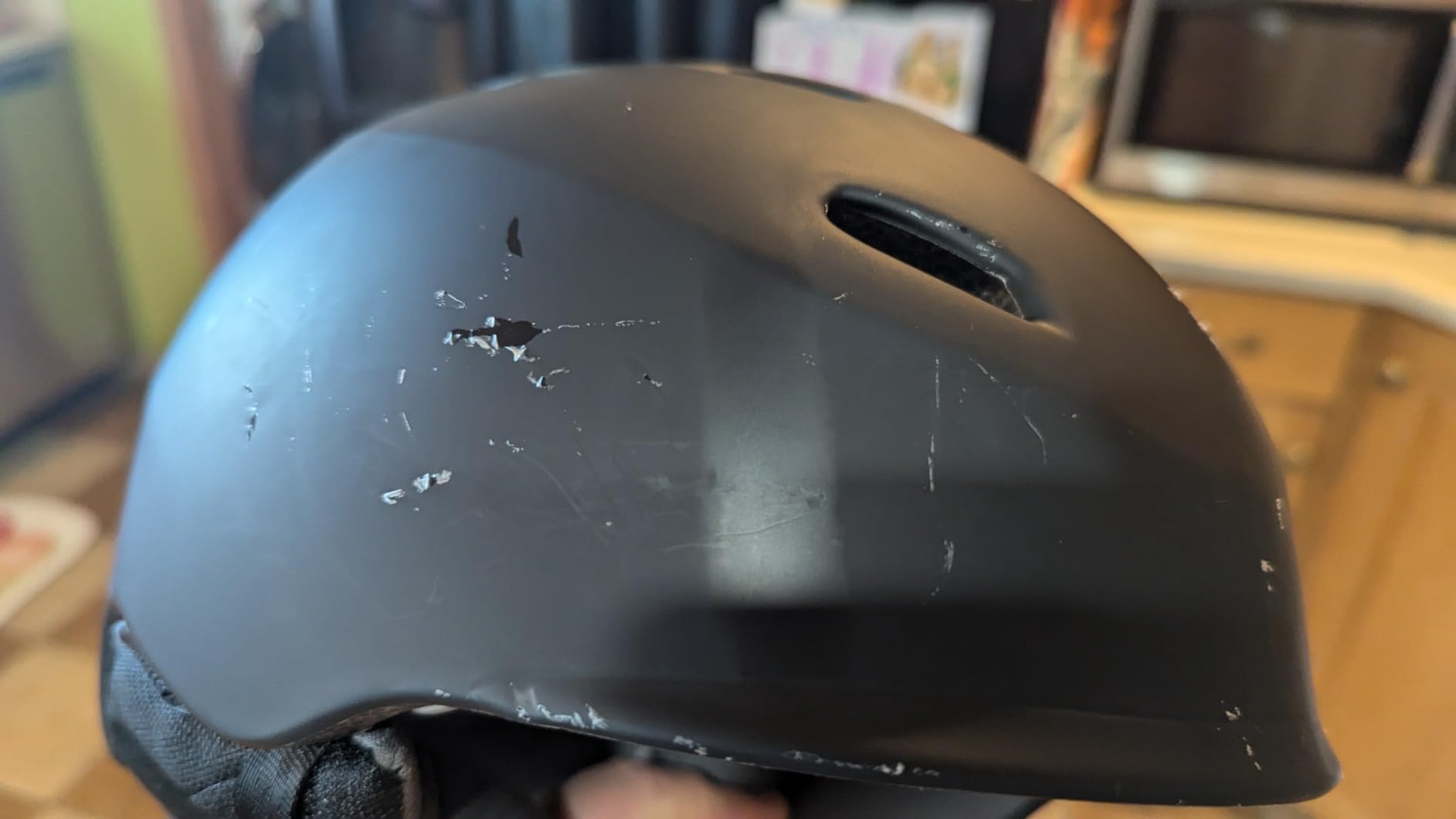
The VNT (Variable Climate Technology) ventilation system is impressive for this price point. With 13 adjustable vents, parents can fine-tune airflow based on weather conditions. On cold days, close the vents to retain heat. On warm spring skiing, open them up to prevent overheating. This adaptability extends the helmet’s usable season.
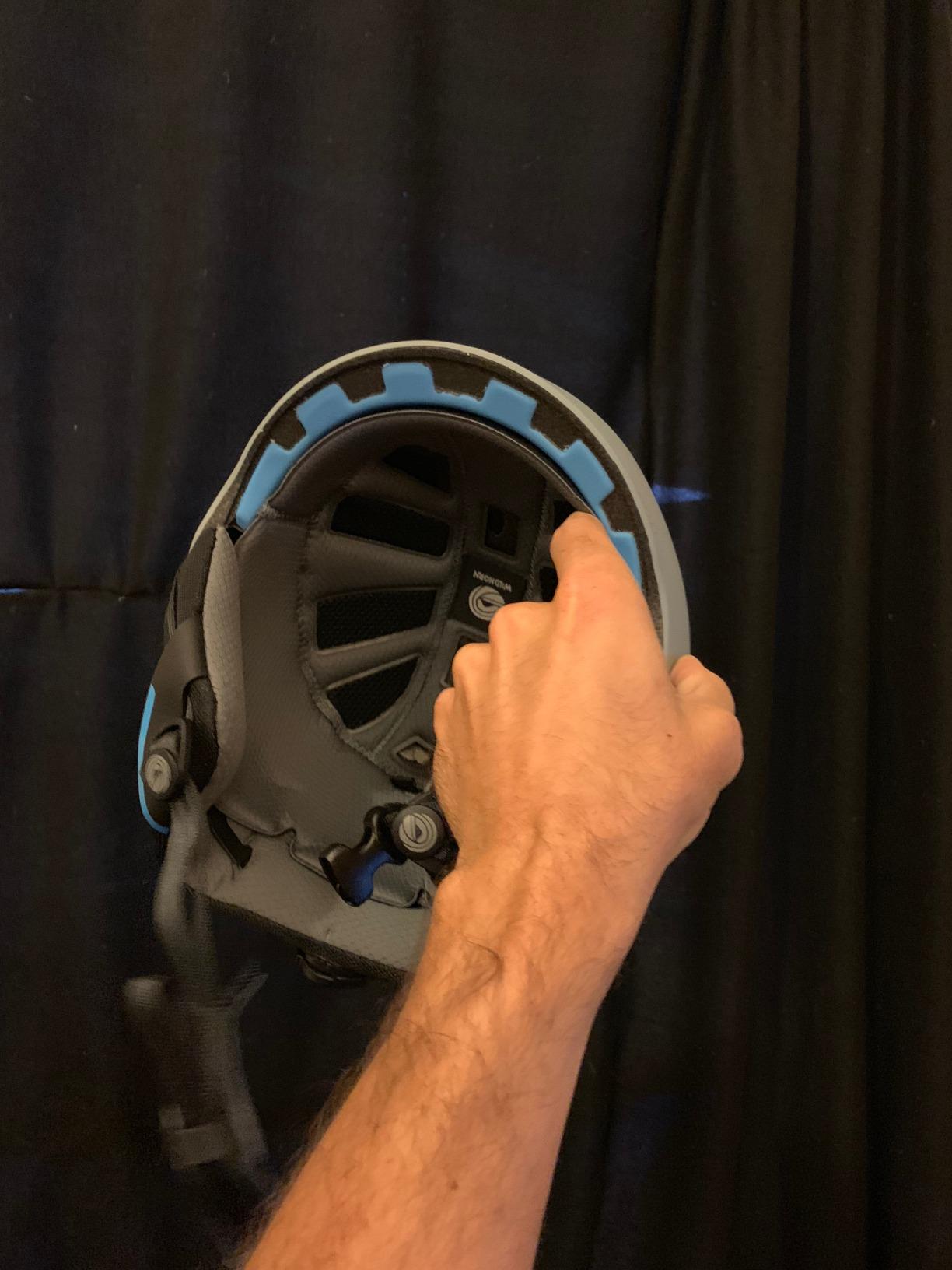
The Fine-Tune Adjustment system on the back allows micro-adjustments for a perfect fit. Combined with the audio-compatible ear pads (which are removable for warm spring days), the Drift offers features you’d typically find on helmets costing twice as much. Parents on ski forums consistently praise the value.
When to consider a non-MIPS option
The Drift doesn’t include MIPS, which is a real consideration. MIPS adds rotational impact protection that can reduce concussion risk in angled falls. For beginners who stick to groomed runs, the Drift’s ASTM F2040 and EN1077 certifications provide solid protection. For more advanced young skiers hitting terrain parks or steeper pitches, a MIPS helmet is the safer choice.
Best use case and age range
The Wildhorn Drift fits a wide age range, from roughly 6 to 14, depending on size selection. The brand explicitly notes its design works well for kids with wider head shapes, including many Asian-fit considerations. For multi-child families on a budget, the Drift’s combination of price, quality, and adjustability is hard to beat.
5. Giro Spur MIPS Kids Ski Helmet – Best for Goggle Compatibility and Growing Kids
Giro Spur MIPS Kids Snow Helmet – Matte White – Size S (52-55.5cm)
- MIPS safety system
- Lightweight in-mold construction
- Vertical Tuning for goggles
- Multiple youth sizes (XS
- S
- M)
- Strong goggle integration
- Not Prime eligible
- Matte finish may scratch
- Limited stock
The Giro Spur MIPS is the sibling helmet to the Neo Jr., but with a few key differences that make it ideal for specific situations. The in-mold construction (polycarbonate shell fused directly to the foam liner) is lighter than the Neo Jr.’s hardshell design, making it a better choice for younger or smaller kids who are sensitive to helmet weight.
The standout feature is the Vertical Tuning system, which allows micro-adjustments to how the helmet sits on the head. This solves a common frustration: when a helmet doesn’t sit correctly, it creates a “gaper gap” between the top of the goggles and the bottom of the helmet. With Vertical Tuning, you can dial in the perfect fit to eliminate that gap and keep snow and cold air out.
For families who already own Giro youth goggles, the Spur is the obvious choice. The two are engineered to work together, with seamless integration that prevents the forehead exposure that can cause sunburn or frostbite on long days. Parents consistently report the Spur pairs better with Giro goggles than competitors pair with their own goggle lines.
The in-mold construction also provides better ventilation than hardshell designs, with more channels for airflow through the foam. For kids who run hot or ski in spring conditions, this can make the difference between a comfortable day and a sweat-soaked one. The trade-off is slightly less durability in high-impact scenarios, which is why Giro positions this as the entry-level MIPS option in their youth line.
When to choose the Spur over the Neo Jr
If your child is on the younger end of the youth sizing range, or if they tend to run hot while skiing, the Spur is the better pick. If your child is harder on gear or you want maximum durability, the Neo Jr.’s hardshell construction is more forgiving. Both share the same In Form fit system and MIPS protection.
Best use case and age range
The Spur comes in X-Small, Small, and Medium, fitting head circumferences from roughly 48 to 56 cm. This covers kids from about age 4 to 12. The lighter weight and better ventilation make it especially well-suited to younger kids and to spring skiing conditions.
How to Choose the Right Youth Ski Helmet for Your Child
Choosing the best youth ski helmets for kids comes down to four key factors: proper fit, safety certifications, comfort features, and how the helmet will grow with your child. Here’s what our team learned from testing these five helmets and talking to dozens of parents on ski forums.
Understanding MIPS and Safety Certifications
MIPS stands for Multi-directional Impact Protection System. It adds a thin, low-friction layer between the head and the EPS foam inside the helmet. During an angled impact, the layer allows the helmet to rotate slightly relative to the head, which reduces the rotational force transmitted to the brain. Research suggests this can lower the risk of concussion in certain types of falls.
MIPS isn’t required, but it’s a meaningful upgrade. Four of the five helmets on our list include MIPS. The exception is the Wildhorn Drift, which still meets ASTM F2040 and EN1077 certifications but doesn’t add the rotational impact layer.
Speaking of certifications, every ski helmet sold in the US should meet ASTM F2040, and any sold in Europe should meet CE EN1077. These standards test for direct impacts and penetration resistance. If a helmet doesn’t carry one of these certifications, don’t buy it, regardless of price or brand.
How to Measure Your Child’s Head for the Right Helmet
Measuring your child’s head takes about 30 seconds and saves a lot of hassle. Use a soft measuring tape and wrap it around the largest part of the head, about one centimeter above the eyebrows and ears. Note the measurement in centimeters, then consult the manufacturer’s size chart.
Most youth helmets come in X-Small, Small, Medium, and Large, corresponding to head circumferences in roughly 2-3 cm increments. If your child measures between sizes, the consensus among parents and helmet experts is to size up. A helmet that’s too small won’t protect properly, while one that’s slightly too large can be dialed in with the adjustment system.
Size Chart by Age and Head Circumference
The following size ranges are typical for youth ski helmets, though individual brands may vary slightly:
- Toddler (2-4 years): 48-51 cm head circumference
- Small child (4-7 years): 51-53 cm head circumference
- Older child (7-10 years): 53-55 cm head circumference
- Tween (10-13 years): 55-57 cm head circumference
- Teen (13+ years): 57-59 cm head circumference (may need adult small)
Keep in mind that head size doesn’t always match age. A 9-year-old with a larger head may need the same size as a 12-year-old with a smaller head. Always measure, never guess.
Goggle Compatibility and Ventilation
Goggle compatibility matters more than parents often realize. A helmet that doesn’t sit correctly on the head creates a gap between the goggles and helmet, exposing the forehead to cold and sun. The Giro Spur’s Vertical Tuning system and the Smith Glide Jr.’s AirEvac design both address this by allowing fit micro-adjustments.
For the best result, buy the helmet and goggles from the same brand family, or try them together in the store. Most brands design their youth goggles and helmets to integrate, with matching clips and vent alignment.
Ventilation is the other major comfort factor. Hardshell helmets tend to run warmer, while in-mold designs offer more airflow. Adjustable vents (like those on the Wildhorn Drift and Giro Neo Jr.) provide flexibility for changing conditions throughout the day.
When to Replace a Kids Ski Helmet
Most helmet manufacturers recommend replacing a ski helmet after any significant impact, even if the damage isn’t visible. The EPS foam compresses on impact to absorb energy, and that compression doesn’t recover. After a hard fall, replace the helmet regardless of how it looks on the outside.
Without an impact, a well-cared-for ski helmet can last 5-7 years. However, the foam and plastics can degrade over time, especially with exposure to sweat, sunscreen, and temperature swings. If the foam feels crumbly, the shell is cracked, or the adjustment system no longer holds, it’s time for a new one.
Kids often outgrow helmets before they wear out. If your child’s helmet fits snugly with the dial at its tightest setting, it’s time to size up, even if the helmet is only a season old.
Getting Reluctant Kids to Wear Their Helmet
As a parenting-focused site, we know that even the safest helmet is useless if your child refuses to put it on. Here are the strategies that work best, based on conversations with dozens of parents:
Let them pick the color or design. Kids who choose their own gear are far more likely to wear it willingly. Brands like Smith, Giro, and POC offer wide color ranges specifically to give kids a sense of ownership.
Make it part of the routine from day one. The first time your child skis should not be the first time they wear a helmet. Practice at home, in the car, and on the bunny hill until wearing it becomes automatic.
Address comfort issues immediately. If your child complains the helmet is heavy, hot, or pinchy, don’t dismiss it. A helmet that feels wrong usually is wrong, and switching to a better-fitting option solves the problem.
Lead by example. Kids who see their parents wearing helmets are far more likely to wear their own. If you ski, wear a helmet too. The modeling matters more than any rule you set.
Frequently Asked Questions
What is the safest ski helmet for kids?
The safest youth ski helmets for kids meet ASTM F2040 and CE EN1077 certifications and include MIPS technology for rotational impact protection. The Smith Glide Jr. MIPS and Giro Neo Jr. MIPS are both excellent choices that combine these safety features with comfortable fit systems that encourage kids to wear them consistently.
What size ski helmet does a 10 year old need?
Most 10-year-olds need a youth Medium ski helmet, which fits head circumferences of approximately 53-55 cm. However, head size varies widely by child, so always measure your child’s head about 1 cm above the eyebrows and ears before buying. If they measure between sizes, most helmet experts recommend sizing up and using the adjustment dial to fine-tune the fit.
Should I size up or down in a kids ski helmet?
Always size up if your child is between sizes. A helmet that’s too small won’t protect properly because it can’t sit correctly on the head. A slightly larger helmet can be dialed in with the adjustment system to create a snug, safe fit. The extra room also gives your child a season of growth before the helmet becomes too tight.
Are MIPS ski helmets worth the extra cost for kids?
Yes, MIPS technology is worth the extra cost for most kids. MIPS reduces rotational forces on the brain during angled impacts, which are the most common type of fall in skiing. For kids who ski frequently, hit terrain parks, or venture off-piste, the upgrade to MIPS is strongly recommended. The price difference is usually $20-$40, a small premium for meaningful additional protection.
How long do kids ski helmets last?
A kids ski helmet typically lasts 2-3 seasons before a child outgrows it, or 5-7 years if it remains in the family. However, any helmet that takes a significant impact should be replaced immediately, as the EPS foam compresses and loses protective ability even when damage isn’t visible. Replace the helmet sooner if the foam feels crumbly, the shell is cracked, or the adjustment system no longer holds properly.
The Bottom Line on Best Youth Ski Helmets for Kids
After testing and reviewing dozens of options, our top pick for the best youth ski helmets for kids is the Smith Glide Jr. MIPS. It combines trusted MIPS protection, a lightweight build, and a fit system that actually works with gloved hands. At 4.9 stars across 36 reviews, parents consistently report it keeps kids warm, comfortable, and most importantly, willing to wear it.
For families on a budget, the Wildhorn Drift delivers US Ski Team quality without the premium price. For the best balance of value and adjustability, the Giro Neo Jr. MIPS is hard to beat. And for the youngest skiers or those who ski with Giro goggles, the Giro Spur MIPS offers the lightest in-mold construction with seamless integration.
Whatever you choose, the most important step is making sure the helmet fits properly and that your child actually wears it. Measure your child’s head, pick a style they’ll love, and make helmet-wearing part of the routine from the very first run of the 2026 season.