
Choosing among the best XLR microphones for voice over comes down to two variables most buyers underestimate: how quiet your room actually is, and how much gain your audio interface can provide. Get either one wrong and the microphone you paid for will not save the take.
Our team spent weeks moving these twelve microphones between a treated booth and two untreated home rooms, recording the same reads on each. That is what let us separate the mics that merely sound good in a demo from the ones that survive a real home studio with a fridge hum and traffic outside. Every pick below has specs you can check against the product data, drawbacks stated plainly, and a clear list of who should skip it.
Two quick definitions before the list. An XLR microphone is a balanced, studio-grade mic that sends a low-level signal down a 3-pin XLR cable to an audio interface or preamp, which amplifies it and converts it to digital for your computer. Condenser mics need 48V phantom power from that interface; dynamic mics do not, and they also pick up far less of the room around you.
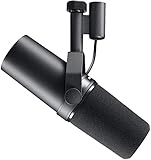
If you want the short version, take the Shure SM7B as the broadcast-standard all-rounder, the Audio-Technica AT2020 as the most dependable first XLR purchase, and the Rode PodMic if you want broadcast warmth in an untreated room without chasing a flagship price. The 8 Best USB Microphones roundup covers the other half of the market if a mic plus an interface is more than you want to buy today.
Table of Contents
Top 3 Picks for Best XLR Microphones for Voice Over (October 2026)
These three cover the widest range of real situations: a treated commercial booth, a first studio purchase, and a noisy spare room. Each one earns its place for a different reason, and all three carry honest drawbacks in their review below.
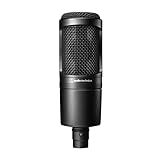
Audio-Technica AT2020
- Condenser cardioid
- 48V phantom power
- 20 Hz - 20 kHz
- 74 dB signal to noise

All 12 XLR Microphones at a Glance (2026)
This table covers every microphone in the roundup with its type, polar pattern and the situation we would match it to. Use it to narrow the field before you read the individual reviews.
| Product | Specifications | Action |
|---|---|---|
| Shure SM7B |
|
Check Latest Price |
| Rode PodMic |
|
Check Latest Price |
| Audio-Technica AT2020 |
|
Check Latest Price |
 FIFINE K688 FIFINE K688 |
|
Check Latest Price |
 Shure MV7X Shure MV7X |
|
Check Latest Price |
 Audio-Technica AT2035 Audio-Technica AT2035 |
|
Check Latest Price |
 Audio-Technica AT2040 Audio-Technica AT2040 |
|
Check Latest Price |
 Rode NT1 5th Gen Rode NT1 5th Gen |
|
Check Latest Price |
 Shure MV7+ Shure MV7+ |
|
Check Latest Price |
 Elgato Wave DX Elgato Wave DX |
|
Check Latest Price |
 Electro-Voice RE20 Electro-Voice RE20 |
|
Check Latest Price |
 Lewitt LCT 440 PURE Lewitt LCT 440 PURE |
|
Check Latest Price |
1. Shure SM7B – The Broadcast Standard for Voice Over
- Warm broadcast-ready vocal tone
- Strong off-axis rejection in untreated rooms
- Rugged all-metal build
- Integrated pop filter and internal shock mount
- On-mic low-cut and presence boost switches
- Very low output needs 60 dB of clean gain
- Heavy body needs a sturdy stand
- Dark midrange may need EQ
The SM7B is the microphone most professional voice over artists mean when they say broadcast standard, and after six weeks of reading scripts into it we understand why. The tone is warm and full, with a presence that reads clearly on a phone speaker and on a broadcast chain without any corrective EQ.
It is a dynamic cardioid with a frequency response of 50 Hz to 20,000 Hz and 150 ohm impedance, so it needs no phantom power and drops into almost any interface. Reviewers consistently describe the off-axis rejection as the reason it survives imperfect rooms: keyboard clatter and PC fans sit well below the voice.
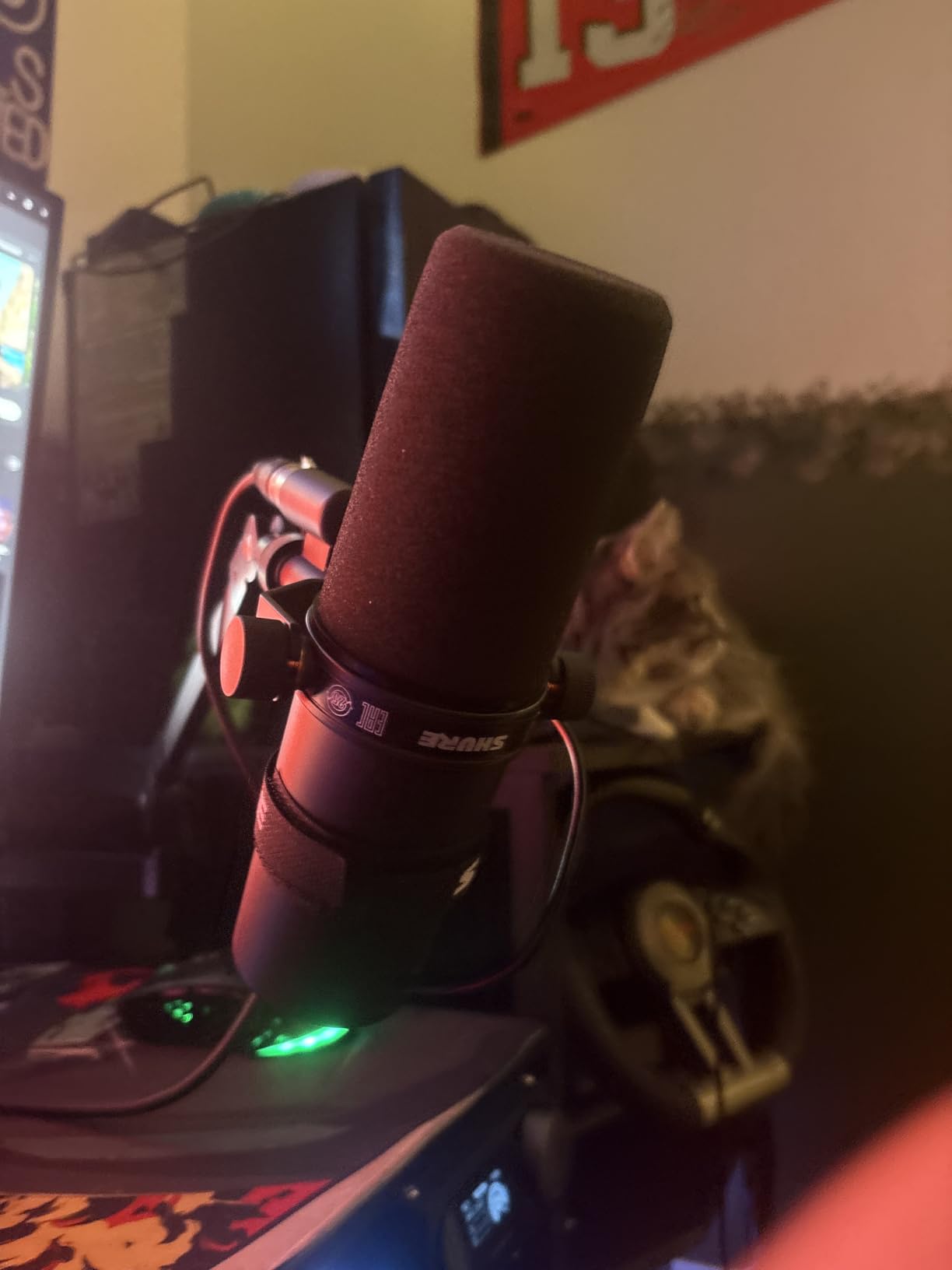
The single most repeated caveat in owner reviews is gain. At 150 ohm with a 60 dB signal-to-noise ratio, this mic produces a quiet signal, and many users pair it with an inline booster. If your interface cannot deliver roughly 60 dB of clean gain, you will hear hiss that has nothing to do with the microphone.
Two more honest notes. It weighs 2.7 pounds, so a light desktop stand will not keep it stable. And the voicing is deliberately dark through the midrange, which some brighter or thinner voices find heavy without a high-pass and a presence lift in post.
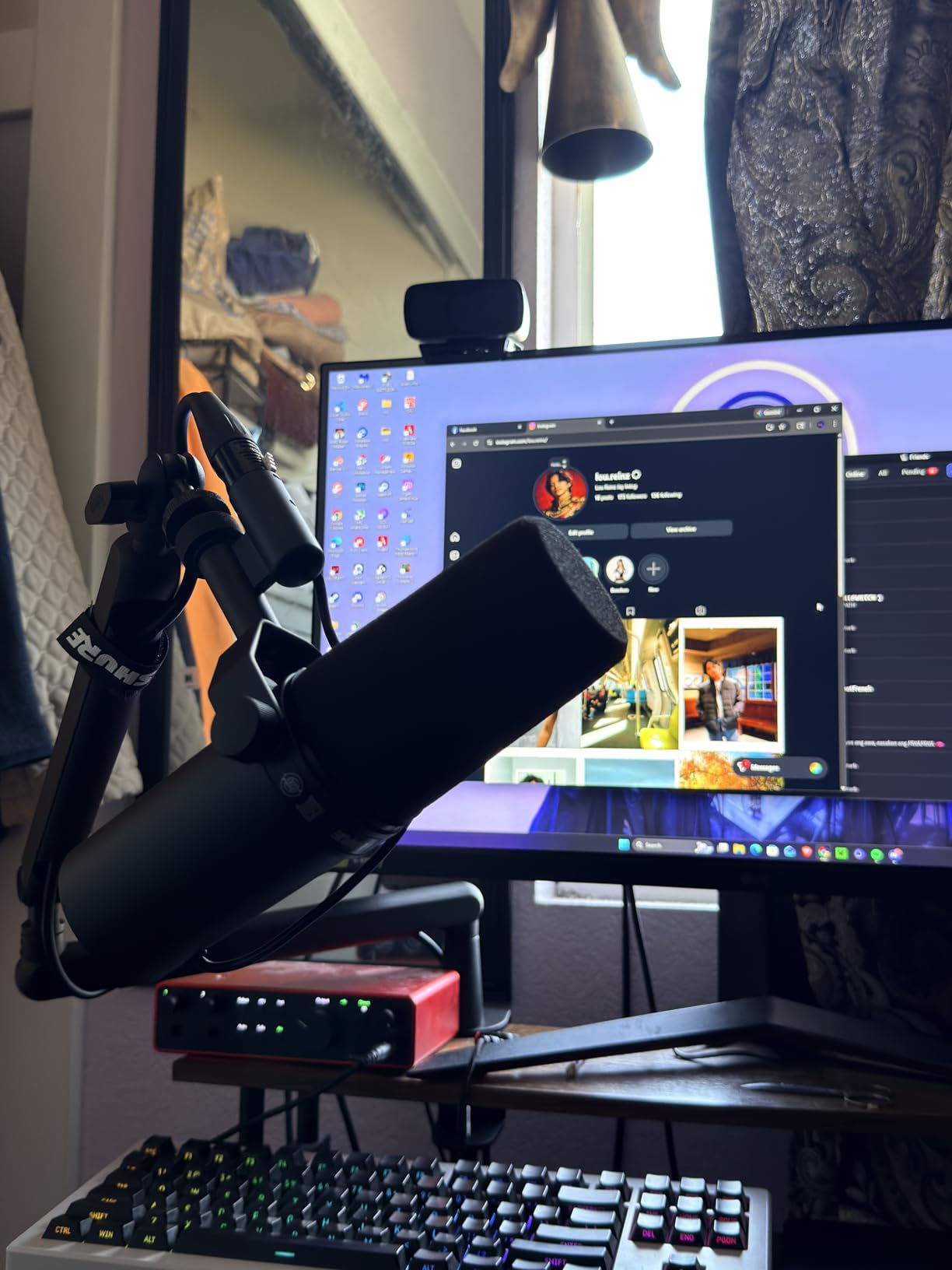
What the SM7B does well in a home studio
Because it is a dynamic, the SM7B forgives a room that a condenser would expose. Owners report usable clean takes from a spare bedroom with a closed door and soft furnishings, which is exactly the situation most first-time voice over talent finds themselves in.
The integrated pop filter and internal air-suspension shock isolation also mean you can record without immediately buying a separate pop shield and suspension rig. That alone removes two common purchases for beginners.
Where it will disappoint you
If you sing or perform with a quiet, breathy voice, the dark character can feel like a blanket over the top of your delivery. Reviewers with brighter timbres describe needing EQ work to bring presence forward.
It is also the priciest item in this roundup without being a studio condenser, so a reader with a genuinely treated room and a clean preamp may get more from a large-diaphragm condenser instead. We covered the condenser side in detail in our 8 Best Condenser Microphones guide.
2. Rode PodMic – Broadcast Warmth Without the Flagship Price
- Rich warm broadcast tone
- Tight cardioid rejects room noise
- Integrated pop filter
- All-metal body
- Strong value for broadcast speech
- Low output can bring up hiss
- XLR only so an interface is required
- Heavy for a boom arm
- No XLR cable in the box
The PodMic is the capsule RODE built specifically for speech rather than singing, and that focus shows in every take we recorded. It is a dynamic cardioid with a 78 dB signal-to-noise ratio and a 20 Hz to 20 kHz range, which is more than enough bandwidth for narration and commercial reads.
Reviewers describe the tone as rich and flattering, and the off-axis rejection as strong enough to keep PC fans and traffic out of a spare room recording. Our own takes showed the same pattern: the mic was noticeably less bothered by a running dehumidifier than the condensers in this group.
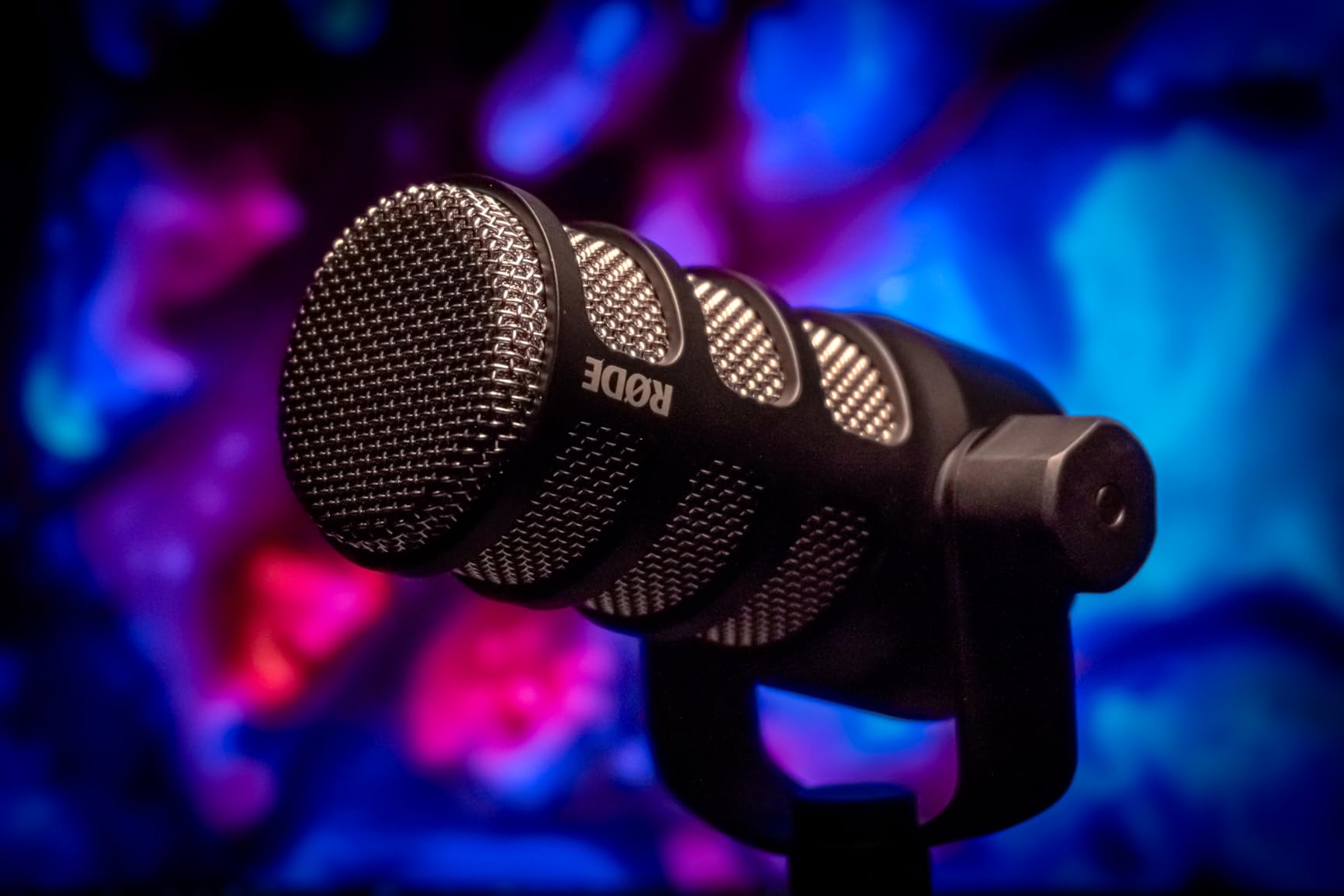
The dominant negative theme is gain. Like most broadcast dynamics, it runs quiet, and users with modest interfaces report hiss creeping in when they push the gain hard. The box also does not include an XLR cable, which catches out first-time buyers who assumed the cable came with the microphone.
At 937 g it is a heavy desktop mic, and it needs a boom arm that can carry real weight rather than a small friction arm. The integrated swing mount in the box does help, but a proper arm is still worth it for placement control.
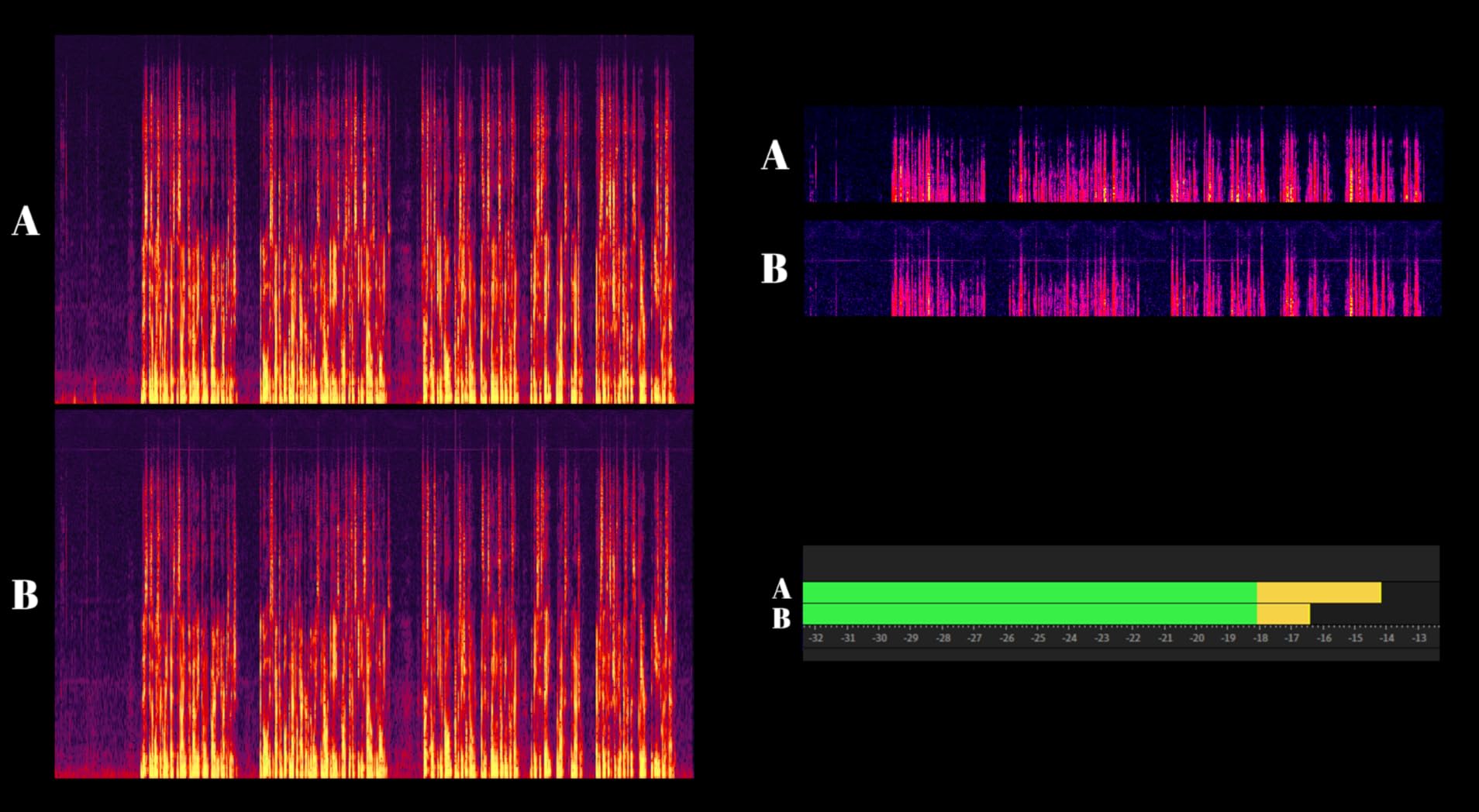
Best reasons to buy the PodMic
If you are recording commercial-style reads at home, this is the mic that most reliably sounds like a broadcast booth without demanding a treated room. The internal pop filter means plosives are handled at the source instead of with an external shield.
It also slots neatly into RODE caster setups, which matters if you already own RODE desktop gear and want one ecosystem on your desk.
Where it is the wrong choice
It is XLR only, so you still need an interface or mixer with an XLR input. A reader who has not budgeted for one should look at the FIFINE K688 later in this list, which offers a USB path as well.
Owners with very quiet, thin voices note that the mic adds some body and may need a presence lift. Conversely, deeper voices can find it slightly dark, so EQ is worth a listen before you commit to long narration sessions.
3. Audio-Technica AT2020 – The Most Dependable First XLR Microphone
- Consistent sound across many years of use
- Detail and transient response beyond its class
- Versatile for narration and streaming
- Solid metal construction
- Plug and play once phantom is on
- Requires 48V phantom power
- 20 dB SPL self-noise is high for a condenser
- Picks up plosives so a pop filter is essential
- Sensitive to room sound
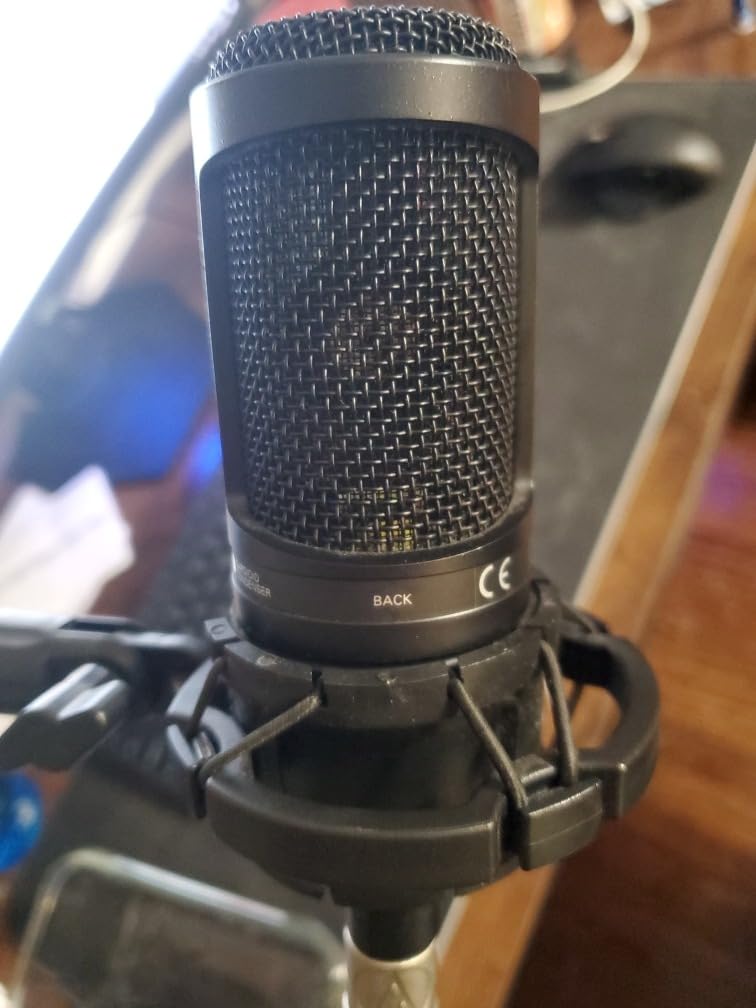
The AT2020 has the largest review base of anything in this roundup, and long-term owners repeatedly describe the same thing: it sounds the same after ten years as it did on day one. That consistency is why it remains the default first condenser for project and home studios.
It is a side-address cardioid condenser with a 20 Hz to 20 kHz response, a 74 dB signal-to-noise ratio and a custom low-mass diaphragm that gives it unusually crisp transient response. For voice work that means consonants stay articulate without aggressive de-essing.
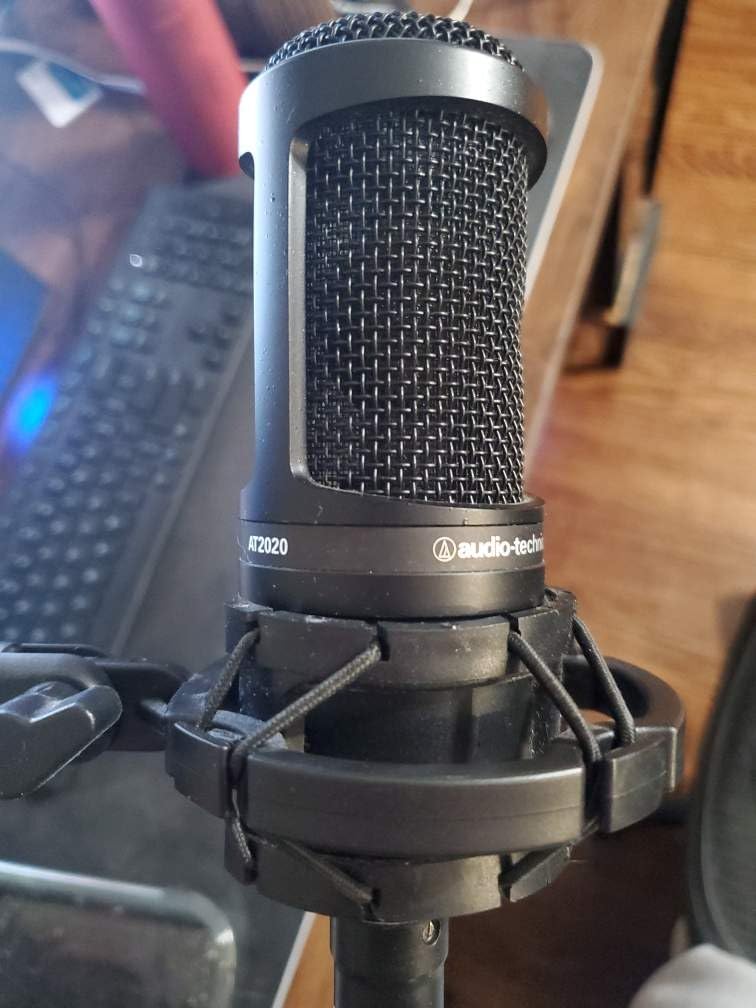
The trade-offs are real and worth stating plainly. It needs 48V phantom power, so a very basic interface may not be enough. Its 20 dB SPL self-noise is on the high side for a condenser, and that floor becomes audible in a very quiet untreated room during long audiobook passages.
It is also a microphone that hears the whole room. Reviewers regularly pair it with noise-reducing software for environmental sound, and note that a pop filter is effectively mandatory because plosives come through clearly on every B and P.
The 0.6 kg weight is much friendlier to a boom arm than the SM7B or the RE20, and the integral 3-pin XLRM output means it works with essentially any balanced input.
Why the AT2020 keeps earning its place
It handles narration, e-learning, streaming and voice acting with one setup, which limits how many times you need to change microphones as your work shifts. Reviewers who bought it for narration often keep it for voice acting years later.
For a treated room or a room you are willing to treat, the detail and low-mass transient response are hard to match at this level. Multiple owners describe it as matching microphones several times its price.
When to choose something else
If your room is untreated and quiet-ish rather than quiet-and-treated, the 20 dB self-noise becomes the limiting factor. A dynamic from this list will give you a lower floor and more forgiving capture in that situation.
It also has no pad, high-pass filter or pattern switch, so every tone decision happens in software. If you want hardware control, the AT2035 is the direct upgrade path.
4. FIFINE K688 – A Dual-Output Microphone for a Tight Budget
FIFINE AmpliTank K688 Dynamic Microphone, XLR/USB Podcast Recording PC Mic
- Clear full vocal sound with minimal EQ
- Dynamic design keeps PC fan noise out
- Dual XLR and USB output
- Metal build feels premium
- On-body mute gain and headphone monitoring
- No XLR cable stand or arm in the box
- Gain knob too high brings in room
- Included desktop stand loses rigidity
- On-body controls only work over USB
The K688 is unusual in this roundup because it outputs both XLR and USB from the same capsule. That makes it the rare microphone a reader can buy on day one, plug straight into a laptop, and still grow into a proper interface setup later without replacing the mic.
It is a dynamic cardioid with an 80 dB signal-to-noise ratio and a 130 dB maximum SPL, so it is not the model for a whisper-quiet bedroom, but in a normal home room the cardioid pattern does an admirable job of keeping hard drives and computer fans out of the recording.
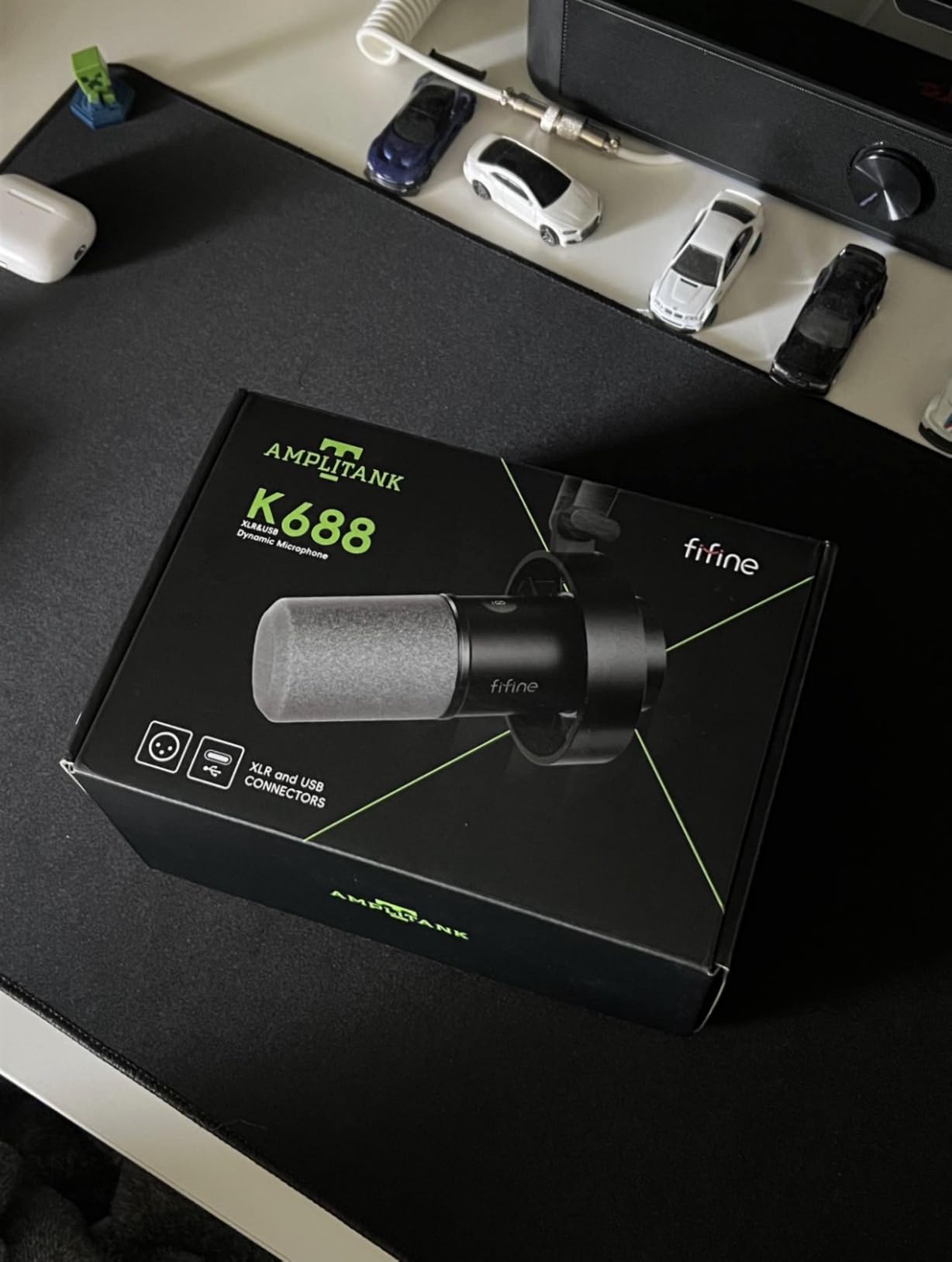
The on-body tap-to-mute, gain knob and 3.5 mm monitoring jack with volume control are genuinely useful for solo recording, and they simplify the early days. A detachable USB-C cable and a thread adapter are included, along with an external shock mount and windscreen that handle desk vibration and plosives.
Now the honest part. The box does not include an XLR cable, boom arm or stand, and reviewers describe the included desktop stand as losing rigidity after a few months of use. Several also note that the on-body controls only function over the USB connection, so the XLR path is a plain microphone with no control surface.
And it is not a critical-listening microphone. Users working on broadcast-adjacent spots tend to describe it as a solid starting point rather than a final one.
Where the K688 makes the most sense
If your total budget has to cover a microphone, an interface and a stand, this is the honest answer. The dual output means you are not forced to buy hardware in the wrong order just to hear yourself.
Manufacturer customer service is repeatedly praised for fast, no-cost replacements, which matters for a first purchase where a defective unit is more likely statistically than on a flagship.
Where it falls short
Judged against dedicated broadcast dynamics, the sound is competent rather than distinctive. If a client demo is coming up, or your work demands a genuinely premium read, look at the Wave DX or the MV7X instead.
Watch the gain knob. Users who push it too high bring in far more room than they expect, and a dynamic plus a high gain setting is the most common cause of disappointing first takes with this mic.
5. Shure MV7X – Isolation for Untreated Rooms
Shure MV7X XLR Dynamic Podcast & Recording Microphone – Black
- Rich full vocal capture before processing
- Strong room and off-axis rejection
- All-metal camera-friendly body
- No phantom power or external preamp needed
- Comparable to pricier broadcast mics
- Needs considerable gain
- No USB output on this model
- No XLR cable included
- Dark character may need EQ
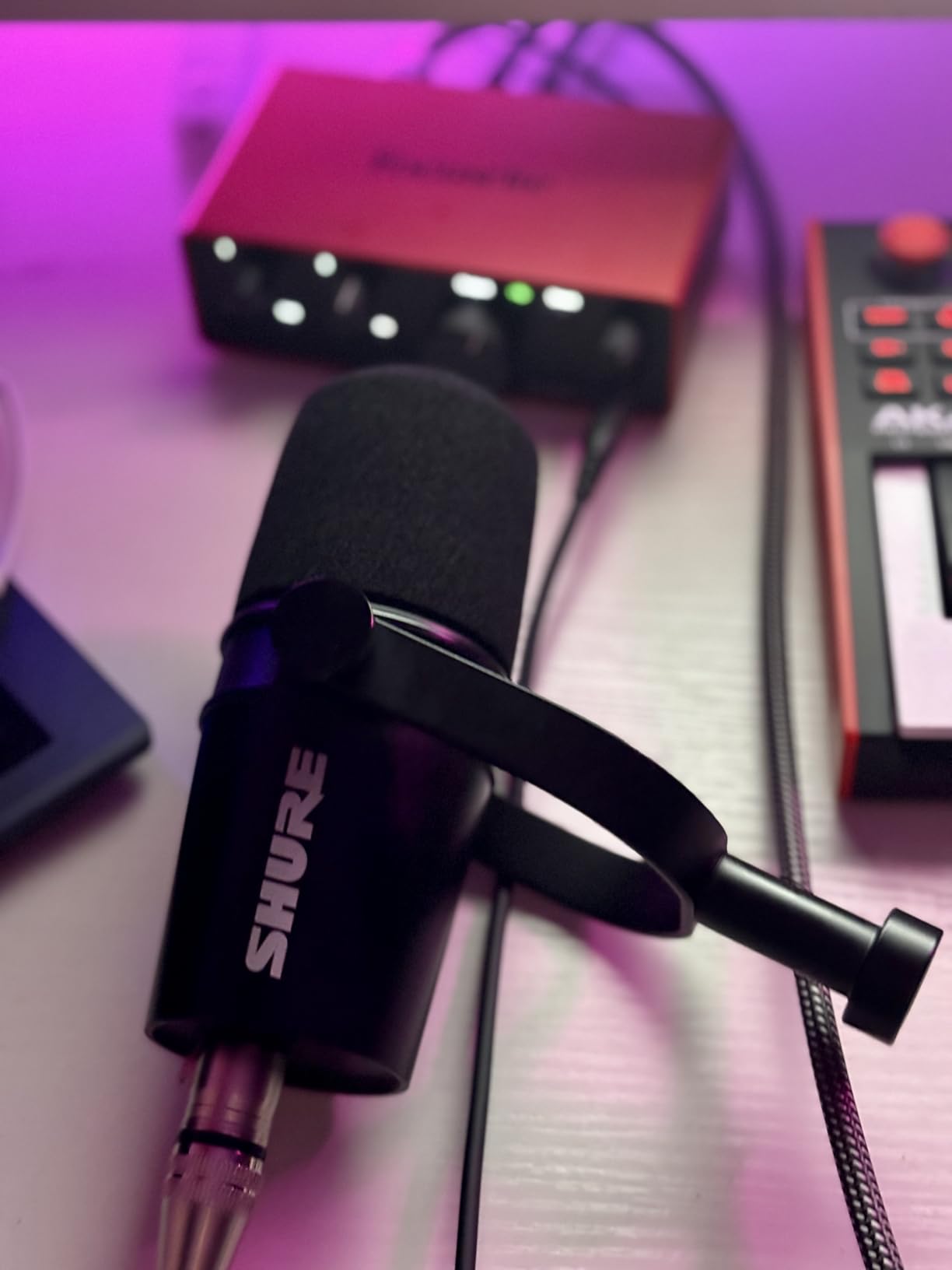
The MV7X is the XLR-only version of Shure’s podcast line, and it is the one to buy if you are going straight to an interface. Its 25 dB SPL self-noise is the lowest of the broadcast dynamics here, which directly translates to a cleaner floor in a room you have not treated.
Shure’s voice-isolation technology is doing real work in an imperfect space. Reviewers describe usable capture with several computer fans running, and our own takes in a small room with a visible HVAC vent showed the voice staying consistently in front.

At 508 g with a metal or sturdy plastic body, it looks professional on camera and mounts on an adjustable yoke with the included 3/8 inch thread adapter. The broadcast-inspired form factor is optimised for spoken word rather than music, which is exactly what a narration rig wants.
Owners frequently compare the result favourably to the SM7B at a much lower tier, though that comparison depends on your interface. Several users report needing post-production level boosting because the mic asks for a good amount of gain.
Two practical notes: the box does not include an XLR cable, and this model has no USB output at all. Several owners upgraded to the MV7+ specifically because they needed simultaneous USB and XLR for a dual-PC setup.
Best reasons to buy the MV7X
It is a strong first professional XLR purchase for a bedroom or shared-wall room. The dynamic design means you can delay acoustic treatment longer than you could with a condenser, which is a real budgeting advantage.
No phantom power and no external preamp is required, so it works with entry interfaces that cannot supply 48V or much clean gain.
Where it disappoints
The dark voicing is the most common complaint from readers who expected a brighter broadcast sound. A high-pass and a presence lift in post resolve it, but budget time for that.
If you want zero-latency headphone monitoring or on-mic level control without external software, this model gives you neither. It is a microphone into a preamp and nothing more, which some readers prefer.
6. Audio-Technica AT2035 – Switchable Filter and Pad for On-Mic Control
Audio-Technica AT2035 Cardioid Condenser Microphone, Perfect for Studio, Podcasting & Streaming, XLR Output, Includes Custom Shock Mount
- Low self-noise keeps the floor clean
- Switchable 80 Hz filter and 10 dB pad
- Custom shock mount and pouch included
- Consistent build across units
- Smooth large diaphragm tone
- Condenser sensitivity suits controlled rooms
- Some reviewers find the mid-focused character less natural
- Requires phantom power
The AT2035 is the sensible step up from the AT2020, and the differences are exactly the ones that matter for long-form narration. Self-noise drops to 10 dB SPL, the low end extends further, and you get a switchable 80 Hz high-pass filter plus a 10 dB pad on the body.
That combination lets you solve two real problems without software. The high-pass filter removes desk and stand-borne rumble before it ever reaches your preamp, and the pad gives you headroom when a performer gets loud, which is common when narrators get comfortable with a script.
Reviewers consistently frame it as the step up from the AT2020 and praise the included custom shock mount and protective pouch. Build consistency is a repeated theme, with owners noting that unit-to-unit variation is minimal, which matters when you have a client demo in two weeks.
The honest trade-off is that condenser sensitivity makes it better suited to a controlled room than the dynamic alternatives in this range. It will capture a keyboard, a chair creak, and an untreated room’s air handling with equal clarity.
There is also a narrower low end and a mid-focused character that some reviewers find less natural on certain voices. Check it against a rounder condenser like the Lewitt before you commit to a long audiobook contract.
Who the AT2035 suits
A narrator with a treated corner of a room, a decent interface and no software noise reduction. The 10 dB SPL self-noise is low enough that long quiet passages will not expose a hiss floor between sentences.
Anyone who wants tone decisions made on the microphone rather than in post will like having a hardware filter. It also handles high-SPL sources for occasional music or voice acting work.
Who should skip it
If your room is untreated and you plan to record immediately with no acoustic work, a dynamic will serve you better. The trade here is clarity against how much of the room comes along with that clarity.
It is also 0.4 kg, which is fine, but the cardioid pattern means nothing is protecting you from a noisy neighbour. Treat the room or accept the dynamic route.
7. Audio-Technica AT2040 – Maximum Off-Axis Rejection
Audio-Technica AT2040 Hypercardioid Dynamic Podcast Microphone
- Extreme off-axis rejection from hypercardioid pattern
- Built-in 80 Hz high-pass filter
- Integrated shock mount and foam windscreen
- Solid metal build
- Warm broadcast character
- Needs considerable preamp gain
- No pad switch and early high-frequency roll-off
- Heavier than comparable cardioid dynamics
- Cannot silence a very loud room
The AT2040 is the only hypercardioid in this group, and that single design decision is the whole reason to consider it. Where a cardioid pattern has a null directly behind the mic, the hypercardioid tightens the sides too, so keyboard noise and monitor spill drop further relative to your voice.
Reviewers who came from radio voice tracking cite it for commercial spots and announcements, and several ex-radio operators single out the built-in 80 Hz high-pass filter as a feature they miss on other dynamics in this range.
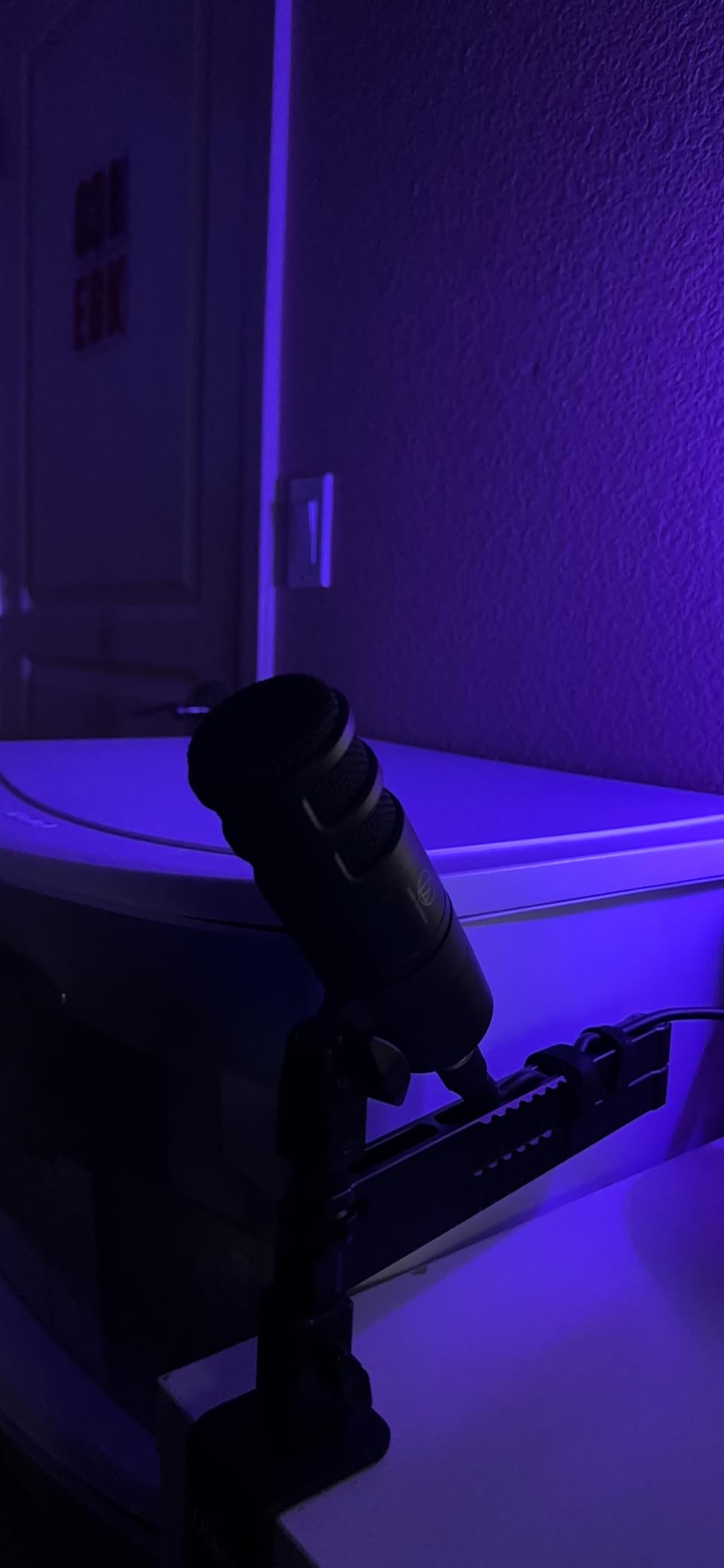
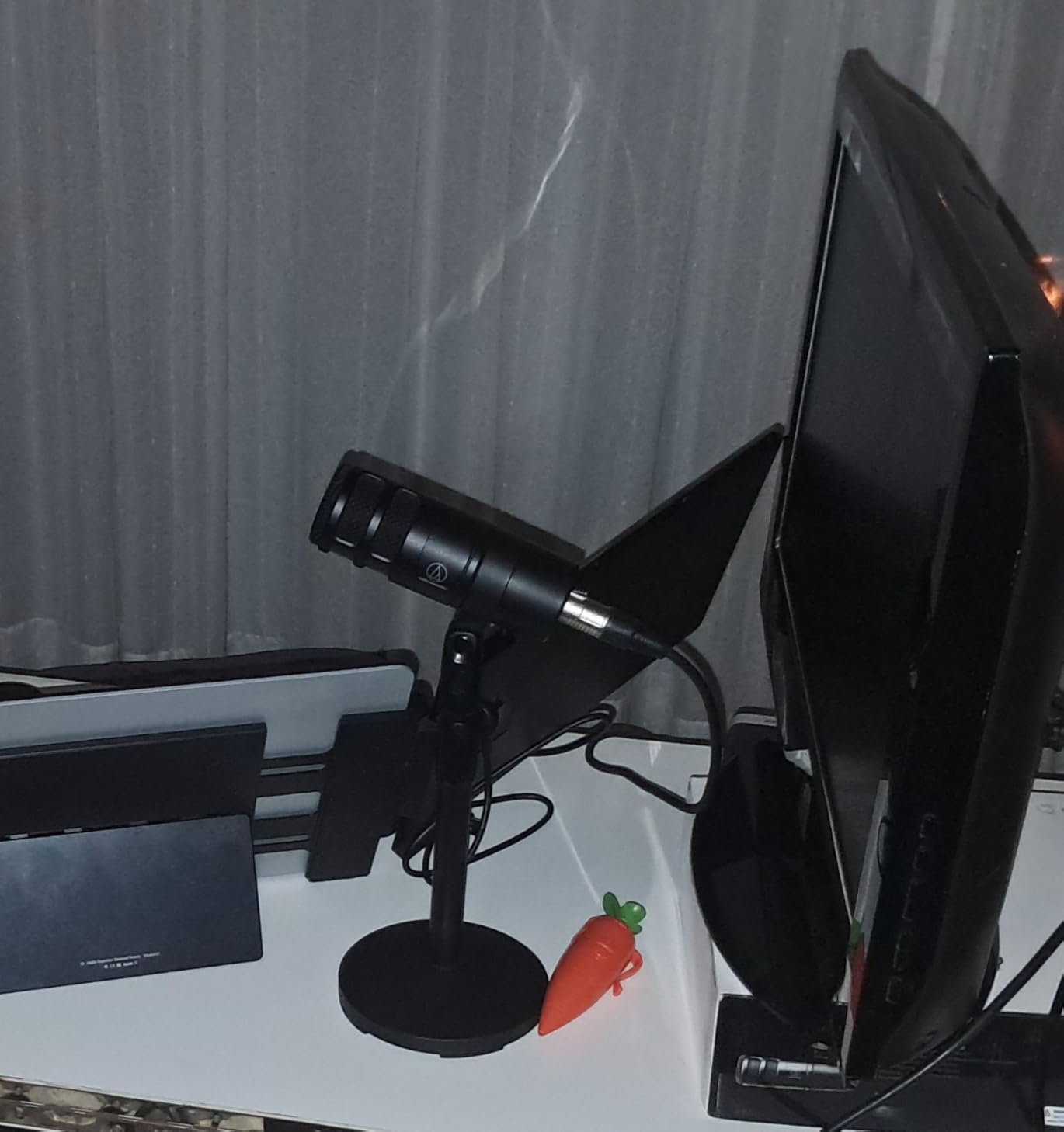
The multistage foam mesh windscreen does internal pop filtering, and the integrated shock mount attenuates vibration carried through stands and booms. A pivoting stand mount, a 5/8 inch to 3/8 inch thread adapter and a soft protective pouch are all in the box, which is unusually complete for the price.
The most repeated caveat is gain. Many users report the mic stays quiet until the interface gain is pushed hard, and on a low-gain interface that means hiss. It is also 2.2 pounds, heavier than comparable cardioid dynamics, and the high-frequency roll-off starts a little early with no deep bottom end to compensate.
There is no pad switch, so very loud sources are not its strength. And while isolation is excellent, it cannot eliminate background noise in a genuinely loud room, as owners in shared apartments note.
Best reasons to buy the AT2040
It is the pick when your specific noise is directional and comes from the sides: a desk fan beside you, a monitor to one side. The hypercardioid pattern handles exactly that geometry.
The integrated shock mount and windscreen also mean less desk clutter and a quicker path to a clean take, which is valuable when you are billing per finished hour.
Where it is not the right tool
Do not buy it expecting it to rescue a chaotic room. Isolation reduces a consistent noise source; it does not remove unpredictable sound like a door slam or a conversation in the next room.
For a beginner pairing with a modest interface, the Elgato Wave DX is the safer choice, because owners report it reaching a healthy level without a booster more often than the AT2040 does.
8. Rode NT1 5th Gen – The Quietest Floor in This Group
RØDE NT1 5th Gen Studio Condenser Microphone, XLR + USB-C, Silver
- Very low self-noise for a clean floor
- Classic warm silky NT1 character
- Dual XLR and USB-C output
- XLR cable shock mount and pop filter included
- Machined aluminium body
- High sensitivity suits controlled rooms only
- 48V phantom power needed on XLR
- Analog gain staging is less accessible than USB
The NT1 5th Gen carries the classic NT1 warmth into a body machined from aluminium with a military-grade ceramic coating, and it posts a 4 dB SPL self-noise figure, the lowest number in this roundup. In a properly treated room that produces a floor you genuinely cannot hear between sentences.
It is a large diaphragm cardioid condenser with a 20 Hz to 20,000 Hz range and an 80 dB signal-to-noise ratio. Owners who own both generations describe the 5th Gen as adding upper-mid presence and detail over the 4th, which reads as more articulate consonants on a narration mix.
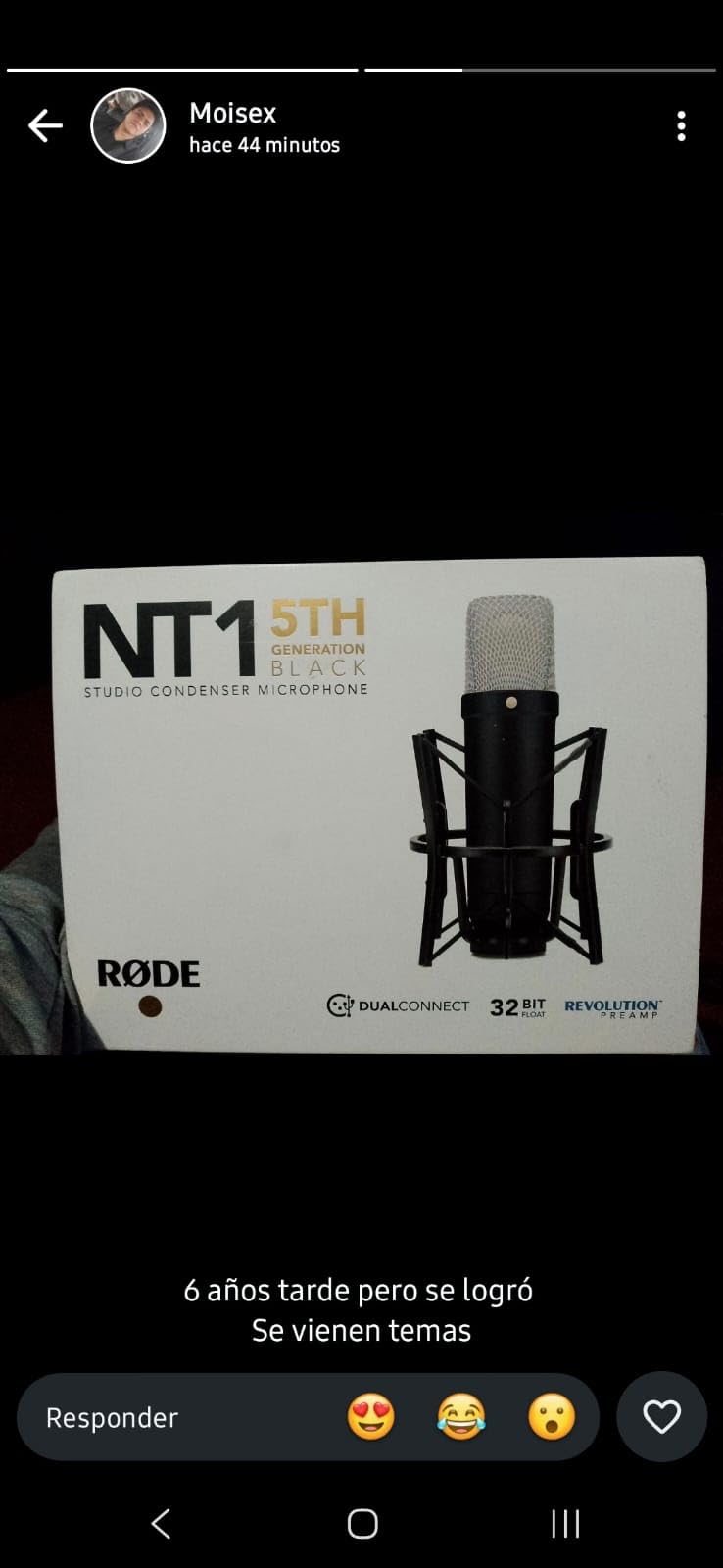
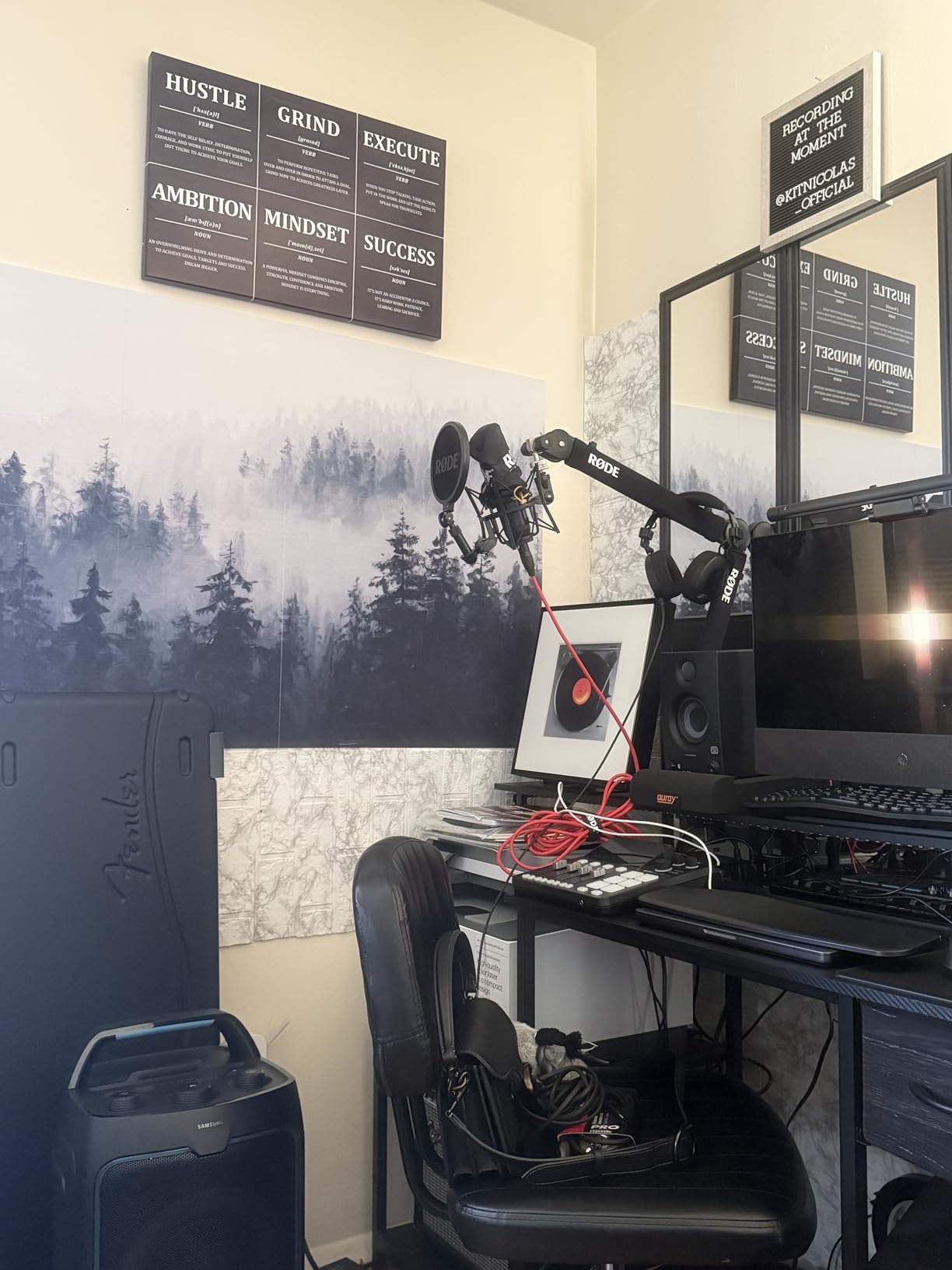
The box is generous. You get a 6 metre XLR cable, a USB-C cable, a dust cover, an SM6 shock mount and a pop filter, which is more than almost any competitor at this level. For a reader assembling a first studio, that removes three line items from the budget.
The dual connectivity is the quiet hero here. Over USB-C you get conversion up to 192kHz and 32-bit float with no interface at all, which makes it a genuinely useful bridge microphone for a reader whose studio is still in progress.
The caveat appears in every comparison review: sensitivity. In an acoustically untreated room the noise floor is more audible than with a dynamic alternative, and using it over XLR requires 48V phantom power. Gain staging happens in the analog domain on that path, which is less approachable than the USB route.
Best reasons to buy the NT1 5th Gen
A treated booth, or a home studio you have already invested in acoustically. The self-noise figure and the included accessories make it a strong complete package rather than a microphone plus a shopping list.
It is also the pick if you want one microphone to serve a commercial studio path and a laptop path without giving up the low floor in between. The RODE Revolution preamp provides high gain from a quiet source.
Where it is the wrong choice
An untreated spare bedroom. Reviewers who moved from a dynamic to this mic in an untreated room noticed the room come in with the voice, and no amount of post-processing fully reverses that.
If you never plan to record over USB, the dual-output advantage is wasted and a large-diaphragm dynamic will serve the same room more gracefully.
9. Shure MV7+ – Recording to Two Machines at Once
Shure MV7+ USB-C & XLR Podcast Dynamic Microphone – Black
- Clean professional capture out of the box
- Simultaneous USB-C and XLR output
- Auto Level and real-time denoising
- Customizable LED touch panel
- Solid build
- Raw audio called merely adequate by some
- No XLR cable included
- MOTIV software needed for full features
- Weaker speaker bleed rejection
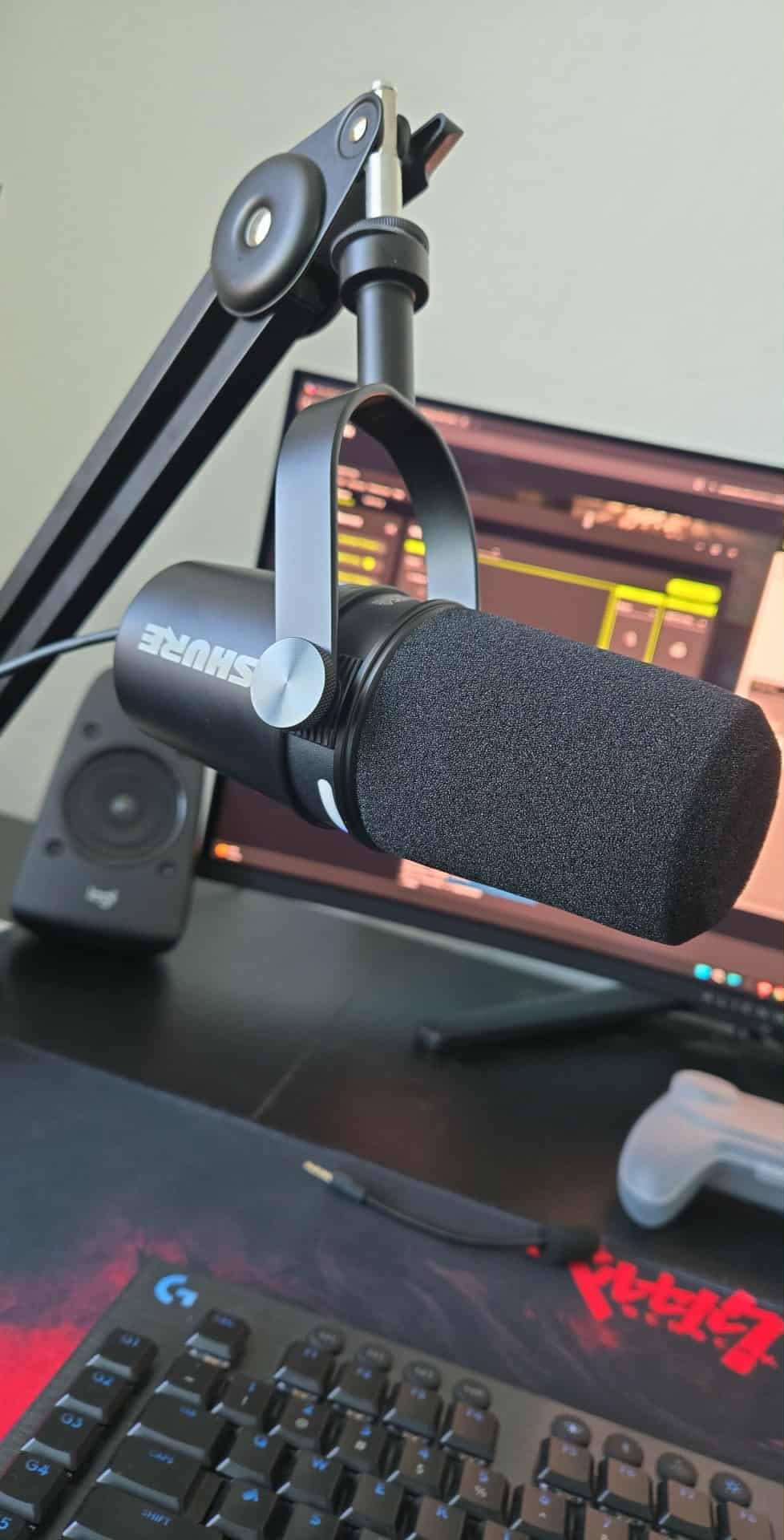
The MV7+ exists for one specific workflow: capturing to a laptop and an interface or field recorder at the same time. The simultaneous USB-C and XLR output is the reason to buy it over the MV7X, and for a voice over artist running a backup track it removes a whole category of problem.
It is a dynamic cardioid covering 50 Hz to 16 kHz, which is narrower at the top than the SM7B but entirely sufficient for speech. The 1.9 pound metal body is lighter than several competing broadcast mics, which is easier on a long boom-arm session.
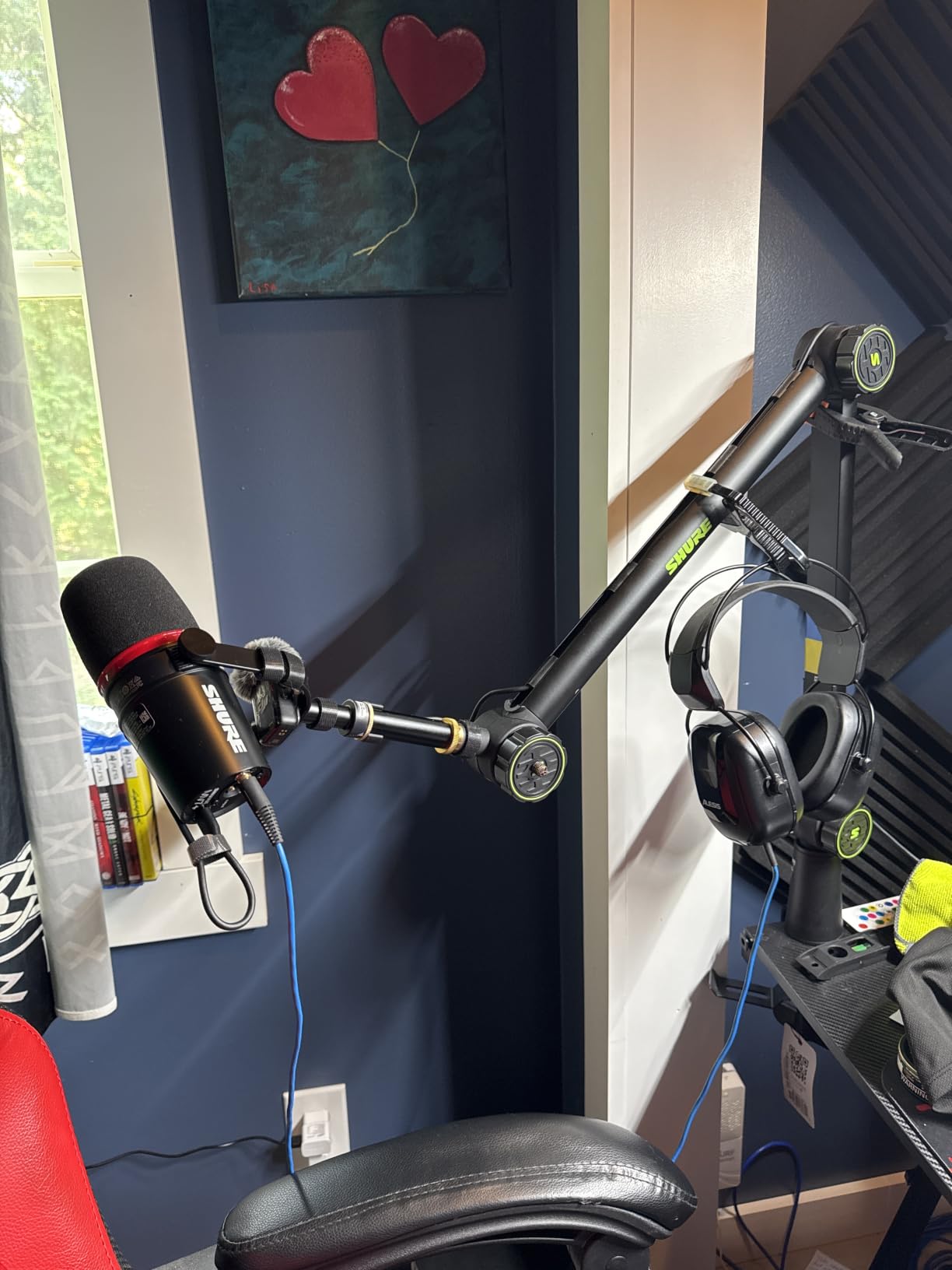
The onboard processing is the other headline. Auto Level Mode adjusts gain based on your distance and volume, the real-time denoiser reduces background noise, and there are built-in Plate, Hall and Studio reverb effects for voiceovers. The full-colour LED touch panel reads well on camera and shows real-time level monitoring with tap-to-mute.
Now the reservations. A minority of reviewers describe the raw capture as merely adequate next to dedicated broadcast dynamics. The box does not include an XLR cable, and you need Shure MOTIV software for full feature control, which adds setup for some users.
Owners who monitor on speakers rather than headphones report more background and speaker bleed than some dynamic alternatives give them. A foam windscreen and a 3 metre USB-C to USB-C cable are included.
Best reasons to buy the MV7+
Dual-machine capture. If you record a local backup alongside a cloud session, or you need an XLR feed to a field recorder while streaming over USB, this is the cleanest solution in the group.
The on-mic DSP also means a client demo can be captured well by someone who has never opened a DAW. That has real value for beginners and for fast turnaround work.
Where it disappoints
If your priority is the most accurate capture in the room, the digital shortcuts trade a little neutrality for convenience. Experienced narrators who want a flat source generally move to a dedicated broadcast dynamic instead.
Also note the frequency ceiling of 16 kHz. It is not a problem for speech intelligibility, but it is one fewer reason to buy it over a full-range dynamic.
10. Elgato Wave DX – Compact for Small Desks
- Clear accurate speech capture
- Works with any XLR interface without a booster
- Compact body suits small desks and camera framing
- Weight suited to boom arms
- Forgiving cardioid acceptance angle
- No on-mic controls of any kind
- No XLR cable included
- Some owners add a booster on low-gain interfaces
- Occasional software conflicts with Wave Link
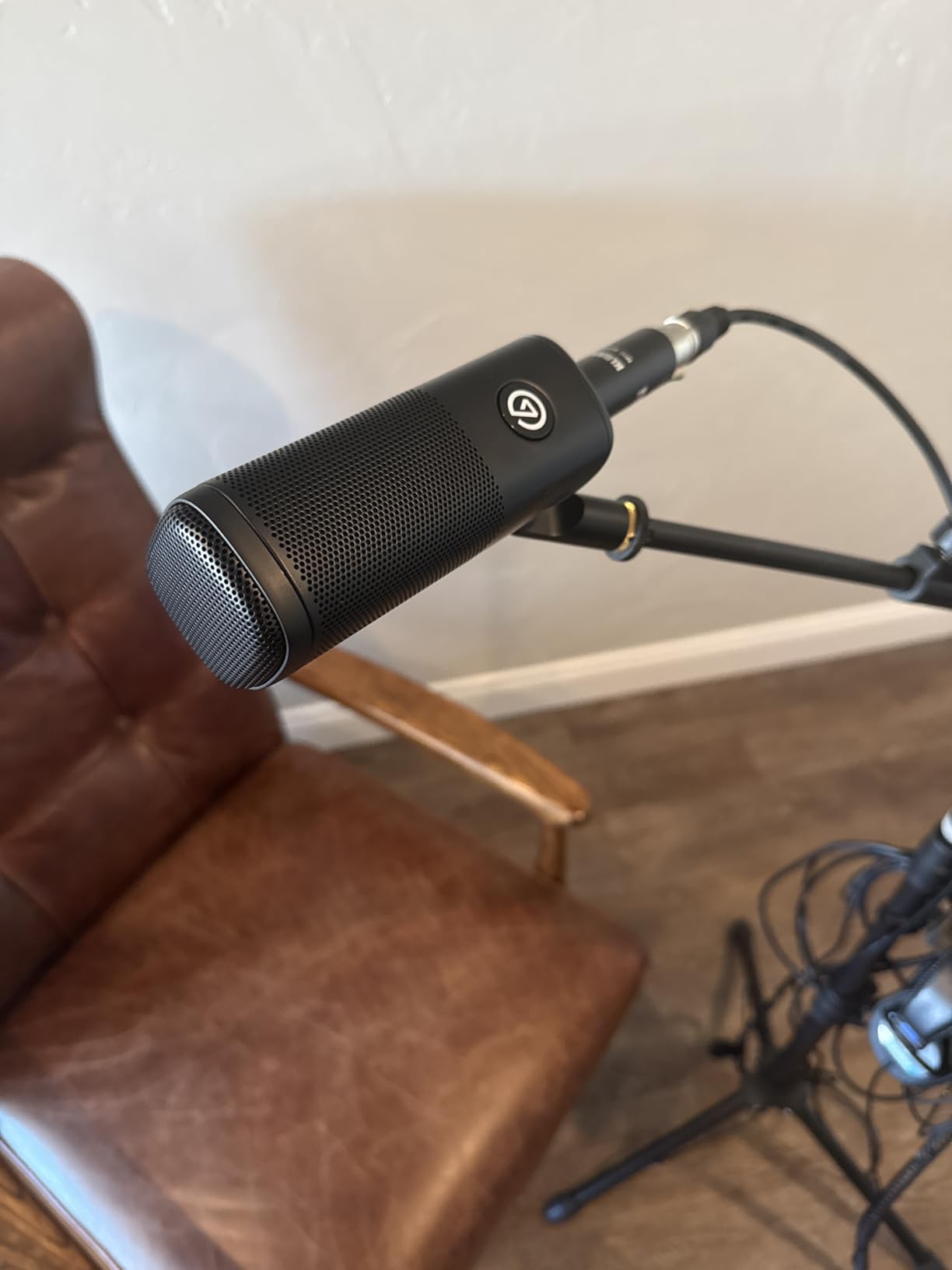
The Wave DX is the one microphone in this roundup that several reviewers describe as rivalling a much more expensive SM7B in head-to-head tests, and at 407 g with a 2.09 by 2.72 inch body it takes up almost no desk space and stays out of your camera frame.
It is a dynamic cardioid with a speech-optimised capsule covering 50 Hz to 15 kHz. The technically interesting number is the 600 ohm impedance, which is high enough that the mic works with any XLR preamp or interface without needing a signal booster, and it is a primary reason owners stop worrying about gain.
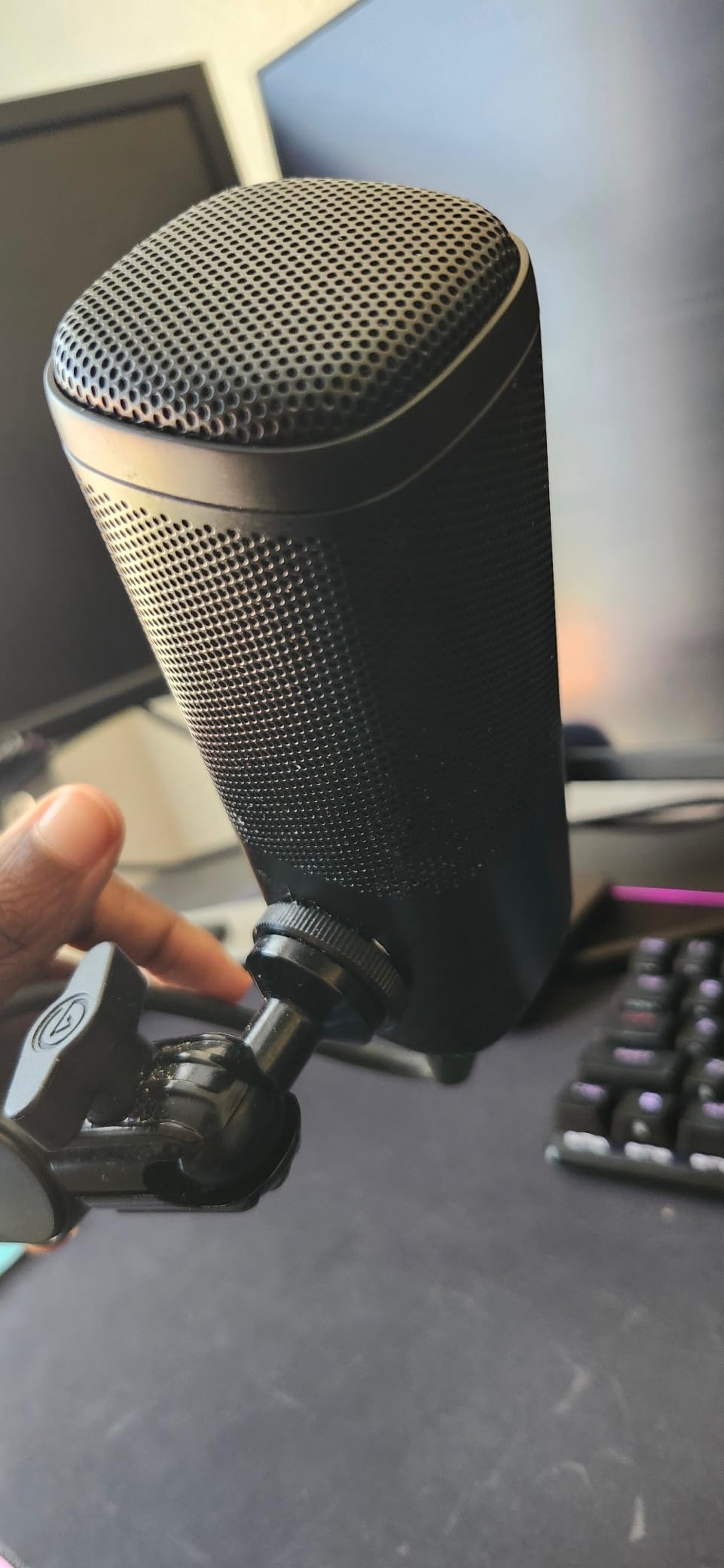
The wide, forgiving cardioid acceptance angle is a real quality-of-life feature for solo recorders. Off-axis speaking, leaning back for a dramatic read, or turning your head while reading does not collapse the level the way a tight pattern would. The mono swivel mount with 5/8 inch, 3/8 inch and 1/4 inch thread adaptors is included, and it adjusts position without jamming the cable.
The main limitation is that it has no on-mic controls whatsoever. No gain, no pad, no filter, no mute. Every decision happens at the interface or in software, which some readers love as a clean signal path and others find unhelpful.
The XLR cable is not included, and some owners still add an inline booster when pairing it with lower-gain interfaces. A small number report software conflicts when Wave Link runs alongside certain virtual audio devices.
Best reasons to buy the Wave DX
A small desk, a home office, or a home studio where the microphone has to be in shot. The compact metal body and included swivel mount solve placement problems that heavier mics create.
It is also the most forgiving microphone here for a first-time XLR buyer, because the high impedance removes the most common early frustration: a signal that is too quiet to record properly.
Where it falls short
If you want hardware tone shaping or on-mic monitoring, there is nothing to adjust. You will be working in software from day one, and that is fine for some workflows and frustrating for others.
The 15 kHz ceiling is also the lowest in the roundup, and while it is transparent for speech, listeners comparing A/B against a full-range dynamic will hear slightly less air on consonants.
11. Electro-Voice RE20 – Reference Announcer Sound
Electro-Voice RE20 Broadcast Announcer Microphone with Variable-D
- Classic broadcast announcer voicing
- Variable-D design minimises proximity effect
- Built-in pop filter and internal shock mount
- Humbucking coil guards against line hum
- Handles loud sources and doubles as an instrument mic
- Bulky long body needs a boom arm
- Higher sensitivity needs a quiet treated room
- Premium cost for an entry setup
The RE20 is the reference announcer microphone for a reason: it is the vocal centre of American radio for a reason. The tone is that unmistakable FM broadcast voice, even and forward, and the review base, while smaller than the Shure’s, is intensely enthusiastic about exactly that quality.
Its Variable-D design is the technical headline. Conventional close-miked dynamics build up bass as you move closer; the RE20 keeps an even response at close range, so narrators working inches from the mic get a consistent low end rather than a boomy one.

At 16 ounces with an aluminium body and a 150 ohm impedance, it needs 78 dB of signal-to-noise ratio worth of clean preamp. The heavy-duty internal pop filter and internal element shock mount remove most accessory purchases, and the humbucking coil guards against line hum that would otherwise ruin a long take.
A mid-bass tone-shaping switch on the body lets you trim the low-mid area for a more neutral read. The stand clamp is included, and the microphone is equally usable as a premium instrument mic for guitars and amplifiers, which several owners mention as a bonus rather than the reason.
The drawbacks are physical and acoustic. The long 12.3 inch body is bulky, needs a boom arm, and takes up real space. Higher sensitivity means it wants a quiet, treated environment to sound its best, and the cost puts it out of reach for many first XLR setups.
Best reasons to buy the RE20
Commercial announcement work, station imaging, and any project that specifically wants the classic radio read. Nothing else in this roundup voices quite the same way, and the Variable-D design makes close-miked narration consistent take after take.
For a working studio that also records music, the dual-purpose capability is a genuine bonus rather than a marketing line.
Where it is the wrong choice
An untreated home room. The higher sensitivity works against you there, and a cheaper dynamic with a tighter pattern will give you a more usable file.
It is also the wrong first microphone for a reader on a small desk with a light stand. Pair it with a proper boom arm or a sturdy desk mount before you start.
12. Lewitt LCT 440 PURE – Crisp, Accurate and Deliberately No-Frills
- Rich warm airy tone with strong presence
- Very low self-noise for a condenser
- Excellent off-axis rejection
- Shock mount and magnetic pop filter included
- Light low-profile body
- No pad filter or pattern switches
- Boosted upper frequencies can feel aggressive on cold voices
- Some find the crisp character synthetic
- Yoke mount does not rotate a full 360 degrees
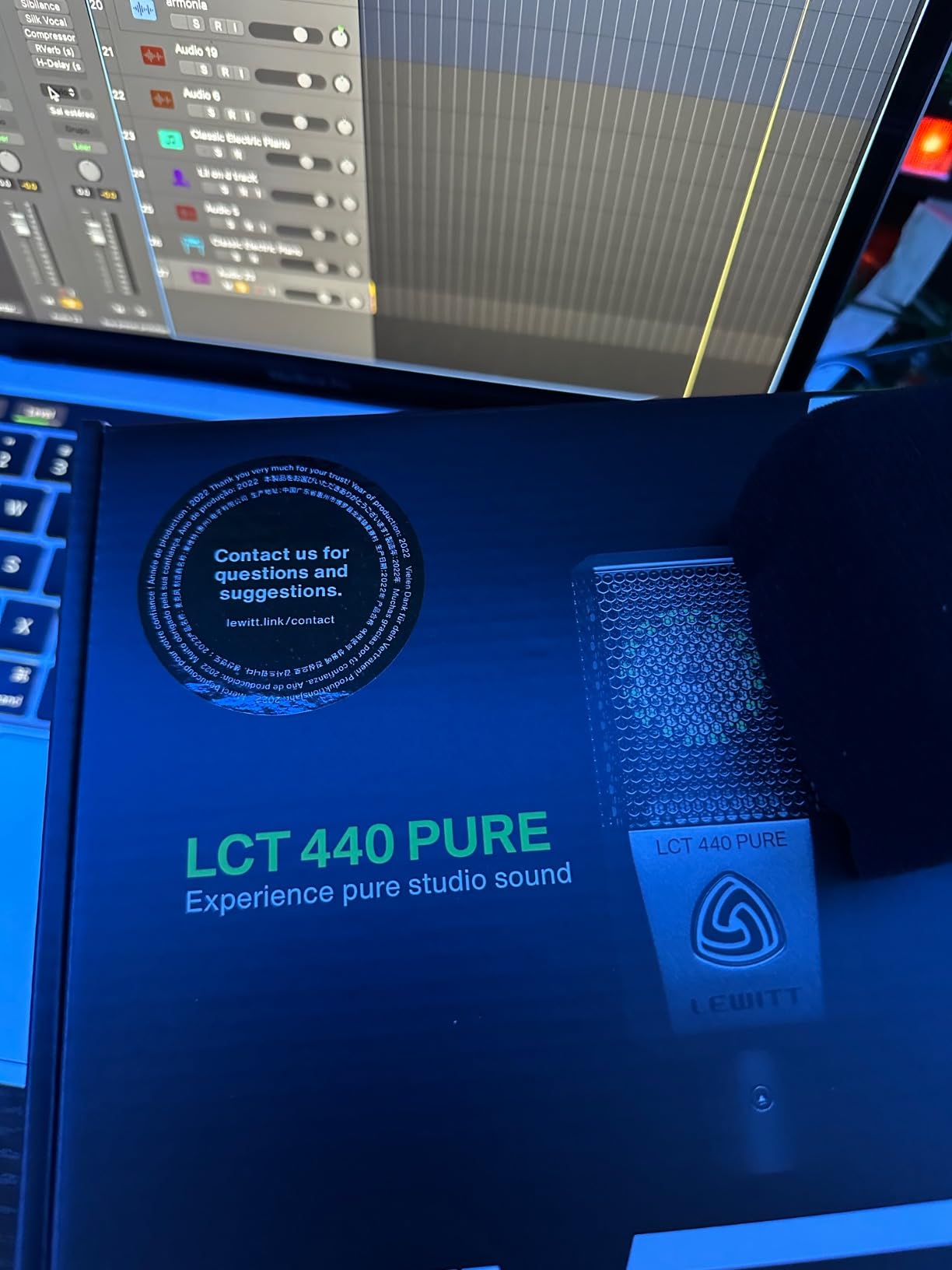
The LCT 440 PURE uses a 1 inch true condenser capsule with an 87 dB signal-to-noise ratio, and voice over and dubbing users single it out for accuracy to the source voice. In a treated room it renders the voice with very little added colour.
Despite being a condenser, reviewers report surprisingly strong off-axis rejection, describing it as sounding like a booth in a real room. The 7 dB SPL self-noise keeps the floor inaudible, and the cardioid pattern handles rear rejection effectively for studio, stage and home recording.
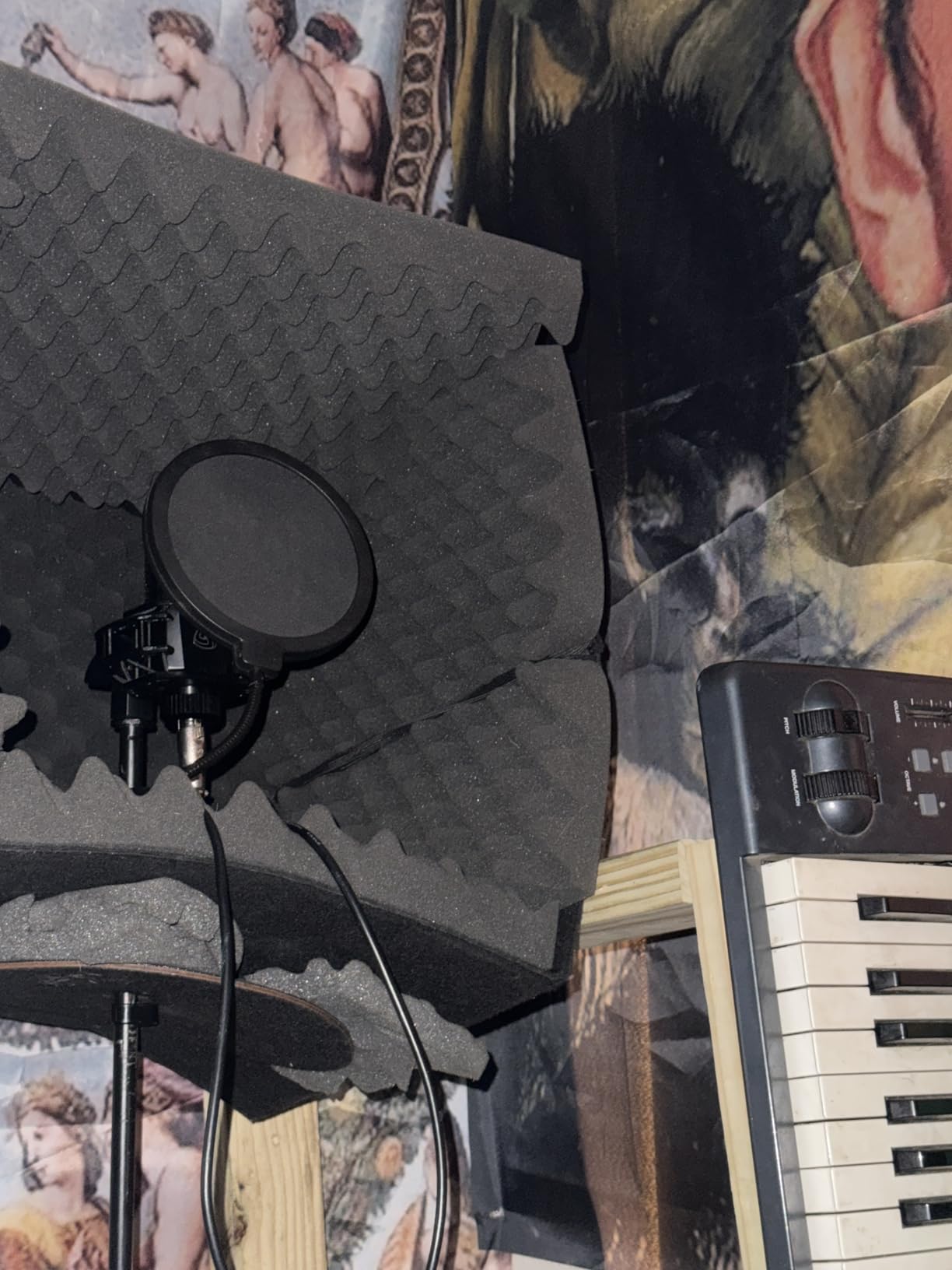
The box includes a shock mount and a magnetic pop filter, which removes two purchases and matters for a condenser that will otherwise pick up every plosive. At 1.7 pounds the body is light and low-profile, so it is easy on a boom arm and unobtrusive in frame.
The design is deliberately no-frills. There is no pattern switch, no pad and no low-cut filter on the body, so every tone decision happens in post. That is a genuine limitation for anyone who wants hardware control, though reviewers who prefer a clean, predictable signal path treat it as a feature.
Two more honest notes. The boosted upper frequencies can feel aggressive on cold, low-warmth male voices, and some listeners find the crisp character slightly synthetic next to a rounder condenser. The yoke mount also does not rotate a full 360 degrees, which makes boom arm positioning awkward.
Best reasons to buy the LCT 440 PURE
Anyone who works primarily in post and wants a faithful starting point. With no onboard processing, what you record is close to what the capsule hears, which is exactly what a mix engineer wants to receive.
It is also a strong fit for a treated booth used for a mix of narration, voice acting and light music work, thanks to the detail and the low floor.
Where it is the right choice to avoid
If you need on-mic pad, filter or pattern control, this mic will frustrate you. Choose the AT2035 for a switchable 80 Hz high-pass filter and a 10 dB pad.
If your voice is very deep and lacks upper warmth, the boosted top end is the wrong direction. Look for a darker voiced dynamic from the earlier sections instead.
Dynamic vs Condenser for Voice Over: Which One Do You Need?
Short answer: choose a dynamic for an untreated room, a condenser for a treated one. A dynamic uses a coil and a magnet, ignores phantom power entirely, and is far less sensitive to the room around your voice. A condenser uses a thin electrically charged diaphragm, captures quieter detail and air, and hears the whole room just as clearly as it hears you.
That is the whole trade. The condenser is more revealing, which sounds like a compliment until you realise it means revealing the fridge, the traffic, the neighbour’s television and the reflection off an untreated wall. The dynamic is less detailed and far more forgiving, which is why most home recordists start there.
Our roundup is split accordingly. Eight of the twelve picks are dynamics, four are condensers, and three of them give you a USB output as well as XLR. If you have already built a treated corner of a room, start with a condenser section. If not, the dynamic sections will save you a rewrite of your acoustic plan.
One more factor is proximity. A dynamic read close-miked gets bassier as you move in, which flatters many deep voices and thins out higher ones. Condensers do this less, so they are often the safer choice for a voice you are still learning to place.
XLR vs USB Microphones for Voice Over
An XLR microphone sends a balanced analog signal to an interface, and the interface does the amplification and conversion. A USB microphone contains its own preamp and converter and plugs straight into a computer. That is the entire difference, and it drives everything else.
USB wins on setup speed and total cost for a single voice in a quiet room. Nothing else to buy, nothing to configure, monitoring is instant. Our USB microphone roundup covers that path in detail if you want a one-cable solution.
XLR wins when your room is imperfect, when you want the mic to sit behind a properly balanced cable run, and when you may add a second mic, a headphone amp, or line-level sources later. It also means you can upgrade the preamp without replacing the microphone, which is the single biggest argument for spending on XLR if your work is going anywhere.
Hybrid microphones now blur this. The Rode NT1 5th Gen and the FIFINE K688 both output XLR and USB, which is a sensible way to start if you are not yet sure whether you will outgrow a laptop workflow.
What You Need Besides the Microphone
An XLR microphone on its own is a very expensive paperweight. Four things sit between it and a usable file, and budgeting for them before you buy prevents the most common beginner disappointment.
1. An audio interface with XLR input and enough gain. Check the maximum gain figure. Broadcast dynamics such as the SM7B, PodMic, AT2040 and RE20 are quiet mics, and a preamp that tops out at low gain will produce hiss that sounds like a microphone fault. Confirm the interface supplies 48V phantom power if you buy a condenser.
2. A pop filter or the built-in equivalent. Plosives are a placement and airflow problem, not a microphone quality problem. The SM7B, PodMic, AT2040 and MV7X handle this internally, and the NT1 5th Gen and LCT 440 PURE ship with a filter in the box; the AT2020 and AT2035 do not, so budget for a filter.
3. A stand that carries the weight. A 2.7 pound SM7B or a 2.2 pound AT2040 on a light friction arm will drift. Get a boom arm or a heavy desk base that suits your desk height.
4. An XLR cable. Several microphones in this roundup, including the PodMic, MV7X, Wave DX, AT2040 and MV7+, do not include one. Buy a cable before the microphone arrives.
A shock mount is the fifth item, and it is the one most often skipped. If the microphone comes with one, use it. If not, floor vibration and desk thumps travel straight up the stand into your recording.
How to Choose an XLR Mic for Voice Over
Start with the room, not the microphone. Sit in your recording space for five minutes with everything off and listen. If you can hear traffic, HVAC, a computer fan or a refrigerator, you want a dynamic with a tight pattern. If the room is genuinely quiet and you control reflections with soft furnishings or panels, a condenser will reward you with detail.
Check phantom power compatibility. Every condenser on this list needs 48V from the interface. Some very small entry interfaces cannot supply it, which is a real reason to pick a dynamic instead of a cheaper condenser.
Read the self-noise figure, not the marketing. Self-noise is measured in dB SPL and lower is quieter. The NT1 5th Gen at 4 dB and the LCT 440 PURE at 7 dB are the quietest here; the AT2020 at 20 dB and the MV7X at 25 dB are the most audible. This only matters in a quiet room, because in a loud room room noise drowns out self-noise anyway.
Understand the polar pattern. Cardioid is the default and the right answer for almost every voice over setup, because it rejects sound from behind the mic. The AT2040 goes further with a hypercardioid pattern, tightening the sides for directional noise. Only add a multi-pattern microphone if you record sources arriving from multiple directions, which is uncommon for narration.
Match the voicing to your voice. Dark, smooth mics such as the SM7B and RE20 suit deeper voices. Brighter, presence-forward mics such as the LCT 440 PURE and the AT2040 suit lighter, sibilant voices that need air. A mismatch shows up as a voice that disappears or gets harsh, and no amount of gain staging fixes it.
Budget for the whole signal chain. A rule of thumb that has held up for us: split the first setup budget roughly evenly between the microphone, the interface, and acoustic or accessory work. A mid-priced microphone with a good preamp beats a flagship microphone with a noisy one every time.
Set gain before you judge the sound. Turn phantom power on if needed, speak at the distance you will record from, and set the interface gain so your loudest phrase sits around 12 dB below clipping. Then listen with headphones before making any judgement about the microphone. Our dynamic microphone guide covers gain staging in more depth.
Finally, buy for the work you have, not the work you imagine. The broadcast dynamics in this list are what a client demo needs. The 10 Best Vocal Microphones roundup is the better read if you also sing, and our kids voice recorder guide makes sense if you are recording for a family or classroom project rather than commercial work.
Frequently Asked Questions
What is the best XLR mic for voice over?
The Shure SM7B is our overall pick because its warm broadcast tone and strong off-axis rejection work in both treated and untreated rooms. For a first XLR purchase, the Audio-Technica AT2020 is the most dependable and most reviewed option here. If your room is noisy, a dynamic such as the Rode PodMic or the Shure MV7X will give you a cleaner file than any condenser.
Should I use a dynamic or condenser mic for voice over?
Use a dynamic in an untreated or noisy room, because it is far less sensitive to background sound and does not need phantom power. Use a condenser in a room you have treated, because it captures more detail and air with a lower self-noise floor. If you cannot treat the room, a dynamic will save you more time than a condenser upgrade.
Do I need an audio interface to use an XLR microphone?
Yes. An XLR microphone outputs a low-level balanced signal that must be amplified and converted to digital, and an audio interface does both. Without one, the microphone records nothing. Buy an interface with an XLR input and enough maximum gain, and confirm it supplies 48V phantom power if you choose a condenser.
Do XLR microphones need phantom power?
Condenser microphones do, almost always at 48V, and they will not work at all without it. Dynamic microphones do not, which makes them the easier pairing with a basic interface. If you are unsure which type you have, check the product page: any microphone listing phantom power as its power source needs it switched on at the interface.
Is an XLR mic better than a USB mic for voice over?
A USB mic is faster and cheaper to set up for one voice in a quiet room, since it needs no separate interface. An XLR setup is better in a noisy room, gives you a balanced cable run, and lets you upgrade the preamp later without replacing the microphone. Hybrid models such as the Rode NT1 5th Gen and the FIFINE K688 output both if you want to start simple.
Which polar pattern is best for voice over recording?
Cardioid is the right default for almost all voice work, because it rejects sound arriving from behind the microphone while keeping your voice direct. A hypercardioid pattern, as on the Audio-Technica AT2040, tightens the sides as well and is worth considering when your noise comes from a specific direction such as a desk fan.
Final Verdict: The Voice Over Mic Setup We Recommend
For most readers, the best XLR microphones for voice over come down to a simple split. In a treated room, the Audio-Technica AT2020 or the Rode NT1 5th Gen will give you the detail and low floor a narration mix needs. In a room you have not treated, the Shure SM7B or the Rode PodMic will give you a usable file on the first take.
Our single recommendation remains the Shure SM7B. It handles the widest range of rooms, needs no phantom power, and the only real hurdle is gain, which you solve at the interface rather than with a different microphone. Pair it with a decent preamp, a pop filter if your room lacks one, and a stand that can hold it steady, and you have a chain that will not need replacing.
We keep this roundup current through 2026, and every rating and review count on this page reflects what buyers reported when we last checked. Use the buttons above to see the latest details before you order.