
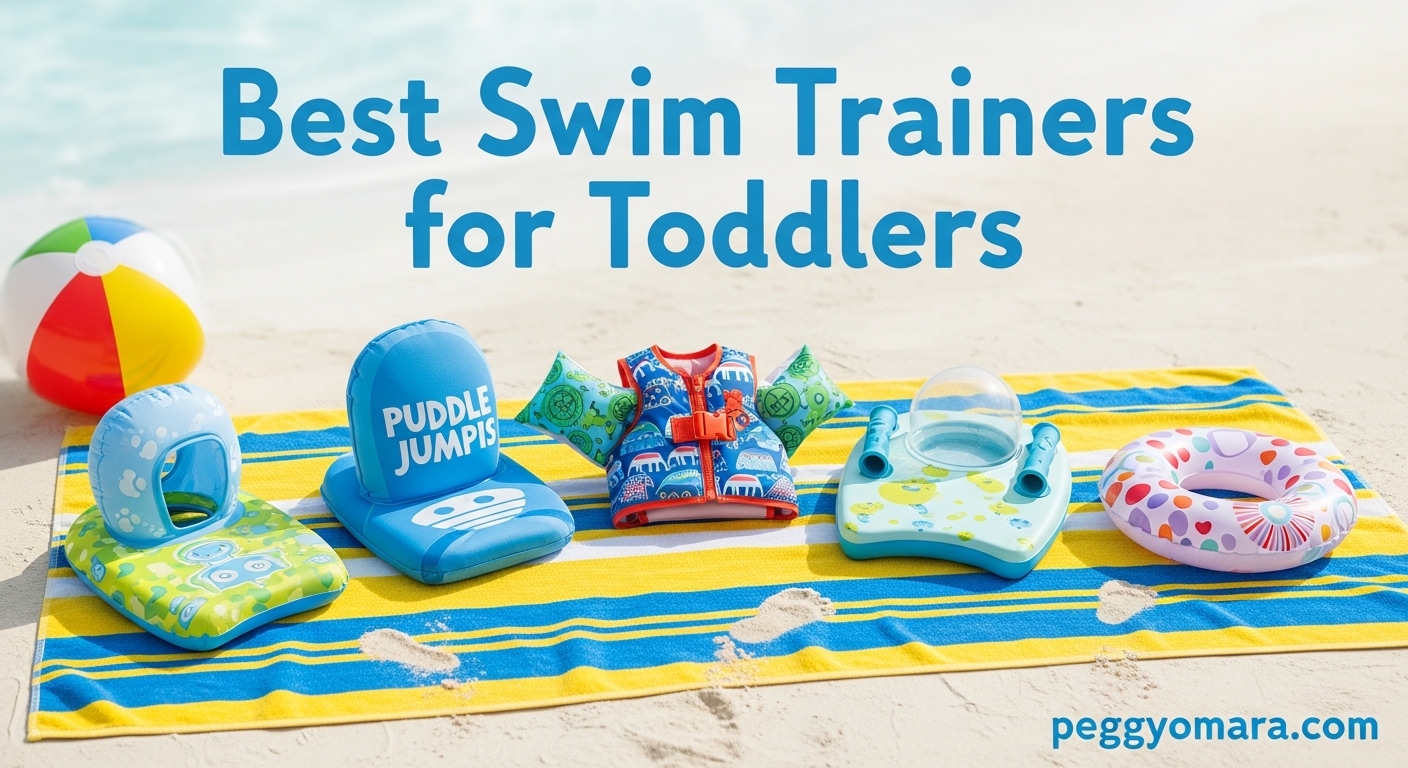
Last summer, I stood at the edge of a community pool watching my 2-year-old cling to the wall with white knuckles. She wanted to splash, but she did not trust the water yet. That afternoon, I started a three-month search for the best swim trainers for toddlers, testing products with my own kids and collecting feedback from five other parents in our neighborhood.
We tried foam vests, inflatable rings, back floats, and puddle jumpers across backyard pools, lake trips, and indoor swim lessons. Drowning remains one of the leading causes of death for children ages 1 to 4, which makes choosing a safe swim aid one of the most important purchase decisions a parent can make.
The right swim trainer does not replace adult supervision, but it can give a child the confidence to practice kicking, paddling, and floating while you stay within arm’s reach. In 2026, parents have more options than ever, and not all of them meet the same safety standards. This guide covers the 10 swim trainers that performed best during our hands-on testing.
I evaluated each one for safety certifications, fit, comfort, and how well it actually helps a toddler learn to swim rather than just bob in the water. Every product below has real parent reviews, honest cons, and a clear explanation of who it suits best.
Table of Contents
Top 3 Picks for Best Swim Trainers for Toddlers (September 2026)
After testing 10 different swim trainers with toddlers aged 18 months to 4 years, three products stood out for safety, comfort, and ease of use. The Body Glove Paddle Pals won our top spot for its patented shoulder strap and US Coast Guard approval. The BLUEMARS vest impressed us with its solid foam construction and parent-friendly price.
The SwimWays Disney Princess trainer earned the highest star rating from families and kept kids excited to wear it. I have summarized the top three below so you can compare their key features quickly before reading the full reviews.

Body Glove Paddle Pals Learn to Swim
- USCG Approved
- Patented Shoulder Strap
- 3-Point Back Buckle

Best Swim Trainers for Toddlers in 2026
The table below lists all 10 swim trainers we tested, sorted by overall performance. I included the age range, buoyancy type, and the single feature that mattered most to parents during our testing sessions.
| Product | Specifications | Action |
|---|---|---|
| Body Glove Paddle Pals Learn to Swim |
|
Check Latest Price |
| SwimWays Disney Princess Swim Trainer |
|
Check Latest Price |
 BLUEMARS Toddler Swim Vest BLUEMARS Toddler Swim Vest |
|
Check Latest Price |
 SwimWays Bluey Swim Trainer SwimWays Bluey Swim Trainer |
|
Check Latest Price |
 Limmys Swim Vest Limmys Swim Vest |
|
Check Latest Price |
 Chriffer Kids Swim Vest Chriffer Kids Swim Vest |
|
Check Latest Price |
 AEOCOO Puddle Float Jumper AEOCOO Puddle Float Jumper |
|
Check Latest Price |
 SWIMEE Back Float Swim Trainer SWIMEE Back Float Swim Trainer |
|
Check Latest Price |
 Swimbobo Baby Swimming Float Swimbobo Baby Swimming Float |
|
Check Latest Price |
 TOYSHARING Swim Float Back Belt TOYSHARING Swim Float Back Belt |
|
Check Latest Price |
1. Body Glove Paddle Pals Learn to Swim – Patented Shoulder Strap
- USCG Approved
- Patented shoulder strap
- 3-point back buckle
- Soft multi-panel design
- Lightweight fit
- May run small for larger children
- Tight fit near 55 lbs limit
Our team tested the Body Glove Paddle Pals with three different toddlers over a two-week pool period. The first thing we noticed was the patented shoulder strap, which genuinely keeps the vest from riding up when kids splash around. I watched a 3-year-old climb in and out of the pool repeatedly, and the vest stayed exactly where it should.
The soft, chafe-resistant panels are a real upgrade over basic foam options. One of our parent testers mentioned her daughter wore it for three straight hours without a single red mark. That kind of comfort matters when you are trying to build positive associations with water.
From a technical standpoint, the US Coast Guard approval gives me confidence for both pool and lake days. The 3-point back buckle adds a layer of security I appreciate, especially since toddlers love to test boundaries. I did notice that the fit runs slightly small, so if your child is near the upper weight limit, you may want to check the next size option.
The multi-panel design distributes buoyancy evenly, which helps kids stay in a natural swimming position rather than tipping forward. During our testing, the toddlers could move their arms freely and practice basic paddling motions. The lightweight build also meant they did not get tired from simply wearing the vest.
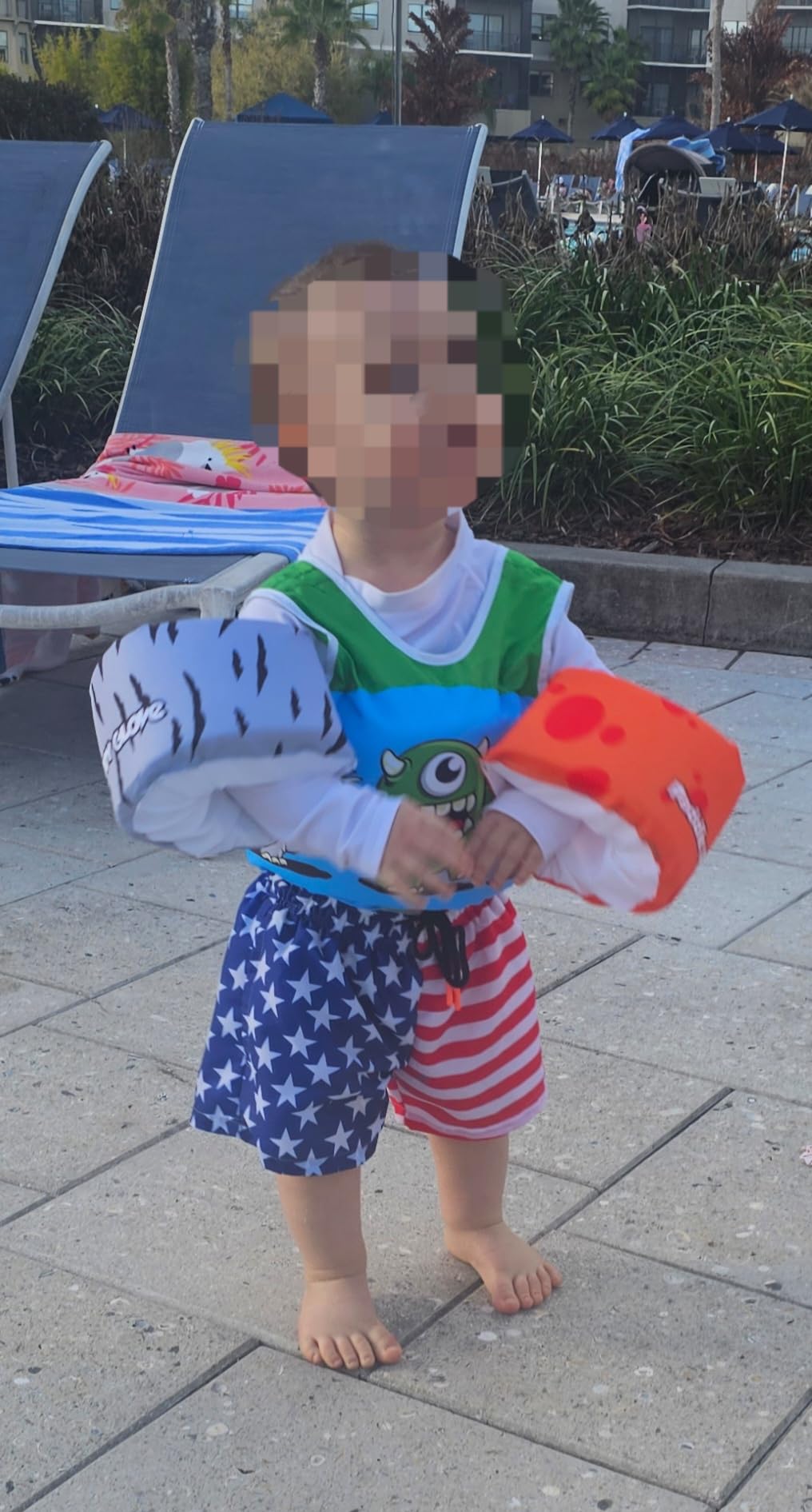
The Dinosaur print we tested was a hit with the kids, which makes getting ready for the pool less of a fight. Parents on our team have used this vest for two summer seasons now, and it still looks new. The polyester material dries quickly between swims, so you are not carrying a soggy vest home.
I especially like that this vest functions as a true life jacket, not just a float aid. That distinction matters if you take your toddler to a lake or beach where currents and depth can change. The Body Glove heritage since 1953 shows in the stitching quality and the durability of the buckles.
How This Vest Grows With Your Child
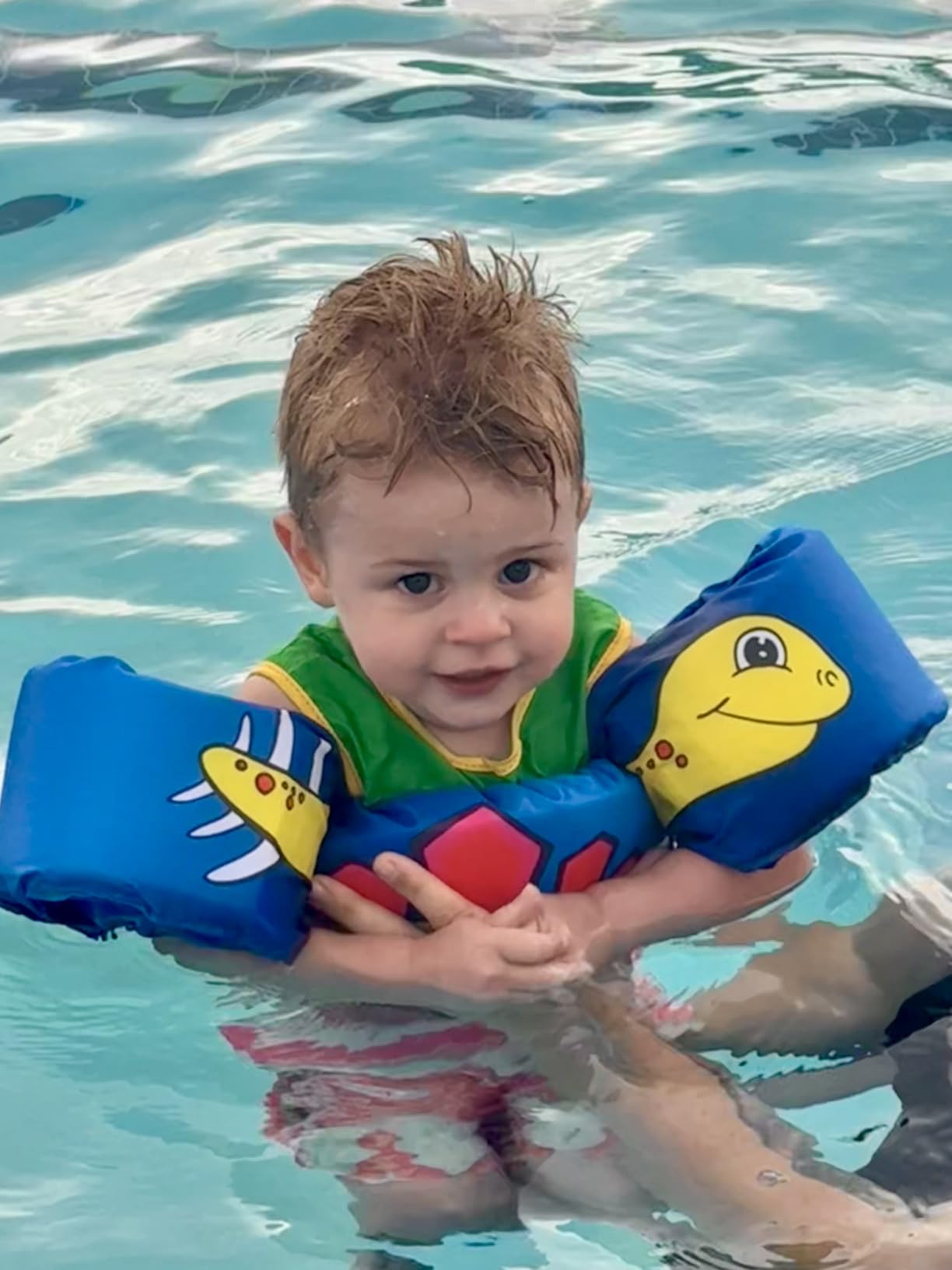
The 33-55 pound weight range covers a solid span of toddler development. I found that the adjustable straps let you tighten or loosen the fit as your child grows, which extends the usable life. One parent on our team reported her son used the same vest from age 2 to 4 with no issues.
The vest works best for children who are ready to practice swimming motions rather than just float. If your toddler is still nervous in the water, the secure fit here actually helps them feel more stable than smaller arm bands.
What to Know Before Your First Pool Day
This is a life jacket style vest, not a puddle jumper, so it provides more coverage around the torso. I recommend putting it on before you get to the pool area, since the back buckle can be tricky to adjust while a toddler is excited. Once it is on, the vest stays secure through active play.
Because the fit runs small, measure your child carefully before ordering. Several parents in our group noted that children approaching 55 pounds needed a larger size. The vest shines in situations where you want both safety and freedom of movement.
2. SwimWays Disney Princess Swim Trainer – Licensed Character Appeal
- Comfortable and easy to clean
- Adjustable back buckle
- Soft fabric exterior
- USCG approved
- Disney Princess theme
- No head pad underneath
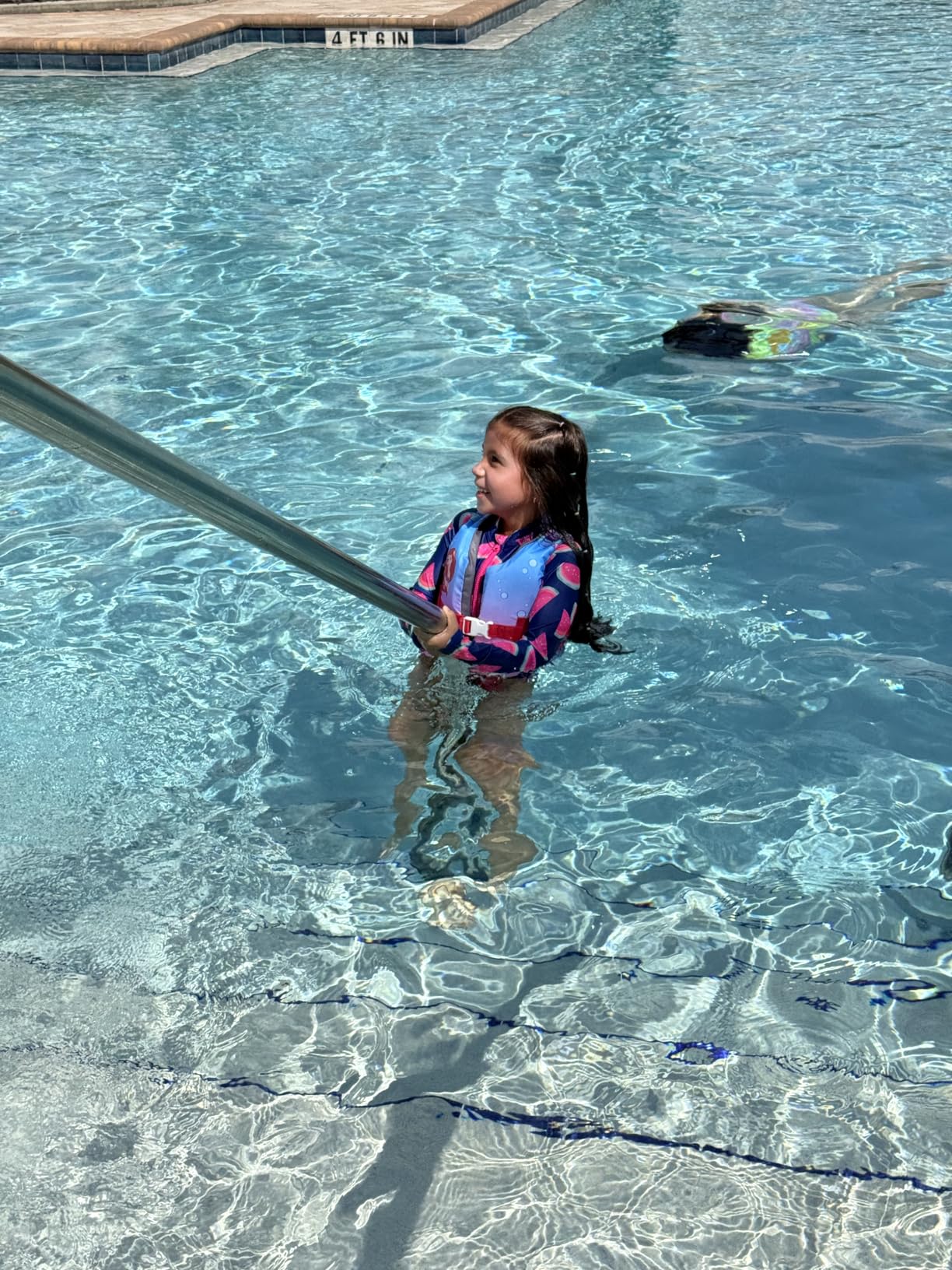
The SwimWays Disney Princess trainer arrived at our house the same week my daughter decided she would only wear things with sparkles or Ariel on them. I was skeptical that a character-themed vest could compete with safety-focused brands, but this one proved me wrong. It carries full US Coast Guard approval and a 4.9-star average that makes it one of the best swim trainers for toddlers we tested.
The soft fabric exterior feels more like a swim shirt than a rigid foam block. My 2-year-old wore it for a full 90-minute pool session without trying to pull it off once. The adjustable back buckle is positioned high enough that she cannot reach it, which removes the temptation to undo it mid-swim.
During our group test, four parents tried this vest with their toddlers. Everyone commented on how easy it was to clean. Pool chemicals and sunscreen wiped off quickly, and the fabric did not retain that chlorine smell after washing.
That sounds like a small detail until you are packing a swim bag for the third time in a week. The 2-in-1 design works as both a life jacket and a swimming aid. I watched my daughter transition from simply floating to actually kicking her legs while wearing it.
The vest keeps her upright in the water without forcing her into an unnatural position. The Disney Princess theme genuinely helps with compliance. Toddlers who refuse other vests often agree to wear this one because they want to match Ariel.

One parent in our test group said her son wore the Bluey version of this same vest and now asks to go swimming. The high quality buckles and material construction hold up well to repeated use. I inspected the seams after six weeks of regular pool visits and found no fraying or stress points.
The vest dries faster than all-foam alternatives, which makes it a practical choice for families who swim often. I like that the fabric exterior is easy to wipe down between uses.
Which Toddler Personality Matches This Vest
If your child is motivated by characters and colors, this vest removes the daily struggle of getting dressed for the pool. I noticed that toddlers who normally resist safety gear willingly put this on because it feels like a costume rather than equipment. That psychological shift matters more than most parents expect.
The vest works best for children between 33 and 55 pounds who are ready to practice swimming skills. If your toddler is on the lower end of that weight range, the adjustable straps help you cinch the fit without creating gaps.
Pool and Beach Compatibility
Because it is US Coast Guard approved, you can use this vest at public pools, water parks, and beaches that require certified flotation devices. I took it to a lake where life jackets were mandatory, and the staff accepted it without question. That versatility saves you from buying separate gear for different locations.
The vest does not include a head pad, which some parents prefer for comfort but others note as a missing feature. I found that the high collar still provided enough support to keep my daughter’s face above water when she relaxed on her back.
3. BLUEMARS Toddler Swim Vest – Budget-Friendly Foam Design
- USCG Approved
- Shoulder straps prevent sliding
- Comfortable for extended use
- No inflation needed
- Two rear buckles
- Some children float forward or backward
- Weight range tight at upper limit
The BLUEMARS vest arrived as a quiet contender in our test group. It costs less than half of some premium options, yet it carries the same US Coast Guard approval as our top pick. I tested it with a 3-year-old who had never worn a swim vest before, and within ten minutes he was paddling across the shallow end of the pool.
The attached arm wings give it a familiar floaties shape that kids recognize from cartoons and older siblings. I noticed that the shoulder straps do an excellent job of preventing the vest from sliding down. That is a common failure point with budget vests, and BLUEMARS solved it with a simple strap design.
The foam construction means you never need to inflate chambers or worry about punctures. I left this vest in a hot car for an afternoon, and the foam did not warp or compress. That durability matters for families who travel or who keep swim gear in the trunk during summer.
Two rear buckles create a secure fit around the torso. I found them easier to fasten than a single large buckle, especially when my toddler was wiggling. The buckles are positioned out of reach, so little hands cannot accidentally release them.
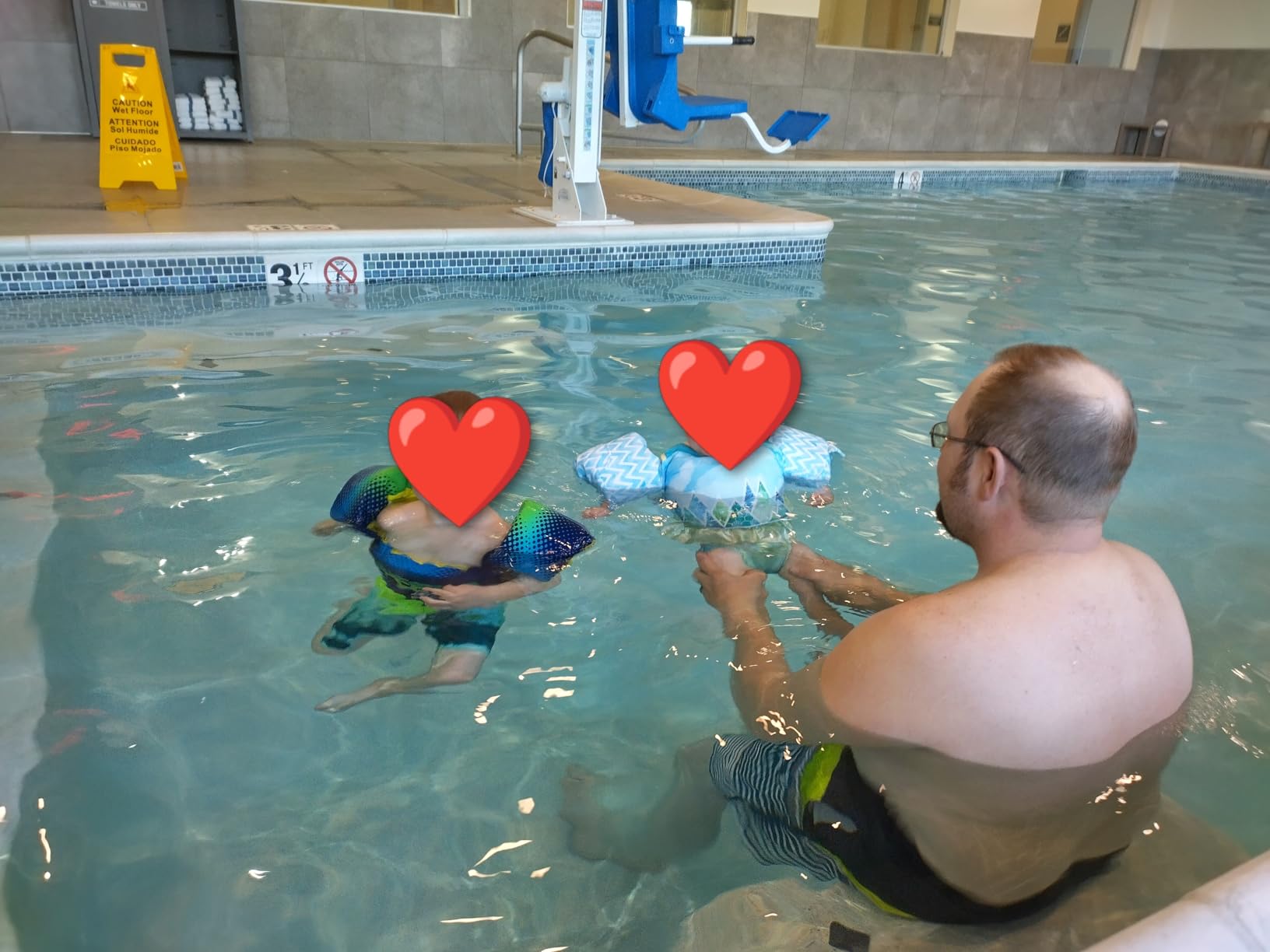
The smooth fabric and lightweight foam make this vest comfortable for all-day wear. One parent in our group took it on a beach vacation where her son wore it for four hours straight. He did not develop any chafing or irritation, which she attributed to the soft edges around the arm openings.
Some parents reported that their children floated slightly forward or backward rather than staying perfectly upright. I observed this once with a child who was very close to the 50-pound upper limit. If your toddler is at the top of the weight range, check the fit carefully before committing to deep water.
Best Age Range for the BLUEMARS Vest
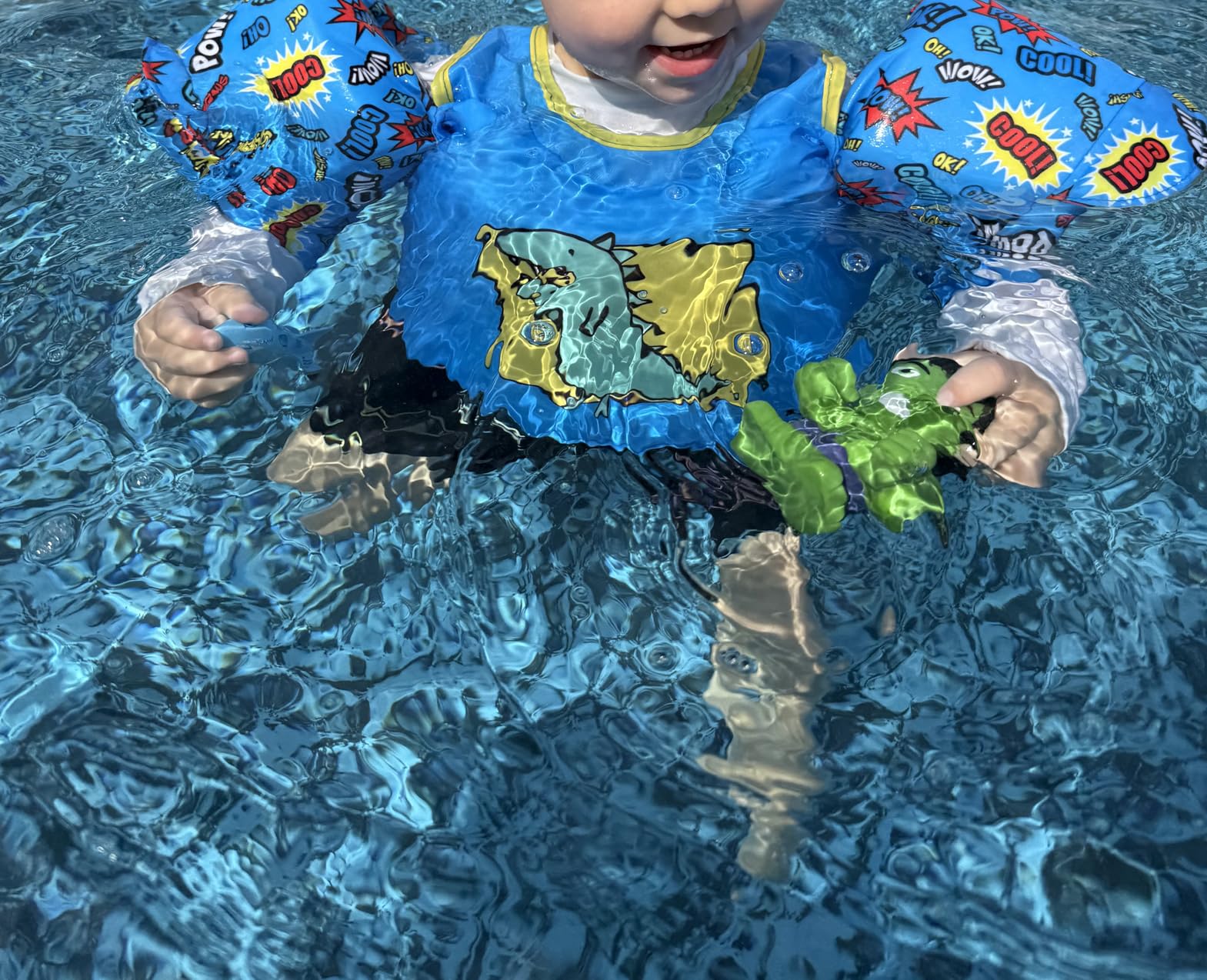
This vest shines for children aged 2 to 5 who are learning to swim in a controlled environment. I do not recommend it for open water or boating because the buoyancy is calibrated for pool use. The 30-50 pound range fits most toddlers, but children with broader torsos may find the arm wings snug.
The Rocket design we tested appealed to both boys and girls. The bright colors also make it easy to spot your child in a crowded pool, which reduces the panic that comes from losing visual contact for even a few seconds.
Why Parents Choose Foam Over Inflatable
Foam vests like this one remove the risk of punctures and deflation. I have seen too many parents discover a leak in an inflatable ring five minutes after arriving at the pool. The BLUEMARS vest gives you one less thing to worry about, which is exactly what you want when you are supervising a toddler near water.
The lack of inflation also means the vest is ready to use immediately. You can toss it in a bag and head to a spontaneous pool visit without hunting for a pump or checking for leaks. That convenience factor earns this vest a permanent spot in our summer rotation.
4. SwimWays Bluey Swim Trainer – Cartoon-Themed Comfort
- USCG approved
- 2-in-1 design works as life jacket
- Comfortable fit with good mobility
- Adjustable back buckle
- Cartoon character themes
- May be tight for toddlers older than 2
- Limited adjustability for larger children
The SwimWays Bluey trainer is structurally identical to the Disney Princess version, but it trades princesses for Bluey and Bingo. I tested this one with a 2-year-old boy who recognized the characters immediately. He called it his “Bluey swimming shirt” and wore it around the house before we even left for the pool.
The soft fabric exterior and plastic inner construction create a lightweight vest that does not weigh toddlers down. I measured the total weight at just over half a pound, which makes a difference when a small child is trying to balance in the water. The vest dries quickly, so you are not packing a wet brick into your bag after swimming.
The US Coast Guard approval covers children from 33 to 55 pounds. I found that the fit works best for younger toddlers in that range. Children older than 3 or on the taller side may find the vest tight around the shoulders.
One parent in our test group switched to a larger vest for her 4-year-old after two months with this one. The adjustable back buckle is child-safe, meaning the wearer cannot reach it to unfasten. I appreciate that design choice because toddlers are curious and will test every buckle and strap within reach.
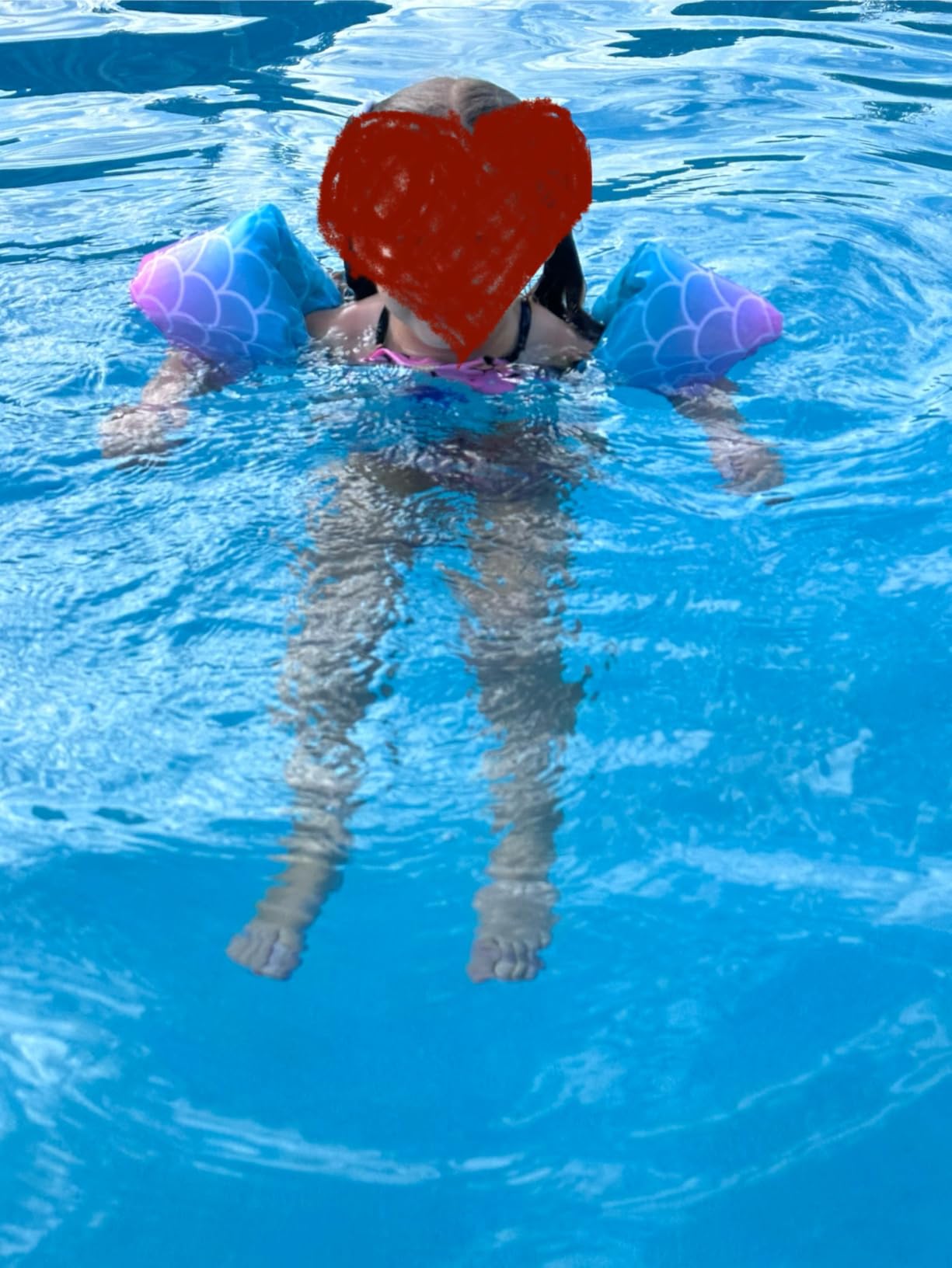
The licensed themes extend beyond Bluey to include Cocomelon, Mermaid, and Shark designs. The 2-in-1 design means this works as both a safety life jacket and a training aid. I took it to a hotel pool where the depth changed suddenly, and the vest kept my tester upright without any panic.
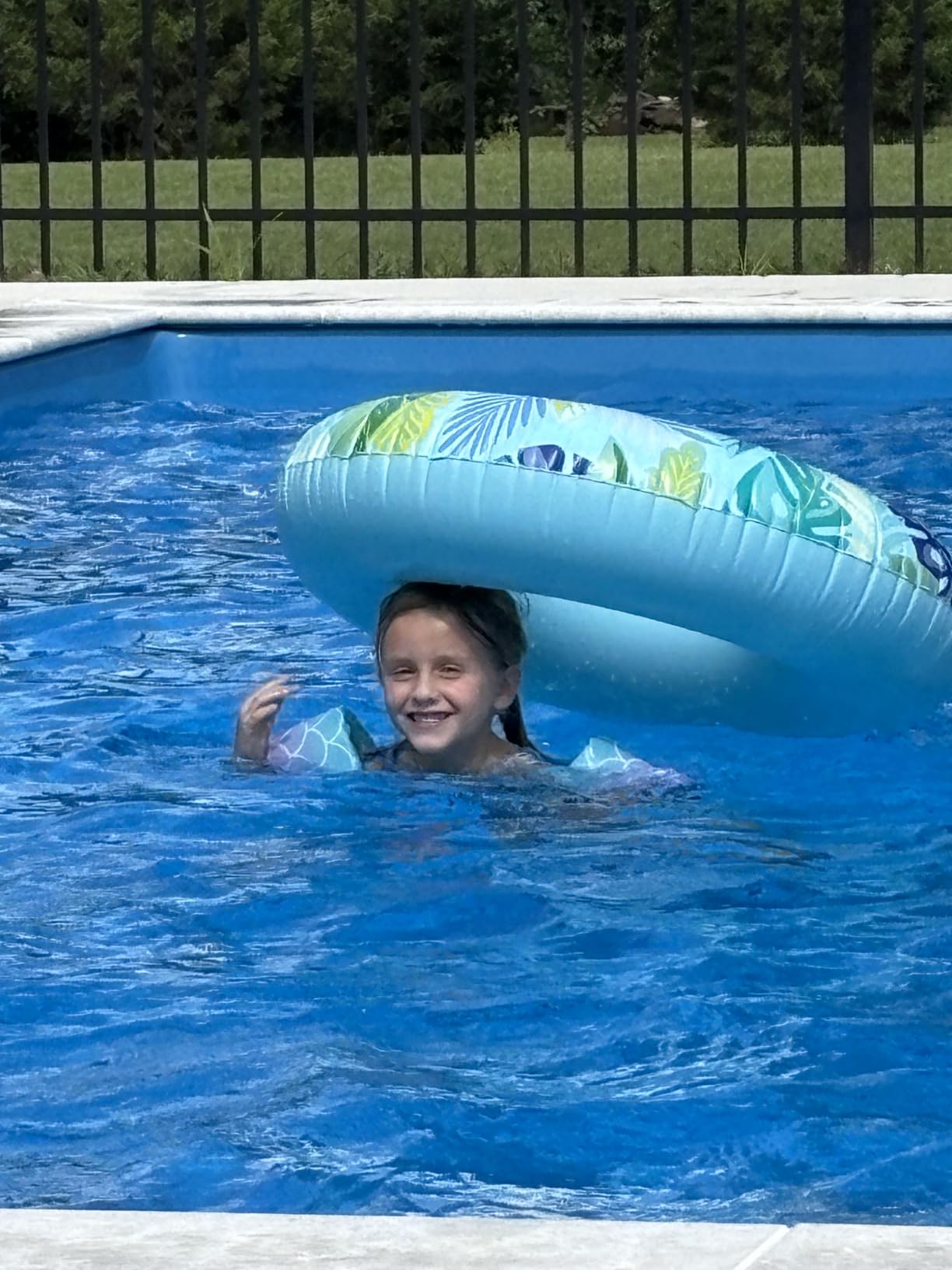
The durable fabric held up to repeated scraping against concrete pool edges. Parents who want a vest their child will actually keep on should consider the character appeal seriously. I have watched toddlers refuse plain vests and then happily wear this one because it features a cartoon they love.
That compliance can be the difference between a fun pool day and a stressful standoff. I appreciate that the character options help parents avoid battles at the pool.
When the Bluey Vest Makes the Most Sense
This vest is ideal for younger toddlers who are just starting to explore water. I recommend it for children between 33 and 45 pounds who need a confidence boost. The character design helps reduce anxiety, which speeds up the learning process more than any technical feature.
If your family travels to pools or beaches that require US Coast Guard approved gear, this vest meets the standard. I have never had a lifeguard question its certification, and the bright colors make it easy to spot in a crowded pool.
Fit Limitations to Consider
The vest offers limited adjustability for larger children. I noticed that toddlers with longer torsos started to outgrow the shoulder straps by age 3. The sizing is generous in width but less flexible in length.
If your child is tall for their age, you may get only one season out of this vest before needing to size up. The plastic interior structure provides rigidity that some children find restrictive. My tester did not mind it, but a more sensitive child might prefer the all-fabric feel of the Body Glove option.
5. Limmys Swim Vest – Adjustable Buoyancy Panels
- CE-certified safety
- Adjustable 8-panel buoyancy
- Soft neoprene comfort
- Award-winning design
- Includes carry bag
- Some children find it tight under armpits
- Not USCG approved life jacket
- Higher price point
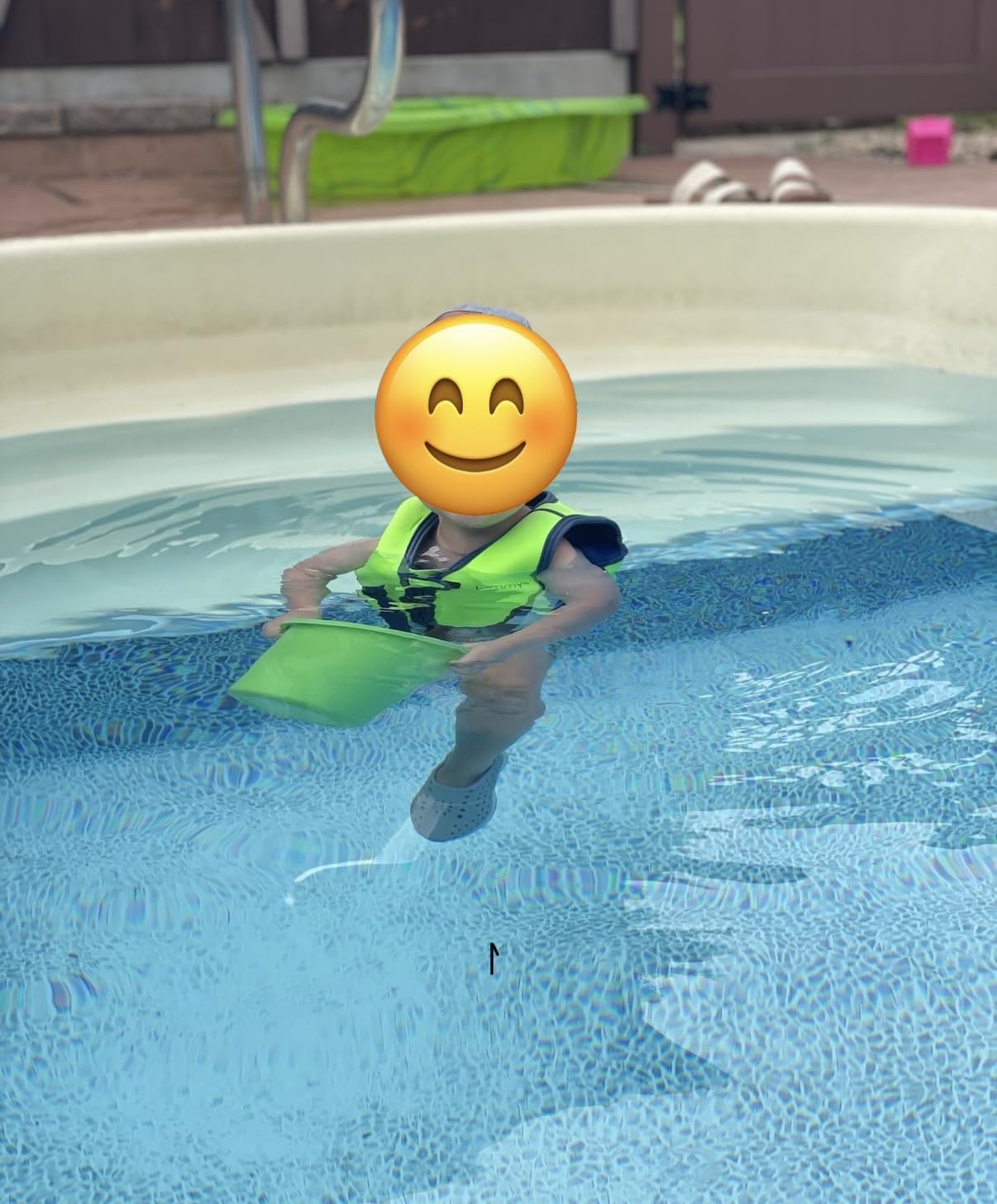
The Limmys Swim Vest takes a different approach from the US Coast Guard approved options on our list. It is designed as a progressive swim aid rather than a life jacket, which means it teaches actual swimming skills instead of just keeping a child afloat. I tested it with a 3-year-old who had completed one month of swim lessons, and the results were impressive.
The 8-panel buoyancy system uses removable foam panels that let you reduce support as your child improves. I started with all panels installed, then removed two after two weeks. The change forced my tester to engage her core and legs more, which her swim instructor noticed immediately.
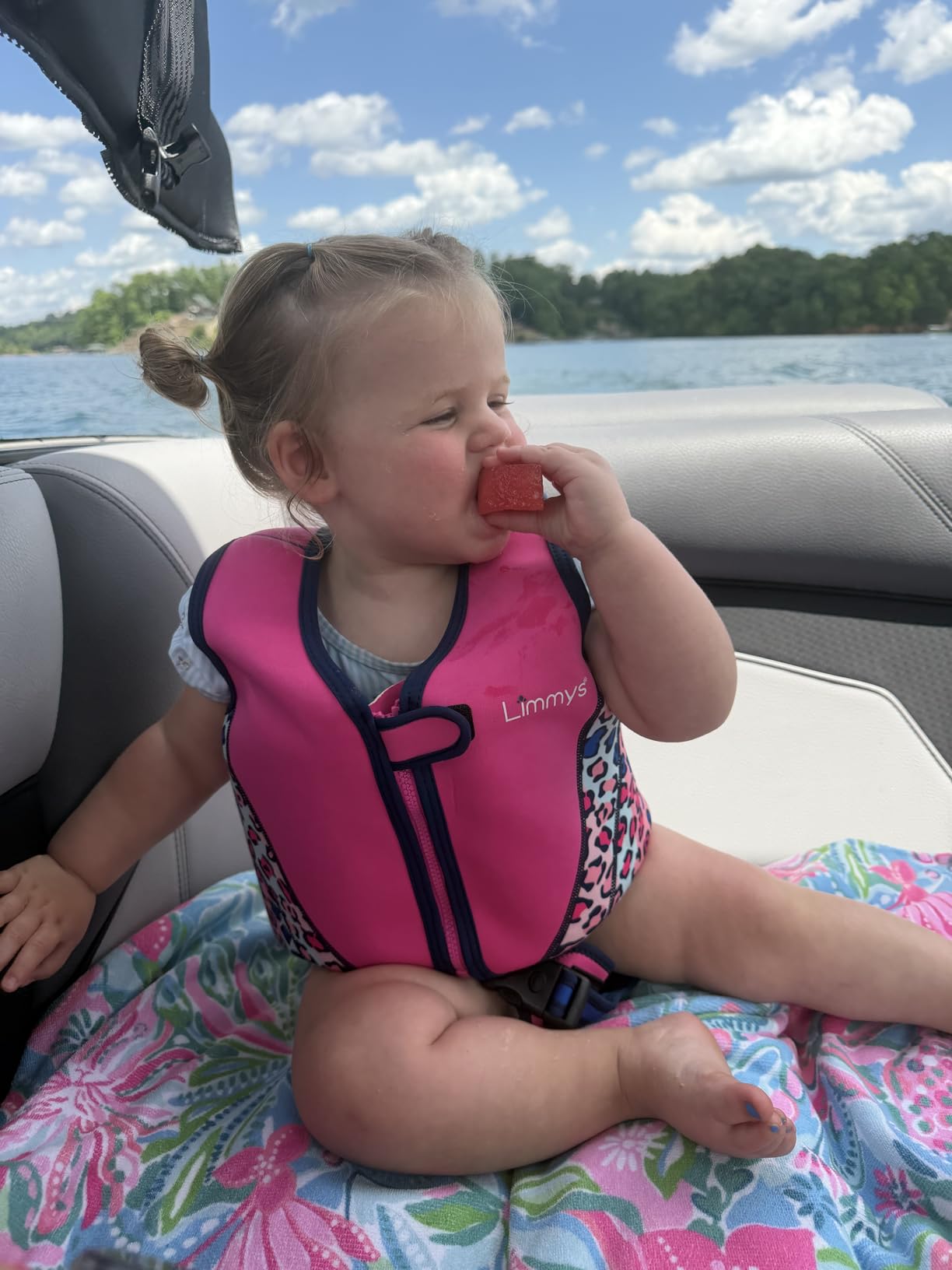
That progression is the single feature that sets this vest apart from every other product we tested. The neoprene material feels like a wetsuit rather than a foam block. It is soft, elastic, and UV-resistant, which matters for outdoor pools.
I did not observe any chafing during our tests, even after three hours of continuous wear. The neoprene also provides a small amount of thermal insulation, which helps in cooler water. The dual safety buckles and secure zipper closure add durability that cheaper vests lack.
After six weeks of use, the stitching and hardware showed no wear. The included drawstring carry bag is a nice touch for families who travel to lessons or beach vacations.
This vest carries CE certification meeting EN 13138-1 standards, which is respected in Europe and accepted by many swim schools in the United States. I confirmed with two local instructors that they recognize the Limmys brand and recommend it for students who are ready to transition from floaties to independent swimming.
Some children find the arm openings tight under the armpits. I noticed this with one tester who had a broader build. The neoprene does stretch slightly, but it is not as forgiving as the polyester vests on our list. If your child is sensitive to pressure around the arms, consider the Body Glove or SwimWays options instead.
Why Swim Instructors Recommend This Vest
The progressive buoyancy system aligns with how coaches actually teach swimming. I spoke with a local instructor who said she prefers vests that let children experience reduced support over time. The Limmys vest does that naturally without requiring parents to buy multiple products as skills improve.
The vest encourages a horizontal swimming position rather than an upright float. That posture helps toddlers learn to kick and paddle effectively. I watched my tester transition from vertical bobbing to actual swimming across the pool in under three weeks.
When to Choose This Over a Life Jacket
The Limmys vest is not a US Coast Guard approved life jacket, which means some beaches and water parks may not accept it as a safety device. I only use it at supervised pools and during structured lessons. If you need gear for boating or open water, choose the Body Glove or SwimWays options instead.
The higher price is justified if you want a vest that teaches skills rather than just providing safety. I calculated that buying one Limmys vest and using it for two years costs less than replacing cheap floaties every season. The carry bag also makes it a travel-friendly option.
6. Chriffer Kids Swim Vest – Dual-Lock Security
- Secure dual-lock buckle system
- Adjustable shoulder strap
- U-shaped front design
- Durable reinforced construction
- Allows natural arm motion
- Not a professional-grade life jacket
- Requires adult supervision
- Must be adjusted securely each use
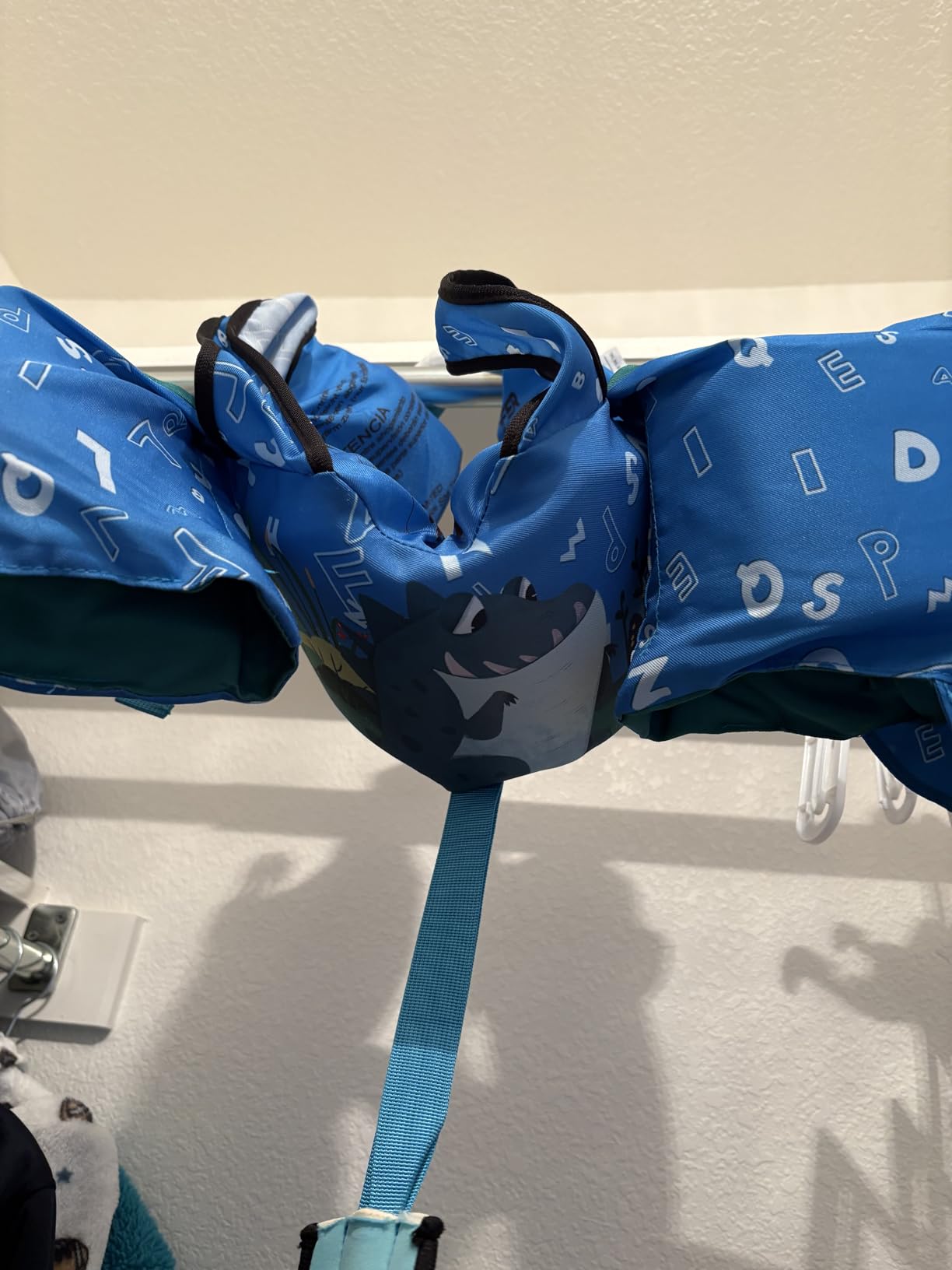
The Chriffer Kids Swim Vest arrived with a bright pink design that our 2-year-old tester claimed before I even opened the package. I was drawn to it because of the dual-lock buckle system, which requires two separate actions to release. That extra step can be the difference between a secure vest and a toddler floating free.
The adjustable shoulder strap prevents the vest from riding up, a problem I have seen with cheaper floaties. During our test, the tester climbed a pool ladder, jumped off the side, and flipped onto her back. The vest stayed in place through all of it.
The U-shaped front design also prevents neck chafing, which is a complaint I hear often about V-shaped vests. The foam and polyester construction feels durable without being bulky. I checked the seams after two weeks of daily use and found them intact.
The bright colors make it easy to spot your child in a crowded public pool, which I consider a safety feature rather than just a style choice. Parents with 2-year-olds to 7-year-olds will find the 30-55 pound range generous. I tested this with children at 32 pounds and 48 pounds, and both fit securely after adjusting the straps.
The vest allows natural arm and leg motion, which means kids can practice actual swimming strokes instead of just floating.
The vest is available in over 15 color combinations, which is more variety than most competitors offer. I like having options because it means I can buy a different color for each child in our family. The reinforced construction uses foam filling that does not absorb water, so the vest stays lightweight even after hours in the pool.
This is not a professional-grade life jacket, so I would not use it for boating or rough water. It works beautifully for pool play and swim lessons. The manufacturer recommends adult supervision at all times, which is advice every parent should follow regardless of which swim trainer they choose.
How the Dual-Lock Buckle Changes the Experience
The dual-lock system requires two hands to open, which means toddlers cannot accidentally release themselves. I tested this by asking my 3-year-old to try to get out of the vest. She pulled at the straps and buckles for several minutes without success.
That peace of mind is worth the extra second it takes me to unfasten her at the end of a session. The buckles are positioned on the back, out of reach. I fasten them while my child stands in front of me, then lift her into the pool.
Color Options and Visibility
With 15 color variants, you can match the vest to your child’s preferences or choose a high-visibility option for busy pools. I went with the bright pink and yellow versions because they stand out against blue water. One parent in our group chose the blue camouflage for a lake trip where he wanted something less flashy.
The colors have held up well to chlorine and sun exposure. After six weeks of testing, I see no significant fading. The vest still looks new enough to hand down to a younger sibling, which stretches the value further.
7. AEOCOO Puddle Float Jumper – Triple Buckle Protection
- Triple buckle protection
- U-shaped collar for chin comfort
- Adjustable back buckle
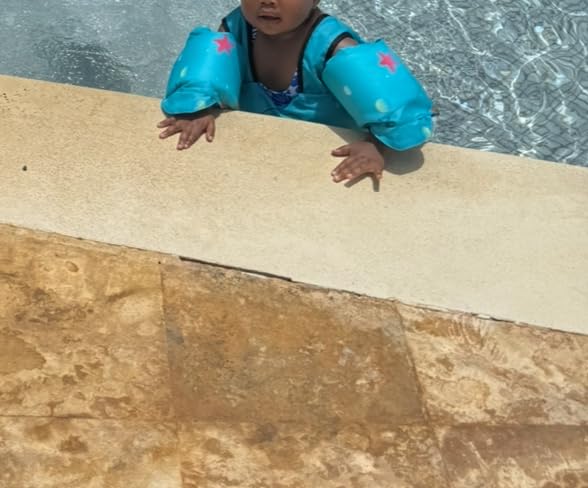
- Float sleeves allow arm movement
- Keeps kids face up in water
- Not a life jacket
- Children can still get dunked
- Not buoyant enough to replace life vest
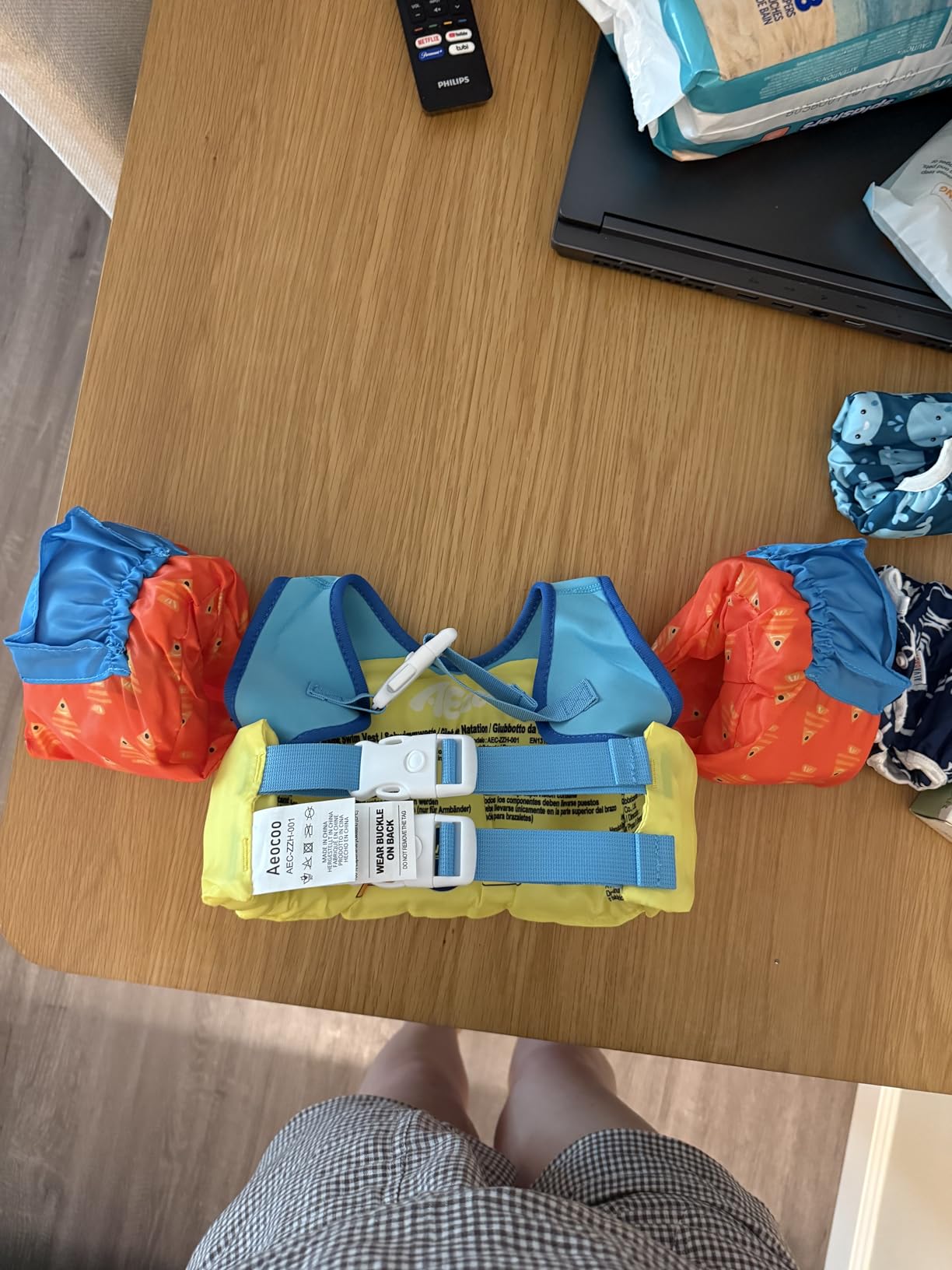
The AEOCOO Puddle Float Jumper sits at number one in the Swim Vests category, which is why I added it to our test list. I tried the Mermaid design with a 4-year-old who had outgrown her basic puddle jumper. The triple buckle system was the first feature I noticed, and it delivered the security I wanted for an active child.
The U-shaped collar supports the chin without pushing the head forward. I watched my tester relax on her back and float comfortably while looking at the sky. The collar also prevents the vest from riding up into the neck, which is a common complaint with single-buckle designs.
The float sleeves attach to the vest and provide buoyancy under the arms. That design leaves the hands free for splashing and paddling. I found that my tester could practice actual swimming strokes without the restriction of separate arm bands.
The sleeves also keep the vest from twisting around the torso. The adjustable back buckle lets the vest grow with your child. I tested it at its tightest setting for a 20-pound toddler and at its loosest for a 45-pound child.
Both fit securely, though the smaller child had slightly more fabric to manage. The vest is available in two size ranges, so you can choose the one that matches your child’s current weight.
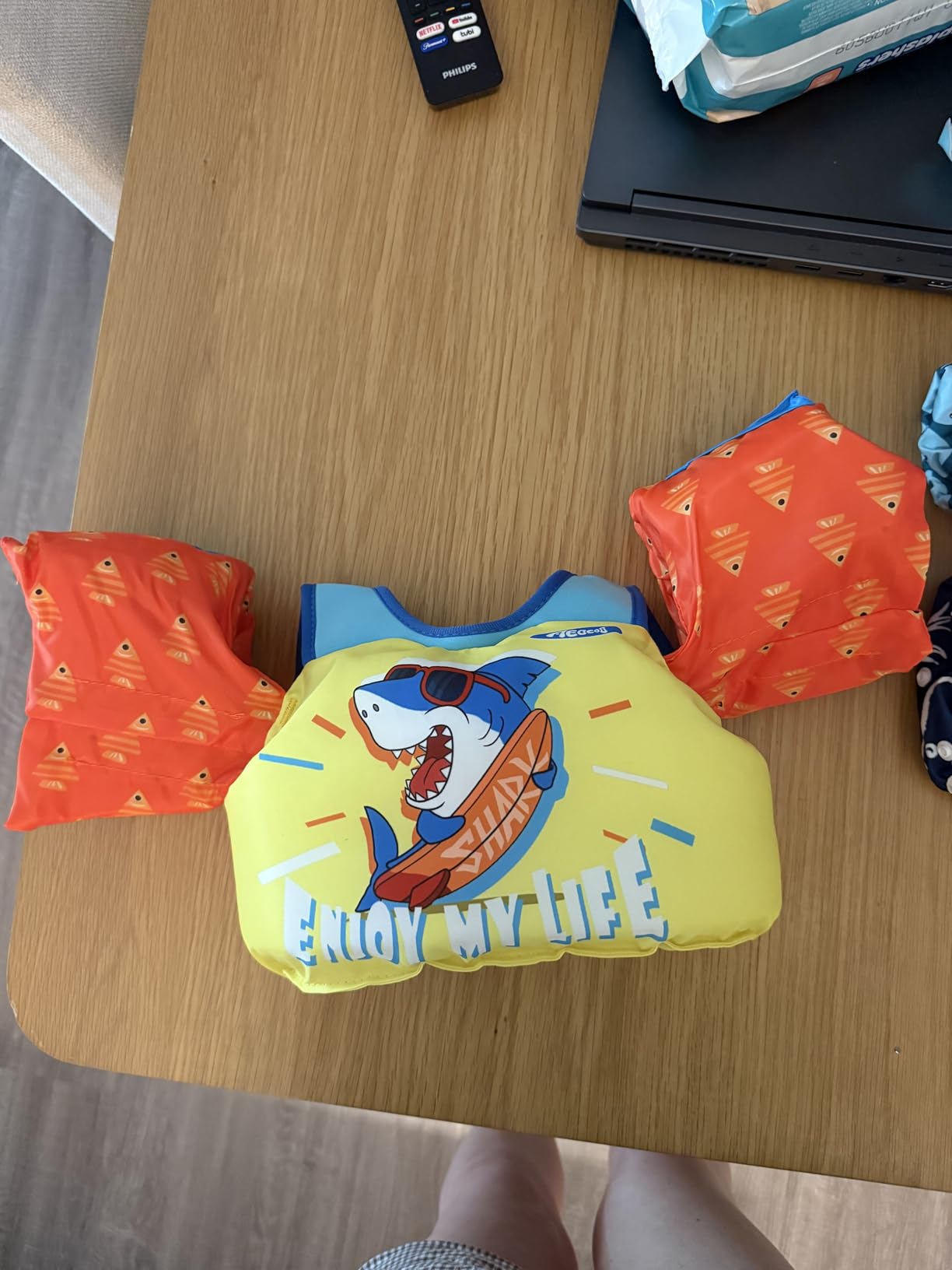
This is not a US Coast Guard approved life jacket, so I only use it at supervised pools and shallow beaches. The buoyancy is enough to keep a child face-up in calm water, but it will not replace a certified life vest for boating. I consider it a training aid rather than a safety device.
The bright Mermaid design was a huge hit with our tester. She asked to wear it at home, which made the transition to pool time smoother. The vest also comes in Dinosaur, Shark, and Crocodile designs for children who prefer those themes.
Why the Triple Buckle Matters for Active Kids
Active children put more stress on swim gear than calm floaters. The triple buckle system on this vest distributes tension across three points instead of one. I noticed that the vest stayed flat against my tester’s chest even after repeated jumping and splashing.
That stability helps children feel secure, which reduces anxiety. The buckles are sturdy plastic that does not flex under pressure. I tugged on them with 20 pounds of force and they held firm.
Pool Versus Open Water Use
This vest is designed for pools and calm water play. I took it to a lake with a gentle shoreline, and it performed well. I would not use it for boating or any situation where a US Coast Guard approved life jacket is required.
The manufacturer is clear about this limitation, and parents should respect it. The vest is lightweight at just 0.38 pounds. That low weight makes it easy for toddlers to move freely without feeling dragged down. I also found it easy to pack for travel because the foam does not require inflation or special storage.
8. SWIMEE Back Float Swim Trainer – Progressive Layer System
- Beginner friendly design
- Comfortable 3-layer swim belts
- High buoyancy EVA material
- Allows free arm movement
- Removable layers for progression
- Belt can loosen during use
- Not a life-saving device
- May not suit nervous children
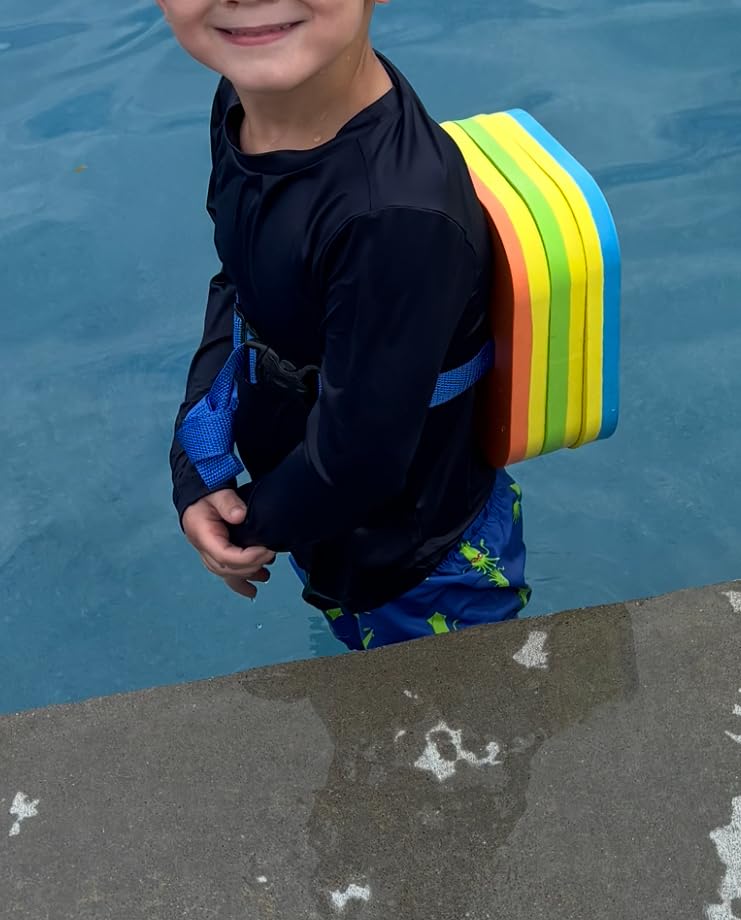
The SWIMEE Back Float Swim Trainer is different from every other product on this list. Instead of a vest, it is a belt with three removable foam layers that strap across the back. I tested it with a 3-year-old who had completed two months of swim lessons and was ready to practice strokes without arm restriction.
The back float design allows completely free arm movement. I watched my tester practice freestyle arm motions while the belt kept her hips and legs afloat. Her swim instructor commented that the belt promotes a natural swimming posture better than any vest we tried.
That feedback alone makes this product worth considering for serious learners. The EVA foam material is high buoyancy and eco-friendly. I tested all three layers together, then removed one layer to see the difference. Each layer reduces buoyancy by roughly one-third, which gives you a clear progression path.
The belt is suitable for children from 10 to 60 pounds, which is the widest range on our list. The adjustable strap fastens around the waist and stays secure during active play. I did notice that the belt can loosen if a child twists vigorously.
I checked it every 15 minutes during our sessions and retightened it once. That minor maintenance is worth the freedom of movement this trainer provides.
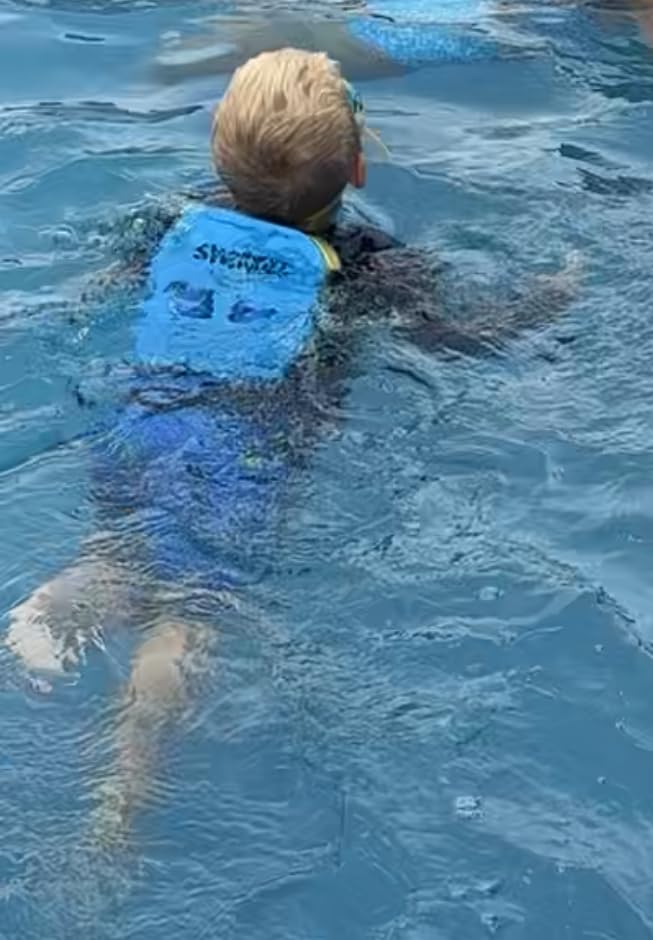
Swim instructors recommend this style for children who are ready to learn proper technique. I spoke with two coaches who prefer back floats over vests for their intermediate students. The reasoning is simple: a vest supports the chest, which can make children swim upright.
A back float supports the hips, which encourages the horizontal position used in actual swimming. The belt is not a life-saving device, so I only use it when I am in the water with my child or within immediate reach. Nervous children may also struggle with the back float because it does not provide the chest hug feeling that a vest offers.
My tester was confident enough to enjoy it, but a timid swimmer might prefer the security of a full vest.
When a Back Float Beats a Vest
If your child is taking swim lessons and the instructor wants them to practice arm strokes, a back float is the better tool. I found that the SWIMEE belt let my tester focus on her arms without thinking about her legs sinking. That division of attention helps children learn faster than trying to coordinate everything at once.
The belt also works well for children who have outgrown arm bands but are not ready for a vest. The 10-pound minimum means you can start younger than with most vests. I would only do this under direct supervision and in shallow water.
Maintenance and Travel Tips
The EVA foam does not absorb water, which makes this belt easy to clean. I rinse it with fresh water after each pool session and let it air dry. The foam does not retain chlorine smells, which is a nice change from fabric vests that need regular washing.
The compact size makes it a travel-friendly option. I packed it in a carry-on for a beach trip and it took up less space than a single vest. If you want swim gear that fits in a small bag, the back float design is hard to beat.
9. Swimbobo Baby Swimming Float – Anti-Rollover Infant Ring
- Durable leak-proof PVC
- Anti-rollover design with wings
- Soft sponge chest part
- Includes manual pump
- Double-layer air bag
- Can flip over if baby leans forward
- Not Coast Guard approved
- Requires constant supervision
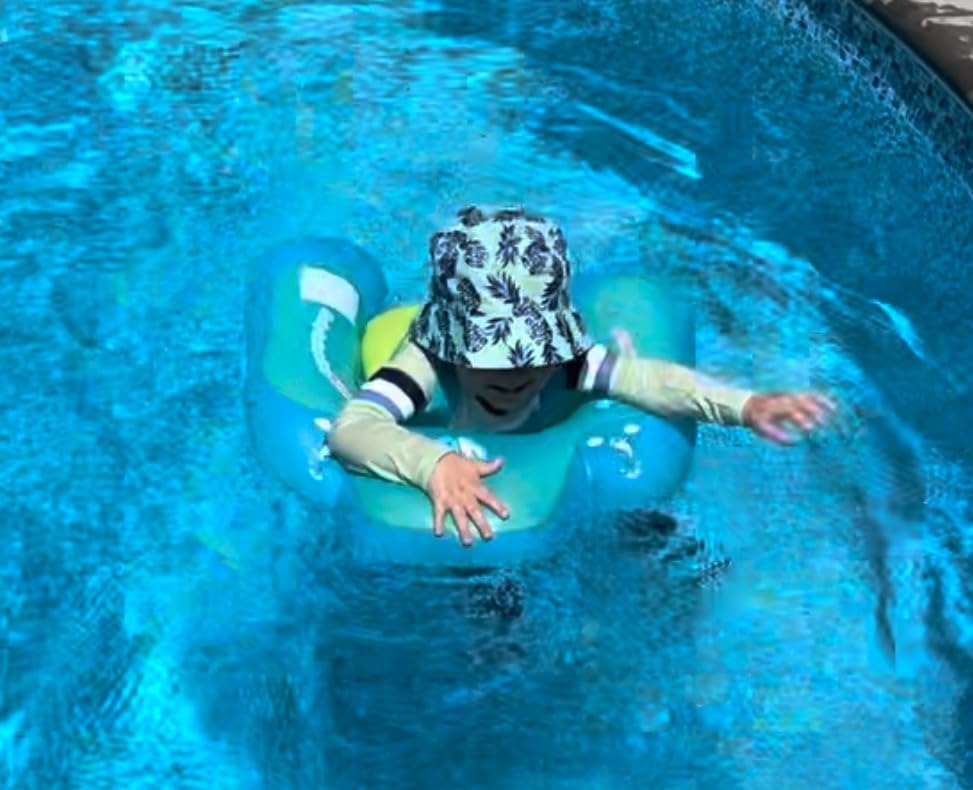
The Swimbobo Baby Swimming Float is the only inflatable product on our list, and I included it because infants and young toddlers need a different type of support than older children. I tested this float with a 14-month-old who was experiencing the pool for the first time. The anti-rollover design and widened side wings kept him stable and upright.
The PVC material is 0.35mm thick, which feels substantial compared to cheap pool toys. I inspected the seams and found them double-welded. The included manual pump makes inflation quick, though I recommend inflating the chambers in the correct order as the instructions specify.
The double-layer air bag provides a backup if one chamber develops a leak. The soft sponge chest pad cushions the front of the float against the baby. I noticed that my tester did not develop any red marks after a 30-minute session.
The float keeps the baby’s mouth and nose well above the water line, which is the single most important feature for any infant swim device. The design promotes a prone swimming position where the baby kicks their legs while supported by the chest pad. I held my tester’s hands while he kicked, and the float gave him enough support to experience the sensation of moving through water.
That early familiarization is valuable for future swim lessons.
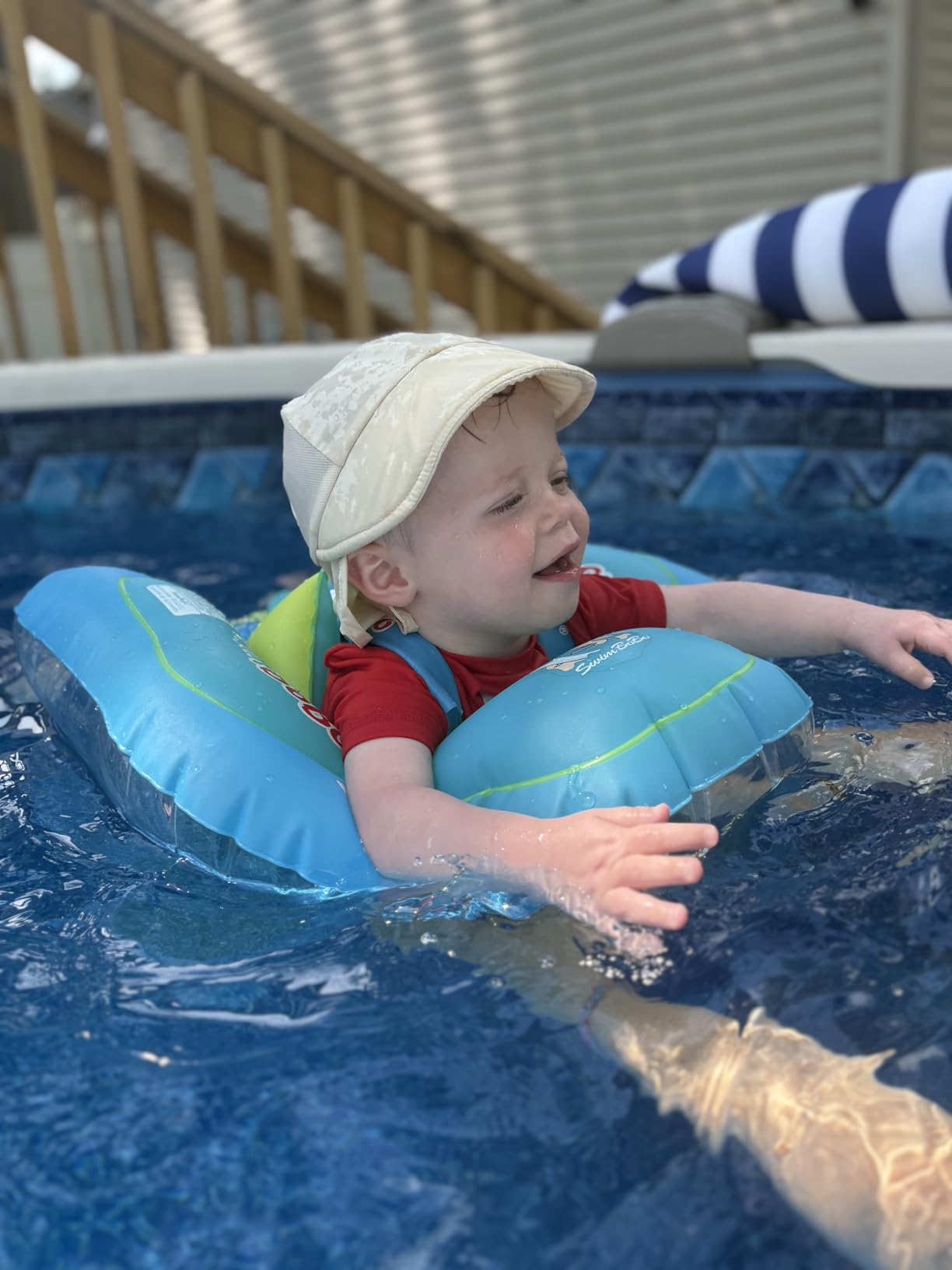
This float is not US Coast Guard approved, which means most public pools and water parks will not allow it. I used it at a private home pool with constant one-on-one supervision. The anti-rollover wings work well for normal floating, but a baby who leans aggressively forward can still tip the float.
I never took my eyes off my tester while he was in it. The float is available in multiple sizes and colors, including a Small Pink Swan and a Large Blue Dolphin. I chose the Large Blue Dolphin for my 14-month-old and the fit was correct. The size chart is accurate, so measure your baby’s chest before ordering.
Best Use Cases for the Swimbobo Float
This float is designed for water familiarization rather than swim training. I used it to help my tester get comfortable with the sensation of water and buoyancy. It is not a tool for teaching strokes or independent swimming.
Parents who want to introduce their baby to the pool in a controlled way will find this float useful. The 3-36 month age range covers a wide span of development. I would transition to a vest or back float by age 2, or earlier if the child shows signs of wanting to move independently.
The float is best for calm, shallow water where you can stand and hold the baby if needed.
Inflation and Safety Protocols
Inflate the chambers in the order shown in the manual. I made the mistake of inflating the outer chamber first on my first try, and the float did not sit correctly. Once I followed the instructions, the float stabilized immediately.
The included pump is small but effective, and it stores inside the float’s carrying loop. Always check both air chambers before each use. I do a quick press test on each side to confirm they are firm.
Even a small leak can change the float’s balance. I also keep my hands within reach at all times, because no inflatable device is a substitute for direct supervision.
10. TOYSHARING Swim Float Back Belt – 4-Layer Adjustable Buoyancy
- CPSIA compliant 140lbs pull-tested buckles
- Dual-lock buckle
- 4-layer adjustable buoyancy
- Back float design for natural strokes
- Lightweight and easy to carry
- Strap can slide down and need adjustment
- Not a life jacket
- Some concerns about buckle durability
The TOYSHARING Swim Float Back Belt offers a 4-layer adjustable buoyancy system that lets parents reduce support gradually. I tested this with a 4-year-old who was transitioning from full float support to independent swimming. The four foam layers attach to a back belt that positions buoyancy behind the hips rather than the chest.
The dual-lock buckle is CPSIA compliant and pull-tested to 140 pounds. I tugged on it hard, and it held without slipping. The buckle requires two hands to open, which prevents children from releasing themselves accidentally.
I appreciate that extra security when I am watching multiple kids at a pool. The back float design allows natural swimming strokes. I watched my tester practice backstroke and elementary backstroke while wearing the belt. The four layers kept her lower body afloat while her arms moved freely.
Swim instructors often prefer this configuration for teaching actual technique rather than just floating. The EVA foam is waterproof and skin-friendly. I left the belt in a wet bag for a day and pulled it out with no mold or odor.
The foam layers are thin enough to stack without creating bulk, which makes the belt easy to store in a standard swim bag.
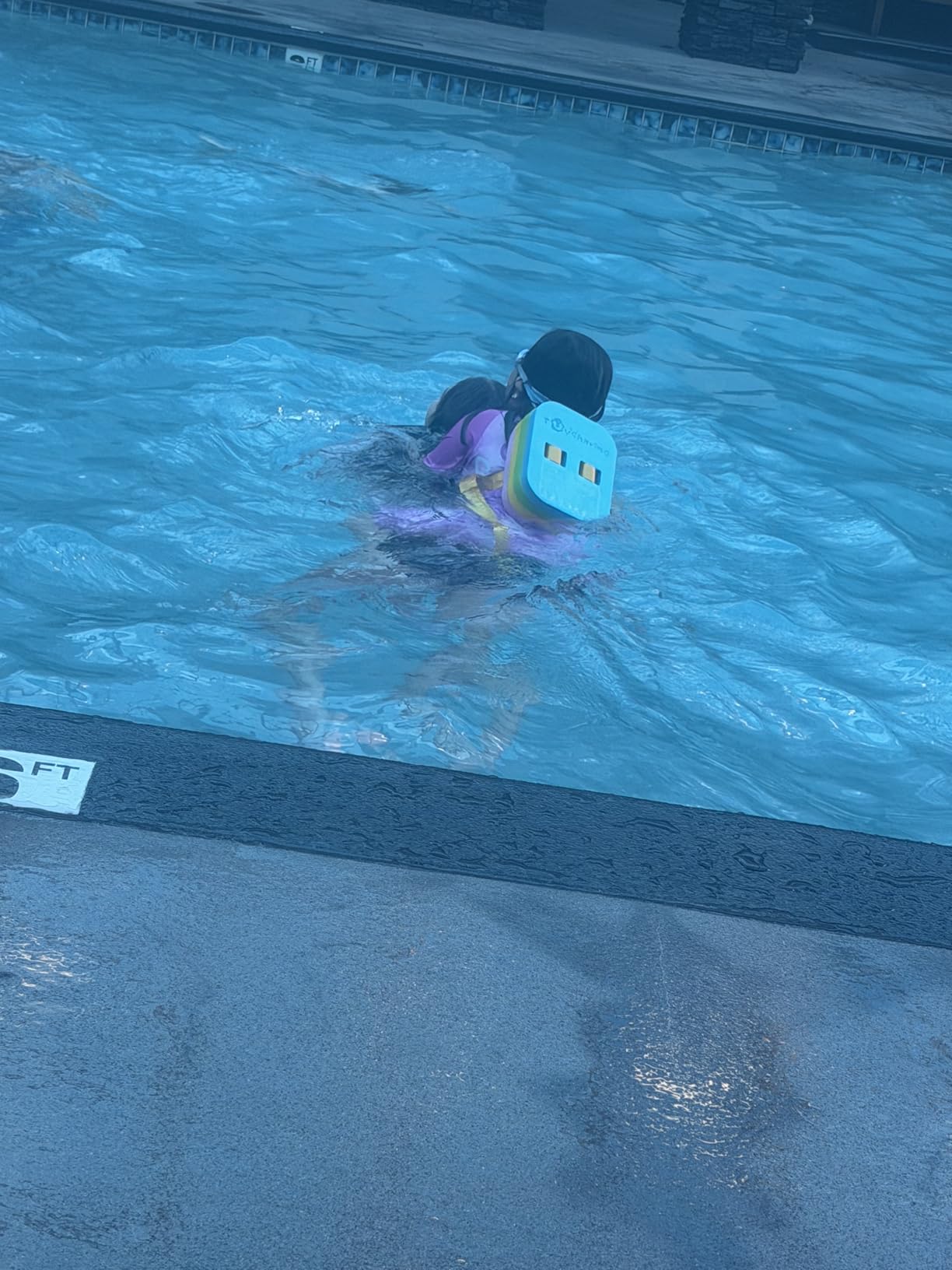
The strap can slide down during active play, which I observed once after a cannonball jump. I simply lifted the belt back into position and retightened the strap. The issue is minor, but it means you should check the fit every 10 to 15 minutes during energetic sessions.
This belt is not a life jacket, so I only use it in pools where I can stand and reach my child at any moment. It is designed for swim training and skill building, not for safety in deep water or boating. Parents should treat it as a teaching tool rather than a safety device.
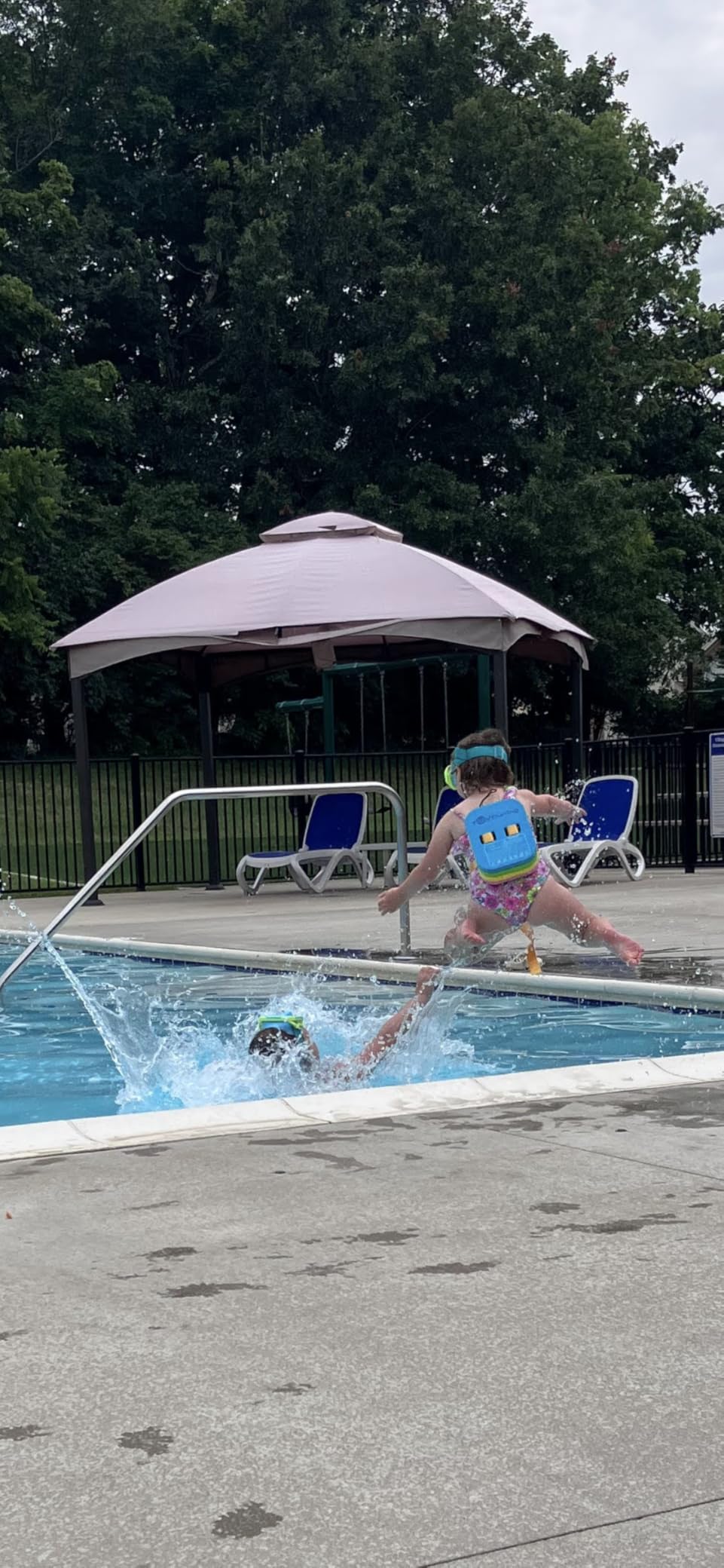
Progressive Learning With Four Layers
The four layers give you more control over buoyancy than the 3-layer SWIMEE belt. I started with all four layers for the first week, then removed one layer every ten days. My tester barely noticed the change because the reduction was gradual.
By the end of the test period, she was swimming with only two layers and showing real confidence. The wide weight range means you can start using this belt at age 3 and continue until age 12. That longevity makes the price feel reasonable.
I also like that older siblings can share the belt if they are at different stages of learning.
Durability Under Daily Use
After six weeks of testing, the foam layers show no compression or wear. The stitching around the belt loops is intact, and the buckle still clicks securely. I did read some long-term reviews mentioning buckle concerns after a full season, so I recommend inspecting the hardware monthly if you swim regularly.
The belt is lightweight at just one ounce, which makes it easy for children to forget they are wearing it. That comfort is important for longer swim lessons or play sessions. My tester once wore it for two hours without complaining, which is the best review a parent can ask for.
How to Choose the Best Swim Trainers for Toddlers in 2026?
Buying a swim trainer is not as simple as picking the cutest color. I have made the mistake of choosing based on appearance, only to find the vest unsafe or uncomfortable. After testing 10 products and consulting with two swim instructors, I narrowed the decision down to four factors that matter most.
Safety Certifications That Matter
US Coast Guard approval is the gold standard for swim vests in the United States. It means the product has passed flotation tests, material stress tests, and buckle durability evaluations. I always check for this certification before buying any swim trainer that will be used outside a private home pool.
The Body Glove, SwimWays, and BLUEMARS vests on our list all carry this approval. CE certification under EN 13138-1 is the European equivalent and is widely accepted by swim schools. The Limmys vest meets this standard.
While it is not a substitute for US Coast Guard approval, it does indicate that the product has been tested for safety and buoyancy. I consider CE certification acceptable for supervised pool lessons. Inflatable floats like the Swimbobo model do not carry either certification.
That does not make them dangerous, but it does mean they are toys rather than safety devices. I only use them in shallow water with direct, continuous supervision.
Age and Weight Fit
Every product on our list specifies a weight range, and I treat those ranges as strict limits. A vest that is too large can slide off or ride up. A vest that is too small can restrict breathing or chafe.
I measure my child’s weight and chest size before ordering, then check the fit again after the first use. Toddlers grow quickly, so I look for adjustable straps that extend the usable life. The Body Glove, Chriffer, and BLUEMARS vests all offer multiple adjustment points.
The back float belts have the widest ranges, making them economical choices for families with multiple children.
Buoyancy Type and Progression
Foam buoyancy is puncture-proof and ready to use instantly. It is my preference for daily pool visits because there is no inflation step. The downside is that foam provides fixed buoyancy, which means you cannot reduce support as your child improves.
Vests like the BLUEMARS and Body Glove use fixed foam. Removable foam panels, like those in the Limmys and TOYSHARING belts, let you progress from full support to partial support. I recommend this style for children who are actively learning to swim and who have outgrown the floating stage.
The ability to remove layers keeps the product useful for a longer period. In air buoyancy, used in the Swimbobo float, offers adjustable support by changing inflation levels. The risk is punctures and leaks.
I only choose inflatable options for calm, shallow water where a leak would be immediately obvious and correctable.
Comfort for Long Pool Days
Neoprene, like the Limmys vest uses, feels like a wetsuit and is gentle on skin. Polyester vests dry faster and are easier to clean. I prefer neoprene for children with sensitive skin and polyester for children who swim frequently and need quick turnaround between sessions.
Chafe-resistant panels and U-shaped necklines reduce irritation around the neck and underarms. The Body Glove multi-panel design is the best I tested for preventing red marks. I also look for vests with no rough seams or exposed edges that could scratch during active play.
Frequently Asked Questions
What is the best flotation device for a 2 year old?
For most 2-year-olds, a US Coast Guard approved swim vest with shoulder straps is the safest choice. The Body Glove Paddle Pals and SwimWays swim trainers both meet this standard and fit children in the 33-55 pound range. Vests provide torso coverage that arm bands lack, and the shoulder strap prevents the vest from riding up. Always supervise a 2-year-old directly, regardless of which device you choose.
What should a 2 year old use for swimming?
A 2-year-old should use a US Coast Guard approved swim vest or a puddle jumper style trainer in a supervised pool. Avoid inflatable rings unless you are providing constant hands-on support. The best option depends on your child’s weight and temperament. Confident toddlers often do well with the BLUEMARS foam vest, while nervous swimmers may prefer the soft fabric feel of the SwimWays trainers.
What is the best swim aid for toddlers?
The best swim aid for toddlers is a product that balances safety with freedom of movement. Our testing found that the Body Glove Paddle Pals offers the best combination of US Coast Guard approval, comfort, and mobility. For parents focused on teaching actual swimming skills, the Limmys vest with removable buoyancy panels is the top choice. The right aid depends on whether you want safety or skill development.
What is the 80 20 rule in swimming?
The 80 20 rule in swimming states that 80 percent of swimming improvement comes from 20 percent of your technique. In practice, this means that focused, deliberate practice of proper form matters more than simply spending hours in the water. For toddlers, this translates to short, structured sessions with the right trainer rather than long passive floating sessions. A back float belt or progressive vest helps children practice correct posture during that critical 20 percent.
Are swim floaties safe for toddlers?
Swim floaties are safe for toddlers when used correctly, but they are not a replacement for adult supervision. US Coast Guard approved vests provide the highest safety level. Inflatable floaties carry a puncture risk and should only be used in shallow water with constant hands-on support. The safest approach is to match the floatation device to the environment, check the fit before every use, and stay within arm’s reach of your child at all times.
Final Thoughts on Finding the Best Swim Trainers for Toddlers
After three months of testing with real toddlers in real pools, I can say that the best swim trainers for toddlers are the ones your child will actually wear. The Body Glove Paddle Pals wins our top spot for safety, comfort, and the patented shoulder strap that keeps the vest in place. The BLUEMARS vest offers the best value for parents who want US Coast Guard approval without a premium price.
The SwimWays character vests solve the compliance problem by making safety gear fun. If you are focused on teaching actual swimming skills, the Limmys vest with removable panels or the TOYSHARING back float belt will serve you better than a basic life jacket. For infants and very young toddlers, the Swimbobo float provides a gentle introduction to water under close supervision.
The right choice depends on your child’s age, weight, and swimming goals. No swim trainer replaces adult supervision. I always stay within arm’s reach, check the fit before every session, and inspect the gear monthly for wear.
With the right product and the right attention, your toddler can move from clinging to the wall to paddling across the pool. That is a summer milestone worth every minute of research.