
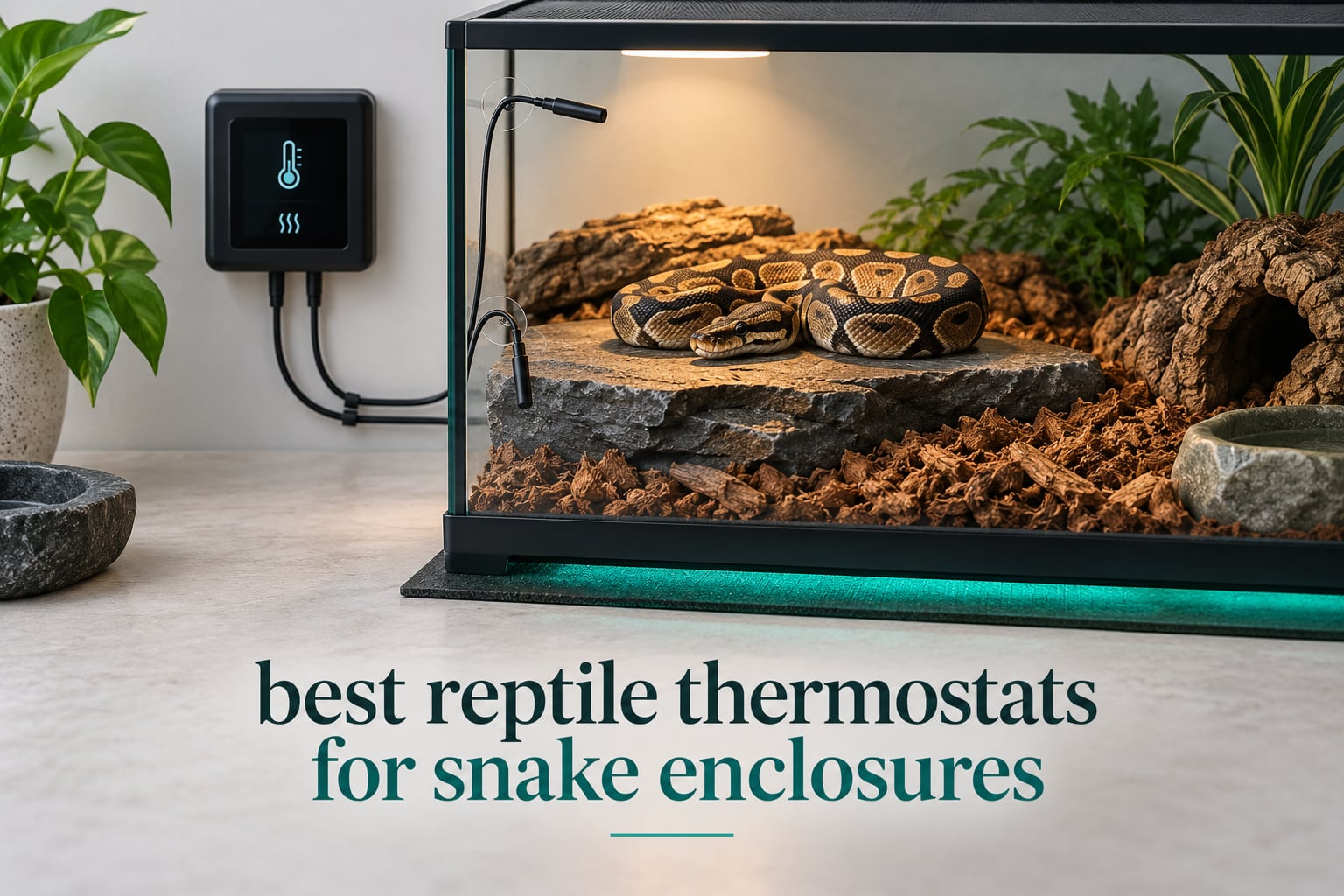
Snakes are ectothermic, which means the enclosure does their body temperature regulation for them. A thermostat is the only piece of equipment in the setup that actually controls the heat source, and choosing the wrong one is how a perfectly good setup cooks a ball python at 2am while nobody is watching. This guide compares 10 reptile thermostats built for snake enclosures, ranked by control type, load capacity and failure behaviour rather than brand name.
A reptile thermostat is a plug-in controller that reads a probe inside the enclosure and adjusts the power going to a heat source, so the enclosure holds a set temperature instead of drifting with room temperature. On/off models cut full power in cycles, dimming models raise and lower power smoothly so lamps brighten and fade. Get that match wrong and you either get temperature swings or a bulb that dies in months.
We spent weeks reading controller manuals, live-testing probe response and comparing how each unit behaves when the load sits below its minimum. We also leaned on what keepers report on r/reptiles, r/snakes and ball-pythons.net about the units they have actually run. If you want the enclosure first, start with our snake enclosure picks, then come back here for the wiring.
Table of Contents
Top 3 Best Reptile Thermostats For Snake Enclosures (October 2026)


Quick Picks: All 10 Controllers at a Glance
| Product | Specifications | Action |
|---|---|---|
| BN-LINK T7(H) Digital Thermostat |
|
Check Latest Price |
| Pymeter PY-20TT-10A Dual Outlet |
|
Check Latest Price |
| Zoo Med ReptiTemp RT-600 |
|
Check Latest Price |
 Inkbird IPT-2CH WiFi Dual Channel Inkbird IPT-2CH WiFi Dual Channel |
|
Check Latest Price |
 REPTIZOO TC02 Dimming Thermostat REPTIZOO TC02 Dimming Thermostat |
|
Check Latest Price |
 Zilla Digital Temperature Controller Zilla Digital Temperature Controller |
|
Check Latest Price |
 SENSTREE TTC-1003ZJ Triple Outlet SENSTREE TTC-1003ZJ Triple Outlet |
|
Check Latest Price |
 REPTITRIP SOP24 Timer and Thermostat REPTITRIP SOP24 Timer and Thermostat |
|
Check Latest Price |
 CAVACHEW 300W Dimming Thermostat CAVACHEW 300W Dimming Thermostat |
|
Check Latest Price |
 REPTITRIP PT02 Dimming Thermostat REPTITRIP PT02 Dimming Thermostat |
|
Check Latest Price |
What a Reptile Thermostat Actually Does?
There is one distinction worth getting right before anything else. A thermostat controls the heater. A thermometer only tells you what the temperature is. A hygrometer tells you the humidity. Owners who skip the thermostat usually end up with three thermometers and no control, which is the wrong way round for a safety device.
A thermostat works like this: a wired probe senses the temperature at its tip, the controller compares that reading to your set point, and it modulates power to the heat source in response. What varies between products is how it modulates, how much load it can carry, and what it does when the probe fails.
On/off. Cuts full power until the probe hits the set point, then switches it back off. Simple, cheap and the right choice for heat mats and heat cable. It cycles the heater hard, which shortens bulb life and gives you visible flicker on lamps.
Pulse proportional. Instead of full power or nothing, it changes how much of each cycle the heater runs. Motion is far gentler than on/off cycling, and bulb life improves noticeably.
Dimming. Smoothly raises and lowers power so a light-emitting lamp brightens and fades rather than snapping on and off. This is the standard pairing for basking bulbs, ceramic emitters and deep heat projectors.
Digital with memory. Not a control method but a feature class: the set point is stored in electronics rather than a mechanical dial, and most digital units restore it after a power cut.
Smart with app. Adds Wi-Fi, phone control, temperature history and push alerts. Useful for racks and long-distance keeping, but the thermostat still has to work when the internet does not.
Dimming is not automatically better for every setup. A dimming controller paired with a very small heat source can sit at full output and overshoot, because the load is below the minimum the dimmer can modulate. More on that in the safety section.
Do You Need a Thermostat for a Heat Lamp?
Yes, if the lamp produces visible light or radiant heat. A heat lamp in a bare bulb or reflector has no meaningful temperature control of its own, and the air temperature in the enclosure swings with the room. A thermostat that dims the lamp holds the basking spot where you set it.
There is one real exception. UVB sun lamps should run on a timer, not a thermostat, because they must switch on and off as a block rather than dimming through part of the cycle. Keep the UVB on its own timer and put the heat lamp or deep heat projector on the thermostat.
Snake Temperature Targets by Species
Every controller in this list will hold a temperature accurately. What it cannot do is decide which temperature is correct, so set points come from the species. The ranges below are the commonly published husbandry ranges, expressed as a hot side, a cool side and an overnight drop.
Ball python. Hot side 88-92°F, cool side 76-80°F, night drop of 5-8°F. Nocturnal, so the gradient matters more than a bright basking spot.
Corn snake. Hot side 85-90°F, cool side 72-75°F, night drop of 5-10°F. Active during the day and climbs well on a flat warm surface.
Boa constrictor. Hot side 86-90°F, cool side 74-78°F, night drop of 5-8°F. Larger animals hold heat longer, so watch the warm hide carefully.
King snake and milk snake. Hot side 84-88°F, cool side 72-76°F, night drop of 5-8°F. Smaller body mass means faster swings, so a probe in the warm hide is worth the effort.
Grey tree frog or other arboreal amphibian. Hot side 78-82°F, ambient 68-74°F, gentle night drop. These are not snakes, but the same controllers handle them.
Two rules cover most setups. Keep the warm hide in the gradient, not just the warm surface, because that is where the animal actually spends the night. And confirm every set point with an independent thermometer in the enclosure, since the thermostat probe only knows what it is touching.
1. BN-LINK T7(H): The Best Overall Thermostat for a Single Snake Enclosure
- Holds set temperature within 1-2F in most setups
- Three-button setup with F and C switching
- Bright LED display with heating and power indicators
- Long probe and cord reach most layouts
- ETL listed
- On/off control causes swings with light bulbs
- Probe placement is critical or it can stay stuck on
- Audible click when cycling
This is the unit we keep coming back to for a straightforward ball python or corn snake setup with a single heat source. It has been in the terrarium thermostat category long enough to have accumulated a review history that dwarfs anything else in this list, and the pattern across those reviews is remarkably consistent: set it, forget about it, and the enclosure holds within a degree or two of target.
The control is on/off, which matters more for bulb choice than for reliability. For a heat mat under a PVC pan or for heat cable along a back wall, on/off is genuinely the correct mode because neither source is sensitive to being switched. The T7(H) covers a 40-108°F range with a 4.92 ft probe and a 3.94 ft cord, and the eight-and-a-half amp rating means it is not going to be the weak link in a 1000W-class setup.
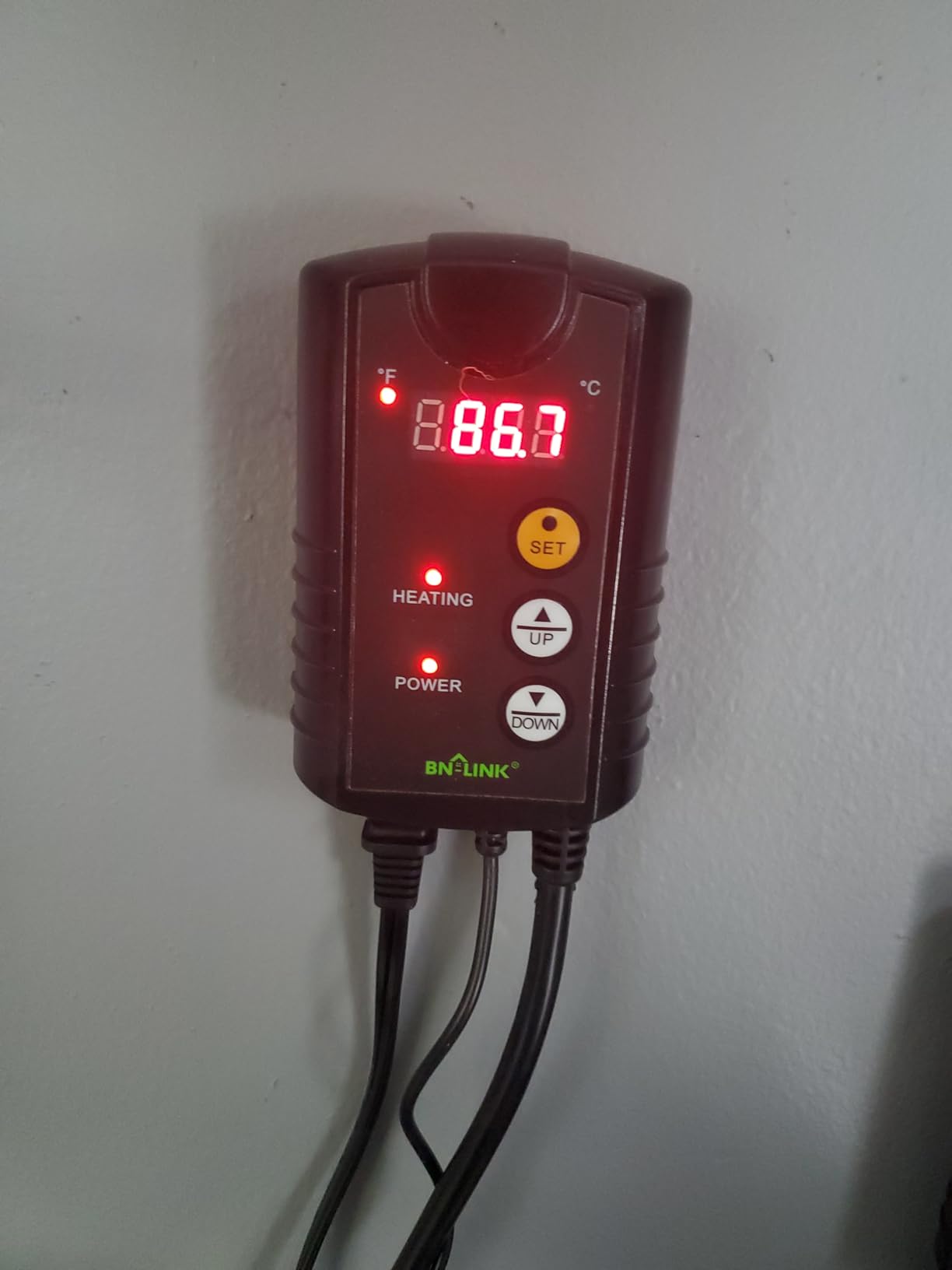
Two design details make it easier to live with than the specification list suggests. The LED indicator lights for heating and power stay visible in a dark room, so you can confirm at a glance that the heater is being called for without shining a phone screen into a nocturnal enclosure. And the probe length plus cord length together cover most 4x2x2 layouts without an extension.
The failure mode is the thing to understand before you rely on it. Because it is on/off with a mechanical relay, a probe that gets pinched, chewed or pushed against the heat source can read high, and the unit will then hold the heater on. Several owners describe exactly that. Treat the probe as the part that needs weekly visual checks rather than a component you install once and forget.
Best fit: heat mats, heat cable and low-wattage setups
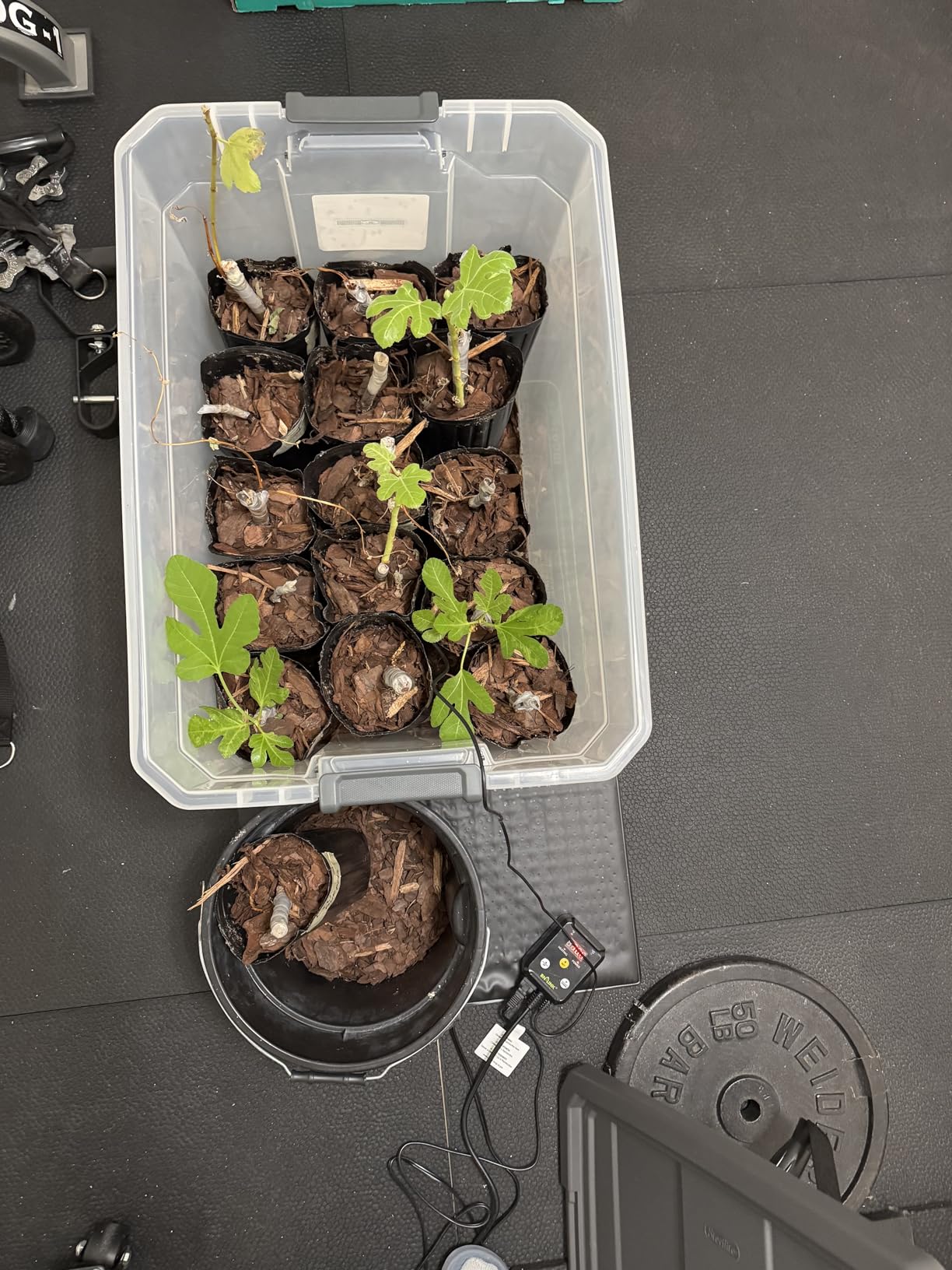
If your snake enclosure runs on a mat or cable and you want the simplest possible safety device, this is the pick. The 1000W ceiling gives you room to add a second small source later, and the ETL listing plus the decades of installed base mean parts and advice are easy to find.
It is also the sensible first controller for a juvenile. Nothing about a 4x2x2 with a single mat needs dimming, and this unit handles that job without asking you to learn anything.
Skip it if your basking lamp visibly flickers
Skip this if you run a halogen basking lamp and the flicker bothers you or you notice bulbs dying early. Hard on/off cycling on a filament or halogen bulb shortens bulb life, and you lose the smooth basking gradient most keepers want. In that case move up to a dimming controller.
Also skip it if you need two independent zones, cooling output or remote monitoring. None of those are in this box.
2. Pymeter PY-20TT-10A: Best for Two Independent Zones in One Box
- Two fully independent outlets for two mats or two tanks
- Each outlet handles heating or cooling so it can also run fans
- Independent high/low and differential alarms
- Waterproof probes suit humid enclosures
- Power-on delay protects compressors
- On/off control only with no dimming output
- Programming two set point pairs takes more setup
- Wall-mount design needs a nearby outlet
This is the pick when one enclosure genuinely needs two separately controlled heat sources, or when you are splitting a setup across two tanks. Rather than two single-zone boxes competing for the same wall space, you get two outlets, two probes and two set point pairs in a single 10A, 1200W chassis.
The flexibility that stands out is that each outlet works for heating or cooling. That means a fan can sit on one channel and a heat source on the other, which matters in a tropical setup where you want to drop ambient temperature overnight. The power-on delay also stops rapid compressor cycling on anything you plug into the cooling side.
On the heat side, control is on/off only. There is no dimming output and no pulse mode, so this is a mat-and-cable answer rather than a basking-lamp answer. The waterproof probes are a genuine plus in a humid enclosure where condensation is a constant concern.
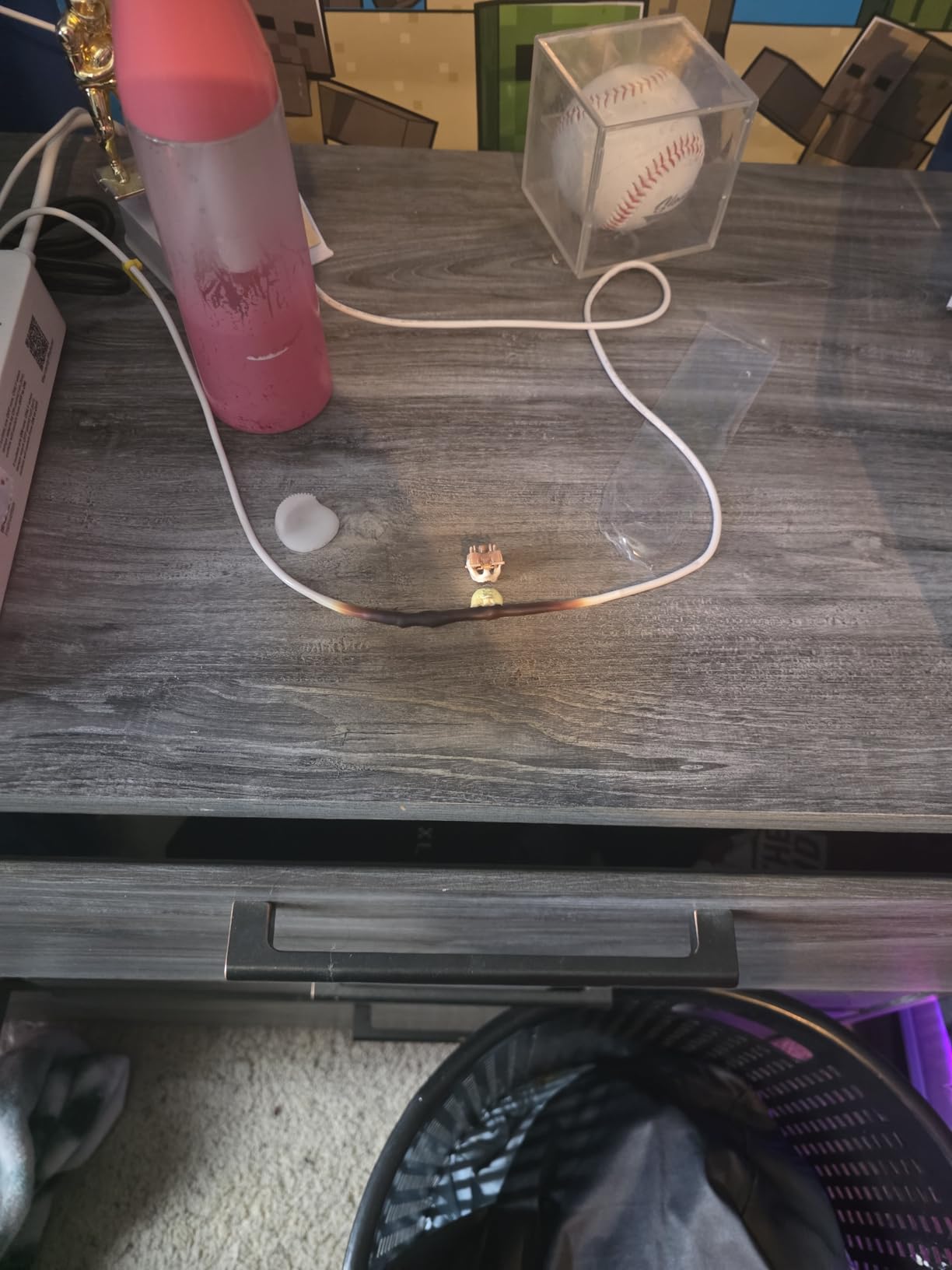
I want to be direct about one thing. This model has a documented failure history in the keeper community: on a video titled My Snakes almost got cooked, a Pymeter PY-20TT failed in the on position and pushed a rack above 120°F. That report is the reason the safety section below exists, and it is the reason I would not run this unit unattended on an expensive animal without an independent high-low alarm thermometer in the enclosure.
Best fit: two zones you want to monitor from one display
Choose this if you are running a warm side and a cooler side that need different set points, or two enclosures under one roof where a single readout saves you walking between rooms. The differential alarms are useful once you have both zones dialled in.
For breeders scaling past two enclosures, this class of controller is where the economics start to work, but the 1200W ceiling means you are still limited to modest loads per channel.
Skip it if you run a bulb, or if you cannot check the enclosure daily
Skip it for basking lamps. On/off cycling will flicker a visible bulb and shorten its life, and a dual-zone controller is the wrong tool when the problem is bulb control. Skip it as the only protection in an unattended rack unless you add a separate alarm thermometer.
3. Zoo Med ReptiTemp RT-600: Best Value for Standard Heat Mat Setups
- Reptile-specific brand with a large installed base
- Built-in memory restores set points after power loss
- Audible and flashing extreme temperature alarm
- Works in both heat and cool modes
- 6 ft remote probe reaches the basking spot
- On/off control rather than dimming
- Cooling output limited to 150W
- Older styling than newer digital units
If you want a thermostat made by a company whose only job is reptile equipment, this is the one. Zoo Med has been building terrarium climate gear for decades, and the RT-600 is the model most keepers in that brand end up with for a single heat mat.
Two functions do more work here than the headline specs. The built-in memory restores your set points after a power cut, which matters if you use a wall timer or if your building has flaky power. And the audible alarm with a flashing indicator goes off at extreme high or low readings without needing an app or an internet connection, which is exactly what you want at 3am.
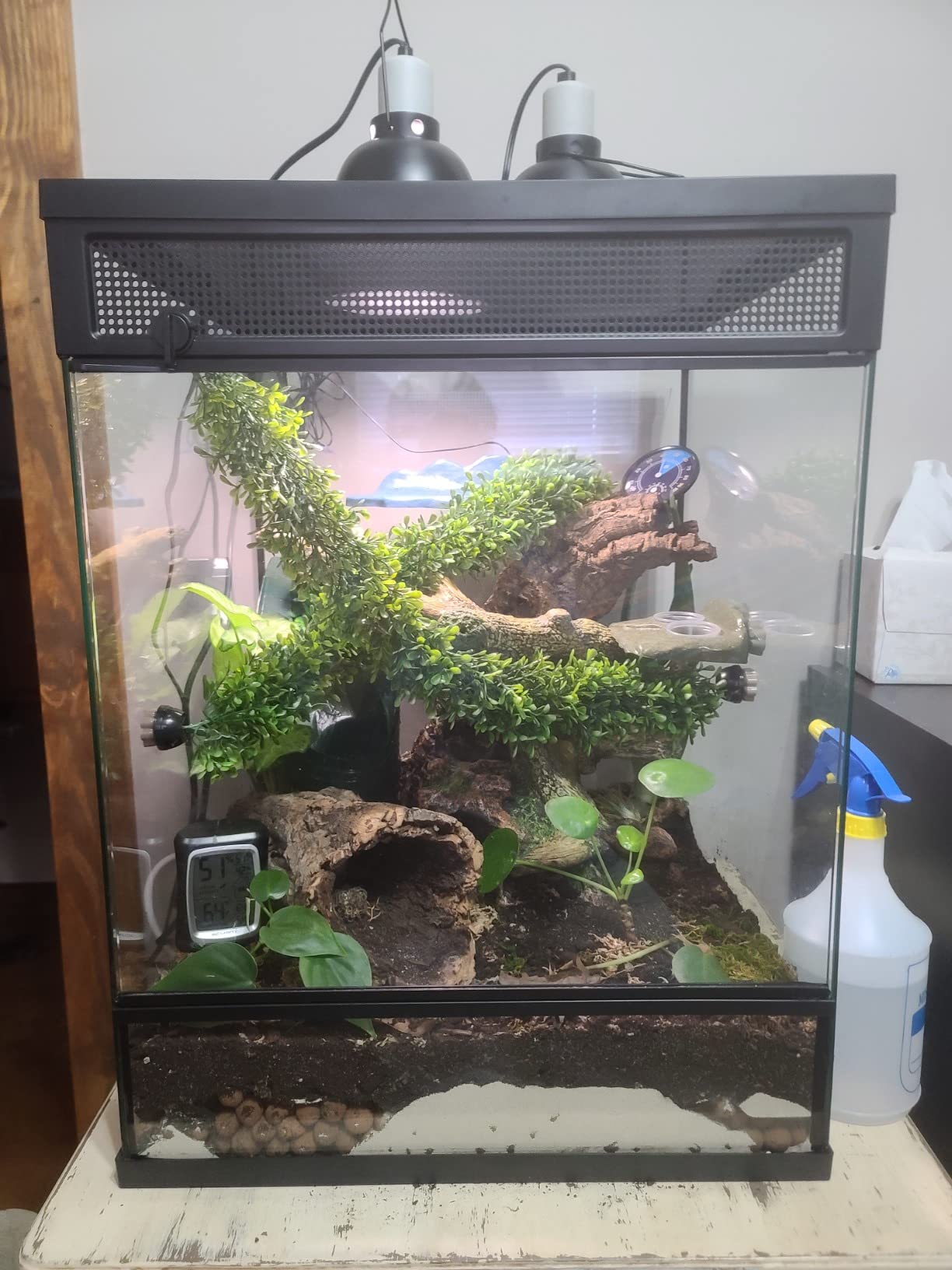
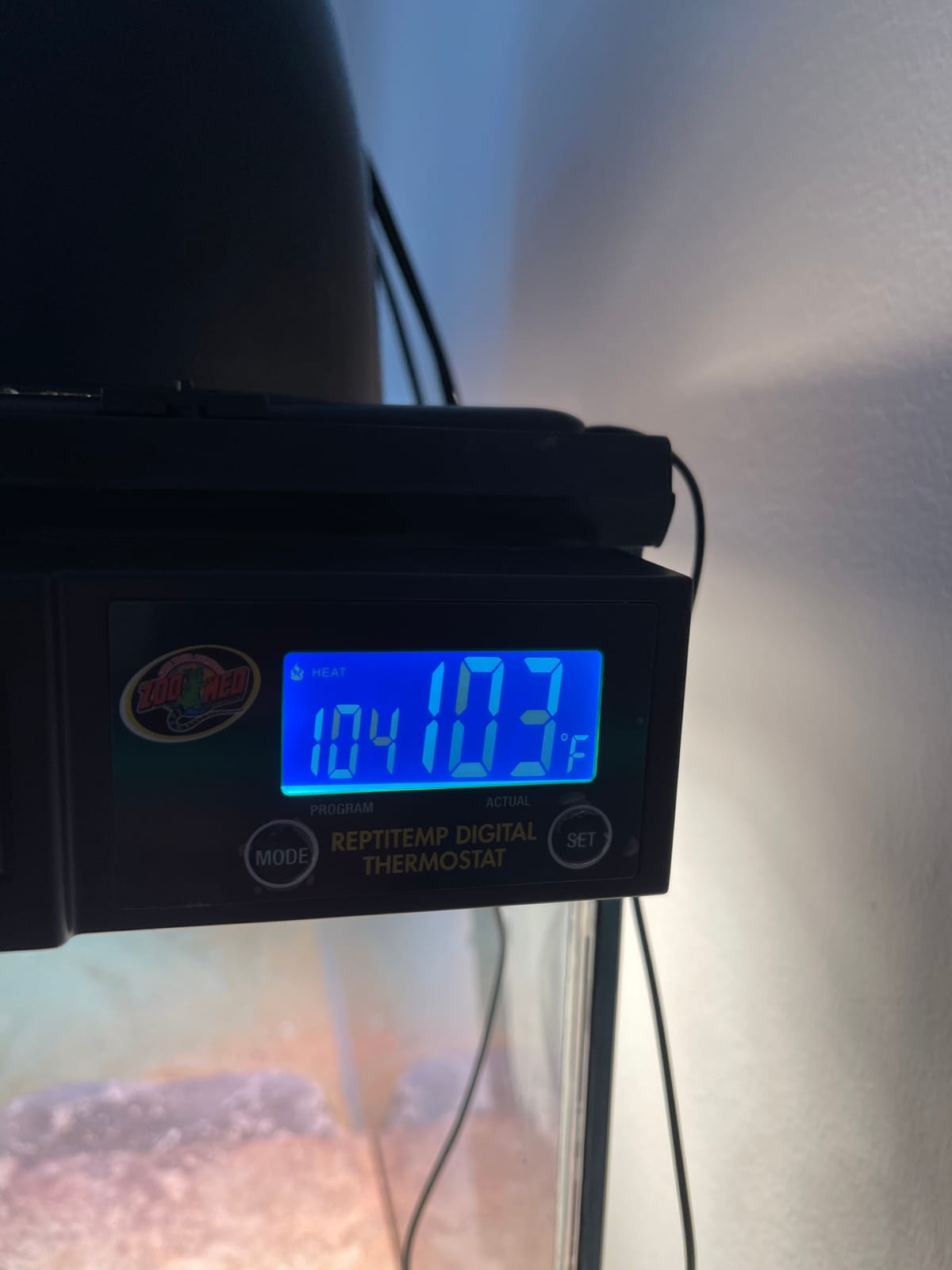
The control range is 50-122°F with a 6 ft remote sensor, so the probe can sit in the warm hide rather than up near the heat source. Heating capacity runs to 600W, cooling to 150W, which covers a mat plus a small fan and little else.
The on/off output is the main trade-off. It is entirely appropriate for a heat mat, and it is the reason this unit earns its place on this list despite newer dimming models existing. If you move to a basking lamp later, this is the controller you will replace.
Best fit: mat and fan setups in a temperate enclosure
This is the pick for a ball python on a heat mat with a small fan for humidity control, or any snake where the hot side is set by a mat and the cool side is managed by airflow. The alarm and memory combination is the feature set keepers cite most often as the reason they trust it.
It is also the safe recommendation for a first enclosure. Nothing about it requires setup knowledge beyond setting a temperature.
Skip it if you run more than one heat source or a basking bulb
Skip it if you need a deep heat projector or halogen lamp, because there is no dimming output and hard cycling will show. Skip it if you plan to stack a second high-wattage source onto the same circuit, since 600W is a real ceiling rather than a marketing number.
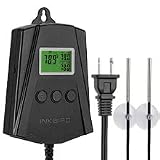
4. Inkbird IPT-2CH: Best for Wi-Fi Monitoring and Temperature History
Inkbird WiFi Heat Mat Reptile Thermostat Controller Temperature Controller with 2 Probes and 2 Outlets, IPT-2CH Reptiles Heat Mat Thermostat (Max 250W per Outlet)
- App lets you check and adjust temperatures remotely
- Two independent channels suit multi-terrarium setups
- App provides temperature history charts and export
- High/low and probe error alarms in the app
- 2.4 GHz only so it will not join a 5 GHz network
- 250W per outlet caps larger halogen or ceramic emitters
- Heating only with no fan output
The question behind this pick is whether remote monitoring is worth anything to you. If you travel, work long hours or run animals in a room you do not check daily, the answer here is yes, and this is the most capable app-connected controller in the list without moving into specialist multi-channel systems.
What you get is two outlets and two probes working independently, temperature history charts you can export, and alarms for both temperature excursions and probe error. That last one matters more than it sounds: a probe-error alert is the early warning that a chewed or displaced sensor is about to become an uncontrolled heater.
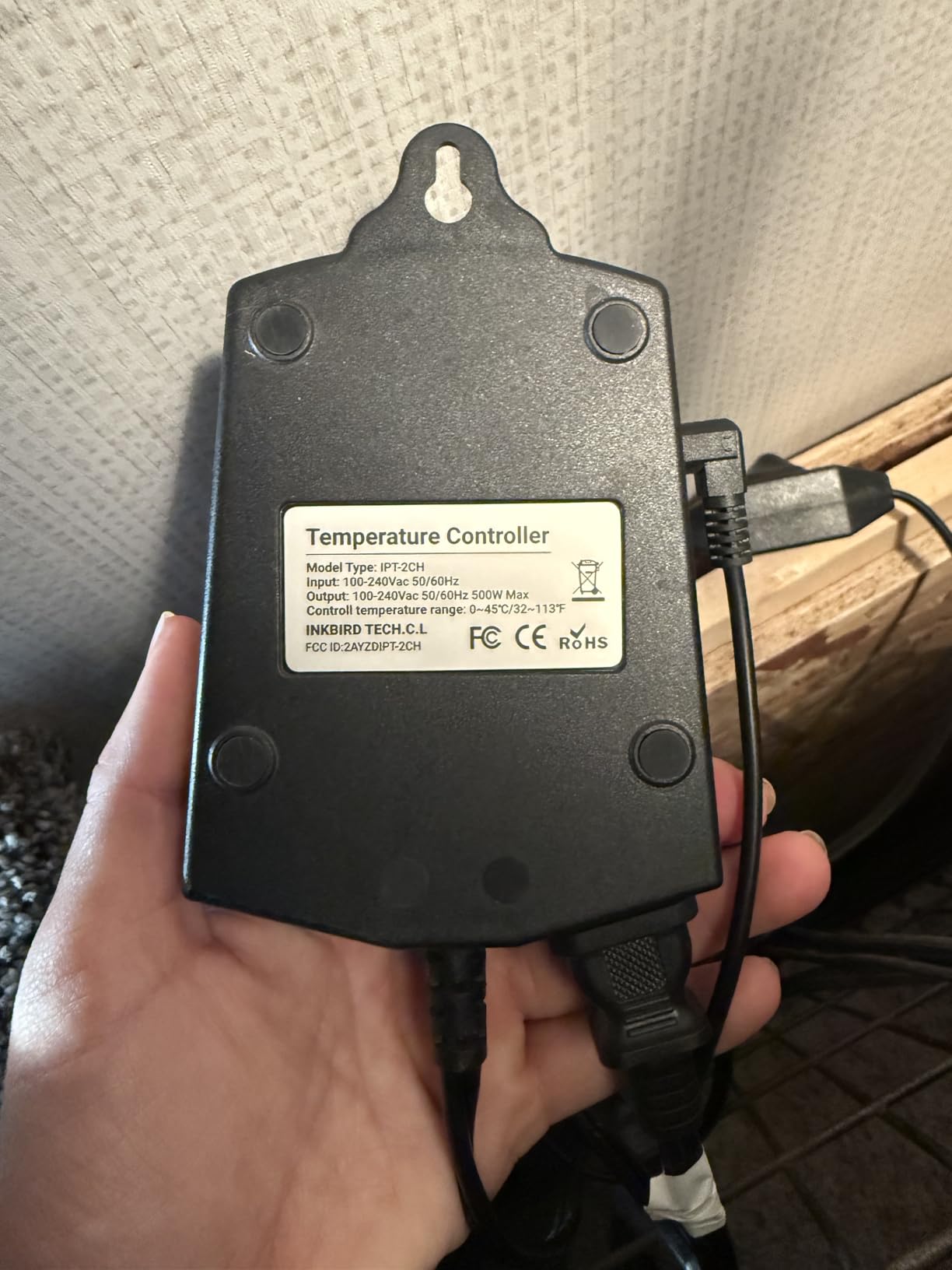
Two practical constraints define this unit. It joins 2.4 GHz networks only, so a router with 5 GHz and 2.4 GHz separated onto different SSIDs will not accept it without you re-enabling the 2.4 GHz band. And each outlet caps at 250W, which rules out most halogen basking lamps and larger ceramic emitters.
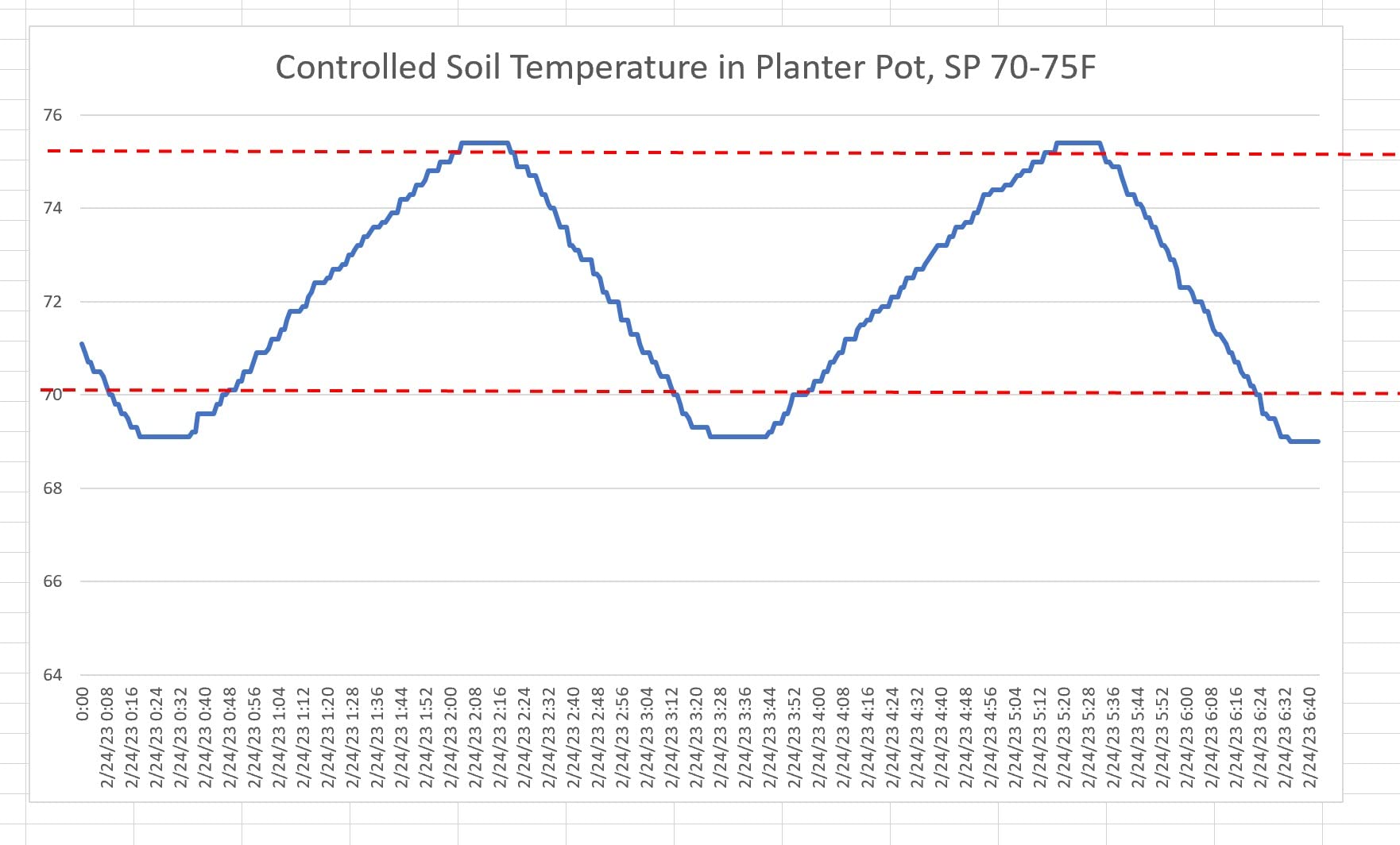
The control itself is on/off, which suits the heat mats, cable and small emitters this unit is realistically paired with. Treat the app as a convenience layer over a thermostat that still does its job with the phone in a drawer.
Best fit: mat and cable setups you want to watch remotely
Choose this if you run two zones, such as a warm side and a cool side on separate channels, and you want a temperature log you can look back on after a problem. Keepers with rooms in basements or spare bedrooms find the history feature more valuable than the remote adjustment.
It is also the cheapest route to a two-channel smart setup, which is why it edges ahead of the pure on/off dual outlet for most people choosing today.
Skip it if you run a high-wattage bulb or a 5 GHz only router
Skip it for halogen basking lamps and deep heat projectors above 250W. Skip it entirely if your network has no 2.4 GHz band enabled, and note that the app depends on a phone, so a shared family device can become a weak link.
5. REPTIZOO TC02: Most Versatile for Dimming Bulb Control
- PID dimming gives steadier temperatures and longer bulb life than on/off
- Memory function restores set points after a power cut
- Wide 41F to 140F control range
- Engineered specifically for light-emitting bulbs and heaters
- Works with heat lamps mats and heat cable
- 300W maximum output limits high-wattage halogen setups
- Must not be used with sun lamps or UVB bulbs
- Probe must sit at least 15 cm from the heat source
If your enclosure runs on visible light for basking, the control method is the whole argument. Dimming holds the basking spot steady instead of slamming a bulb between full power and nothing, and that smoother curve is the reason bulbs last longer on a dimmer than on an on/off controller.
The TC02 is a purpose-built dimmer rather than a general controller adapted for the job. The control range of 41-140°F is wide enough for a tropical snake with a high ambient target as well as a temperate species with a modest basking spot, and the memory function restores your set point after a power cut.
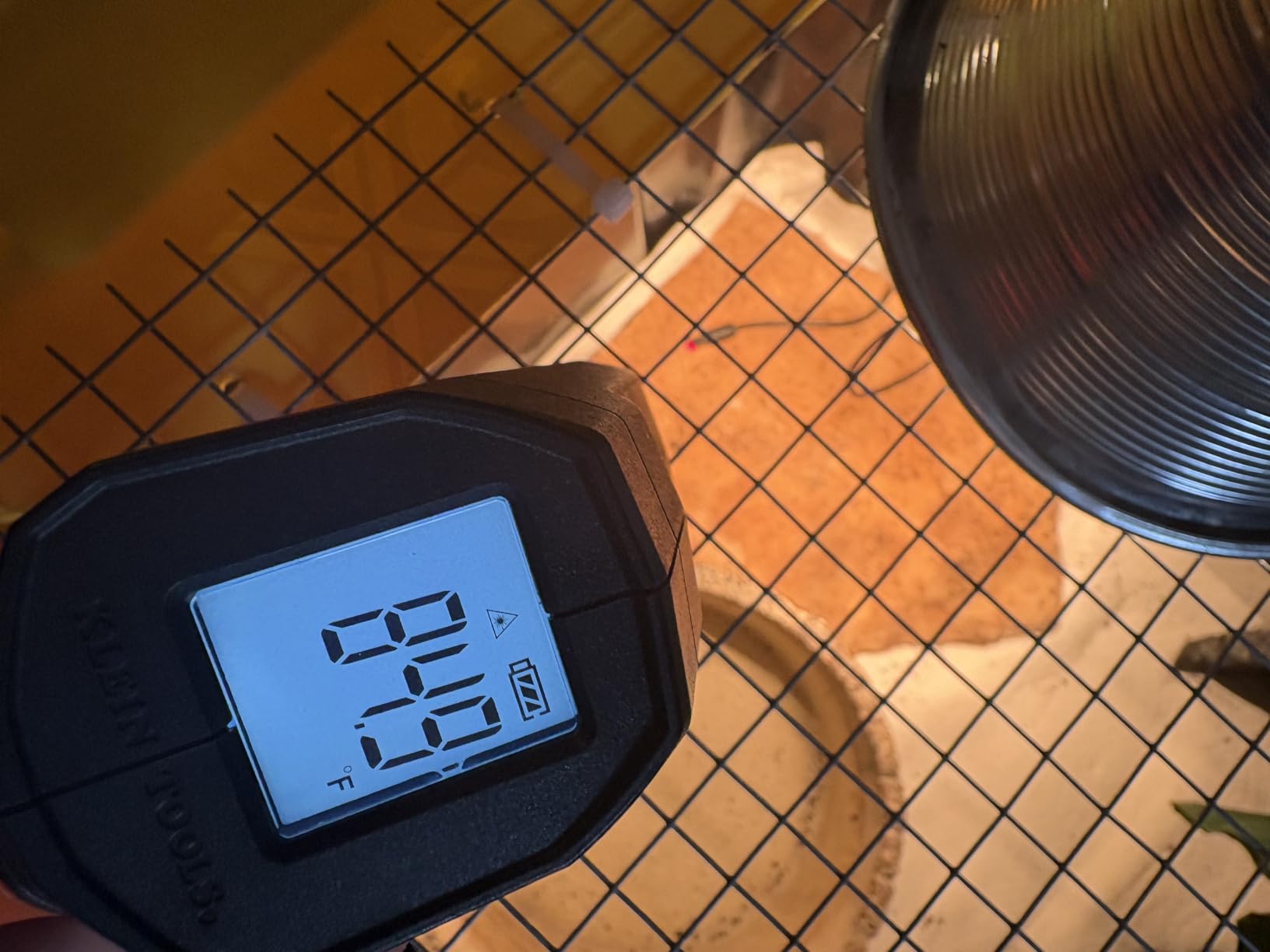
The instruction that catches people out is probe distance. The manual calls for the probe to sit at least 15 cm from the heat source, and for good reason: a dimming controller works by detecting how much heat it is currently producing. Put the probe too close and the controller compensates by driving output down until the basking spot is cold, which is why some owners report it never reaching set point.
The 300W output ceiling is the other constraint. It suits a standard 40W to 80W halogen basking lamp or a small ceramic emitter, and it does not suit a large projector. Never pair this with a UVB or sun lamp; those belong on a timer.
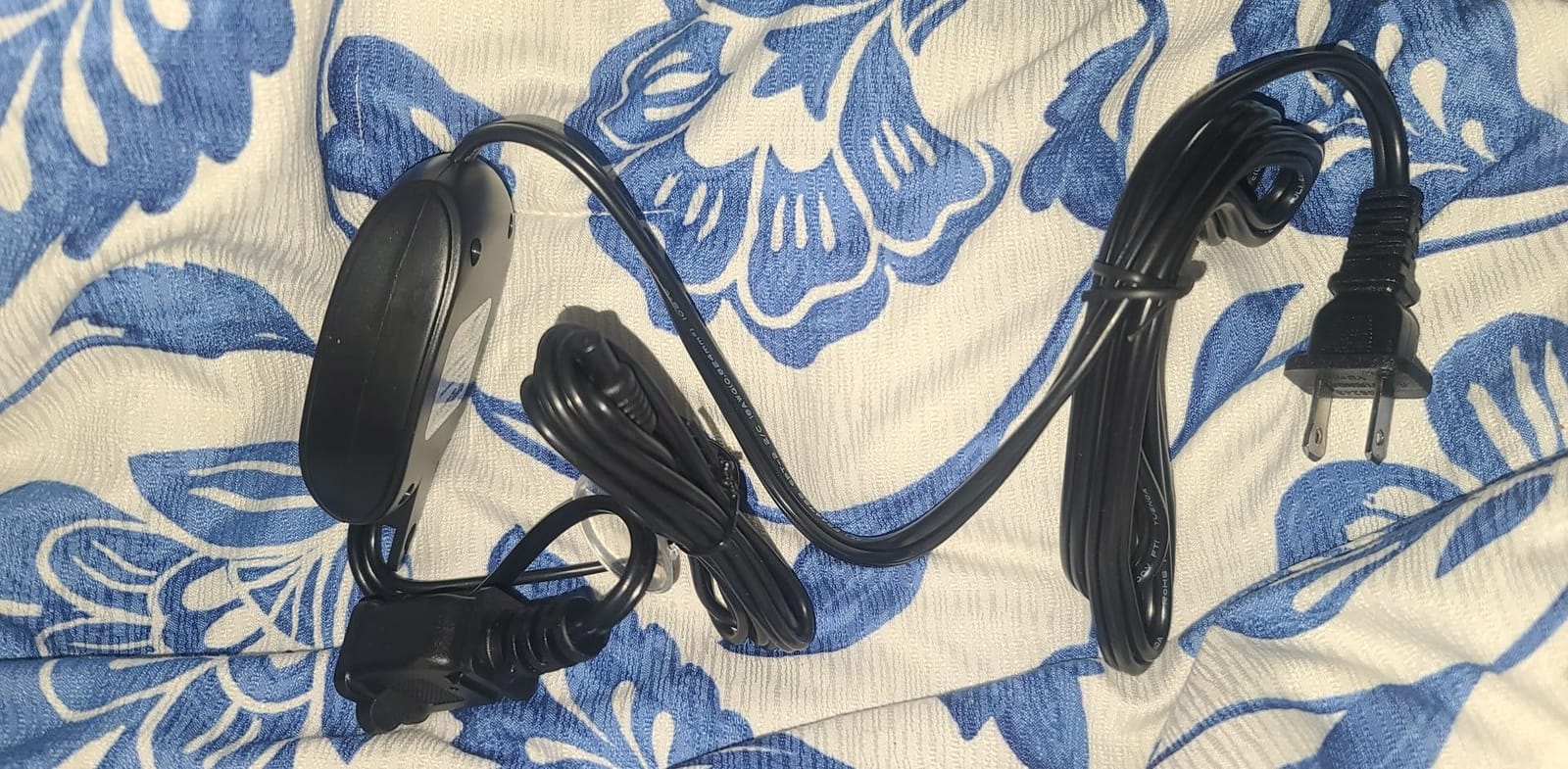
Best fit: halogen basking lamps and small ceramic emitters
This is the pick for a single enclosure where the basking spot is the important number. On a dimmer, a ball python or corn snake gets a smooth gradient with no flicker, and the bulb on the fixture lasts considerably longer than it would on an on/off controller.
It also handles heat mats and heat cable, so it is not limited to bulbs, though dimming brings no benefit to those sources.
Skip it if your load exceeds 300W or you run UVB
Skip it for deep heat projectors or high-wattage halogen setups that exceed the 300W ceiling. Skip it if you want to run a sun lamp through it, because the manual prohibits it and the dimming behaviour is wrong for UVB output.
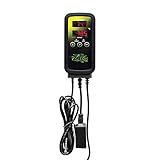
6. Zilla Digital Temperature Controller: Best for Programmed Night Drops
Zilla Digital Temperature Controller, Thermostat for Reptile Terrariums
- Day and night cycles that mimic natural temperature rhythms
- Owners report probe matching separate thermometers closely
- Automatic shut-off on overheating
- Works with heat tape under-tank heaters and ceramic emitters
- Reliable across multiple units held for years
- On/off cycling only with no dimming output
- No high or low temperature alarm
- Some owners report a small calibration offset against external thermometers
The feature that separates this controller from the other on/off units here is scheduling. It stores separate day and night temperatures and switches between them automatically, so a tropical snake gets its overnight drop without you touching anything at bedtime.
It is designed for non-light-emitting heat: heat tape, under-tank heaters and ceramic emitters. That is a deliberate choice by the manufacturer, and it is why the accuracy reports are as good as they are. Owners running it against a separate thermometer generally see them agree closely, and the automatic overheat shut-off adds a layer of protection the simpler controllers do not have.
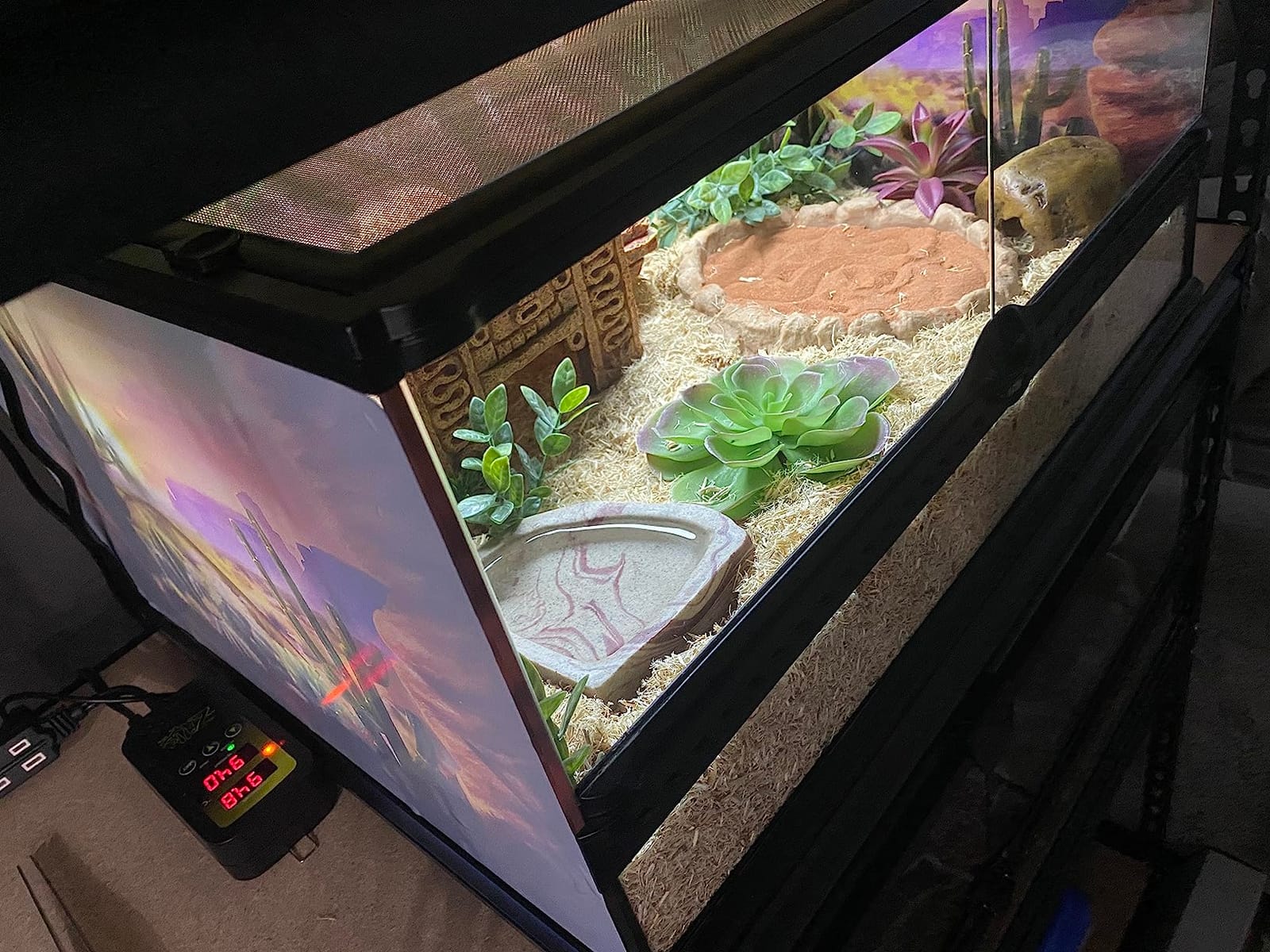
Two caveats come up repeatedly in owner feedback. The first is the absence of a high or low alarm, which means the automatic shut-off is doing the safety work on its own. The second is a small calibration offset on a minority of units against an external thermometer, so check the reading in the enclosure once you have it running rather than assuming the set point equals the air temperature.
There is also a small number of durability reports, with a few owners saying a unit stopped activating the heat source after eight to twelve months. That is not a majority view, but it is worth the annual check.
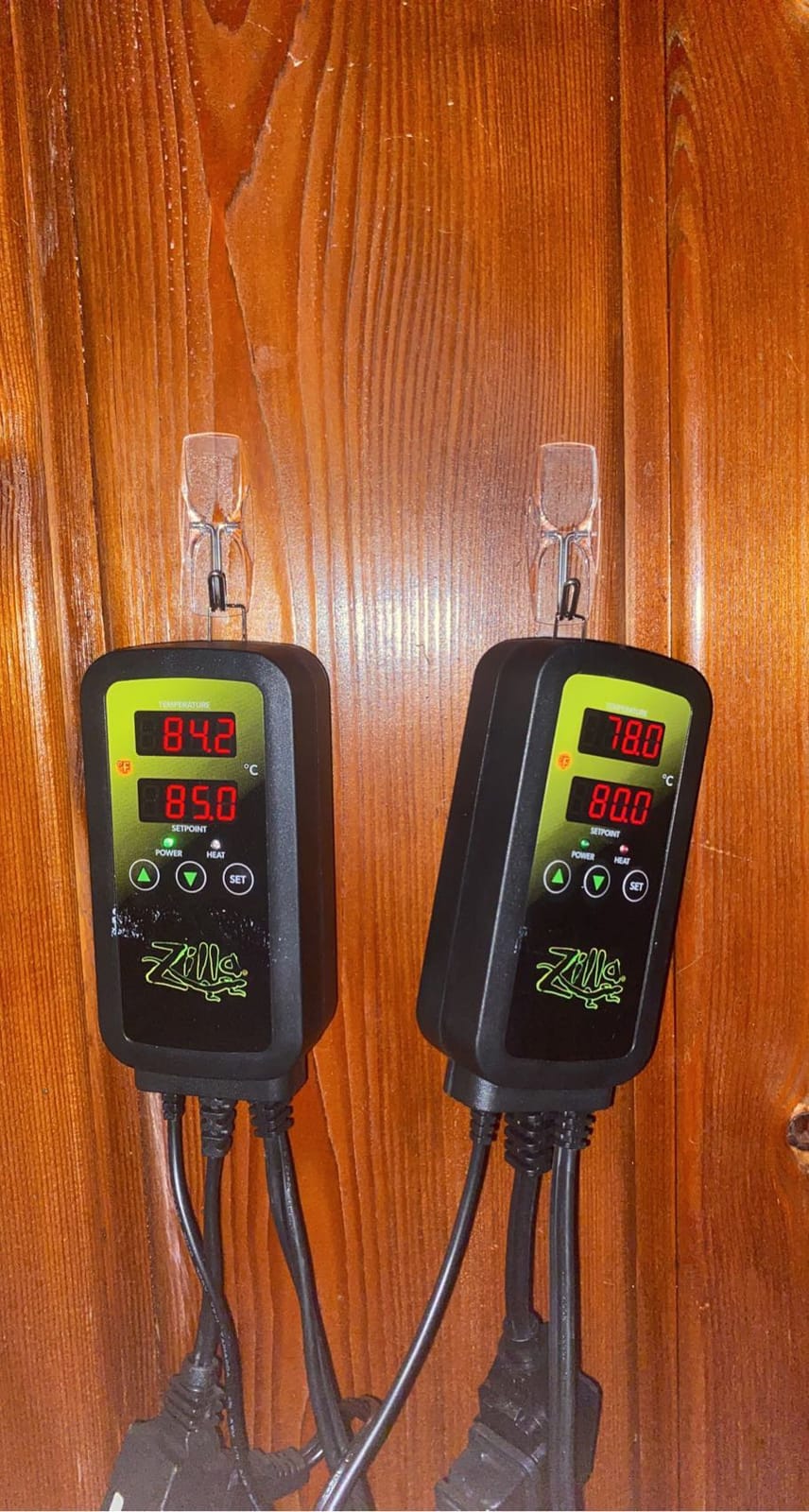
Best fit: tropical species that need a real night drop
Choose this when the overnight temperature drop is part of the species requirement rather than a nicety. It handles the schedule without a separate timer, and the overheat shut-off is a meaningful safety addition for an unattended enclosure.
It also works well if you run several of the same model and want consistent programming across them, which is common in multi-enclosure homes.
Skip it if you run a basking lamp or want audible alarms
Skip it for visible basking lamps, since this unit is built for non-light-emitting sources and offers no dimming. Skip it if you rely on an audible alarm to tell you something has gone wrong, because there is not one here.
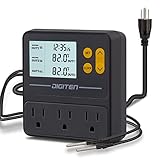
7. SENSTREE TTC-1003ZJ: Best for Heat, Light and Humidity on One Box
Reptile Temperature Controller, 3 Outlet Timer Thermostat for Grow Tent, Incubation, Snakes, Fish Tank, Heater, humidifiers, Ball Pythons, Bearded Dragon Tank
- Three outlets let heat light and humidity devices run on independent schedules
- Day and night timing and temperature control in one box
- High and low temperature alarms
- Dual probes allow separate set points for two zones
- Lowest average rating in this roundup with a 16 percent one-star share
- Some owners report units failing or behaving erratically within months
- Dense multi-function interface takes practice to program
The idea behind this unit is tidy. Instead of a thermostat, a lighting timer and a humidifier controller occupying three sockets, you get three independently controlled outlets, dual waterproof probes and integrated day/night timing in one enclosure-sized box.
For a planted vivarium where a misting system, a basking lamp and a heat source all need different schedules, that consolidation is worth something. It also supports heating or cooling loads and adds a calibration function, so you can correct the probe against a thermometer you trust.
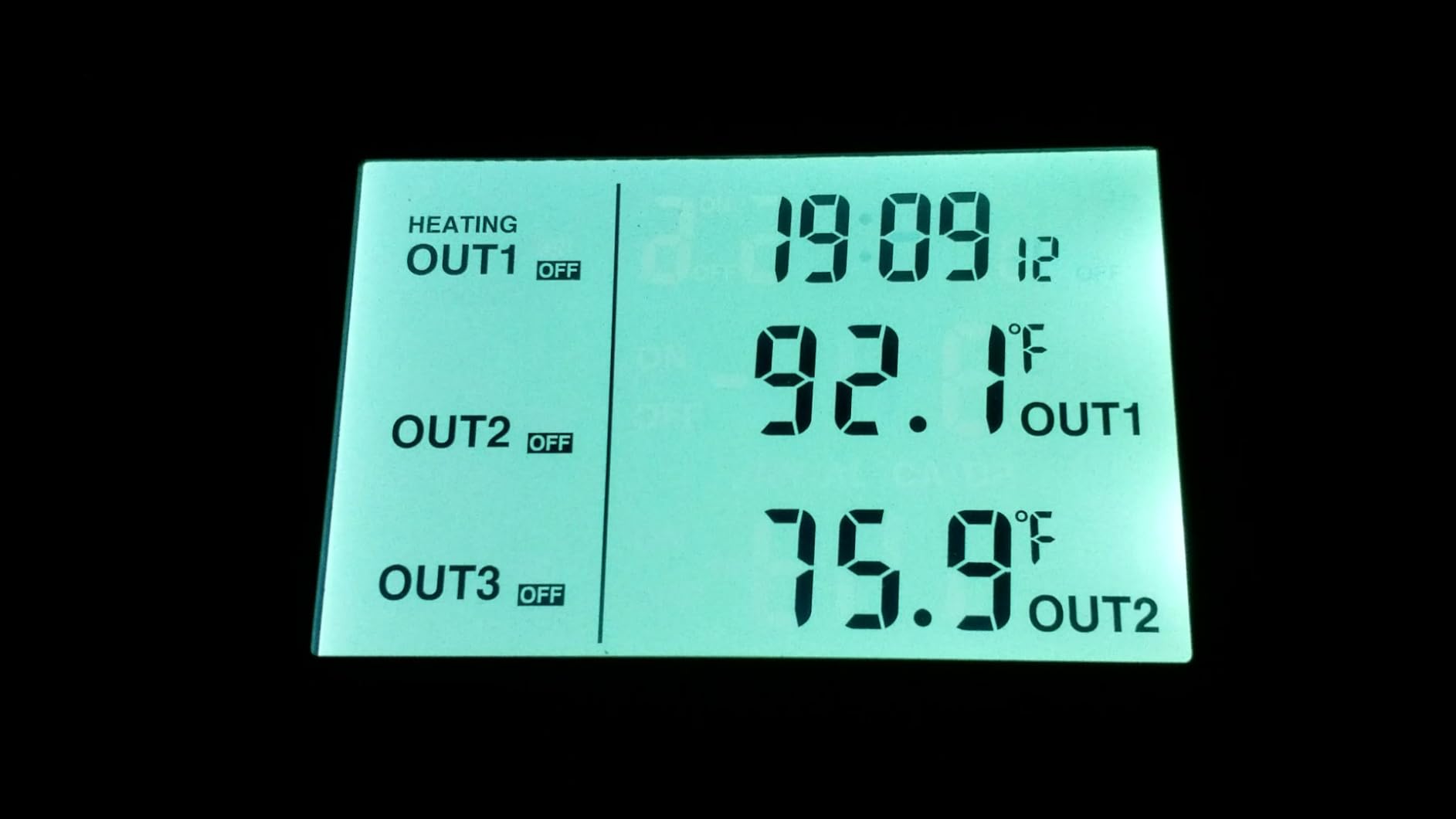
What gives me pause is the reliability picture. This has the lowest average rating among the ten units here, and reviews include a 16% one-star share. Enthusiastic owners like the feature set, but a meaningful minority report controllers that failed or behaved erratically after only a few months.
That pattern shows up in keeper communities too, where the complaint pattern for multi-function controllers is usually a failed relay or an interface that does not hold its settings. If you buy this, test it with the animal out of the enclosure and keep a backup plan.
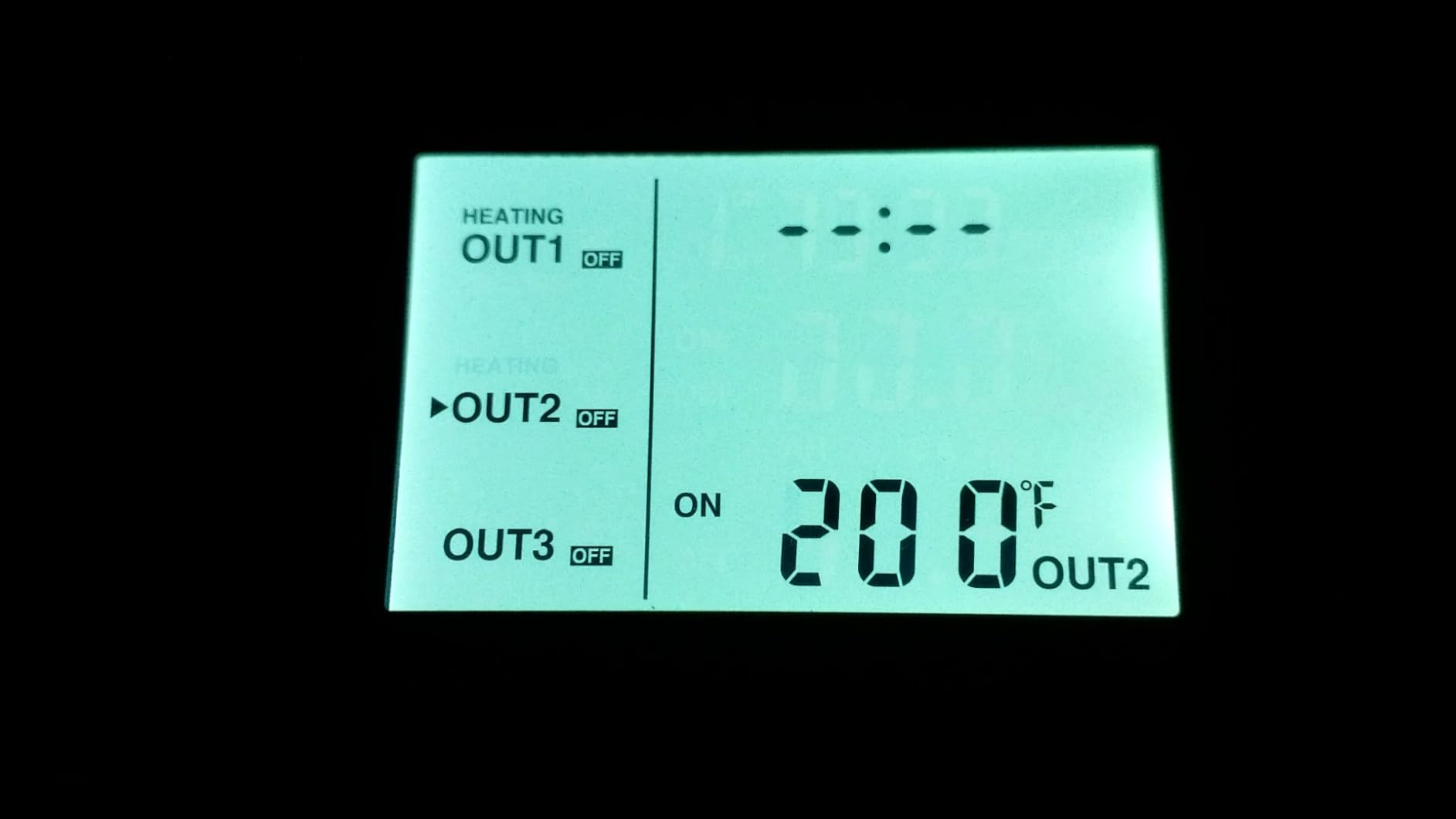
Best fit: planted or bioactive enclosures with three devices
This makes sense when socket space is genuinely tight and you have three things to schedule. The dual probes let you hold a warm side and a cooler side in the same enclosure, and the timing functions cover lighting without a separate timer.
For anyone who likes fewer boxes and does not mind a steeper learning curve, the feature density here is genuinely ahead of the simple controllers.
Skip it if reliability matters more than socket count
Skip it for an expensive animal in an enclosure you cannot check daily. The one-star share is not a rounding error, and this unit does nothing to reduce the consequences of a relay failing in the on position.
Skip it if you want dimming, because the outputs are on/off.
8. REPTITRIP SOP24: Best for Separating Lighting From Heat Control
REPTITRIP Reptile Thermostat, Light Timer for Temperature and Lighting Control, Day-Night Timer Thermostat with Reptile Thermometer for UVB Light, Heat Lamp, Heating Pad, 10A 1250w
- Separates the lighting schedule from temperature control in one unit
- Three programmable timer slots on the lighting socket
- Day and night temperature ranges animals recognise as a cycle
- Highest load ceiling in this roundup at 1250W
- Replaceable probe if the sensor is damaged
- Temperature socket is on/off and not dimming
- Heating only so it cannot drive a cooling fan
- Programming uses long-press sequences that take practice
Most controllers force one compromise: either the light cycles on a separate timer, or the thermostat tries to manage both. This one splits the jobs across two sockets. S1 runs your lamp on a pure timer with three programmable slots, and S2 runs the heat source on temperature control.
That separation matters for snakes in particular. A photoperiod and a thermal cycle are different requirements, and forcing one device to do both usually means the light turns on when the temperature happens to allow. Here you set a 32-140°F range with day and night temperature blocks on the heat side and a clean 12-on, 12-off schedule on the light side.
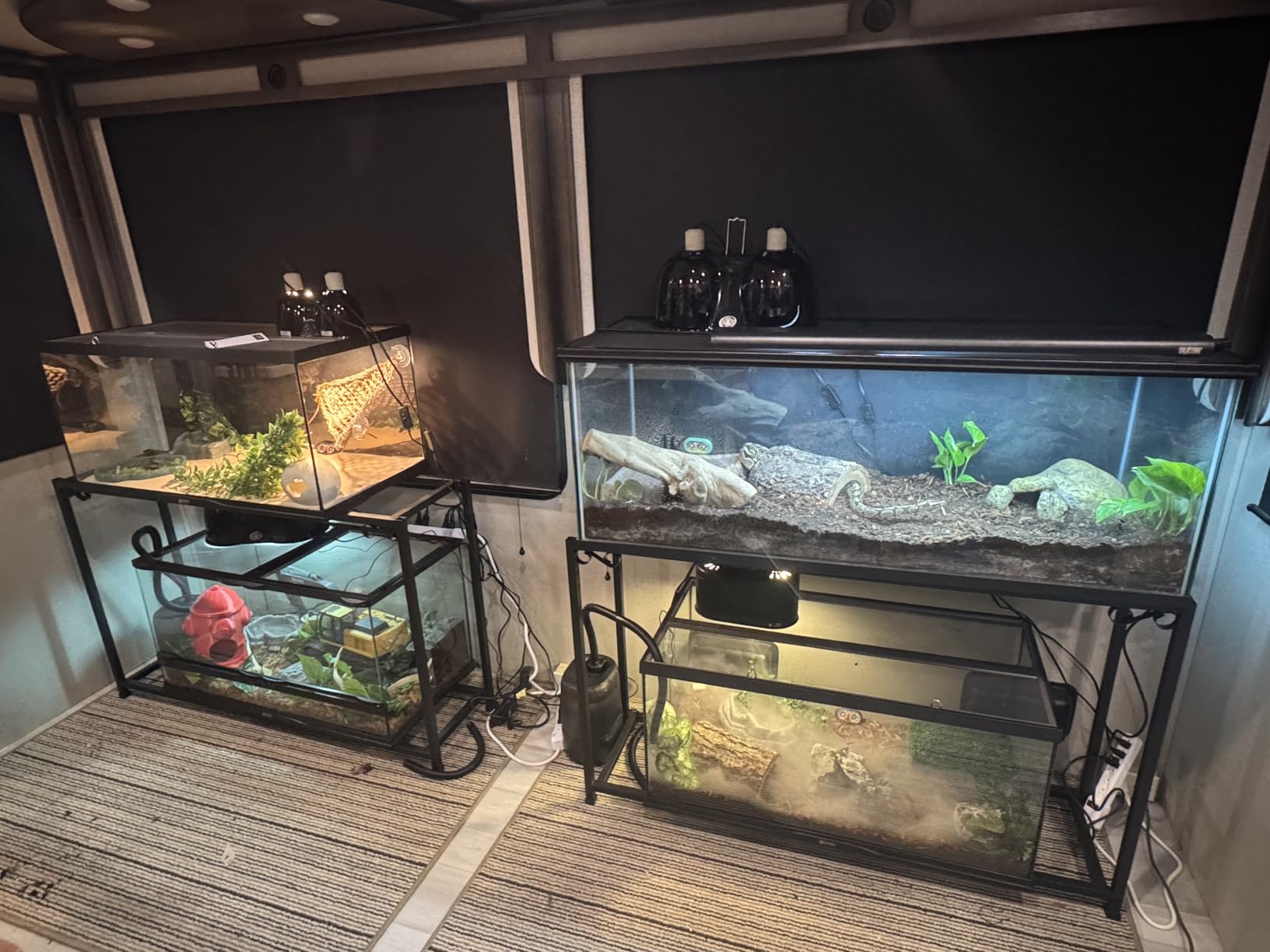
Two hardware details stand out. The 1250W at 10A load ceiling is the highest in this roundup, which gives you genuine headroom for a larger emitter or a combined load. And the probe is replaceable, so a damaged sensor is a low-cost repair rather than a write-off, which matters given how often probes get chewed or pinched.
The resolution is 0.1°F with a 500 ms refresh, which is finer than you need but useful when you are watching for a basking spot that drifts. Note the sensor accuracy is around plus or minus 2°F, so the resolution is not the same as accuracy.
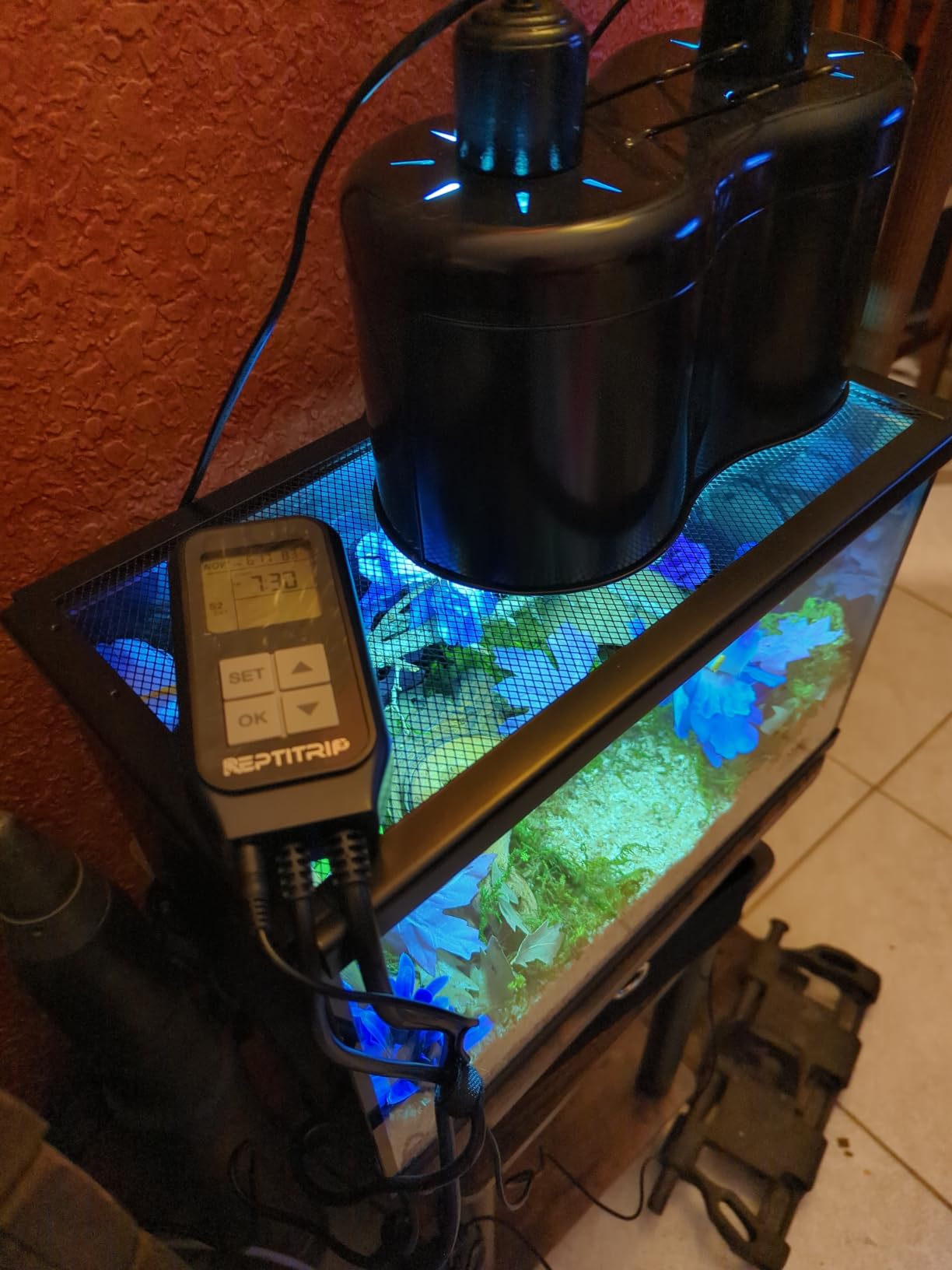
Best fit: enclosures where light and heat run on different schedules
Choose this if you want a proper photoperiod without a second wall timer, or if your heat source is heavy enough that you want load headroom in one controller. The replaceable probe alone justifies it for anyone with a snake that investigates wiring.
The day and night temperature blocks also help nocturnal species, since the heat drops on the same schedule as the light.
Skip it if you need dimming, cooling or a third time period
Skip it for basking lamps where you want a dimming curve, because the temperature socket is on/off. Skip it if you need a fan, since it handles heating only. And skip it if you need a dawn or dusk transition period, because day and night are a single continuous block.
9. CAVACHEW 300W Dimming Thermostat: Best for Low-Cost Dimming on a Small Bulb
- PID dimming at a low cost compared with other dimming controllers
- Memory function keeps set points through power loss
- Keeps basking-zone temperatures steady
- Works with halogen bulbs as well as heat mats
- Many owners buy it as a spare
- Display defaults to Celsius so Fahrenheit users must convert
- 300W output cap
- Isolated reports of early failures and cord flicker
Dimming used to mean spending real money. This is the pick for anyone who wants a PID dimmer for a single basking bulb and would rather not pay a premium for the feature set they will not use. The control range of 68-122°F covers a standard basking spot target comfortably.
The memory function is the detail most worth having. Set points survive a power cut or a wall timer cutoff, which removes the most common way people come back to a thermostat that has forgotten its job.
Two things to know before you order. The display defaults to Celsius, so Fahrenheit users need to convert or change the setting once and then leave it alone. And the 300W ceiling is shared with the other budget dimmer here, so a large halogen lamp is out of range.
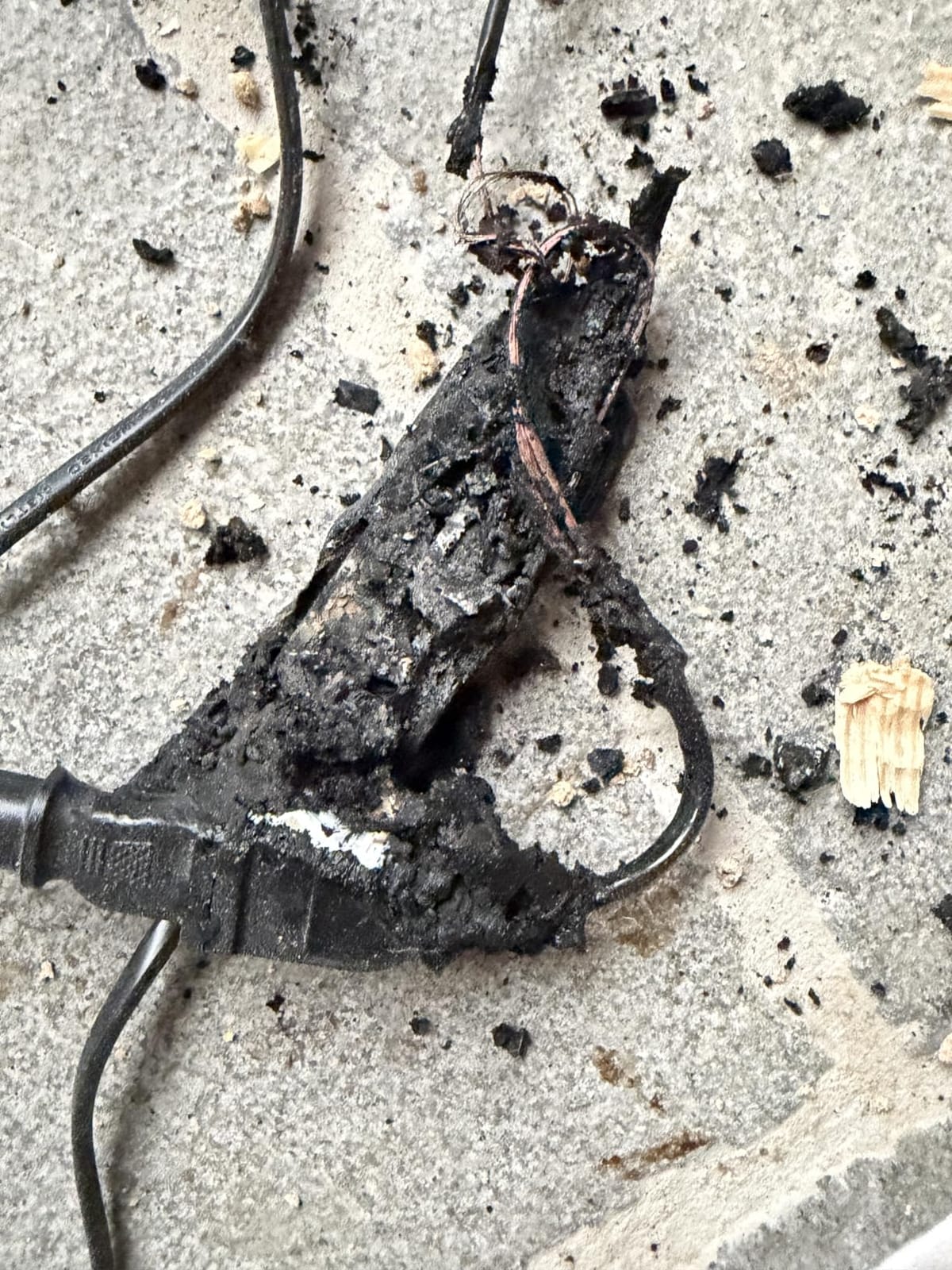
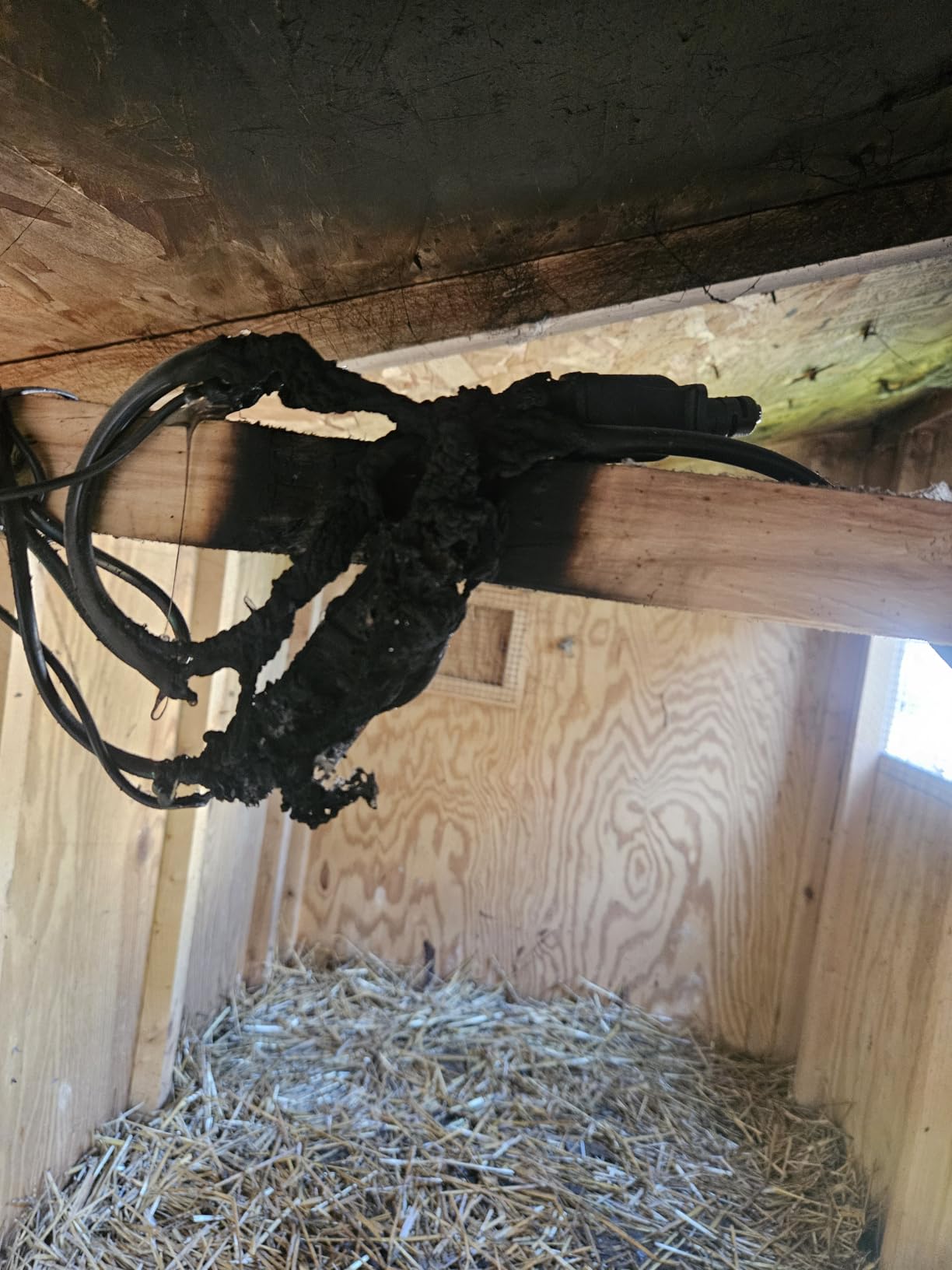
There are also isolated durability reports, including units failing within weeks and one report of the housing melting in a high-humidity outdoor setup. Treat this as an indoor unit. For a bedroom or a climate-controlled reptile room it is fine, and many owners keep one as a spare.
Best fit: one basking bulb in an indoor enclosure
Choose this for a single halogen basking lamp or a small ceramic emitter where the load stays well under 300W and you want smooth dimming behaviour without spending on a premium controller. It also works with heat mats, though dimming adds nothing for a mat.
If you already have a working dimmer, this makes a reasonable spare for an enclosure that gets disturbed.
Skip it for humid outdoor setups, high wattage or dual-zone work
Skip it outdoors or in a humid shed, given the reported housing damage. Skip it if your basking lamp exceeds 300W, and skip it if you want two zones, because it is single zone by design.
10. REPTITRIP PT02: Best for Dimming With a Built-In Timer
Reptile Thermostat, Dimming Thermostat with 1-24H Timer Setting
- PID dimming keeps temperatures stable without on/off swings
- Built-in 1-24 hour timer adds scheduling on top of temperature control
- Real-time output power readout helps diagnose an undersized bulb
- Backlight switches off after 20 seconds which protects nocturnal animals
- 260W is the lowest load ceiling among the dimming units here
- Must not be used with UVB LED or sun lamps
- Manufacturer warranty is listed as only two months
This is the dimming controller with the most useful display in the group. The LCD shows ambient temperature and the real-time output power as a percentage, and that single number answers the question every new keeper eventually asks: is my bulb too small for this thermostat?
The 1-24 hour timer adds scheduling on top of temperature control, so you can run a heat cycle or a soak cycle without a separate timer. The 50-140°F range is the widest on the budget dimmers here, and the auto-off backlight after 20 seconds is a thoughtful detail for a nocturnal snake that you would not think to ask for.
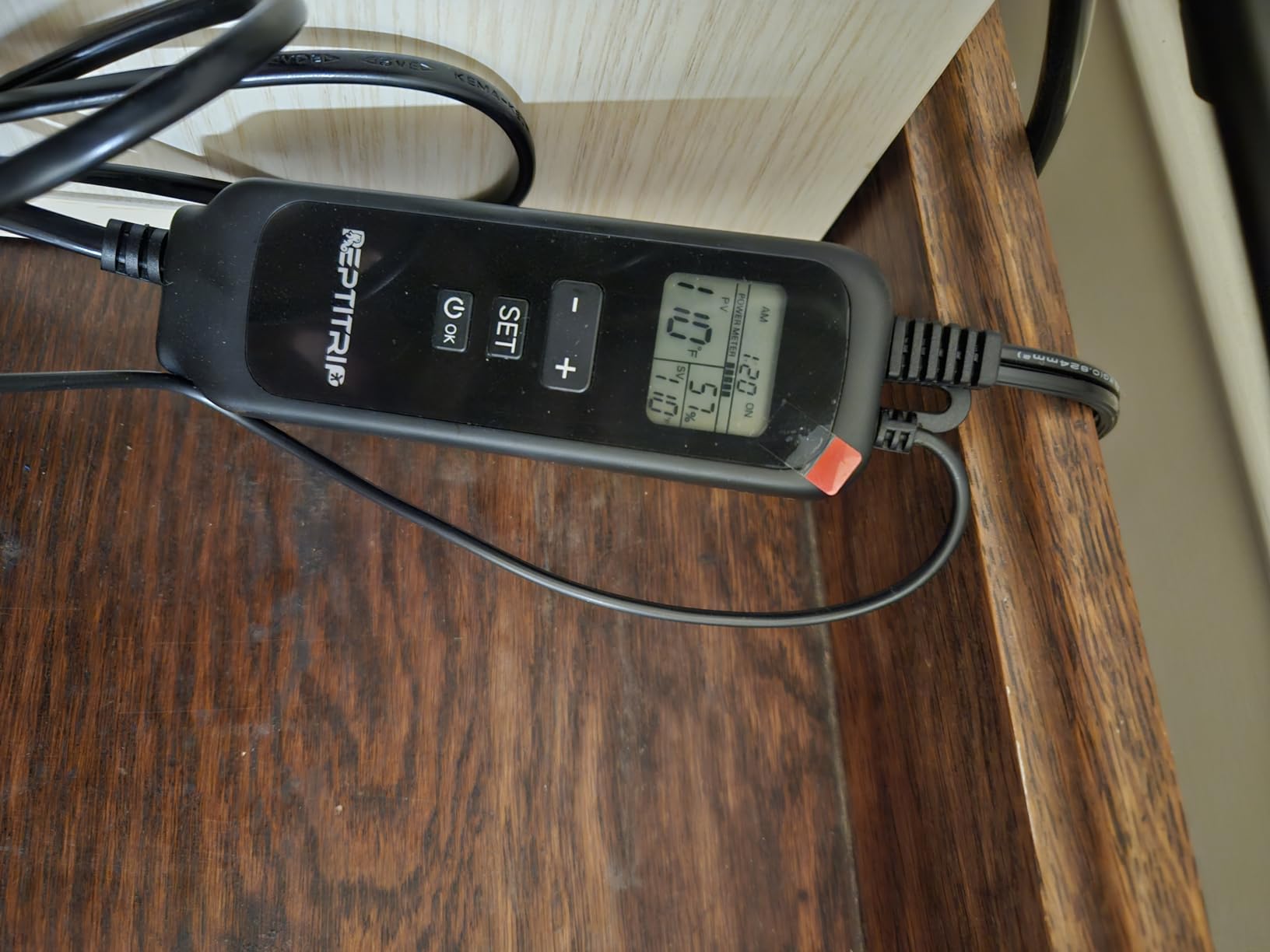
The output ceiling is 260W, which is the tightest of the dimming units in this roundup. That number dictates your bulb choice rather than the other way around: if your basking lamp is larger than the load, the thermostat will sit at full output and still miss the set point. When that happens, the fix is a lower-wattage bulb, not a different controller.
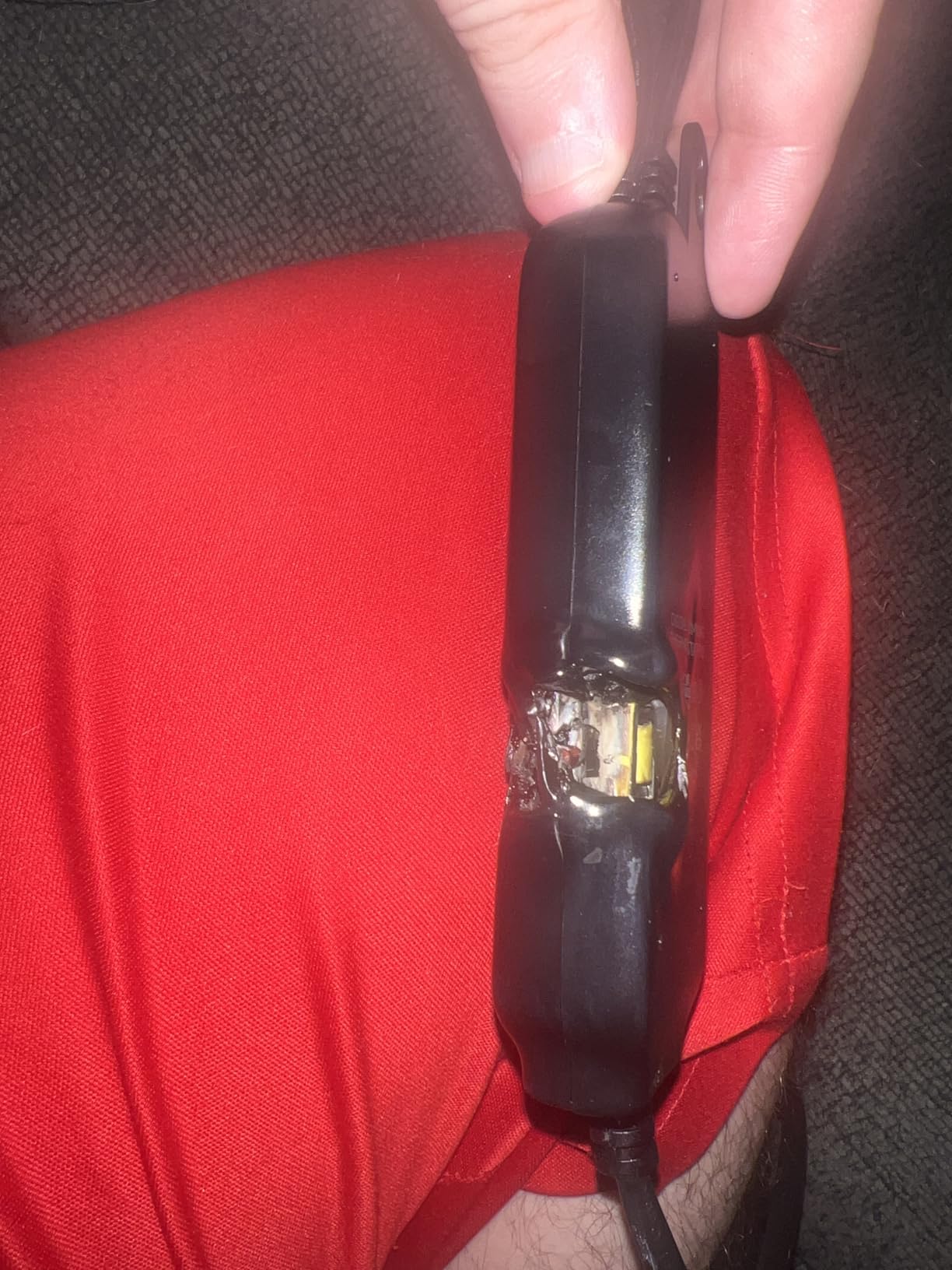
The listed manufacturer warranty of two months is unusually short and worth noting. Check it as soon as it arrives, and keep the packaging until you are past the return window.
Best fit: nocturnal species and bulb choice diagnosis
Choose this for a nocturnal snake such as a ball python or a boa where you want dimming behaviour, a real night-friendly display, and the ability to schedule a heat cycle. The output percentage readout also makes it the easiest unit here to troubleshoot.
It handles heat mats, day and night lamps, infrared lamps and ceramic emitters, so it is not restricted to a single fixture type.
Skip it if your lamp is over 260W or you need a long warranty
Skip it if the load exceeds 260W, since it will sit at full output and undershoot the set point. Skip it for UVB, LED or sun lamps, which belong on a timer. And if a multi-year warranty matters to you, the two-month listed coverage is a reason to look elsewhere.
Where to Put the Probe in a Snake Enclosure?
Put the probe where the animal will actually be, not where the heat comes from. If your snake spends its days coiled in a warm hide on the hot side, the probe goes inside that hide. If it is an arboreal or active species that basks in the open, the probe goes at the basking surface height.
Keep the probe clear of direct contact with the heat source. A probe pressed against a ceramic emitter will read much hotter than the air, the controller will compensate by cutting power, and the basking spot will end up cold. Several controllers in this roundup specify a minimum distance in their manuals, and that number is there for this exact reason.
Two further points from keeper experience. First, a snake that can reach the probe will move it, and moving it an inch toward the heat source makes the controller push considerably more power. Second, enclosure thermal mass means substrate and hides keep warming after the heater switches off, so the probe sitting in a thick layer of substrate will lag the air temperature badly.
Commissioning Test: Do This Before the Snake Moves In?
Run this with the enclosure empty and closed, for at least 24 hours. It catches the majority of wiring mistakes, probe placement errors and relay problems before an animal is anywhere near the setup.
Set the target. Pick the hot-side figure from your species target and set the thermostat to it. If you plan a night drop, set that too and let it run a full cycle.
Confirm the probe position. Close the enclosure and check the probe is fixed where you intended, away from the heat source and reachable by neither the snake nor the cable.
Verify with an independent thermometer. Place a separate thermometer at the same height as the probe and let both stabilise. A reading more than a couple of degrees apart means fixing the placement before adding an animal.
Test the load. Check the total wattage of everything on the thermostat against its rated maximum. Anything above the rating is a fire risk, not a marginal case.
Pull the probe deliberately. Disconnect the sensor and observe what the controller does within a few minutes. The correct response is to cut heat or alarm, not to hold full power.
Test the night drop. Let the full day and night cycle complete and record both temperatures plus the lowest reading on the cool side.
Then add the animal. Leave the setup running another 24 hours after the snake moves in, since the animal’s body mass changes how the enclosure responds.
Step five is the one people skip. A controller that holds the heater on when the probe is missing is the failure mode behind most of the overheating horror stories in this hobby, and testing it takes five minutes.
Thermostat Safety Features That Actually Matter
Maximum load and minimum load both matter, and most people only check the first. A maximum load is the ceiling above which the relay or dimmer is being overworked. A minimum load is the smallest source the controller can modulate, and if your heat source is below it, the unit runs at full output and overshoots.
This is the single most common complaint in keeper forums about dimming controllers: a controller with a 40W minimum will not modulate a small 8W source, so it sits at 100 percent output and the enclosure runs hot. Before buying a dimmer for a small emitter, check both numbers against the wattage printed on your fixture.
Beyond wattage, these are the features that change outcomes. Sensor-failure response that cuts heat rather than applying full power. Audible alarms that work with no internet connection. Settings retained through a power outage. A replaceable probe and a user-replaceable fuse, so a chewed wire is a repair rather than a replacement. And a clear maximum load stated for the actual supply voltage you have.
The failure mode worth dwelling on is a mechanical relay welded in the on position. That is what turned a controller failure into a 120°F rack documented on video by keepers. No thermostat eliminates it, which is why an independent high-low alarm thermometer in the enclosure remains the cheapest insurance in this category.
How to Choose a Thermostat for a Snake Enclosure?
Choose from the heat source outwards, not from the brand list. Every decision below is filtered by the previous one, so the wattage question does not matter until you know what you are running.
Name the heat source. Heat mat or heat cable means on/off is fine. Ceramic emitter or deep heat projector means dimming. Halogen basking lamp means dimming. UVB sun lamp means a timer, never a thermostat.
Count the sources. One source means a single-zone controller. Two independent sources in one enclosure, or two enclosures you want on one display, means a dual-channel unit.
Check the load against both limits. Total wattage must sit under the maximum, and a single source must sit above the minimum for dimming units.
Decide whether you need a night drop. Tropical species usually do, and that pushes you toward a controller with programmable day and night set points or a timer.
Add safety features last. Alarms, memory, replaceable probe and a known sensor-failure response are what you pay extra for, and they are worth paying for on an expensive animal.
On brands, keeper consensus is worth weighing. Across ball-pythons.net, r/reptiles and snake Facebook groups, Herpstat from Spyder Robotics and Vivarium Electronics are the two names that come up most often as industry favourites, with Exo Terra and HabiStat close behind, particularly in the UK where the 230V line is relevant. None of those appear in this roundup, and that is a data limitation rather than a judgement: what we could verify directly with specifications, ratings and review data is what is ranked here.
For general home climate control, our smart thermostat guide covers the app-connected side in more depth, though nothing there is built for an enclosure probe.
Thermostat vs Thermometer vs Hygrometer
You need all three categories of device, and they do completely different jobs. A thermostat is the only one that touches the heater. A thermometer tells you what the temperature actually is at the animal, which is the only way to catch a thermostat that is confidently wrong. A hygrometer does the same job for humidity.
The most common beginner mistake is running a thermostat and assuming the set point equals the enclosure temperature. It does not, because the probe reads what it touches and the animal experiences the air around it. An independent thermometer in the enclosure, checked weekly, catches a drifting probe, a snake that has moved the probe, and a controller that has failed.
Which Thermostats to Avoid for Snakes and Why?
Avoid heat mats with a built-in thermostat. The dial on the mat is not a calibrated controller, the probe is not replaceable, and you have no alarm. It is a heat source, not a control device.
Avoid low-wattage sources on high-minimum dimmers, which is the pairing that produces stuck-at-full-output behaviour and overheated enclosures. Match the two numbers or use a different controller.
Avoid running a UVB sun lamp through any thermostat. Dimming UVB changes the spectrum output and cycling it through a night period confuses the animal. Put it on its own timer.
And treat second-hand controllers with suspicion, especially if you cannot test the probe. A probe that has been bent or crushed can read high while reporting nothing wrong.
Multi-Zone and Rack Setups for Breeders
One thermostat per enclosure is the safest arrangement, and for a handful of animals it is also the cheapest per zone. The economics change as you scale: dual-channel units such as the Inkbird IPT-2CH and the Pymeter PY-20TT-10A let one box hold two zones, which matters when you are looking at six or eight enclosures in a rack.
Two cautions for racks. First, per-channel wattage limits bite harder when several sources share a circuit, so add up the loads before assuming one controller can take them. Second, a single controller with multiple outputs is a single point of failure across more animals than a single-enclosure setup, which argues for an independent alarm thermometer on each cage rather than one alarm for the whole rack.
Our reptile enclosure guide covers rack sizing and ventilation, and the tank stand picks cover the furniture side.
Voltage and Regional Model Differences
Almost every controller here is built for 120V at 60Hz, with a few that accept a wider input range. If you are outside North America, check the input rating on the body before ordering, because a 120V unit on a 230V supply is a very bad surprise.
Regional product lines matter here in a way they do not for most pet gear. Habitats that are popular in the UK, such as HabiStat and parts of the Exo Terra range, are built around 230V, while the North American equivalents are different products with different ratings. Models also change between regions, so the maximum load printed on the box in your hand is the number that matters, not the number on a review site.
Second-Hand Thermostats: Warranty and Probe Red Flags
Buying used saves money but removes the two components most likely to fail quietly: the probe and the relay. A thermostat with a replacement probe and a user-replaceable fuse is a much safer second-hand purchase than a sealed unit with no serviceable parts.
Check the probe cable along its full length for kinks, crushed sections or chew marks, and check the probe tip for a hairline crack. Then confirm the unit reaches set point in an enclosure before trusting it. If a seller cannot show it working, treat it as a parts donor rather than a controller.
Frequently Asked Questions
Do you need a thermostat for a heat lamp?
Yes, if the lamp produces visible light or radiant heat. A basking lamp, ceramic emitter or deep heat projector needs a thermostat, ideally a dimming model, because those sources otherwise run at full output continuously. The exception is a UVB sun lamp, which should run on a timer rather than a thermostat so it switches on and off as a clean block.
What is the best hygrometer and thermometer for reptiles?
You need both, and neither replaces the thermostat. A thermostat controls the heater, while a hygrometer and thermometer tell you what the enclosure is actually doing at the animal. Place a reliable digital thermometer and a hygrometer at the warm hide height inside the enclosure and check them weekly, because the thermostat probe only knows what it is touching.
Do I still need a thermometer if I have a thermostat?
Yes, always. The set point on the thermostat is a target, not a measurement. The probe reads the temperature at its own tip, and the animal experiences the air around it, so an independent thermometer is the only way to catch a drifting probe, a snake that moved the probe, or a controller that has failed silently.
Should the thermostat probe go inside the enclosure?
Yes, inside the enclosure, positioned where the animal actually spends its time. If your snake coils in a warm hide on the hot side, put the probe inside that hide. Keep it clear of direct contact with the heat source, since a probe touching an emitter reads too hot and the controller will cut power until the basking spot is cold.
Can one thermostat control two reptile enclosures?
Only if it has two independent outlets and two probes with separate set points, which is what dual-channel controllers such as the Inkbird IPT-2CH and the Pymeter PY-20TT-10A provide. Check the per-channel wattage rating as well as the total, because each source must sit under its own channel limit and above the minimum load for dimming models.
Is dimming always better than on/off for reptiles?
No. Dimming is clearly better for light-emitting sources such as halogen basking lamps, ceramic emitters and deep heat projectors, because it holds a smooth basking spot and extends bulb life. For heat mats and heat cable neither source is sensitive to switching, so a simple on/off controller is sufficient and cheaper.
The Snake Enclosure Thermostat Verdict
For a single enclosure running a heat mat or heat cable, the BN-LINK T7(H) is the best reptile thermostat in this roundup: it holds within a couple of degrees, carries a 1000W load and has the deepest review history in the category. The Zoo Med ReptiTemp RT-600 is the pick if you want reptile-specific engineering and an audible alarm, and the Zilla controller wins on programmed night drops for tropical species.
Move up to a dimming controller when you add a basking lamp, a ceramic emitter or a deep heat projector, and pick one whose wattage ceiling covers your fixture. Go dual-channel when you need two independent zones. Whatever you choose, run the empty-enclosure commissioning test and keep an independent thermometer in the enclosure, because a thermostat is a control device and a thermometer is the only thing telling you the truth about it.