

Here is the short version. For most people taking a dog off leash on trail, the Dogtra PATHFINDER2 is the best GPS dog tracker for off-leash hiking in 2026 because it works with no cell service, carries no monthly fee, and runs up to 9 miles from a handheld connector. If your hikes are close to towns and towers, the Tractive XL gives you the fastest live updates. If your terrain is truly remote, the Aorkuler tracker runs with no phone at all.
That distinction matters more than any spec sheet. A tracker that depends on cellular towers is only as good as the last tower behind you, and most off-leash hiking happens in canyons, dense forest and ridgelines where coverage simply ends. The radio-based systems in this guide ignore coverage entirely, which is why they win for backcountry terrain even though the cellular collars are cheaper and far easier to set up.
I spent the last several weeks reading through owner reviews, manuals and coverage details for the ten trackers below, and comparing how each one behaves when the leash comes off. This guide covers the hardware, the subscription reality, the fit on a running dog, and what to actually do in the first minutes after a bolt. I have also pulled in what hikers report in dog-owner forums about coverage dead zones and battery claims, because that is where most of the marketing falls apart.
Before you read further, one honest framing: a GPS tracker does not stop your dog from running off. It tells you where they went. That is a meaningful difference in a lost-dog search, and it is a very different thing from supervision. More of our general tracker coverage lives in our best GPS dog trackers roundup if you want the wider category rather than the trail angle.
Table of Contents
Top 3 Picks for Off-Leash Hiking in 2026
Two of these three work with no cellular network whatsoever, which is the deciding factor for anyone whose dog disappears into the backcountry. The third is the pick for hikers who stay in covered terrain and want health data alongside location.
All 10 GPS Dog Trackers Compared in 2026
| Product | Specifications | Action |
|---|---|---|
 Dogtra PATHFINDER2 Dogtra PATHFINDER2 |
|
Check Latest Price |
 Garmin Alpha TT 25 Garmin Alpha TT 25 |
|
Check Latest Price |
 SportDOG TEK 2.0 SportDOG TEK 2.0 |
|
Check Latest Price |
 Aorkuler Outdoor Tracker Aorkuler Outdoor Tracker |
|
Check Latest Price |
 Tractive XL Tractive XL |
|
Check Latest Price |
 PETLOC8 GPS Tracker PETLOC8 GPS Tracker |
|
Check Latest Price |
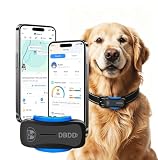 DBDD GPS Dog Tracker DBDD GPS Dog Tracker |
|
Check Latest Price |
 MOLLY and CODY Smart Tracker MOLLY and CODY Smart Tracker |
|
Check Latest Price |
 Pawfit Lite 4G Pawfit Lite 4G |
|
Check Latest Price |
 Garmin Alpha LTE Garmin Alpha LTE |
|
Check Latest Price |
Everything in this table falls into one of two camps. Rows one through four locate your dog without a cellular network, and the rest need coverage to transmit. Know which camp you are shopping in before you read a single spec.
1. Dogtra PATHFINDER2 – the best overall pick for off-leash hiking
- Works with zero cell coverage using satellite and offline maps
- No subscription or monthly fee ever
- LED locate light and audible tone for close-range recovery
- Battery sleep mode stretches a full day hike
- Free app with smartwatch support
- Requires the separate GPS Connector to operate
- Location precision is roughly 30 feet
- No way to share a live session with a second person
The PATHFINDER2 is the system I keep coming back to for trail work. Owners of hunting, hiking and working dogs consistently describe it as the strongest combination of off-grid range, zero recurring cost and rugged construction, and the reviews point at one theme above the rest: it does not care that there is no signal. Your phone sits in a pocket showing an offline map, and the collar talks to the handheld connector over radio.
That offline map detail is the part competitors skip. General, Satellite and Terrain views can all be downloaded before you leave, so you are not staring at a grey void when you finally need the map. Owners also report the collar surviving salt water dunks, mud, sand and heavy vegetation, and one mentions the battery still fully charged after a five mile hike.
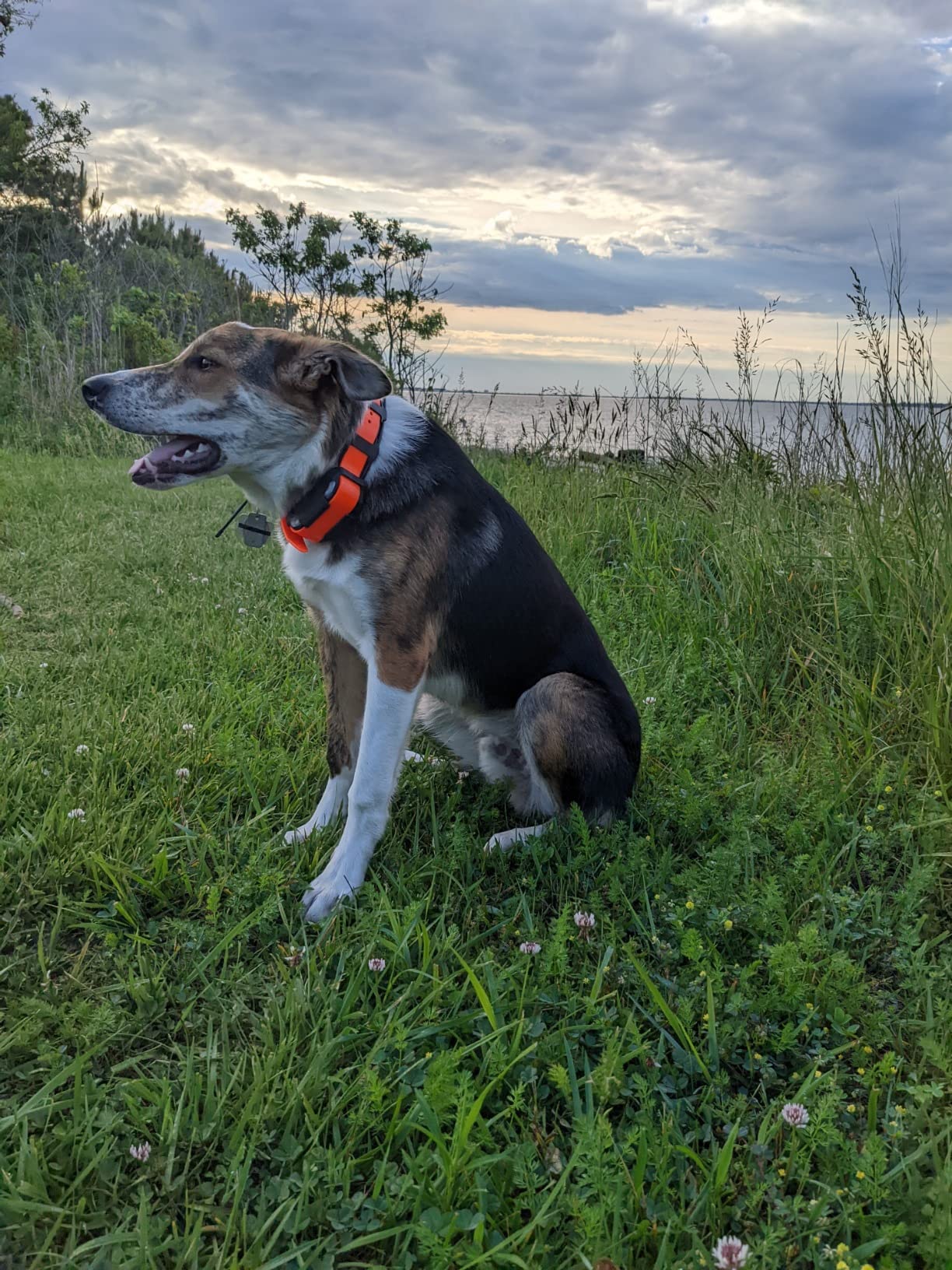
The corrections side is unusually well equipped for a hiking context. You get Nick and Constant stimulation, an Audible Tone, an LED Locate Light and Pager Vibration, and commands can come from the connector, the phone app or an Apple Watch Series 5 or Galaxy Watch4 and above. For a dog that flushes birds or runs game at distance, the tone and vibration modes matter more than the stimulation modes.
Now the honest limitations. Positions land within roughly 30 feet rather than exactly on the dog, so do not expect a pin-point readout in thick timber. There is no sharing feature, which means a partner cannot see your dog live, and the GPS Connector is a required extra purchase rather than an included accessory. Small e-fence areas get rejected by the app, and a few owners report settings that would not save plus unresponsive support.
Who this tracker suits on trail
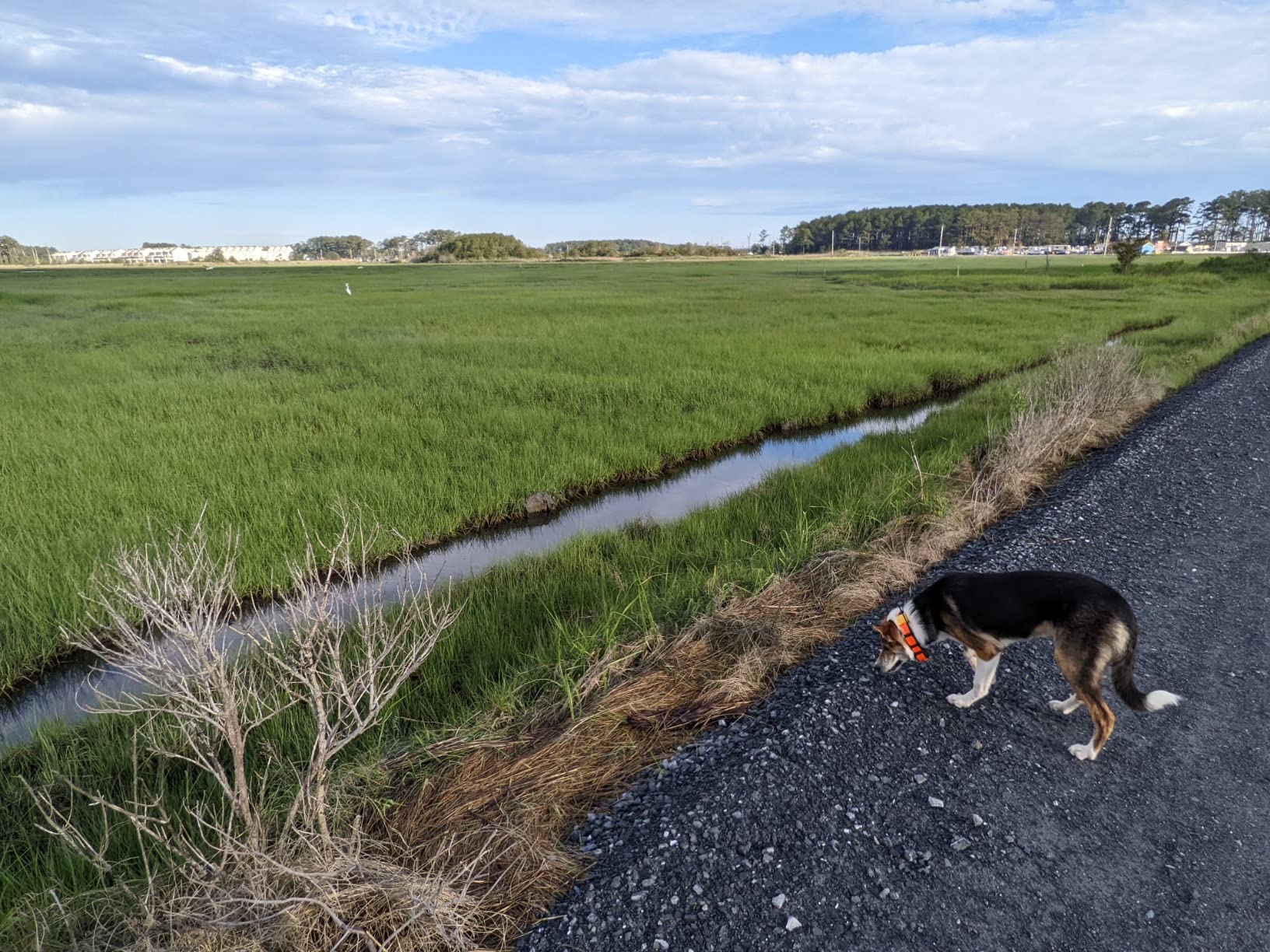
This is the one I recommend to anyone whose dog ranges more than a few hundred yards from them. Owners running large, athletic breeds across open country tend to describe it as the only setup that has never left them blind. The offline maps mean a canyon wall or a storm does not cost you your map, and the LED locate light settles the question quickly when you finally close the distance at dusk.
Multi-dog households get real value here too, since one connector tracks up to 21 dogs at once. Just plan your budget around the full system rather than the collar alone.
Who should skip it
Skip it if you need two people to watch the same dog at once, because there is no shared session view. It is also a poor fit for anyone who wants health metrics, since this is purely a location and training device with no heart rate or activity sensing at all.
If you hike somewhere with strong cell coverage and want a phone-only setup, a cellular tracker will be simpler and far cheaper to start. The PATHFINDER2 earns its cost in terrain where towers do not reach.
2. Garmin Alpha TT 25 – the premium off-grid system for hunting dogs
- Highest 4.6 star average in the group with 88 percent five-star reviews
- Dynamic tracking stretches battery based on the dog movement
- Slim universal sizing fits large and small breeds
- Multicolor LED for night identification
- User-replaceable flex band and batteries
- A compatible Garmin handheld transmitter is required and sold separately
- Tracking and training functions do nothing without that handheld
- Position-only reporting with no independent phone tracking
The Alpha TT 25 is the finest-built collar in this guide and the one most likely to survive years of hard use. At 1.3 ounces it disappears on a dog of almost any size, and the dynamic tracking system extends contact with the handheld as far as 68 hours on a standard pack or 136 hours on the expanded one.
Long-time owners on dog-owner forums repeatedly single out the Garmin Alpha and TT15 Mini as the trackers that work fully off-grid with a handheld, and that is exactly what this is. Updates arrive as often as every 2.5 seconds with a compatible handheld, which is faster than anything else here. For a fast bird dog at long range, that refresh rate is the whole ballgame.
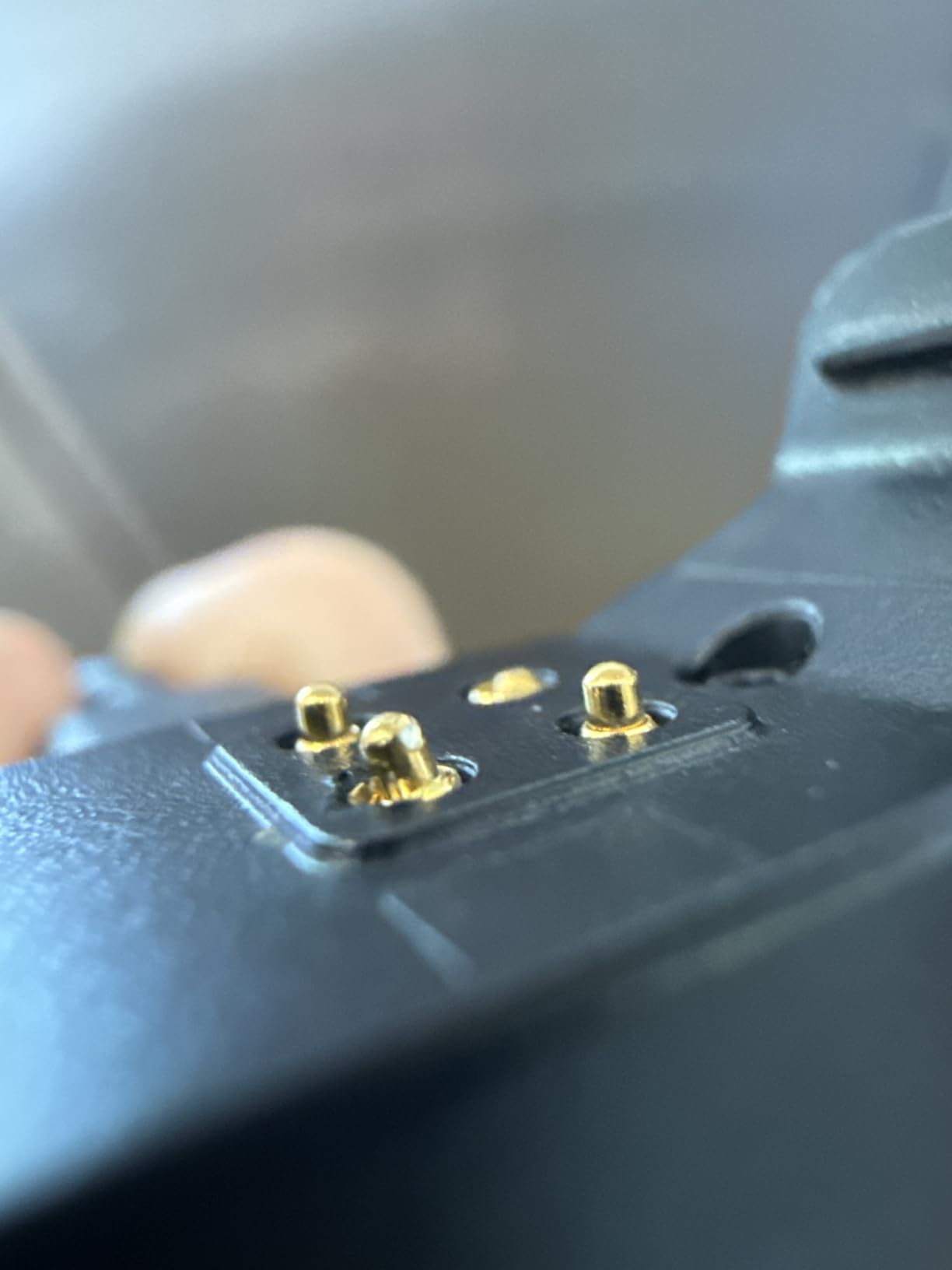
Build quality shows in the details. The flex band is user-replaceable, batteries are user-replaceable, and the strap fits both large and small breeds rather than forcing you into a size bracket. The multicolor LED runs yellow, magenta, cyan, white, green, red and blue, which is how you identify a specific dog in a dark field or a night hunt without a headlamp. Wi-Fi updates happen automatically while the collar sits on its charging clip.
The catch is structural. Everything this collar does, it does through a handheld transmitter, and that handheld is a separate purchase. Without it you have a well-made collar with no position reporting and no training function, so budget for the full system or pick a different product.
Who this tracker suits on trail
Hunters and anyone running a dog across open country where you need the dog to stay on task, because the tone, vibration and 18 stimulation levels let you correct at distance instead of sprinting after the dog. Two-day and multi-day trips are where the 68 to 136 hour battery changes the planning entirely, since you are not charging anything overnight.
It also suits anyone who plans to keep this for years. Replaceable batteries and a replaceable band are small decisions that decide whether a collar survives a decade.
Who should skip it
Skip it if you hike alone with no handheld budget, or if you want to check your dog from your phone on a lunch break. This system is deliberately phone-free, and treating it as a phone-connected tracker will disappoint you.
First-time owners should also know the learning curve is real. Training modes need setup and practice, and the stimulation levels require care with a sensitive dog.
3. SportDOG TEK Series 2.0 – the widest range for large multi-dog packs
SportDOG TEK Series 2.0 Add A Dog GPS Collar, 16 KM Range, 21 Dog Tracking, Waterproof, Dogs Necks 10.75, 23 Inches
- Widest range in this guide at 16 km with a TEK 2.0 handheld
- DryTek waterproofing handles full submersion
- Tracks up to 21 dogs on one handheld
- Drops into existing TEK 1.5 setups
- Backed by a 3 year manufacturer warranty
- A TEK handheld transmitter is a separate purchase
- Included maps are considered basic by owners
- Heaviest listed figure in the group at 1.43 pounds package weight
The TEK 2.0 add-a-dog collar covers the widest ground of any product here. Its 16 km range with a TEK 2.0 handheld is the longest figure in this roundup, ahead of the 9 mile systems, and the HopTek technology is what pushes the transmitting output that far.
Waterproofing is the standout for wet-weather hiking. DryTek sealing withstands submersion to 7.6 meters, so a dog that swims a river or crashes through a creek is not ending your day. One handheld handles up to 21 dogs on TEK 2.0, or 12 on the older TEK 1.5, and the collar works with both handhelds.
Long-term owners confirm that an existing TEK 1.5 setup accepts this collar without fuss, which matters if you already own the older hardware. The neck adjustment runs from 10.75 to 23 inches, so it covers most dogs, and the warranty runs three years, the longest here.
The critique is maps. Owners describe the bundled maps as basic, which is a real problem on unfamiliar trails where the terrain view is doing real work. The handheld is also a required separate purchase, and at a listed 1.43 pounds this is the heaviest package figure in the group, so check the fit on a smaller dog.
Who this tracker suits on trail
Kennel owners, hunters running a group, and anyone whose dog regularly swims. Owners upgrading from TEK 1.5 hardware get a seamless path, and the 16 km reach means you are not walking toward the dog for most of the search.
It also suits anyone who wants the longest warranty in this guide and will not have to think about battery life on a long trip.
Who should skip it
Skip it for a single-dog hiking setup. You would be paying for multi-dog capacity you will not use, on a handheld you still have to buy separately. It is also a weaker choice than the Garmin Alpha TT 25 for training-focused work.
And if you hike somewhere unfamiliar, budget for better map software, because the stock maps are the most common complaint in reviews.
4. Aorkuler Outdoor GPS Tracker – the cheapest way to work with zero cell service
- Runs with no cell service
- account or cloud service
- Direction arrow on the handheld needs no app or map
- Small and sturdy at 1.08 oz
- Holds charge for many days between hikes
- Satellite lock can take a long time under heavy canopy
- Distance readouts are not accurate and direction is the reliable signal
- Needs recalibration after each power cycle
- Best accuracy with a clear line of sight to satellites
This tracker earns its place for one specific reason, and owners in Colorado, Maine, Utah and UK forests describe it as the only device that keeps working in wooded off-grid terrain where cellular trackers go silent. No account, no cloud, no monthly fee, and no phone in the loop at all.
The interface is deliberately dumb in the best way. The handheld controller shows a green arrow pointing toward your dog plus a distance readout, so you walk in the right direction instead of squinting at a map. Tracking updates every 3 seconds out to 3.5 miles, which is plenty for the overwhelming majority of off-leash scenarios where you want to walk to the dog rather than drive to them.
Who this tracker suits on trail
Solo hikers who want zero dead-zone risk and zero recurring cost, especially on wooded trails where tree cover kills cellular signal. At 1.08 ounces it is lighter than most hunting-dog units, and hikers on r/hikingwithdogs specifically recommended this brand because it does not require a cellular signal.
Battery maths works for day hiking: up to 24 hours of continuous tracking, or 10-plus days if your dog gets one or two hours of walking a day. A full recharge takes two to three hours.
Who should skip it
Skip it if you need history, health data or a phone app, because there is no account and no cloud, so nothing is recorded once you walk away from the dog. It is also a weak choice for long recoveries where you want to see a trail of where the dog has been.
Manage expectations on accuracy. Satellite lock can take a long time under heavy canopy, it needs recalibration after every power cycle, and the distance number is less reliable than the direction arrow. Treat the arrow as the signal and the distance as a rough hint.
5. Tractive XL – the best value cellular tracker for covered terrain
- Fast 2-3 second live updates
- far quicker than once-a-minute rivals
- Unlimited range with no distance limits
- Owners report 6 to 9 weeks of real battery life
- Heart rate and respiratory rate add genuine health insight
- Sleeker design and USB charging port
- Mounting strap and points can break during rough play
- Subscription sold in 1
- 2 and 5 year terms
- Cellular tracking cannot follow a dog past the last tower
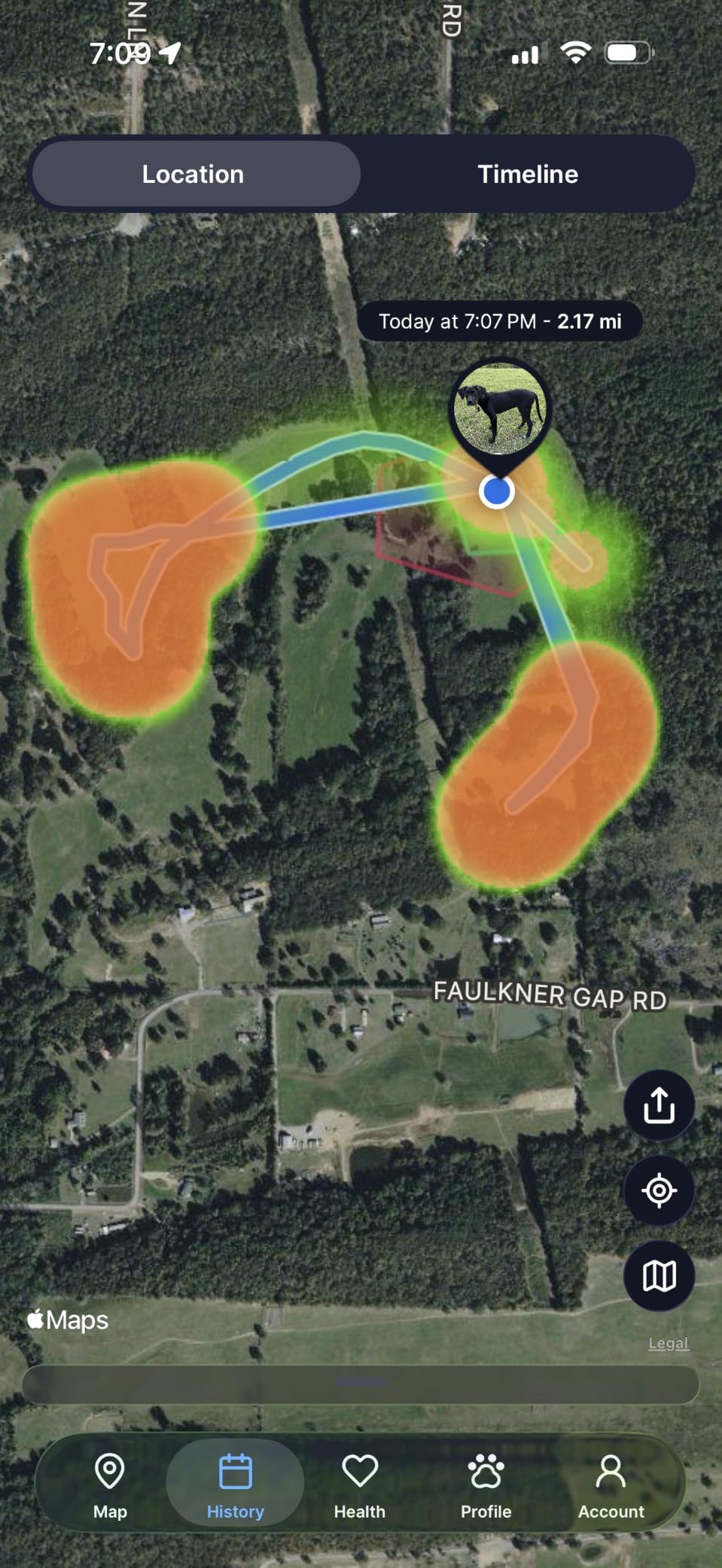
If your hiking stays in covered terrain, the Tractive XL is the strongest combination of speed, battery and health data in this guide. Live location updates arrive every two to three seconds, which is fast enough to watch a dog work rather than guess where it went. The virtual fence with escape notifications is the feature hikers use most for campsite containment.
The battery claim is the one that surprised me, because it holds up in owner reports of six to nine weeks of real use rather than the power-saving figure. The subscription covers the built-in SIM and unlimited data with no separate data charges, and there is a 30-day money-back window. Heart rate, respiratory rate and sleep monitoring round out a package that is more wellness device than pure tracker.
Two practical notes. It is built for dogs over 44 lbs, so smaller dogs should look elsewhere in this list. And the power-saving mode uses 2.5 GHz Wi-Fi, which will not connect to many modern routers, meaning the battery savings can be harder to actually achieve at home.
The durability reports are the real con. Multiple owners report the mounting strap and mounting points breaking during rough play and having to replace the device. You also see frequent false virtual-fence alerts indoors, and the plan terms are sold in 1, 2 and 5 year blocks rather than monthly.
Who this tracker suits on trail
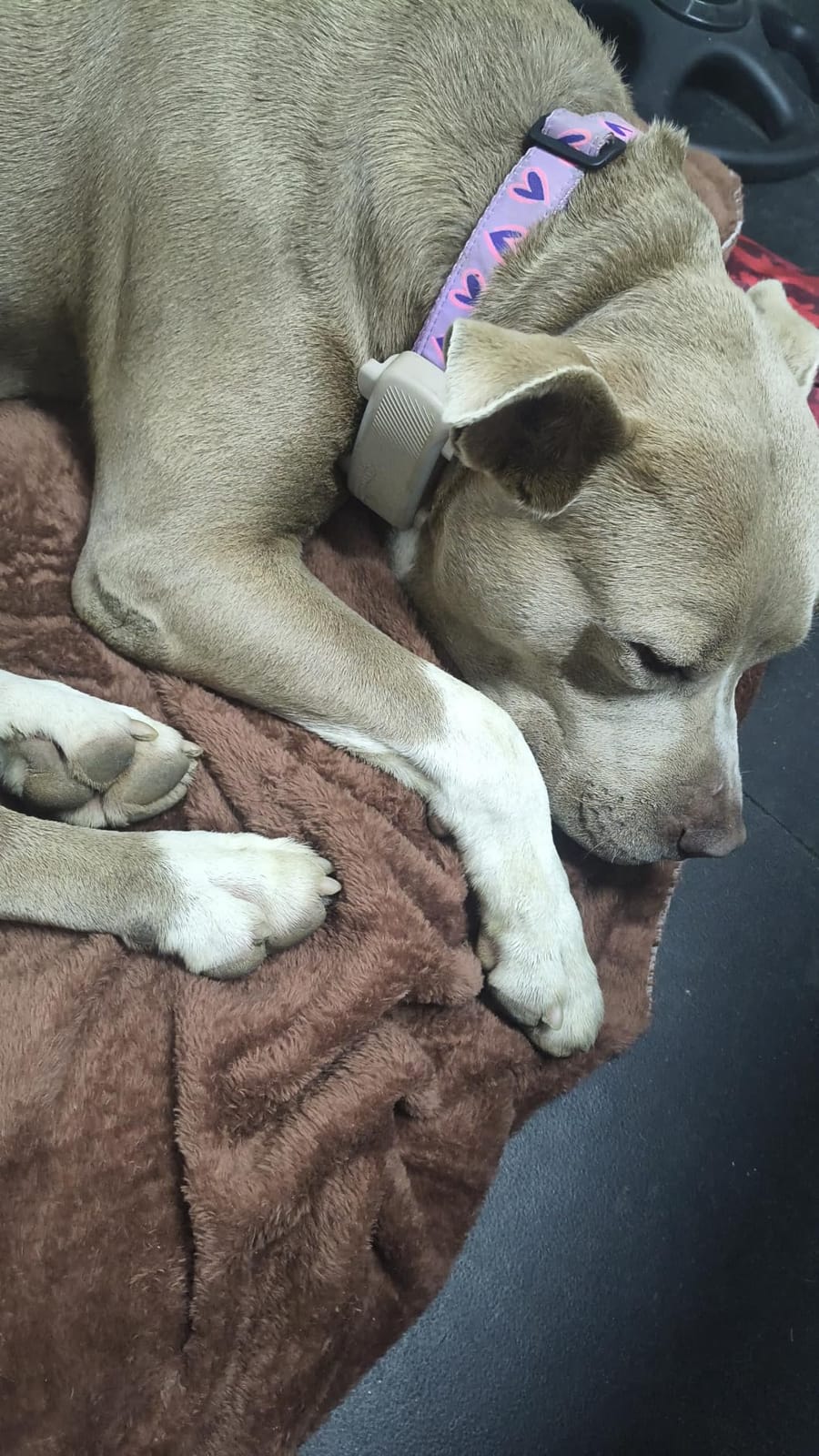
Hikers within cellular reach who want escape alerts around a campsite, plus anyone interested in recovery metrics after a hard outing. Owners of large, heavy dogs are the target buyer and the device sits well on that kind of neck.
For long-distance runners with a dog, the two to three second refresh rate is the practical difference between a usable map and a frustrating one.
Who should skip it
Skip it if your dog plays hard and rough, because the mounting hardware is the reported failure point. Skip it for dogs under 44 lbs, and skip it if you run genuinely remote trails, since cellular tracking cannot follow a dog past the last tower.
Also read the plan terms carefully before you commit. Multi-year terms are less flexible than a monthly cancel-anytime setup.
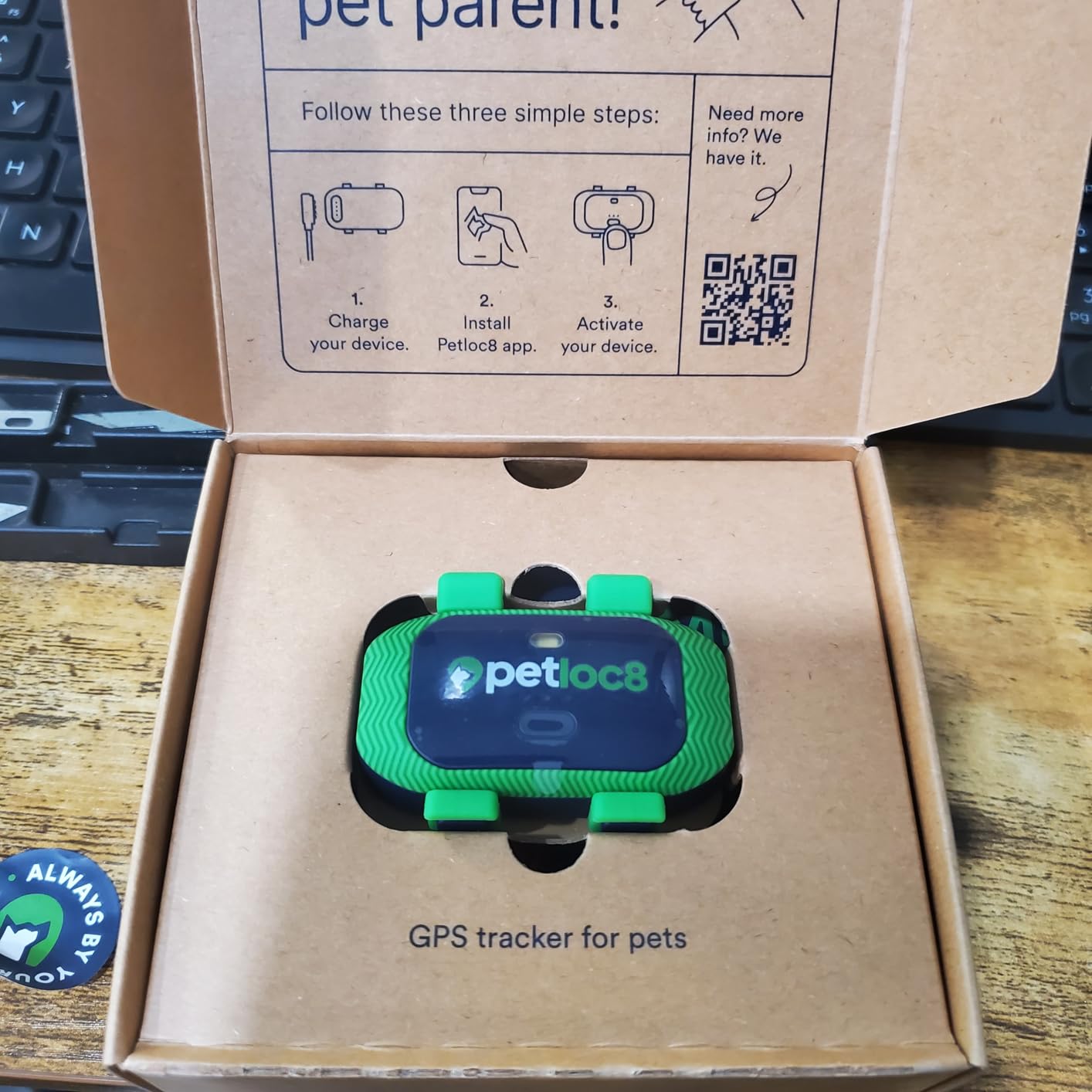
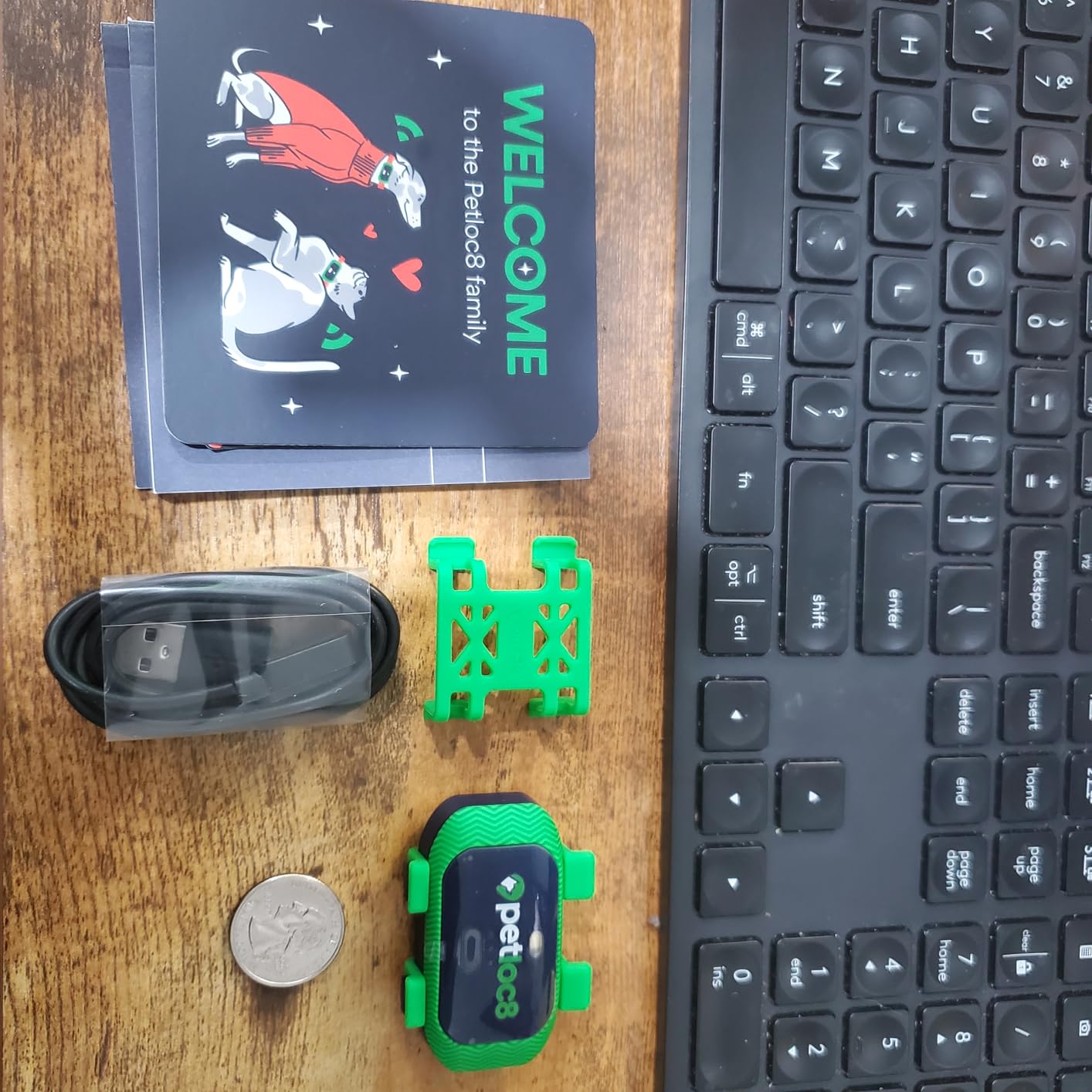
6. PETLOC8 GPS Tracker – a low-risk way to try a cellular tracker
GPS Tracker for Dogs Waterproof Real Time Pet Tracker Subscription Required
- Cancel anytime monthly plan with no multi-year lock-in
- IP67 waterproof and light at 32 g for collar attachment
- Built-in international SIM with 4G LTE
- Remote light and beep for locating a dog nearby
- Customer support described as fast and proactive
- Reliability reports are mixed with failures during real escapes
- Battery falls well short of the 14 day claim under live tracking
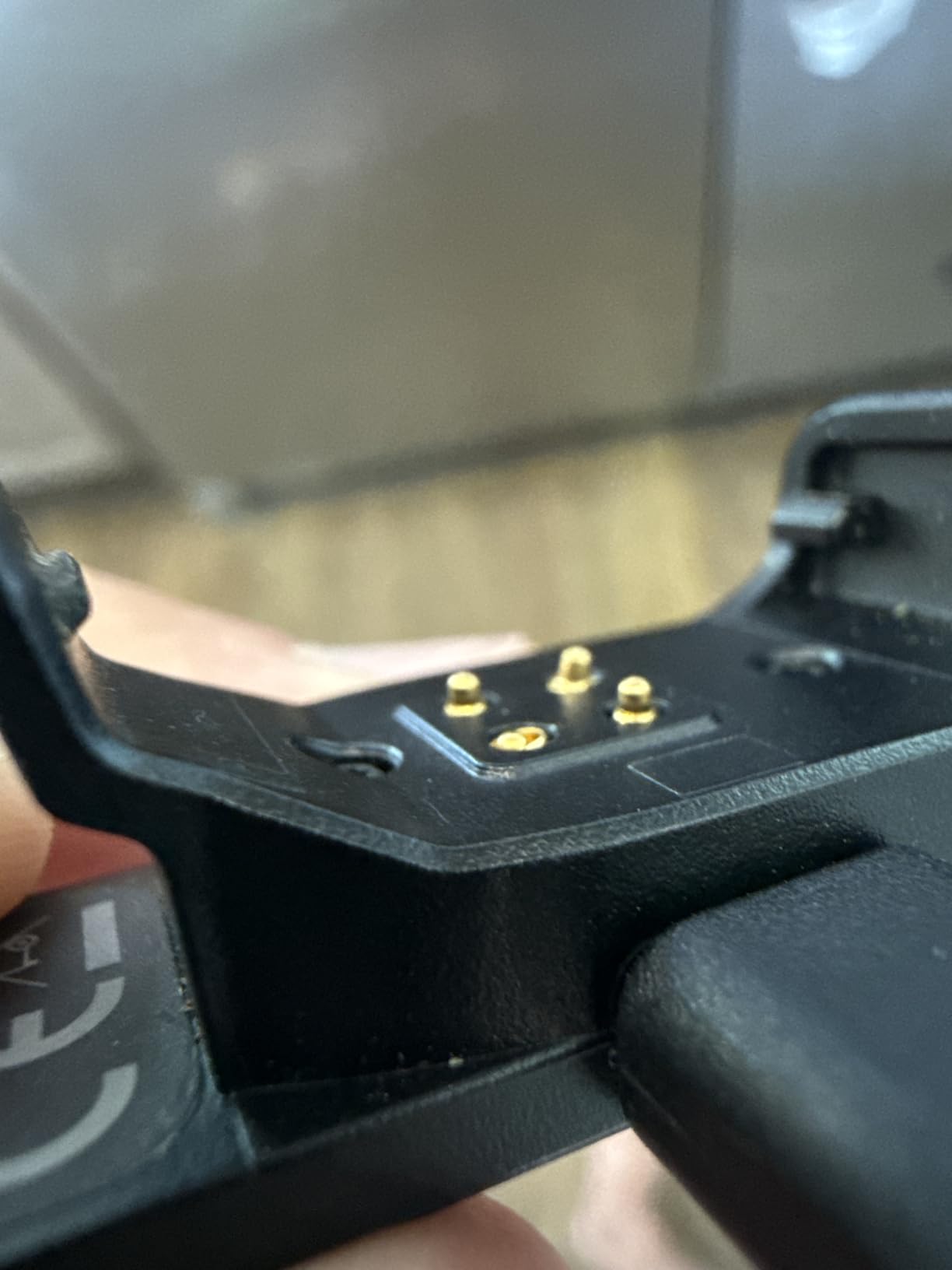
- Geo-fence minimum size is too large for a campsite and the ping drifted
- App threw errors during setup and fence configuration
The appeal here is the exit ramp. The monthly subscription can be cancelled at any time with no multi-year contract, which makes this the least committal way to find out whether a cellular dog tracker fits your hiking style at all. The IP67 rating and a 32 g body also make it easy to ignore, and the remote light and beep help when the dog is close but hidden.
Owners split on this one. Value advocates like the cancel-anytime plan and report genuinely responsive support, while skeptics point to battery life and boundary accuracy. The critical reports are specific: battery far below the advertised 14 days once live tracking is on, geo-fence boundaries off by roughly 200 yards, and app errors during setup and fence configuration.
The most serious complaint is reliability. One detailed negative review describes the tracker failing to update during an actual escape, and others report signal dropping in sink holes and low-signal terrain. For a dog that bolts, a device that goes quiet at the wrong moment is the specific failure that matters.
The geo-fence limitation deserves attention for hikers too. A fence with a minimum size too large for a campsite is not much of a campsite fence, and a boundary that drifts by a couple hundred yards will produce alerts that are wrong in both directions.
Who this tracker suits on trail
Day hikers in well-covered areas who want to test live tracking without signing a multi-year plan. It is also a reasonable pick for a large multi-dog home that only needs shared location on weekend outings.
Anyone who values flexible plan terms over features will find the cancel-anytime structure refreshing compared with the annual blocks some competitors push.
Who should skip it
Do not rely on this as your sole safety device in remote terrain. Mixed reliability, signal dropouts in low-signal areas and a fence that drifts all point the same direction.
Anyone wanting health metrics, multi-dog mapping or long battery life should keep reading. This one covers the basics and stops there.
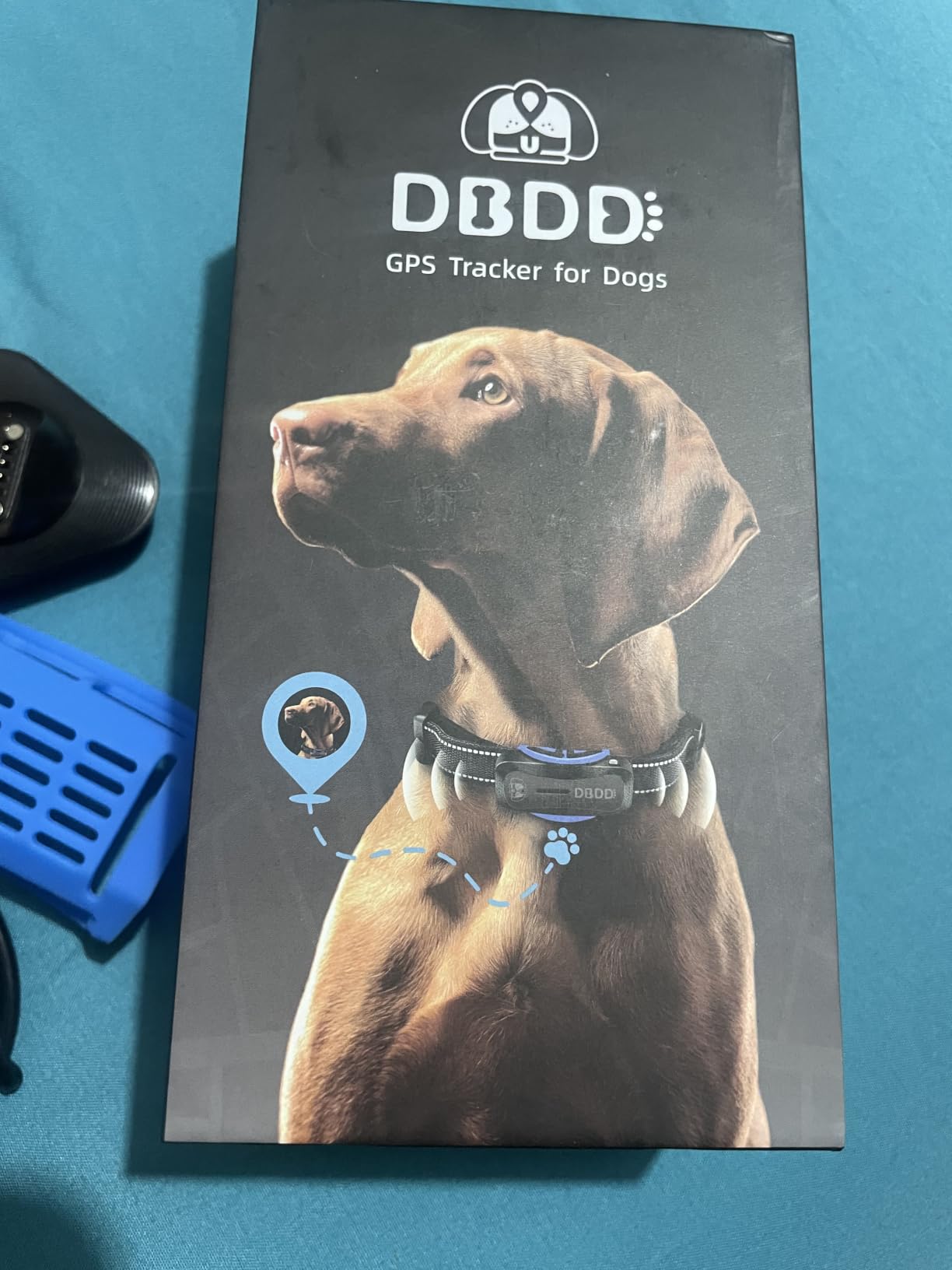
7. DBDD GPS Dog Tracker – the pick for dogs who are escape artists
DBDD GPS Dog Tracker with Subscription,Virtual Fence&Health Monitor,IP67,BK
- Escape alert feature works well for dogs skilled at getting out
- Live tracking accuracy described as very good by multiple owners
- Light enough that even a 110 lb dog shows no discomfort
- Simple attractive app that is easy to navigate
- Company proactively replaced a defective device within a day
- Annual subscription tiers can be costly once converted to local currency
- Fence boundary alerts can be delayed by up to 45 minutes or fire falsely
- Constant signal loss in rural areas with alerts arriving very late
- Battery can stop holding charge near the end of a cycle
Several owners describe this tracker as a lifesaver specifically for dogs who are skilled at getting out, and that is the single use case where the virtual fence earns its subscription. Live location plus movement trajectory history lets you see not just where the dog is but the path it took to get there, which is exactly what you want when a fence has been breached.
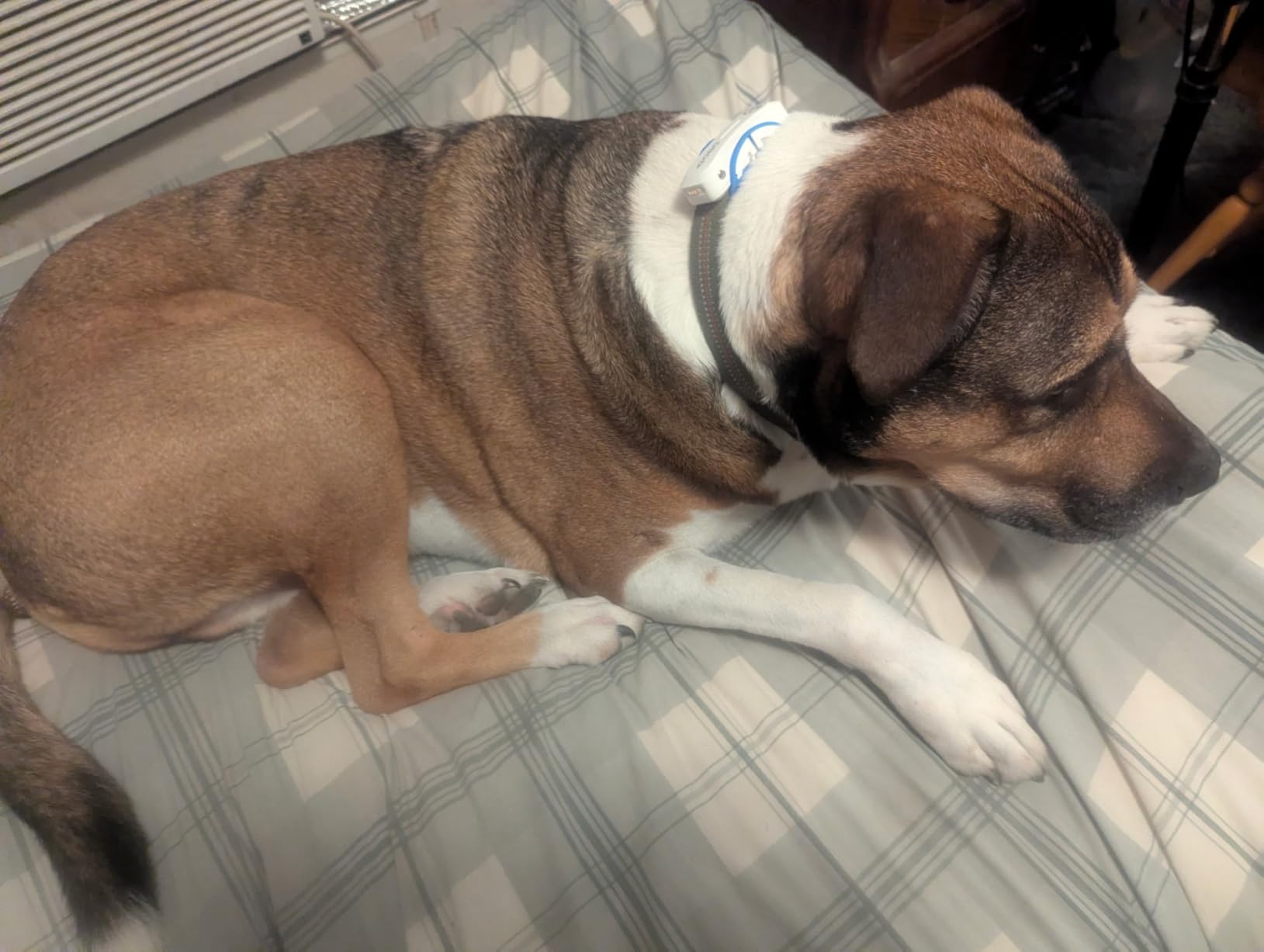
Accuracy draws consistent praise, and the weight matters on an active dog: one owner says even a 110 lb dog shows no discomfort. Setup takes minutes over a QR code, and the app is one of the cleaner ones in this guide. A 4.6 average with 51 reviews puts it among the highest-rated devices here for its review volume.
The negative reviews focus on three things. First, subscription economics, since the plan is billed in annual tiers and can look expensive once converted to local currency. Second, alert timing: fence boundary notifications can be delayed by as much as 45 minutes or fire falsely, and in rural areas signal loss is constant with alerts arriving very late.
Third, battery degradation near the end of a cycle, with owners reporting units that stop holding charge or stop charging. One owner also found the AI health insights did not match their vet assessment, so treat the wellness data as a rough trend rather than a diagnosis.
Who this tracker suits on trail
Owners of diggers, climbers and artful escape artists who need a fence boundary that actually fires when it should. It suits medium and large dogs from 30 lbs up, and the IP67 rating handles rain, mud and puddle work without worry.
Trajectory history is the underrated feature for hikers, because it tells you which direction the dog went rather than just where it ended up.
Who should skip it
Skip it in genuinely remote terrain, where constant signal loss and very late alerts make it the wrong safety tool. Anyone who is precise about fencing boundaries will be frustrated by delays of up to 45 minutes.
And if a flexible monthly bill matters to you, the annual tiers here are the wrong structure. Read the plan terms before you buy.
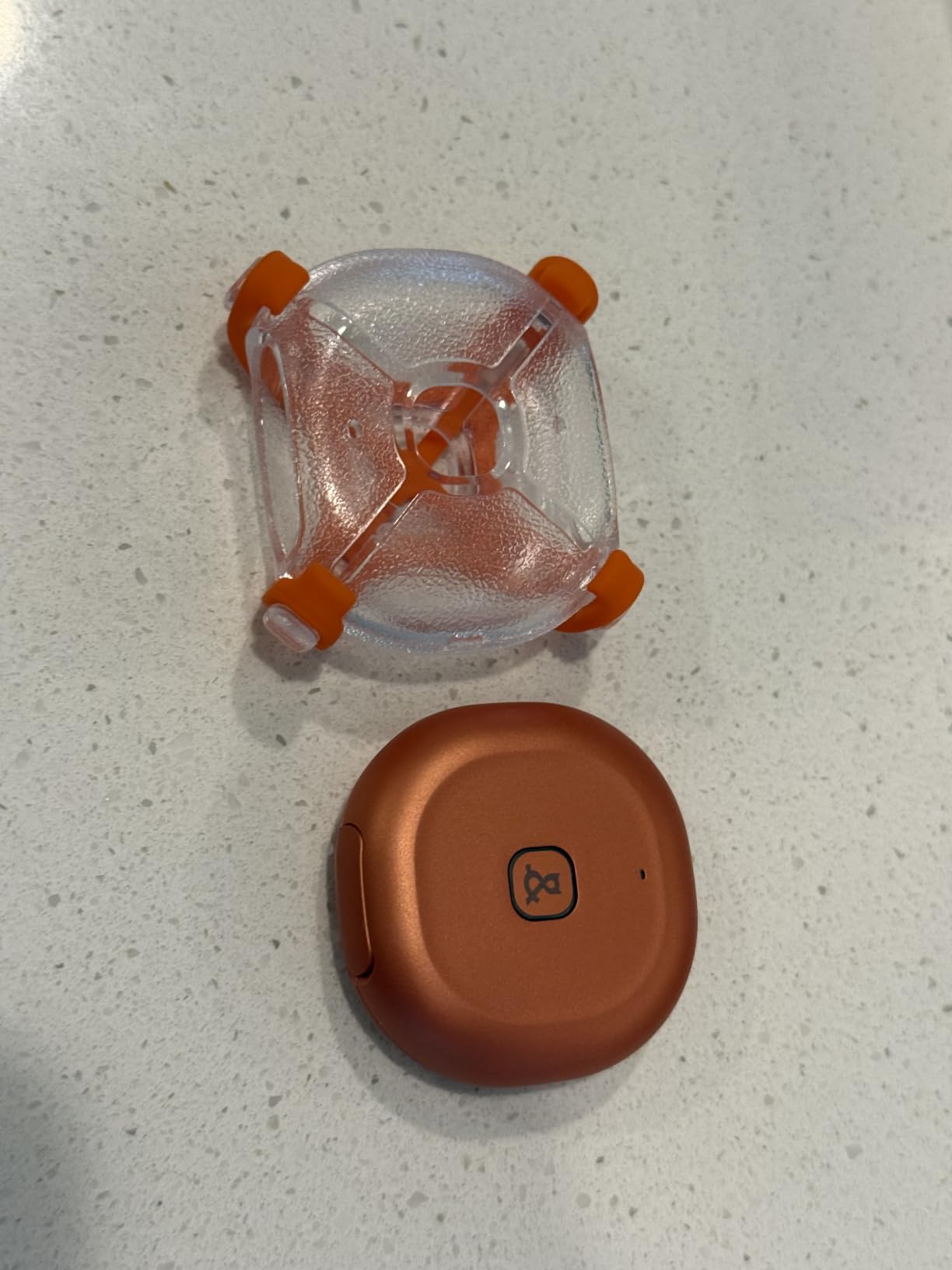
8. MOLLY and CODY Smart Tracker – the lightest option with four battery modes
- Four smart modes genuinely extend battery beyond flat-rate tracking
- Very light at 0.88 oz and does not bother the pet
- Protective case resists loosening while running and jumping
- IP67 waterproof handles wet grass and puddles
- Location history and 365-day activity trends both work
- Some units stopped reporting accurate location after a few weeks
- Subscription required after the trial period for live tracking features
- Cellular tracking fails where there is no coverage
- One owner received a defective unit
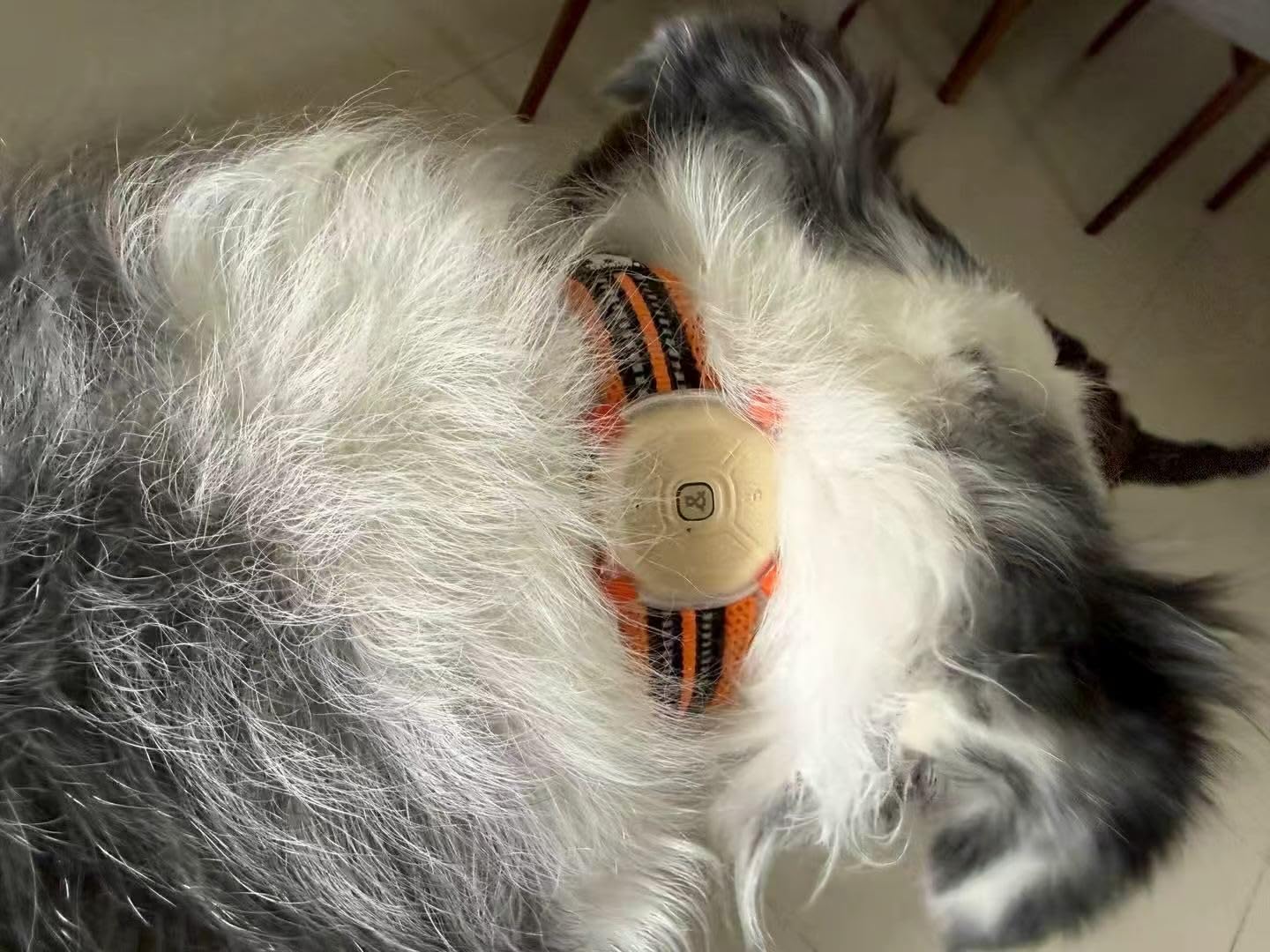
The interesting design choice here is four smart modes rather than one. Home Mode saves power indoors, Outdoor Mode does smart GPS tracking for your hike, Sleep Mode handles night hours and Tag Mode is for close-range finding. Owners say the mode system genuinely extends battery life beyond what a flat-rate tracker delivers, which lands at up to 8 days under typical use.
At 0.88 ounces it is one of the lightest devices in this guide, and the protective case is designed to stay put while a dog runs and jumps. That combination of low weight and a secure mount is what makes it viable for smaller dogs and athletic ones on trail.
There is also a built-in buzzer and sound alert for when the dog is close, plus 365-day activity and health trend records that let you see routine changes over months rather than days. A two-year manufacturer warranty is stated in the product description, which is longer than most in this category.
The reviews split on long-term accuracy. Several owners report units that were fine at first and then began showing the pet in the wrong house after a few weeks, and one received a defective unit outright. Those are few but real reports, and reliability drift is a poor trait in a safety device.
Who this tracker suits on trail
Owners of small to medium dogs who will not tolerate a heavy collar, and hikers who like the idea of switching modes across a multi-day trip. Lightweight, waterproof and secure on a moving dog are the three things it gets right.
It is also a good fit for someone who wants a simple setup that a second person in the household can handle without a learning curve.
Who should skip it
Skip it if you need dependable long-term location accuracy or if you hike without coverage. As a cellular device it fails in the same dead zones as every other tracker in this group, and the reported accuracy drift is the concern that decides it for me.
Anyone wanting live GPS after the trial period will need a subscription, so factor that into the decision before you commit.
9. Pawfit Lite 4G – the tracker for smaller dogs and shared access
Pawfit Lite 4G GPS Dog Tracker, Live Tracking, Ultra-Light, Onyx Black
- Under 18 g
- suited to smaller breeds
- Built-in LED improves visibility on dusk and dawn hikes
- Multi-network SIM gives better coverage than a single-carrier tracker
- Shareable access for a dog walker or family member
- 30 days of subscription included with the purchase
- Subscription required after the included 30 days
- Tracking stops where there is no mobile network coverage
- Small 400 mAh battery relative to the feature set
- Only 47 reviews with 8 percent one-star ratings
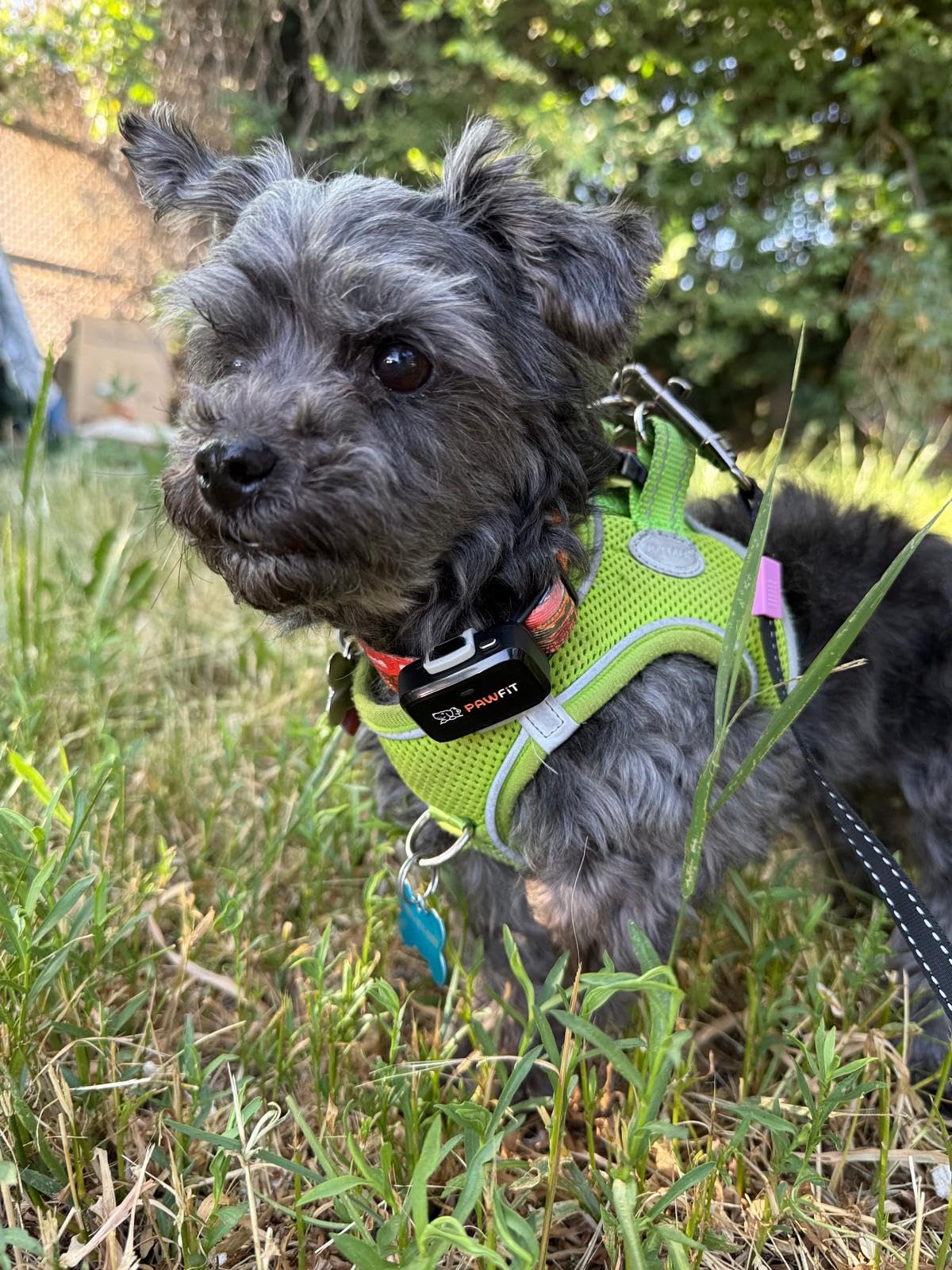
The Pawfit Lite is built around two details that matter on trail. The multi-network SIM gives better coverage than a single-carrier tracker, which is a real advantage when coverage is marginal, and the built-in LED makes a dog easier to spot on a dawn or dusk start when you would otherwise be squinting up a drainage.
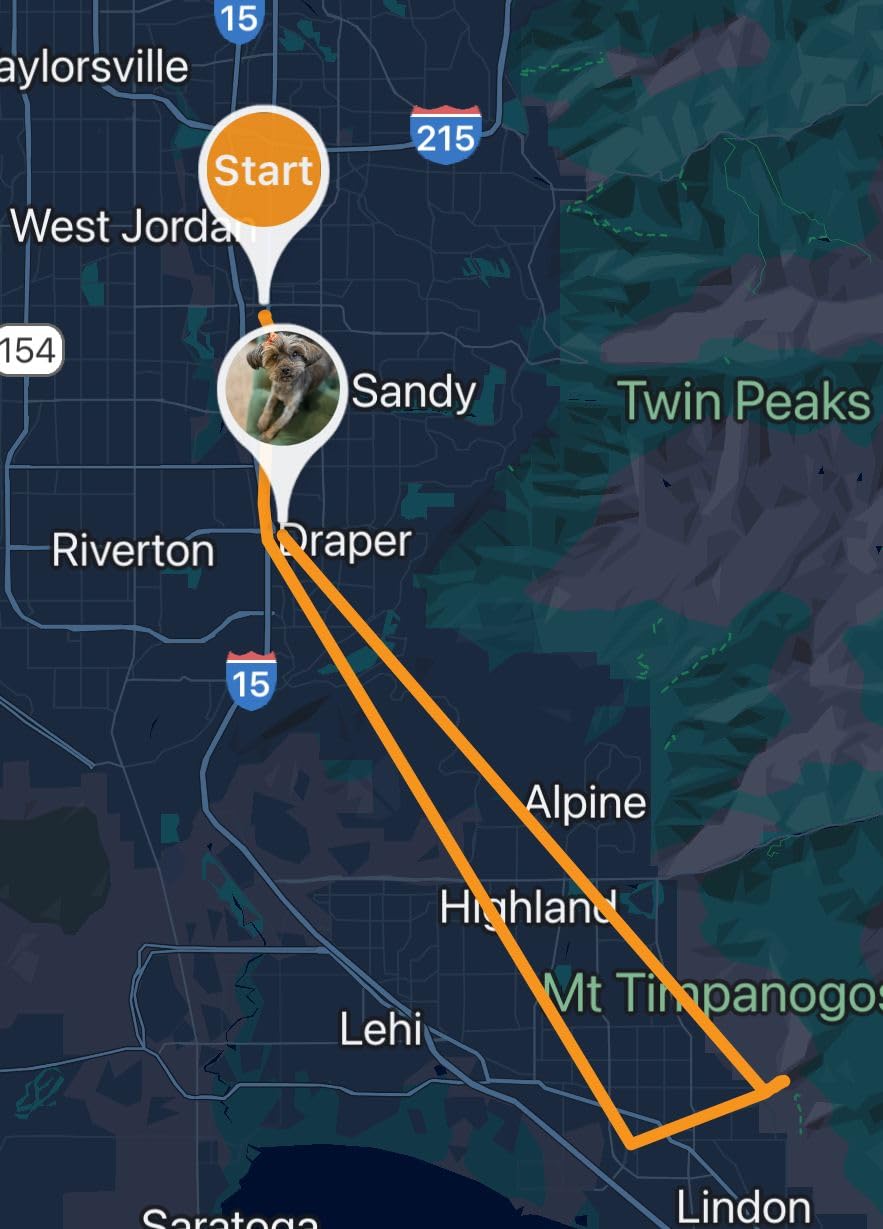
At under 18 g it suits smaller dogs, and virtual safe zones with instant escape notifications handle campsite containment. Activity monitoring, exercise goals and 24-hour location history round it out, and access sharing lets a dog walker or family member follow along without a second device.
Thirty days of subscription come included, which is a long free trial for this category and enough to find out whether the app suits you. The warranty runs 18 months, which is longer than most.
The limitations are the usual ones. A subscription is required once the included period ends, and as a cellular device it cannot follow a dog past the last tower. The 400 mAh battery is small relative to everything the device does, so expect to top it up more often than the multi-week trackers in this roundup.
Who this tracker suits on trail
Small-dog owners who have been putting off a tracker because the hardware was too heavy. The LED is genuinely useful for early starts and late finishes, and the multi-network SIM gives you a better chance of a live location in weak-signal terrain.
Households where someone else walks the dog get real value from the sharing feature, since two people can watch one dog.
Who should skip it
Skip it if you are deep in backcountry terrain, since coverage gaps stop the tracking entirely. Anyone wanting a multi-week battery should choose one of the longer-lasting trackers instead.
It is also worth noting the review base is thin at 47 reviews with 8 percent one-star ratings, so there is less long-term evidence behind it than the devices with hundreds of reviews.
10. Garmin Alpha LTE – the hybrid tracker with an emergency VHF fallback
- Only device here with redundant LTE and VHF plus automatic smart switching
- Very light at 1.8 oz and the dog does not notice it
- Multi-GNSS holds a lock where GPS alone struggles
- Fast update rate suited to fast-running herding breeds
- Garmin support refunded a subscription quickly when the app failed
- LTE tracking is spotty even in good tower coverage
- Alpha app crashes repeatedly with a very low store rating
- Collar clips crack and break within months
- Collar sold separately on top of the tracker and subscription
The concept here is the most interesting in the guide. This tracker carries both LTE and VHF signals and switches automatically between them for the best available connection, so when cellular coverage fails the radio path can still carry the position. Multi-GNSS support helps it hold a lock in terrain where plain GPS struggles, and the 32-hour battery with dynamic tracking suits a long day out.
At 1.8 ounces it is one of the lightest units listed, and an owner with a mini Australian shepherd says the dog does not notice it. Easyhunt community features let a hunting party coordinate in the field, and the multicolor LED covers dark identification.
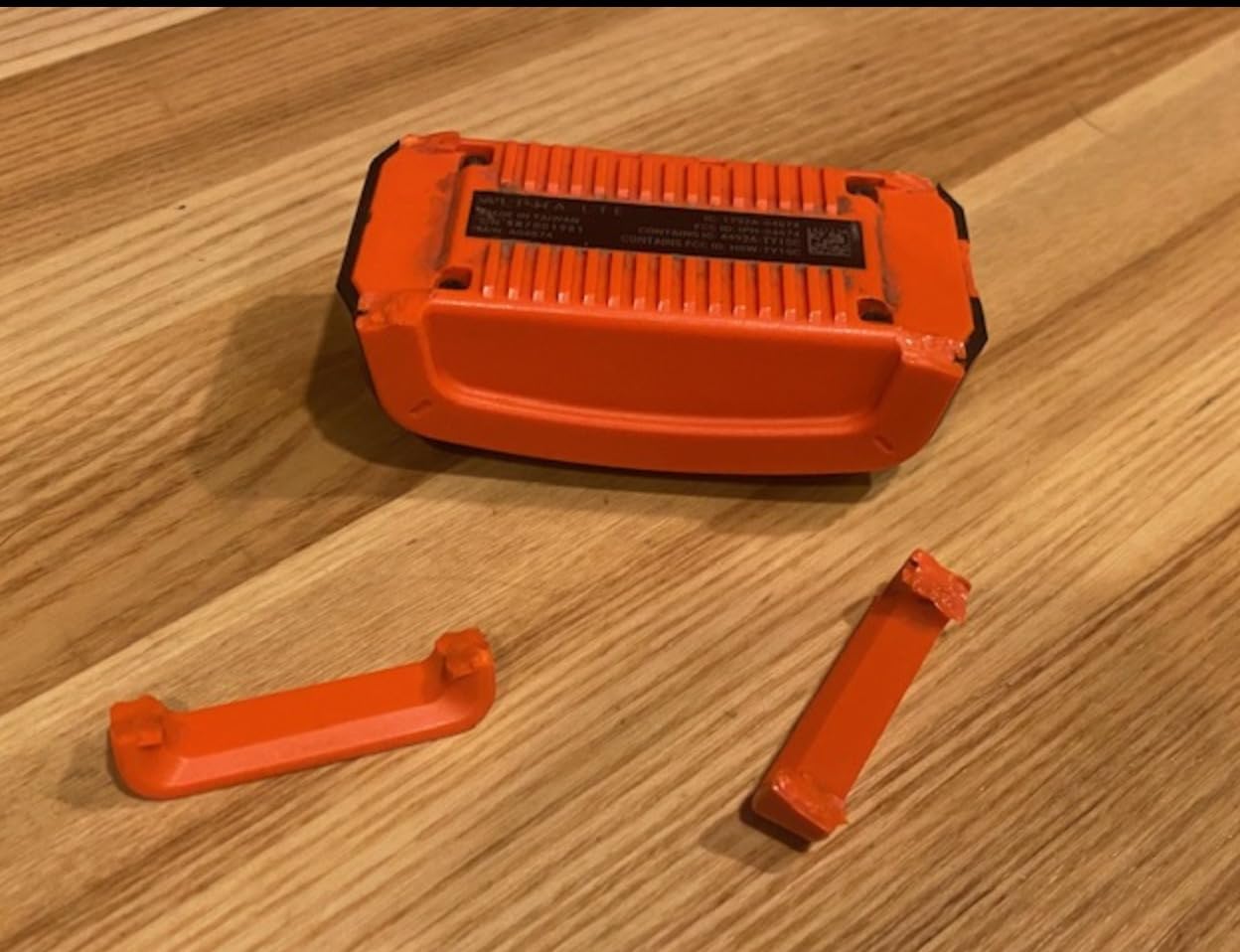
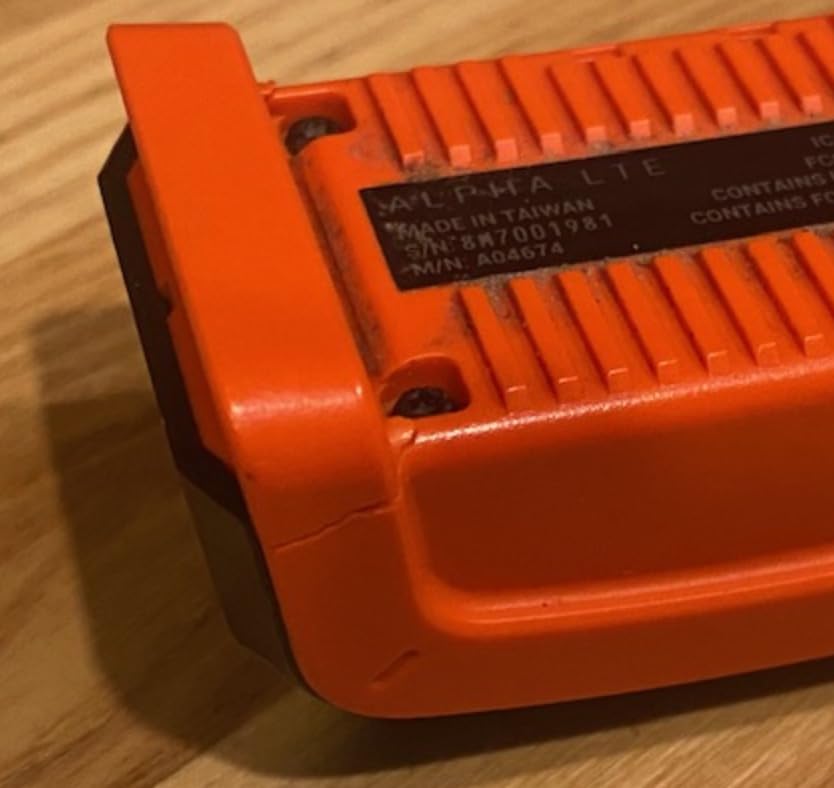
Reviewers are sharply divided, and you should read both sides. Five-star reviews describe genuinely rock-solid real-time updates, light weight and a VHF fallback that works. One-star reviews describe a beta release with a crashing app, cracked collar clips and an unreliable battery indicator, where a fully charged LED did not mean a usable charge.
LTE tracking is reported as spotty even where towers are in good range, and the collar clips crack within months of normal use. The collar is also sold separately, so the tracker is not a complete system on its own. Several owners explicitly recommend the Alpha TT 25 from this same guide instead.
Who this tracker suits on trail
Hunters and herding-dog owners who want one device that covers both covered and uncovered terrain. The VHF fallback means the device is not dead the moment the towers stop, which is the single biggest weakness of the cellular picks in this roundup.
It suits dogs that run hard and fast, since the update rate is designed for fast-moving breeds and the light weight stays comfortable on an active neck.
Who should skip it
Skip it if stability matters more than features right now. The app crash reports, the cracking collar clips and the inconsistent battery indicator add up to a device that is not yet dependable enough to be a sole safety device for a bolting dog.
Anyone who already owns a Garmin Alpha handheld should look at the Alpha TT 25 in this roundup, which reviewers across the Garmin line prefer for stability.
What to Check Before You Buy a GPS Dog Tracker?
Coverage is the only spec that decides whether a tracker helps or hurts you. The gap that trips people up is carrier architecture, and almost nobody explains it. Some trackers run on a single carrier network, which means they inherit every dead zone that carrier has. Others use a multi-network SIM that roams across available carriers, which is meaningfully better in partial coverage. Before anything else, check your regular hiking area on the coverage map for the specific network the device uses.
Single versus multi-carrier is the difference between a live location and a blank screen at the exact moment you need it. In dog-owner forums this is the single most repeated complaint about cellular trackers, and it is the reason three of the four best picks in this guide ignore cellular entirely. If your hiking is within reliable coverage of more than one carrier, a multi-network SIM like the Pawfit Lite uses is worth paying for. If your hiking is nowhere near a tower, stop reading the cellular section and buy a radio system.
Battery life on a real hike
Advertised battery life is almost always measured in power-saving mode with the dog sitting still. That number is not your hike. The useful comparison is continuous live tracking, because a tracker running updates every two to three seconds all day is a different device from one pinging once a minute.
Read the specs as tiers. The Garmin Alpha TT 25 gives you 68 hours standard or 136 hours with the expanded pack. The Tractive XL claims up to six weeks. The Aorkuler gives 24 hours of continuous tracking or 10-plus days at one to two hours a day. The smaller cellular units sit at 8 to 14 days in power-saving mode, and owner reports on the PETLOC8 and DBDD describe real numbers well below those figures once live tracking is on. Cold weather and water both shorten a run, and a river crossing means the tracker comes back wet.
Subscription terms and what they unlock
Every cellular tracker here requires a subscription for real-time GPS. This is not a hidden charge, it is the business model, and treating it as anything else leads to frustration in year two. The real question is flexibility, and the structures differ more than the monthly figures do.
A cancel-anytime monthly plan, as the PETLOC8 offers, is the lowest-risk way to test whether live tracking matters to you. Annual and multi-year blocks, as the DBDD and Tractive use, work out cheaper over time but lock you in and can look expensive once converted to local currency. The Dogtra PATHFINDER2 and the Aorkuler tracker charge nothing at all, and that is the strongest financial argument for the radio-based side of this roundup. If you hike two hundred days a year, a subscription is a meaningful running cost. If you hike twice a month, it is not.
Fit, weight and collar hardware for dogs that run hard
Weight decides whether the tracker stays on. Anything at or under 32 g works for most dogs, and the Pawfit Lite at under 18 g and the MOLLY and CODY at 0.88 ounces suit smaller breeds. The Garmin Alpha TT 25 at 1.3 ounces is the pick for large and small breeds alike thanks to its universal sizing.
Mounting hardware matters as much as weight, because a unit that slides or cracks is worse than no unit. The Tractive XL mounting points are the most-reported failure in this roundup, with owners replacing devices after rough play. The MOLLY and CODY protective case is specifically designed to resist loosening during running and jumping, and the Garmin Alpha LTE collar clips are reported to crack within months. Test the mount on a hard outing before you rely on it in a real emergency.
GPS tracker vs AirTag vs Bluetooth tag vs microchip
A microchip is not a tracker. It is a database lookup. When a lost dog is scanned, a chip returns an owner registration number, and nobody in the world can see where your dog is right now. Chips only help after a vet, shelter or finder physically scans the animal, so treat one as insurance, never as a recovery plan.
An AirTag or Bluetooth tag is closer to an item finder than a GPS tracker. It broadcasts a short-range Bluetooth signal that nearby phones can detect, with no subscription and excellent battery life, which makes it genuinely useful for finding a dog that bolted inside a campsite or house. What it cannot do is follow a dog across a valley. Once the dog is a quarter mile past the nearest Apple device, an AirTag is a silent plastic disc, and that is exactly the scenario you are buying a tracker to handle.
A true GPS tracker locks onto satellites for position and transmits it out over cellular or radio, so it works across miles of open terrain. That capability costs power and, in the cellular category, a subscription. Our broader comparison in the best GPS dog trackers guide covers the item-finder options in more depth.
The First 15 Minutes After Your Dog Bolts
No competitor covers this, and it is the part that actually matters on the trail. Most people lose the dog in the first fifteen minutes by making one of three mistakes: chasing in the wrong direction, losing their own position, or leaving the trailhead behind. Here is the sequence I would follow.
Stop moving and open the app before you walk. A tracker showing a stale pin is worse than no tracker, because you will commit to a wrong line. Wait for a fresh update with a recent timestamp before you trust the arrow.
Mark your own position. Note where you are standing and what time it is. If you end up walking a dog down a drainage for an hour, your return route matters.
Read the direction, not the distance. Owners of handheld systems consistently report the direction arrow as the reliable signal and the distance number as an estimate. Walk the arrow.
Pick a slow pace and keep calling. Most lost dogs are within a few hundred yards of where they bolted. A steady pace and consistent recall tone covers more ground than running in an arc.
Use the tone, vibration or LED once you are close. Once you are inside a few hundred yards, switch from searching to summoning. The Audible Tone, Pager Vibration and LED Locate Light on the Dogtra system exist for exactly this phase.
Check water and edges last, not first. Culverts, ravines and shorelines are where owners most often find a worried dog hiding, but they are not where the dog usually is.
Post at the trailhead and car. If a cell signal exists, text someone who is not with you before you keep walking. Searchers get cut off from cell coverage faster than hikers do.
If the app shows no update at all, you are in a coverage gap rather than a lost dog. Treat that as a direction problem, not a signal problem: head back toward the last point where you had a live update, and expect the pin to reappear as you regain coverage.
Where a GPS Dog Tracker Will Not Save You?
Trackers fail in ways that have nothing to do with hardware. A collar can be submerged, freeze, be chewed off by a determined dog, or sit in a pocket at the bottom of a bag because somebody forgot to fasten it. A tracker also cannot see around a ridge, under a snow shelf or through heavy canopy any better than a phone can, and reported positions in thick timber are approximate rather than exact.
Coverage is the limit people underestimate. Read the forum consensus plainly: the most repeated complaint across dog-owner communities is that cellular trackers go silent in dead zones and remote mountains. Owners on r/dogs and r/OpenDogTraining repeatedly endorse Garmin systems with a handheld for exactly this reason, and hikers on r/hikingwithdogs recommended Aorkuler specifically because it needs no cellular signal. Buyers also consistently note Fi and Tractive style cellular trackers as the most affordable live-GPS options while accepting the subscription as the trade-off.
Finally, check the rules before you take the leash off. National parks, designated wilderness areas and many state parks require dogs on leash, and the penalties range from a warning to losing your dog to authorities. Even where off-leash is legal, most land managers expect control at camp, at trailheads and around other campers. Our handheld GPS unit guide covers the navigation side of the same problem if you are also planning your own route.
Treat any tracker as a second layer of safety, not the first. If you cannot see your dog, you do not have a dog you can control.
Frequently Asked Questions
Do GPS dog trackers work without cell service?
Most do not. Cellular trackers need a tower to transmit, so they go silent wherever coverage ends. The Dogtra PATHFINDER2, the Garmin Alpha TT 25, the SportDOG TEK 2.0 and the Aorkuler tracker all use radio or satellite signals and work with no cellular network at all.
What is the best GPS tracker for dogs without a monthly fee?
The Dogtra PATHFINDER2 is the strongest all-round option with no subscription, offering a 9 mile range, free offline maps and a full training system. The Aorkuler Outdoor Tracker is the simplest no-fee option, running with no app and no account, though it needs a handheld and offers no location history.
How long will a GPS tracker battery last?
It depends entirely on the mode. Under continuous live tracking the range runs from about 24 hours on the Aorkuler to 68 or 136 hours on the Garmin Alpha TT 25. Cellular trackers quote 8 days to 6 weeks, but those figures assume power-saving mode, and owner reports show real numbers fall once live tracking stays on all day.
Is an AirTag better than a GPS tracker for dogs?
They solve different problems. An AirTag is a short-range Bluetooth finder with no subscription and excellent battery, useful inside a campsite or house. It cannot follow a dog across open terrain because it relies on nearby phones reporting its signal. Off-leash hiking needs a true GPS tracker.
Why can’t microchips be tracked?
A microchip stores a registration number, not a position. When a lost dog is scanned, the chip returns your contact details to whoever holds the scanner, and nobody can see where the dog is in the meantime. A chip only helps after a vet, shelter or finder physically locates and scans your dog.
Do you need a subscription to use a Tractive GPS tracker?
Yes. The Tractive XL requires a subscription, and the plan covers the built-in SIM and unlimited data so there are no separate data charges. It is sold in 1, 2 and 5 year terms rather than monthly, with a 30-day money-back window on the coverage included.
The Verdict for Off-Leash Hiking in 2026
The Dogtra PATHFINDER2 is the best GPS dog tracker for off-leash hiking in 2026, because it removes the two things that break other options: dependence on cell towers and dependence on a monthly plan. Buy the Garmin Alpha TT 25 if you need multi-day battery and training control at distance. Buy the Tractive XL if your hiking stays covered and you want health data with the fastest live updates available.
Whichever you choose, test it on a familiar hike before you trust it in the backcountry, and follow the leash laws where you are. Our broader GPS tracker comparisons and hiking GPS watch guide cover the rest of your kit if you are building a full setup.