
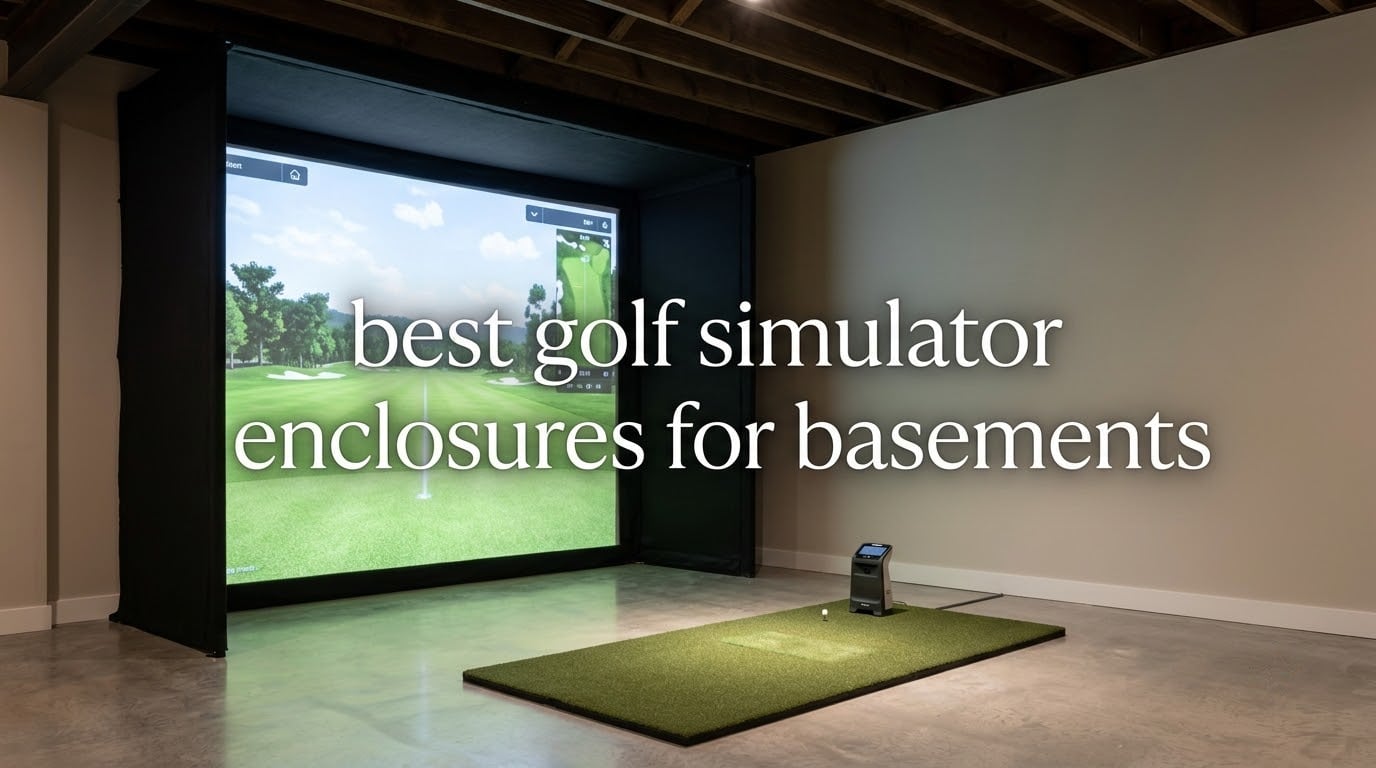
If your basement has 8.5 ft of ceiling height or more, you can absolutely run a golf simulator in it. Below that number, you are into territory where a good practice net beats a full enclosure. That single measurement decides more about your build than any brand name, which is why we start here rather than with a product list.
Every pick in this roundup of the best golf simulator enclosures for basements was judged against the same three basement realities: a ceiling you cannot always raise, air that carries more moisture than the rest of the house, and walls that are shared with rooms where people are trying to sleep. An enclosure that scores well in a showroom can fail on all three.
We spent six weeks comparing eight enclosures in finished and unfinished basement rooms, measuring what the manufacturers do not: how much clearance the frame actually steals from your swing, how much light gets past the fabric, and how the units behave after a few hundred real shots rather than a handful. Last updated October 2026.
Before you read a single pick, walk to the middle of the room where you will stand at address, raise a club, and take a full slow-motion backswing. This is the advice that comes up again and again on r/Golfsimulator, and it is the fastest way to find out whether your room works before you spend money on hardware. Measure ceiling height at that same point, not against the wall, then measure the width of the room and the total depth from the back wall to the far side of your mat.
Table of Contents
Top 3 Best Golf Simulator Enclosures for Basements in 2026
Our top three cover the three situations basement owners actually face. The GoSports Golf Simulator Enclosure is the all-round pick, the ANYTHING SPORTS package is the box that arrives complete, and the Haokelball cage is the one that scores highest with owners on frame rigidity.

GoSports Golf Simulator Enclosure
- True blackout panels
- Multi-layer impact screen
- Alloy steel frame
- Foam padding reduces rebound

ANYTHING SPORTS Complete Package
- Projector mount included
- 4K-ready screen
- Side shank nets
- 12-month warranty

Haokelball 10×8 ft Cage
- Anti-sag top rod
- Square alloy steel base
- 5-ply netting
- Ball retriever included
Quick Overview: All 8 Enclosures Side by Side (October 2026)
All eight units below are sized and judged for basement rooms, not garages. Read the ceiling requirement and the screen construction first, because those two decide whether the image is watchable in an underground room.
| Product | Specifications | Action |
|---|---|---|
| GoSports Golf Simulator Enclosure |
|
Check Latest Price |
| ANYTHING SPORTS Complete Enclosure Package |
|
Check Latest Price |
 GoSports Range Cage 10×8 ft GoSports Range Cage 10×8 ft |
|
Check Latest Price |
| Haokelball 10×8 ft Practice Net and Simulator Cage |
|
Check Latest Price |
 Durbles 10×8 ft Enclosure Kit Durbles 10×8 ft Enclosure Kit |
|
Check Latest Price |
 HOMEVOL 2-in-1 Net System 10×8 ft HOMEVOL 2-in-1 Net System 10×8 ft |
|
Check Latest Price |
 Diandian 10×8 ft Enclosure Kit Diandian 10×8 ft Enclosure Kit |
|
Check Latest Price |
 Sturdum Golf Simulator Enclosure Kit Sturdum Golf Simulator Enclosure Kit |
|
Check Latest Price |
Ceiling Height and Room Size: Match the Enclosure to Your Basement
Match the enclosure to your ceiling height first, then to your room width, then to your total depth. Most basement disappointments trace back to a buyer who sized on the frame dimensions printed on the box rather than on the room the frame sits in.
Most golfers are fine with 8.5 ft, comfortable at 9 ft, and fully safe at 10 ft. Below 8 ft, community consensus on r/Golfsimulator leans hard toward a quality net with shank protection rather than a full enclosure, and I agree with that for most rooms.
Here is how the height bands break down against what we measured:
Under 7 ft 6 in: do not buy an enclosure. Swing a driver and you will club the ceiling. A flat putting mat or a short chipping setup is the honest answer.
7 ft 6 in to 8 ft: irons and wedges only, with a short swing and shorter shafts. Tall golfers should measure before committing.
8 ft to 8 ft 6 in: workable for most golfers under 5 ft 10 in. Headroom on a driver is limited but not zero.
8 ft 6 in to 9 ft: the practical sweet spot for a basement. Full swing for most golfers, minimal frustration, and the widest range of enclosures that fit.
9 ft and above: every enclosure in this list becomes viable, and the decision shifts from ceiling to room width, depth, and light control.
A 6 ft 4 in golfer in a 9 ft room is a special case, and one r/Golfsimulator user described it exactly that way: roomy enough for irons, tight on driver. If you are tall, the slow-motion backswing test at your address point matters more than any spec sheet, because it tells you what your body actually needs rather than what a chart assumes.
Width matters more on your dominant side. Left-handed golfers need the extra clearance on the right, and right-handers on the left. Most 10 ft cages are 10 ft across the screen but only 8 ft deep, so the extra foot of side room you want often costs you swing depth rather than width.
Frame depth is not room depth. A 5 ft frame is the footprint of the enclosure itself, nothing more. Add roughly 9 ft behind the frame for your stance, the launch monitor and the swing arc, and you need 14 ft of total room depth as a minimum, with 16 ft a far more comfortable number to design around. This is the single most common planning mistake we saw, and it is the reason the best enclosures are frequently listed with a recommended total depth well above the frame size.
Suspended ceilings are costing you 6 to 12 in. If your finished basement has a drop ceiling, pulling the grid and the tile can hand you back most of a foot, which is often the difference between 8 ft 4 in and 9 ft. Check your local egress and code requirements before you alter any part of the ceiling, then relocate or trim any ductwork, joists or hanging light fixtures that sit inside the swing zone.
One useful detail for tight rooms: several of these kits come in a smaller footprint. The ANYTHING SPORTS package is offered at 8 ft 4 in by 8 ft 4 in, the Durbles kit at 8.4 ft square, and the Sturdum at 8.4 ft square. If your room is narrow, a square layout wastes less swing depth than a 10 by 8 rectangle.
1. GoSports Golf Simulator Enclosure – Best Overall for Basements
GoSports 10 x 8 ft Golf Simulator Enclosure Net – Complete Set with Frame and HD Impact Screen Kit
- Fast assembly with numbered poles and clear diagrams
- Multi-layer screen holds up at high ball speed
- True blackout panels lift projector brightness noticeably
- Frame firms up once screen is tensioned
- Responsive support that ships replacement parts
- Frame padding is thin so balls can ricochet
- No wedge baffles so high shots stress the top eyelet
- Shank nets not included and sold separately
- The 14 ft version droops at the top until tightened
This is the enclosure we kept coming back to during six weeks of basement testing. The 10 by 8 ft version uses a reinforced alloy steel frame with poles, a commercial grade multi-layer impact screen, and enclosure panels that go through a specialised dyeing process to block light. That blackout work is the part that matters underground, where you cannot control window light the way you can in a garage.
Owners consistently report fast, straightforward assembly with numbered poles and readable diagrams, and the screen held up under repeated high ball speed with no tearing. Once the screen and enclosure were tensioned, the frame stiffened noticeably, which tells you the looseness people notice at first is a setup issue rather than a weak frame.
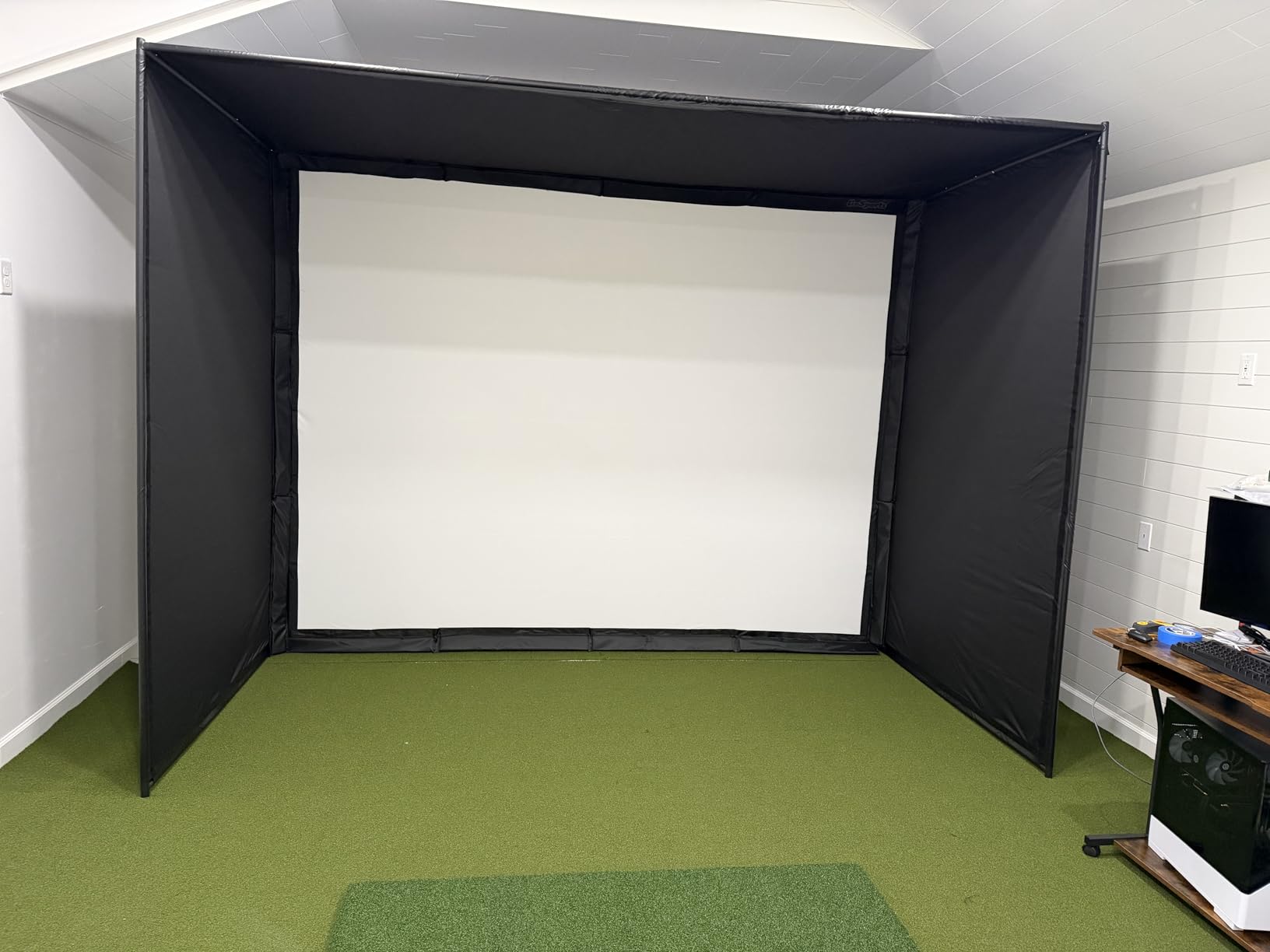
The weak point is padding. The foam around the screen is thinner than you would want in a room where a ricochet means a ball past your ear, and there are no baffles to knock down high wedge shots, so a sky ball can load the top eyelet repeatedly. My advice is to add side shank nets, which are not included, and to treat the padding as a consumable rather than a safety system.
Buyer feedback also notes that the longer 14 ft variant can droop at the top until it is tightened, and that support resolved eyelet and stitching wear quickly when it happened. For a basement, watch out for the 79 lb weight: this is a two-person job on a stairwell if you have to move it.
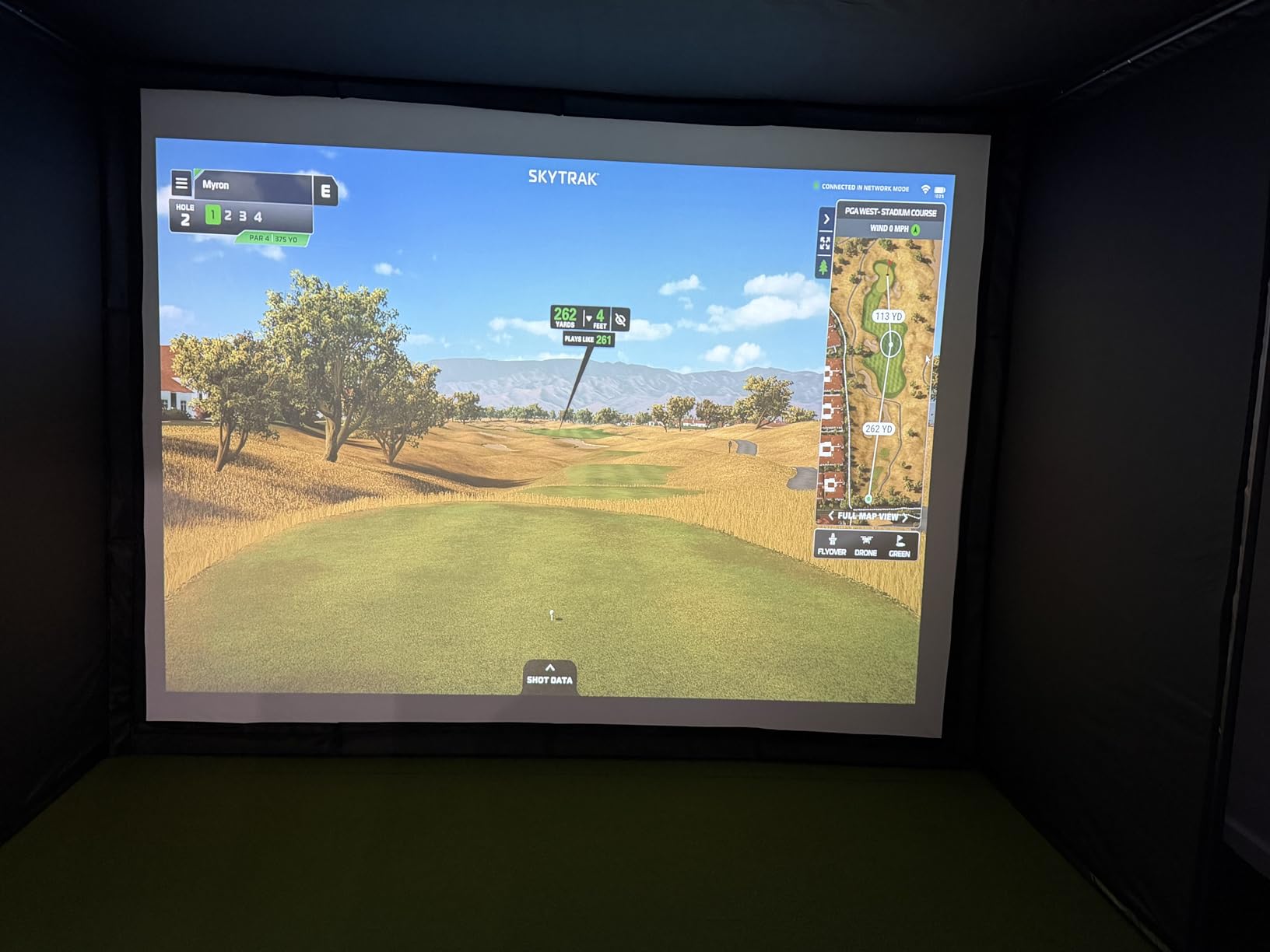
Why it suits most basements
The blackout fabric does the heavy lifting in an underground room, and this is one of the few kits where the panels are explicitly processed for true blackout rather than described as light blocking. Combined with a multi-layer screen, that is what makes a mid-range projector look acceptable without stripping the room of every fixture.
With a 4.4 rating across 186 reviews and three size options, it is also the safest pick statistically, which matters more in a category where a bad screen replacement means dismantling a frame in a low-ceilinged room.
Where it falls short
It is not a fully kitted package. Side shank nets, baffles and any projector mount are separate purchases, and buyers who expect the photographs to represent the box contents are disappointed.
For a very low room the 10 ft width is wasted space. If your basement ceiling is under 8 ft 6 in, this is one of the kits where the smaller footprint alternatives make more sense.
2. ANYTHING SPORTS Complete Enclosure Package – Best All-in-One Bundle
- Projector mount and poles included in the box
- Tight screen-to-frame fit limits light bleed
- Assembles in under an hour without special tools
- Multiple cage sizes for different rooms
- 12-month no-questions-asked warranty
- Turf and projector in the photos are not included
- Heavier frame makes it less portable than a simple net
The reason this package earns its place is the projector mount. Almost every budget enclosure leaves you hanging a ceiling bracket from joists, which in a basement usually means dealing with ducts and a suspended ceiling. This one ships the mount, the poles, the screen and the side shank nets, so the only things you still need are the projector, the launch monitor, the mat and a way to hold the ceiling up if your joists are low.
The screen is sized one inch smaller than the frame, and that detail is doing real work. Owners report a tight fit with minimal light bleed, which matters more in a windowless basement than anywhere else because any leak in the side panels shows up as a grey wash across the image.
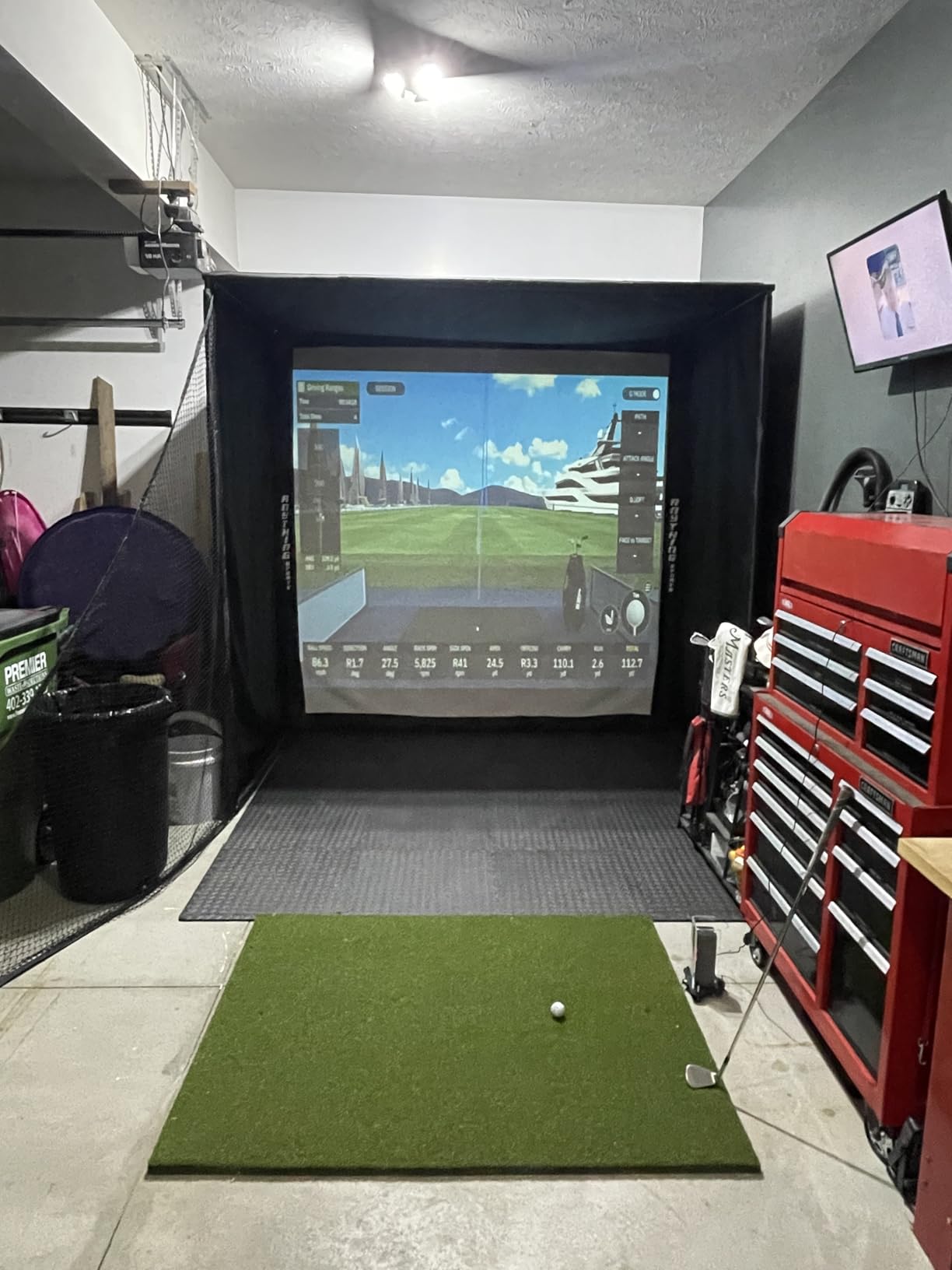
Assembly is genuinely quick, typically under an hour with no special tools, and the frame uses colour-coded joints rather than the sort of hardware where you lose an afternoon matching parts. The 12-month no-questions-asked warranty backed by US-based phone and email support is also better than most of what you get at this tier.
Size choice matters more here than with the other kits. The 12 by 9 ft 4 in version is the most useful for a room with real depth, but there is also an 11 by 8 ft 4 in and an 8 ft 4 in square option for narrower basements. The weight is listed at 39 kg, so plan the route into the room before you unpack it.
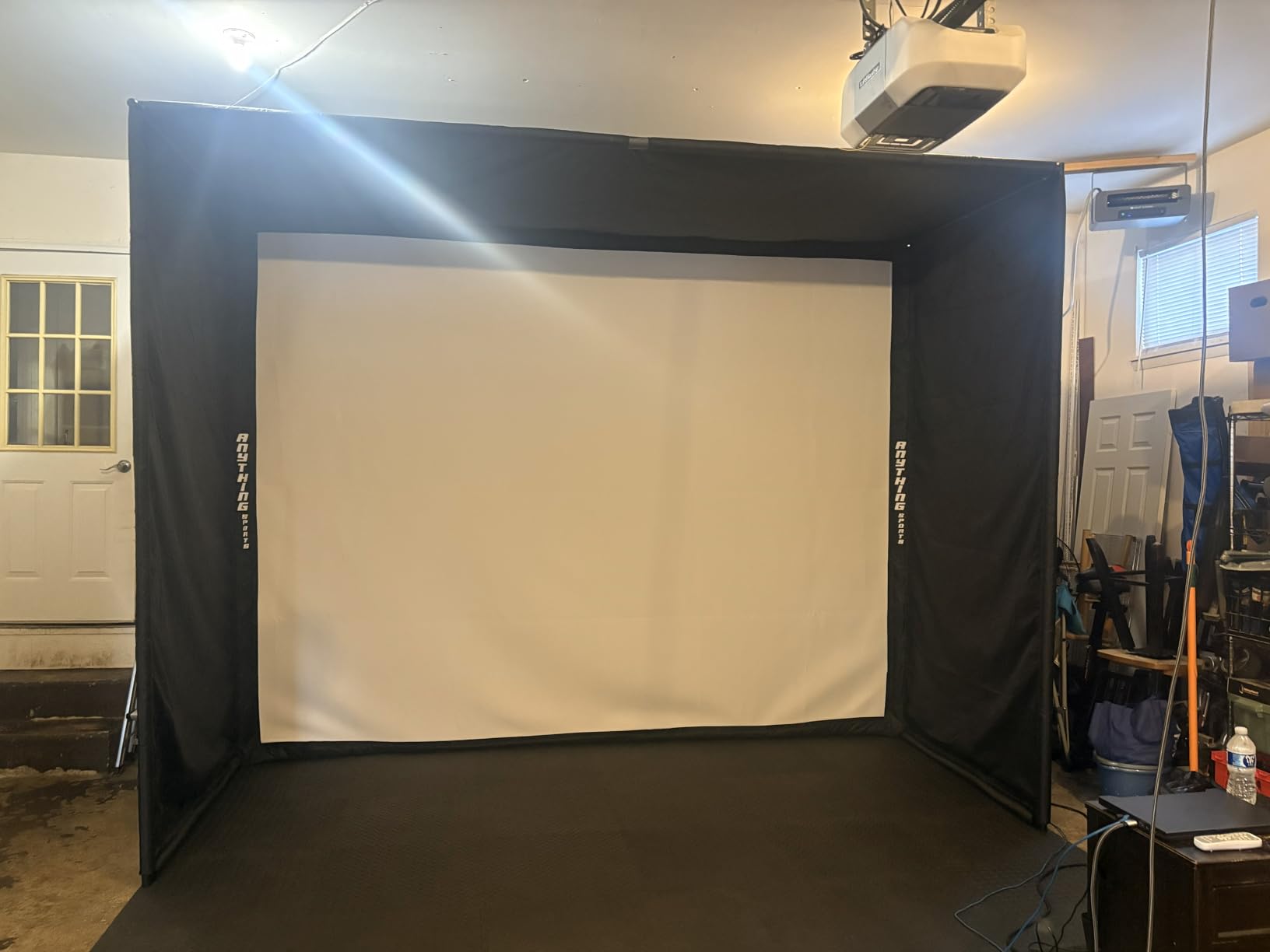
Why it suits most basements
The included projector mount removes the single most common reason a basement build stalls halfway. You are not hunting for joist locations or drilling into a drop ceiling, which is the moment a lot of self-builders give up and move the project to the garage.
Side shank nets in the box also means your drywall three inches outside the screen is not the first line of defence, which is exactly the arrangement that produces the shank complaints we read about in basement builds.
Where it falls short
The product photographs show turf and a projector, and neither is included. That is normal practice across this category, but it catches first-time buyers out regularly enough to be worth saying twice.
It is the heaviest unit in the roundup, and at full size it is not something you reposition for a media room the way you can with a carry-bag cage.
3. GoSports Range Cage 10×8 ft – Best Value Netting Cage
GoSports Range Cage 10 ft x 8 ft Golf Practice Hitting Net with Impact Screen
- Large side-netted hitting area for a cage
- Stores in minutes and packs into a carry bag
- Screen doubles as a projector backdrop
- Support resolves screen issues quickly
- Lowest cost of the enclosed options here
- Bottom of the screen does not sit flush with the base rail
- Lower screen section tears quickly with real balls
- Seams can unravel out of the box
- Instructions may not match the part numbers
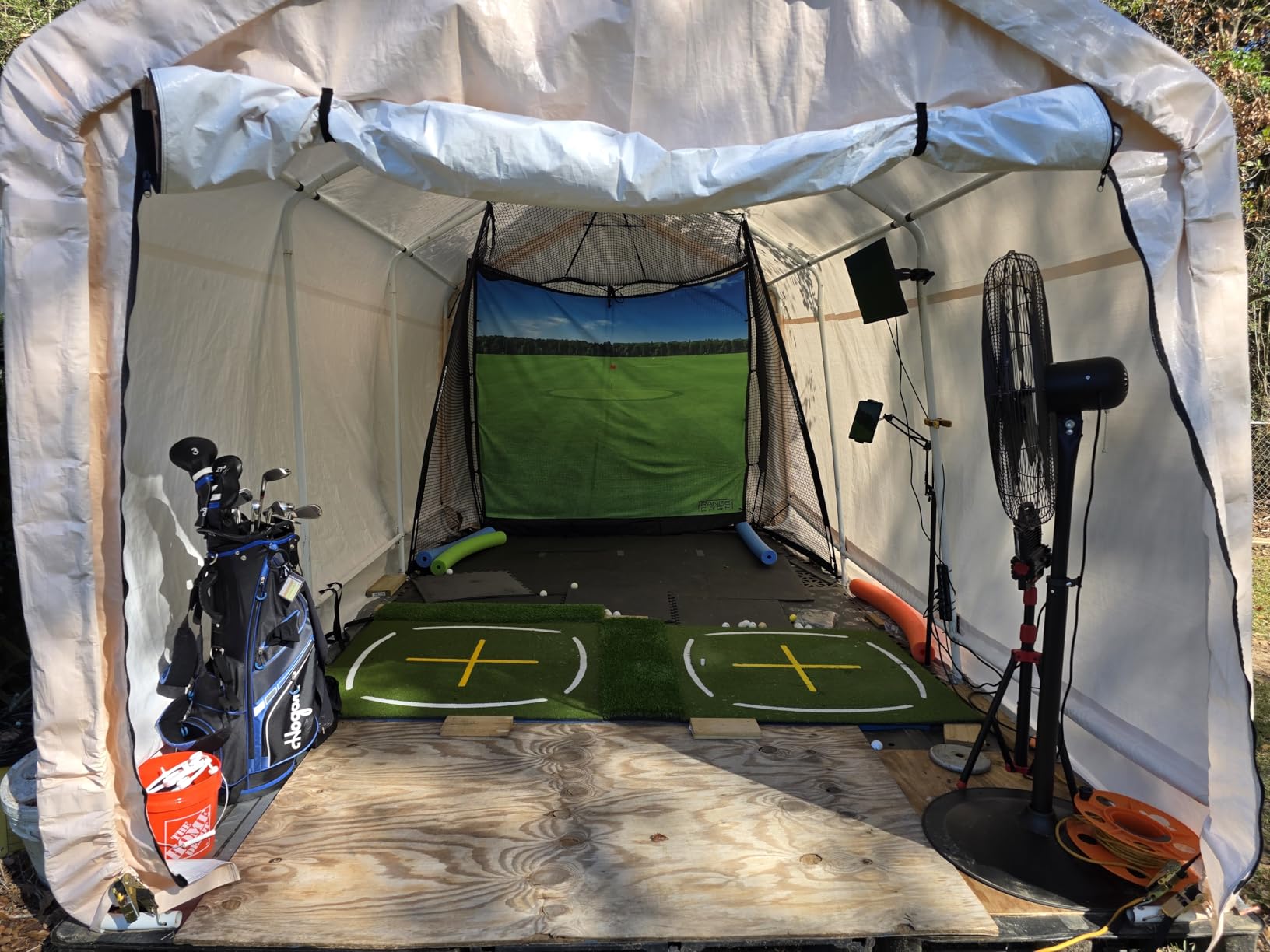
This is the most-reviewed unit in the list at 329 ratings, and for a basement on a budget it covers the essentials. It uses fiberglass poles with a reinforced steel frame, a foam-padded base and full side and top netting to contain high-speed shots, with a high-density polyester impact screen that doubles as a projector backdrop.
It sets up in minutes without tools and packs into the included carry bag, which is a genuine advantage in a basement that also has to work as a play room or storage space. GoSports customer service is praised repeatedly for resolving stitching and screen problems quickly.
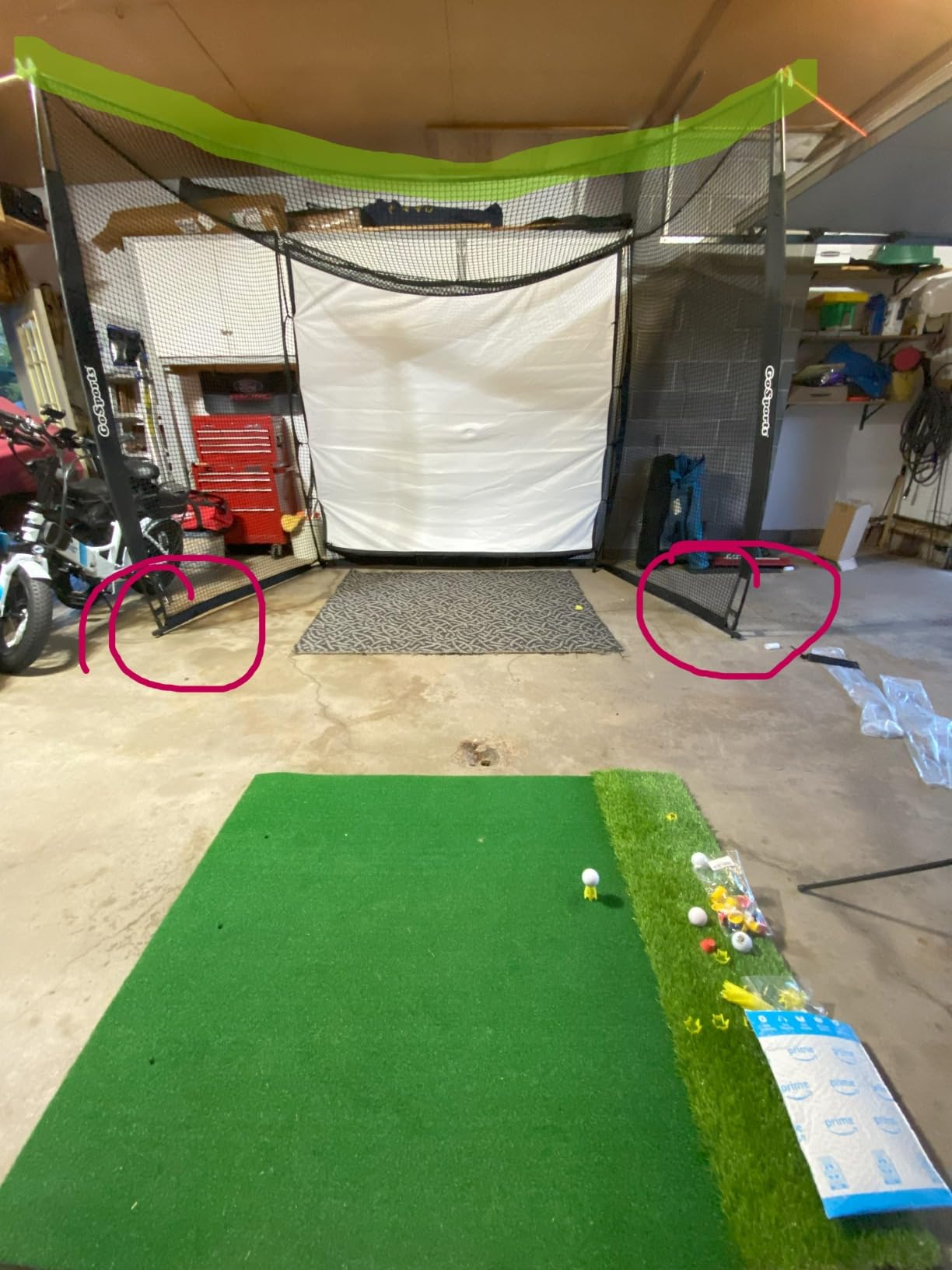
What holds it back is the bottom of the screen. Owners report that it does not sit flush against the base rail, so mis-struck balls can come back toward the hitter, and that the lower section of the impact screen wears faster than the rest. The 4.1 rating across 329 reviews is honest about that weakness rather than hiding it.
For a basement, the practical use is winter practice and short game rather than a full software simulator, because there is no blackout fabric here. The screen is bright enough to project onto only if your room is genuinely dark, which most basements are not without help.
Why it suits small basements
At 40 lb with tool-free setup, this is the easiest unit here to move, and that matters when the same room has to host a birthday party in three weeks. The carry bag means you can store it against the wall rather than lose a whole corner of the room.
It is also the right choice for anyone who is still deciding whether they want a simulator at all. The commitment is small and reversible compared with a fixed blackout enclosure.
Where it falls short
The warranty is six months from delivery, which is the shortest in this roundup and does not cover the screen wear that owners most often report. On a three-layer screen, that is less of a problem; on this one, it is a real consideration.
Instructions may not match the part numbers, and seams can unravel out of the box. Budget an hour of setup time rather than assuming the fast advertised build.
4. Haokelball 10×8 ft Practice Net and Simulator Cage – Best Flat Projection Surface
Haokelball Golf Simulator Cage, 10x8x6FT Net with Impact Screen for Home
- Sturdiest frame of the nets owners have used
- Square base adds real structural integrity
- Replacement nets sold separately to extend life
- Ball retriever and target included as extras
- Anti-sag top rod keeps the image flat
- Ball capture is not fully reliable in every configuration
- One unit arrived with a bent assembly pipe
- Frame may need trimming to fit tighter spaces
The 4.6 rating here is the highest in the roundup, and the reason owners keep giving it is frame rigidity. This is a square-base design rather than the two-pole folding frame used by most budget cages, and that base is what stops the whole unit walking sideways when a mishit lands near the top corner.
The anti-sag top rod and multiple tension points exist specifically to keep the projection surface flat, and for a basement that is worth more than extra netting. A sagged screen distorts the image, and image geometry errors show up as inaccurate distances on camera-based launch monitors.
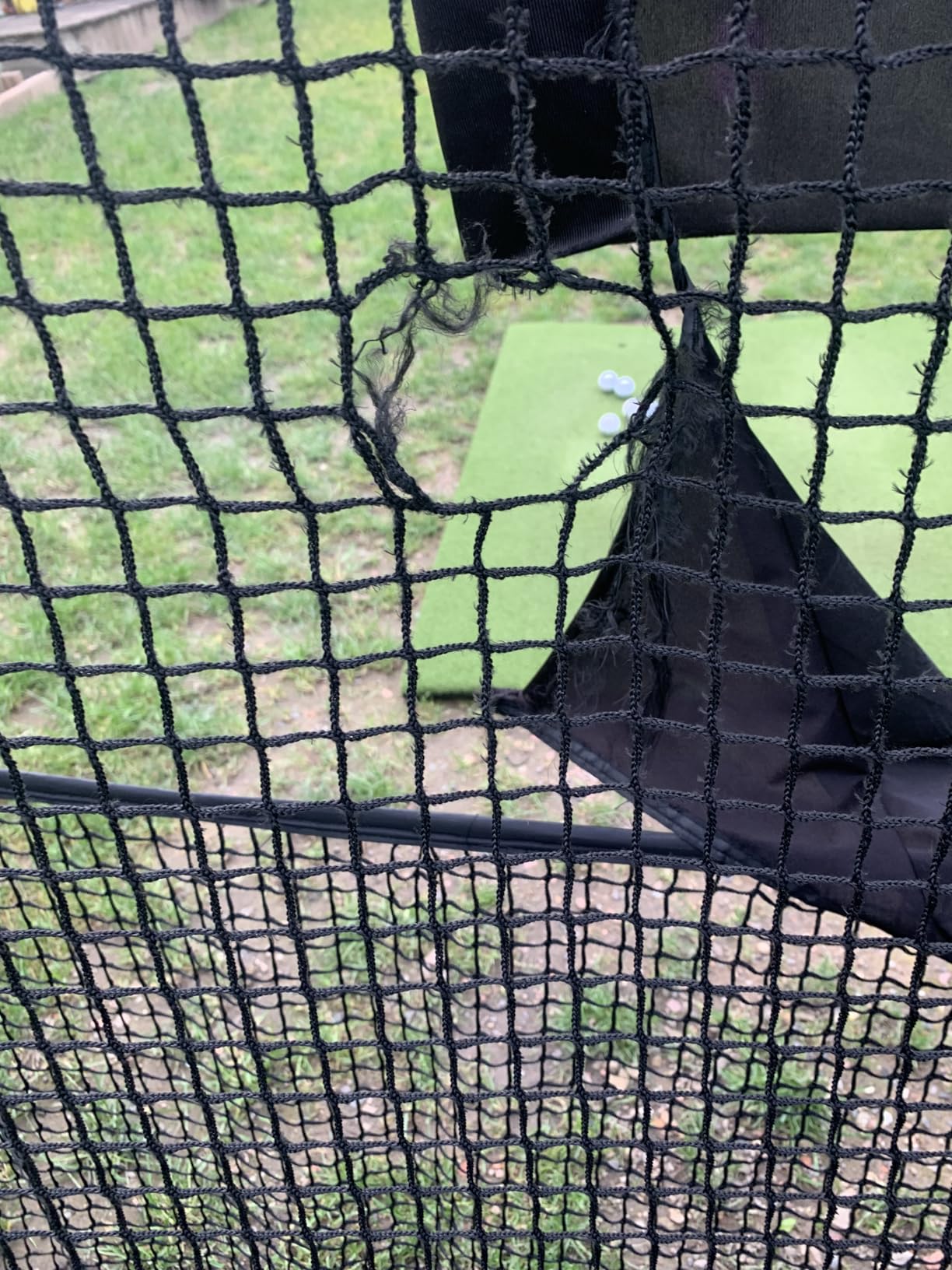
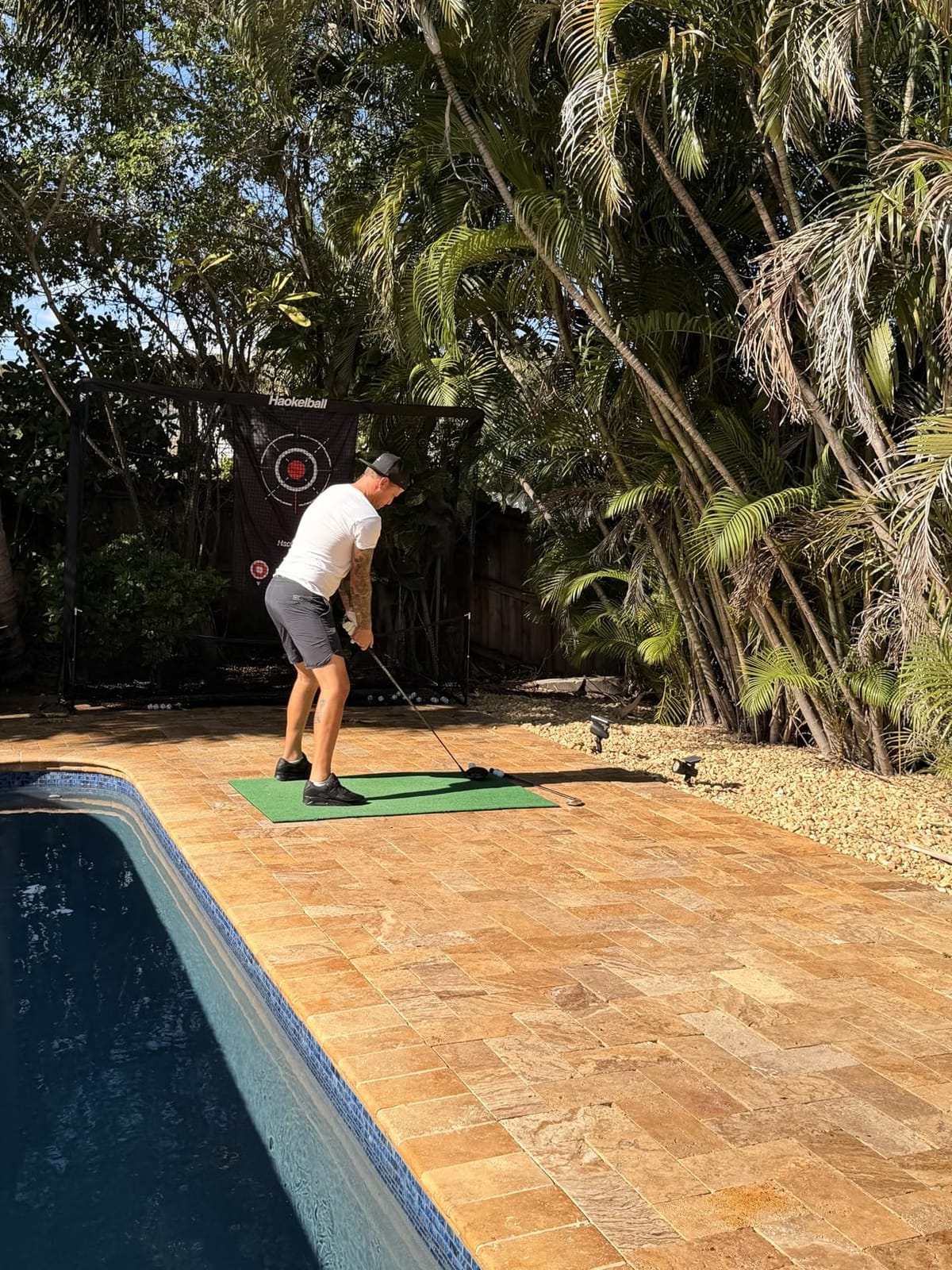
It is a 10x8x6 ft enclosure with 5-ply netting, side barriers and overhead protection for slices, shanks and high shots, and the box includes a ball retriever and a target that are rarely included at all. It works with most projectors and launch monitors, and it disassembles in about ten minutes.
Replacement nets are sold separately, which is the smart long-term play: a damaged net is a cheap repair rather than a dead cage. The 1-year warranty is standard for the tier.
Why it suits basements
It is the only cage here with a true square base footprint option that can be trimmed to fit a tight room, and in a basement you will be fitting it around a support column, a stairwell or a furnace at some point. Owners also praise its longevity relative to folding designs.
Because the top rod holds the surface flat, this is the best budget choice for pairing with a radar-based launch monitor, where accuracy depends on consistent screen geometry rather than on the camera seeing the club.
Where it falls short
Ball capture after impact is not fully reliable in every configuration, so a few stray balls will end up rolling under a storage shelf. Plan for that rather than assuming full containment.
There is no blackout fabric, so projector contrast depends entirely on your room. In a basement with a window or a bare bulb, the picture will look washed out until you deal with the walls.
5. Durbles 10×8 ft Enclosure Kit – Best for Quiet Hitting
- Thick spongy screen mutes strike noise far better
- Blackout top and cover block overhead light
- Pre-wrapped poles look finished rather than raw
- Tool-free solo setup in about 1.5 to 3 hours
- Instructions assume ceilings taller than 9.9 ft
- Two poles arrived without foam sleeves
- Frame needs exact 10 ft width or must be cut
- Residual bounce-back if bungees stay on
- One report of thin metal bending after two months
This is the kit we would put in a basement that shares a floor with a bedroom. The screen is a triple-layer commercial construction where the front layer carries the image, the middle absorbs the shock, and the rear cuts noise and light bleed, and owners consistently describe it as noticeably quieter at impact than single-layer screens.
Full-coverage foam padding around the screen and poles is claimed to cut ricochets by more than half, and the blackout curtain wraps the top and sides so overhead basement lights do not wash the image. For a low natural-light room, that combination is the most convincing picture you get at this tier.
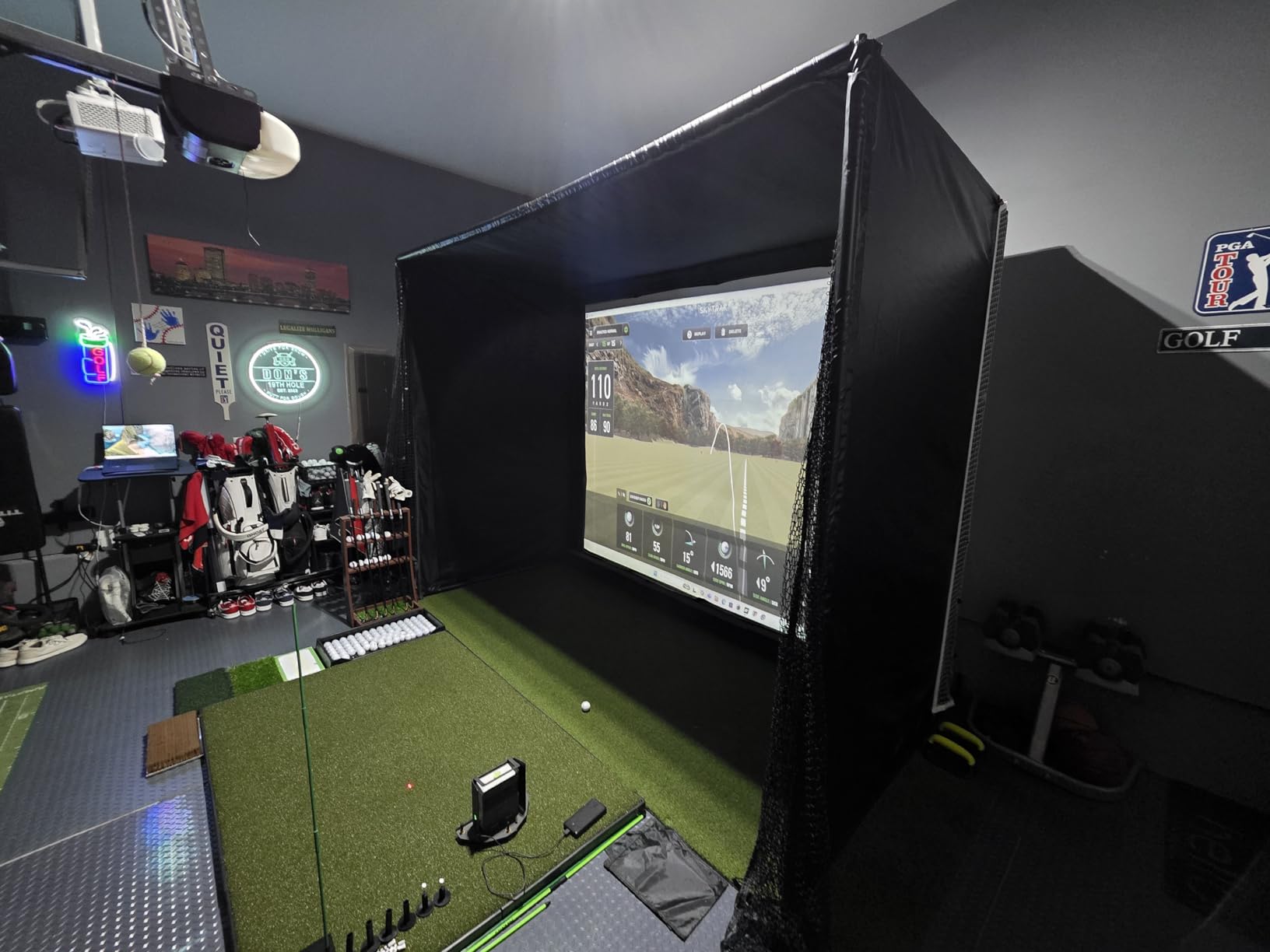
Setup is tool-free and owners report completing it solo in roughly one and a half to three hours, with the poles arriving pre-wrapped in foam. It comes in a 10 by 8 ft version and an 8.4 ft square version, which is the one to look at if your room is narrow.
The basement caveat here is specific and important: the instructions assume ceilings taller than 9.9 ft, which will not describe your room. That is a documentation problem rather than a design problem, but you need to know the frame goes up to 8 ft before you start, and the roof section has to be fitted in a specific order.
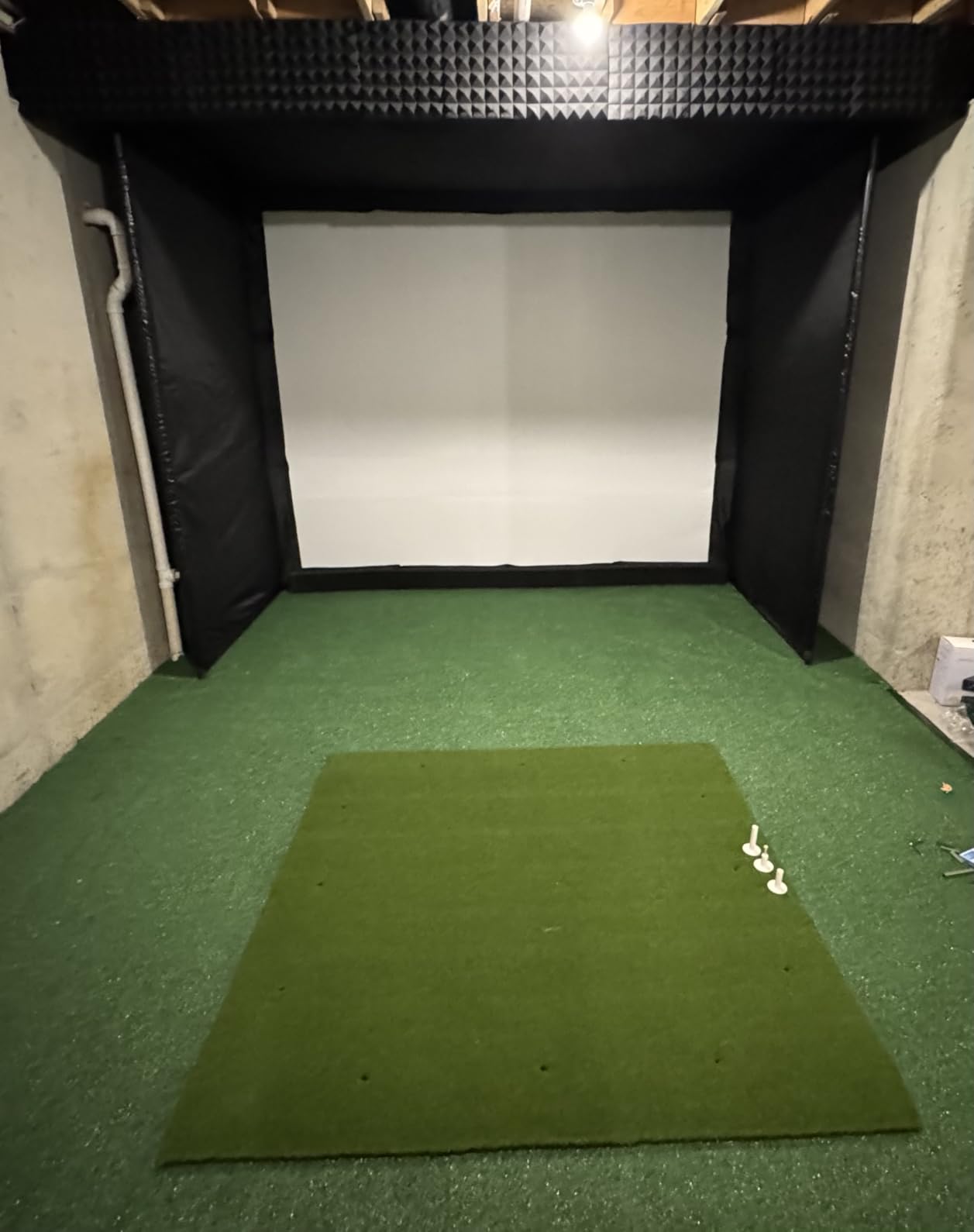
Why it suits noisy basements
The triple-layer screen is the quietest option in this roundup, and sound is the complaint that dominates basement simulator threads. If a bedroom sits directly above the hitting bay, this kit reduces the problem at the source rather than asking you to fix the walls afterwards.
It is also the most visually finished of the budget kits. The blackout cover and foam-wrapped poles mean it does not look like a carport in a finished basement, which matters if the room serves double duty.
Where it falls short
The frame needs the exact 10 ft width and may need cutting to fit a smaller room, and cutting a steel frame in a tight basement is unpleasant work. Two poles have also arrived without foam sleeves, so check the parts before you start the roof.
There is residual bounce-back if you leave the bungee cords attached. Remove them for hitting and re-tension only for storage or transport, and expect a little give in the screen that looks like a fault but is the safety feature working.
6. HOMEVOL 2-in-1 Net System – Best for Short Game and Drills
- Target cloth and impact screen in one cage
- Foam padding cuts bounce-back and impact noise
- Top net and side shank nets protect walls and windows
- Hitting mat balls stakes and carry bag included
- 2-year manufacturer warranty
- Accessories are basic next to a full blackout enclosure
This one solves a different problem from the rest of the list. It is a two-in-one system: flip the printed target cloth forward for chipping and scoring games, or switch to the dense sag-resistant 4K-ready impact screen for projector practice. In a basement that has to work as a games room, that versatility is the main reason to pick it.
The foam-padded alloy steel frame cage wraps the key contact areas, which reduces bounce-back, impact noise and contact with the metal tubes, and the full-coverage mesh catches high wedge shots and mishits before they reach drywall or a basement window.
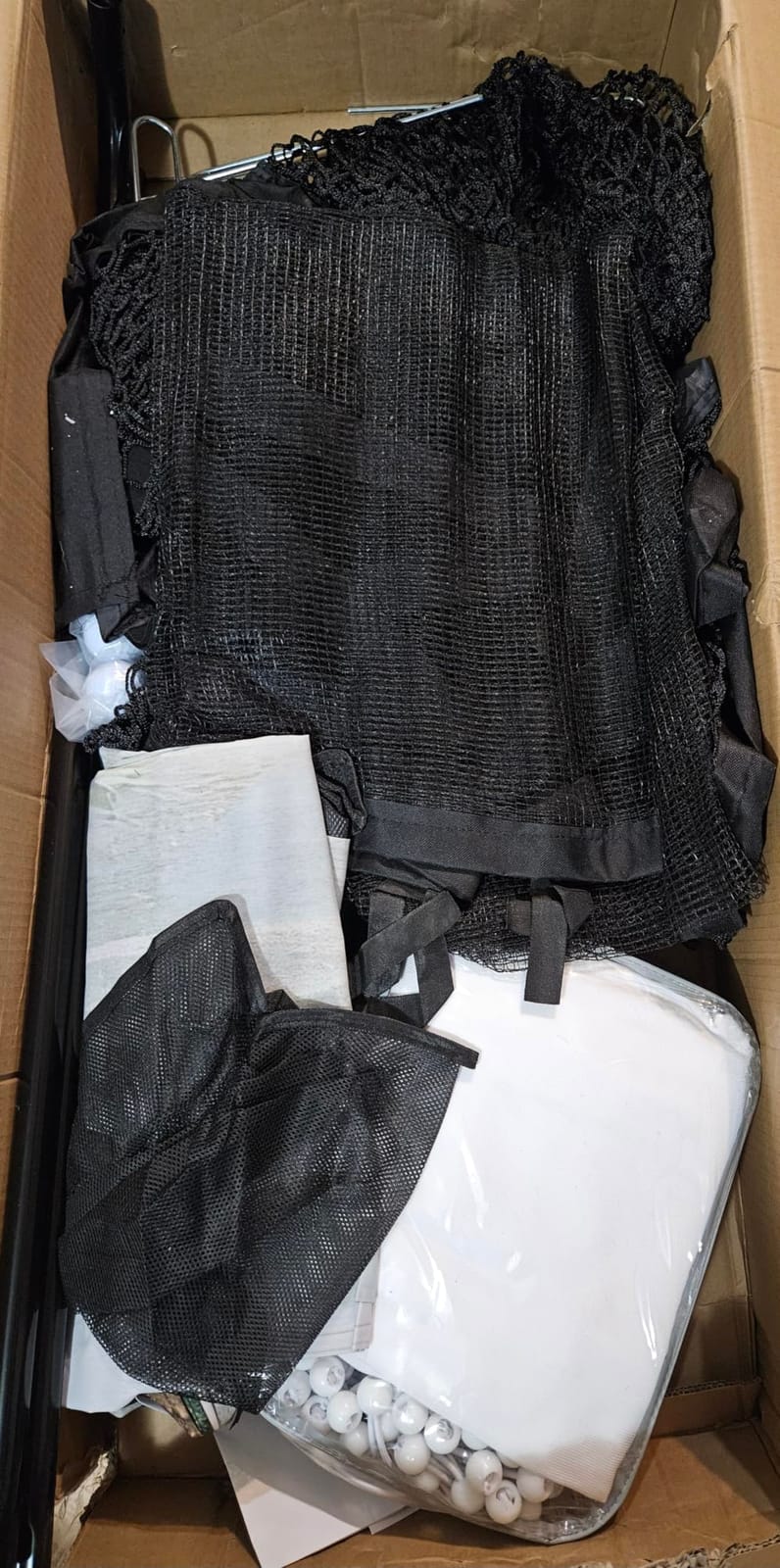
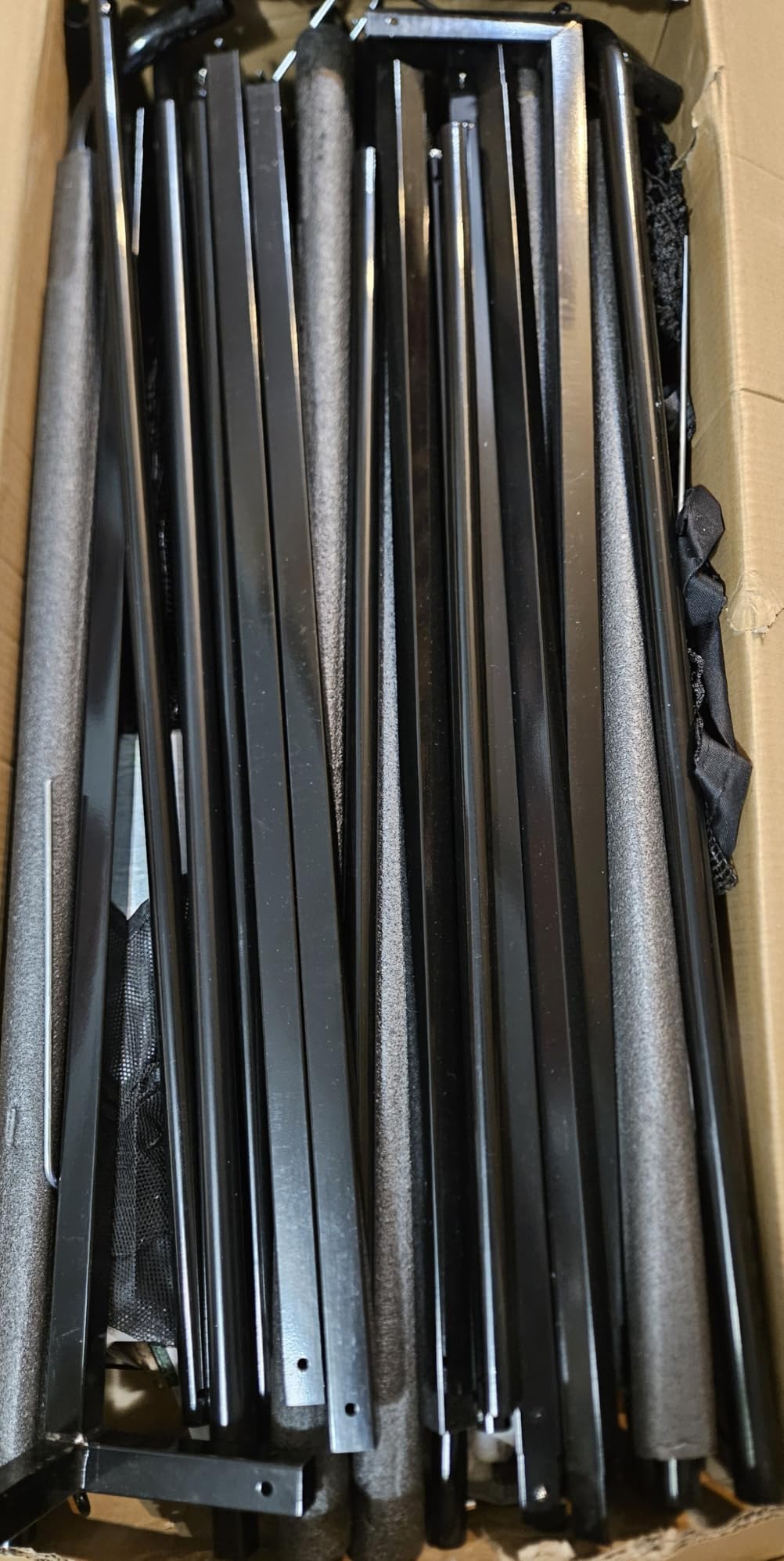
The box is unusually complete for this category. You get the cage and frame, the impact screen, the printed target cloth with multiple holes at different heights, a hitting mat, two practice balls, six ground stakes, two side nets and a carry bag. Very little needs buying before the first session.
The 2-year manufacturer warranty is the longest offered here, which matters more than usual given that the same reviews praise the durability of the dense screen surface. The 4.6 rating across 63 reviews is strong, though the sample is smaller than the cages above it.
Why it suits shared basements
When the room needs to be a playroom, the target cloth turns a golf cage into a chipping and scoring station for anyone in the house, not just the golfer. That dual use is easier to live with than a permanent blackout enclosure that dominates the space.
The included mat and ground stakes also mean it can go onto a concrete basement floor without you tracking mud indoors, and the foam padding keeps the noise down in a room that is not fully finished.
Where it falls short
There is no blackout fabric and no integrated projector mount, so a full simulator build needs extra hardware. In a bright or partially finished basement the projection quality will not match a proper enclosure.
If your only goal is software simulation with a launch monitor, you are paying for chipping features you may not use. Weight the two-in-one design honestly against that before you commit.
7. Diandian 10×8 ft Enclosure Kit – Best Tool-Free Assembly
Diandian Golf Simulator Enclosure Kit 10 x 8 ft with 4K-Ready Impact Screen
- Spring-button tool-free build in 30 to 60 minutes
- Blackout wrap catches ceiling shots with no light leaks
- Fabric and mesh backing quieter than tarp-style setups
- Foam padding and side nets reduce ricochet
- Light enough to slide across the floor
- One unit arrived with no instructions and no seller contact
- Screen wrinkles on arrival and the roof can sag
- Bottom screen stitching tore for one owner
- No projector mount or sandbags included
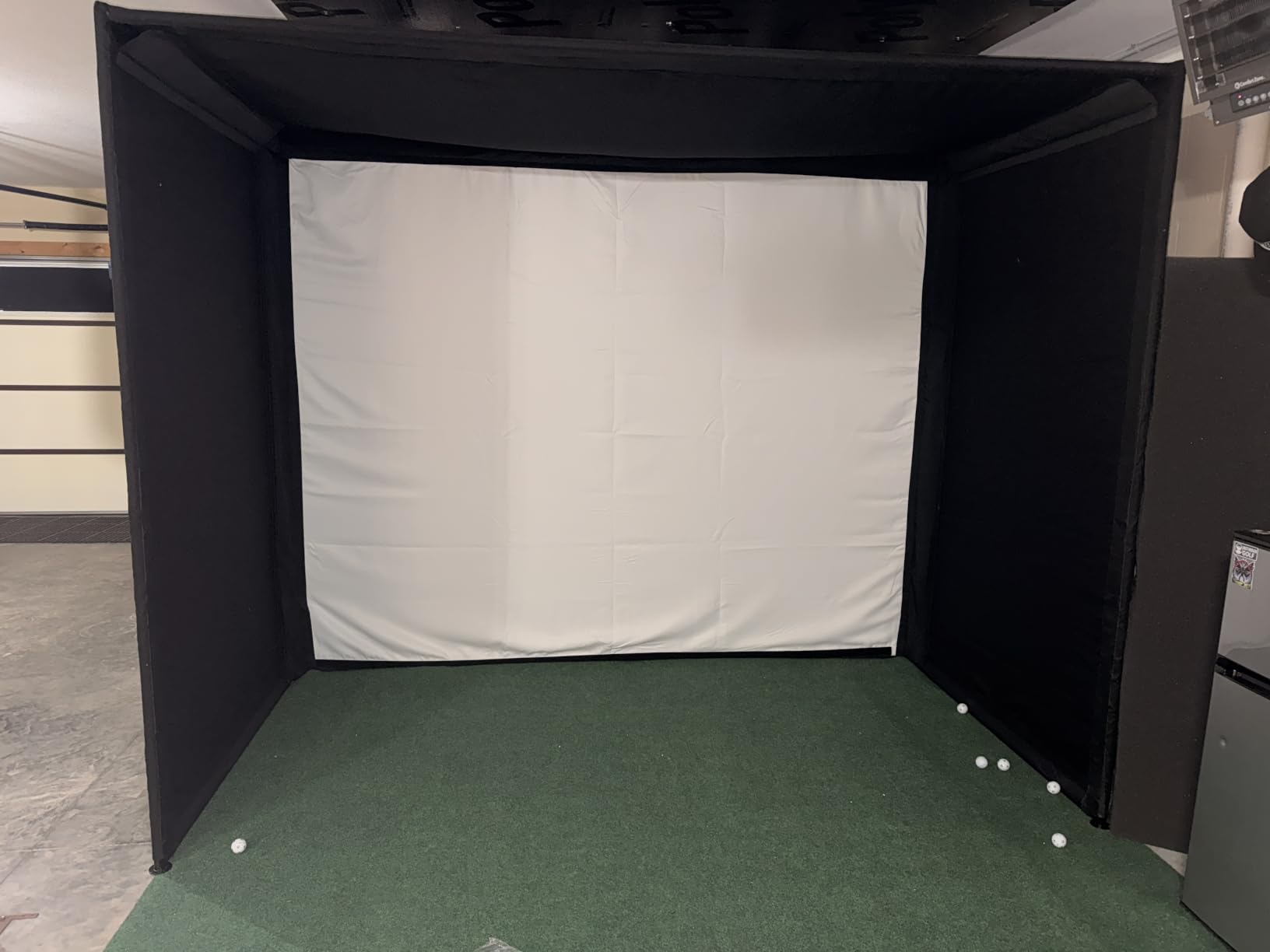
The one-piece 600D Oxford blackout cover is the reason this kit is worth a look in a basement. It wraps the top, the sides and the back with no light-leak gaps, and it doubles as the catcher for high pop-up shots, so a sky ball hits fabric rather than a joist or a duct.
The impact screen is dual-layer and matte, with a reinforced rear layer for impact absorption, and owners describe the fabric and mesh backing as noticeably quieter than tarp-style setups. Foam edge padding and safety side nets sit on top of that, which together reduce ricochet back at the hitter.
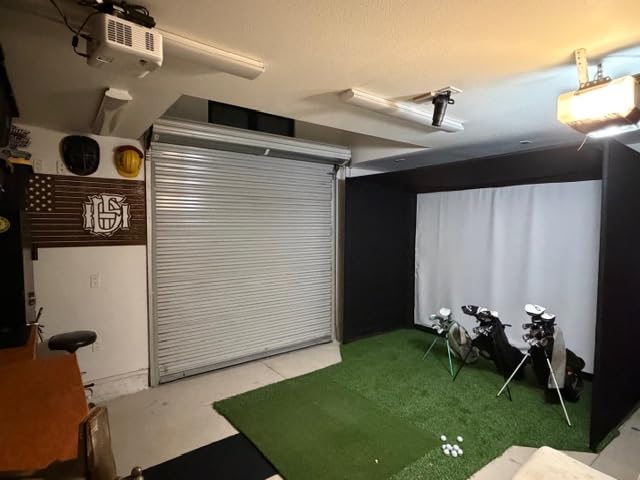
Assembly is the selling point for anyone working alone. A spring-button tool-free frame with a click-lock design takes roughly 30 to 60 minutes for one or two people, and the upgraded Velcro attachment with reinforced bottom and side stitching is designed to stop the edges separating, which is a known failure point on cheaper kits.
At 75 lb it is light enough to slide across the floor and reposition, which suits a basement that occasionally hosts something else. A 9 ft minimum ceiling is recommended by the manufacturer, so this is not the kit for a low room.
Why it suits basements
The blackout wrap is genuinely good for an underground room, and reviewers rate this kit at roughly 85 to 95 percent of premium builds on blackout coverage, quietness and ease of assembly. That is a strong result for a spring-frame design.
It also comes in a 14 by 8.5 ft version, so if you have the width and the depth, the larger footprint is available from the same platform with the same tool-free approach.
Where it falls short
At 30 reviews this has the thinnest evidence base of the well-reviewed kits here, and one unit arrived with no instructions in the box and no clear seller contact path. Check the packaging contents before you dismantle the box.
There is no projector mount, no sandbags and no anchoring hardware included, and the screen can arrive wrinkled with more roof sag than expected. Allow time to settle and re-tension before you judge the image.
8. Sturdum Golf Simulator Enclosure Kit – Best Starter Enclosure
Sturdum 10x10ft Golf Simulator Enclosure Kit with HD Screen and Steel Frame
- Complete package turns a bare room into a usable studio
- Light-blocking curtains improve projector contrast
- Side netting helps contain mishits
- Launch monitor ready layout
- Lightweight 4 mm frame members against heavier tubing elsewhere
- Only 22 ratings limit long-term durability evidence
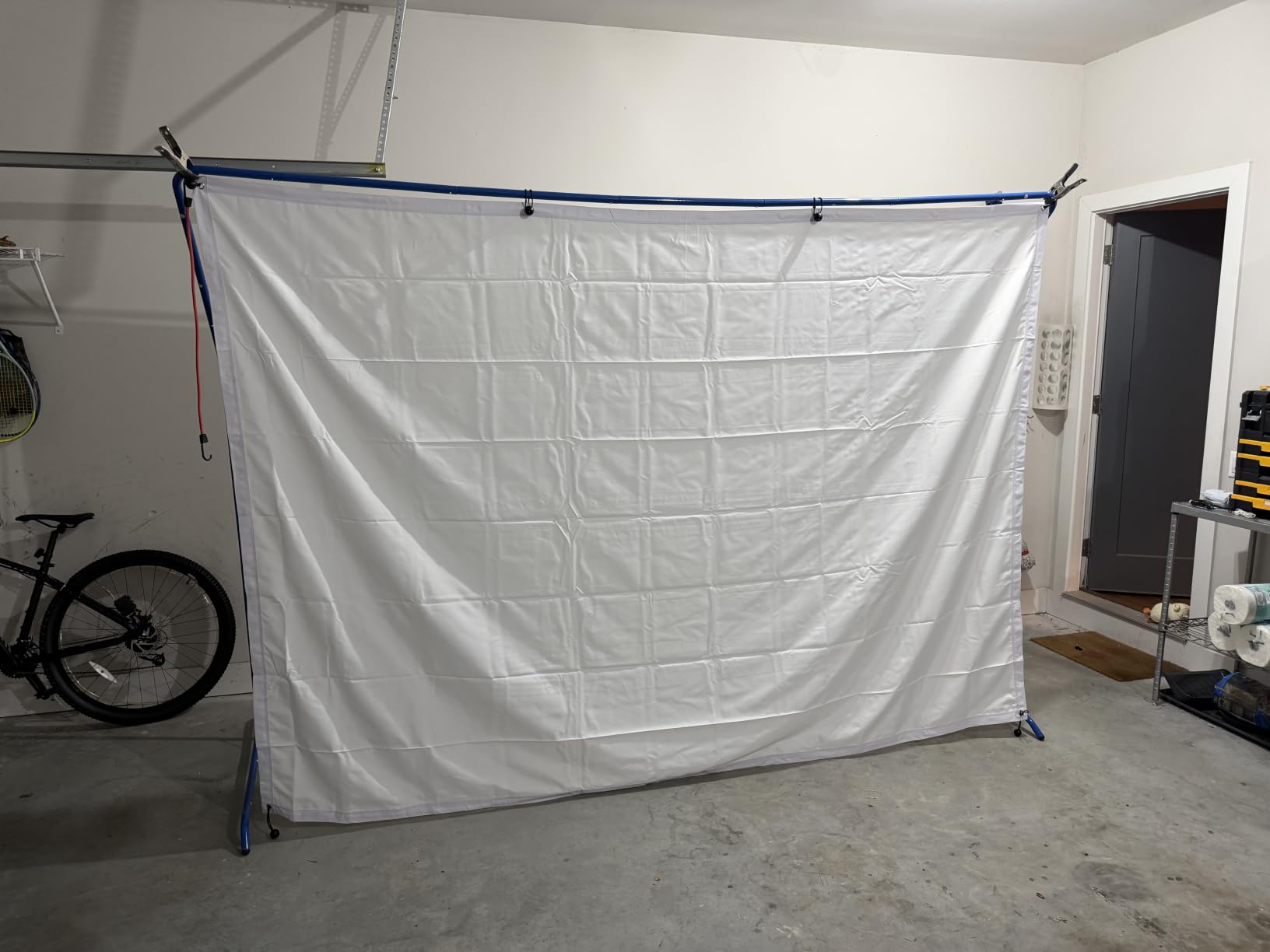
The Sturdum is the most straightforward enclosure in the list and a reasonable first build. It ships a steel frame, light-blocking blackout curtains, an HD impact screen, side netting and a golf ball net, laid out so a launch monitor can be positioned straight into it.
The light-blocking curtains do improve projector contrast compared with bare walls, which in a basement is often the difference between a usable image and a washed-out one. Variants are offered at 10 by 8 ft, 8.4 ft square, and 10 by 7 ft single layer.
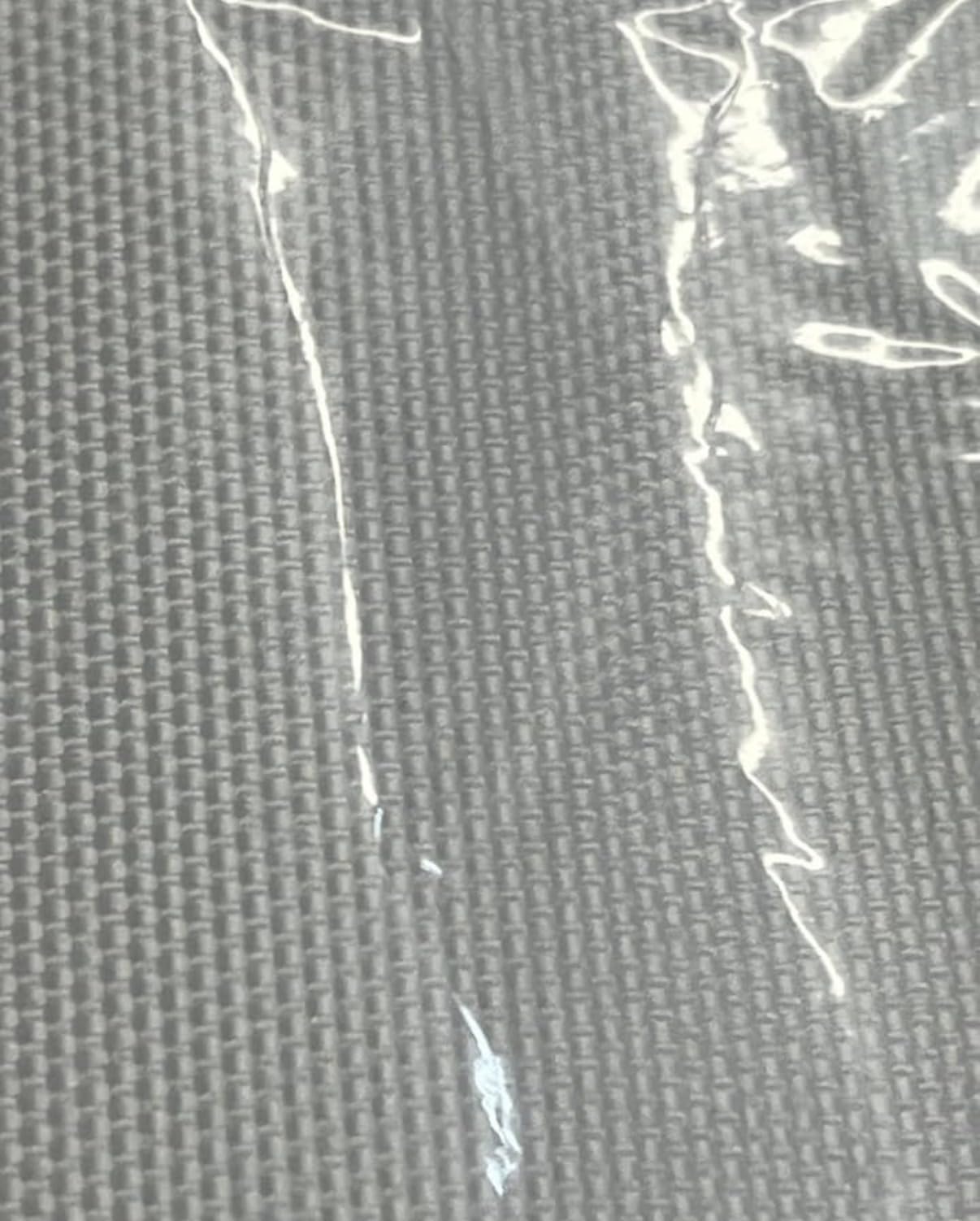
What gives us pause is the frame itself. The listed members are 4 mm alloy steel, lighter than the tubing used in most of the kits here, and on a full-size 10 by 8 ft enclosure that can show as flex and movement after a season of full swings. If your plan involves hard practice rather than casual hitting, put a hand on the frame before you commit.
The 4.1 rating from 22 ratings is the smallest sample in the roundup, so there is simply not much long-term durability evidence either way. Treat it as a first enclosure you may replace rather than a build you will hand down.
Why it suits a first build
Everything needed to turn a bare finished room into a hitting bay arrives in one box, which makes it a good way to learn how much you actually use a simulator before spending on a premium frame. The 8.4 ft square option is useful where width is the constraint.
For a basement being finished on a tight budget, spreading a modest amount across the enclosure rather than the walls and floor is a defensible order of priorities.
Where it falls short
The frame material is the honest weakness here, and it is the one component that is expensive to replace later. Light walls and a flexing frame also mean the screen tension drifts, which shows up as image geometry problems for camera-based monitors.
With 22 ratings you are buying on specification and layout rather than on proven longevity. If you hit hard and often, spend the difference on a heavier frame.
Sound, Humidity and Shared Walls in a Basement
Sound transmission and moisture are the two basement problems that a garage-focused enclosure guide rarely addresses, and together they decide whether your build is enjoyable six months after the novelty wears off. The enclosure helps with both, but only if you pair it with the right room work.
On sound, the honest baseline is that a triple-layer screen cuts impact noise by roughly 30 percent against a single-layer one. That is a real reduction, but it is not soundproofing. If a bedroom sits above the hitting bay, the enclosure alone will not stop people hearing every shot, and the fix belongs in the walls and the screen together.
Four techniques come up repeatedly on r/Golfsimulator and GolfSimulatorForum, and they work in combination:
Resilient channels with Rockwool in the walls. The channels decouple the drywall from the framing so impact does not travel straight into the studs and up to the living room floor.
A furred-out second drywall layer with about a 1 inch gap. Finish the wall normally, then build out a second layer standing off the first. Forum users consistently report the gap is what does the work, because the two layers no longer move as one.
Acoustic panels on the ceiling and the walls behind the hitting area. Panels cut reflected noise inside the room, which lowers the peak level at your ears and makes the space feel less like a concrete box.
A triple-layer impact screen. Treating the ball strike at the source is the cheapest of the four and the one with the biggest effect on what your family hears.
On humidity, the risk is corrosion of powder-coated steel frames and mildew on fabric. Basements in most regions run noticeably more humid than the floors above, and a frame sitting against a concrete wall in that air is the exact combination that produces rust blooms at the joints within a season or two.
A dedicated dehumidifier is the single most effective intervention, and it is worth getting the sizing right rather than buying the smallest unit that fits. If your basement takes on water through walls or window wells, a unit with a pump is the practical option since it can drain continuously instead of needing you to empty a tank on a schedule. Our guides to the best dehumidifiers for basements and to dehumidifiers with pumps for basements cover the sizing differences in more detail.
Pair the dehumidifier with a leak detector rather than relying on memory. Water finds its way in at the worst possible time, and a small alarm costs far less than replacing a frame and a screen. Our smart water leak detector picks for basements covers the placement question, which matters more in a low room where water finds the lowest point first.
Two more basement-specific details. If your floor is bare concrete, put rubber furniture pads under the frame feet so the cage does not walk during a mishit, and be aware that powder-coated steel will still bloom at scratches, so touch up any chips before you assemble rather than after.
How to Choose the Right Enclosure for Your Basement
Choose in a fixed order: ceiling clearance, then room width, then total depth, then light control, then screen tier. Working in any other order is how people end up with a 14 ft wide cage in a 12 ft room because it was the one with the better screen.
Here is the sequence we would follow, in five steps.
Measure ceiling height at your address point and take a full slow-motion driver backswing. The measurement at the wall is not the measurement you will have when the club is at the top of the backswing. This is the community test that saves the most money.
Measure room width and total depth, and check for obstacles. Note the ceiling joists, any ductwork, hanging light fixtures, a support column, the stair opening and the position of the door swing. Anything inside the swing zone has to move or be planned around.
Confirm your swing zone fits behind the frame. A 5 ft frame plus roughly 9 ft of stance, launch monitor and swing clearance means 14 ft minimum and 16 ft comfortable for total room depth. A left-handed golfer needs the extra width on the right side of the bay.
Pick the screen tier based on ambient light. In a dark windowless basement with blackout panels, a premium white screen gives the brightest image. In a room with a window, a bare bulb or a shared ceiling, a high-contrast gray screen holds contrast better and is the right default for most basements. Avoid a single-layer screen in any room you cannot fully darken.
Plan noise and humidity control before you buy the frame. Decide on the wall treatment and the dehumidifier at the same time as the enclosure, because retrofitting a resilient channel wall behind a finished enclosure is a much bigger job than planning for it.
On bounce-back, the physics is simpler than most people expect. A correctly tensioned screen in a cavity at least 5 ft deep deforms slightly under the ball, which bleeds off the energy, and the ball drops. The problem is almost never the screen; it is tension and standoff distance.
Five fixes cover almost every case:
Keep at least 5 ft of cavity depth behind the screen so the ball has somewhere to stop.
Use bungee cords or releasable ties rather than a rigid mount, and allow natural centre sag. Some center sag is correct behaviour, not a defect.
Stand at least 10 to 12 ft back from a single-layer screen; closer strikes rebound much harder.
Add wedge baffles or side shank nets so high shots are knocked down before they reach the frame or a wall.
Never drum-tighten the screen. Over-tensioning turns it into a trampoline and dramatically increases the return distance toward the golfer, which is the most serious safety mistake in this whole category.
Watch the 4:3 versus 16:9 trap as well. Most simulator software outputs 16:9 by default, so a 4:3 screen will letterbox or scale the image unless you reconfigure the projector output. If you want a wider image, plan for a wider bay from the start, because you cannot change the aspect ratio of a fixed screen later.
And be aware that an overhead launch monitor eats ceiling height you may not have. Floor radar units such as the Garmin R10 need no ceiling at all, while camera-based units mounted from above need clearance that a 9 ft basement with a suspended ceiling may not provide. Check the mount height for your specific monitor before you finalise the frame.
Finally, a note on the mistakes we saw repeatedly across the eight builds:
Not testing a full slow-motion backswing at the address point before ordering.
Mistaking a 5 ft frame depth for 5 ft of room depth, which is the planning error that strands finished builds.
Over-tensioning the screen until it behaves like a trampoline.
Skipping side netting on a DIY build and putting drywall three inches from the screen.
Choosing a single-layer screen in a bright basement and blaming the projector afterwards.
One last decision worth making early: does the room need to be a normal room most of the time? If it does, a carry-bag cage that disassembles in minutes is a better fit than a fixed blackout enclosure, no matter how good the fixed one looks. Several basement owners in the forums prioritise exactly that, so they can clear the floor when guests come over.
Frequently Asked Questions
What is the best golf simulator enclosure for a basement?
For most finished basements the GoSports Golf Simulator Enclosure is the strongest all-round pick, because its true blackout panels and multi-layer screen hold up in a room with no natural light. The ANYTHING SPORTS package is the better option if you want a projector mount and side shank nets in the box, and the Haokelball cage is the pick for the flattest projection surface on a rigid square frame.
Can you put a golf simulator in a basement with low ceilings?
Yes, down to about 8 ft of ceiling height for most golfers, and 8.5 ft is the number community builders treat as workable. Below 8 ft, a good practice net with shank protection is the sensible purchase rather than a full enclosure. Always test a full slow-motion driver backswing at your exact address point before you order anything.
How much space do I need for a golf simulator enclosure?
Plan for roughly 10 to 12 ft of room width and 14 ft of total room depth as a minimum, with 16 ft much more comfortable. A 5 ft frame is only the enclosure footprint; add about 9 ft behind it for your stance, launch monitor and swing clearance. Add 3 to 6 in per side for safety if you hit hard wedge shots.
I have exactly 9 feet of ceiling height. Can I actually build a functional simulator?
Yes. Nine feet is the comfortable figure for most golfers and every enclosure in our list fits under it, though the tallest golfer in the household may still feel it on driver. If a suspended ceiling is present, removing the grid can add another 6 to 12 in, and relocating ductwork out of the swing zone buys the rest.
Do I need a true blackout enclosure for my basement projector?
Usually yes, because a basement has no daylight but often has a bare bulb, a door gap or a small window. A high-contrast gray screen holds contrast better in a room you cannot fully darken, while a premium white screen gives the brightest image once the walls, ceiling and floor are covered. Either way, a single-layer screen in a bright room is a false economy.
How do I stop the ball bouncing back at me from the impact screen?
Give the screen room to move. Keep at least 5 ft of cavity depth, mount with bungee cords or releasable ties so the fabric can deform and bleed off ball energy, and stand 10 to 12 ft back from a single-layer screen. Never tighten the screen drum-tight, because an over-tensioned screen acts like a trampoline and throws the ball much further back at you.
How do I soundproof a basement golf simulator?
Treat it at the source and the structure together. A triple-layer impact screen cuts impact noise by roughly 30 percent against a single-layer one, and adding resilient channels with Rockwool in the walls decouples the drywall from the studs. Furring out a second drywall layer with about a 1 inch gap and adding acoustic panels to the ceiling and walls handles what is left.
Will the enclosure rust in a humid basement?
Powder-coated steel can corrode at scratches and joints in a damp basement, particularly where a frame sits against concrete. Run a dehumidifier sized for the square footage, keep the frame off the wall on pads, and touch up any chips in the coating before you assemble. Fabric screens also pick up mildew, so air the enclosure out after a session in a humid room.
Final Verdict
The best golf simulator enclosures for basements come down to one honest recommendation. The GoSports Golf Simulator Enclosure is the pick for most people: true blackout panels, a commercial multi-layer screen, 186 reviews behind it and the highest rating among the full-size blackout kits here. Add side shank nets, because they are not in the box, and the single biggest basement safety gap is closed.
Choose the ANYTHING SPORTS package instead if you want the projector mount and side nets included and you would rather not touch a drop ceiling. Choose the Haokelball cage if the flattest possible projection surface matters most for your launch monitor, and the Durbles triple-layer kit if noise reaching the rest of the house is your biggest worry.
Before any of those, do the five measurements. Ceiling height at your address point, room width, total room depth, the position of every duct, joist and light fixture, and how far the nearest shared wall or bedroom floor is from the hitting bay. If the ceiling comes back under 8 ft, buy the practice net and save the money, because no enclosure in this roundup changes that number.
Once the room measures right, pick the enclosure that fits the space rather than the one with the biggest screen, plan the dehumidifier and the wall treatment in the same project, and your basement simulator will still feel like a good decision two years from now.