
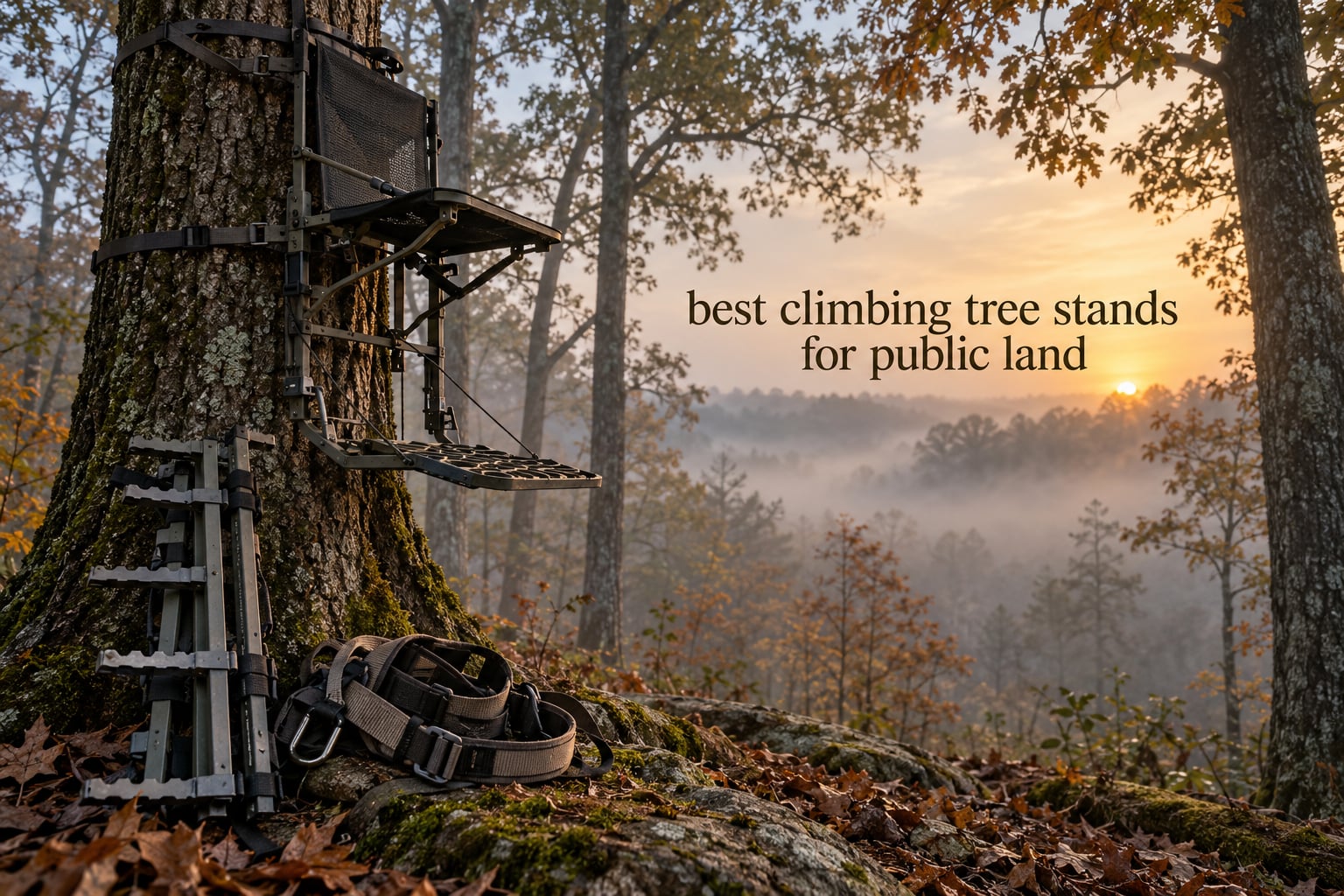
The best climbing tree stands for public land are the ones that leave nothing behind but a footprint in the bark, climb fast in the dark, and still let you sit nine hours without your legs going numb. That combination is harder to find than it sounds, because the trees you want on public ground are rarely the trees a stand was designed for.
On a private woodlot you own, a mediocre stand is a bad afternoon. On a state wildlife area in the second week of the rut, the same stand can cost you the only morning you had. You are carrying everything in on your back, the nearest legal tree might be a quarter mile off the ridge you scouted, someone else could already be in the canopy, and you are pulling that stand back down in the dark at the end of the day.
That last point is what separates a climbing stand from every other stand type, and it is why climbers keep showing up in forum threads even when hang-ons dominate the shopping results. A climber carries its own steps, wraps the trunk with a strap or cable, and leaves when you leave. Nothing hangs on that tree overnight unless you choose it to.
Before the full write-ups, here is the short version:
Summit Viper SD – the most broadly capable climber here, 28 lbs, 4.8 stars across 1528 reviews, and the one most experienced mobile hunters name first.
Summit Goliath SD – same core design, wider platform, rated to 350 lbs, for hunters who feel cramped in a standard climber.
Summit 180 Max SD – a 180-degree rotating seat and a long foot platform built for marathon sits rather than fast pack-ins.
Muddy Partner – a two-person ladder stand, not a climber. Included here because it solves a different problem, and we explain where it stops working.
Ol’Man Alumalite CTS – 21 lbs of aluminum with a three-way rail system that reconfigures for a bow, a gun rest, or a footrest.
Guide Gear Deluxe XL Climber – steel frame, comes nearly assembled, and the heaviest of the true climbers in this group.
In short: the Viper SD is the strongest overall pick for mobile public land hunting, the Goliath SD is the answer for larger frames, and the Ol’Man Alumalite CTS is one of the lightest true climbers here with a rail that reconfigures. The rest of this guide covers how we scored all six, what the rules actually say, and who should skip which one.
Table of Contents
Top 3 Best Climbing Tree Stands for Public Land In 2026
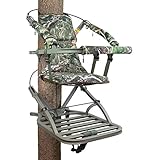
Summit Viper SD Climber
- 28 lb aluminum frame
- Suspended foam seat with backrest
- Cable wrap system with no loose pins

Summit Goliath SD Climber
- 350 lb weight limit
- Wider seat and platform
- Foot hooks on bottom platform

Best Climbing Tree Stands for Public Land (October 2026)
| Product | Specifications | Action |
|---|---|---|
| Summit Treestands Viper SD Climbing Treestand |
|
Check Latest Price |
| Summit Treestands Goliath SD Climbing Treestand |
|
Check Latest Price |
| Summit Treestands 180 Max SD Climbing Treestand |
|
Check Latest Price |
 Muddy 2 Person Outdoor Hunting Climbing Ladder Tree Stand Muddy 2 Person Outdoor Hunting Climbing Ladder Tree Stand |
|
Check Latest Price |
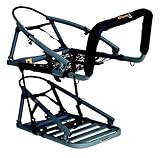 Ol’Man Alumalite CTS Climbing Stand Ol’Man Alumalite CTS Climbing Stand |
|
Check Latest Price |
 Guide Gear Deluxe XL Climber Tree Stand Guide Gear Deluxe XL Climber Tree Stand |
|
Check Latest Price |
1. Summit Treestands Viper SD – The All-Round Aluminum Climber
- Lightweight aluminum build at 28 lbs
- Suspended foam seat with cushioned backrest and padded armrests
- Cable wrap system means no loose pins to drop in the dark
- Backpack-style carry straps
- Quiet climbing and setup
- Shoulder straps get uncomfortable on long loaded hikes
- Zipper pads make more noise than the older cable-tie pads
- Bungee cord can be short on larger diameter trees
This is the stand most experienced mobile hunters name when you ask them what they carry onto public ground, and the owner feedback supports the reputation. At 28 lbs it is not the lightest thing in this roundup, but it is the most thoroughly documented climber we could find, with more than 1500 reviews describing years of use rather than one season of impressions.
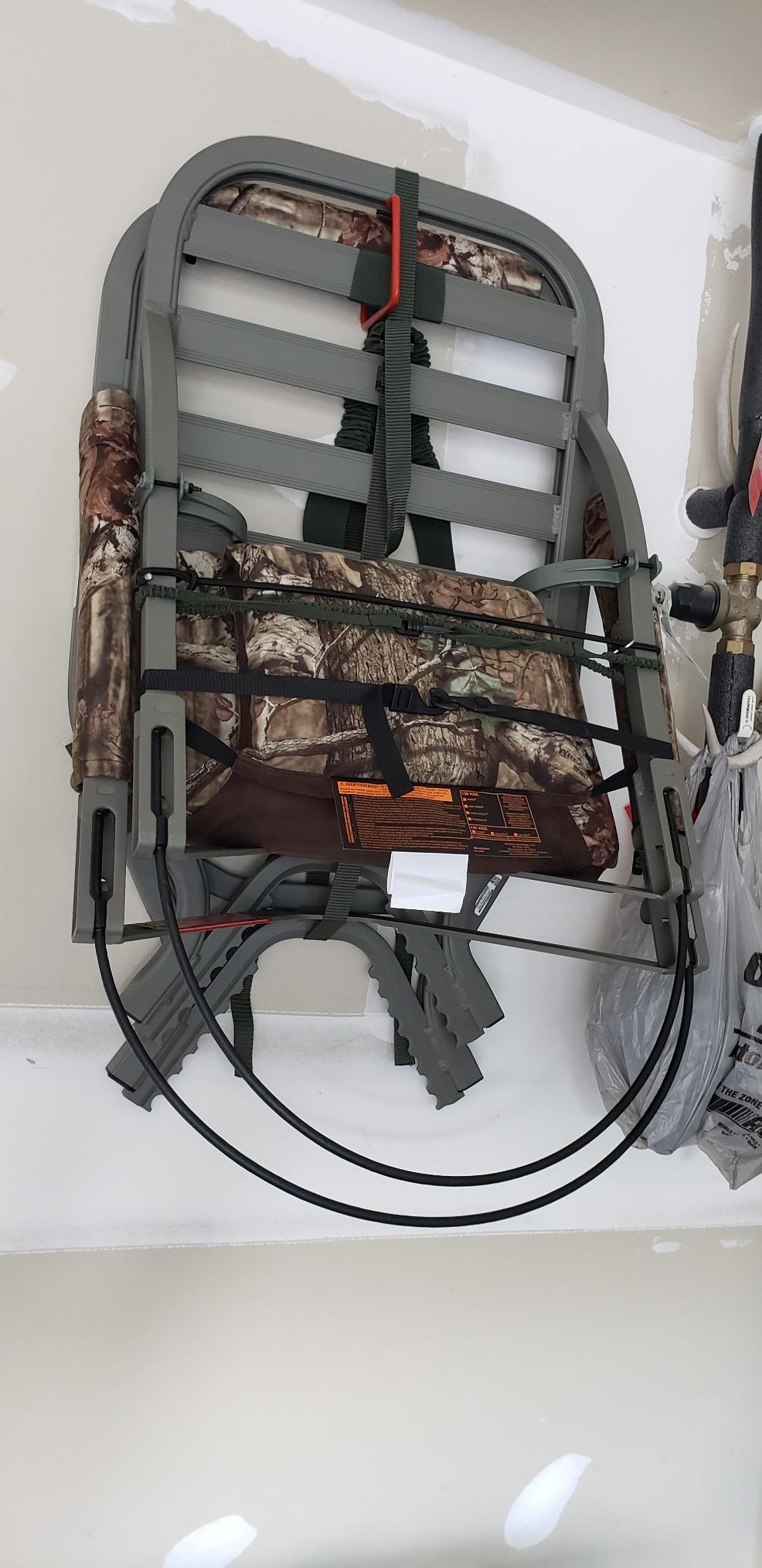
The design is simple in a way that matters at 5:30 in the morning. Instead of loose steel pins and clips that scatter when you drop them, Summit wraps the cable system around the stand. You cannot lose a part you cannot see, which removes the single most common failure in a dark setup.
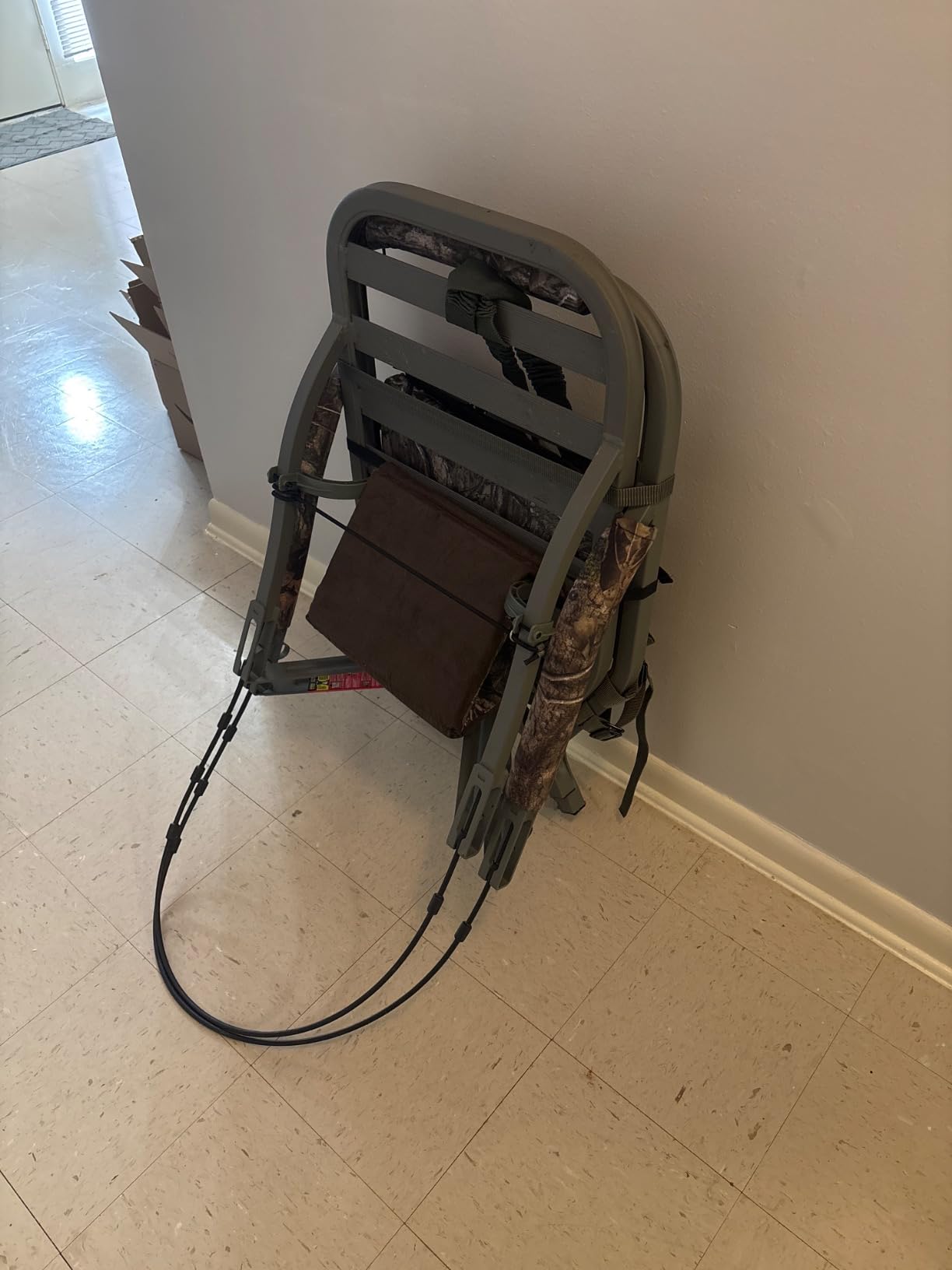
Comfort comes from the suspended seat, which hangs rather than sitting rigid on the frame, and the padded armrests that stop the frame from pressing into your forearms during a long sit. Owners consistently describe being comfortable for full days in it, which is the number that matters most on public land where you cannot easily break at noon.
The Viper SD is also the only stand here with a warranty written two ways: a 1 year warranty alongside a 5-year limited warranty. That matters more than it looks if you are one hunter buying one stand and hoping it survives ten seasons of being dropped in creek beds.
What to check before you buy
The most repeated owner complaint is the shoulder strap system on long hikes. Many owners swap in an aftermarket harness-style pack strap, which tells you something useful about the default. If your pack-in is over a mile, plan on a strap upgrade or a chest strap, or accept sore shoulders on the walk in.
Second, the zipper pads that cover the cable wraps can be noisy when the stand shifts in your pack, and several owners tape them down. If your hunting pressure is heavy enough that every sound carries, that is a five-minute fix worth doing before the season.
Where it falls short
The seat folds in three, and owners describe the folding sequence as the least elegant part of an otherwise clean design. If you plan to move trees frequently, rehearse it once at home rather than for the first time on a WMA.
It is also a 300 lb class stand rather than a 350 lb one, so hunters at the top of that range should read the next section. And for anyone who wants an open front for a bow, note that the front bar on this platform is not the open design some archers prefer, which pushes you toward the Ol’Man later in this guide.
2. Summit Goliath SD – Built for Larger Hunters
- 350 lb weight limit for larger-framed hunters
- Wider seat and platform than the Viper SD
- Foot hooks on the bottom platform instead of straps
- Stable and quiet once engaged
- Bulkier to carry than the smaller models
- Tether between top and bottom platform feels cheap
- Included harness gets mixed reviews
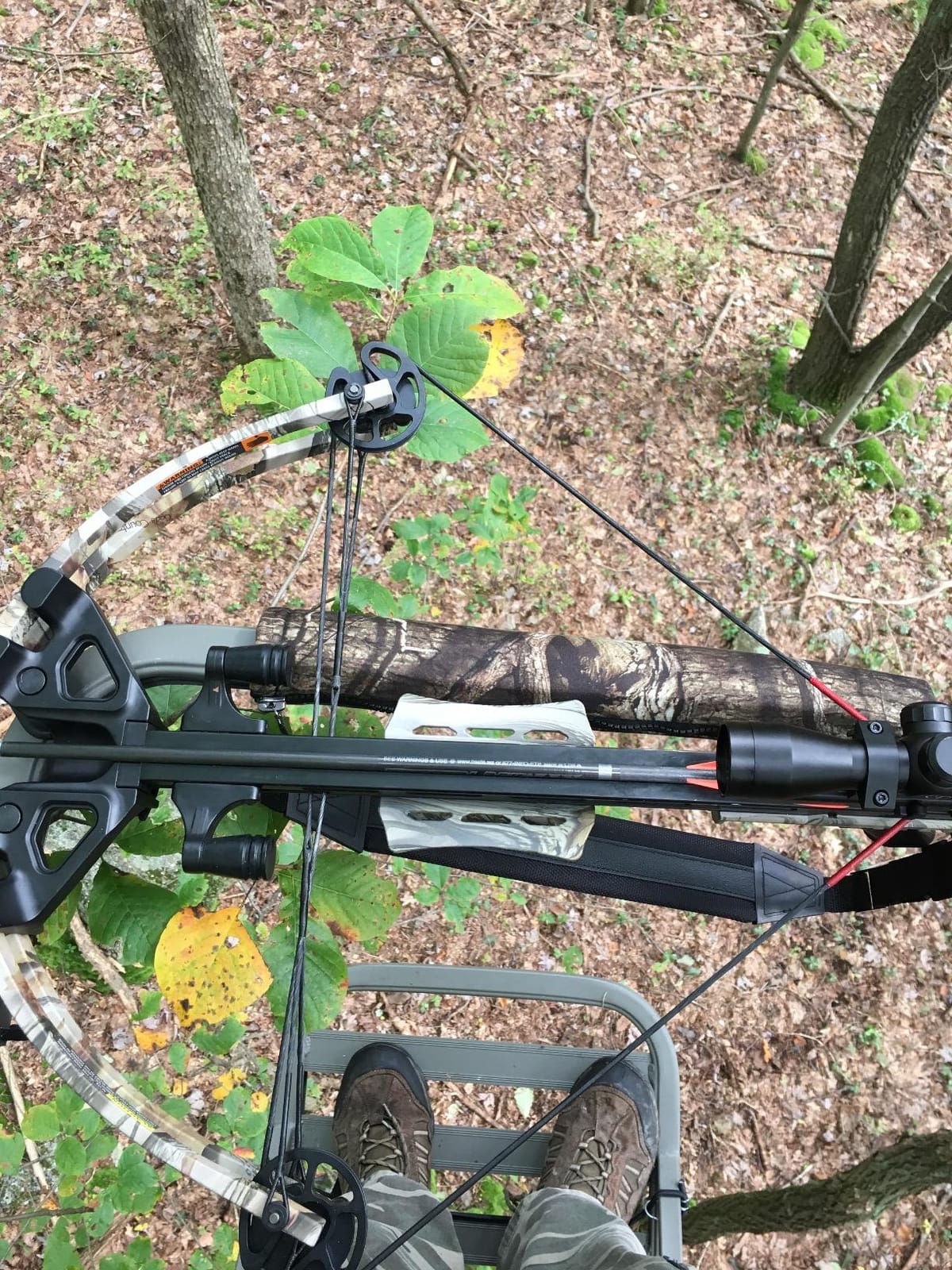
The Goliath SD is the Viper SD with a wider seat, a wider platform, and a 350 lb rating instead of the standard class. That sounds like a minor trim difference, and for a 160 lb hunter it is one. For someone who has spent seasons hanging off the edge of a standard climber with their hips past the frame, the extra width is the whole point.
Reviewers repeatedly describe it as rock solid once engaged, and several single out the foot hooks on the bottom platform as more comfortable than the straps used on smaller climbers. On a stand you climb four or five times before dawn, that small comfort difference compounds fast.
The number that makes this stand interesting for public land is 21 lbs. Multiple owners list the carried weight below the package weight, which makes it one of the lighter true climbers we could verify. If you are walking two miles to reach unpressured sign, weight per pound of seat width is the calculation that decides your pick.
The 5-year limited warranty matches the Viper, and Mossy Oak Break-Up Infinity camo is the pattern owners prefer for breaking up the silhouette of a platform against a trunk in low light.
Body fit is the deciding factor
If you measure above 300 lbs, or if you have sat in a borrowed climber and found your knees higher than your hips, stop reading smaller-platform reviews and read this one. The 350 lb limit is a real published figure on this model rather than an inferred one.
Because it shares the Viper design, everything owners say about the cable wrap system and the seat suspension applies here too. You are buying the same proven mechanism with more room, not a different product with a bigger sticker.
What gives owners pause
Bulk is the honest downside. It is a wider object in a pack than the Viper, and hunters on long pack-ins notice that. The bungee cords that double as seat-back holders and transport straps also draw complaints about durability over multiple seasons.
The tether linking the top and bottom platform is described by several owners as feeling cheap, and the included harness gets mixed reviews. Replace it with a full-body climbing harness you trust rather than assuming the one in the box will be there in five years.
3. Summit 180 Max SD – The Marathon Sit Machine
- 180 degree rotating seat changes your viewing angle without moving
- Long foot platform for long sits
- 350 lb weight limit
- Silent once locked in the tree
- Heaviest of the three Summit climbers at 26 lbs
- Seat does not fold flat for stowing
- Velcro pocket flaps are noisy
- Front bar can crowd a bow
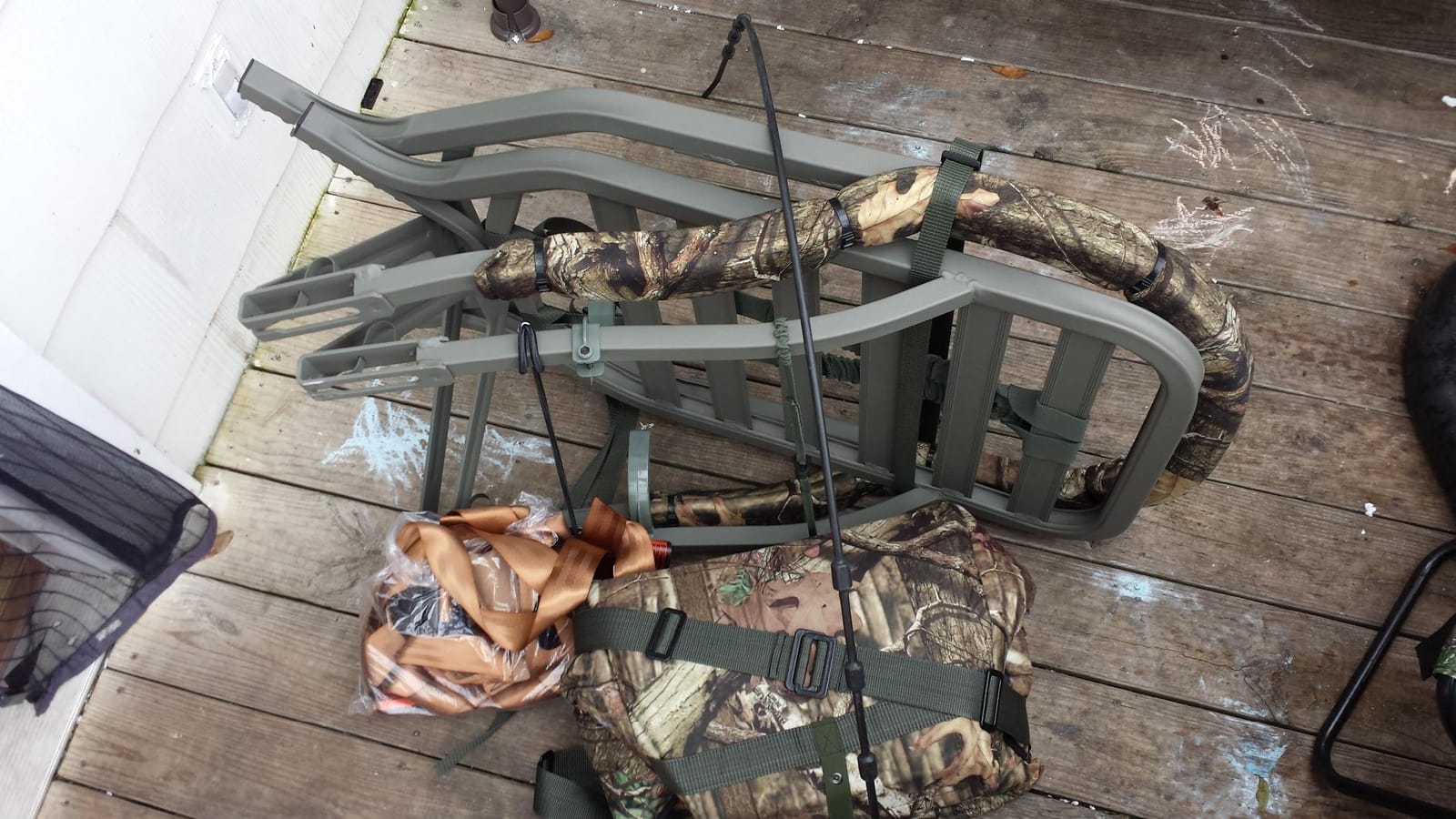
The defining feature here is a seat that rotates 180 degrees. On a stand where you are locked to a facing, a deer that shows up behind you means standing up, turning, and sitting back down. With a rotating seat you pivot. Owners who hunt all day describe this as the difference between a stand you sit in and one you fight with.
Long sit comfort is the second strength. Several reviewers report full days in the stand, and the wrap-around seat with storage pockets for hand warmers is a cold-weather feature rather than a luxury. For public land in November, a pocket for a hand warmer is worth more than most spec-sheet upgrades.
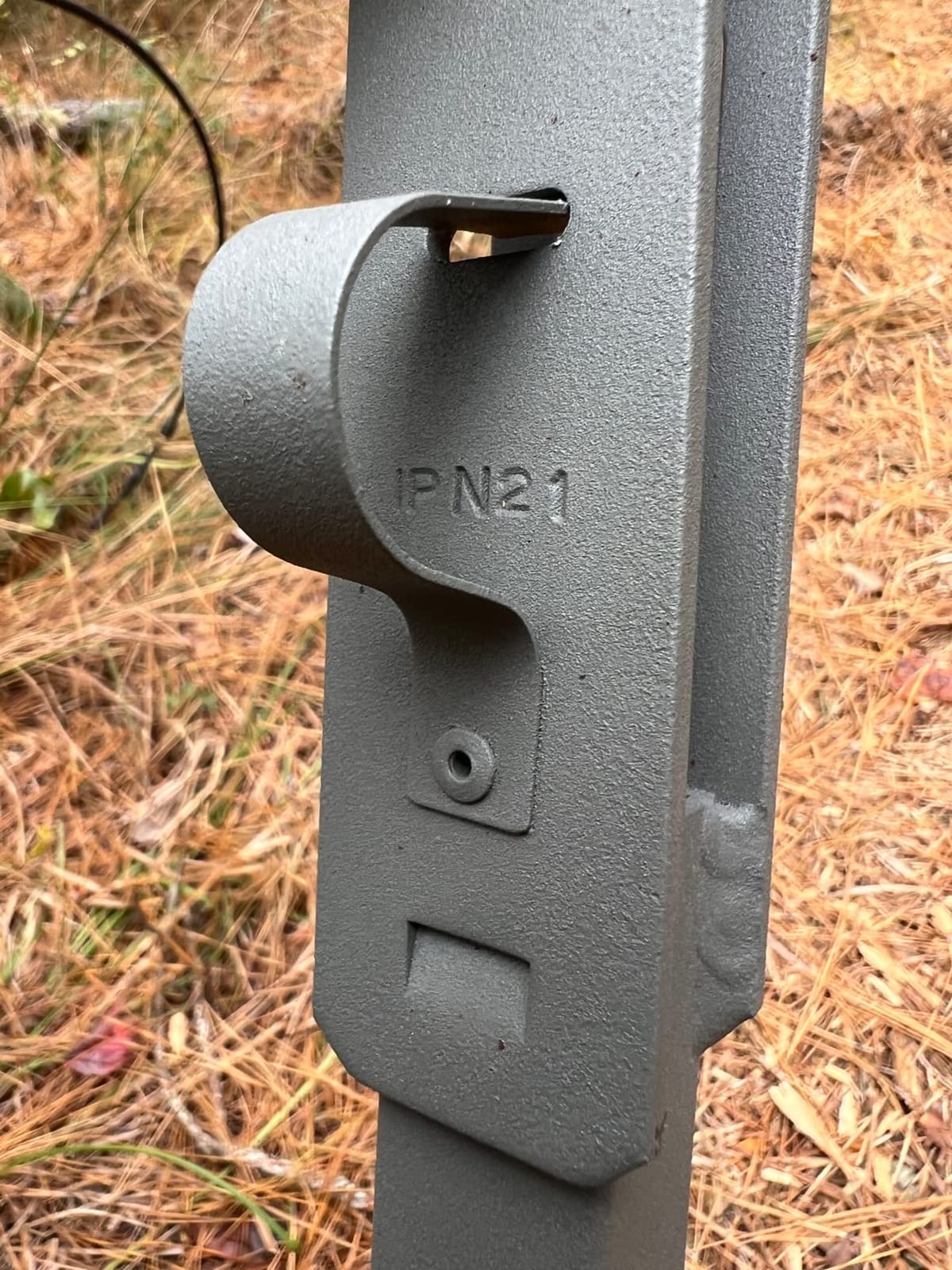
The 350 lb rating again widens the audience, and the long foot platform gives larger hunters room to stand and shoot without the platform tipping. Stability is a repeated theme in owner reports, which is the thing you want most from a stand rated for bigger hunters.
On noise, the consensus is silence once engaged. That is the part of the noise question that matters most, because the setup and climb happen on the ground where sound carries, and the sit happens higher where it does not.
Who this rewards most
Buy this stand if your hunt is a sit rather than a bounce. If you plan to climb two trees before light and sit in each for an hour, the extra weight and the seat stowage problem cancel out the comfort advantage.
It also rewards anyone hunting well past legal shooting light who wants a warmer spot with gear storage. The pockets are small, but they are the difference between hands in your lap and hands functional at the end of the day.
Where it disappoints
Weight is the honest trade. At 26 lbs this is the heaviest of the three Summit climbers, and owners commonly note it as several pounds more than the Viper. Over a two-mile pack-in that gap is real.
The seat does not fold flat into the stand and needs to be manually stuffed for stowing, which slows the turnaround when you move trees. The Velcro pocket flaps are also described as loud, and the front bar can interfere with a bow, so archer hunters should note that before buying.
4. Muddy Partner 2-Person Ladder Stand – For Seated Hunts With a Partner
Muddy 2-Person Ladder Tree Stand for Deer Hunting,17′ Tall, Black
- Hunts two people at once
- 500 lb capacity
- Flex-Tek seat at 37 x 18 in
- Includes two stabilizer straps two ratchet straps and two harnesses
- Adjustable padded shooting rail
- 83 lb is a serious carry for any pack-in
- Not a self-climber so it leaves hardware on the tree
- Slower to set up than a climbing stand
- More visible on the tree
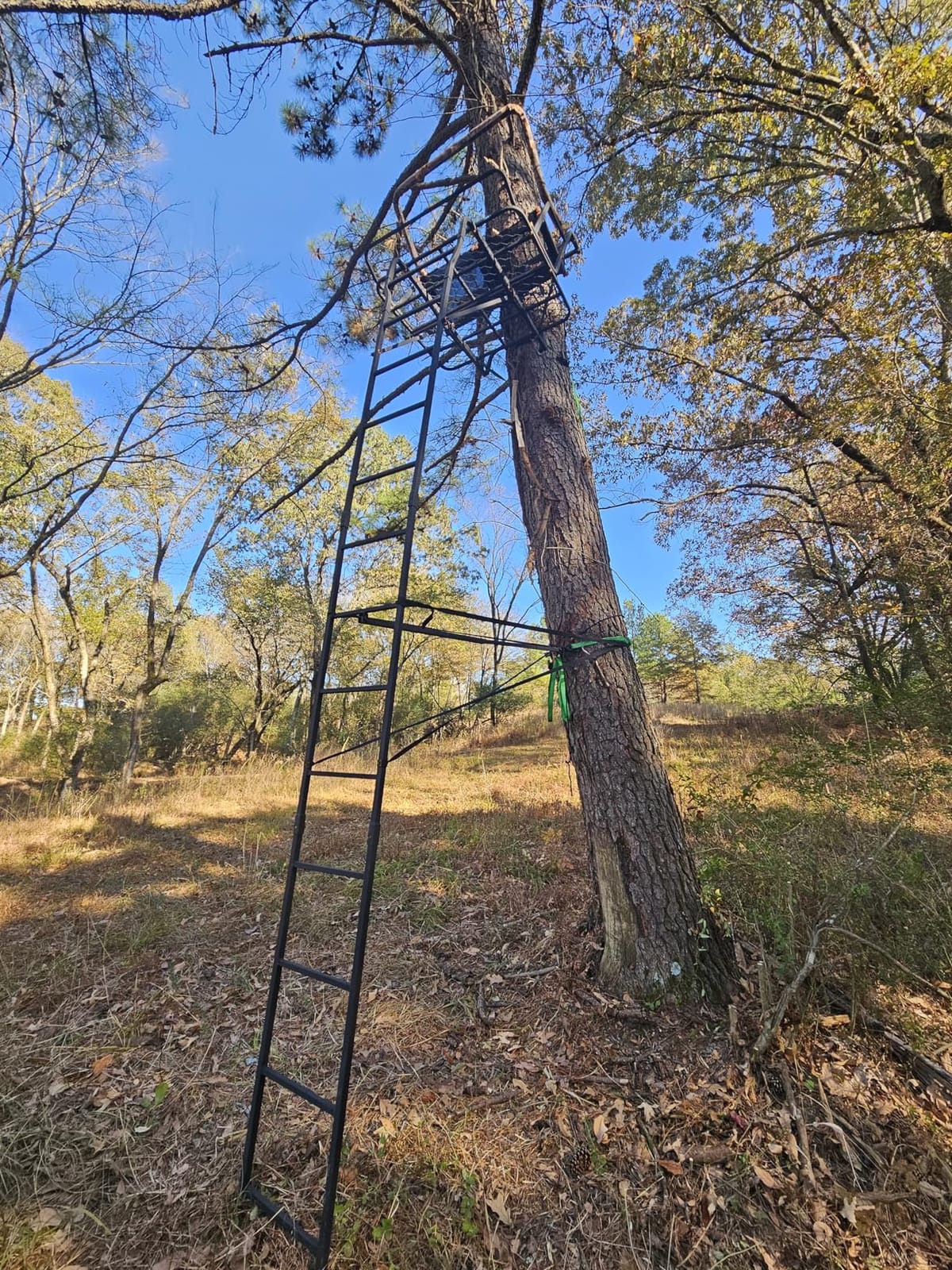
We are including a ladder stand in a climber roundup on purpose, because one product here solves a real public land problem that no climber can: two hunters, one tree. The Partner is a 17 foot ladder stand rated to 500 lbs with a 37 by 18 inch Flex-Tek seat and a 40 by 33 inch foot platform.
If you hunt with a partner on ground you can reach by vehicle, the value is hard to argue with. One structure, two full-body harnesses, two stabilizer straps and two ratchet straps in the box, and a 500 lb rating that covers almost any combination of hunters and gear.
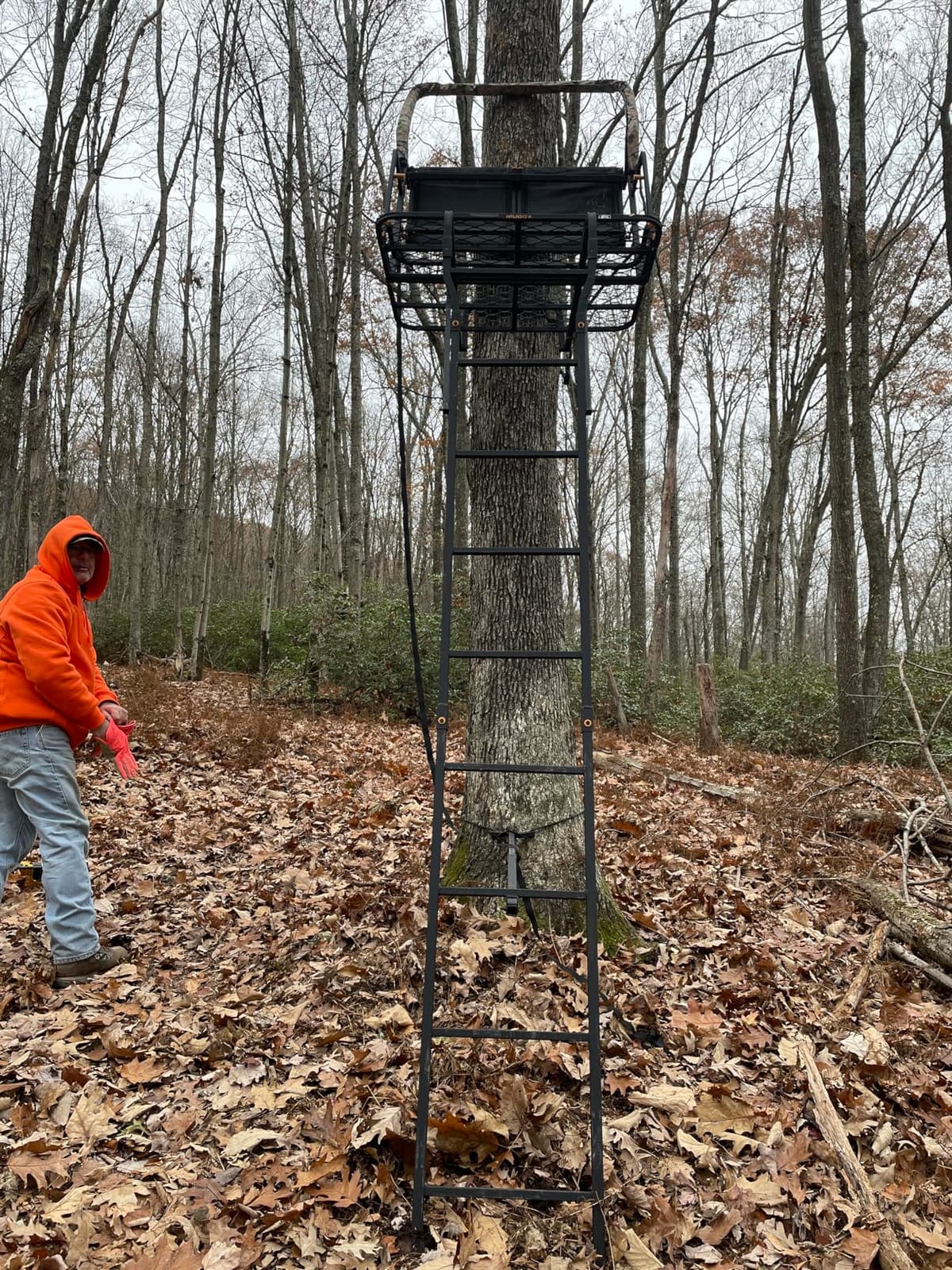
The adjustable padded shooting rail is the detail that makes it work for both archers and gun hunters, and owners generally like the seated position for long sits compared with standing on a climber platform.
The steel frame construction is a real advantage in one specific public land scenario: on a large deer or elk, an aluminum climber is not where you want to be testing a limit.
When this beats every climber
Two hunters, a short walk, and a full day in one spot is the exact scenario this stand wins. If your plan includes shooting rails for both of you, a blind, or a camera on the same structure, no climber on this list can do it.
It also fits hunters who would rather not climb. A 17 foot ladder removes the biggest physical barrier to tree stand hunting for people with balance issues, knee problems, or no interest in a full-body harness.
Why it does not belong in a climber pack-out
At 83 lbs this is not a pack-in stand. It is a stand you carry to a truck and assemble at the tree, and anyone planning a walk of a mile or more should skip it entirely and save the weight allowance for the Viper or the Alumalite.
Because it is not a self-climber, it leaves a ladder and straps on the tree, which is exactly what same-day removal rules on many public systems are written about. If your agency requires removal before you leave the tract, you are climbing a ladder in the dark to take it down.
5. Ol’Man Alumalite CTS – Light Aluminum With a Three-Way Rail
Ol’Man TREESTANDS Alumalite CTS Climbing Stand, Aluminum Construction with 21″ Wide Net Seat
- Light aluminum build at about 21 lbs
- 21 inch wide net seat
- Three-way rail switches between bow
- gun rest and footrest
- Oval tubing resists deforming
- Backpack straps with chest strap
- May bite bark less than the steel version
- Locking pins and clips are noisy and fiddly
- Seat can shift slightly
- Straps between seat and platform limit step height
The Alumalite CTS is the stand to look at if you carry a bow. Its rail system reconfigures three ways: straight for a bow, curved to rest a firearm or work as a footrest, and a third configuration for sitting support. That versatility is unusual in this category and it is the reason this stand shows up repeatedly in archery forum threads.
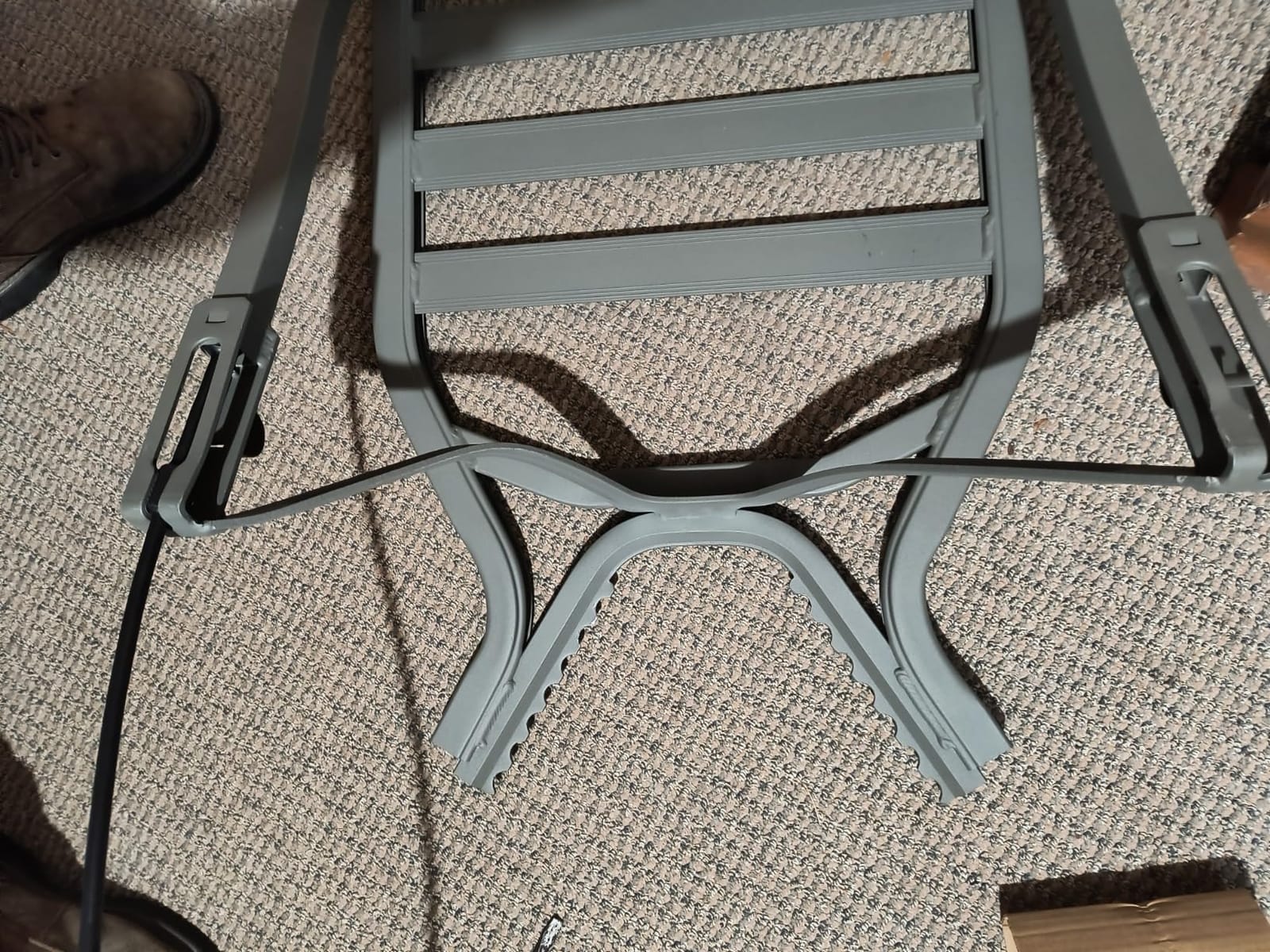
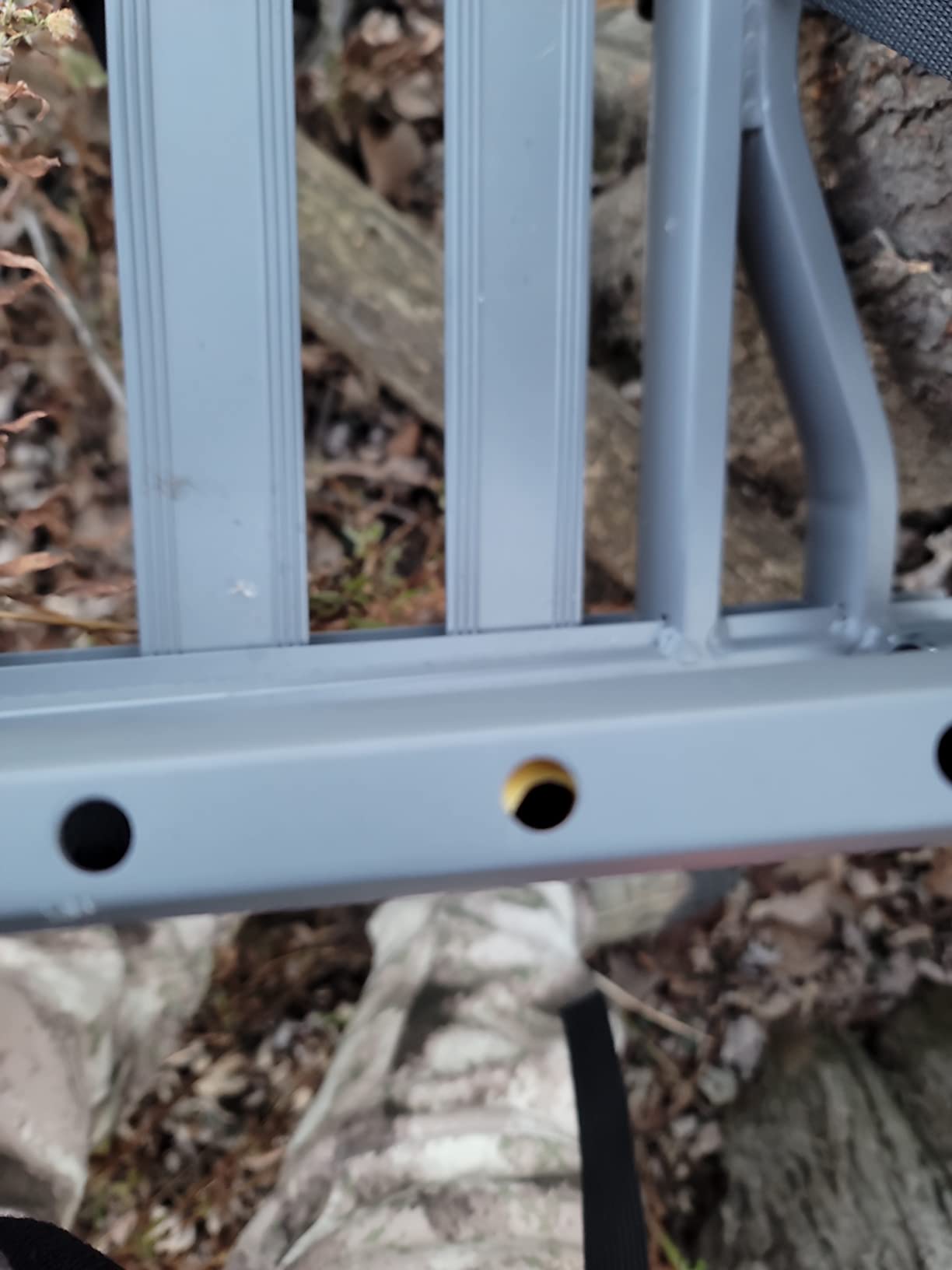
At about 21 lbs of aluminum with oval tubing, it is also among the lightest frames here. Oval tubing is worth a note because it resists taking a set where round tube bends, which matters when the stand is strapped to a leaning tree at an odd angle and then dropped for a season.
The 21 inch wide net seat is a genuine comfort feature for a stand this light, and owners praise the curved side arms for giving extra hip room on small diameter trees, which is a real problem on public ground where you take what grows rather than what you planted.
The orange tubular loops on the cable ends are a small, smart thing. They make pin alignment obvious at a glance in low light, which cuts setup time on exactly the stands where you are setting up in the dark.
The three-way rail is the deciding feature
If you shoot a bow, a vertical bow or a crossbow, having the rail configured correctly at height matters more than most buyers expect. This is the strongest reason to choose this stand over a lighter generic climber.
For rifle hunters the curved rail becomes a rest, and the 300 lb limit sits in the middle of this roundup’s capacity range, narrower than the Goliath or the 180 Max but adequate for most hunters.
What owners modify first
The most common complaint is noise from the locking pins, clips and nuts, and several owners remove or tape them. If your hunting pressure is heavy, expect to do the same.
Second, the strap linking the seat and platform limits the step height to roughly 6 to 8 inches, which some owners find restrictive. Third, and most importantly on public land, several owners report the aluminum version does not bite the tree as securely as the steel version on some bark types. A small number of reports describe a failure to contact the tree evenly, so check contact on every set.
6. Guide Gear Deluxe XL Climber – Steel Frame, Almost No Assembly
- Arrives mostly assembled with only two wing nuts to tighten
- Steel frame with a padded seat and armrests
- Oversized foot platform
- Supports up to 300 lbs
- 35 lb is heavy for a climbing stand
- Carry strap system is poorly designed
- Braces use locking nuts rather than welds
- Missing or broken plastic wing nuts reported on delivery
The Guide Gear Deluxe XL is the option for a hunter who does not want to sit on the ground at 4 a.m. assembling hardware. It arrives mostly assembled, with two butterfly wing nuts to tighten, and the combination of a padded seat, padded armrests and an oversized foot platform is more comfort than a bare steel climber normally delivers.
The steel frame is the reason it weighs 35 lbs, and that is the deal. Steel resists bark better than aluminum, which some owners say is a real advantage on hard-bark trees, but it is also the difference between a stand you can carry a mile and one you cannot.
It fits trees up to 20 inches in diameter, which covers most mature trees a hunter would consider on public ground, and the Realtree Legacy pattern is a reasonable visual break-up in bare timber.
The 300 lb support limit matches the standard class rather than the 350 lb class, so hunters at the top of the range should look at the Goliath or the 180 Max instead.
Who should consider it
This is the stand for someone hunting close to a vehicle or a trailhead, on ground where the tree is reachable within a few hundred yards. Under those conditions the weight matters less and the near-zero assembly time matters a great deal.
It is also a reasonable first climber. A stand that is already assembled when you open the box removes the steepest learning curve, which is the step where most first-time climbers lose confidence in the dark.
What gives buyers pause
Weight is the obvious one, at 35 lbs it is the heaviest of the true climbers here and none of that weight is helping you on a long walk.
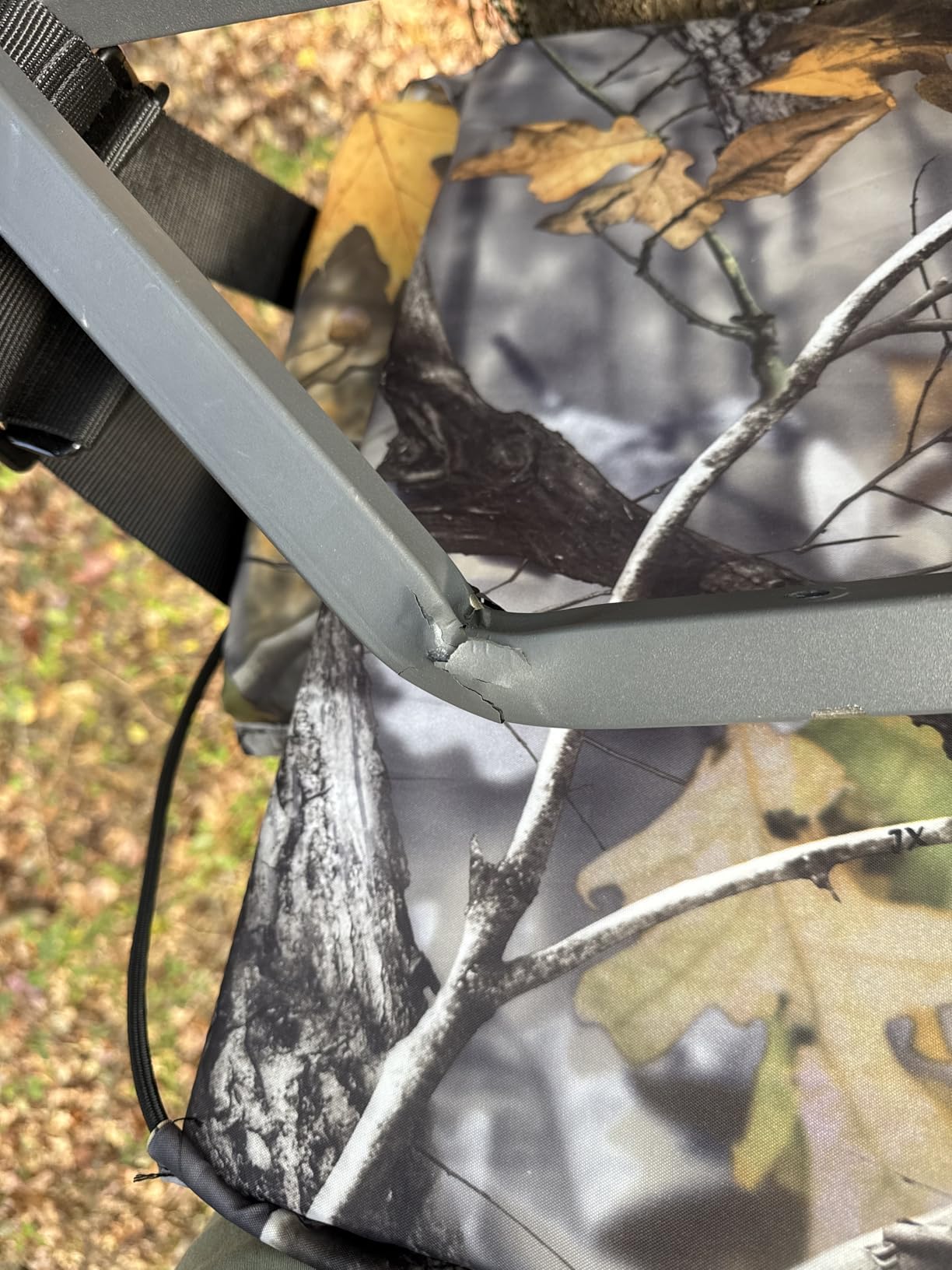
The carry strap system is described as poorly designed, with the shoulder strap not fitting as the instructions intend, and the braces use locking nuts rather than welds, which several buyers flag as a failure point to watch over time. A small number of buyers also reported missing or broken plastic wing nuts arriving in the box, and a light gray frame that repaints easily if you want better camouflage. Inspect the hardware before you trust it in a tree.
How We Picked and Scored These Climbers
We score every stand on four categories, each rated 1 to 5. Packability covers carry weight and packed profile, because on public land your stand is a hiking load rather than a garage item. Quietness covers the noise you generate climbing and setting up, not the noise the stand makes once locked in. Comfort covers seat suspension, backrest, platform size and sit length. Setup ease covers how much adjustment a first-time climber faces in low light.
Scores come from specifications, owner reviews across the 3700-plus owner reports attached to these six products, and long-running forum discussion on r/Hunting, r/bowhunting, ArcheryTalk and TNDeer. Where owners disagree with each other, we took the pattern rather than the loudest comment. Multiple owners reporting the same rattle on the same component counts against quietness even if a handful of people say they cannot hear it.
A fair disclosure: our team did not put these six through a season of public land sits side by side. What we did was combine the published specifications, the volume and consistency of owner feedback, and years of forum reporting on the same designs. Some of the trickiest calls, like how an aluminum frame behaves on hard oak bark versus a steel one, come from owner reports and forum discussion rather than our own measurements, and we flag those where they matter.
Are Tree Stands Allowed on Public Land? Rules You Need Before You Climb
Yes, tree stands are generally allowed on state and federal hunting land in most states, including on wildlife management areas and state forests, but the details are set at the agency level and they change. The three rules that most often catch out-of-state hunters are same-day removal, unattended stands, and tree damage, and the specifics for each are not identical across agencies.
Before you climb anything, confirm the current version with the agency that manages the ground you are standing on. That means the state wildlife agency for state land and WMAs, and the relevant federal agency for national forest land. A phone call or a check of that agency’s own website is the only answer that counts. Rules we have seen change between seasons, and hunting regulations booklets go out of date faster than most people expect.
Same-day removal
A large number of state agencies require that you take the stand down before you leave the tract, which for many people means climbing down in the dark or in a headlamp. Some agencies allow a stand to stay overnight or longer under specific conditions, and some require a tag with your name and a removal date. This is the single rule most worth a phone call, because the penalty is usually a fine and sometimes the loss of your hunting privileges.
Unattended stands and spike strips
Some states also regulate how long a stand may stay unoccupied, and a minority restrict specific gear. Spike strips, which some riders use on an ATV to drive nails into the tires of thieves who try to steal a stand, fall under equipment rules on several state systems. Treat them as restricted until an agency tells you otherwise in writing.
Tree damage and camera rules
Driving a spike into a tree for a stand, girdling bark, removing live limbs, or hanging a stand from a tree you are not allowed to modify can all count as damage under state law, which is treated far more seriously than a parking violation. Game cameras carry their own rules on many public systems, including registration requirements and use restrictions on designated hunt zones. Verify all three categories before you hang anything.
The etiquette part nobody writes down
If you find someone else’s stand in the tree you wanted, leave it where it is. Forum consensus across r/Hunting and ArcheryTalk threads on this topic is consistent, and the common recommendation is to hunt a different tree and to relocate or knock down the stand yourself if the owner never shows. Taking a stranger’s stand is theft, and it is also the fastest way to lose access to ground you like.
Climber vs Hang-On vs Ladder vs Saddle on Public Land
A climber is not automatically the right answer for public land, and the honest comparison matters more than the ranking. A hang-on is faster to set up, often by a wide margin, and is lighter on your back. A climber climbs itself, leaves no hardware behind, and handles angled and irregular trees that would defeat a poorly bracketed hang-on.
A ladder stand wins on comfort and capacity for two hunters but leaves a structure on the tree. A saddle is the most comfortable option for spot-and-stalk work but is the hardest to secure and the most visible, which is a poor trade on crowded ground.
Forum experience across r/Hunting and ArcheryTalk points to a common pattern: dedicated sit hunters carry a climber, and bowhunters who spot and stalk carry a saddle. Many of those hunters run both, because the two solve different problems. If your public land hunting is one long sit in a known location, a hang-on or ladder may serve you better. If you move trees under pressure, the climber earns its extra setup time.
How to Choose a Climbing Tree Stand: Weight, Comfort, Noise and Tree Fit
Start with the walk, not the stand. Carry weight is the number forum users treat as decisive once a pack-in passes a mile, and the stands here range from about 21 lbs to 28 lbs for true climbers, with a steel ladder option far above that. Every extra pound in your pack adds roughly 5280 foot-pounds of work to each mile you walk, and doubles over two miles. Multiply by the number of days you will leave it cached if you are not retrieving daily.
Second, sit length decides seat type. If you will be in the tree more than four hours, a suspended foam seat with a backrest beats a mesh or net seat, because pressure on the backs of your legs is the limiting factor on long sits rather than back comfort. If your sits are one to two hours, a lighter mesh seat is the better trade.
Third, tree fit decides whether a light stand is usable at all. Forum complaints about non-adjustable cables describe exactly the situation public land creates, where a 60 degree lean on a smooth trunk will not seat properly. Adjustable cables and climbing teeth are what let a stand handle angled trees and varied bark. Look for adjustable retention on both sides.
Fourth, match the stand to your shooting style. Archers want an open front and a rail that stays clear for a bow. Rifle and muzzleloader hunters want a front bar and a rail that can be braced. The curved arms and rail geometry on some models limit space for a bow laid across the front, so check that before buying.
Fifth, consider the harness. Every stand here includes a harness, and owner feedback across this list is that several of those included harnesses are the weakest part of the package. Experienced hunters on forums recommend a full-body climbing harness rather than a hunting vest, both for comfort over a long sit and for self-rescue if something goes wrong in the tree. Our broader climbing gear guide covers the rest of the kit worth carrying.
What type of tree is best for a climbing stand?
Look for a straight trunk, roughly 8 to 20 inches in diameter, with enough clear height below the first large branch to climb safely. Bark matters more than species, and hard-bark trees such as oaks are described on hunting forums as both the hardest to climb and the noisiest. A moderate lean is workable with adjustable cables; a sharp lean is not, regardless of stand.
Capacity and body fit
The 300 lb class covers most hunters comfortably. Above that, the 350 lb class stands such as the Goliath SD and the 180 Max SD exist for a reason, and a wider platform matters as much as the rating itself. If you have felt cramped in a borrowed stand, sizing up is not a luxury.
Setup time
Most climbers take roughly 15 to 20 minutes to strap, climb and lock once you have practiced. That is the honest cost of the type, and it is why nearly every experienced forum answer recommends practicing the sequence in daylight before a real sit. A stand that arrives mostly assembled shortens the learning curve considerably.
Safety: The Rules That Matter More Than the Stand
No climbing stand is safe without a full-body harness worn correctly and connected before your feet leave the platform. The most common serious fall injuries involve hunters who unclipped too early or who did not wear a harness at all because the climb was short.
Tether before you step off. On a climber you attach the tether to the tree while you are still on the climbing steps, then step across. Fall restraint lines need to be positioned above you in the tree so the mechanism engages before you drop.
Inspect the stand before every use, paying attention to cable wear, strap fraying, and platform cracks. Set up in daylight the first time you use a new stand, and pull test the platform with your body weight before you trust it at height.
We do not quote injury statistics here because we could not verify current figures from the product data, and hunting accident numbers change by report year. Check your state wildlife agency’s annual hunting accident summary, which typically publishes fall injury data alongside the regulations.
Public Land Etiquette and the Shared Tree Problem
Shared trees are normal on crowded public ground, and the accepted rule among experienced hunters is straightforward: if you find a stand that is not yours, hunt a different tree. If the owner shows up, offer to relocate or take theirs down for them.
Stand theft is a real and recurring topic on WMA forums, and the usual cause is opportunity rather than need. Keep your location quiet, avoid posting sign or tree photos with identifying landmarks, and accept that the stand you want may already be occupied when you arrive.
Two smaller pieces of etiquette go a long way. Take your trash and any spent shells with you, and do not mark a tree in a way that would draw attention to the stand for someone else.
Frequently Asked Questions
What is the best portable tree stand for public land?
The Summit Viper SD is the strongest all-round choice, combining a 28 lb aluminum frame, a suspended foam seat with backrest, and a cable wrap system with no loose pins. Hunters who need more room should look at the Goliath SD, and bowhunters who want the lightest frame should compare the Ol’Man Alumalite CTS.
Are tree stands allowed on public land?
Tree stands are generally allowed on state and federal hunting land, including wildlife management areas, but the details are set by the managing agency and they change. The rules most likely to affect you are same-day removal, limits on unattended stands, and restrictions on tree damage and equipment such as spike strips. Confirm the current version with your state wildlife agency or the relevant federal agency before you hunt, and check any game camera restrictions that apply to the specific tract.
What is the safest climbing tree stand on the market?
No stand is safe on its own. Wear a full-body harness, connect your tether to the tree while you are still standing on the climbing steps, and only then step across onto the platform. Full-body climbing harnesses are widely preferred over hunting vests because they are more comfortable over a long sit and support self-rescue. Inspect cables, straps and the platform before every use.
Can you use climbing spurs on public land?
Spurs intended for hunting on foot are restricted on many state hunting systems, and spike strips used to deter stand thieves fall under equipment rules on several agencies. Treat both as restricted until the managing agency tells you otherwise in writing. Check the current hunting regulations for the specific state wildlife area or national forest unit before you carry any spiked gear onto public ground.
What type of tree is best for a climbing stand?
Look for a straight trunk roughly 8 to 20 inches in diameter with enough clear height below the first large branch to climb safely. Bark type matters more than species, and hard-bark trees such as oaks are widely described as the hardest and noisiest to climb. A moderate lean is workable if the stand has adjustable cables; a sharp lean is not, regardless of the model.
Are climber tree stands worth it?
For mobile public land hunting, usually yes. A climber carries its own steps, wraps the trunk with a strap or cable system, and leaves no ladder or hang-on hardware attached to the tree, which matters where same-day removal rules apply. The trade-off is setup time of roughly 15 to 20 minutes, which is longer than a hang-on. If you sit in one known tree all season, a hang-on or ladder may serve you better.
Final Verdict
The Summit Viper SD takes the top spot among the best climbing tree stands for public land because it pairs a manageable carry weight with the most documented reliability, and its cable wrap system removes the most common dark-setup failure. Buy the Goliath SD if you need a 350 lb rating and a wider platform, and buy the Ol’Man Alumalite CTS if you carry a bow and want the lightest frame with a reconfigurable rail.
The 180 Max SD is the right call for anyone who sits all day rather than moving trees, and the Guide Gear Deluxe XL suits hunters who value arriving assembled over carrying less. Whichever you pick, verify the current public land rules with your state agency before your first climb in 2026, and treat your harness as the most important piece of equipment you own.