
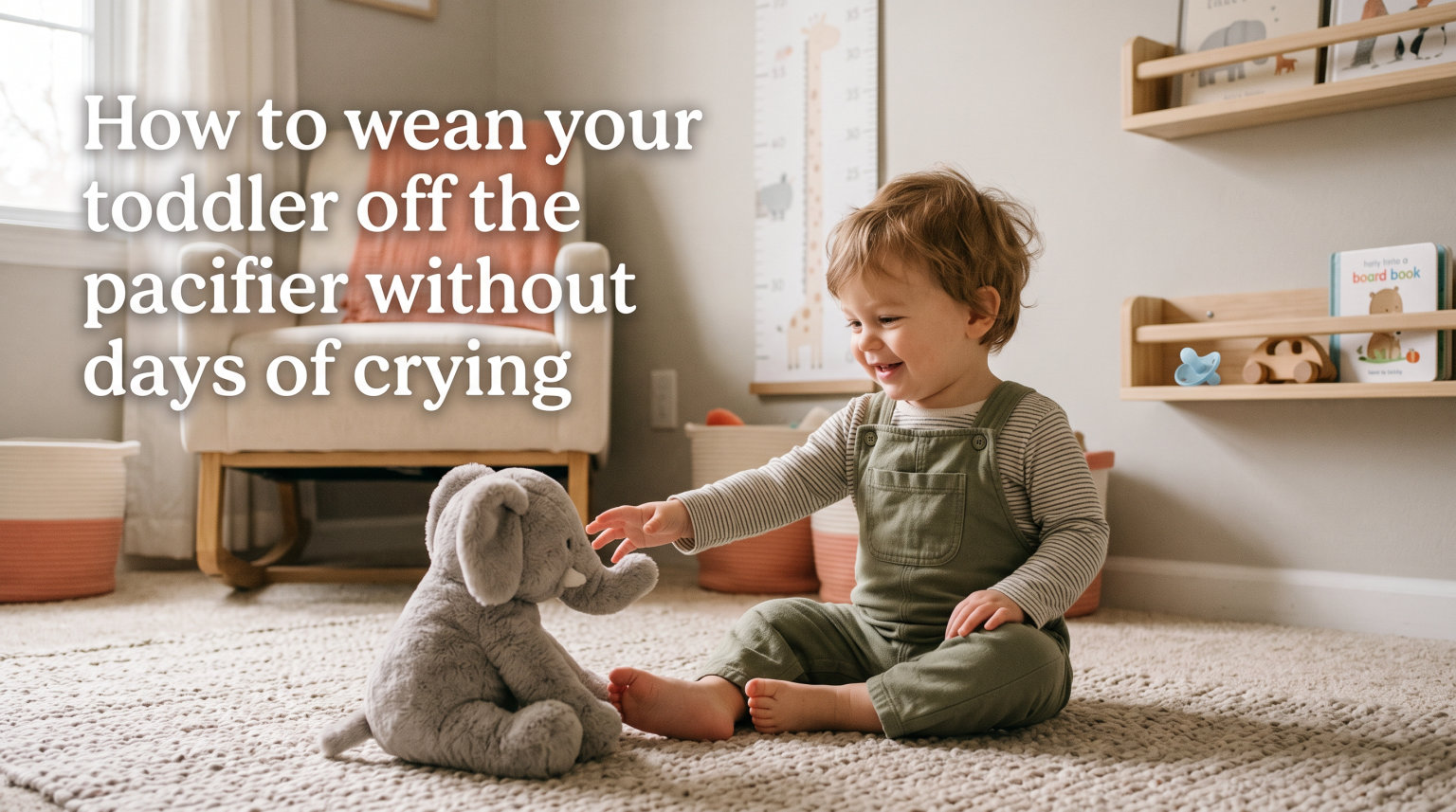
You have probably been dreading this moment for months. The pacifier that once brought your baby so much comfort has become a source of nightly battles, dental concerns, and that nagging worry that it is time to say goodbye. I remember standing in my kitchen at 2 AM, staring at a drawer full of pacifiers and wondering how on earth I was going to get my daughter to sleep without them.
The good news is that pacifier weaning does not have to mean days of crying for you or your toddler. In this guide, I will walk you through proven methods that parents actually use to wean their toddlers off the pacifier gently. You will learn how to wean toddler off pacifier using approaches that respect your child’s emotional needs while moving toward independence.
Whether your little one is 18 months or 3 years old, these strategies work. Some parents see success in a single weekend. Others need a few weeks of gradual transition. The key is choosing the right method for your child’s temperament and sticking with it consistently.
Table of Contents
When to Wean Your Toddler Off the Pacifier
The American Academy of Pediatric Dentistry recommends weaning children off pacifiers between ages 2 and 3. After age 3, prolonged pacifier use starts creating real dental risks that can require orthodontic intervention later. Most pediatricians suggest starting the conversation about weaning around your child’s second birthday.
Here are the signs that your toddler is ready to start pacifier weaning:
- They can fall asleep without the pacifier occasionally
- They understand simple explanations and negotiations
- They have developed other comfort-seeking behaviors like cuddling a stuffed animal
- They are not going through other major transitions (new sibling, potty training, moving)
- Their pediatric dentist has mentioned concerns about bite alignment
Timing matters more than age. A toddler who just started daycare or is learning to use the potty is already dealing with enough change. Wait for a stable period in their life before introducing pacifier weaning. Most parents find that a 2.5-year-old handles the transition better than an 18-month-old because they can understand the process.
Why It’s Important to Wean Off the Pacifier
Pacifiers serve an important purpose in infancy. They reduce the risk of SIDS and help babies self-soothe when parents need rest. But the benefits fade as toddlers grow, and the risks begin to accumulate.
The most obvious concern is dental health. Prolonged pacifier use can cause an open bite, cross bite, or overbite that requires braces or other orthodontic treatment. The pressure of the pacifier against the palate and teeth affects jaw development during these critical years. Pediatric dentists report that children who use pacifiers past age 3 are significantly more likely to need orthodontic intervention.
Speech development is another consideration. Toddlers who constantly have pacifiers in their mouths have less opportunity to practice babbling, forming sounds, and developing language skills. Some speech pathologists note that pacifier use can contribute to articulation issues that require therapy later.
Ear infections represent a lesser-known risk. The sucking motion changes pressure in the ear tubes, potentially increasing fluid buildup and infection risk. Studies have linked prolonged pacifier use to higher rates of middle ear infections in toddlers.
Finally, there is the question of sleep independence. Toddlers who depend on pacifiers to fall asleep cannot self-soothe when they wake naturally during the night. They need parents to replace the pacifier, creating fragmented sleep for everyone.
Cold Turkey Method: How to Break a 2 Year Old Off Pacifier
The cold turkey approach means removing all pacifiers at once and never looking back. It sounds harsh, but many parents find it creates the least overall distress because the confusion ends quickly. Children adapt faster than we expect when boundaries are clear and consistent.
Step 1: Choose Your Timing Wisely
Pick a Friday or Saturday to begin so you have a full weekend ahead of you. Avoid starting during illness, travel, or major family changes. Tell your toddler 2-3 days in advance that the pacifier is going away soon.
Step 2: Collect Every Single Pacifier
Search the car, the diaper bag, under the couch cushions, and every hiding spot your toddler uses. Give them all away, throw them out, or store them somewhere your child cannot access. Having even one backup pacifier makes this nearly impossible.
Step 3: Use Simple, Clear Language
Explain the change in 1-2 sentences they can understand. “You are a big kid now. Big kids do not need pacifiers. We are giving them to new babies who need them.” Avoid lengthy explanations that invite negotiation.
Step 4: Prepare for a Difficult First Night
The first night will likely be the hardest. Expect 30-60 minutes of crying at bedtime. Stay present, offer physical comfort, use your voice to soothe, but do not give in. Consistency in this first night determines success.
Step 5: Have a Plan for Night Wakings
When your child wakes crying for the pacifier, go to them immediately. Offer water, a back rub, or sitting with them until they settle. Most children stop asking after night 2 or 3 when they realize the pacifier is truly gone.
Step 6: Celebrate the Win
After 3-5 days of success, celebrate with a small reward. A trip to the playground, a new book, or a special breakfast marks the achievement. Your toddler needs to feel proud of this milestone.
Most parents who use cold turkey report that the intense period lasts 2-4 days. By day 5, most toddlers have adjusted and rarely mention the pacifier again. The key is absolute consistency from every caregiver.
Gradual Weaning: The Gentle Pacifier Weaning Method
Some toddlers are deeply attached to their pacifiers and become genuinely distressed at the thought of losing them. For these children, gradual weaning works better than cold turkey. The process takes longer but creates less emotional upheaval.
Phase 1: Limit to Sleep Times Only
Start by establishing that pacifiers are only for nap time and bedtime. Remove them from the living areas and car. When your child asks for the pacifier during the day, respond with: “Pacifiers are for sleeping. You can have it at nap time.” Expect 3-7 days of resistance while they adjust to this new rule.
Phase 2: Eliminate Daytime Nap Pacifier
Once they accept that pacifiers are sleep-only, remove the nap pacifier. Put your toddler down without it, offering extra cuddles and a comfort object instead. Many children actually nap better without pacifiers once they adjust because they do not wake looking for them.
Phase 3: Remove the Bedtime Pacifier
This is the final step. After 1-2 weeks of pacifier-free naps, tackle nighttime. Use the same approach as cold turkey but with your toddler already partially adjusted. The transition is usually smoother because they have learned other soothing methods.
Another gradual approach involves making the pacifier less appealing. One parent on Reddit reported success by snipping tiny holes in the pacifier nipple and gradually enlarging them over a week. The child lost suction naturally and lost interest. This “broken” pacifier method works well because the child makes the choice to give it up.
Creative Strategies That Make Pacifier Weaning Fun
Sometimes a little creativity transforms a battle into an adventure. These strategies work especially well for verbal toddlers ages 2.5 and up who can understand stories and symbolic thinking.
The Pacifier Fairy
Similar to the tooth fairy, the pacifier fairy visits children who are ready to give their pacifiers to new babies. Have your child gather all their pacifiers and leave them in a special basket by the door. Overnight, the fairy takes the pacifiers and leaves a special gift in return. Many parents report their toddlers were excited rather than sad about this exchange.
Choose a gift your child has been wanting – a scooter, a big-kid bike, or a coveted toy. The exchange needs to feel meaningful to make the trade worth it. One parent shared that her daughter gave up 6 pacifiers happily when the fairy left a play kitchen she had been admiring for months.
Trade It for Something Better
Take your toddler to a store and let them pick out a toy to trade for their pacifiers. The physical act of handing over the pacifier to a cashier and receiving something exciting creates a positive association with the transition. Pediatric dentist Dr. Edward Moody recommends this approach because it gives the child agency in the decision.
Build a Pacifier Tree
A creative method from parenting forums involves hanging pacifiers on an outdoor tree or bush for “birds to collect.” Decorate the tree together, hang the pacifiers, and say goodbye. The visual and ritualistic nature helps toddlers process the change.
Mail It to a New Baby
If you know someone with a newborn, involve them in the story. Have your toddler “mail” their pacifiers to the new baby who needs them more. Include a drawing or letter. When possible, have the new baby’s parents send a thank-you photo or video showing the baby with the pacifiers.
The Pacifier Party
Throw a small celebration when your toddler agrees to give up their pacifier. Invite grandparents or close friends, serve cupcakes, and make a big deal about this milestone. Some families even create a certificate declaring their child an official “Big Kid.”
What to Give a Toddler Instead of a Pacifier
Removing the pacifier without providing alternative comfort tools sets your toddler up for struggle. A comfort object or transition item helps fill the emotional void left by the pacifier.
Here are effective alternatives to consider:
- Soft lovey or small blanket: Choose something small enough to travel and safe for sleep. Many toddlers attach to a specific stuffed animal during weaning.
- Silkie or soft fabric square: The texture provides oral comfort without the sucking motion. Some parents cut up an old silk blouse or purchase small security blankets.
- White noise machine: For toddlers who used pacifiers to settle at bedtime, consistent background noise can replace that soothing rhythm.
- Bedtime light projector: A ceiling star projector or gentle nightlight gives their eyes something calming to focus on instead of seeking oral comfort.
- Rocking or patting routine: Physical touch from you becomes the new soothing method. Plan for 10-15 minutes of rocking or back-patting during the transition period.
The key is introducing the replacement object before removing the pacifier. Let your toddler bond with the new item while they still have the pacifier as a safety net. When pacifier weaning begins, the comfort object is already familiar and associated with good feelings.
Avoid replacing the pacifier with thumb-sucking if possible. Thumb-sucking is harder to break because you cannot remove the thumb. One parent on Reddit regretted weaning her 11-month-old from the pacifier because the child switched to thumb-sucking that lasted until age 7.
How Long Does It Take to Wean a Toddler Off a Pacifier
The timeline depends entirely on the method you choose and your child’s temperament. Cold turkey usually takes 3-7 days of intensity followed by complete resolution. Gradual weaning typically spans 2-4 weeks from start to finish.
Here is what most parents experience:
- Days 1-2: The hardest period with the most crying and sleep disruption
- Days 3-5: Significant improvement, though bedtime may still take longer
- Week 2: Most toddlers have adjusted and rarely mention the pacifier
- Week 3-4: Complete integration of new soothing methods
Nighttime usually takes longer to resolve than daytime. Many toddlers give up asking for the pacifier during the day within 48 hours but continue waking at night seeking it for several more days. Night weaning is the final frontier for most families.
If you are using gradual weaning, add 1-2 weeks per phase. The sleep-only restriction phase takes about a week. Nap elimination takes another week. Bedtime elimination takes 1-2 final weeks.
The most important timeline factor is consistency. Every time you give the pacifier back after saying no, you reset the clock. Toddlers are persistent testers of boundaries. Hold firm once you start, and you will reach the finish line faster.
Handling Setbacks and Managing Your Emotions
No one talks about how hard pacifier weaning is for parents. Watching your child cry for something you could easily give them creates genuine emotional distress. Many parents report feeling guilty, wondering if they are being cruel, or second-guessing their timing.
These feelings are normal and valid. You provided comfort to your child for months or years. Taking it away feels like breaking a promise even when you know it is for their long-term benefit.
When to Pause the Weaning Process
Sometimes life throws curveballs that require putting weaning on hold. If your toddler becomes ill, experiences a family loss, or goes through another major stressor, it is okay to pause. Give the pacifier back temporarily with a clear plan to restart in 2-4 weeks.
Regression is also normal. A toddler who has been pacifier-free for a month might demand it again after a scary experience or during a growth spurt. Handle these moments with empathy while holding your boundary. “I know you want your pacifier. You are sad. But big kids sleep without pacifiers now. I will stay with you until you feel better.”
Coordinating with Caregivers
Success requires everyone being on the same page. If your child attends daycare or spends time with grandparents, have a clear conversation about the weaning plan before you start. One parent giving the pacifier while another refuses creates confusion and extends the process.
Provide caregivers with the exact language you are using at home. Ask them to avoid negotiating or sympathizing too much with the child’s distress. A consistent message from all adults helps toddlers accept the change faster.
When One Parent Is Not Ready
Occasionally one parent wants to wean while the other is not ready. This disagreement is common and requires compromise. Discuss the dental and developmental reasons for weaning together. Consider setting a shared start date that gives the hesitant parent time to prepare emotionally.
Remember that your toddler senses your hesitation. If you are ambivalent, they will exploit it. Both parents need to commit fully once the decision is made.
Frequently Asked Questions
How long does it take to wean a toddler off a pacifier?
Cold turkey takes 3-7 days of intense adjustment followed by complete resolution. Gradual weaning typically spans 2-4 weeks. Nighttime usually takes longer to resolve than daytime, with most toddlers fully adjusted within 2 weeks of starting cold turkey or 4 weeks with gradual methods.
What to give a 3 year old instead of a pacifier?
Effective alternatives include a soft lovey or small blanket, a silkie fabric square for oral texture comfort, a white noise machine, a bedtime light projector, and increased physical touch like rocking or back-patting. Introduce the replacement before removing the pacifier so it becomes familiar first.
How to break a 2 year old off a pacifier?
Choose between cold turkey or gradual weaning. For cold turkey: remove all pacifiers at once, use simple clear language, prepare for a difficult first night, offer physical comfort when they wake, and stay completely consistent. Most children adjust within 3-5 days. For gradual: first limit to sleep only, then remove nap pacifier, then remove bedtime pacifier over 2-4 weeks.
How to get a toddler to soothe without a pacifier?
Provide alternative comfort through physical touch, a special comfort object introduced before weaning, white noise, and consistent bedtime routines. Stay present during the transition, offering your voice and presence as the new soothing method. Most toddlers develop new self-soothing skills within 1-2 weeks.
Is it normal for a 3 year old to still use a pacifier?
While not uncommon, prolonged pacifier use past age 3 increases risks of dental misalignment, speech issues, and ear infections. The American Academy of Pediatric Dentistry recommends weaning between ages 2 and 3. If your 3-year-old still uses a pacifier, consult with their pediatric dentist about timing and approach.
Conclusion
Learning how to wean toddler off pacifier is one of those parenting milestones that feels impossible until it is done. Whether you choose cold turkey, gradual weaning, or a creative strategy like the pacifier fairy, your child will eventually adjust. Stay consistent, offer plenty of alternative comfort, and remember that this transition is preparing them for greater independence.
The crying will end. The sleep will return. And one day soon, you will realize your toddler has not mentioned their pacifier in weeks. You have got this.