
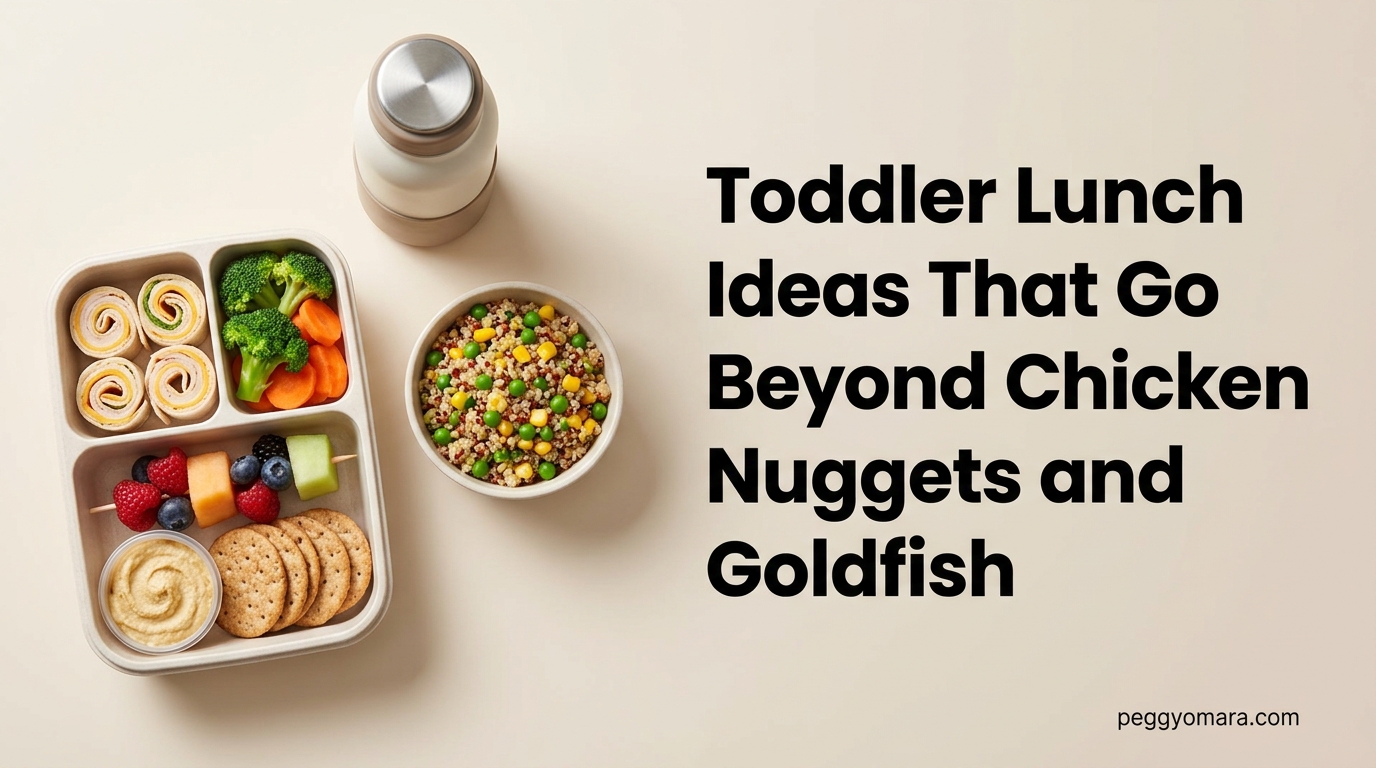
If you open your toddler’s lunch box at the end of the day and find nothing but rejected vegetables and untouched sandwiches, you are not alone. The cycle of chicken nuggets and goldfish crackers feels impossible to break when those are the only foods your child will reliably eat. Our team of parents has been there, and after months of trial and error with our own picky eaters, we have assembled these 15 toddler lunch ideas that actually work for moving beyond the processed food rut.
The key insight we discovered is that toddlers do not need completely new foods to expand their palates. They need familiar foods presented in new ways, combined with gentle exposure to new textures and flavors. These lunch ideas work for daycare, playdates, or home meals, and most can be prepared in under 15 minutes.
Table of Contents
Why Your Toddler Clings to Nuggets and Goldfish?
Before we dive into the lunch ideas, understanding why your toddler rejects variety helps you approach meals with more patience and less guilt. Toddlers are biologically programmed to prefer foods that are consistent in texture, moderately salty, and energy-dense. Chicken nuggets and goldfish crackers check every box: they taste the same every time, they are easy to chew, and they provide quick energy.
These foods are also what feeding specialists call “safe foods.” When everything else in a toddler’s world feels unpredictable, knowing exactly what their food will taste like provides comfort. Your job is not to eliminate safe foods entirely. It is to add new options alongside them, letting your child explore without pressure.
15 Toddler Lunch Ideas Beyond Chicken Nuggets and Goldfish
These 15 lunch ideas are organized into three categories based on preparation style and temperature. Each idea includes why it works for toddlers and tips for making it daycare-friendly.
No-Cook Toddler Lunch Ideas (Ready in 5 Minutes)
These options require zero cooking and work perfectly for busy mornings when you need to pack a lunch in under five minutes. They also solve the daycare restriction problem since many facilities cannot reheat food.
1. DIY Lunchable-Style Boxes
Fill a bento-style container with whole grain crackers, sliced cheese, and nitrate-free turkey or ham cut into fun shapes. Add cherry tomatoes (halved lengthwise for safety) and cucumber coins.
Why it works: The compartmentalized presentation feels familiar to kids who love Lunchables, but you control the ingredient quality. The finger-food format lets them assemble their own mini sandwiches, which increases buy-in.
2. Hummus Bento with Pita and Veggies
Pack a small container of hummus with soft pita triangles, steamed carrot sticks (softened for safety), cucumber spears, and halved grapes. Add a few whole grain crackers for crunch variety.
Why it works: Hummus provides protein and healthy fats that keep toddlers full longer than simple carbs. The dip-able format makes vegetables more appealing because dipping is inherently fun for this age group.
3. Cottage Cheese with Fruit and Crackers
Combine full-fat cottage cheese with diced peaches or pears (fresh or drained canned), a handful of small whole grain crackers, and sliced avocado. The combination of protein, fruit, and healthy fats creates a balanced meal without any cooking required.
Why it works: Cottage cheese is often accepted by toddlers who like yogurt but need more protein. The soft texture feels safe, while the crackers provide the crunch they crave. This lunch works especially well for younger toddlers around 18 months.
4. Turkey and Cheese Roll-Ups
Spread a thin layer of cream cheese on a whole wheat tortilla. Layer sliced turkey and cheese, then roll tightly and slice into one-inch pinwheels. Pack with halved blueberries and bell pepper strips.
Why it works: The pinwheel shape is visually appealing and perfectly sized for little hands. The cream cheese helps everything stick together, making this a relatively mess-free option for car rides or stroller snacks.
5. Yogurt Parfait Bar
Pack plain full-fat yogurt in a container with a separate small compartment for granola and diced fruit. Let your toddler mix it together at lunchtime. Include a tiny container of honey if they are over age one and you want added sweetness.
Why it works: The interactive element of mixing their own food gives toddlers a sense of control. Use a fun container with multiple compartments, and this becomes an activity as much as a meal. The combination of protein from yogurt and complex carbs from granola provides sustained energy.
Warm and Comforting Lunch Ideas
These options work best for home lunches or when you have access to a microwave. They also make excellent leftovers from dinner, solving the what-to-eat problem while reducing food waste.
6. Mini Quesadillas with Hidden Veggies
Spread mashed sweet potato or finely chopped spinach on a small whole wheat tortilla. Add shredded cheese and fold in half. Cook in a dry skillet until golden, then cut into triangles. Serve with mild salsa or guacamole for dipping.
Why it works: The cheese masks the vegetable flavor while the familiar tortilla format feels safe. Cutting into small triangles makes these easy to hold and dip. Many toddlers who reject plain vegetables will eat them when hidden in a quesadilla.
7. Mac and Cheese with Blended Butternut
Prepare your toddler’s favorite mac and cheese, but stir in a few tablespoons of pureed butternut squash or cauliflower. The cheese sauce completely masks the vegetable flavor while adding vitamins and fiber. Top with a sprinkle of whole wheat breadcrumbs for texture.
Why it works: This approach lets you serve a familiar favorite while gradually increasing vegetable exposure. Start with just a tablespoon of puree and slowly increase the amount as your toddler accepts the barely-noticeable change in color and taste.
8. Mini Meatballs with Pasta
Make mini meatballs using ground turkey or beef mixed with grated zucchini and carrots. The vegetables add moisture and nutrition without changing the flavor significantly. Serve over small pasta shapes with a simple tomato sauce or just a drizzle of olive oil.
Why it works: Meatballs are a finger-friendly protein source that feels more exciting than plain meat. The small size is perfect for toddler hands, and pasta is a familiar comfort food that helps bridge acceptance of the new protein format.
9. Egg Muffins with Vegetables
Whisk eggs with finely diced bell peppers, spinach, and cheese. Pour into greased muffin tins and bake at 375 degrees for 15 minutes. These keep in the refrigerator for three days and reheat beautifully in 30 seconds.
Why it works: Egg muffins are essentially crustless quiches that toddlers can hold like a muffin. The handheld format makes them feel like a treat rather than a vegetable delivery system. Make a batch on Sunday and you have instant lunches ready all week.
10. Leftover Fried Rice with Scrambled Egg
Transform dinner leftovers into a new lunch by mixing cold rice with tiny bits of scrambled egg, frozen peas and carrots (thawed), and a splash of low-sodium soy sauce. The cold rice actually works better for toddler lunches since it is easier to pick up with little fingers.
Why it works: Fried rice is an ideal vehicle for hiding vegetables because everything is chopped small and mixed together. The egg adds protein, and the soy sauce provides that umami flavor toddlers crave. This is a perfect example of using leftovers creatively.
Fun Finger Food Lunch Ideas
These options focus on the finger food format that toddlers naturally prefer. They are designed for interactive eating that engages your child’s senses and motor skills.
11. Deconstructed Sandwich Skewers
Thread chunks of whole grain bread, cheese cubes, cherry tomatoes (halved), and cucumber pieces onto blunt bamboo skewers or reusable cocktail picks. Add a small container of ranch or hummus for dipping. Remove from skewers for younger toddlers or supervise closely.
Why it works: Everything is more fun on a stick. The deconstructed format lets picky eaters choose which components they want to try without the pressure of a complete sandwich. The dipping component adds an interactive element that increases engagement.
12. Pancake or Waffle Bites with Nut Butter
Cut whole grain pancakes or waffles into bite-sized pieces and pack with a small container of sunflower seed butter or soy nut butter (school-safe alternatives to peanut butter). Add banana slices and a handful of whole grain cereal puffs for crunch.
Why it works: Breakfast foods at lunch feel like a special treat. The combination of carbohydrates and protein from the nut butter alternative provides sustained energy for active toddlers. This is particularly popular with younger toddlers who still love soft textures.
13. Mini Bagel Pizzas
Split mini whole wheat bagels and top with tomato sauce, shredded mozzarella, and finely chopped vegetables like bell peppers or spinach. Bake until cheese melts, then cool completely before packing. These are delicious cold or at room temperature.
Why it works: Pizza is universally appealing to toddlers, and the mini bagel format is perfectly sized for small appetites. Served cold, these work for daycare lunches without reheating. The familiar pizza flavor helps mask the vegetable additions.
14. Chicken and Veggie Poppers
Combine ground chicken with grated zucchini, carrots, and a little breadcrumb. Form into small one-inch balls and bake until cooked through. These protein-packed bites are perfect for dipping in ketchup or honey mustard.
Why it works: These are essentially homemade, healthier versions of chicken nuggets. The ground chicken texture is softer than whole meat pieces, making these accessible to toddlers who struggle with chewing. The added vegetables provide nutrition without affecting the familiar chicken flavor.
15. Tortilla Pinwheels with Cream Cheese
Mix softened cream cheese with finely shredded carrots and a pinch of garlic powder. Spread on a large tortilla, add a layer of thinly sliced ham or turkey, and roll tightly. Chill for 30 minutes, then slice into one-inch rounds. Pack with apple slices.
Why it works: The spiral shape is visually interesting, and the cream cheese helps everything stick together for mess-free eating. The mild flavors appeal to sensitive palates, while the hidden vegetables add nutrition. These travel well and stay fresh for hours.
Tips for Packing Toddler Lunches for Daycare and On-the-Go
Having great lunch ideas is only half the battle. The other half is packing them in a way that keeps food safe, appealing, and easy for your toddler to eat independently.
Food Safety and Temperature Control
Pack lunches in an insulated bag with an ice pack if they will be sitting for more than two hours. Foods that require refrigeration include yogurt, cheese, meat, eggs, and cut fruits and vegetables. Room temperature safe foods include whole fruits (uncut), crackers, bread, and most baked goods.
If your daycare cannot reheat food, focus on cold or room temperature options. Many toddlers actually prefer foods at room temperature anyway, so this is rarely a problem once you shift your mindset away from hot meals.
Container Recommendations
Bento-style containers with multiple compartments work best for toddler lunches. They keep foods separate (toddlers often reject foods that touch each other) and provide built-in portion control. Look for containers with secure but easy-to-open latches that your toddler can manage independently.
Small leak-proof containers are essential for dips, yogurt, and juicy fruits. Silicone muffin cups work perfectly inside larger containers to create extra compartments without buying specialized gear.
Portion Sizes for Toddlers
Toddler portions are surprisingly small. A serving of protein is roughly the size of your child’s palm. A serving of grains is about half a slice of bread or a quarter cup of rice. A serving of fruit or vegetables is about one to two tablespoons per year of age.
Pack less than you think they need. Uneaten food coming home is better than waste, and large portions can overwhelm picky eaters. You can always offer a snack later if they are still hungry.
Dealing with Uneaten Food
Expect that some food will come home uneaten, especially when introducing new options. This is normal and not a reflection of your cooking or your child’s health. Look at what was eaten rather than what was left behind to gauge success.
Perishable items that come home uneaten should be discarded for food safety. Non-perishables like crackers or whole fruits can be repacked for the next day. Do not comment on uneaten food in front of your toddler; stay neutral to avoid creating anxiety around mealtimes.
How to Get Your Toddler to Try New Foods
Expanding your toddler’s food repertoire is a marathon, not a sprint. These strategies come from feeding specialists and experienced parents who have successfully moved beyond the nugget-and-goldfish phase.
Follow the Division of Responsibility
Feeding expert Ellyn Satter’s Division of Responsibility model states that parents are responsible for what, when, and where food is served. Children are responsible for whether and how much they eat. This means you decide what goes in the lunch box, but your toddler decides what actually gets eaten.
Applying this to lunches means packing a variety of foods including at least one safe food you know they will eat, then releasing control over the outcome. No pressure, no bribing, no commenting on what they choose. This approach reduces mealtime battles and allows natural curiosity to develop.
The Power of Repeated Exposure
Research shows that toddlers may need to be exposed to a new food 10 to 15 times before they will try it. This exposure includes seeing the food on their plate, watching you eat it, and eventually touching or smelling it. Do not give up after the first few rejections.
Continue packing small amounts of rejected foods alongside accepted foods. One day, you may find the cucumber slices gone while the goldfish crackers come home uneaten. That is the moment you have been working toward.
Make Food Fun and Interactive
Toddlers eat with their eyes first. Use cookie cutters to shape sandwiches into stars or hearts. Arrange fruits and vegetables to make smiley faces. Serve dips in tiny containers that make them feel special. The more interactive and visually appealing the meal, the more likely your toddler is to engage with it.
Let your toddler help pack their lunch when possible. Even simple choices like “red grapes or green grapes” give them ownership over their food. Children are more likely to eat what they helped prepare.
Respect Sensory Preferences
Some toddlers reject foods based on texture rather than taste. Mushy foods, crunchy foods, or mixed textures may trigger a negative response. Pay attention to which textures your toddler accepts and use that as your starting point for introducing new foods.
If your toddler loves crunchy goldfish crackers, try introducing crunchy snap pea crisps or whole grain pita chips. If they prefer soft nuggets, try soft cheese cubes or well-cooked pasta. Meeting them at their preferred texture makes transitions smoother.
Safety Considerations for Toddler Lunches
Food safety for toddlers requires extra attention to choking hazards and common allergens. These guidelines come from the American Academy of Pediatrics and CDC recommendations.
Choking Hazard Foods to Avoid
Never pack whole grapes, cherry tomatoes, hot dogs, popcorn, hard raw vegetables, whole nuts, or hard candies for toddlers. Always cut round foods like grapes and cherry tomatoes into quarters lengthwise. Cut hot dogs into thin strips rather than coins.
Spread nut butters thinly rather than serving them as spoonfuls, which can stick to the roof of the mouth and cause choking. For school or daycare, use sunflower seed butter or soy nut butter instead of peanut butter to accommodate allergy policies.
Safe Food Preparation Techniques
Steam or roast vegetables until soft enough to mash with a fork. Cut meats across the grain into pieces no larger than a pea. Grate or finely chop raw vegetables like carrots before adding to dishes. When in doubt, make pieces smaller rather than larger.
Teach your toddler to sit while eating and to take small bites. Even with properly prepared food, running around with food in their mouth increases choking risk. Pack lunches that encourage slow, mindful eating rather than grabbing handfuls on the go.
Allergy Awareness for Daycare
Always check your daycare’s allergy policy before packing lunches. Many facilities are completely nut-free. Some also restrict eggs, sesame, or other common allergens. Label your child’s lunch with their name and any allergen warnings if you are sharing snacks.
If your own child has allergies, meet with caregivers to review safe foods and emergency procedures. Pack lunches from home rather than relying on shared snacks to ensure your toddler eats safely.
FAQ: Common Questions About Toddler Lunch Ideas
What are some good lunch ideas for toddlers?
Good lunch ideas for toddlers include a balance of protein, complex carbohydrates, healthy fats, and fruits or vegetables. Some popular options include DIY Lunchable-style boxes with crackers, cheese, and meat; hummus with pita and soft vegetables; mini quesadillas with hidden vegetables; turkey and cheese roll-ups; and yogurt parfaits with fruit and granola. The best lunches include at least one food your toddler already accepts alongside new foods you want them to try.
How do I get my toddler to eat more than chicken nuggets?
Expand your toddler’s diet gradually by serving familiar foods in new ways and introducing new foods alongside safe foods they already accept. Use the Division of Responsibility approach where you control what is offered and they control what is eaten. Offer new foods 10 to 15 times before expecting acceptance. Make meals interactive and fun with dips, finger foods, and appealing presentations. Never force or pressure eating, as this creates negative associations with food.
What are 10 good lunch foods for kids?
Ten reliable lunch foods for toddlers include: (1) Whole grain crackers with cheese slices, (2) Hummus with soft pita bread, (3) Mini quesadillas with hidden vegetables, (4) Yogurt with diced fruit, (5) Turkey and cheese roll-ups, (6) Hard-boiled egg halves, (7) Pasta salad with diced vegetables, (8) Cottage cheese with soft fruit, (9) Mini meatballs with pasta, and (10) Egg muffins with vegetables. Rotate through these options while gradually introducing new foods to build variety.
What are some no-cook toddler lunch ideas?
No-cook toddler lunch ideas perfect for busy mornings include DIY Lunchable boxes with crackers, cheese, and deli meat; hummus bento with pita and vegetables; cottage cheese with fruit and crackers; yogurt parfaits with granola and berries; and turkey and cheese roll-ups. These options require only assembly and work well for daycare since they do not need reheating. Prepare components ahead on weekends to make weekday packing even faster.
How much food should I pack for my toddler?
Toddler portions are smaller than most parents expect. Pack approximately one tablespoon of each food per year of age. For a two-year-old, this means two tablespoons of protein, two tablespoons of vegetables, two tablespoons of fruit, and a small serving of grains. It is better to pack less and offer seconds if needed than to overwhelm your toddler with large portions that create pressure.
What foods are choking hazards for toddlers?
Common choking hazards for toddlers include whole grapes, cherry tomatoes, hot dogs cut into coins, popcorn, hard raw vegetables, whole nuts, hard candies, and spoonfuls of thick nut butter. Always cut round foods into quarters lengthwise, slice hot dogs into thin strips, and spread nut butters thinly. Steam or cook vegetables until soft, and cut meats into pea-sized pieces.
Conclusion: Your Toddler Can Move Beyond Nuggets and Goldfish
Breaking the chicken nugget and goldfish cracker cycle does not happen overnight, but it absolutely can happen. The 15 toddler lunch ideas in this guide give you a starting point for introducing variety while respecting your child’s need for familiar foods and safe textures.
Remember that your job is to provide nutritious options. Your toddler’s job is to decide what and how much to eat from what you provide. Some days they will eat everything. Other days they will eat only the crackers you packed as a safe food. Both outcomes are normal and acceptable.
Start with just one new lunch idea from this list per week. Pair it with a food you know your toddler accepts. Pack small portions, make it visually appealing, and release your expectations about what should happen. Over time, you will see your toddler’s food repertoire expand naturally. You have got this, and your toddler is capable of more dietary variety than those goldfish crackers suggest.