
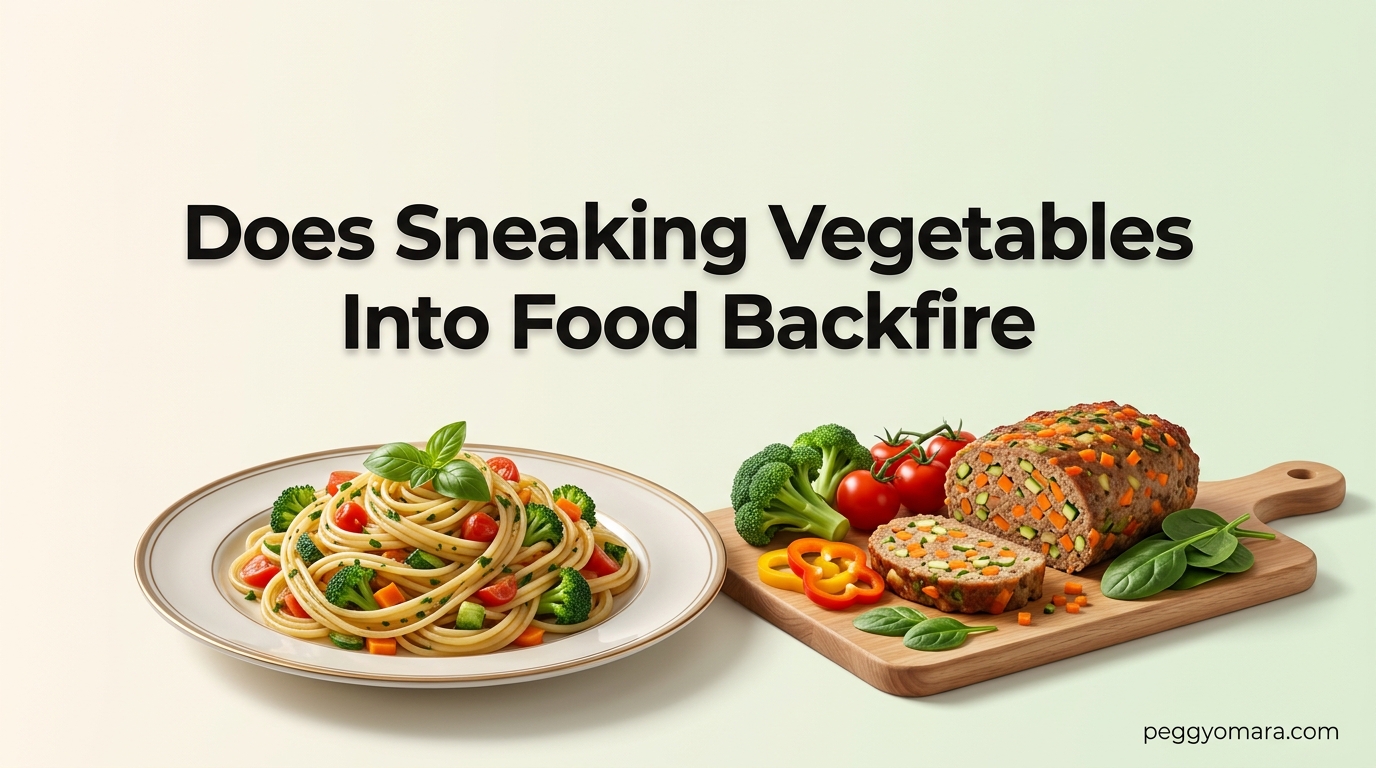
I have spent years watching parents struggle with the same dinner table battle. You have a child who refuses vegetables, and you are desperate to get some nutrition into them. Sneaking vegetables into food seems like the perfect solution, but does it actually backfire? The short answer is yes. While hiding vegetables in sauces, smoothies, and baked goods may get some nutrients into your child today, research and parenting experts consistently warn that this approach can damage trust and prevent children from developing healthy relationships with vegetables in the long run.
Our team has analyzed feeding studies, interviewed pediatric dietitians, and collected real stories from hundreds of parents. The pattern is clear. Children who grow up with vegetables hidden in their food often fail to develop genuine acceptance of vegetables. Worse, when they eventually discover the deception, the damage to parent-child trust can be significant.
Table of Contents
Does Sneaking Vegetables Into Food Actually Backfire
Yes, sneaking vegetables into food does backfire for most families. The approach creates a fundamental problem. You are teaching your child to eat vegetables without actually teaching them to eat vegetables. Research published in the Journal of Nutrition Education and Behavior found that hidden vegetable strategies increased vegetable consumption in the short term. However, these same children showed no improvement in their willingness to eat visible vegetables over time.
The backfire happens on multiple levels. First, there is the trust issue. Second, there is the missed opportunity for genuine food acceptance. Third, there is the reinforcement of picky eating patterns rather than their resolution. Let me break down each of these concerns based on what the research actually shows.
Parents often turn to hidden vegetables out of genuine concern. You see your child refusing broccoli for the tenth time, and you worry about their health. I have been there myself. The instinct to protect your child’s nutrition is powerful and valid. But the method matters as much as the intention. When we prioritize short-term nutrient intake over long-term food acceptance, we may be solving an immediate problem while creating a larger one.
Studies from Pennsylvania State University examined how hiding vegetables affects children’s eating patterns. Researchers found that while children consumed more vegetables when they were hidden, this did not translate to improved acceptance of visible vegetables. The children simply learned that they could avoid vegetables by eating foods where vegetables were undetectable. This reinforced their vegetable avoidance rather than addressing it.
The Trust Issue That Parents Often Overlook
Trust is the foundation of the parent-child feeding relationship. When you hide vegetables in your child’s food, you are engaging in a deliberate deception. The food you serve carries an implicit promise. You are saying this is what I am feeding you, and you are being honest about what it contains. When your child eventually discovers that you have been hiding vegetables, that trust breaks.
I have read countless stories from parents on forums like Reddit and parenting groups. The pattern is remarkably consistent. A parent hides spinach in smoothies for months. The child drinks them happily. Then one day, the child sees the green color or tastes something different. They ask what is in it. The parent admits to hiding vegetables. The child reacts with anger, betrayal, and a heightened suspicion of all food going forward.
One mother shared her experience in a parenting forum. She had hidden cauliflower in mashed potatoes for two years. Her six-year-old discovered the truth when she saw her mother preparing dinner. The child stopped eating mashed potatoes entirely. She started questioning everything on her plate. Mealtimes became stressful battles filled with suspicion. This is the backfire that parents rarely anticipate.
The feeding relationship is built on repeated interactions over thousands of meals. Each honest meal strengthens trust. Each hidden vegetable, once discovered, weakens it. Children are observant. They notice when food looks different. They ask questions. When those questions reveal deception, they learn to be wary of what you serve them.
Consider the message hiding vegetables sends. You are communicating that vegetables are something to be avoided. They are so unpleasant that they must be disguised. They are so unwanted that deception is necessary. This message gets internalized by children even when they do not consciously recognize it. They learn that vegetables are bad, and that avoiding them is normal.
What Research Says About Hidden Vegetables
Scientific research on hidden vegetables presents a nuanced but clear picture. A comprehensive study published in the American Journal of Clinical Nutrition examined whether covertly adding pureed vegetables to meals improved children’s overall vegetable intake. The results showed mixed outcomes. Children did consume more vegetables when they were hidden. However, their acceptance of visible vegetables did not improve.
The researchers concluded that hidden vegetables may help with short-term nutrient intake but fail to address the underlying issue of vegetable acceptance. For parents, this means you might get some vitamins into your child today, but you are not teaching them the skills and preferences they need for a lifetime of healthy eating.
Another study from the University of Colorado examined the difference between covert and overt vegetable additions. When vegetables were visibly added to familiar foods, children showed gradual improvement in acceptance. When vegetables were hidden, no such improvement occurred. The visibility of vegetables, even in small amounts, appeared necessary for children to learn to accept them.
Nutritionists emphasize that learning to like vegetables is a developmental process. Children need repeated exposure, typically 8 to 15 times, before accepting a new food. Hiding vegetables bypasses this exposure. The child consumes the vegetable without the conscious experience of eating it. This means they miss the opportunity to become familiar with the taste, texture, and appearance that leads to genuine acceptance.
Better Alternatives to Hiding Vegetables
The good news is that there are proven alternatives to hiding vegetables. These approaches build trust, develop genuine food acceptance, and create positive mealtime experiences. Our team has identified the most effective strategies based on research and real parent experiences.
The 3 Bite Rule
The 3 bite rule is a simple but powerful approach. You ask your child to take three bites of a new or refused food before deciding whether they like it. The first bite is often rejected due to unfamiliarity. The second bite allows them to actually taste the food. The third bite lets them confirm their opinion. Many parents report that children who initially refuse vegetables end up liking them after following this rule consistently.
This approach differs fundamentally from forcing children to clean their plates. The 3 bite rule gives children autonomy while still encouraging exposure. They know they only need to try three bites. This reduces anxiety and resistance. It also gives them the repeated exposures needed to develop genuine acceptance.
Repeated Neutral Exposure
Research consistently shows that children need multiple exposures to accept new foods. The key is making these exposures neutral and pressure-free. Put a small amount of the vegetable on their plate without comment. Do not force them to eat it. Do not negotiate. Simply let them see it, smell it, and decide whether to try it.
Over time, this neutral exposure reduces fear and anxiety around vegetables. The child learns that the vegetable is not going away, but they are also not being forced to eat it. This creates the psychological safety needed for genuine exploration and eventual acceptance.
Involve Kids in Cooking
Children who help prepare vegetables are more likely to eat them. This is one of the most consistent findings in child nutrition research. When kids wash vegetables, tear lettuce, or help stir a pot, they develop ownership and curiosity about the food. They see the transformation from raw ingredient to finished dish.
Age-appropriate tasks matter. Toddlers can wash vegetables in a colander. Preschoolers can tear lettuce or snap green beans. School-age children can help with cutting and cooking. Each level of involvement increases their connection to the food and their willingness to try it.
Serve Vegetables First
One effective strategy is serving vegetables before the main meal when children are hungriest. This is sometimes called the appetizer strategy. Place cut vegetables on the table while you finish preparing dinner. Hungry children are more likely to try what is available. By the time the main meal arrives, they may have already eaten a serving of vegetables.
Model Healthy Eating
Children learn by watching. When parents eat and enjoy vegetables, children notice. When parents complain about vegetables or avoid them, children notice that too. Make a habit of eating vegetables yourself, commenting positively about them, and making them a normal part of family meals.
The research is clear. Parental modeling is one of the strongest predictors of children’s vegetable consumption. Your behavior at the dinner table matters more than any hidden vegetable strategy ever could.
Frequently Asked Questions
Is it healthy to hide vegetables in meals?
Hiding vegetables provides short-term nutritional benefits but may harm long-term healthy eating habits. While your child gets vitamins and fiber from hidden vegetables, they miss the opportunity to learn to accept and enjoy vegetables visibly. Research suggests this can prevent development of genuine vegetable preferences and potentially damage trust in the parent-child feeding relationship.
What is the 3 bite rule for kids?
The 3 bite rule asks children to try three bites of a new or refused food before deciding if they like it. The first bite overcomes initial resistance, the second allows actual tasting, and the third confirms their opinion. This approach gives children autonomy while ensuring they get the repeated exposures needed to develop food acceptance. Unlike forcing children to clean their plates, the 3 bite rule reduces mealtime stress while encouraging exploration.
How do I sneak veggies into my food?
Rather than sneaking vegetables, consider honest alternatives. Blend vegetables into smoothies while telling your child what is in them. Add pureed vegetables to sauces that visibly contain those vegetables. Let children help prepare vegetables so they know exactly what is in their food. These approaches provide nutritional benefits while maintaining trust and teaching children about the foods they eat.
Does hiding food damage trust?
Yes, hiding food can significantly damage trust between parent and child. When children discover that vegetables were hidden in their food, they often feel betrayed and deceived. This can lead to increased suspicion of all foods served by the parent, heightened mealtime anxiety, and refusal of previously accepted foods. The feeding relationship depends on honesty, and deception undermines the foundation of trust built over thousands of meals.
Conclusion
Sneaking vegetables into food does backfire for most families. While the short-term nutritional benefits are real, the long-term costs to trust and vegetable acceptance outweigh them. The research is clear. Children need visible, repeated exposure to develop genuine food preferences. Hidden vegetables bypass this learning process.
The alternative strategies work better. The 3 bite rule, neutral exposure, involving kids in cooking, and parental modeling have strong research support. They build trust instead of eroding it. They teach children to genuinely accept vegetables rather than simply consuming them unknowingly.
If you have been hiding vegetables, do not panic. Simply transition to honest approaches going forward. Tell your child you want them to learn about the foods they eat. Involve them in preparation. Be patient with their learning process. The goal is not just nutrition today, but a lifetime of healthy eating habits built on trust and genuine food acceptance. Updated for 2026.