
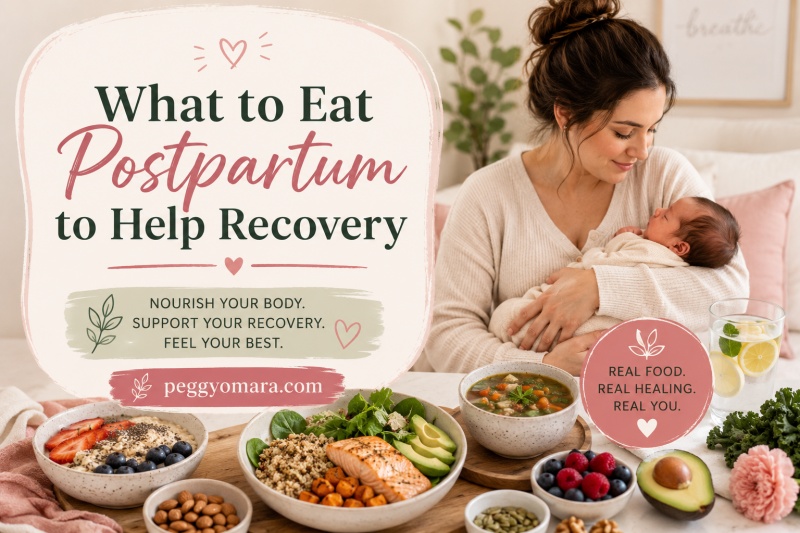
The first twelve weeks after giving birth are often called the fourth trimester for good reason. Your body has just accomplished something extraordinary, and now it needs your support to heal, restore depleted nutrients, and adjust to new demands. What you eat during this time matters more than many new mothers realize.
I remember the early days with my first baby. Between sleepless nights and round-the-clock feedings, nutrition often felt like an afterthought. But after speaking with dozens of new mothers and researching the science behind postpartum recovery, I have learned that intentional nourishment can transform how you feel during this vulnerable season.
This guide covers everything you need to know about what to eat postpartum to help recovery. You will discover which nutrients matter most, which foods support healing, and practical strategies for eating well when you barely have time to shower.
Table of Contents
Understanding the Fourth Trimester and Postpartum Nutrition
The fourth trimester refers to the first three months after birth, a period of major physical and emotional adjustment for both mother and baby. During this time, your body works overtime to heal from pregnancy and delivery while supporting breastfeeding and adapting to new sleep patterns.
Many new mothers encounter the 2-2-2 rule for postpartum recovery. This guideline suggests planning for two weeks of complete rest, two months of recovery-focused living, and two years before feeling fully like yourself again. While every woman’s experience differs, this framework reminds us that healing is not a race.
Similarly, the 3-3-3 rule suggests three days in bed, three weeks on the bed or couch, and three months near your baby. These rules emphasize that early rest and nourishment form the foundation for long-term recovery.
The 5-5-5 rule takes another approach: five days in bed, five days on the bed, and five days near the bed. These guidelines may seem impractical in our fast-paced culture, but they echo wisdom from traditional cultures worldwide. Your body needs time, and postpartum exercise can wait until you have built a solid nutritional foundation.
Essential Nutrients Your Body Needs After Birth
Postpartum nutrition differs from general healthy eating because your body faces specific recovery challenges. Understanding which nutrients support these processes helps you make intentional food choices.
Protein for Tissue Healing
Your body needs protein to repair tissues stretched and torn during delivery. Aim for 60-80 grams daily, spread throughout the day. Sources like eggs, chicken, fish, Greek yogurt, and legumes provide the amino acids necessary for wound healing and muscle recovery.
Collagen-rich proteins deserve special attention. When you cook meat on the bone or simmer bone broth, you release gelatin and glycine that specifically support skin and tissue repair.
Iron for Blood Loss Recovery
Childbirth involves significant blood loss, which can deplete iron stores and lead to anemia. The fatigue many new mothers experience often stems from insufficient iron rather than sleep deprivation alone.
Focus on heme iron sources, which your body absorbs most efficiently. Grass-fed beef, dark meat poultry, sardines, and oysters pack the biggest iron punch. Pair plant-based iron sources with vitamin C to enhance absorption.
Omega-3 Fatty Acids for Brain Health
DHA and EPA, two types of omega-3 fatty acids, support your mental health during a vulnerable time. These fats also pass through breast milk to support your baby’s developing brain. Fatty fish like salmon and sardines provide the most bioavailable forms.
Choline for You and Baby
Choline rarely receives the attention it deserves, yet requirements increase significantly during lactation. This nutrient supports brain development in nursing infants and helps regulate mood in mothers. Egg yolks and liver contain the highest concentrations.
What to Eat Postpartum to Help Recovery: Top Healing Foods
Certain foods offer particular benefits for postpartum healing. Incorporating these nutrient-dense options into your daily meals can accelerate recovery and boost energy.
Bone Broth and Collagen-Rich Foods
Traditional cultures worldwide valued bone broth for new mothers, and modern science confirms this wisdom. Simmering bones releases collagen, gelatin, glycine, and minerals that support tissue repair, digestion, and joint health.
Start your morning with a warm cup of homemade broth, or use it as a base for soups and stews. Store-bought options work when cooking feels impossible, though homemade provides superior nutrition.
Eggs: The Perfect Postpartum Food
Eggs contain nearly every nutrient new mothers need. They provide complete protein, choline for brain health, vitamin D for mood regulation, and healthy fats for hormone production. Keep hard-boiled eggs in your refrigerator for quick, one-handed snacks.
Leafy Greens for Iron and Energy
Dark leafy greens like spinach, kale, and Swiss chard offer folate, iron, calcium, and fiber. These nutrients support blood building, bone health, and digestion. Add greens to smoothies, soups, or scrambled eggs for easy consumption.
Fatty Fish for Omega-3s
Salmon, sardines, mackerel, and herring provide DHA and EPA that support your mental health and your baby’s development. Aim for two to three servings weekly, choosing low-mercury options.
Slow-Cooked Meats
Tender, slow-cooked meats offer easily digestible protein and minerals without requiring much chewing effort. Think pot roast, braised chicken thighs, or pulled pork. These foods feel comforting while delivering serious nutrition.
Warming Soups and Stews
Warm, cooked foods support digestion and provide comfort during recovery. Soups and stews allow you to pack multiple nutrients into one easy-to-eat meal. Make large batches and freeze portions for effortless nourishment later.
Berries and Citrus for Vitamin C
Vitamin C supports wound healing and enhances iron absorption. Berries offer antioxidants that combat inflammation, while citrus fruits provide immune support. Both make excellent snacks that require minimal preparation.
C-Section Recovery: Foods That Support Surgical Healing
Cesarean sections account for roughly one-third of births in the United States, yet most postpartum nutrition advice focuses on vaginal delivery. C-section mothers face unique recovery challenges that specific foods can address.
Anti-inflammatory foods help reduce surgical swelling and promote healing. Focus on fatty fish, turmeric, ginger, berries, and leafy greens. These foods contain compounds that reduce inflammation without the side effects of medications.
Constipation prevention matters enormously after abdominal surgery. Straining can damage your incision and cause significant pain. Prunes, flaxseeds, chia seeds, and plenty of water keep things moving gently.
Protein requirements increase after surgery because your body needs extra amino acids to repair the incision. Prioritize high-quality proteins at every meal, aiming for the higher end of the 60-80 gram range.
Zinc and vitamin C specifically support wound healing. Oysters, pumpkin seeds, and beef provide zinc, while bell peppers, strawberries, and broccoli deliver vitamin C.
Traditional Healing Foods From Around the World
Every culture developed traditional foods to nourish new mothers during the vulnerable postpartum period. These time-tested traditions offer wisdom we can incorporate today.
Chinese confinement practices emphasize warm, cooked foods believed to restore balance after the coldness of childbirth. Chicken soup with ginger, rice congee, and red date tea feature prominently. These foods provide easily digestible nutrition that supports digestion and energy.
Latin American traditions include cuarentena, a forty-day recovery period with specific foods. Chicken soup with vegetables, atole (a warm corn-based drink), and plenty of broths help mothers regain strength.
Indian postpartum foods focus on warming spices and ghee for digestion and nourishment. Panjiri, a roasted flour mixture with nuts and seeds, provides concentrated energy. Warm milk with turmeric supports healing and relaxation.
Mediterranean traditions emphasize olive oil, fish, vegetables, and whole grains. These foods provide anti-inflammatory benefits that support recovery while tasting delicious.
While you need not follow any tradition strictly, incorporating elements from these practices can add variety and targeted nutrition to your postpartum diet.
Foods to Limit or Avoid During Postpartum Recovery
Some foods can hinder your recovery or affect your breastfed baby negatively. While complete restriction is rarely necessary, moderation helps.
Highly processed foods provide empty calories without the nutrients your body desperately needs. Chips, packaged snacks, and fast food might offer convenience, but they steal space on your plate from healing foods. When cravings strike, look for whole food alternatives.
Excess caffeine can disrupt your already fragile sleep and may affect some breastfed babies. Limit coffee to one or two cups daily, and avoid caffeine after early afternoon.
Alcohol requires careful consideration. While an occasional drink is generally considered safe for breastfeeding mothers who time it appropriately, alcohol offers no nutritional benefit and can interfere with sleep quality and milk production.
Gas-producing foods like cabbage, beans, and onions may cause discomfort for sensitive breastfed babies. Monitor your baby’s reactions and adjust accordingly.
Mercury-heavy fish such as swordfish, king mackerel, and tilefish should be avoided. Choose low-mercury options like salmon, sardines, and trout instead.
Practical Eating Strategies for New Mothers
Knowing what to eat postpartum matters little if you cannot actually manage to eat. These practical strategies help you nourish yourself during demanding days.
One-Handed Snacks You Can Eat While Holding Baby
New mothers spend hours holding newborns. Prepare snacks that require no utensils and minimal attention. Energy balls made with dates, nuts, and oats provide sustained energy. Pre-cut vegetables with hummus, whole grain crackers with nut butter, and hard-boiled eggs work beautifully.
Keep a basket of shelf-stable snacks wherever you feed your baby. Nursing sessions last twenty to forty minutes, making them perfect opportunities to nourish yourself.
Meal Prep Before Baby Arrives
If you are still pregnant, dedicate your third trimester to preparing nourishing meals for postpartum. Double every dinner recipe and freeze half. Soups, stews, casseroles, and breakfast burritos freeze beautifully and require only reheating.
Consider organizing a meal train with friends and family. Specific requests ensure you receive foods that actually support recovery rather than random casseroles.
Hydration: How Much Water Do You Really Need?
Breastfeeding mothers need approximately thirteen cups of fluid daily. Keep water bottles stationed wherever you typically sit. Drink a glass every time you nurse your baby. Warm herbal teas count toward your total and provide additional benefits.
Signs of dehydration include dark urine, headaches, fatigue, and decreased milk supply. If you struggle with plain water, try infusing it with cucumber, lemon, or berries.
Nutrition and Postpartum Mental Health
The connection between what you eat and how you feel mentally receives too little attention in postpartum care. Blood sugar fluctuations can trigger mood swings and anxiety. Eating regular meals with protein, healthy fats, and complex carbohydrates stabilizes your energy and emotions.
Omega-3 fatty acids show promise for preventing postpartum depression. Studies suggest that mothers who consume adequate DHA and EPA experience fewer depressive symptoms. Fatty fish remains the best source, though high-quality supplements offer an alternative.
B vitamins, particularly B12 and folate, support neurotransmitter function and mood regulation. Eggs, leafy greens, and animal proteins provide these essential nutrients.
Your gut microbiome also influences mental health. Fermented foods like yogurt, kefir, and sauerkraut support healthy gut bacteria that communicate with your brain.
If you experience persistent sadness, anxiety, or intrusive thoughts, please seek professional help immediately. Nutrition supports mental health but cannot replace medical care when needed.
FAQs
What foods promote postpartum healing?
The best foods for postpartum healing include bone broth for collagen and minerals, eggs for complete protein and choline, leafy greens for iron and folate, fatty fish for omega-3 fatty acids, slow-cooked meats for easily digestible protein, berries for antioxidants and vitamin C, and warming soups for comfort and hydration. These nutrient-dense foods support tissue repair, restore depleted nutrients, and provide sustained energy for new mothers.
What is the best food to eat after giving birth?
Eggs are considered one of the best foods after giving birth because they contain nearly every nutrient new mothers need, including complete protein, choline for brain health, vitamin D, and healthy fats. Bone broth ranks equally high for its collagen content that supports tissue healing. Both foods are easy to prepare and digest, making them ideal for early postpartum when energy and appetite may be low.
What is the 2-2-2 rule for postpartum?
The 2-2-2 rule suggests planning for two weeks of complete rest after birth, two months of recovery-focused living with limited activity, and two years before feeling fully like yourself again. This framework reminds new mothers that healing takes time and that early rest and nourishment form the foundation for long-term recovery.
What is the 3-3-3 rule for postpartum?
The 3-3-3 rule for postpartum recovery recommends three days spent primarily in bed, three weeks resting on the bed or couch, and three months staying near your baby with limited separation. This guideline emphasizes gradual return to normal activity while prioritizing rest and recovery during the vulnerable fourth trimester.
What is the 5-5-5 rule postpartum?
The 5-5-5 rule suggests five days in bed, five days on the bed, and five days near the bed as a structured approach to postpartum recovery. This guideline helps new mothers prioritize rest while gradually increasing activity levels over the first two weeks after birth.
How much water should I drink postpartum?
Breastfeeding mothers should aim for approximately thirteen cups (about three liters) of fluid daily. Non-breastfeeding mothers need roughly nine to ten cups. Signs of dehydration include dark urine, headaches, fatigue, and decreased milk supply. Keep water accessible wherever you nurse or rest your baby.
Can I diet while breastfeeding?
Intentional dieting is not recommended during the early postpartum period or while breastfeeding. Your body needs adequate calories to produce milk, heal from delivery, and maintain energy. Focus on nutrient-dense foods rather than restriction. Most breastfeeding mothers need 300-500 additional calories daily. Wait until at least six weeks postpartum before considering any caloric changes.
Should I take vitamins postpartum?
Most healthcare providers recommend continuing prenatal vitamins throughout breastfeeding and for at least six weeks postpartum if not nursing. Key nutrients to prioritize include iron if you experienced blood loss, DHA omega-3s for mental health and baby’s development, vitamin D for mood and immunity, and choline for brain health. Consult your provider for personalized recommendations based on blood work.
Conclusion: Nourishing Yourself Through the Fourth Trimester
What you eat postpartum to help recovery shapes not only your physical healing but your emotional wellbeing and ability to care for your new baby. The fourth trimester demands gentleness, patience, and intentional nourishment.
Focus on protein for tissue repair, iron for energy restoration, omega-3s for mental health, and warm, cooked foods for comfort and digestion. Prepare one-handed snacks, stock your freezer with nourishing meals, and accept help when offered.
Remember that perfection is not the goal. Some days you will eat beautifully; other days you will survive on whatever you can grab. Both are okay. Your body is designed to heal, and every nourishing choice supports that natural process.
Give yourself permission to rest, to be nourished, and to receive care during this sacred season. The investment you make in your own recovery will benefit your family for years to come.