
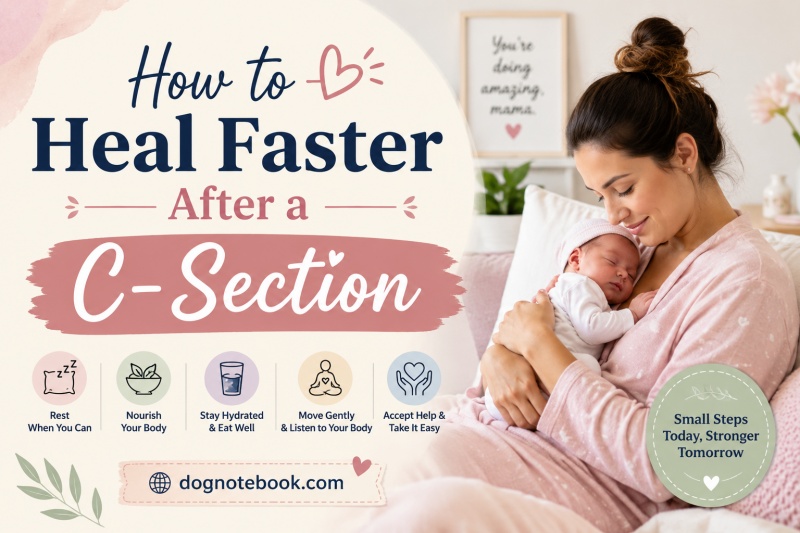
Recovering from a cesarean delivery takes time, patience, and the right approach. Whether your C-section was planned weeks in advance or came as a surprise during labor, understanding how to heal faster after a C-section can make your recovery smoother and less stressful. I have spoken with hundreds of mothers over the years, and the ones who recover best share one thing in common: they follow a thoughtful, intentional approach to healing.
This guide covers everything you need to know about C-section recovery, from those first challenging hours in the hospital to your six-week postpartum checkup. You will find practical tips based on both medical guidance and real experiences from mothers who have been through this journey.
Remember, a C-section is major abdominal surgery. Your body has done something incredible by growing and delivering a baby, and now it needs time to heal. Give yourself grace during this process. Recovery is not a race.
Table of Contents
The First 24-48 Hours: Setting Your Recovery Foundation
Your immediate post-surgery period sets the tone for your entire recovery. Understanding what happens during these first two days helps you feel more prepared and less anxious.
After your surgery, you will spend the first hour or two in a recovery room where nurses monitor your vital signs, check your incision, and ensure the anesthesia wears off properly. You may feel groggy, nauseated, or itchy from the medications. These sensations are normal and temporary.
Getting out of bed for the first time will likely happen within 12 to 24 hours after surgery. This sounds intimidating, but early movement is one of the most important things you can do for your recovery. Walking helps prevent blood clots, stimulates bowel function, and speeds up your overall healing. Take it slowly, accept help from the nurse, and use the log rolling technique to get up with less pain.
Gas pain surprises many women after a C-section. The surgery slows your digestive system, and trapped gas can cause uncomfortable bloating and even referred pain in your shoulders. Walking helps move this gas through your system. Some women also find relief from simethicone drops, which your doctor can approve if needed.
Incision Care for Faster Healing
Your incision needs proper care to heal well and minimize scarring. Most C-sections use a horizontal incision along the bikini line, though some situations require a vertical incision. Your doctor will close the wound with either stitches, staples, or surgical glue covered with Steri-Strips.
Keep your incision clean and dry. You can usually shower after 24 hours, but let water run gently over the area rather than spraying directly on it. Pat the area dry with a clean towel, do not rub. Avoid soaking in baths, hot tubs, or swimming pools until your doctor clears you, typically around six weeks.
Watch for signs of infection. Contact your doctor immediately if you notice increasing redness, warmth, swelling, or pus-like drainage from the incision. A fever over 100.4 degrees Fahrenheit also requires immediate medical attention. Some mild tenderness and occasional pulling sensations are normal, but severe or worsening pain is not.
Your incision will go through several healing stages. Initially, it may look puffy and red. Over the next few weeks, the color will fade and the tissue will flatten. The area may feel numb or sensitive for months, which happens because the surgery severs nerves that take time to regenerate.
Pain Management Strategies That Work
Staying ahead of your pain makes recovery far more manageable than trying to catch up once pain becomes severe. Take your pain medication on schedule during the first week, even if you feel okay. It is easier to prevent pain than to stop it once it builds.
Most doctors recommend a combination of ibuprofen and acetaminophen for C-section recovery. This approach manages different types of pain effectively while minimizing the need for stronger narcotic medications. If you do need prescription pain medication, take it exactly as directed and transition to over-the-counter options as soon as your doctor approves.
The pillow splinting technique becomes your best friend during recovery. Hold a firm pillow against your abdomen whenever you cough, sneeze, laugh, or get out of bed. This provides counter-pressure that significantly reduces pain and protects your healing incision. Keep a pillow within reach at all times during the first few weeks.
Ice packs work well during the first 48 hours to reduce swelling and numb the area. After that, some women find gentle heat helps with muscle tension around the incision. Always place a barrier between your skin and any hot or cold pack, and limit applications to 15-20 minutes.
What to Eat After C-Section for Fast Recovery
Your body needs specific nutrients to repair tissue, fight infection, and produce energy for caring for your newborn. Focusing on healing foods can genuinely speed up your recovery timeline.
Prioritize protein at every meal. Your incision healing requires amino acids found in eggs, chicken, fish, Greek yogurt, beans, and lean meats. Aim for at least 60-80 grams of protein daily while recovering. Protein also helps maintain your energy levels during the demanding early weeks of motherhood.
Vitamin C supports collagen formation and immune function. Include plenty of citrus fruits, berries, bell peppers, and leafy greens in your diet. Zinc also aids wound healing, so incorporate foods like pumpkin seeds, chickpeas, and whole grains.
Iron becomes crucial after surgery blood loss. Many women feel unusually tired after a C-section partly due to lowered iron stores. Red meat, spinach, lentils, and fortified cereals help replenish these stores. Pair iron-rich foods with vitamin C sources to improve absorption.
Hydration supports every aspect of healing. Drink at least 8-10 glasses of water daily. Proper hydration helps prevent constipation, supports milk production if you are breastfeeding, and keeps your energy levels stable. Keep a water bottle within arm’s reach while nursing or resting.
Fiber deserves special attention because constipation after a C-section is extremely common. The combination of pain medications, reduced mobility, and abdominal surgery slows your digestive system. Eat plenty of vegetables, fruits, whole grains, and legumes. Prunes or prune juice work particularly well for preventing post-surgical constipation.
Movement and Activity Guidelines
Balance rest with gentle movement for optimal recovery. Your instincts may tell you to stay completely still, but that approach actually slows healing and increases complication risks.
Walking is the single most beneficial activity you can do after a C-section. Start with short trips to the bathroom and back. Gradually increase your distance as you feel able. By week two, aim for several 10-15 minute walks daily if your doctor approves. Walking stimulates circulation, prevents blood clots, helps your bowels move, and actually reduces pain by releasing endorphins.
Follow the nothing heavier than your baby rule for lifting. This typically means avoiding anything over 10-15 pounds for the first six weeks. Do not lift laundry baskets, older children, or grocery bags. If you have older children, arrange help for picking them up and caring for them during the early weeks.
Use the log rolling technique to get out of bed. Roll onto your side, drop your legs over the edge of the bed, and push yourself up with your arms rather than using your abdominal muscles. Reverse the process to lie back down. This minimizes strain on your incision.
Stairs are not forbidden, but limit them when possible. If your bedroom is upstairs, try to organize supplies so you can minimize trips up and down during the day. When you do climb stairs, take them slowly and hold the railing.
Most women receive clearance to begin gentle exercise at their six-week postpartum appointment. However, listen to your body and do not rush this timeline. Learn more about when you can safely start exercising again to understand the full progression back to fitness.
Breastfeeding After a C-Section
Breastfeeding after a cesarean delivery presents unique challenges, but with the right positions and support, you can nurse comfortably while protecting your healing incision.
The football hold works exceptionally well for C-section mothers. Position your baby at your side with their legs tucked under your arm and their head supported by your hand. This keeps your baby away from your tender abdomen. Use pillows to support your arm and bring your baby to breast height rather than hunching over.
Side-lying breastfeeding becomes a lifesaver during nighttime feedings. Lie on your side with a pillow between your knees and another supporting your back. Position your baby facing you, tummy to tummy. You may need someone to help place your baby correctly at first, but this position lets you rest while nursing.
Avoid traditional cradle holds during the first few weeks because they place your baby directly on your incision. Even if your baby seems small and light, the pressure can cause significant discomfort and potentially disrupt healing.
Contact a lactation consultant if you experience any breastfeeding difficulties. Painful latch, low milk supply, or engorgement problems are common after C-sections because the surgery and medications can delay milk coming in. Professional support early on prevents small problems from becoming major breastfeeding obstacles.
C-Section Recovery Week by Week
Understanding the typical recovery timeline helps set realistic expectations and reduces anxiety when you encounter normal healing phases.
Week 1: Initial Healing
The first week brings the most significant physical challenges. You will experience afterpains as your uterus contracts back to its pre-pregnancy size. These cramps intensify during breastfeeding because oxytocin triggers uterine contractions. While uncomfortable, this process reduces bleeding and helps your belly return to its normal shape.
Lochia, the vaginal bleeding after birth, will be heaviest during week one. It starts as bright red bleeding and gradually transitions to pink, then brown, then yellow-white over the coming weeks. Use this as a signal of your healing progress. If bleeding suddenly increases after slowing down, you may be overdoing activity and need more rest.
Most women describe days two and three as the hardest part of recovery. The anesthesia has completely worn off, mobility remains limited, and fatigue accumulates. Accept all offers of help during this period. Focus solely on feeding your baby and resting.
Weeks 2-3: The Turning Point
Week two often marks when you start feeling significantly better. Many mothers describe this as their turning point. You can move more easily, pain levels decrease, and energy begins returning. However, resist the urge to overdo it. Many women set back their recovery by doing too much just as they start feeling good.
Your incision should look less inflamed by week three. Steri-Strips usually fall off on their own within 7-10 days, or your doctor may remove them at your first postpartum checkup. The area may still feel numb or tender, but sharp pain should be diminishing.
Continue avoiding heavy lifting, strenuous activity, and driving if taking pain medication. Most women still need daily naps during this period. Honor your body’s need for rest even as you start feeling more capable.
Weeks 4-5: Building Strength
By week four, you likely feel much more like yourself. Daily activities become easier, and you may feel ready to resume light household tasks. Continue protecting your incision while bending or reaching, and avoid any activity that causes pain or pulls at your scar.
Your lochia should be minimal by now, possibly just light spotting. If you experience a return of heavy bleeding, contact your doctor as this could indicate overactivity or a complication.
Many women feel emotionally more stable during weeks four and five as hormones continue settling. If you still feel overwhelmed, anxious, or depressed, reach out to your healthcare provider. Postpartum depression can develop anytime during the first year after birth.
Week 6: Your Postpartum Checkup
The six-week postpartum appointment marks an important milestone. Your doctor will examine your incision, check your uterus has returned to size, discuss contraception options, and clear you for normal activities including exercise, sex, driving, and returning to work.
Remember that clearance does not mean you will immediately feel 100 percent recovered. Many women need eight to twelve weeks before they truly feel back to normal. Continue listening to your body and easing back into activities gradually even after receiving medical clearance.
Sleeping Positions and Comfort Tips
Finding comfortable sleeping positions after a C-section requires some experimentation. Your incision will feel sensitive to pressure, and getting in and out of bed takes practice.
Sleep on your back or side during the first few weeks. Back sleeping with a pillow under your knees reduces strain on your incision. Side sleeping with a pillow between your knees aligns your spine and prevents rolling onto your stomach. Some women find semi-upright sleeping in a recliner most comfortable initially.
Avoid sleeping on your stomach until your doctor clears you, typically at six weeks. Even then, many women find stomach sleeping uncomfortable until their scar tissue softens months later.
Use supportive pillows for comfortable recovery positioning. Pregnancy pillows that supported you during pregnancy work equally well for postpartum recovery. They help maintain side-sleeping positions and provide something to brace against when getting up.
Create a bedtime routine that promotes healing. Keep water, snacks, and your pain medication within reach of your bed. Set up a comfortable nursing station if you are breastfeeding. Accept that sleep will be fragmented with a newborn, and nap when your baby naps during the day.
Emotional Recovery and Mental Health
Physical healing represents only one aspect of C-section recovery. Your emotional wellbeing deserves equal attention during this vulnerable time.
Many women experience complex emotions after a C-section, especially if the surgery was unplanned. You might feel disappointed about not having the vaginal birth you envisioned. You may process feelings of failure or grief even while feeling grateful for a healthy baby. These emotions are valid and common.
Baby blues affect up to 80 percent of new mothers and typically peak around days 3-5 after delivery. Symptoms include mood swings, crying spells, anxiety, and difficulty sleeping. These feelings usually resolve within two weeks without treatment.
Postpartum depression differs from baby blues in intensity and duration. Symptoms include persistent sadness, loss of interest in activities, difficulty bonding with your baby, changes in appetite or sleep beyond normal new parent patterns, and thoughts of harming yourself or your baby. If these symptoms last more than two weeks or interfere with daily functioning, contact your healthcare provider immediately.
Ask for help without guilt. Many women struggle with accepting assistance, but recovery from surgery while caring for a newborn requires support. Let your partner, family, or friends handle household tasks, meals, and older children while you focus on healing and bonding with your baby.
Partners play a crucial role in recovery support. They can advocate for your needs, manage visitor schedules, ensure you take medications on time, and provide emotional reassurance. Communicate openly about what you need, as your partner cannot read your mind about specific ways to help.
Long-Term Scar Care and Healing
Your external incision will heal within weeks, but scar remodeling continues for up to a year. Proper long-term care improves how your scar looks and feels.
Once your incision fully closes and your doctor approves, typically around six weeks, begin scar massage. Use gentle pressure to massage the scar tissue with lotion or oil. This prevents adhesions, reduces sensitivity, and helps the scar flatten and fade. Massage for 5-10 minutes daily.
Silicone sheets or silicone gel can improve scar appearance significantly. These products hydrate the scar tissue and regulate collagen production. Use them consistently for at least 8-12 weeks for best results.
Protect your scar from sun exposure. UV radiation can darken scar tissue permanently. Keep your incision covered or use sunscreen with SPF 30 or higher once the wound has fully healed.
Some women develop raised scars called keloids or hypertrophic scars. If your scar becomes raised, itchy, or extends beyond the original incision line, consult a dermatologist. Treatments including steroid injections, laser therapy, or revision surgery can improve problematic scarring.
Warning Signs: When to Contact Your Doctor
Knowing which symptoms require immediate medical attention brings peace of mind and ensures you receive prompt treatment if complications arise.
Contact your doctor immediately for signs of infection: fever over 100.4 degrees Fahrenheit, worsening redness or warmth around your incision, pus-like drainage, or a foul odor from the wound. Also call if your incision separates or opens.
Blood clots represent a serious though uncommon complication. Warning signs include sudden leg pain or swelling, especially in one calf, chest pain, shortness of breath, or coughing up blood. These symptoms require emergency medical attention.
Heavy bleeding soaking through more than one pad per hour, large clots larger than a golf ball, or severe abdominal pain unrelated to normal afterpains also warrant immediate contact with your healthcare provider.
Do not hesitate to call your doctor with questions or concerns. It is always better to check about a symptom that turns out to be normal than to ignore something serious. Your medical team expects and welcomes these calls during your recovery period.
FAQs
What helps speed up C-section recovery?
Staying mobile with gentle walking, keeping ahead of pain with scheduled medication, eating protein-rich healing foods, staying well hydrated, and getting adequate rest all speed up recovery. Using a pillow to splint your abdomen when moving or coughing reduces pain significantly. Accepting help with household tasks and older children lets you focus on healing.
How can I make my cesarean wound heal faster?
Keep your incision clean and dry, follow your doctor’s wound care instructions exactly, eat plenty of protein and vitamin C to support tissue repair, avoid activities that strain your abdomen, and do not lift anything heavier than your baby for six weeks. Once cleared by your doctor, scar massage and silicone sheets can improve long-term healing.
What is the 5 5 5 rule after C-section?
The 5-5-5 rule refers to spending five days in bed, five days on the bed, and five days around the bed during the first two weeks after birth. This approach ensures adequate rest while gradually increasing activity. While not strictly medical, many mothers find this guideline helpful for preventing overexertion during critical early healing.
What are the hardest days of C-section recovery?
Days 2 and 3 post-surgery are typically the hardest physically. The anesthesia has worn off completely, afterpains peak, mobility remains challenging, and fatigue accumulates. Many women also struggle emotionally during this period as reality sets in. Week 2 can also feel difficult as initial help may decrease while needs remain high.
How painful is recovery after a C-section?
C-section recovery involves significant but manageable pain. Sharp incision pain, cramping from uterine contractions, gas pain, and general soreness are normal. Pain typically peaks around days 2-3 and gradually improves thereafter. By week 2, most women describe discomfort rather than severe pain. By week 3-4, many feel significantly better.
When can I drive after C-section?
Most doctors recommend waiting 2-3 weeks before driving, and only then if you are no longer taking narcotic pain medication. You must be able to perform an emergency stop without hesitation or pain. Some insurance policies may not cover accidents if you drive against medical advice, so check your policy and receive clearance from your doctor first.
When can I start bending after C-section?
Gentle bending is possible immediately after surgery using proper technique. Bend at the knees rather than the waist, and avoid any movement that pulls or strains your incision. Avoid picking items up from the floor during the first two weeks if possible. By week 3-4, most women can bend more normally as pain decreases.
How long does it take for C-section to heal inside?
Internal healing takes 6-12 weeks for most women. While your external incision may look healed within 2-3 weeks, the layers of muscle, fascia, and uterus take longer to fully repair. Your six-week checkup assesses this internal healing. Some women report twinges or pulling sensations for several months as tissues continue remodeling.
Conclusion: Your Path to Complete Recovery
Understanding how to heal faster after a C-section empowers you to take an active role in your recovery while being patient with your body’s timeline. The mothers who recover best share common practices: they walk regularly, stay ahead of pain, eat nourishing foods, accept help, and give themselves grace during this challenging season.
Remember that recovery is not linear. Some days will feel easier than others. You may have a wonderful day followed by one where you need more rest. This ebb and flow is completely normal. Trust the process and listen to your body’s signals.
Your C-section scar will fade and soften over time. What feels like a prominent mark now will become a subtle line. More importantly, it represents the strength you showed in bringing your baby into the world safely. Whether your surgery was planned or unexpected, you made the courageous choice that protected both you and your child.
As you continue your healing journey, consider incorporating gentle postpartum yoga when you’re cleared for exercise. Movement that honors your body’s changes can support both physical recovery and emotional wellbeing during your fourth trimester and beyond.
Be gentle with yourself, accept all offers of help, and remember that asking for support is a sign of strength, not weakness. You have done something remarkable, and now you deserve time to heal.