
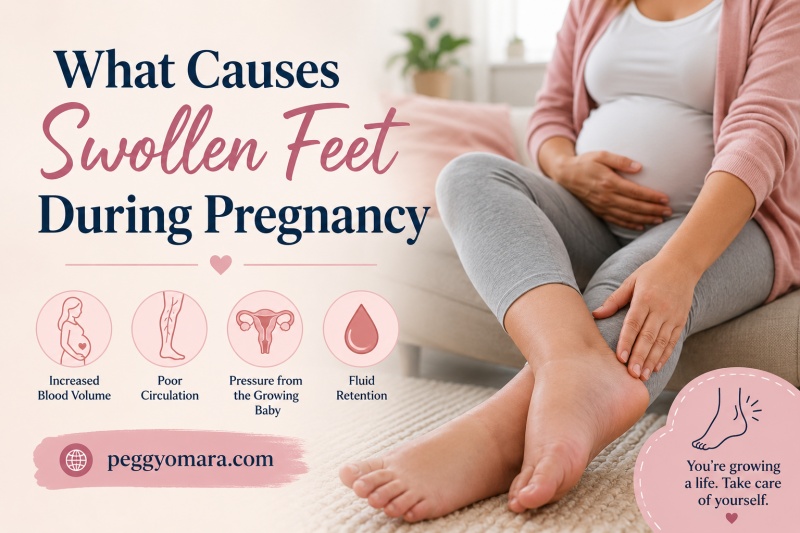
If you are pregnant and noticing your shoes feel tighter, your ankles look puffy, or your feet seem to disappear into your legs by evening, you are not alone. Swollen feet during pregnancy, medically called edema, affects the vast majority of expectant mothers at some point in their journey. What causes swollen feet during pregnancy is actually a combination of completely normal physiological changes your body makes to support your growing baby.
I remember when I was pregnant with my second child and woke up one morning unable to fit into my favorite boots. The swelling had appeared almost overnight around week 30. Like many women, I worried something was wrong until my doctor explained these changes are typical and usually harmless. Understanding why swelling happens, when it is normal, and how to find relief can make the third trimester far more comfortable.
This guide covers the medical reasons behind pregnancy foot swelling, trimester-by-trimester expectations, practical remedies that actually work, and the warning signs that require immediate medical attention. By the end, you will know exactly what your body is doing, how to manage discomfort, and when to call your doctor.
Table of Contents
What Causes Swollen Feet During Pregnancy
The swelling you notice in your feet and ankles results from multiple interconnected factors. Your body is performing an incredible feat of biological engineering to grow a human being. These changes, while uncomfortable, serve important purposes for your baby’s development.
Increased Blood Volume and Fluid Retention
During pregnancy, your blood volume increases by approximately 40 to 50 percent to support your growing baby and prepare for delivery. This extra blood carries oxygen and nutrients to your placenta. Along with increased blood, your body retains more water than usual.
That extra fluid has to go somewhere. Throughout the day, gravity pulls this fluid downward. By evening, you may notice your feet look and feel significantly more swollen than they did when you woke up. This daily pattern is one of the most common characteristics of normal pregnancy edema.
The fluid retention serves an important purpose. Your body is stockpiling fluids to soften your body tissues. This softening allows your pelvic joints to expand during delivery, creating more room for your baby to pass through the birth canal. Some hormonal fluid retention patterns begin early in pregnancy and continue throughout the nine months.
Pressure from Your Growing Uterus
As your baby grows, your uterus expands upward and outward. By the third trimester, this expanding uterus weighs several pounds and rests directly on the large vein called the inferior vena cava. This major blood vessel carries blood from your lower body back to your heart.
When the uterus compresses this vein, it slows the return of blood from your legs and feet. Blood pools in your lower extremities, increasing pressure in the tiny blood vessels called capillaries. Fluid from these capillaries leaks into the surrounding tissues, causing visible swelling.
The effect becomes more pronounced as pregnancy progresses. By week 28, many women notice their ankles disappear entirely by day’s end. Sleeping on your left side can help relieve this pressure, which we will discuss in the remedies section.
Hormonal Changes and Relaxin
Your body produces a hormone called relaxin during pregnancy. This hormone loosens the ligaments in your pelvis to prepare for childbirth. However, relaxin affects more than just your pelvic joints.
Relaxin also causes blood vessels to dilate and become more permeable. This means fluid can more easily move from your bloodstream into surrounding tissues. While this serves the important purpose of preparing your body for delivery, it contributes significantly to swelling in your feet, ankles, and hands.
Progesterone, another pregnancy hormone, contributes to fluid retention as well. The combination of relaxin and progesterone creates perfect conditions for edema to develop. These hormonal effects start in the first trimester but become most noticeable in the third trimester when hormone levels peak.
Gravity and Circulation Slowdown
Gravity plays a constant role in pregnancy swelling. When you stand or sit for extended periods, gravity pulls fluid downward into your feet and ankles. The longer you remain upright, the more pronounced this effect becomes.
Your circulation naturally slows during pregnancy. The combination of increased blood volume and relaxed blood vessel walls means blood moves more slowly through your system. Slower circulation gives fluid more time to pool in your lower extremities.
Many women notice their swelling is worst at the end of the day and improves overnight. This pattern occurs because lying down allows gravity to help redistribute fluid throughout your body rather than pooling in your feet. Elevating your legs helps counteract gravity’s effects.
Swelling by Trimester: When to Expect It
Not all pregnant women experience swelling at the same time or with the same intensity. Understanding the trimester-specific patterns can help you know what to expect and when.
First Trimester Swelling
Swollen feet during the first trimester are less common but not unheard of. If you notice swelling this early, it is typically mild and related to hormonal changes rather than the physical pressure of a growing uterus.
Your body begins producing relaxin almost immediately after conception. Some women notice their rings feel tighter or their shoes fit more snugly even before they miss a period. This early swelling is usually minimal and may come and go.
If you experience significant swelling in the first trimester, mention it to your healthcare provider. While usually harmless, early swelling combined with other symptoms like headaches or vision changes warrants evaluation.
Second Trimester Swelling
The second trimester, particularly weeks 20 through 28, marks when many women first notice noticeable swelling. Your blood volume increases significantly during this period. By week 24, your body has produced approximately 40 percent more blood than before pregnancy.
Your uterus is growing rapidly during the second trimester. By week 20, it reaches your belly button. This upward growth begins putting pressure on your pelvic veins, though the full weight of the uterus has not yet settled on the inferior vena cava.
If you work on your feet or sit at a desk all day, you may notice swelling appears gradually over the course of the afternoon. Taking breaks to walk or elevate your feet can help manage swelling at this stage.
Third Trimester Swelling
The third trimester is when swollen feet during pregnancy become nearly universal. By week 28, your uterus has grown large enough to significantly compress the inferior vena cava when you lie on your back or stand for extended periods.
At 35 weeks pregnant, your blood volume reaches its peak at approximately 50 percent above pre-pregnancy levels. The combination of maximum blood volume, peak hormone levels, and maximum uterine size creates perfect conditions for edema.
Many women find their swelling is most severe in the final two weeks of pregnancy. The summer heat can make third trimester swelling worse, as heat causes blood vessels to dilate further. Staying cool and hydrated becomes especially important during this time.
When Is Swelling Normal vs. Concerning
Distinguishing between normal pregnancy swelling and warning signs of complications is crucial for every expectant mother. The vast majority of swelling is completely harmless, but certain patterns require immediate medical attention.
Characteristics of Normal Pregnancy Swelling
Normal swelling typically appears gradually, especially in the third trimester. It affects both feet and ankles symmetrically. You may notice it worsens throughout the day and improves after a night of sleep with your legs elevated.
Pressing your finger into the swollen area may leave a temporary indentation called pitting. This is common and usually not concerning if it occurs in both feet equally. Normal swelling does not cause pain, redness, or warmth in the affected areas.
Many women also notice mild swelling in their fingers and face, particularly in the morning. While facial swelling sometimes raises concerns about preeclampsia, mild morning facial puffiness that resolves during the day is typically normal.
Warning Signs That Require Immediate Attention
Sudden swelling that appears overnight or within hours is a red flag. If your face, hands, and feet all swell dramatically at once, contact your healthcare provider immediately. This pattern can indicate preeclampsia, a serious pregnancy complication.
Swelling in only one leg, particularly if accompanied by pain, warmth, or redness, may indicate a blood clot called deep vein thrombosis. This requires emergency medical evaluation. Never ignore one-sided swelling, even if it seems minor.
Swelling combined with severe headaches, vision changes, upper abdominal pain, or nausea in the third trimester warrants immediate evaluation. These symptoms together suggest preeclampsia, which can become life-threatening without treatment.
How to Reduce Swollen Feet During Pregnancy
While you cannot completely prevent pregnancy swelling, several effective strategies can reduce discomfort and keep swelling manageable. These remedies target the root causes by improving circulation, counteracting gravity, and reducing fluid retention.
Elevate Your Legs Above Heart Level
Raising your legs above your heart level is one of the most effective ways to reduce swelling. This position uses gravity to help fluid drain from your feet and ankles back into circulation. Aim to elevate your legs for 15 to 20 minutes, two to three times daily.
Lie on your left side with your legs propped on pillows. Left-side sleeping relieves pressure on the inferior vena cava, improving blood flow from your lower body back to your heart. Many women find this position comfortable for naps or evening relaxation.
If you work at a desk, try placing a small stool or box under your feet to keep them elevated while sitting. Even a slight elevation helps prevent fluid from pooling throughout the workday. Take breaks every hour to walk briefly and promote circulation.
Wear Compression Socks or Stockings
Compression socks provide gentle pressure that helps push fluid upward from your feet and ankles. They are particularly effective if you spend long periods standing or sitting. Look for compression socks rated 15 to 20 mmHg, which is the optimal pressure level for pregnancy.
Put compression socks on first thing in the morning before swelling has a chance to develop. Once your feet are already swollen, getting compression socks on becomes difficult. Many pregnant women find knee-high compression socks easier to manage than thigh-high versions.
While compression socks do not eliminate swelling entirely, most women report significant improvement in comfort. The socks also help prevent varicose veins, which commonly develop during pregnancy alongside swelling.
Stay Cool and Try Water Therapy
Heat worsens swelling by causing blood vessels to dilate. Stay cool during summer months by seeking air conditioning, wearing loose clothing, and avoiding prolonged sun exposure. Even a few degrees of temperature reduction can make a noticeable difference.
Cold water foot baths provide immediate temporary relief. Fill a basin with cool water and soak your feet for 10 to 15 minutes. The cold temperature constricts blood vessels and reduces swelling. For enhanced effect, try contrast therapy by alternating between cool and lukewarm water.
Swimming is an excellent activity for pregnant women with swollen feet. The water pressure helps offset blood vessel dilation while the cool temperature reduces inflammation. Many women notice their swelling improves significantly after just 20 minutes in the pool.
Foot Exercises to Improve Circulation
Simple exercises can stimulate blood flow in your legs and feet, reducing fluid buildup. These exercises take just a few minutes and can be done anywhere, even while sitting at your desk or watching television.
Point and flex your feet 30 times, holding each position for a few seconds. This motion contracts your calf muscles, which act as pumps to push blood upward from your lower legs. Next, rotate your ankles in circles, completing 8 rotations in each direction.
Calf raises also help improve circulation. Stand with your feet flat, then rise onto your toes and lower back down. Complete 10 to 15 repetitions several times throughout the day. If you experience leg cramps, modify the exercise to avoid triggering them.
Lifestyle Adjustments
Sleeping on your left side takes pressure off the inferior vena cava, improving nighttime circulation. Place a pillow between your knees and another under your belly for support. If you wake up on your back, simply roll to your left side again.
Reducing sodium intake can help minimize fluid retention. Avoid heavily processed foods, which often contain hidden sodium. Aim for less than 2,300 milligrams of sodium daily. Paradoxically, staying well-hydrated also helps reduce swelling by supporting healthy kidney function.
Wear supportive, comfortable shoes that accommodate your swollen feet. Many women need to buy shoes one half to one full size larger during pregnancy. Avoid tight socks or stockings that constrict circulation. Choose shoes with good arch support to prevent additional foot discomfort.
Warning Signs: When to Call Your Doctor Immediately
While most pregnancy swelling is harmless, certain symptoms require prompt medical evaluation. Knowing these warning signs could protect your health and your baby’s wellbeing.
Preeclampsia Warning Signs
Preeclampsia is a serious pregnancy complication characterized by high blood pressure and organ damage. It typically develops after week 20 and can progress rapidly without warning. Swelling alone does not indicate preeclampsia, but swelling combined with other symptoms does.
Call your doctor immediately if you experience sudden severe swelling in your face, hands, and feet simultaneously. Seek emergency care if swelling accompanies severe headaches that do not respond to medication, vision changes including spots or flashes, upper abdominal pain, nausea and vomiting, or shortness of breath.
Your doctor can check your blood pressure and test your urine for protein, both indicators of preeclampsia. Early detection and management can prevent serious complications for you and your baby.
Deep Vein Thrombosis Symptoms
Deep vein thrombosis, or DVT, is a blood clot that forms in a deep vein, usually in the leg. Pregnancy increases your risk of blood clots due to changes in blood clotting factors. DVT requires emergency treatment because clots can break loose and travel to your lungs.
Seek immediate medical attention if you notice swelling in only one leg, particularly your left leg. Other DVT warning signs include pain or tenderness in the calf or thigh, warmth in the swollen area, and redness or discoloration of the skin.
Do not massage a swollen, painful leg, as this could dislodge a clot. Contact your healthcare provider or go to the emergency room. An ultrasound can confirm or rule out DVT quickly.
Other Red Flags
Contact your doctor if your swelling is severe and accompanied by decreased urination, which could indicate kidney problems. Sudden weight gain of more than two pounds in a week, especially when combined with swelling, requires evaluation.
Trust your instincts. If something feels wrong, call your healthcare provider. It is always better to be evaluated and reassured than to ignore potential warning signs.
Frequently Asked Questions
How do I reduce swelling in my feet during pregnancy?
Elevate your legs above heart level for 15 to 20 minutes several times daily. Wear 15 to 20 mmHg compression socks. Stay cool and try cold water foot baths. Do foot exercises like pointing and flexing 30 times. Sleep on your left side. Reduce sodium intake and stay hydrated. Take breaks from standing or sitting to walk and improve circulation.
When should I be concerned about feet swelling in pregnancy?
Contact your doctor immediately for sudden severe swelling in your face, hands, and feet together. Seek emergency care for one-sided leg swelling with pain, warmth, or redness. Call your provider if swelling accompanies severe headaches, vision changes, upper abdominal pain, or shortness of breath. These symptoms could indicate preeclampsia or blood clots.
Do swollen feet mean labor is near?
Swollen feet do not necessarily mean labor is approaching. While some women notice increased swelling in the final weeks before delivery, swelling is not a reliable sign that labor will start soon. However, sudden severe swelling combined with other symptoms like headaches or vision changes requires medical evaluation regardless of your due date.
Is it preeclampsia or swollen feet?
Normal pregnancy swelling affects both feet symmetrically, worsens gradually, and improves with rest and elevation. Preeclampsia swelling appears suddenly, affects the face and hands as well as feet, and does not improve with rest. Preeclampsia also causes high blood pressure, protein in urine, headaches, and vision changes. Only a medical evaluation can confirm the difference.
How swollen is too swollen for feet when pregnant?
Too swollen means swelling that appears suddenly and severely, affects your face and hands along with your feet, occurs in only one leg, or is accompanied by pain, redness, or warmth. Normal swelling that gradually worsens throughout the day and improves overnight is typically not concerning, even if your feet look quite puffy.
Should I call my OB if my feet are swollen?
Call your OB for sudden or severe swelling, one-sided swelling, or swelling combined with headaches, vision changes, abdominal pain, or shortness of breath. For gradual, symmetric swelling that improves with rest, mention it at your next routine appointment but it usually does not require an urgent call.
What trimester is foot swelling most common?
Foot swelling is most common in the third trimester, particularly from week 28 onward. Some women notice mild swelling in the second trimester starting around week 20. First trimester swelling is less common but can occur due to hormonal changes. Swelling typically peaks between weeks 35 and 40.
Does swelling go away immediately after birth?
Swelling does not disappear immediately after delivery. Most women notice gradual improvement over the first week postpartum as their body eliminates excess fluid through increased urination and sweating. By two weeks after birth, most swelling has resolved. However, some women experience swelling for several weeks, especially if they received IV fluids during labor.
Can I prevent swelling entirely during pregnancy?
You cannot completely prevent pregnancy swelling because it results from necessary physiological changes. However, you can minimize swelling by staying active, elevating your legs, wearing compression socks, staying cool, reducing sodium, and sleeping on your left side. Some women experience minimal swelling despite doing everything right.
Is swelling worse in summer heat?
Yes, heat worsens pregnancy swelling. Warm temperatures cause blood vessels to dilate, allowing more fluid to pool in your extremities. Many pregnant women notice their swelling increases significantly during hot weather. Staying in air conditioning, wearing loose clothing, and avoiding prolonged sun exposure can help manage heat-related swelling.
Conclusion: Understanding What Causes Swollen Feet During Pregnancy
Swollen feet during pregnancy result from a perfect storm of physiological changes: increased blood volume, hormonal shifts, uterine pressure on veins, and gravity’s constant pull. While uncomfortable, this swelling indicates your body is doing exactly what it needs to support your growing baby.
Most pregnancy swelling is completely normal and harmless. The key is knowing the difference between typical edema and warning signs of complications. Gradual, symmetric swelling that worsens during the day and improves overnight requires no emergency action. Sudden severe swelling, one-sided swelling, or swelling accompanied by headaches and vision changes demands immediate medical attention.
Simple remedies like leg elevation, compression socks, cool water soaks, and foot exercises can significantly reduce discomfort. The swelling will resolve after delivery, though not immediately. Be patient with your body as it transitions back to its pre-pregnancy state.
If you have concerns about your swelling at any point, contact your healthcare provider. Trust your instincts and never hesitate to ask questions. Your comfort and safety matter throughout this incredible journey of growing new life.