
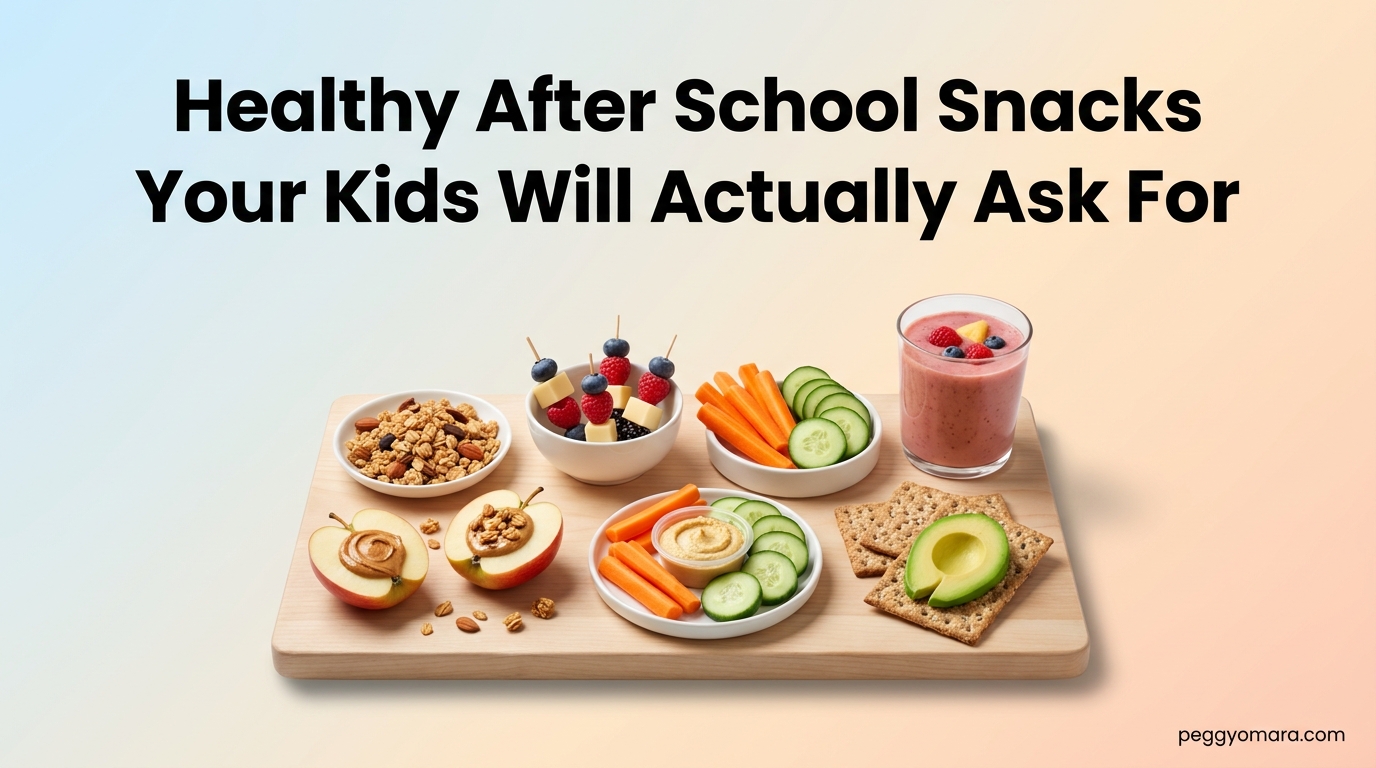
Your child bursts through the door at 3:30 PM, backpack half-zipped, shoes flying off mid-stride, and delivers the daily proclamation: “I’m STARVING.” Sound familiar? After school, kids aren’t just hungry—they’re running on empty after six hours of learning, socializing, and growing. That after-school snack isn’t just about filling bellies. It’s about refueling their bodies, stabilizing their moods, and bridging the long gap between lunch and dinner.
I’ve spent years figuring out what actually works for real families. Not Pinterest-perfect snacks that take an hour to assemble. Not kale chips that get thrown in the trash. I’m talking about healthy after school snacks your kids will actually ask for—the kind they request by name, devour without complaint, and don’t spoil their dinner appetite.
In this guide, you’ll find over 20 kid-requested snack ideas organized by what your child actually craves. Sweet options that satisfy without sugar crashes. Savory choices that keep them full until dinner. Grab-and-go solutions for your busiest days. And make-ahead options for parents who want to prep ahead on Sunday afternoons.
Table of Contents
Why After-School Snacks Matter (Beyond Just Hunger)
That afternoon hunger isn’t just whining—it’s legitimate biological need. Most school lunches happen between 11:00 AM and 12:30 PM. Dinner might not be until 6:00 PM or later. That’s a 5-7 hour stretch during the most active part of your child’s day.
Kids burn through energy faster than adults. Their brains are developing, their bodies are growing, and they’ve just spent hours concentrating in a classroom environment. By the time they get home, their blood sugar has dipped, their energy has crashed, and their mood often follows.
The right after school snack does more than fill the gap. It provides the nutrients their brains need for homework. It stabilizes their blood sugar to prevent the dreaded after-school meltdown. And it creates a ritual—a moment to decompress and transition from the structured school day back to the comfort of home.
From my experience with three kids and talking to hundreds of parents, the after-school snack moment is sacred. It’s when you hear about their day. It’s when they unwind. And when you have the right snacks ready, it’s when you feel like you’re actually winning at this parenting thing.
What Makes a Great After-School Snack?
The magic formula is simple: protein plus complex carbohydrates. Protein keeps them satisfied. Complex carbs provide quick energy without the crash. Together, they create a snack that fuels your child without spoiling their dinner appetite.
The Protein + Carb Formula
Think of it like building a mini-meal. The carbohydrate gives immediate energy. The protein extends that energy and keeps hunger at bay for 2-3 hours. This pairing prevents the blood sugar spike-and-crash cycle that leads to cranky kids and ruined dinner appetites.
Good protein sources for after-school snacks include Greek yogurt, cheese, hard-boiled eggs, nut butters, hummus, cottage cheese, and edamame. Excellent complex carbohydrate choices are whole grain crackers, fruit, vegetables, whole grain toast, oats, and brown rice cakes.
Here is a simple framework: pair any protein with any carb. Apple slices with peanut butter. Cheese with whole grain crackers. Hummus with veggie sticks. Greek yogurt with berries. Once you understand this formula, you can improvise with whatever you have in your kitchen.
Portion Sizes by Age
A preschooler needs a smaller snack than a teenager. Here are practical guidelines that work for most kids:
Ages 3-6: 100-150 calories, about the size of their fist. Think half an apple with a thin spread of nut butter, or a small yogurt tube.
Ages 7-10: 150-200 calories, enough to take the edge off without filling them up. One apple with 1-2 tablespoons of nut butter, or a cheese stick with a small handful of crackers.
Ages 11-14: 200-250 calories, as their growth accelerates. Two eggs with fruit, or a larger serving of hummus with plenty of veggie dippers.
Ages 15+: 250-300+ calories, as they hit peak growth and activity. Multiple components—a sandwich, a smoothie with protein, or a substantial bowl of Greek yogurt with granola and fruit.
20 Healthy Snacks Kids Actually Request
These aren’t theoretical ideas from a nutrition textbook. These are snacks my kids and their friends ask for by name. They’ve been tested on real, hungry children who have strong opinions about food. Each combines the protein-carb formula for sustained energy and satisfaction.
Sweet & Satisfying: Snacks That Feel Like Treats
Kids love sweet flavors. Instead of fighting it, work with it. These options satisfy sweet cravings while delivering real nutrition. They’re the snacks my kids request when they want something that feels like dessert.
1. Apple Nachos
Slice an apple into rings or wedges. Arrange on a plate. Drizzle with peanut butter or almond butter (warm it slightly for easier drizzling). Sprinkle with mini chocolate chips, shredded coconut, or granola. My kids call this “dessert lunch” and request it constantly.
2. Greek Yogurt Parfait Bar
Set out plain Greek yogurt and let kids build their own. Offer toppings like berries, honey, granola, chia seeds, and sliced banana. The autonomy of building it themselves makes this a frequent request. Greek yogurt delivers protein and probiotics; berries add antioxidants and fiber.
3. Frozen Yogurt Bark
Mix Greek yogurt with a drizzle of honey, spread thin on a parchment-lined baking sheet, and sprinkle with berries and mini chocolate chips. Freeze for 2 hours, then break into pieces. Store in the freezer for instant access. Kids love the crunchy, cold texture—it’s like eating ice cream.
4. Banana Sushi Rolls
Spread a whole wheat tortilla with nut butter. Place a whole banana at one end. Roll up tightly and slice into “sushi” rounds. Dip in a little honey or sprinkle with cinnamon. These are portable, satisfying, and feel fun to eat. My youngest asks for “banana sushi” specifically.
5. Berry Smoothie Bowl
Blend frozen berries, half a banana, and a splash of milk or juice to a thick consistency. Pour into a bowl and let kids add toppings: granola, sliced fruit, coconut flakes, chia seeds. The thick texture feels like ice cream, and the toppings make it interactive. Add a scoop of protein powder or Greek yogurt for extra staying power.
6. Date Energy Bites
Blend pitted dates, oats, nut butter, and a splash of honey in a food processor. Roll into balls and refrigerate. These taste like cookie dough but deliver fiber, protein, and natural sweetness. Kids love the pop-and-eat format. Make a batch on Sunday and enjoy all week.
Savory & Crunchy: Protein-Packed Options
Some kids gravitate toward savory flavors and textures that crunch. These options deliver the protein punch that really satisfies hunger. They’re the snacks that keep my kids full through homework time and into dinner.
7. Hummus and Veggie Dippers
Offer hummus with an array of dippers: carrot sticks, cucumber rounds, bell pepper strips, whole grain crackers, or pretzels. The combination of plant-based protein from chickpeas and fiber from vegetables creates lasting satisfaction. Let kids choose their dippers for buy-in.
8. Cheese and Whole Grain Crackers
Simple, classic, and consistently requested. Offer sliced cheese, cheese cubes, or Babybel rounds with whole grain crackers or seeded crackers. The protein-fat combo in cheese keeps kids full longer than carb-only snacks. My kids love assembling their own cracker sandwiches.
9. Hard-Boiled Eggs with Everything Seasoning
Keep a dozen hard-boiled eggs in the fridge at all times. They’re nature’s perfect protein package. My kids love them sliced in half and sprinkled with everything bagel seasoning. The seasoning adds flavor without effort, and eggs deliver complete protein plus healthy fats.
10. Edamame in Pods
Steam frozen edamame and sprinkle with sea salt. Kids love popping the beans out of the pods—it turns snacking into an activity. Edamame delivers complete plant protein, fiber, and satisfying texture. Buy pre-shelled for days when you need zero effort.
11. Turkey and Cheese Roll-Ups
Roll sliced turkey around cheese sticks or cream cheese. Slice into pinwheels or leave as logs. These feel substantial and deliver serious protein. Use a toothpick for fun factor. My kids call these “turkey sushi” and request them for after-school snacks regularly.
12. Avocado Toast Bites
Cut whole grain bread into quarters. Top each with mashed avocado and a sprinkle of everything seasoning or a thin slice of cheese. The healthy fats in avocado satisfy hunger while the whole grains provide energy. Mini size makes these feel snack-appropriate rather than meal-like.
Grab-and-Go Champions: No Prep Required
Some days, you have zero minutes to spare. These are the snacks your kids can grab themselves, no assembly required. They’re the lifesavers for working parents and the key to building your child’s independence around food.
13. Trail Mix Station
Create a trail mix bar with nuts, seeds, dried fruit, pretzels, cereal, and a few chocolate chips or yogurt-covered raisins. Let kids mix their own combinations and store in small containers. Having control over their mix makes this a frequent request. The combination of nuts, fruit, and carbs delivers balanced energy.
14. String Cheese and Fruit
The ultimate grab-and-go combo. A string cheese paired with an apple, banana, or handful of grapes. Zero prep, zero mess, and kids can grab it independently from the fridge. The protein-fat combo in cheese plus fiber from fruit hits all the nutrition marks.
15. Whole Grain Muffins (Batch Made)
Make a batch of banana oatmeal muffins, pumpkin muffins, or blueberry whole wheat muffins on the weekend. Store in the freezer and thaw as needed. These deliver whole grains and fruit in a format kids recognize as a treat. Add protein powder or ground flaxseed to the batter for extra staying power.
16. Nut Butter Pouches with Pretzels
Individual nut butter pouches (peanut, almond, or sunflower seed butter) paired with pretzel sticks for dipping. Kids love the interactive dipping element, and pouches make portion control easy. Shelf-stable pouches can even live in the car for on-the-go snacking.
17. Roasted Chickpeas
Drain and rinse canned chickpeas. Toss with olive oil and seasonings (sea salt, garlic powder, cinnamon, or ranch seasoning). Roast at 400°F for 20-30 minutes until crunchy. Store in an airtight container. Kids love the crunch factor, and chickpeas deliver protein and fiber that keeps them full.
Make-Ahead Winners: Batch Prep for Busy Weeks
These snacks reward a little weekend prep with effortless weekdays. Spend an hour on Sunday, and you’ll have grab-and-go options all week. They’re the secret weapon of organized parents everywhere.
18. Energy Balls (No-Bake)
Mix oats, nut butter, honey, mini chocolate chips, and ground flaxseed. Roll into balls and refrigerate. Takes 10 minutes, makes 20+ snacks. These taste like cookie dough and deliver protein, fiber, and healthy fats. Kids love them frozen too—they taste like candy but fuel like a meal.
19. Overnight Oats in Jars
Fill small mason jars with oats, milk, yogurt, chia seeds, and fruit. Let sit overnight in the fridge. In the morning, you have ready-to-eat oat cups that work for breakfast or afternoon snack. The combination of complex carbs, protein, and fiber provides sustained energy.
20. Homemade Granola Bars
Mix oats, nut butter, honey, dried fruit, and seeds. Press into a pan and refrigerate until firm, then cut into bars. These beat store-bought versions on taste and nutrition. Wrap individually for grab-and-go convenience. My kids prefer these to any brand from the store.
21. Veggie Muffins (Hidden Nutrition)
Make carrot, zucchini, or spinach muffins with whole wheat flour. The vegetables add moisture and nutrients without overwhelming flavor. These feel like treats but deliver vegetables, whole grains, and fiber. Freeze and thaw as needed. Even picky eaters devour these when they look like cupcakes.
22. Chia Pudding Cups
Mix chia seeds with milk and a touch of honey or maple syrup. Let gel overnight. Top with fruit before serving. The texture is novel—like tapioca pudding—and kids love the novelty. Chia seeds deliver omega-3s, protein, and fiber. Make a batch in jars on Sunday for the week ahead.
After-School Snacks for Preteens and Teens
Preteens and teens are a different species when it comes to snacking. Their growth surges, their activity increases, and their appetites become legendary. That half-banana that satisfied your 7-year-old won’t touch the sides of your 13-year-old.
The key with this age group is volume and protein. They need more calories, more protein for muscle development, and more staying power to get them through sports, homework, and their endless social schedules.
Here are the snacks that actually fill up hungry teens:
Bean and Cheese Burritos
Keep tortillas, canned refried beans, and shredded cheese on hand. Microwave for 30 seconds, add salsa. Beans deliver protein and fiber; cheese adds calcium and fat. This is budget-friendly and genuinely filling. My teen sons make these themselves—zero parent effort required.
Loaded Nachos
Whole grain tortilla chips topped with beans, cheese, and salsa. Microwave until melty. Add Greek yogurt as a sour cream substitute. This feels indulgent but delivers protein, fiber, and complex carbs. It’s the kind of snack teens actually get excited about.
Smoothie with Protein
Blend milk, banana, frozen berries, peanut butter, and a scoop of protein powder or Greek yogurt. This delivers 20+ grams of protein in a drinkable format. Teens love the convenience of drinking their snack while gaming or doing homework.
Quesadillas with Black Beans
Whole wheat tortillas with cheese and mashed black beans, pan-fried or microwaved. Slice into wedges and serve with salsa or Greek yogurt. This bridges the gap between snack and mini-meal in a format teens recognize and enjoy.
Pita Pizzas
Whole wheat pita topped with tomato sauce, cheese, and toppings of choice. Bake or toast until crispy. Kids can customize their own. The combination of whole grain, protein from cheese, and vegetables delivers real nutrition in a fun format.
Loaded Toast Variations
Whole grain toast with substantial toppings: avocado and egg, peanut butter and banana, hummus and vegetables, or cream cheese and smoked salmon. Two slices of loaded toast can genuinely substitute for a light meal.
Quick Tips for Busy Parents
Even with a great list of snack ideas, execution matters. Here are the strategies that make after-school snacking actually work in real homes with real time constraints.
Create a Snack Station
Designate a low shelf in the pantry and fridge for approved snacks. Kids can help themselves without asking, which builds independence and reduces your mental load. Stock it with pre-approved options from this list.
Prep on Sundays
Spend 30-60 minutes on Sunday prepping snacks for the week. Hard-boil a dozen eggs. Wash and cut vegetables. Make one batch of muffins or energy balls. Portion trail mix into small containers. Your future self will thank you every afternoon this week.
Keep Emergency Stash
Life happens. Keep shelf-stable backups: applesauce pouches, single-serve hummus, whole grain crackers, nut butter packets, and dried fruit. These save you on days when the fridge is empty and you’re running on fumes.
Use the Freezer
Your freezer is your meal prep ally. Frozen muffins, energy balls, smoothie packs, and homemade popsicles make afternoon snacks effortless. Thaw what you need, keep the rest frozen for later.
Rotate to Prevent Boredom
Kids get tired of the same snacks. Keep a rotation of 5-6 options they love, and cycle through them. Novelty prevents rejection. When they start refusing a former favorite, take a break and reintroduce it later.
Prep Smoothie Bags
Portion frozen fruit, spinach, and flaxseed into freezer bags. In the afternoon, dump into the blender with milk and yogurt. Takes 2 minutes, delivers a nutrient-dense snack that feels like a treat.
Set Expectations
Communicate clearly about snack timing. “One snack after school, then we’re done until dinner.” This prevents the endless grazing that ruins meal appetites. Put out a reasonable portion, then put the food away.
Frequently Asked Questions
What are 10 healthy snacks for kids?
Here are 10 healthy snacks kids actually love: 1) Apple slices with peanut butter, 2) Greek yogurt with berries and honey, 3) Hummus with carrot sticks, 4) Cheese and whole grain crackers, 5) Homemade energy balls, 6) Banana with almond butter, 7) Hard-boiled eggs with fruit, 8) Trail mix with nuts and dried fruit, 9) Berry smoothie, 10) Whole grain muffins. Each combines protein and complex carbs for sustained energy and satisfaction.
What is the healthiest after-school snack?
The healthiest after-school snacks combine protein and complex carbohydrates. Top options include Greek yogurt with berries, apple slices with nut butter, hummus with vegetable sticks, or cheese with whole grain crackers. These pairings provide sustained energy, keep kids satisfied for 2-3 hours, and deliver essential nutrients without spoiling dinner appetite.
How do I keep my child from filling up on snacks?
Serve appropriate portions based on your child’s age: 100-150 calories for ages 3-6, 150-200 for ages 7-10, and 200-250 for ages 11-14. Set clear boundaries by offering one substantial snack after school, then putting food away until dinner. Avoid grazing by having structured snack times. Choose protein-rich options that satisfy without excessive volume.
What are good portable snacks for after-school activities?
For on-the-go snacking, try shelf-stable options like trail mix, whole grain crackers with cheese, nut butter pouches with pretzels, dried fruit with nuts, or homemade muffins. Pack refrigerated items in an insulated bag: hard-boiled eggs, cheese sticks, yogurt tubes, or hummus with veggies. DIY yogurt tubes frozen solid will thaw by snack time while keeping other items cool.
How do I handle a picky eater who rejects healthy options?
Start with what they already like and build from there. If they love crackers, try different whole grain versions. If they eat peanut butter, introduce almond butter. Let them help prepare snacks—autonomy increases buy-in. Offer choices between two healthy options rather than asking open-ended questions. Hide vegetables in muffins or smoothies. Be patient—exposure works, but it takes time.
Making After-School Snacks Work for Your Family
You now have over 20 healthy after school snacks your kids will actually ask for. These aren’t complicated recipes requiring rare ingredients or hours of preparation. They’re real-world solutions from real parents who understand that 3:30 PM is not the time for culinary experiments.
The best snack is the one your child will eat. Start with two or three options from this list that appeal to your family’s tastes. Test them out. See what gets requested again. Build your rotation from there.
Remember the fundamentals: protein plus complex carbohydrates. Appropriate portions for your child’s age. A mix of options so no one gets bored. And a little prep on Sunday that pays dividends all week long.
After-school snacking isn’t just about food. It’s about that precious transition time when your child shifts from school mode to home mode. When you have the right snacks ready, you’re not just feeding their bodies. You’re creating space for them to decompress, share about their day, and refuel for the evening ahead.
Try one new snack from this list today. See how it goes. Adjust and iterate. You’ve got this.