
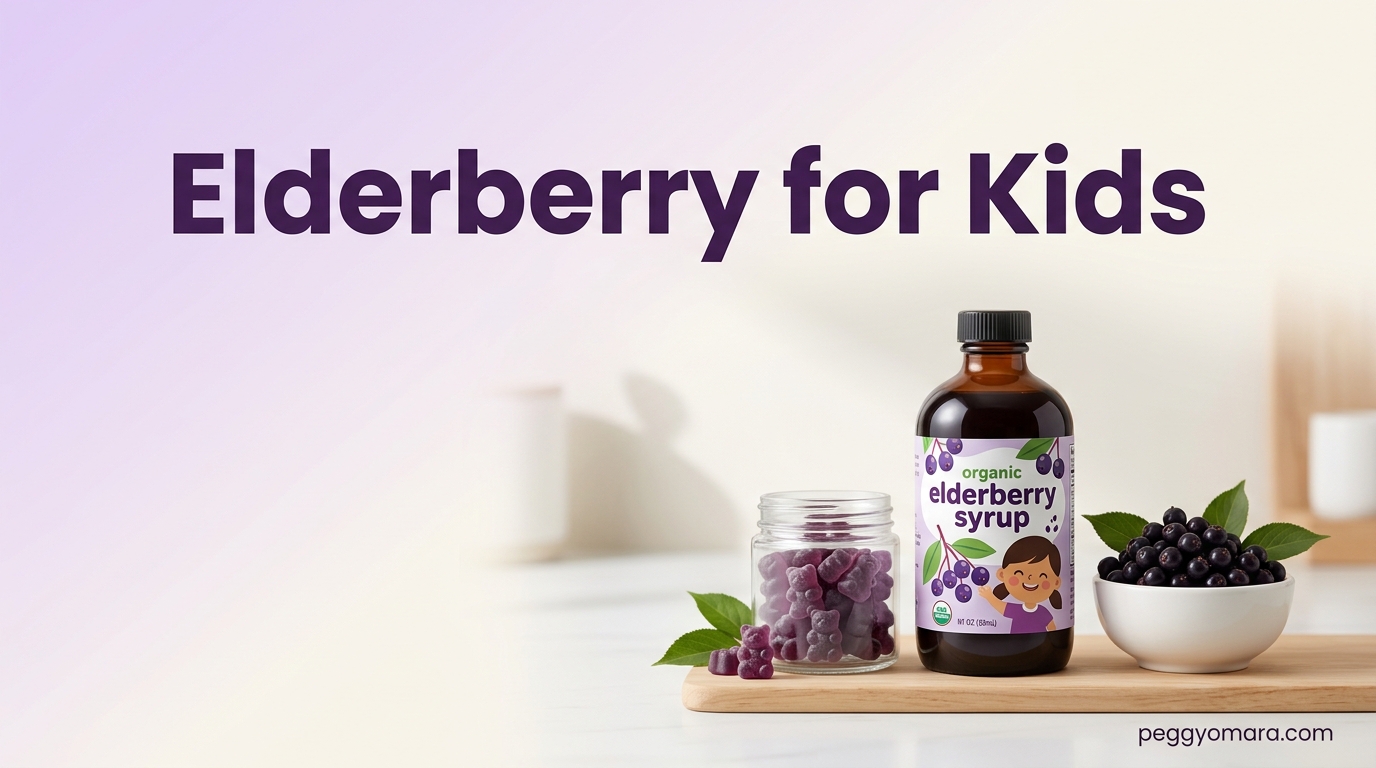
When your child comes home with the sniffles, you want solutions that actually work. Elderberry syrup and gummies have become incredibly popular among parents seeking natural immune support for their kids. But what does the science actually say about giving elderberry to children?
The short answer is sobering: there is limited research supporting elderberry’s effectiveness specifically in children, and most of the evidence we have comes from small studies conducted on adults. While elderberry contains compounds that show promise in laboratory settings, translating those findings to real-world benefits for kids requires more rigorous study.
This article examines the actual research behind elderberry for kids. I have reviewed the key studies, analyzed their limitations, and spoken with pediatric health experts to give you the complete picture you need to make an informed decision for your family.
Table of Contents
What Is Elderberry?
Elderberry comes from the Sambucus tree, specifically the dark purple berries of Sambucus nigra, commonly known as the European elder. The American elder (Sambucus canadensis) grows throughout North America and produces similar berries. These small fruits have been used in traditional medicine for thousands of years.
Hippocrates, the ancient Greek physician often called the father of medicine, reportedly referred to the elder tree as his “medicine chest” around 400 BC. This historical endorsement has contributed to elderberry’s enduring reputation as a healing plant. Traditional healers have used elderberry to treat colds, flu, and various respiratory ailments across countless cultures.
The berries contain several bioactive compounds that interest modern researchers. Flavonoids and anthocyanins give elderberries their deep purple color and act as antioxidants in the body. These compounds may help reduce inflammation and support immune function. However, raw elderberries also contain cyanogenic glycosides, which can release cyanide when metabolized. This is why proper preparation matters significantly.
What the Research Actually Says About Elderberry for Kids?
Parents deserve to know exactly what studies have been conducted and what they actually found. The scientific literature on elderberry is smaller than marketing claims might suggest, and the results are more nuanced than supplement advertisements imply.
The Landmark Studies Parents Should Know
Four major studies form the foundation of elderberry research. Understanding each one reveals both the promise and the limitations of the current evidence.
The first significant trial came in 1995 when Zakay-Rones and colleagues published a randomized, double-blind, placebo-controlled study involving 60 adults with influenza B (PMID: 8543501). Participants received either elderberry extract or a placebo four times daily for five days. The treatment group showed symptom improvement within 2 days, while the placebo group took 6 days. This study established elderberry’s potential but had a small sample size and focused on adults.
A follow-up study by the same research team in 2004 examined elderberry syrup for both influenza A and B (PMID: 15080016). This trial included 60 adults again and found that symptoms resolved 4 days earlier in the elderberry group compared to placebo. This is the study most frequently cited by supplement manufacturers, yet it still involved only adults and had a relatively small participant pool.
In 2019, Hawkins and colleagues conducted the first meta-analysis of randomized controlled trials on elderberry for upper respiratory symptoms (PMID: 30670267). Analyzing 180 participants across multiple studies, they found that elderberry supplementation substantially reduced upper respiratory symptoms. However, the researchers cautioned about industry funding bias in the underlying studies.
The most recent systematic review came from Wieland and colleagues in 2021, published in the Cochrane Database (PMID: 33624866). This review has been cited by over 93 subsequent papers and concluded that elderberry may be a safe option for treating viral respiratory illness. However, the authors noted insufficient evidence to recommend it for prevention and highlighted that the largest study at that time, which included both children and adults, showed no benefit on flu symptom duration or severity.
Why the Evidence Has Important Limitations
Several critical limitations prevent researchers from making strong recommendations about elderberry for kids. First, most studies have been conducted on adults, not children. Children’s immune systems function differently than adult immune systems, so results may not translate.
Sample sizes in elderberry studies remain small. The largest study showing positive effects included only 180 participants total. By comparison, major pharmaceutical trials often involve thousands of participants. Small studies can produce impressive-looking results that do not hold up under larger scrutiny.
Industry funding represents another concern. Several elderberry studies have been funded by manufacturers of elderberry products. While this does not automatically invalidate findings, it creates potential bias that independent research would address. Currently, large-scale, independent, pediatric-specific trials remain lacking.
The Cytokine Storm Concern
Some parents worry that elderberry could cause a “cytokine storm,” an excessive immune response that can damage tissues. This concern emerged early in the COVID-19 pandemic when people theorized that immune-boosting supplements might worsen inflammatory conditions.
The 2021 Wieland systematic review specifically examined this question and found no evidence that elderberry overstimulates the immune system. However, the authors noted that research remains limited and that children with autoimmune conditions should still exercise caution.
Safety Concerns Every Parent Should Know
Elderberry safety involves more than just whether it works. Understanding the risks helps you make informed decisions about your child’s health.
The Cyanide Risk in Raw Elderberries
Raw elderberries, along with the bark, leaves, and seeds of the elder tree, contain cyanogenic glycosides. These compounds can release cyanide when consumed. Eating uncooked berries can cause nausea, vomiting, diarrhea, and in severe cases, more serious toxicity.
Proper cooking destroys these compounds. Commercial elderberry products are made from cooked or processed berries. However, parents who make homemade preparations must ensure adequate heating. This is why healthcare providers strongly caution against DIY elderberry projects using raw berries.
FDA Regulation and Supplement Quality
The Food and Drug Administration regulates dietary supplements differently than medications. Supplement manufacturers do not need to prove safety or effectiveness before selling their products. This means quality can vary significantly between brands.
The FDA has issued warning letters to several elderberry companies for making unsubstantiated claims, particularly about COVID-19 prevention and treatment. These actions highlight the importance of choosing reputable brands if you decide to use elderberry products.
Reported Side Effects
Even properly prepared elderberry can cause side effects in some children. Commonly reported issues include digestive upset, nausea, and loose stools. These effects are usually mild and resolve when stopping the supplement.
Children with certain conditions should avoid elderberry entirely. This includes kids with autoimmune disorders, those taking immunosuppressive medications, and children with gastrointestinal disorders. Elderberry may also interact with diuretics and diabetes medications.
Elderberry for Kids by Age: What Parents Need to Know
Age matters when considering elderberry for children. Safety data and recommendations vary significantly by developmental stage.
Babies Under 1 Year
Healthcare providers do not recommend elderberry for infants under 12 months. Babies have immature digestive and immune systems that process substances differently than older children. No safety studies exist for this age group.
Infants also face risks from unpasteurized products and potential contaminants that might not affect adults. Until more research becomes available, parents should focus on breast milk or formula nutrition and consult pediatricians about any supplement use.
Toddlers Ages 1 to 3
The toddler years present particular challenges for elderberry use. Very limited research includes children in this age range. Most supplement dosing recommendations lack pediatric-specific trials for toddlers.
Some pediatricians may approve elderberry food products like properly prepared jams or cooked syrups for toddlers. However, concentrated supplements should be approached with caution. Always discuss any supplementation with your child’s doctor during this developmental stage.
Children Ages 4 to 6
By preschool age, some parents choose to introduce elderberry in food forms. Cooked elderberry products like syrups added to foods or homemade jams made from properly processed berries may offer a safer introduction than concentrated supplements.
If considering commercial supplements for this age group, look for products specifically formulated for children rather than adult doses repackaged for kids. The concentration matters significantly for smaller bodies.
Children Ages 7 and Older
Most elderberry research involving children includes kids in this age range, though studies remain limited. Older children metabolize substances more similarly to adults, which theoretically makes supplement use safer.
Even for older children, start with food forms when possible. Monitor for any digestive upset or allergic reactions. Oral allergy syndrome can occur in children sensitive to related plants, causing itching or swelling in the mouth.
Elderberry as Food vs. Elderberry as Supplement
Understanding the distinction between elderberry consumed as food versus elderberry taken as a medicinal supplement helps parents make appropriate choices.
Elderberry Foods
When elderberries are cooked into jams, pies, syrups, or other foods, they provide the nutritional benefits of the berry without the concentrated dosing of supplements. The cooking process destroys cyanogenic compounds, making these preparations safe for consumption.
Food forms deliver smaller amounts of the active compounds. This makes them less likely to cause side effects or interactions. For parents wanting to introduce elderberry to their children’s diet, food-based options represent the most conservative approach.
Commercial Supplements
Elderberry supplements come as gummies, syrups, capsules, and lozenges. These products concentrate the active compounds, potentially offering stronger effects but also carrying higher risks of side effects.
Quality varies enormously between brands. Look for products that have been third-party tested for purity and potency. Avoid products making specific health claims, as these violate FDA regulations for supplements.
Homemade Preparations
Some parents make elderberry syrup at home using dried berries. This requires careful attention to preparation methods. Dried berries must be properly heated before consumption. Never use raw elderberries in home preparations.
If you choose to make elderberry products at home, follow established recipes from reputable sources. When in doubt, commercial products from established manufacturers offer more consistent safety than homemade versions.
Evidence-Based Alternatives to Elderberry for Kids
Parents seeking natural ways to support their children’s immune systems have options with stronger research backing than elderberry currently offers.
Proven Immune Foundations
Sleep remains the single most important factor for children’s immune health. School-age children need 9 to 12 hours of sleep nightly, while teenagers require 8 to 10 hours. Consistent sleep schedules support immune function better than any supplement.
Nutrition plays an equally critical role. A diet rich in fruits, vegetables, whole grains, and adequate protein provides the vitamins and minerals immune cells need to function. Focus on food variety rather than specific superfoods.
Physical activity strengthens immune response. Children should get at least 60 minutes of moderate to vigorous activity daily. This does not need to be structured exercise; active play counts fully toward this goal.
Vitamin C and Zinc
Research supports vitamin C and zinc supplementation for reducing cold duration, though effects are modest. A 2013 Cochrane review found that vitamin C may slightly shorten colds in children. Zinc lozenges started within 24 hours of symptoms may reduce duration by about a day.
These supplements have more extensive safety data than elderberry. However, proper dosing matters. Too much zinc can cause nausea and interfere with copper absorption. Consult your pediatrician about appropriate amounts for your child’s age.
Symptom Relief That Works
For cold and flu symptoms, several approaches have solid evidence. Humidifiers add moisture to dry air, helping with congestion and cough. Saline nasal sprays or rinses safely clear nasal passages for children old enough to use them properly.
Honey provides effective cough relief for children over 1 year old. A 2012 study found honey outperformed a common cough suppressant for nighttime cough. Never give honey to infants under 12 months due to botulism risk.
When to See a Pediatrician
Contact your child’s doctor if symptoms persist longer than expected, if fever exceeds safe thresholds for your child’s age, or if your child has difficulty breathing. Trust your parental instincts. You know your child better than any article can.
Seek immediate care for signs of dehydration, unusual lethargy, or symptoms that worsen rather than improve over time. Early intervention prevents complications.
Frequently Asked Questions About Elderberry for Kids
Is there scientific evidence for elderberry?
Yes, but it is limited. Several small randomized controlled trials show elderberry may reduce the duration of influenza and cold symptoms in adults. The most cited study found symptoms resolved 4 days earlier with elderberry syrup. However, studies have small sample sizes, many were industry-funded, and few specifically studied children. A 2021 systematic review concluded elderberry may be safe for treating viral respiratory illness but noted insufficient evidence for prevention.
Why can’t kids take elderberry?
Children can consume properly cooked elderberry foods safely. However, concentrated supplements are not recommended for kids under certain ages due to limited safety data. Raw elderberries are unsafe for anyone because they contain cyanogenic glycosides that can cause cyanide poisoning. Babies under 1 year should not have elderberry supplements. Toddlers and young children have less research available than adults, so pediatricians typically recommend caution or avoidance of concentrated supplement forms.
What does elderberry do for a child?
Based on adult research, elderberry may help reduce the duration and severity of cold and flu symptoms. It contains compounds with antiviral and anti-inflammatory properties that theoretically support immune response. However, no studies specifically prove these benefits occur in children. Some parents report their children experience fewer sick days when taking elderberry during cold season, but these are anecdotal reports, not scientific evidence.
What did Hippocrates say about elderberry?
Hippocrates, the ancient Greek physician considered the father of medicine, reportedly called the elder tree his ‘medicine chest’ around 400 BC. This historical endorsement reflects thousands of years of traditional use for treating various ailments including colds, flu, and respiratory conditions. While this traditional wisdom has value, it predates modern scientific methods and should not replace evidence-based medical recommendations for children.
What happens if a child takes too much elderberry?
Taking too much elderberry supplement can cause digestive upset including nausea, vomiting, and diarrhea. These symptoms are usually mild and resolve when stopping the product. However, consuming raw or improperly prepared elderberries is more serious due to cyanogenic glycosides that can release cyanide. This can cause severe vomiting, dizziness, and requires immediate medical attention. If you suspect your child has consumed unsafe amounts of elderberry, contact poison control or seek emergency care.
How long does it take for elderberry to kick in?
Research suggests elderberry may begin reducing symptoms within 2 days when taken at the onset of illness. The 2004 Zakay-Rones study found participants taking elderberry showed symptom improvement within 48 hours, compared to 6 days for the placebo group. For prevention, there is insufficient evidence to confirm that elderberry prevents illness or how long preventive use would take to show any effect. Most parents who use elderberry give it throughout cold and flu season rather than expecting immediate results.
What are the side effects of elderberry gummies for kids?
Common side effects of elderberry gummies and other supplements include mild digestive upset such as nausea, stomach discomfort, or loose stools. Some children may experience allergic reactions including itching, rash, or swelling, particularly if they have allergies to related plants. Children with autoimmune conditions or those taking immunosuppressive medications should avoid elderberry products. Side effects are generally mild and resolve when stopping the supplement. If your child experiences significant or persistent side effects, discontinue use and consult your pediatrician.
Final Thoughts
Elderberry for kids exists in a gray area between promising traditional remedy and proven medical treatment. The research shows potential benefits for reducing cold and flu symptoms, but the evidence remains limited, especially for children. Small study sizes, industry funding, and a lack of pediatric-specific trials mean we simply do not know enough to make strong recommendations.
Safety concerns add another layer of complexity. Raw elderberries pose genuine toxicity risks, while supplement quality varies widely due to limited FDA regulation. Age-specific guidance remains unclear, with babies and toddlers having the least safety data available.
If you are considering elderberry for your child, start with a conversation with your pediatrician. They know your child’s medical history and can provide personalized guidance. For most families, focusing on sleep, nutrition, and proven preventive measures will provide more reliable immune support than any supplement currently available.